Decorative Animal Figurines

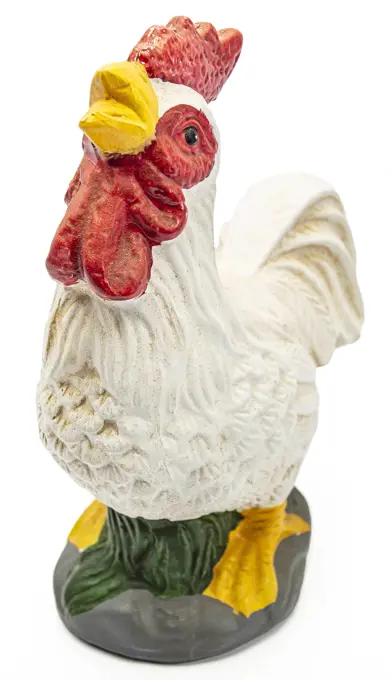
Artistic representations of animals in various media, including a wooden monkey, painted faience rooster, and porcelain turtles, reflecting cultural artistry and craftsmanship.
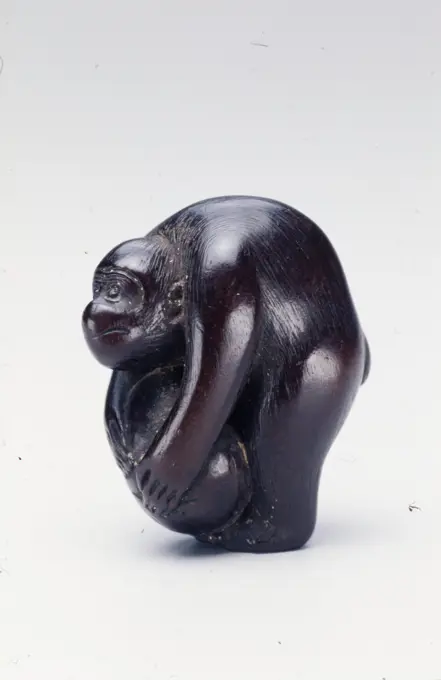
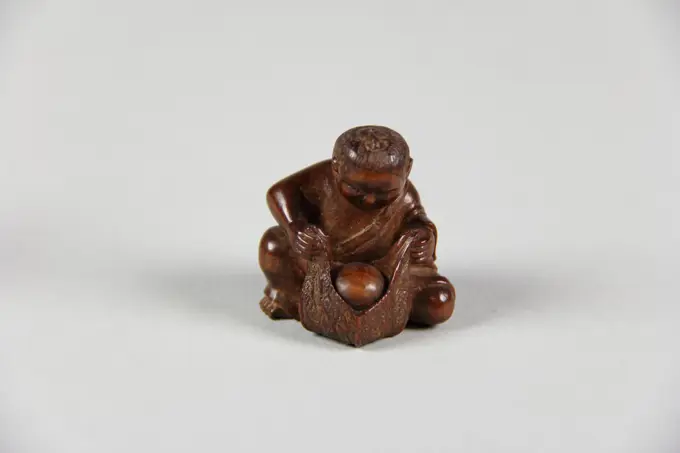
Netsuke macaque with chestnut, 19th century, Unknown Japanese, 1 3/4 x 1 5/8 x 7/8in. (4.4 x 4.1 x 2.2cm), Wood, Japan, 19th century
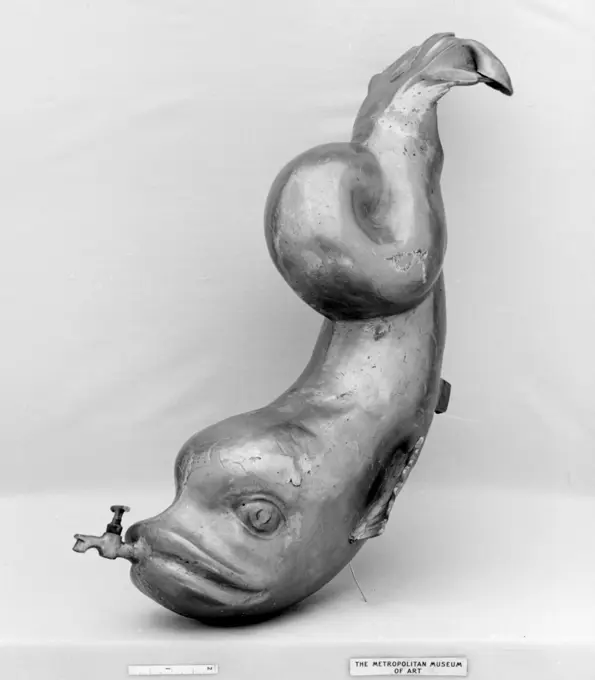
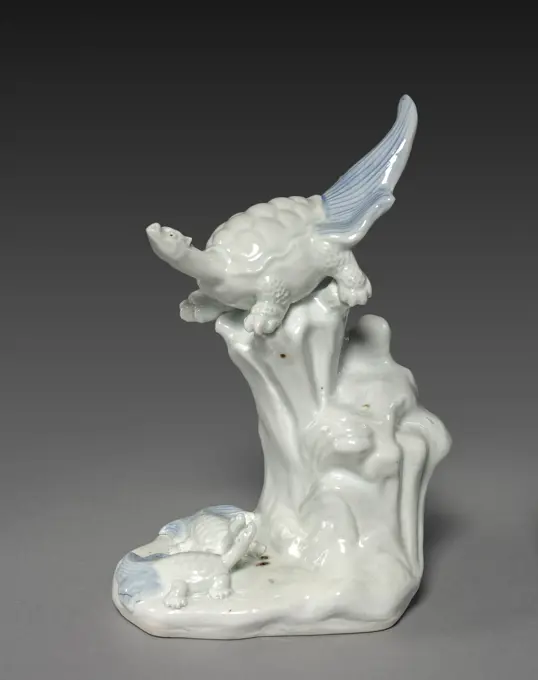
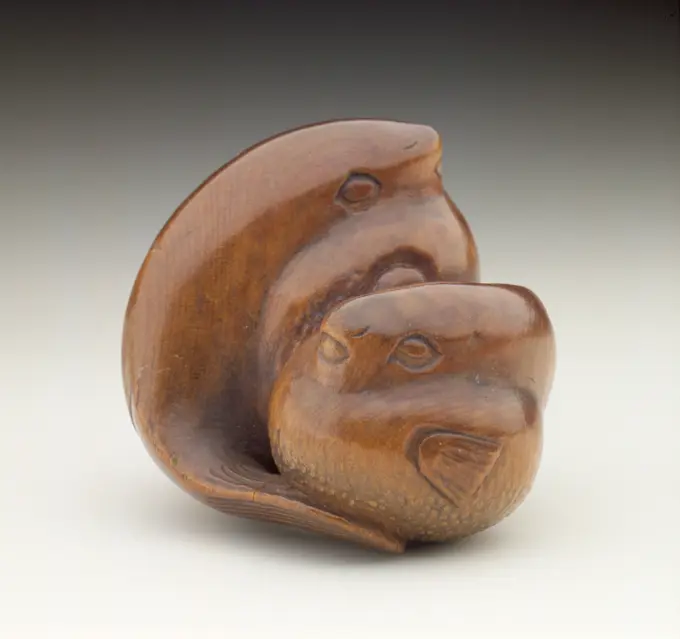
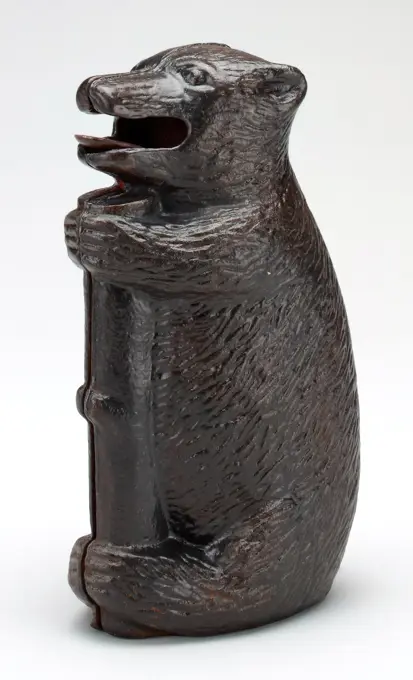
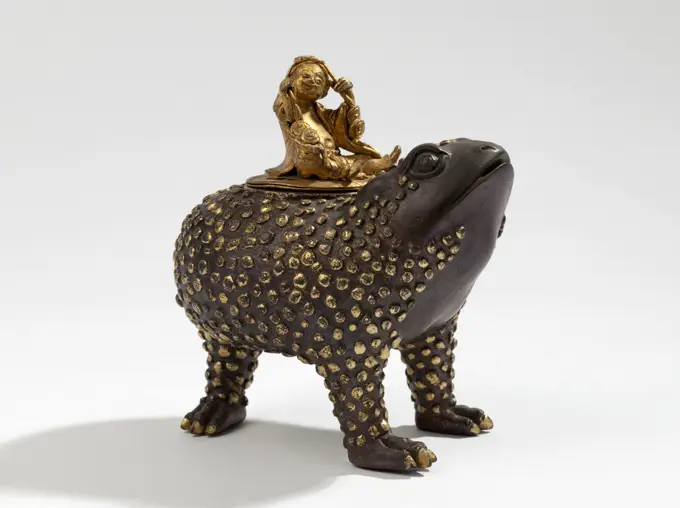
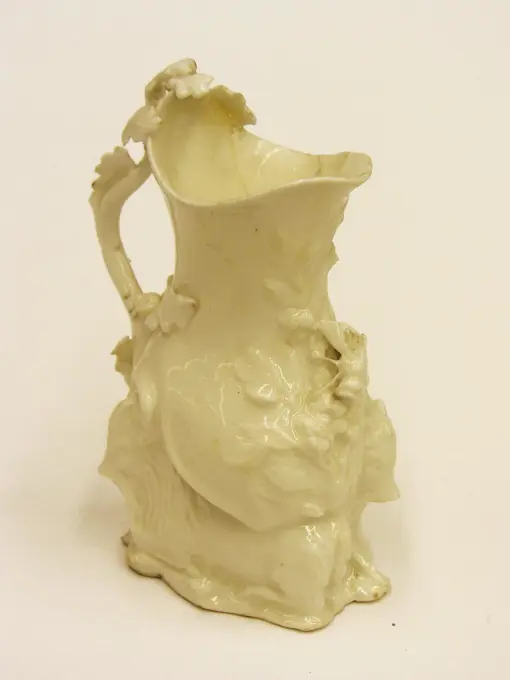
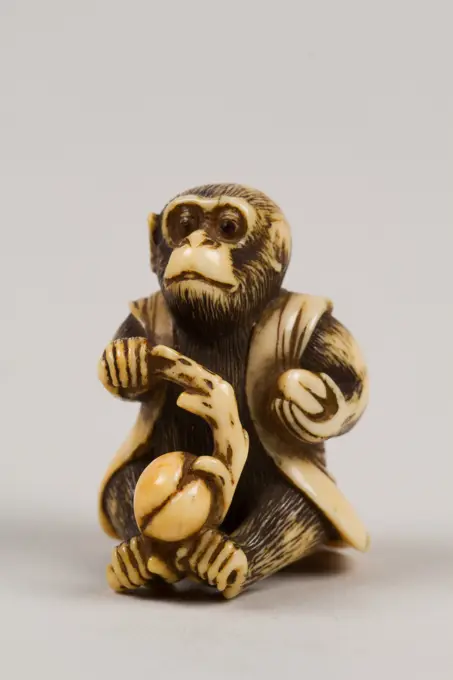
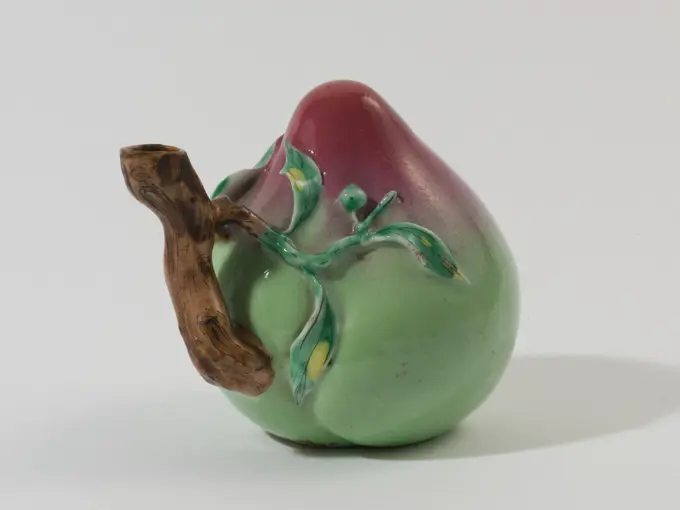
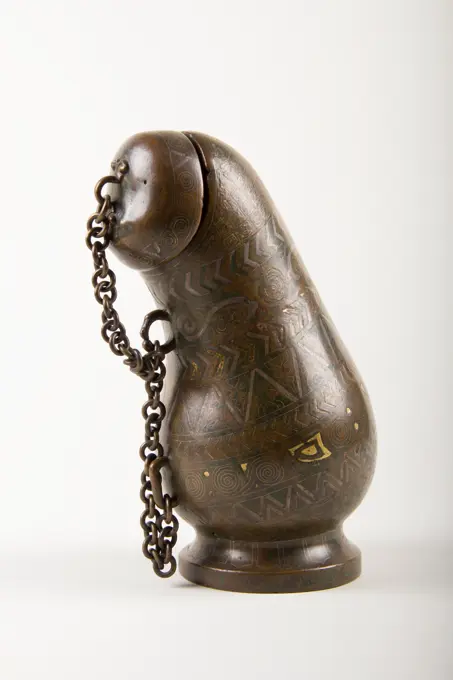
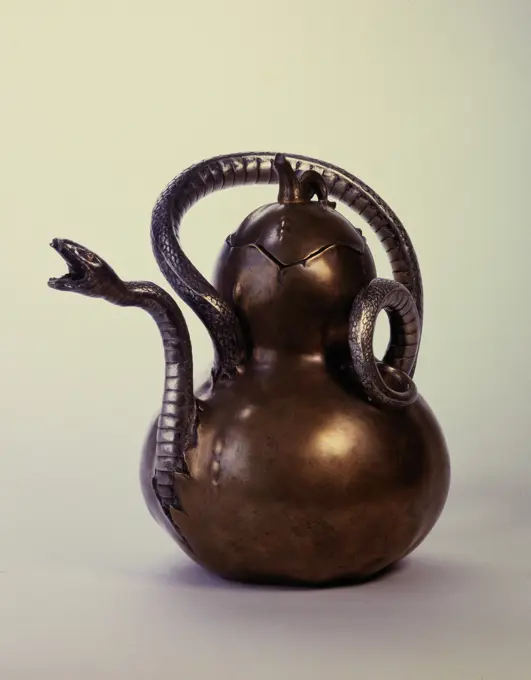
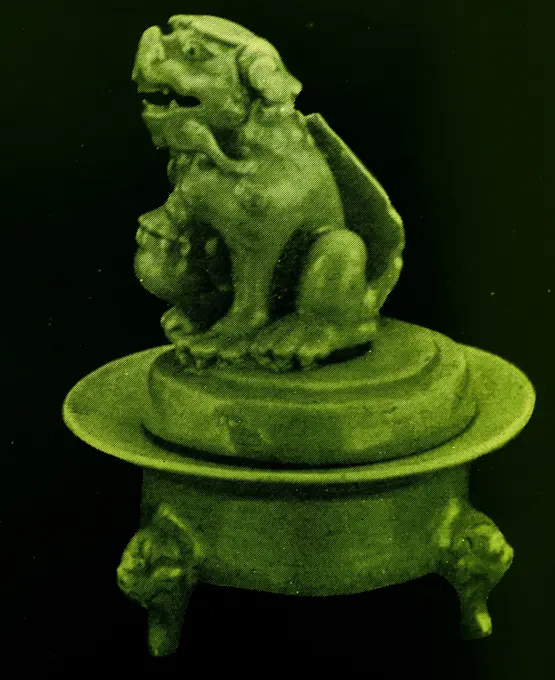
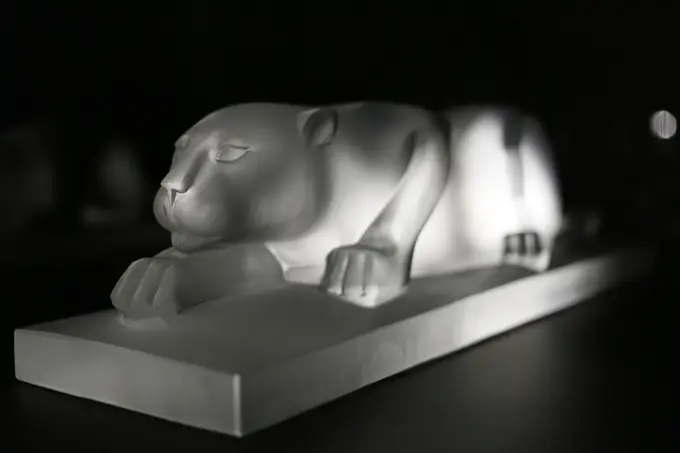
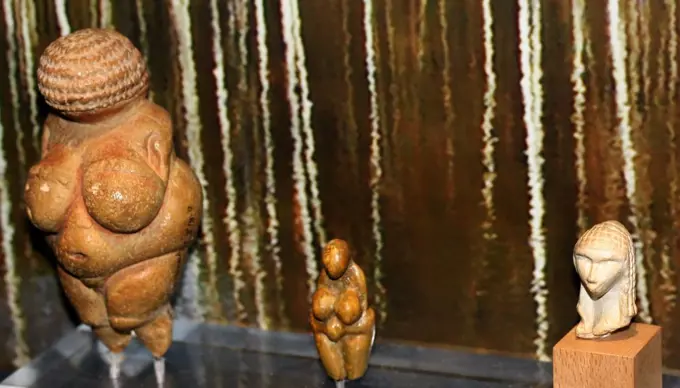
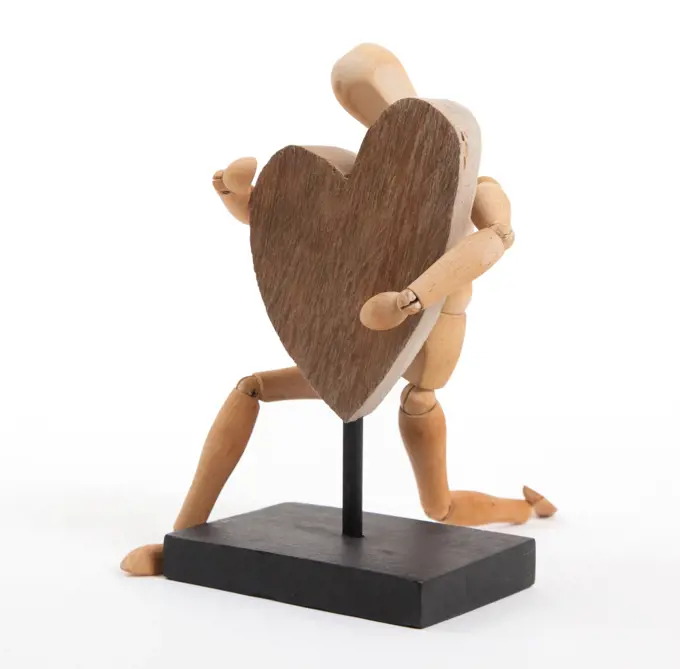
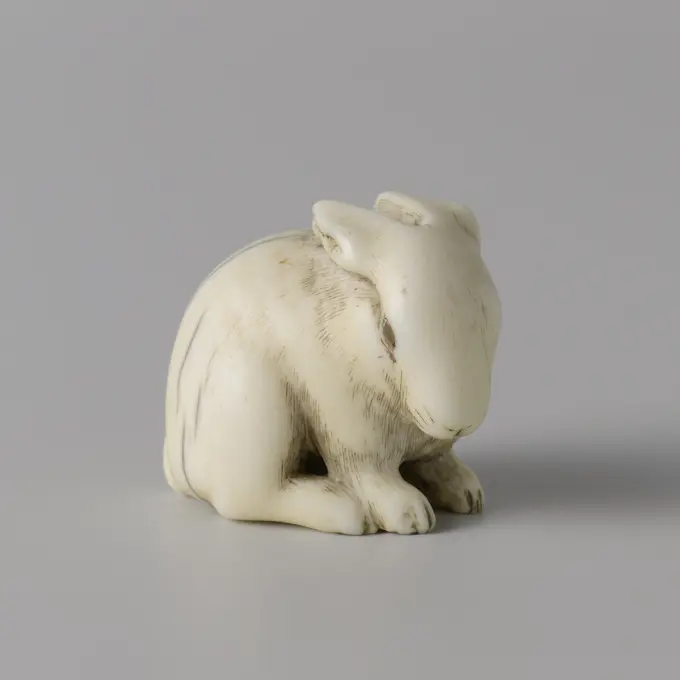
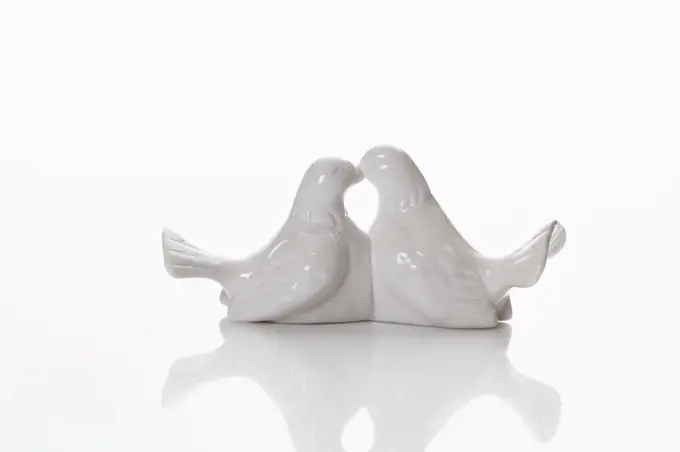
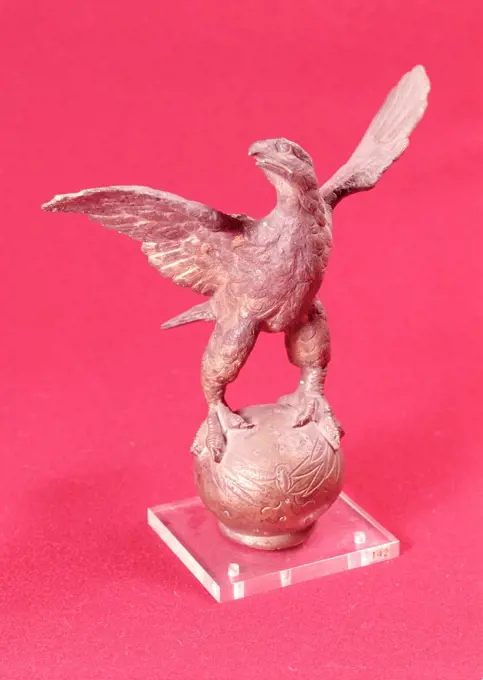
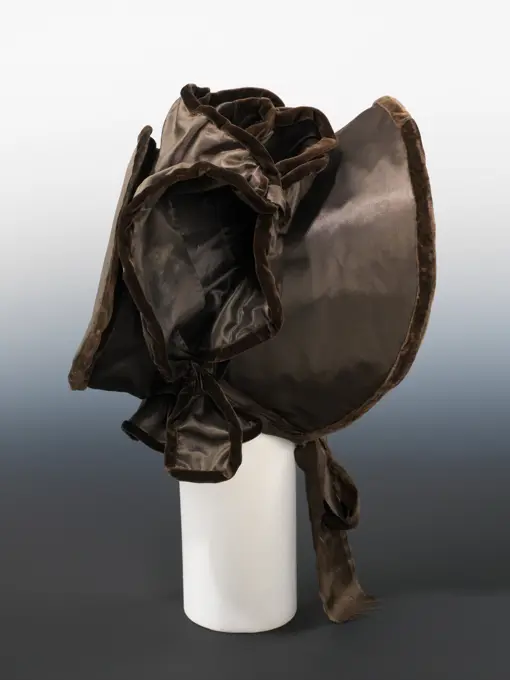
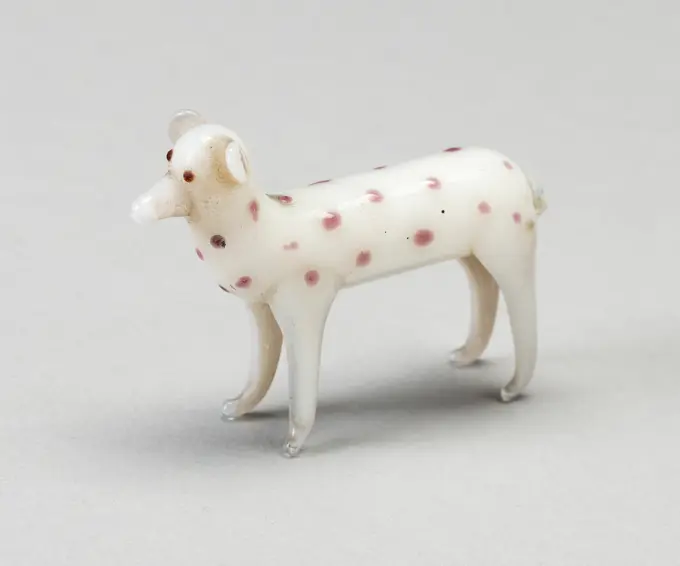
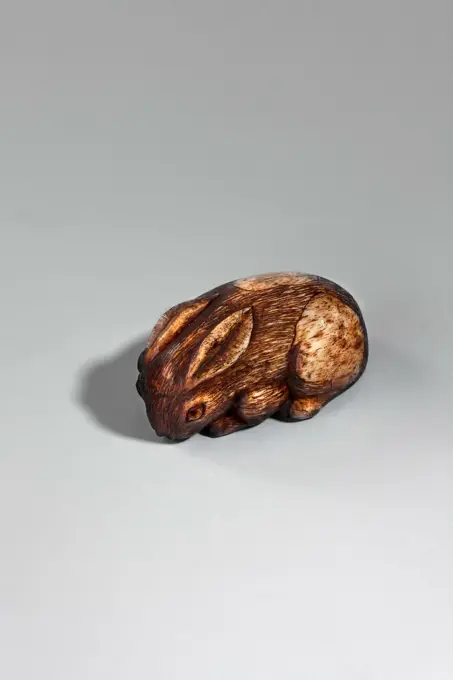
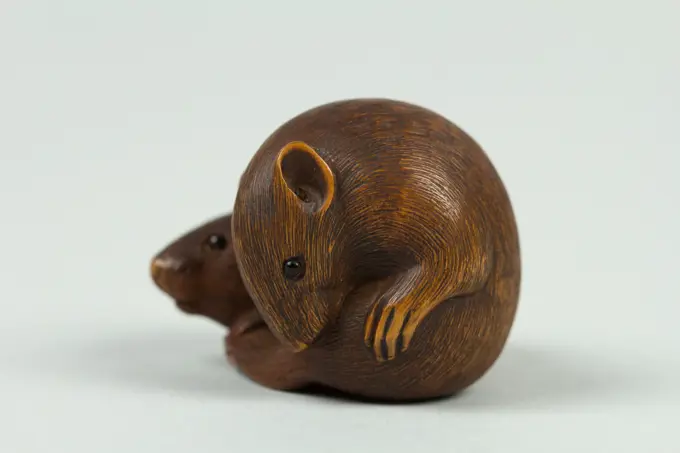
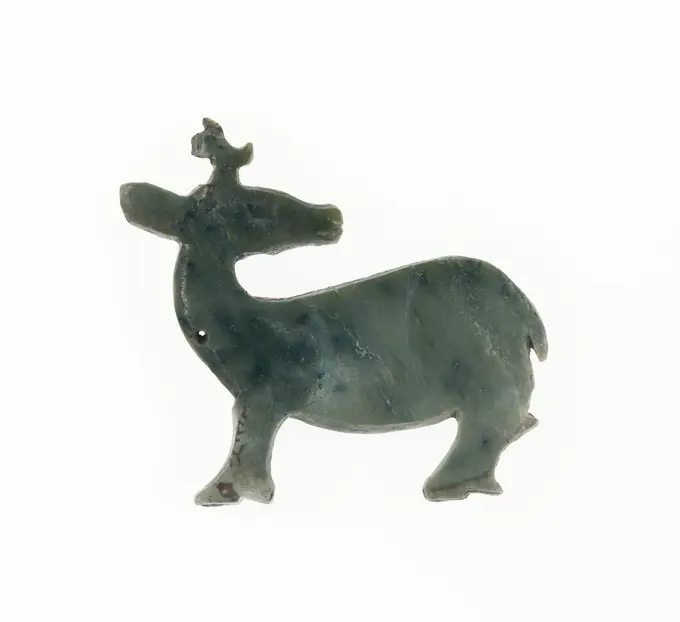
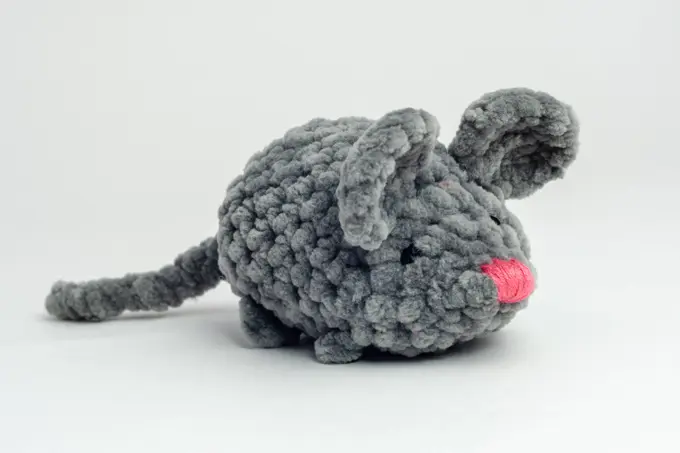
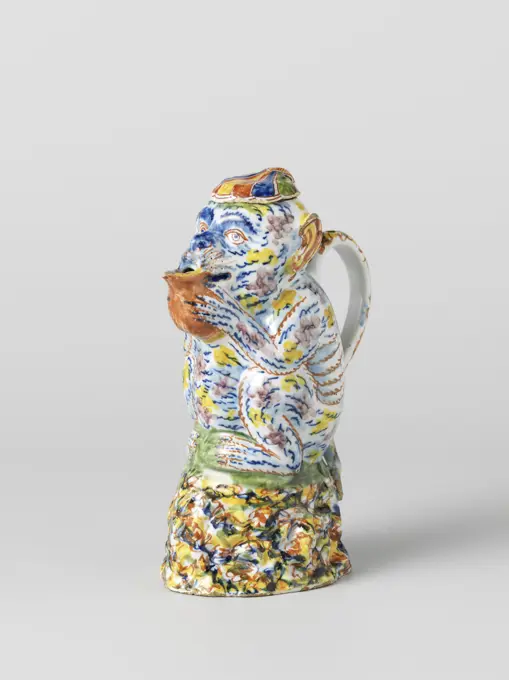
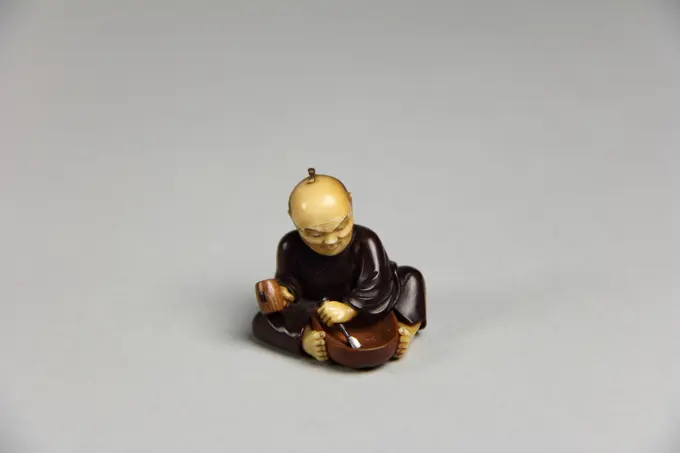
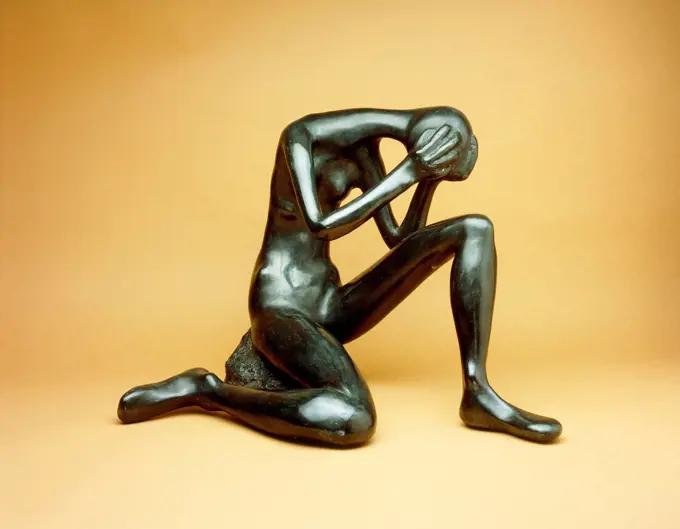
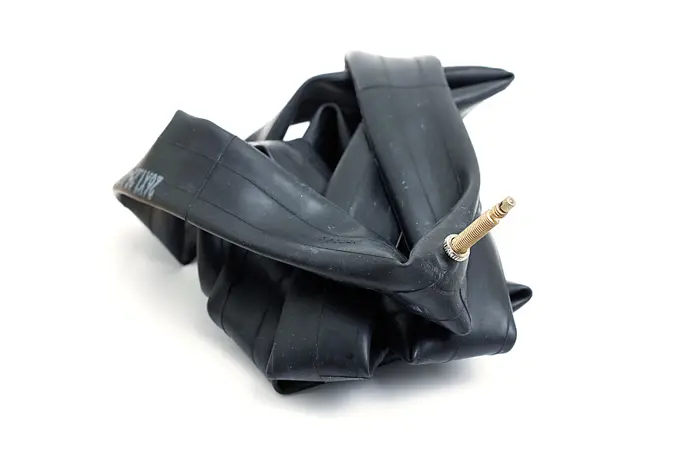
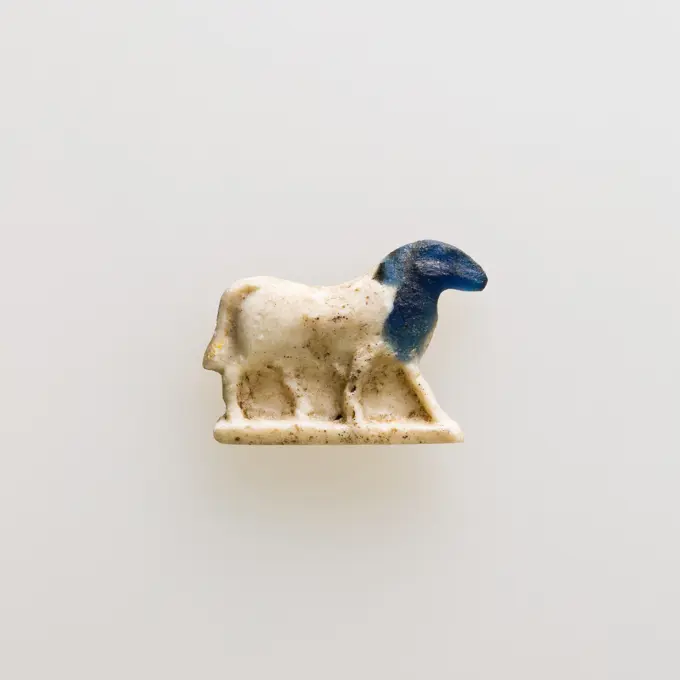
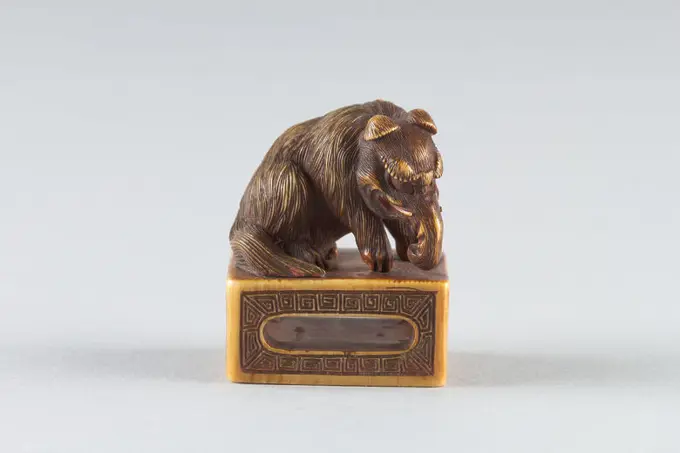
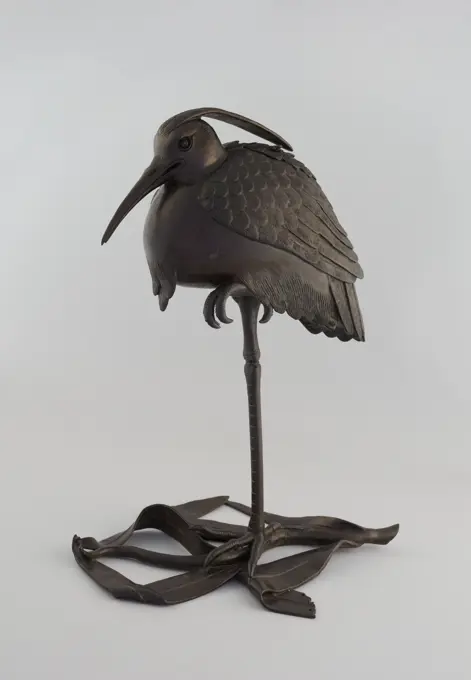
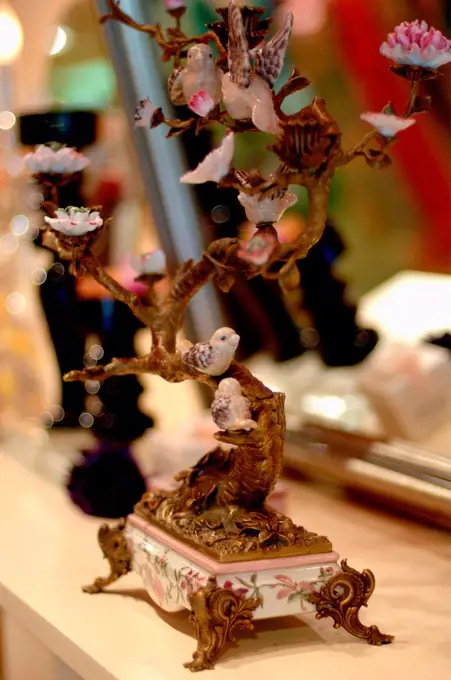
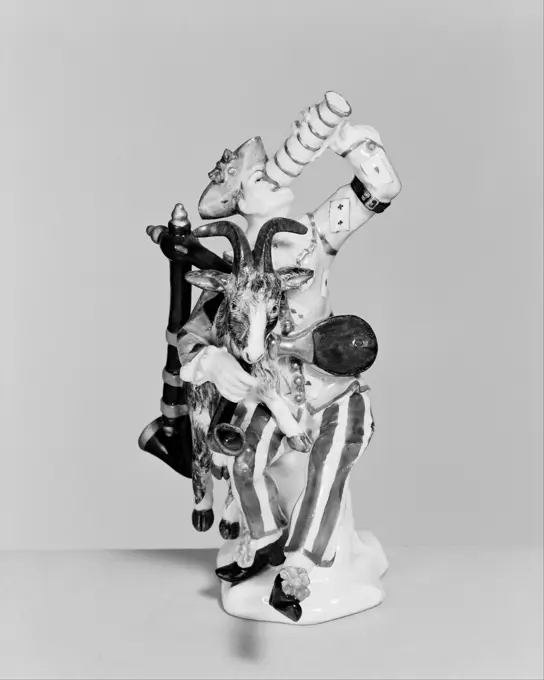
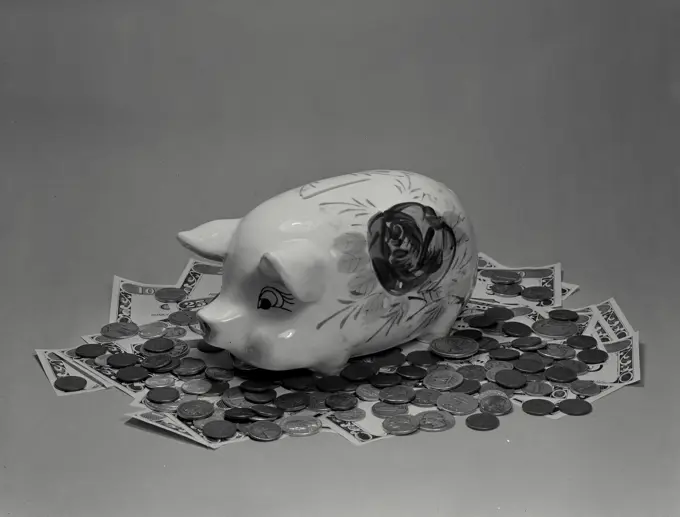
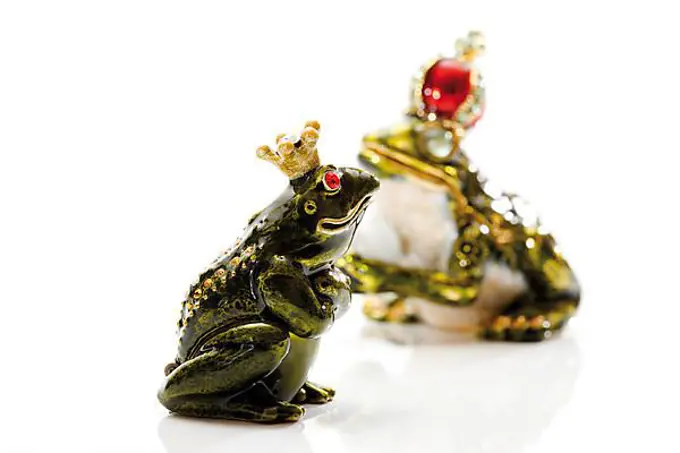
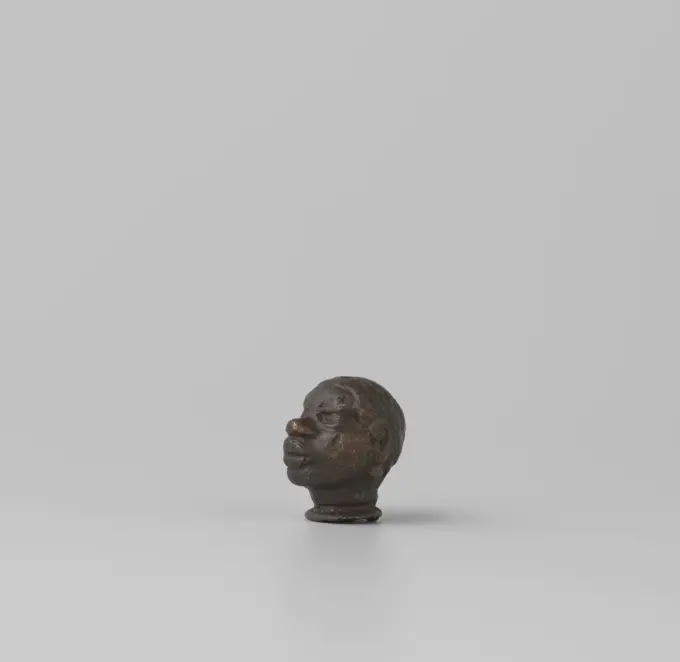
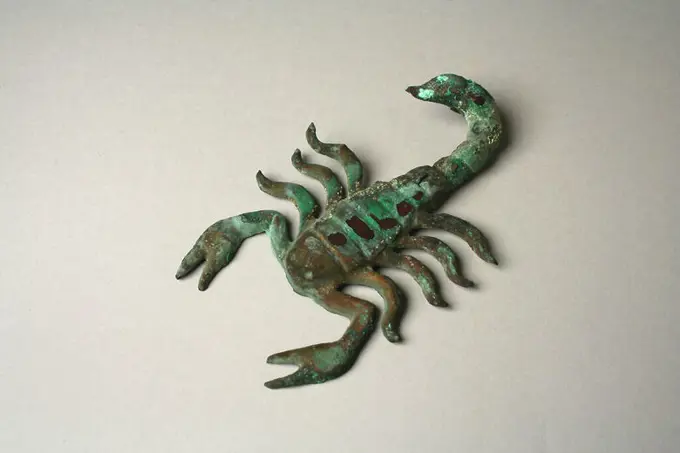
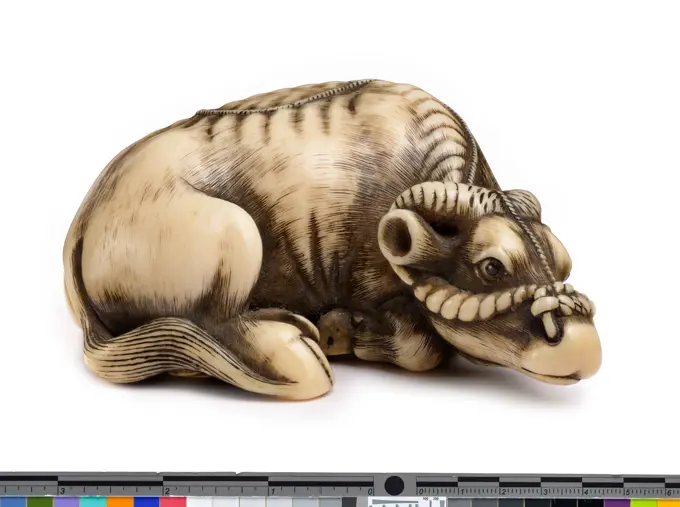
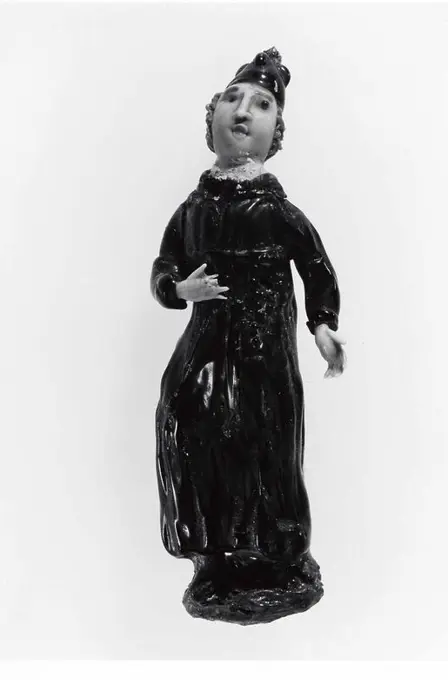
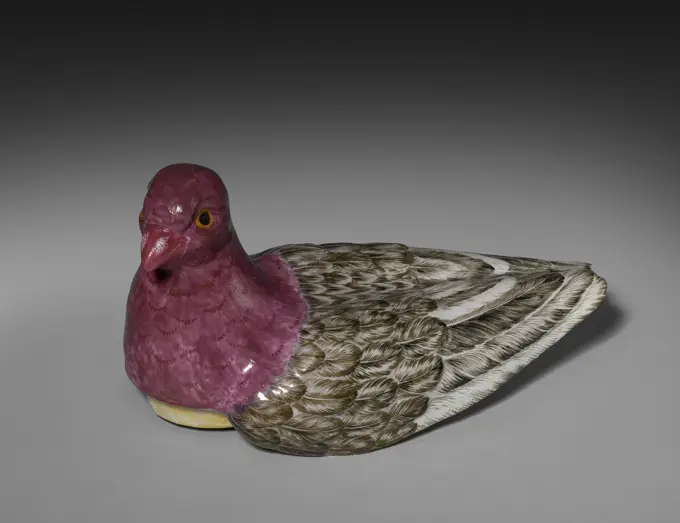
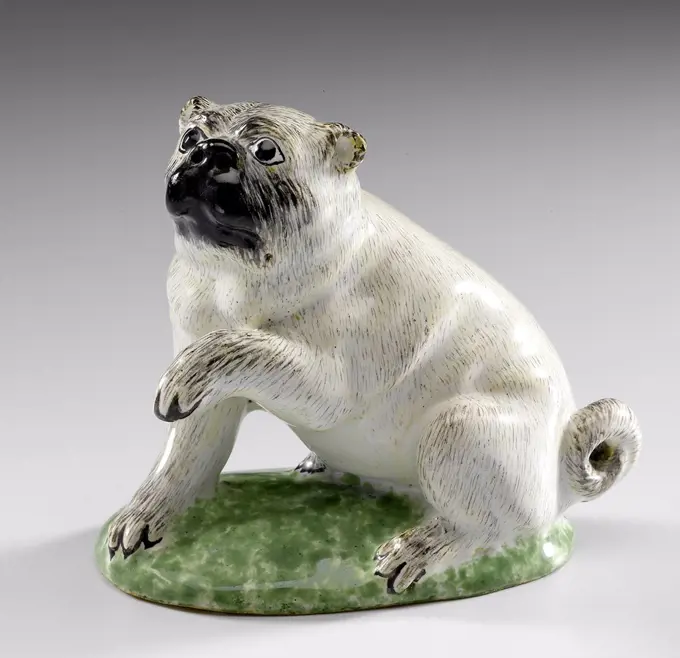
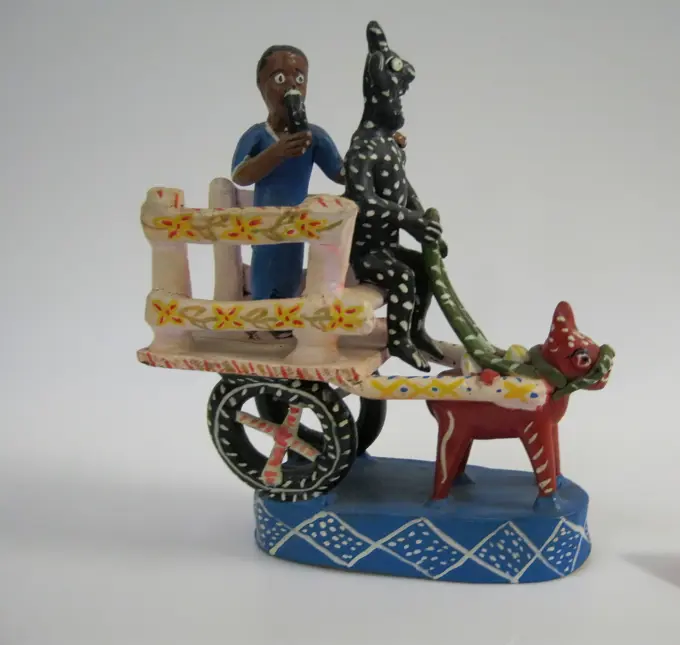
Netsuke macaque with chestnut, 19th century, Unknown Japanese, 1 3/4 x 1 5/8 x 7/8in. (4.4 x 4.1 x 2.2cm), Wood, Japan, 19th centuryHaan of multicolored painted faïence, anonymous, c. 1740 - c. 1770 Haan of multicolored painted Faïence. The Haan belongs to an identical copy. Both roosters were on loan to J.H. in 1958. Loudon (Aerdenhout), returned March 1969. Delft earthenware. tin glaze. Haan of multicolored painted Faïence. The Haan belongs to an identical copy. Both roosters were on loan to J.H. in 1958. Loudon (Aerdenhout), returned March 1969. Delft earthenware. tin glaze.Lavatory or portable cistern Swiss or French 18th-19th centuryBoar's head tureen, 18th century, H.11-1/2 x W.18-1/2 x D.16 in., Faience, France, 18th centuryTortoises, early to mid-1800s. Japan, Edo period (1615-1868). Porcelain, molded and carved, with underglaze blue; overall: 23.2 cm (9 1/8 in.).Figurine, frog wearing crown, relaxingNehebkau amulet ca. 1070-945 B.C. Third Intermediate Period. Nehebkau amulet 553468Pair of Blowfish. Sari (Japan, active late 18th century). Japan, late 18th century. Costumes; Accessories. Wood with stainingVase in the shape of a double gourd China. Vase in the shape of a double gourd 52656Canine Vessel 8th-9th century Remojadas (). Canine Vessel 313292Bear and Tree Stump', c. 1870-1880, H. L. Judd Manufacturing Company, Wallingford, Connecticut, c. 1830-1960s, 5 x 2 7/8 x 1 5/8 in. (12.7 x 7.3 x 4.13 cm), Iron, pigment, 19th centuryFigure Showing Top Half of a Woman Figure; porcelain, vitreous enamel, goldTeapot .. porcelain. Cernuschi Museum, Asia Museum of Asia in the city of Paris.Tea Caddy And Cover (China); porcelain painted in enamels; 12.5 x 7.5 diameter cm (4 15/16 x 2 15/16 in.)Shell -shaped sauce bowl on three curved legs, François van Stapele, 1747 A shell -shaped bowl resting on three curved legs with a leaf -shaped start. Under the mouth of the bowl, a weapon is engraved, consisting of an oval shield, in which a flying bird, surrounded by volutes and crowned with a helmet sign, above which a female bust. Marked and dated. Note: belongs to inv.no. BK-15750-A. The Hague silver (metal) casting / engraving A shell -shaped bowl resting on three curved legs with a leaf -shaped start. Under the mouth of the bowl, a weapon is engraved, consisting of an oval shield, in which a flying bird, surrounded by volutes and crowned with a helmet sign, above which a female bust. Marked and dated. Note: belongs to inv.no. BK-15750-A. The Hague silver (metal) casting / engravingToad and character. Bronze. China, 18th century. Paris, Cernuschi museum. 74290-1 Bronze, toad, Dore, characterCream Jug, Goat and Bee” pattern.   Maker: Chelsea Porcelain Manufactory, British, 1745-1784Netsuke in the Shape of a Monkey with a Peach 19th century Japan. Netsuke in the Shape of a Monkey with a Peach. Japan. 19th century. Ivory. Edo period (1615-1868). NetsukeBUIRE. Porcelain with polychrome enamels, Qing dynasty (1644-1912). Provenance: China. Paris, Cernuschi museum. 78836-25 Asian art, Chinese art, art of living, bun, fine ceramic, jug, ching dynasty, Qing dynasty, tsing dynasty, fine porcelain, container, dishesWine Vessel China Song dynasty (960-1279) View more. Wine Vessel. China. Bronze. Song dynasty (960-1279). MetalworkNetsuke 19th century Japan. Netsuke 59340Léon Kann. Snake. Copper and tin. Museum of Fine Arts of the City of Paris, Petit Palais. 79583-11 Anse, threatening art, copper, tin, theiere, theiere serpent, reptileIncense Burner, Koryo. Celadon Glaze; modelled, incised and underglaze iron decoration, Koryo (Goreyo) (Goreyo) Dynasty, 11th-12th centuryVessel (ink well) carried by a lion, anonymous, c. 1699 - c. 1700 Scrape (ink pot) of stoneware on a heart -shaped base with a tire browse. The spherical barrel with pressed zigzag lines (knibis) is worn by a roaring lion. Westerwald. Westerwald stoneware. glaze vitrification Scrape (ink pot) of stoneware on a heart -shaped base with a tire browse. The spherical barrel with pressed zigzag lines (knibis) is worn by a roaring lion. Westerwald. Westerwald stoneware. glaze vitrificationManufacture of Meissen, teapot and its rooster -shaped cover (dummy title). Hard porcelain, polychrome enamels. Petit Palais, Museum of Fine Arts of the City of Paris.Netsuke of Mushrooms 18th century Japan. Netsuke of Mushrooms 59262Bumpy. On an elongated album is a goat with a man on his back. The man has a twist in his right hand. The ends of the plate are bent down and outwards and now serve as supports for the plate. In the plate and in one of the supports there is a hole that puts a lever attached to the hind legs of the buck. By moving the lever, the buck goes up and down. The image is marked: STK. = Hoorn, an ax and an unknown manager.France, Paris. 8th district. Petit Palais. Exhibition on Baccarat. Panther, by Georges Chevalier (1937).Teapot (lid), c. 1830. Wedgwood Factory (British). Stoneware; overall: 11.8 cm (4 5/8 in.).Sugar Bowl (Switzerland); earthenwareOil lamp or pitcher 17th-18th century probably German. Oil lamp or pitcher. probably German. 17th-18th century. Glass. GlassLluis Ventós / "Goddess", 2006, Sculpture, 23,5 x 8,9 x 11,2 cm.(Left) The Venus of Willendorf (replica), one of the early female figurines. (Right) Venus of Brassempouy, a fragmentary ivory figurine, from the Upper Palaeolithic. discovered in a cave at Brassempouy, France in 1892. Small female figurines are found across Europe from France to Russia about 28,000-20,000 years ago.Netsuke of Toad on a Sandal 19th century Japan. Netsuke of Toad on a Sandal. Japan. 19th century. Wood. Edo (1615-1868) or Meiji period (1868-1912). NetsukeImage of a sitting monkey, Anonymous, 1850 - 1870 Figure of white porcelain, of a sitting monkey with human traits, pulled a knee and with a Haori jacket on. Hirado. Japan porcelain Figure of white porcelain, of a sitting monkey with human traits, pulled a knee and with a Haori jacket on. Hirado. Japan porcelainWooden mannequin with a big heart - isolated on white backgroundChessmanNetsuke in the form of a rabbit, Ranichi, c. 1790 - c. 1800 Rabbit. Signed "Ranichi". Japan ivory Rabbit. Signed "Ranichi". Japan ivoryWhite wedding doves on white backgroundEagle with Spread Wings on a Ball 1 C. BC-2 C. AD Roman Art Bronze Musee des Antiquities Nationales, St. Germaine-en-Laye, FranceProbably Paduan 16th Century, Inkwell in the Form of a Frog beside a Tree Stump, 16th century Inkwell in the Form of a Frog beside a Tree StumpChinese pig figurine on white background.Gull. Figure of painted porcelain. The figure represents a gull, standing on an irregular base, between green aquatic plants. The plumage is painted in black to gray, except the springs of the breast, the neck and the cup, which are brown red. The figure has been marked.Bonnet ca. 1820 British Bonnets worn during this period were elaborately decorated and varied widely in shape and type of decoration. This particular hat has a great deal of presence because of the sheer size and boldness of the shape. The undulating ruffles created by the velvet-edged satin adds another dimension to its presence. The wearer's face would be flirtatiously framed by the deep arc of the brim.. Bonnet 156349Dog 1700-1799 France. Glass; lampwork (verre de Nevers), metal armature .Support in the form of a mermaid and a Meerman and a dolphin on waves, belonging to Maywijnvat van Steengoed, Anonymous, c. 1675 - c. 1750 Support in the form of a mermaid and a Meerman and a dolphin on waves, belonging to Maywijnvat van Steengoed with tin tap. Westerwald earthenware. glaze Support in the form of a mermaid and a Meerman and a dolphin on waves, belonging to Maywijnvat van Steengoed with tin tap. Westerwald earthenware. glazeCanada, Nunavut, King William Island, Gjoa Haven. Nattlik Heritage Centre, interior. Traditional soapstone carving, bears.Earring. UnknownSnuff Bottle China. Snuff Bottle 41437statue of crawlng baby statue of crawlng baby made from clay isolated on white Copyright: xZoonar.com/chrisxwilllemsenx 6581924Rabbit; netsuke. unknown, sculptorCartoon character, smiling head wearing a hatBarrel with drinking brother, belonging to the May wine barrel of Stoneware. Drinker brother, belonging to Stoneware of Stoneware with tin tap.Headstone in the Form of a Turban. Turkey, mid-16th century. Stone. Marblemixing black white inksMouseLid of a jug, painted with leaf motifs and birds, the porceleijne bottle, c. 1900 Cover of a jug (a) of earthenware, painted with leaf motifs and birds in blue, red and green. Marked (can). Delft earthenware Cover of a jug (a) of earthenware, painted with leaf motifs and birds in blue, red and green. Marked (can). Delft earthenwareNetsuke of Two Rats second half of the 19th century Japan. Netsuke of Two Rats. Japan. second half of the 19th century. Wood. Meiji period (1868-1912). NetsukeIncense burner in the shape of an archaic tripod (ding) 19th century China. Incense burner in the shape of an archaic tripod (ding) 44226Stag Pendant 1100 BCE-900 BCE China. Jade .Silver Hand WeightsGrey knitted mouse on a white background Grey knitted mouse on a white background ,property released Copyright: xZoonar.com/IvanovxAlexxMadhoursex 14787369 ,model released, Symbolfoto ,property releasedCeramic painted jaguar mask traditional latin handcraft. Ceramic painted jaguar mask traditional latin artFunny toy face plasticine handmade, big teeth and eyes on whiteThe knight. Black chess piece on a over white backgroundChess figure isolated on the white backgroundJousting Armor. Northern Italian. Date: 1550-1590. Dimensions: H. 160 cm (64 in.). Steel. Origin: Italy, northern. Museum: The Chicago Art Institute, Chicago, USA.Lid of milk jug in the form of a monkey of multicolored painted faïence, anonymous, c. 1750 - c. 1780 Faïence's milk jug, in the form of a drinking monkey. Multicolored painted. Delft . Faïence's milk jug, in the form of a drinking monkey. Multicolored painted. Delft .Amulet of baboon in act of adoration 525-30 B.C. Late Period - Ptolemaic Period Starting in the later Late Period and continuing through the Ptolemaic Period, glass amulets might be cast by pressing the glass into a shallow open mold. The back was left rough, and the amulets may look ragged because glass overflowed the mold around the edges. The earlier amulets are monochrome, bi- or multicolor amulets supplement the repertoire during the Ptolemaic Period. Some of the amulets can be specifically tied to spells of the Book of the Dead - for example, acc. no. 17.194.2526 - and most are clearly funerary amulets, presumably meant to be wrapped between the bandages of the mummy where the presence of the amulet would do its job irrespective of its degree of finish.. Amulet of baboon in act of adoration. 525-30 B.C.. Glass. Late Period - Ptolemaic Period. From Egypt. Dynasty 27 or laterNetsuke of Mask Maker 19th century Japan. Netsuke of Mask Maker 59078. This pair of lions, with two others (now in the Hermitage, Saint Petersburg), originally supported a bronze baptismal font shaped like a large bucket. Fonts such as these are known in churches in Lübeck and elsewhere in northern Germany. The unknown coats of arms are probably those of the patrons who commissioned the font.Andromache. Bronze with dark green patina. Carol Miller (b.1933). Executed in 1980. 49.5cm high.inner tubeAmulet of a walking ram 400-30 BC Ptolemaic Period Starting in the later Late Period and continuing through the Ptolemaic Period, a type of glass amulet cast by pressing the glass into a shallow open mold appears. The back was left rough, and the amulets may look ragged because glass overflowed the mold around the edges. The earlier amulets are monochrome, bi- or multicolor amulets supplement the repertoire during the Ptolemaic Period. Some of the amulets can be specifically tied to spells of the Book of the Dead - for example, acc. no. 17.194.2526 - and most are clearly funerary amulets, presumably meant to be wrapped between the bandages of the mummy where the presence of the amulet would do its job irrespective of its degree of finish.. Amulet of a walking ram. 400-30 BC. Glass. Ptolemaic Period. From EgyptHead of a Man; Tete d'Homme. Pablo Gargallo (1881-1934). Cast Iron. Signed and dated 1927. 25.1cm high.Netsuke of Elephant on a Seal. Culture: Japan. Dimensions: H. 1 1/4 in. (3.2 cm); W. 1 1/8 in. (2.9 cm); D. 7/8 in. (2.2 cm). Date: 18th century. Museum: Metropolitan Museum of Art, New York, USA.Four marshmallows for Halloween with witch figureAigrette. Bronze. Cernuschi Museum, Asia Museum of Asia in the city of Paris.Close-up of showpiece in clothing store. Taipei, Taiwan. 09/05/2005Harlequin with goat 1740 Meissen Manufactory German. Harlequin with goat. German, Meissen. 1740. Hard-paste porcelain. Ceramics-PorcelainCrafts of horseKnight chess pieces in white and blackVintage Photograph. Piggy bank on top of coins and dollar bills.Wedjat eye amulet. Dimensions: l. 1.1 cm (7/16 in.) x h. 1 cm (3/8 in.). Dynasty: Dynasty 26-29. Date: 664-380 B.C.. Museum: Metropolitan Museum of Art, New York, USA.Frog prince figurinesladybug on wheat isolated white backgroundRapier button with the presentation of an African man, Anonymous, 1580 - 1650  Button (pommel) of a rapier with a representation of an African man. Germany (possibly) bronze (metal) castingIndian Hindu God Ganesh (Ganesha) figurine isolated on whiteScorpion. Culture: Moche (Loma Negra). Dimensions: Length 4-1/8 in. (10.5 cm). Date: 390-450. Museum: Metropolitan Museum of Art, New York, USA.Resting Ox. Tomotada (Japan, active before 1781). Japan, 18th century. Costumes; Accessories. Ivory with staining, sumi, inlaysRhyton (Drinking Vessel) in Shape of Sheep's Head 320 BCE-310 BCE Southern Italy. Decorated tableware enlivened festive meals, and could have humerous intentions. This vessel fashioned in the shape of a sheepís head is a special kind of drinking cup that cannot be set down when full, encouraging the guest who held it to drink a great deal of wine.. terracotta, decorated in the red-figure technique . Ancient GreekNetsuke of Box with Children's Toys. Culture: Japan. Dimensions: H. 1 3/8 in. (3.5 cm); W. 1 in. (2.5 cm). Date: 19th century. Museum: Metropolitan Museum of Art, New York, USA.A Prelate. Culture: probably French (Nevers). Dimensions: H. 8 cm. Date: late 18th or early 19th century. Museum: Metropolitan Museum of Art, New York, USA.Cover for a Tureen in the Form of a Pigeon, c. 1760. Sceaux Factory (French, active 1748-66). Tin- glazed earthenware (faience) wth enamel decoration; overall: 26.7 x 29.9 x 14.8 cm (10 1/2 x 11 3/4 x 5 13/16 in.).Bliżej KulturyDog figurine, Porcelain, overglaze decoration, circa 1760, Germany, Manufaktur Hoechst Schloss HochstadtDay of the Dead Group, mid 20th century, 10 x 8-9/16 x 3-9/16 in. (25.4 x 21.7 x 9.0 cm), Ceramic, pigment, Mexico, 20th centuryMoney box around 1900, Industrial Museum Lauf an der Pegnitz, Middle Franconia, Bavaria, Germany, EuropeHappy laughing Buddha brass figurine on white background.Small ceramic chicken figurine Small chicken figurine isolated on white background Copyright: xZoonar.com/YannxPoirierx 12419065