Decorative Animal Figurines

Artistic small sculptures of animals, including frogs and kangaroos, highlighting intricate craftsmanship from different cultures.

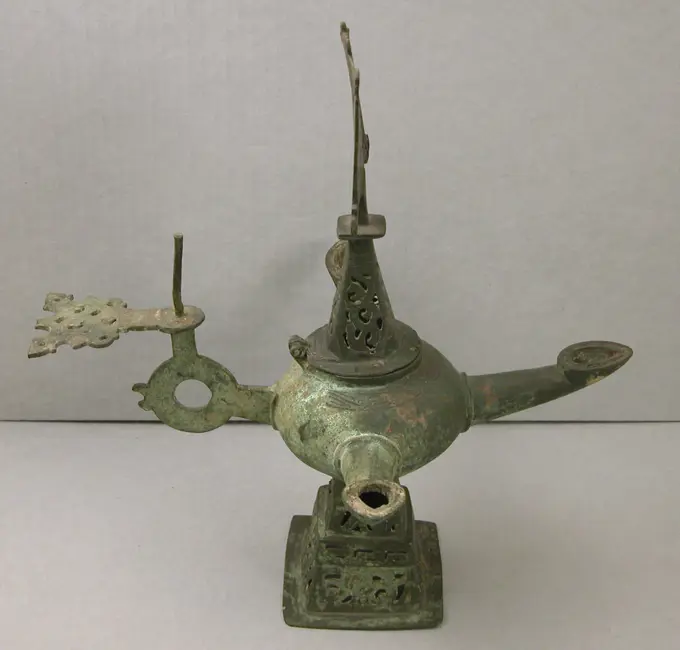
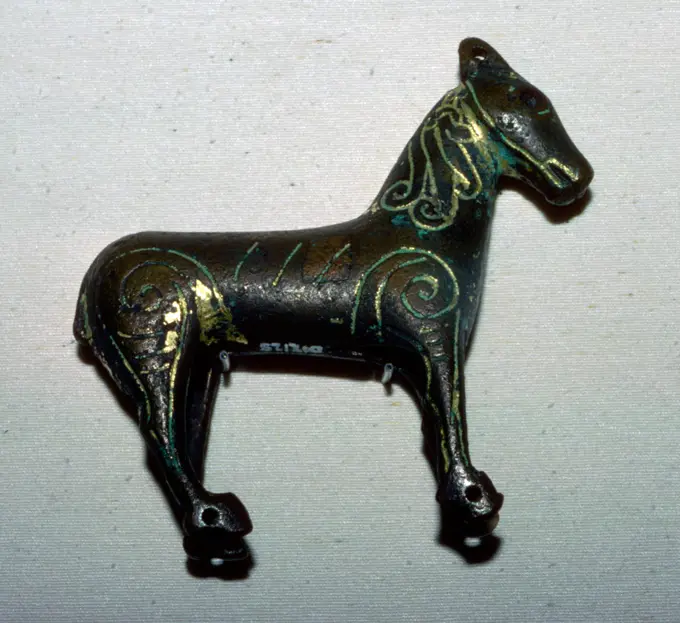
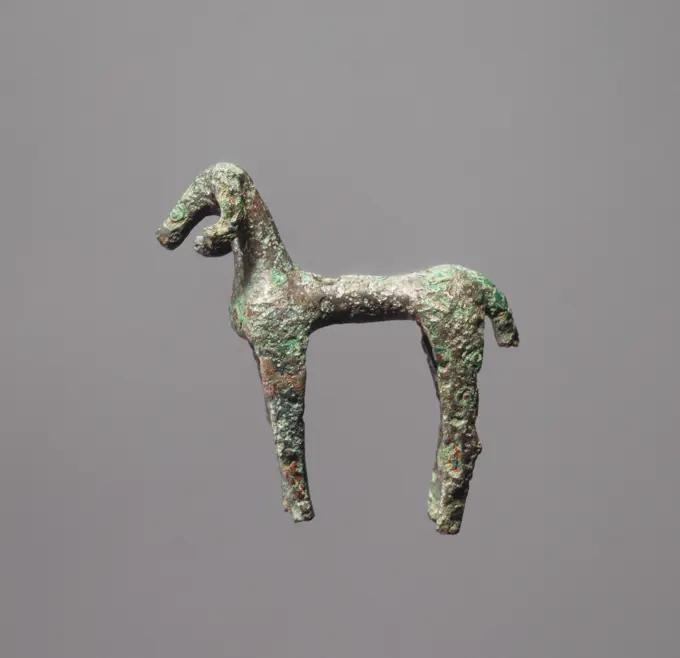
Lamp, Turkey; 4th - 5th century; Bronze; 2.8 × 3.1 × 8.3 cm (1 1,8 × 1 1,4 × 3 1,4 in.)
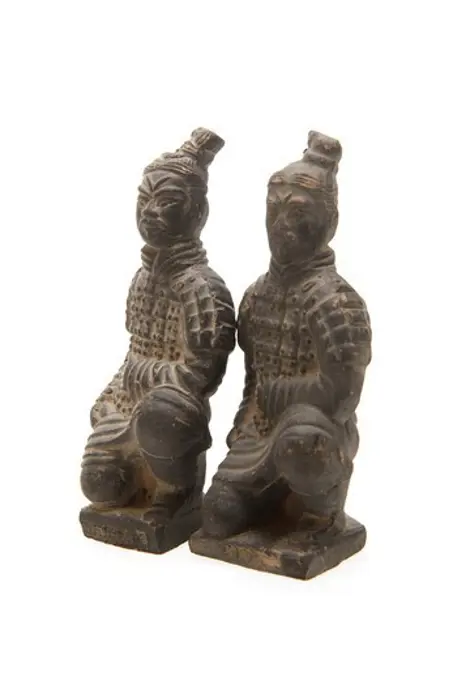
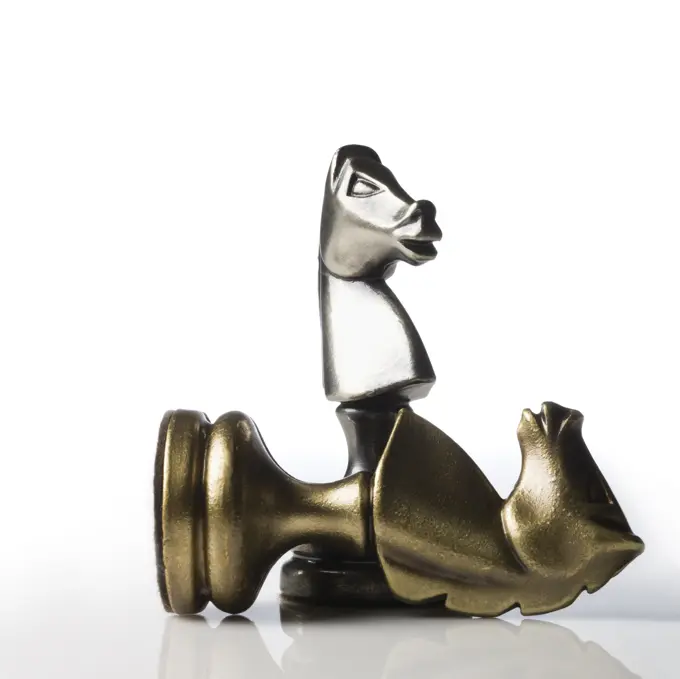
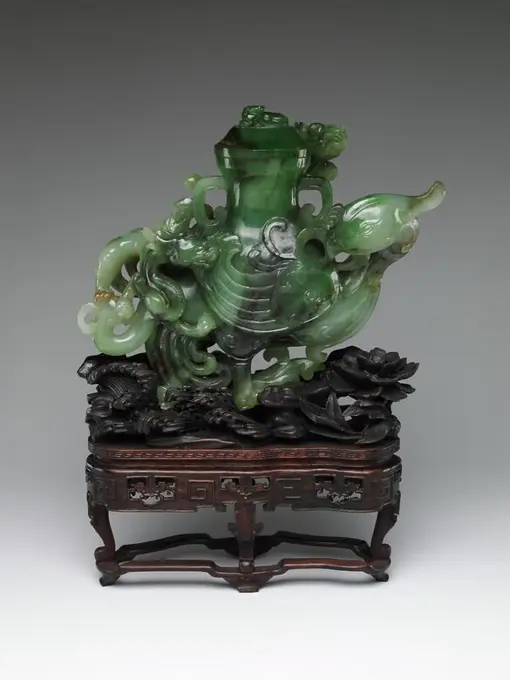
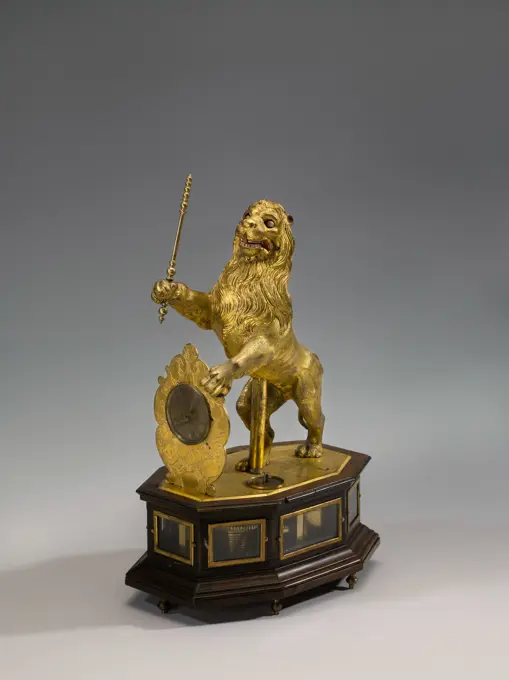
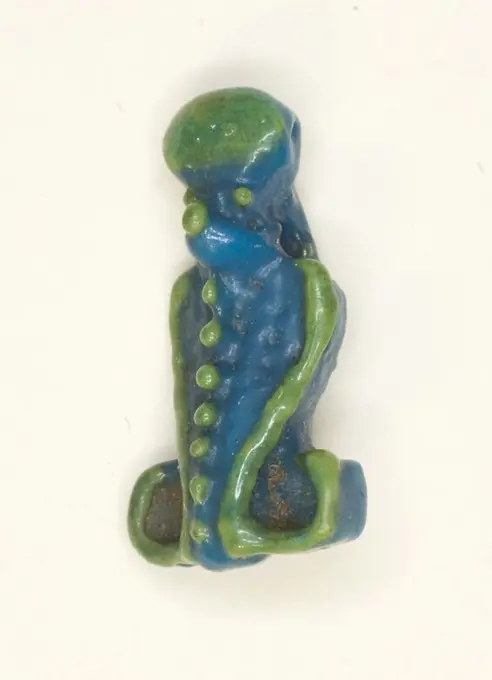
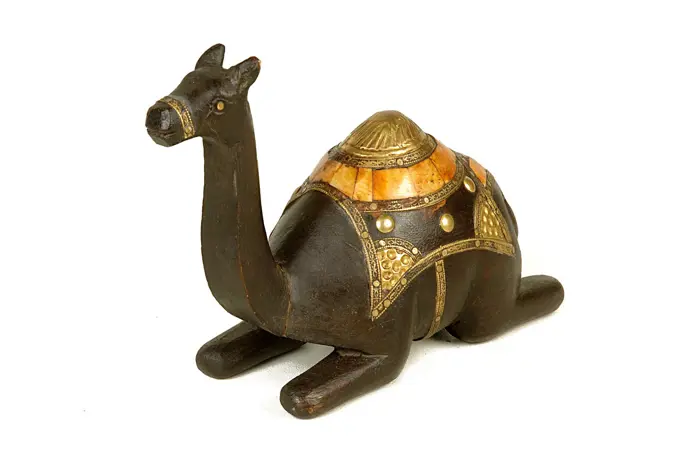
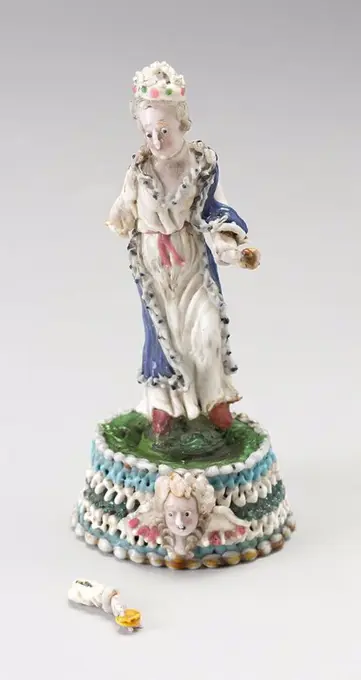
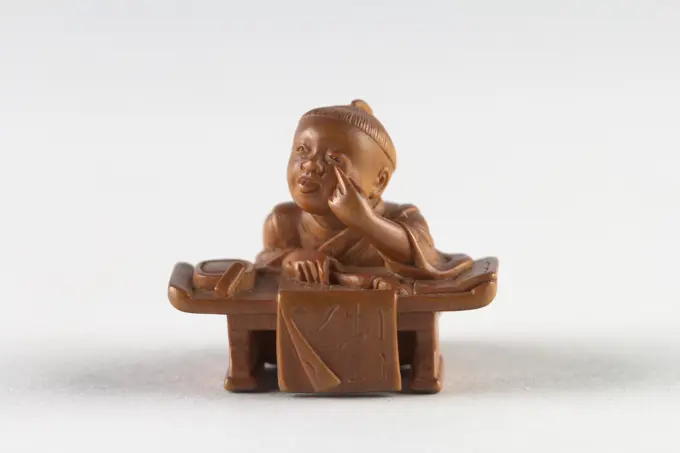
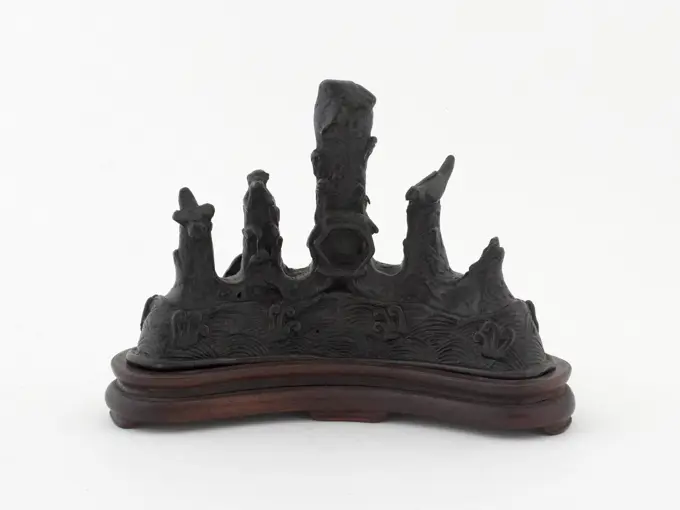
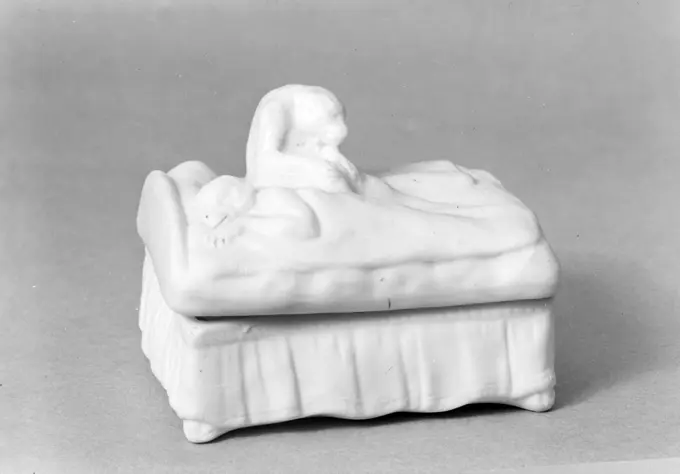
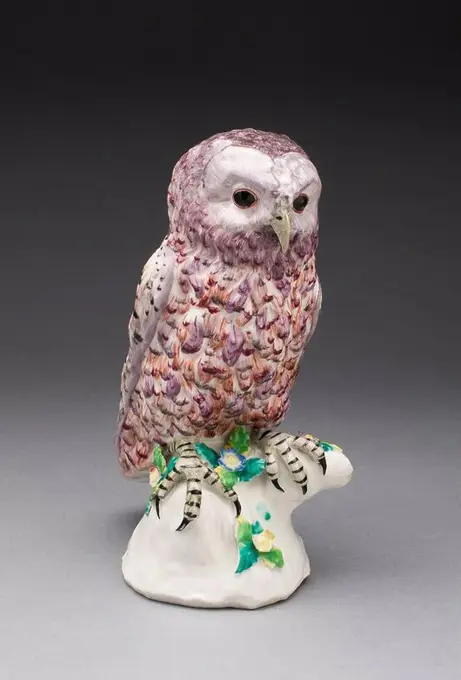
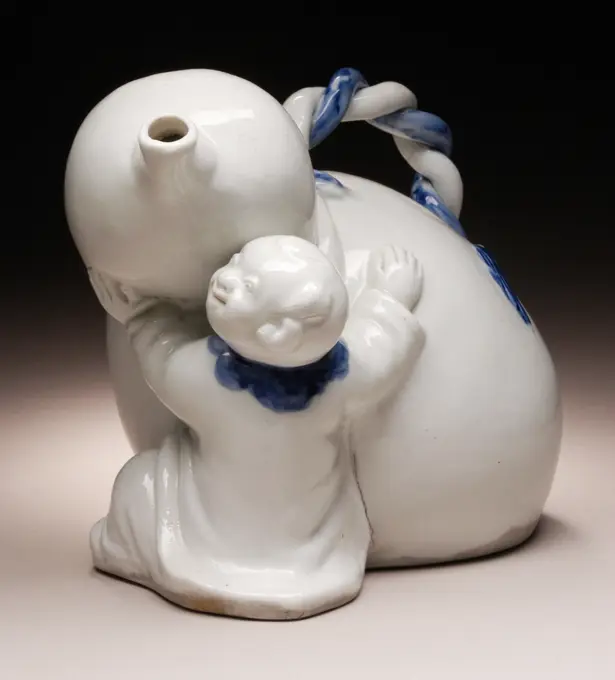
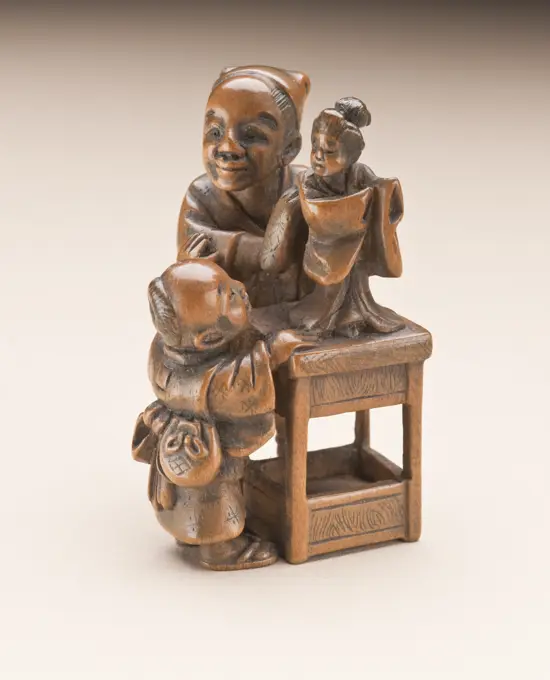
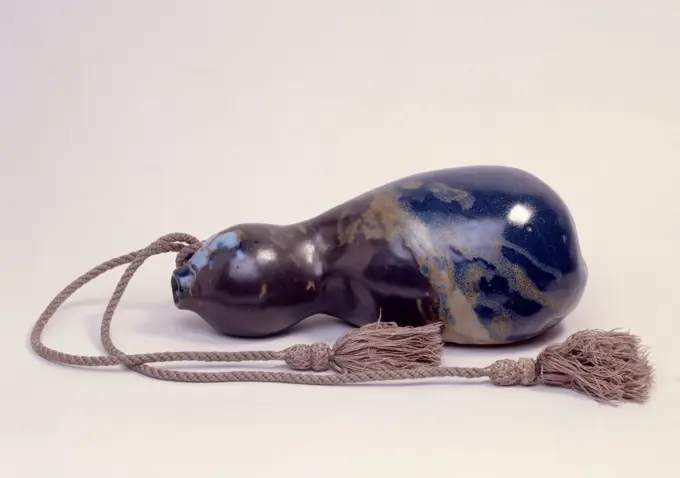
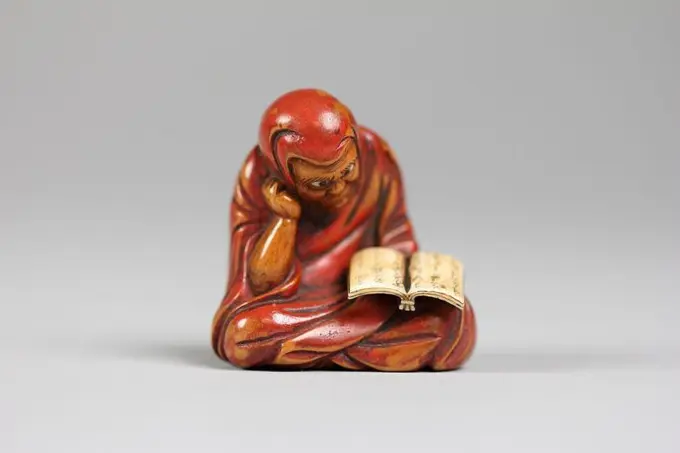
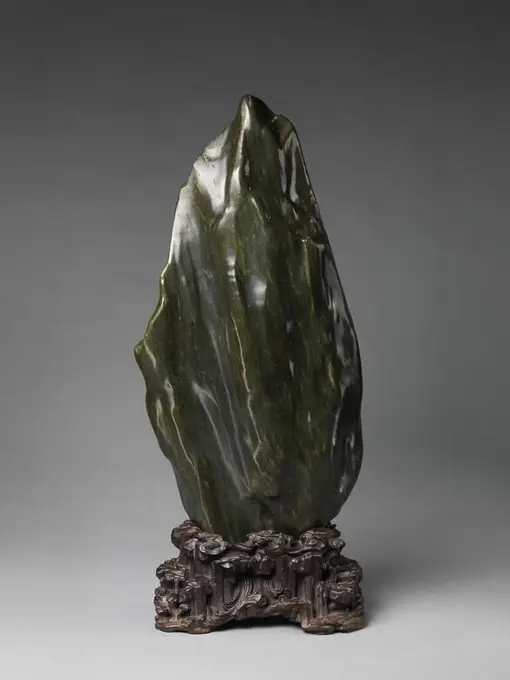
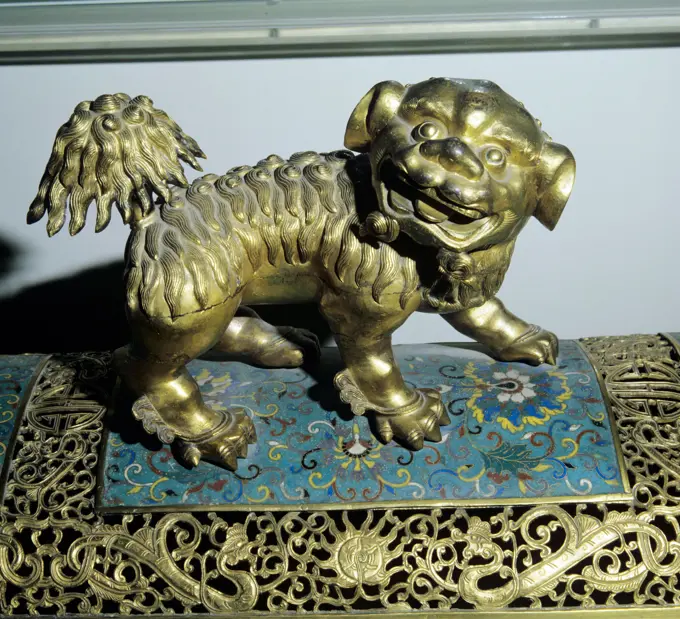
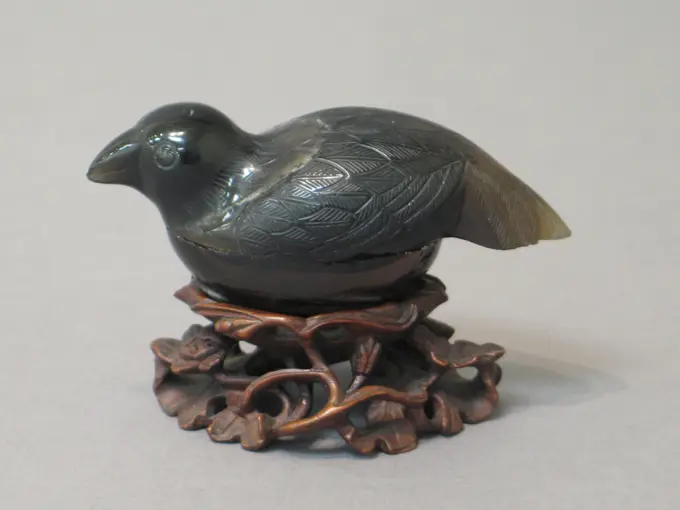
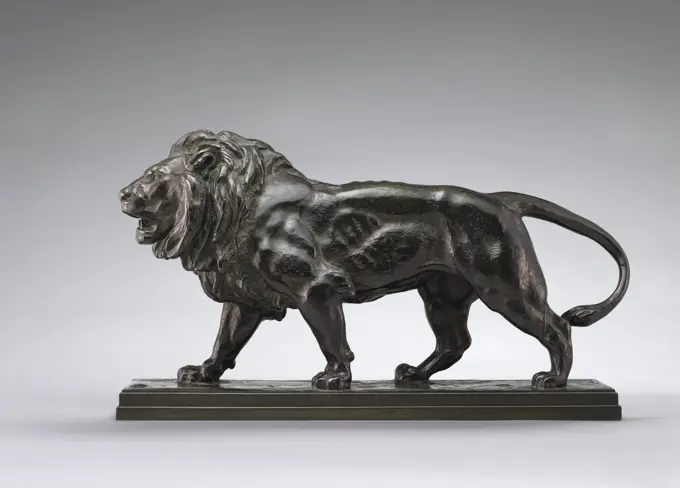
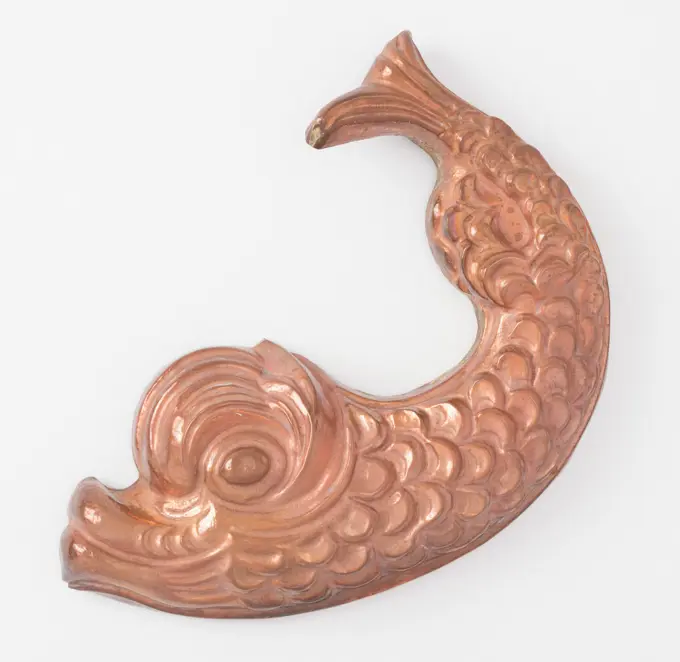
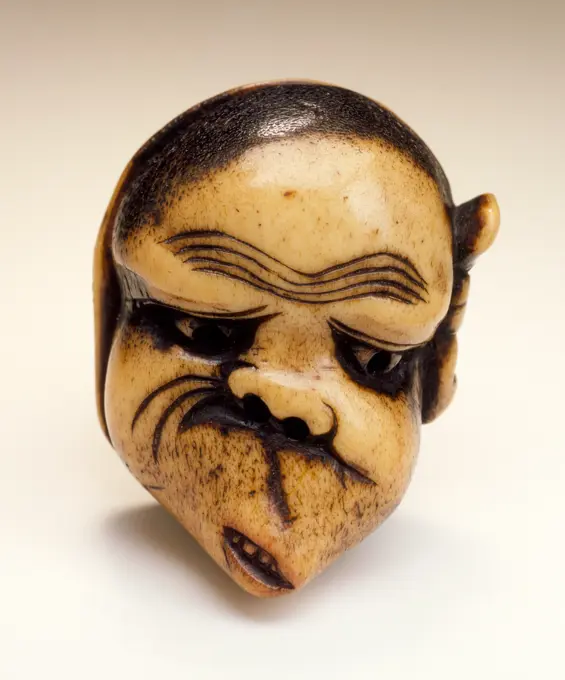
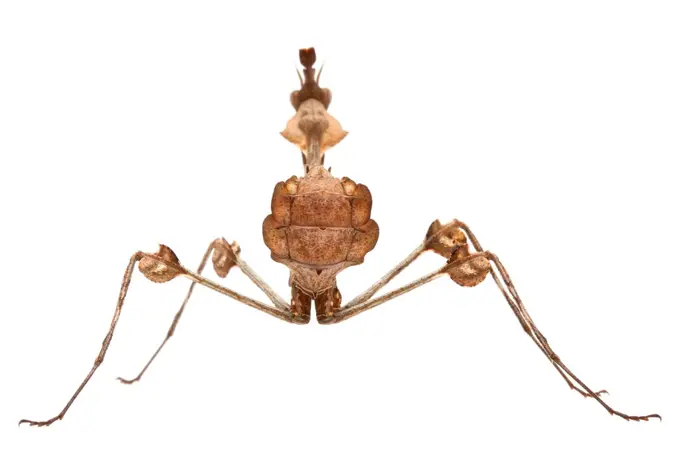
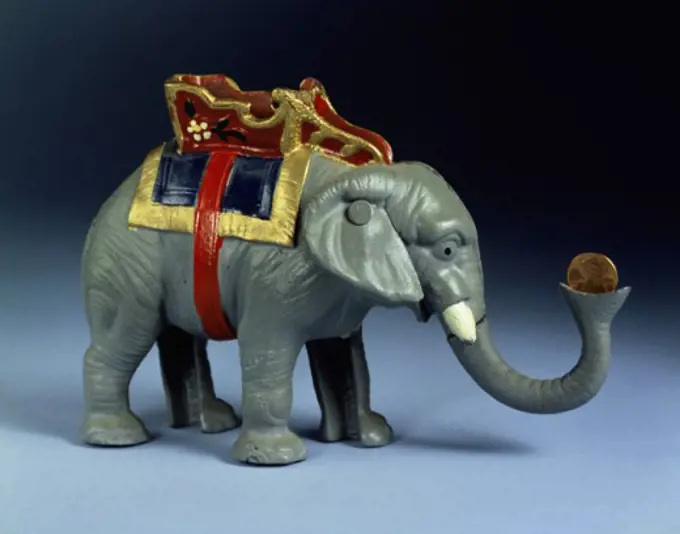
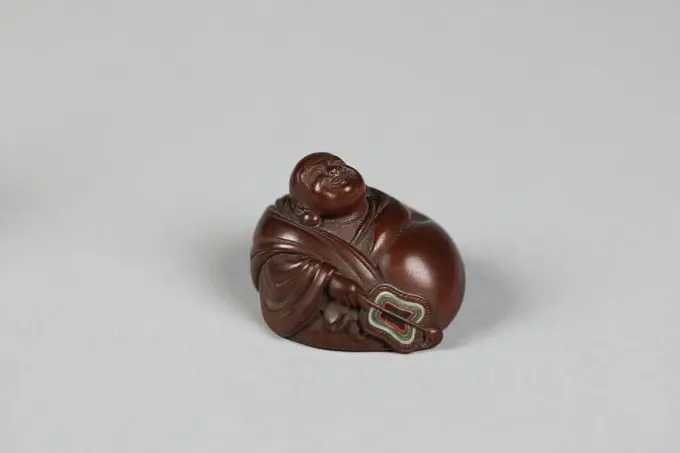
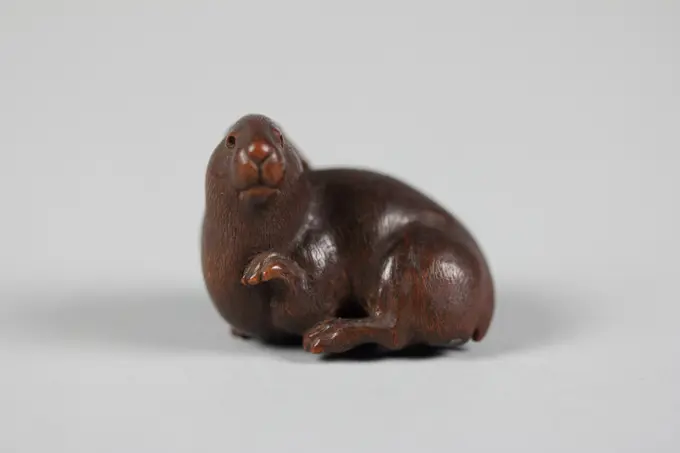
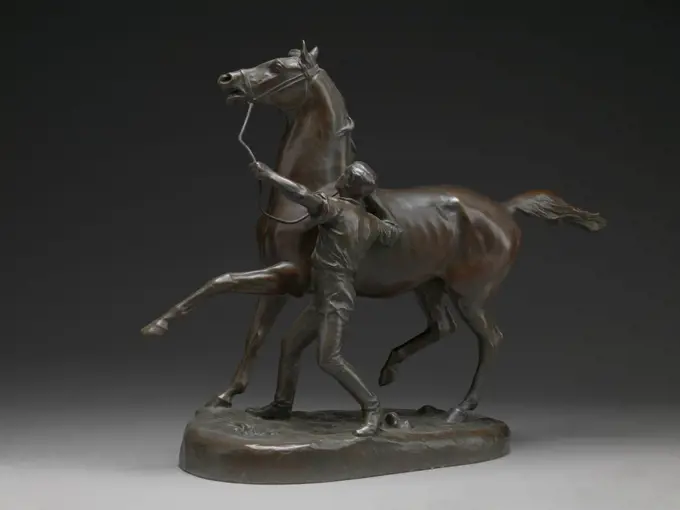
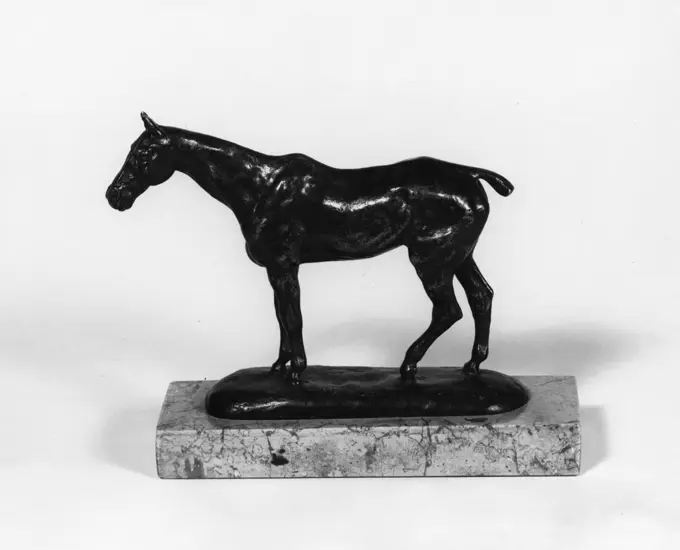
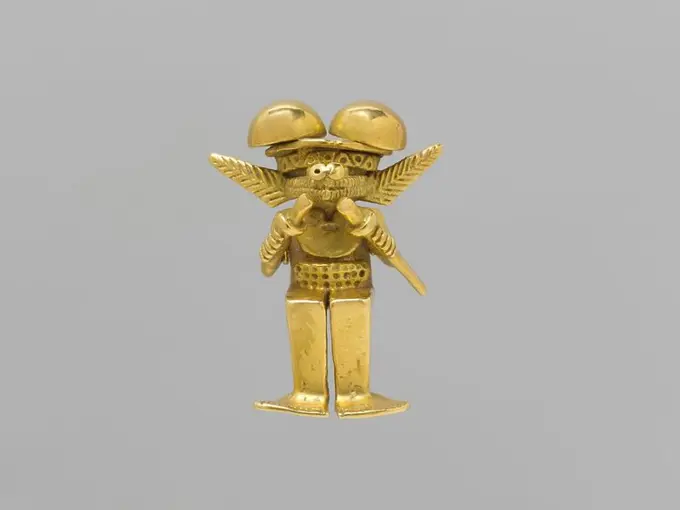
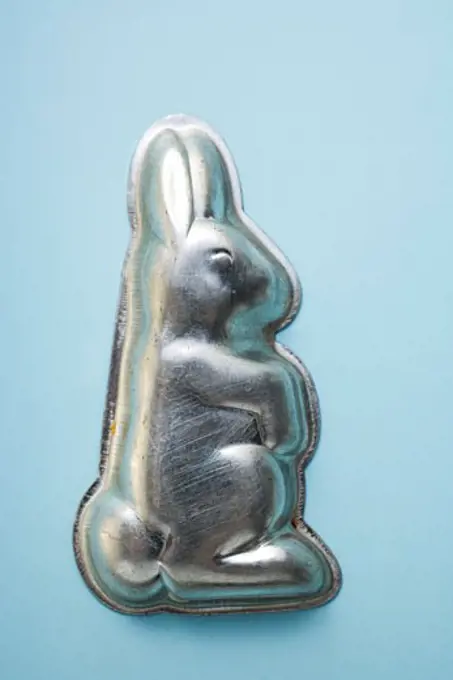
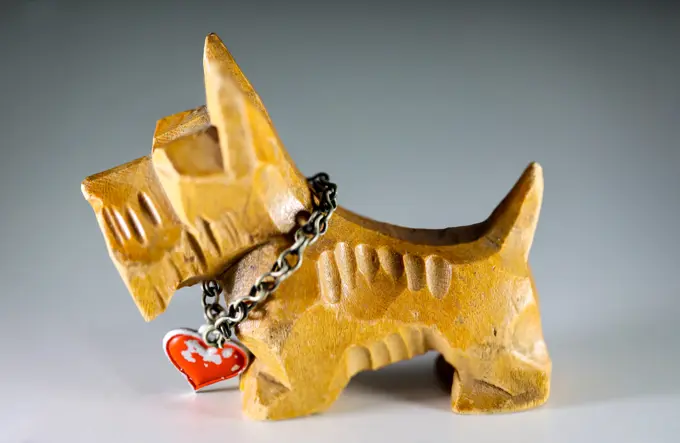
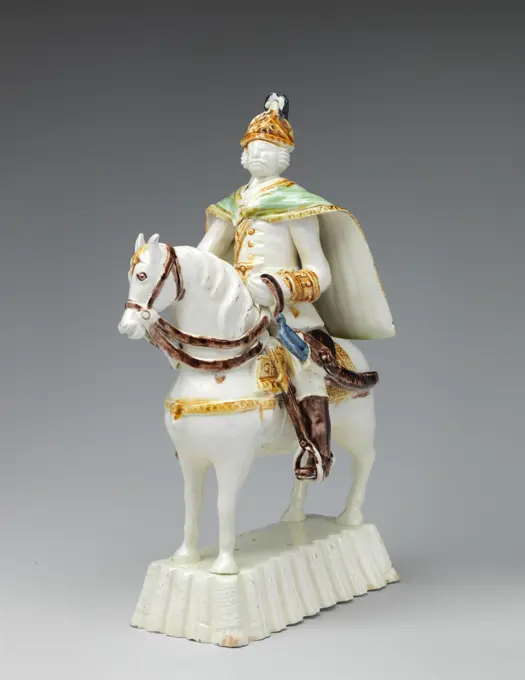
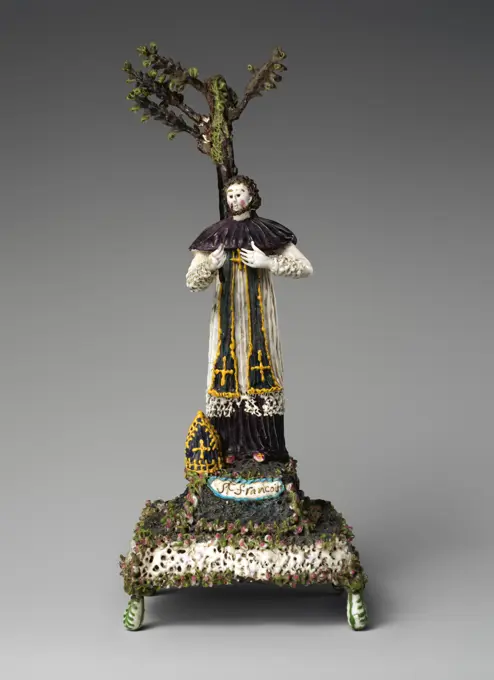
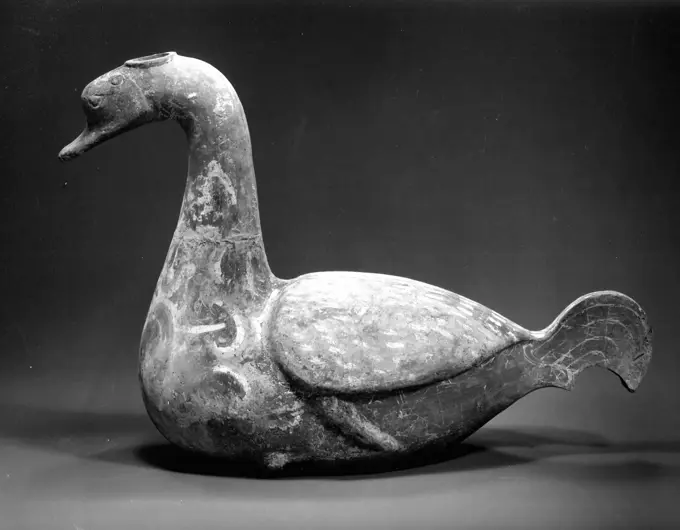
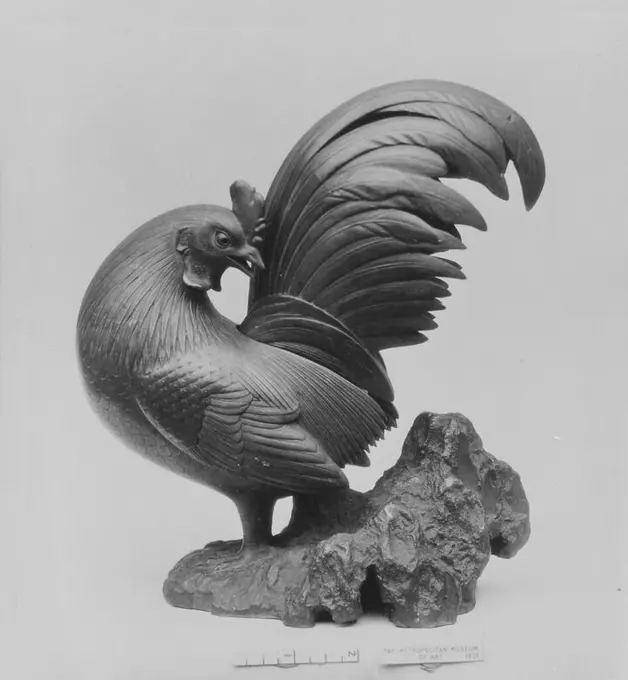
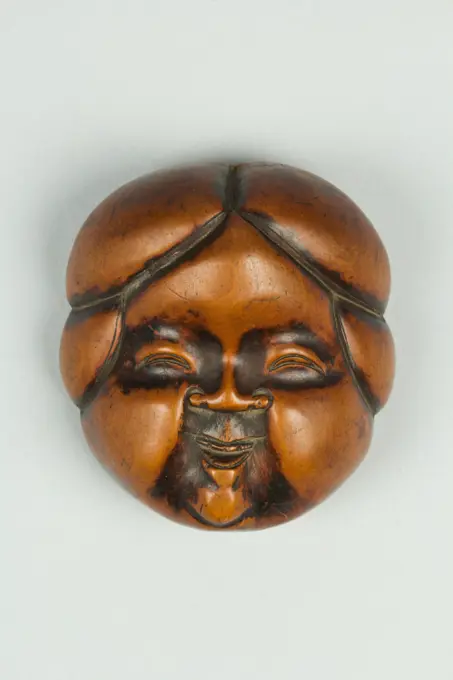
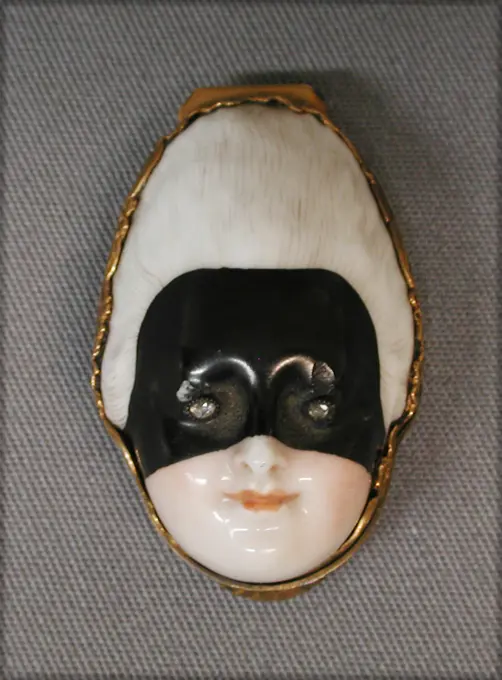
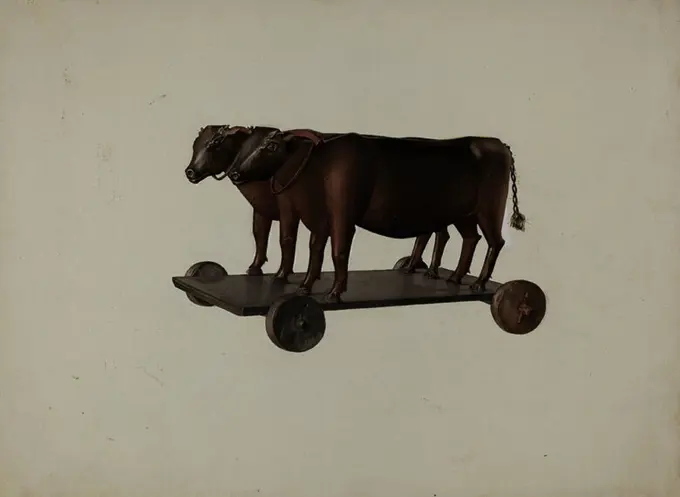
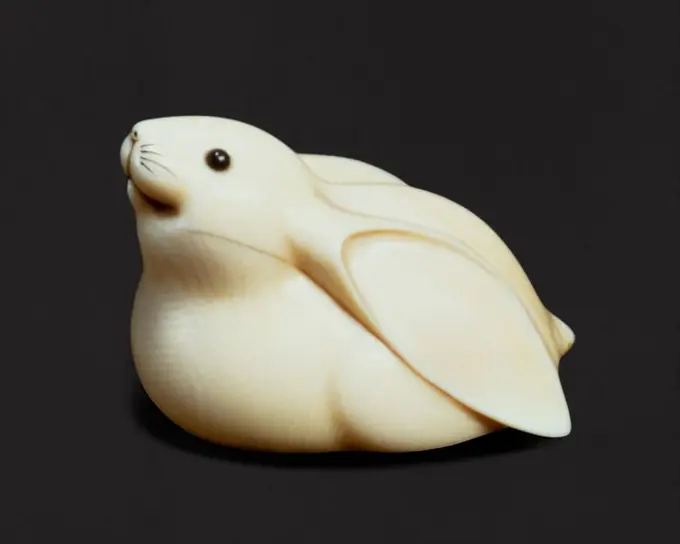
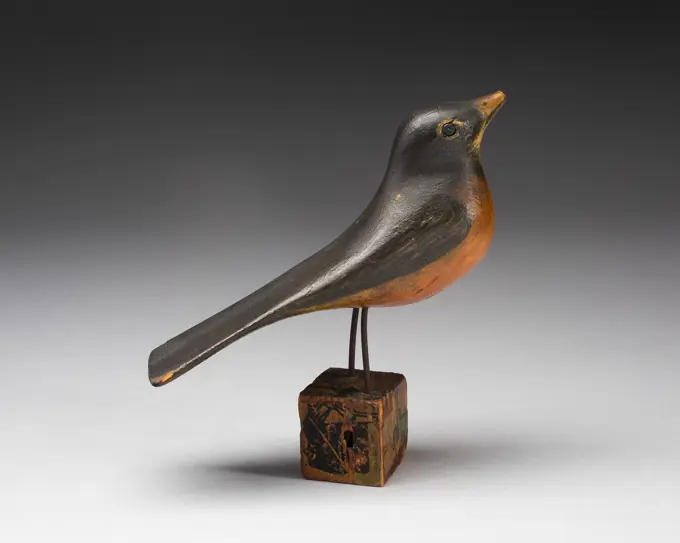
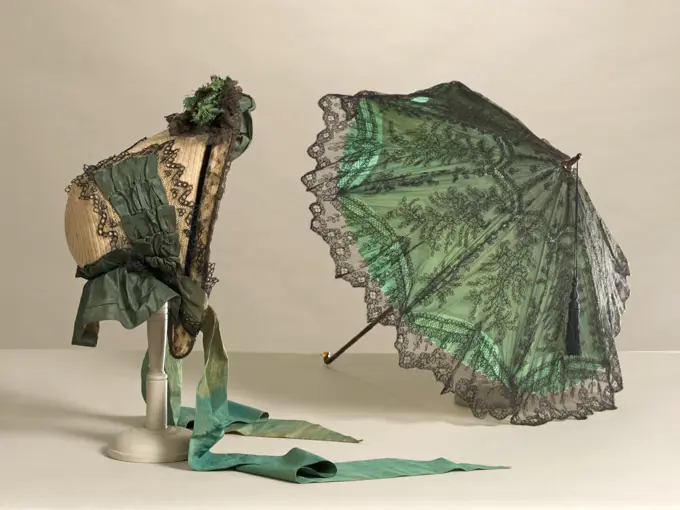
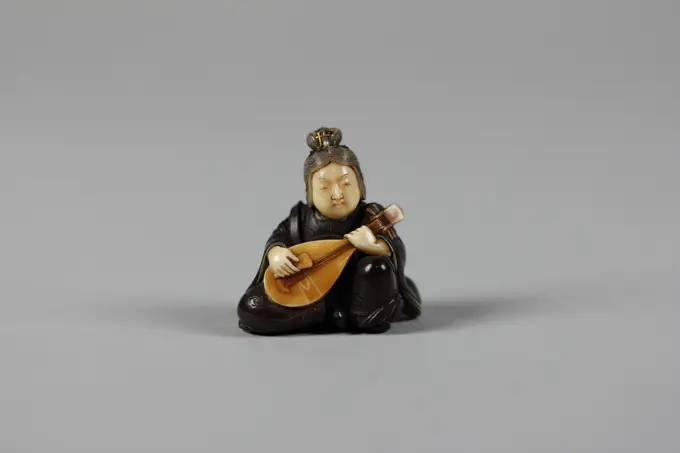
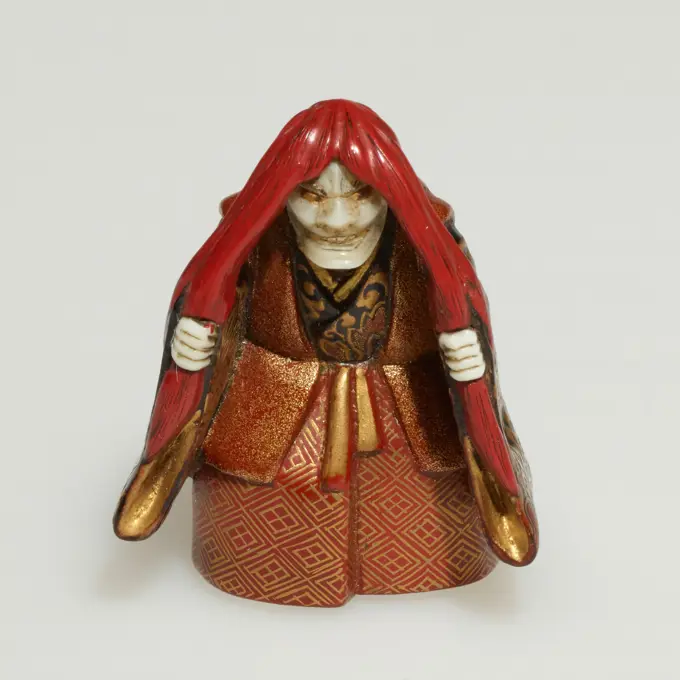
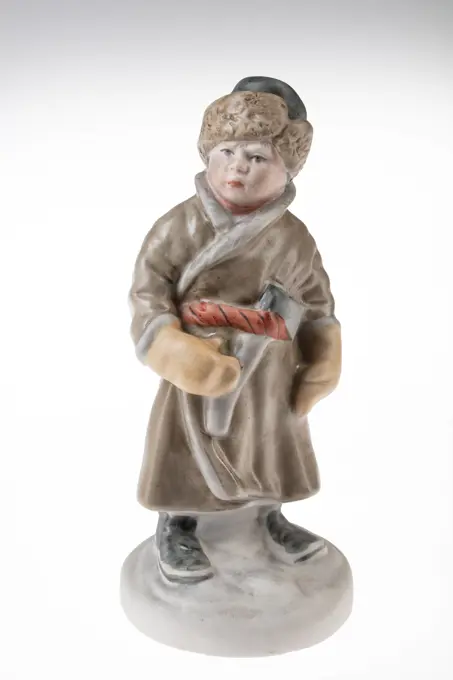
Old Porcelain Statuette Old porcelain statuette on an isolated background Copyright: xZoonar.com/AndreyxSkatx 12308982Phoenix Ornament China. Phoenix Ornament. China. Gilt silver. Song dynasty (960-1279). JewelryClose-up of terracotta SoldiersCocker Spaniel. Ceramic figurine, dog breed isolated on whiteChess Piece King 1775-1799 Burslem. Stoneware white jasperware . Wedgwood Manufactory (Manufacturer)Three-Spouted Oil Lamp 12th-13th century. Three-Spouted Oil Lamp 451760Bronze statuette of a ram ca. 200 B.C.-A.D. 200 Cypriot The ram had been used as the symbol on the coinage of the kings of Salamis in the late sixth and fifth centuries B.C. But it also had a wider significance in the Cypriot countryside, where pastoralism was an important element in the way of life. The statuette may have been made as a votive offering at a rural shrine.. Bronze statuette of a ram 244504Lapis lazuli is a relatively rare, semi-precious stone that has been prized since antiquity for its intense blue color. Lapis lazuli has been mined in the Badakhshan province of Afghanistan for over 6,000 years, and trade in the stone is ancient enough for lapis jewelry to have been found at Predynastic Egyptian sites and lapis beads at neolithic burials in Mehrgarh, the Caucasus, and even as far from Afghanistan as Mauritania.Mirror. Iran, 225-650. Tools and Equipment; mirrors. Speculum and bronzechess piecesA figurine from a monkey band, singer K trader, Jan Joachim, Miśnia (Meissen)Romano British ploughman. Piercebridge. ENGLAND.SIURELL DE SA CABANETA - MALLORCA - PITOS DE ARCILLO BAÑADO EN CAL Y DECORADO- CABRA Y HOMBRE A CABALLO.Vase in the shape of a bird. Culture: China. Dimensions: H. 5 5/16 in. (13.5 cm); W. 6 3/4 in. (17.1 cm); D. 2 11/16 in. (6.9 cm). Date: 18th-19th century. Museum: Metropolitan Museum of Art, New York, USA.'Two Telamones'. Italy. Venice, Late 16th century. Dimensions: height 21,5 cm; length 42,0 cm. Museum: State Hermitage, St. Petersburg.Christmas decoration, toy, isolated on whitePop of wood in Japanese clothing. Puppet made of wood in Japanese clothing on a wooden board.Italy, Emilia-Romagna, Velleia, Statuette representing a dog, bronzeOld woman figurine Isolated figurine of an old woman against a white background Copyright: xZoonar.com/YannxPoirierx 12596234Automatic clock. Pfaff, Jeremias (fl. 1639-ca 1682), watchmakerAmulet of a Uraeus with Sun Disk. Egyptian. Date: 664 BC-332 BC. Dimensions: 1.6 × 0.8 × 0.5 cm (5/8 × 5/16 × 3/16 in.). Faience. Origin: Egypt. Museum: The Chicago Art Institute, Chicago, USA. Author: Ancient Egyptian.Tri-colored glazed pottery of the Tang Dynasty on a white backgroundScent Bottle, 1800s. Manner of Meissen Porcelain Factory (German). Porcelain with gilt metal mounts; overall: 7.2 x 3.1 cm (2 13/16 x 1 1/4 in.).Brass design fitting on antique wooden camel, Jodhpur, Rajasthan, India Copyright: xSafatxAli/DinodiaxPhotoxQueen. Nevers, France. Date: 1700-1750. Dimensions: H. 8.9 cm (3 1/2 in.). Glass; lampwork (verre de Nevers), metal armature. Origin: France. Museum: The Chicago Art Institute, Chicago, USA.Netsuke of Boy Writing 19th century Japan. Netsuke of Boy Writing. Japan. 19th century. Wood. Edo (1615-1868) or Meiji period (1868-1912). NetsukeBronze horse-shaped weather vane. Artist: UnknownJapanese Netsuke of a man and boy at new year, 19th century. Artist: UnknownVase in the shape of a bird 18th-19th century China. Vase in the shape of a bird 43961Eagle, deer and tiger. Bronze. China. Paris, Cernuschi museum. 70003-46 Eagle, Chinese art, bronze, deer, tigerFruit plane; Silver Products Factory K.F. Malcza (Warsaw; Sreber label; 1828-1864), Malcz, Karol (1797-1867); XIXW. (1860-00-00-1870-00-00);Box 1830-70 American. Box. American. 1830-70. Parian porcelain. Probably made in Bennington, Vermont, United StatesDecorative object; cow. Animal figure of faience, representing a cow. Many color painted with flowers.archer bronze statuette and chieftain praying with cloak and stick fgurineModel or a figureehead. Model of a sheek image on sheas, on a base board, incomplete. The figure is a running man in Roman clothing and armor, his right arm raised, in the left-hand arrows bundle; The object that he holds in his right hand is missing. Scheep and floor plank are decorated with relief with leafwork. The figure proposes Mars.Owl. Bow Porcelain Factory; London, England, 1744-1775. Date: 1755-1765. Dimensions: 20.8 × 8.3 × 13.3 cm (8 1/6 × 3 1/4 × 5 1/4 in.). Soft-paste porcelain, polychrome enamels. Origin: Bow. Museum: The Chicago Art Institute, Chicago, USA.Frog on Round Base', c. 1872, Russell A. Frisbie; Manufacturer: J. & E. Stevens Company, Cromwell, Connecticut, 1843-1950s, American, 4 x 4 7/16 x 4 7/16 in. (10.16 x 11.27 x 11.27 cm), Iron, lead, pigment, United States, 19th centuryPiece of chess. The fallen knight on a white backgroundSake Ewer in the Form of a Chinese Boy with a Giant Gourd. Japan, second half of 19th century. Ceramics. Hirado Mikawachi ware; porcelain with blue and clear glazesRoerdomp. Figure of painted porcelain. The figure represents a stir-pump, standing on an irregular round pedestal, leaned against a thick bunch of aquatic plants in green painted. The springs are painted in various shades of brown, black and yellow. The top of the head is black. The figure has been marked.Traveling Puppeteer Performing. Meikeisai Hōjitsu (Japan, died 1872). Japan, mid-19th century. Costumes; Accessories. BoxwoodWilliam Lee (1860-1915). "Blue gourd". Museum of Fine Arts of the City of Paris, Petit Palais. 33121-1 Cord, blue gourdElephant Howdah (Man Pops Out)' mechanical bank, c. 1880, Enterprise Manufacturing Company, Philadelphia, 1875-1888, 5 15/16 x 6 11/16 x 2 1/2 in. (15.08 x 16.99 x 6.35 cm) (open), Iron, pigment, wood, fabric, 19th centuryStreet Seller Made 1760-1770 Derby. Soft-paste porcelain, polychrome enamels and gilding . Derby Porcelain ManufactoryNetsuke. Culture: Japan. Dimensions: H. 1 1/2 in. (3.8 cm); W. 1 3/8 in. (3.5 cm); D. 1 in. (2.5 cm). Date: 19th century. Museum: Metropolitan Museum of Art, New York, USA.Soaring Peak. Culture: China. Dimensions: Overall (with base): H. 28 1/2 in. (72.4 cm); W. 11 1/2 in. (29.2 cm); D. 7 1/4 in. (18.4 cm). Date: 18th century. Museum: Metropolitan Museum of Art, New York, USA.Qing Dyn. Fo dog, gilt bronze, 18th c. China.Pair of bathing clogs (nalin). unknown, craftsmanBox and Cover in Form of a Bird 18th century China. Box and Cover in Form of a Bird 44116Rearing Horse; Adriaen de Vries, Dutch, about 1545 - 1626; Holland, Europe; about 1605 - 1610; Bronze; Object: H: 49.5 x W: 54.6 x D: 17.8 cm (19 1/2 x 21 1/2 x 7 in.)Bust of a Young Child 1876 Ott and Brewer. Bust of a Young Child 14208Bronze statuette of bull 1st-2nd century A.D. Roman Statuette of a bull; missing its forelegs.. Bronze statuette of bull. Roman. 1st-2nd century A.D.. Bronze. Imperial. BronzesAntoine Louis Barye, Walking Lion, model nd, cast c 1840 1873 Walking LionFemale Nude 1700-1750 France. Glass; lampwork (verre de Nevers), metal armature .Mould (France); copper, tinBird ornament. In the 10th century north China was conquered by the Qidan, a nomadic people from Mongolia. A feature of their culture was the possession of small, valuable items whose modest dimensions made them easy to transport. These objects are often decorated with representations of animals from the Qidans everyday world, such as this swimming grebe, a common summer visitor to the lakes of Mongolia.Group of Four Celestial Dancing Beauties (Apsaras) 1175-1225 Cambodia. Bronze .Brass and white metal design fitting on antique wooden horse, Jodhpur, Rajasthan, India Copyright: xSafatxAli/DinodiaxPhotoxHyottoko. Japan, 19th century. Costumes; Accessories. Stag antlerIndian Rose Mantid on white backgroundMechanical Toy BankNetsuke of Hotei and Bag. Culture: Japan. Dimensions: H. 1 3/4 in. (4.4 cm); W. 1 3/8 in. (3.5 cm). Date: 19th century. Museum: Metropolitan Museum of Art, New York, USA.Netsuke of Rabbit 19th century Japan. Netsuke of Rabbit. Japan. 19th century. Wood. Edo (1615-1868) or Meiji period (1868-1912). NetsukeHorse and Stable Lad, Adrian Jones, 1845-1938, British, ca. 1890, Bronze, Overall: 13 1/4 x 17 x 5 1/4 inches (33.7 x 43.2 x 13.3 cm), horse (animal), man, sporting artGaston d'Illiers, Prince, 1912, bronze.Masked Figure Pendant. Culture: Calima (Yotoco). Dimensions: H. 2 1/8 x W. 1 5/8 x D. 7/8 in. (5.4 x 4.1 x 2.2 cm). Date: 1st-7th century. Museum: Metropolitan Museum of Art, New York, USA.Statuette of a Ram. UnknownClose-up of a ram figurine, Real De Catorce, San Luis Potosi, MexicoThree windmills for drawing water, Arnoldus van Geffen, 1752 The front and rear wall of a mill is on a rectangular plate. The walls are open with lily-like ornaments and they carry the pivot, on which the blades turn. The blades are drilled out. There is a bird on top of every wall of the mill. The edge of the plate is decorated with flowers in relief. The image is marked: stk. = Amsterdam, JRL. = S (1752), Mt. = Arnoldus van Geffen and a crowned V. The plate contains a hole, so that a rope can run to the pivot that can make the blades run . Amsterdam silver (metal) The front and rear wall of a mill is on a rectangular plate. The walls are open with lily-like ornaments and they carry the pivot, on which the blades turn. The blades are drilled out. There is a bird on top of every wall of the mill. The edge of the plate is decorated with flowers in relief. The image is marked: stk. = Amsterdam, JRL. = S (1752), Mt. = Arnoldus van Geffen and a crowned V. The plate contains a hole, so thatMonk 1700-1750 France. Glass; lampwork (verre de Nevers), metal armature .Game of dogs and jackals, blue faience game board in form of hippopotamus, Dynasty XXVI, Egyptian civilization, Late PeriodEaster Bunny baking tinA carved figure of a dog with a chain around the neck. A carved figure of a dog with a chain around the neck.Cavalryman ca. 1750 Style of Astbury-Whieldon. Cavalryman. British, Staffordshire. ca. 1750. Lead-glazed earthenware. Ceramics-PotterySaint Francis de Sales last half 18th century possibly Haly workshop. Saint Francis de Sales. possibly Haly workshop (French, 18th century). probably French (Nevers). last half 18th century. Opaque white, dark amethyst ("black"), pink, brown, dark brown, black, yellow-orange, light blue, dark blue-green, green, dark green, olive green, and waxlike colorless glass; copper and iron wire. Lampworked.. GlassVessel in the Shape of a Goose (Zun) China. Vessel in the Shape of a Goose (Zun) 49531Censer in Form of a Cock. Culture: Japan. Dimensions: H. 9 1/8 in. (23.2 cm); W. 9 in. (22.9 cm). Date: 1700. Museum: Metropolitan Museum of Art, New York, USA.Keeshondje, anonymous, 1784 - 1787  Keeshondje, one-sided silver open worked plaque, representing dog with pointed mouth, hairy head and neck with moons, smooth abdomen and long-lengthed tail, which hangs back on the back, standing on half-maan-shaped surfaces. Netherlands silver (metal)  dogJapanese lucky cat figurine.Netsuke of Noh Mask; Face of Usume 18th century Japan. Netsuke of Noh Mask; Face of Usume. Japan. 18th century. Wood. Edo period (1615-1868). NetsukePatch box ca. 1750 Meissen Manufactory German. Patch box. German, Meissen. ca. 1750. Hard-paste porcelain, gold. Ceramics-PorcelainFigure of a Coachman 1830-70 American. Figure of a Coachman. American. 1830-70. Parian porcelain. Probably made in Bennington, Vermont, United StatesToy Yoke of Oxen. Dated: 1935/1942. Dimensions: overall: 27.8 x 37.6 cm (10 15/16 x 14 13/16 in.) Original IAD Object: 6 3/4" high; 10 3/4" long. Medium: watercolor, graphite, and pen and ink on paperboard. Museum: National Gallery of Art, Washington DC. Author: Joseph Goldberg.Chess Piece Pawn 1800-1899 Burslem. Stoneware (jasperware) . Wedgwood Manufactory (Manufacturer)Rabbit. Artist: Mitsuhiro Ohara (Japanese, 1810-1875). Culture: Japan. Dimensions: H. 1 in. (2.5 cm); W. 1 in. (2.5 cm); D. 1 3/4 in. (4.4 cm). Date: mid-19th century.This netsuke--a masterpiece of understated simplicity-- depicts a white rabbit. In Japanese folklore, a rabbit lives in the moon where he pounds rice cakes or prepares the elixir of immortality. Museum: Metropolitan Museum of Art, New York, USA.Profile Warrior Ornament 6th-7th century Moche (Loma Negra) This warrior, one of five highly similar gilded copper figures in the collections of The Metropolitan Museum of Art (the others are accession numbers 1987.394.70, .71, .72, .85), was created by artists of the Moche culture in northern Peru. Each figure has a spear thrower or atlatl in his hand, and each wears typical Moche warrior regalia including a distinctive headdress tied under the chin and surmounted by a metal crescent projecting upward between two stepped elements. The warriors wear a tunic and loincloth as well as ear ornaments and a backflap, a type of body armor suspended from the lower back and terminating in a row of conical metal bells. Bells of similar shape suspended from tunics and banners have been excavated at Moche sites such as Sipán, reminding us of the importance of sound in battles, processions, and performances (Alva and Donnan, 1993). The figures eyes are made of shell with inlaid pupils of turquoiseNetsuke of Fukurokuju late 18th-early 19th century Japan. Netsuke of Fukurokuju 59049Young man sitting on an armchair and listening to an MP3 playerRobin c 1860-1900 Pennsylvania. Pine, paint, printed materials, iron, glass, and paper . Artist unknownBlond straw hood with large bavolet, ribans and decor of leaves on the green taffeta pass, garnished with black whipped lace. Black lace marquise of black whipped cream on green silk taffeta. Capote: blonde straw, black whipped cream, green taffeta ribbons. Shadowl: Black mechanical lace coverage and bright green taffeta, beige silk canvas lining, whale tanks carcass, black silk flowerboard glans, tip, mast and varnished wood handle. 1860-1864. Galliera, fashion museum of the city of Paris. Green leaf. Accessory, whale, varnished wood, carcass, black whipped cream, blanket, lace whipped cream black mechanics, lining, tip, fanon, female, green leaf, glans, mat, shadow, beige straw, passagemen, handle, ribbon, black silk, taffetas, Bright green taffeta, beige silk canvas, hatTuren in the Form of A Melon, with a Saucer in the Form of a Sunflower. Box of faience. Consisting of a container on a solid and a lid. The subset has the shape of a sunflower, container and lid of a melon.Trois Faunesses Auguste Rodin (1840-1917 French) Christie's Images,New York beautiful wooden antique carousel toy with animals (isolated on white background)Showcase with European porcelain; Halls of crafts July 1962..Vintage Soviet fish shaped decanter with shot glasses on a white backgroundBonbonnière: Dalmatian's Head. Bilston, England. Date: 1760-1770. Dimensions: H. 5.7 cm (2 1/4 in.). Polychrome enamel on copper with metal mounts. Origin: Bilston. Museum: The Chicago Art Institute, Chicago, USA.Duck Figure. Culture: Japan. Dimensions: L. 7 in. (17.8 cm). Date: 19th century. Museum: Metropolitan Museum of Art, New York, USA.Netsuke of Benten 19th century Japan. Netsuke of Benten. Japan. 19th century. Wood and ivory. Edo (1615-1868) or Meiji period (1868-1912). NetsukeLion dancer, 19th century, Issai, Japanese, 1 9/16 x 1 3/16 x 5/8in. (4 x 3 x 1.6cm), Wood and lacquer with gold, Japan, 19th centuryWine Vessel 18th century China. Wine Vessel 61065