Decorative Animal Figurines

Artistic small sculptures of animals, including frogs and kangaroos, highlighting intricate craftsmanship from different cultures.

Lamp, Turkey; 4th - 5th century; Bronze; 2.8 × 3.1 × 8.3 cm (1 1,8 × 1 1,4 × 3 1,4 in.)
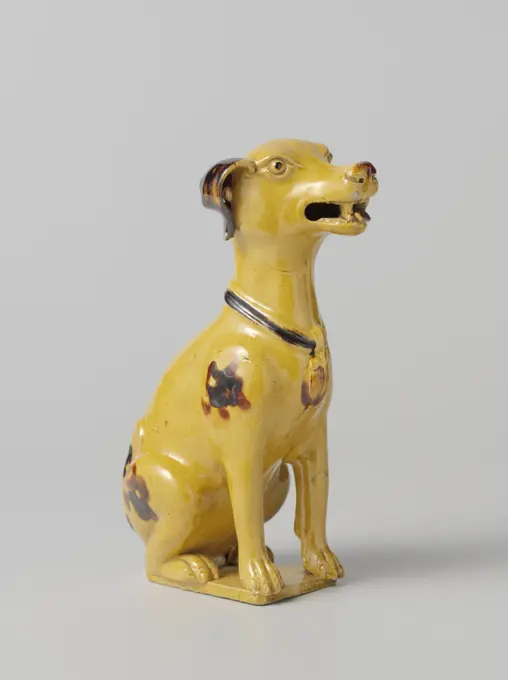
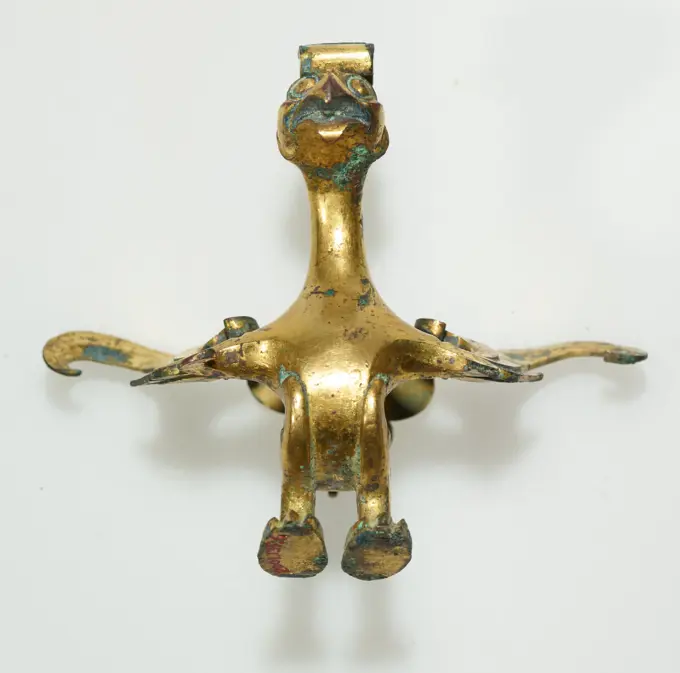
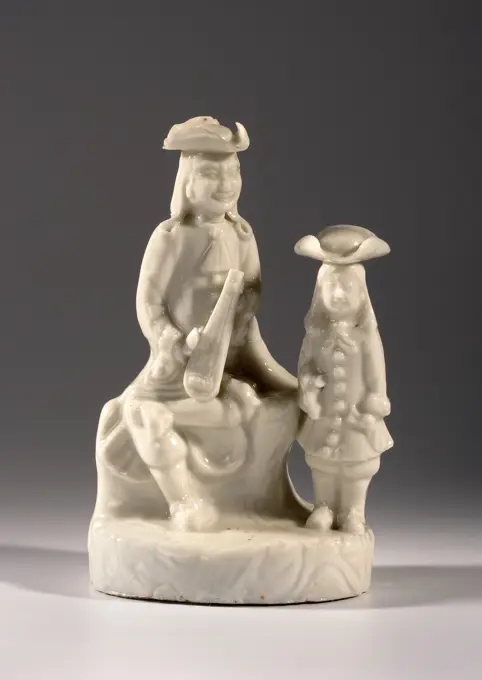
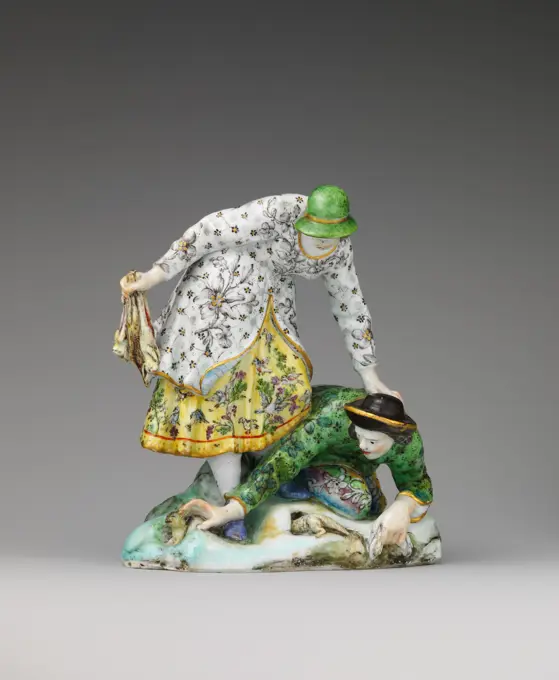
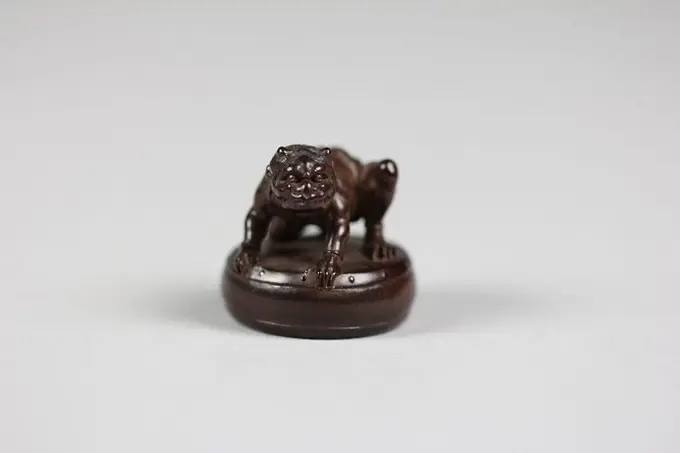
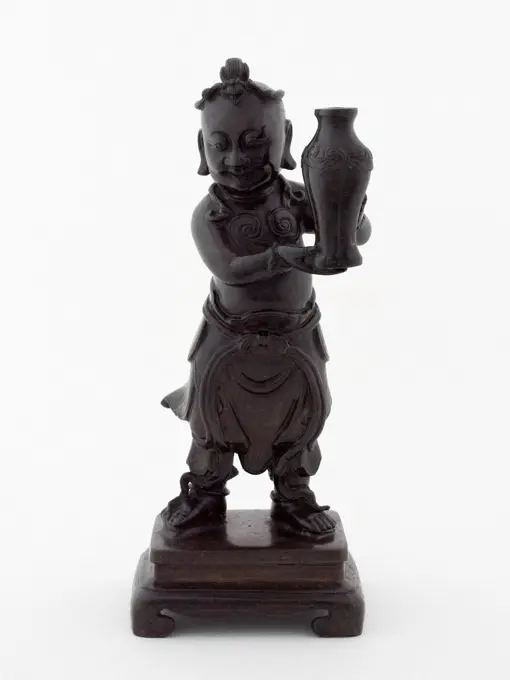
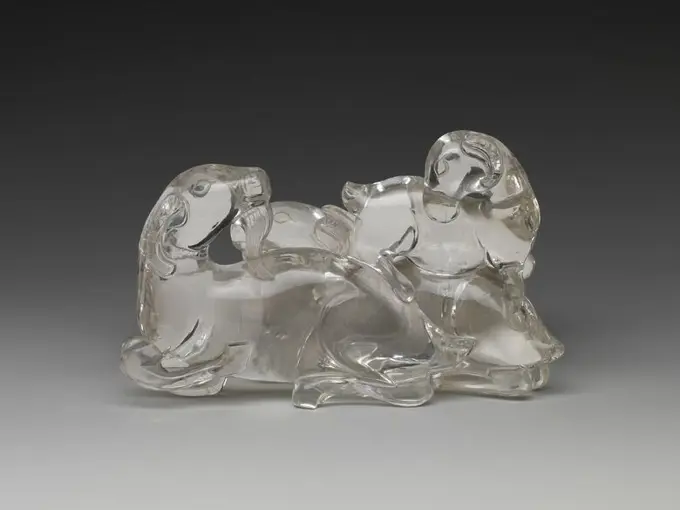
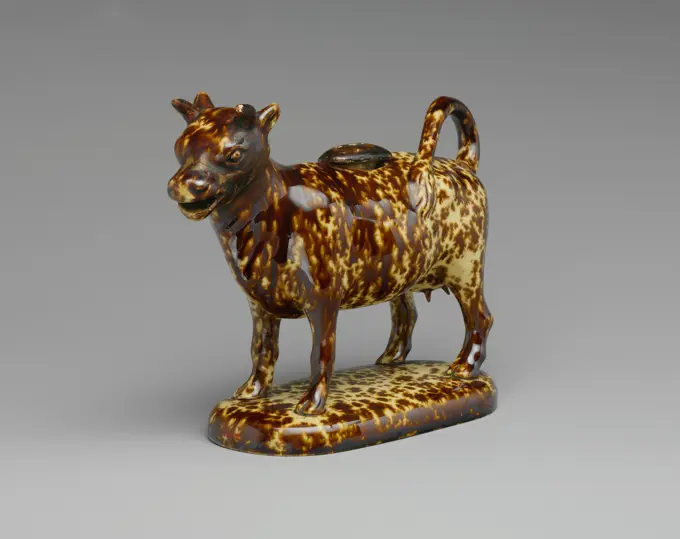
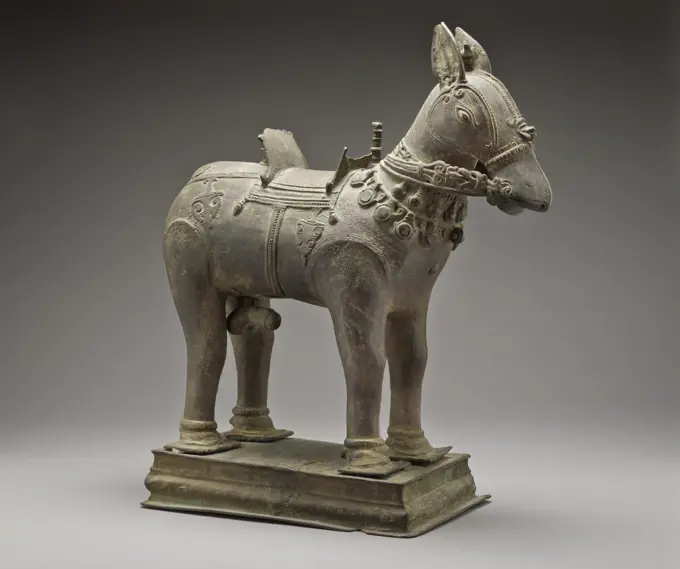
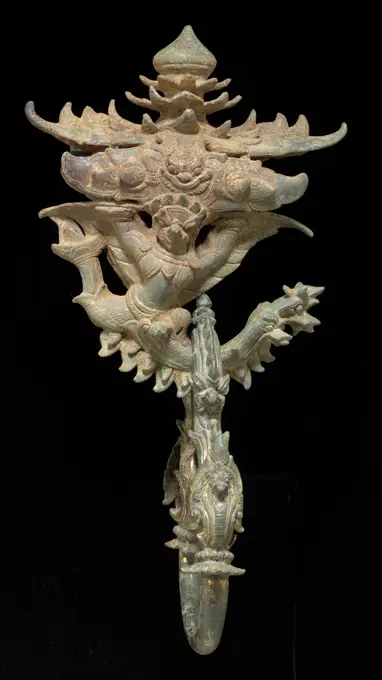
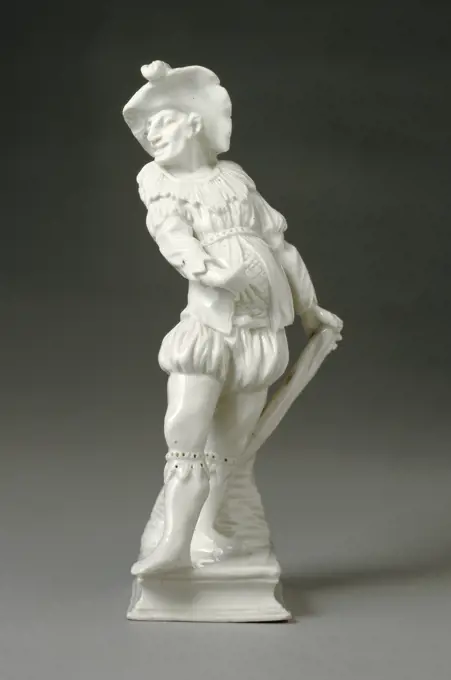
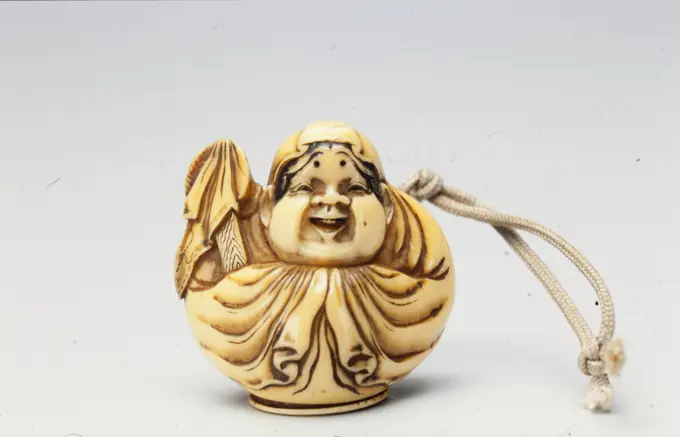
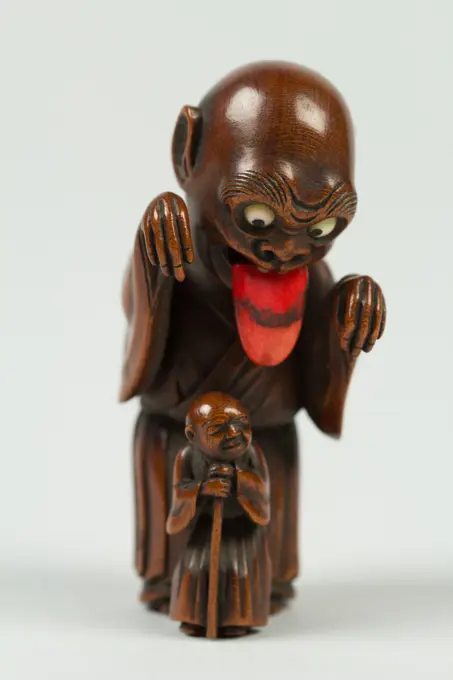
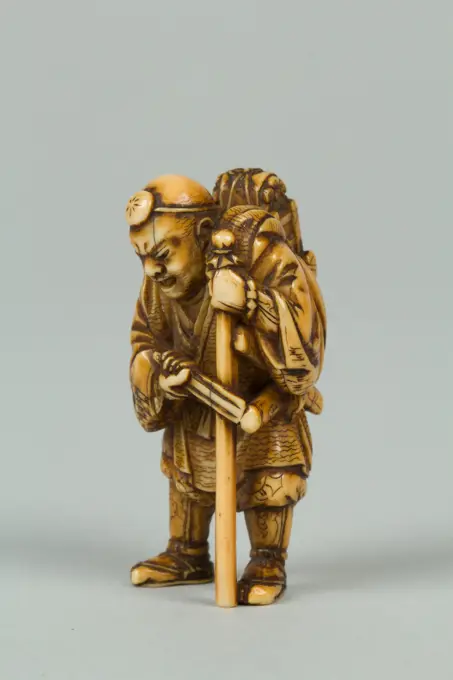
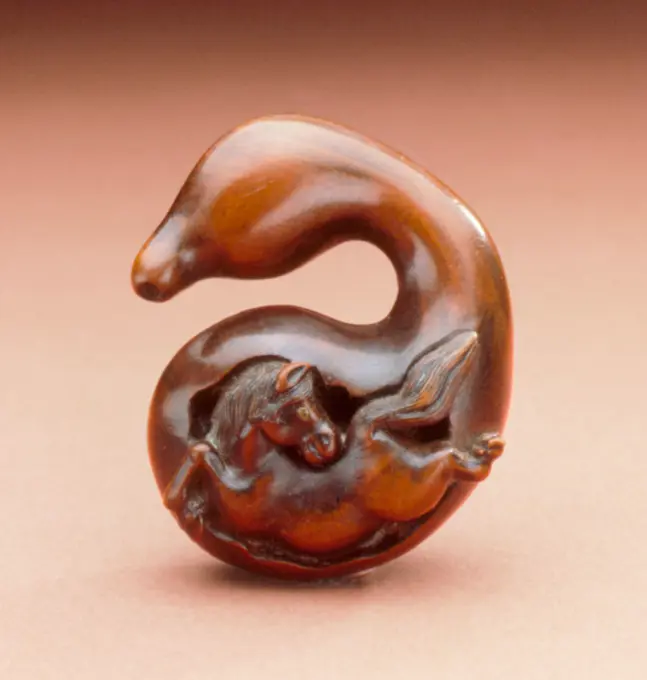
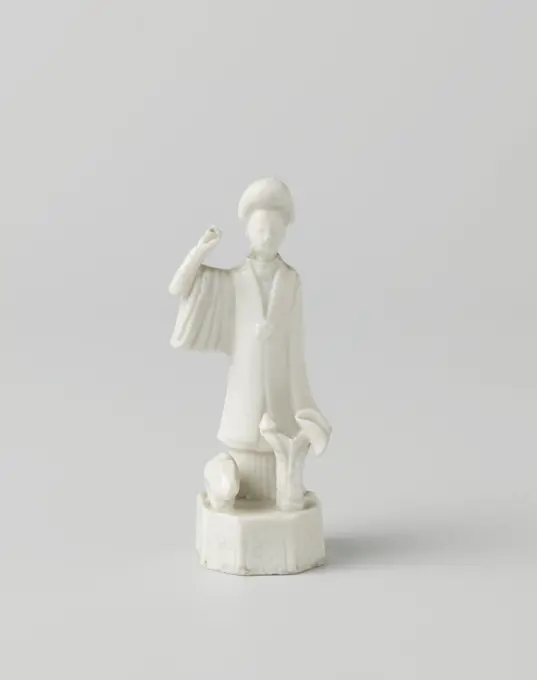
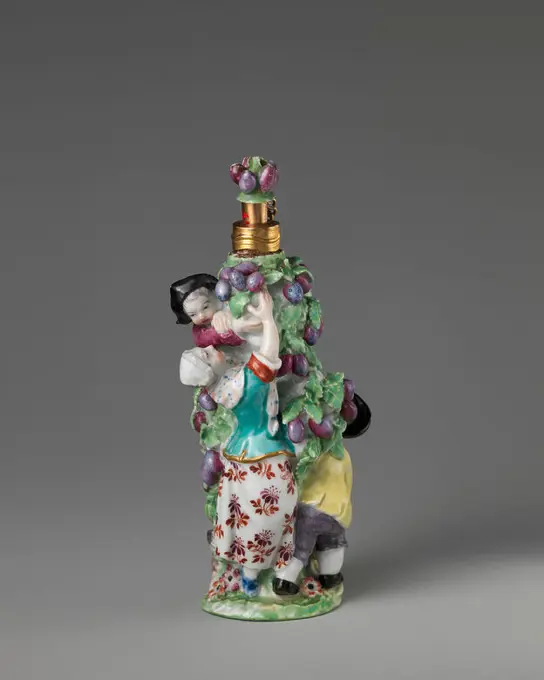
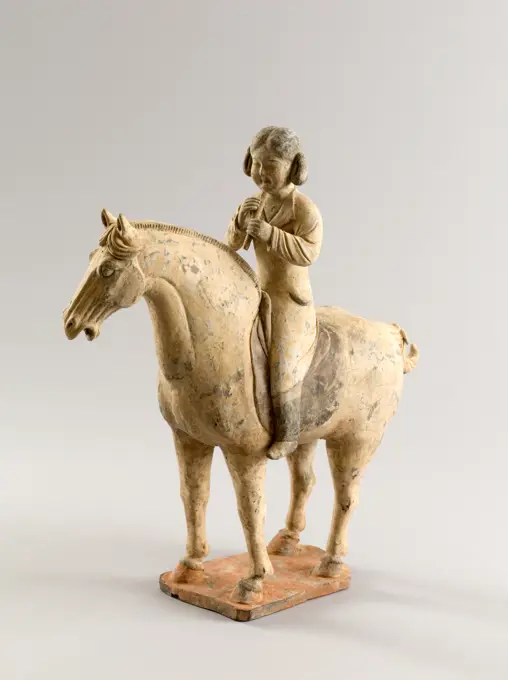
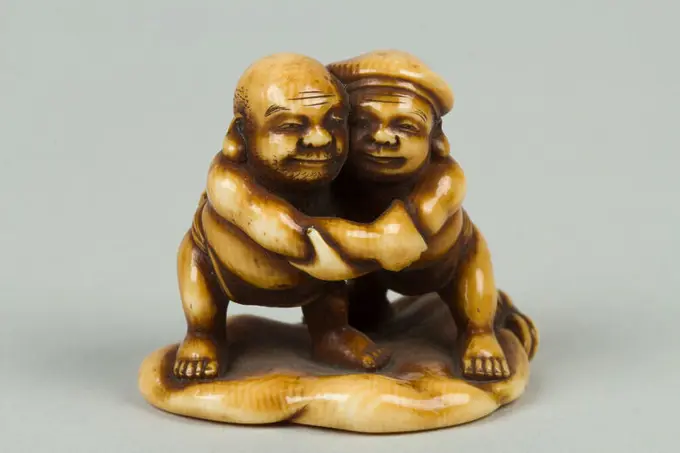
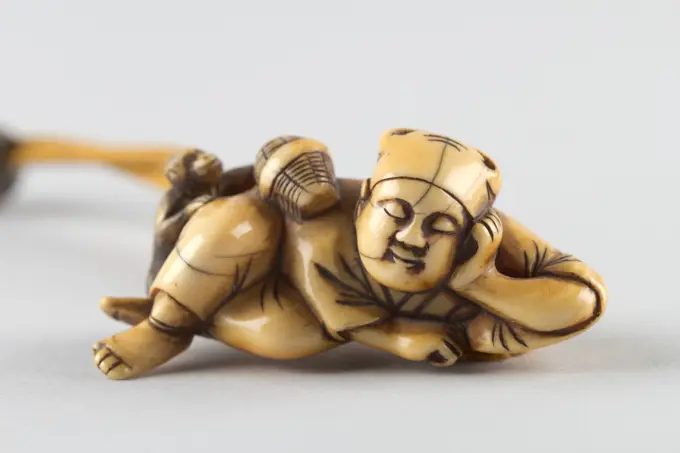
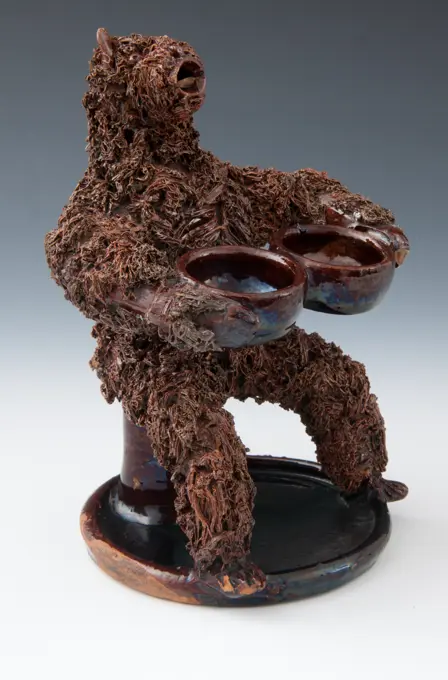
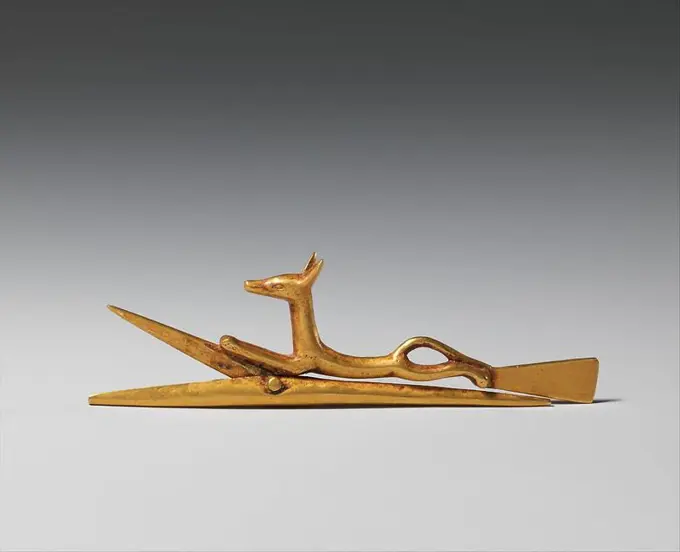
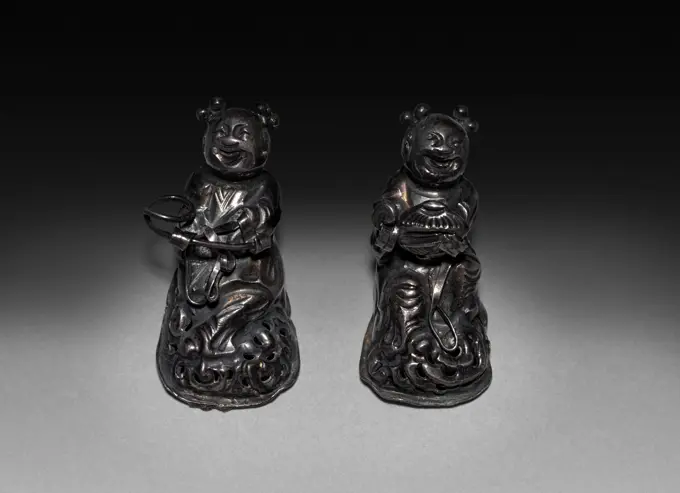
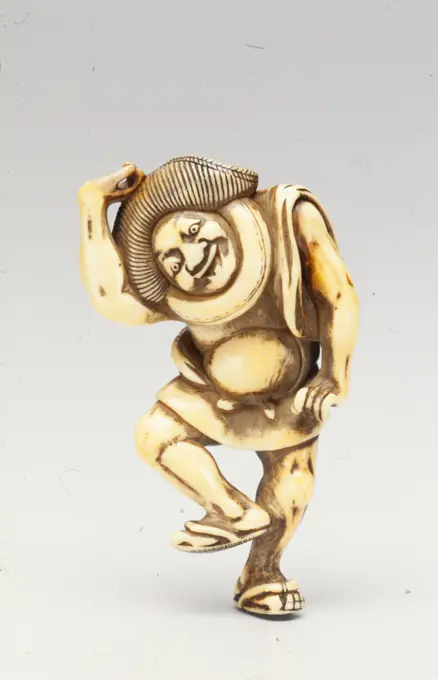
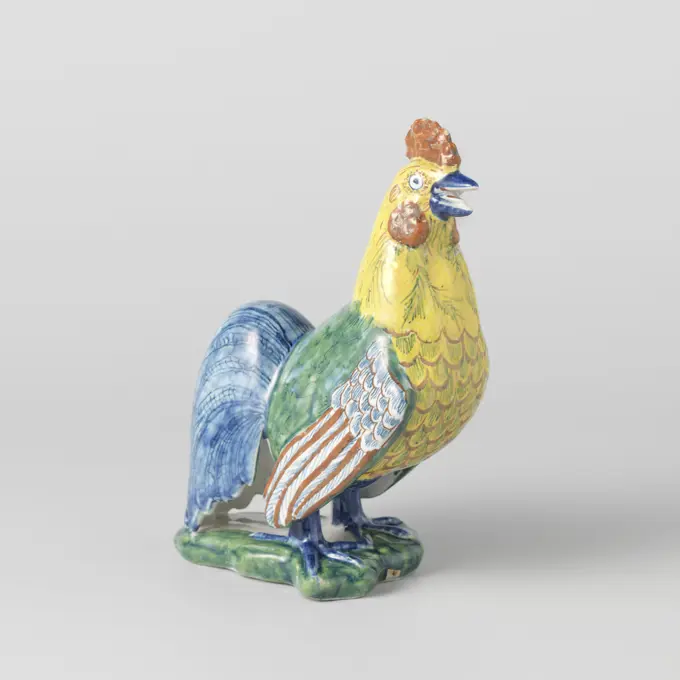
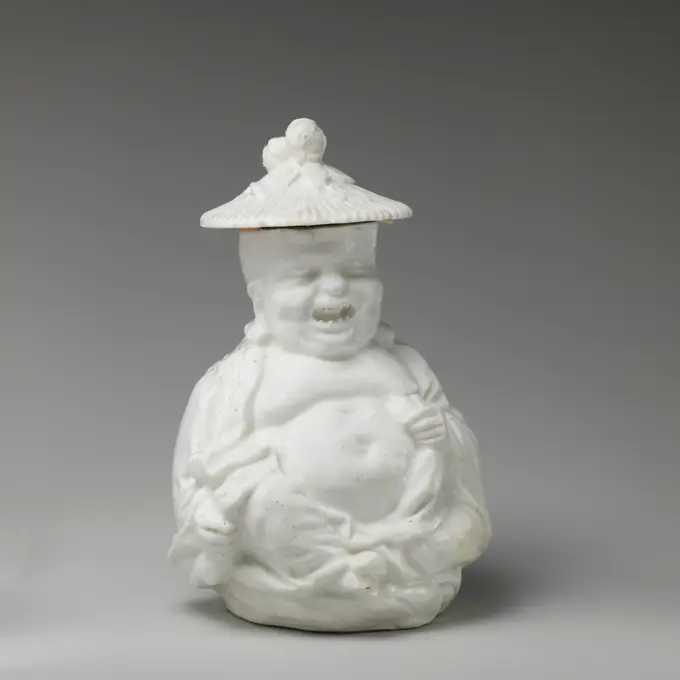
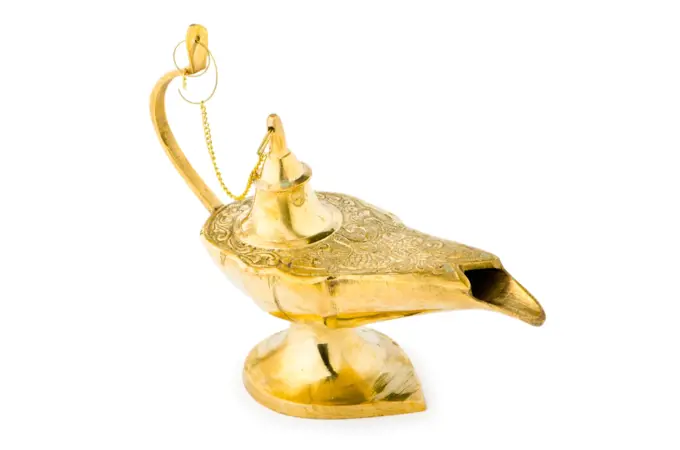
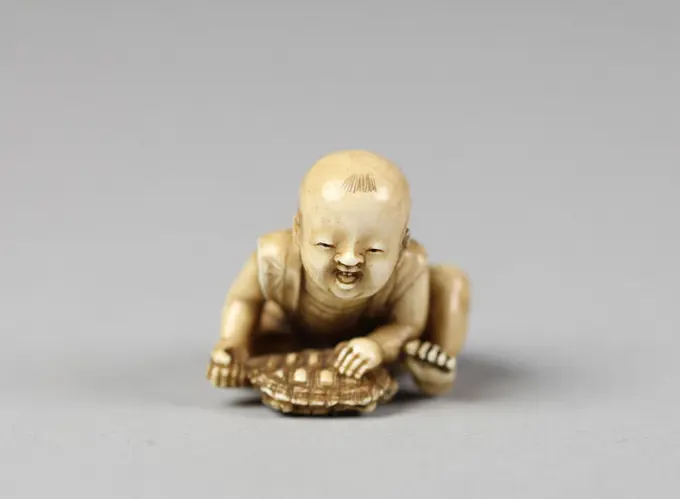
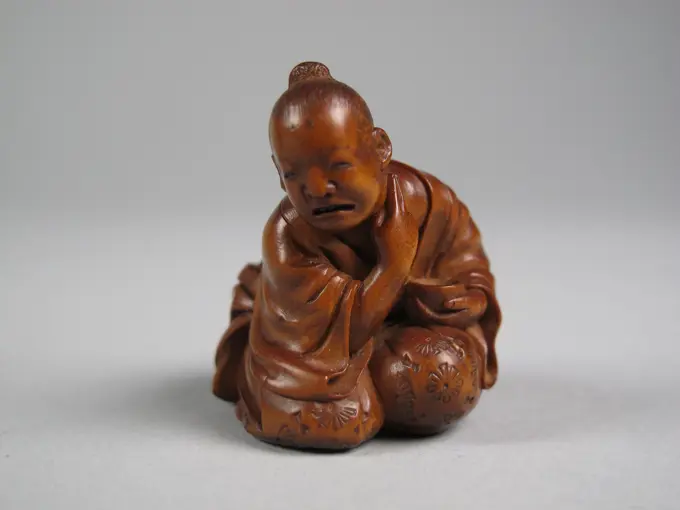
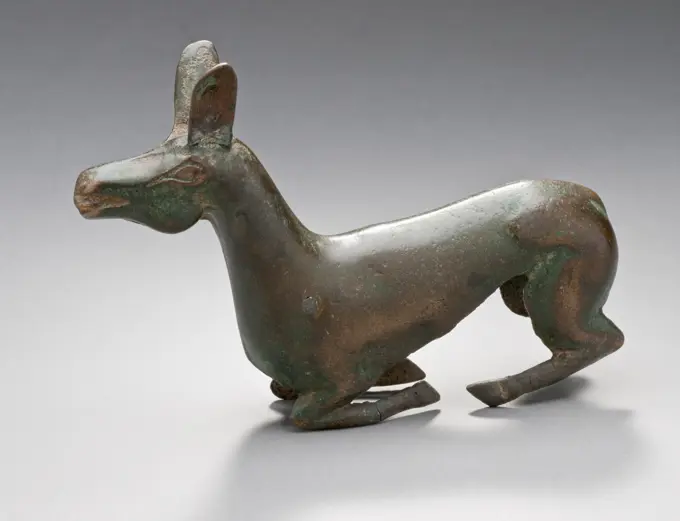
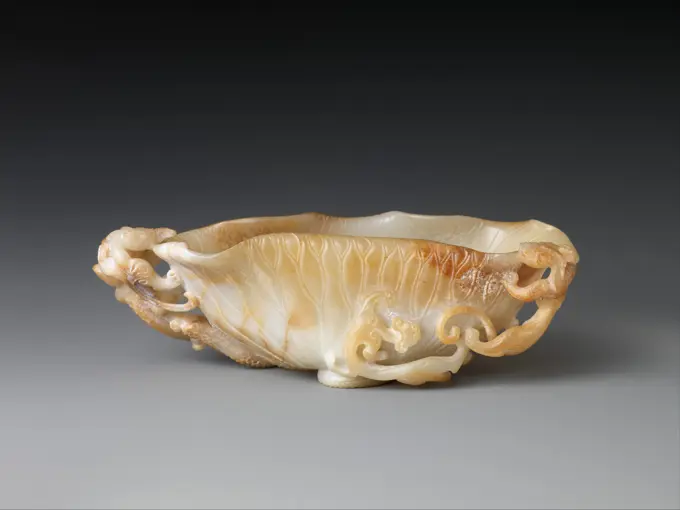
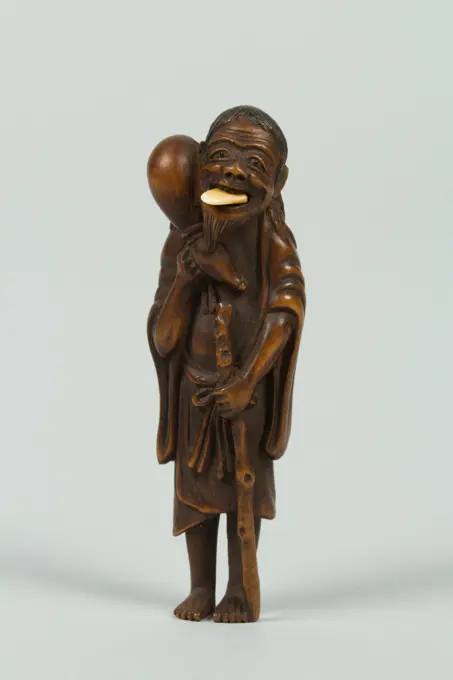
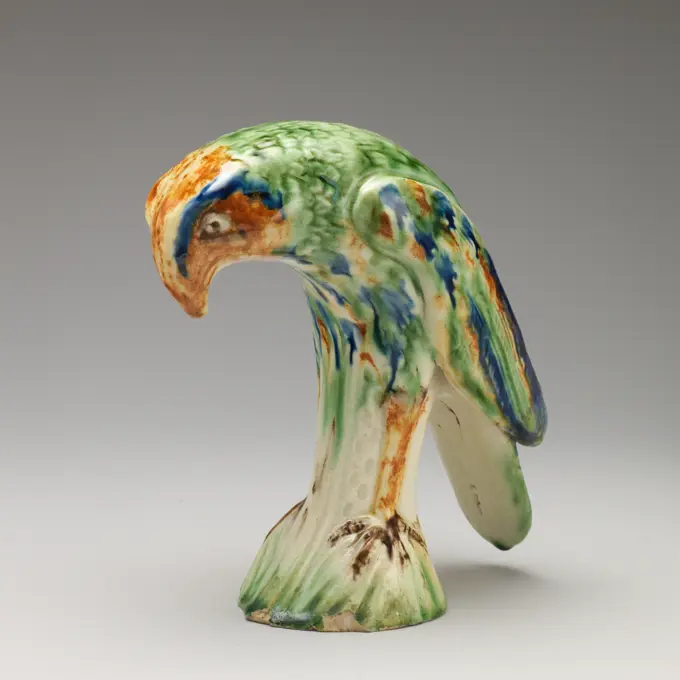
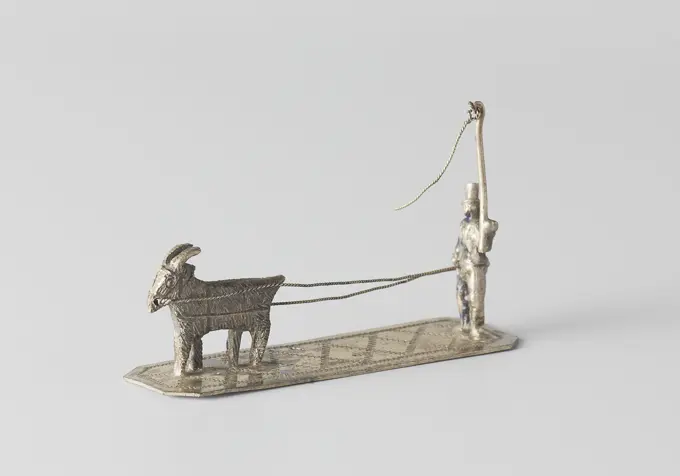
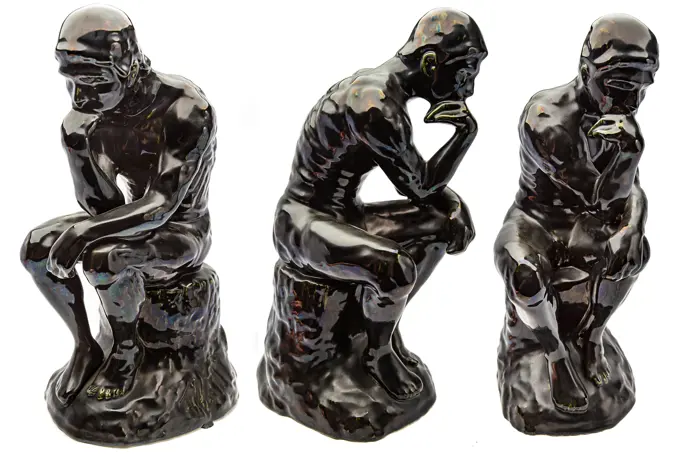
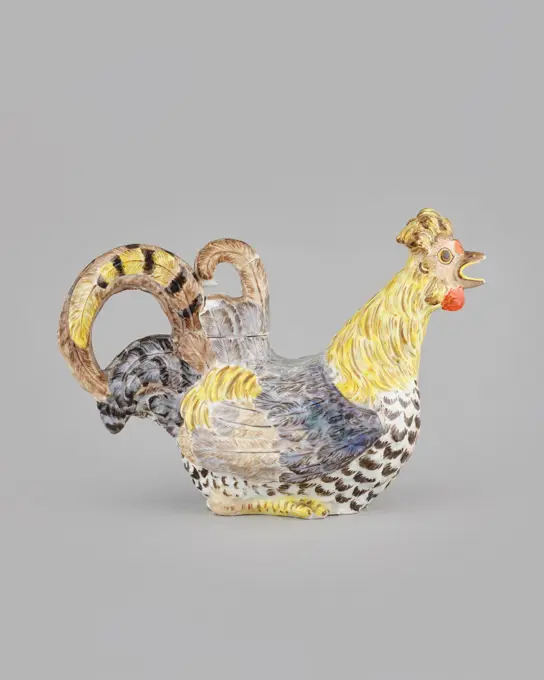
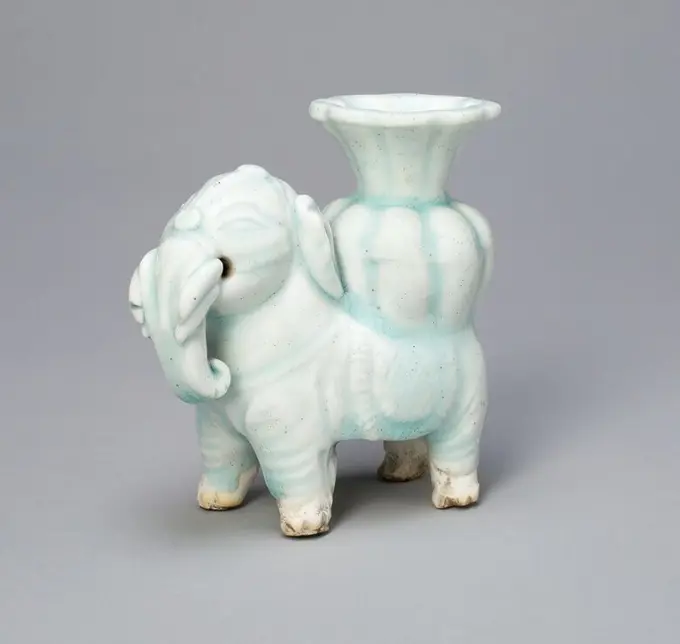
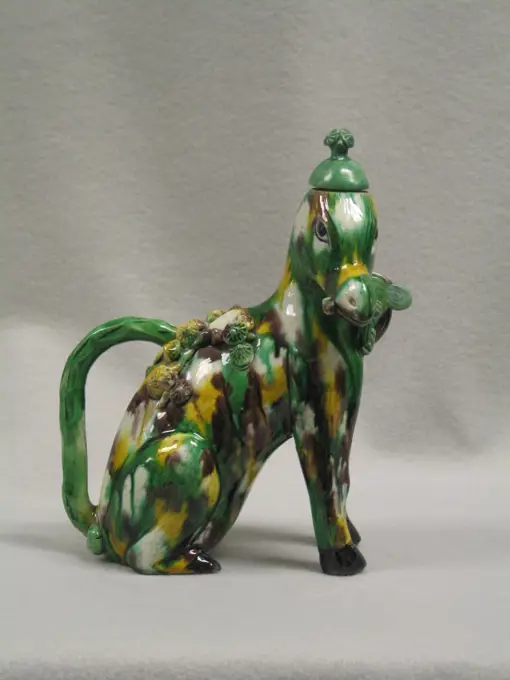
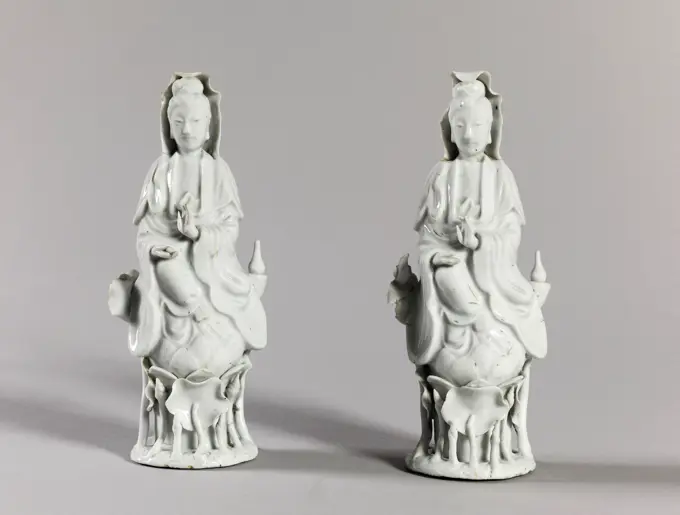
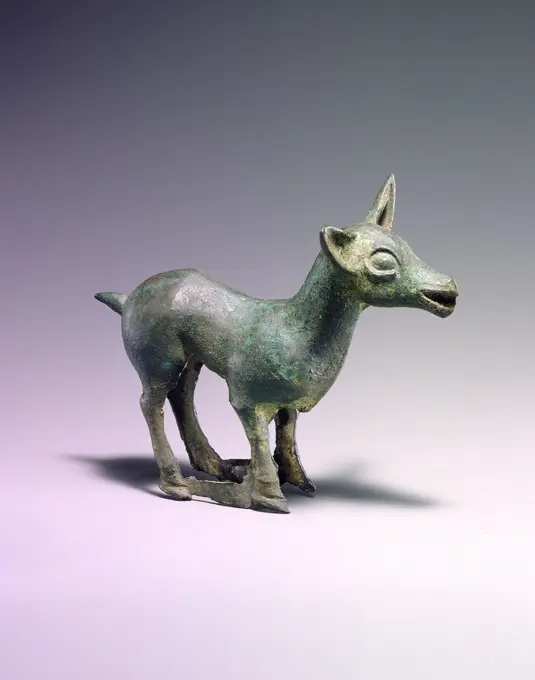
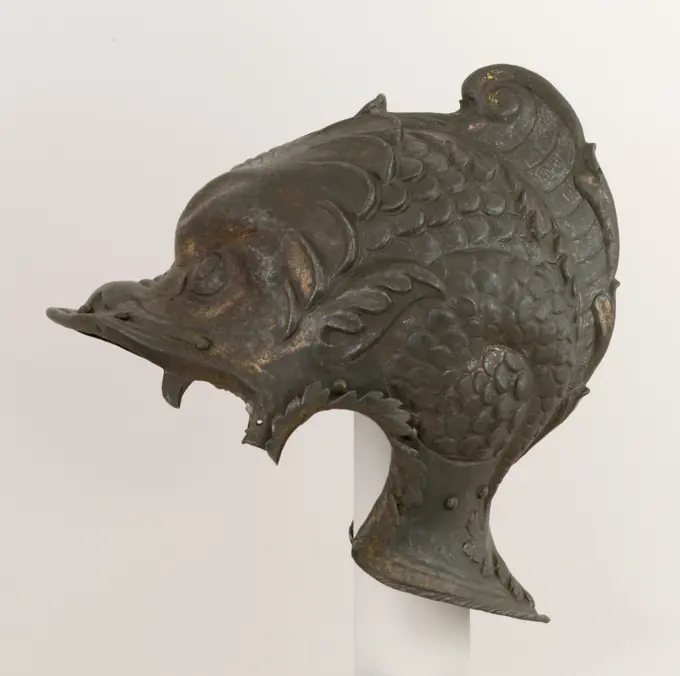
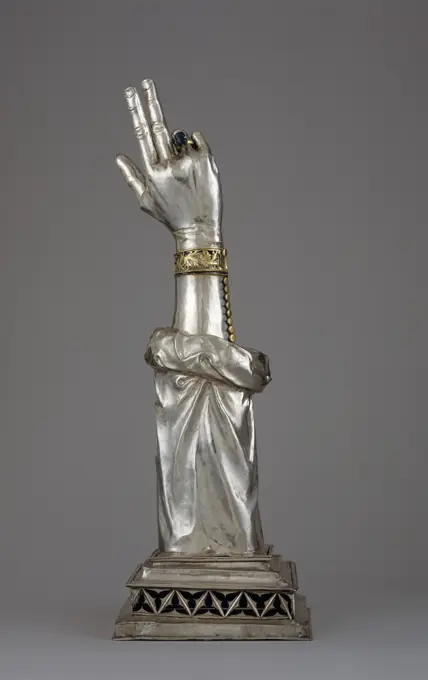
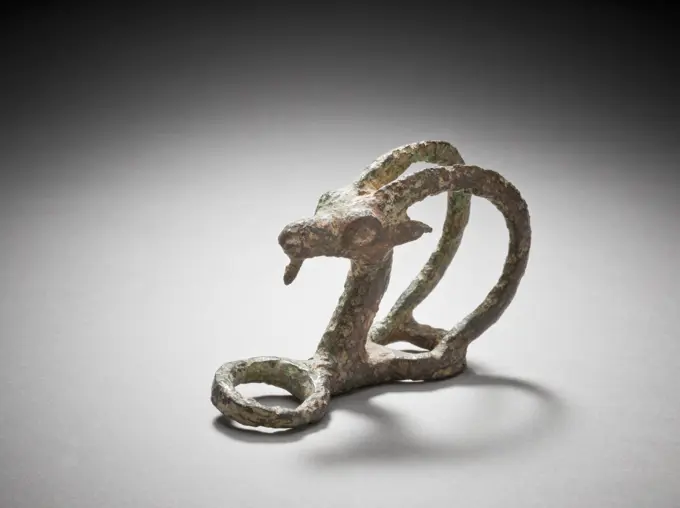
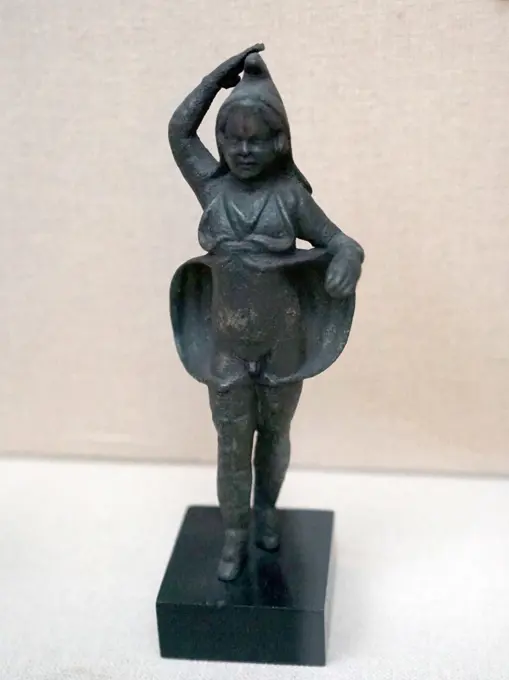
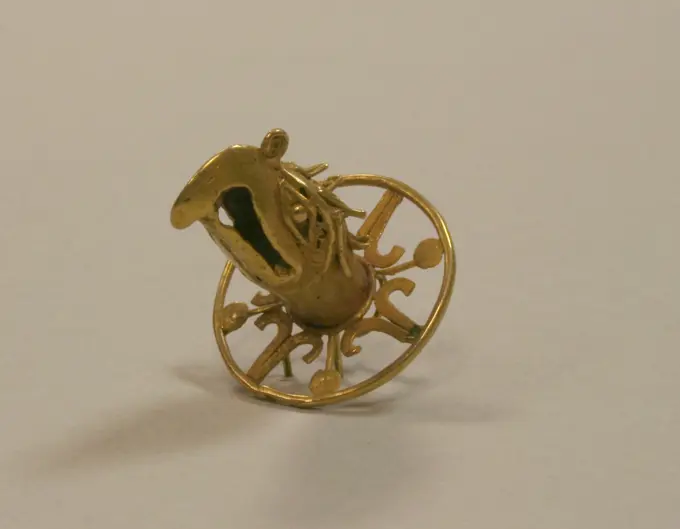
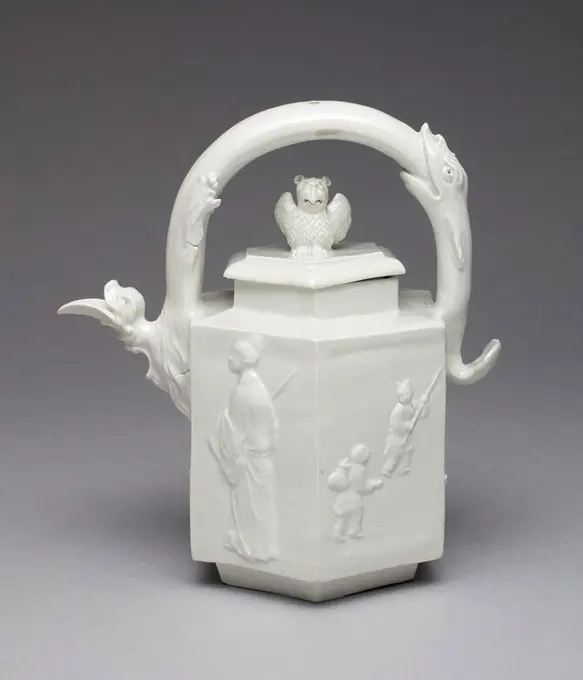
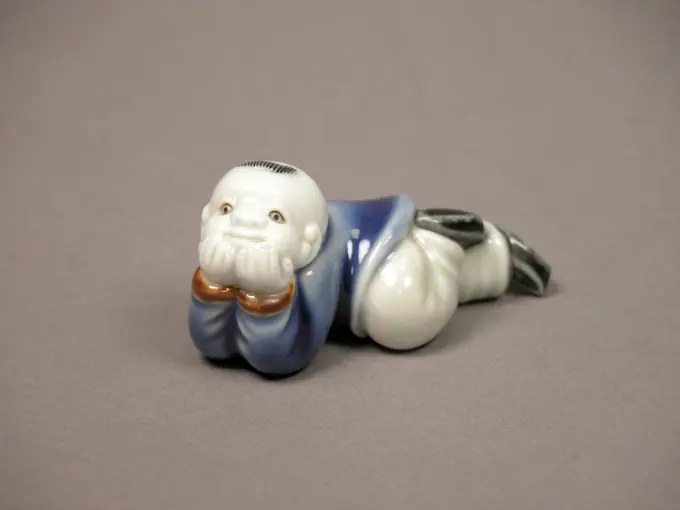
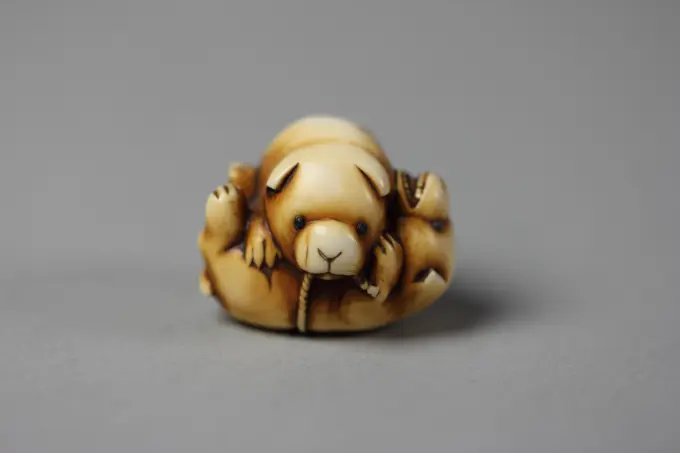
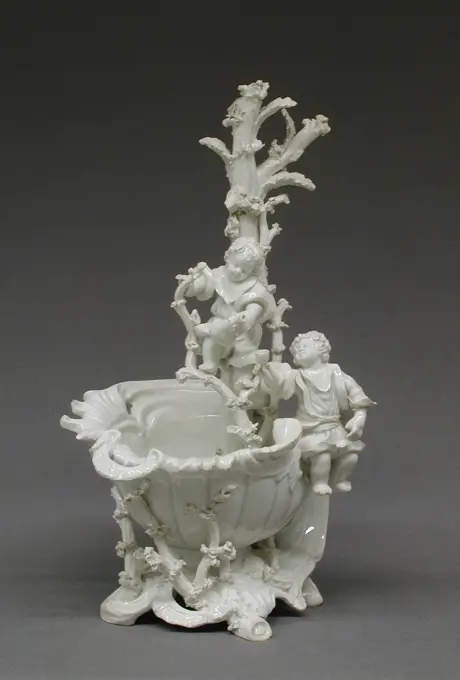
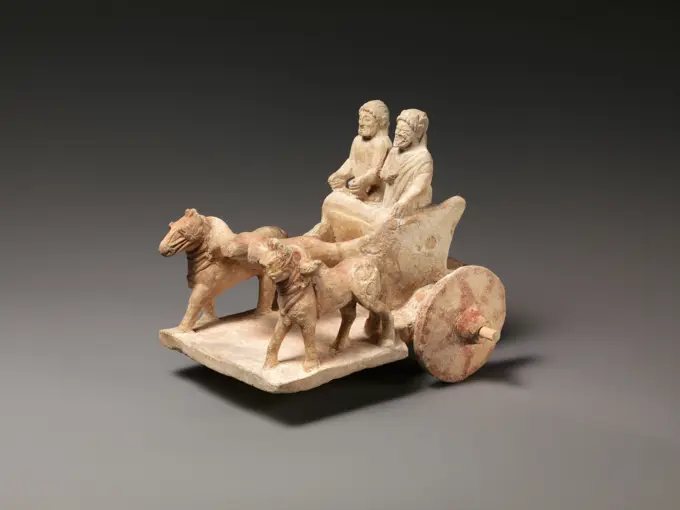
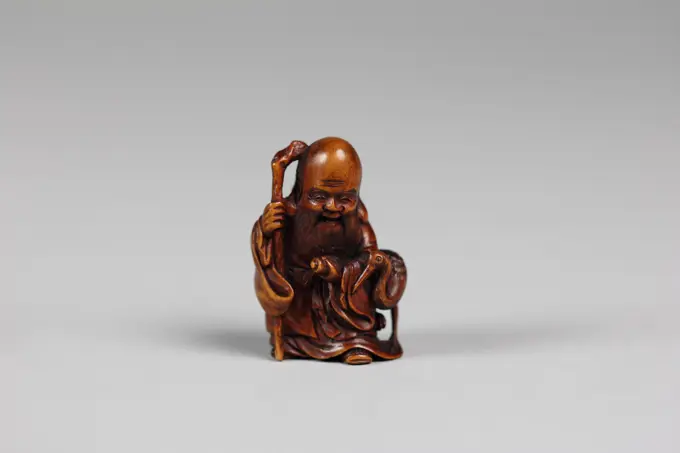
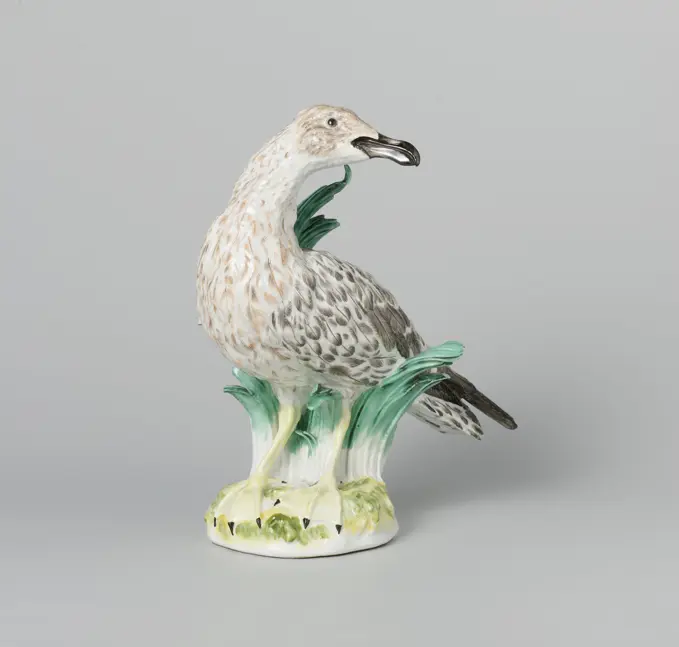
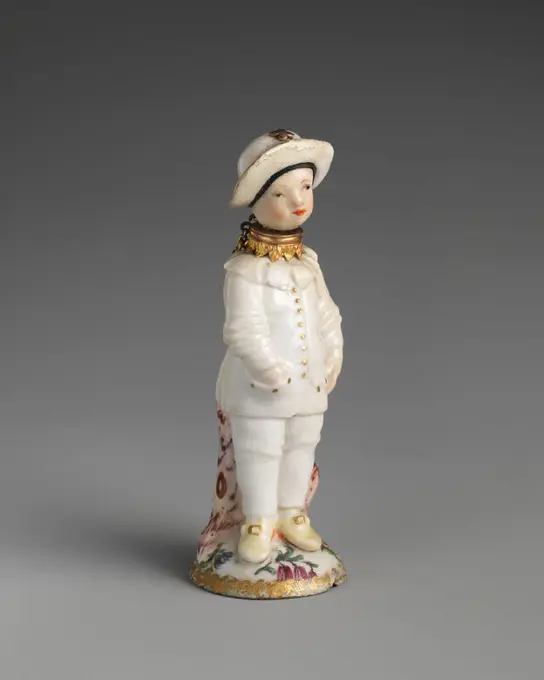
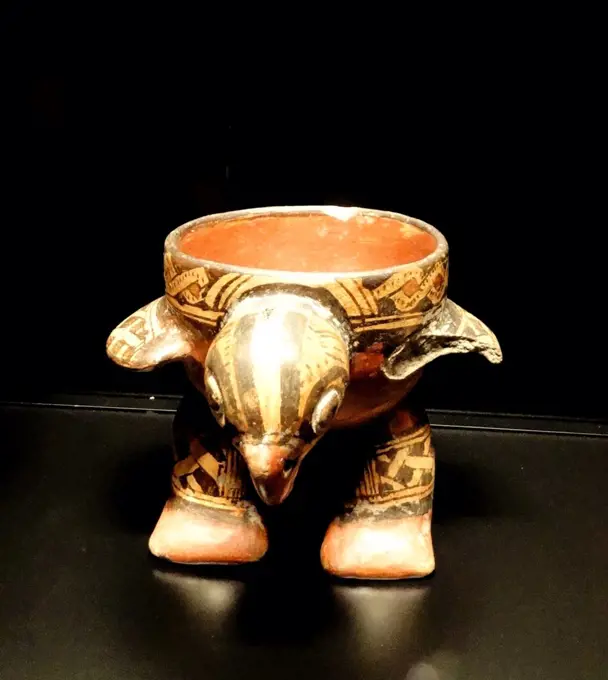
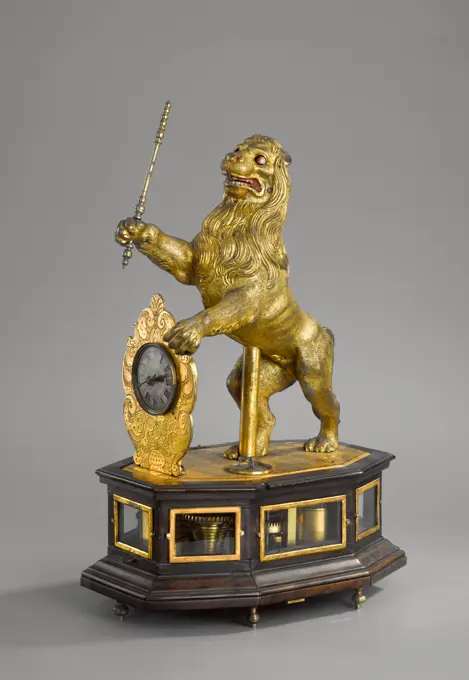
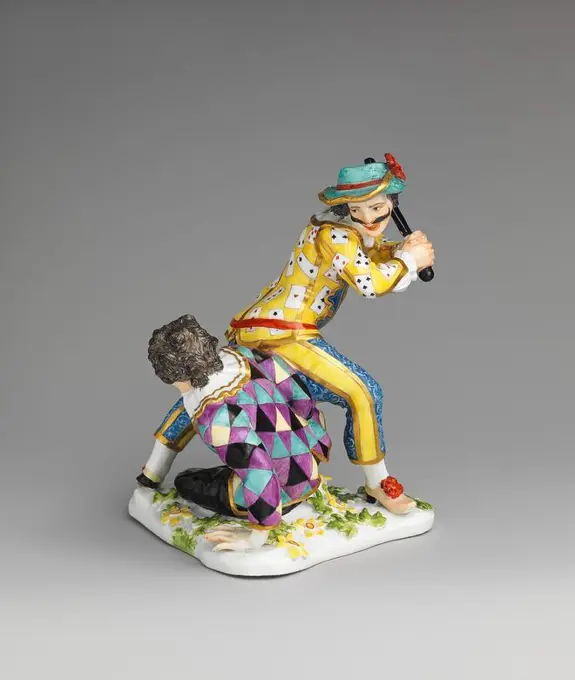
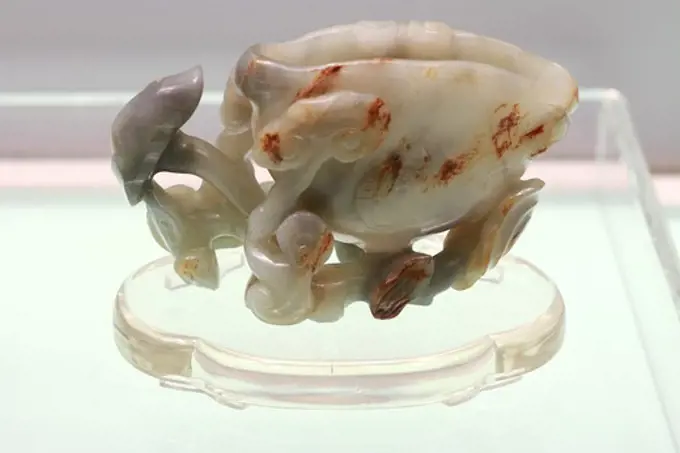
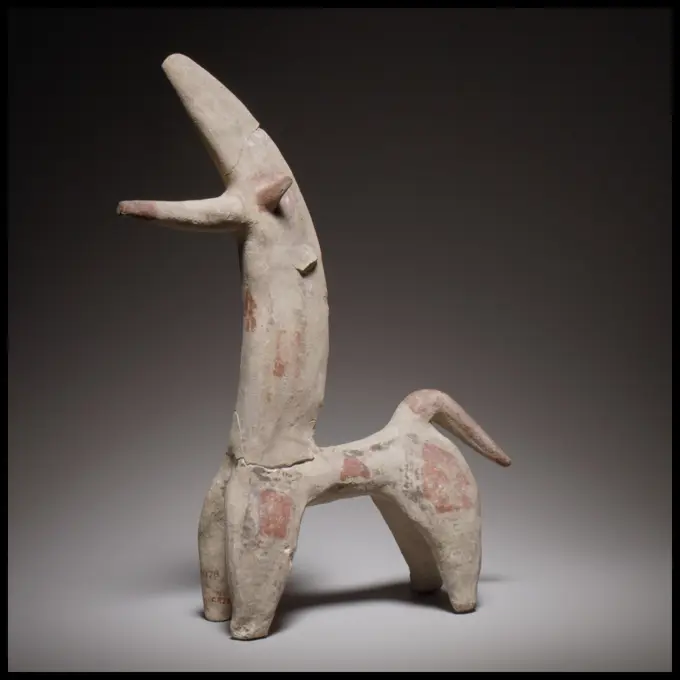
Horse figurine ca. 750-600 B.C. Cypriot The handmade and solid horse was originally part of a horse-and-rider figurine. The rider is now missing, but traces remain on the horse's body and parts of his hands are visible on the mane.. Horse figurine. Cypriot. ca. 750-600 B.C.. Terracotta; hand-made. Cypro-Archaic I. Terracottasaccessory for statue in the form of uraeus, silver and bronze, low period, Egypt, collection of the British Museum.Photo production of a sculpture, Laurens Lodewijk Kleijn (attributed to), after Anonymous, c. 1865 - c. 1900    glass wet collodion negative sculptureFigure of a seated dog with spots and collar, anonymous, c. 1775 - c. 1799 Sitting dog of porcelain on a small base, painted on the glaze in yellow, brown and black with a yellow fur, dark dots and a collar. Email sur Biscuit. China porcelain. glaze. painting / vitrification Sitting dog of porcelain on a small base, painted on the glaze in yellow, brown and black with a yellow fur, dark dots and a collar. Email sur Biscuit. China porcelain. glaze. painting / vitrificationPhoenix, 2nd-1st century BCE, 2 3/4 x 3 9/16 x 2 7/8 in. (7 x 9.1 x 7.3 cm), Gilt bronze, China, 2nd-1st century BCE, The mythical bird called the phoenix (ch'u-niao) evolved during the late Bronze Age and became a prominent art motif by the western Han dynasty (206 BCE- 9 CE). It was associated with the color red and represented the direction south. Eventually, the creature came to represent female royalty and, along with the dragon, symbolized the Chinese court.Lutty figurine with a member;  18th century (1730-00-00-1790-00-00);Minc, Bronisław (1913-2004), Minc, Bronisław and Elżbieta-collection, minc-kawenoki, Elżbieta (1910-2008), Qing (style), ceramics, Chinese (culture), gift (provenance), pipes, figurines, luns , men, porcelain blanc de chine, Chinese art, tobacco, export productsMountain landscape with architecture based on - plastery;  mid-nineteenth century (1941-00-00-1957-00-00);Carving with mythical beast 16th-17th century China. Carving with mythical beast. China. 16th-17th century. Jade (nephrite). Ming dynasty (1368-1644). JadeElements of an Armor Garniture for the Field, Joust, and Tourney of a Radziwill Prince of Poland and Lithuania Made 1550-1590 Augsburg. By the early sixteenth century armorers had devised a system of interchangeable pieces, called a garniture, that could be converted between use for battle and tournaments. These four reinforcing pieces belonged to an elaborate garniture produced for a member of the Radziwill family, princes of Poland and Lithuania. Pieces of this garniture were dispersed from the Radziwill family armory at Nesvizh Castle around the turn of the twentieth century.Portions of this armor in the Art Institute include reinforces for the sport of the joustó the bevor that strengthens the helmet visor and plackart that strangthens the breastplate. Two plates used in the tourney, a mock battle that required more mobility than the joustóthe wrapper to reinforce the lower helmet visor and the guard brace to strengthen the left shoulder. Additionally, there are four sets of pauldrSeal with a unicorn handle Qilin unknownRabbit Catchers ca. 1755-59 Capodimonte Porcelain Manufactory. Rabbit Catchers 207167Pelican; Niewska, Olga (1898-1943); 1931 (1931-00-00-1931-00-00);Netsuke of Demon. Culture: Japan. Dimensions: H. 1 in. (2.5 cm); W. 1 1/8 in. (2.9 cm); D. 1 1/8 in. (2.9 cm). Date: 19th century. Museum: Metropolitan Museum of Art, New York, USA.Child Figure; fire-gilt bronze; L x W x D: 18 x 15.5 x 12.6 cm (7 1/16 x 6 1/8 x 4 15/16 in.)Figurine of a Woman Sitting on a RockHuntsman ca. 1765-68 Derby Porcelain Manufactory. Huntsman. British, Chelsea-Derby. ca. 1765-68. Soft-paste porcelain. Derby Porcelain Manufactory (British, 1751-1785). Ceramics-PorcelainCane handle ca. 1770 Kloster-Veilsdorf Porcelain Manufactory. Cane handle 203261Child. Bronze. China. Paris, Cernuschi museum. 70003-47 Chinese art, bronze, child, carry, base, statuette, vaseThree goats. Culture: China. Dimensions: H. 3 7/8 in. (9.8 cm); W. 6 in. (15.2 cm). Date: 19th century. Museum: Metropolitan Museum of Art, New York, USA.Miniature seal in the form of a cat 1753-58 Chelsea Porcelain Manufactory. Miniature seal in the form of a cat. British, Chelsea. 1753-58. Soft-paste porcelain, carnelian, metal, gilt metal. Ceramics-PorcelainGarenwinder van Hout, Anonymous, 1736 A Wood yarn winder. On a rectangular base is a holder in which a serrated wheel; A horizontal lion is placed on top of the holder. A meter is attached to the side of the holder, with a little boy on it. An arm is placed across the holder where the coils sit around which the yarn can be wounded. Three coils have been broken down. West-Europa whole: Wood (plant material). Button: Bone (Material) A Wood yarn winder. On a rectangular base is a holder in which a serrated wheel; A horizontal lion is placed on top of the holder. A meter is attached to the side of the holder, with a little boy on it. An arm is placed across the holder where the coils sit around which the yarn can be wounded. Three coils have been broken down. West-Europa whole: Wood (plant material). Button: Bone (Material)Netsuke, japanese miniature sculpture. Museum: COLECCION PRIVADA.Figure of a hawk (one of a pair) late 18th century China. Figure of a hawk (one of a pair) 46647Netsuke Gama Sennin, late 18th-early 19th century, Unknown Japanese, 3 1/2 x 1 3/4 x 1in. (8.9 x 4.4 x 2.5cm), Stag horn, Japan, 18th-19th centuryCream Jug 1852-58 Probably designed by Daniel Greatbatch British. Cream Jug 2679Horse. India, Tamil Nadu, 15th century. Sculpture. Copper alloyPalanquin Hardware, 12th century, Bronze, China, 12th centuryBeltrame di Milano; Meissen Porcelain Manufactory (German, active 1710 - present); Meissen, Germany; about 1720; Hard-paste porcelain; 16.5 x 6.8 x 6.7 cm (6 1,2 x 2 11,16 x 2 5,8 in.)Netsuke Okame disguised as Daruma, 19th century, Unknown Japanese, 1 7/16 x 1 7/16 x 7/8 in. (3.7 x 3.7 x 2.2 cm) (overall, without cord), Ivory, cord, Japan, 19th centuryChinese Lion on a Roof Tile. Tanaka Minkō (Japan, 1735-1816). Japan, late 18th-early 19th century. Costumes; Accessories. Wood with inlaysNetsuke of Bakemono and Blind Man 19th century Japan. Netsuke of Bakemono and Blind Man. Japan. 19th century. Wood; Inlaid eyes and movable head. Edo (1615-1868) or Meiji period (1868-1912). NetsukeBump, anonymous, c. 1704 - c. 1734 On an elongated plate is a goat with a man on his back. The man has a twisted whip in his right hand. The ends of the plate are bent down and out and now serve as supports for the plate. There is a hole in the plate and in one of the supports, which puts a lever attached to the hind legs of the goat. By moving the lever, the goat goes up and down. The image is marked: stk. = Hoorn, an ax and an unknown master sign. Hoorn (North Holland) silver (metal) On an elongated plate is a goat with a man on his back. The man has a twisted whip in his right hand. The ends of the plate are bent down and out and now serve as supports for the plate. There is a hole in the plate and in one of the supports, which puts a lever attached to the hind legs of the goat. By moving the lever, the goat goes up and down. The image is marked: stk. = Hoorn, an ax and an unknown master sign. Hoorn (North Holland) silver (metal)Netsuke of Old Man with a Pack on His Back 19th century Japan. Netsuke of Old Man with a Pack on His Back. Japan. 19th century. Ivory. Edo (1615-1868) or Meiji period (1868-1912). NetsukeHorse in Gourd. Naitō Toyomasa (Japan, 1773-1856). Japan, first half of 19th century. Costumes; Accessories. Wood with inlaysModel of a Beakhead with Figurehead, Rijkswerf Vlissingen, 1852 - 1854 presentation model Model of a sheg image by Michiel de Ruyter with back plate for a galle. The Schegbeeld is a male bust, the arms cut off at the elbow, and states the Dutch sea hero Michiel Adriaansz. De Ruyter for. The back plate is decorated with cutting. Flushing wood (plant material)   FlushingNetsuke of Cat Lying on a Bowl, underneath which is a Fish. Culture: Japan. Dimensions: H. 1 1/2 in. (3.8 cm); W. 1 1/2 in. (3.8 cm). Date: 19th century. Museum: Metropolitan Museum of Art, New York, USA.Figure of a woman with a rabbit and fungus, anonymous, c. 1700 - c. 1799 Image of porcelain on octagonal pedestal, covered with a translucent white glaze. A woman with her right hand with an object in it; For her a rabbit and a mushroom; Pedigate with flower vessels in courses. Blanc the Chine. China porcelain. glaze vitrification Image of porcelain on octagonal pedestal, covered with a translucent white glaze. A woman with her right hand with an object in it; For her a rabbit and a mushroom; Pedigate with flower vessels in courses. Blanc the Chine. China porcelain. glaze vitrificationChildren gathering fruit. Culture: British, Chelsea. Dimensions: Overall: 3 5/8 × 1 1/2 in. (9.2 × 3.8 cm). Factory: Chelsea Porcelain Manufactory (British, 1745-1784, Gold Anchor Period, 1759-69). Date: ca. 1765. Museum: Metropolitan Museum of Art, New York, USA.Tiger in clay from Rajasthan handicraft Copyright: xSatishxParashar/DinodiaxPhotoxMingqi: musician rider. Terracotta, with traces of polychromy. China, Tang dynasty. Paris, Cernuschi museum. A CHEVAL, CAVALIERE, DYNASTIE TANG, FEMME, FIGURINE FUNERAIRE, FUNERARY FIGURINE, HORSEBACK, Horse, MINGQI, MINGQIS, MUSICIENNE, PARTLY POLYCHROMED, POLYCHROME, RIDER, TANG DYNASTY, TERRACOTTA, TERRE CUITE, TRACE POLYCHROMIE, animal, musician, womanNetsuke of Daikoku and Fukurokuji. Culture: Japan. Dimensions: H. 1 1/4 in. (3.2 cm); W. 1 1/2 in. (3.8 cm). Date: 19th century. Museum: Metropolitan Museum of Art, New York, USA.Netsuke of a Man Sleeping while Monkey Steals Contents of Basket 19th century Japan. Netsuke of a Man Sleeping while Monkey Steals Contents of Basket. Japan. 19th century. Ivory. Edo (1615-1868) or Meiji period (1868-1912). NetsukeBear  a spice vesselTweezer-Razor. Dimensions: L. 8.6 cm (3 3/8 in.); W. 2.6 cm (1 in.); Th. 0.7 cm (1/4 in.). Dynasty: Dynasty 18. Date: ca. 1560-1479 B.C.. Museum: Metropolitan Museum of Art, New York, USA.Seated Figures, 1800-1916. China, Qing dynasty (1644-1911) or Republican period (1912-49). Silver; overall: 3.6 cm (1 7/16 in.).Netsuke dancing farmer with clam basket, early 19th century, Unknown Japanese, 2 5/8 x 1 3/4 x 1in. (6.7 x 4.4 x 2.5cm), Ivory, Japan, 19th centuryMulticulously painted rooster from Faïence, Anonymous, c. 1750 - c. 1775 Animal figure of Faïence, representing a rooster. Multicolored painted. Delft . Animal figure of Faïence, representing a rooster. Multicolored painted. Delft .Tea caddy 1745-50 Chelsea Porcelain Manufactory The figure represents the Chinese god of Happiness, Pu T'ai Ho Shang, known from imported Chinese white Fukien porcelain models. The hat forms a cover for the hollow figure, probably a tea caddy. Listen to experts illuminate this artwork's story Listen Play or pause #407. Teapots Supported by Bloomberg Philanthropies We're sorry, the transcript for this audio track is not available at this time. We are working to make it available as soon as possible.. Tea caddy. British, Chelsea. 1745-50. Soft-paste porcelain. Chelsea Porcelain Manufactory (British, 1744-1784). Ceramics-PorcelainAncient lamp isolated on the whiteNetsuke of Child with a Turtle. Culture: Japan. Date: 19th century. Museum: Metropolitan Museum of Art, New York, USA.Netsuke of Man Applying Salve 19th century Japan. Netsuke of Man Applying Salve 59093Finial (Doe). Western Inner Mongolia, 5th-4th century B.C.. Architecture; Architectural Elements. BronzeIncense Burner China. Incense Burner 61217Bake, by a semi -lying man's figure, made for himself, Minton, c. 1840 - c. 1860 Baking of white porcelain: figure of a man in eighteenth-century costume, in half-lying position, with both arms holding out a bin in front of him. The pedestal is decorated with rocailles. Marked: Minton MB 56 1.1 Stoke-on-Trent porcelain Baking of white porcelain: figure of a man in eighteenth-century costume, in half-lying position, with both arms holding out a bin in front of him. The pedestal is decorated with rocailles. Marked: Minton MB 56 1.1 Stoke-on-Trent porcelainBrush washer in the shape of lotus leaf with chi dragons 12th-14th century China Two dragons decorate the ends of this brush washer, which is carved from an opaque piece of white nephrite with brown and yellow inclusions that give the jade an aged appearance. Historical records indicate that variegated jade was highly valued from the twelfth to the fourteenth century.. Brush washer in the shape of lotus leaf with chi dragons 39833Netsuke 18th century Japan. Netsuke. Japan. 18th century. Wood. Edo period (1615-1868). NetsukeTwin Snuff Bottles 19th century China. Twin Snuff Bottles 41519Parrot ca. 1760 British, Staffordshire. Parrot. British, Staffordshire. ca. 1760. Lead-glazed earthenware. Ceramics-PotterySupport in the form of a mermaid and a Meerman and a dolphin on waves, belonging to Maywijnvat van Steengoed, Anonymous, c. 1675 - c. 1750 Support in the form of a mermaid and a Meerman and a dolphin on waves, belonging to Maywijnvat van Steengoed with tin tap. Westerwald earthenware. glaze Support in the form of a mermaid and a Meerman and a dolphin on waves, belonging to Maywijnvat van Steengoed with tin tap. Westerwald earthenware. glazePainted wood models representing a scene of agricultural work, ploughingMan with Bok, Gijsbert Barbiers (attributed to), c. 1822 - 1827 A man with a whip in his left hand is on an elongated plate. In his right hand he holds the lines of a goat or a goat that is on the plate in front of him. The image is marked with a dolphin and a master sign. Netherlands silver (metal) A man with a whip in his left hand is on an elongated plate. In his right hand he holds the lines of a goat or a goat that is on the plate in front of him. The image is marked with a dolphin and a master sign. Netherlands silver (metal)Small The thinker statue Glossy ceramic statue of the thinker Copyright: xZoonar.com/YannxPoirierx 13085587Manufacture of Meissen, teapot and its rooster -shaped cover (attributed title). Hard porcelain, polychrome enamels. Petit Palais, Museum of Fine Arts of the City of Paris.Sauce bowl of silver. Shell-shaped sauce bowl with one ear on three legs. Each leg is made up of volutes, and decorated on the shoulder with a rocaille. The ear consists of volutes. The Sauskom has been marked.Grumpy Gus' still bank, c. 1900, 5 1/2 x 2 3/4 x 2 5/8 in. (13.97 x 6.99 x 6.67 cm), Ceramic, Austria, 19th-20th centuryJoss-Stick Holder in the Form of an Elephant Holding a Lobed Vase. China. Date: 1279-1368. Dimensions: 9.6 × 4.3 × 9.5 cm (3 3/4 × 1 11/16 × 3 3/4 in.). Qingbai ware; glazed porcelain. Origin: China. Museum: The Chicago Art Institute, Chicago, USA.Vessel in the form of a Deer late 17th-early 18th century China. Vessel in the form of a Deer 50032Anonymous. Chinese lounge, decor from Juliette Drouet's house in Guernsey. West wall. Two statuettes of Buddha Avalokiteshvara. Ceramic. 1750-1850. Paris, house of Victor Hugo. 79110-20 Arts Decoratives, Buddha, Buddha, Chinese, Ceramic, Chinesery, Oriental Influence, Oriental, Orientalism, Porcelain, Chinese Salon, Statuette, 19th XIX 19th 19th 19th 19th century, 18th 18th 18th 18th 18th 18th 18Bokkenwagen, Arnoldus van Geffen, 1736 Bokkewagen with hood, pulled by a goat. There are a man and a woman in the car. Next to the goat is a man with a whip in his lifted right hand. In his left hand he has the lines. The back of the car is decorated in relief with a crown above two pigeons. The image is marked: stk. = Amsterdam, Jrl. = B (1736) and Mt. = Arnoldus van Geffen. Amsterdam silver (metal) Bokkewagen with hood, pulled by a goat. There are a man and a woman in the car. Next to the goat is a man with a whip in his lifted right hand. In his left hand he has the lines. The back of the car is decorated in relief with a crown above two pigeons. The image is marked: stk. = Amsterdam, Jrl. = B (1736) and Mt. = Arnoldus van Geffen. Amsterdam silver (metal)Chariot Yoke Ornament in the Shape of a Doe ca. 4th century B.C. Northwest China and southwestern Inner Mongolia. Chariot Yoke Ornament in the Shape of a Doe. Northwest China and southwestern Inner Mongolia. ca. 4th century B.C.. Bronze. MetalworkFigure Ornament 6th-7th century Moche (Loma Negra). Figure Ornament 314546Burgonet all'Antica ca. 1535-45 Italian, probably Milan Classically inspired helmets embossed in high relief, sometimes in the form of fantastic beasts, were a specialty of Milanese armorers in the 1530s and 1540s. Unlike etching, embossing thinned and weakened the steel and compromised its deflective qualities, so the technique generally was limited to armors intended for ceremonial wear. While this burgonet falls far short of the high standard of modeling and finish typical of works by Filippo Negroli (ca. 1510-1579) or his cousin Giovan Paolo (ca. 1513-1569), the leading masters of armor all'antica ("in the antique manner"), it nevertheless remains a characteristic example of this classicizing Renaissance art form. The helmet is forged from a single plate of steel, the surfaces retaining only faint traces of the original fire-gilding and silver damascened details.. Burgonet all'Antica. Italian, probably Milan. ca. 1535-45. Steel, gold, silver. probably Milan. HelmetsChess figurine Mennecy VilleroyTraditional day of the dead Xolo dog ceramic statue isolated. Traditional day of the dead Xolo dog ceramic statueReliquary Arm of St. Valentine 14th century Swiss Displayed on the high altar of Basel Cathedral on important feast days, this reliquary, like others of its classic type, was also used in public processions and for veneration. Such reliquaries not only evoke the memory and presence of a particular person but also communicate the broader idea of a saint's power and grace, embodied in the blessing gesture of the hand.. Reliquary Arm of St. Valentine. Swiss. 14th century. Silver, partial gilt, sapphire. Made in Basel, Switzerland. Metalwork-SilverWoodwater bin with crucified Christ. Woodwater bin from stoneware 'Rhijn' gray with blue. Christ is pictured on the Cross. Above the container is a tiled piece with a hole with which it can be attached to a wall.Harness Fitting ('Bow Ring'). Iran, Luristan, 1st millennium B.C.. Tools and Equipment; horse trappings. Bronze, castBronze figure of Attis. Dated 1st CenturyEagle Head Ornament 15th-early 16th century Aztec or Mixtec. Eagle Head Ornament 310258Teapot. Du Paquier Porcelain Manufactory; Austrian, 1718-1744. Date: 1715-1725. Dimensions: 19 × 17.8 × 11.4 cm (7 1/2 × 7 × 4 1/2 in.). Hard-paste porcelain. Origin: Vienna. Museum: The Chicago Art Institute, Chicago, USA.Child Lying Down late 18th-first half of 19th century Japan. Child Lying Down 41774fine arts, Islamic Art, sculpture, deer, vessel for hand washing, bronze, Egypt, Fatimid, 11th century, Bavarian National Museum, Munich,Miniature Vessel Made 1368-1644 China. Bronze with inlay .Netsuke of Puppies at Play late 19th century Japan. Netsuke of Puppies at Play. Japan. late 19th century. Ivory. Meiji period (1868-1912). NetsukeChinese pig figurine on white background.Faïence cow. Faïence cow, painted multily with flowers.Group ca. 1786 Le Nove Porcelain Manufactory When discharging its function as a container for liquid, this object also completed the allusion of the decoration, two small boys perched by a pool from which one may be presumed to have filled his bottle. The playfulness and the style of the rococo survived together in Italian ceramics to the end of the eighteenth century.. Group. Italian, Le Nove. ca. 1786. Terraglia (creamware). Ceramics-PotteryReclining Horse. Culture: China. Dimensions: H. 3 3/8 in. (8.6 cm); W. 7 5/8 in. (19.4 cm). Date: 18th century. Museum: Metropolitan Museum of Art, New York, USA.MountLimestone model of chariot drawn by two horses 1st half of. 5th century B.C. Cypriot The chariot box of this model is divided into two sections-one for the charioteer, the other for the man being conducted in a procession. The harness of the horses is carefully indicated. They even wear bells hanging from straps around their necks.. Limestone model of chariot drawn by two horses 242238Netsuke of Fukurokujin 19th century Japan. Netsuke of Fukurokujin 59101Goldweight Porcupine, 19th-20th century, 1 x 7/8 x 2 in. (2.54 x 2.22 x 5.08 cm), Brass, Ghana, 19th-20th centuryA sitting Indian. A loose figure from a Diorama of Gerrit Schouten, representing an Indian, seen from the front, sitting on his squat. With his right hand, he holds his shawl (SalemPoeris).Meuw, Meissener Porcelain Manufaktur, c. 1750 Figure of painted porcelain. The figure represents a seagull, standing on an irregular round pedestal, between green aquatic plants. The plumage is painted in black to gray, except the feathers of the chest, the neck and the head, which are brown -red. The figure is marked. Float porcelain Figure of painted porcelain. The figure represents a seagull, standing on an irregular round pedestal, between green aquatic plants. The plumage is painted in black to gray, except the feathers of the chest, the neck and the head, which are brown -red. The figure is marked. Float porcelainBull's-Head Cup with a Liner; East Greece; 100 B.C.-A.D. 100; Silver with leaf gilding; 9 × 12.1 × 10.7 cm, 0.274 kg (3 9,16 × 4 3,4 × 4 1,4 in., 0.6041 lb.);Pierrot. Culture: British, Chelsea. Dimensions: 3 1/8 × 1 in. (7.9 × 2.5 cm). Factory: Chelsea Porcelain Manufactory (British, 1745-1784, Red Anchor Period, ca. 1753-58). Date: ca. 1755. Museum: Metropolitan Museum of Art, New York, USA.Bowl in the form of a bird. From Nicaragua, in the Pacific region, island of Ometepe. Made from terracotta.Clock - automatic; PFAFF, Jeremias (Fl. 1639-Ca 1682); around 1670 (1645-00-00-1655-00-00);Bylewski, Tadeusz (1866-1939) - collection, vending machines, scepter, lions, purchase (provenance)Fighting Harlequins. Culture: German, Meissen. Dimensions: Overall (confirmed): 6 7/16 x 5 3/16 x 5 7/8 in. (16.4 x 13.2 x 14.9 cm). Factory: Meissen Manufactory (German, 1710-present). Modeler: Johann Joachim Kändler (German, Fischbach 1706-1775 Meissen). Date: ca. 1740. Museum: Metropolitan Museum of Art, New York, USA.Jade item