Decorative Animal Figurines

Collection of exquisite animal figurines, including a reclining doe and various stylized pets, showcasing intricate details and diverse materials from different cultures.

Rabbit Standing, Large' mechanical bank, late 19th century, Henry S. Lockwood; Manufacturer: Lockwood Manufacturing Company, South Norwalk, Connecticut, 8 x 4 5/16 x 3 1/16 in. (20.32 x 10.95 x 7.78 cm), Iron, pigment, 19th century
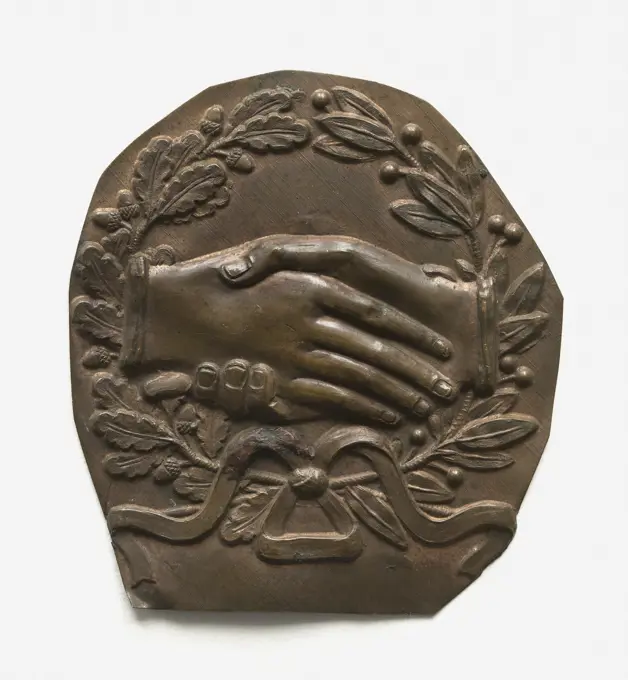
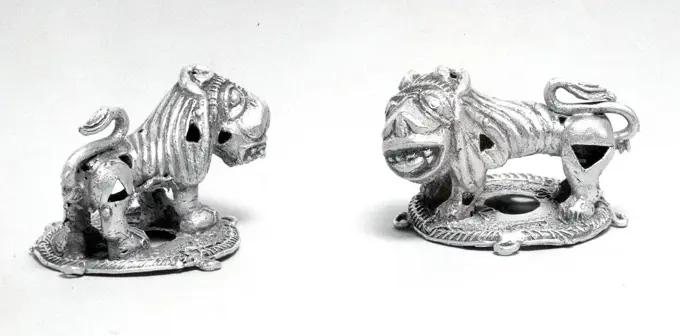
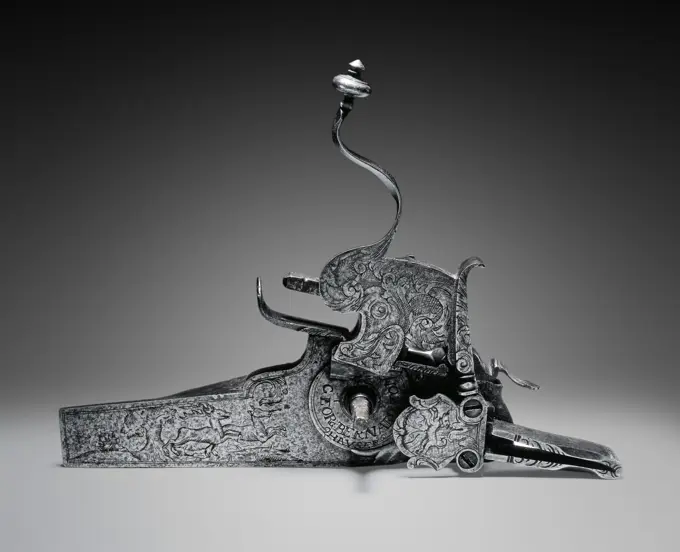
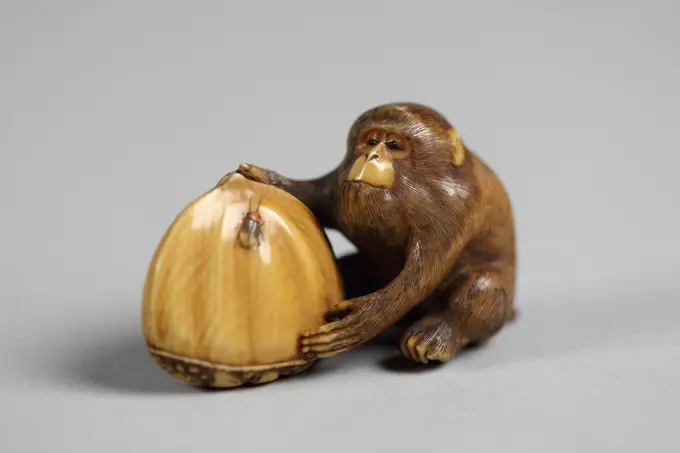
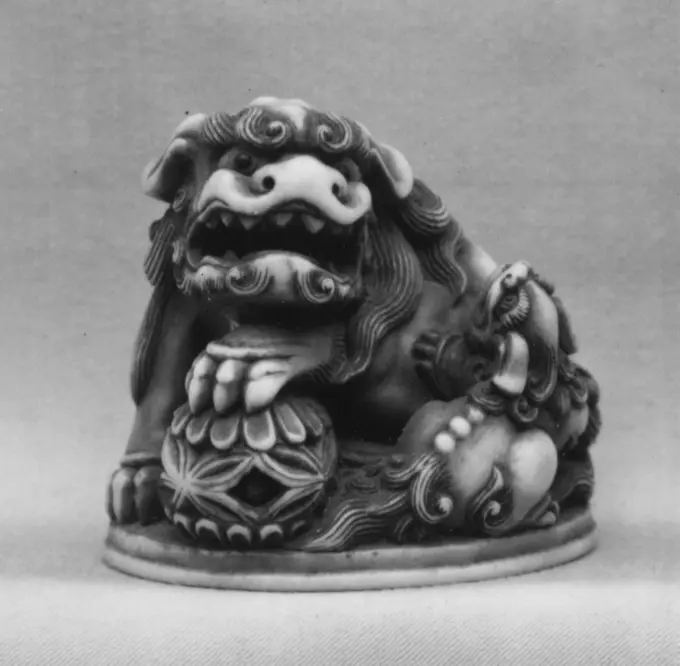
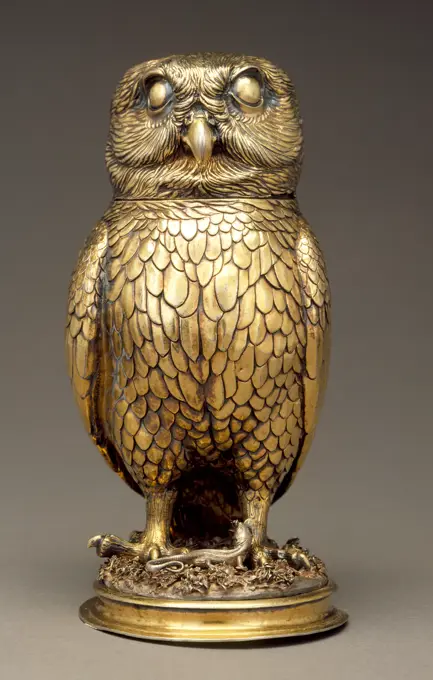
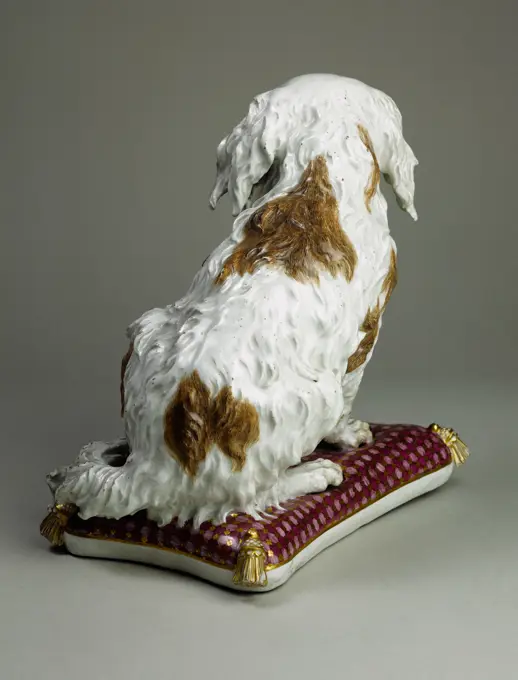
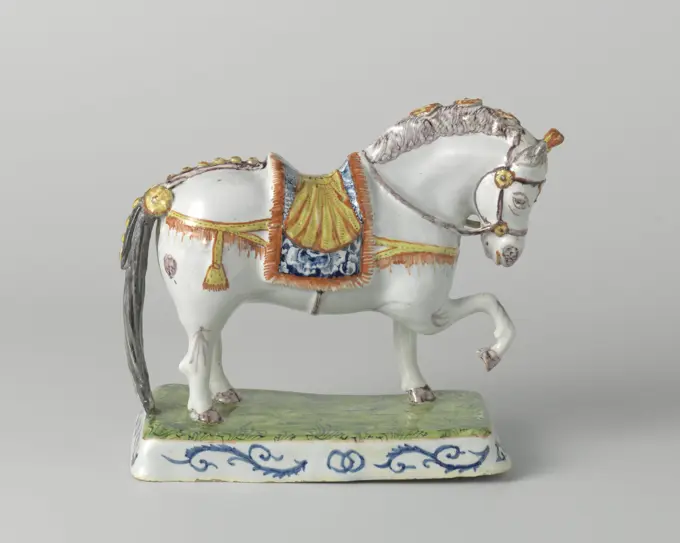
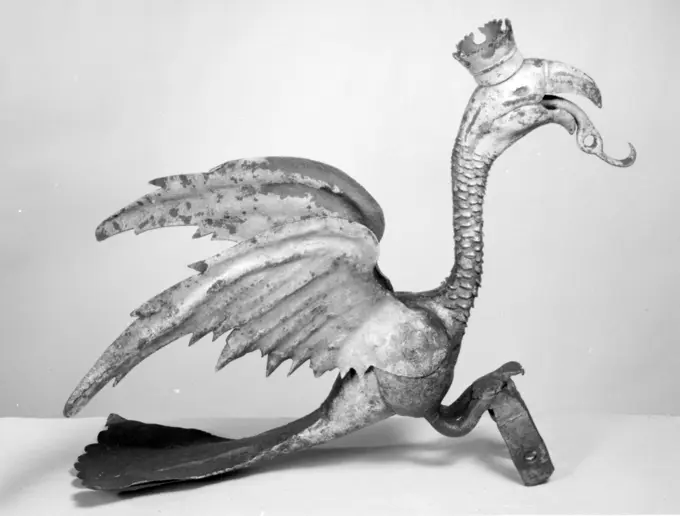
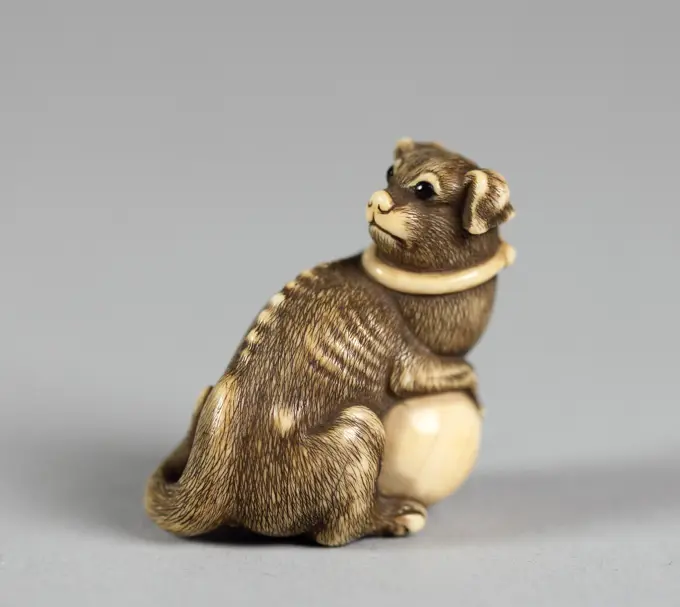
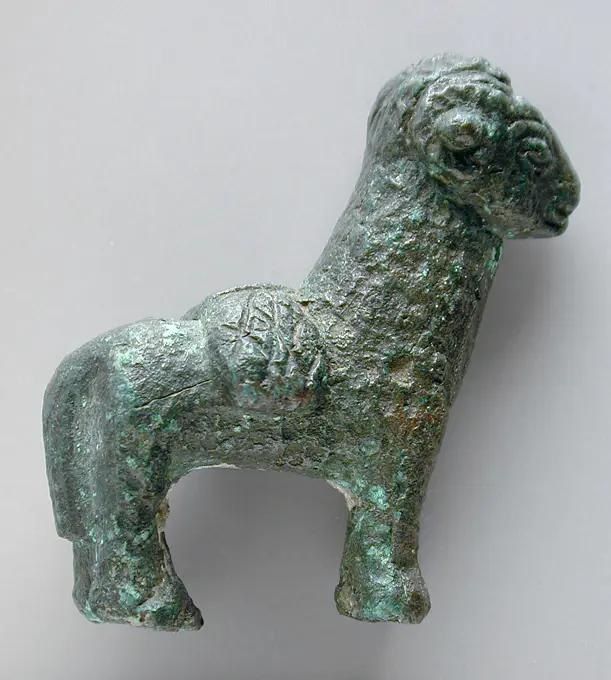
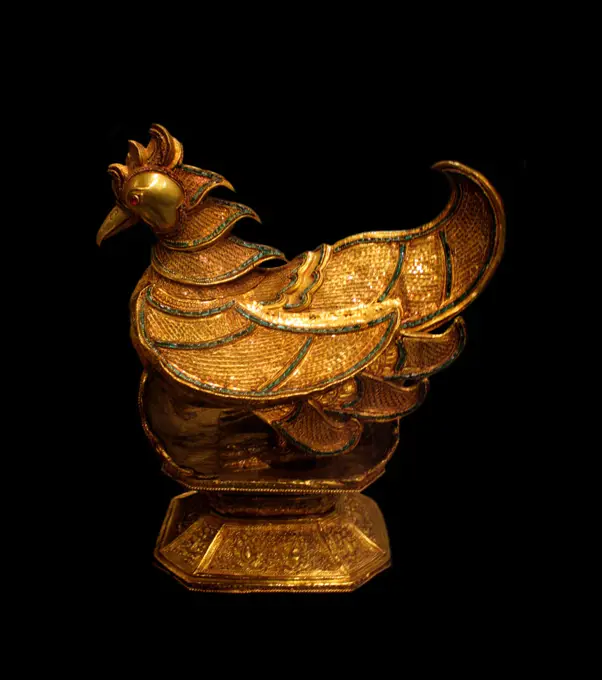
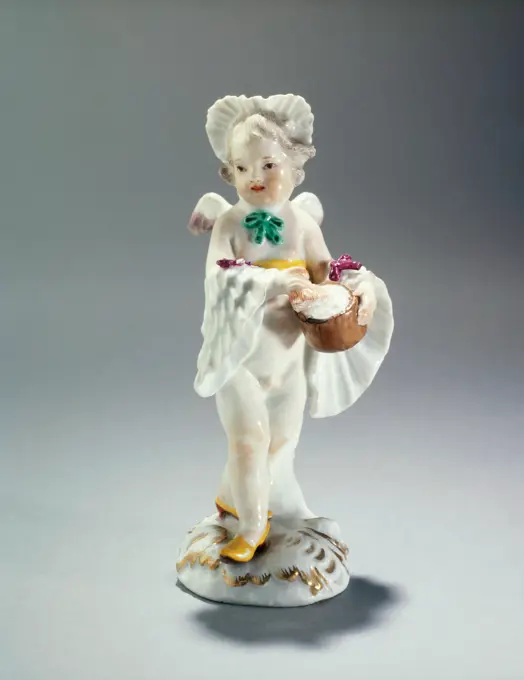
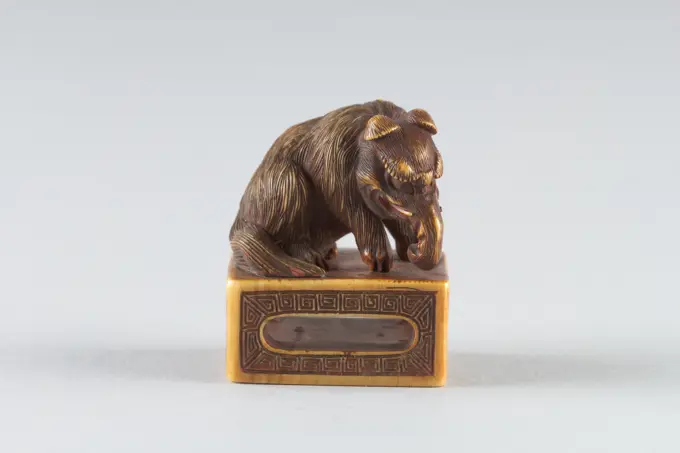
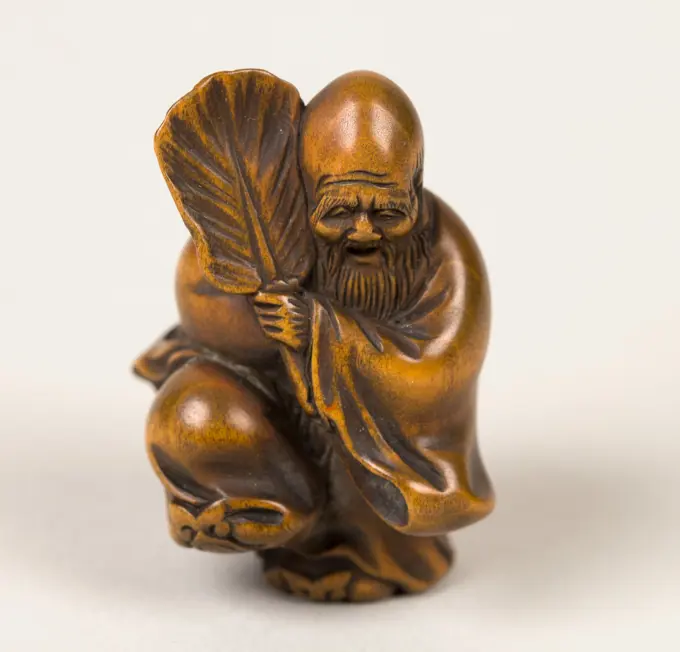
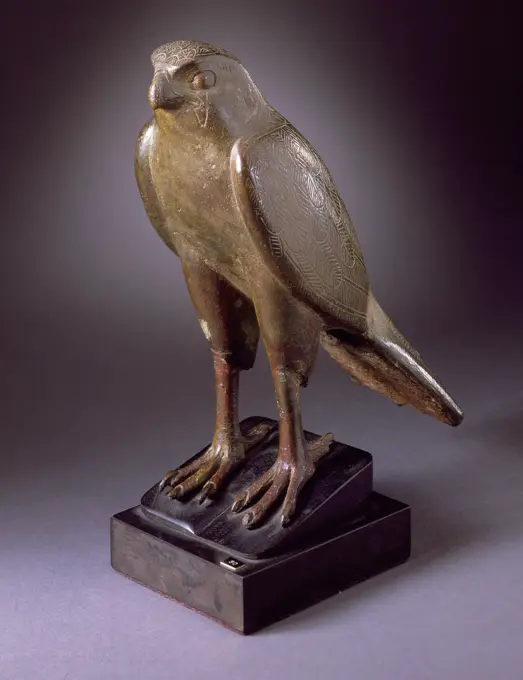
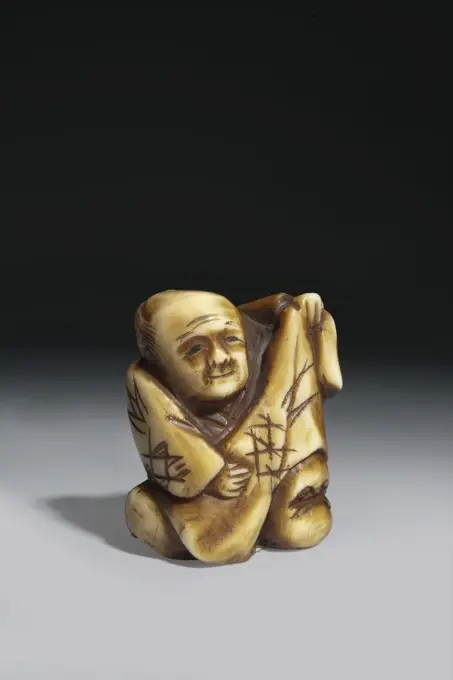
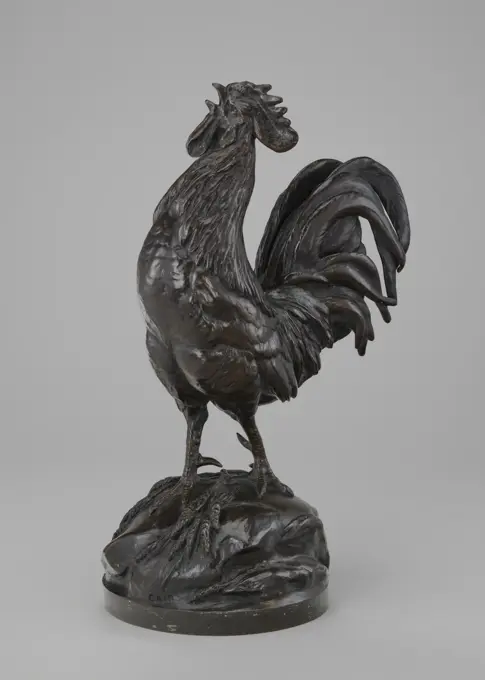
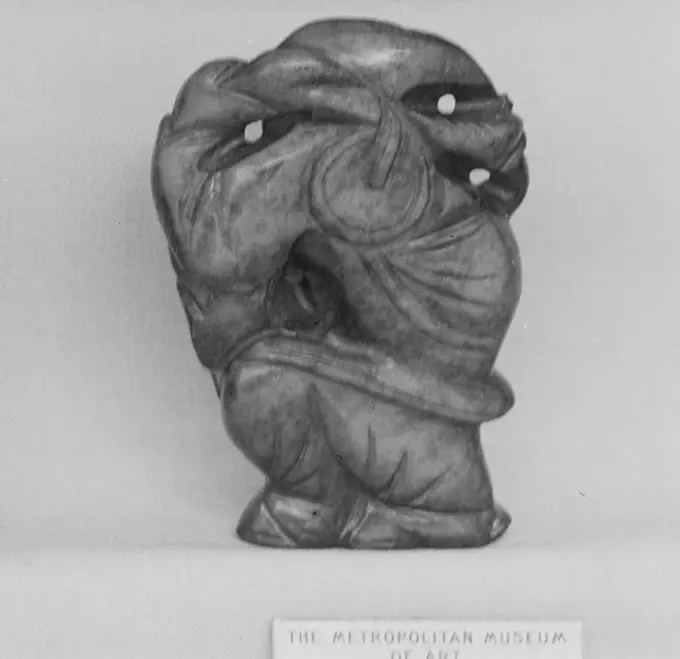
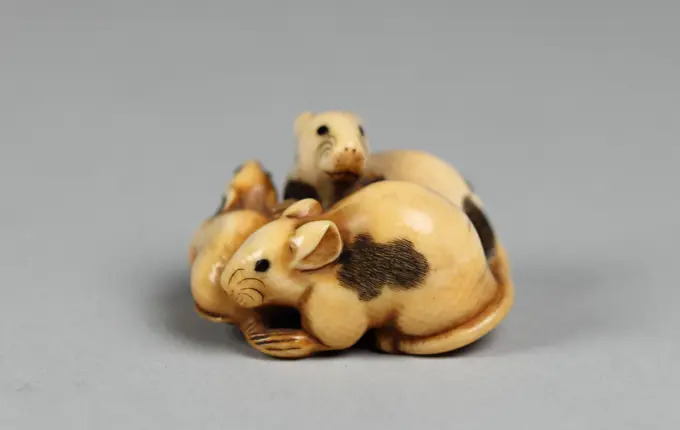
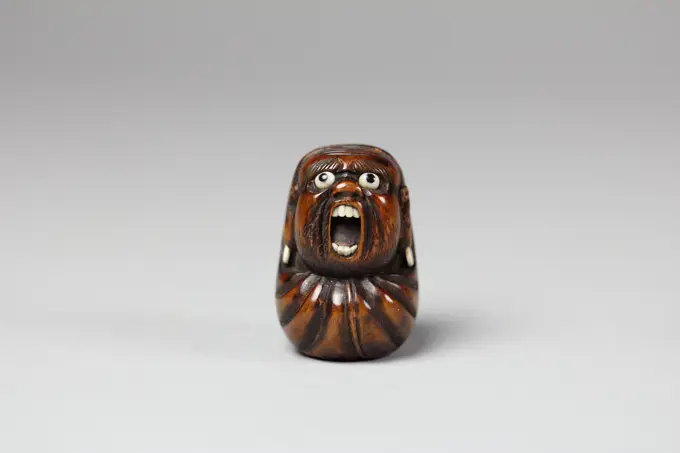
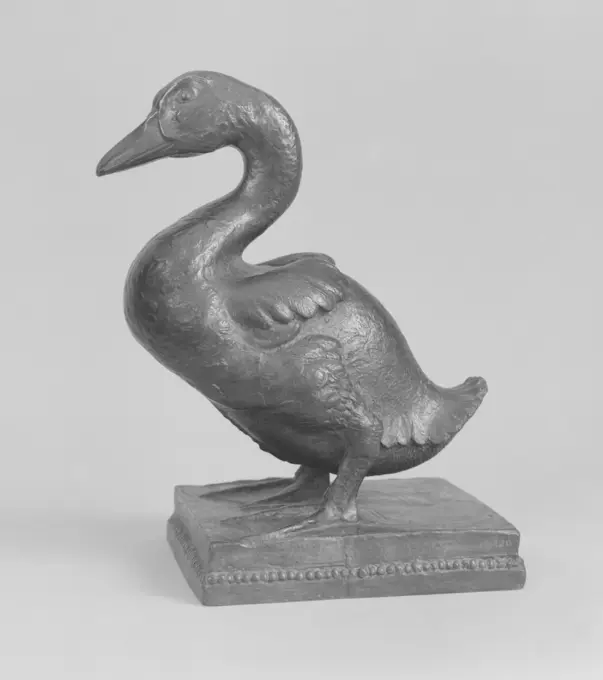
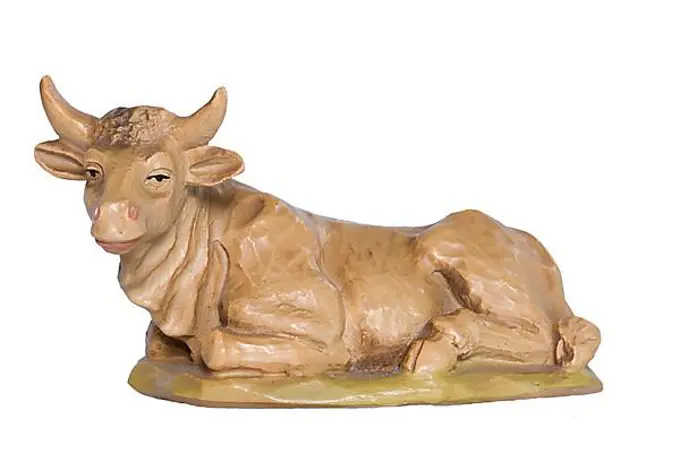
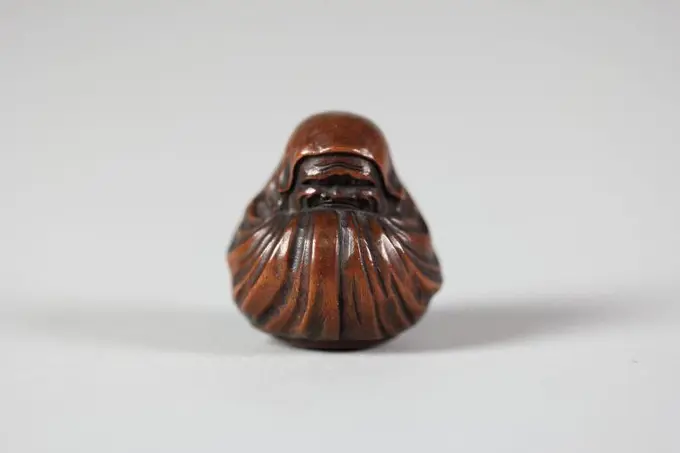
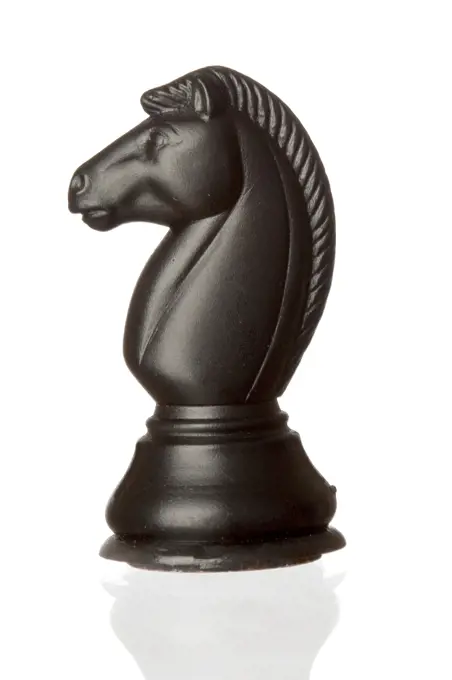
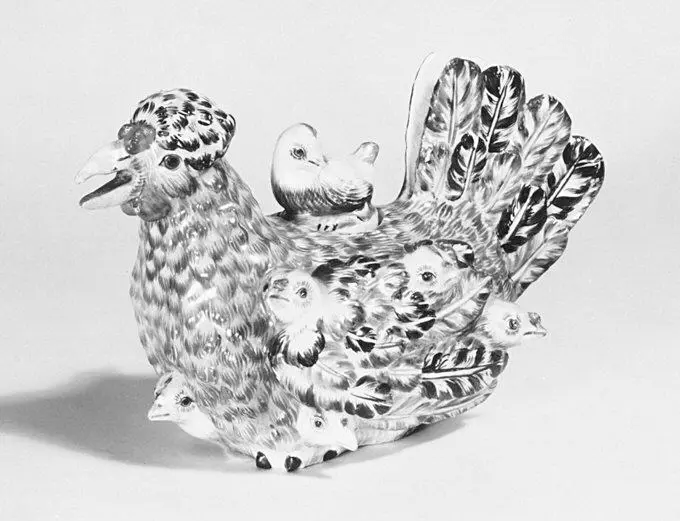
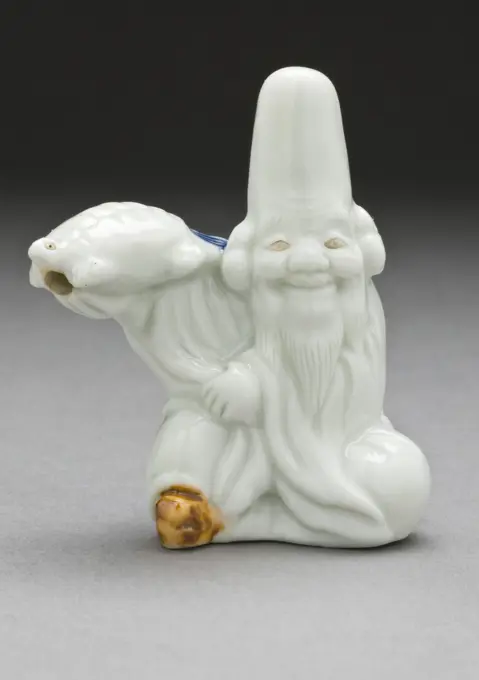
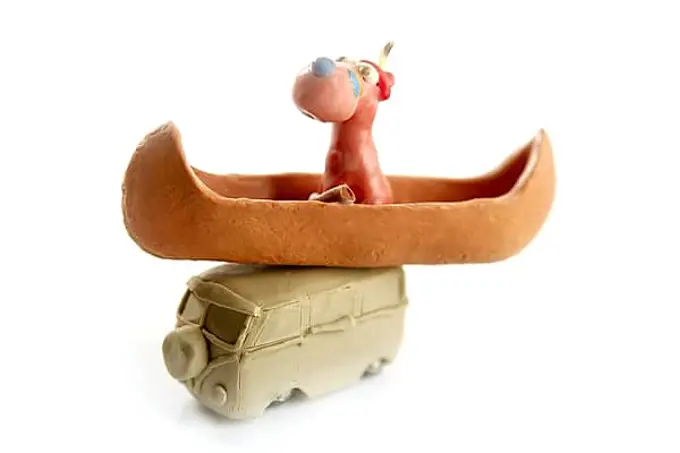
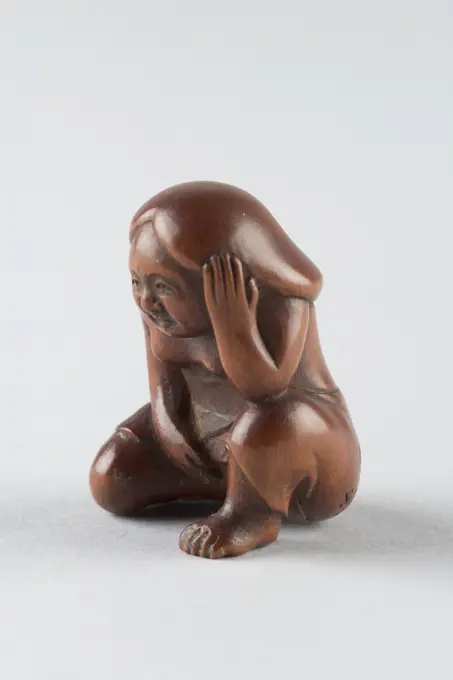
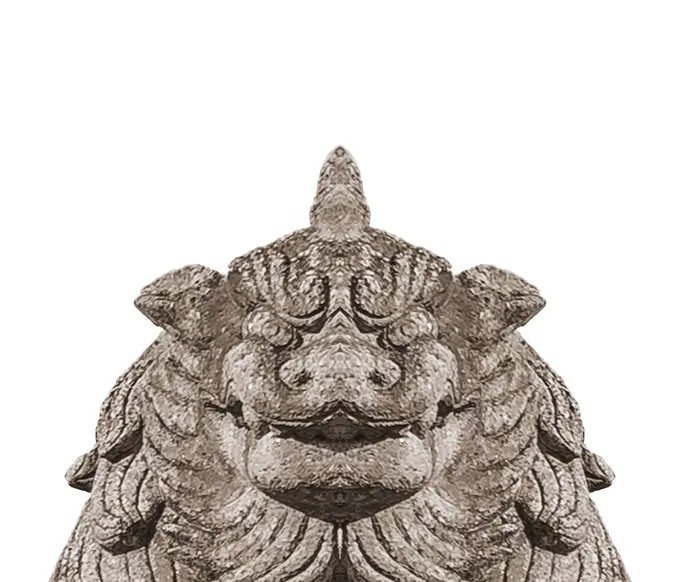
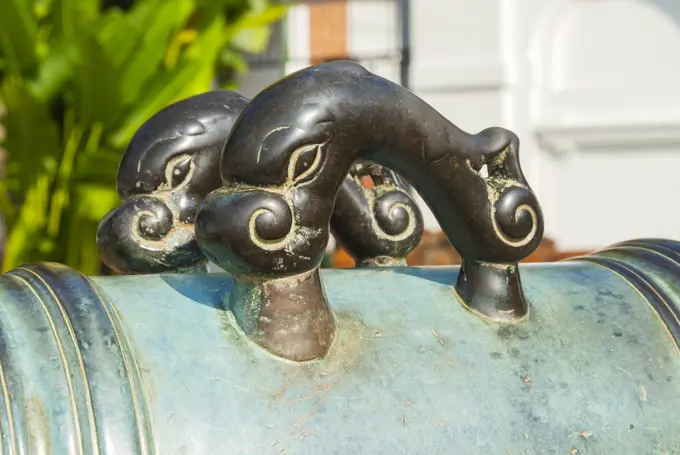
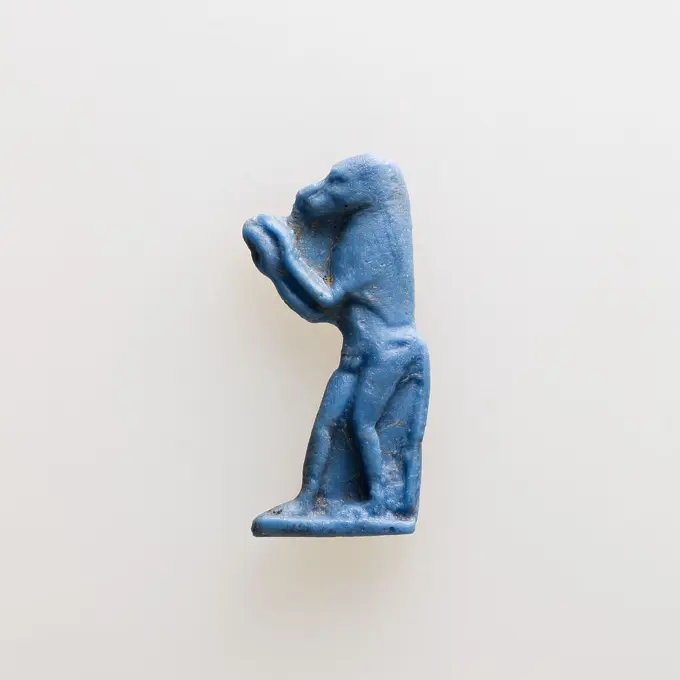
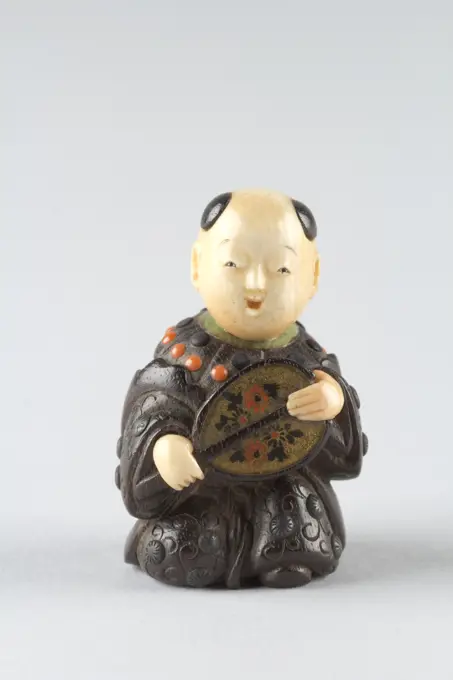
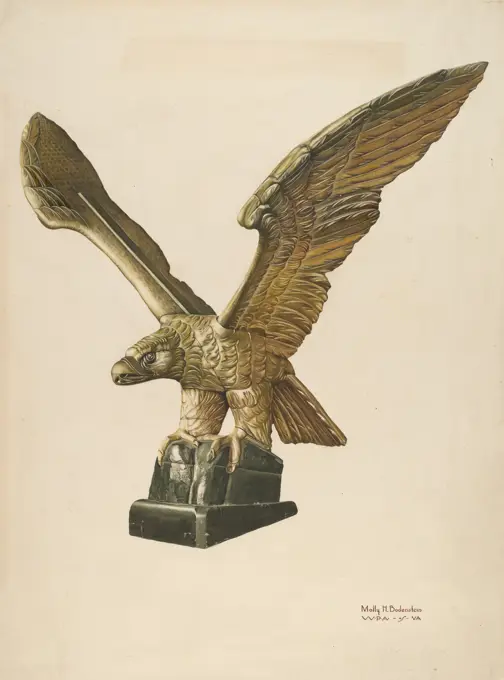
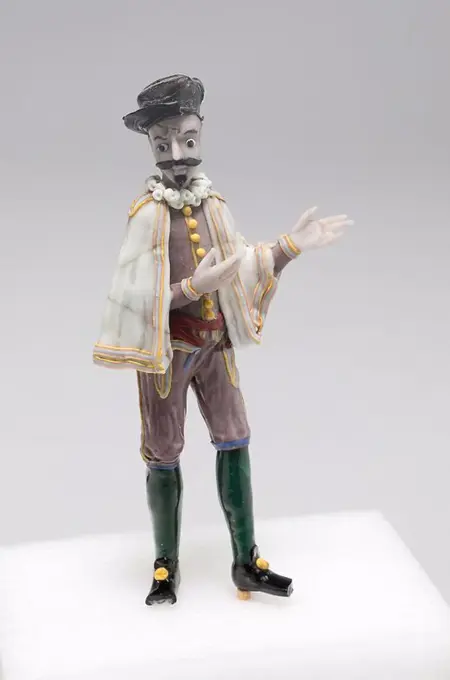
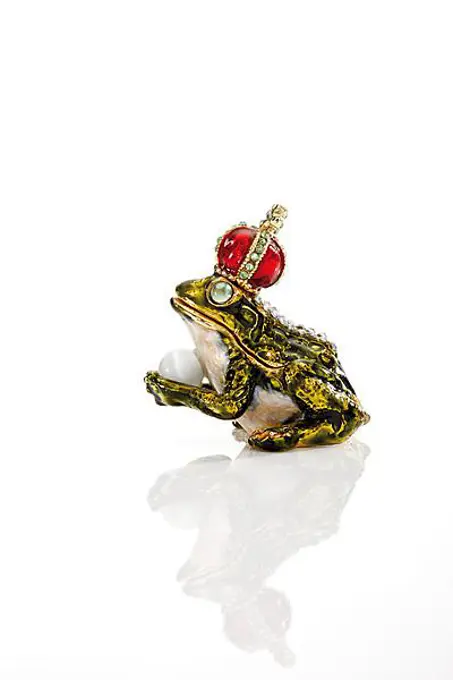
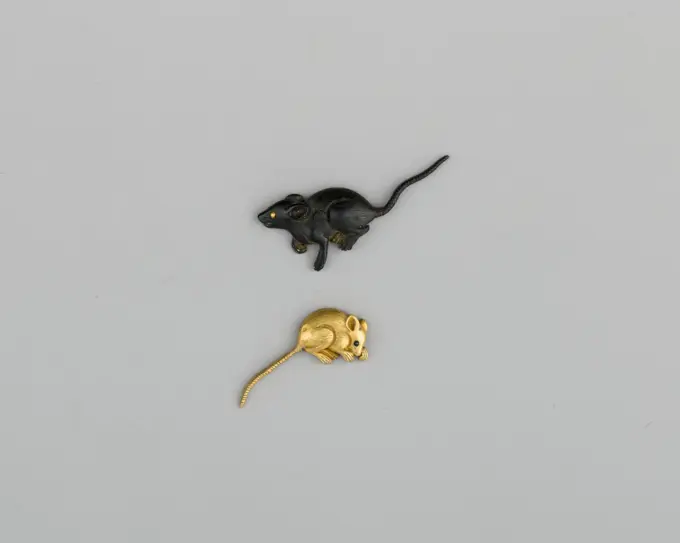
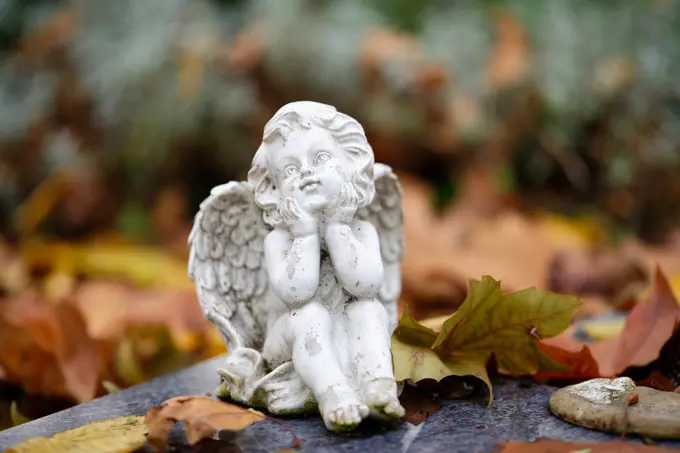
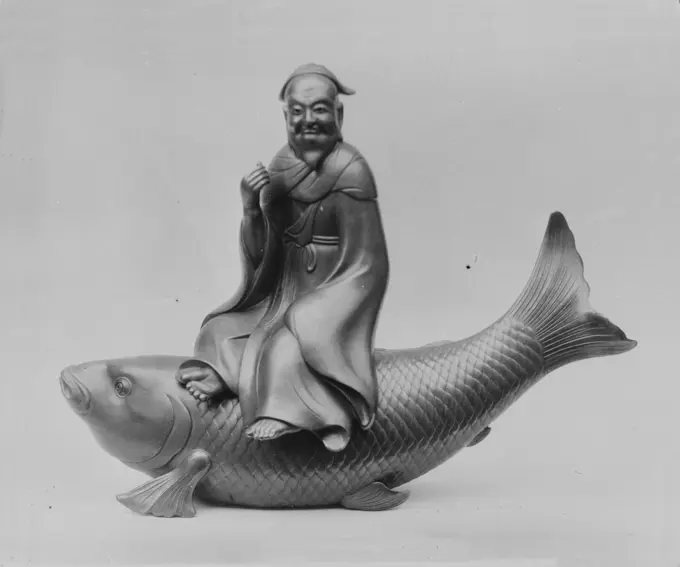
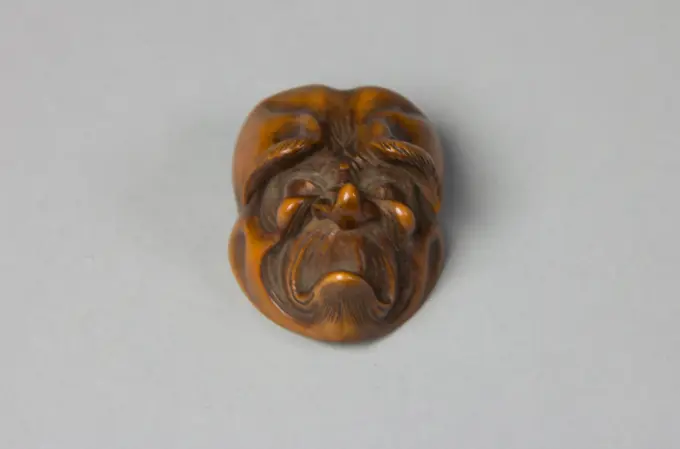
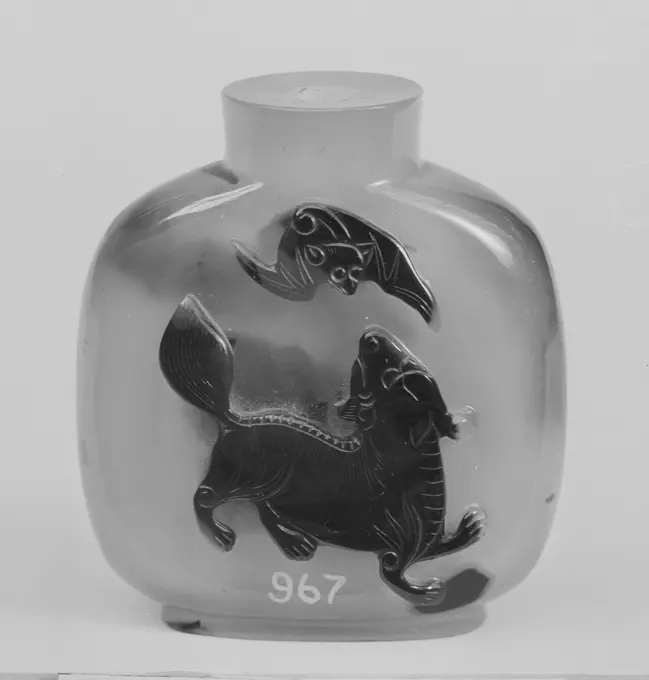
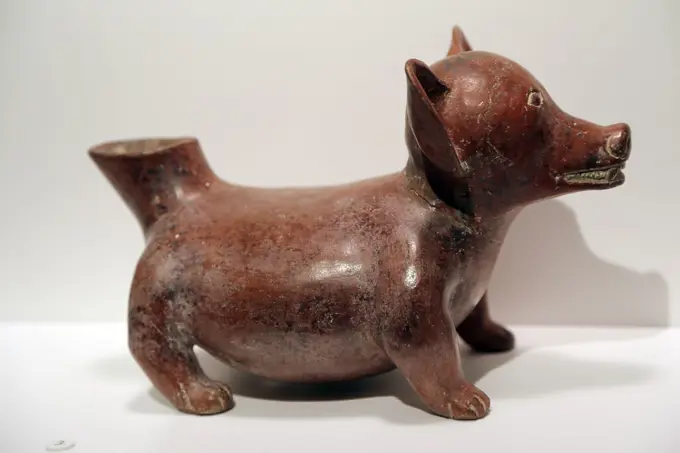
Mesoamerica. Precolombian. Dog. Colima, Mexico. 200 BC-300 AD. Poterry. Museum of Cutures of the World. Barcelona. Spain.Kintarō. Kōgetsusai Naomasa (Japan, active 1830-1850). Japan, second quarter of 19th century. Costumes; Accessories. Ivory with staining, sumi, red pigment; manjū typeBird's nest ca. 1755 Chelsea Porcelain Manufactory. Bird's nest. British, Chelsea. ca. 1755. Soft-paste porcelain. Chelsea Porcelain Manufactory (British, 1745-1784, Red Anchor Period, ca. 1753-58). Ceramics-PorcelainNetsuke. Culture: Japan. Dimensions: H. 1 3/8 in. (3.5 cm). Date: 19th century. Museum: Metropolitan Museum of Art, New York, USA.Nutcracker, 1600-1800. Pinto Collection - Purchased from Edward H Pinto, 1965.. This English, carved boxwood nutcracker probably dates from the late 17th century or beginning of the 18th century. Screw thread nutcrackers were a novelty at that time, and as the process of cutting the screw thread was a difficult and precise operation, such novelties were no doubt regarded as luxury items. Nutcrackers came in a variety of shapes and sizes. They were used for cracking wild hazelnuts and walnuts which were much smaller than the cultivated varieties we usually eat today.Black smooth haired dachshund. Ceramic figurine, dog breed isolated on whiteFaith in a crown of oak and laurel, s. d. (Dummy title) Anonymous. Faith in a crown of oak and laurel (obverse).Walter Hochstrasser, Toy bank  Pig, c 1939 Toy bank: PigBurnt-Parfum (common name). Sandstone, molding, celadon, molded decor. Cernuschi Museum, Asia Museum of Asia in the city of Paris.Lion Ornament 19th century Akan peoples, Asante group One of a pair (along with 1979.296.228), this commanding gold ornament of a lion was a symbol of Akan royal power. The animals head is oversized in comparison to the rest of its body, and turns to the side to regard the viewer. Filled by large circular pupils, the oval-shaped eyes tilt downwards on the diagonal. The mouth opens in a wide half circle to reveal the tongue poking through the pointed incisor teeth. The stout torso tapers from the head to the hips, where it joins well-muscled back legs supported by large paws. The s-shaped tail curves back on itself to rest on the lower back; the hairs of its tufted end are indicated with soft vertical depressions. The ornament is hollow, and contains several triangular cutouts on the flanks, torso, and legs; these allowed the ornament to be both lightweight, and for the artist to conserve the precious medium of yellow gold. The lion stands on a ring-shaped base edged with a flattened rWheel-Lock from a Hunting Gun, 1600s. Germany, 17th century. Steel, engraved; overall: 22.7 x 16.5 x 5.8 cm (8 15/16 x 6 1/2 x 2 5/16 in.). This wheel-lock mechanism is engraved with a stag and a hound. Images of "the chase" were obviously popular themes on weapons intended for hunting. The name of the locksmith, Georg Bernardton Hauser, can be seen on the wheel.Group of Five Chinese Boys. Kagetoshi (Japan, active early to mid-19th century). Japan, early to mid-19th century. Costumes; Accessories. Ivory with sumiNetsuke of Monkey with a Chestnut 19th century Japan. Netsuke of Monkey with a Chestnut. Japan. 19th century. Ivory. Edo (1615-1868) or Meiji period (1868-1912). NetsukeTerracotta oil lamp. Culture: Roman, Cypriot. Dimensions: Overall: 1 5/8 x 3 7/8 in. (4.1 x 9.8 cm). Date: ca. A.D. 200-350.Loeschcke Type 8. Large unpierced handle. Mold-made. Discus; rosette with pointed, radiating petals around central filling hole; a second filling hole in front of handle. On broad, slightly sloping shoulder, stylized vine tendril with bunches of grapes. Slightly concave base inscribed in Greek letters: CYPI/WNOC. Museum: Metropolitan Museum of Art, New York, USA.Rider on horseback, anonymous, c. 1780 - c. 1820 Image of undecorated faience. On a rectangular pedestal with beveled corners is a rider on horseback. The horse has bent its right foreleg. The rider wears a round hat. Delft (possibly) earthenware. tin glaze. Image of undecorated faience. On a rectangular pedestal with beveled corners is a rider on horseback. The horse has bent its right foreleg. The rider wears a round hat. Delft (possibly) earthenware. tin glaze.Turk ca. 1750-55 Saint James's Factory. Turk. British, London. ca. 1750-55. Soft-paste porcelain. Ceramics-PorcelainBowl 19th century. Bowl 455284Netsuke of Lion with Ball and Cub 19th century Japan. Netsuke of Lion with Ball and Cub 59224Owl Cup. Jakob Fröhlich (Germany, Nuremberg, Bernstadt, active 16th century). Germany, Nuremberg, circa 1560. Furnishings; Serviceware. Silver giltElongated Horse. Japan, 18th century. Costumes; Accessories. Wood with inlays; sashi typeJohann-Joachim Kaendler (1706-1775). "Polish spannel sitting on a cushion (back view)", 18th century. Paris, Cognacq-Jay museum. Sitting, cushion, Polish spanie, Meissen factory, porcelain, back, animal, dog viewlittle bull (brauet) from Torralba d´en Salord (5th century BC), Menorca Museum, Mahón, Balearic Islands, Spain.Brass and copper design fitting on antique wooden horse, Jodhpur, Rajasthan, India Copyright: xSafatxAli/DinodiaxPhotoxHorse of Faience, Anonymous, c. 1760 - c. 1790 Animal figure of Faience, representing a horse. Multicolored painted. Delft . Animal figure of Faience, representing a horse. Multicolored painted. Delft .Bird 16th century Spanish Iron birds with fittings similar to this one, but not necessarily of the same period or style, are used extensively in northern Spain, both indoors and outside as brackets for lanterns. Typical examples are the street light brackets in Solsona (Lérida) and the light brackets attached to the crest of a reja in the Capilla del Sagrario at the Cathedral of Segovia.. Bird. Spanish. 16th century. Iron. Metalwork-IronNetsuke of Cat with a Ball 19th century Japan. Netsuke of Cat with a Ball. Japan. 19th century. Ivory. Edo (1615-1868) or Meiji period (1868-1912). NetsukeHappy laughing Buddha brass figurine on white background.Ram. Roman, A.D. 1st-2nd century. Sculpture. Bronze, castMasks with the theatre conceptArtistic cane basket shape of duck with single egg on green background India Copyright: xNirmalaxMishra/DinodiaxPhotoxBetel-Nut container, 1780-1885. Konbaung period. This container in the form of the sacred goose (hamsa), was part of the regalia of King Thibaw, the last Burmese monarch.Anonymous (Johann Johann's way Kändler and Peter Reinicke). Love disguised as a lady, powder. Polychrome porcelain statuette on terrace decorated with flowers and leaves. Manufacture of Meissen, around 1756. Paris, Cognacq-Jay museum. 79783-8 Wing, love, box, lady, female assume, disguise, Meissen factory, makeup, polychrome porcelain, powder, statuette, 18th 18th 18th 18th 18th 18th 18th centuryNetsuke of Elephant on a Seal 18th century Japan. Netsuke of Elephant on a Seal. Japan. 18th century. Ivory. Edo period (1615-1868). NetsukeNetsuke of Old Man with a Fan 19th century Japan. Netsuke of Old Man with a Fan 59131Standing Angus Bull. Dated: model second half 19th century. Dimensions: height: 15.9 cm (6 1/4 in.). Medium: bronze. Museum: National Gallery of Art, Washington DC. Author: Isidore-Jules Bonheur.Buddhas Hand Fruits with Peaches, Pomegranates, and Leaves of Fungus 18th century China. Buddhas Hand Fruits with Peaches, Pomegranates, and Leaves of Fungus 44129Chess piece isolated on white. Chess piece isolatedBasket of Fish. Shinshinsai Mitsutoshi (Japan, active late 19th century). Japan, late 19th century. Costumes; Accessories. Ivory with staining, sumi, inlaysLion Fittings for a Throne 1701-1800 India. Silver .Turk ca. 1750-53 Höchst Manufactory. Turk 199360John Jobson, Sauce Boat, 1774/75, silver.Sailors Rights Flask (Turtle Whimsy).   Maker: Kensington Glassworks, American, 1804-ca. 1833Figure of Horus as a Falcon. Egypt, Late Period-Ptolemaic Period, 711-30 B.C.. Sculpture. BronzeFisherman holding his net; netsuke. unknown, sculptorDish (Costa Rica); carved volcanic stoneFire Bock of Gilded Bronze in the form of a lying lion on a basement, Anonymous, 1800 Gilded bronze Vuurbok, consisting of a lying lion on a base. The head wears wide modeled mane; The mouth is slightly open. The tail runs with a curl under a leg and ends on the back. The scraps on the corners of the basement wear rosettes; The Frisian in between shows a chalice frieze on dark patinated soil. Above the plinth is a profiled list of standing leaf motif and an egg and leaf list at the top. See also: BK-1960-26-B. France bronze (metal) gilding Gilded bronze Vuurbok, consisting of a lying lion on a base. The head wears wide modeled mane; The mouth is slightly open. The tail runs with a curl under a leg and ends on the back. The scraps on the corners of the basement wear rosettes; The Frisian in between shows a chalice frieze on dark patinated soil. Above the plinth is a profiled list of standing leaf motif and an egg and leaf list at the top. See also: BK-1960-26-B. France bronze (metal) giAuguste Nicolas Cain, French Cock Crowing, model c 1860 1894, cast possibly 1890s c 1914 French Cock CrowingLluís Masriera / Broche con pájaro, siglo XX. Colección privada. Author: LLUÍS MASRIERA I ROSÉS.Girdle ornament China. Girdle ornament 43038Netsuke of Three Rats first half of the 19th century Nagahisa. Netsuke of Three Rats. Nagahisa. Japan. first half of the 19th century. Ivory. Edo period (1615-1868). NetsukeBuddha Seated on Foo Dog, rock crystal; wood, 19th century, sculpture, Decorative Arts, devotional sculpture, devotional sculptureNetsuke of Head 19th century Japan. Netsuke of Head 59073Cork / Wine theme.Young Duck ca. 1914-16; cast 1918 Harry Dickinson Thrasher American A long-time assistant in the studio of Augustus Saint-Gaudens, Thrasher was awarded in 1911 a prestigious three-year scholarship by the American Academy in Rome for study and travel. He probably completed this naturalistic representation of a duck after his return from Rome to the United States. Considered by his contemporaries a sculptor of great natural talent, Thrasher modeled both portraits and more imaginative ideal compositions. He was killed in France in 1918 while serving in the Camouflage Corps of Army Engineers; several months later The Met acquired this statuette.. Young Duck. Harry Dickinson Thrasher (American, Plainfield, New Hampshire 1883-1918 France). ca. 1914-16; cast 1918. Bronze. SculptureNativity figurine Ox Nativity OxBird Plaque, 2nd-3rd century, 5 1/2 x 8 15/16 in. (13.97 x 22.7 cm), Gilt bronze, China, 2nd-3rd centuryMountNetsuke of Daruma. Culture: Japan. Dimensions: H. 1 5/16 in. (3.3 cm); W. 1 1/4 in. (3.2 cm). Date: 19th century. Museum: Metropolitan Museum of Art, New York, USA.Black horse chess isolated on white background with reflection on the floorBird ornament, anonymous, c. 907 - c. 1125 Giring pin in the form of a grebe. China jade (rock) Giring pin in the form of a grebe. China jade (rock)Goldweight Leopard with Prey, 19th-20th century, 7/8 x 5/8 x 1 13/16 in. (2.22 x 1.59 x 4.6 cm), Brass, Ghana, 19th-20th centuryWooden Duck Toy on White BackgroundTeapot ca. 1745 Meissen Manufactory German. Teapot 202046. An elongated plate is a rider with a lance in its right hand. The rider carries a stitch. The image is marked: stk. = Haarlem, mt. = Foot 75a and crowned v in a shield.Water Dropper in the Form of Jurōjin with the Long-Tailed Turtle. Japan, 19th century. Ceramics. Hirado ware; porcelain with white, brown and blue glazesHandmade plasticine vw van with indian canoe and dog overKinderbüste to Desiderio da Settignano. Acquired from the manufacturer at the 1900 World Expo in ParisCovered bowl in form of a crouching deer. Culture: China. Dimensions: Gr. H. 5 1/4 in. (13.3 cm); Gr. L. 10 1/4 in. (26 cm); D. 2 1/2 in. (64. cm). Museum: Metropolitan Museum of Art, New York, USA.Netsuke of Head. Culture: Japan. Dimensions: H. 1 5/8 in. (4.1 cm). Date: 19th century. Museum: Metropolitan Museum of Art, New York, USA.Netsuke of Woman 18th century Japan. Netsuke of Woman. Japan. 18th century. Wood. Edo period (1615-1868). NetsukeBrass design fitting on antique wooden frog, Jodhpur, Rajasthan, India Copyright: xSafatxAli/DinodiaxPhotoxDemon Sculpture Isolated White Background Front view scary demon head sculpture artwork background isolated on white background Copyright: xZoonar.com/DanielxFerreira-LeitesxCiccarinox 14145604Cannon at Porta de Santiago (or Pintu Gerbang Santiago), a UNESCO World heritage site, Malacca, Malaysia.Tobacco box of a turtle shield, Anonymous, 1785 Tobacco box, made from the shield of a turtle, with lid and frame of silver. On the lid an engraved three -mast in the high seas. Marked with crowned V. Netherlands silver (metal) Tobacco box, made from the shield of a turtle, with lid and frame of silver. On the lid an engraved three -mast in the high seas. Marked with crowned V. Netherlands silver (metal)Dwarf as a Hungarian with Partridges. Culture: Austrian, Vienna. Dimensions: Height: 5 in. (12.7 cm). Factory: Imperial Porcelain Manufactory (Vienna, 1744-1864). Date: 1744-49. Museum: Metropolitan Museum of Art, New York, USA.Amulet of baboon in act of adoration. Dimensions: H. 3.6 × W. 1.8 cm (1 7/16 × 11/16 in.). Date: 525-30 BC.Starting in the later Late Period and continuing through the Ptolemaic Period, glass amulets might be cast by pressing the glass into a shallow open mold. The back was left rough, and the amulets may look ragged because glass overflowed the mold around the edges. The earlier amulets are monochrome, bi- or multicolor amulets supplement the repertoire during the Ptolemaic Period. Some of the amulets can be specifically tied to spells of the Book of the Dead - for example, acc. no. 17.194.2526 - and most are clearly funerary amulets, presumably meant to be wrapped between the bandages of the mummy where the presence of the amulet would do its job irrespective of its degree of finish. Museum: Metropolitan Museum of Art, New York, USA.Crafts of horseNetsuke of Boy with a Fan 19th century Japan. Netsuke of Boy with a Fan. Japan. 19th century. Wood and ivory. Edo (1615-1868) or Meiji period (1868-1912). NetsukeHelen D Bashian, Weather Vane, c 1937 Weather VaneCampania Caserta Capua Museo Campano22. Hutzel, Max 1960-1990 Medieval: Byzantine architectural fragments; parchment fragments with miniatures (12th century) from Montecassino; painted wooden crucifix (13th century); Carolingian crucifixes; Bishop's miter (11th century) of gold and silver damask; fresco (13th century). Post-medieval: Architecture (15th century). Formerly the Palazzo Antignano. Unusual Catalan/Moorish-style portal; Paintings on panel and canvas (15th-18th centuries); marble intarsia (16th century); marble sculpture: busts of Christ and Mary (17th century); sculpture of saints in marble and in wood (15th century); painted and gilded sculpture in wood; marble grave sculpture (16th century); sarcophagus with allegorical carvings; gold reliquary "Rosa d'Oro"; crucifix made of elephant tusk Specific Location: Pianterreno Antiquities: Italic sculpture (seated women holding babies); inscription. Photo campaign #1: 533 photos. Roman relief and sculpture; cinerary urns; Greek anIce Cream Peddler Made 1774-1801 Saint Petersburg. Porcelain with polychrome enamel decoration . Rachette (Modeler)Molly Bodenstein, Eagle  Pilot House Ornament, c 1938 Eagle: Pilot House OrnamentCovered Dish 1888 Pittsburgh. Glass . Atterbury & Company (Manufacturer)Pair of parakeets ca. 1750 Chelsea Porcelain Manufactory. Pair of parakeets. British, Chelsea. ca. 1750. Soft-paste porcelain. Chelsea Porcelain Manufactory (British, 1744-1784). Ceramics-PorcelainAugustus the Strong ca. 1713 Meissen Manufactory German This small but imposing portrait of the founder of the factory reflects the early interest in sculpture at Meissen generated by such artists as Balthasar Permoser and Benjamin Thomae, who were creating sculptures for the Zwinger. This model, which has been attributed to Kretzschmar on stylistic grounds, is one of two representations of Augustus.. Augustus the Strong 207197Actor with Moustache. Nevers, France. Date: 1675-1725. Dimensions: H. 14.6 cm (5 3/4 in.). Glass; lampwork (verre de Nevers), metal armature. Origin: France. Museum: The Chicago Art Institute, Chicago, USA.Child's Hobby Horse. Dated: c. 1937. Dimensions: overall: 26 x 27.4 cm (10 1/4 x 10 13/16 in.) Original IAD Object: 46 1/2" long; 40" high. Medium: watercolor, graphite, and pen and ink on paper. Museum: National Gallery of Art, Washington DC. Author: Theodore Pfitzer.Frog figurine, frog wearing crown holding a pearlAztec arts and crafts of a variety of painted clay whistles, one being of a colorful parrot bird effigy, Mexico.Pair of Sword-Grip Ornaments (Menuki) 18th century Japanese Menuki are a pair of ornamental sword fittings attached to either side of a sword hilt.. Pair of Sword-Grip Ornaments (Menuki). Japanese. 18th century. Copper-gold alloy (shakud), gold. Sword Furniture-MenukiArt of China: Ceramic  Chinese Art Usa, New York, Manhattan, Battery Park. The Real Word by the artist Tom Otternesseine kleine weiße Engelsfigur sitzt verträumt auf einem Grabstein mit Herbstlaub *** a small Whites Angel figure sits dreamy at a Gravestone with Autumn leaves 1133500758Censer in form of Kinko Sitting on a Carp 1700 Japan. Censer in form of Kinko Sitting on a Carp. Japan. 1700. Stoneware covered with a thin glaze resembling bronze (Bizen ware). Edo period (1615-1868). CeramicsNetsuke: Mask of Unhappy Old Man 19th century Japan. Netsuke: Mask of Unhappy Old Man 59595Bronze statuette of a runner 2nd-1st century B.C. Greek Statuette of a dancer, nude.. Bronze statuette of a runner. Greek. 2nd-1st century B.C.. Bronze. Hellenistic. BronzesApple. Culture: British, London. Dimensions: Overall: 2 1/2 × 1 5/8 in. (6.4 × 4.1 cm). Maker: Saint James's Factory (British, ca. 1748/49-1760). Date: ca. 1755. Museum: Metropolitan Museum of Art, New York, USA.Cast Iron Owl Hitching Post. Dated: c. 1937. Dimensions: overall: 43.5 x 27 cm (17 1/8 x 10 5/8 in.). Medium: watercolor, graphite, and colored pencil on paper. Museum: National Gallery of Art, Washington DC. Author: V. L. Vance.Snuff Bottle 18th-19th century China. Snuff Bottle. China. 18th-19th century. Agate. Qing dynasty (1644-1911). Snuff BottlesWoman Bathing Aimé-Jules Dalou French Cast by E. Houdebine 19th-20th century This piece was apparently cast to the Museum's order by E. Houdebine, editor and founder, in the Spring of 1907. View more. Woman Bathing. Aimé-Jules Dalou (French, Paris 1838-1902 Paris). French. 19th-20th century. Bronze. Sculpture-Bronze