Decorative Animal Figurines

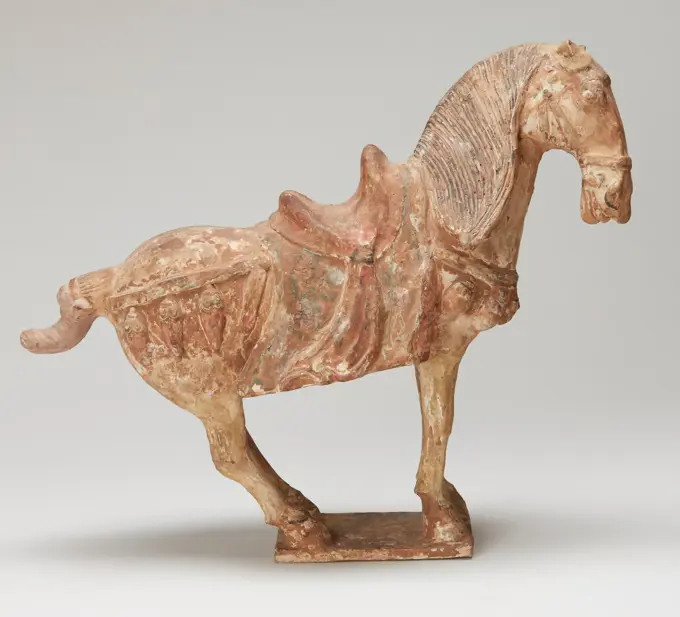
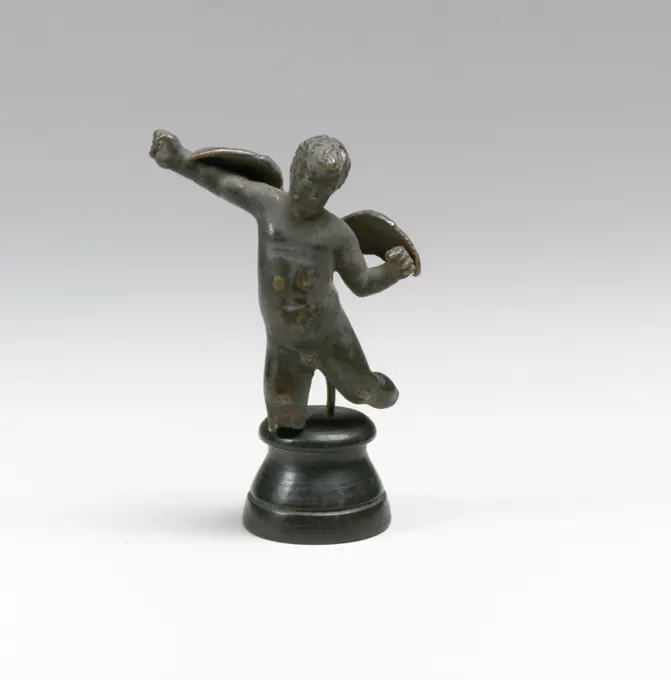
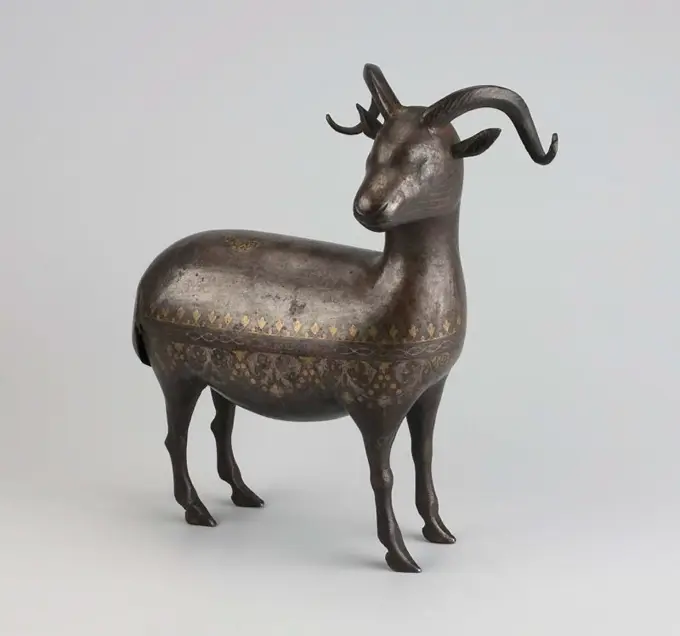
Collection of exquisite animal figurines, including a reclining doe and various stylized pets, showcasing intricate details and diverse materials from different cultures.

Rabbit Standing, Large' mechanical bank, late 19th century, Henry S. Lockwood; Manufacturer: Lockwood Manufacturing Company, South Norwalk, Connecticut, 8 x 4 5/16 x 3 1/16 in. (20.32 x 10.95 x 7.78 cm), Iron, pigment, 19th century
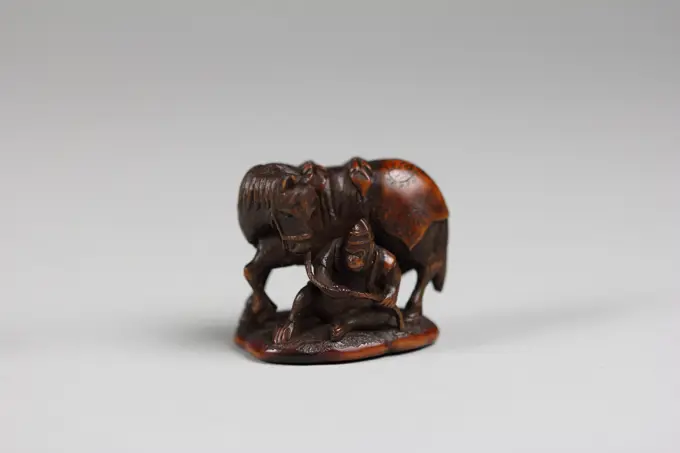
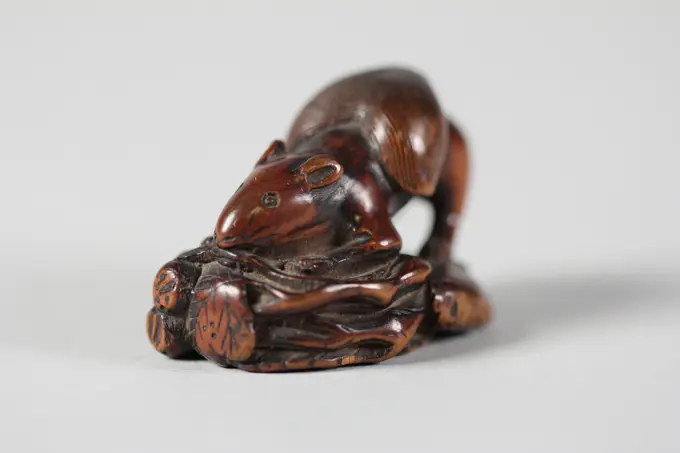
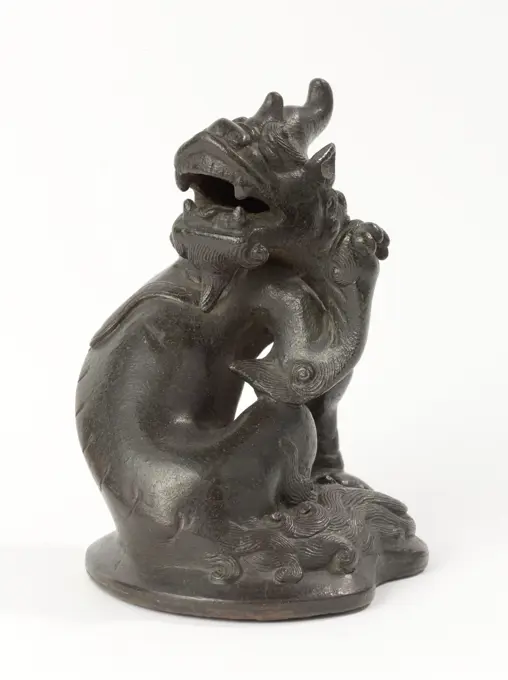
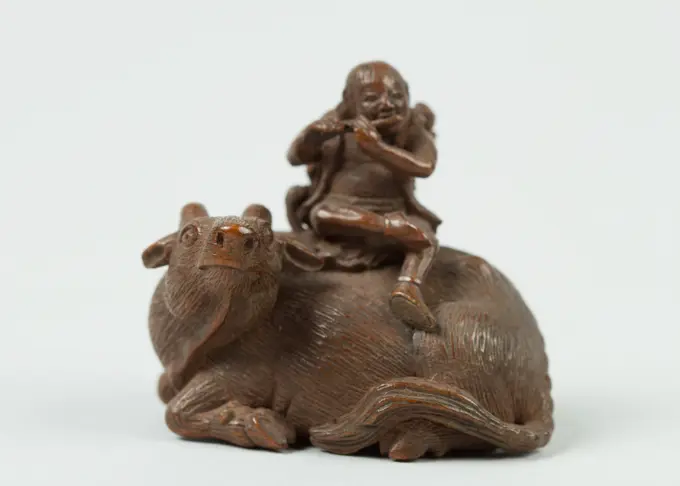
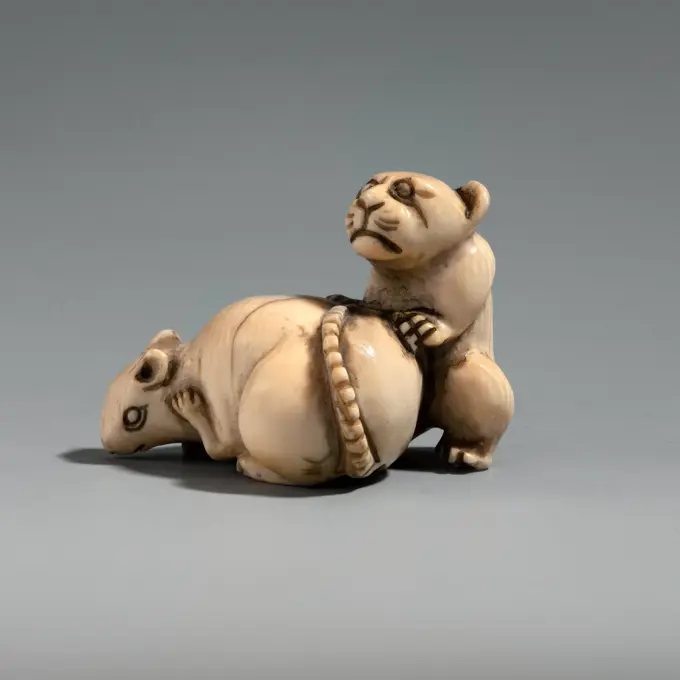
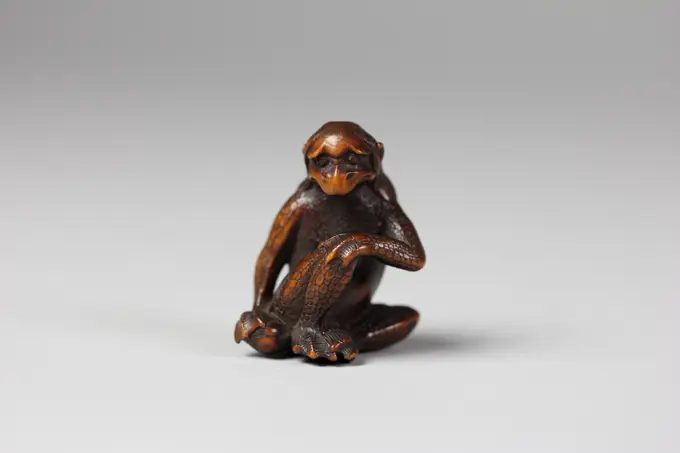
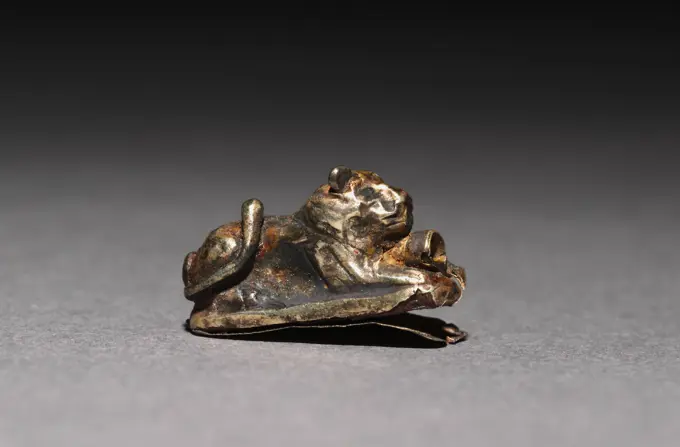
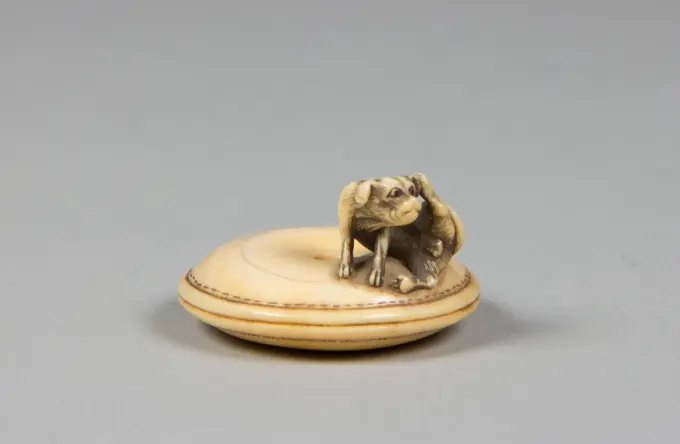
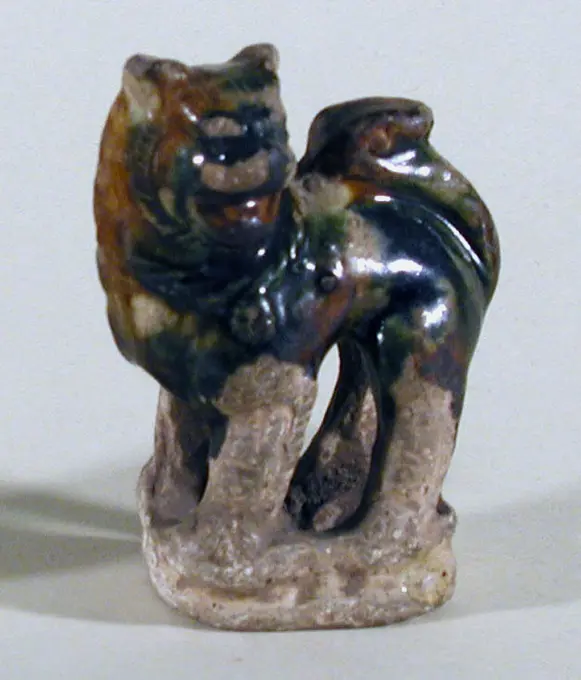
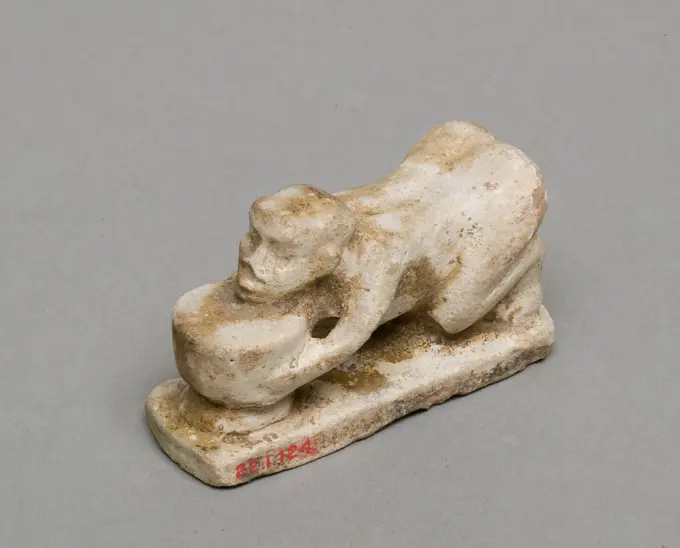
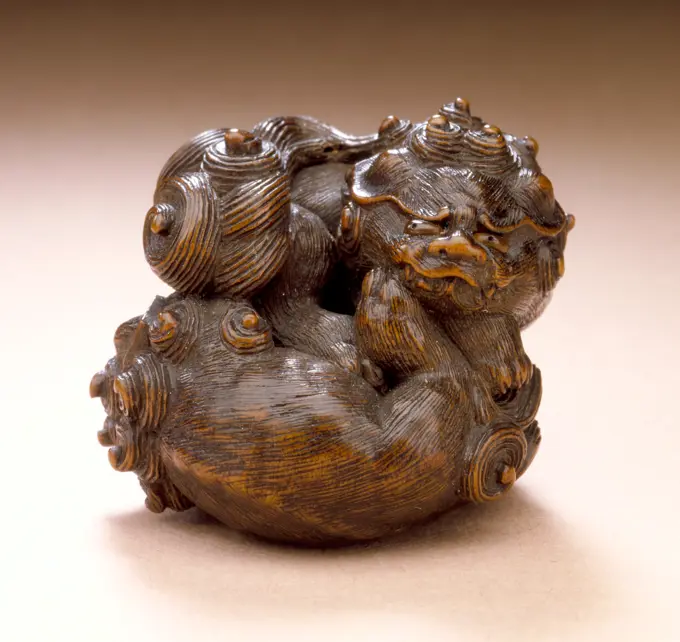
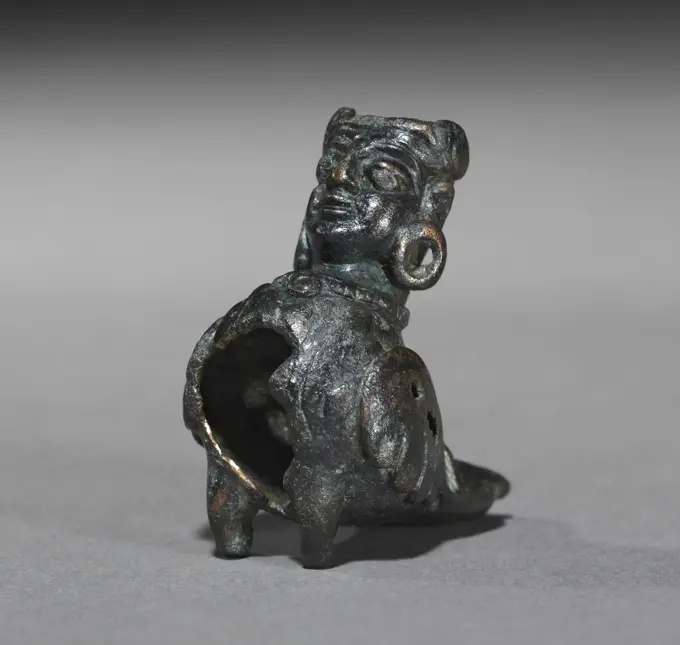
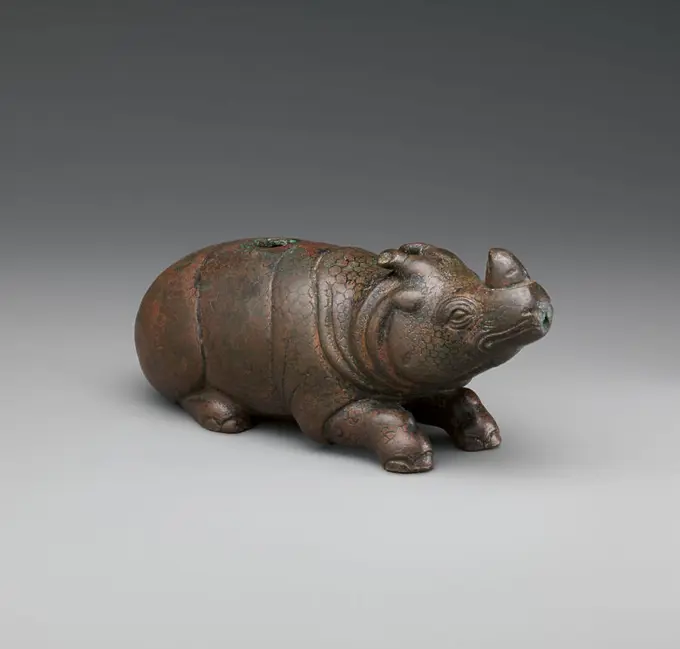
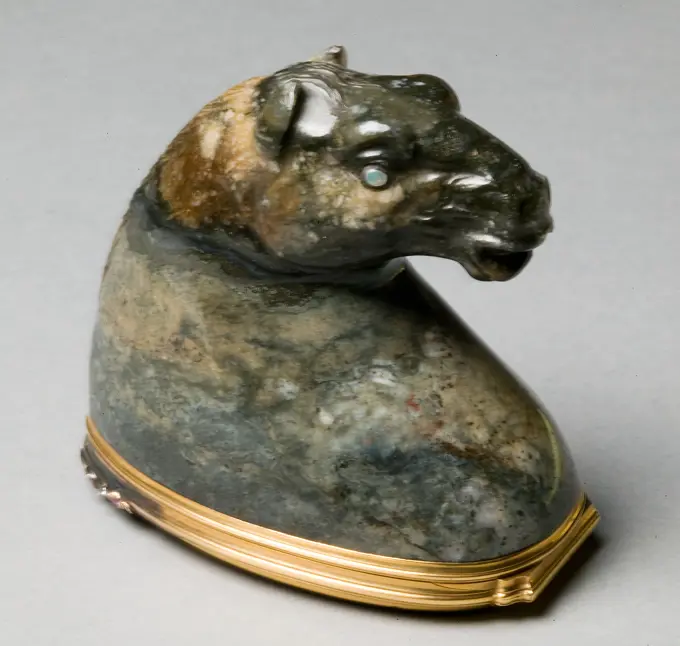
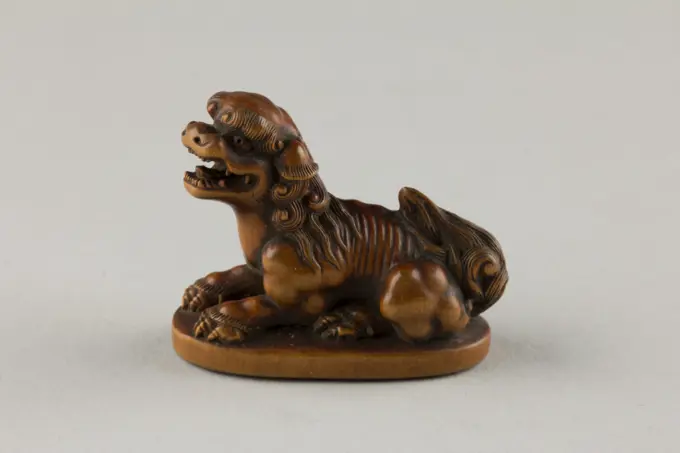
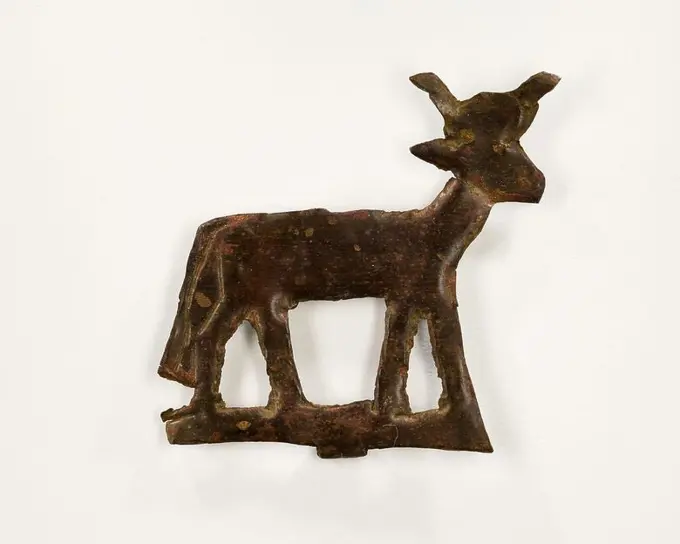
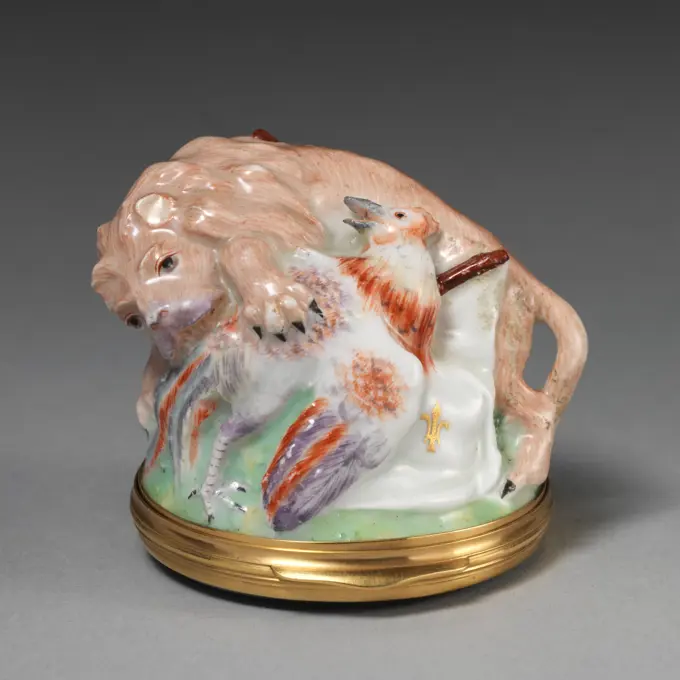
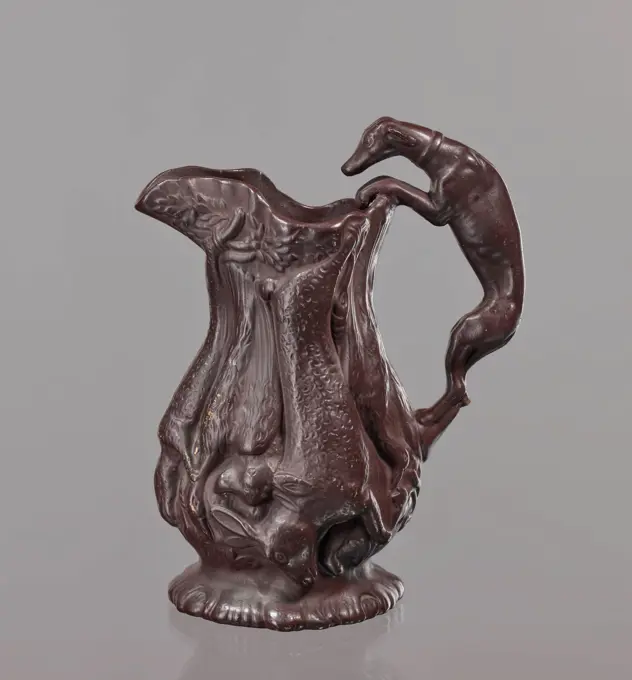
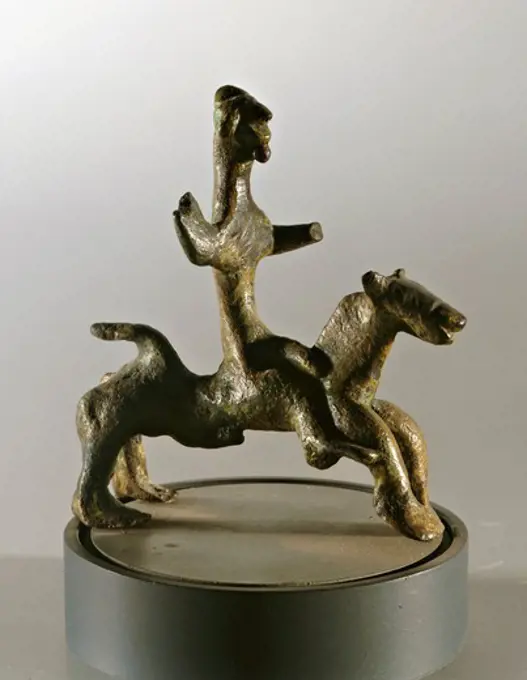
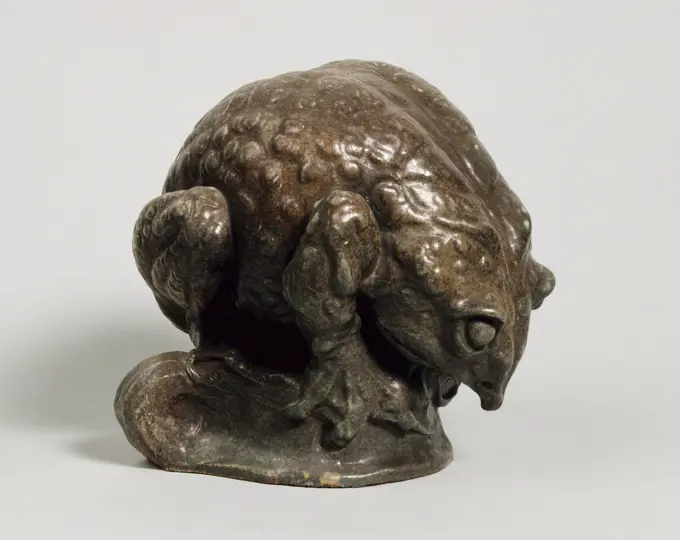
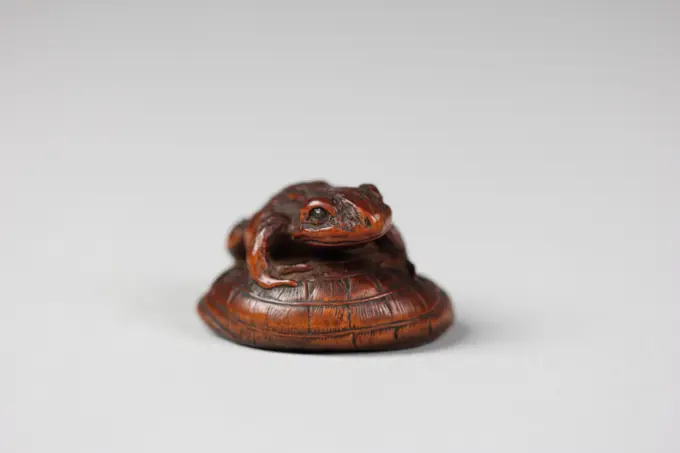
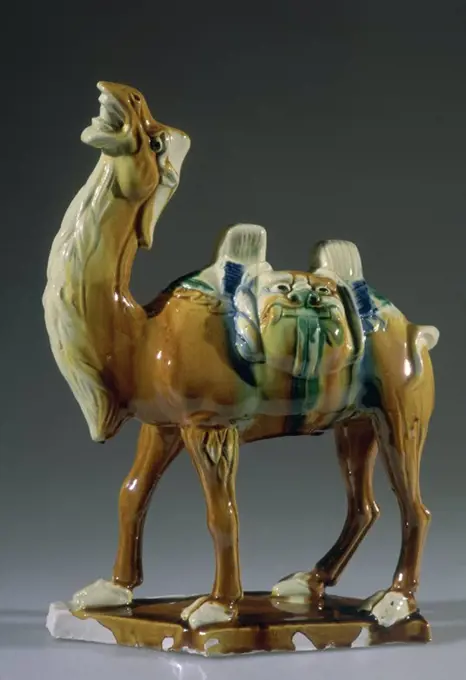
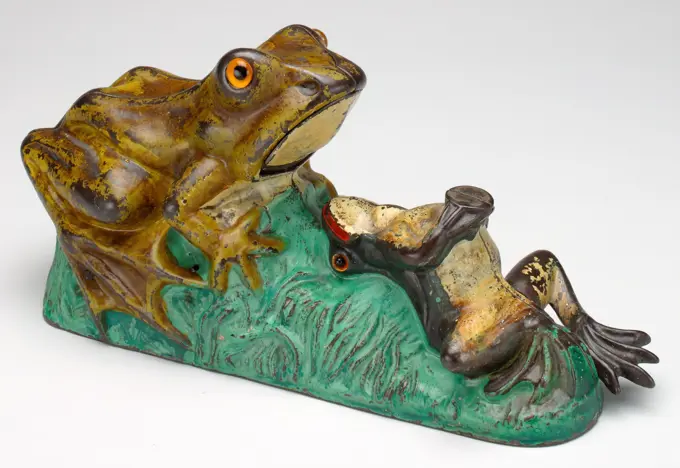
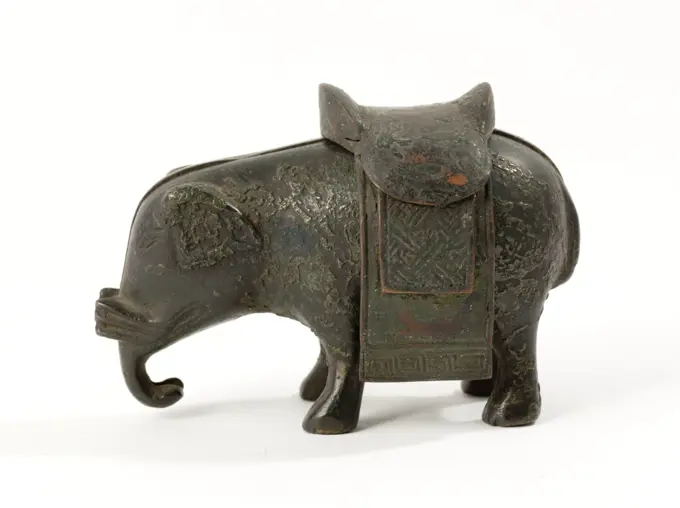
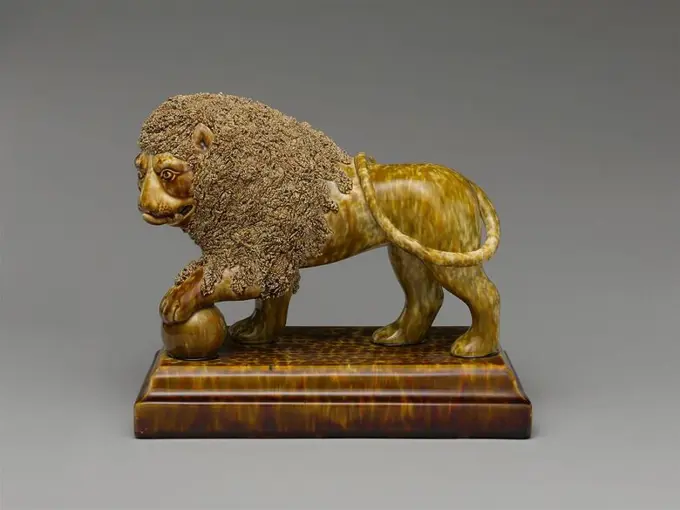
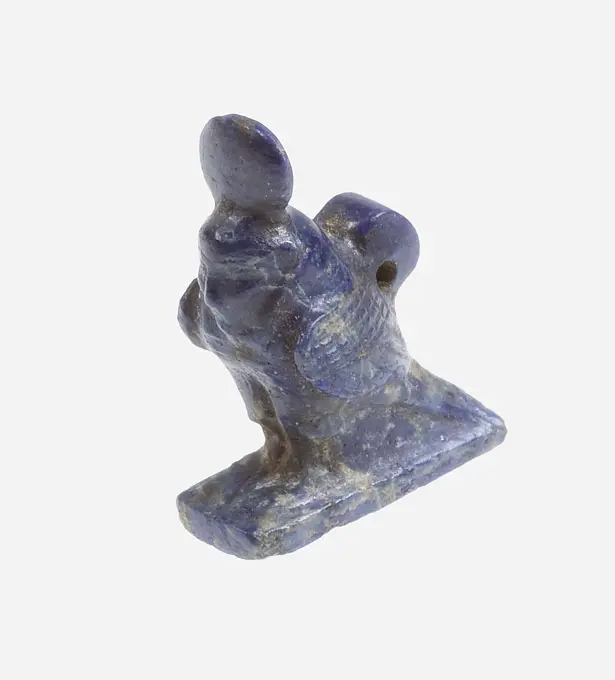
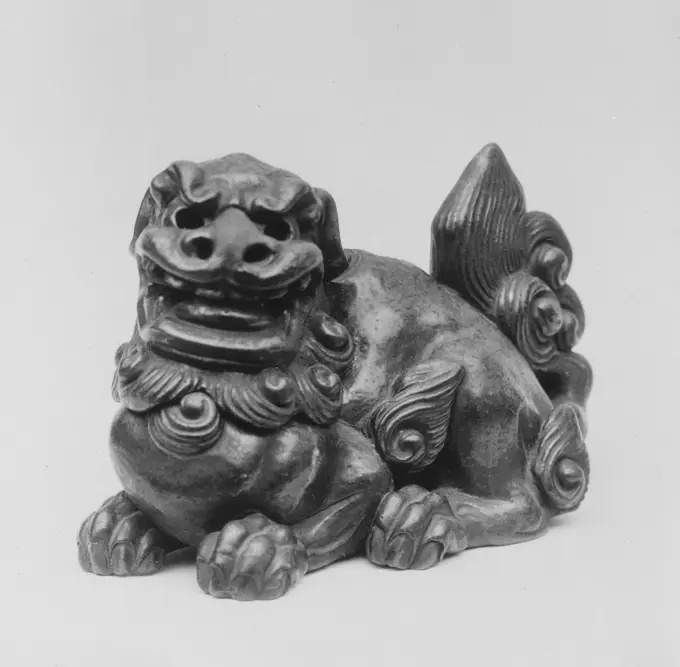
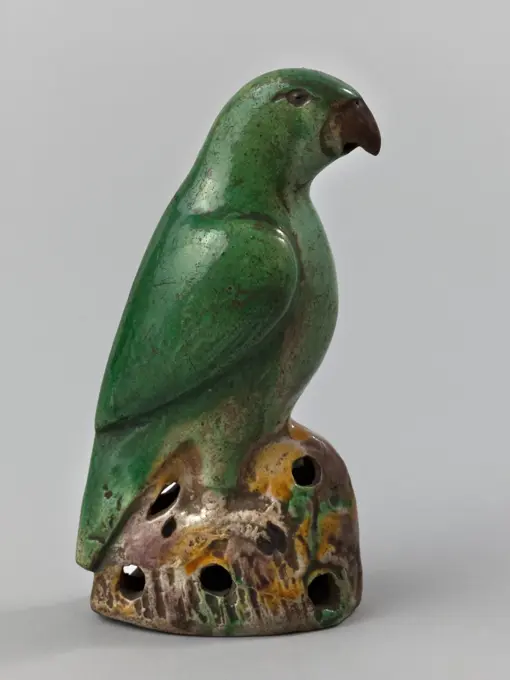
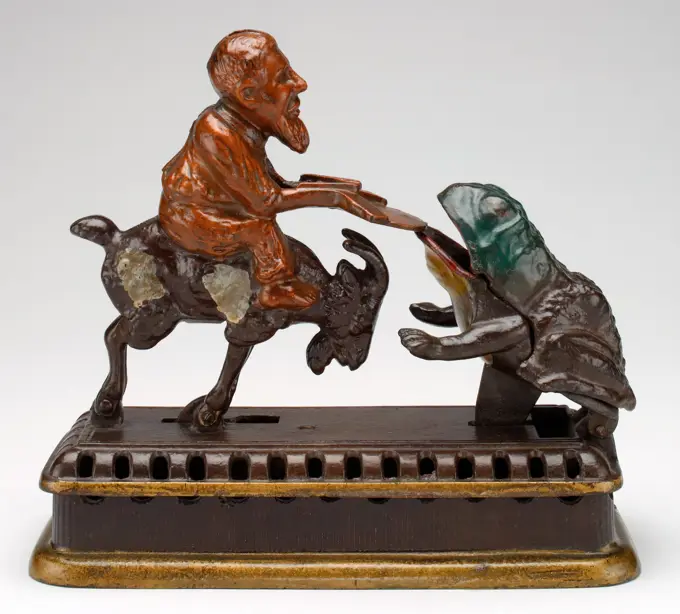
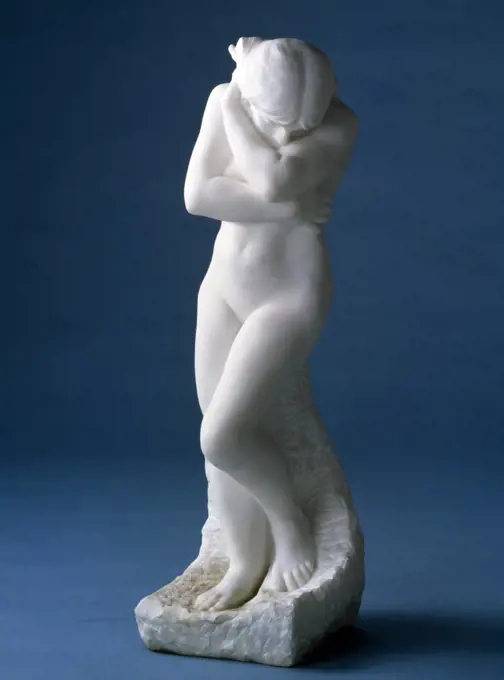
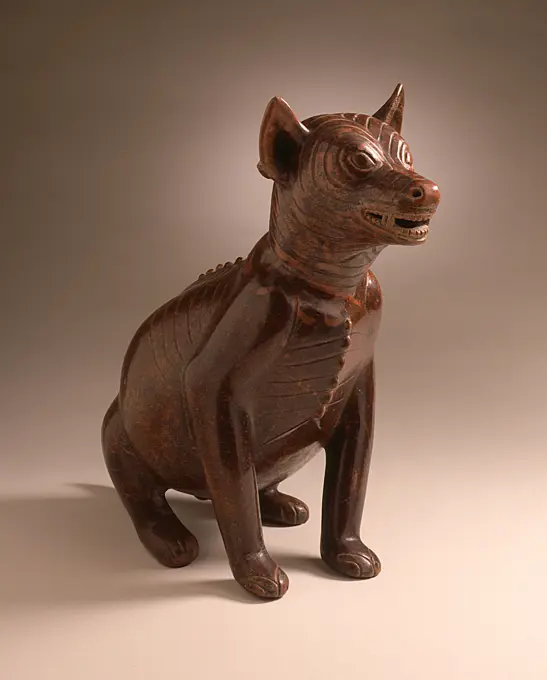
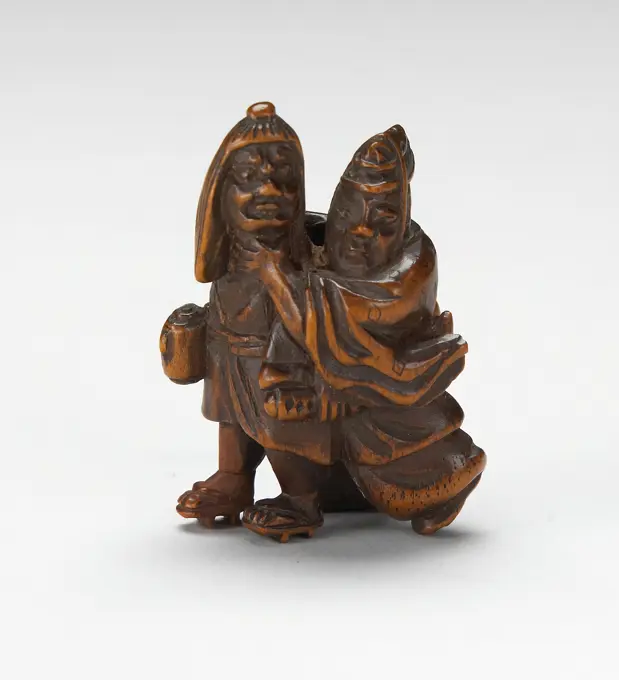
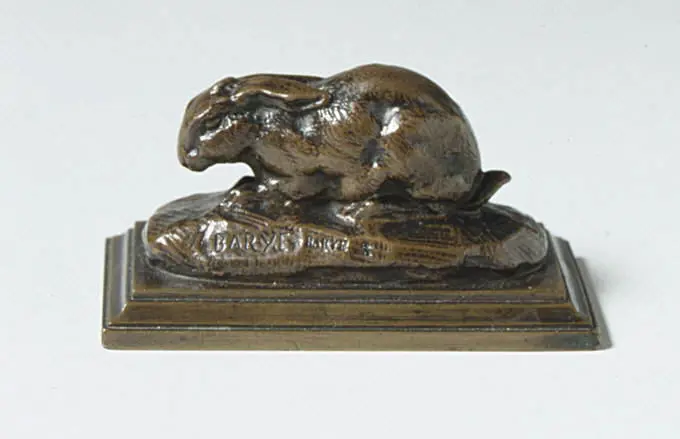
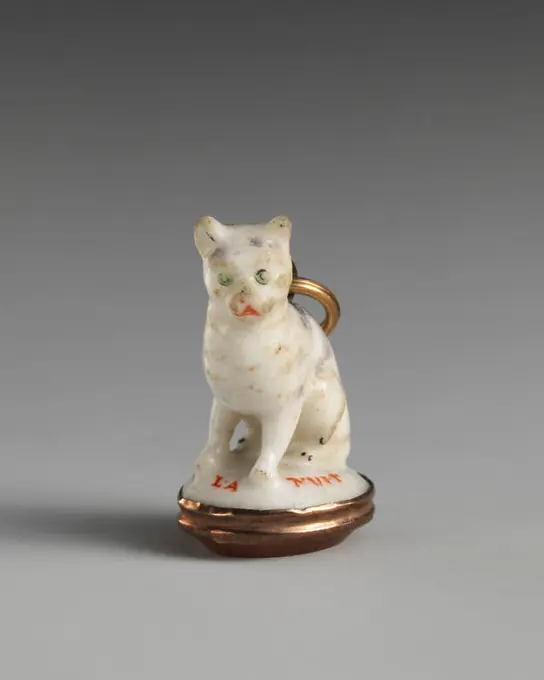
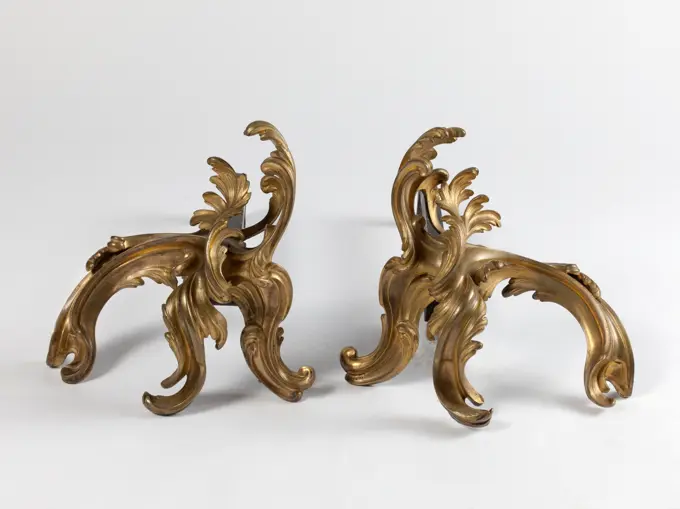
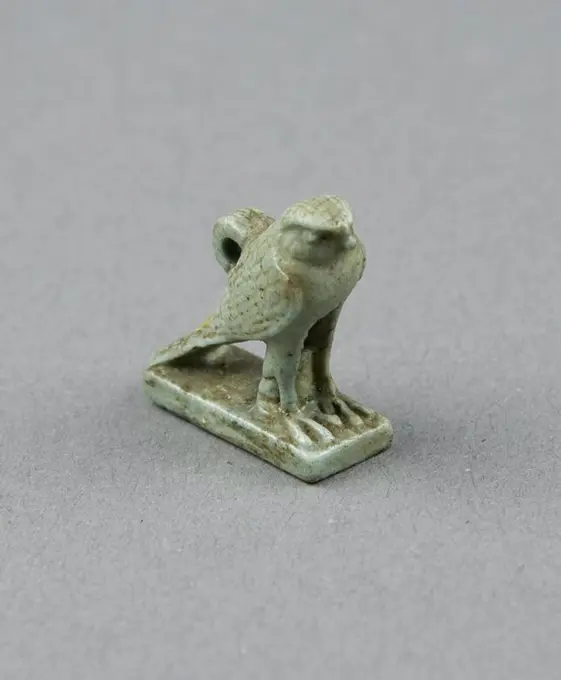
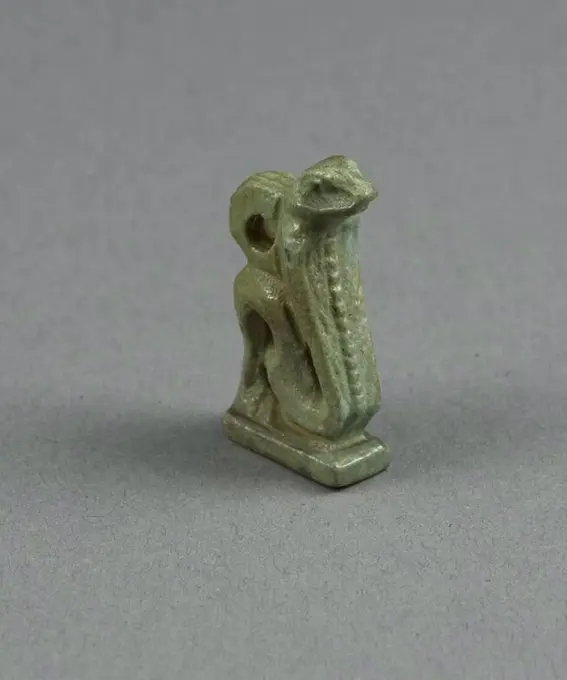
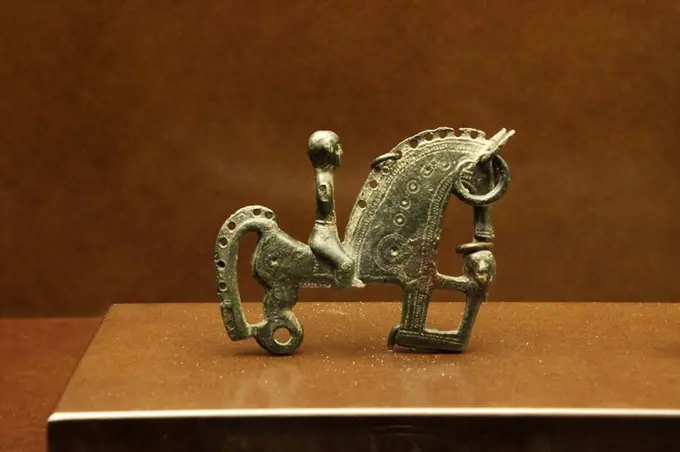
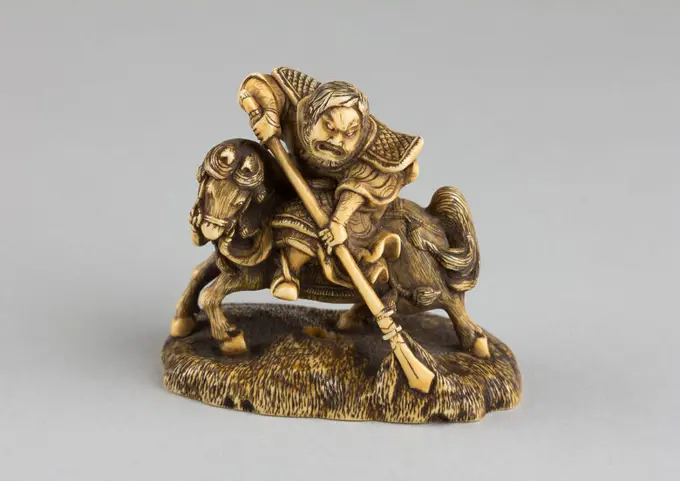
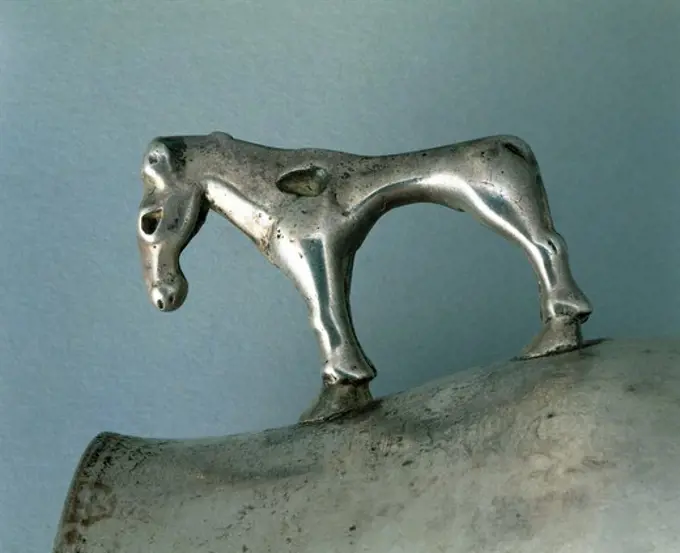
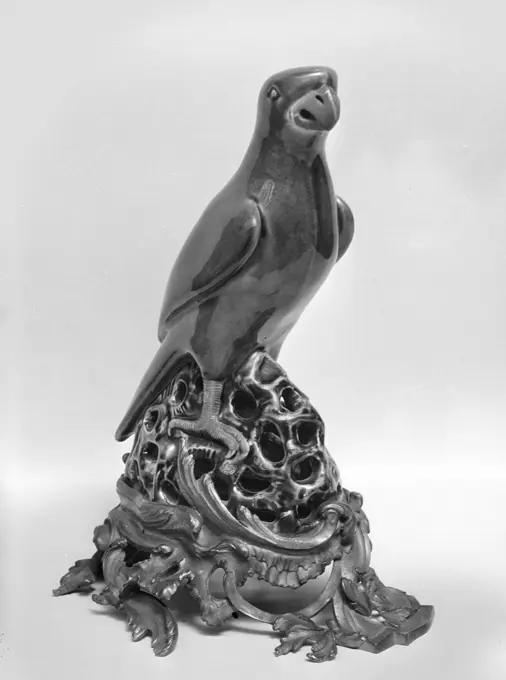
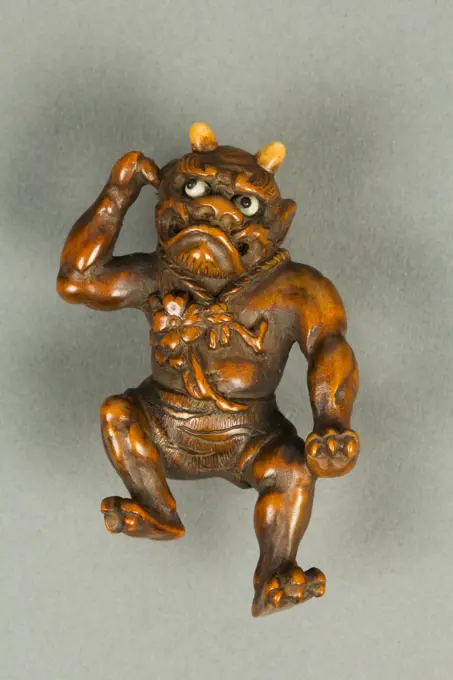
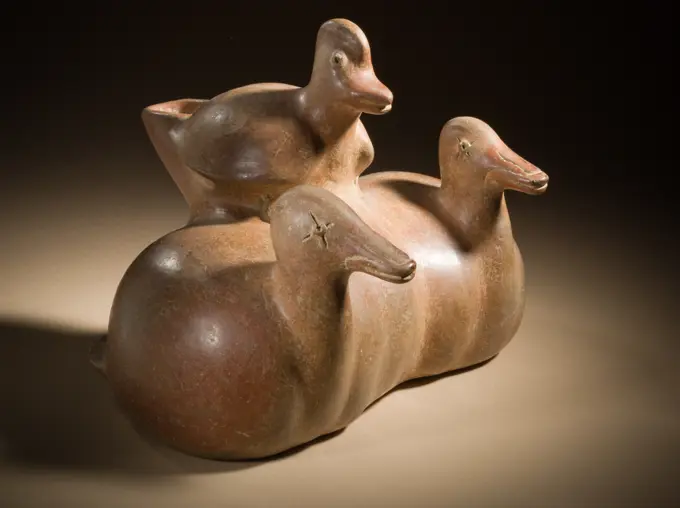
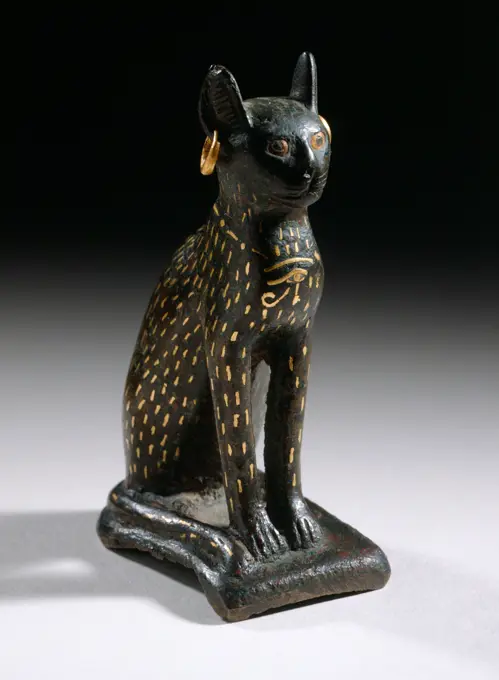
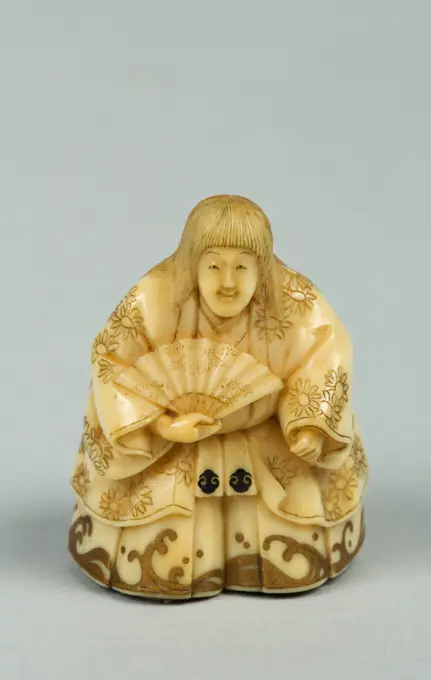
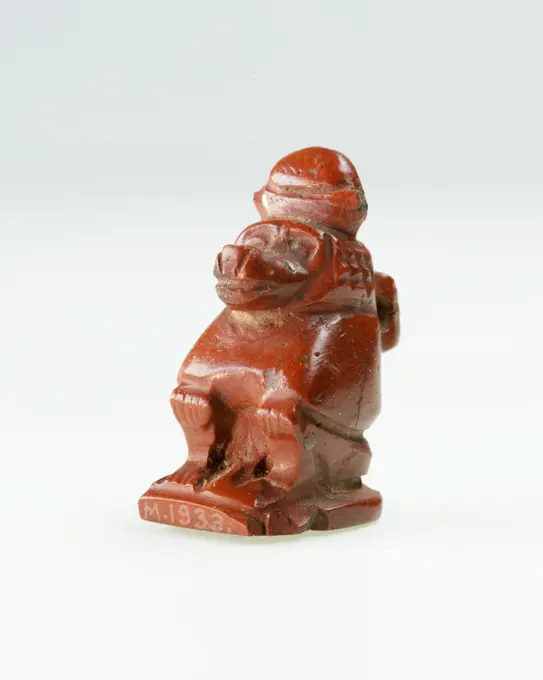
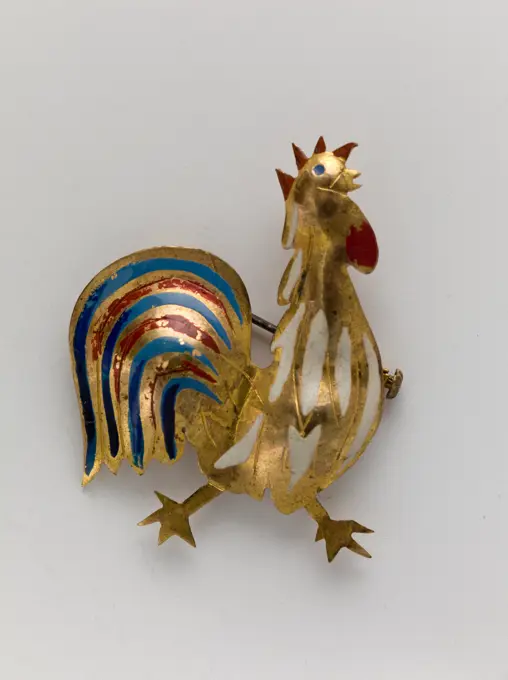
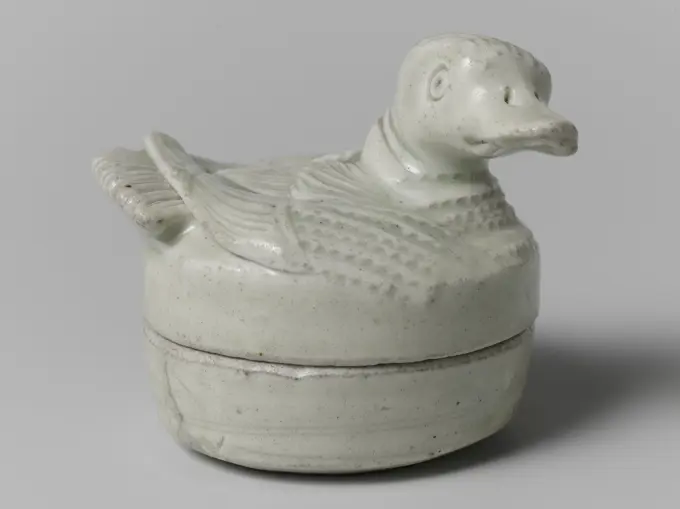
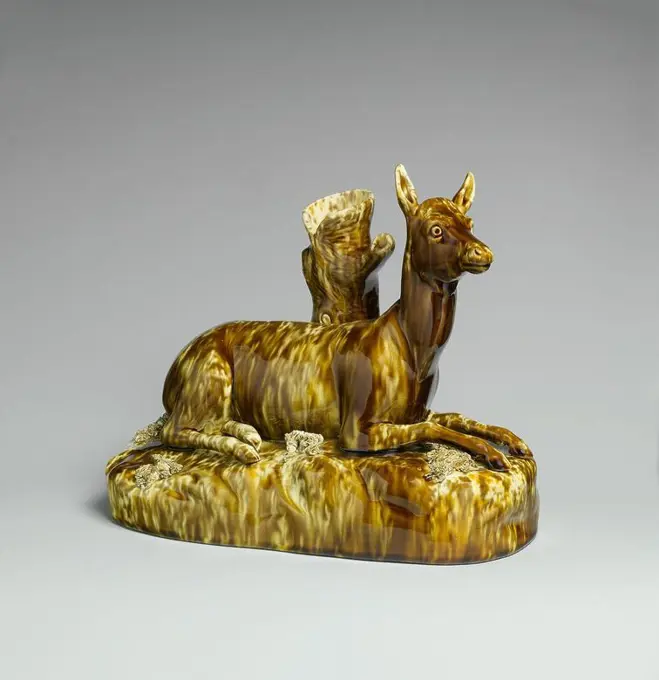
Figural spill vase. Culture: American. Dimensions: 8 3/4 x 11 in. (22.2 x 27.9 cm). Date: 1830-70.The middle of the nineteenth century witnessed a proliferation of relief-molded earthenware covered with an allover mottled brown enameled glaze. Often referred to as Rockingham ware in homage to similar ware first produced in England on the property of the marquis of Rockingham, many of the original molds and designs were brought from England by itinerant potters who fashioned these wares. Variations occur in the glazes by the means of application--dipping, sponging, or splashing--and with the addition of colored oxides. Relief-molded pitchers were the most common forms, but slip-cast animal figures such as a recumbent cows, lions, poodles, and deer, were also popular. This figure of a reclining doe was likely intended as a mantel ornament. The hollow tree trunk behind the doe was used to hold paper or wood spills for lighting candles or oil lamps. The piece is covered in an overall mottNetsuke. Culture: Japan. Dimensions: H. 1 3/4 in. (4.4 cm). Date: 19th century. Museum: Metropolitan Museum of Art, New York, USA.Dog. Unknown maker, ItalianNetsuke of Monkey Holding Horse Rein 19th century Japan. Netsuke of Monkey Holding Horse Rein 60442Mule-Head Attachment for a Couch, 200-100 BC. Greece, Hellenistic period, 2nd Century BC. Bronze; overall: 20.4 x 18.3 cm (8 1/16 x 7 3/16 in.); with base: 25.4 cm (10 in.).Netsuke 19th century Japan. Netsuke 59235Kilin. Bronze. Japan. XVIII-XIXth century. Paris, Cernuschi museum. Fantastic animal, animal, Japanese art, Chinese bestiary, bronze, kilin, Japanese object, 19th 19th 19th 19th 19th 19th 19th century, 18th 18th 18th 18th 18th 18th 18th century, animalNetsuke of Man Playing Flute atop an Ox 19th century Japan. Netsuke of Man Playing Flute atop an Ox. Japan. 19th century. Wood. Edo (1615-1868) or Meiji period (1868-1912). NetsukeRabbit Standing, Large' mechanical bank, late 19th century, Henry S. Lockwood; Manufacturer: Lockwood Manufacturing Company, South Norwalk, Connecticut, 8 x 4 5/16 x 3 1/16 in. (20.32 x 10.95 x 7.78 cm), Iron, pigment, 19th centuryDar (provenance), Japanese (culture), netsuke, Japanese artNetsuke of a Kappa 18th century Japan. Netsuke of a Kappa 59104Recumbent Lion Beads, 1980-1801 BC. Egypt, Middle Kingdom, Dynasty 12. Electrum over a clay-bulked resin core; overall: 1 x 0.5 cm (3/8 x 3/16 in.).Netsuke 18th century Japan. Netsuke. Japan. 18th century. Ivory. Edo period (1615-1868). NetsukeBellowing Bull, Artus Quellinus (I) (attributed to), c. 1640 On a pedestal. Antwerp bronze (metal) casting On a pedestal. Antwerp bronze (metal) castingLion 7th-9th century China. Lion. China. 7th-9th century. Molded white clay covered with mottled brown, green and blue three color (sancai) glaze. Tang dynasty (618-907). Tomb PotteryDwarf ca. 1850-1700 B.C. Late Middle Kingdom. Dwarf. ca. 1850-1700 B.C.. Faience. Late Middle Kingdom. From Egypt, Memphite Region, Lisht North, cemetery south of pyramid below House A1:2, Pit 884, MMA excavations, 1920-21. Dynasty 12, late - 13 up to 1700Pair of Chinese Lions. Tanba School (Japan, early to mid-19th century). Japan, early 19th century. Costumes; Accessories. Wood with inlaysBronze statuette of a goose 1st-2nd century A.D. Roman Wings spread, head raised and slightly turned to left.. Bronze statuette of a goose. Roman. 1st-2nd century A.D.. Bronze. Imperial. BronzesHarpy, 1000s-1100s. Iran, Seljuk Period, 11th-12th Century. Bronze; overall: 6.5 cm (2 9/16 in.).Water dropper in the form of a rhinoceros. Culture: China. Dimensions: H. 2 1/8 in (5.4 cm); W. 5 in. (12.7 cm); D. 1 7/8 in. (4.8 cm). Date: 15th century.This bronze figure of a single-horned rhinoceros sits on four flexed legs with its head slightly raised. Its body is clad in thick hide with heavy folds and decorated with fine honey-comb patterns. Designed as a water dropper, the animal has a compact and hollow body, with a circular opening on its back to add water and a small aperture in its mouth to dispense it, a few drops at a time. The entire piece is covered with a naturally formed brownish patina that bears no trace of being buried underground. Museum: Metropolitan Museum of Art, New York, USA.Snuff Box, c. 1750-60. Germany, 18th century. Agate, gold, opal, rubies, diamonds; overall: 7 cm (2 3/4 in.).Netsuke in the shape of a boy bathing in a tub. unknown, sculptorBlack-glazed askos in the form of a sittingferret, 4th century B.C., Terracotta, 13.3 × 21.6 cm (5 1/4 × 8 1/2in.), Onview, Greek, South Italian,Apulian, Hellenistic, Containers -CeramicsRaccoon Dog Covered with Lotus Leaves. Shūgasai Toyokazu (Japan, active early to mid-19th century). Japan, early to mid-19th century. Costumes; Accessories. Wood with inlaysRyūjin: Ruler of Seas and Tides. Tametaka (Japan, active circa 1730-1790). Japan, mid- to late 18th century. Costumes; Accessories. WoodNetsuke of Qilin 19th century Japan. Netsuke of Qilin 60456Weird Fish. Japan, 19th century. Costumes; Accessories. WoodCDK unknownVotive cow plaque. Dimensions: L. 4 cm (1 9/16 in.); H. 3.9 cm (1 9/16 in.). Dynasty: Dynasty 18. Reign: Joint reign of Hatshepsut and Thutmose III. Date: ca. 1479-1458 B.C.. Museum: Metropolitan Museum of Art, New York, USA.Lion and cock ca. 1760 Chelsea Porcelain Manufactory. Lion and cock. British, Chelsea. ca. 1760. Soft-paste porcelain, agate, gold. Chelsea Porcelain Manufactory (British, 1745-1784, Gold Anchor Period, 1759-69). Ceramics-PorcelainMy Liwski jug, darkness; Lubartów (Fiansu Factory; Ca 1840-1850); 1840-1850 (1840-00-00-1850-00-00);Lamb shaped can with a cover Friedlein, KarolEtruscan civilization, Votive bronze figurine of a rider on horse from Montegrotto Terme, Sanctuary of S. Pietro Montagnon, Veneto region, Italy, 8th century b.c.Jean Carriès (1855-1894). "Small frog, also called frog with the curved back". Ceramics in greenish enameled sandstone. Museum of Fine Arts of the City of Paris, Petit Palais. 24844-9 Ceramic, curve back, frog, gres emaille, small, verdatre. Allegorical figure, the winter presenting an old woman standing at a fire pot on a pedestal decorated with seed beads. For her feet a seated child. Signature: rebel X.Kadzielnica (kôro);  2. PO. 19th century (1868-00-00-1900-00-00);Netsuke of a Man Sleeping while Monkey Steals Contents of Basket. Culture: Japan. Dimensions: H. 1 1/8 in. (2.9 cm); W. 2 in. ( 5.1 cm). Date: 19th century. Museum: Metropolitan Museum of Art, New York, USA.Twin Whistling Pot, Earthenware, slip, Peru, 1300-1400, ceramics, Decorative Arts, Vessel, VesselEpichysis. Culture: Greek, South Italian, Apulian. Dimensions: H. 14.40 cm.; diameter 8.67 cm.. Date: ca. 325-300 B.C.. Museum: Metropolitan Museum of Art, New York, USA.Netsuke of Frog on a Straw Hat 18th century Japan. Netsuke of Frog on a Straw Hat 59709Wall support for Paintings Tang, 1885 - 1899  Wall support for painting tongs. Casted in two halves in the form of an opened lion's pussy, ending in oak leaves on a profiled plinth.  cast iron castingSparrow in Flight. Japan, early 19th century. Costumes; Accessories. WoodToy Cart with Elephant 100 BCE-101 CE West Bengal. Terracotta with red slip .FIGURILLA CHINA POLICROMADA DE UN CAMELLO.Frog Bank' (or 'Two Frogs') mechanical bank, c. 1882, James H. Bowen; Manufacturer: J. & E. Stevens Company, Cromwell, Connecticut, 1843-1950s, American, active c. 1877-1906, 4 1/4 x 8 1/2 x 2 in. (10.8 x 21.59 x 5.08 cm), Iron, pigment, glass, 19th centuryElephant. Bronze. Japan. XVIII-XIXth century. Paris, Cernuschi museum. Animalier, Japanese art, bronze, elephant, Japanese object, 19th 19th 19th 19th 19th 19th 19th century, 18th 18th 18th 18th 18th 18th 18 century, animalStanding lion. Culture: American. Designer: Possibly designed by Daniel Greatbatch (active 1838-ca. 1861). Dimensions: 9 1/4 x 10 7/8 x 5 7/8 in. (23.5 x 27.6 x 14.9 cm). Manufacturer: Lyman, Fenton & Co. (1849-52); United States Pottery Company (1852-58). Date: 1849-52. Museum: Metropolitan Museum of Art, New York, USA.Ba amulet 664-332 B.C. Late Period. Ba amulet. 664-332 B.C.. Lapis lazuli. Late Period. From Egypt. Dynasty 26-30Lion fo;  XVII century () (1601-00-00-1700-00-00);Censer with cover 1750 Japan. Censer with cover. Japan. 1750. Stoneware covered with flecked glaze (Bizen ware). Edo period (1615-1868). CeramicsSeated Figure of Usume Laughing 19th century Japan. Seated Figure of Usume Laughing 59157Figure of a Parrot on a rock. Image of porcelain, painted on the biscuit in blue, red, green, eggplant and black. Hollow image, the parrot is sitting on a pedestal in the form of a cut-away rock; The red painting on the beak and legs is worn down. Email sur biscuit with famille verte colors.Parrot. Sandstone, green, yellow and purplish brown. Paris, Cernuschi museum. 78841-26 Asian art, ancient ceramic, covered, email, glacure, Chinese pottery, terracotta emaillee, animal, natureGoat, Frog and Old Man' (or 'Initiating Bank, Second Degree') mechanical bank, c. 1880, George Eddy; Manufacturer: Mechanical Novelty Works, American, New Britain, Connecticut, 1870s-1890s, 6 3/4 x 7 5/8 x 3 1/16 in. (17.15 x 19.37 x 7.78 cm), Iron, pigment, 19th centuryEve Auguste Rodin (1840-1917/French) White Marble Business card holder; Horace Woodward & Co (Birmingham; Ca.1850-1919); 1912 (1912-00-00-1912-00-00);Cow, decorated with flowers, anonymous, c. 1720 - c. 1730 Animal figure of Faïence, representing a cow. Multicolored painted with flowers. Delft . Animal figure of Faïence, representing a cow. Multicolored painted with flowers. Delft .Dog. Mexico, Colima, Colima, 200 BCE-500 CE. Ceramics. Slip-painted ceramic with incised decorationTwo men standing behind each other, late 19th century, Masano (of Ise), Chinese, 1/2 x 1 1/16 x 3/4 in. (1.27 x 2.7 x 1.91 cm), Wood, China, 19th centuryTomb Figure, c. 750, 13 x 15 1/2 x 5 1/2in. (33 x 39.4 x 14cm), Polychromed earthenware, China, 8th centuryStatuette of Eros Greek. Statuette of Eros 246275Belt Buckle. Southern Siberia or western Inner Mongolia, 4th century B.C.. Costumes; Accessories. Bronze, castBronze mare and foal late 8th century B.C. Greek A mare nursing her foal on a rectangular plinth with three rows of triangles pierced straight through. The forms are cylindrical and rubbery with minimal articulation.. Bronze mare and foal. Greek. late 8th century B.C.. Bronze. Geometric. BronzesRabbit (Lapin, les oreilles couchées) modeled possibly ca.1825, cast perhaps 1865-75 or earlier Antoine-Louis Barye French. Rabbit (Lapin, les oreilles couchées) 207828Figurine of ram. unknown, craftsmanJARRA DE PLATA-CABEZA DE CONEJO. Location: PALACIO REAL-OBJETOS. MADRID. SPAIN.Miniature seal in the form of a cat. Culture: British, Chelsea. Dimensions: Height: 15/16 in. (2.4 cm). Manufactory: Chelsea Porcelain Manufactory (British, 1745-1784, Red Anchor Period, ca. 1753-58). Date: 1753-58. Museum: Metropolitan Museum of Art, New York, USA.Zoomorphic pendant in shape of afrog, ca.1200, Gold, 3 × 1.7 cm, 0.01 kg (1 3/16 × 11/16 in., 0.02lb.), Made in Costa Rica, Costa Rica, Palmar Sur,Puntarenas, JewelryAnonymous. Fire. Chiseled and gilded bronze, around 1750. Paris, Carnavalet museum. 77641-2 Accessory, bonze chisel, cheminee, chenet, dore, gilding, Louis XV time, leaf, Louis XV style, fireFrog Pendant 11th-16th century Veraguas. Frog Pendant. Veraguas. 11th-16th century. Gold. Panama. Metal-OrnamentsAmulet of a Hawk. Egyptian. Date: 1070 BC-656 BC. Dimensions: 1.9 × 1.9 × 0.6 cm (3/4 × 3/4 × 1/4 in.). Faience. Origin: Egypt. Museum: The Chicago Art Institute, Chicago, USA. Author: Ancient Egyptian.Boy with water buffalo 18th century China. Boy with water buffalo. China. 18th century. Jade (nephrite). Qing dynasty (1644-1911), Qianlong period (1736-95). JadeAmulet of a Cobra. Egyptian. Date: 1070 BC-656 BC. Dimensions: 3.2 × 1.6 × 1 cm (1 1/4 × 5/8 × 3/8 in.). Faience. Origin: Egypt. Museum: The Chicago Art Institute, Chicago, USA. Author: Ancient Egyptian.Plates. Tang. Paris, Cernuschi museum. 35406-12 Bronze, horse, tang dynasty, brochure, animalFIBULA. EXPOSICION " EL HEROE Y EL MONSTRUO".(DEPOSITO: MUSEO ARQUEOLOGICO NACIONAL).Comb with a horse ca. 1295-1186 B.C. New Kingdom, Ramesside. Comb with a horse 545207Canada,  First Nations Canadian art. Typical Inuit soapstone & caribou antler sculptures. Property release.Netsuke of Horse and Rider. Culture: Japan. Dimensions: H. 2 in. (5.1 cm); W. 2 1/4 in. (5.7 cm); D. 1 1/4 in. (3.2 cm). Date: 19th century. Museum: Metropolitan Museum of Art, New York, USA.Silver cup with zoomorphic handle, from the Vinnica Region, Ukraine. Detail. Sarmatic Civilization, 1st-2nd Century.Parrot (one of a pair) 18th century China. Parrot (one of a pair). China. 18th century. Porcelain with polychrome enamels and gilt bronze pedestal. Qing dynasty (1644-1911). CeramicsNetsuke of Demon Carrying a Gourd on His Back 18th century Japan. Netsuke of Demon Carrying a Gourd on His Back. Japan. 18th century. Wood. Edo period (1615-1868). NetsukeAutomaton Clock in the Shape of a Lion. Augsburg, Germany. Date: 1625-1635. Dimensions: 20.3 x 12.7 x 22.9 cm (8 x 5 x 9 in.). Gilt bronze, ebony, and metal. Origin: Germany. Museum: The Chicago Art Institute, Chicago, USA.. The porcelain factory at Meissen, near Dresden, was founded in 1709. It was the first European factory to produce true’ or hard-paste porcelain, like that known in China and Japan. The manufactory was owned by Augustus the Strong, Elector of Saxony and King of Poland. All the birds and animals in this display case were made for him. They were intended for his so-called Japanese Palace, the walls of which he wished to fill with porcelain.Duck Family. Mexico, Colima, 200 BCE-500 CE. Ceramics. Slip-painted ceramicFish, c. 1880. France, 19th century. Glass; overall: 26.2 x 23.8 x 19.3 cm (10 5/16 x 9 3/8 x 7 5/8 in.).Figurine of the Goddess Bastet as a Cat. Egypt, 21st - 26th Dynasty (1081 - 525 B.C.). Sculpture. Bronze, inlaid goldJohn Benson How, Rearing Horse, 1951, bronze.Hare flask. Niemcy, creatorDance headpiece, 20th century, 11 1/2 × 9 1/2 × 18 1/2 in. (29.21 × 24.13 × 46.99 cm), Wood, plant fibers, metal, Mali, 20th centuryCLAPOOR. Sculptuur, factory director, "CLAPOOR".Netsuke 19th century Japan. Netsuke. Japan. 19th century. Ivory with gold lacquer ornamentation. Edo (1615-1868) or Meiji period (1868-1912). NetsukePotter turning vessels on a wheel: Limestone model. Old Kingdom, 5th Dynasty (2565-2420 BC).Man with triple stitch and bottle in hand, on Ton, Anonymous, c. 1760 - c. 1790 Decorative object of multicolored painted faïence. There is a ton on a chassis. On the barrel is a man with a bottle in his right hand. The man is wearing a three -pointed stitch on his head. Delft earthenware. tin glaze. Decorative object of multicolored painted faïence. There is a ton on a chassis. On the barrel is a man with a bottle in his right hand. The man is wearing a three -pointed stitch on his head. Delft earthenware. tin glaze.Cynocephalus Amulet ca. 1295-1070 B.C. New Kingdom, Ramesside The god Thoth was associated with two animals: the ibis and the baboon. Here, he is shown as a baboon squatting with its hands on its knees and wearing a crescent and a full moon on its head. As an amulet, it could have been worn, carried, or offered to a deity with the belief that it will magically bestow a particular power or form of protection during life or in the afterlife.. Cynocephalus Amulet. ca. 1295-1070 B.C.. Red Jasper. New Kingdom, Ramesside. From EgyptBird 14th-15th century Thailand. Bird. Thailand. 14th-15th century. Earthenware. CeramicsAnthropomorphic bronze votive offerings in the shape of a goat, Bronze Age, Evora Museum, Evora, Alentejo, Portugal, Europe.Anthropomorphic bronze votive offerings in the shape of a goat, Bronze Age, Evora Museum, Evora, Alentejo, Portugal, Europe.War 1939-1945. Tricolor -shaped brooch. Metal, painting. 1944-1945. General Leclerc Museum of Hauteclocque and the Liberation of Paris, Jean Moulin Museum. Pin, war 1939-1945, war 39-45, Second World WarToby Snuff Jar or Match Holder withCover.  Manufacturer: Lyman, Fenton & Co, American, 1849-52Container in the form of a bird, anonymous, c. 960 - c. 1279 Round box of stoneware, covered with a transparent enamel with a light blue tint. The lid is modeled in the form of a duck. Brown discoloration upside down. Qingbai. China porcelain. glaze vitrification Round box of stoneware, covered with a transparent enamel with a light blue tint. The lid is modeled in the form of a duck. Brown discoloration upside down. Qingbai. China porcelain. glaze vitrification