Decorative Antique Boxes

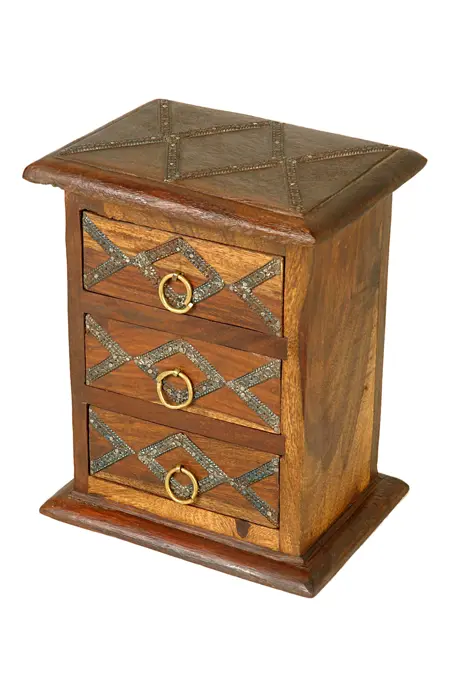
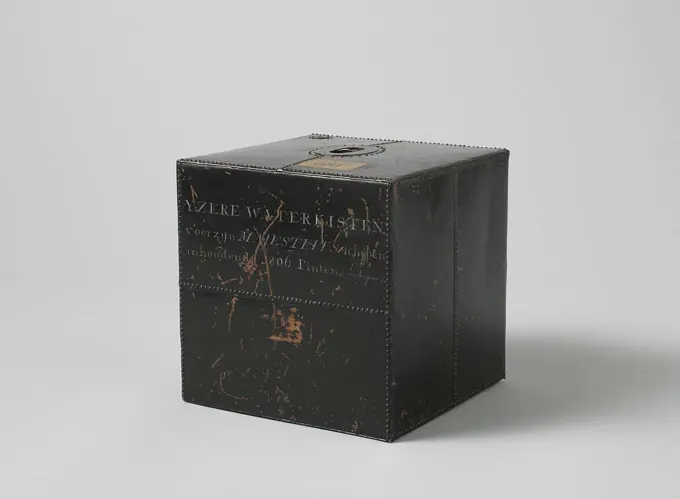
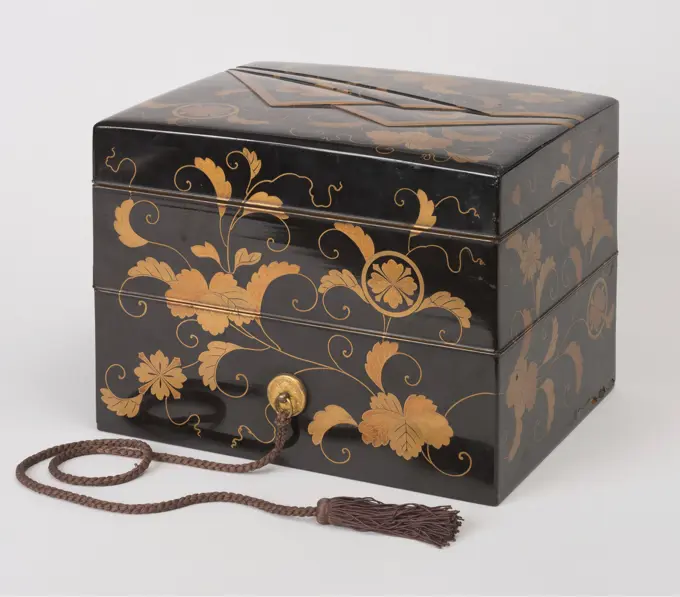
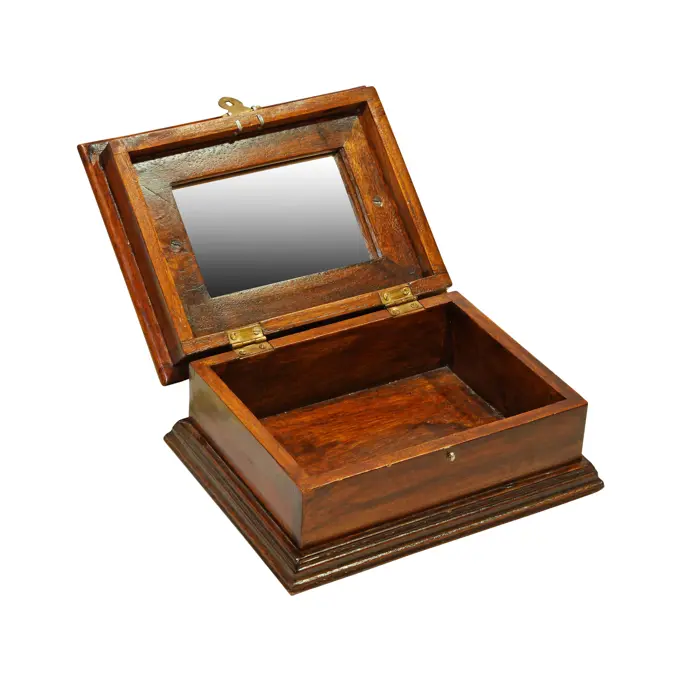
A collection of ornate wooden boxes featuring intricate decorations. Styles include satin wood with silver fittings and traditional Japanese maki-e art, showcasing craftsmanship and historical signifi
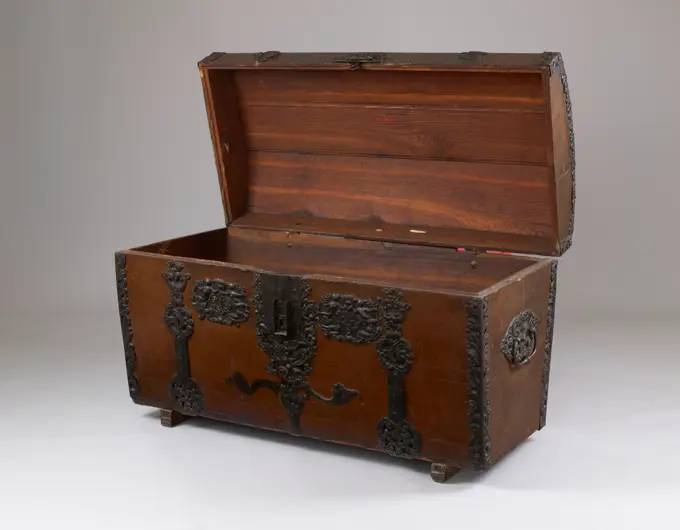
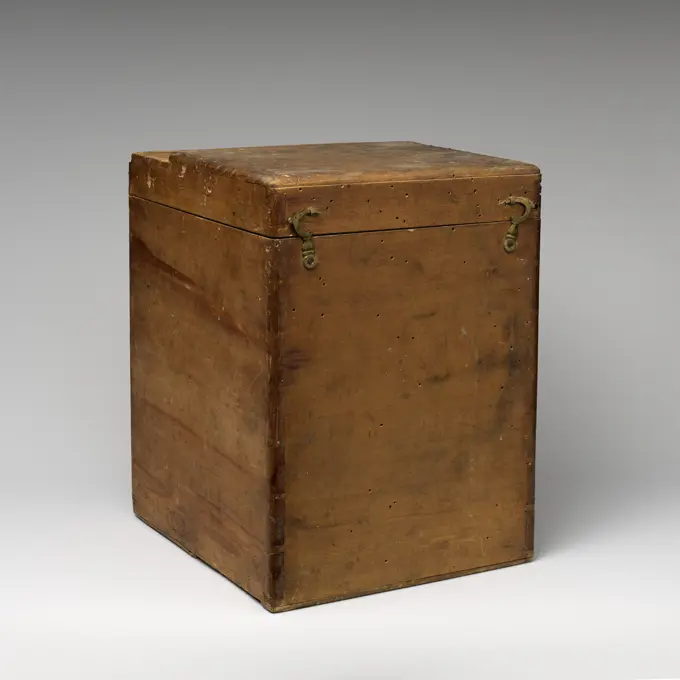
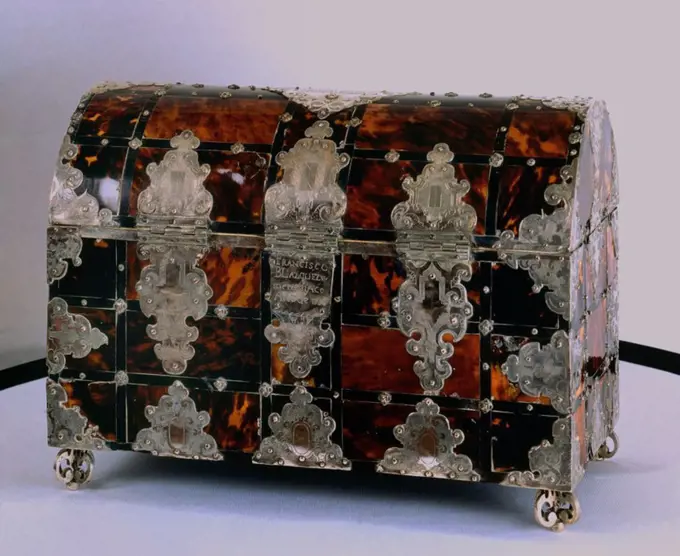
Trunk;  around 1750 (1740-00-00-1760-00-00);
Trunk; around 1750 (1740-00-00-1760-00-00);
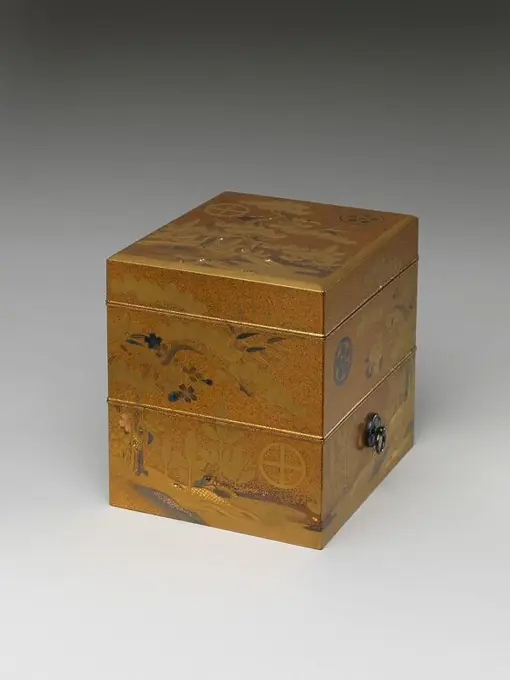
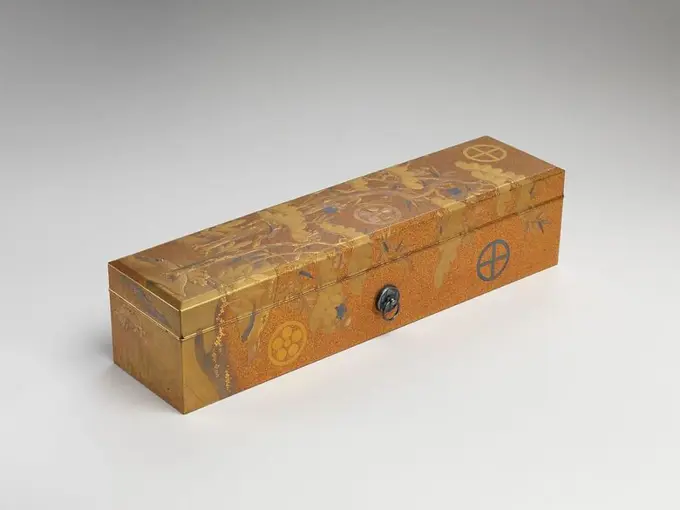
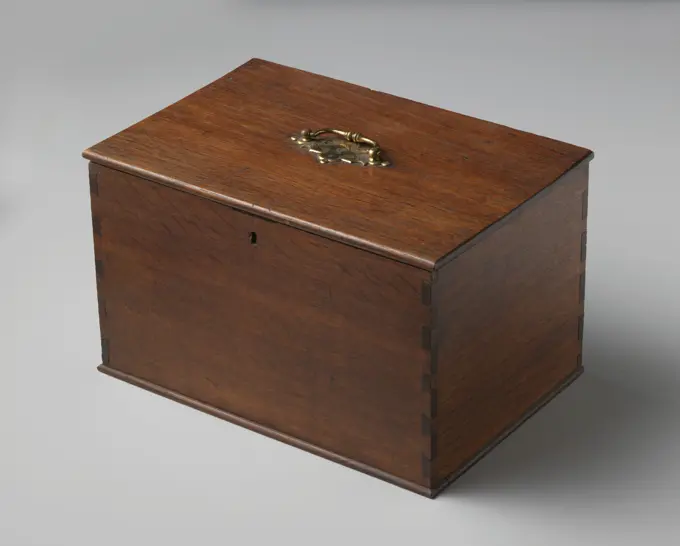
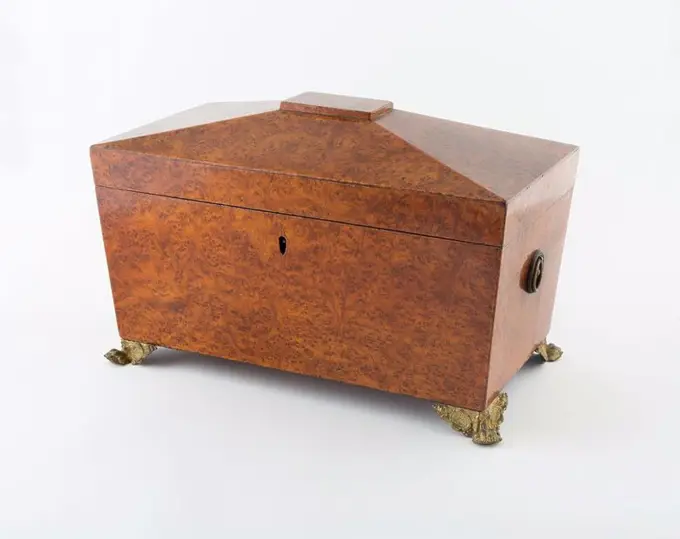
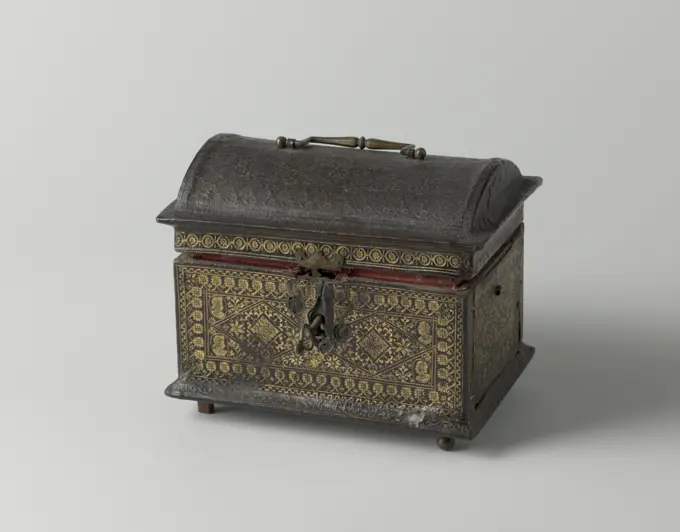
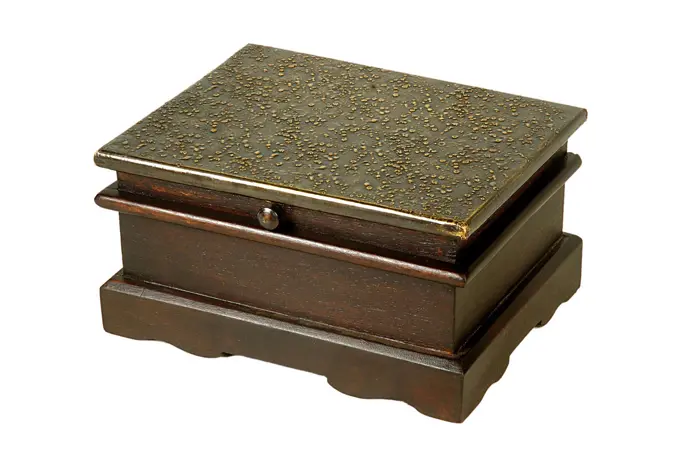
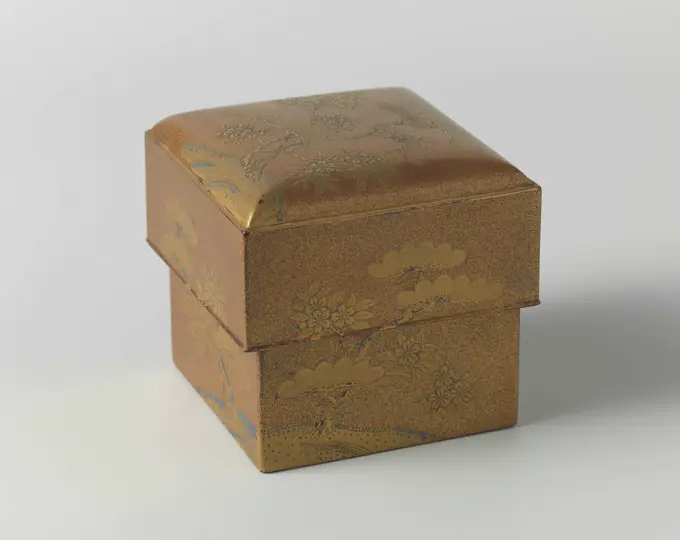
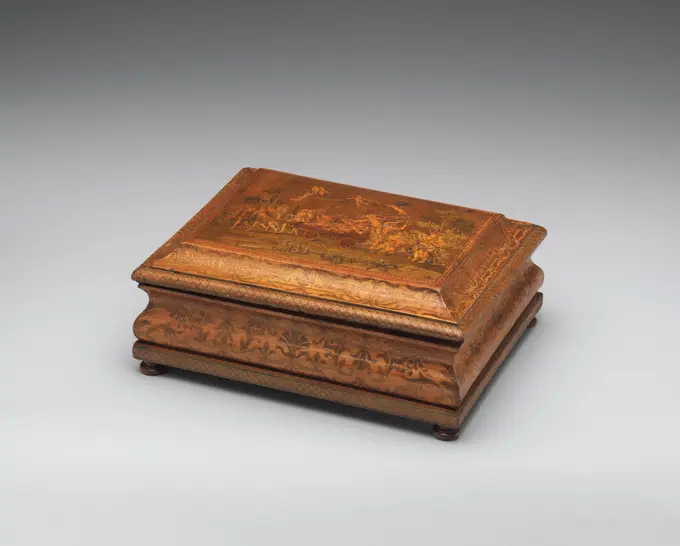
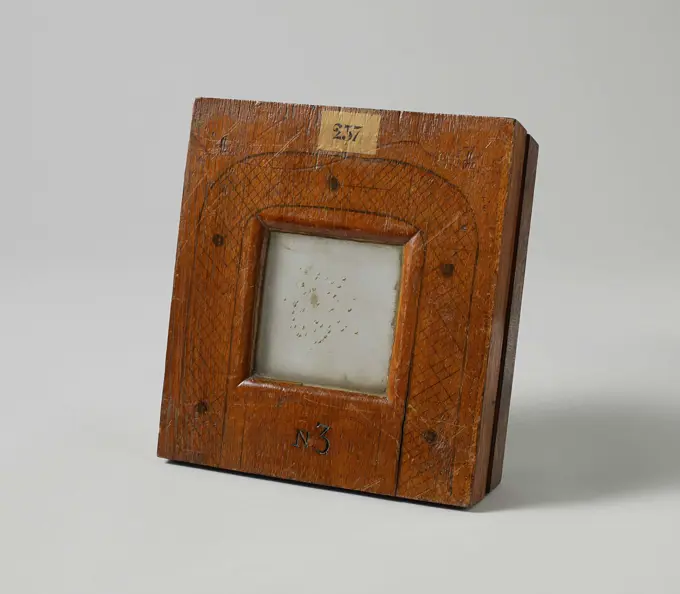
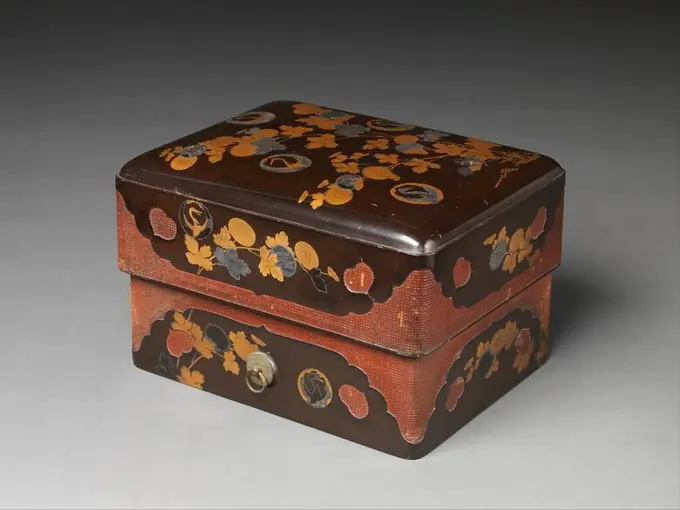
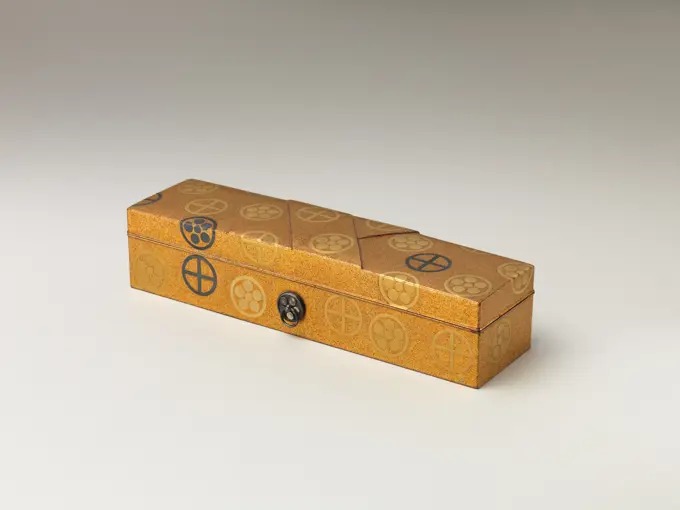
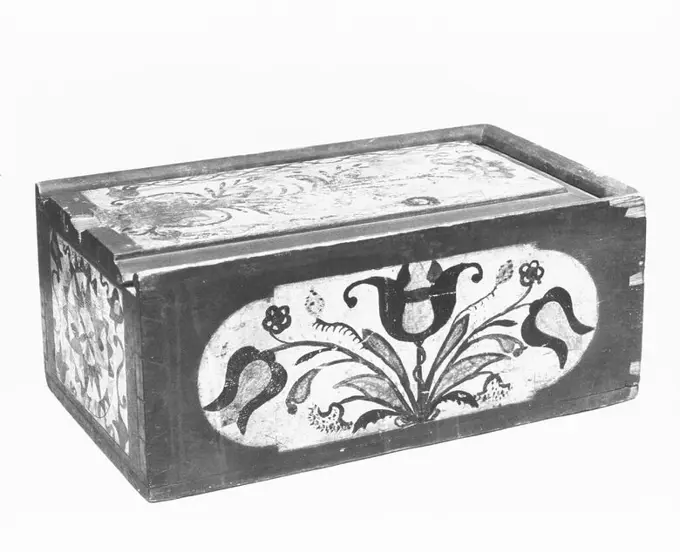
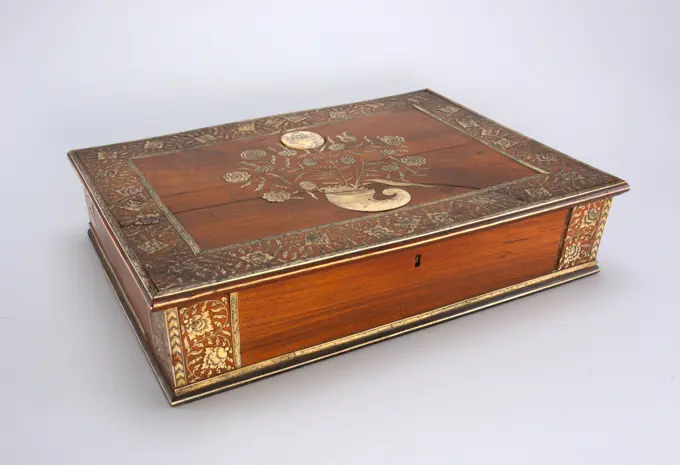
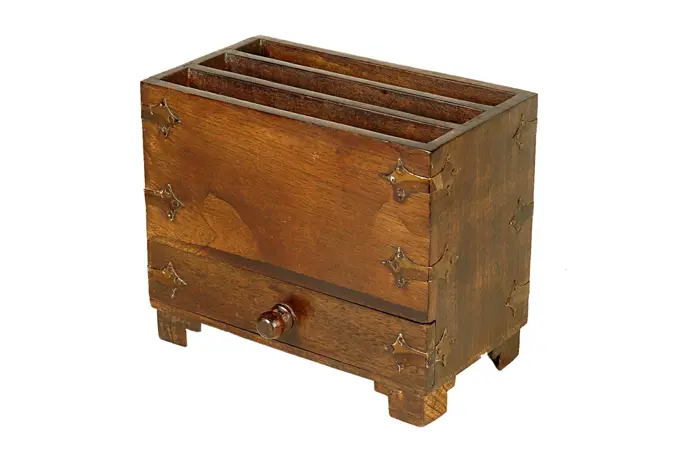
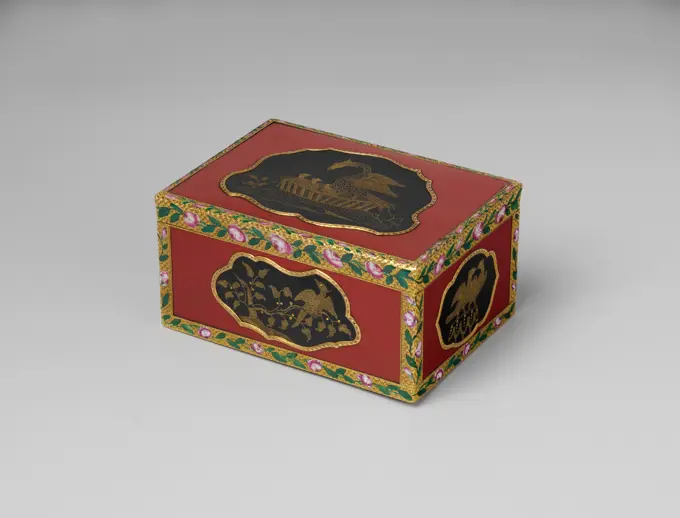
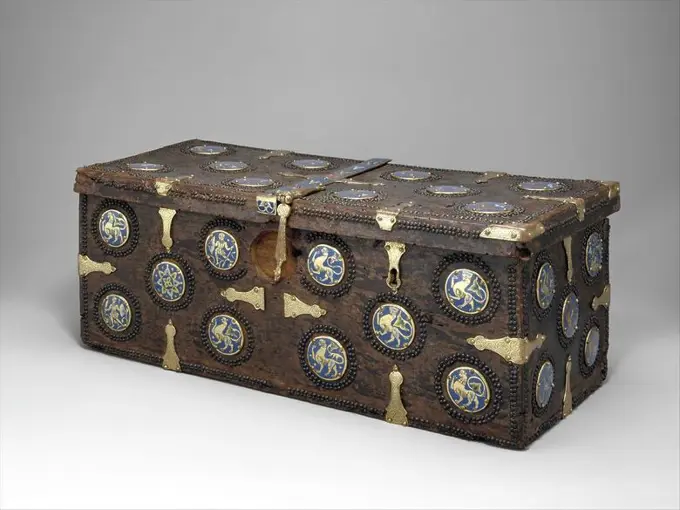
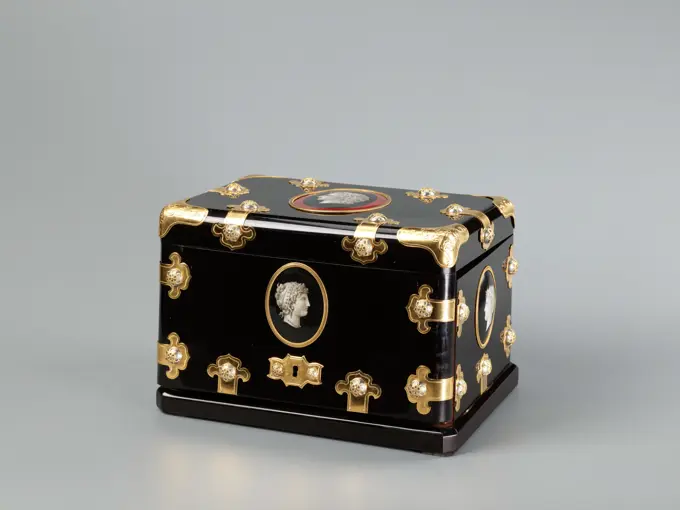
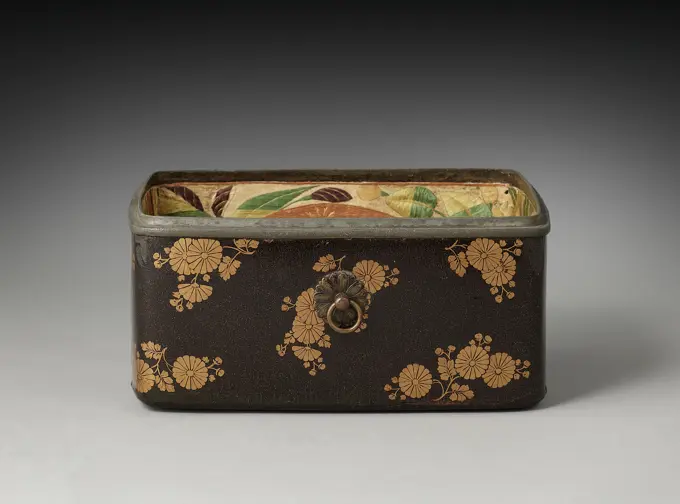
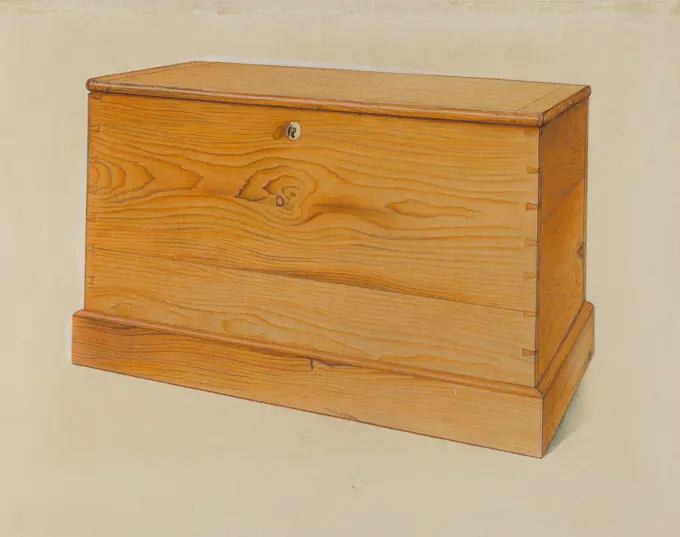
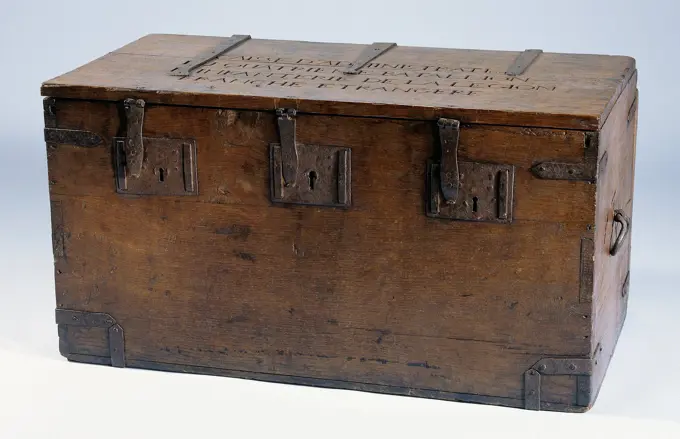
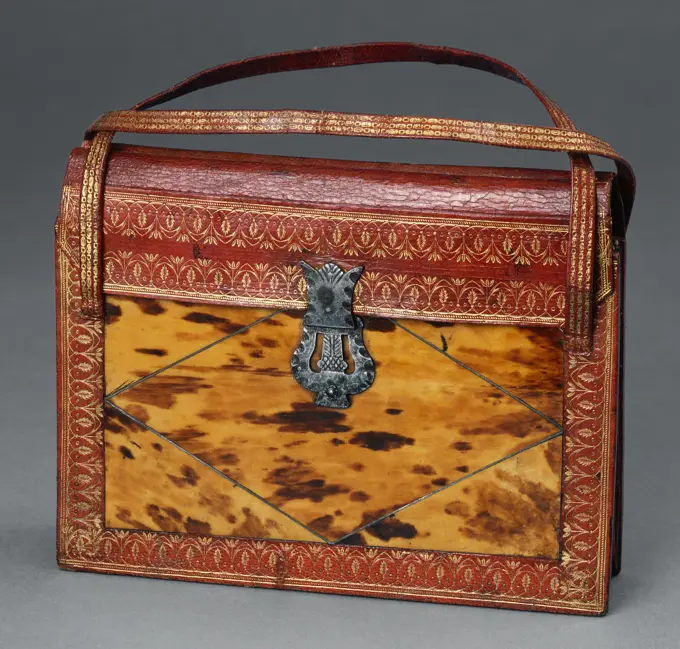
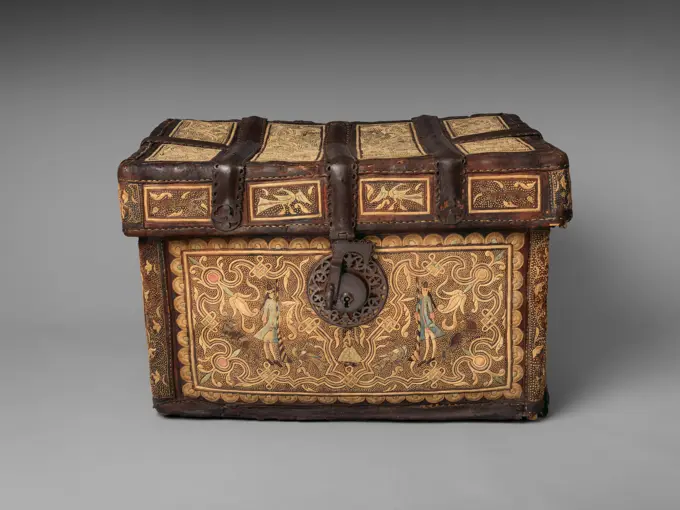
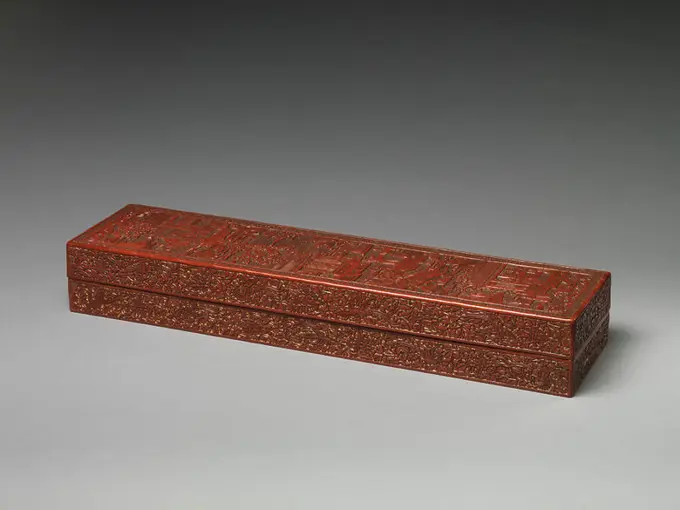
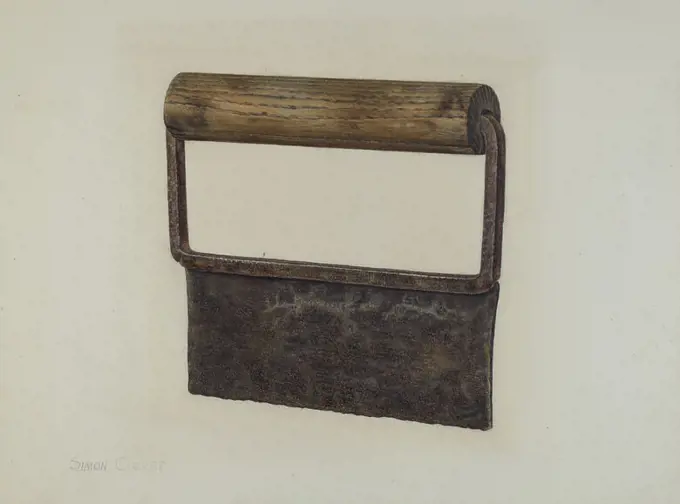
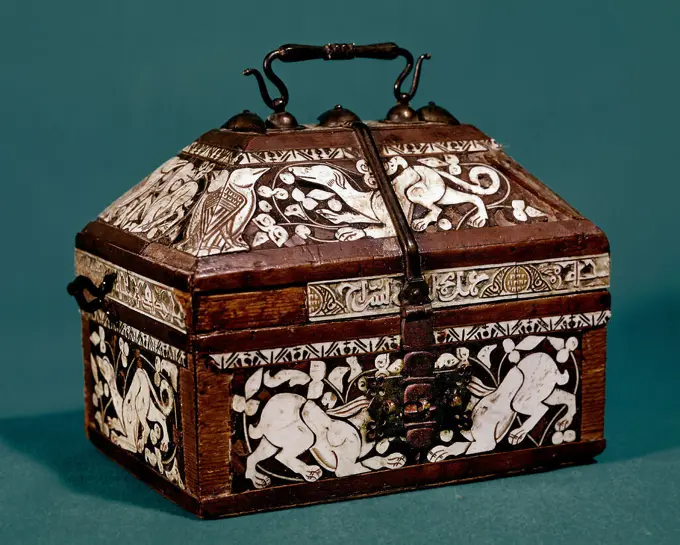
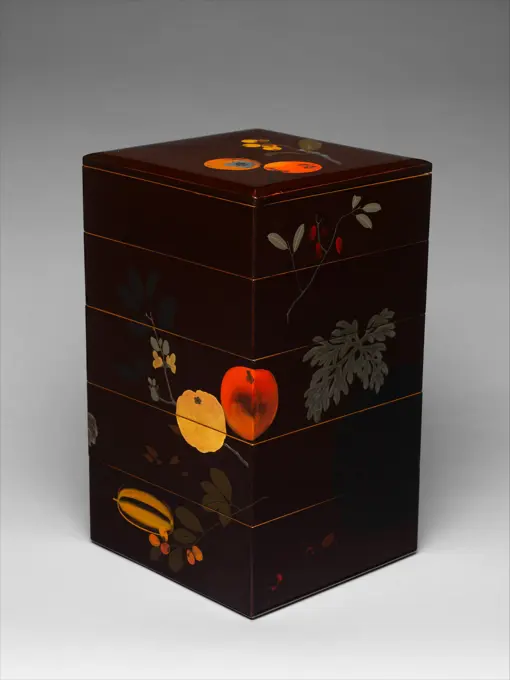
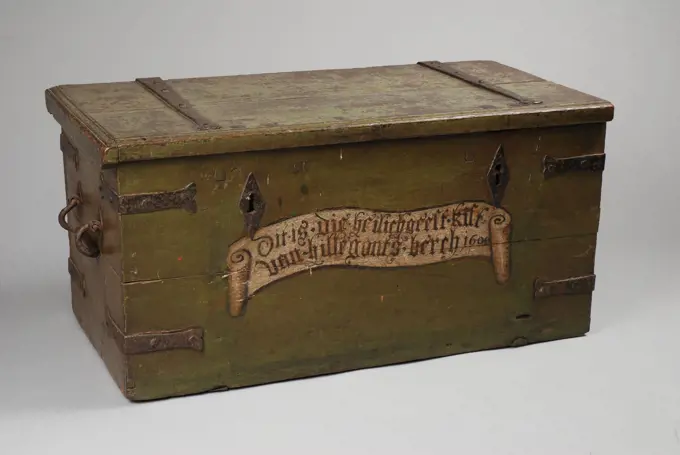
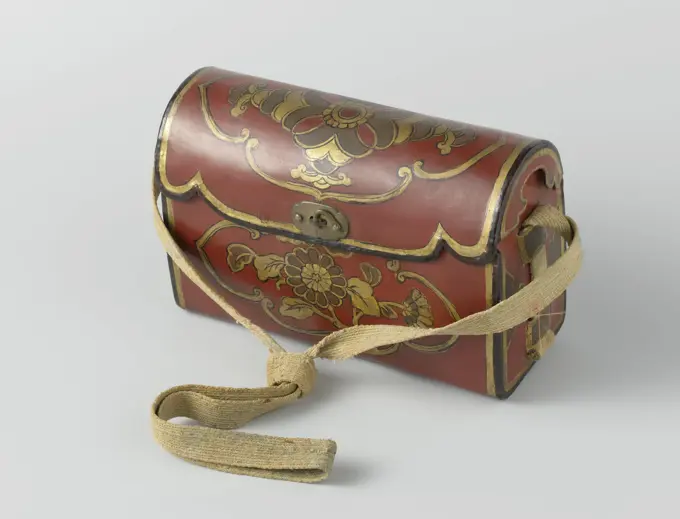
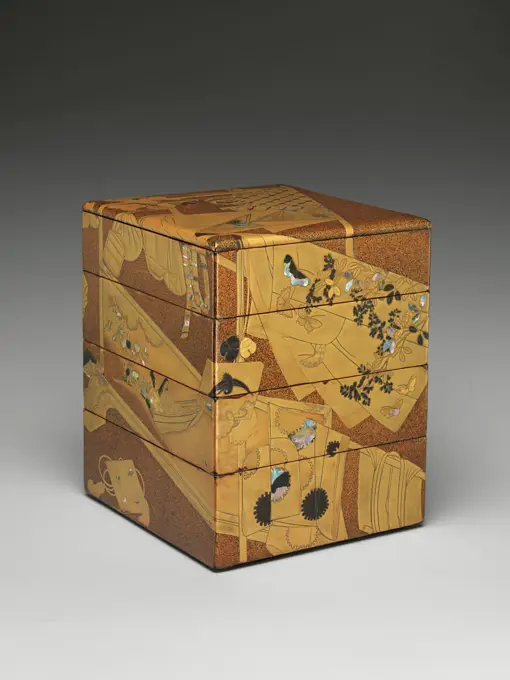
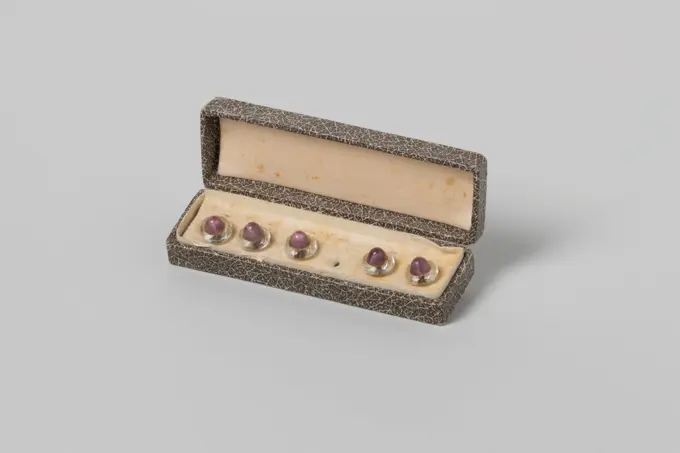
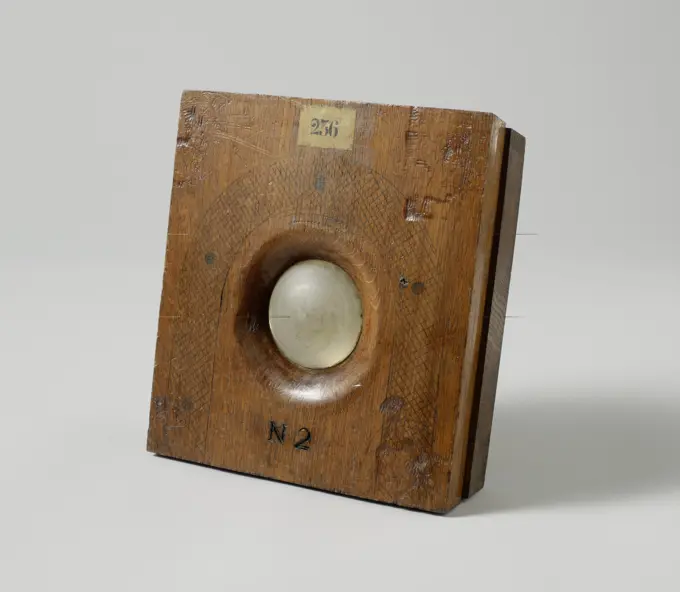
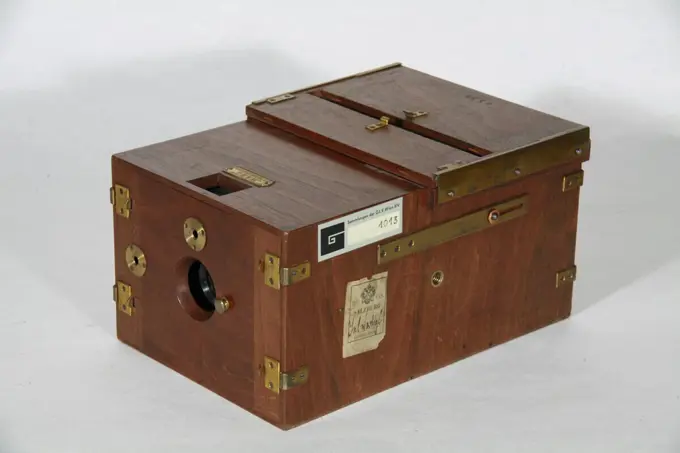
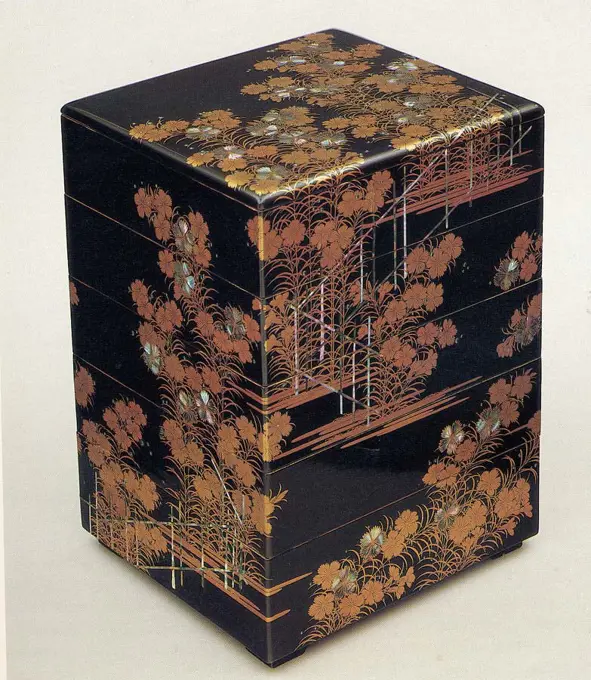
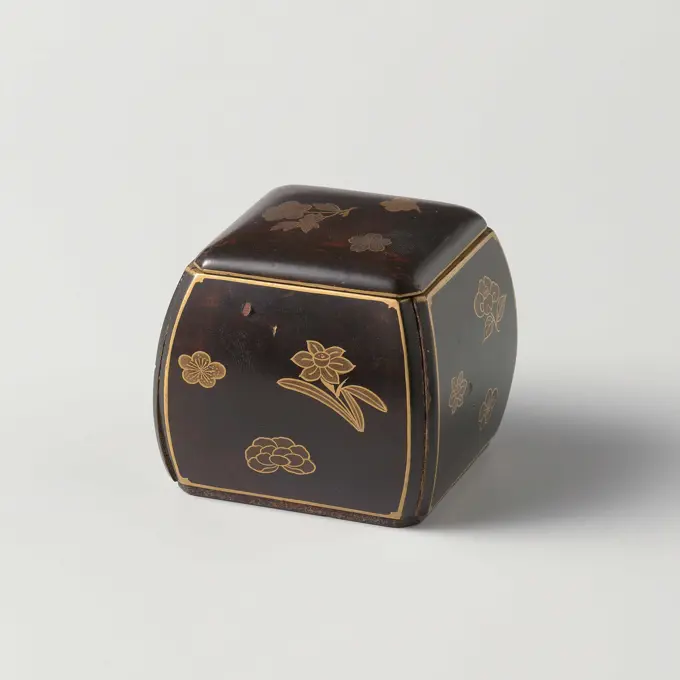
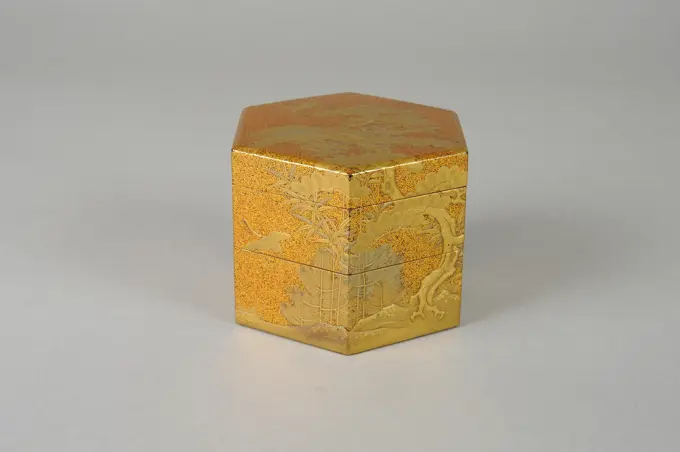
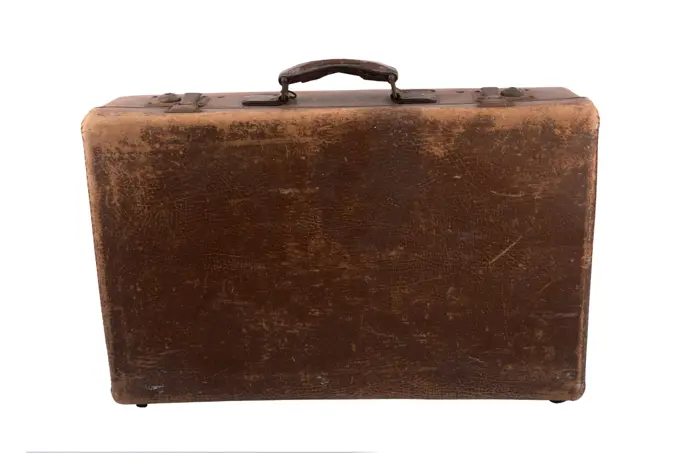
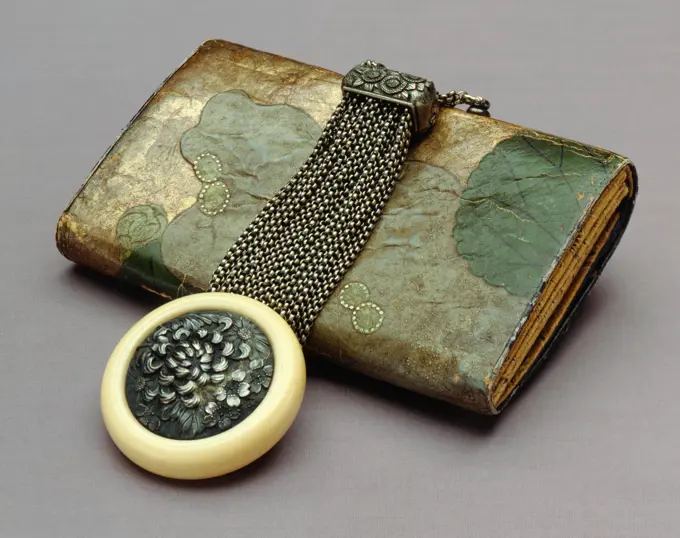
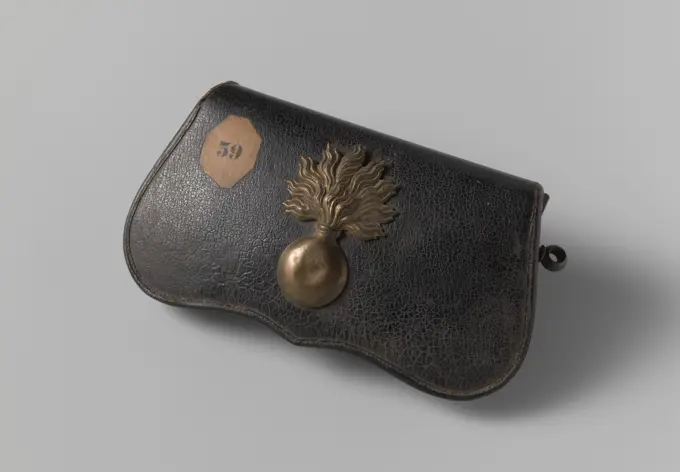
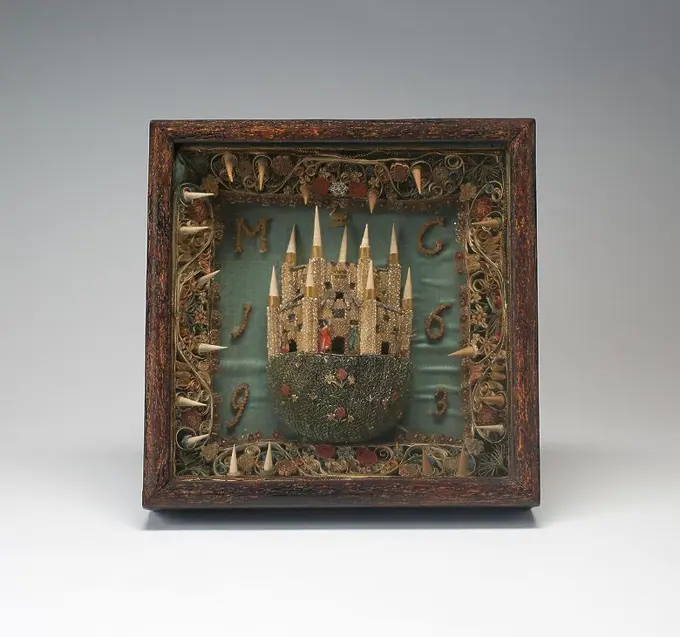
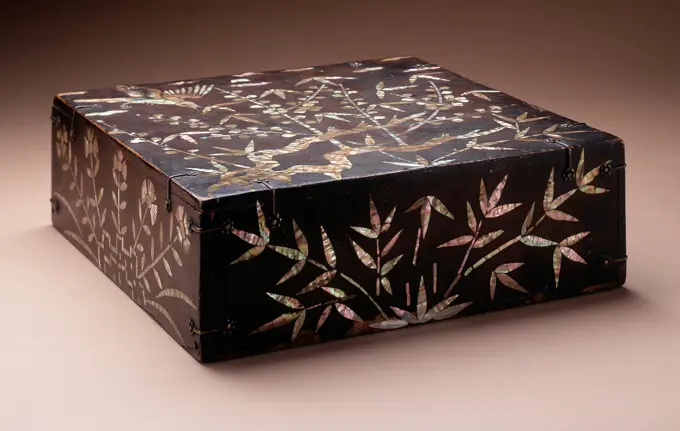
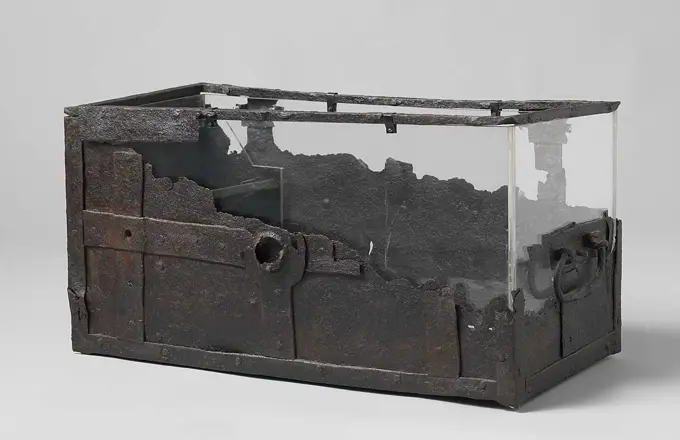
Coffin with silver fittings with removable compartment. Writing box of satin wood with scilated, poured, silver fittings with seedillemotives. The interior is divided into a hollow space, closed at the top by a removable inner box. The latter is subdivided into a large center pocket and two narrow small compartments. These three spaces are covered with three incident lids that are also equipped with the silver fittings.Daguerreotype Plate Box 1840s Unknown In 1920 a wealthy landowner in southeastern France purchased the derelict estate of a distant relative, Joseph-Philibert Girault de Prangey. He found in the attic a collection of wood boxes containing a vast visual trove—hundreds of daguerreotypes by an unknown artist of monumental ambition. One of the most significant discoveries in the history of photography, this treasure remained mostly hidden for eighty years, until 2003, when the owner’s descendants held the first of several sales. Girault worked with unusually large plates, innovating a process to expose more than one image on each plate and then cut them apart. A fastidious archivist, he carefully labeled the resulting photographs and stored them according to size in custom-built boxes. He inventoried his collection several times, as evidenced by inscriptions on the box lids. Girault’s unique and arresting works—more than one thousand survive, many of which are on view in the current exhiBox with lid. Culture: Japan. Dimensions: 6 1/2 x 6 x 5 in. (16.5 x 15.2 x 12.7 cm). Date: 19th century.This covered box, part of a wedding trousseau, comprised of thirty-one pieces, represents late Edo-period maki-e (decoration in gold and/or silver sprinkled powder) art at its finest. The Shimazu family, lords of Satsuma in Kyushu, ordered this traditional trousseau most likely for Taka-hime, who was married to Matsudaira Sadakazu, lord of Kuwana (Ise Province), around 1830.The items of the wedding set are decorated with various auspicious motifs. The evergreen pine represents longevity and also symbolizes renewal. The fast-growing, springy, but at the same time very strong and enduring bamboo also stands for longevity and represents endurance and strength. The plum blossoms are the first flowers of spring, representing the renewal of nature. The combination of the "Three Friends of Winter"--originating from China--is associated with celebration, and considered to be an auspicious Letter box, Lacquered wood, silver, brass, Rectangular box with curved corners and an over-lapping cover; the cover is deep with a three-lobed cut in the center of each long side; these frame two brass rings, threaded on chrysanthemum mounts affixed to the box; the mounts are screwed to the box sides and capped with raised disks inside the box; the cover has a slightly convex upper surface. Both box and cover are painted with a gold 'nashiji', the rims of the two pieces are painted in matte 'fundame' gold. The cover and sides of the cover and box are decorated with diagonally bent fences against which sprays of chrysanthemum and grasses grow., Japan, 19th century, Decorative Arts, Letter boxBox with lid 19th century Japan. Box with lid 57896BoxSmall Chest mid-19th century Japan. Small Chest. Japan. mid-19th century. Gold, silver hiramaki-e, takamaki-e, cut-out gold foil application on gold ground. Edo period (1615-1868). LacquerTrunk;  around 1750 (1740-00-00-1760-00-00);Box with cover 19th century Japan. Box with cover 57895Box with Design of Pine, Bamboo, and Cherry Blossom. Culture: Japan. Dimensions: W. 15 5/8 in. (39.7 cm). Date: 19th century.This covered box, part of a wedding trousseau, comprised of thirty-one pieces, represents late Edo-period maki-e (decoration in gold and/or silver sprinkled powder) art at its finest. The Shimazu family, lords of Satsuma in Kyushu, ordered this traditional trousseau most likely for Taka-hime, who was married to Matsudaira Sadakazu, lord of Kuwana (Ise Province), around 1830.The items of the wedding set are decorated with various auspicious motifs. The evergreen pine represents longevity and also symbolizes renewal. The fast-growing, springy, but at the same time very strong and enduring bamboo also stands for longevity and represents endurance and strength. The plum blossoms are the first flowers of spring, representing the renewal of nature. The combination of the "Three Friends of Winter"--originating from China--is associated with celebration, and consideredGold leather suitcase with copper edges. Gold leather suitcase with boulders lid, new copper edges.Kist, anonymous, 1800 - 1900 Chest with gilded handle, lid and lock (key missing). Inside covered with light lettuce fabric with, among other things, leaf motifs. Except for a number of etchings, the Procious Content of the Kist has been lost (see inventory book KOG).  oak (wood). iron (metal) Chest with gilded handle, lid and lock (key missing). Inside covered with light lettuce fabric with, among other things, leaf motifs. Except for a number of etchings, the Procious Content of the Kist has been lost (see inventory book KOG).  oak (wood). iron (metal)Tea Chest. England. Date: 1805-1815. Dimensions: 21.6 × 33 × 18.1 cm (8 1/2 × 13 × 7 1/8 in.). Amboyna or yew burl veneer with gilt metal mounts. Origin: England. Museum: The Chicago Art Institute, Chicago, USA.Box with key, covered with leather, gold -colored painted, c. 1400 - c. 1950   wood (plant material). leather. metal   wood (plant material). leather. metal. Rectangular drum with stepped up and upper edge. Drum rests on four spherical legs. Along the lid edge, a wide engraved bond with flower drinks runs; Inside, on either side of the handle, the weapons of Frans Meerman and Maria Ysbrandtsdr are. The bee. Signature and dated.Brass design fitting on antique wooden box, Jodhpur, Rajasthan, India Copyright: xSafatxAli/DinodiaxPhotox. High square box with overhang, and slightly bol lid. On the sides of the box, continuous on the sides of the lid flowering cherry trees and pine trees in Makie on a Nashiji substrate. Black inside.Oak box, coffin cupboard furniture furniture interior design metal oak wood iron, forged oak casket with curved lid. Assembled with wooden pins Forged fittings around. Suitable for an ordinary lock and two padlocks. Handles on the sides transport store save theft preventionFlashlifty on the base;  18th century (1701-00-00-1800-00-00);Casket with the Triumph of Venus early 18th century French Since the Triumph of Venus, the goddess associated with love and beauty, is depicted on the lid, dressing paraphernalia was probably stored inside this casket. Particularly vivid are the interior and the underside, where the straw, protected from dust and light, has retained its original color and lustrous quality.. Casket with the Triumph of Venus 187262 French, Casket with the Triumph of Venus, early 18th century, Straw on wood, Overall (confirmed): 5 1/8  11 7/8  9 1/4 in. (13  30.2  23.5 cm). The Metropolitan Museum of Art, New York. Edward C. Moore Collection, Bequest of Edward C. Moore, 1891 (91.1.911)Model Box ca. 1353-1295 B.C. New Kingdom, Amarna Period. Model Box. ca. 1353-1295 B.C.. Faience. New Kingdom, Amarna Period. From Egypt, Upper Egypt, Thebes, Valley of the Kings, Tomb KV 55, Davis/Ayrton excavations, 1907; (none assigned. Dynasty 18Portlight. A patent glass in a wooden porthole. It has a square glass that is used to outside with the matte side and is clamped between the two layers of wood. A layer of cardboard is applied between the layers of wood. Outer head shows a horseshap-shaped batter with scratches. Similar to NG-MC-237-2.Box with Design of Pine, Bamboo, and Cherry Blossom 19th century Japan. Box with Design of Pine, Bamboo, and Cherry Blossom 57885Vase (storage box), early 1900s. Japan, Meiji period (1868-1912) or Taishō period (1912-26). Wood; box: 8.7 x 8.9 cm (3 7/16 x 3 1/2 in.).Red-Cornered Box (Sumiaka). Culture: Japan. Dimensions: H. 9 1/2 (24.1 cm); W. 11 1/2 in. (29.2 cm); L. 14 1/2 in. (36.8 cm). Date: early 17th century. Museum: Metropolitan Museum of Art, New York, USA.Writing cassette of Palissanderhout, inlaid with Ivory, Anonymous, 1700 - 1799 Writing cassette, rectangular, the top of which is divided into a sloping and a straight valve of rosewood inlaid with ivory. Under the deep sloping valve is an open compartment, under the shallow straight valve the space is divided into three for ink pot, sand spreader and writing utensils. The edges are made of ivory with an engraved tibar pattern. The top is inlaid with an edge of flower vines and with a flower branch of ivory flared around in the middle; All sides are inlaid in the corners with large flower branches of ivory. Oval copper lock plate. India, 18th century. India slotplaat: rosewood (wood). ivory. copper (metal) Writing cassette, rectangular, the top of which is divided into a sloping and a straight valve of rosewood inlaid with ivory. Under the deep sloping valve is an open compartment, under the shallow straight valve the space is divided into three for ink pot, sand spreader and writing uCovered Box with Design of Pine, Bamboo, and Cherry Blossom 19th century Japan. Covered Box with Design of Pine, Bamboo, and Cherry Blossom. Japan. 19th century. Sprinkled gold on lacquer (maki-e). Edo period (1615-1868). LacquerCandle Box. Culture: American. Dimensions: 6 1/2 x 15 x 9 1/2 in. (16.5 x 38.1 x 24.1 cm). Date: 1783. Museum: Metropolitan Museum of Art, New York, USA.Writing Box (India); woodBrass design fitting on antique wooden letter holder box, Jodhpur, Rajasthan, India Copyright: xSafatxAli/DinodiaxPhotoxChest with marqueterie with a double eagle and a monogram, anonymous, c on the lid within an oval frame. 1700 Eakhout box, with on the flat lid in Marqueterie of, among others, Ebben, Mahonie, Esdoorn, Green Stained leg, ivory and brass, a double eagle and a monogram within an oval frame. The box has a drawer at the front and rest on turned bol feet. Germany ebony (wood). mahogany (wood). maple (wood). bone (material). ivory. brass (alloy) Eakhout box, with on the flat lid in Marqueterie of, among others, Ebben, Mahonie, Esdoorn, Green Stained leg, ivory and brass, a double eagle and a monogram within an oval frame. The box has a drawer at the front and rest on turned bol feet. Germany ebony (wood). mahogany (wood). maple (wood). bone (material). ivory. brass (alloy)Box, wood, painted, possibly Scandinavia, late 16th-early 17th century, Decorative Arts, BoxSuitcaseSnuffbox 1754-55 Jean Ducrollay The shaped black panels that decorate the top, bottom, and sides of this box were intended to imitate Japanese lacquer, which was very much in fashion in France throughout the eighteenth century. The six panels are in fact made of tortoiseshell decorated in a technique known as piqué, in which extremely thin gold and silver wire is inlaid in the shell. The resulting compositions provide a close approximation of black-and-gold Japanese lacquer. These panels with piqué decoration are set into rectangular panels made of imitation red lacquer.Because of the high cost of importing Japanese lacquer  and the length of time it took the lacquer to reach France  there was considerable impetus to develop a French alternative to Asian lacquers. In 1730 a patent was given to Guillaume Martin (d. 1749). Martin, his brothers, and eventually other members of his family were so successful in producing a French version of Asian lacquer that the term vernis Martin becameArchitectural Fitting (Gong). China, Qishan county, Shaanxi province. Date: 770 BC-481 BC. Dimensions: . Bronze. Origin: China. Museum: The Chicago Art Institute, Chicago, USA.Incense Box with Design of Maple and and Mountain Scenery 17th century Japan. Incense Box with Design of Maple and and Mountain Scenery 57909Coffret. Culture: French. Dimensions: Overall: 7 1/8 x 17 7/8 x 8 7/8 in. (18.1 x 45.4 x 22.5 cm). Date: ca. 1190.Rarely do such handsome enamel chests survive intact. Replete with charming images of animals and warriors, this example may have been used by either a worldly prince or a church official. Museum: Metropolitan Museum of Art, New York, USA.Cigar box. unknown, authorLazio Frosinone Veroli S. Andrea Apostolo, Cathedral5. Hutzel, Max 1960-1990 Views of metalwork objects housed in Treasury of S. Andrea Apostolo, including busts, reliquaries, crosses, polittico, boxes. Antiquities: relief sculpture; busts General Notes: Museum, which contains Treasury, is located in the last chapel of the right nave. Thirteen views of (non-metalwork) sculpture from Museum have been assigned numbers at end of Treasury sequence, but there are no negatives corresponding to these prints, nor is there authoritative evidence that these objects are housed in the Cathedral Museum. German-born photographer and scholar Max Hutzel (1911-1988) photographed in Italy from the early 1960s until his death. The result of this project, referred to by Hutzel as Foto Arte Minore, is thorough documentation of art historical development in Italy up to the 18th century, including objects of the Etruscans and the Romans, as well as early Medieval, Romanesque, Gothic, Renaissance and Baroque Fedral for Snuifdoos, Anonymous, 1850 - 1950 Oval wooden box with black robber benvel. Red velvet on the inside. Two closing hooks on the front.  sealskin Oval wooden box with black robber benvel. Red velvet on the inside. Two closing hooks on the front.  sealskinPennsylvania German Candle Box. Dimensions: overall: 35.7 x 45 cm (14 1/16 x 17 11/16 in.) Original IAD Object: 15" long; 9" wide. Medium: watercolor, graphite, and pen and ink on paper. Museum: National Gallery of Art, Washington DC. Author: Rolland Livingstone.Miniature album with 12 portraits of members of the British royal family, John Jabez Edwin Mayall (Possible), c. 1860 - c. 1870   Great Britain metal. paper albumen print family of the sovereignCosmetics Box with Chrysanthemums (base), early 1300s. Japan, Kamakura period (1185-1333). Lacquer on wood; overall: 17.6 x 29 x 22.8 cm (6 15/16 x 11 7/16 x 9 in.). In China, the chrysanthemum was historically appreciated for its association with the Double Nine Festival and the reclusive life of the poet Tao Yuanming (AD 365-427). In Japan, the 16-petaled chrysanthemum came to symbolize the Japanese imperial family after Emperor Gotoba (1180-1239) chose the motif as his personal emblem, having it applied to his sword and everyday utensils. This box proves that the flower also appeared on lacquer wares as early as the Kamakura period.. Rectangular box, the top Iet concave, with opened parts in the form of a mouth organ (SHO). There is a drawer at one short side. The cushion is covered with black varnish with on the top, partly continuously on the sides, a pouch from which the neck of a lute sticks; on the pouch flower branches; The pouch is closed with a cord in silver macarie, ending in a flower. (Small damage to the corners)Sumner Merrill, Small Shaker Chest, c 1937 Small Shaker ChestCasketAdministration Van Het Lerche Foreignère, Anonymous, c. 1792 chest Administration box of the Légion Franche Etrrangère from the possession of Herman Willem Daendels. Rectangular oak box with iron batter. A inscription is engraved on the lid.  kist: oak (wood). beslag: iron (metal)Woman's Handbag. France, circa1810. Costumes. Leather, tortoise shell, silver, silkChest (petaca) ca. 1772 Unknown This embroidered leather chest (petaca) from 18th-century New Spain is among the finest and best preserved examples among the handful that survive. It is of exceptional historical importance as the only work of its type whose date and place of origin can be reliably established on the basis of documentation. The Spanish word petaca, derives from the náhuatl petlacalli, a type of covered storage basket. Like Aztec petlacalli, the underlying structures of New Spanish petacas are woven like baskets. In imitation of chests imported from Spain, they are covered in leather and fitted with forged iron hardware. Local artisans in Mexico mastered Spanish leatherworking techniques and often adopted styles of ornamentation that were rooted in the Hispano-Islamic traditions of Andalucia. The finest petacas feature a type of embroidered decoration known as piteado, executed in pita or ixtle (thread made from maguey fiber). This example is unique among known New SpaniPresentation Box. Culture: China. Dimensions: H. 4 in. (10.2 cm); W. 28 in. (71.1 cm); D. 7 in. (17.8 cm). Date: first half of the 17th century.Until recent times, boxes for presenting gifts and documents had been used in China for centuries. In prosperous south China in the early seventeenth century, most of these boxes were of elongated rectangular shape and many were lavishly decorated. The decorations were related to the use of such boxes on various occasions. In the middle of the lid of this example is a scene of a young man drawing a bow to shoot at a target in the form of a screen with a pair of phoenixes, a representation of the betrothal of Lady Douto Li Yuan, later Emperor Gaozu, the founder of the Tang dynasty. Li Yuan was able to hit the eyes of both phoenixes with two arrows, thus winning the hand of Lady Dou. Above is a young man paying respects to an elder, with a page holding a box containing the young man's present. Below is a felicitation scene of a couple seated aChopping Knife. Dated: c. 1941. Dimensions: overall: 20.9 x 28.2 cm (8 1/4 x 11 1/8 in.). Medium: watercolor and graphite on paperboard. Museum: National Gallery of Art, Washington DC. Author: Simon Clever.Brass and iron design fitting on antique wooden small almira, Jodhpur, Rajasthan, India Copyright: xSafatxAli/DinodiaxPhotox. These two plain containers are decorated only with a beaded edge. Their form is determined by their function. During dessert, biscuits were served from the round container, and 'oublies' (small rolled-up waffles) from the rectangular one. Such silver biscuit containers almost always come in pairs and are a typically Dutch phenomenon. Their shape may have been derived from simpler models made of tin.Model or a water tank. Model of a cube-shaped water cherry, painted black. It is made from riveted plates of a red buyer. An oval manhole with lid is applied in the top; At one of the corners is a small round hole, which means that a long key can be lowered to open a valve in the bottom. The short iron key with which the manhole and the hole can be opened for the long key is missing. Scale 1:20.Accessory caseBox And Cover (Japan); woodJewellery box Open retro jewellery box isolated with clipping path included Copyright: xZoonar.com/Baloncicix 7136525ARQUETA DE LAS LIEBRES- PROCEDE DE SAN ISIDORO DE LEON- ARTES SUNTUARIAS HISPANOMUSULMANAS. Location: MUSEO ARQUEOLOGICO NACIONAL-COLECCION. MADRID. SPAIN.Powder Chest, Enthoven & Co. (possibly), 1866 chest Rectangular copper powder box with two handles and a round brass lid. The inside is tied. The lid is equipped with a vertebra closure, consisting of a brass rod that revolves around a bolt in the middle of the lid and clamps under two cams on the outer edge of the opening; He is then tightened with the bolt. The Hague (possibly) copper (metal). brass (alloy). tin (metal)Tiered Food Box with Summer and Autumn Fruits ca. 1868-90 Shibata Zeshin Japanese This box, designed for the storage and serving of sumptuous edibles at festive occasions, has a continuous design of summer and autumn fruits, including grapes, melons, loquats, and pears. The lacquer ground is a rich, very dark brown decorated with metal and colored lacquer applied using a variety of techniques to create the different fruits.. Tiered Food Box with Summer and Autumn Fruits. Shibata Zeshin (Japanese, 1807-1891). Japan. ca. 1868-90. Brown lacquer with gold, silver, and colored lacquer maki-e. Meiji period (1868-1912). LacquerMiniature box 1690-1710 German, probably Augsburg. Miniature box 202769Brass design fitting on antique wooden box, Jodhpur, Rajasthan, India Copyright: xSafatxAli/DinodiaxPhotoxOak box from the college of the Holy Spirit in Hillegersberg, casket cabinet furniture furniture interior design wood paint iron, Painted wooden box with key, with wrought iron fittings wood is dyed green with on the front banner with inscription this is the one Heilicheest coffin of hillegonts-berch 1600 store Hillegersberg Rotterdam Originated from the elevated Print Room of the former Municipality of Hillegersberg (1937-1941).Indian style wooden jewellery box isolated on whitePattern bag belonging to Cornelis Tromp, Anonymous, c. 1650 - c. 1679 cartridge pouch Pattern bag, trunk with a cotton carrying tape and division inside. Red -lacked and decorated with various floral motifs in gold and black. southeast AsiaTurkije leather. brass (alloy). cotton (textile) gilding flowers ~ ornamentLepeldoos van Mahoniehout, red lined, Anonymous, 1868 Lepeldoos van Mahoniehout, red lined. Content 6 teaspoons (only 3 found) trimmed with a finely ribbed cable. Netherlands silver (metal). velvet (fabric weave). mahogany (wood) Lepeldoos van Mahoniehout, red lined. Content 6 teaspoons (only 3 found) trimmed with a finely ribbed cable. Netherlands silver (metal). velvet (fabric weave). mahogany (wood)Overwhelmed picnic set (sagajûbako);  19th century (1800-00-00-1899-00-00);Copper tobacco box, red copper with yellow copper push button, tobacco box holder copper brass metal vegetable material, Copper tobacco box Red copper yellow copper push button on the closure. Suspended locking lip Elongated with bevelled corners. Coiled lid and bottom personal attribute personal equipment smokehouse pipe tobacco store tobacco transport smoking pipe smoking snuff boxStacked Food Box (Jbako) with “Whose Sleeves” (Tagasode) Design 18th century Japan This elegant food box, created for a celebratory meal, features garment racks draped with kimonos and clothing accessories. Such images were called “Whose Sleeves” (Tagasode), a phrase used in waka poetry that here suggests the absent but presumably elegant owner of the depicted garments. Such imagery became popular on folding screens and on decorative arts from the late sixteenth century onward. In this design, the lower panel of the lacquer stand includes a scene from Chapter 51, “A Boat Cast Adrift” (Ukifune), in which the amorous Prince Niou takes Ukifune away by boat on a cold early spring day to a mansion across the Uji River. On the way, they stop at the Isle of Orange Trees and exchange poetry, the moment captured on the box.. Stacked Food Box (Jbako) with “Whose Sleeves” (Tagasode) Design. Japan. 18th century. Lacquered wood with gold and silver hiramaki-e, gold- and silver-foil applicationMagazine box camera by C.P. Stirn, measuring 6 x 8 cm, made of wood around 1890, designed for sequential plate photography.Button of faceted transparent press glass with a button of lilac cloud glass in the middle, a metal eye at the back, c. 1905 - c. 1925 Button of faceted transparent press glass with a Lila Cloud glass button in the middle, a metal eye on the back. Europe glass. metal Button of faceted transparent press glass with a Lila Cloud glass button in the middle, a metal eye on the back. Europe glass. metalSchatztruhe Eine antike Schatztruhe oder Schatzkiste aus Holz, isoliert über weißem Hintergrund *** Treasure chest An antique treasure chest or treasure chest made of wood, isolated over a white backgroundPortlight, anonymous, c. 1832 portlight Round patent glass in a wooden porthole. The glass has used the convex matte side to the outside and is in the wood, so that it does not protrude; The edge of the glass is sandwiched between the two layers of wood. A layer of cardboard is installed between the layers of wood. A horseshoe -shaped batter is indicated outside with scratches. Netherlands wood (plant material). glass. cardboard. iron (metal). putty (sealing compound)Tile (USA); Manufactured by J. & J. G. Low Art Tile Works; glazed stoneware; 10.4 x 10.4 x 1.0 cm (4 1/8 x 4 1/8 x 3/8 in. )Stew, richly cut and with handle of copper, anonymous, 1700 - 1715 Stew with beveled corners, made of rosewood. The stove is richly cut and has a copper handle. Northern Netherlands (possibly)Netherlands (possibly) wood (plant material). walnut (hardwood). oak (wood). copper (metal) Stew with beveled corners, made of rosewood. The stove is richly cut and has a copper handle. Northern Netherlands (possibly)Netherlands (possibly) wood (plant material). walnut (hardwood). oak (wood). copper (metal)Detective camera 'Mars' by Emil Wünsche, measuring 12 x 16.5 cm, made of wood around 1893, designed for discreet photography.Brass design fitting on antique wooden carving pen box, Jodhpur, Rajasthan, India Copyright: xSafatxAli/DinodiaxPhotoxFive-tiered picnic box with design of wild pinks 18th century Japan. Five-tiered picnic box with design of wild pinks 40481. Square box with convex sides and a slight sole lid; On the inside with gold-plated copper. On the sides and the lid, three flowers are always painted in gold-makie on a black ground; Golden contour lines surrounded the edges of the sides. Probably intended for incense axis (Ju Kogo).Incense Box in Three Compartments mid-19th century Japan. Incense Box in Three Compartments 57712Printing block - Model Attribué àTwo-Tiered Incense Box early 19th century Japan. Two-Tiered Incense Box 57615Tray with Flowering Plum and Birds. Culture: China. Dimensions: H. 1 3/4 in. (4.4 cm); W. 11 3/4 in. (29.8 cm); L. 24 3/8 in. (61.9 cm). Date: late 14th century.The wonderful flowering plum tree and two plump birds that fill the center of this tray illustrate the skillful manipulation of shapes and colors of the inlaid motherof-pearl to create a powerful, dramatic scene. Long narrow pieces of iridescent shell define the rock terrain, while irregular pieces form the clump of rocks in front of the trunk of the flowering plum. Fragments of mother-of-pearl create the craggy trunk of the ancient tree, which bears buds in several stages of flowering. Museum: Metropolitan Museum of Art, New York, USA.Grunge wallet isolated on white backgroundPa. German Jamb Stove. Dated: c. 1942. Dimensions: overall: 23.6 x 22.8 cm (9 5/16 x 9 in.). Medium: black and white photograph. Museum: National Gallery of Art, Washington DC. Author: Charles Von Urban.TESORO DE LA CAMARA SANTA - CAJA DE LAS AGATAS DONADA POR FRUELA II A LA CATEDRAL DE OVIEDO EN EL AÑO 910. Location: CATEDRAL DE SAN SALVADOR-INTERIOR. Oviedo. ASTURIAS. SPAIN.Frisian decorated with cut rosette (fragment), anonymous, c. 1400 - c. 1950 Fragment of a pine wood Frisian with cut rosette, from the house on the Herengracht at Drie Koningenstraat no. 187 in Amsterdam. Netherlands pine (wood) Fragment of a pine wood Frisian with cut rosette, from the house on the Herengracht at Drie Koningenstraat no. 187 in Amsterdam. Netherlands pine (wood)Opened old travel leather suitcase. Red color insidePoodle;  XIXW. (1801-00-00-1900-00-00);reisekoffer,lederkoffer,koffer ** case,leather suitcase,cases,leather suitcases fst-lrkTobacco Pouch. Japan, 19th century. Tools and Equipment; pouches. Leather tobacco pouch with lotus design; Clasp: silver with chrysanthemum design; Kagamibuta netsuke: ivory bowl with silver disk, floral design. Interior: split leather with stamped design, silver chainARQUETA EUCARISTICA - 1645 - CAREY Y PLATA - ANVERSO CON INSCRIPCION. Author: SEBASTIAN CHEVI (S XVII). Location: IGLESIA DE NUESTRA SEÑORA DE LOS MILAGROS. QUINTANA DE LA SERENA. Badajoz. SPAIN.Ancient style decorative treasure chest made of woodWork bench from Tiffany Studios. Culture: American. Dimensions: 36 x 68 7/8 x 38 3/8 in. (91.4 x 174.9 x 97.5 cm). Maker: Tiffany Studios (1902-32). Date: 1900-1907.Tiffany Studios (1902-1932) became well-known for its leaded-glass products, including lampshades (see 1974.214.15a,b; 1986.81.1a,b,c; 2011.99.3). During the course of its operation, the lampshade department was one of the most innovative and successful craftsmen's shops in America. To produce these complex objects, a skilled craftsperson would rely on cartoons to cut out brass templates that would then be used as guides to cut the hundreds of individual pieces of glass. The shade would then be assembled on a rounded wooden model or "form" and the glass pieces secured together with soldered lead. The American Wing's collection includes several objects involved in the fabrication of Tiffany's glass lampshades such as this workbench (1980.497.1), a wooden model (1980.497.4), cartoons (1980.497.14), tools for cutting glass (1Half of a bedspread, ivory-colored, stitched into shell pattern. Half of a spread of ivory-colored silk satin, filled with an interlayer of (roughened) wool; Stitched with light silk thread in shell pattern in the middle and in the corners.Pattern bag belonged to the strap on the Moulin, captain of the General Staff, Anonymous, c. 1800 - c. 1830 cartridge pouch Steel slightly curved rectangular bag, opened at the top, covered with black patent leather. Leather accolade -shaped, stricted valve with belt. On the valve a fire -gaunted copper grenade. The valve runs at the rear in a piece of stitched leather, fixed at the bottom with a white metal knot on the left and right a white metal eye. Inside of the pattern bag is covered with black leather. On the left on the valve is an eight -sided label with no. 39 stuck. Netherlands silver (metal). copper (metal). leather. iron (metal) forging / cutting / soldering / gildingShadow Box: Castle. Probably Spain. Date: 1693. Dimensions: 28.2 x 28.2 x 5.7 cm (11 1/6 x 11 1/6 x 2 1/4 in.). Rolled paperwork, colored and gilded, silk, wood. Origin: Spain. Museum: The Chicago Art Institute, Chicago, USA.Lacquer Box with Flower, Bird, Plum and Bamboo Design. Korea, Joseon dynasty (1392-1910), 18th century. Furnishings; Accessories. Brown lacquer on wood core with mother-of-pearl inlay and brass fittingsWilliam Bos, Trunk, c 1937 TrunkFragments of an iron coffin. Fragments of an iron box with a belonging handle or handle and four other loose iron pieces. In the coffin there is an iron box or cupboard with a private lock (for the mountains of money values). See also NM-7658.