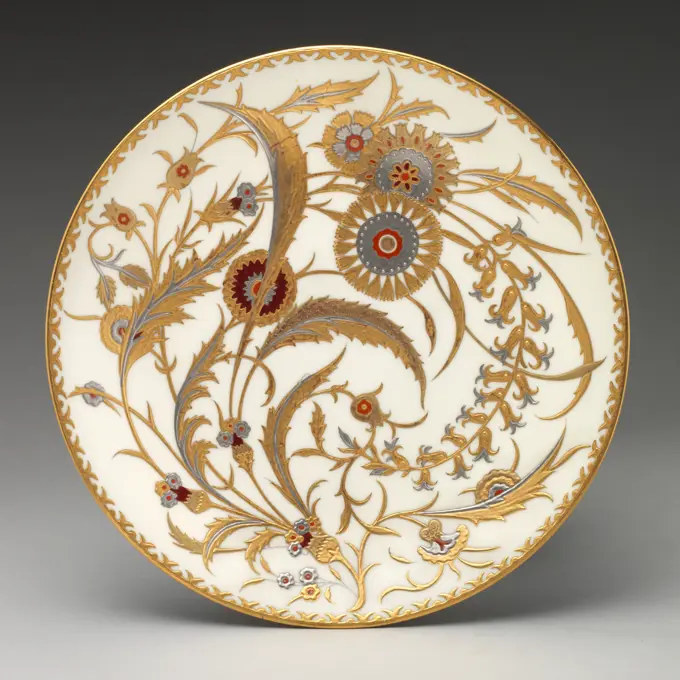
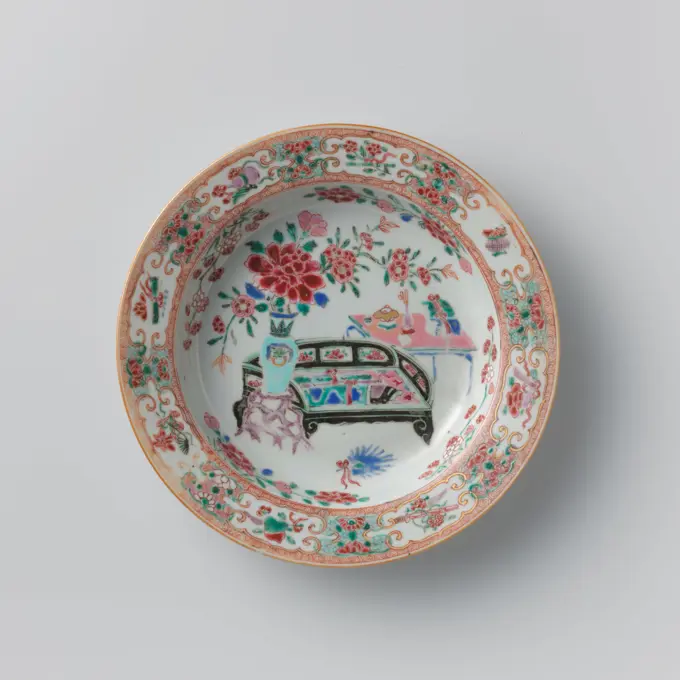
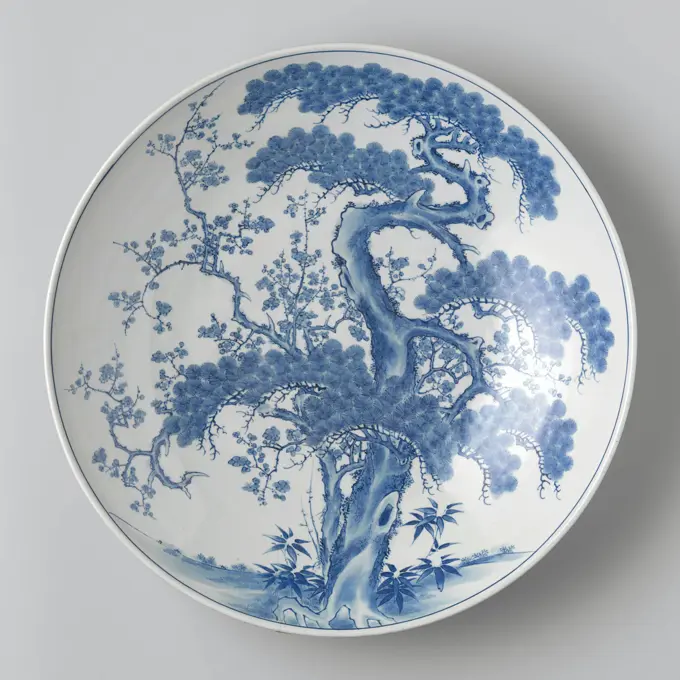
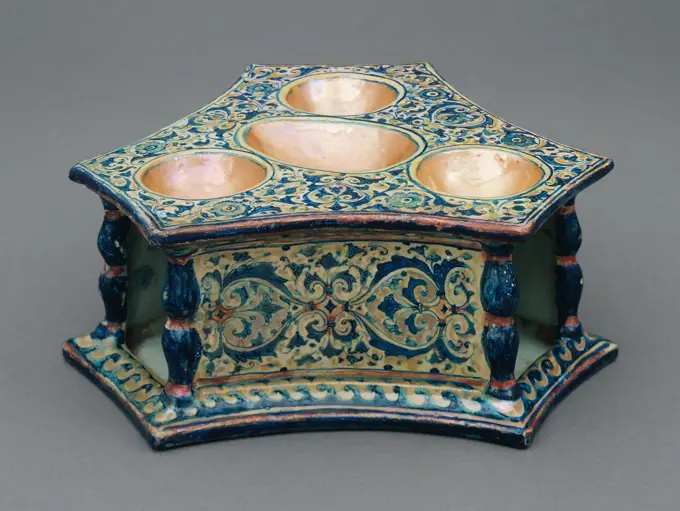
Decorative Antique Ceramics

A collection of decorative bowls and plates showcasing intricate floral and scene motifs, featuring vibrant colors and various glazing techniques from the 17th to 18th centuries.
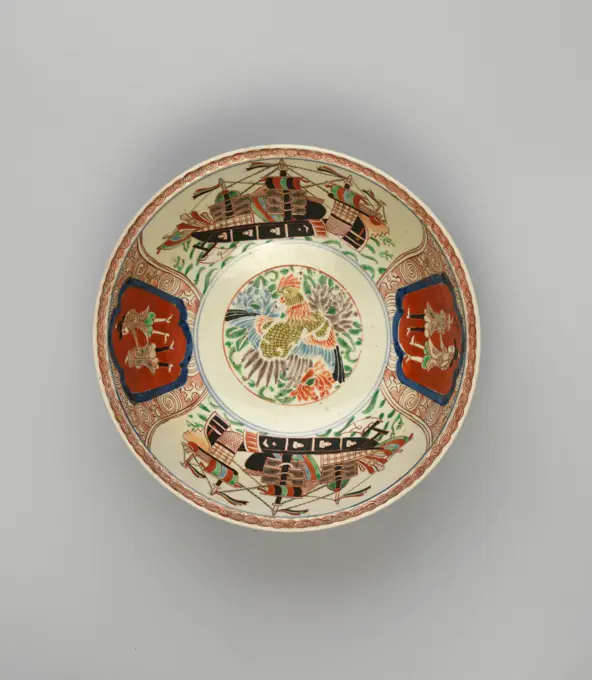
Bowl with Europeans and Ships, 18th century, Unknown Japanese, 3 1/2 × 9 3/4 × 9 7/8 in. (8.89 × 24.77 × 25.08 cm), Imari ware; porcelain with underglaze cobalt blue, overglaze enamels, and gold, Japan, 18th century
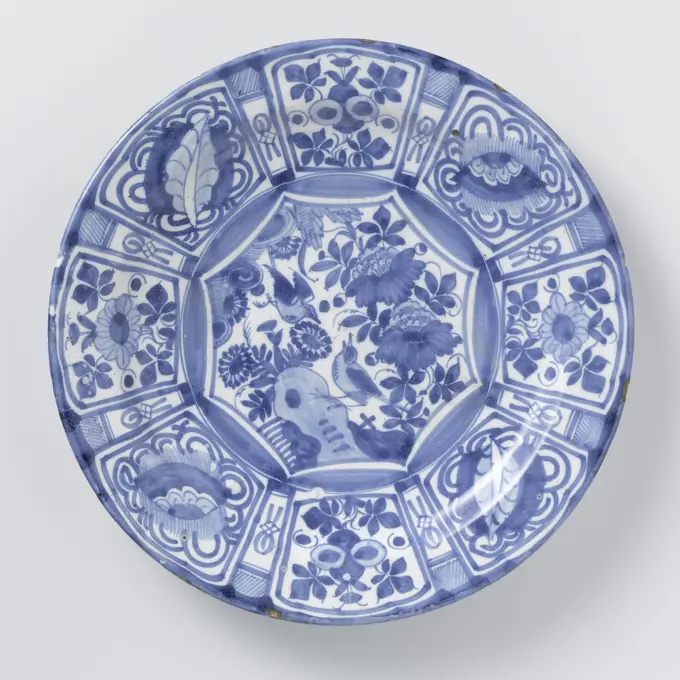
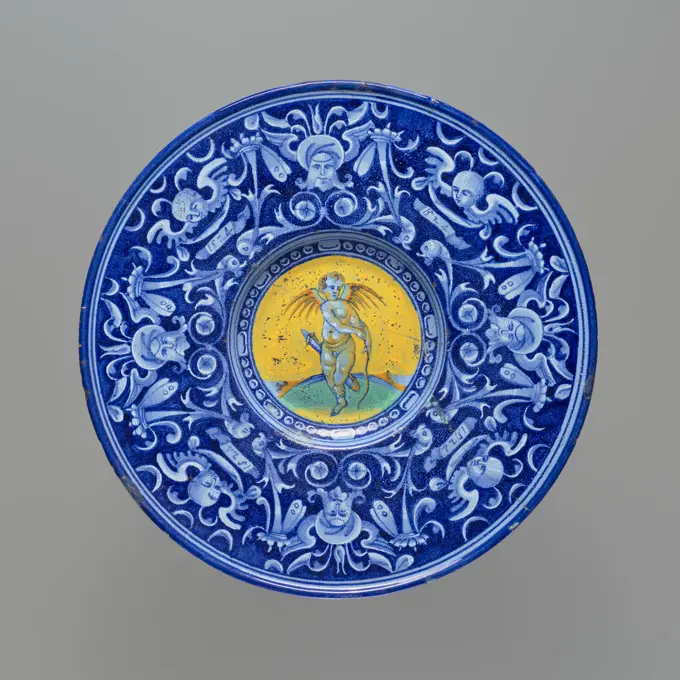
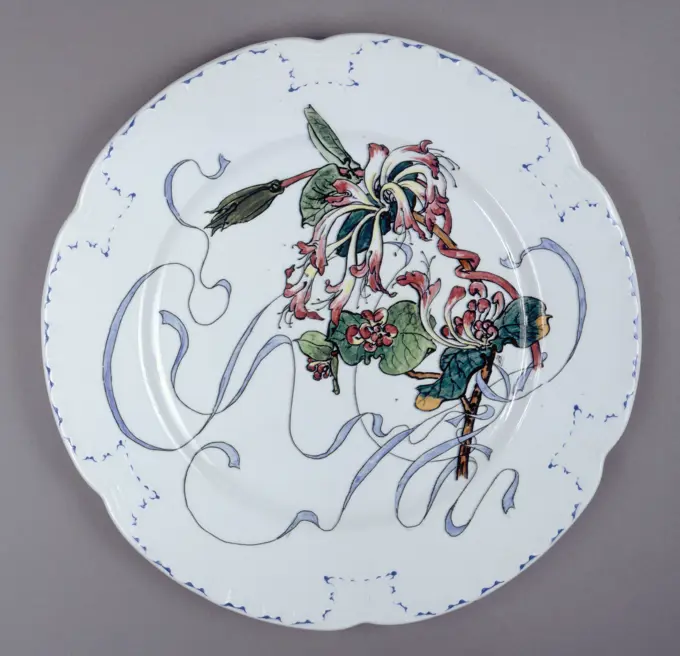
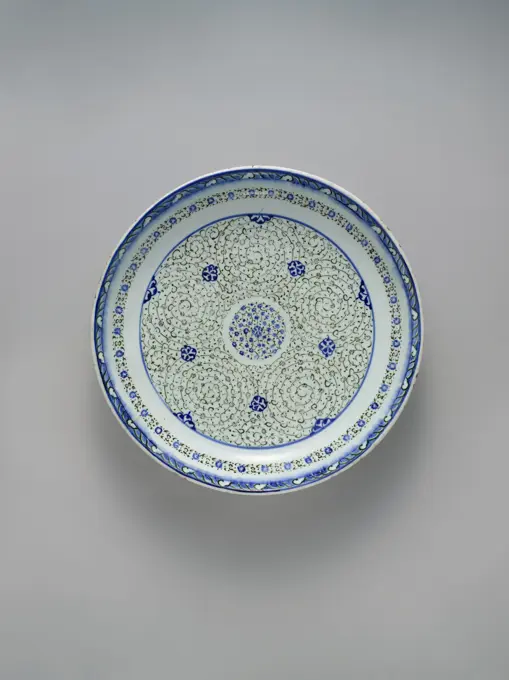
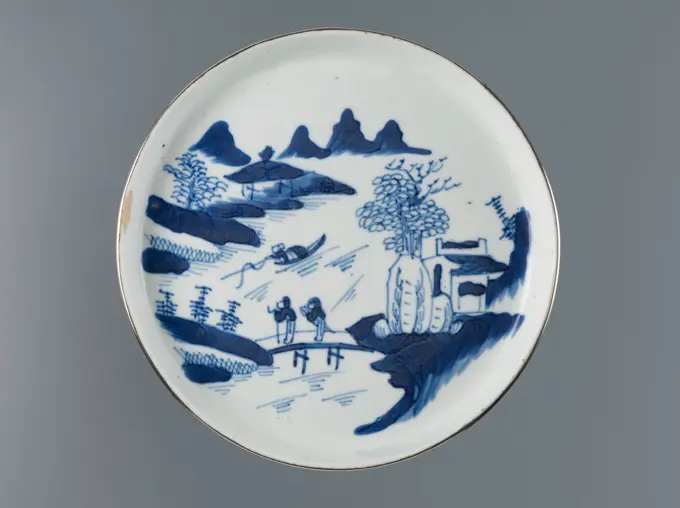
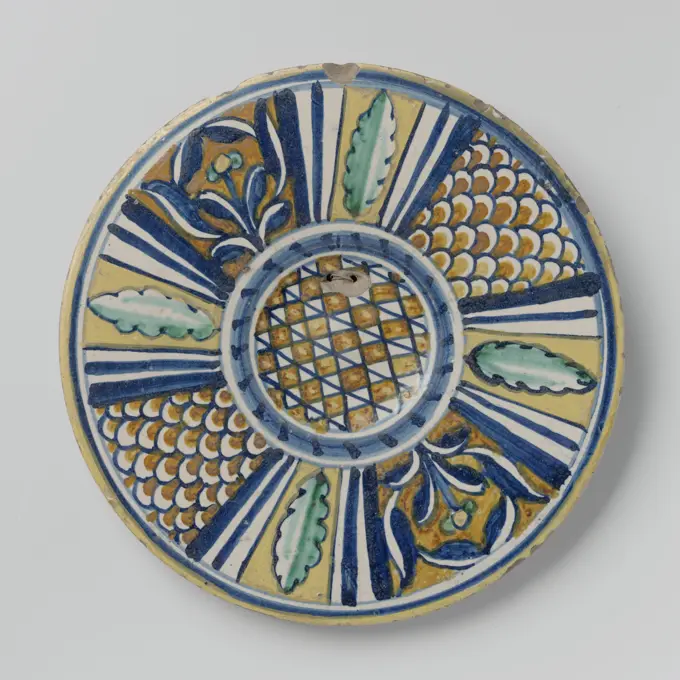
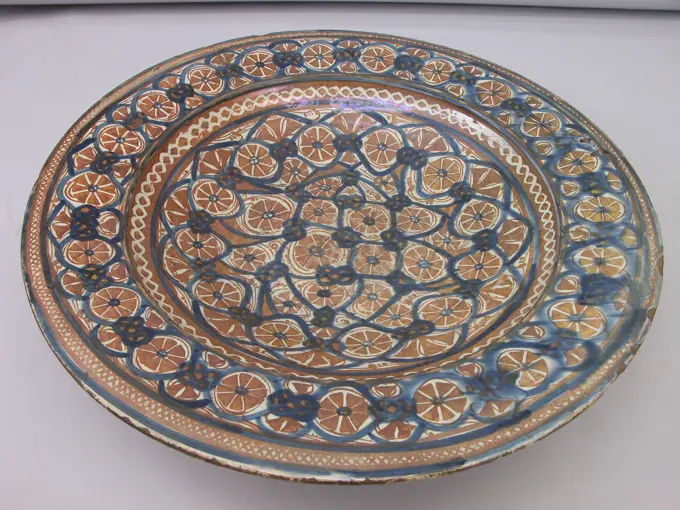
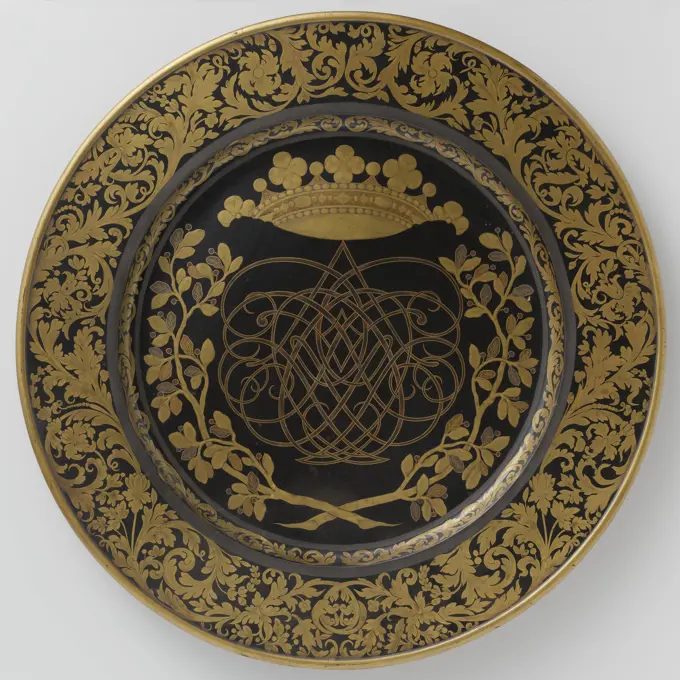
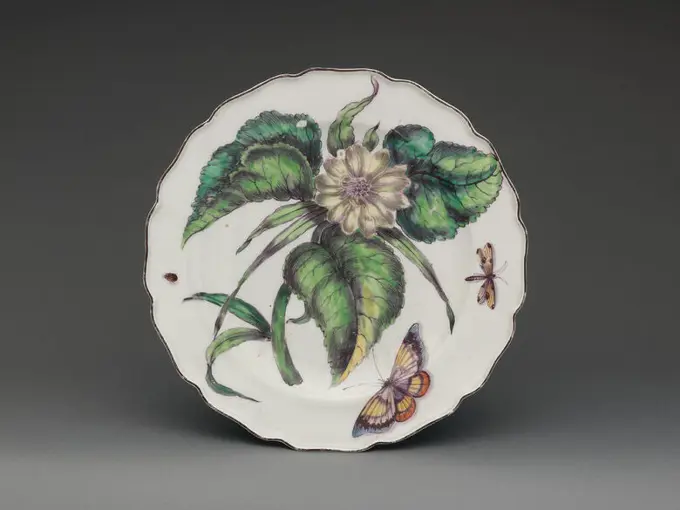
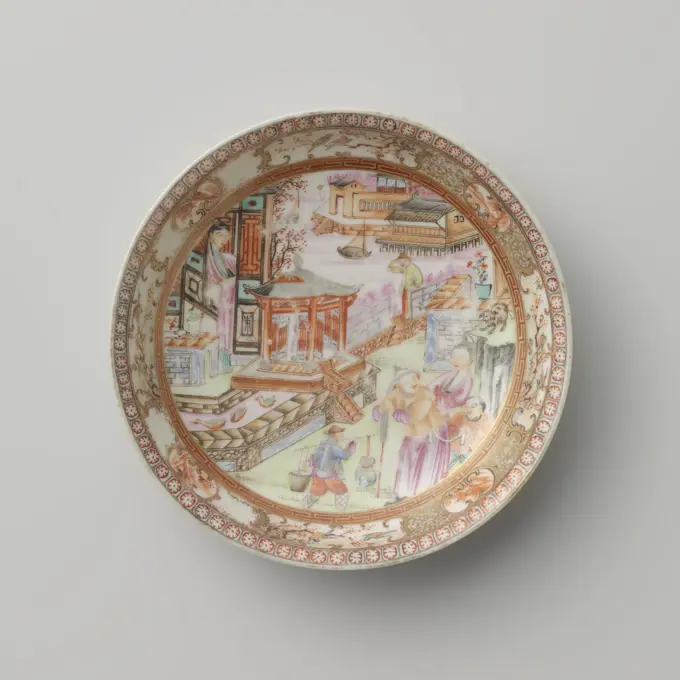
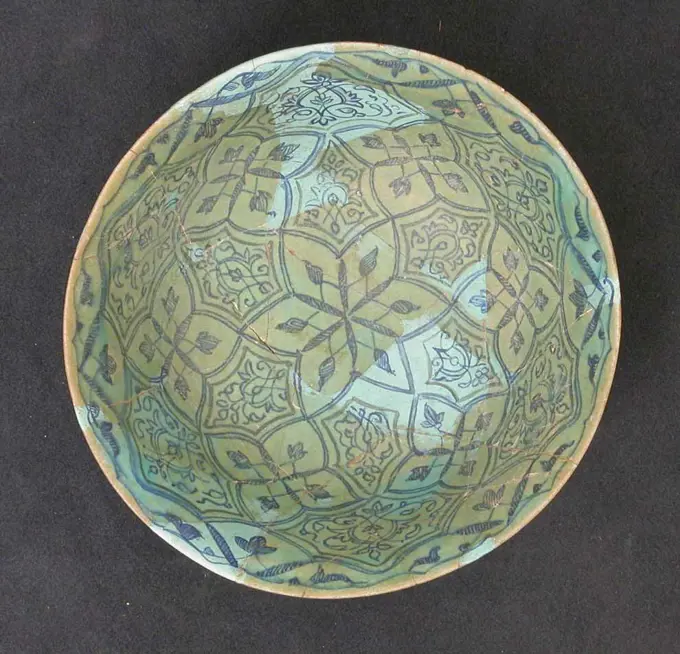
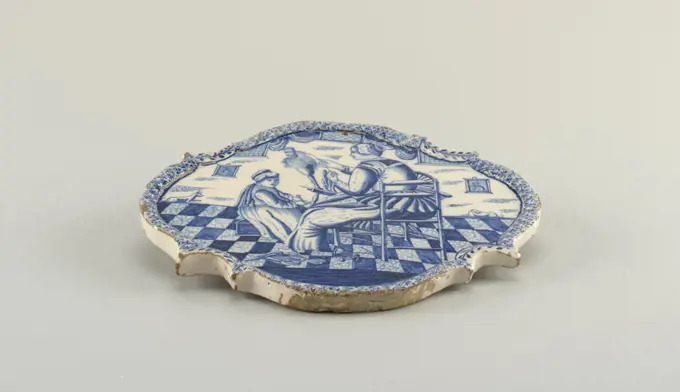
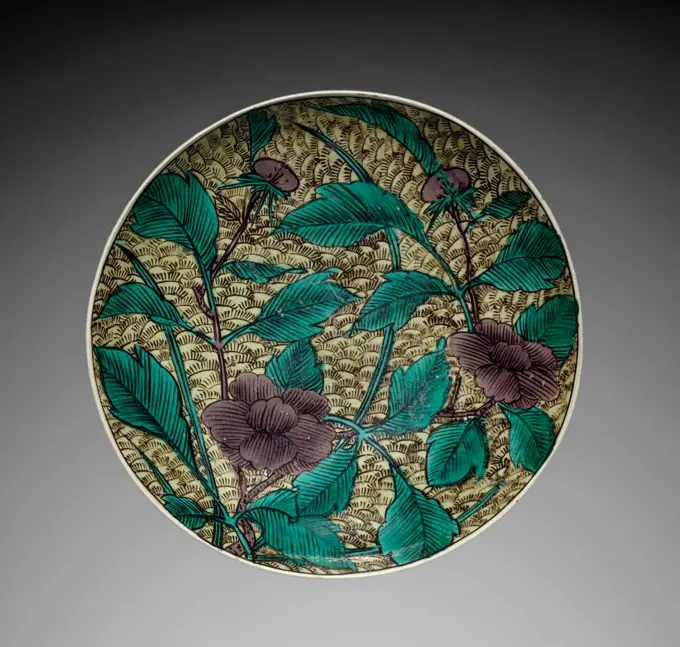
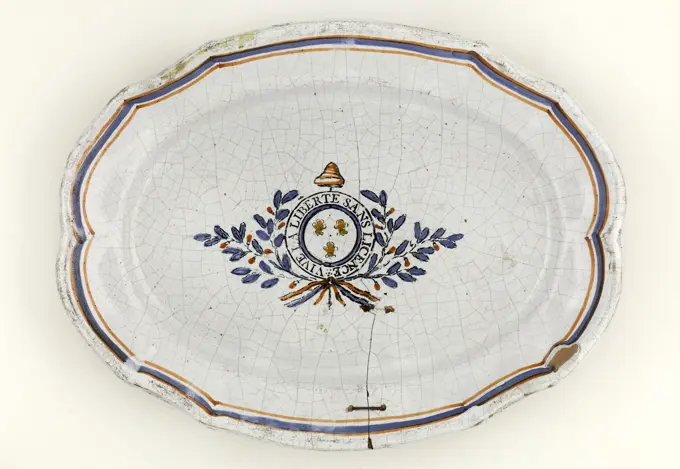
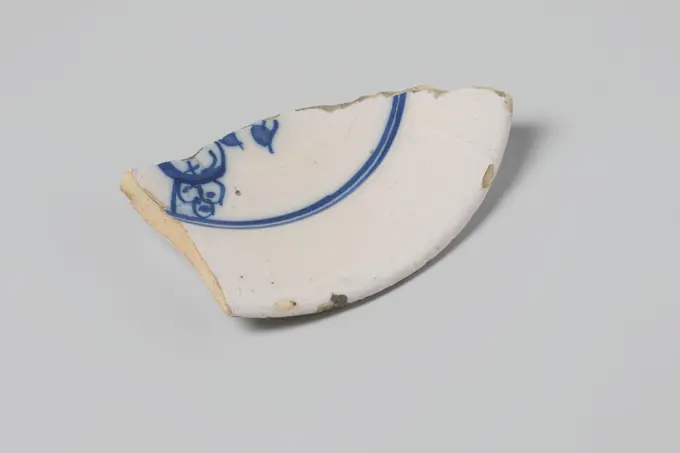
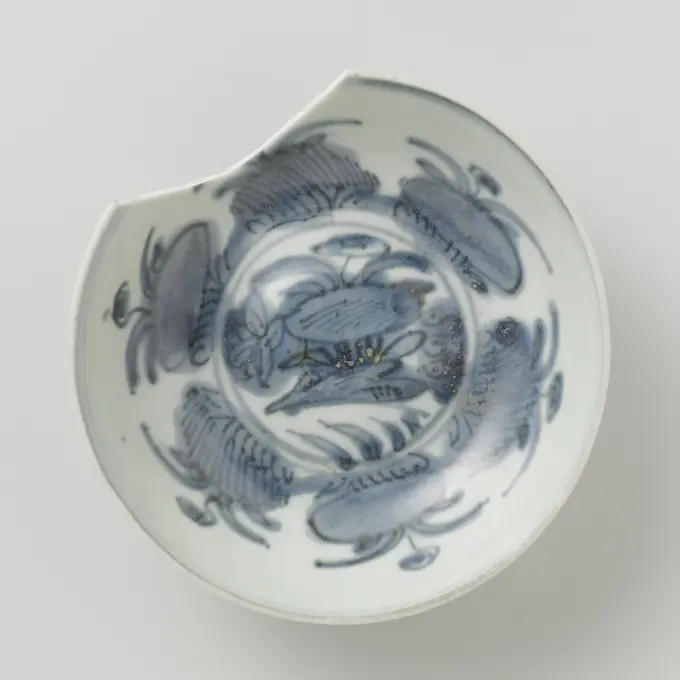
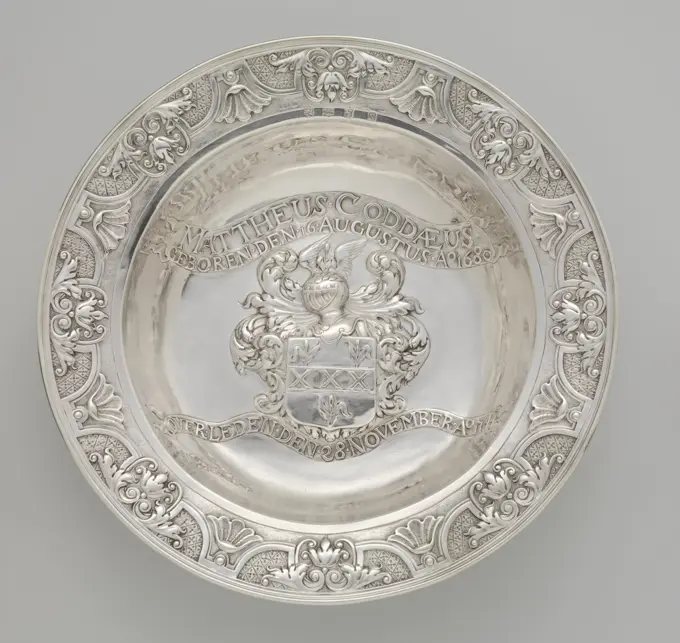
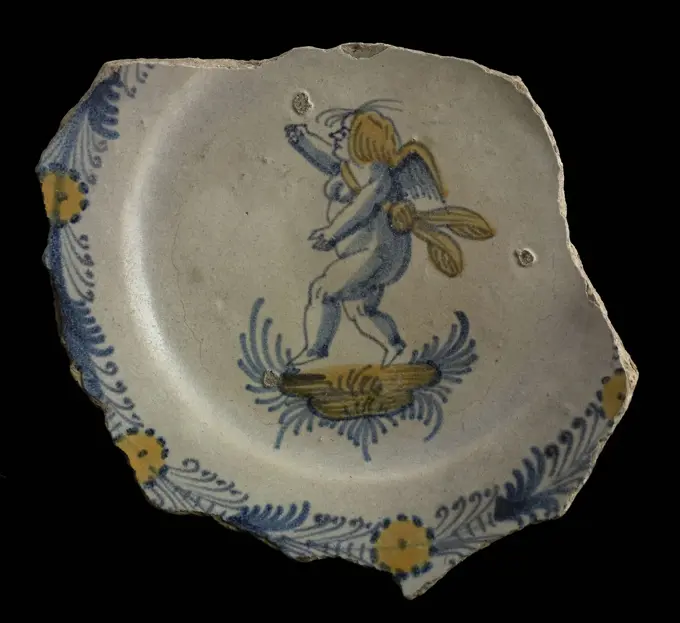
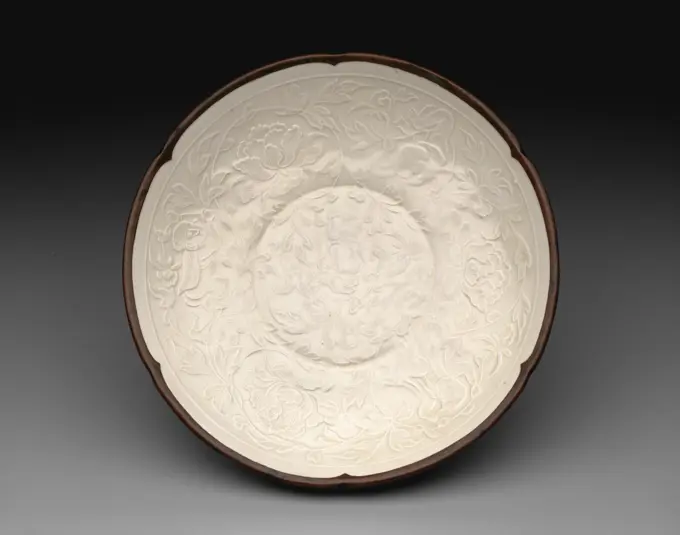
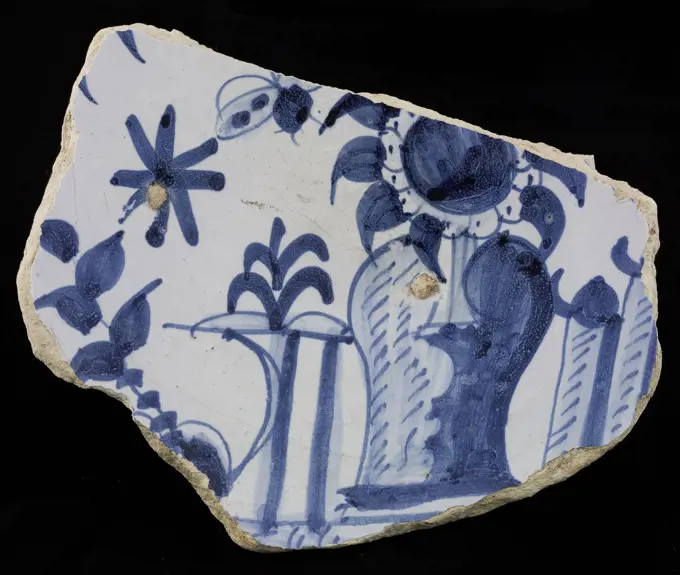
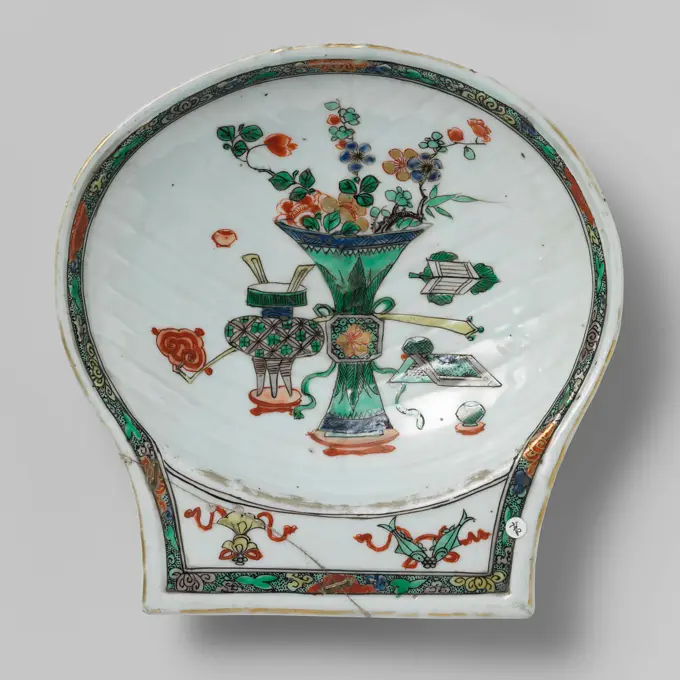
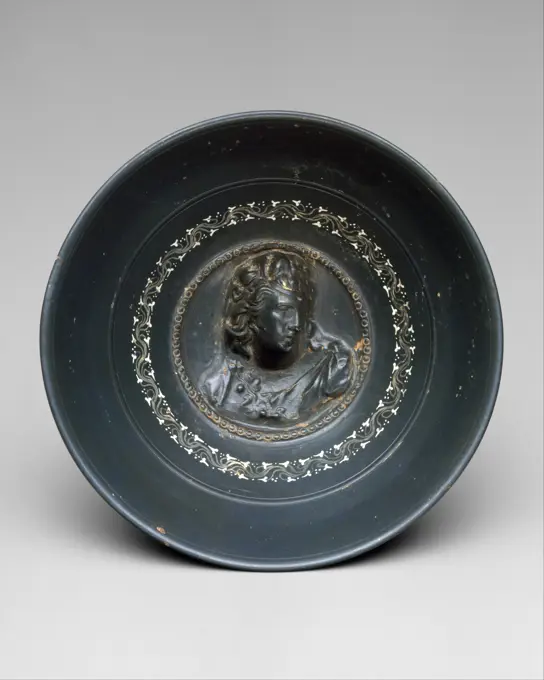
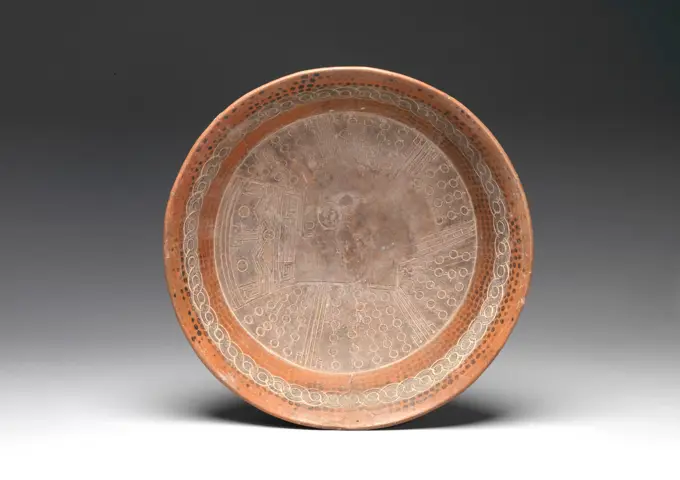
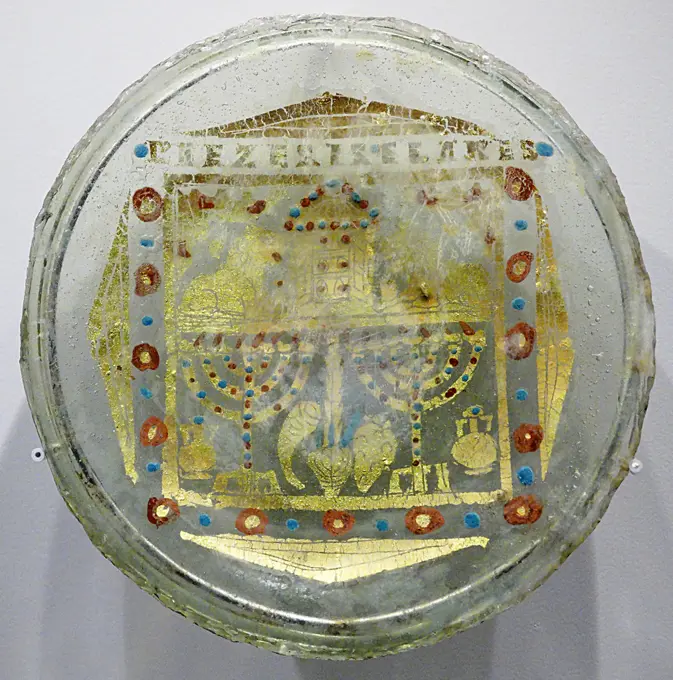
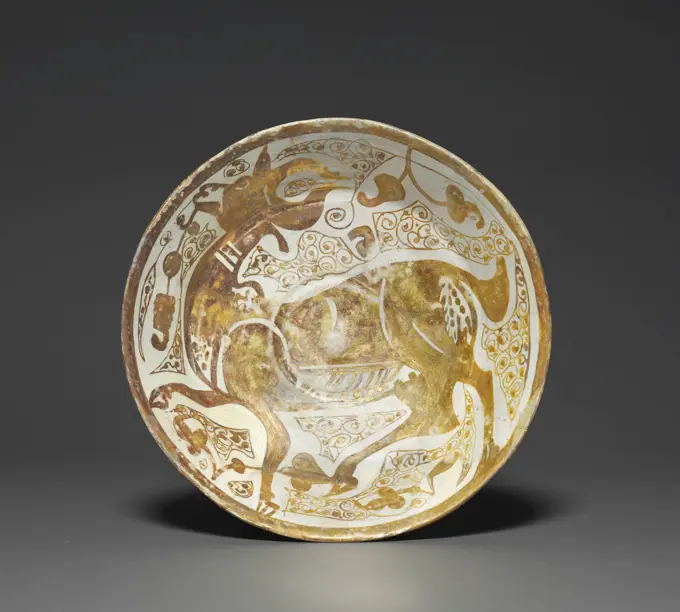
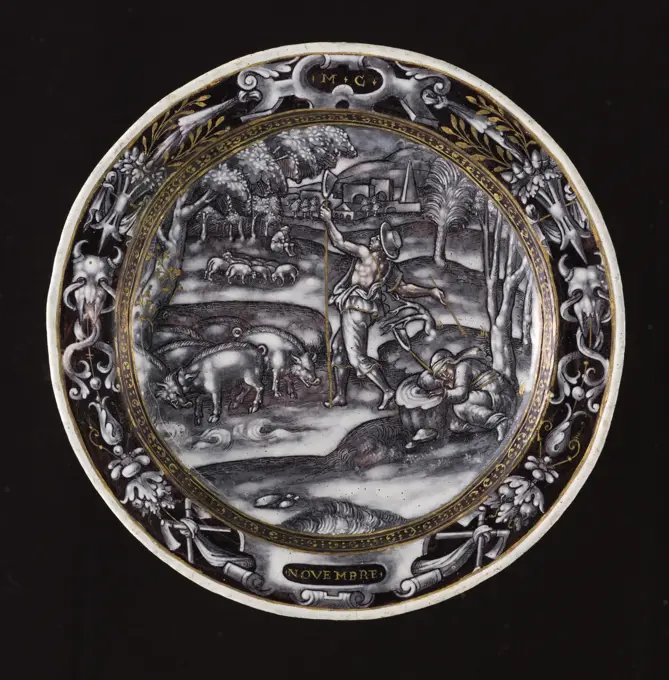
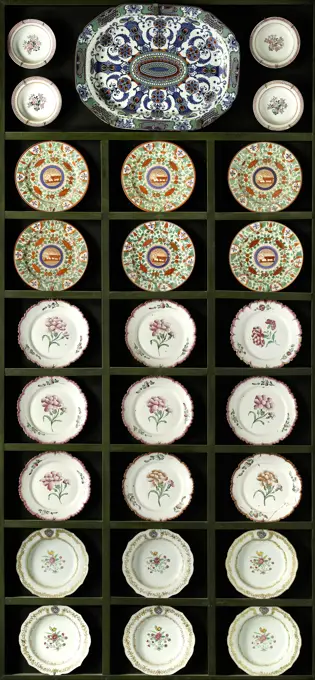
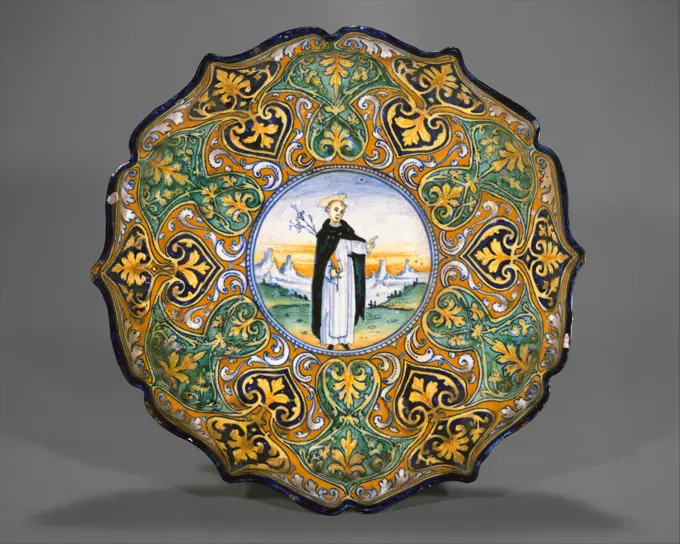
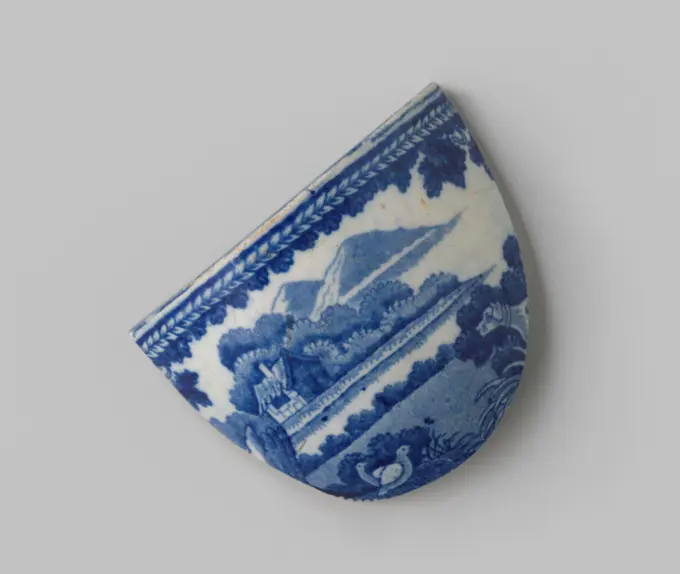
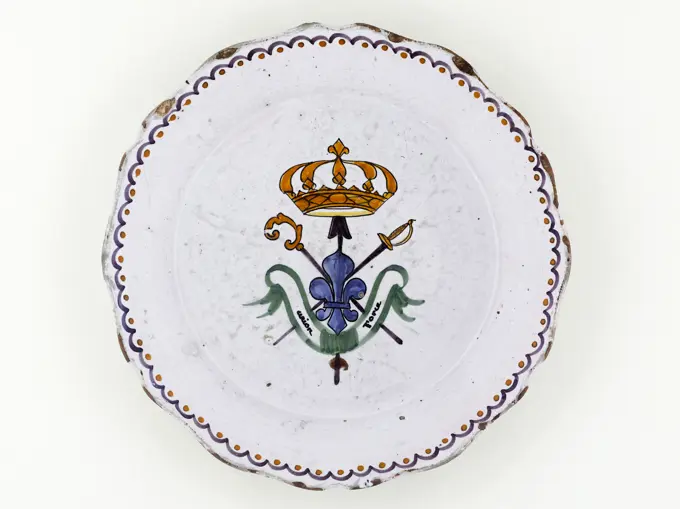
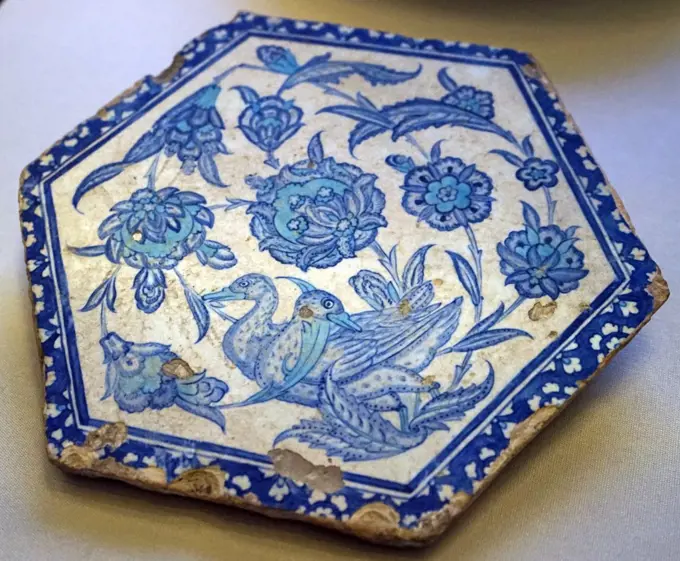
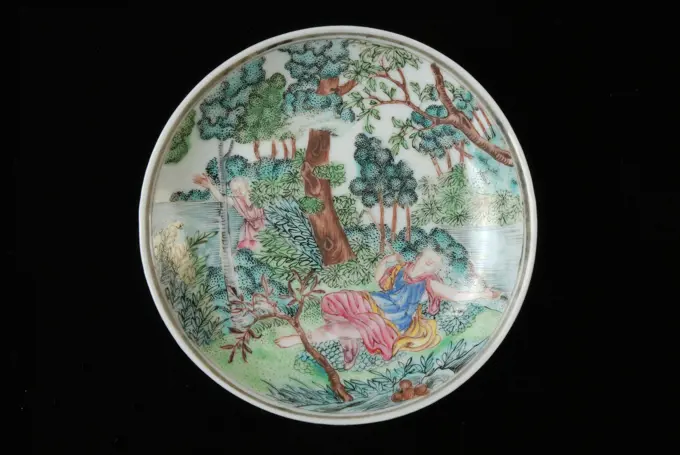
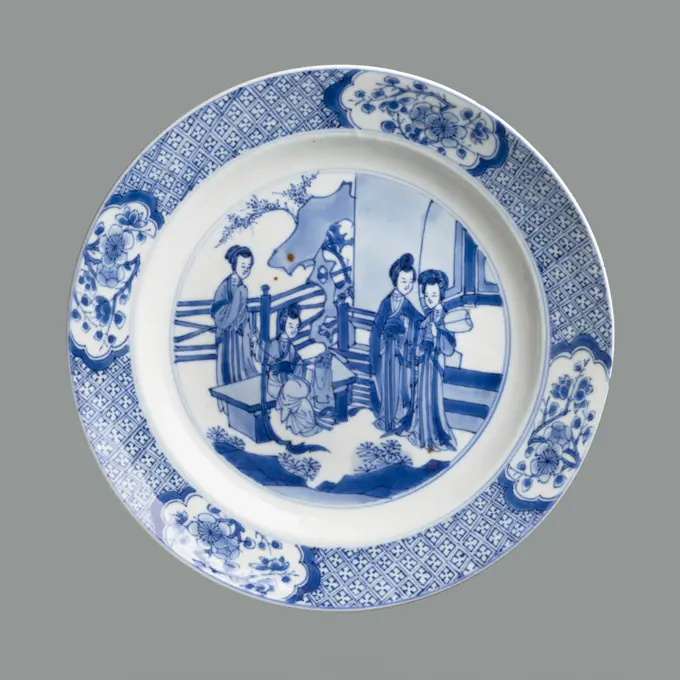
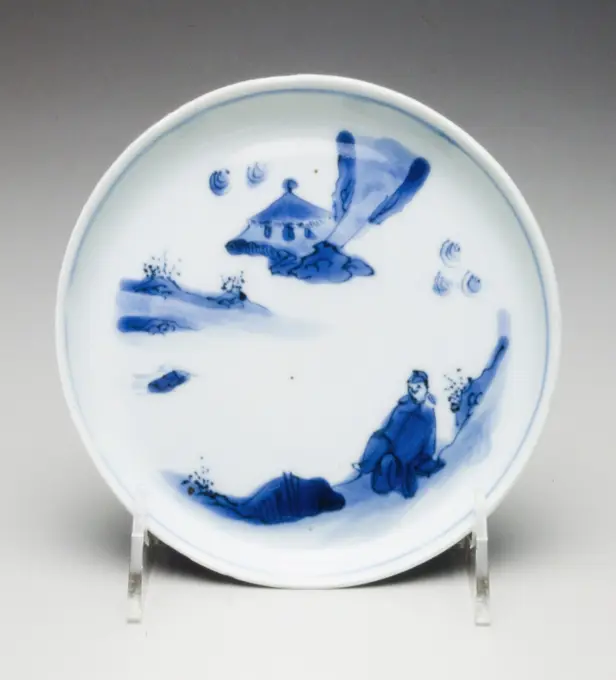
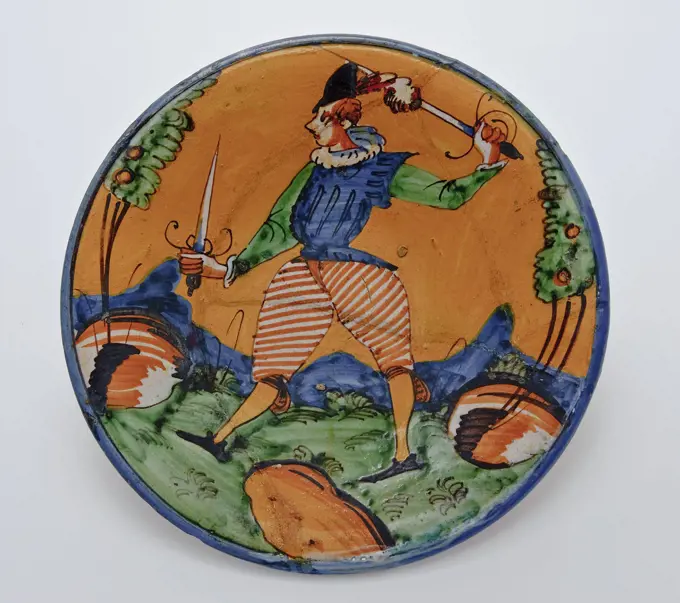
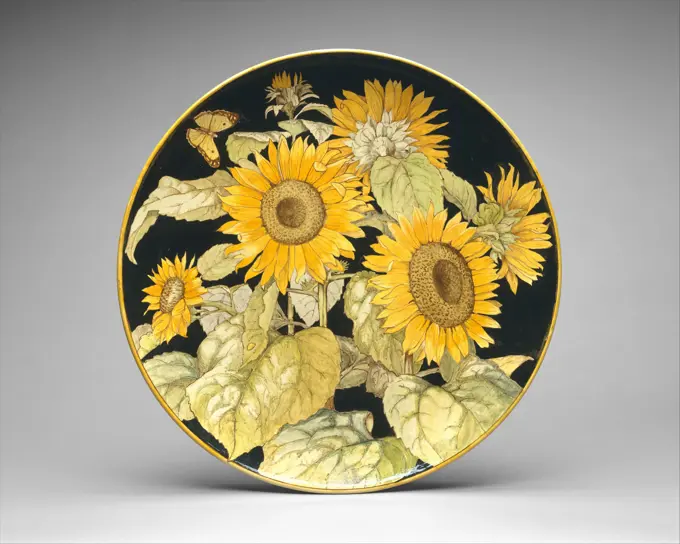
pottery plate An image of a nice blue pottery plate Copyright: xZoonar.com/magannx 2897355Dish, Anonymous, c. 1650 - c. 1675 Dish van Faience with a decoration to the Chinese porcelain from the Keizer Wan Li (1600-1630) period. Delft . Dish van Faience with a decoration to the Chinese porcelain from the Keizer Wan Li (1600-1630) period. Delft .Dish With Pheasant, Flowering Plants and Precious Objects, Rim Composed or Interlocking Open Rings. Dish of porcelain with an edge of openwork interlocking rings, painted in underglaze blue and on the glaze red, green, eggplant and gold. On the flat a pheasant on a rock with flowering plants interspersed in a medallion with a band zigzag work with a flower in a cartouche; the wall with flower branches and valuables (books, double diamond, artemisia leaf, ruyi scepter); The back with two flower branches. Two chips and two cracks in the edge. Chinese Imari.Dish with stylized flower pattern, N.V. Plateelbakkerij Zuid -Holland, 1916 - 1923 Dishes of earthenware, decorated with a stylized flower pattern in yellow, brown, black and white on a light blue -tinted cream fond, with purple edge. Two holes for confirmation in stand ring. Gouda earthenware. uranium oxide Dishes of earthenware, decorated with a stylized flower pattern in yellow, brown, black and white on a light blue -tinted cream fond, with purple edge. Two holes for confirmation in stand ring. Gouda earthenware. uranium oxidePlate. unknown, authorFélix Bracquemond (1833-1914). Flower and ribbons service: flat plate. Museum of Fine Arts of the City of Paris, Petit Palais. 25797-5 Flat, ceramic plate, flower, ribbon, service, dishesDish, painted on the flat in Encre-chine with three landscape. With a corresponding head. Dish of porcelain with wide golden trim along the satellure edge. On the flat painting in encre-chine with three landscape. With accompanying head (a) .an the head also plated, as well as the ear. The head has restored between foot and body: satellite edge.Dish with Flower sprays in petal-shaped panels. Dish of porcelain with a brace-shaped edge, painted in underglaze blue. On the flat in the center a medallion with a lotus drink. A larger medallion with a bond with Ruyi motifs with radiant flower leaf-shaped compartments with flower branches; between the napkin workers. On the wall and edge the same tire with flowering plants in the boxes. The outer edge with three flower branches. Marked on the bottom with a diamond in a double circle. Blue White.Dish. unknown, craftsmanTerracotta plate. Culture: Greek, South Italian, Campanian, Teano. Dimensions: diameter 13in. (33cm). Date: ca. 330-300 B.C..Plate of black glaze on which decorations are painted in various colors. Museum: Metropolitan Museum of Art, New York, USA.Plate with Camellia and Plum. Culture: China. Dimensions: H. 1 5/8 in. (4.1 cm); Diam. 10 5/8 in. (27 cm). Museum: Metropolitan Museum of Art, New York, USA.Dish with 'Tughra-illuminator' Design ca. 1540-50 This type of ware was originally referred to as "Golden Horn ware". The delicate monochromatic effect of the tiny rosettes and schematic leaves in tightly coiled spiral vines derives from Ottoman calligraphy, especially the tugras, or royal monograms of the sultans. This design contrasts strongly with the bolder, less restrained floral patterns used in the bulk of surviving Iznik ceramics.. Dish with 'Tughra-illuminator' Design. ca. 1540-50. Stonepaste; painted in blue under transparent glaze. Made in Turkey, Iznik. CeramicsPlate. unknown, craftsmanPlate with stylized motifs, anonymous, c. 1500 - c. 1530 Round plate of multi -colored painted majolica. A checkered circle is painted in the middle with a band with small stripes around it. The edge is divided into eight courses, separated by stripes. A stylized flower is painted in two courses, a leaf in four compartments and niches in two compartments. The plate is painted on the bottom with blue leaves. Confuse earthenware. tin glaze. lead glaze majolica Round plate of multi -colored painted majolica. A checkered circle is painted in the middle with a band with small stripes around it. The edge is divided into eight courses, separated by stripes. A stylized flower is painted in two courses, a leaf in four compartments and niches in two compartments. The plate is painted on the bottom with blue leaves. Confuse earthenware. tin glaze. lead glaze majolicaDish with Eastern landscape, Petrus Regout, c. 1801 - c. 1879 Dishes of earthenware with flow -blue transfer decor. On the flat an oriental landscape with buildings. Maastricht earthenware Dishes of earthenware with flow -blue transfer decor. On the flat an oriental landscape with buildings. Maastricht earthenwareMaiolica: Plate (tondino) ca. 1520 Italian, possibly Cafaggiolo. Maiolica: Plate (tondino) 460148Plate early 15th century. Plate 444521Plate of 'La Segarra', 17th century.Dish with a scholar writing on a snowy night mid-17th century China. Dish with a scholar writing on a snowy night. China. mid-17th century. Porcelain painted in underglaze cobalt blue (Jingdezhen ware). Qing dynasty (1644-1911). CeramicsDish, anonymous, c. 1692 - c. 1699 Stor of wood with black and gold paintwork with the crowned mirror monogram by Johan van Hoorn, governor General of the East Indies from 1704 to 1709 (1653-1711), and his wife Susanna Agneta van Outhoorn, amidst lauwert branches and leaf vines. The back with a Nashiji stock. The monogram is accidentally turned upside down. Japan wood (plant material). lakwerk:. lacquer (coating) lacquering Stor of wood with black and gold paintwork with the crowned mirror monogram by Johan van Hoorn, governor General of the East Indies from 1704 to 1709 (1653-1711), and his wife Susanna Agneta van Outhoorn, amidst lauwert branches and leaf vines. The back with a Nashiji stock. The monogram is accidentally turned upside down. Japan wood (plant material). lakwerk:. lacquer (coating) lacqueringBotanical dish with white sunflower. Culture: British, Chelsea. Dimensions: Overall (confirmed): 1 1/4 × 10 3/4 × 10 3/4 in. (3.2 × 27.3 × 27.3 cm). Maker: Chelsea Porcelain Manufactory (British, 1745-1784, Red Anchor Period, ca. 1753-58). Date: ca. 1755.These botanical plates (2016.217-.226) were produced by the Chelsea factory around 1755 and are often referred to as Chelsea "Hans Sloane" wares, in reference to the royal physician, traveler, and natural historian who helped transform the Chelsea Physik Garden into a center of botanical knowledge during the British Enlightenment. Several subjects depicted on these plates were taken from botanical illustrations published by Philip Miller, curator of Chelsea Physik Garden. Although flowers and fruits could typically be found on earlier porcelain wares from Meissen, the lively naturalism of the Chelsea botanical plates reflects a broadening public interest in the natural world, and evidence the forms of global commerce that brought exotSaucer with peachtree and cranes on a woodcolored ground, anonymous, c. 1730 - c. 1750 Porcelain dish with spreading wall, covered with a red -brown glaze and painted on the glaze in red, pink, green, yellow, eggplant and black. Completely covered with a brown wood imitation; It saves a peach tree (prunus) with flowers and fruits in addition to two cranes. Famle Rose. China porcelain. glaze. painting / vitrification Porcelain dish with spreading wall, covered with a red -brown glaze and painted on the glaze in red, pink, green, yellow, eggplant and black. Completely covered with a brown wood imitation; It saves a peach tree (prunus) with flowers and fruits in addition to two cranes. Famle Rose. China porcelain. glaze. painting / vitrificationSaucer with figuren and animals near pavilion at the waterside, anonymous, c. 1775 - c. 1799 Porcelain dish, painted on the glaze in blue, red, pink, green, black and gold. On the flat of the dish different people, ducks and a dog at pavilions on the waterfront, a few boats in the water; on the edge ranks interspersed with birds on a branch and landscapes in cartouches; The edge with a band with geometric pattern. Wall of the dish has been broken. Famle Rose/Mandarin. China porcelain. glaze. gold (metal) painting / gilding / vitrification Porcelain dish, painted on the glaze in blue, red, pink, green, black and gold. On the flat of the dish different people, ducks and a dog at pavilions on the waterfront, a few boats in the water; on the edge ranks interspersed with birds on a branch and landscapes in cartouches; The edge with a band with geometric pattern. Wall of the dish has been broken. Famle Rose/Mandarin. China porcelain. glaze. gold (metal) painting / gilding / vitrificationBowl 14th-15th century. Bowl 451941Plate; Wolff, Karol (Fiansusu Factory; 1783-Ca 1800); End of the 18th century (1701-00-00-1800-00-00);Dish 17th century. Dish 455068Plaque, Tin-glazed earthenware, Shaped oval plaque with raised border; painted in underglaze blue on white with domestic scene of woman and child at spinning wheel, diaper and vine border; back unglazed., Delft, Netherlands, 1675-1725, ceramics, Decorative Arts, PlaquePlate with crab and fish late 17th-early 18th century China. Plate with crab and fish 48262Plate. unknown, craftsmanPlate with Isnik floral and foliate pattern 1881 Minton(s) British. Plate with Isnik floral and foliate pattern. British, Stoke-on-Trent, Staffordshire. 1881. Bone China. Minton(s) (British, Stoke-on-Trent, 1793-present). Ceramics-PorcelainBowl with Chidren Playing amid Hibiscus and Grapes. Korea. Date: 1135-1199. Dimensions: H. 8.0 cm (3 1/8 in.); diam. 19.2 cm (7 9/16 in.). Celadon-glazed stoneware with underglaze incised decoration. Origin: Korea. Museum: The Chicago Art Institute, Chicago, USA.Decorative dish, circular. unknown, craftsmanSoupplate with precious objects and flower sprays, anonymous, c. 1725 - c. 1749 Porcelain soupboard, painted on the glaze in blue, red, pink, green, turquoise, purple, black and gold. On the flat lucky symbols: a flower vase on a stool, rolling on a couch with stylized lotuses, a lotus stalk and books and incense burner on a table; the wall with prunus and peon branches; the edge with servetwork with shocked cartouches with lotus vrollas in it against a background of 'frogs' and attributes of the eight immortals (castagnets, sword, fan, flower basket, battle instrument, flute); The rear with three mushrooms (Lingzhi). Famle Rose. China porcelain. glaze. gold (metal) painting / gilding / vitrification Porcelain soupboard, painted on the glaze in blue, red, pink, green, turquoise, purple, black and gold. On the flat lucky symbols: a flower vase on a stool, rolling on a couch with stylized lotuses, a lotus stalk and books and incense burner on a table; the wall with prunus and peon branchPlate Depicting Hendrik Durven, Governor General of the Dutch East Indies (VOC), and His Wife, porcelain, vitreous enamel, gold, China (for export), ca. 1740, ceramics, Decorative Arts, plate, plateMajolica dish with carved ears, blue on white, chinese garden with flowers and bird, pop bowl bowl crockery holder soil find ceramics pottery glaze, archeologyDish with the 'Three Friends of Winter'. Dish of porcelain with round wall, painted in underglaze blue. The front with a large pain and prunus tree with bamboo branches at the trunk (the three friends of the winter). The outer wall with pain branches. On the bottom 14 preen. A crack in the wall. Blue White.Come from multi-colored painted majolica. Bell-shaped bowl of multi-colored painted majolica. The bowl is on a foot. A fish is painted on the bottom on the inside and a wide blue band on the wall on which can be done in yellow and orange flower vines. The same band is painted on the outside wall.Plate ca. 1600 Workshop of Patanazzi family. Plate. Italian, Urbino. ca. 1600. Maiolica (tin-glazed earthenware). Ceramics-PotterySpice Dish. Italy, Faenza, circa 1560. Furnishings; Serviceware. Tin-glazed earthenware (maiolica). Plate of faience. Multicolored painted with a fantasized weapon of Great Britain.Blue and White 'Floral' Dish 1403-1425 China. Porcelain painted in underglaze blue .. Round dish of blue painted faience, with a scalloped edge and decorated with the heron pattern. The dish has been marked: LP can fabric. Six identical dishes with Invnrs are part of the dish. BK-NM-13284-B, BK-NM-13284-C, BK-NM-13284-D, BK-NM-13284-E, BK-NM-13284-F and BK-NM-13284-G.Dish 17th century. Dish 446942Plate with Peonies, early to mid-1800s. Japan, Edo period (1615-1868). Porcelain with decoration in overglaze enamels; diameter: 37.7 cm (14 13/16 in.); overall: 7.8 cm (3 1/16 in.).Anonymous. Oblong dish "Long live freedom without license". Earthenware. 1790-1792. Paris, Carnavalet museum. 72430-55 Decoration, Faience, Liberte, Revolutionary Periode, Oblong dish, French RevolutionBarber bowl, ceramic. Museum: COLECCION PRIVADA.Dishwill of earthenware with white tinglaze on the underside and white tinglaze on the top and a decoration in blue, damaged, anonymous, 1500 - 1799   earthenware. tin glaze   earthenware. tin glazeTable top 18th century British. Table top. British. 18th century. Silk and wool on canvas. Textiles-EmbroideredSaucer With Flower Sprays in Panels on a Feather or Scale Ground. Dish of porcelain, painted on the glaze in red, pink and gold. The front of the dish is covered with a feather or scaled pattern with a medallion with flowering plants in the center in the center; On the wall four large and four small lobby cartouches with flower branches. Porcelain with email colors.Come from V.O.C.-Schip De 'Witte Leeuw', Anonymous, Before 1613 bowl Come from V.O.C. ship the 'Witte Leeuw', 90  present. Jingdezhen porcelain  lotus ~ ornament - AA - stylized Sint-HelenaPelvis of a baptism, Dirk Wor (attributed to), 1746 Baptismal basin of silver. Decorated with Louis XIV ornamented edges with palmets, chalices, leaf, grid and band work. With asymmetrical Lodewijk XV influences, and the applivled weapon of Mattheus Coddaeus. Dordrecht silver (metal) Baptismal basin of silver. Decorated with Louis XIV ornamented edges with palmets, chalices, leaf, grid and band work. With asymmetrical Lodewijk XV influences, and the applivled weapon of Mattheus Coddaeus. Dordrecht silver (metal)Plate second quarter 16th century China. Plate 49229Fragment majolica plate, polychrome, dancing putto on floating ground, aigretland, plate crockery holder soil find ceramic earthenware glaze, baked underside covered with lead glaze. Polychrome The right hand raised may be missing here attributes archeology decorate serving foodDish with Peony Sprays and Four Boys 1115-1199 China. Ding ware; porcelain with underglaze mold-impressed decoration; metal rim .Fragment majolica plate, blue on white, flower vase in Chinese style, plate dish crockery holder soil find ceramics pottery glaze, Op fried archeology food decorate serve ChinaDish;  XVII-VIII century (1601-00-00-1800-00-00);Saucer with a Cock and Three Deer in Panels on a Gold Ground With Floral Scrolls. Dish of porcelain with a spreading wall, painted on the glaze in blue, red, pink, green, yellow, black and gold. On the flat of the dish in the center a medallion with a rooster; to medallion three leaf-shaped cartouches with a deer in a landscape against a golden background with floral drinks; The edge with a 'crackled ice' band. A crack and a chip in the edge of the dish. Family Rose.Saucer; unpredictable Lona Manufaktura; after. 19th century (1801-00-00-1900-00-00);plastic decorations, vineDish 1660-70 Japanese, for European market Chinese ceramics were traded on a vast scale across South and Southeast Asia as well as Korea and Japan. With the disruption of this trade and of the kiln production at Jingdezhen at the end of the Ming dynasty (ca. 1644), kilns in Japan took up the manufacture of popular blue-and-white designs to supply both domestic and export demands. The shape of this plate, its palette, and the division of patterns into a circular field and broad rim are of Chinese origin, yet the interpretation of motifs (clouds, pines, and pavilions) shows a Japanese approach to design, especially in the asymmetrical balance of forms.. Dish 208224Scallop-shell-shaped bowl with antiques. Shell-shaped bowl of porcelain with ribbed wall, painted on the glaze in blue, red, green, yellow, eggplant, black and gold. On the bottom antiques (flower vase, ruyi scepter, incense burner etc.); on the handle two lucky symbols (umbrella, fish); On the edge styled lotus drinks against a black speckled green ground. Rear unglazed; Handle restored with five staples. Famille Verte.Plate. Culture: French, Sèvres. Decorator: Jean-Jacques Dieu (French, active 1776-91, 1794-98, 1801-5). Dimensions: Diameter: 9 9/16 in. (24.3 cm). Factory: Sèvres Manufactory (French, 1740-present). Date: 1791.The Sèvres factory did not master the production of hard-paste porcelain until 1769. In comparison to soft-paste porcelain, the hard-paste ceramic body was superior: it was whiter, more durable, and usually could be potted or molded more thinly. There is an irony, however, in the fact that this whiter porcelain--the goal of all soft-paste porcelain factories--was often completely obscured by ground colors that covered the entire visible surface. Strong colors and painted surfaces that simulated other materials were very much in fashion in the late eighteenth century.This hard-paste porcelain plate is decorated in a style that imitates Asian black lacquer. The painting is executed in two tones of gold with platinum highlights on a black ground. The abbreviated landscapes in theDish ca. 1640 Japan. Dish 63591Nappy - George L. Ashworth & Brothers, 1862-1968 George L. Ashworth & Brothers, 1862-1968Dish with Images of Antiquities 1600-1699 China. Lacquer inlaid with abalone shell (mother of pearl) and gold and silver foil .Plate;  18th century (1701-00-00-1800-00-00);Terracotta deep bowl late 3rd-early 2nd century B.C. Greek, South Italian, Campanian, Calenian The deep bowl originated in metal during the Hellenistic period and was reinterpreted in clay quickly and widely. The bust represents Dionysos, god of wine, an appropriately frequent subject for a drinking vessel. Pottery of this type is conventionally known as Calenian, after Cales, a site in Campania. Recent studies indicate that there were numerous centers of production in Italy and wide distribution to both the west and the east.. Terracotta deep bowl 257596Dish. unknown, craftsmanBowl 7th-4th century B.C. Paracas. Bowl 308437CUENCO VIDRIADO CON DECORACION VEGETAL-CERAMICA POPULAR. Location: ALFARERIA. GRANADA. SPAIN.Gold-glass base. From Rome, 4th century.Ceramic Bowl. Dimensions: H. 4 11/16 in. (11.9 cm)Diam. 9 1/4 in. (23.5 cm)Wt. 18.8 oz. (533 g). Date: 12th century.Bowls such as this one were typical tableware used daily by well-to-do, middle-class owners for liquid or solid food. This example's biconical shape with a high, slightly conical foot was common in ceramics during the twelfth and thirteenth centuries in both the eastern and the western spheres of the Seljuq realm. Its decorative elements, formulaic benedictory inscriptions--baraka kamila (consummate blessing) in radiating panels, and al-'izz (glory) repeated four times in reserve on a ground of spirals--and color palette are characteristic of ceramics produced in Raqqa and elsewhere in Greater Syria. Museum: Metropolitan Museum of Art, New York, USA.Czarka, Spodek; Hausmaler (home painter); Kon. XVII century-1 after .xviii century (1680-00-00-1745-00-00);typical central asian bowl on gray concrete plate above view of typical central asian bowl on gray concrete plate Copyright: xZoonar.com/ValeryxVoennyyx 9787788Fragment majolica dish with brushstroke decor in blue, dish plate crockery holder soil find ceramic earthenware glaze tin glaze lead glaze, ring 11.2 hand turned baked 2x majolica glazed Majolica plate. imprints in the performance Standring. Monochrome decor blue brushstrokescor curls and beams around diamond in the center. underside covered with milky lead glaze Sharpened earthenware archeology Rotterdam City center Stadsdriehoek Schielandshuis indigenous pottery food serving table serve decorate Soil discovery: Schielandshuis during restoration.Dish. Culture: Mexican. Dimensions: H. 18 in. (45.7 cm). Date: ca. 1830. Museum: Metropolitan Museum of Art, New York, USA.. Dish of Faïence, painted multi-colored with the portrait of Stadholder William IV.Czarka, Spodek; Hausmaler (home painter); Kon. XVII century-1 after .xviii century (1680-00-00-1745-00-00);Luster Bowl with Antelope, 1000s. Egypt, Fustat (Old Cairo), Fatimid period (909-1171). Earthenware with luster-painted design; diameter: 25.4 cm (10 in.); overall: 6.8 cm (2 11/16 in.).Shallow bowl or klapmuts of Chinese porcelain from the wreck of the Dutch East Indiaman Witte Leeuw, anonymous, before 1613 plate (dishes) Deep sign from V.O.C. ship the 'Witte Leeuw', 85 present. Jingdezhen bone china (material)   Sint-HelenaCalendar Plate for November (Feeding Hogs). Martial Courteys (France, Limoges, circa 1544-1592). France, Limoges, circa 1565-1575. Furnishings; Serviceware. Grisaille enamel, flesh tones, touches of color, and gold on copperSaucer in The Shape of a Leaf. Dish of porcelain, the dish in the shape of a leaf, painted in underglaze blue. With trade decoration, the dish is divided by the 'veins' of the leaf, filled with various flowering plants on a rock. Marked on the underside of the dish with a lotus. Blue White.Saucer with Chinese figures, a go-board and inscriptions. Dish of porcelain with a stepped wall, painted on the glaze in blue, red, pink, green, yellow, black and gold. On the platter of the dish a medallion with a seated Chinese man leaning on a stool, next to him three Chinese characters; To the medallion a standing Chinese lady and on the other hand, a standing Lord with Characters on either side; In between a cartouche with meander strap with a inscription in characters and a go plate. The dish marked with the seal brand of Emperor Xianfeng (). Family Rose.Cup and Saucer. Denuelle Porcelain Manufactory; French, 1818-1829. Date: 1815-1825. Dimensions: Cup: H. 11 cm (4 5/16 in.); Saucer: diam. 13.5 cm (5 5/16 in.). Hard-paste porcelain, dark blue ground, polychrome enamels, and gilding. Origin: Paris. Museum: The Chicago Art Institute, Chicago, USA.Victor Hugo (1802-1885). Chinese decor from Juliette Drouet's house in Guernsey, West Wall. Green wooden record containing plates and dishes, composed of twenty-seven compartments (right side of the west wall). Painted wood. 1857-1864. Paris, house of Victor Hugo. 78171-18 Asian art, decorative arts, painted wood, green wood, Chinese cabinet, locker, chinoiserie, compartment, decor, faience, storage, Chinese living room, dishes, 19th XIX 19th 19th 19th 19th century, plate, dishDish (crespina) ca. 1540-50 Italian, Faenza. Dish (crespina) 460155Sharf of white -baking earthenware, with a pressure decor in blue, on the inside with a geometric pattern and on the outside with a landscape, c. 1500 - c. 1899 fragment   earthenware. glazeCup and Saucer Made 1815-1825 Paris. Hard-paste porcelain, dark blue ground, polychrome enamels, and gilding . Denuelle Porcelain Manufactory (Manufacturer)Anonymous. Plate. Earthenware. 1789. Paris, Carnavalet museum. 70955-6 Weapon, Crown, Epee, Faience, Flower, Force, Decorative Pattern, Revolutionary Periode, French Revolution, Union, Crockery, PutchPlaster  Rice planting scene, stand unknownHexagonal tiles from Iznik, Turkey. Dated 15th CenturyDish of cup and saucer with lying woman and man in landscape in bushes, cup and saucer drinking utensils tableware holder ceramic porcelain glaze, baked glazed painted stove enamelled, wide bowl-shaped cup on stand ring famille verte Cephalus Procris mythology chine de commande drinkDish with lady and gentleman, Dish with Cavalier and Dish with Rider by Anonymous. Copper engraving decorated with enamel and silver. Dated 13th CenturyPlate. unknown, craftsmanMajolica dish with Wanli decor, landscape with bridge and four people, dish crockery holder soil find ceramic earthenware glaze tin glaze lead glaze, ring 10.2 hand-turned baked glazed painted baked Majolica dish with monochrome decor Landscape with bridge and four people in mirror in chinese style. Cassetterand along the flag. Entirely executed in the style of wanli. Blue decor on white fond. Lead glaze at the back archeology Valckensteyn Poortugaal Albrandswaard indigenous pottery decorate domestic food serve serve Soil discovery Probably Poortugaal Valckensteyn.Sawankalok fishplate,Thailand.Plate, one of five, 18th century, 7/8 x 5 5/8 in. (2.2 x 14.29 cm), Porcelain, China, 18th centuryPlate. unknown, manufacturerPlate with peafowl ca. 1825 British This plate belongs to a category of earthenware known as spatterware due to the appearance of the distinctive grounds used to decorate these objects. In most cases, the colored ground is achieve by blowing powder onto the clay body before firing; the irregular application creates the appearance of being sponged on. The plates decoration reflects a popular pattern and palette found on English spatterware, and the skillful execution of both the ground and the pea fowl mark it as a fine example of this type of ceramic. The sure handling of the lines of the pea fowl in particular and the vividness of the palette contribute to the visual appeal of the plate, and provide evidence as to why spatterware was widely acquired in nineteenth-century Britain.. Plate with peafowl. British. ca. 1825. Earthenware. Ceramics-PotteryDish, Monteluposchotel, polychrome nobleman with sword and dagger in hands, dish crockery holder soil find ceramic earthenware glaze tinglage, majolica baked 2x painted glazed Majolica dish. Stand surface. Knight with drawn sword and dagger in hilly landscape. Yellow white green blue and black Three manganese colored rings on the reverse archeology Rotterdam City center Stadsdriehoek Wijnhaven import pottery decorate food Soil discovery: Soil discovery cesspool Wijnhaven in 1945.Charger 1876 F. Gadesden This large dish is decorated with six sunflowers depicted at different stages of maturity, from a bud to a fully opened bloom. The sunflower was a popular motif within the Aesthetic Movement, which embraced the concept that art should exist solely for its own sake, and sunflowers appear frequently on ceramics, furniture, and metalwork of the last quarter of the nineteenth century. This dish is signed by F. Gadesden, whose name is not recorded but who may have been an amateur ceramic painter working on a blank produced by a commercial kiln.. Charger 208554