Decorative Antique Ceramics

A collection of decorative bowls and plates showcasing intricate floral and scene motifs, featuring vibrant colors and various glazing techniques from the 17th to 18th centuries.
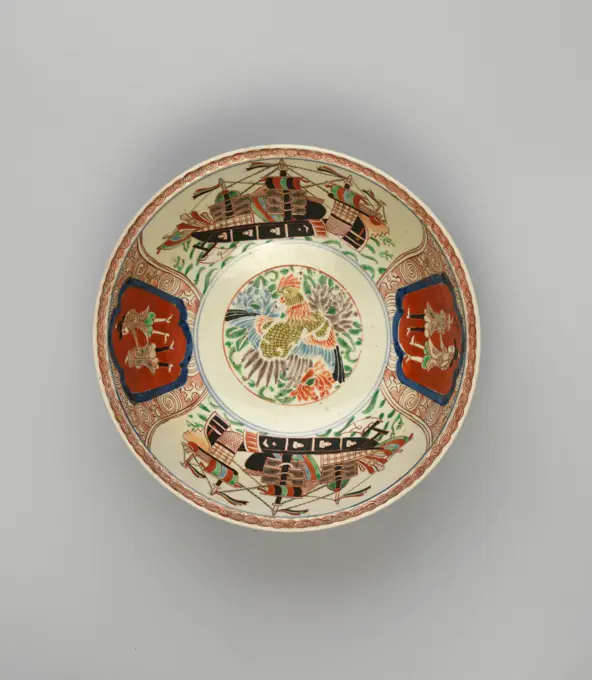
Bowl with Europeans and Ships, 18th century, Unknown Japanese, 3 1/2 × 9 3/4 × 9 7/8 in. (8.89 × 24.77 × 25.08 cm), Imari ware; porcelain with underglaze cobalt blue, overglaze enamels, and gold, Japan, 18th century
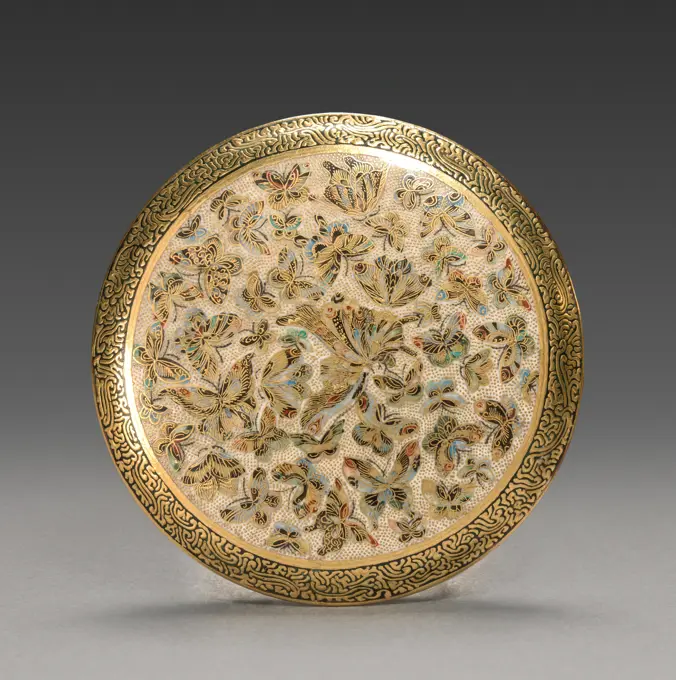
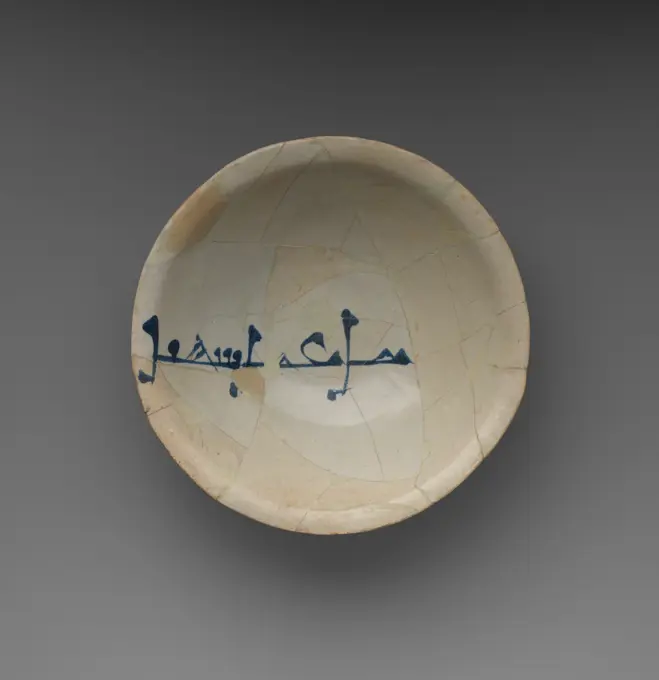
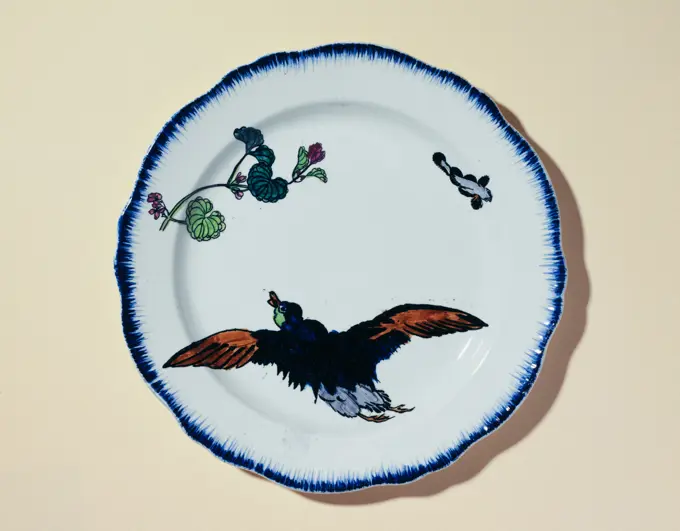
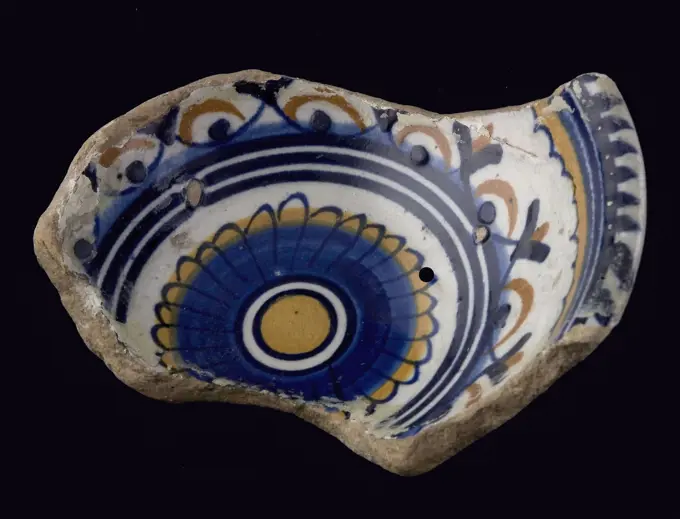
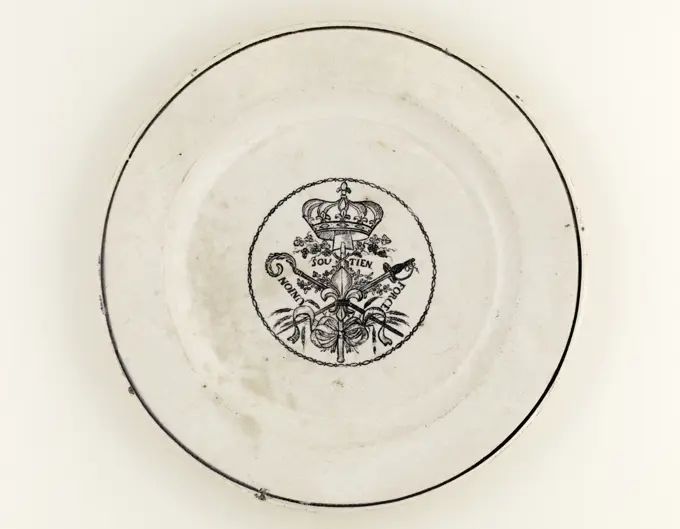
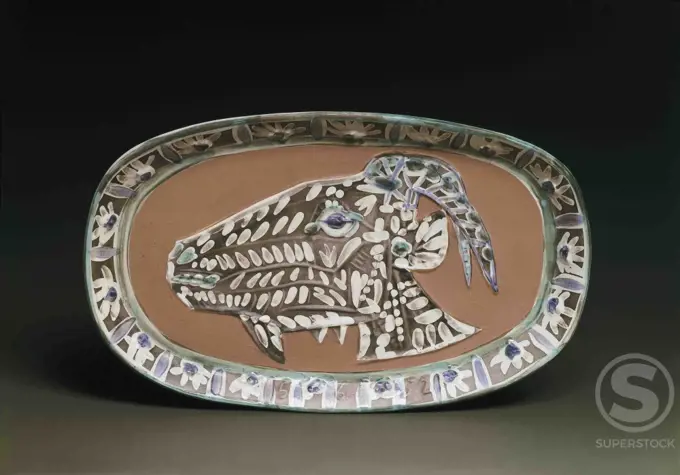
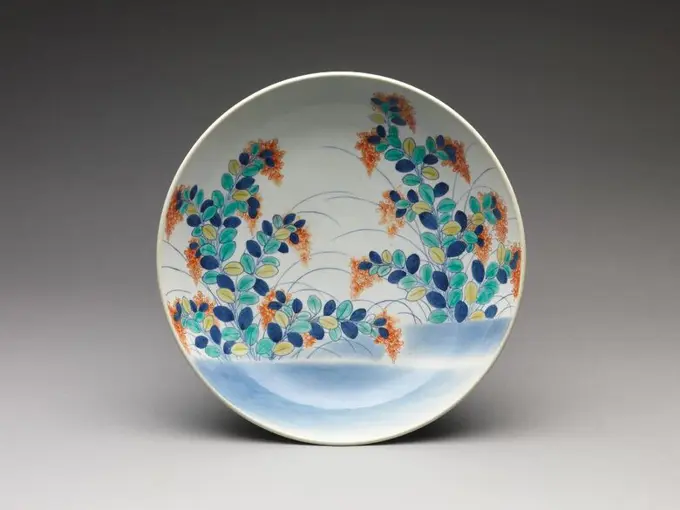
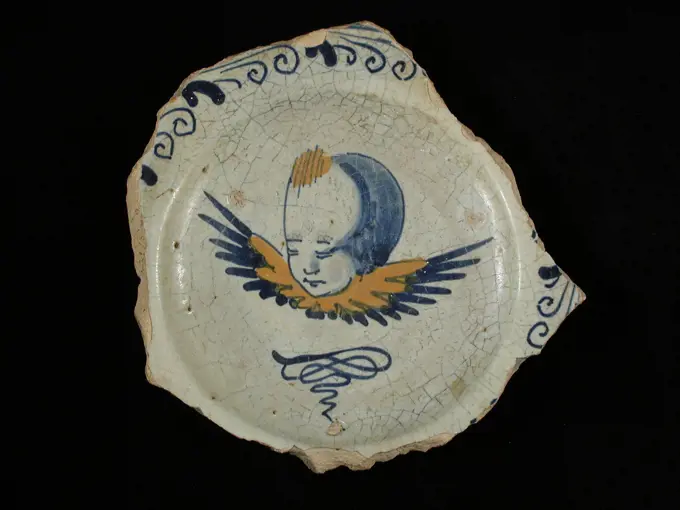
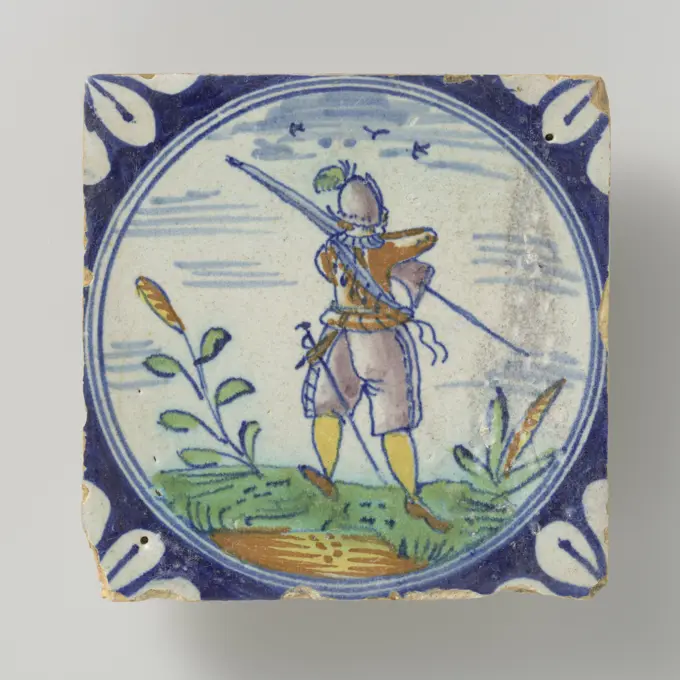
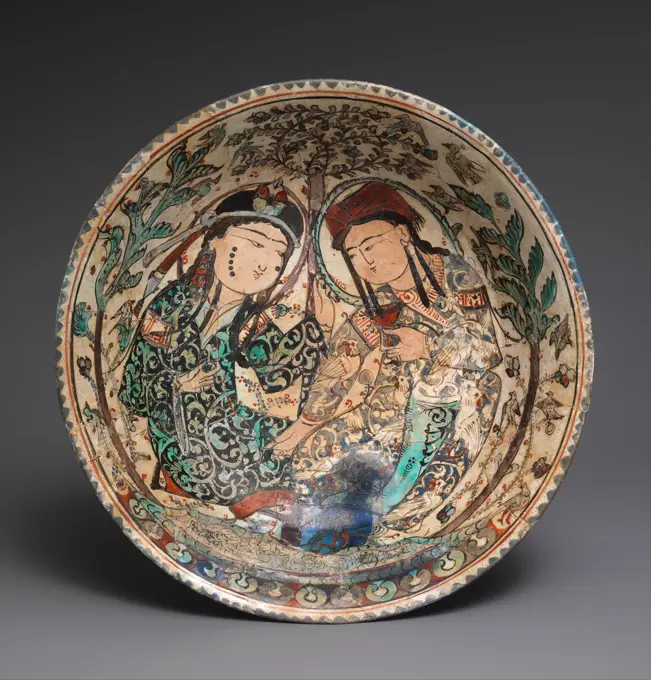
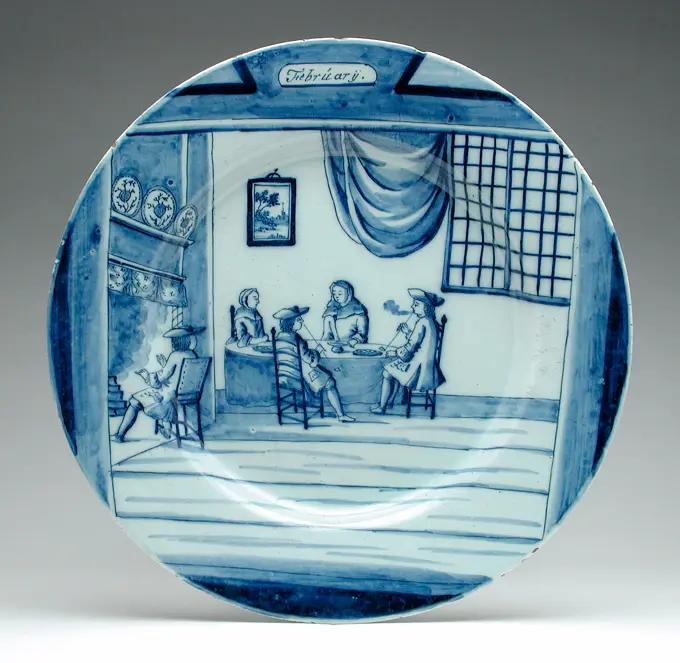
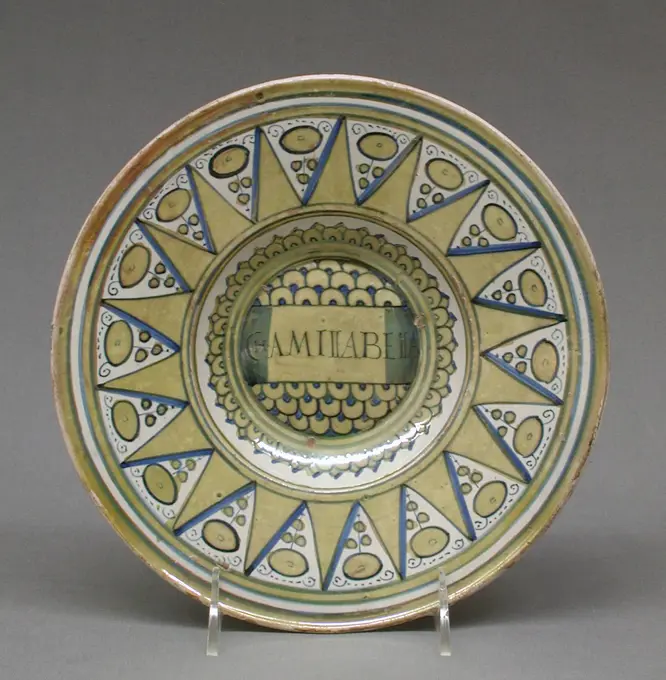
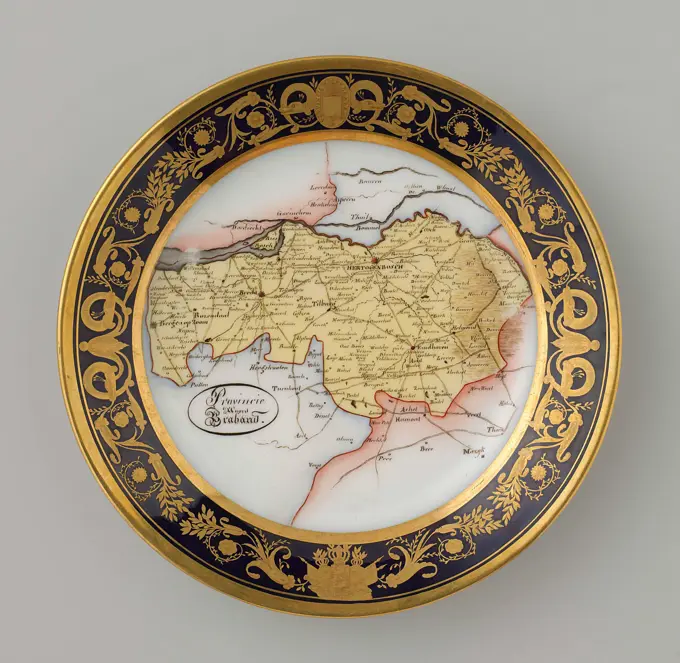
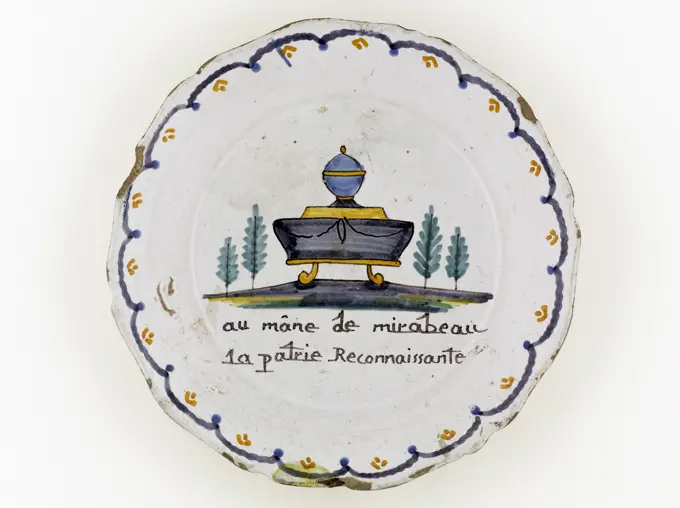
Decorative tondo;  19th century (1801-00-00-1900-00-00);Dish 16th-17th century. Dish 448434Jar with Butterflies (lid), late 1800s. Japan, Meiji period (1868-1912). Pottery; diameter: 5.8 cm (2 5/16 in.); overall: 3.9 cm (1 9/16 in.).Saucer 1800-1830. Saucer. 1800-1830. Earthenware, spatterware. Possibly made in Staffordshire, EnglandDinner Plate Plate; Attributed to Minton Ceramics Manufactory; Manufactured by Mintons; England; hard paste porcelain, vitreous enamel, gold. Round dish (fragmentary) of blue painted faience. A figure (Chinese) and rocks are painted on the dish. The dish is a soil find out of Delft.Bowl 9th century Tin-glazed bowls may have been made in imitation of white Chinese stoneware. Muslim ceramists added decorations in cobalt blue, demonstrating the fine quality of the glaze. The decorative inscription, off-center to the left, states that the ceramicist was named Suhayl.. Bowl. 9th century. Earthenware; painted in color on opaque white (tin) glaze. Made in Iraq. CeramicsFélix Henri Bracquemond, Eugène Rousseau. "Flat plate". Ceramics, fine earthenware, printed decor and painted under cover. 1866-1875. Museum of Fine Arts of the City of Paris, Petit Palais. 74386-19 Flat plate, decor prints, fine faience, flower, bird, painted, dishesFragment majolica bowl, yellow, orange and blue on white, rosette on the middle, cable edge, pap bowl bowl crockery holder soil find ceramic pottery glaze, hand turned fried glazed painted fried Fragment of majolica bowl. Rosette in the mirror blue and orange. Tapestry over the edge. Bottom almost clear lead glaze. Standring. Serving porridge fried archeology serving porridge porridgeAnonymous. Plate with three orders. Earthenware. Around 1789. Paris, Carnavalet museum. 72430-44 Faience, Revolutionary Periode, Reunion, French Revolution, three orders, plateThe Goat's Head by Pablo Picasso, painted ceramic, 1881-1973Bulgaria, Nessebur (aka Nessebar or Nesebar). Traditional Bulgarian handicraft pottery with typical colorful pattern.Scalloped-Rim Dish with Confronted Phoenixes and Floral Stamen 1279-1368 China. Longquan ware; stoneware with underglaze molded decoration and applied decoration in biscuit reserve .Dish with Bush Clover Design. Culture: Japan. Dimensions: H. 3 1/2 in. (8.9 cm); Diam. 11 1/2 in. (29.2 cm). Date: 18th century (). Museum: Metropolitan Museum of Art, New York, USA.Square stand;  19th century (1644-00-00-1911-00-00);Fragment majolica dish, polychrome, winged cherub head, aigrette border, signed, plate dish crockery holder soil find ceramic earthenware enamel, baked underside covered with lead glaze. Polychrome waised soul of pancake dish or salad dish House brand In the stand ring anagram HPAV Hard to read archeology Rotterdam City center Stadsdriehoek Westewagenstraat indigenous pottery decorate serving food Soil discovery Rotterdam: near the Catholic church at Westewagenstraat September 1944.. Tobacco spot with lid and inside lid of faïence, elongated with scalloped corners, painted in blue with medallions with landscapes and floral edge. The lid has a multicolored sitting figure as a buttonTile, multi -colored painted with a soldier or a standard bearer, 1625 - 1700 Tile, multi -colored painted with a soldier or a standard bearer. Netherlands earthenware. tin glaze majolica Tile, multi -colored painted with a soldier or a standard bearer. Netherlands earthenware. tin glaze majolicaBowl, Mina'i ("enameled") ware late 12th-early 13th century Iranian. Bowl, Mina'i ("enameled") ware 461158Plate from a Calendar Set. 'de Porceleijne Bijl' Shop (Holland, 1679-1803)Hugo or Justus Brouwer (Holland, 1739-1775). Holland, 1739-1775. Furnishings; Serviceware. Earthenware with tin glaze and enamel (Delft)Decorative plate with plants motifs, N.V. Haagsche Plateefabriek Rozenburg, 1886, Amsterdam, Netherlands.Plate ca. 1515 Italian, Deruta. Plate. Italian, Deruta. ca. 1515. Maiolica (tin-glazed earthenware), lustered. Ceramics-Pottery18 plates, each decorated with a Netherlandish province. These plates reflect the period when the Netherlands and Belgium together formed the United Kingdom of the Netherlands (1815-1830). The kingdom consisted of 17 provinces plus the grand duchy of Luxembourg. The gold decoration is in the Neoclassical style. On the upper edge are the arms of the kingdom, on the lower border those of each province. Today the Netherlands consists of 12 provinces.Anonymous. Plate at the tomb of Mirabeau. Earthenware. Paris, Carnavalet museum. 71680-53 Aumone, Decoration, Faience, Grateful Fatherland, Revolutionary Periode, Recognition, French Revolution, Tomp, Tomp, PlateField of four tiles. Field of 4 tiles (2 x 2) in a wooden table, each with a blue-painted ship with an osse head in the corners.