Decorative Antique Objects

Unique antique items including a basket-shaped vase, ornate keys, and gold jewelry pieces, reflecting rich craftsmanship and historical significance.

Pipe key, c. 1800 - c. 1900 Pipe key whose handle is connected to a hinge on the shaft. The handle is formed by two dolphins winding to each other, holding a button in the mouth and crossing each other with the tails. Grab and hinge of copper, key breast, shaft and iron beard.  iron (metal). copper (metal) Pipe key whose handle is connected to a hinge on the shaft. The handle is formed by two dolphins winding to each other, holding a button in the mouth and crossing each other with the tails. Grab and hinge of copper, key breast, shaft and iron beard.  iron (metal). copper (metal)
Pipe key, c. 1800 - c. 1900 Pipe key whose handle is connected to a hinge on the shaft. The handle is formed by two dolphins winding to each other, holding a button in the mouth and crossing each other with the tails. Grab and hinge of copper, key breast, shaft and iron beard. iron (metal). copper (metal) Pipe key whose handle is connected to a hinge on the shaft. The handle is formed by two dolphins winding to each other, holding a button in the mouth and crossing each other with the tails. Grab and hinge of copper, key breast, shaft and iron beard. iron (metal). copper (metal)
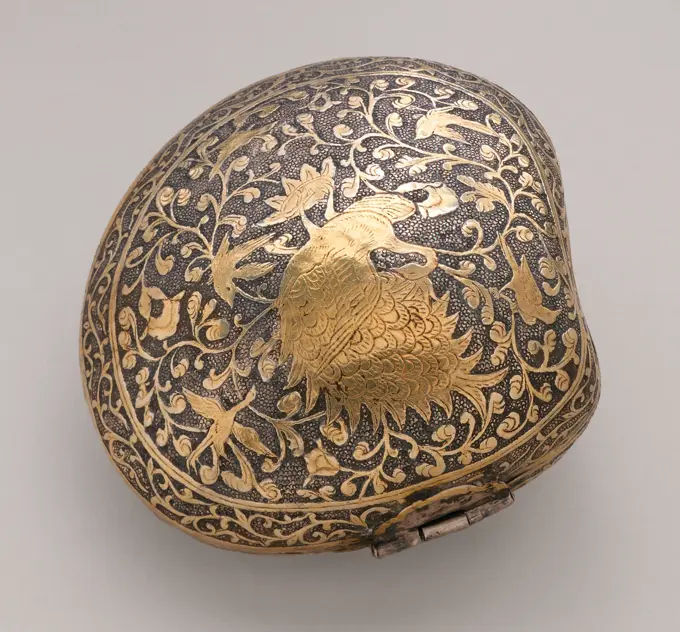
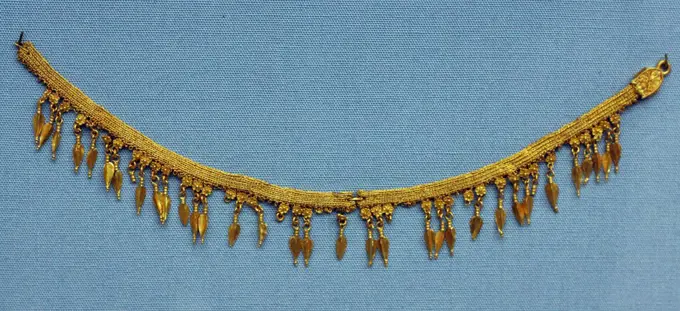
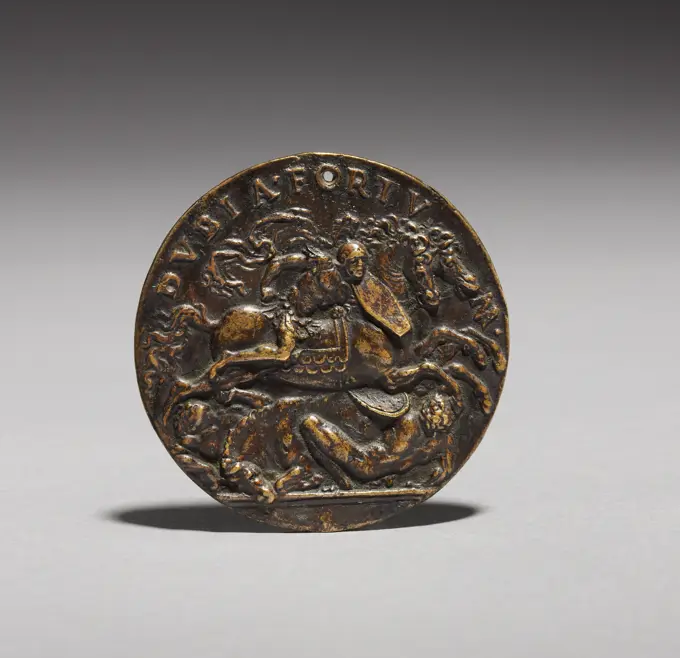
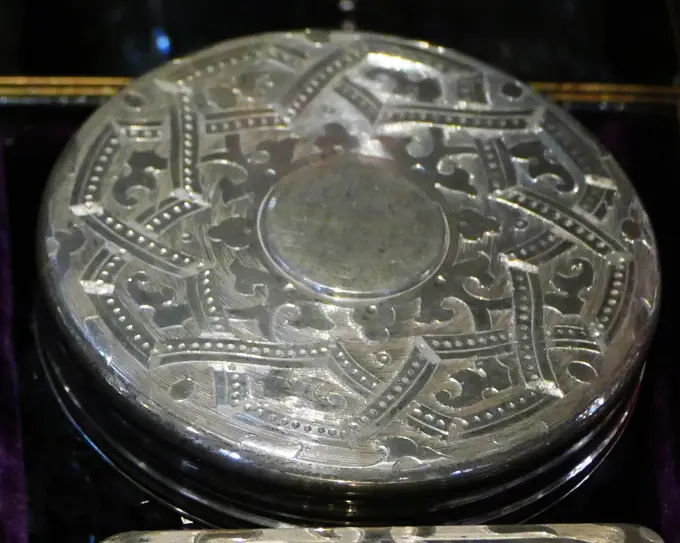
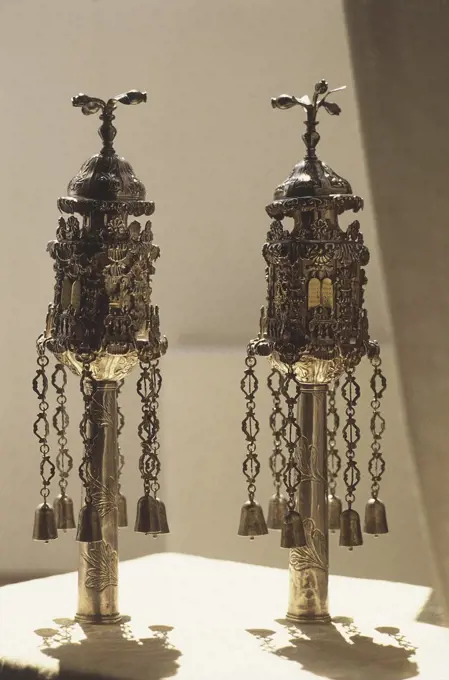
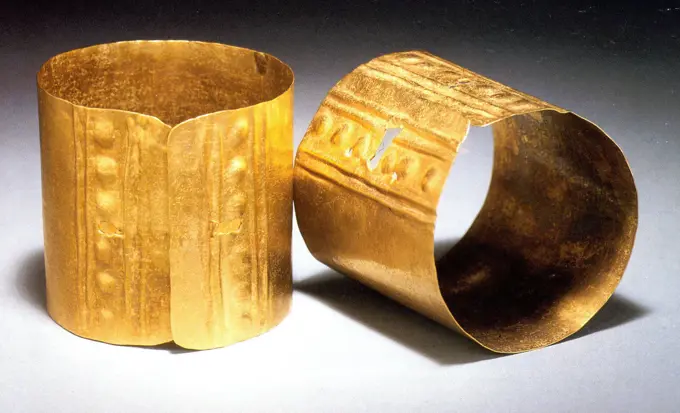
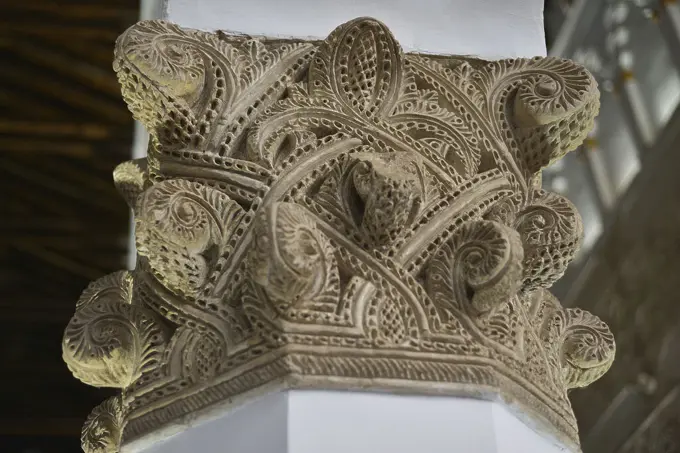
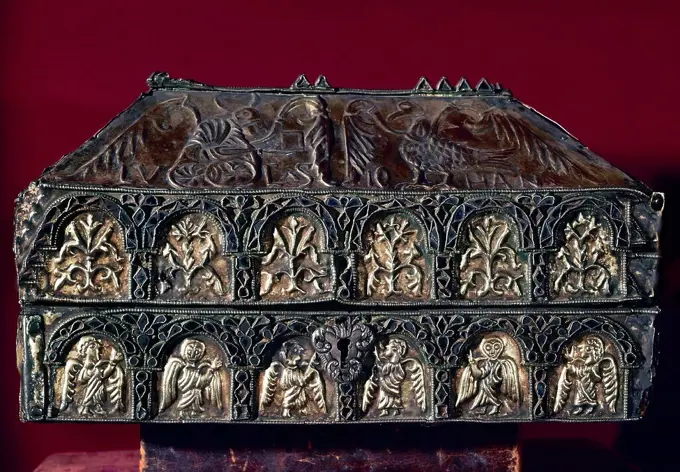
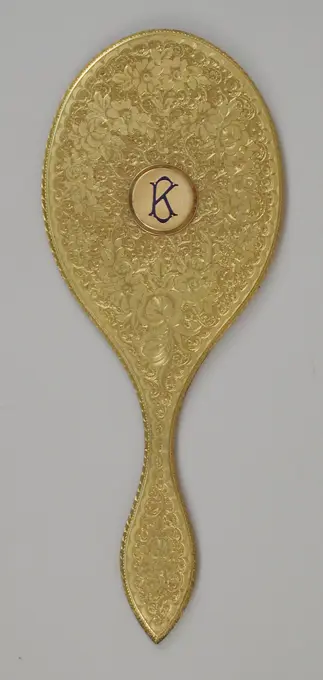
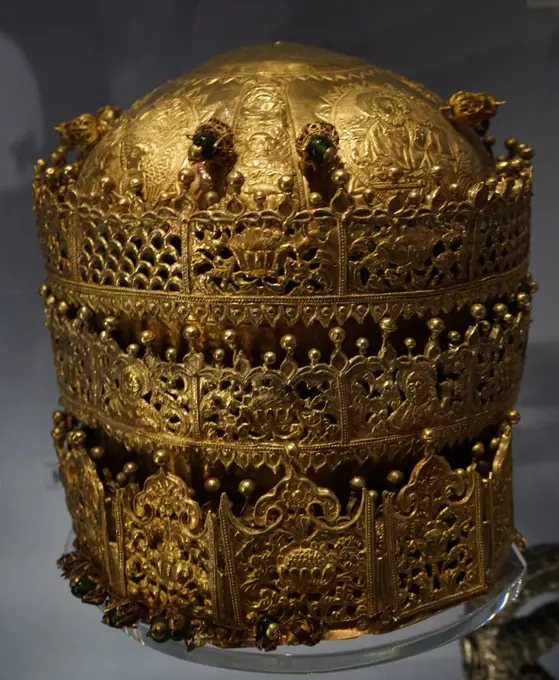
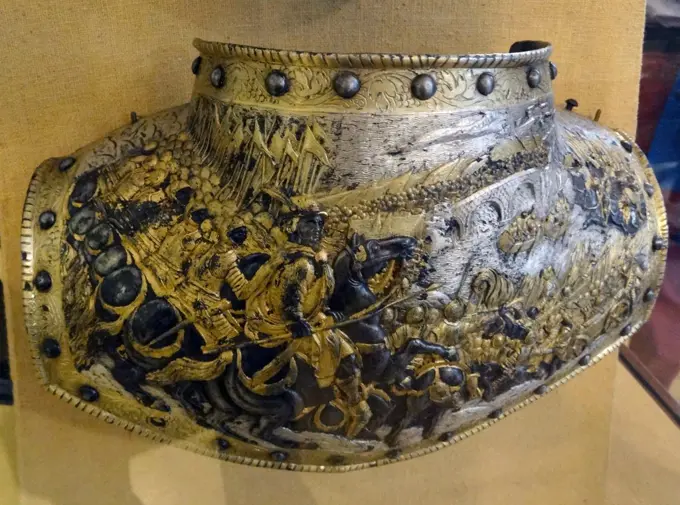
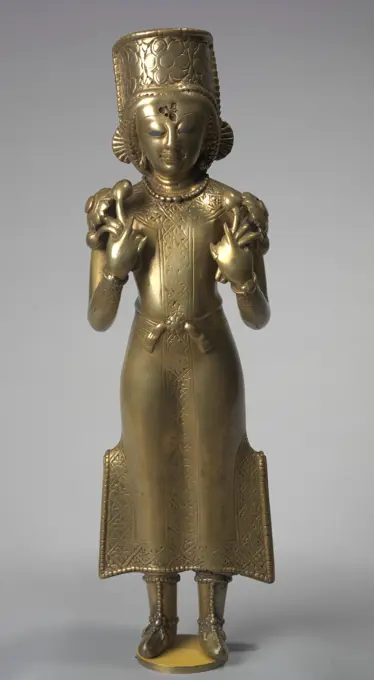
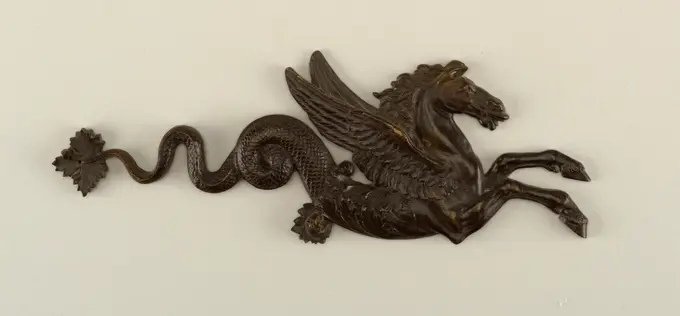
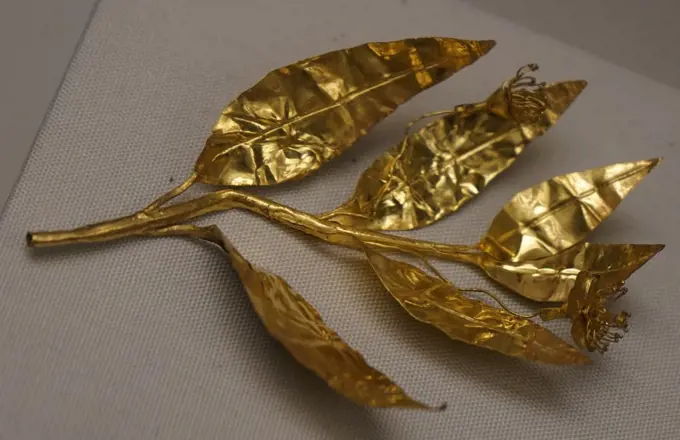
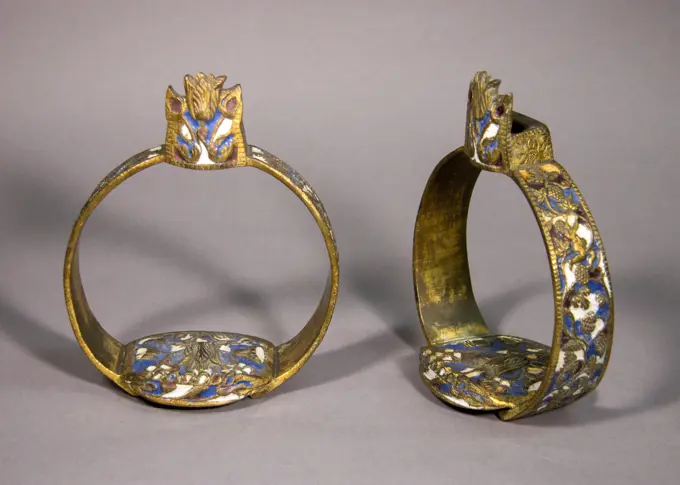
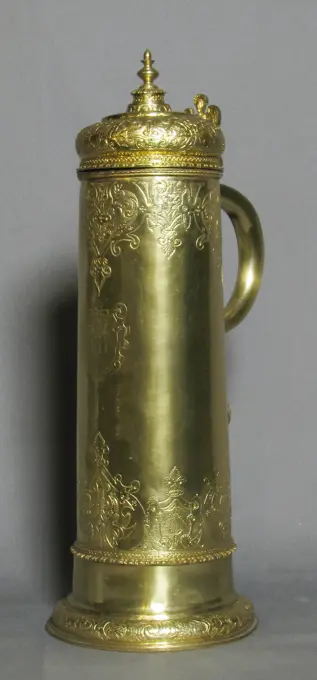
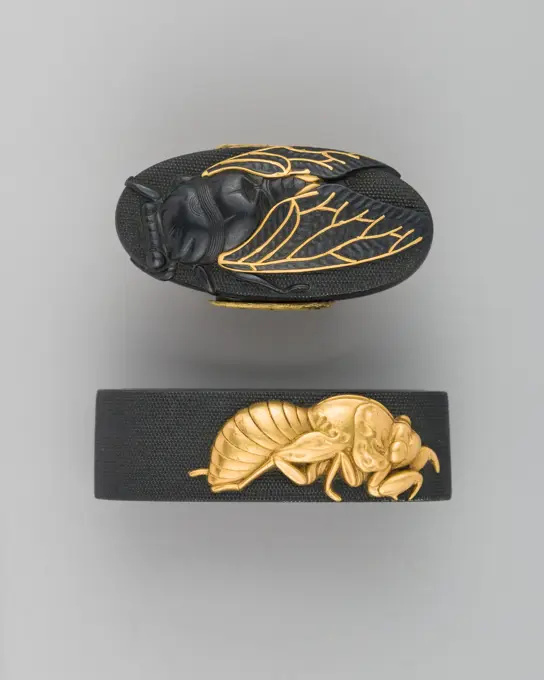
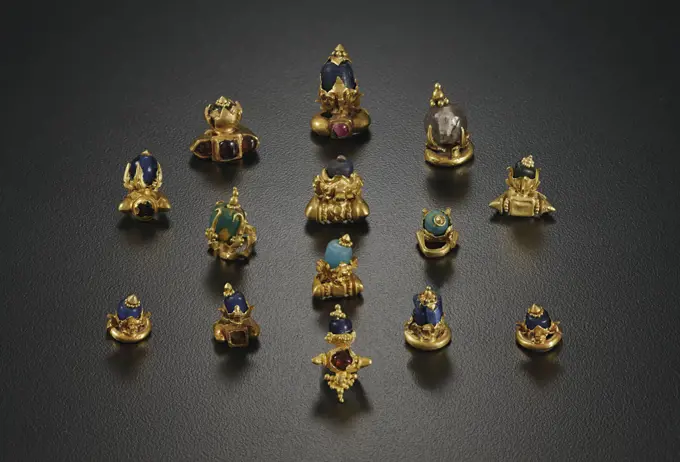
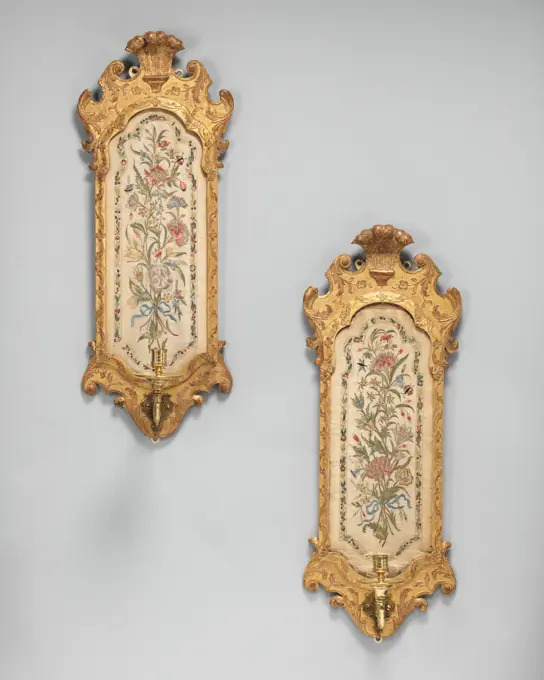
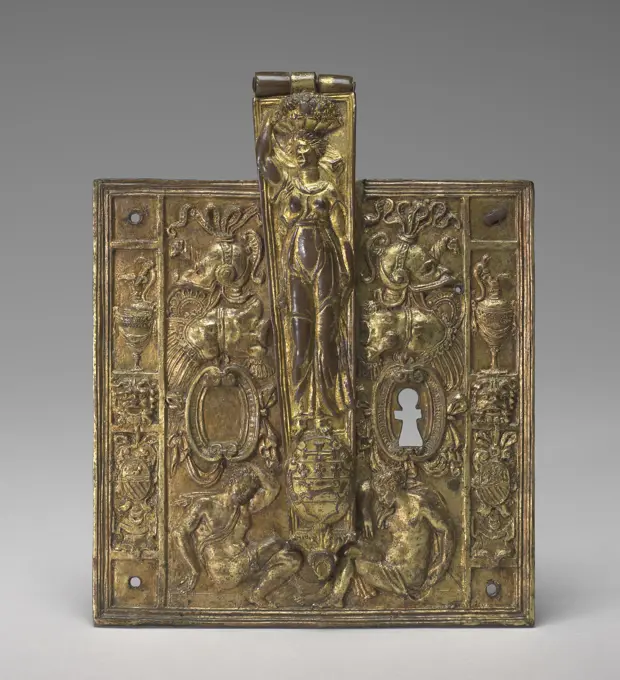
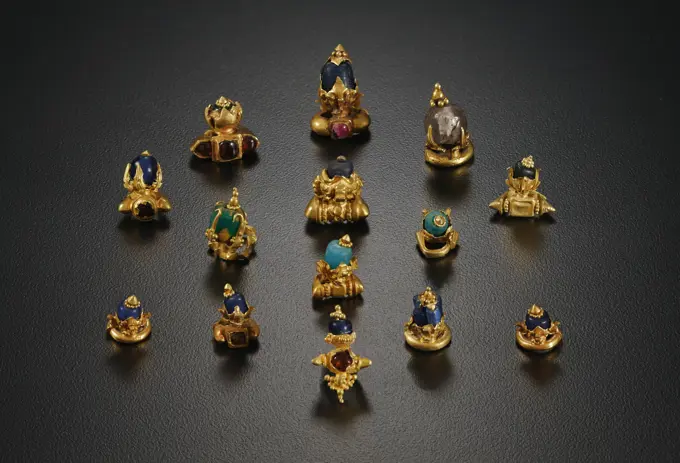
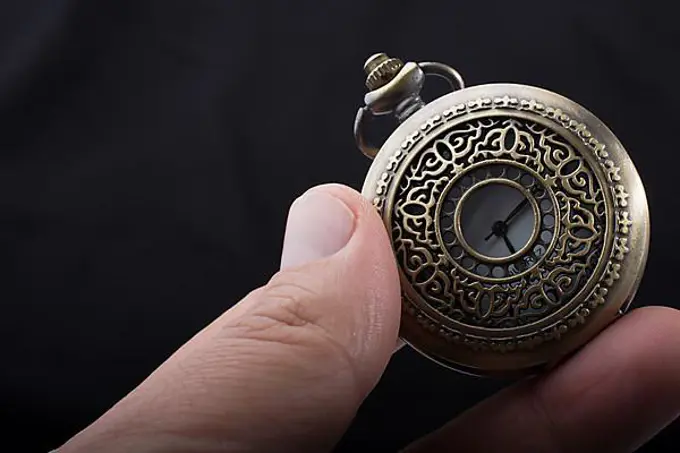
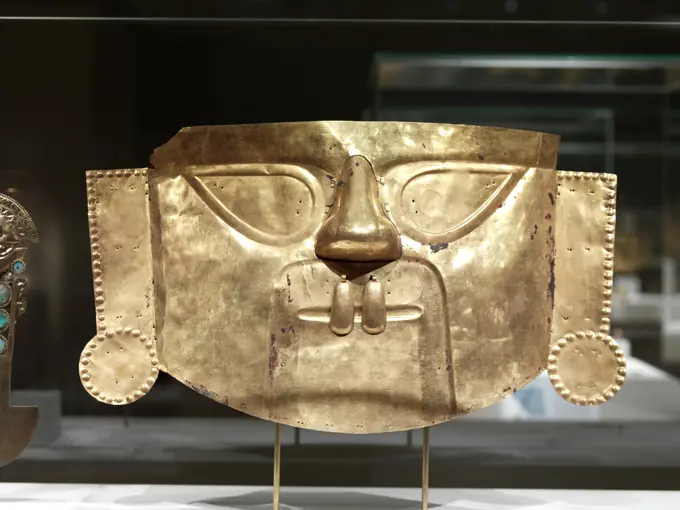
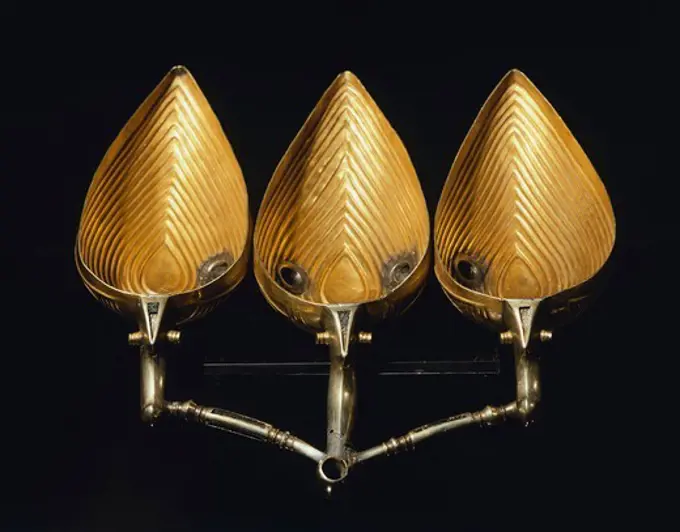
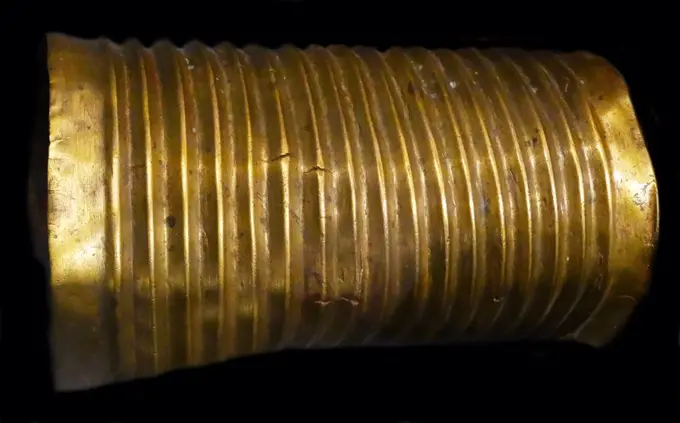
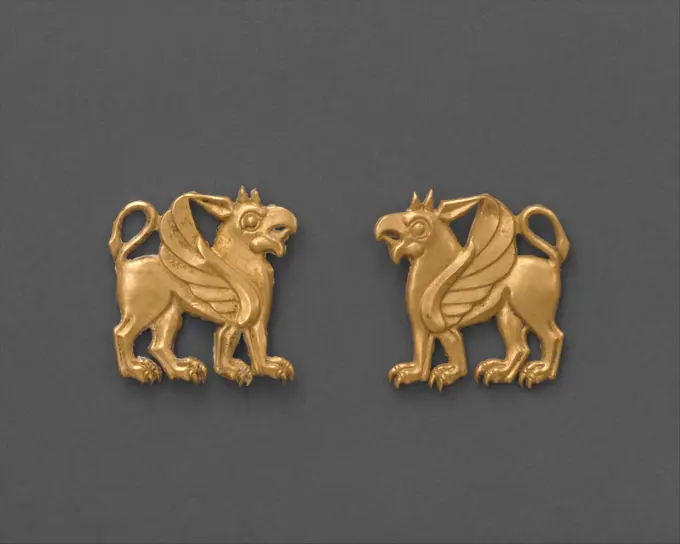
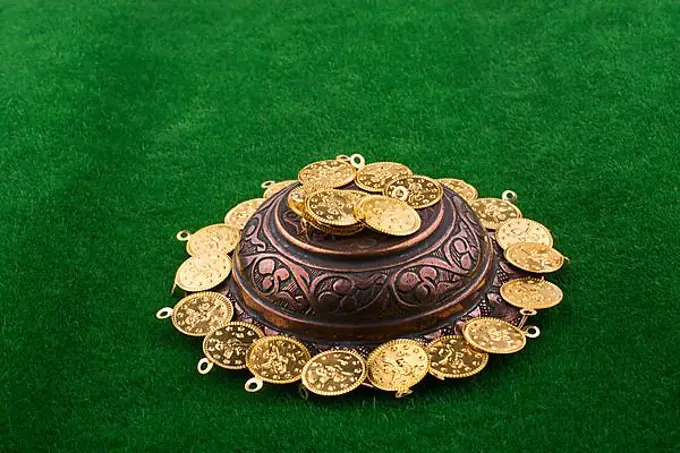
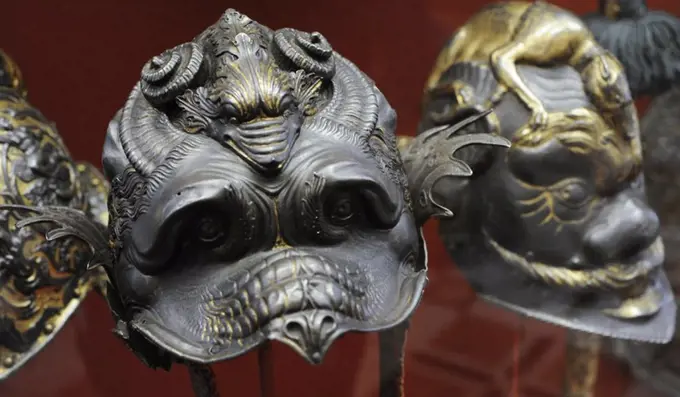
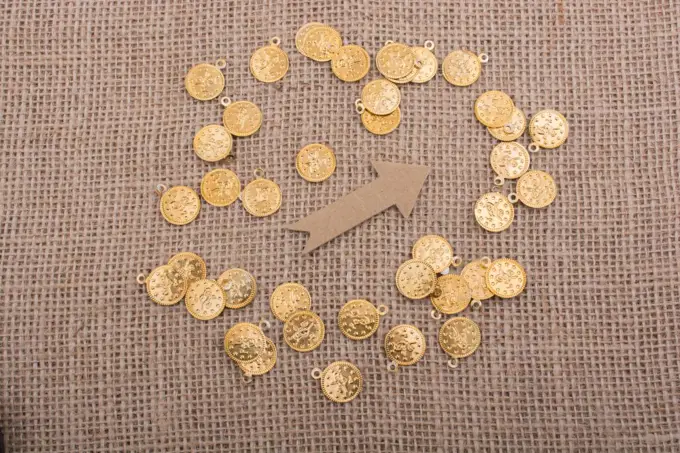
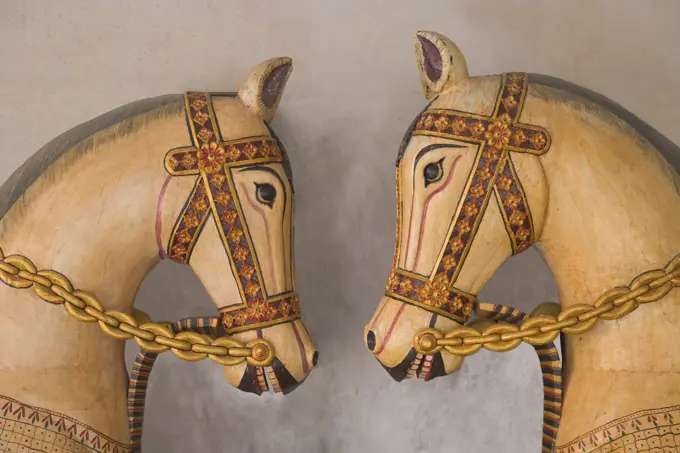
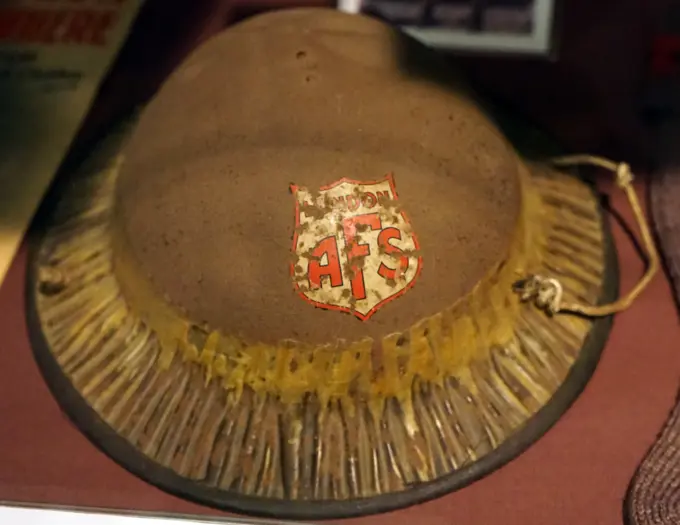
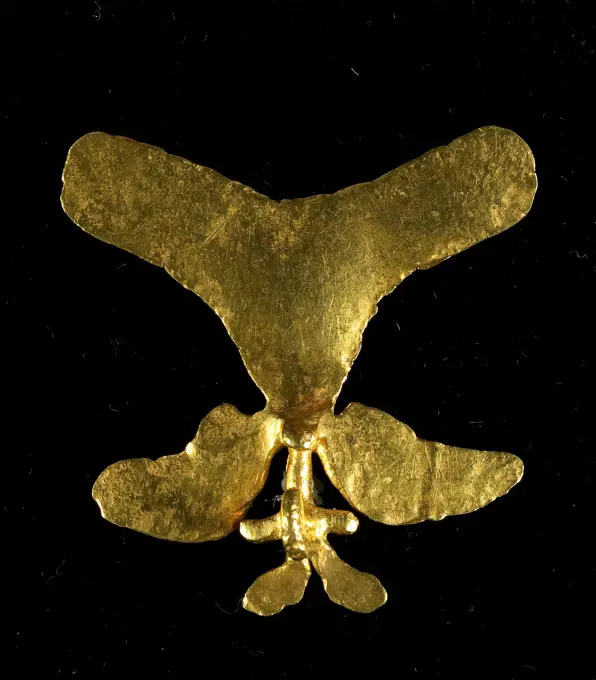
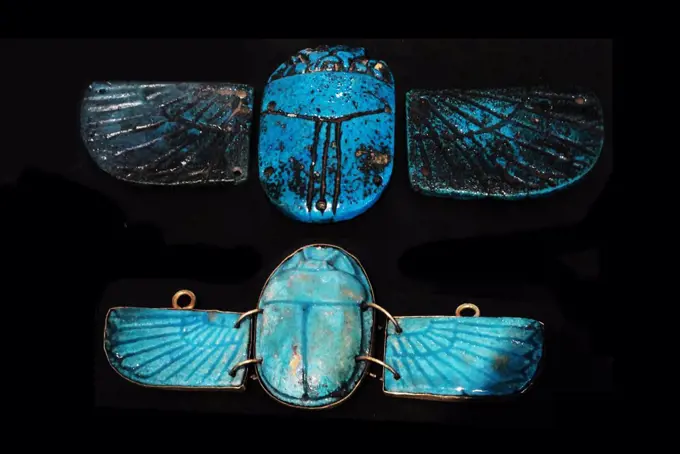
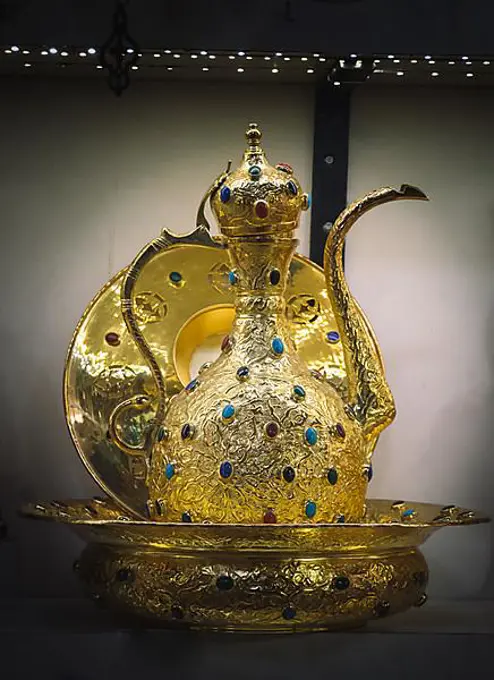
Ancient metal jug in oriental style in antique marketCosmetic or Medicine Box in the Form of a Clamshell with Phoenix (Fenghuang). China, Middle Tang dynasty, about 700-800. Furnishings; Accessories. Hammered silver with chased and partially gilded decorationGold necklace. This fragmentary necklace with beech-nut pendants is similar to the gilded example on the black-glazed krater displayed about. This type of necklace was popular in northern Greece, the Black sea region's and Asia Minor. Made about 330-300 BCLittle decorative gold color hand mirror on a shelf'Reliquary'. Siam (now Thailand), 18th - early 19th century. Dimensions: h. 35,5 cm. Museum: State Hermitage, St. Petersburg.Dubia Fortuna , c. 1505. Moderno (Italian, 1467-1528), and Workshop. Bronze; overall: 5.3 cm (2 1/16 in.).Spice box late 18th century British. Spice box. British. late 18th century. Silver, gilt interior. Metalwork-SilverCompaq mirror from a Ladies Travelling cosmetics case. 1873, Silver. Made by Thomas Johnson, London.Greek Art. Hellenistic. Gold phiale. Libation bowl. 4th-3rd century B.C. Metropolitan Museum of Art. New York. United States.Italy - Emilia-Romagna region - Ferrara - Jewish synagogue. Two rods for 'Torah'Family Crests. Japan, late 19th century. Costumes; Accessories. Ivory with staining, sumi; ryūsa typeGolden Artifact (Female Chieftain) In The Gold Museum In La Candelaria, The Old Town Of Bogota, ColombiaPair of Arm Bands 11th-mid-16th century Costa Rica or Panama. Pair of Arm Bands. Costa Rica or Panama. 11th-mid-16th century. Gold. Costa Rica or Panama. Metal-OrnamentsSpain, Castile-La Mancha, Toledo. Synagogue of Santa Maria la Blanca. In 1180 the Jewish community of Toledo financed the construction of the church in Mudejar style, work that was carried out by Muslim builders. Detail of a capital decorated by geometric and vegetable frameworks; mainly stems, pineapples and volutes.FRONTAL DE LA ARQUETA DE SAN GENADIO - RELICARIO DE ALFONSO III EL MAGNO- AÑO 866-910-TALLER DE GAUZON-PLATA DORADA-30,3 CM LARGO. Location: CATEDRAL DE SANTA MARIA-MUSEO. ASTORGA. LEON. SPAIN.CALICES CETRO CORONAS Y VINAGERAS. Location: MONASTERIO DE STA MARIA DE MONTSERRAT-MUSEO. MONTSERRAT. Barcelona. SPAIN.Hand mirror British, London late 19th century The building of railroads during the first half of the nineteenth century led to a tremendous increase in travel, which stimulated the demand for the sumptuous dressing cases retailed by Frederick Jenner and Fabian James Knewstub and other London firms. This luxury case (61.78.1-.50), with its pivoting compartments, secret storage areas, and myriad fittings "which quite exhaust the requisites for the road or the boudoir," certainly made travel as comfortable as it was cumbersome.Ethiopian Crown ordered by Queen Mentewwab. Dated 18th CenturyButton, Brass, Convex button showing anchor with rope in oval on ridge ground. On reverse 'Superieur France 16M'., Components -a/-d are on card F, France, 19th century, costume & accessories, Decorative Arts, ButtonTombak Gilded Plaque. Dimensions: L. 12 3/4 in. (32.4 cm)W. 11 7/8 in. (30.2 cm). Date: probably 16th century.This plaque is engraved with a symmetrical arabesque pattern against a ring-punched ground and terminates in two trefoils. It was probably one of a set adorning a large door, as can be seen in examples in the Suleymaniye Mosque and the Topkapi Palace in Istanbul. Three of the seven rivets used for attachment remain. Museum: Metropolitan Museum of Art, New York, USA.Silver gilt wine taster from Switzerland. Dated 16th CenturyPierced Silver Bon Bon Dish,  1886Complete Gorget, composed of two plates. The surface decoration is made of embossing in high relief, engraving, gold and silver plating and russeting. The design is representative of the Siege of a Town. French, 1615-1620.Surya, the Sun God, early 700s. India, Kashmir. Brass; overall: 50.4 cm (19 13/16 in.).Detail from the reconstructed Sutton Hoo Helmet, which was part of the Staffordshire Hoard is the largest hoard of Anglo-Saxon gold and silver metalwork. Dated 5th CenturyMount (France); bronzeGold olive leaves from an athlete's crown; Ancient Greek; circa 5th century BCSet of Ten Gourd-Shaped Vessels with Reed Design 18th century Japan. Set of Ten Gourd-Shaped Vessels with Reed Design 62976Pair of Stirrups ca. 1650-75 Stephen Pilcherd These stirrups are rare examples of a distinctive group English enameled brassware made in London in the workshops of Stephen Pilcherd and Anthony Hatch during the second half of the seventeenth century. Formed of sturdy cast brass and decorated with elaborate foliate and figural ornament picked out in a variety of colors, the majority of these wares were made for domestic use, like candlesticks and firedogs, though the rugged materials were equally well suited for equestrian equipment like stirrups and spurs.. Pair of Stirrups. Stephen Pilcherd (British, London, active 1625-d. 1670). British, London. ca. 1650-75. Brass, gold, enamel. London. Equestrian Equipment-StirrupsCDK unknownCosta Rica, San Jose, Gold Museum (Museo Oro), Gold Ornamental FiguresFurniture Mount; gilt bronzeProcessional Cross Detail, 16th century. Museum: MUSEO DE LA CATEDRAL DE URGELL.Turkey, Alaca Hoyuk, Standard representing a donkey symbolizing the God Pirva, bronzeFRENO ENTRERRIANO CON CAPAS Y RIENDAS DE CUERO. Location: MUSEO DE AMERICA-COLECCION. MADRID. SPANIEN.Pair of escutcheons, Brass, France, ca. 1810, metalwork, Decorative Arts, Pair of escutcheonsTABERNACULO DE PLATA REPUJADA. Location: IGLESIA DE SANTA CATALINA. Tacoronte. TENERIFFA. SPAIN.Flagon 19th century, after 17th century original Elkington & Co. British This electrotype is after a seventeenth-century original, at time of reproduction in the Treasury of the Patriarch, Moscow.. Flagon 186587TieredFinialSword-Hilt Collar and Pommel (Fuchigashira). Culture: Japanese. Dimensions: Fuchi (a); H. 1 1/2 in. (3.8 cm); Wt. 0.8 oz. (22.7 g); kashira (b); H. 1 3/8 in. (3.5 cm); Wt. 0.5 oz. (14.2 g). Date: ca. 1615-1868. Museum: Metropolitan Museum of Art, New York, USA.Sword-Hilt Collar and Pommel (Fuchigashira) late 18th century Japanese A fuchigashira is a pair of matching sword fittings comprising the fuchi (collar at the base of the grip of the sword hilt) and kashira (pommel cap at the end of a sword hilt).. Sword-Hilt Collar and Pommel (Fuchigashira). Japanese. late 18th century. Copper-gold alloy (shakud), gold. Sword Furniture-Fuchi-KashiraBreastplate 1000-1470 North Coast. Gold . ChimúDecorated handles of stag-catchers, one with clock, Vienna c. 1740, National Museum, Munich, Upper Bavaria, Bavaria, Germany, EuropeBlue Bead BirdRing, mid-7th to 10thcentury, Gold with semi-precious stones, 1.41 × 0.915 cm, 1.701 g (9/16 × 3/8 in., 1.701g), Made in Java, Indonesia, Java, Early Classic Period(700-1000), JewelryCASCO DE CARLOS V REPRESENTANDO UNA BATALLA. Location: PALACIO REAL-REAL ARMERIA DE MADRID. MADRID. SPAIN.Banner of the Fifth Infanterie department, Jan Willem Pieneman, 1846 - 1893  Yellow cream-colored bannering cloth fell off with gold frills. At the front a crowned graceful W, including the inscription: 5th Regi ment infantry; Along the silk green branches with orange berries. On the parade side the crowned weapon of the Kingdom, with banderol on which the weapon spell: your Maintiendrai, held by two crowned lions; This whole is surrounded by two bent laurel branches, which are held together at the bottom by a rose bow; Along the silk green branches with orange berries. Originally on a standard of black lacquered wood, on which a gilded bronze wreath of eagle branches, and at the top a horizontal lion with arrow bundle and sword on a ditto block, on which the text: King and Fatherland, surrounded by a snake, on the long sides, And on the short sides and crowned W. Netherlands silk. wood (plant material). bronze (metal).   NetherlandsAfghanistan, Gold artifact from Tillya Tepe find, six tombs of Bactrian nomadsPair of wall sconces ca. 1730 British. Pair of wall sconces. British. ca. 1730. Gilt gesso on pine, gilt bronze and silk embroidery. Woodwork-FurnitureStone-paste stand from Syria. Dated 12th CenturyItalian 16th Century, Lock Face Plate, 16th century Lock Face Platebishop's staff, bronze stick, Amsterdam, Netherlands.Notold statue at Daulatabad Fort, maharashtra, india Copyright: xAngeloxD Silva/DinodiaxPhotoxBlue Bead BirdRingFunerary goods found at a gravesite in Peru, South America. Dated 10th CenturyEngland, Wales, Corris. Celtic glasswareRetro style pocket watch in hand on black backgroundWood and ivory gilded box used for scribes tools; found in the tomb of King Tutankhamen of EgyptBullet coins from Ayutthaya period, ThailandLabret Cap. Culture: Tairona. Dimensions: H. 1 in. (2.5 cm). Date: 10th-16th century. Museum: Metropolitan Museum of Art, New York, USA.Funerary Mask 9th-11th century Lambayeque (Sicán) This large mask depicting a face with large upturned eyes, prominent nose, thin mouth, and ornaments below the nose and on the ears, once formed part of the funerary regalia of a deceased ruler on Perus north coast. Masks made of hammered sheet metal have been found in tombs of both men and women in the Lambayeque region, near the modern city of Chiclayo. Such masks are lacking perforations or openings that would have allowed mortals to see or breathe, and were most likely used exclusively to cover the faces of deceased individuals of high status. In one tomb from Batán Grande, a major center of the Lambayeque culture (also known as Sicán), one mask was found over the face of a mummy, and four others were placed at the foot of the deceased. Although such masks may have only been worn by the dead, danglers attached to the mask would have conveyed a sense of movement, perhaps life, as the mummy bundle was processed to its final resting pComposite container in gold and electrum with three connected trays, from the treasure of Valcitran, Pleven Region, Bulgaria. Goldsmith art. Thracian Civilization, 13th-12th Century BC.Cruz Procesional procedente de Tiana, 1414, Nº Inv. 1678. MNADM.Leg cuff decorated with ridges. From Gabon. Made from copper alloy.Italian Schallern (Milan or Venice) decorative helmet, from 1600, Bavarian National Museum, Prinzregentenstrasse 3, Munich, Bavaria, Germany, EuropeEar Ornament in the Shape of a Kinnara Second half of the 8th-second half of the 10th century Indonesia (Java). Ear Ornament in the Shape of a Kinnara 49750Pure gold jewellery, India Copyright: xHarixMahidhar/DinodiaxPhotoxChild hand holding a retro styled golden color decorative keyResearch SpecimensRetro styled color decorativel key made of metalDress ornament ca. 5th century B.C. Scythian When the nomads of the Eurasian steppes entered the region bordering on the ancient Near East, they brought with them a highly mobile lifestyle, including a sophisticated horse-riding military and a tradition of wealth display in the form of gold ornaments for their clothing, equipment, and animal trappings. By the fifth century B.C., when this gold plaque was probably made, the art of the nomads was influenced by arts from nearby settled populations, including the Greeks and the Achaemenid Persians.This ornament, with a small loop on the back meant for attachment to clothing, is from a large group of gold plaques acquired by Western museums, including The Metropolitan Museum of Art, in the first decades of the twentieth century. They are thought to come from the area in the northern part of the Black Sea, reportedly from the site of Maikop in the Northern Caucasus. The plaques from this group include images of stags, floral and geometric deGuarrazar Hoard. Votive cross. Visigothic goldsmithing. Dated between 621 and 672 AD. From Guarrazar (Guadamur, province of Toledo, Spain). National Archaeological Museum. Madrid. Spain.Commemorative bracelet Kicka, Natalia Anna (1801 1888), Patek, Phillipe & Cie.Fake gold coins around an old decorative metal plateAmazigh triple ring, Western High Atlas, Morocco, "Corral del Carbón" , "al-fundaq al-yadida", 14th century, Granada, Andalusia, Spain.BraceletLluís Masriera / Brazalete con camafeo, oro, platino, marfil, esmalte y diamantes, 1904. Colección privada. Author: LLUÍS MASRIERA I ROSÉS.Afghanistan, Horned lion head bracelets, Gold artifacts from Tillya Tepe find, six tombs of Bactrian nomadsCruz Procesional, siglo XIV, Nº 684-735. Museu de Lleida Diocesà i Comarcal.Burgonet helmet. Belonging to the ceremonial armor of Guidobaldo della Rovvera, Duke of Urbino. Steel. Chased and gilded. By Filippo Negroli (1510-1579), Ca.1535, Milan, Italy. Knights' Hall. The State Hermitage Museum. Saint Petersburg. Russia.,.Portugal, Azores, Santa Maria Island, Vila do Porto. Dalberto Pombo Ecological Museum, butterfly collection (Editorial Use Only)Chinese New Year decoration in a home . Kampot. Cambodia. (Kampot, Kampot, Cambodge)Button (France); brassArched EarOrnamentPyrite crystal balancing on a cairn of river rocksMonstrance, 17th century, silver and glass, Evora Museum, Evora, Alentejo, Portugal, Europe.Fake gold coins around arrow shape made of paperButtonglow, silver and mina-nova gems, 17th century, hermitage of Nossa Senhora Da Ajuda, Evora museum, Evora, Alentejo, Portugal, Europe.Terracotta flask with moulded medallions showing Bellerophon killing the Chimaera. Made in Apulia, Italy. Dated 300 BCEarflare Frontal 6th-7th century Moche (Loma Negra). Earflare Frontal 312508Bad Homburg vor der Höhe, Saalburg Roman fort, horse head of Lahnau-Waldgirmes in Taunus, Hesse, GermanyByzantine staurotheque, 6th-11th century, monastery of Sant Pere de Roda, high Emporda, Girona art museum, Girona, Catalonia, Spain.VotiveOfferingPottery horses, Jaipur, Rajasthan, IndiaBelt, Poncho, or Tunic, Fragment Paracas (possibly Ocucaje). , 800 B.C.E.-600 C.E. Camelid fiber, 3 15/16 x 7 1/2 in. (10 x 19.1 cm).   Arts of the Americas 800 B.C.E.-600 C.E.Child's AFS (Auxiliary Fire Service) helmet which was used as part of dressing up game. Dated 20th CenturyVisitor look at a Chinese dragon ornament on display in glass case in the Shaanxi History Museum, Xian, ChinaPendant, 1150-1450, 1 3/4 x 1 5/8 x 3/8 in. (4.45 x 4.13 x 0.95 cm), Gold, Nicaragua or Costa Rica, Pre-ColumbianEgyptian Winged scarabs. Faience, and gold. Late Period (715-332 BC)