Decorative Antique Objects

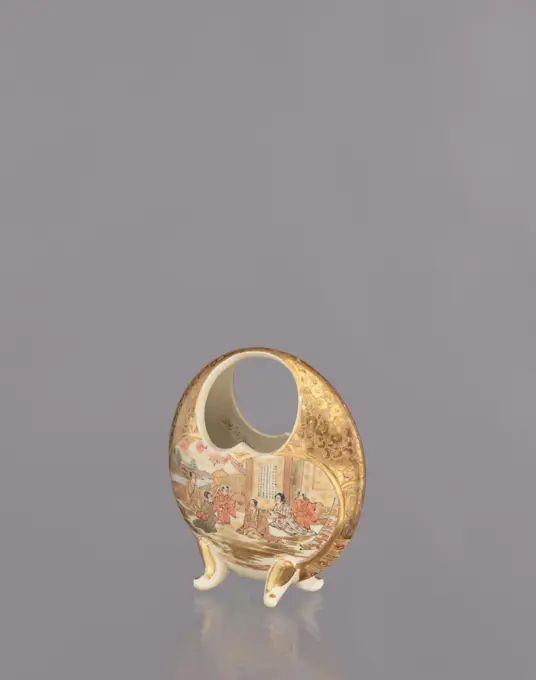
Unique antique items including a basket-shaped vase, ornate keys, and gold jewelry pieces, reflecting rich craftsmanship and historical significance.

Pipe key, c. 1800 - c. 1900 Pipe key whose handle is connected to a hinge on the shaft. The handle is formed by two dolphins winding to each other, holding a button in the mouth and crossing each other with the tails. Grab and hinge of copper, key breast, shaft and iron beard.  iron (metal). copper (metal) Pipe key whose handle is connected to a hinge on the shaft. The handle is formed by two dolphins winding to each other, holding a button in the mouth and crossing each other with the tails. Grab and hinge of copper, key breast, shaft and iron beard.  iron (metal). copper (metal)
Pipe key, c. 1800 - c. 1900 Pipe key whose handle is connected to a hinge on the shaft. The handle is formed by two dolphins winding to each other, holding a button in the mouth and crossing each other with the tails. Grab and hinge of copper, key breast, shaft and iron beard. iron (metal). copper (metal) Pipe key whose handle is connected to a hinge on the shaft. The handle is formed by two dolphins winding to each other, holding a button in the mouth and crossing each other with the tails. Grab and hinge of copper, key breast, shaft and iron beard. iron (metal). copper (metal)
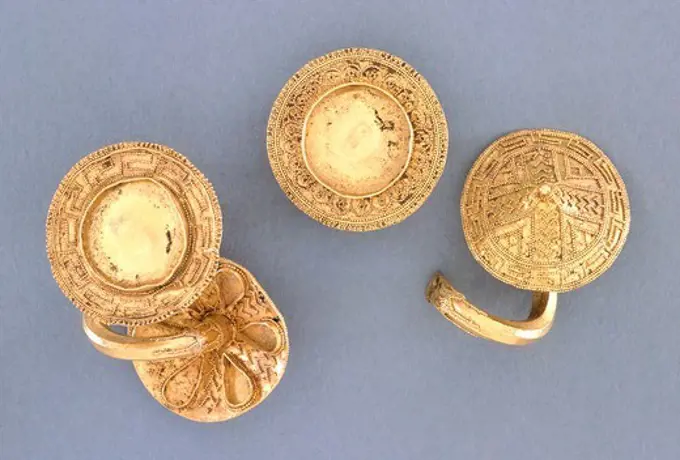
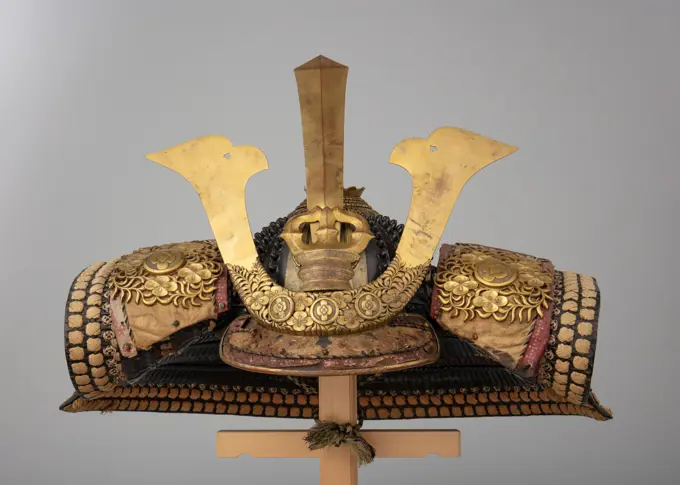
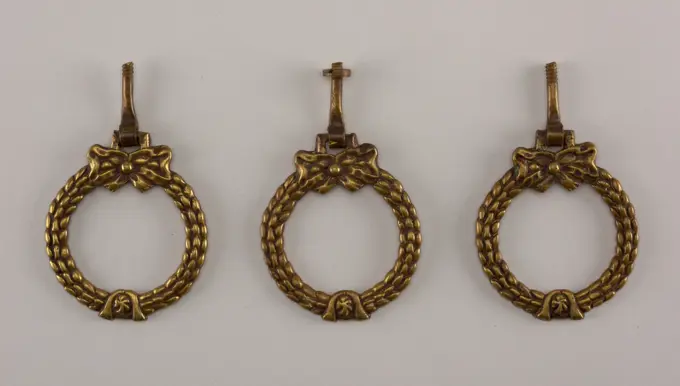
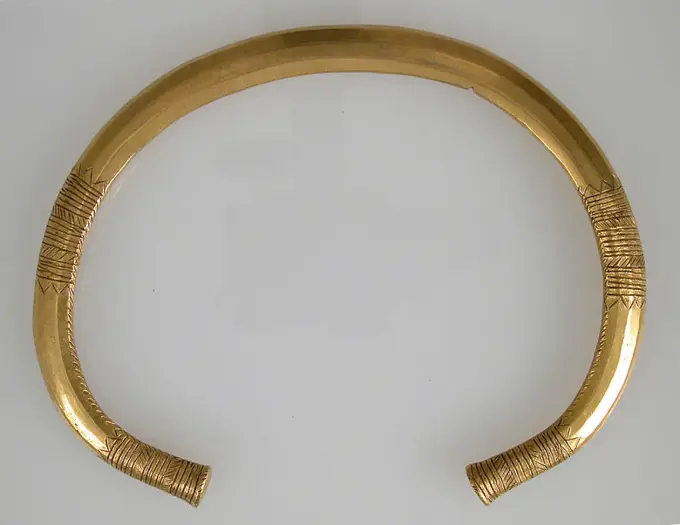
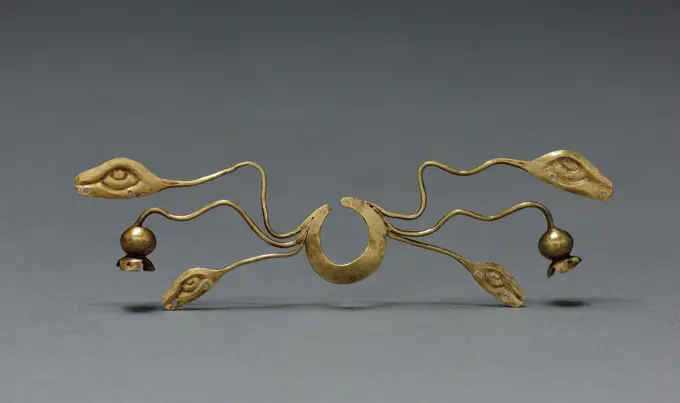
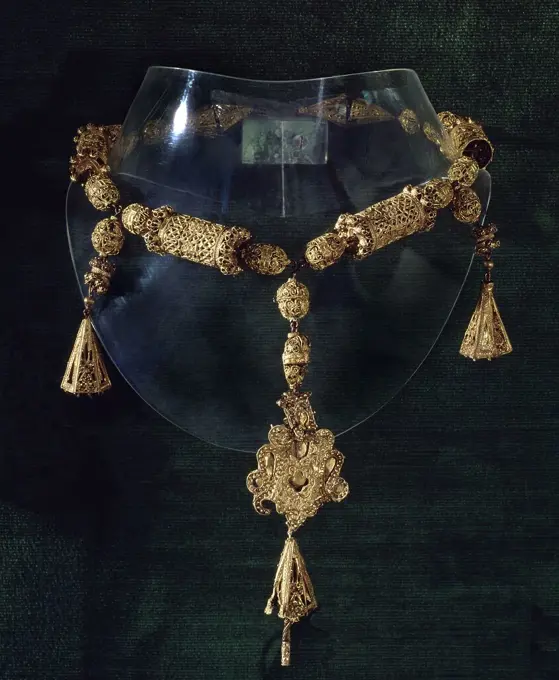
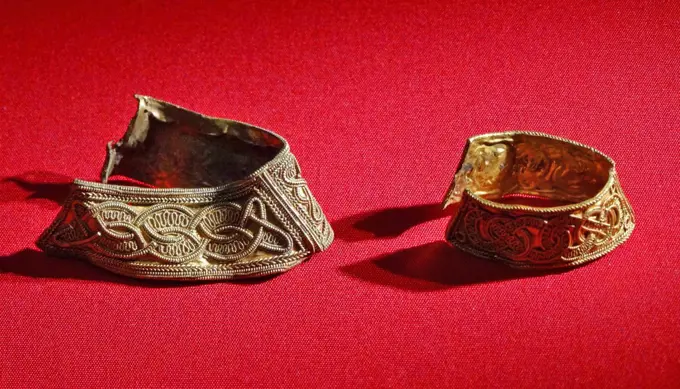
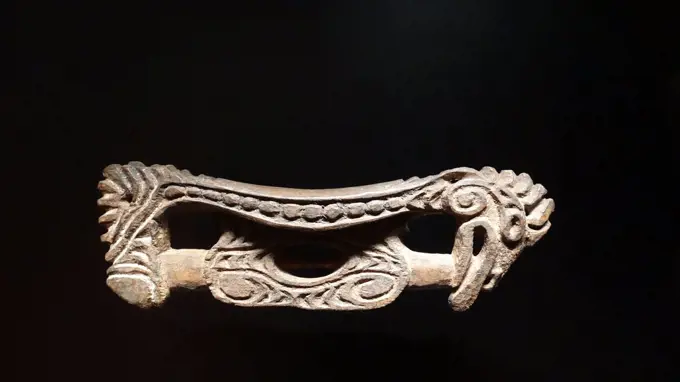
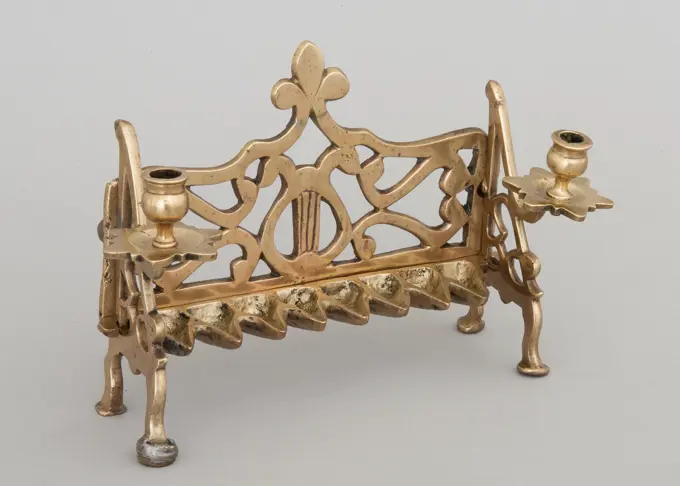
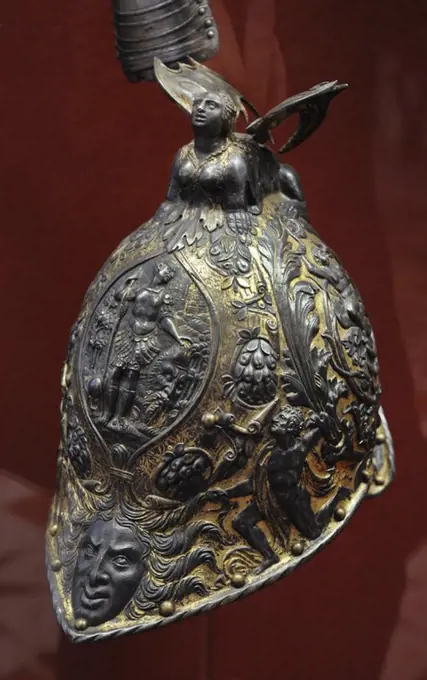
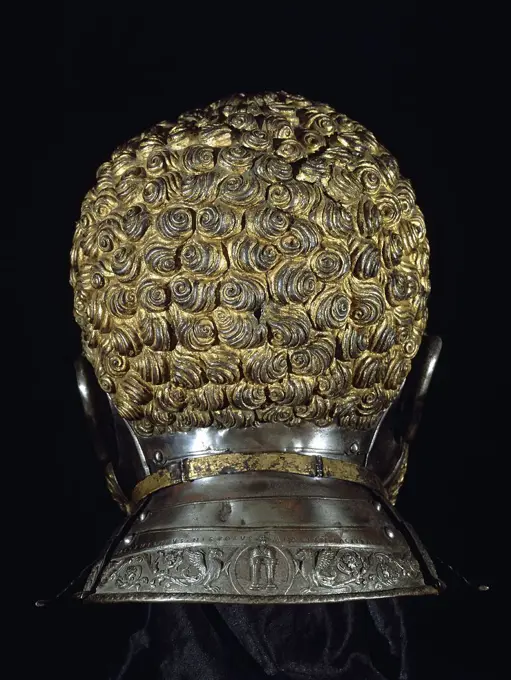
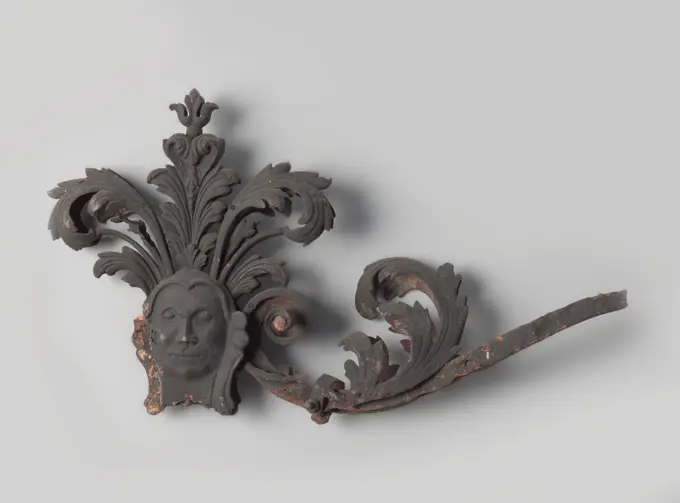
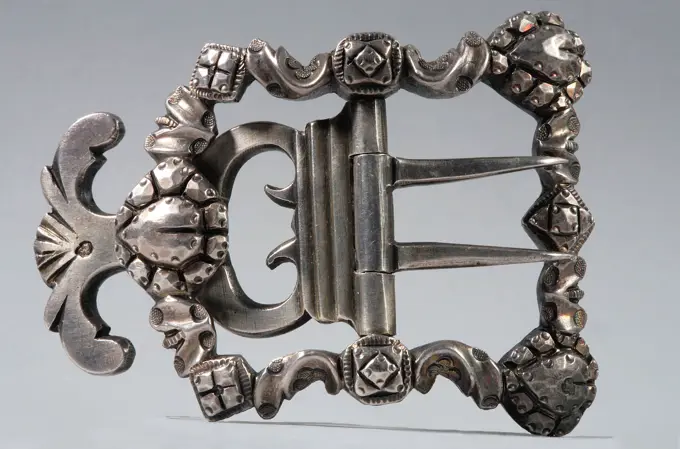
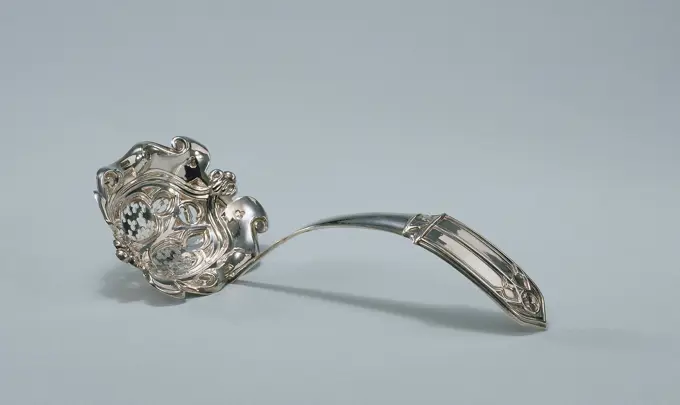
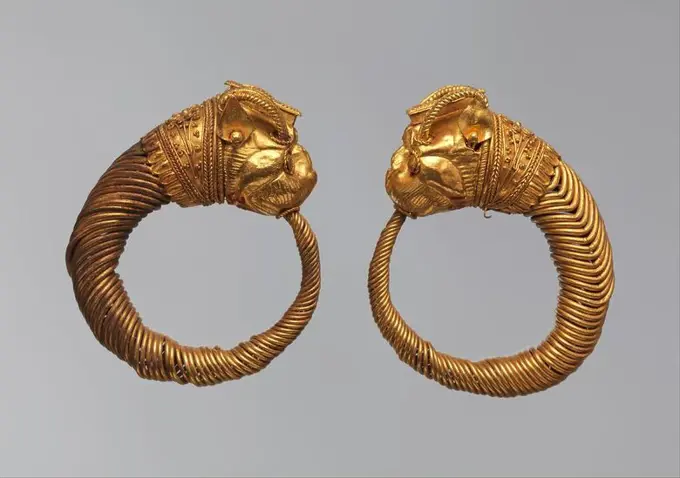
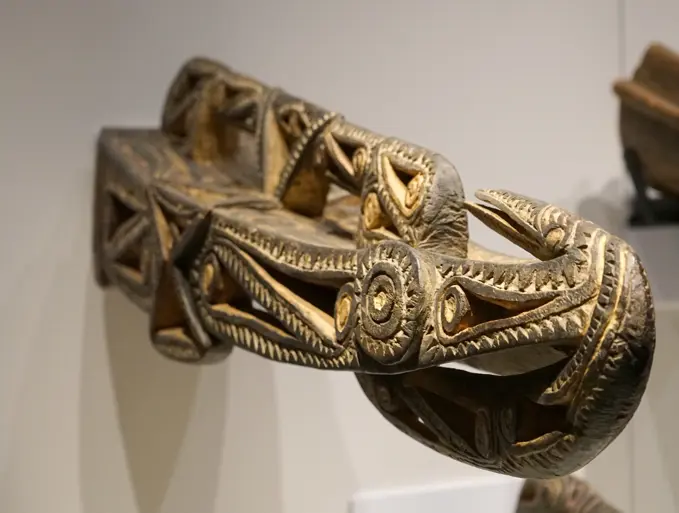
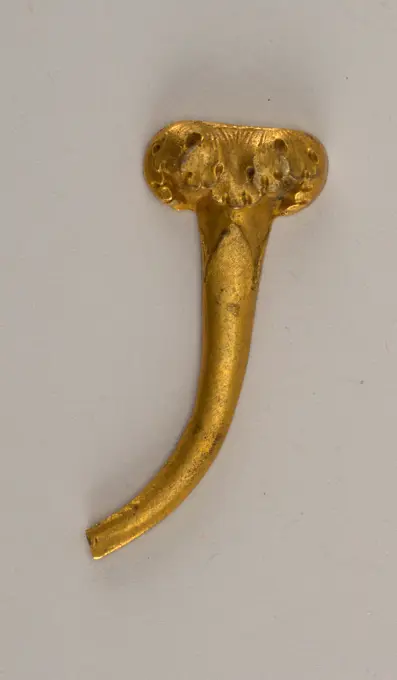
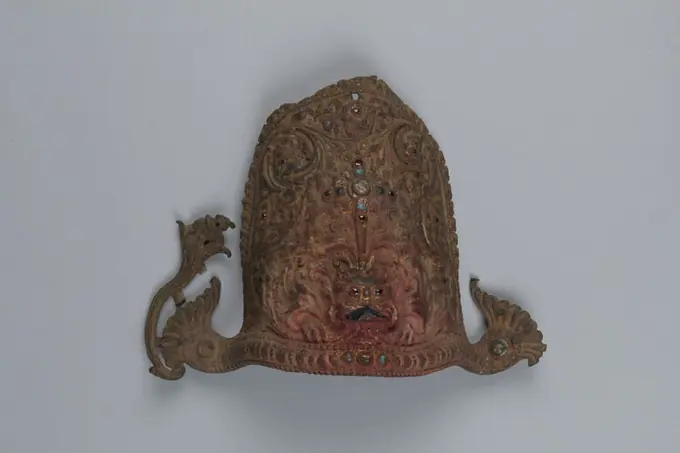
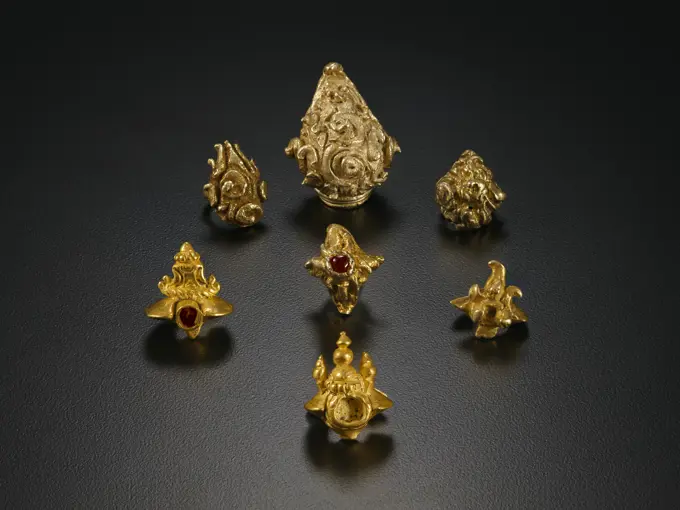
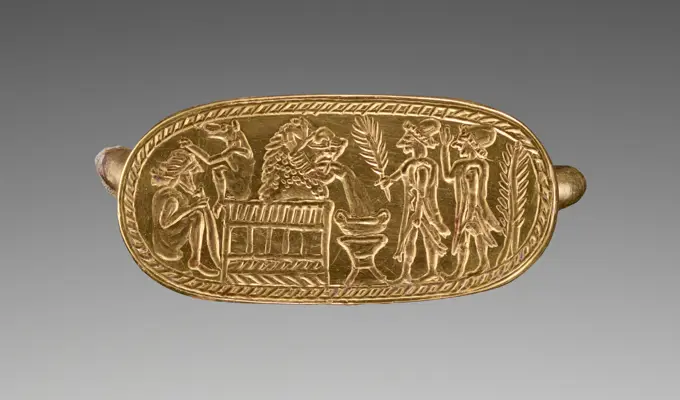
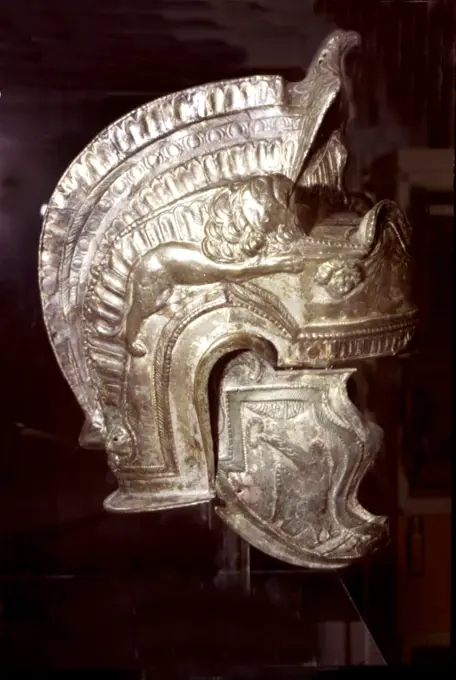
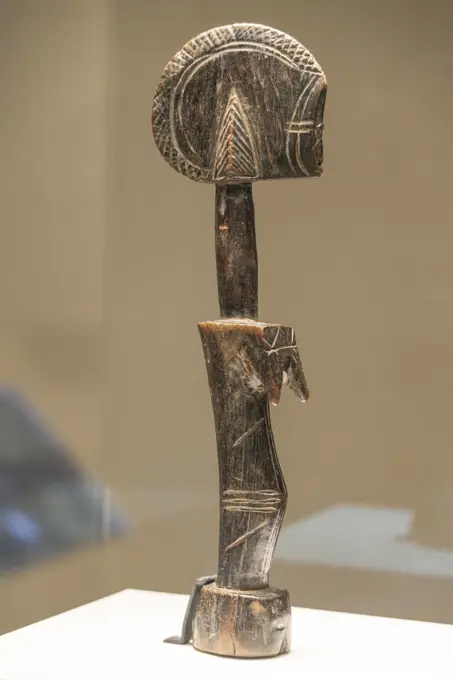
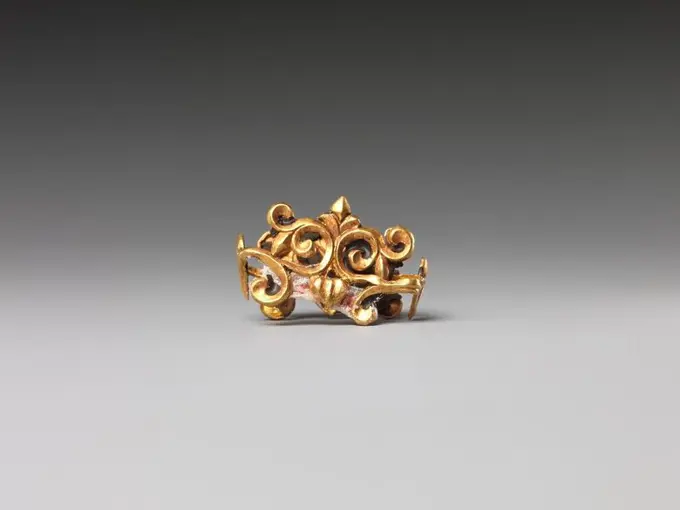
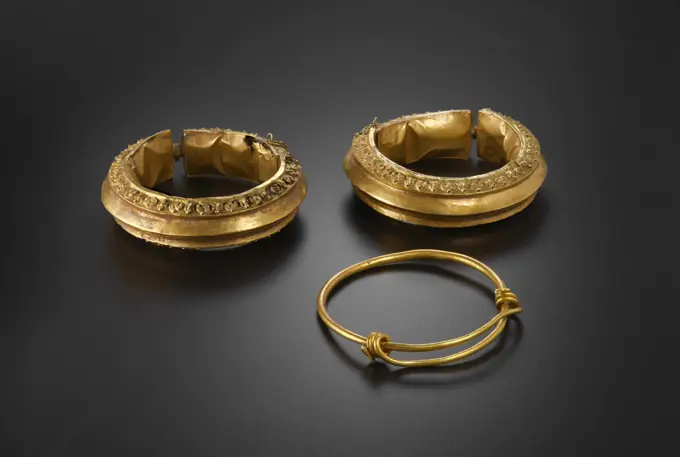
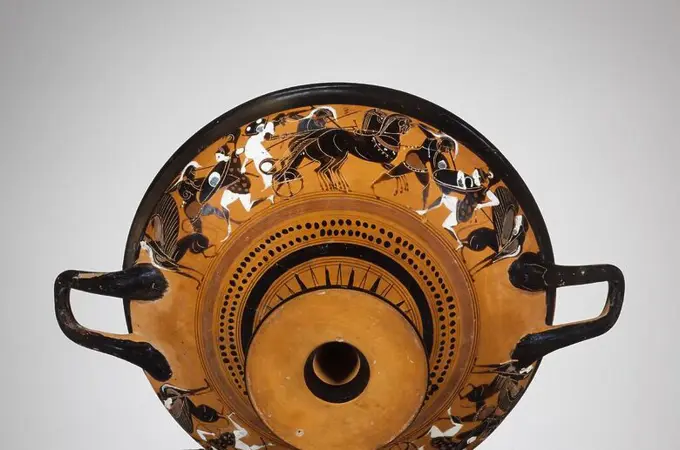
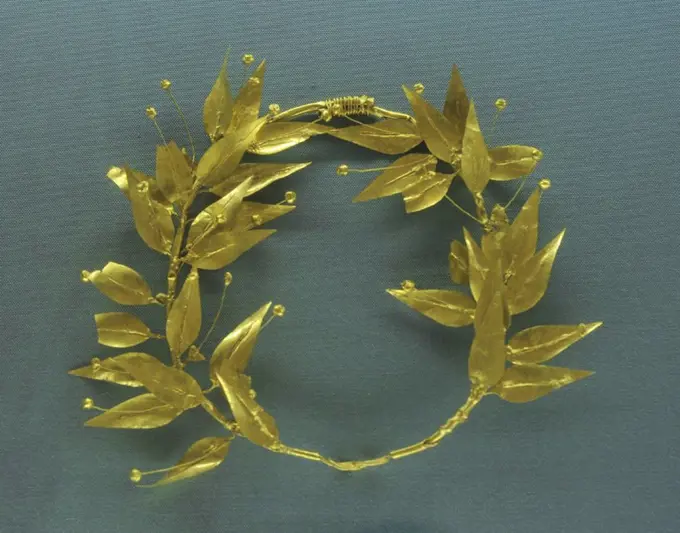
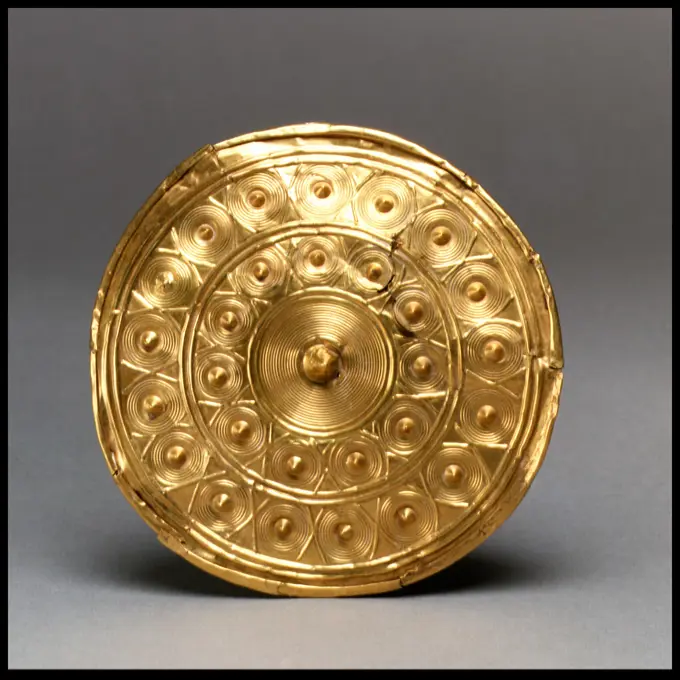
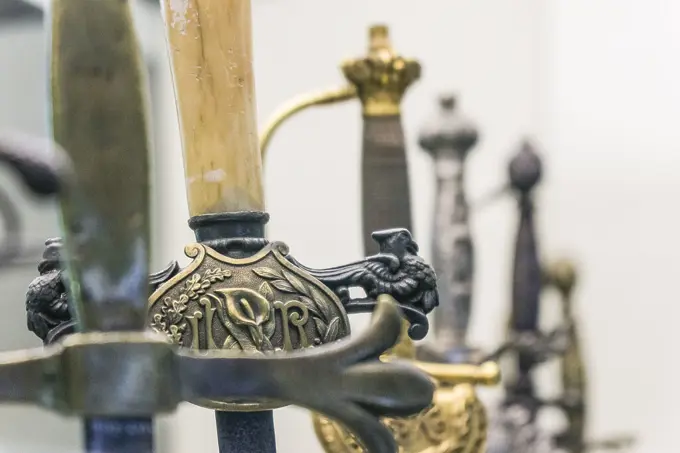
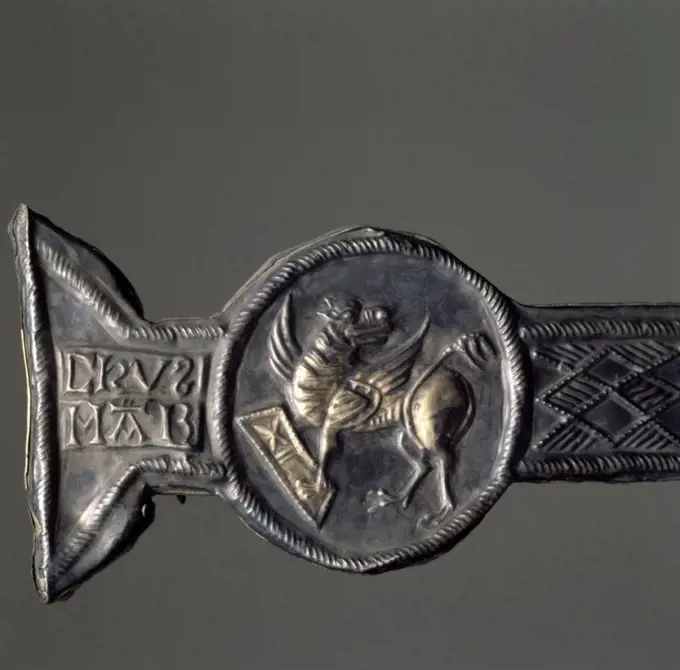
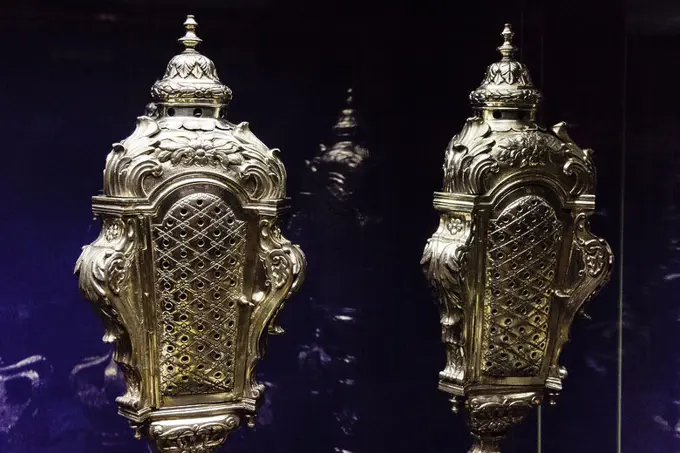
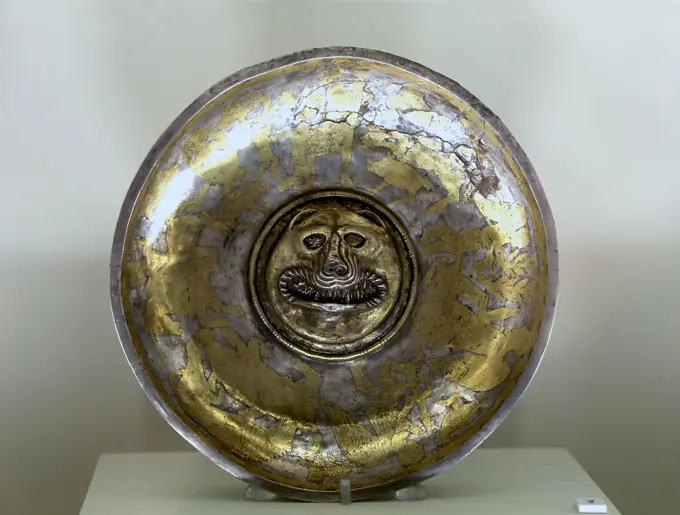
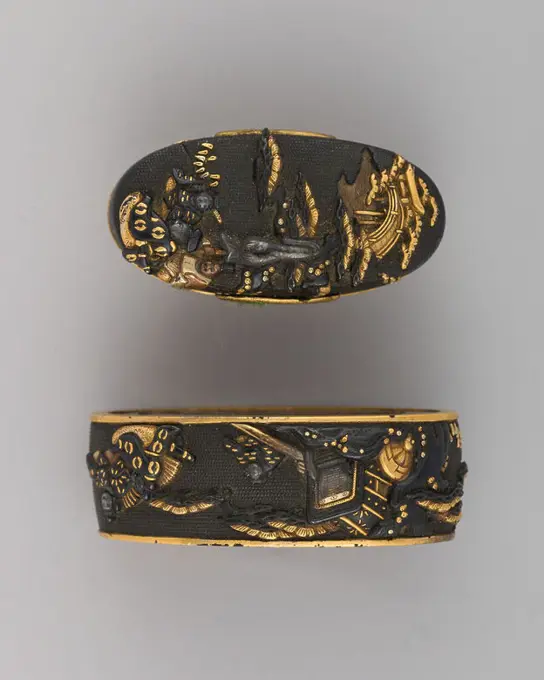
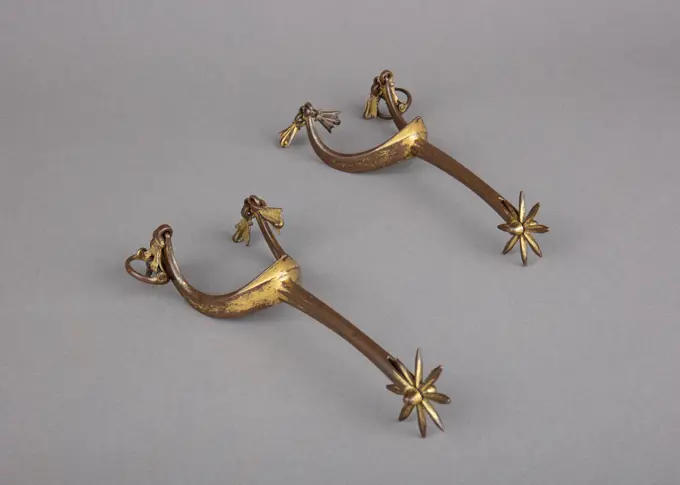
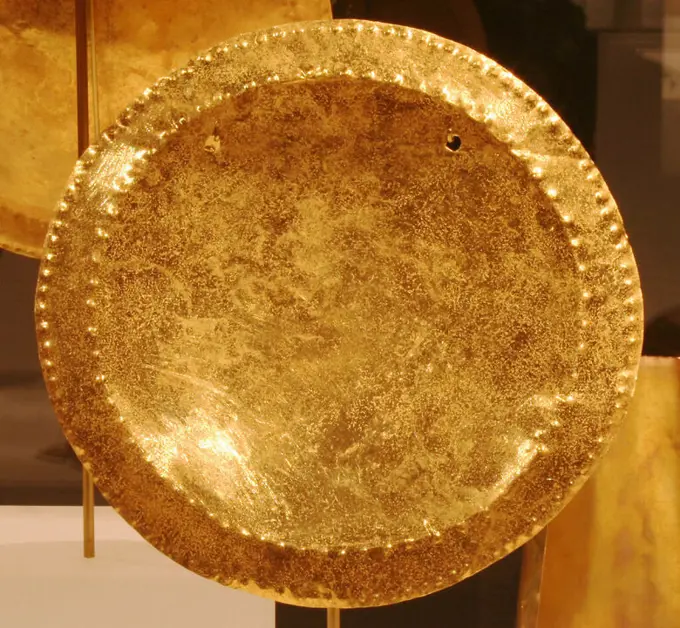
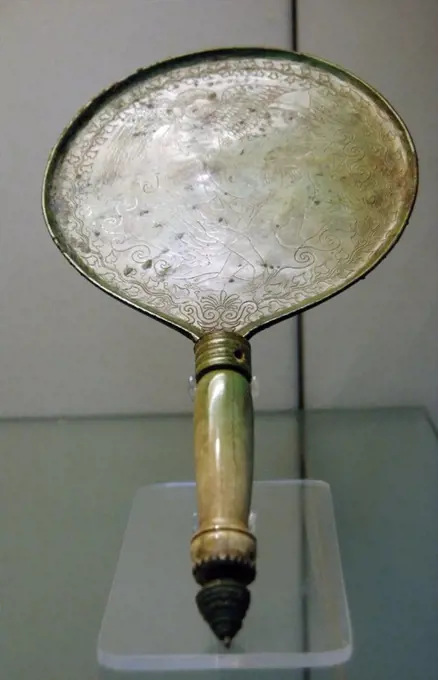
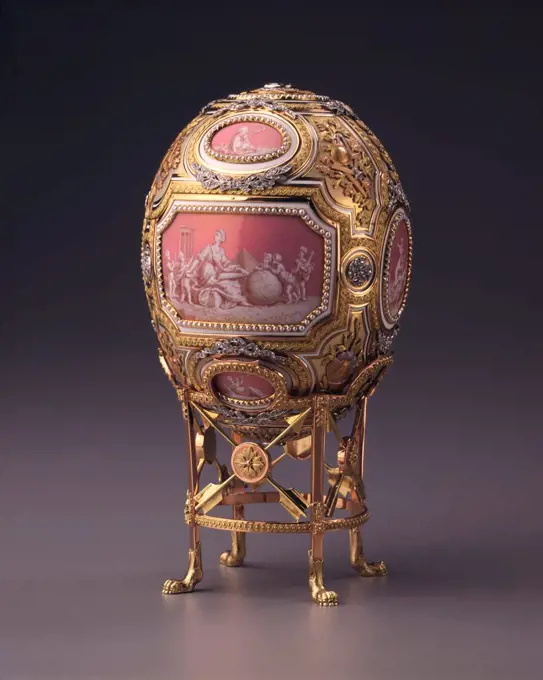
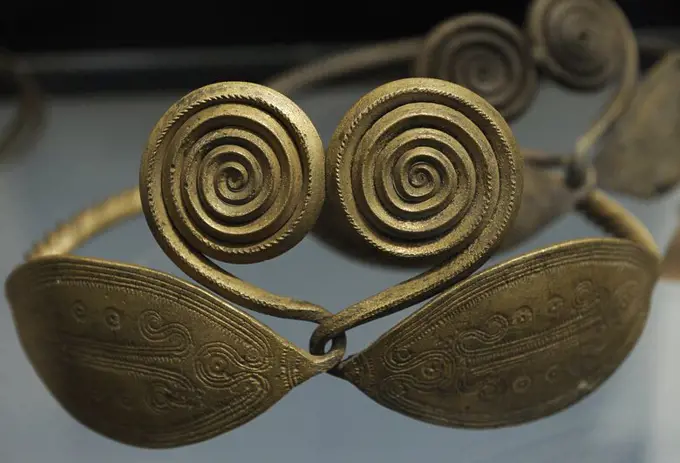
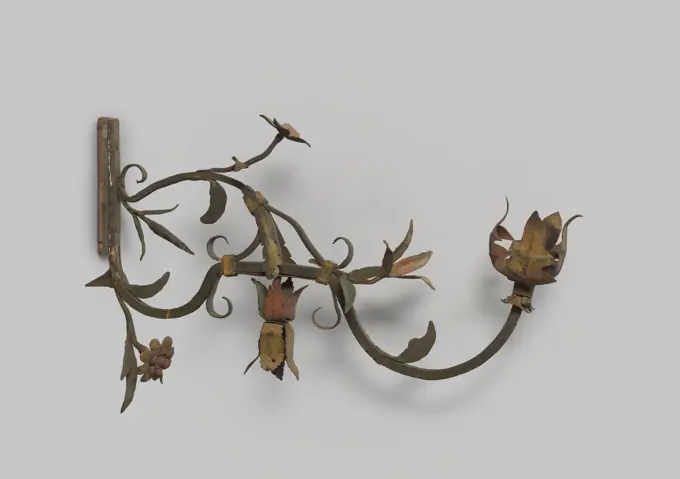
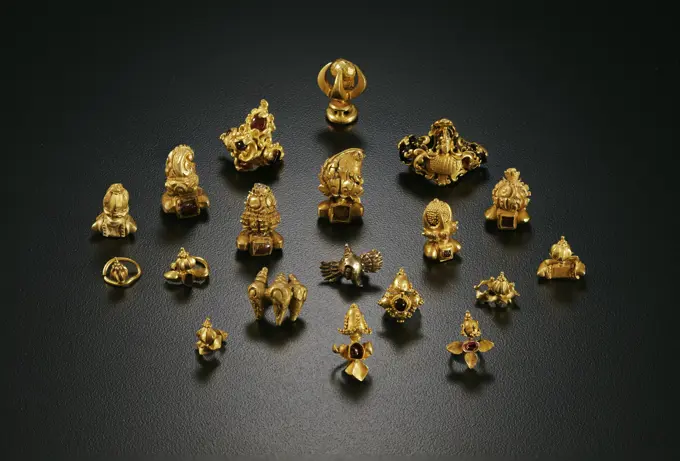
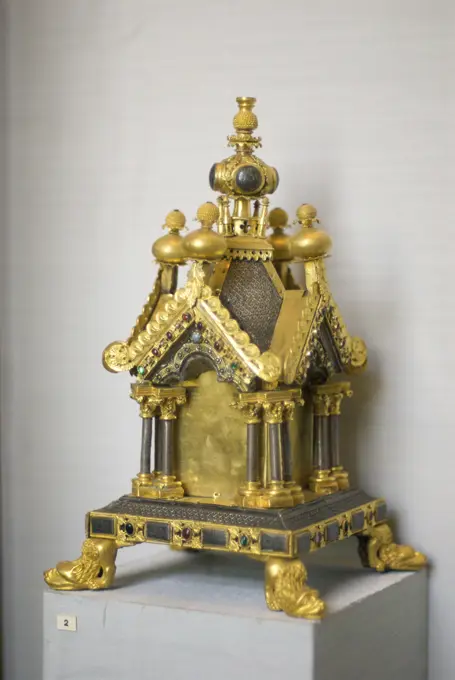
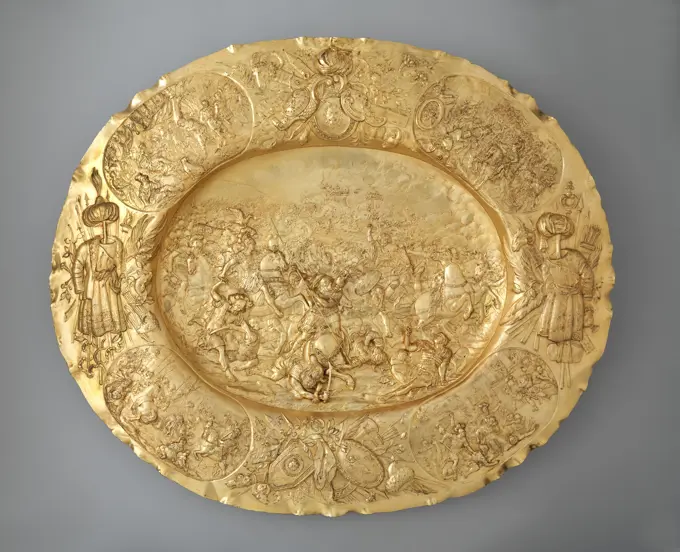
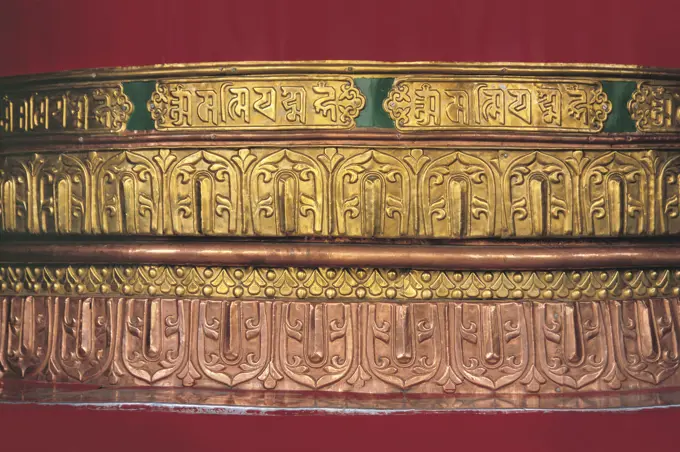
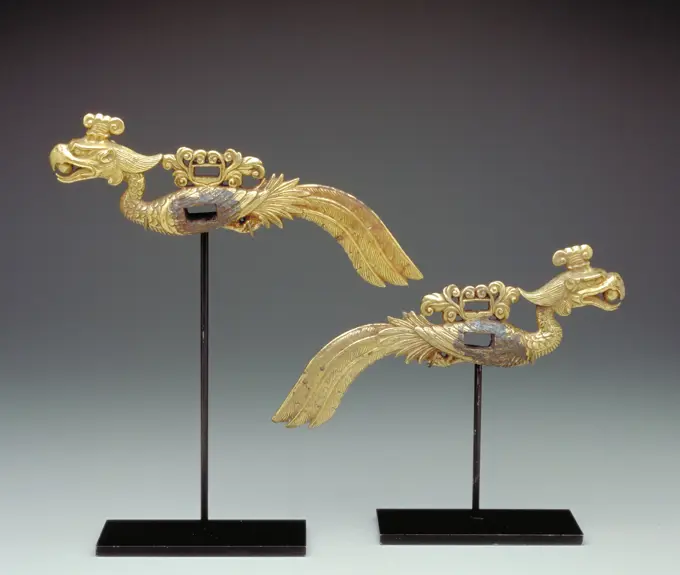
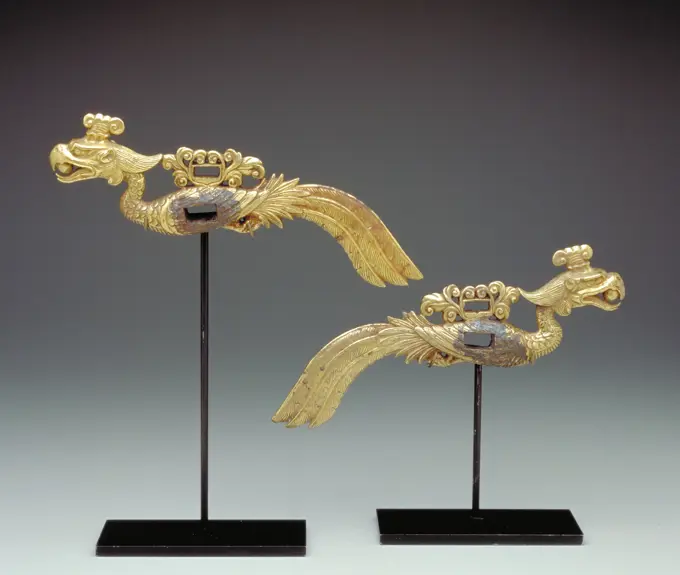
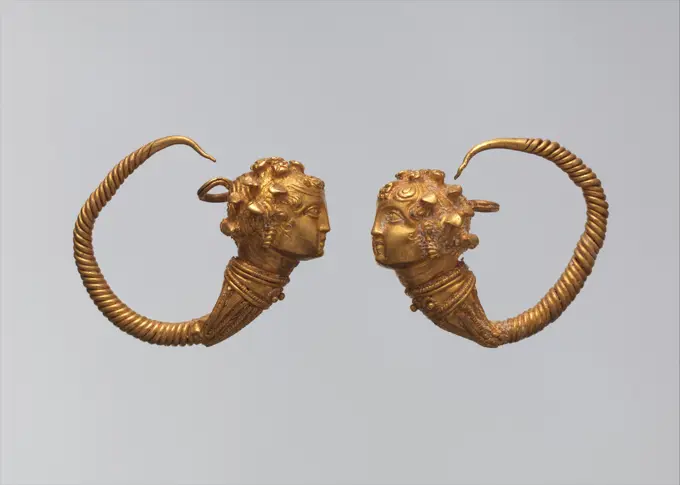
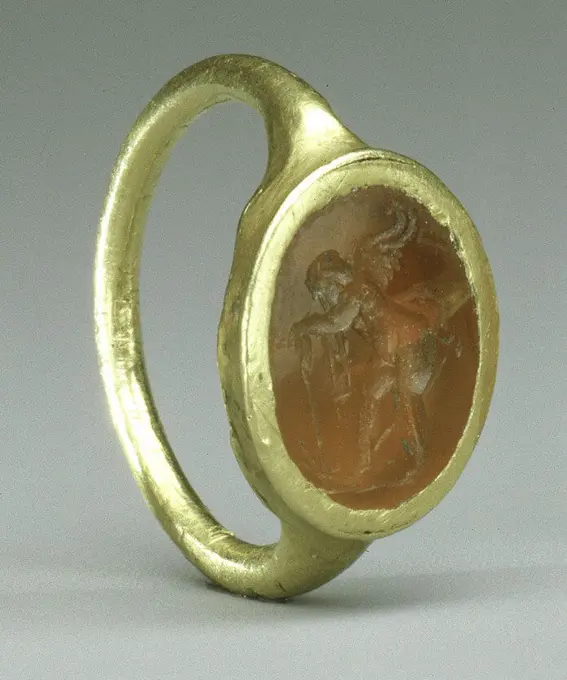
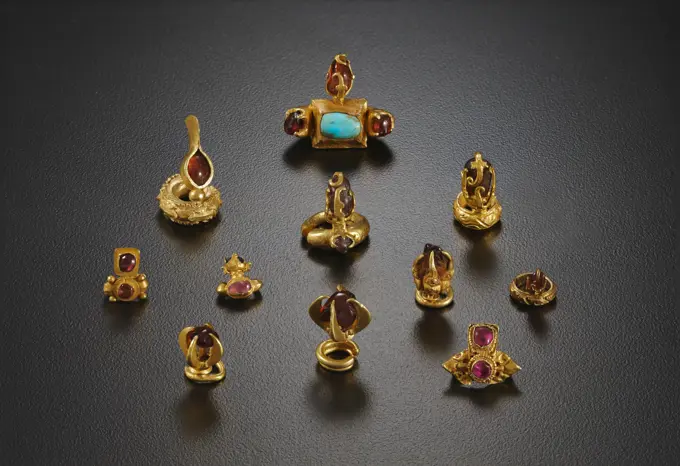
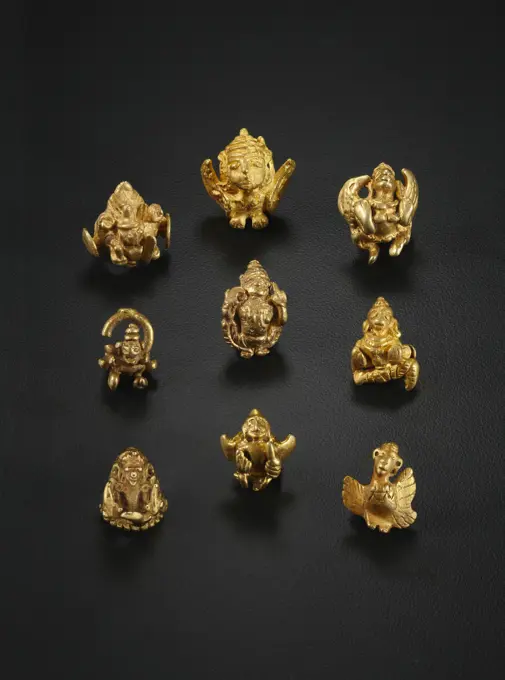
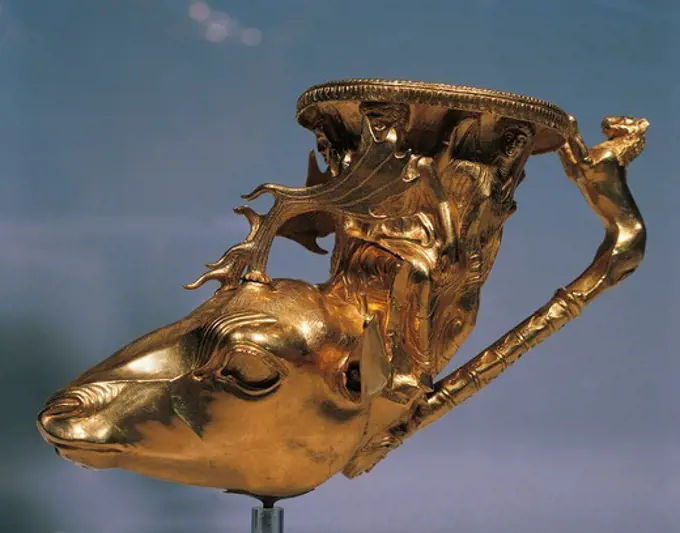
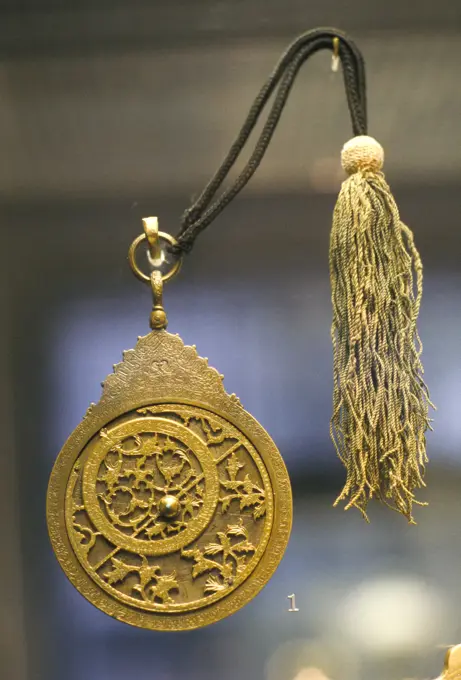
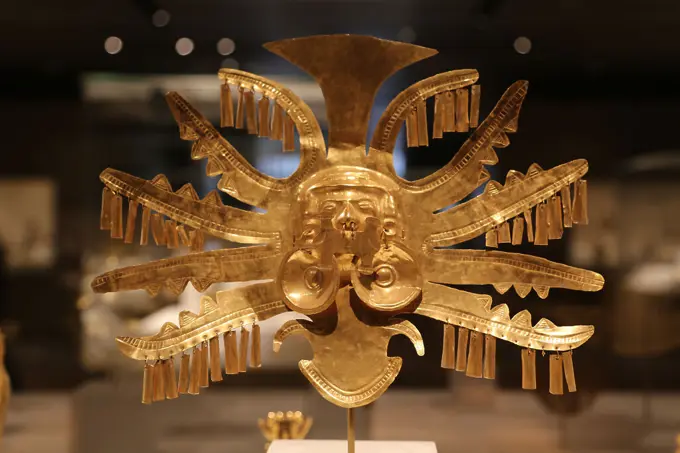
Basket-shaped vase. unknown, craftsmanPipe key, c. 1800 - c. 1900 Pipe key whose handle is connected to a hinge on the shaft. The handle is formed by two dolphins winding to each other, holding a button in the mouth and crossing each other with the tails. Grab and hinge of copper, key breast, shaft and iron beard.  iron (metal). copper (metal) Pipe key whose handle is connected to a hinge on the shaft. The handle is formed by two dolphins winding to each other, holding a button in the mouth and crossing each other with the tails. Grab and hinge of copper, key breast, shaft and iron beard.  iron (metal). copper (metal)MountGold spiral earrings. (Greece). Goldsmith art, Greek Civilization, 8th-7th Century BC.Helmet (Hoshi Kabuto) in the 13th Century Style late 17th or early 18th century Japanese During the Edo period (1615-1868), there was a conscious revival of medieval armor fashions, and this helmet is an instructive example. It was fashioned in the thirteenth-century style, and it certainly was made to accompany an armor of medieval yoroi fashion. The metal fittings on the helmet include the badge of the Hotta family, daimyo of Sakura.. Helmet (Hoshi Kabuto) in the 13th Century Style. Japanese. late 17th or early 18th century. Iron, lacquer, gilt copper, leather, silk. HelmetsParade armour of the Salzburg Prince-Archbishop Wolf Dietrich von Raitenau, 1559-1611, Bavarian National Museum, Prinzregentenstrasse 3, Munich, Bavaria, Germany, EuropePair of Stirrups of Paolo Odescalchi ( -1585), Bishop of Penne and Atri. Culture: Italian. Dimensions: Stirrup (a); H. 7 3/8 in. (18.7 cm); W. 6 3/8 in. (16.2 cm); D. 4 1/2 in. (11.4 cm); Wt. 3 lb. 1.1 oz. (1392 g); stirrup (b); H. 7 3/8 in. (18.7 cm); W. 6 3/8 in. (16.2 cm); D. 4 1/2 in. (11.4 cm); Wt. 3 lb. 2.7 oz. (1437.3 g). Date: third quarter 16th century.Each side of these stirrups is decorated with grotesque designs showing vegetal scrolls, putti and masks. On the front plate adorning each suspension eye, two nude figures flank the arms of the Odescalchi family, topped with an ecclesiastical hat and with a pelican feeding its chicks underneath.According to their dating range, these stirrups should have belonged to Paolo Odescalchi (-1585), who was first appointed apostolic nuncio to Switzerland in 1553, and then apostolic nuncio and collector of Pope Pius IV in the Viceroyalty of Naples in 1560 and 1568. He then became bishop of Penne and Atri between 1568 and 1572. The frMount; 1904-21-13-aTorc. Culture: Celtic. Dimensions: Overall: 6 5/16 x 5 1/16 x 3/8 in., 12.2oz. (16 x 12.8 x 1 cm, 345g). Date: 4th-8th century (). Museum: Metropolitan Museum of Art, New York, USA.Doorbell Pull, from the Hôtel Guimard, Paris, France Doorbell Pull; Designed by Hector Guimard ((French, 1867-1942)); France; bronze, goldSilversmith's Art, Great Britain 19th century. Silver inkpots, approximately 1890.Nose Ornament, c. 500-200 BC. Peru, North Highlands, Chavín de Huantar(), Chavín style (1000-200 BC). Cut and hammered gold; overall: 3.2 x 9.6 cm (1 1/4 x 3 3/4 in.). There seems to be a link between Chavín religion and appearance of the Andes’ first large precious-metal objects, made using revolutionary new metallurgical processes. Chavín may have developed these technical innovations to express the inexpressible, the "wholly other" nature of its religion. In many areas, elite men and women wore the ornaments as emblems of their ties to this religion, and eventually were buried with them. These 16 objects, along with three others not in the museum’s collection, are said to have come as a group from Chavín itself.Key; fire-gilt bronzeHezagonal BezelRingCOLLAR DE FILIGRANA EN ORO PERTENECIENTE AL TESORO DE BENTARIQUE (ALMERIA) - SIGLO XV - HISPANOMUSULMAN. Location: MUSEO ARQUEOLOGICO NACIONAL-COLECCION. MADRID. SPAIN.Pair of hilt collars, with filigree decoration, from the Staffordshire Hoard. The Staffordshire Hoard is a collection of Anglo-Saxon. Discovered in a field near the village of Hammerwich, near Lichfield, in Staffordshire, England, in 2009. it consists of over 3, 500 items, dated to the 7th or 8th centuries, placing the origin of the items in the time of the Anglo-Saxon kingdom of Mercia.wooden headrest from the Nagodombi of Yesimbit, in East Sepik, Papua New Guinea late 19th centuryHanukkah lampBurgonet helmet. Steel. Chased and gilded. Second half of 16th century. By Giovanni Battista Serabalio, Ca. 1550-1560, Milan, Italy. Knights' Hall. The State Hermitage Museum. Saint Petersburg. Russia.,.Camiil Bergmann & Co. "Fielding Shop Squiry Put Police Preferred". MNtal. 1940-1945. Homndoral Laclerc the LallectsCelc Fischecational Grouss the Lib libert is the long-libearation The Paris, Musée Jean Middle Eméstine. 158818-20CASCO DE CARLOS V IMITANDO SU CABEZA - VISTA POSTERIOR - SIGLO XVI. Location: PALACIO REAL-REAL ARMERIA DE MADRID. MADRID. SPAIN.Bronze Mirrors (221 BC - AD 581) at The Capital Museum, Beijing, ChinaAbruzzo, L'Aquila, Celano, Museum, Italy, 20th century, photo, photography, EuropeGalvanoplastic reproduction of a salt barrel resting on three angel heads. Galvanoplastic reproduction of a salt barrel, made up of a star from triangles and a three-pass passage, that rests on three angel heads. Gold plated.Ornament with head and acanthus leaves, anonymous, c. 1700 Ornament with head and acanthus leaves. Part of a sign of a forge in the Beulingstraat in Amsterdam. Amsterdam iron (metal) forging  Amsterdam Ornament with head and acanthus leaves. Part of a sign of a forge in the Beulingstraat in Amsterdam. Amsterdam iron (metal) forging  AmsterdamRowel Spur second half 16th century German, possibly Saxony This heavy spur is part of a group of frequently oversized and lavishly decorated German spurs made in the second half of the 16th and the beginning of the 17th century, probably in Saxony. Some of them display extravagant features like multiple rowels (up to 12 in some cases) and are often decorated with these characteristic cross-hatched motifs. The impracticality of many of these spurs indicate that they were probably only used during parade and festive events, as a display of wealth and status.. Rowel Spur. German, possibly Saxony. second half 16th century. Iron alloy. Equestrian Equipment-SpursLock (France); cast and gilt bronzeMountBird Pendant, c. 1000-1550. Panama, Veraguas-Chiriquí style, 11th - 16th century. Cast gold; overall: 11.1 x 4.3 x 3.5 cm (4 3/8 x 1 11/16 x 1 3/8 in.).Bliżej Kultury unknownScandinavia. Gold spur and 2 strap mounts. Barne Kloster, Ostfold, 19th-11th century. Norway. Historical Museum. Oslo. Norway.Silver buckle between 1750 and 1759. Local works for Paris, 1750-1766; charge punch of the city of Dijon between 1756 and 1759; Discharge punch for old silver objects. Rectangle Chantourne, 3 hearts 2 hearts 2 in the corners, 2 in the middle, 5 square patterns, large worked vessel.. Sprayer of silver, with a little rectangular, openworked container. The curved stem widens towards the end.Earring with head of lion-griffin. Dimensions: As Worn: H. 3.4 × W. 3.3 cm (1 5/16 × 1 5/16 in.). Date: 4th-3rd century B.C..Hoops formed of wound wire with animal head terminals are the commonest type of Hellenistic earring. The griffin is a mythical winged animal that could have an eagle head or a horned lion-head. The latter is the only sort found on Egyptian jewelry; it has been suggested that it was associated with the Macedonian dynasty, while the eagle griffin was associated with the Achamenid Persians.The 'collar' behind the lion-griffin's head is decorated with granulation and filagree. Museum: Metropolitan Museum of Art, New York, USA.Canoe prow from Papua New Guinea. Dated 20th CenturyMount; bronze (gilt)Gold hilt collar from a sword, from the Staffordshire Hoard. Dated 6th CenturyBOKEK;  beginning of the 18th century (1700-00-00-1710-00-00);Pair of Stirrups. Culture: Portuguese. Dimensions: 1972.94.1; H. 7 7/8 in. (20 cm); W. 6 1/2 in. (16.5 cm); D. 4 3/4 in. (12.1 cm); Wt. 2 lb. 12.2 oz. (1253 g); 1972.94.2; H. 8 in. (20.3 cm); W. 6 1/2 in. (16.5 cm); D. 4 5/8 in. (11.7 cm); Wt. 2 lb. 12.2 oz. (1253 g). Date: 19th century.This pair of gilded bronze stirrups is decorated all over in rococo revival style, featuring scrolls and flowers, and a medallion bearing a crescent on each side of the branches. This type of stirrup, produced in several examples, was used during galas and other noble equestrian shows, possibly at the Royal Court itself. Traditional Portuguese classical dressage is still today using 17th and 18th-century style horse tack, including simplified forms of this very type of stirrup. Museum: Metropolitan Museum of Art, New York, USA.Wrist bracelet in the form of a coiled snake. Unknown 225-175 B.C.Indra's Crown. Culture: Nepal. Dimensions: H. 6 7/16 in. (16.4 cm); W. 8 3/4 in. (22.2 cm). Date: 14th-15th century. Museum: Metropolitan Museum of Art, New York, USA.Ear Ornament withSwirlsEar Ornament withSwirlsPowder Primer Flask (baruddan). India, Mughal Empire, late 17th century. Arms and Armor; powder primer flasks. Ivory with gilt metal spannerFinger Ring with the Ambush of Achilles. UnknownCopón sepulcro, siglo XIV. Catedral de Santa Tecla de Tarragona.Roman Centurion's helmet with eagle decoration. ITALY.Biiga Biiga, female figure, Mossi - Burkina Faso, 20th century, carved woodMEB, Barcelona, Catalonia, Spain LicenseRF Copyright: xZoonar.com/Tolox 23171362Bronze helmet from commander of Eleventh Claudian legion, at Durostorum, RomaniaUpper arm bracelet in the form of a coiled snake. UnknownOpenwork Fitting. Culture: China (Xinjiang Autonomous Region, Central Asia). Dimensions: H. 3/4 in. (1.9 cm); W. 1 1/4 in. (3.2 cm); D. 1/2 in. (1.3 cm). Date: 7th-9th century.The nomadic communities of Central Asia used such plaques to embellish clothing and horse trappings. As these nomadic cultures herded animals and were constantly moving, their artistic production was expressed in portable objects that marked the wearer's status and wealth. The outstanding preservation of these fragile ornaments suggests they were used in conjunction with burials, where the body was aggrandized with valuable textiles and augmented with gold. Although it is difficult to date and place these objects geographically, their presence in Central Asia and has a long, established history. Museum: Metropolitan Museum of Art, New York, USA.Pair of Stirrups. Culture: French. Dimensions: Stirrup (a); H. 5 1/2 in. (14 cm); W. 5 in. (12.7 cm); D. 2 in. (5.1 cm); Wt. 15.4 oz. (436.6 g); stirrup (b); H. 5 1/2 in. (14 cm); W. 4 15/16 in. (12.5 cm); D. 2 in. (5.1 cm); Wt. 15 oz. (425.2 g). Date: early 19th century.This pair of stirrups, each one adorned with two eagle's heads, would have belonged to a high officer of Emperor Napoleon I's army, possibly a general. Considering regulation cavalry equipment too simple for their status, high officers would often commission for themselves a richer version of it, sometimes designed by imperial goldsmiths. They would be displayed primarily during military parades or other official events. Museum: Metropolitan Museum of Art, New York, USA.One of a Pair of RepousseAnkletsSilver naveta, silver in color, circa 1600, Huesca Diocesan Museum, Aragon community, Spain.Hunting gunpowder unknown label17th Century Model Ship. Dated 17th CenturyTerracotta kylix: Droop cup (drinking cup). Culture: Greek, Attic. Dimensions: Other: 5 1/16 x 10 in. (12.9 x 25.4 cm). Date: ca. 540 B.C..Exterior, obverse and reverse, AmazonomachyAt the handles, sphinxesNamed after the scholar J.P. Droop who first described the shape, Droop cups were produced between about 540 and 510 B.C. They are characterized by channeling at the top of the stem and, in particular, by the succession of friezes between the main figured zone and the rays at the base of the bowl. Museum: Metropolitan Museum of Art, New York, USA.Greek Art. Wreath of myrtle with berries. Gold. Mytilene. Early Hellenistic Era. Second half of the 4th century B.C. The State Hermitage Museum. Saint Petersburg. Russia.Silversmith's Art, England 19th century. John Ciaddock and William Ker Reid, Gilded silver dessert-plates, George III style. London, 1812.Decorative Horns, 20th century, 26 x 29in. (66 x 73.7cm), Silver, China, 20th centuryQuatrefoil BezelRingMirror with Handle in the Form of a Hathor Emblem ca. 1479-1425 B.C. New Kingdom The handle of this mirror was originally made of wood (now restored) covered with gold foil. The woman's face with cow's ears represents the goddess Bat and is also an emblem of the goddess Hathor. The use of gold and silver, rather than wood and bronze, identifies this as the possession of a member of the elite, in this case one of three foreign wives of Thutmose III. The king's cartouche is inscribed above the face.. Mirror with Handle in the Form of a Hathor Emblem. ca. 1479-1425 B.C.. Disk: silver; handle: wood (modern) sheathed in gold (ancient). New Kingdom. From Egypt, Upper Egypt, Thebes, Wadi Gabbanat el-Qurud, Wadi D, Tomb of the Three Foreign Wives of Thutmose III. Dynasty 18Disk from a Reel ca. 800 B.C. Irish Ireland experienced a period of resurgence in the production of goldwork during the late Bronze Age. Numerous objects noteworthy for their gold content, innovative forms, and sophisticated decoration still survive. Alongside such objects of personal adornment as gold collars, craftsmen produced rings, cylindrical boxes, and spools or bobbins, which were probably created for purely votive or ritual purposes.. Disk from a Reel. Irish. ca. 800 B.C.. Gold. Metalwork-Goldgird swords, 17th century, Castle of San Carlos, seventeenth century, Palma, Mallorca, Spain.Goldsmith's art, Italy, 17th century. Odoardo Vallet (1542-1622), rock crystal vase with gold mount, ornamented with enamels, rubies and emeralds, 1618-1619, height cm. 38. Detail.Riells Cross (detail), 12th century.Lunula from a monstrance, anonymous, c. 1360 - c. 1383 Lunula from a monstrance of gilded silver, attached to a round plate between two kneeling angelic figures with incense barrels. Northern Netherlands silver (metal) casting / gilding  Sint-Salvatorkerk Lunula from a monstrance of gilded silver, attached to a round plate between two kneeling angelic figures with incense barrels. Northern Netherlands silver (metal) casting / gilding  Sint-Salvatorkerkaltar lantern, silver, 18th century, Evora museum, Evora, Alentejo, Portugal, Europe.Stabbing of a standard of the Dutch army at the time of the Belgian uprising. Metal decorations of a banner or standard consisting of a block including an olive wreath. This copy is cave and poured from a thick layer of gold-plated metal. Stand ornament.Butcher's pot (Phiale with omphalos) Iberian culture (4th-3rd cent. BC) The Tivissa treasure, Tarragona. Museu Arqueologia de Catalunya, Spain.Sword-Hilt Collar and Pommel (Fuchigashira). Culture: Japanese. Dimensions: Kashira (a); H. 1 3/8 in. (3.5 cm); Wt. 0.5 oz. (14.2 g); fuchi (b); H. 1 1/2 in. (3.8 cm); Wt. 0.9 oz. (25.5 g). Date: 18th century. Museum: Metropolitan Museum of Art, New York, USA.Pair of Rowel Spurs 15th century possibly German In the 15th century, rowel spurs with very long necks were of common use in western Europe. At this period, the elevated war saddles and the very specific riding style, with long stirrup leathers and legs extended forward, had the consequence of taking away the riders feet from the horses flank. Thus, these long necks gave them easier access without having to disturb the riders position. The small proportions of this pair compared to other examples may indicate it was used by a child or a youth.. Pair of Rowel Spurs. possibly German. 15th century. Copper alloy, gold. Equestrian Equipment-SpursBrazalete, obra de Ramon Teixé. Colección privada.Pectoral Disk. Culture: Macaracas. Dimensions: Diam. 5 5/8 in. (14.29 cm). Date: 8th-12th century. Museum: Metropolitan Museum of Art, New York, USA.Etruscan bronze mirror with bone handle engraved with a scene depicting Thetis and Peleus. C. 350-325 BC. From Perugia, possibly made in Vulci. British Museum. London. England. United Kingdom.Bracelet with Agathodaimon, Isis-Tyche, Aphrodite, and Terenouthis. Dimensions: 1 9/16 x 2 3/16 in. (4 x 5.5 cm). Date: 1st century B.C.-A.D. 1st century.Powerful talismans of fertility and good destiny are woven into this rich golden composition. The bodies of two snakes intertwine to form a Herakles knot, the centerpiece of this bracelet. The snake on the left represents Agathodaimon, and the cobra on the right Terenouthis, two agrarian/fertility deities associated with Serapis and Isis, respectively. On the platform between them stand two goddesses, Isis-Tyche (or Isis-Fortuna), a deity closely associated with Alexandria, and the nude Aphrodite. Museum: Metropolitan Museum of Art, New York, USA.Gilded brass oval clockCatherine the Great Easter Egg by Wigstrom, Henrik Immanuel, (Faberge manufacture) (active Early 20th cen.)/ Hillwood Museum, Washington/ 1914/ Russia/ Gold, enamel, gems/ Art Nouveau/ H 12,1/ ObjectsPrehistoric. Art. Bronze Age. Belt ornaments. From a bog at Fjellerup, Funen. 700-500 BC. National Museum of Denmark.Tassel French 18th-19th centurySign in the form of a branch, out of vessels. Mannheimer, c. 1600 - c. 1699 An iron sign, formed, from a horizontal lying branch that turns horizontally in the middle and on the wall side into a small and at the end into a large half -bow. The horizontal part is pierced by one, lower -sitting small branch. Both branches are decorated with flowers and end in a chalice. Coming from the collection of Dr. F. Mannheimer. Italy iron (metal). gilding (material) gilding An iron sign, formed, from a horizontal lying branch that turns horizontally in the middle and on the wall side into a small and at the end into a large half -bow. The horizontal part is pierced by one, lower -sitting small branch. Both branches are decorated with flowers and end in a chalice. Coming from the collection of Dr. F. Mannheimer. Italy iron (metal). gilding (material) gildingStupa with Gem Bird Ring BirdRingRussia, St. Petersburg, Winter Palace, The Hermitage, reliquary, RESTRICTED: Not available for use by any River Cruise operator. Call for more Information.Plateau 19th century, after 1736 original Elkington & Co. British This electrotype is after an eighteenth-century original (1736) in the Winter Palace, St. Petersburg, at the time of reproduction.. Plateau 186610Inscription carved on metal Copyright: xAshokxDilwali/DinodiaxPhotoxHarness Trapping, one of a pair, 10th century, H.3-3/4 x W.9-3/8 x D.3/4 in., Gilt bronze, China, 10th century, Originally mounted as cheek pieces on a horse's bridle, these graceful harness trappings are each cast in the form of a mythical phoenix holding a pearl in its beak. The Liao people came from the northern steppe grasslands to conquer north China in the tenth century (916-1125). They were horse-riding herdsmen who lavished great attention on the saddles and harness trappings of their prized mounts. Although foreign rulers, the Liao embraced many aspects of China's artistic legacy and sponsored the production of ceramics, bronze accoutrements, and exceptionally fine gold work. Many examples of gilt metal harness trappings have been excavated from Liao tombs where horses were occasionally interred with their masters.Harness Trapping, one of a pair, 10th century, H.3-3/4 x W.9-3/8 x D.3/4 in., Gilt bronze, China, 10th century, Originally mounted as cheek pieces on a horse's bridle, these graceful harness trappings are each cast in the form of a mythical phoenix holding a pearl in its beak. The Liao people came from the northern steppe grasslands to conquer north China in the tenth century (916-1125). They were horse-riding herdsmen who lavished great attention on the saddles and harness trappings of their prized mounts. Although foreign rulers, the Liao embraced many aspects of China's artistic legacy and sponsored the production of ceramics, bronze accoutrements, and exceptionally fine gold work. Many examples of gilt metal harness trappings have been excavated from Liao tombs where horses were occasionally interred with their masters.Maenad-head earrings 1st century B.C. Ptolemaic Period Earrings with heads of maenads (Dionysus's female followers) are rare in Egypt but occur in the Levant and Cyprus. The form is late Hellenistic.. Maenad-head earrings 547945Ear Plug 1375-1400, Majapahit period, Indonesia, East Java, gold and ruby. This ear plug was probably worn by royalty on ceremonial occasions. It would have fitted within a distended earlobe. Similar ear plugs have occasionally been found in earthenware pots buried in the ground.Gold ring with carnelian intaglio: Eros with flaming torch Roman, Cypriot late 1st century BCE-1st century CE Eros leaning on an inverted torch.These items, all found on Cyprus, are very representative of Roman decorative jewelry, in which various designs are combined and highlighted with colored gems in order to make them look as rich and impressive as possible. Similar jewelry is found throughout the Roman Empire.1. Gold, beryl, and garnet earrings, 3rd century A.D. (74.51.3967, .3968)2. Gold and carnelian ring, carved with the figure of Eros, late 1st century B.C.-1st century A.D. (74.51.4233)3. Gold and carnelian ring, 1st-early 3rd century A.D. (74.51.4234)4. Gold and pearl earrings, 3rd century A.D. (74.51.3853, .3854)5. Gold and garnet ring, 1st century B.C.-1st century A.D. (74.51.4261)6. Gold and beryl ring, late 1st century B.C.-early 1st century A.D. (74.51.4272)7. Gold and banded agate ring, 1st-2nd century A.D. (74.51.4264)8. Gold and garnet ring, 2nd century A.D. (74.51.4GERMANY, DRESDEN, ALBERTINUM, GREEN VAULT, DISPLAY OF TREASURESClaw Set Gem BirdRingVajra and Gem BirdRingStirrup-shaped Ring with Bezel with Diaper Design Second half of the 9th-first quarter of the 10th century Indonesia (Java). Stirrup-shaped Ring with Bezel with Diaper Design. Indonesia (Java). Second half of the 9th-first quarter of the 10th century. Gold. late Central Javanese period. JewelryBird FigureOrnamentFigureOrnamentBulgaria, Rhyton (drinking vessel) in the shape of a ram head, on the neck: Dionysian scenes, from the Panagjuriste treasure, embossed goldAstrolabe 890/1485_6, Awhad Muhammad Iran, John Addis Gallery, British Museum, London, England, United Kingdom, EuropeHeaddress Ornament. Colombia. Yotoco (Calima), 1st-7th century. Gold. Metropolitan Museum of Art. Ny. Usa.Dagger in Gothic Style ca. 1880-90 French. Dagger in Gothic Style 32851