Decorative Antique Pots

A collection of ornate pots and boxes crafted from various materials, reflecting intricate designs and historical artistry.

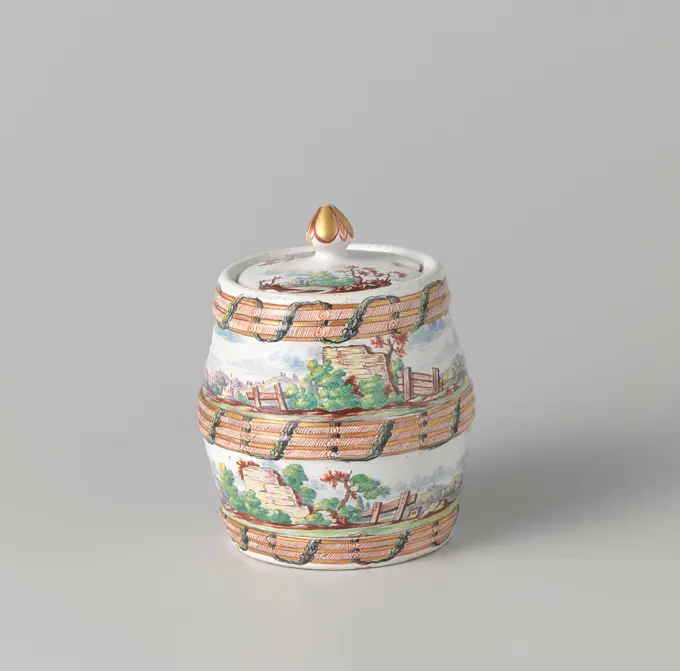
Butter fleet, multi -colored painted with a Mediterranean landscape, anonymous, c. 1735 - c. 1755 Round butter fleet with raised ears multicolored painted with a Mediterranean landscape. Marked in blue va. Delft . Round butter fleet with raised ears multicolored painted with a Mediterranean landscape. Marked in blue va. Delft .
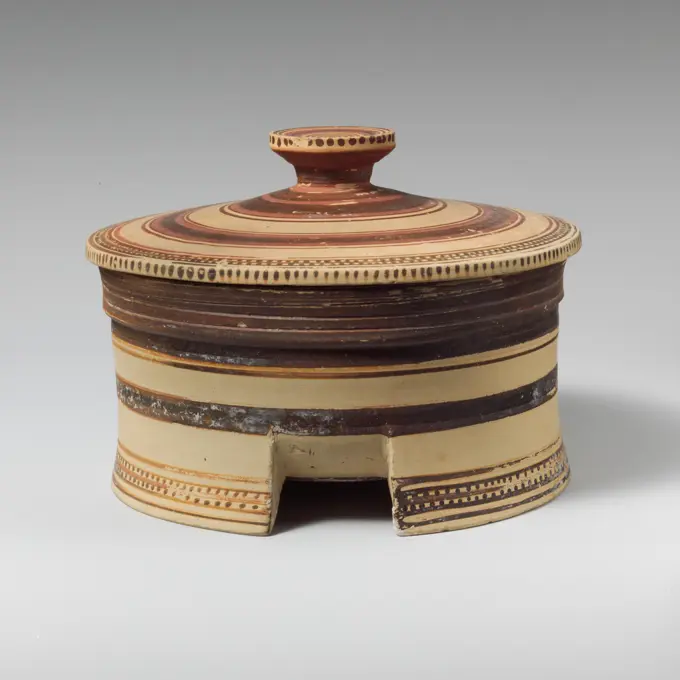
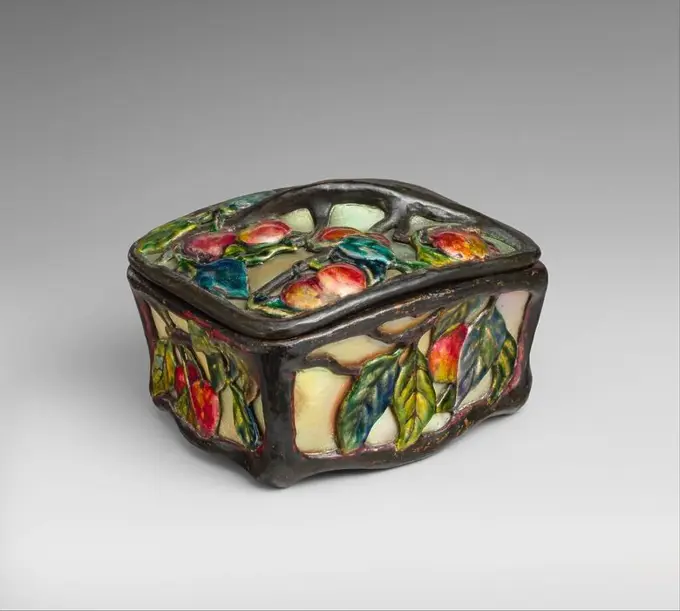
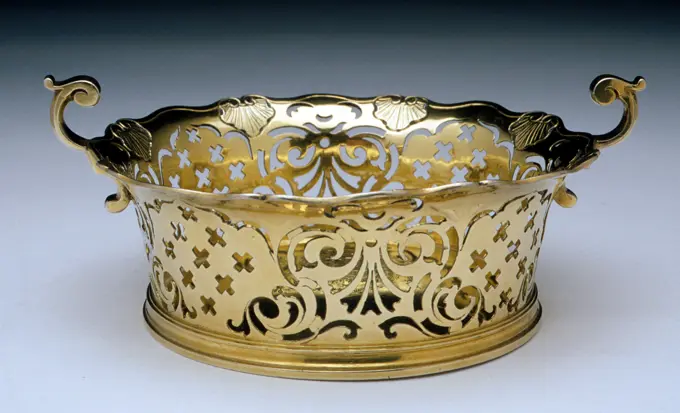
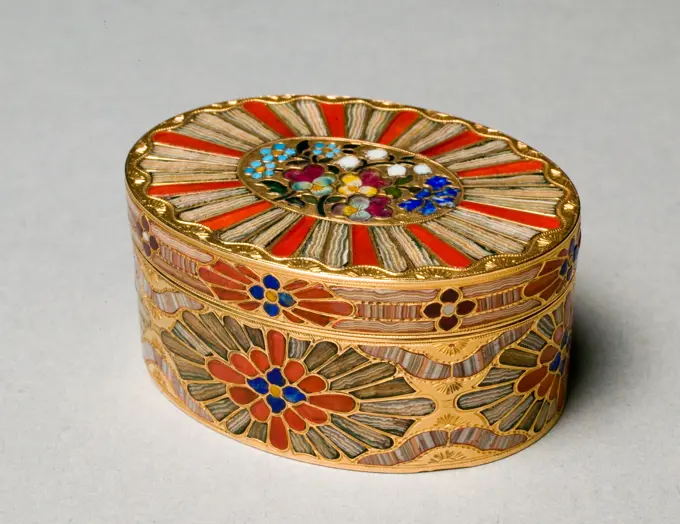
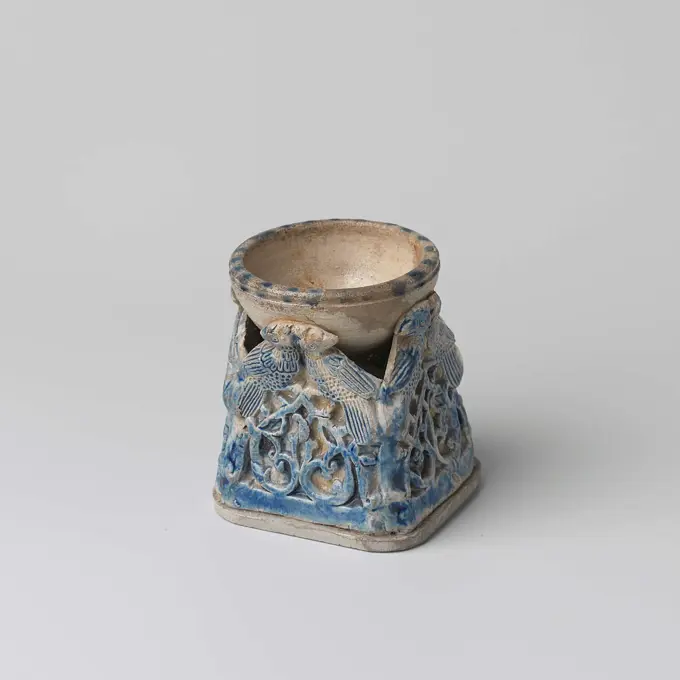
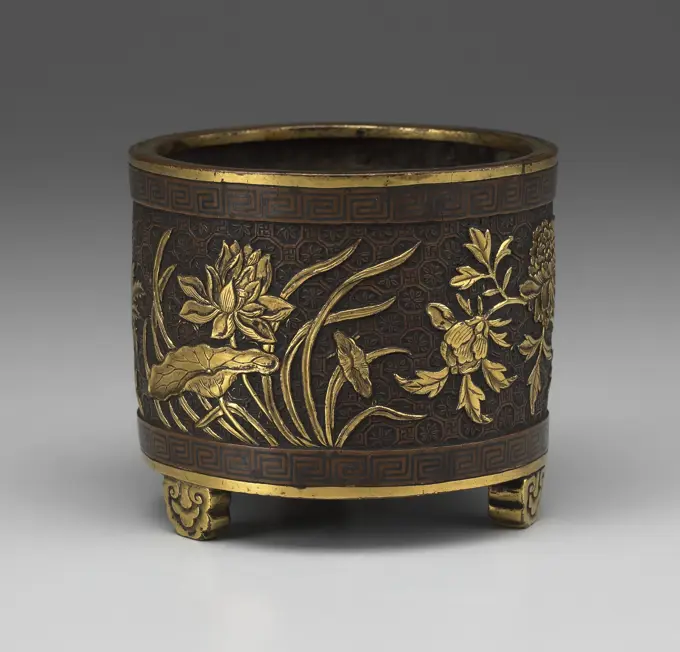
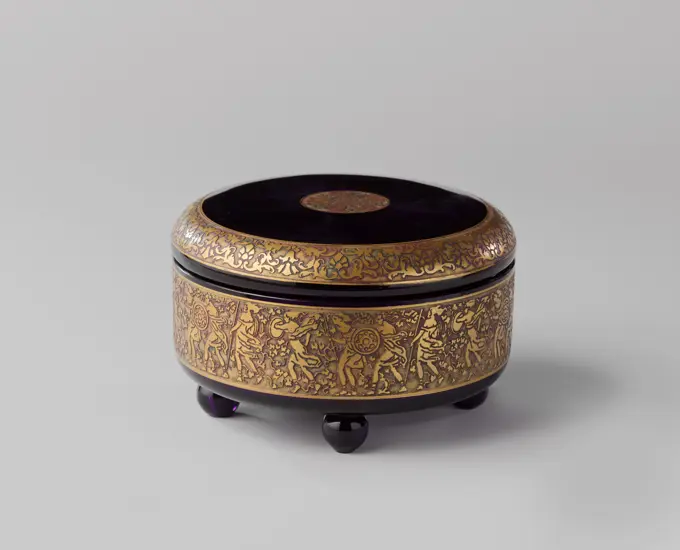
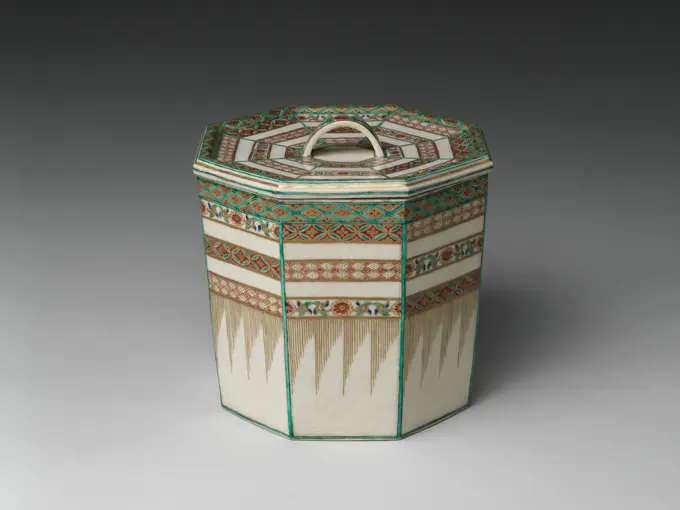
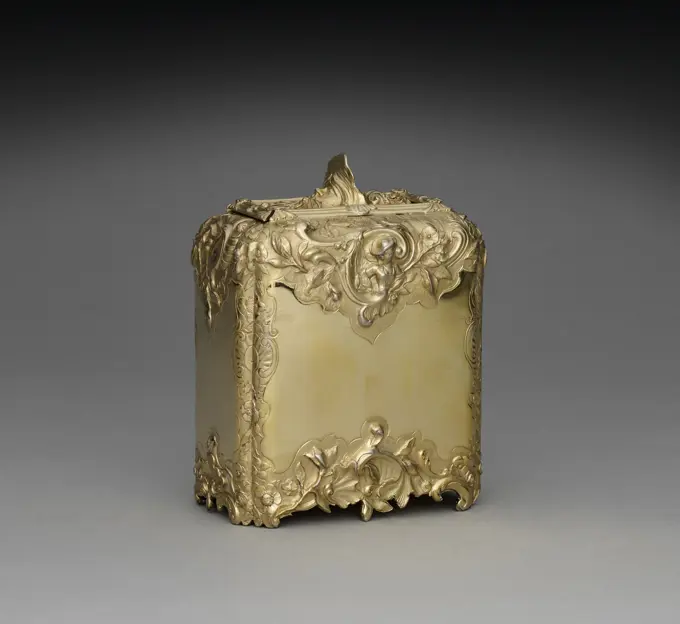
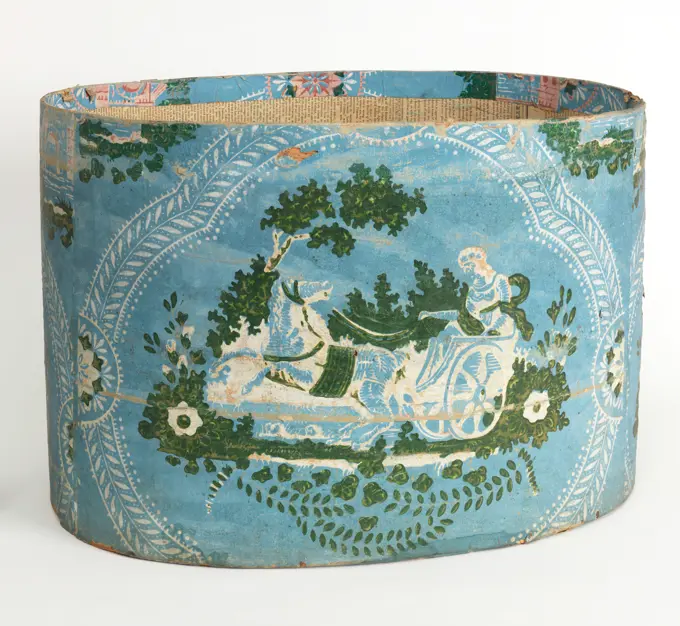
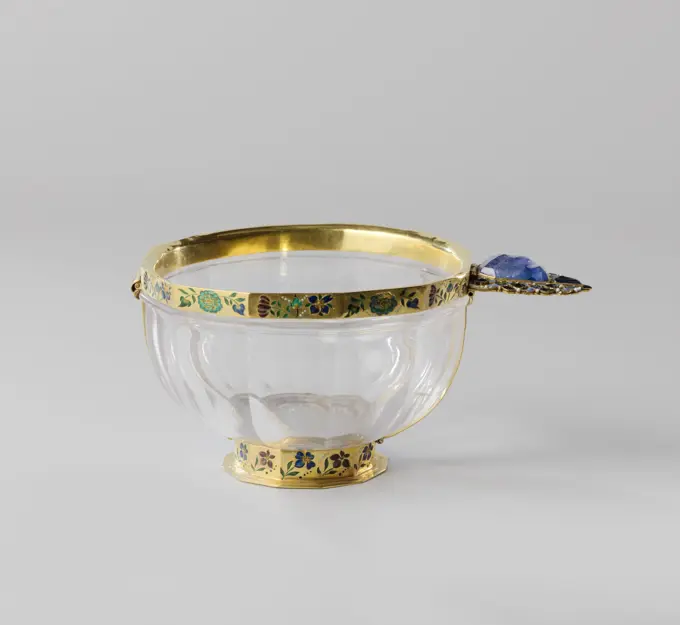
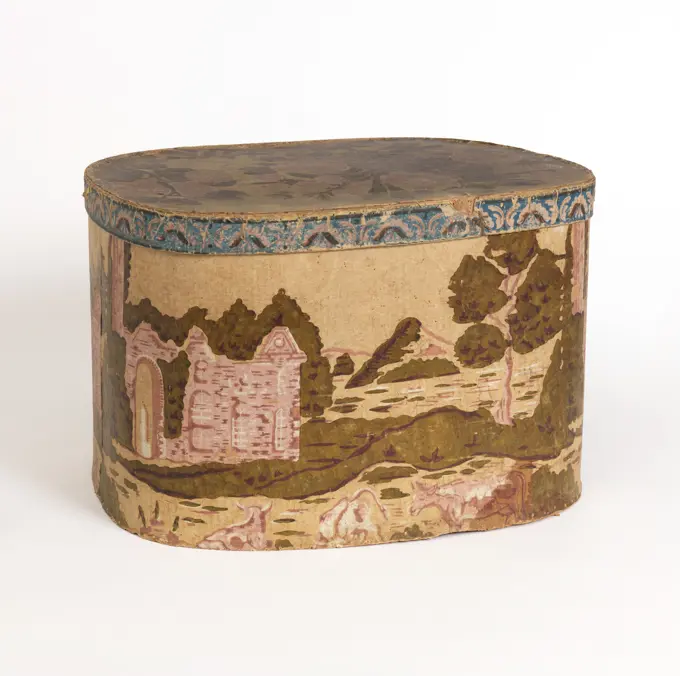
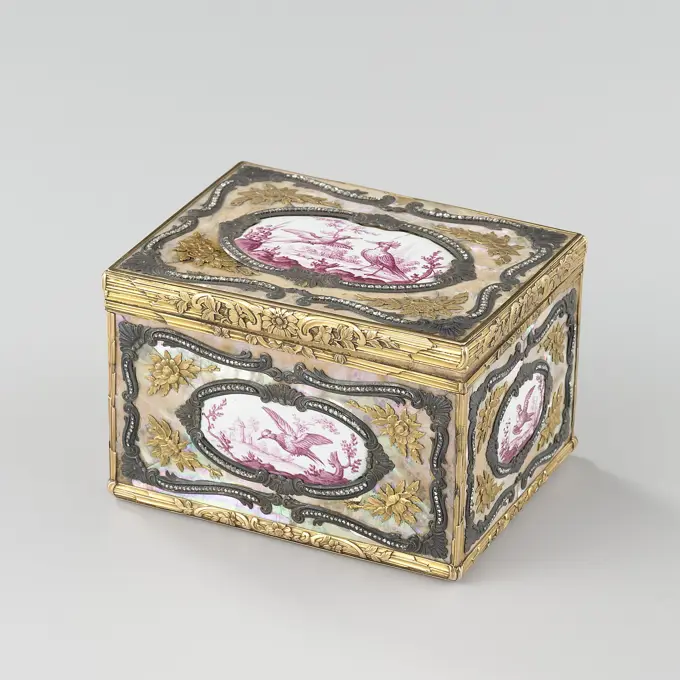
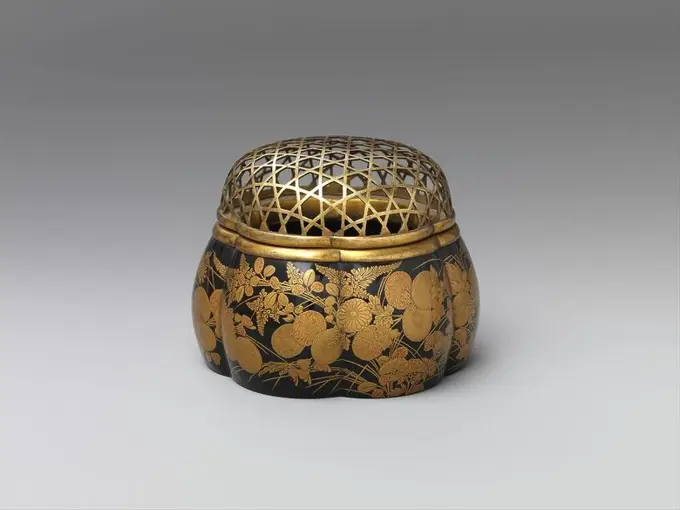
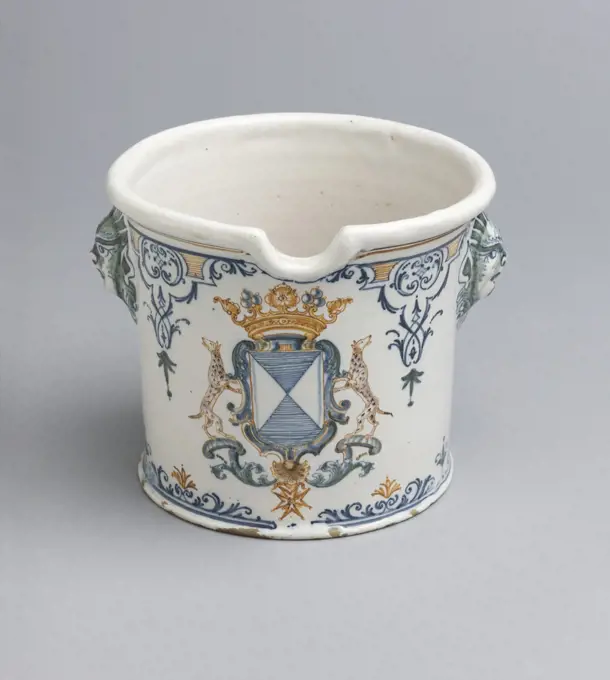
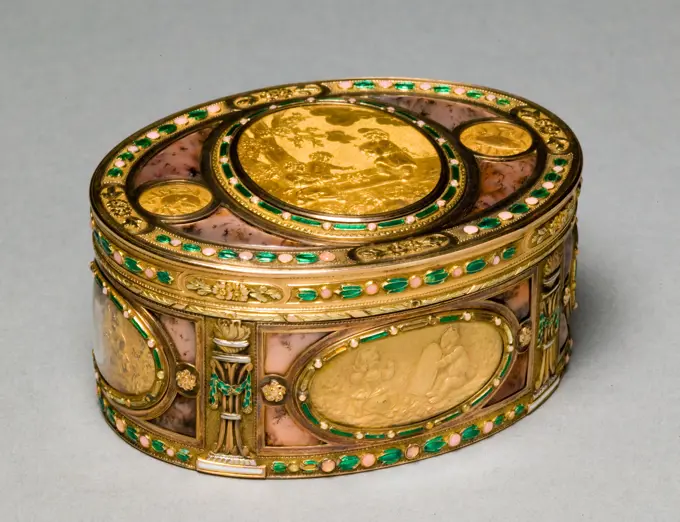
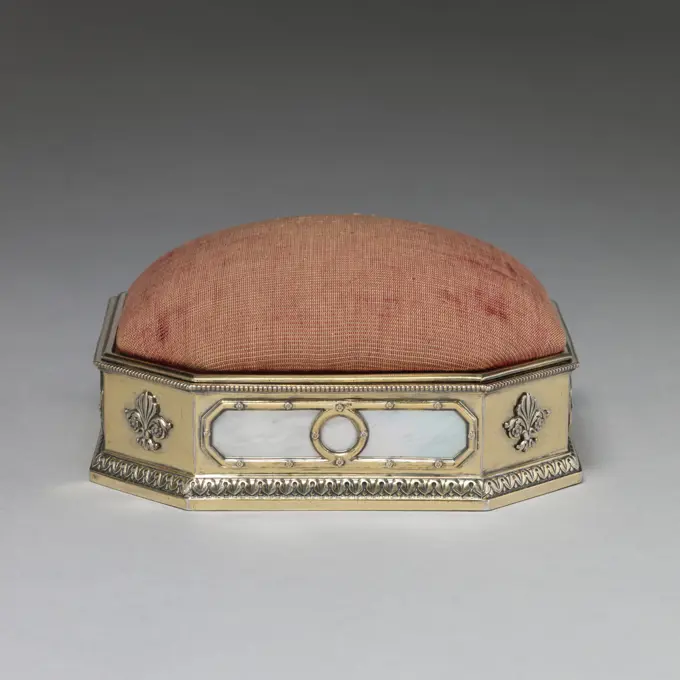
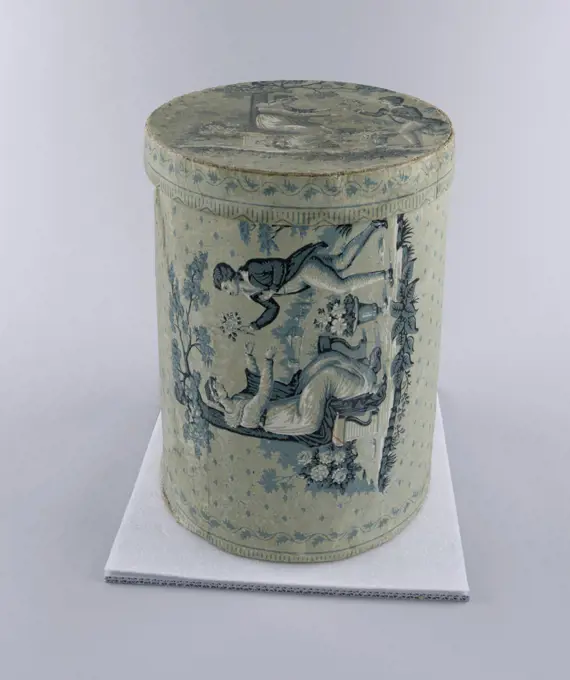
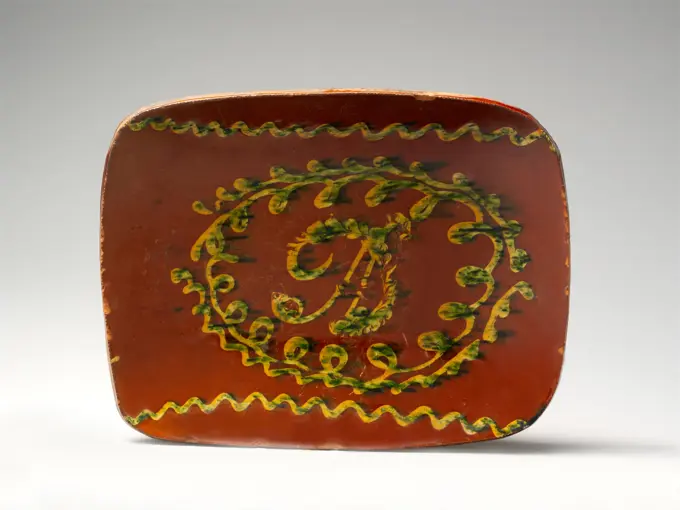
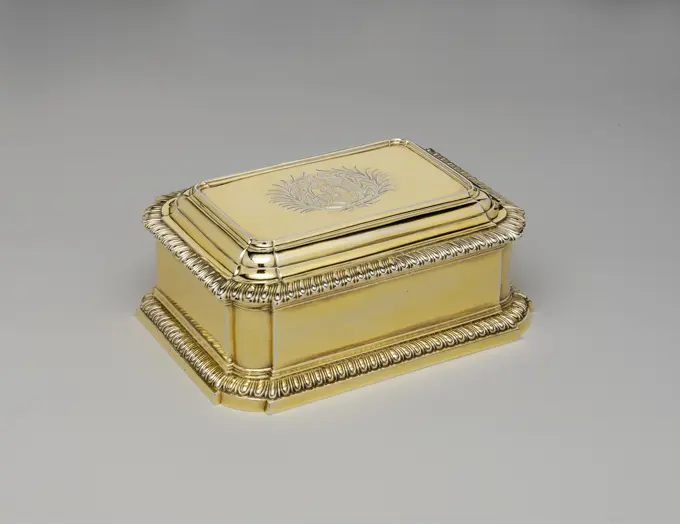
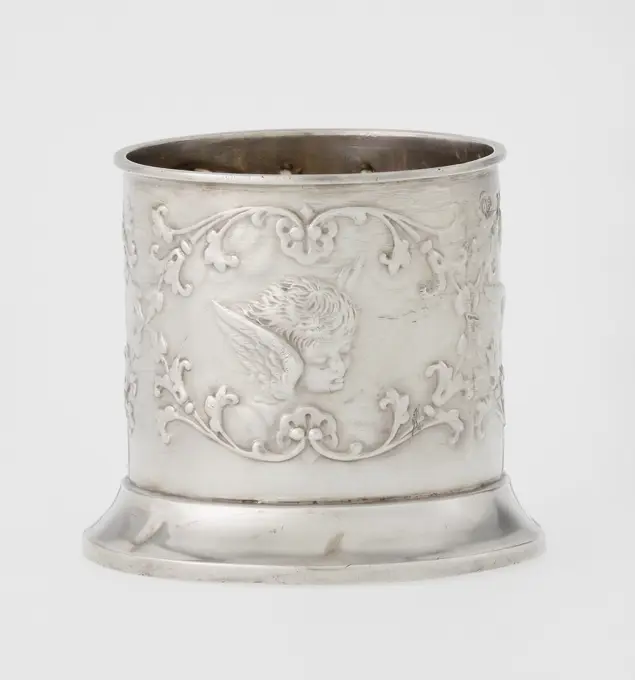
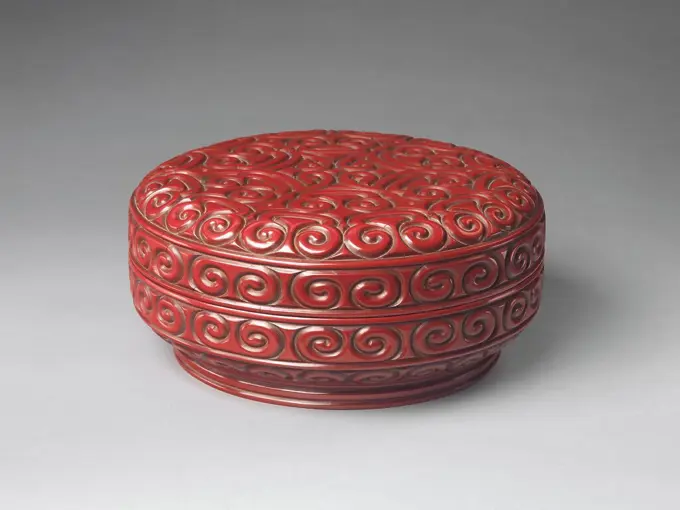
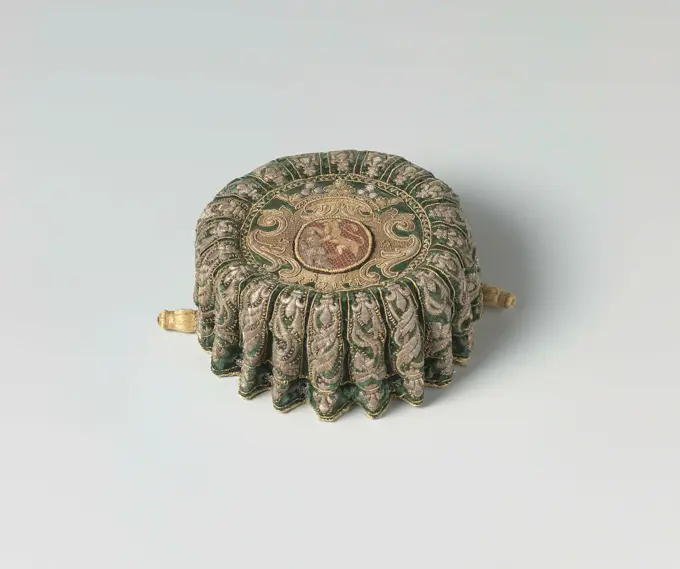
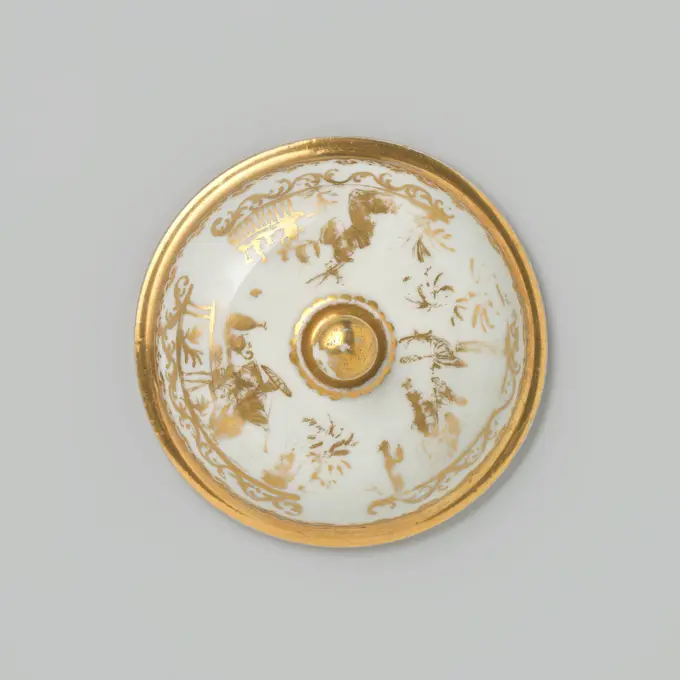
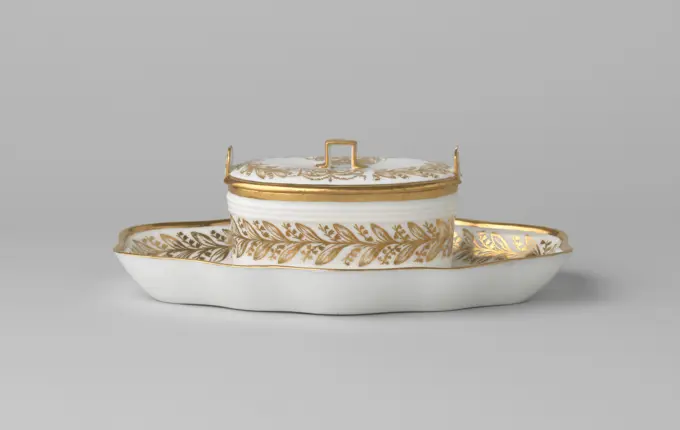
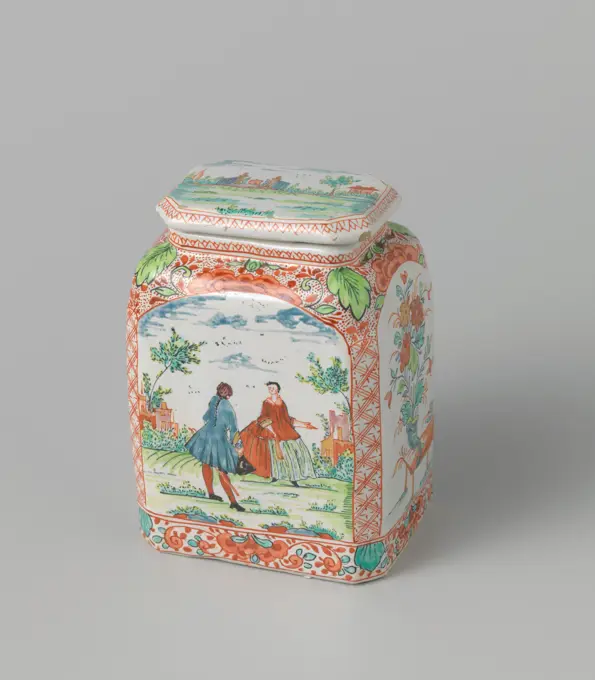
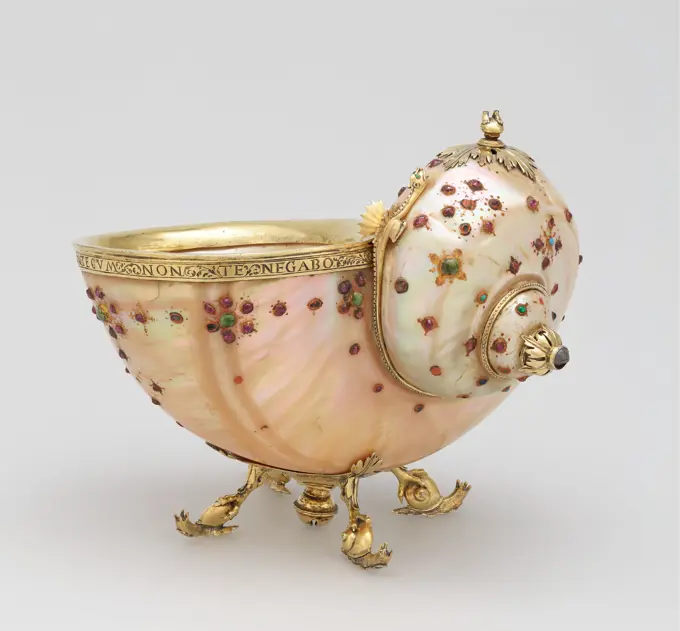
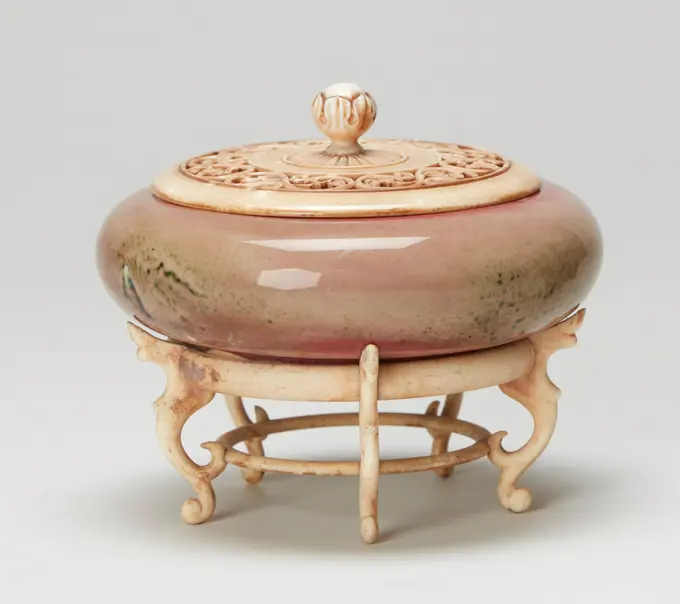
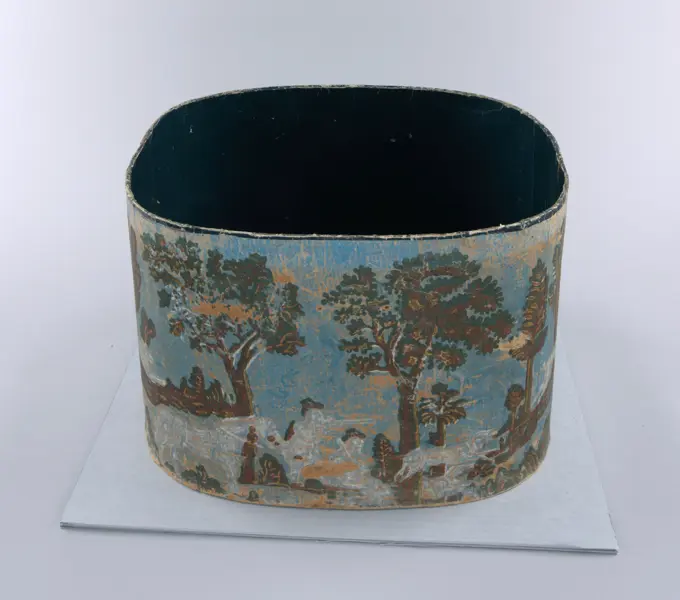
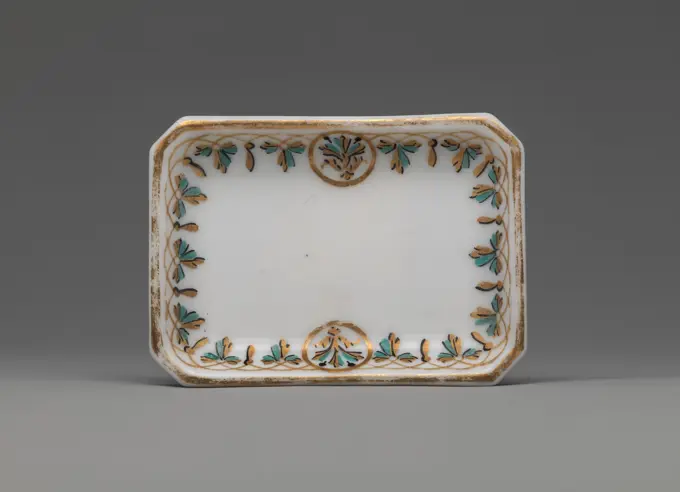
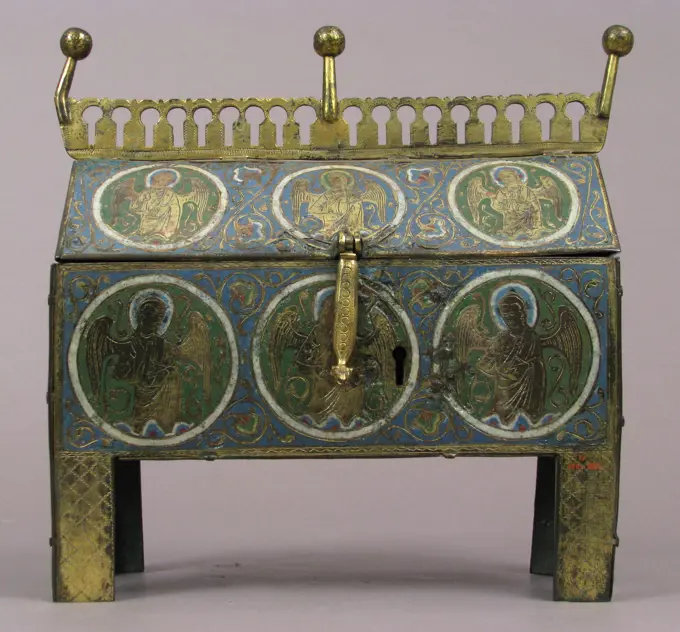
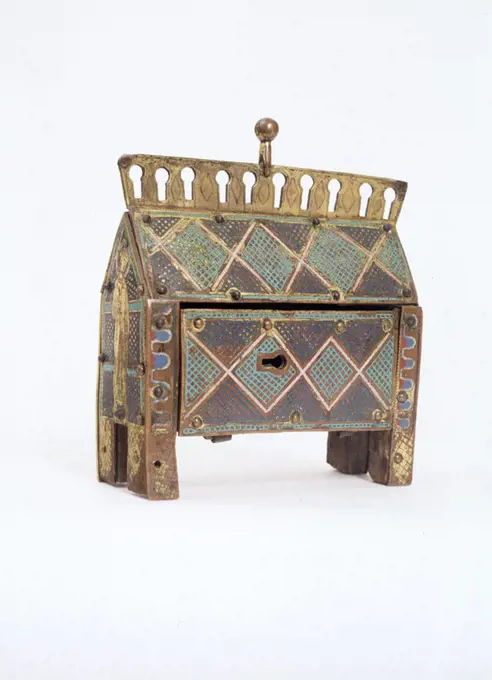
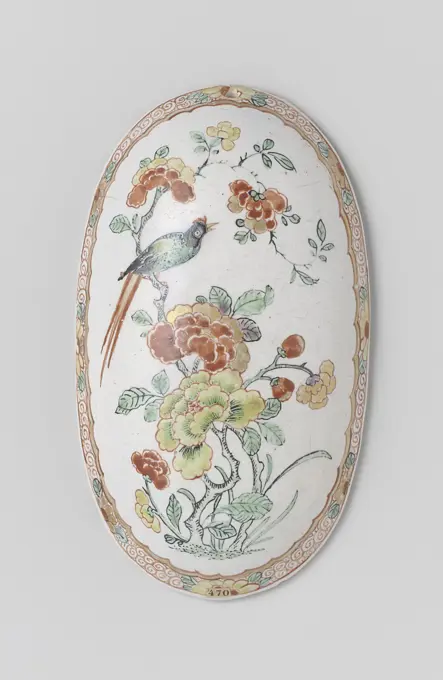
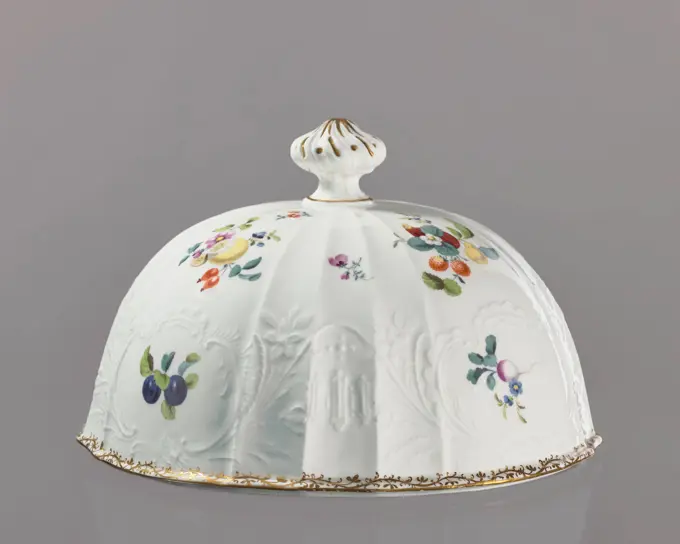
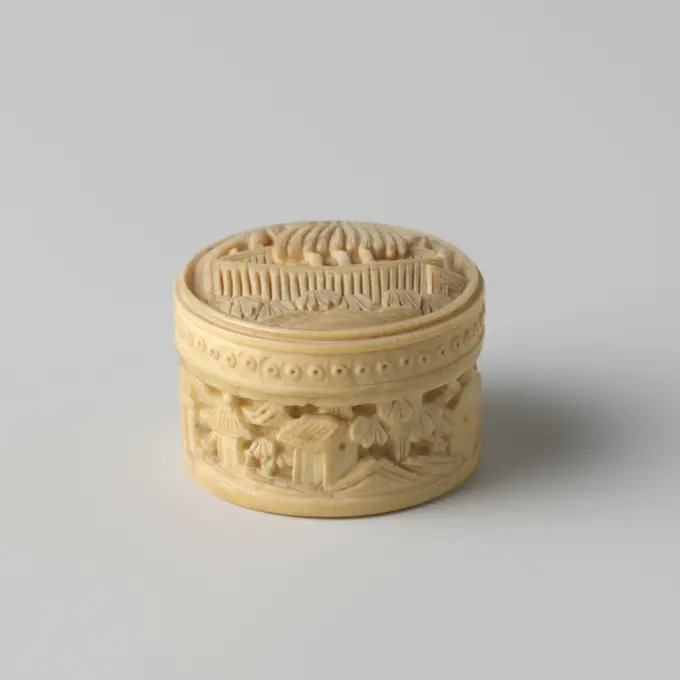
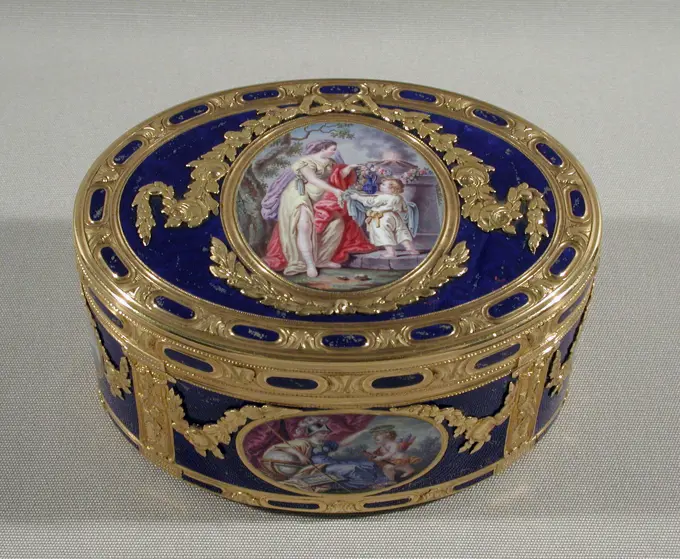
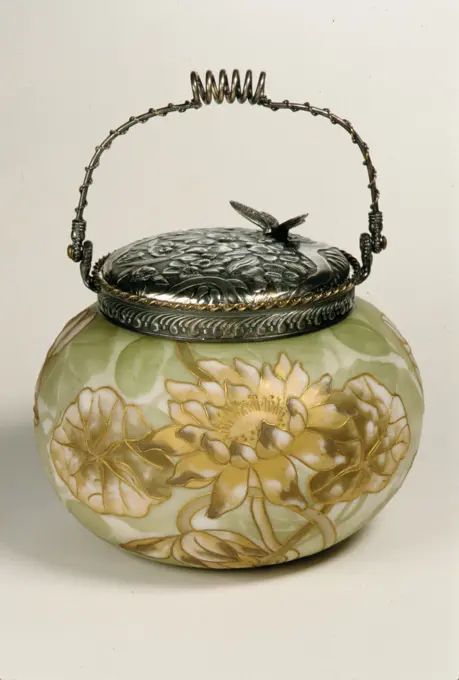
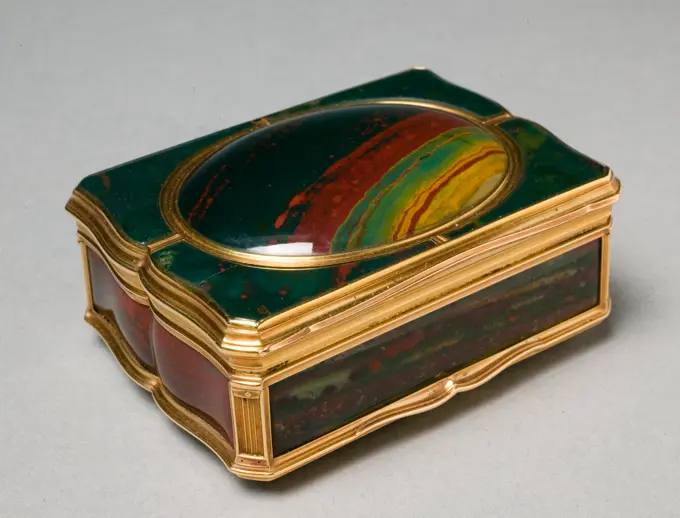
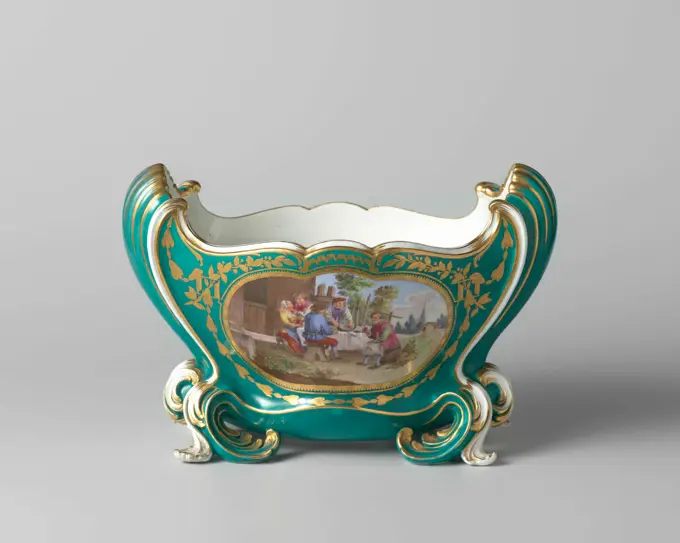
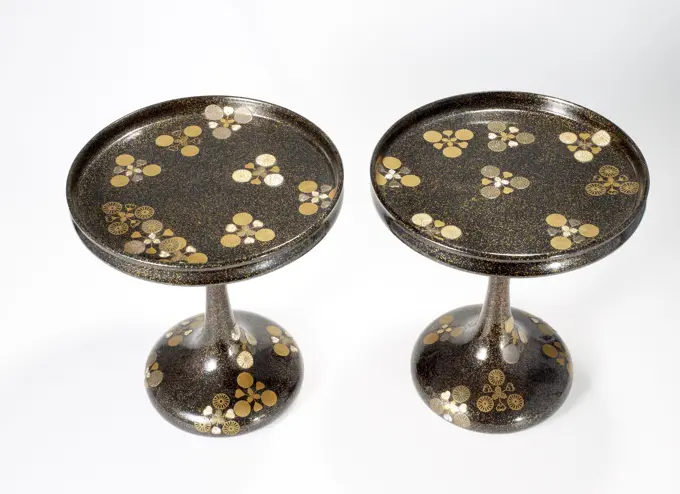
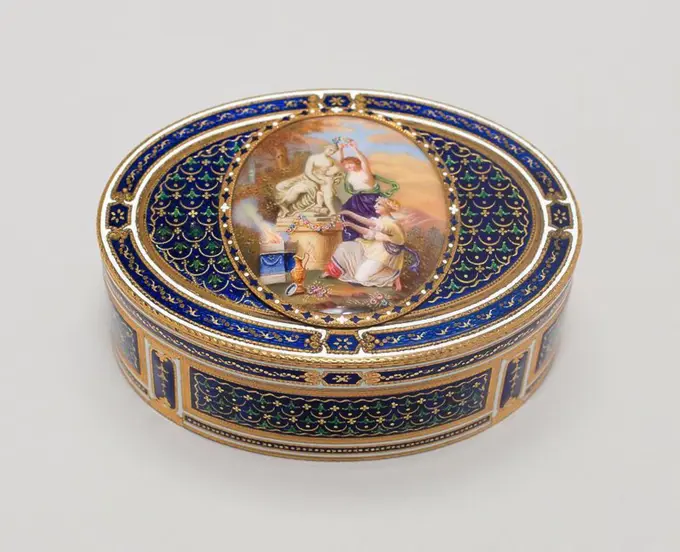
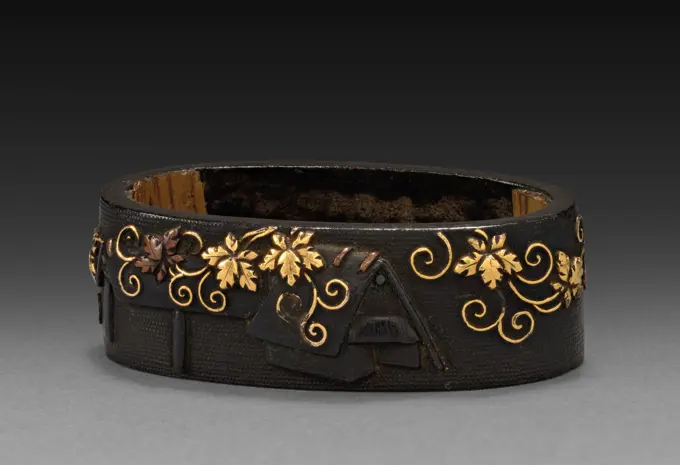
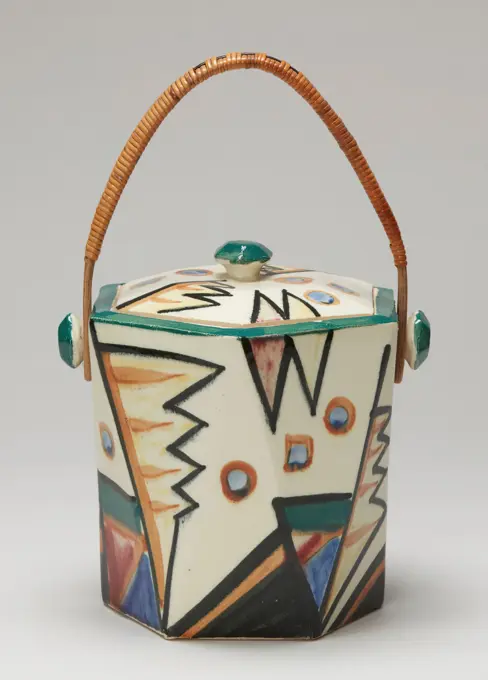
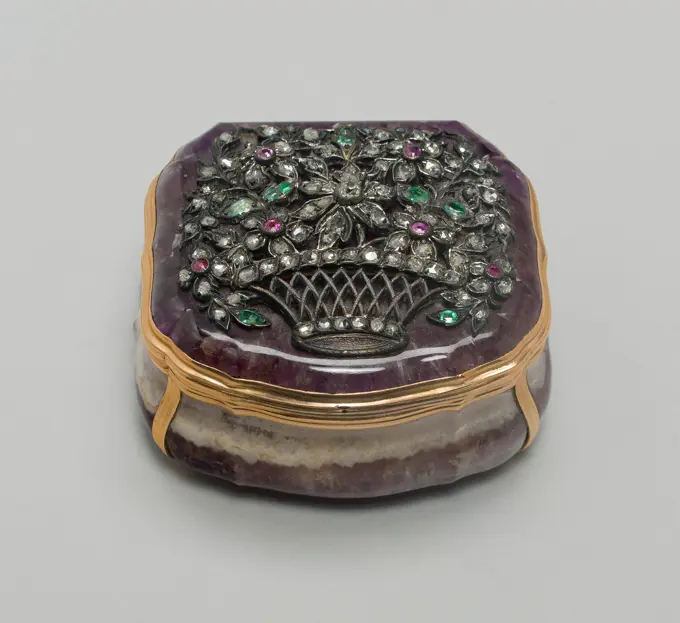
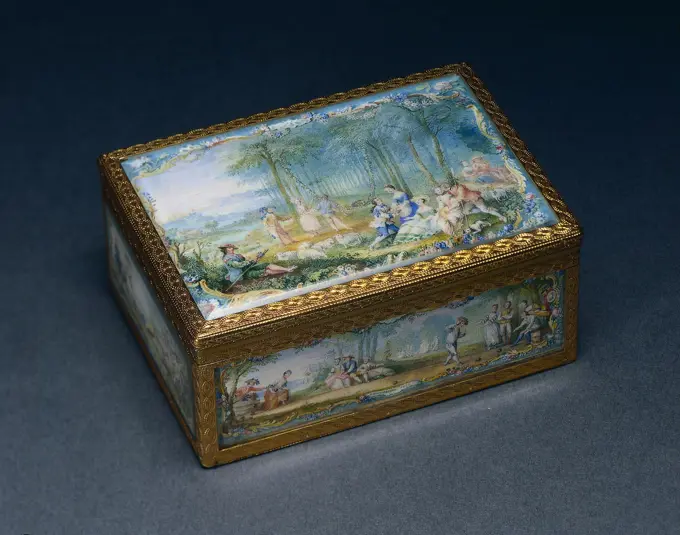
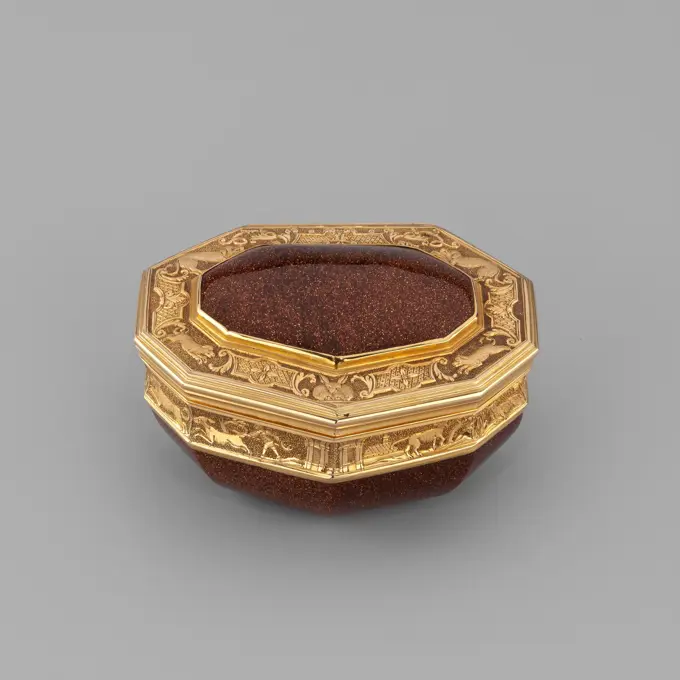
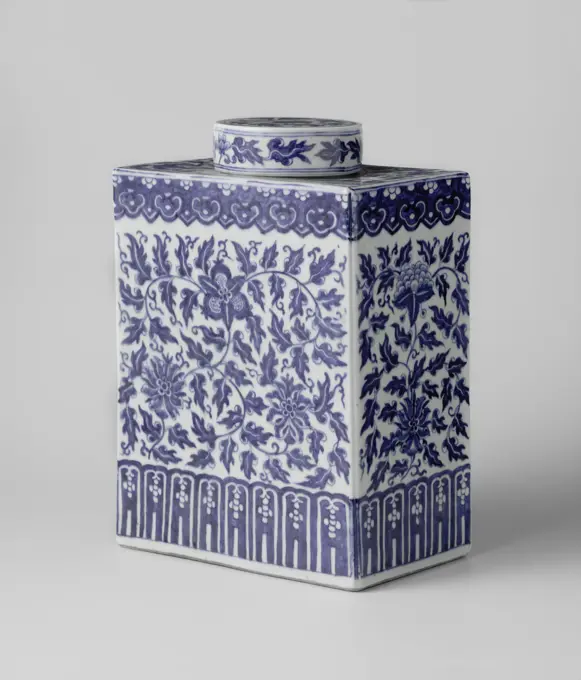
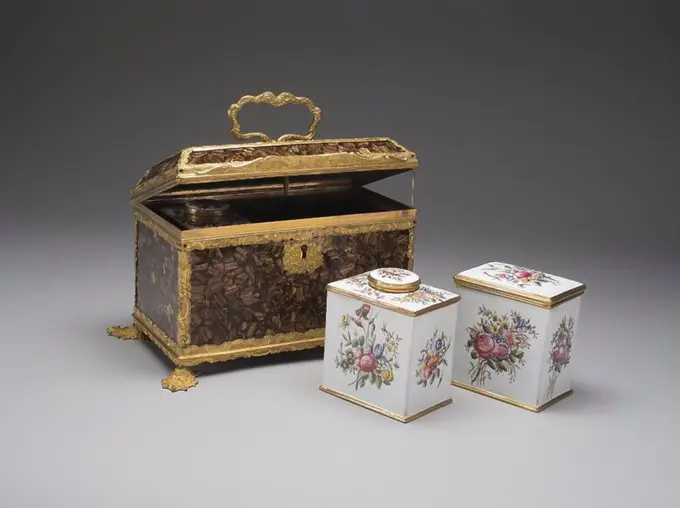
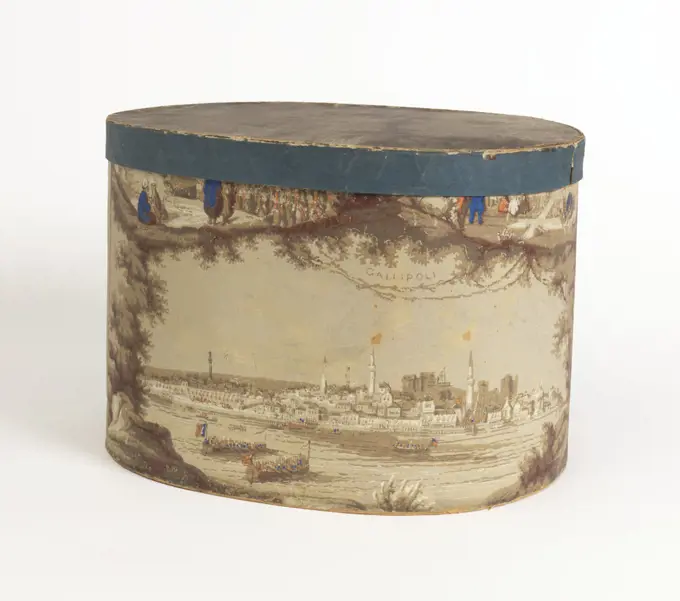
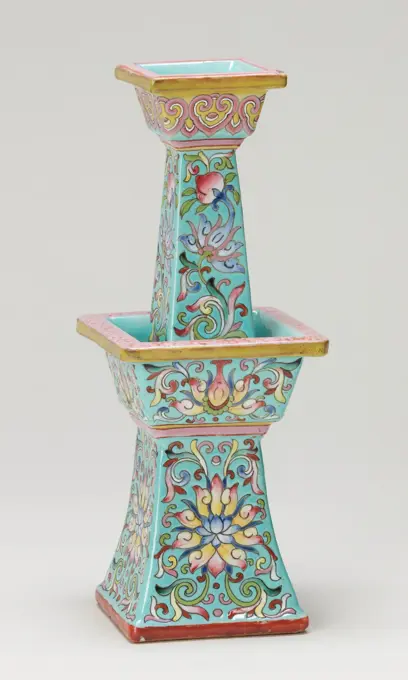
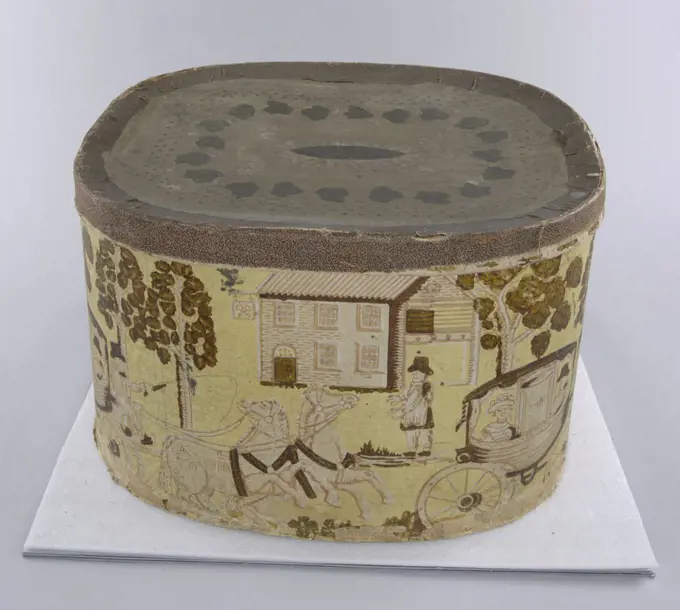
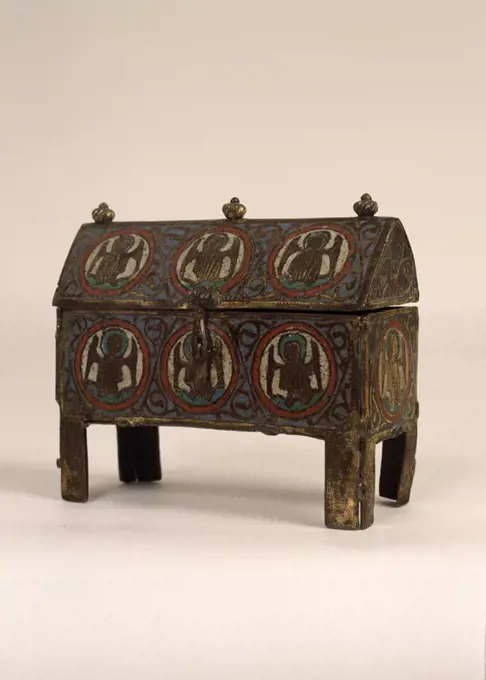
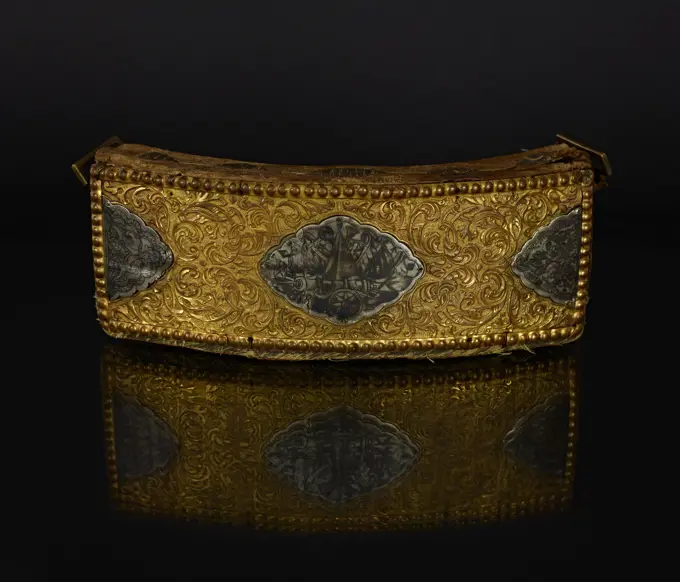
Mustard pot in the form of a barrel.Butter fleet, multi -colored painted with a Mediterranean landscape, anonymous, c. 1735 - c. 1755 Round butter fleet with raised ears multicolored painted with a Mediterranean landscape. Marked in blue va. Delft . Round butter fleet with raised ears multicolored painted with a Mediterranean landscape. Marked in blue va. Delft .Snuifdoos met panterdessin, anonymous, c. 1780 - c. 1790 Oval golden box, enamelled with red -brown spots on yellow stock, as with a leopard skin. The edges with green leaves and light violet strips on matted gold. goldsmith: Hanaugoldsmith: Paris gold (metal). Oval golden box, enamelled with red -brown spots on yellow stock, as with a leopard skin. The edges with green leaves and light violet strips on matted gold. goldsmith: Hanaugoldsmith: Paris gold (metal).Terracotta tripod-pyxis (box) ca. 625-575 B.C. Greek, Corinthian Decorated with bands and dots.. Terracotta tripod-pyxis (box) 251883 Greek, Corinthian, Terracotta tripod-pyxis (box), ca. 625575 B.C., Terracotta, H. of vase 3 1/8 in. (8 cm); H. with lid 4 9/16 in. (11.6 cm); diameter 6 1/16 in. (15.4 cm). The Metropolitan Museum of Art, New York. Fletcher Fund, 1925 (25.78.103a, b)Sugar bowl. Wehdell, Karol Harald (ca 1793-1844), goldsmithToilet can; Comyns & Sons (London; company z Otnicz; Fl. 1859-1953); 1898/99 (1898-00-00-1899-00-00);Covered Box. Culture: American. Designer: Designed by Louis Comfort Tiffany (American, New York 1848-1933 New York). Dimensions: 3 7/8 x 6 x 4 13/16 in. (9.8 x 15.2 x 12.2 cm). Maker: Tiffany Glass and Decorating Company (American, 1892-1902); (Stourbridge Glass Company). Date: 1898-1902.Tiffany kept this box in his collection. It is the largest of the few pieces that feature repoussé enamel decoration into which glass with a pearly iridescence was blown. Museum: Metropolitan Museum of Art, New York, USA.Aymé Videau, Pair of Sweetmeat Baskets (gilt), 1741/42, silver gilt.Zinown mug cover; Kreussen (ceramic family; XVII-XIX century); 2. PO. XVII century (1677) (1640-00-00-1660-00-00);Sugar bowl with lid, decorated with insects. Sugar bowl with lid, porcelain, part of a tea set, decorated with golden edges, insects in colors and golden spreading flowers. Marked with the letters GB, Rue Thirou à Paris.Snuff Box, c. 1780-90. Johann Christian Neuber (German, 1736-1808; active Dresden 1762-c.1800). Gold, multi-colored hardstone; overall: 2.9 x 5.7 x 4.3 cm (1 1/8 x 2 1/4 x 1 11/16 in.).Salt barrel. Salt barrel of stoneware. The dish is worn by 8 birds, 2 to 2 on one side. Blue decorated.Censer, c. 1600, 3 1/16 x 3 1/2 x 3 1/2 in. (7.78 x 8.89 x 8.89 cm), Gilt bronze, China, 16th-17th centuryBox lid, Ludwig Moser & Söhne, c. 1925 In the middle of the lid a medallion, on the edge a band with palmets and tendrils. Carlsbad glass etching / gilding / glassblowing In the middle of the lid a medallion, on the edge a band with palmets and tendrils. Carlsbad glass etching / gilding / glassblowingWater Jar (Mizusashi) with Geometric Patterns ca. mid-19th century Japan. Water Jar (Mizusashi) with Geometric Patterns. Japan. ca. mid-19th century. Stoneware with polychrome enamels and gold over finely crackled glaze (Satsuma ware). late Edo (1615-1868)-early Meiji period (1868-1912). CeramicsTea Caddy, 1741-1742. Paul Jacques de Lamerie (British, 1688-1751). Silver gilt; overall: 13.4 x 9.6 x 5.8 cm (5 1/4 x 3 3/4 x 2 5/16 in.). In the 1600s and 1700s, silver played a significant role in projecting wealth, status, power, and ritual in British life. Tea was likewise a highly valued commodity, and as such, silver caddies like this one were designed to display the social distinction of its owner. This canisters prominently sloping shoulders were designed by Paul Jacques de Lamerie in the early 1730s and became a standard form for tea caddies by the end of the decade.Bandbox (USA); Manufactured by Hannah Davis (1784 - 1863); block-printed paper, wood support, newspaper lining; 49 x 36 x 33 cm (19 5/16 x 14 3/16 x 13 in.)Cup, anonymous, c. 1610 Half -shaped barrel of rock crystal sharpened in twelve vertical facets. Gold frame with a horizontal golden hold with two sapphires and email cloisonon. France gold (metal). sapphire (mineral). Half -shaped barrel of rock crystal sharpened in twelve vertical facets. Gold frame with a horizontal golden hold with two sapphires and email cloisonon. France gold (metal). sapphire (mineral).Bandbox (USA); block-printed paper, pasteboard support; 42.5 x 32.5 x 28 cm (16 3/4 x 12 13/16 x 11 in.)Gold snuff box, rectangular, covered with mother -of -pearl, Émail and diamond and decorated with birds and volutes, anonymous, c. 1700 - c. 1800 Rectangular Golden Snuifdoos, with Pearl Lurk, Email and Diamonds. All sides covered with pearl plates with a white enamelled in the middle oval with birds. Decorated with volutes occupied with diamonds. goldsmith: unknowngoldsmith: Paris gold (metal). mother of pearl. diamond (mineral) Rectangular Golden Snuifdoos, with Pearl Lurk, Email and Diamonds. All sides covered with pearl plates with a white enamelled in the middle oval with birds. Decorated with volutes occupied with diamonds. goldsmith: unknowngoldsmith: Paris gold (metal). mother of pearl. diamond (mineral)Lid, multi -colored painted with a landscape with animals, anonymous, c. 1740 - c. 1770 Faïence lid, multi -colored painted with a landscape with animals. The lid is donated together with a tobacco spot (B). The lid and the pot originally do not belong together. Delft . Faïence lid, multi -colored painted with a landscape with animals. The lid is donated together with a tobacco spot (B). The lid and the pot originally do not belong together. Delft .Incense Burner in the Shape of a Melon with Autumn Flowers and Grasses. Culture: Japan. Dimensions: 3 1/4 x 3 7/8 in. (8.3 x 9.8 cm). Date: early 17th century.Although the naturalistic depiction of profuse autumn flowers and grasses is based on the Kodai-ji style, the meticulous quality of the technique of sprinkled gold on the black lacquer ground is characteristic of the craftsmanship of the early Edo period. Museum: Metropolitan Museum of Art, New York, USA.Hexagonal lantern with pierced sides, anonymous, c. 1700 - c. 1724 Lantern of porcelain with openwork walls, painted on biscuit in blue, green, yellow, eggplant and black. The walls are open in the form of a medallion with Swastika symbol, around three dragons and loose flowers on a speckled, green soil; The top with an open-up medallion with a band with Ruyi motif and large butterflies and flower branches around it against a speckled, green soil. Email sur biscuit with family distance colors. China porcelain. glaze. painting / vitrification Lantern of porcelain with openwork walls, painted on biscuit in blue, green, yellow, eggplant and black. The walls are open in the form of a medallion with Swastika symbol, around three dragons and loose flowers on a speckled, green soil; The top with an open-up medallion with a band with Ruyi motif and large butterflies and flower branches around it against a speckled, green soil. Email sur biscuit with family distance colors. China porcelain. glaWine glass cooler-rinser or jam pot, Olérys-Laugier Factory, France, founded 1738, Tin-glazed earthenware, Slightly everted cylindrical form with pinched indentation at rim and two mascaron handles. White ground decorated with coat of arms surmounted by a coronet and supported by two dalmatians (leopards, ermine) regardant; the shield is partly per saltire azure and argent, and has the star of an order suspended from the base. Swags and foliate forms below rim and above base., Moustiers-Sainte Marie, France, 1739-1749, ceramics, Decorative Arts, Wine glass cooler-rinser or jam potSnuff Box, c. 1880-1900. France, Paris, early 19th century. Gold, enamel, agate; overall: 4.1 x 6.4 cm (1 5/8 x 2 1/2 in.).Bandbox, Block-printed paper on pasteboard support, Floral patterned wallpaper with architectural molding of beading., France, 1830-40, Wallcoverings, BandboxPincushion 1887-1911 André Aucoc. Pincushion. French, Paris. 1887-1911. Silver gilt, mother-of-pearl, red velvet. Metalwork-SilverBandbox, Block-printed on handmade paper, pasteboard support, Two major motifs, the larger of which appears on the cover as well as on the box. A lady in flowing white robes of about 1815, seated on a bench beneath a tree, reaches towards a young man who advances proferring a bouquet. The smaller motif, above and below, is a basket of flowers. The paper is pasted on sideways on the box. The ground has small sprigs and dots. The paper is bordered by a vertical twining leaf and chevron design. It appears to be composed of small sheets., USA, ca. 1830, Wallcoverings, BandboxDish ca. 1794-1800 Absalmon Day The conjoined initials AD” undoubtedly stand for Absalom Day, founder of the Day Pottery in Norwalk, Connecticut. The pottery specialized in slip-decorated wares, often with names and sayings. The green glaze and feathered letters and border seen here are among Day’s most sophisticated decorations.. Dish 6503Spoon tray with three figures in a landscape in front of a pavilion, anonymous, c. 1725 - c. 1749 Pattipan of porcelain, rectangular and hexagonal, with lobed wall, painted on the glaze in red, black and gold. On the flat a man and woman on a terrace for a pavilion and a table with objects of a scholar, next to them a servant; To the left of the couple a pond; The wall with servetwork interspersed with flower vines in cartouches. Underside unglazed. European forms with Encre de Chine. China porcelain. glaze. gold (metal) painting / gilding / vitrification Pattipan of porcelain, rectangular and hexagonal, with lobed wall, painted on the glaze in red, black and gold. On the flat a man and woman on a terrace for a pavilion and a table with objects of a scholar, next to them a servant; To the left of the couple a pond; The wall with servetwork interspersed with flower vines in cartouches. Underside unglazed. European forms with Encre de Chine. China porcelain. glaze. gold (metal) painting Covered Bowl. Sri Lanka, circa 1830. Furnishings; Serviceware. Terracotta with opaque watercolorBox (one of a pair) (part of a set) 1766/67 John Parker British These boxes were part of a toilet service sold by the leading London retailers Parker and Wakelin to John Heathcote, who, a few years earlier, had married the heiress Lydia Moyer. Parker and Wakelins accounts for the sale show that the service included eight such boxes, a pair of candlesticks, two "essence pots," a looking glass, a "jewells trunk," and a pair of octagonal pierced trays. The cost for gilding the service was more than £56—roughly equal to the annual wage of a successful artisan—and the entire bill came to more than £300. There was a further charge of £6 6s for a "red morocco leather case with a drawer & 2 cushions.". Box (one of a pair) (part of a set) 236587Hexagonal Lantern With Pierced Sides. Hexagonal porcelain lantern, painted on the glaze in blue, pink, green, yellow and black. The wall is divided into eighteen compartments, each of which has been opened with a swastika or 'cash' pattern; To the courses a tire with different types of napkin against a colored soil. Family Rose.A plate;  19th century (1801-00-00-1900-00-00);Luminaire to the toilet bottle; Comyns & Sons (London; company z Otnicz; Fl. 1859-1953); 1904/05 (1904-00-00-1905-00-00);Box with pommel scroll design. Culture: China. Dimensions: H. 5 3/4 in. (14.6 cm); Diam.13 1/8 in. (33.2 cm). Date: late 14th century.At first glance this large box with a spiraling geometric design appears to be made of red lacquer. It was in fact carved from layers of red and black lacquer, a technique that gives the surface its resonance. Museum: Metropolitan Museum of Art, New York, USA.Play fair of dark green velvet, embroidered in gold and silver thread with the Arry de Vignory family crest. Play fair of dark green velvet, embroidered in gold and silver thread with the Arry de Vignory family crest (also: Vignori). Model: Flat round bottom of which a wavy upright edge has provided holes through which a pull cord of silver wire is running. Lined with goat leather. Decoration: The 20 bulges or 'ribs' are outlined with gold thread. In between, an S-rank and acanthus spiral. On the top and bottom with a French lily or 'Fleur de Lys'. The bottom is completely filled by a lambrequin in which a raised family coat placed above which a crown was relieved. The weapon consists of a climbing lion of gold against a rock of silver on a checkered purple surface. The lion comes from the heraldic right. Left and right is in the middle on the edge a wooden bead wound with yellow silk confirmed. The velvet is trimmed with a trusted silver wire.Cover of gilded decorations box, Meisser Porzellan Manufaktur, 1720 - 1725  Float porcelain. gilding (material)  Float porcelain. gilding (material)Cover of a butter tub with the coat of arms of Hendrik Peter Godfried Quack and Isabella Gertraud von Carnap, Etienne Blancheron, c. 1790 - c. 1800 Cover of a porcelain butter fleet painted on the glaze with gold. With a square handle and on the sides a raised part with a hole. Decorated with the alliance weapon of Hendrik Peter Godfried Quack and Isabella Gertraud von Carnap and a flower drink. Golden band on the edge. maker: Paris (possibly)Netherlands (possibly) porcelain. glaze. gold (metal) painting / gilding / vitrification Cover of a porcelain butter fleet painted on the glaze with gold. With a square handle and on the sides a raised part with a hole. Decorated with the alliance weapon of Hendrik Peter Godfried Quack and Isabella Gertraud von Carnap and a flower drink. Golden band on the edge. maker: Paris (possibly)Netherlands (possibly) porcelain. glaze. gold (metal) painting / gilding / vitrificationBandbox, Block-printed paper, pasteboard support, Dismounted hunters with guns, one of whom is seated and the other in the act of shooting, standing. Standing horse, at left. At right, dogs in pursuit. Background of dark trees and sloping ground. Box bottom only, no lid., USA, ca. 1835, Wallcoverings, BandboxLid of multicolored painted tea liabus from Faïence, Anonymous, c. 1720 - c. 1760 Lid of square tea lares, multi -colored painted with a landscape with a few buildings. Delft . Lid of square tea lares, multi -colored painted with a landscape with a few buildings. Delft .Turban snail shell cup, c. 1560, 6 1/4 × 6 11/16 × 4 3/16 in. (15.88 × 17 × 10.64 cm), Turban snail shell, turquoise, rubies or garnets, glass stones, gold lacquer, silver gilt mounts, Germany, 16th century, Travel, trade and scientific discoveries in the sixteenth and seventeenth centuries gave rise to a new type of collecting in which curiosities of nature and man-made works of art and science were gathered together by princes and wealthy connoisseurs in cabinets of curiosities which referred to both cabinets as well as one or more rooms. Hybrid objects, such as this turban snail shell cup were especially prized for the marriage of nature and art.Box base China. Box base 40940Bandbox, Block printed on handmade paper, pasteboard support, Farm scene with poultry. Chicken and rooster in foreground. Man with horse-drawn plow in distance. A large church with enclosed garden is to the left, while three additional buildings are in the further distance behind plow. Printed in pink, olive and white on green field. On top, castle on mountain rising from lake., USA, ca. 1830, Wallcoverings, BandboxBandbox. Dated: 1935/1942. Dimensions: overall: 22.9 x 29 cm (9 x 11 7/16 in.) Original IAD Object: 9" high; 13" wide. Medium: watercolor and graphite on paperboard. Museum: National Gallery of Art, Washington DC. Author: Eleanor Ruelos.Lidded Bowl. Mennecy Porcelain Manufactory (French, active 1750 - 1777)Tea caddy (one of a pair) early 19th century British The term caddy, now used for any tea container, derived from the Eastern word kati, meaning about 12/3 pounds. Caddies were ornamental boxes fitted with one- or two-lidded compartments. Of elliptical shape, this delicate example is decorated with rolled paperwork. The central medallion shows a young girl with a lamb painted on silk. During the late eighteenth century it became a favorite pastime for young ladies to decorate objects in this manner, the materials being available for this purpose from professional suppliers. The color is remarkably fresh since the tea caddy has been kept in its original cardboard box.. Tea caddy (one of a pair) 205597Shallow bowl. Hausmaler (malarz "domowy")Snuff Box. Christoph Conrad Hunger; German, active 1725-75. Date: 1735-1745. Dimensions: 3.2 x 6.4 x 5.1 cm (1 1/4 x 2 1/2 x 2 in.). Metal, enamel, and gold. Origin: Meissen. Museum: The Chicago Art Institute, Chicago, USA.Box, Tortoiseshell, Dark circular tortoiseshell box with gold border around edge of lid and an illustration of a simple flower and shapes surrounding the central motif on top of the lid, France, ca. 1785, containers, Decorative Arts, Box. Gold, enamel, and pearls .Cap 17th century Italian. Cap 98367Water Bowl, 1662-1722, 2 5/8 in. (6.7 cm), Porcelain with peach bloom glaze, China, 17th-18th centuryBandbox (USA); block-printed paper, pasteboard support; 43 x 34 x 29 cm (16 15/16 x 13 3/8 x 11 7/16 in.)Butter Pat 1885 Union Porcelain Works Union Porcelain Works was one of the most important and inventive American porcelain manufacturers in the second-half of the nineteenth century. In addition to their imaginative works designed by the German-born artistic director, Karl H. L. Müller, the firms mainstay was the production of heavy porcelain hotel dinnerware. This extensive service was made by Thomas Carll Smith, head of the Union Porcelain Works, as a gift to his daughter, Pastora Forest Smith Chace. The neoclassical decoration of the gilt bellflower and basket motif is complimented by turquoise enamel. Unlike the firms more eccentric and lavish designs created for their display at the Philadelphia Centennial Exposition in 1876, the pottery favored a more restrained classical style for their dinner services. This service descended in the Chace family.. Butter Pat 1059Chasse 13th century French. Chasse 464312 French, Chasse, 13th century, Champlev enamel, copper-gilt, Overall: 9 1/16 x 9 5/8 x 4 1/4 in. (23 x 24.4 x 10.8 cm). The Metropolitan Museum of Art, New York. Gift of J. Pierpont Morgan, 1917 (17.190.335)Arqueta. 16x16x6 cm.Bristle ridge of multi -colored Faïence, Anonymous, c. 1715 - c. 1740 Oval brush ridge multicolored painted with an oriental flower branch with bird. Delft . Oval brush ridge multicolored painted with an oriental flower branch with bird. Delft .Printed silk turban of persian maskade suit. Turban from white silk printed with gold-colored motif of garlands and circles, whereby gold colored silk and nylon tulle crossed down. Decorated with three 'jewelry' consisting of a round piece, faceted glass on a colored foil framed by an edge gold-colored spangles in which a golden bead. Here around points of golden glass beads. Interior of Laiton. Lining, with tunnel rib, from ivory silk. Equipped with white hat elastic.Etui Box 1750-1799 England. Gold, steel, porcelain, crystal, velvet, and silver .Tobacco Box 1816 John Erwin. Tobacco Box 8672Lampshade in a half -bowl; Koenigliche Porcellain Fabrique, Meissen (1710-1763); 1750-1760 (1750-00-00-1750-00-00);Painting on antique wooden pen box, Jodhpur, Rajasthan, India Copyright: xSafatxAli/DinodiaxPhotoxTobacco box with farmers. Tobacco box of silver. Oval and flattened spherical. Decorated with engraved tendrils. On the lid and on the bottom performances of farmers. Master sign: IW in rectangle.Charles Moss, Small Hat Box, 1938 Small Hat BoxSmall, round, ivory box with engraved mother -of -pearls, anonymous, 1825 - 1875 Small, round box with a convex lid. The lid and sides decorated in high relief. On the lid a curious representation of three trees surrounded by and fence; On the sides a landscape with houses without figures; A flower in low relief on the bottom. On the inside of the lid a vague remnant of a Chinese character in Chinese ink. The sheets are equipped with a nice cartel edge and are engraved with different narrow, decorative tires. In the center at the front a Chinese man near a tree. All chips (12) Except one sitting clamped in the box. This box was probably part of a larger game box. China ivory. mother of pearl cutting / engraving Small, round box with a convex lid. The lid and sides decorated in high relief. On the lid a curious representation of three trees surrounded by and fence; On the sides a landscape with houses without figures; A flower in low relief on the bottom. On the inside of the lid a vaguTobacco box with a mounted pearl plaque with scenes concerning salt extraction, Jan Diederik Pont, 1755 The Round, ashesle box rests on three leaf -shaped legs that include the profiled bottom edge. The box broadens towards the lid. A round mother -of -pearl plaque is mounted in the lid. Displayed of various stages of salt extraction: three men throw salt in a barrel in the foreground, to the left of it a man is in a hut to weigh the salt; In the background a sailing ship sails at sea with the god Hermes above it; Two men carry a basket with salt the mine and two men chop with a pickaxe and a scoop of salt in the mine. In the box is the original pewter inner plate. Amsterdam silver (metal). tin (metal). plaque: mother of pearl The Round, ashesle box rests on three leaf -shaped legs that include the profiled bottom edge. The box broadens towards the lid. A round mother -of -pearl plaque is mounted in the lid. Displayed of various stages of salt extraction: three men throw salt in a barrSnuffbox 1771-72 Jean-Baptiste Beckers In eighteenth-century Europe, Paris led the production of high-quality luxury goods. Parisian goldsmiths made a wide range of small, personal articles such as snuffboxes; étuis to hold sealing wax, tweezers, or utensils for sewing; souvenirs, which contained thin ivory tablets for note taking; and shuttles for knotting lace. Gold snuffboxes and boxes decorated with portrait miniatures were prized and frequently given as royal gifts, often to ambassadors or members of the court in lieu of cash payments for their services. Coveted and admired, these boxes were produced from a variety of materials. The best were skillfully made of gold and embellished with diamonds, enameled decoration, lacquer, and other luxurious materials. By the middle of the century, the taking of snuff had become an entrenched social ritual, and the snuffbox, too, had become an important social prop. Snuffboxes were considered highly fashionable accessories, with some merchantsCovered Jar 1886-94 American. Covered Jar. American. 1886-94. Opal glass. Made in New Bedford, Massachusetts, United StatesSnuff Box, 1732. Noel Hardivilliers (French). Hardstone, jasper panels, gold;Flower vase (cuvette Mahon). The form of this vase, with its boat shape, was designed to commemorate the French capture of the British-occupied Port Mahon on the island of Minorca in 1756.(Ceremonial Offering Stands, one of a pair), 18th century, Nagata Yūji, Japanese, active 1711 - 1736, 12-1/4 x 10-7/8 x 10-7/8 in. (31.1 x 27.6 x 27.6 cm), Lacquer, mother-of-pearl, maki-e, Japan, 18th centuryBox: Sacrifice of Venus. Vienna, Austria. Date: 1775-1799. Dimensions: 3 × 8.3 × 6 cm (1 3/16 × 3 1/4 × 2 3/8 in.). Gold and enamel. Origin: Austria. Museum: The Chicago Art Institute, Chicago, USA.Sword-Hilt Collar (Fuchi), 1700-1850. Japan, Edo period (1615-1868). Shakudo; average: 3.9 x 2.3 cm (1 9/16 x 7/8 in.).(Handled bucket with cover), Unknown Japanese, 8 1/16 x 7 11/16 x 7 5/16 in. (20.48 x 19.53 x 18.57 cm) (overall), Glazed ceramic, plant fibers, JapanPainting on wooden box, Jodhpur, Rajasthan, India Copyright: xSafatxAli/DinodiaxPhotoxFood Warmer (Réchaud) 1755-1765 Munich . Staatliche Porzellan-Manufaktur NymphenburgSnuff Box 1800-1900 England. Amethyst, gold, rose diamond, ruby, and emerald .Snuff Box (Tabatière), 1753-1754. Jean Ducrollay (French, 1709-1787), miniatures by Louis Nicolas van Blarenberghe (French, 1716-1794). Gold and glass with miniatures; overall: 3.4 x 5.6 cm (1 5/16 x 2 3/16 in.).Snuffbox 1898-1899 Birmingham. Silver and silver gilt .Snuffer from adventure;  The twenties of the 18th century (1720-00-00-1739-00-00);Ministry of Finance (Warsaw - 1950-) - message, National Bank of Poland (Warsaw - 1945-), architecture, landscapes, message (provenance), dogs, regency (ornament), ZejącRectangular tea caddy with flower scrolls and bats, anonymous, c. 1875 - c. 1899 Rectangular porcelain tea lid with lid, painted in underlaze blue. Bloemranken stylized on the wall; A tire blue with a pattern in reserve around the foot; Around the top edge a tire blue with Ruyi motif and flowers in reserve; bats between clouds on the shoulder; The neck with two flower vines. The lid with flower vines. With cork. Blue White. China porcelain. glaze. cobalt (mineral) painting / vitrification Rectangular porcelain tea lid with lid, painted in underlaze blue. Bloemranken stylized on the wall; A tire blue with a pattern in reserve around the foot; Around the top edge a tire blue with Ruyi motif and flowers in reserve; bats between clouds on the shoulder; The neck with two flower vines. The lid with flower vines. With cork. Blue White. China porcelain. glaze. cobalt (mineral) painting / vitrificationSugar-bowl with a lid. Koenigliche Porcellain Fabrique, Meissen (1710-1763), factoryCasket (Carré de toilette). UnknownCasket Containing a Sugar Box and two Tea Caddies. England, Birmingham. Date: 1755-1765. Dimensions: Overall: 15.2 × 21.6 × 12.1 cm (6 × 8 1/2 × 4 3/4 in.). Glass, metal mounts, enameled copper. Origin: Birmingham. Museum: The Chicago Art Institute, Chicago, USA.Plate with five openings, belonging to a flower holder Multi-colored painted with spreading flowers. Plate with five openings, belonging to a flower holder from Faïence. Many color painted with spreader flowers.Confectioner; Kurz, Karl (1851-1936); End of the 19th century (1890-00-00-1900-00-00);Pyxis. UnknownSnuff box of gold, round and decorated with enamelled hunting performances. Round golden snuff box, completely decorated with enamelled yacht performances. Edges of scilated seedilles.Gallipoli, Block-printed on handmade paper, pasteboard support, Paper with repeating scenes of Gallipoli and Istanbul, showing shipping, soldiers and architecture. The ships each fly their nation's flag, including France. Printed in gray and brown, with bright blues and reds in the figures in each scene., USA, 1825-35, Wallcoverings, Bandbox and lid, Bandbox and lidDouble salt or pepper box Pierre-Aymé Joubert 1748-49 The two shell-like covers of this box conceal shallow compartments for salt or pepper. Rococo-style salts like this one were made in matching sets that were arranged around the dining table in front of each guest or, alternatively, positioned between two guests. The fluted covers and scrolling feet were intended to reflect the flickering candlelight.Candlestick from a five piece garniture, early 19th century, 8 1/2in. (21.6cm), Porcelain, China, 19th centuryGold snuff box, round and decorated with enamelled hunting performances, anonymous, 1750 Round golden snuff box, completely decorated with enamelled hunting performances. Edges of quoted rocailles. Berlin (possibly) gold (metal). Round golden snuff box, completely decorated with enamelled hunting performances. Edges of quoted rocailles. Berlin (possibly) gold (metal).Brandy Warmer 1840-57 Gerardus Boyce. Brandy Warmer 970Bandbox and lid, Block-printed on handmade paper, pasteboard support, Railway carriage; coach drawn by horses; background of tavern or inn. Red and green on yellow field. Cover: a medallion in same coloring of grape leaves and lace effect in border., USA, ca. 1830, Wallcoverings, Bandbox and lid. Five part inro, covered with black lacquer with pine trees and a bridge with two lanterns in the fog in Makie. The inside of Nasihij.Box Horning with a bronze medal, Johan Philip Mathias Menger, 1887 box Round cardboard box with gold -colored edge. The inside is covered with purple velvet. Utrecht cardboard   Netherlands. ItalyTea with a multi -colored landscape in a medallion saved in a geometric pattern, Weesper Porcelain factory, c. 1759 - c. 1771 Tea bus with a multi -colored landscape in a medallion saved in a purple geometric pattern. Not marked. Weesp porcelain Tea bus with a multi -colored landscape in a medallion saved in a purple geometric pattern. Not marked. Weesp porcelainArqueta de cobre campeado, grabado, dorado y esmaltado con elementos de fundición. 12,5x13,8x5,8 cm. Limoges, Francia, s.XIII.Ammunition pouch unknown label