Decorative Antique Vessels

A variety of ornate vessels including goblets, jars, and candlesticks, featuring intricate designs in silver and bronze, ideal for decorative displays.
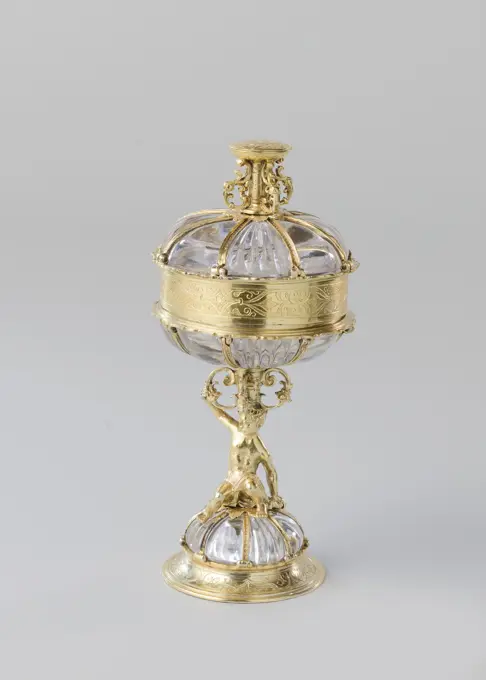
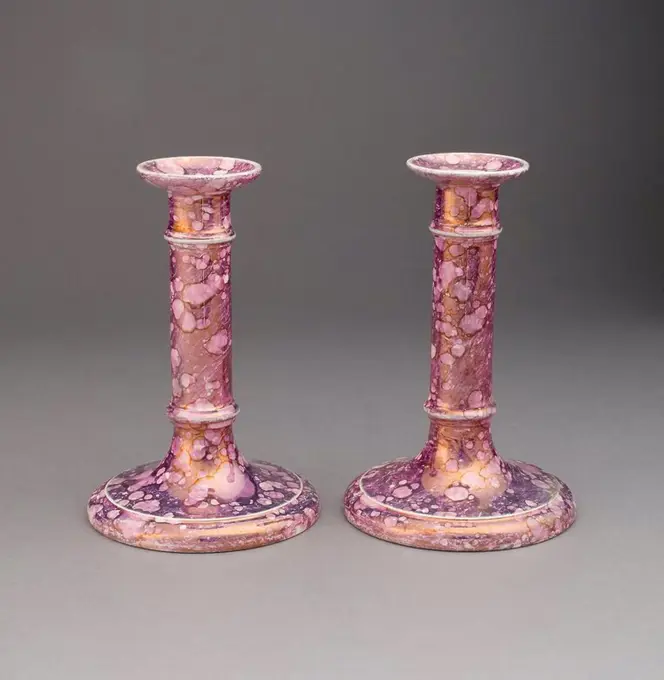
Cup with frame of gilded silver. On dome -shaped foot a naked young man who holds the frame of the barrel with one hand., Anonymous, 1590 - 1610 Small jar with gold -plated silver frame. On the dome -shaped foot there is a naked young man who holds the frame of the barrel with one hand. Southern Germany silver (metal). gilding Small jar with gold -plated silver frame. On the dome -shaped foot there is a naked young man who holds the frame of the barrel with one hand. Southern Germany silver (metal). gilding
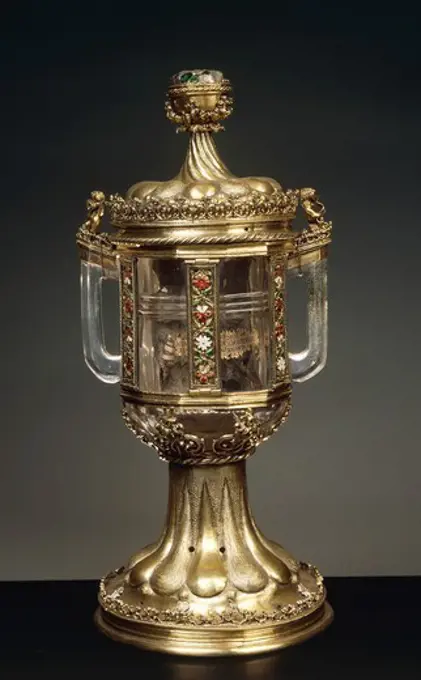
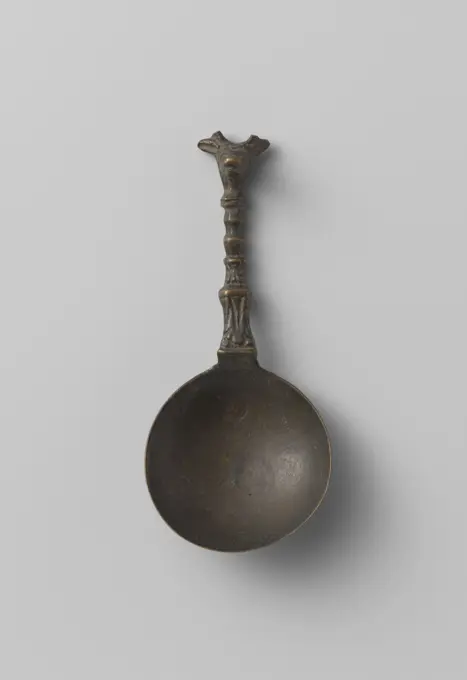
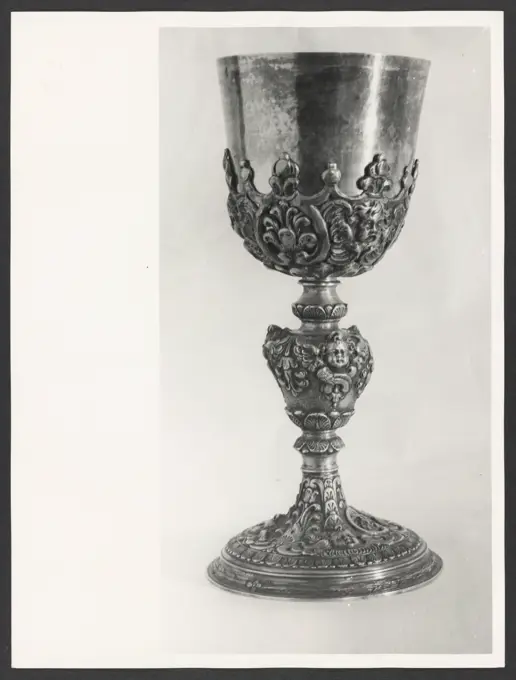
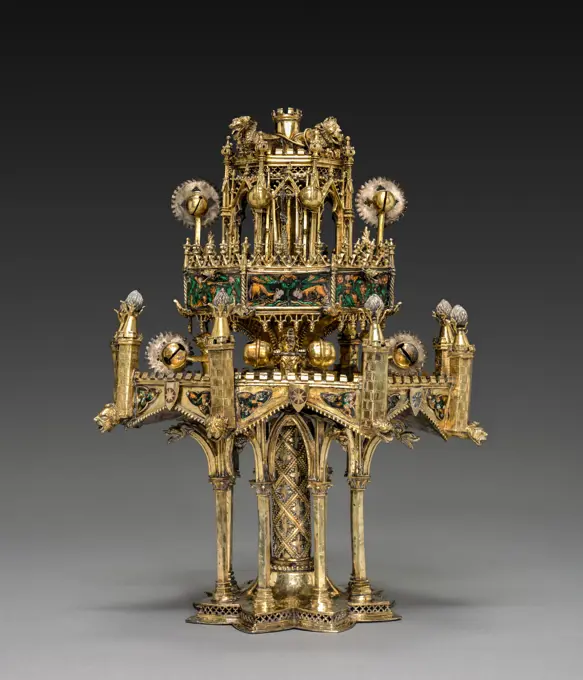
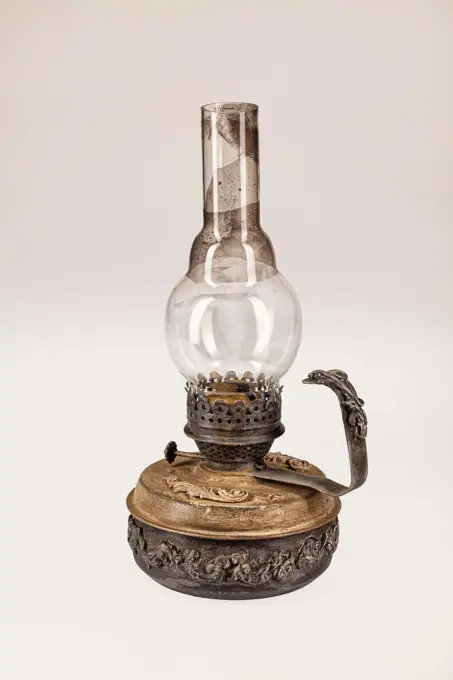
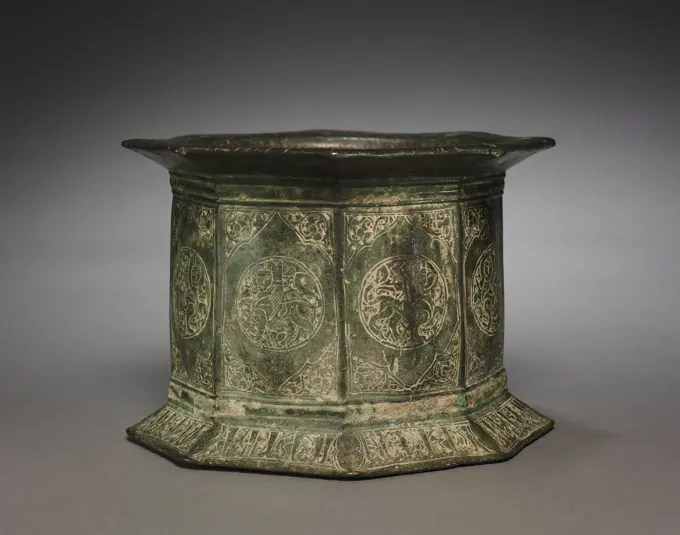
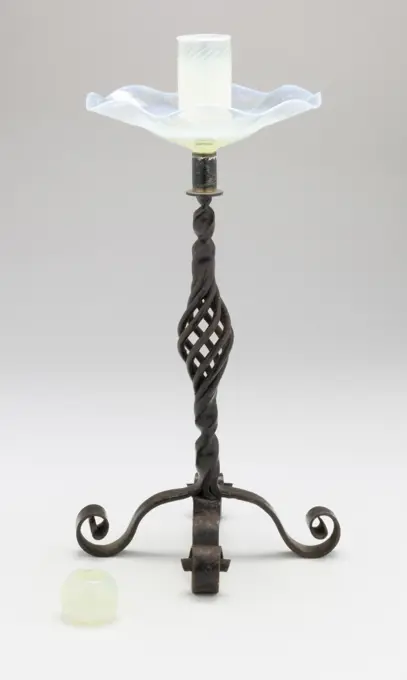
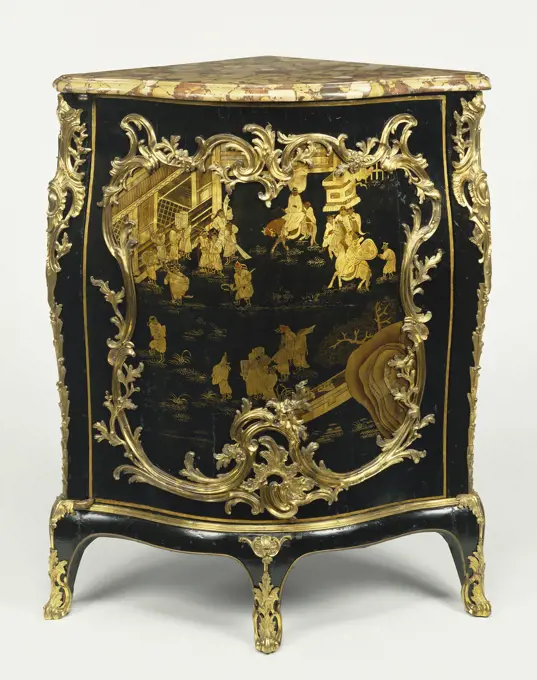
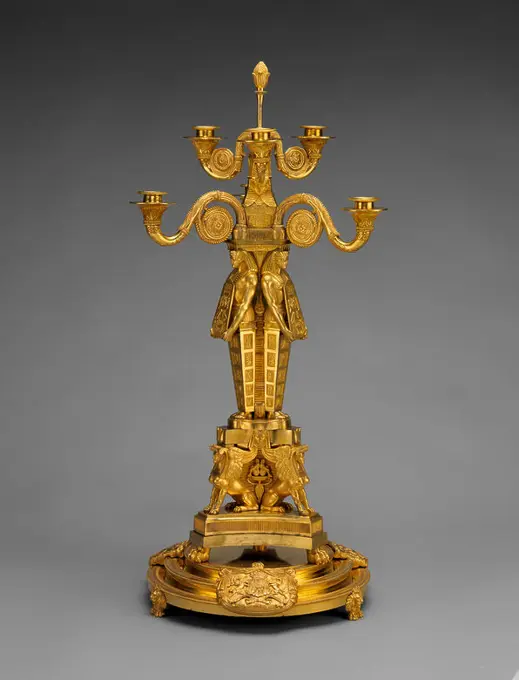
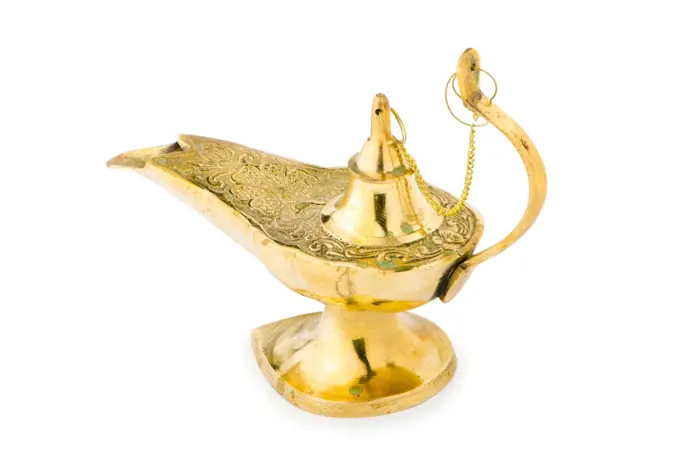
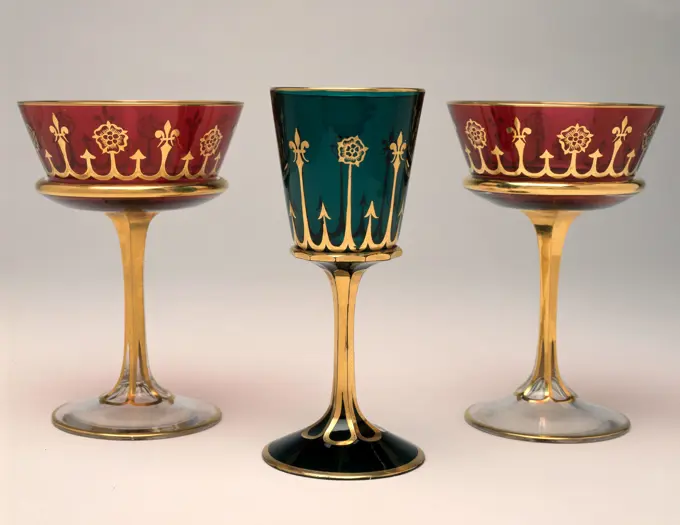
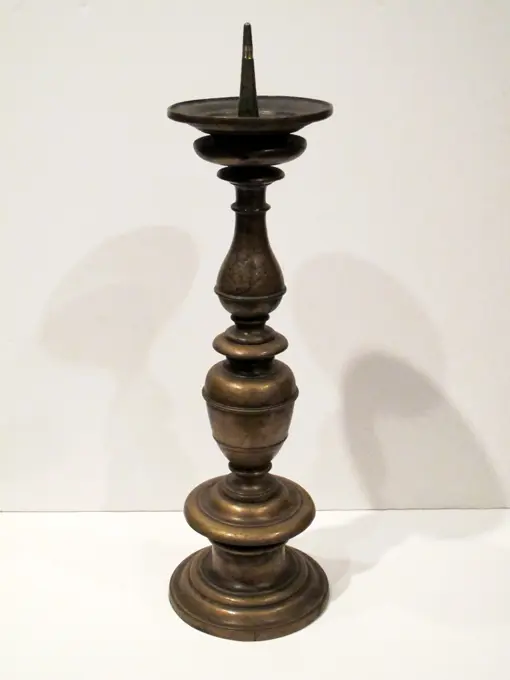
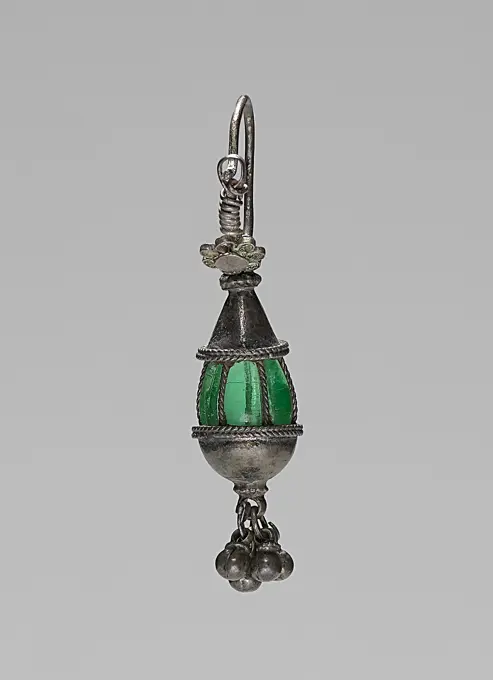
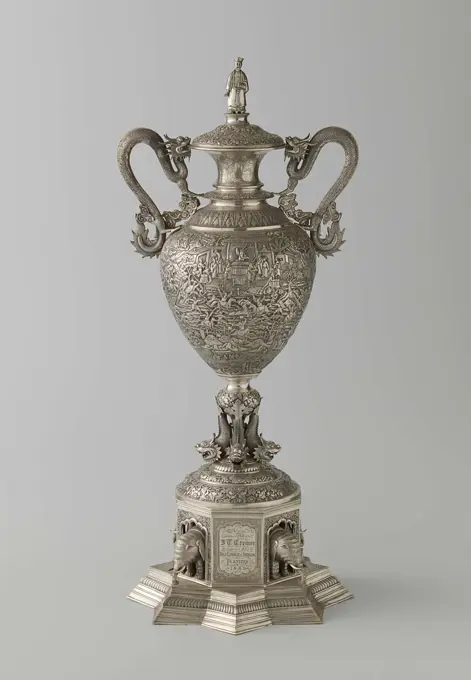
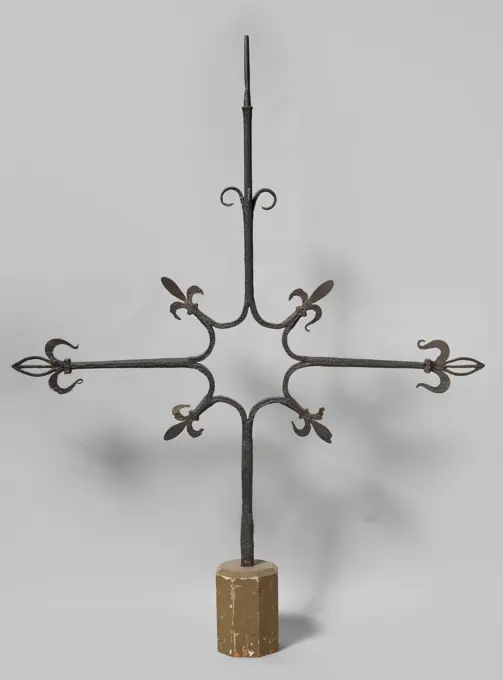
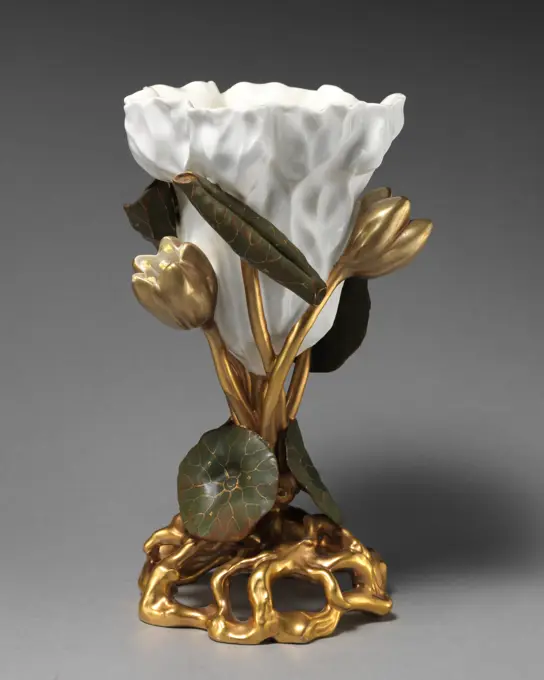
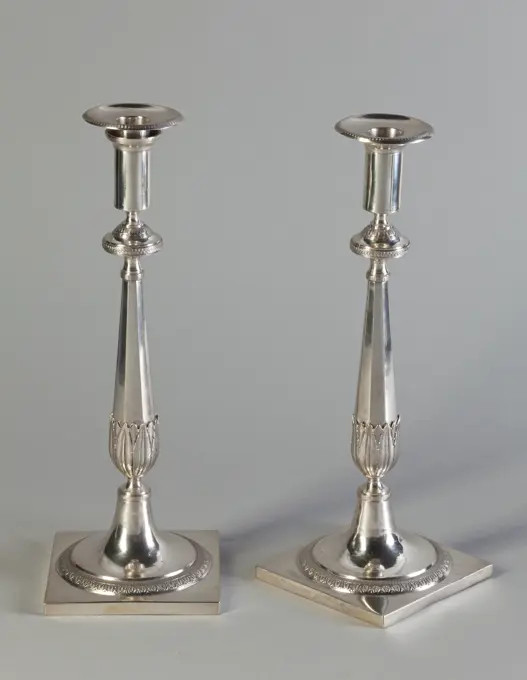
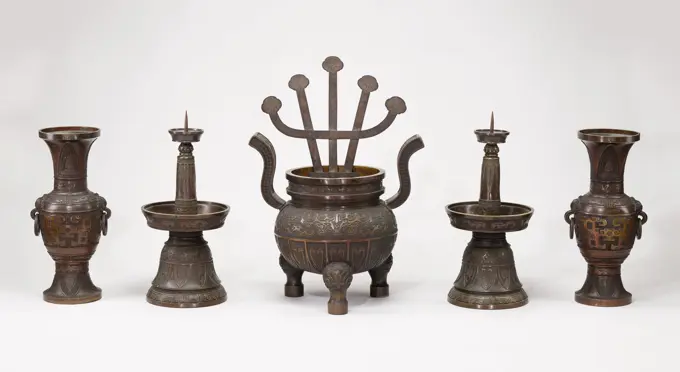
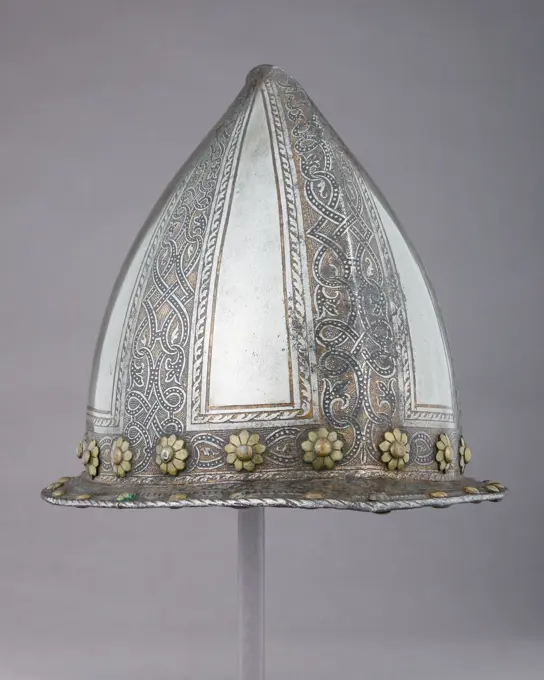
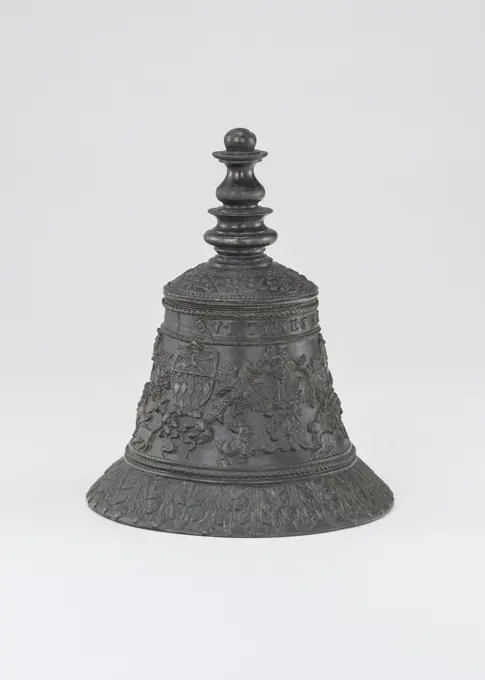
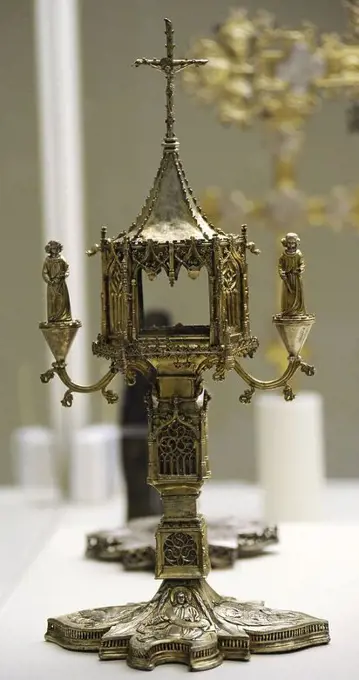
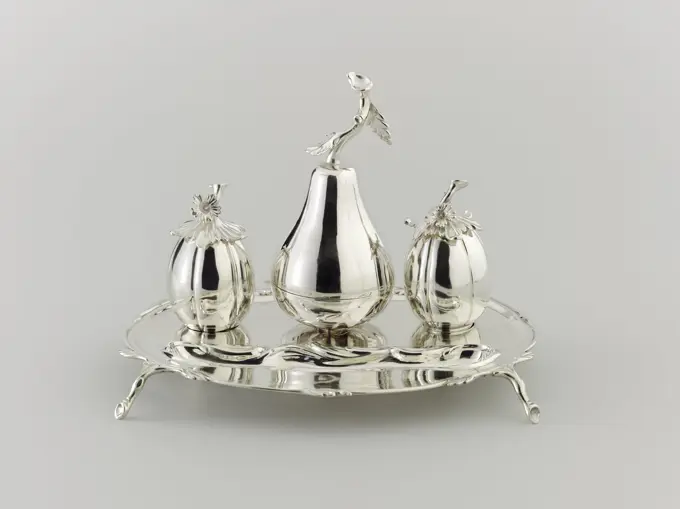
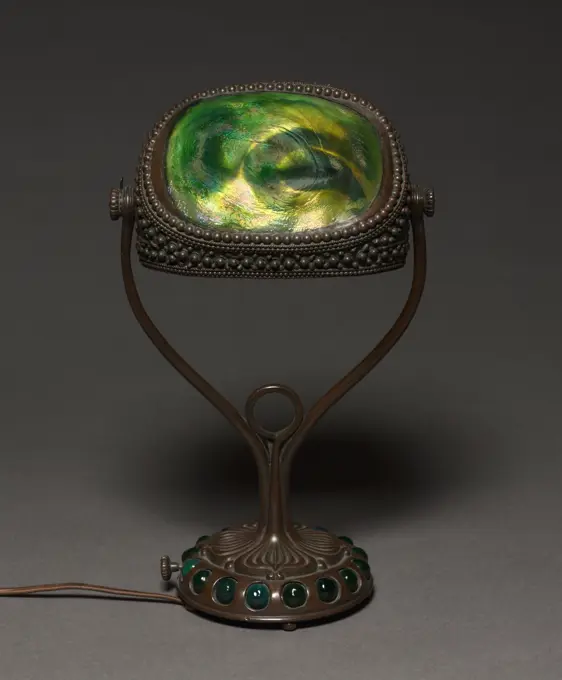
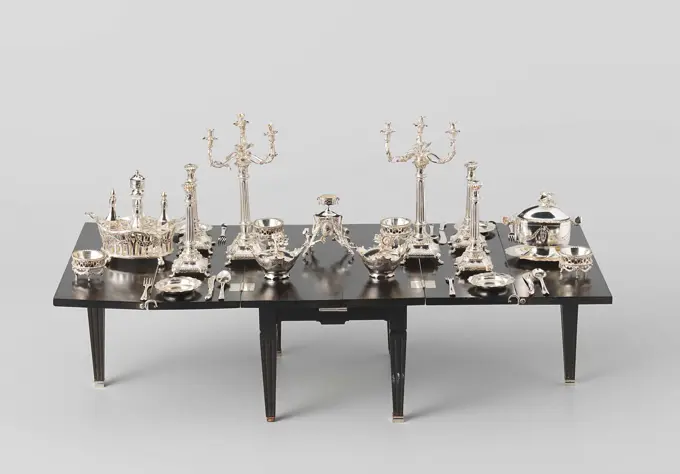
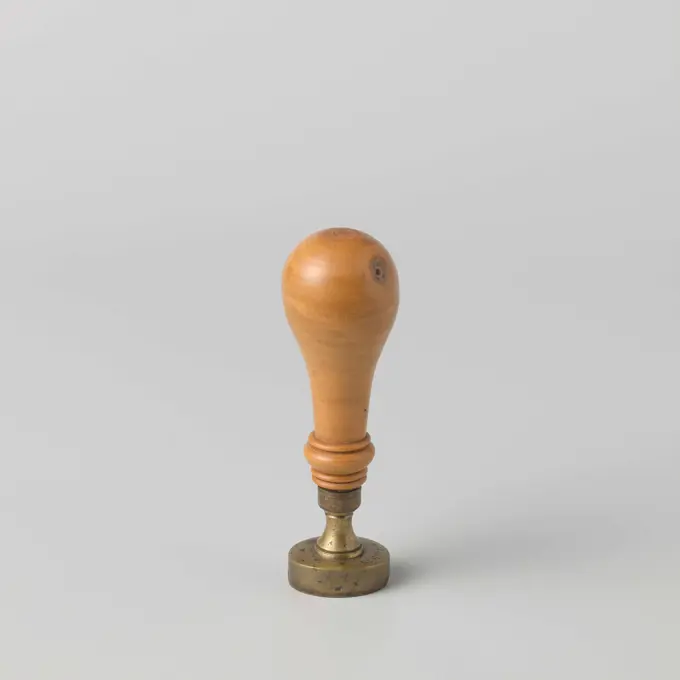
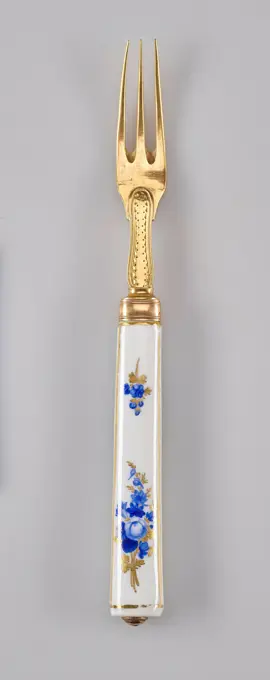
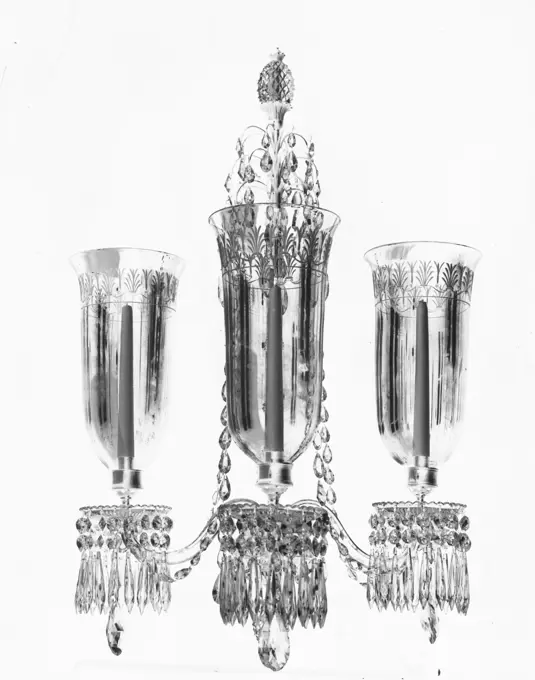
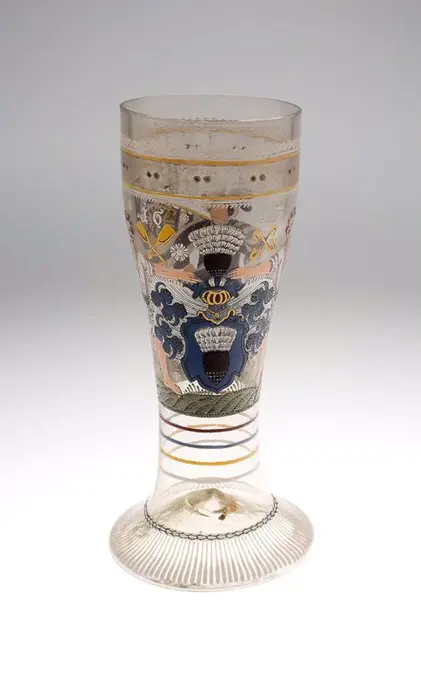
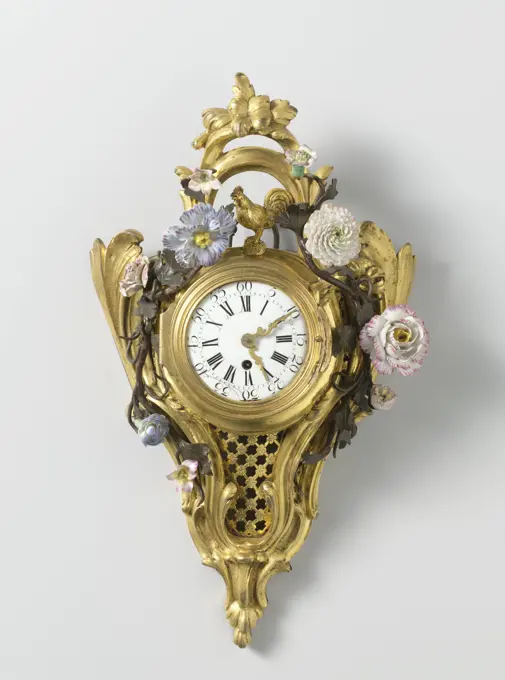
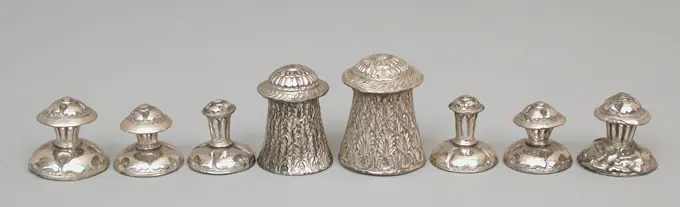
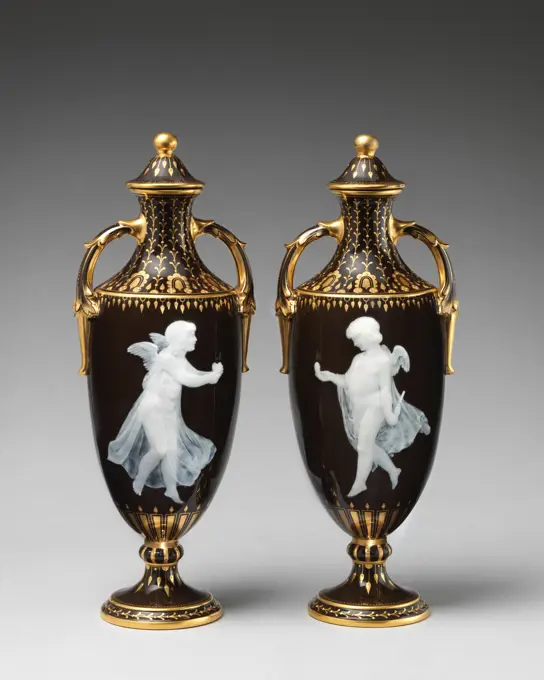
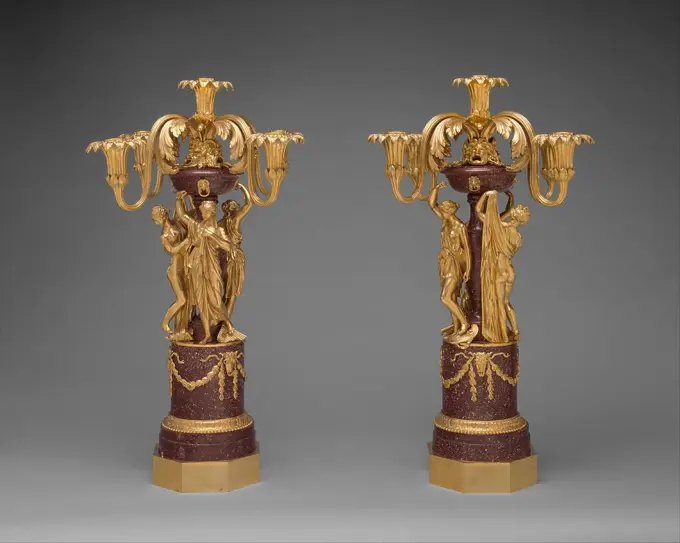
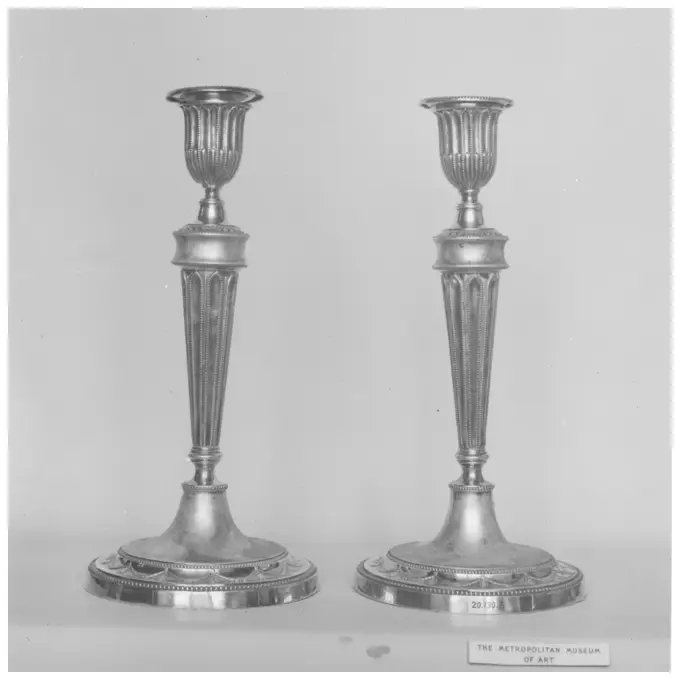
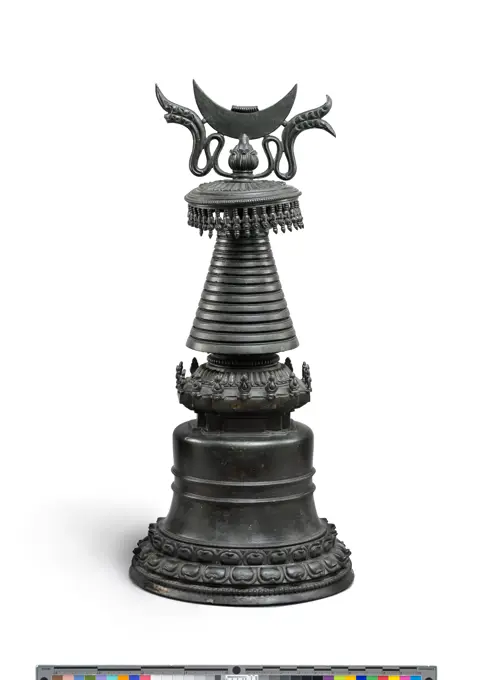
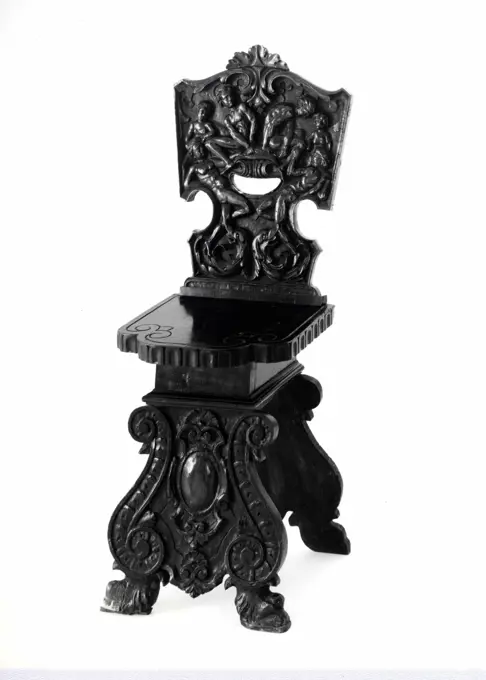
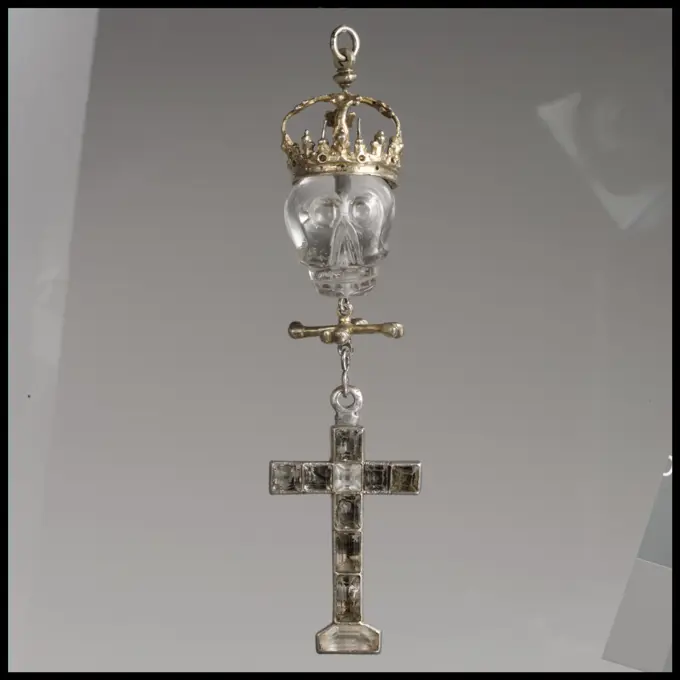
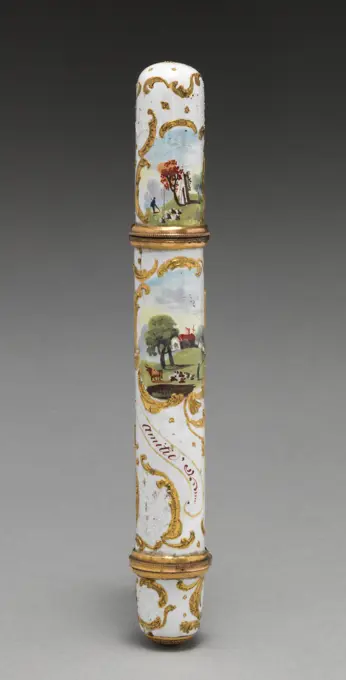
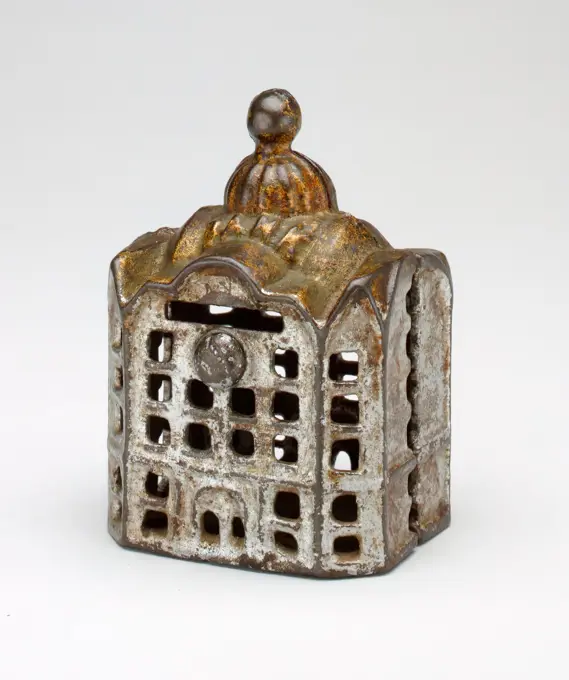
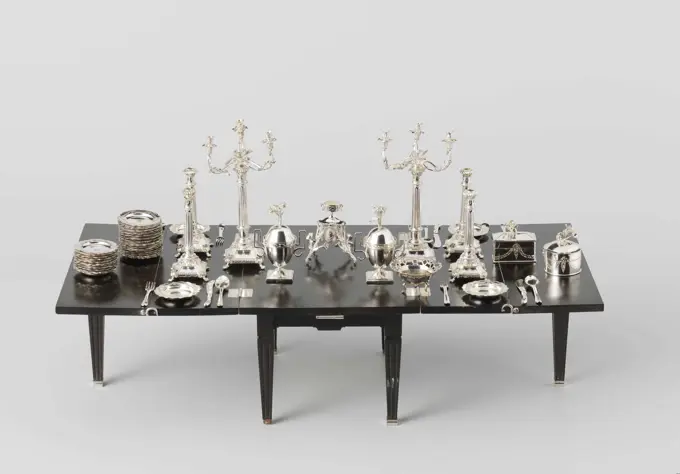
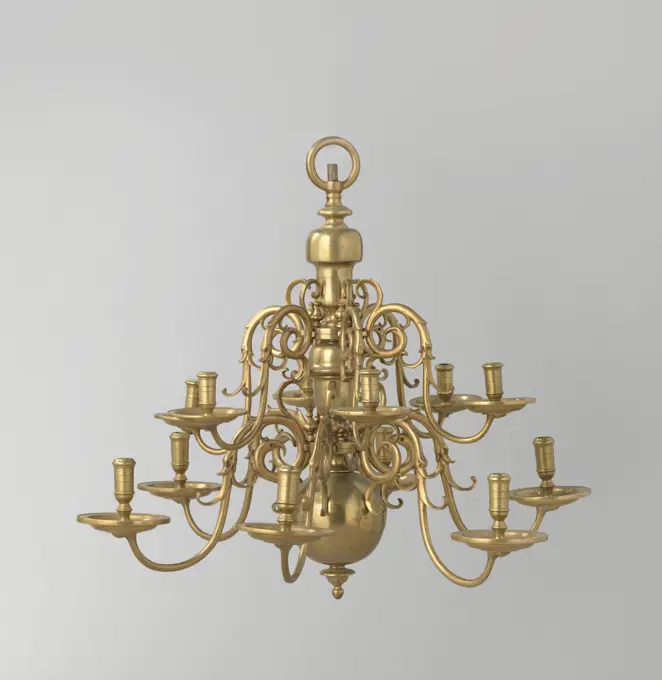
Arm with candle holder of candle crown of two heights, c. 1800 - c. 1875 Candle belonging to a brass candle crown of two heights. The S-shaped arm has a curl at the start, halfway through a dolphin head and turns outside into the flat thickening with a screw hole. The candle holder is secured with the fat catcher. The fat catcher is ribbed at the bottom of the opening and has a slightly excellent edge and is decorated with grooved hefty rings. The Cylindrian candle holder has a profiled and a little excellent edge, two grooved rings, a rib and a profiled hollow bottom, which turns into a protrusion with a thread with a center hole. This is the third arm of the upper position ring, numbered with 3 round points. Netherlands brass (alloy) casting Candle belonging to a brass candle crown of two heights. The S-shaped arm has a curl at the start, halfway through a dolphin head and turns outside into the flat thickening with a screw hole. The candle holder is secured with the fat catcher. TheInkstel on a wooden pedestal, Johannes Mattheus van Kempen, 1850  Ink set on a black -lacquered wooden base. Utrecht silver (metal). wood (plant material). crystal (lead glass). iron (metal) cutting / casting / striking (metalworking) / forging / engraving / blow molding  UtrechtSilversmith's art, Italy, 15th century. Francesco D'Antonio (active 1440-1480), cylindrical rock crystal vase with two handles and with enamelled and gilded silver mount. Height cm. 32.5.Pin. Culture: Chimú or Chancay. Dimensions: H. 12 in. (30.5 cm). Date: 14th-15th century. Museum: Metropolitan Museum of Art, New York, USA.. The object consists of an iron rod and an iron split pen and the next cast parts of yellow copper: the hanging ring, the maria figure with the crown and her riveted on her head with the Christ child, the trunk, at the top to cover a bolron round plate Is roasted, and at the bottom of an iron eye with two cams is riveted (so that the rod should be inserted), the lion's head with the drawing ring, the collar, twice eight arms with the corresponding fat catchers and candle holders. The more or less octistic round hanging ring leaves at the bottom in a severe hollow pipe. The maria figure placed on the crescent is surrounded by a beams. Her dress and cloak are decorated with punched stars. The hair reaches on the back to the agent. The crown is composed of five fleurons. The hollow and bol rounded stem has between the two stand rings a bantled shape decorated with a rib. The two standings always have eight notches, which are unnoticed, or are noticed with one to seven points. Above the lMonstrance, 1854-1874. Designer: John Francis Bentley. Manufacturer: Hart & SonPierced tin still bank, c. 1870, 2 15/16 x 3 1/16 x 3 1/16 in. (7.46 x 7.78 x 7.78 cm), Tin, pigment, United States, 19th centuryPair of Vases. UnknownSpoon whose stem is crowned by a Hertekop, Anonymous, c. 1500 - c. 1700 The cast spoon, which is composed of two parts, has a beaten () Round container, and a stem, the attachment of which is decorated with an acanthus leaf and the cross -ribbed upper part ends in the head of a deer. Europe brass (alloy) casting The cast spoon, which is composed of two parts, has a beaten () Round container, and a stem, the attachment of which is decorated with an acanthus leaf and the cross -ribbed upper part ends in the head of a deer. Europe brass (alloy) castingUmbria Terni Collescipoli S. Maria Maggiore9. Hutzel, Max 1960-1990 Post-medieval: Architecture, architectural sculpture (15th century); Baroque interior (c. 1688); frescoes (c. 1690). In sacristy treasury: metalwork (13-16th century) Object Notes: Hutzel photo campaign date: February 6, 1986. General Notes: Re material in treasury, Hutzel refers reader to Terni-Narni Catalogue Should treasury be noted in location field German-born photographer and scholar Max Hutzel (1911-1988) photographed in Italy from the early 1960s until his death. The result of this project, referred to by Hutzel as Foto Arte Minore, is thorough documentation of art historical development in Italy up to the 18th century, including objects of the Etruscans and the Romans, as well as early Medieval, Romanesque, Gothic, Renaissance and Baroque monuments. Images are organized by geographic region in Italy, then by province, city, site complex and monument.A pair of candlesticks on three dragon shaped legs unknownSugar bowl with cover 1779-80 Antoine Bouiller. Sugar bowl with cover 200101Container(Perminaken)Table Fountain, c. 1320-40. France, Paris, 14th century. Gilt-silver and translucent enamels; overall: 33.8 x 25.4 x 26 cm (13 5/16 x 10 x 10 1/4 in.). Conceptually and stylistically, this object is beyond all else a piece of Gothic architecture in miniature with vaults, pinnacles, columns, and traceried arches. Though the artist who created it is unknown, he was unquestionably inspired by the great Gothic buildings of his time. The table fountain is a three-tiered assembly combining cast elements with bent sheets of gilt-silver. To these have been attached a series of enamel plaques representing grotesque figures, some of which play musical instruments. Water wheels and bells were added to capture motion and sound. The rich detail, precious materials, and involved ornamentation of this deluxe object suggest it would have been expensive to produce and highly treasured by its original owner, someone of high status, and would have been deployed as an object of spectacle. This is the mosCOPA DE OFRENDAS DONADA POR LOS DUQUES DE MONTPENSIER. Location: CATEDRAL-INTERIOR. SANTIAGO DE COMPOSTELA. A CORUÑA. SPANIEN.Silver candelabar, with three branch -shaped, flinged arms and with twisted foot, tribe and candle holder, Willem Burger, 1756 Three -armed candle slaw of silver. The foot, tribe and candle holder have been twisted. The three branch -shaped, flinged arms are uneven in height. silversmith: The Haguesilversmith: Delft silver (metal) Three -armed candle slaw of silver. The foot, tribe and candle holder have been twisted. The three branch -shaped, flinged arms are uneven in height. silversmith: The Haguesilversmith: Delft silver (metal)Golden goblet with birds on the handles, known as ""Cup of Nestor"" from Greece, Mycenae, Grave Circle A, Tomb IV. Melon-shaped, six segments, kettle on Komfoor.Handbell, anonymous, 1300 - 1600 Priesterschel with masterpiece in the form of Linga. Indonesia bronze (metal) Priesterschel with masterpiece in the form of Linga. Indonesia bronze (metal)Old Oil Lamp Old oil lamp on an isolated studio background Copyright: xZoonar.com/AndreyxSkatx 16740270Kandelaar, Anonymous, Before 1704 Candlestick on square, turned foot. The trunk is more, profiled and baluster -shaped. The candlestick is marked: stk. = Amsterdam and an unknown masters. The candlestick belongs to an identical candlestick (Invnr. BK-NM-11177-139). Netherlands silver (metal) Candlestick on square, turned foot. The trunk is more, profiled and baluster -shaped. The candlestick is marked: stk. = Amsterdam and an unknown masters. The candlestick belongs to an identical candlestick (Invnr. BK-NM-11177-139). Netherlands silver (metal)Candle of candle crown, c. 1475 - c. 1485 Candle arm belonging to a candle crown of three heights with Maria Chapel in the middle. The arm is bent twice and has five leaves. The fat catcher rests at the end, which has a vertical serrated edge with cruciferous motifs on the underside. The candle holder is six-flagged with a perforated side on the front and back and has a vertical ring-shaped lower piece. This is the second arm of the upper ring (the hood), numbered with 2 dots. Southern Netherlands brass (alloy) casting Candle arm belonging to a candle crown of three heights with Maria Chapel in the middle. The arm is bent twice and has five leaves. The fat catcher rests at the end, which has a vertical serrated edge with cruciferous motifs on the underside. The candle holder is six-flagged with a perforated side on the front and back and has a vertical ring-shaped lower piece. This is the second arm of the upper ring (the hood), numbered with 2 dots. Southern Netherlands brass (alloy) Candle of candle crown, c. 1475 - c. 1485 Candle arm belonging to a candle crown of three heights with Maria Chapel in the middle. The arm is bent twice and has eleven leaves. The fat catcher rests at the end, which has a vertical serrated edge with cruciferous motifs on the underside. The candle holder is six-flagged with a perforated side on the front and back and has a vertical ring-shaped lower piece. This is the first arm of the middle ring (center of the bars), numbered with 1 dot. Southern Netherlands brass (alloy) casting Candle arm belonging to a candle crown of three heights with Maria Chapel in the middle. The arm is bent twice and has eleven leaves. The fat catcher rests at the end, which has a vertical serrated edge with cruciferous motifs on the underside. The candle holder is six-flagged with a perforated side on the front and back and has a vertical ring-shaped lower piece. This is the first arm of the middle ring (center of the bars), numbered with 1 dot. Southern NethNécessaire. Culture: British, London. Dimensions: Overall (confirmed): 3 3/8 × 3 9/16 × 2 1/8 in. (8.6 × 9 × 5.4 cm);Overall (.128b-e): 1 1/16 x 1 x 13/16 in. (2.7 x 2.5 x 2.1 cm);Overall (.128f): 15/16 x 7/8 x 13/16 in. (2.4 x 2.2 x 2.1 cm);Overall (.128g, h): 3/4 x 1 3/8 x 15/16 in. (1.9 x 3.5 x 2.4 cm);Overall (.128i): 1 1/8 x 2 7/8 x 7/8 in. (2.9 x 7.3 x 2.2 cm);Overall (.128j-m, each): 2 13/16 in. (7.1 cm);Overall (.128n): 2 3/8 in. (6 cm);Overall (.128o): 1 5/16 in. (3.3 cm). Maker: Watchmaker: James Cox (British, ca. 1723-1800). Date: ca. 1770-72.Containing dark inclusions that resemble moss or ferns, the milky white mineral decorating this sumptuous nécessaire is known as moss agate. It is found in multiple areas around the world, including Central Europe. In addition to various toilet implements, the case contains a watch and an automaton and is an excellent example of the complex and ambitious objects made in the workshop of James Cox. Museum: Metropolitan Museum of AAncient perfume bottle Ancient perfume bottle isolated with clipping path included Copyright: xZoonar.com/Baloncicix 7138739Mortar, 1100s-1200s. Iran, Seljuq Period, 12th-13th Century. Cast bronze with incised decoration; diameter: 23 cm (9 1/16 in.); overall: 16.2 cm (6 3/8 in.); diameter of rim: 16.5 cm (6 1/2 in.).Candlestick. James Powell and Sons, Whitefriars Glassworks (England, London, 1834-1980)Harry J. Powell (England, 1835-1922). England, circa 1890. Furnishings; Lighting. Iron and glassCorner Cupboard (Encoignure); Jacques Dubois (French, 1694 - 1763 (master 1742)); Paris, France; about 1755; White oak veneered with pear and bloodwood, set with leather panels of Chinese black lacquer, and painted with vernis Martin; gilt-bronze mounts; brèche d'Alep top; 97.2 × 80 × 58.7 cm (38 1,4 × 31 1,2 × 23 1,8 in.)Six-light candelabrum and stand (one of a pair). Culture: British. Dimensions: Overall (candelabrum (.1a-g), confirmed): 29 3/4 × 15 × 13 1/4 in., 42 lb. (75.6 × 38.1 × 33.7 cm, 19.1 kg);Overall (stand (.4), confirmed): 3 1/2 × 14 5/8 × 14 5/8 in. (8.9 × 37.1 × 37.1 cm). Maker: Alexis Decaix (British, active 1778-1811). Retailer: Rundell, Bridge and Rundell (British, London, active 1797-1843). Date: ca. 1802-6.These candelabra were one component of an extraordinary Egyptian-style dining room that was designed between 1802 and 1806 for Goodwood House, near Chichester in southern England, the home of the dukes of Richmond. The enthusiasm in England for all things Egyptian was first ignited by Napoleon Bonaparte's (1769-1821) North African campaign of 1798. Napoleon was accompanied there by a team of scholars who recorded their findings, and the resulting publication by Baron Vivant Denon (1747-1825) on the monuments of the Nile Valley had a marked influence on design. Museum: MetropoliTwo candlesticksPair of Candlesticks. Makers: Matthew Boulton & John FothergillAncient lamp isolated on the whiteBeaker with the Emperor and Seven Electors (Kurfürsten Humpen) 1595-1605 Germany. Colorless glass, enamel .Inkwell And Stand (Switzerland); earthenware, metal, glassGreen Wine Glass, 1858. 1999M17.2 Ruby Sorbet Glasses, 1858. Manufacturer: F & C Osler (Ltd), 230 Broad Street, Birmingham. After a design by:. A Follett Osler.. Osler & Sons of Birmingham created green wine glasses and ruby sorbet glasses as part of the 'Tudor Service' made especially for Queen Victoria's visit to Aston Hall on 15th June 1858... 1885M3410.1 Presented by the Friends of Birmingham Museums and Art Gallery with a 50% grant from the MGC/V&A Purchase Grant Fund... 1999M17.2 Purchased with the assistance of the Friends of Birmingham Museums & Art Gallery and the Victoria & Albert Purchase Grant Fund, 1999. .Jewel Casket, 1850-1885. Gilt, brass and enamel, in the form of an early medieval house reliquary (container for holy relics) and made in Birmingham.Mirrored Glass Vase. Dated: c. 1936. Dimensions: overall: 30.5 x 22.7 cm (12 x 8 15/16 in.). Medium: watercolor, graphite, and gouache on paper. Museum: National Gallery of Art, Washington DC. Author: Edward White.Russian NAtional Water Boiler Russian national water boiler on isolated background Copyright: xZoonar.com/AndreyxSkatx 9861295Old black metallic jug on the white background.  (isolated)Candlestick 19th century (), in 17th century Flemish or German style European This candlestick is one of pair with another in the Robert Lehman Collection: 1975.1.1482. The coarse casts with deliberate damages suggest a possible date of the nineteenth century, although it was executed in the seventeeth-century Flemish or German style.. Candlestick. European. 19th century (), in 17th century Flemish or German style. Copper alloy of reddish tone.. MetalworkEarring, 1800s. India. Silver; overall: 5.4 cm (2 1/8 in.).Inkstand (Encrier). UnknownAnonymous / 'Case for jasper boat-shaped cup with a dragon'. 1650 - 1711. Leather, Wood, Cloth. Museum: Museo del Prado, Madrid, España.Mustard pot with spoon, Spitsovaal, with openwork wall, Diederik Willem Rethmeyer, 1806 The striker Ovale, upwards light -widening pot, which is slightly raised on the sides, rests on a bowed -up -worked curved base. The wall is opened with straight styles, which are interrupted by a horizontal band and that end in lotus shapes connected by pointed arches. Along the top edge, a pearl list runs above a filet edge. The hinged, vaulted lid, which is engraved along the edge in gloss stitch with a narrow strap of curved lines and dots, is crowned by a small button. At the rear is the curved ear that is ribbed on the outside. At the front of the lid is a recess for a spoon. Amsterdam silver (metal) The striker Ovale, upwards light -widening pot, which is slightly raised on the sides, rests on a bowed -up -worked curved base. The wall is opened with straight styles, which are interrupted by a horizontal band and that end in lotus shapes connected by pointed arches. Along the top edge, a pearlVase with flowers in a spider decor, anonymous, c. 1916 Flat base, curved body, painted with flowers in a spider decor in red, green and black. Haida glass glassblowing Flat base, curved body, painted with flowers in a spider decor in red, green and black. Haida glass glassblowingFlower pyramid, anonymous, c. 1700 Flower pyramid from Faience. High tulip holder of Delft pottery with blue decor, along the lines of a Chinese pagoda, consisting of six separate pieces forming ten sections and the pedestal, and central wooden stick. The square pedestal, resting on four legs, has a profiled base and cornice and is decorated with landscapes, in which bridges and pagoden following Chinese porcelain. The upper surface of the pedestal is plain blue and carries a section of four legs stuck to it, which is also connected to the pedestal by bust figures. The ten sections are decorated with flower branches and each has four spouts: as a crowning a short obelisk. Delft . Flower pyramid from Faience. High tulip holder of Delft pottery with blue decor, along the lines of a Chinese pagoda, consisting of six separate pieces forming ten sections and the pedestal, and central wooden stick. The square pedestal, resting on four legs, has a profiled base and cornice and is decorated wiIncursewar on chain, with multiple and peaked lid, anonymous, c. 1300 - c. 1400 The parts have been cast and added, with the exception of the chains. The tub is sounded on a renewed round foot. De Kuip has a convex shape, which has been chamfered by four vertical surfaces and is again extended by four ball segments, so that the edge of the tub has the shape of a four -pass. Kuip and lid have three pairs of eyes. The openwork lid, the edge of which connects to that of De Kuip, is multiple and awarded. The ring carrier has the shape of a three -leaf with a hole for the lid chains. The foot, the chains and the ring were added in later days. Germany (possibly) brass (alloy) casting The parts have been cast and added, with the exception of the chains. The tub is sounded on a renewed round foot. De Kuip has a convex shape, which has been chamfered by four vertical surfaces and is again extended by four ball segments, so that the edge of the tub has the shape of a four -pass. Kuip and lid havTobacco bowl on three legs from the top edge. Binnenbak van Koper., Adrianus Wegman, 1794 Around tobacco bowl on three legs, which are attached under the top edge. On the inside of the body, the loose copper bin is supported on an excellent edge. The Hague silver (metal). copper (metal) casting Around tobacco bowl on three legs, which are attached under the top edge. On the inside of the body, the loose copper bin is supported on an excellent edge. The Hague silver (metal). copper (metal) castingSilver vase on pedestal. Silver vase on pedestal. Together with a lid, forms a table piece with Chinese scenes.Castle to the chest;  16th century (1600-00-00-1610-00-00);Teapot;  19th century (1801-00-00-1900-00-00);Torenkruis, anonymous, 1500 - 1524  A tower cross from the NH church in Gorssel de, first square and then octagonal, shaft turns into an octagon with sides bent in from which corners the side and above arms spring. The latter is decorated with four bending points and ends in a round pivot for a weathercock. The side arms, as well as the other corners of the octhoek, run out in Lelies. There is a renewed chalice on three lilies. Northern Netherlands iron (metal)stone column made in 3 D graphicsStupa;  19th century (1801-00-00-1900-00-00);Lotus vase 1880-91 Moore Brothers. Lotus vase. British, Longton. 1880-91. Porcelain. Ceramics-PorcelainTwo bottles with traffic jams, in luminairesTwo candlesticksImperial Candlestick, Yongzheng period, 1723-1735, 26 3/4 x 12 3/8 in. (67 x 31.8 cm), Bronze, China, 18th century, Standard ritual bronzes cast for the altar comprise five vessels (wu gang), a censer, two candlesticks, and a pair of vases. Early woodblock prints depict these objects formally arranged in a line across the altar table with the censer used as a centerpiece flanked by candlesticks with the vases at the two ends. Ritual bronze vessels like these, made for the imperial palaces and temples, were governed by state regulations under a section titled, 'Rules for Making Sacrificial Vessels and Ornaments for Temple Use.' The archaistic décor including taotie masks and cicada blades against a spiral ground is a revival of a Song dynasty (960-1279) style which was itself an interpretation of ancient Shang and Zhou (16th c. - 221 BCE) ritual bronzes. Each vessel of this large and important set bears the six-character reign mark of the Yongzheng emperor (1723-35), and the censer and Cabasset ca. 1570 Italian. Cabasset 27149Italian 16th Century, Table Bell, 16th century Table BellReliquary. First quarter of 16th century. By Juan Tol (documented between 1504-1526). Gothic. Provenance unknown. National Art Museum of Catalonia. Barcelona. Catalonia. Spain.Inkpot belonging to inkstel, Laurens Potmans, c. 1773 - c. 1782 Silver ink set. The leaf is bent straight and at the front at the front. The ink jar and sand spreader are melon -shaped. The pear -shaped table bell is applied between the two melons. Middelburg silver (metal) Silver ink set. The leaf is bent straight and at the front at the front. The ink jar and sand spreader are melon -shaped. The pear -shaped table bell is applied between the two melons. Middelburg silver (metal)Turtleback Reading Lamp, c. 1895-1902. Tiffany Glass & Decorating Company (American, New York, 1892-1902). Favrile glass, bronze; overall: 35.6 cm (14 in.); diameter of top: 35.6 x 21.6 cm (14 x 8 1/2 in.); diameter of base: 35.6 x 15.2 cm (14 x 6 in.).Candlestick (one of a pair). England, Sunderland. Date: 1810-1820. Dimensions: H. 15.9 cm (6 1/4 in.). Lead-glazed earthenware with lustre decoration. Origin: Sunderland. Museum: The Chicago Art Institute, Chicago, USA.. Plowed soil, smooth, mounted standing ring, cylinder-shaped body. On the body the ermieten keelvorstenmantel ceased by weapons and standard, the monogram Fac for Friedrich August Churfürst, a sword and lauertak, above a keelvorstehoed. The stand ring decorated with stripes; Along the lower and top edge, a narrow yellow breeze wound with ivy drinks.HOSTIARIO DE METAL LABRADO Y ESMALTADO HISPANO ARABE. Location: CATEDRAL-INTERIOR. Toledo. SPAIN.Child Op Schommel, Gijsbert Barbiers (attributed to), c. 1822 - c. 1827 There is a swing on an elongated plate on which a man is sitting. A ZIG-Zag line is engraved along the edge of the plate. The image is marked with a dolphin and a master sign. Utrecht silver (metal) There is a swing on an elongated plate on which a man is sitting. A ZIG-Zag line is engraved along the edge of the plate. The image is marked with a dolphin and a master sign. Utrecht silver (metal)Candle holder. Kandodelaber with three arms. The three arms in the form of a separate attachment. The foot is square and has beveled corners. The foot is on four claw legs. The tribe has the form of a fluted column with a capital. From the capital the three arms that each wound with leaves. The Kandelaber is labeled: STK. = Amsterdam, JRL. = X (1782) and an unknown master sign.Candle holder. Candlestick on square feet. The foot has beveled corners and stands on four claw legs. The tribe has the form of a fluted column with a capital. The candlestick is labeled: STK. = Amsterdam, jrl. = X (1782) and an unknown master sign.Plate. Round eating sign with scalloped edge. Guirlandes are engraved on the edge. A flower is engraved in the middle of the board. The plate has been marked: stk. = Amsterdam, jrl. = X (1782) and mt. = Foot 430. The plate is a copy of a set consisting of 36 identical plates (BK-NM-11177-189 up to / m. NM-11177-224).Knife with gun-shaped handle. Knife with gun-shaped blade and gun-shaped handle. The knife has not been marked. The knife is equal to five blades with the Invnrs. BK-NM-11177-237, BK-NM-11177-239, BK-NM-11177-240, BK-NM-11177-241 and BK-NM-11177-242.Knife with gun-shaped handle. Knife with gun-shaped blade and gun-shaped handle. The knife has not been marked. The knife is equal to five blades with the Invnrs. BK-NM-11177-237, BK-NM-11177-238, BK-NM-11177-239, BK-NM-11177-241 and BK-NM-11177-242.Sconce. Culture: British or Irish. Dimensions: H. 32 in. (81.3 cm). Date: 1810-20. Museum: Metropolitan Museum of Art, New York, USA.Copper paint stamp with the initials W.D. from Willem Drees. Stamp with wooden politourd handle on a round stamp containing the entangled letters W and D. Lake stamp from Willem Drees used to seal letters.Fork, from a flatware dessert service, 18th century, Meissen Porcelain Factory, Meissen, Germany, est. 1710, Hard paste porcelain, gilt metal, Germany, 18th centuryTurkish Coffee isolated on a White backgroundSconce 1810-20 British or Irish. Sconce 7345Beaker (Humpen). Germany, Saxony. Date: 1693. Dimensions: 29.2 cm (11 1/2 in.). Glass with enamels. Origin: Saxony. Museum: The Chicago Art Institute, Chicago, USA.Arm of a candle crown in two heights, Anonymous, 1630 The S-shaped arm is provided with a ridge on the trunk side with an opening to secure it with a pin in the stand rings. At the trunk the arm is decorated on the end and to the center with two stylized dolphin heads and with three pairs of curls or leaves executed in lobe style. To the outside, the arm ends in a lip, in which a hole provided with a thread is applied, to confirm the candle holder and the fat catcher. The arm is cast using the same model as the other arms of the wreath. The cylindrical candle holder has two profiled ribs, two grooved rings and profiled excellent edge. This is smaller than the candle holders of the other poor in this wreath. There are also several holes the wall of the cylinder shape. The fat catcher is deepened twice at the top towards the center. At the bottom it is profiled around the hole on the somewhat spherical middle and ribbed on the edge and with two grooved rings. The fat catcher has been casCartel clock of gilded bronze with round dial decorated with rocailles with metal painted leaf branches with flowers of porcelain., Anonymous, c. 1750 Cartel clock of gilded bronze. The round dial is contained in a gilded bronze frame, decorated with rocaille motifs and metal painted leaf branches with porcelain flowers. France bronze (metal). metal. porcelain gilding Cartel clock of gilded bronze. The round dial is contained in a gilded bronze frame, decorated with rocaille motifs and metal painted leaf branches with porcelain flowers. France bronze (metal). metal. porcelain gildingVase. Carved bone. Russia. Second half of the 18th century. Carved by N. Vereshchagin (1770-1813). The State Hermitage Museum. Saint Petersburg. Russia.Chessmen (32) ca. 1806-37 Indian The sides are distinguished by their different repoussé patterns. One has a four-petaled flower design on the tops of the major pieces, except the king and queen; on the tops and sides of these is an allover diaper of an almond-shaped motif, which is also on the tops of the pawns. The sides of the pawns are decorated with vertical lines. The other side has a petal design on the tops of all the pieces, pawns included; the sides of the king and queen have a diaper leaf motif. The sides of the pawns are decorated with a herringbone pattern.This set is for Muslim use. According to Ganeshi Lall of Agra, from whom it was acquired by Mr. Pfeiffer in 1931, it was made for Diwan Todar May, in the period of Akbar (the Timurid ruler of Hindustan from 1556 to 1605). There is no proof of such an early date, but these shapes were in existence in the eighteenth century, as we know from Thomas Hyde's Syntagama Dissertationem (Oxford, 1767; see Murray, History of Chess,The Half and The Whole (pair of vases) 1895-1899 Minton(s) Hearts as symbols of love were not a common feature of neoclassical decoration on eighteenth-century ceramics. By contrast, Solon frequently adopted the motif alongside cupid figures. Vases such as this pair became illustrations of Victorian sentiment.. The Half and The Whole (pair of vases). British, Stoke-on-Trent, Staffordshire. 1895-1899. Bone china with pte-sur-pte decoration and gilding. Ceramics-PotteryPair of five-light candelabra. Culture: Italian, Rome. Dimensions: Overall (each): 27 × 15 15/16 in. (68.6 × 40.5 cm). Maker: Luigi Valadier (Italian, Rome 1726-1785 Rome); Possibly in collaboration with Lorenzo Cardelli. Date: 1774.After the death of his father in 1763, Prince Marcantonio Borghese (1730-1800) inherited a great fortune that included the finest private art collection in the Eternal City.1 His subsequent role as one of the most important collector-patrons of the Neoclassical period -rivaling, in his own family, Cardinal Scipione Borghese (1576-1633) in the Early Baroque era - has not received the attention that it deserves.2 The creator of this pair of candelabra, Luigi Valadier (1726-1785), became the principal goldsmith for Prince Marcantonio, who was close to him in age, thus extending the ties that the artisan's father, the goldsmith Andrea Valadier (d. 1757), had established to the Borghese court decades earlier.3The superior design and precise, finely detailed crafPair of candlesticks 1780-90 British, Sheffield. Pair of candlesticks. British, Sheffield. 1780-90. Sheffield plate. Metalwork-SilverplateArm of a candle crown in two heights, Anonymous, 1650 - 1675 chandelier The S-shaped arm is equipped with a ridge on the trunk side with an opening to secure it with a pin in the stand ring. At the trunk, the arm is decorated at the end with a stylized dolphin head and with two curls, the design of which is derived from the lobe ornament. To the outside, the arm ends in a thickening, in which a hole provided with a thread is applied to attach the candle holder with the fat catcher. The arm is cast using the same model as the other arms of the wreath and has the same size. The candle holder has a round narrowing upwards and in an excellent edge -transmitting vase shape on the baluster foot with a threaded end, in which the center hole at the bottom. The fat catcher is deepened once at the top to the middle. At the bottom she is profiled on the edge and around the hole on the somewhat spherical center. The fat catcher always has its own size and is cast with the help of the same model asArm of a candle crown in two heights, Anonymous, 1650 - 1675 chandelier The S-shaped arm is equipped with a ridge on the trunk side with an opening to secure it with a pin in the stand ring. At the trunk, the arm is decorated at the end with a stylized dolphin head and with two curls, the design of which is derived from the lobe ornament. To the outside, the arm ends in a thickening, in which a hole provided with a thread is applied to attach the candle holder with the fat catcher. The arm is cast using the same model as the other arms of the wreath and has the same size. The candle holder has a round narrowing upwards and in an excellent edge -transmitting vase shape on the baluster foot with a threaded end, in which the center hole at the bottom. The fat catcher is deepened once at the top to the middle. At the bottom she is profiled on the edge and around the hole on the somewhat spherical center. The fat catcher always has its own size and is cast with the help of the same model asReliquary Stupa (Chöten). Central Tibet, late 14th-early 15th century. Sculpture. Copper alloy with black paintLubricator. Model of an oil cap, consisting of a funnel with lid, mounted on a wooden base. There is a bracket for cleaning cotton in the funnel. The cleaning kit ensures that the oil with which the funnel is filled, leaves evenly through the pipe under the funnel. The oil cap serves to lubricate the cushion blocks of different moving parts of a steam engine. This specific model was used for lying parts. Scale 1: 1 (derived).Side chair (sgabello, pair with 1975.1.2037) possibly 19th or early 20th century (with reused footboards, possibly 16th or 17th century) Italian. Side chair (sgabello, pair with 1975.1.2037). Italian. possibly 19th or early 20th century (with reused footboards, possibly 16th or 17th century). Walnut, carved.. Woodwork-FurnitureRussian Folk Container Wooden traditional Russian handmade container on isolated background Copyright: xZoonar.com/AndreyxSkatx 9861303Pendant of a rosary 16th century Mexican. Pendant of a rosary 193472Étui ca. 1750-1800 British, Staffordshire. Étui. British, Staffordshire. ca. 1750-1800. Enameled copper. Enamels-PaintedDomed Bank, Small' still bank, c. 1899-1934, A.C. Williams Company, American, Ravenna, Ohio, est. 1886, 3 1/8 x 2 1/8 x 2 in. (7.94 x 5.4 x 5.08 cm), Iron, pigment, 19th-20th century. Round eating sign with scalloped edge. Guird builds are engraved on the edge. A flower is engraved in the middle of the board. The sign has been labeled: stk. = Amsterdam, jrl. = X (1782) and mt. = Foot 430. The plate is a copy from a set consisting of 36 identical plates (BK-NM-11177-189 up to / m. NM-11177-224).. Round eating sign with scalloped edge. Guird builds are engraved on the edge. A flower is engraved in the middle of the board. The sign has been labeled: stk. = Amsterdam, jrl. = X (1782) and mt. = Foot 430. The plate is a copy from a set consisting of 36 identical plates (BK-NM-11177-189 up to / m. NM-11177-224).Vork, anonymous, c. 1700 - c. 1800 Fork with four teeth and a slightly bent stem. The stem has a medium ledge and double praise. The fork is equal to three forks with invnrs. BK-NM-11177-226, BK-NM-11177-227 and BK-NM-11177-228. The fork is not marked. Netherlands silver (metal) Fork with four teeth and a slightly bent stem. The stem has a medium ledge and double praise. The fork is equal to three forks with invnrs. BK-NM-11177-226, BK-NM-11177-227 and BK-NM-11177-228. The fork is not marked. Netherlands silver (metal)bronze column bronze column made in 3 D graphics Copyright: xZoonar.com/StanislavxRishnyakx 2941366. Glass with gilt decoration .Purse with a clasp of lions heads, anonymous, c. 1820 - c. 1830 The bracket does have a brand, but no master sign. Cf. Beugelbas 1823, Masterteken Netelenbosch, Amsterdam in 'Bags', Pepin Press 2004, Fig. 1194, p. 72 Netherlands Bracket: Gold (Metal). whole: Silk. Decoration: Metal forging / crocheting / forging The bracket does have a brand, but no master sign. Cf. Beugelbas 1823, Masterteken Netelenbosch, Amsterdam in 'Bags', Pepin Press 2004, Fig. 1194, p. 72 Netherlands Bracket: Gold (Metal). whole: Silk. Decoration: Metal forging / crocheting / forging