Decorative Antique Vessels

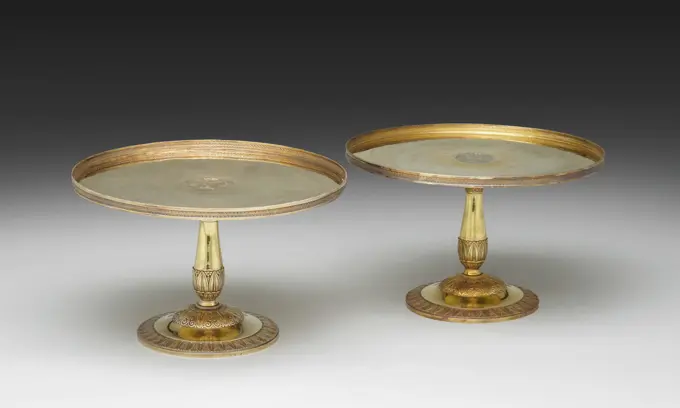
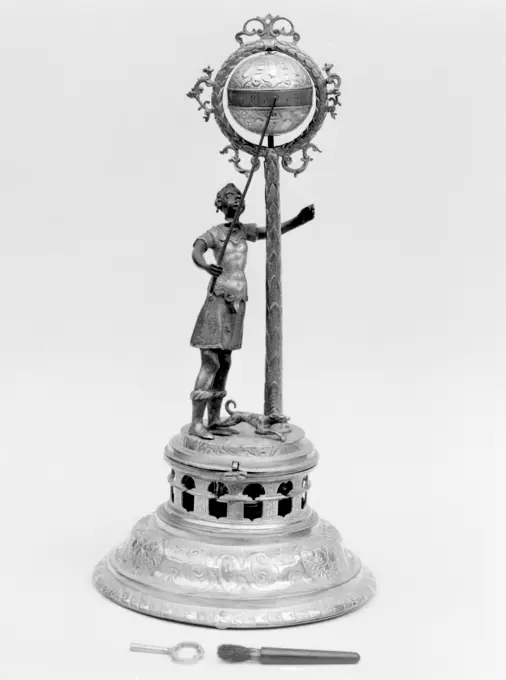
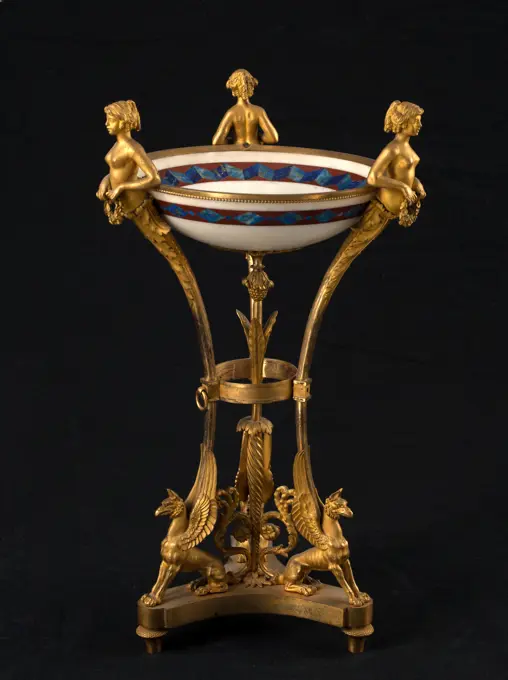
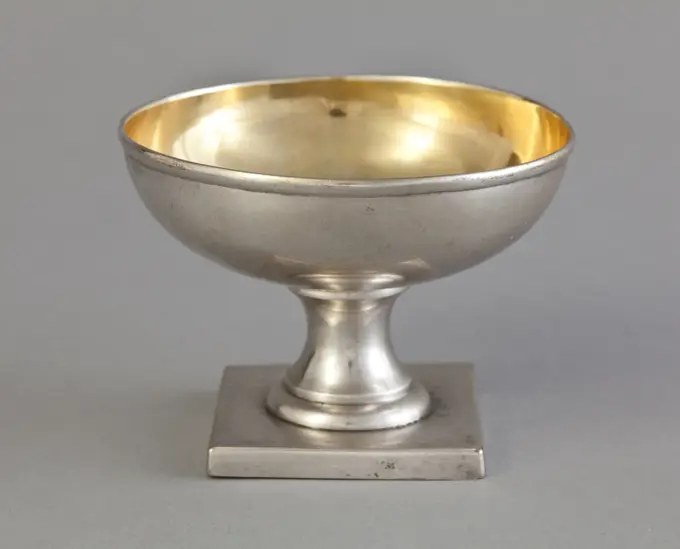
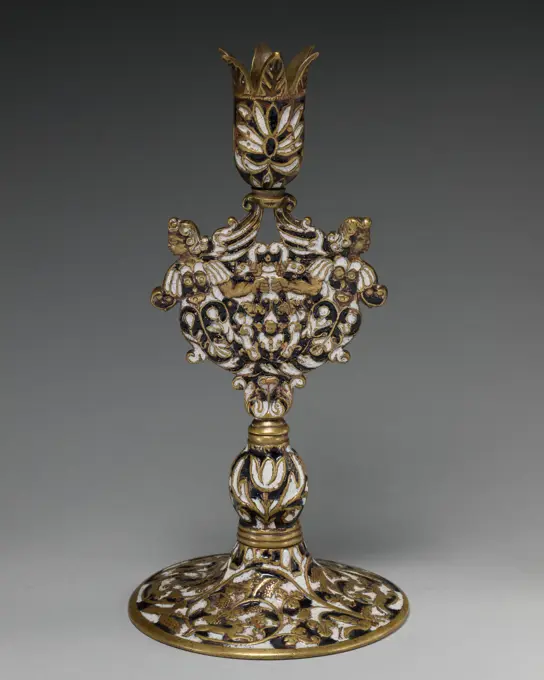
A variety of ornate vessels including goblets, jars, and candlesticks, featuring intricate designs in silver and bronze, ideal for decorative displays.
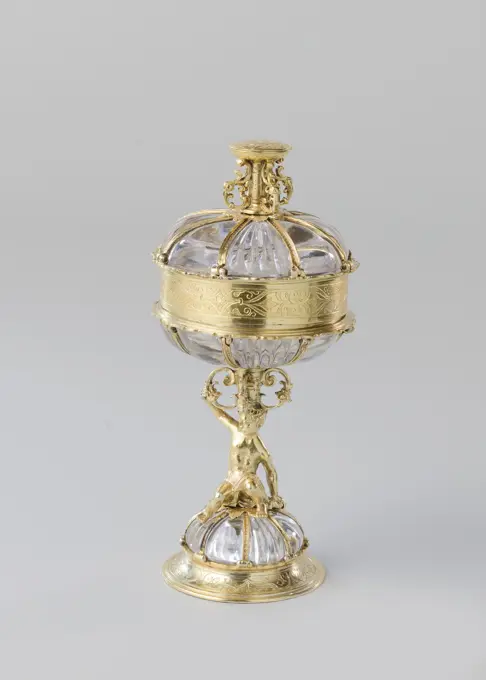
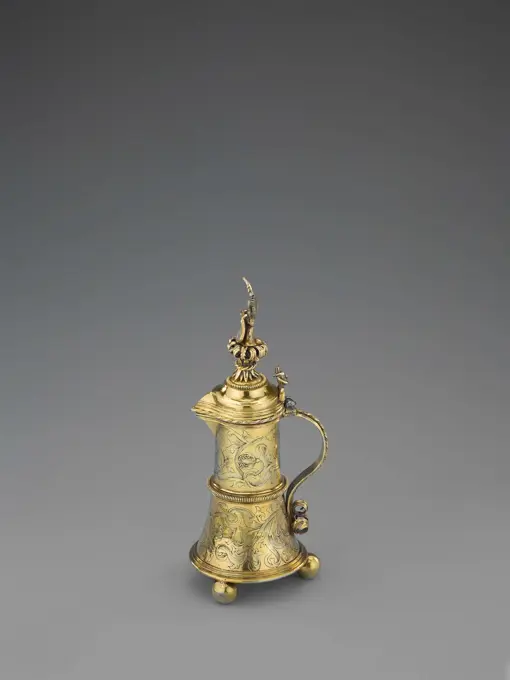
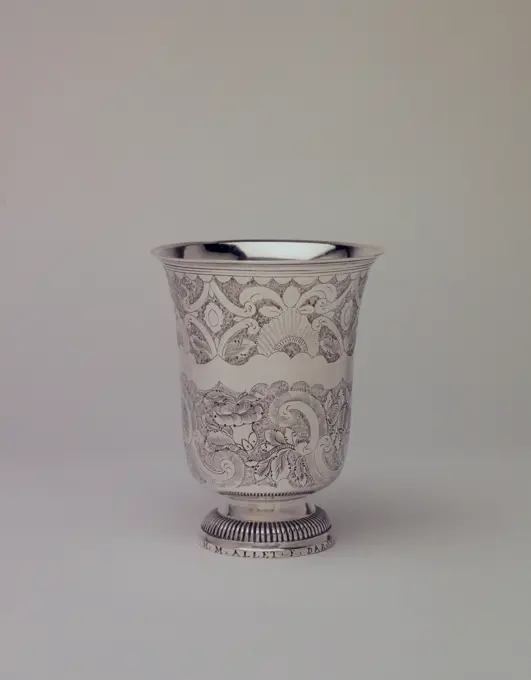
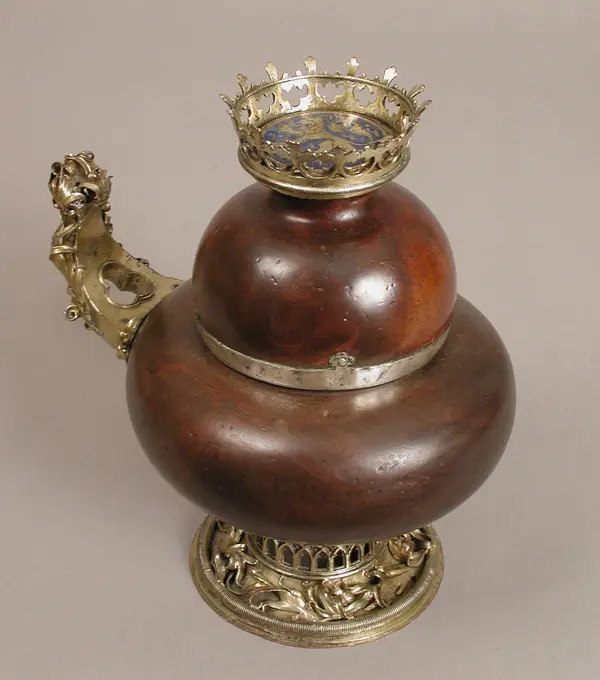
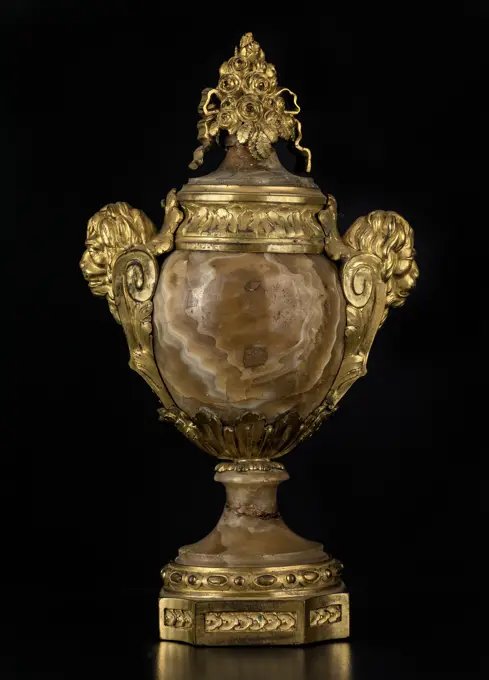
Cup with frame of gilded silver. On dome -shaped foot a naked young man who holds the frame of the barrel with one hand., Anonymous, 1590 - 1610 Small jar with gold -plated silver frame. On the dome -shaped foot there is a naked young man who holds the frame of the barrel with one hand. Southern Germany silver (metal). gilding Small jar with gold -plated silver frame. On the dome -shaped foot there is a naked young man who holds the frame of the barrel with one hand. Southern Germany silver (metal). gilding
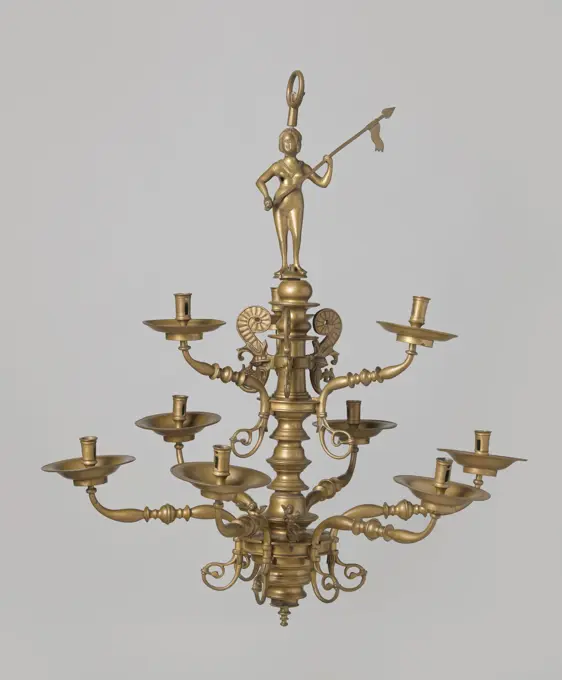
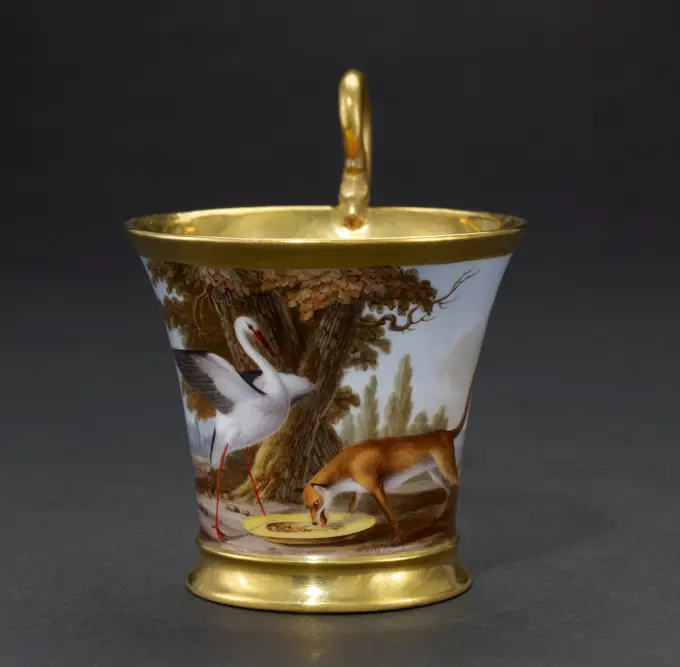
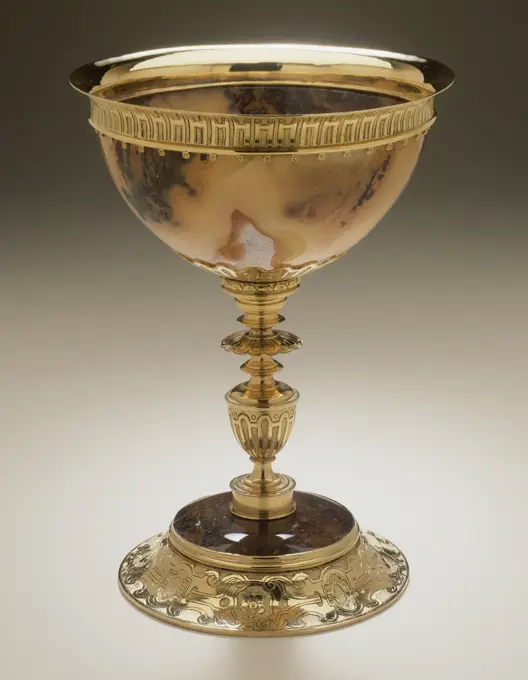
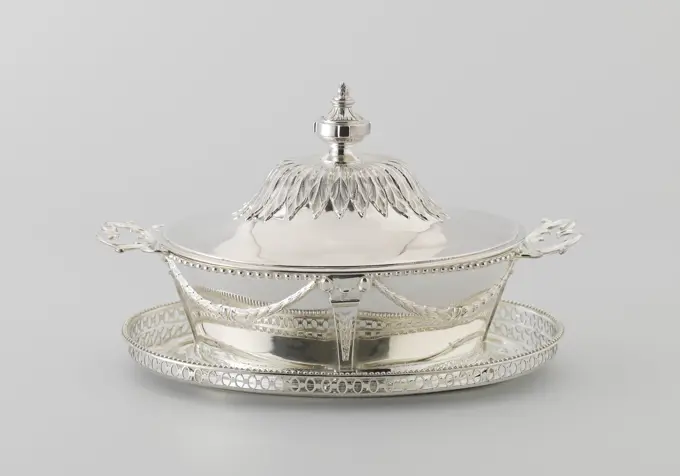
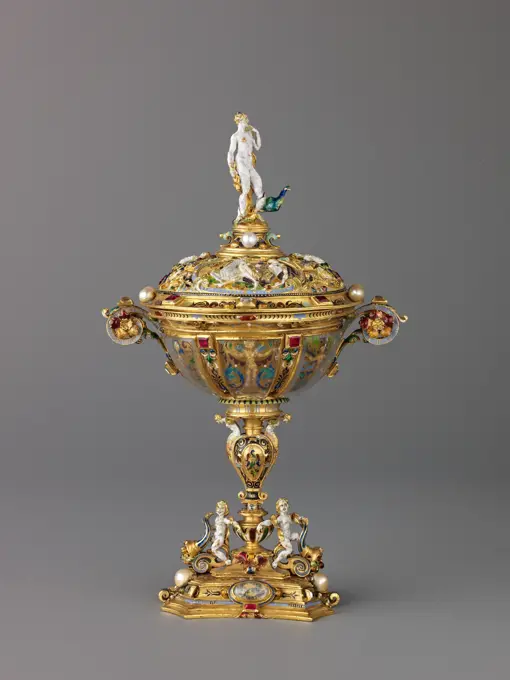
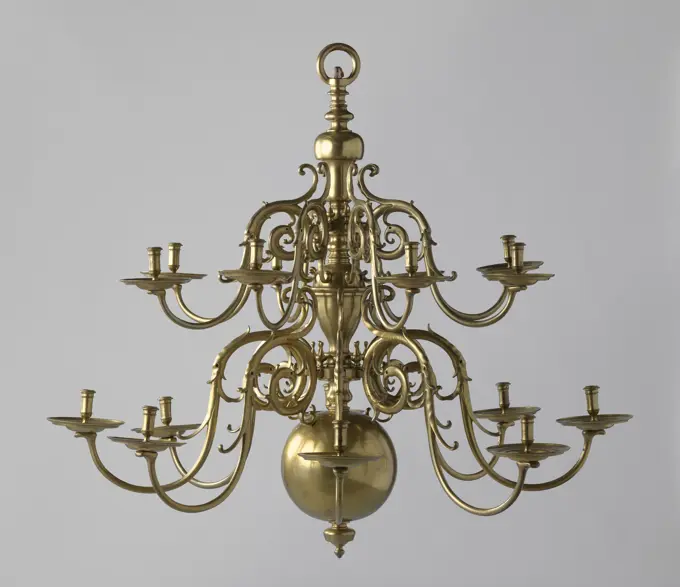
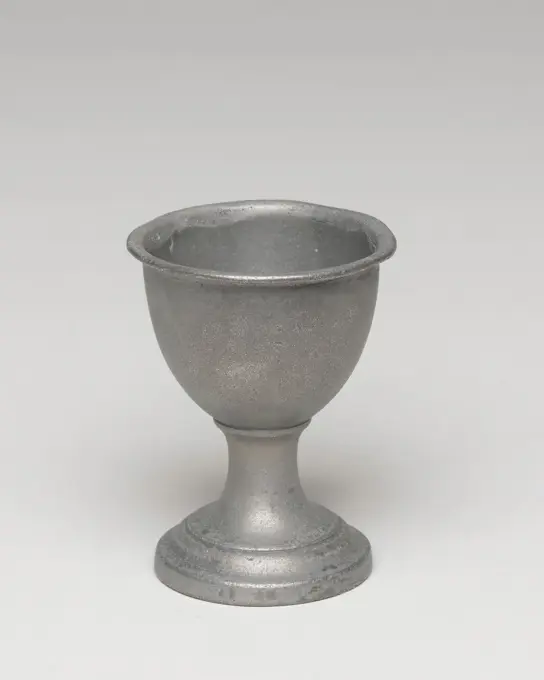
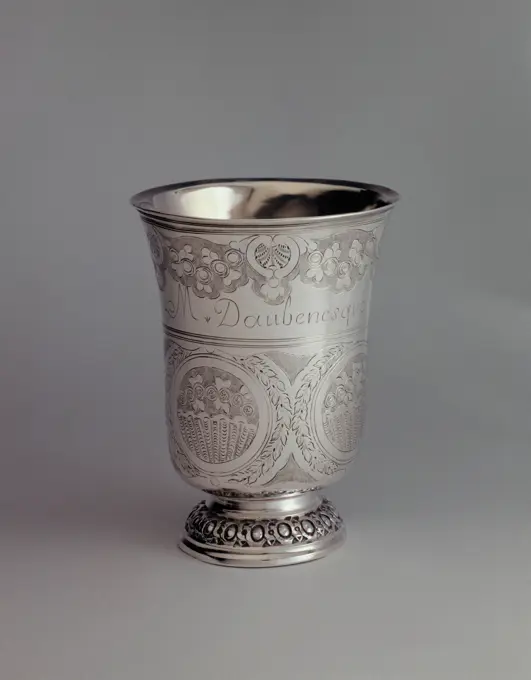
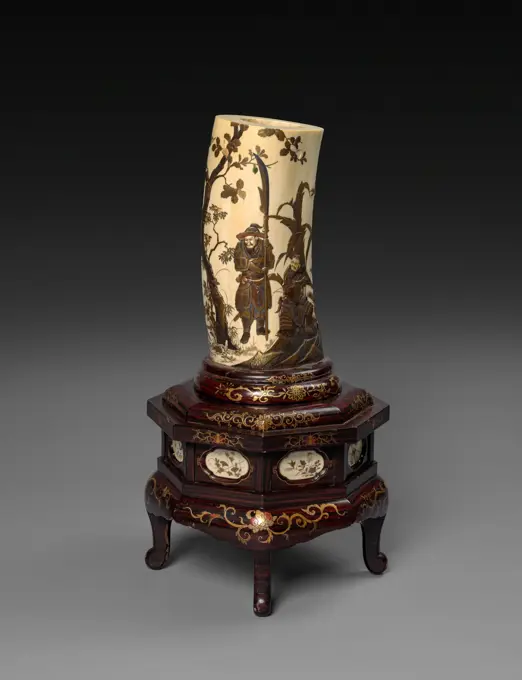
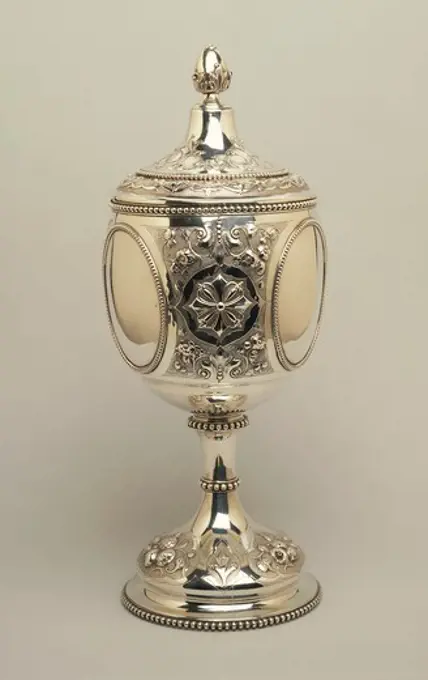
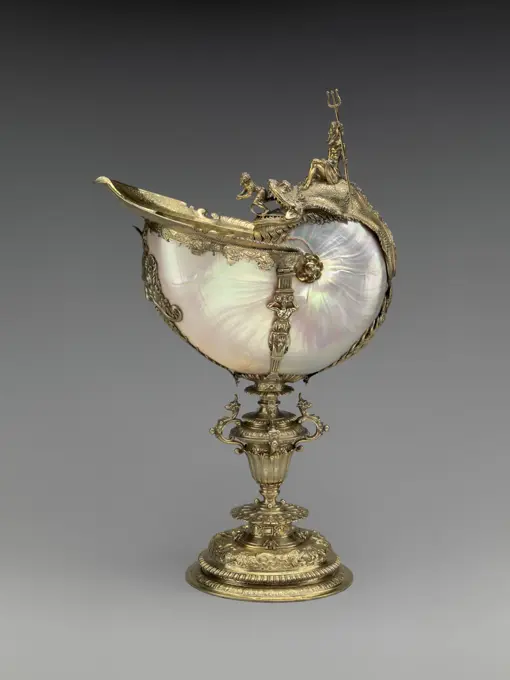
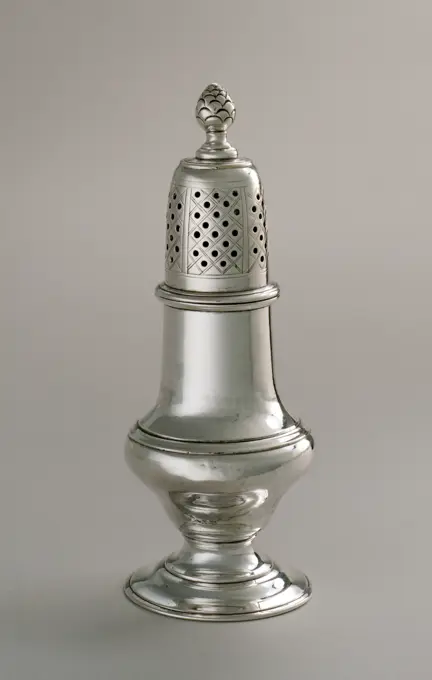
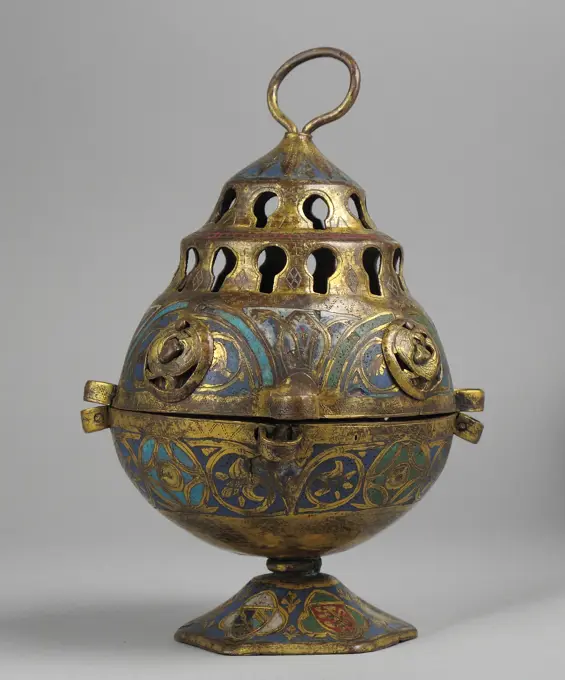
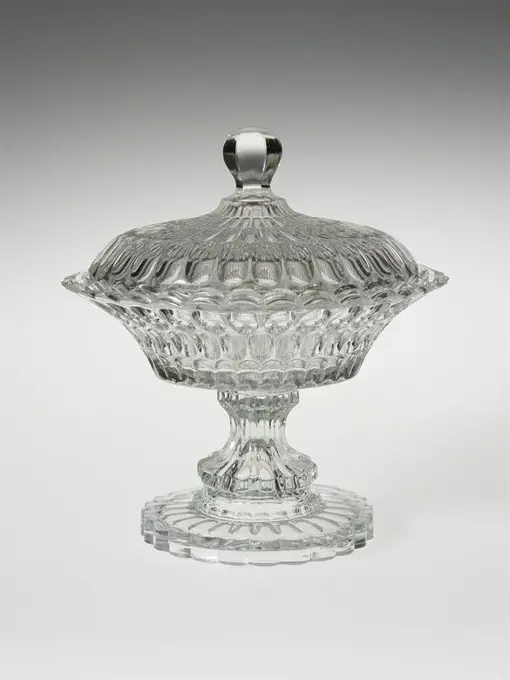
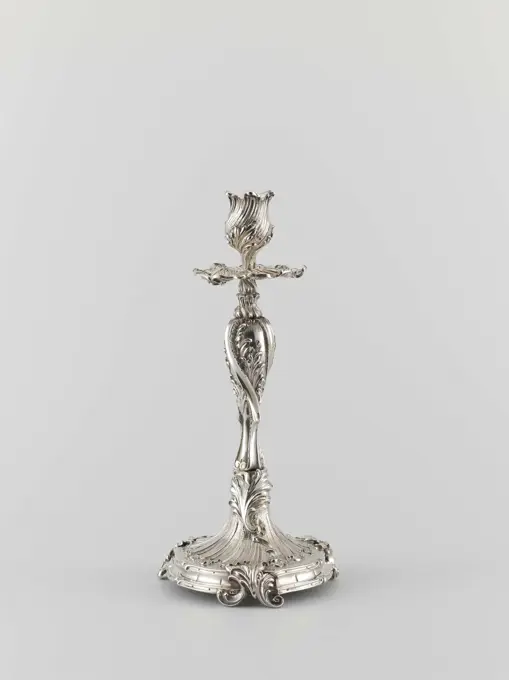
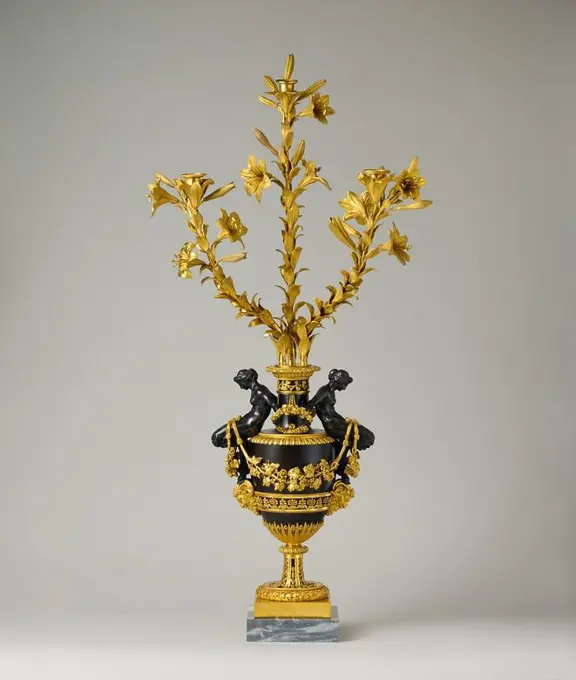
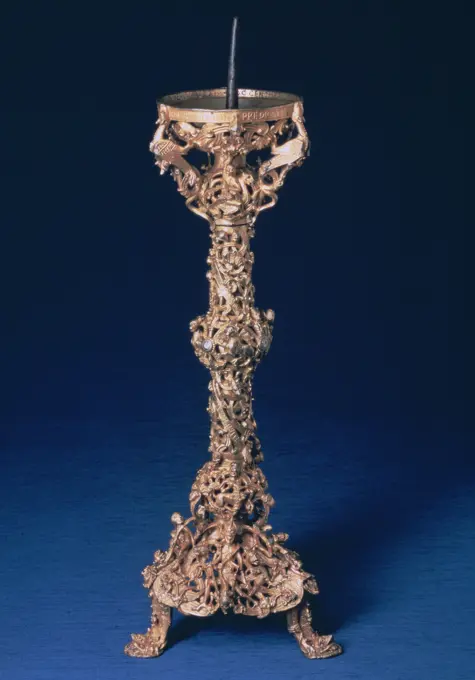
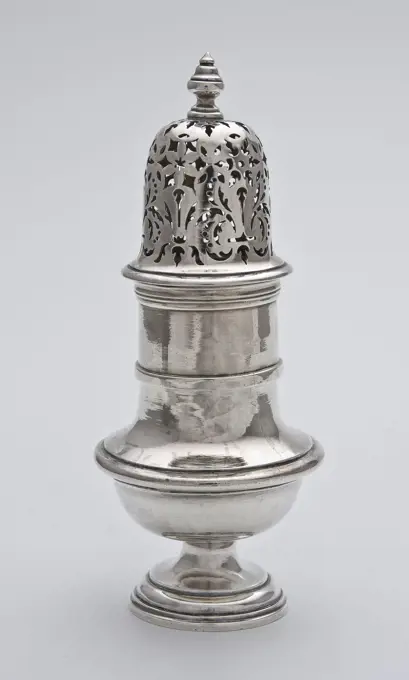
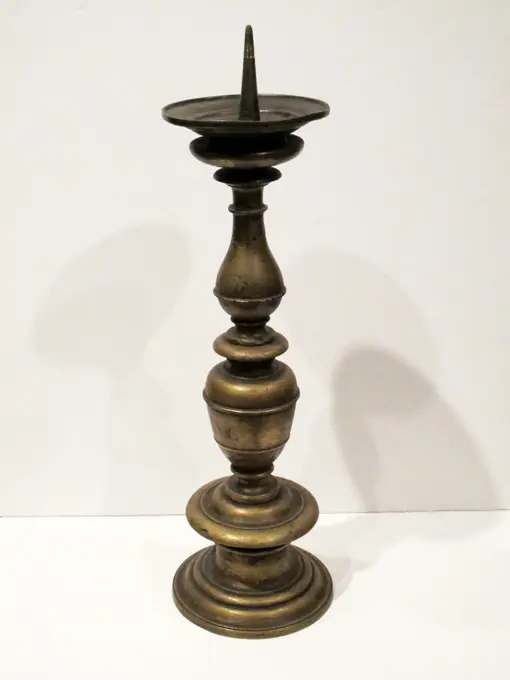
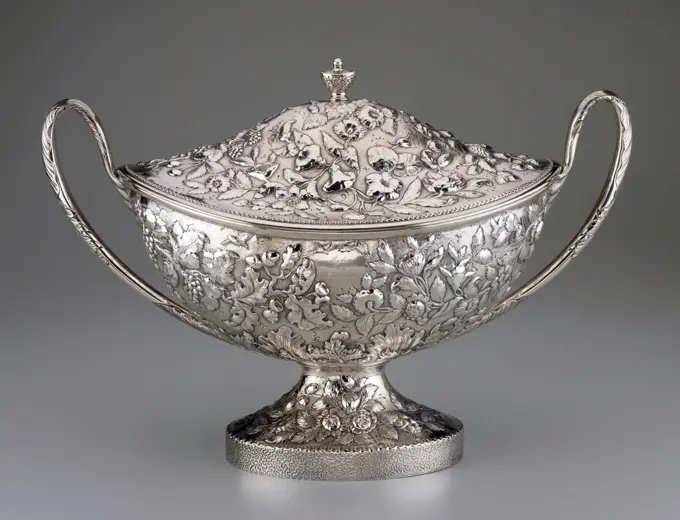
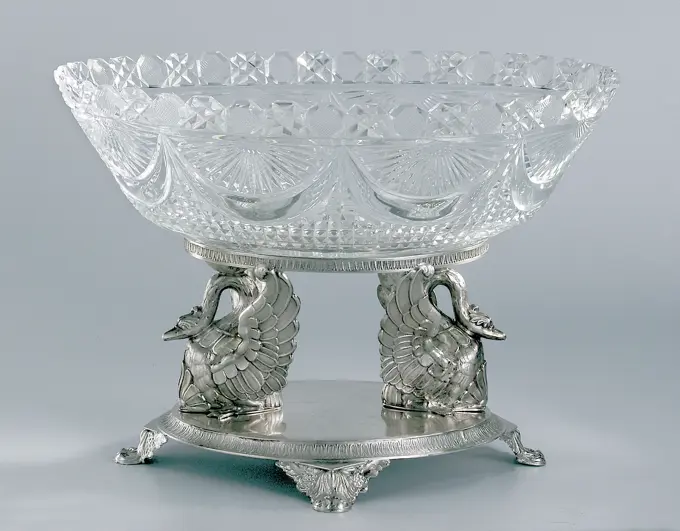
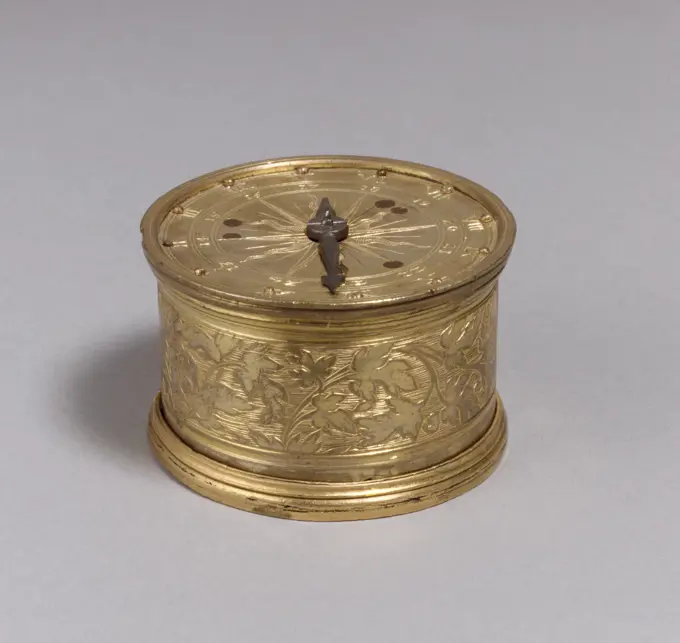
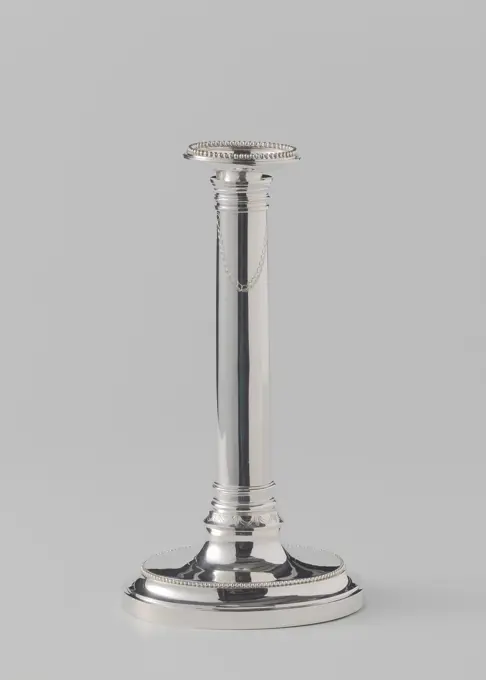
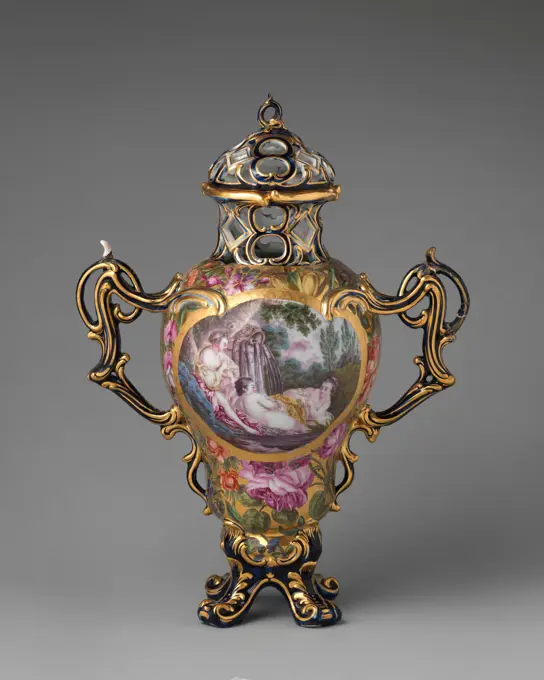
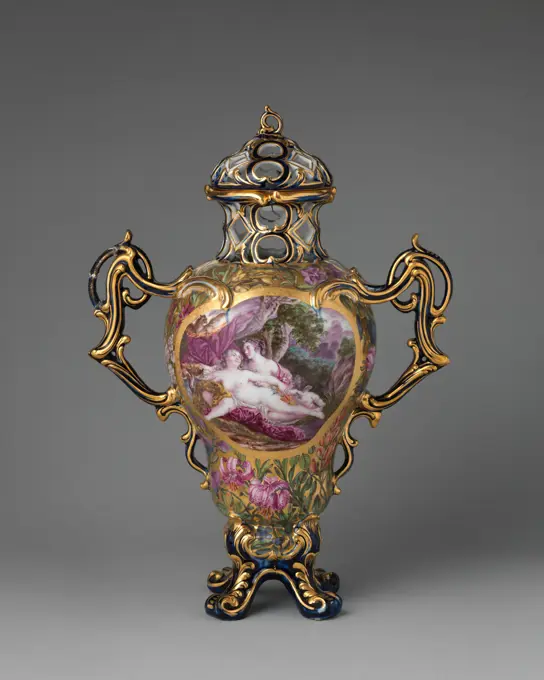
. Candlestick of silver, part of an ensembleArm with candle holder of candle crown of two heights, c. 1525 - c. 1575 Candle arm belonging to a candle crown of two heights with naked woman at the top. The arm has a sphere and hollow-rounded nodus in the middle and thickens a little on both sides. At the trunk she ends in a spiral curl. She flows out in the screw end of iron. On it is the round fat catcher with a rim at the bottom. The round in each other's extended openwork candle holder has a holy -round base that is screwed onto the arm. This is the first arm of the bottom ring, numbered with 1 diamond -shaped point. The candle holder is unnumbered. Northern Germany (Possible) brass (alloy) casting Candle arm belonging to a candle crown of two heights with naked woman at the top. The arm has a sphere and hollow-rounded nodus in the middle and thickens a little on both sides. At the trunk she ends in a spiral curl. She flows out in the screw end of iron. On it is the round fat catcher with a rim at the bottom. The round in each Pricket Candlestick. Culture: French. Dimensions: Overall: 13 1/4 x 5 7/8 in. (33.6 x 15 cm). Date: ca. 1445. Museum: Metropolitan Museum of Art, New York, USA.Cup from a tea service for twelve, 1807-08, Christophe-Ferdinand Caron; Manufacturer: Sèvres Porcelain Factory, French (Sèvres), French, 1774-1831, 4 5/16 x 4 1/2 x 3 3/8 in. (10.95 x 11.43 x 8.57 cm), Hardpaste porcelain, gilt, France, 19th centuryPair of candelabra. These three-branch candelabra are early examples of the consistent application of Neoclassicism in Amsterdam art. The stem is shaped like a Corinthian column. This Classical order is identifiable by the capital, the columns crowning element with acanthus leaves. Many other parts of the candelabra feature the same kind of foliage.Cup with cover Manufacturer Franchi and Son 19th century, after 1611-12 original This electrotype is after a 1611-12 original, at the time of reproduction in the Victoria and Albert Museum, London.Guild cup German 1663 The standard name for this type of guild cup was "Willkomm." The names engraved around the body may be guild officers in the year 1663 or possibly winners of an unknown contest, or the donors of the cup to the company. View more. Guild cup. German. 1663. Pewter, bronze. Metalwork-PewterChalice 1795-1805 Scotland. Pewter .Pair of candlesticks. Culture: British, London. Dimensions: Height (each): 8 1/2 in. (21.6 cm). Maker: Thomas Gilpin (active 1730-73). Date: 1745-46.The arms engraved on the bases are those of Aubrey impaling Parsons. Museum: Metropolitan Museum of Art, New York, USA.Cup. England, London, circa 1820. Furnishings; Serviceware. Silver-gilt and agateCandlestick with candelabrum attachment 18th century Portuguese, Lisbon. Candlestick with candelabrum attachment 191929Linen press with scaffold styles in the form of Ionian columns., Anonymous, c. 1620 - c. 1640 Linen press of oak. The sleeve feet show acanthus vranks and lions lying on the front; Leaf motifs on the tilted fields between the feet. The scaffold styles have the shape of Ionian columns with a vase -shaped scanned shaft and rest on rectangular bases with children's heads. The scaffolding bar shows a stabbed bries with a cobbler in the middle. The pivot ends in a support piece with Acanthus leaf, connected to the upper press sheet. On top of three vases. Netherlands wood (plant material). oak (wood). walnut (hardwood) Linen press of oak. The sleeve feet show acanthus vranks and lions lying on the front; Leaf motifs on the tilted fields between the feet. The scaffold styles have the shape of Ionian columns with a vase -shaped scanned shaft and rest on rectangular bases with children's heads. The scaffolding bar shows a stabbed bries with a cobbler in the middle. The pivot ends in a support Terrine of silver, with lid and underpotel, Rudolphus Sondagh, 1786 Terrine of silver, with lid and underput, decorated with pilasters and leaf guirandes. Rotterdam silver (metal) Terrine of silver, with lid and underput, decorated with pilasters and leaf guirandes. Rotterdam silver (metal)2009.0067.1.. Silver Salt Cellar (one of two), 1777-78. Makers: Matthew Boulton & John Fothergill... One of a pair of oval silver salts with gilt interior. Double loop handles rise from heavy leaf casting. Ribbon-tied reeded rim above husk swags and rosettes. The base gadrooned with a central floral button. Engraved with a crest - a unicorn's head issuan from a crown, possilby for Robert Jocelyn, Earl of Roden.Cup and Cover with Hercules and the Nemean Lion, Prudence, and Juno with a Peacock (finial) second half 19th century Western European. Cup and Cover with Hercules and the Nemean Lion, Prudence, and Juno with a Peacock (finial) 461121Lantern, four-sided with truncated corners and a led roof, crowned by flat ring in which culms. A four-sided lantern with truncated corners and a roof consisting of two sections. The roof is awarded by a flat ring in which some halms and a knife () Are located. The lantern that gradually narrows down is here and there decorated with leaves and ends in a leaf. Iron, plated. For the windows oiled paper. From the collection of Dr. F. MannheimerFour large arms and sixteen locking pins from a candle wreath. .Egg cup, 18th century, 2 5/8 x 2 x 2in. (6.7 x 5.1 x 5.1cm), Pewter, England, 18th centuryCoupe, Dionysio Miseroni (workshop of), c. 1630 - c. 1640 Coupe in smoke topaas, cut like a monster head. The short strain stands on a high, three -part base of gold with enamel. Eight cameies have been caught in the lower edge. maker: Praagmaker: Germany Citrine. frame: Gold (Metal). frame: Coupe in smoke topaas, cut like a monster head. The short strain stands on a high, three -part base of gold with enamel. Eight cameies have been caught in the lower edge. maker: Praagmaker: Germany Citrine. frame: Gold (Metal). frame:Charles-Joseph Fontaine. "Cup". Money. 1778-1779. Museum of Fine Arts of the City of Paris, Petit Palais. 74381-29 Money, silverware, gobletPair of candlesticks. Culture: British, London. Designer: After a pattern by William Kent (1685-1748). Dimensions: Overall (.1 confirmed): 12 3/4 x 6 3/8 x 6 1/4 in., 46 oz. 14 dwt. (32.4 x 16.2 x 15.9 cm, 1.4535kg);Overall (.2 confirmed): 12 5/8 x 6 3/8 x 6 3/8 in., 46 oz. 11 dwt. (32.1 x 16.2 x 16.2 cm, 1.449kg). Maker: Edward Wakelin (British, active before 1748, died 1784). Date: 1757/58.These candlesticks reflect the enthusiasm of the 6th Earl of Coventry for the neoclassical style. His silversmith, Edward Wakelin, adapted a design from a pattern by William Kent, one of the first architects to supply designs for furniture and interior fittings as well as for buildings. Museum: Metropolitan Museum of Art, New York, USA.Chalice, early 1700s. Thomas Pröll (Swiss). Silver gilt with polychrome painted enamels; diameter: 10.4 cm (4 1/8 in.); overall: 28.6 x 20.2 cm (11 1/4 x 7 15/16 in.).Galvanoplastic reproduction of a jar with lid with scenes related to hunting. Galvanoplastic reproduction of a jar with lid, with tires with engraved scenes with subjects related to hunting interspersed with tires with rollerwork in relief; A vase with flowers forms the crowning of the lid.Ivory Tusk Vase, late 1800s. Japan, Meiji period (1868-1912). Carved ivory, pigment; overall: 27 cm (10 5/8 in.); base: 20 cm (7 7/8 in.).Scent Bottle (Vinaigrette), 1800s. France, 19th century. Glass mounted in silver () partially gilt and set with pink cabochon stones; overall: 15 x 2.8 cm (5 7/8 x 1 1/8 in.).Apulian Red-Figure Lekanis with Lid. Unknown about 320-310 B.C. The bowl has an inset rim and horizontal handles, a short stem, and a foot with a convex edge. The domed lid has a downturned rim and a knobbed handle on a cylindrical stem. Both the lid and bowl have been reconstructed from numerous fragments, and the lid does not fit perfectly. There is an overall red wash on the exterior of both the lid and the bowl, and on the underside of the foot. In some areas, the glaze has misfired red-brown. Glaze abraded on part of lid, and especially on handles of bowl. Lid: both sides, head of a woman in profile to left. The hair is caught up in a covering (kekryphalos), patterned with pinkish white lines and strokes at the top, where the hair emerges in a wavy bunch and is tied with a white ribbon. Each woman also wears a row of beads across the hair on the brow, a yellowish white radiate stephane, a circular earring with a dot-cluster, and a double-strand necklace. Between the heads are palmMass cruet for keeping water. unknown, authorFlower Vase. England, Staffordshire. Date: 1810-1820. Dimensions: H. 20.3 cm (8 in.). Lead-glazed earthenware with lustre decoration. Origin: Staffordshire. Museum: The Chicago Art Institute, Chicago, USA.Urn (one of a pair) 1778-80 James Neale. Urn (one of a pair). British, Hanley, Staffordshire. 1778-80. Black basalt ware. Ceramics-PotterySilversmith's Art, England 19th century. Repousse silver cup with floreal motifs and parcel gilt interior. London, 1864.Nautilus cup 1602 Dutch, Utrecht Over the course of the sixteenth century, rulers like Albrecht V, Duke of Bavaria (who claimed to spend annually on his collections the equivalent of yearly salaries for one thousand soldiers), increasingly supplemented treasuries of precious metals with natural wonders, or naturalia. These collections were assembled in suites of rooms called Kunstkammern, or curiosity cabinets. Set in fantastical mounts, lustrous nautilus shells like this one brought the distant Indian Ocean to the North. Building on the belief that owning a universe in microcosm indicated actual dominancy, Albrecht and his contemporaries opened up their Kunstkammern for the admiration and erudition of their guests.Elizabeth Cleland, 2017. Nautilus cup. Dutch, Utrecht. 1602. Nautilus shell, with gilded silver mounts. Metalwork-Silver In CombinationLamp ca. 1815. Lamp 4699Covered Beaker. Germany, Saxony, 1678. Furnishings; Serviceware. Glass, enamel, gilt, brassPilgrim flask ca. 1680-1700 I.P.S.. Pilgrim flask. German, Leipzig. ca. 1680-1700. Parcel gilt. Metalwork-SilverLarge vase with gourd handles, late 19th century, Echigo-no-Kami, Japanese, 12 x 11 x 11 in. (30.5 x 27.94 x 27.94 cm), Bronze, Japan, 19th century, During the Meji period, Japanese artisans like Echigo-no Kami, the creator of this vase, shifted their work to meet the tastes of an international market.Paul Revere Jr., Caster, c. 1775, silver.Cutting and cutting support (common name). Cernuschi Museum, Asia Museum of Asia in the city of Paris.Tazza (footed drinking cup) with Jupiter and Io, Adam van Vianen (I), 1613 The flat dish is worn by a triton, sitting on a turtle. On the scale, a low relief is driven with the presentation of Jupiter and Io, his beloved, which was turned into a cow by Juno (see below). On the reverse of the edge it is engraved: "An den Meister Hans Wolff Schonat, who was thought of Lutrician Kirch Verehrt, ways of the organ, diese Schael Zum Gutten". Furthermore, the weapons and names of: "Hans Jacob Behr, Conrad Hoppe, Jan Hoffgen, Hans Conrad Brechtel, Otho von Langen, Christian Eyckmeyer, Andreas Pfennieg". Hereby: "Elders and Diacones in 's-Gravenhaag 1649". Utrecht silver (metal) The flat dish is worn by a triton, sitting on a turtle. On the scale, a low relief is driven with the presentation of Jupiter and Io, his beloved, which was turned into a cow by Juno (see below). On the reverse of the edge it is engraved: "An den Meister Hans Wolff Schonat, who was thought of Lutrician Kirch Verehrt, wayTobacco spot, Gerardus Peeters, c. 1794 - c. 1806 Round tobacco jar with lid. The lid has a pointed button and a pearl edge. The shape of the lid is reversed funnel -shaped. The bottom of the wall of the pot has a decorative edge (ajour). The tobacco spot is marked: Mt. = GP in oval, Rotterdam silver (metal) Round tobacco jar with lid. The lid has a pointed button and a pearl edge. The shape of the lid is reversed funnel -shaped. The bottom of the wall of the pot has a decorative edge (ajour). The tobacco spot is marked: Mt. = GP in oval, Rotterdam silver (metal)Ewer 19th century, after 18th century original British, after Russian original This electrotype is after an eighteenth-century original in a monastery, Troisata, at the time of reproduction. Matches salver 83.18.154.. Ewer. British, after Russian original. 19th century, after 18th century original. Silver, parcel gilt. Metalwork-ElectrotypeBeaker. Culture: Hungarian, Nagyszeben. Dimensions: Overall: 3 3/4 x 3 1/8 in. (9.5 x 8 cm). Maker: Attributed to Valentinus (Felten) Dengel (master 1550, active 1550-70). Date: 1574.The Salgo Collection contains two examples of an extremely rare beaker of a graceful type that has its roots in the Hungarian Gothic period. Most such beakers were melted down, but a few were part of hordes hidden during turbulent times and only recovered in the nineteenth and twentieth centuries. All of these beakers have a simple trumpet-shaped form with an applied gilded and pierced girdle above the middle section. The German inscription on the lip reads, "Drink and don't forget God your Lord 1574."LiteratureJudit H. Kolba. Hungarian Silver: The Nicolas M. Salgo Collection. London, 1996, p. 26, no. 4.ReferencesElemr Koszeghy. Magyarorszgi tvsjegyek a kzpkortl 1867-ig / Merkzeichen der Goldschmiede Ungarns vom Mittelalter bis 1867. Budapest, 1936, likely no. 1294 maker's mark.Campania Caserta Capua Museo Campano, Italy, 20th century, photo, photography, EuropeEgg cup 1747-48 Michel II Delapierre. Egg cup. French, Paris. 1747-48. Silver. Metalwork-SilverCenser 13th century French. Censer. French. 13th century. Copper: pierced, engraved, and gilt; champlevé enamel: medium blue, green, yellow, red, and white.. Made in Limoges, France. Enamels-ChamplevéSweetmeat Compote. Culture: American. Dimensions: H. 6 3/8 in. (16.2 cm); Diam. 6 5/16 in. (16 cm). Maker: Bakewell, Pears and Company (1836-1882). Date: 1850-70. Museum: Metropolitan Museum of Art, New York, USA.Isaiah Baignoux (said the young). "Cup". Money. 1767-1768. Museum of Fine Arts of the City of Paris, Petit Palais. 74381-23 Money, silverware, gobletUrn on Pedestal, Niderviller Porcelain Factory, French, active from 1754, porcelain, vitreous enamel, gold, Bottom of bowl on outside decorated with loops and acanthus leaves in relief. Upper portion decorated by friezes of triglyph-like rectangles, repeating loops of acanthus and one taper of mercarous on drapery. Rich torus moulding at top and at top of cavetto pedestal, which rests on square base., France, ca. 1785, ceramics, Decorative Arts, urn and pedestal, urn and pedestalCovered Sugar Bowl 1830-70 Boston & Sandwich Glass Company. Covered Sugar Bowl 2500Covered Cup ca. 1500 German. Covered Cup 464343 German, Covered Cup, ca. 1500, Copper-gilt, maple wood, champleve enamel, Overall: 7 x 6 3/4 x 4 13/16 in. (17.8 x 17.1 x 12.2 cm) Bottom (a) only: 4 1/4 x 4 13/16 x 6 3/4 in. (10.8 x 12.2 x 17.1 cm) Lid (b) only: 3 1/8 x diam. 3 1/8 in. (7.9 x diam. 7.9 cm). The Metropolitan Museum of Art, New York. Gift of J. Pierpont Morgan, 1917 (17.190.363a, b)Scent Bottle, 1850-1870. France, 19th century. Glass with enameled silver mounts, partially gilt; overall: 11.2 x 4.2 x 3.5 cm (4 7/16 x 1 5/8 x 1 3/8 in.).Girandole. Unknown. Candlestick of silver, part of an ensembleUrn. England, Staffordshire. Date: 1805-1810. Dimensions: H. 18.4 cm (7 1/4 in.). Lead-glazed earthenware with lustre decoration. Origin: Staffordshire. Museum: The Chicago Art Institute, Chicago, USA.candlestick, silver, Eight-sided base from which rises a shaft with knobs and sockets of eight sides. Coat-of-arms engraved on the base., France, ca. 1720, metalwork, Decorative Arts, candlestickSalt ca. 1795-1805 Robert Cruickshank. Salt 7086Consolet table of Gilded Lindehout, Anonymous, 1750 Sound of consolet table of gilded Lindehout. The scalloped, profiled marble cover plate is supported by two twisted C-Voluten, which flanks a crested shell; Two C-Voluten left and right. The whole rests on a bottom piece that consists of a large acanthus leaf, above which a caterpillar -shaped motif. See also: BK-16855-A. France (possibly)Germany (possibly) wood (plant material). linden. marble (rock) gilding Sound of consolet table of gilded Lindehout. The scalloped, profiled marble cover plate is supported by two twisted C-Voluten, which flanks a crested shell; Two C-Voluten left and right. The whole rests on a bottom piece that consists of a large acanthus leaf, above which a caterpillar -shaped motif. See also: BK-16855-A. France (possibly)Germany (possibly) wood (plant material). linden. marble (rock) gildingTable with hexagonal leaves and substructure, on S-shaped legs, decorated with flower and leaf motifs ,, 1850- 1900 Iron wood table. The hexagonal leaf is trimmed with a pearl edge and rests on a hexagonal substructure of six lying panels with flower and leaf motifs. The whole stands on five elongated S-shaped legs, also decorated with flower and leaf motifs. The knees of the legs and the space in between are filled with sculpture of branches with blossoms and fencing. The legs are interconnected by five as spokes of a wheel placed rules with a rosette in the middle. Canton wood (plant material). ironwood Iron wood table. The hexagonal leaf is trimmed with a pearl edge and rests on a hexagonal substructure of six lying panels with flower and leaf motifs. The whole stands on five elongated S-shaped legs, also decorated with flower and leaf motifs. The knees of the legs and the space in between are filled with sculpture of branches with blossoms and fencing. The legs are interconnected bLluís Masriera / Copa de champagne, 1906. Colección privada. Author: LLUÍS MASRIERA I ROSÉS.Amulet - filar dżed. unknown, authorCandlestick (one of a pair) ca. 1780 British or Irish. Candlestick (one of a pair). British or Irish. ca. 1780. Glass, gilt-bronze mounts. GlassHand candlestick (Bugia), 1850, Goldsmith's art and textile art from the 16th to the 20th century, St., Sankt, SaintHoekétagère with six borders decorated with hanging lambrequins, anonymous, c. 1700 - c. 1750 Hoekétagère of green painted pine, pyramidal granting and equipped with six borders with hanging lambrequins. The highest collar is supported by a shell. Edges and ornament are gilded. Northern Netherlands wood (plant material). pine (wood). gilding (material) gilding Hoekétagère of green painted pine, pyramidal granting and equipped with six borders with hanging lambrequins. The highest collar is supported by a shell. Edges and ornament are gilded. Northern Netherlands wood (plant material). pine (wood). gilding (material) gildingG. Putters, Pocket watch with silver dial with date calendar and gold hands and two silver exterior cabinets one of which is sober and one elegant, pocket watch watch movement measuring instrument steel brass silver gold glass leather exterior cupboard elegant 5.7 exterior cupboard sober, Dial: champlevé silver with Roman numerals for the hours and Arabic numerals for the minutes. In the center with scalloped edge an angel holding banderolle with on it signature Gold plated beautifully worked hands Under the clock hole for the declaration of the date The clockwork with going work with railways Four rectangular pillars with gooseneck ornaments on both sides between for - and back plate. cut-out ornament serves as support for the beak of the snek. blued steel spring with machined foot serves for the closure of the cabinet. An openwork brass ornament on the back plate holds the post for setting the balance spring. The bridge has an image of child with sword and shield between two trees. AHoly Water Bucket. Northern Italy, possibly Venice or Padua, circa 1520. Furnishings; Serviceware. Serpentine stone, gilt bronzeAnonymous. Vase mounted. Alabaster, gilded bronze, 1775-1785. Paris, Cognacq-Jay museum. 79923-12 Albatre, bronze gilded, lid, gilding, flower, lion, vase monte, 18th 18th 18th 18th 18th 18th centurySugar Bowl, Duc d'Angoulême Porcelain Manufactory, French, 1781 - 1789, hard paste porcelain, vitreous enamel, gold, Cylindrical body with flaring sides; domed cover with round knob. Overglaze enamels and gilded. Bands of foliate design, arrows and of scattered flowers. Gold stippling in serrated fields on body and lid. Gold painted ring in low relief at each side., France, 1781-1789, ceramics, Decorative Arts, sugar bowl, sugar bowlThree-light candelabrum (one of a pair). Culture: French. Dimensions: H. 40-1/8 x W. 12-1/4 x D. 6-3/4 in. (101.9 x 31.1 x 17.1 cm). Date: ca. 1785. Museum: Metropolitan Museum of Art, New York, USA.The Gloucester Candlestick, gilt-bell metal, English, 12th century. From the collection of the Victoria & Albert Museum, London and the artists is unknown.Stand (England); copper, silver; 27 x 19 x 19 cm (10 5/8 x 7 1/2 x 7 1/2 in.); Bequest of Walter Phelps Warren; 1986-61-96Kandelaar, part of an ensemble, Hoeker & Zoon company, 1891 Silver candlestick, part of an ensemble Amsterdam silver (metal) Silver candlestick, part of an ensemble Amsterdam silver (metal)Drinking horn from the Amsterdam Company of Arquebusiers, Arent Cornelisz Coster (attributed to), 1547 The drinking horn consists of a buffalo horn that is clamped in the middle in a silver wearer and has a silver frame at both ends. The stretched four -pass -shaped, curved foot of the wearer has a wide, flat bottom edge. The multiple profiled wall rejuvenates somewhat and turns at the top into a slightly vaulted ground in which a pattern of extremely fine pits is punched. A naturalistic tree roots on this, the trunk of which is punched with a pattern of fine grooves. On the ground there are some imposed grasses and a plant around the tree. The crown of the tree with pointed serrated leaves comprises the dense underside of the frame in which the horn is clamped. The tree is held by a dragon and a lion, both standing on the hind legs and with twisted torso. The upper part of the frame is opened on both sides with asymmetrical leaf vines. It is crowned by the Hollandse Leeuw, standing onSilversmith: Johannes Londerseel, Silver spices spreader, Sprinkle crockery holder silver, serve sprinklePair of Tazza, c. 1815. Pietro Paolo Spagna (Italian, 1793-1861). Silver; diameter: 32.3 cm (12 11/16 in.); overall: 20.2 cm (7 15/16 in.).Churn 1700-1800. Churn. 1700-1800. Wood; Probably cedarTable clock ca. 1600 Clockmaker: Karl Schmidt. Table clock 199810Pierre-Philippe Thomire (1751-1843). White marble cut belonging to a pair. White marble, gilded bronze. Between 1775 and 1790. Paris, Cognacq-Jay museum. 101701-15Compound Microscope and Case.Salt cellar Wagner, Krzysztof (fl. 1796 1843)Hand Bell, Manufactuur Oud-Loosdrecht, c. 1778 - c. 1782 Porcelain table bell. Multicolored painted with a standing man and sitting woman on a ground at a truncated tree trunk. On the back a ground with tree stumps in brown. On the flattened shoulder of the bell a green frieze with a motif of each other -intersecting ribbons, between which rosettes. On the handle leaf motifs in green, on the button a leaf garland in gold to a gold trim. Golden piping along the edges. Loosdrecht porcelain Porcelain table bell. Multicolored painted with a standing man and sitting woman on a ground at a truncated tree trunk. On the back a ground with tree stumps in brown. On the flattened shoulder of the bell a green frieze with a motif of each other -intersecting ribbons, between which rosettes. On the handle leaf motifs in green, on the button a leaf garland in gold to a gold trim. Golden piping along the edges. Loosdrecht porcelainCandlestick (pair with .1481) 19th century (), in 17th century Flemish or German style European This candlestick is one of pair with another in the Robert Lehman Collection: 1975.1.1481. The coarse casts with deliberate damages suggest a possible date of the nineteenth century, although it was executed in the seventeeth-century Flemish or German style... Candlestick (pair with .1481). European. 19th century (), in 17th century Flemish or German style. Copper alloy of reddish tone.. MetalworkSilver and gilt pyxis (box with lid) early 3rd century B.C. Apulian, possibly Tarentine The Bolsena silver. The inscriptions in Etruscan must have been added subsequently. They read "of the tomb" suggesting that the objects were acquired by an Etruscan and buried with him. The bands of ornament and alternate leaves on the lid have gilding.. Silver and gilt pyxis (box with lid) 247077Pair of candlesticks late 18th century British, Staffordshire. Pair of candlesticks. British, Staffordshire. late 18th century. Enamel. EnamelsWine cup and saucer, 20th century, 6 1/4 x 6 3/16 x 6 3/16 in. (15.88 x 15.72 x 15.72 cm) (overall), Aluminum (), 20th century, In Jewish tradition, the seventh day of the week, or shabbat, is a day of rest, scriptural study, and community building. As is the case with all Jewish celebrations and special events, the Sabbath is marked as a sacred time through saying a blessing over a cup of wine. The Sabbath comes to a close in a similar manner during what is known as the Havdalah (הבדלה), which means 'separation.' This celebration is marked by four blessings, the last of which is referenced on the inscription of this saucerBell; bronze (gilt), goldCovered tureen, 1846-1861, Samuel Kirk and Son, Baltimore, 1846-1861, 12 3/4 x 18 1/4 x 8 9/16 in. (32.39 x 46.36 x 21.75 cm), Silver, United States, 19th century, American silversmiths of the mid-1800s favored the rococo revival style. Harking back to French decoration of a hundred years earlier, it featured floral motifs and undulating forms. The owners of this tureen may have wished to emulate the elegant taste of French aristocrats. The tureens intricate ornamentation was created by hammering the metal from the back, a technique called repoussé.Russian Master of Tula Steel, cast iron and bronze , 18th -19th century, Russia, St. Petersburg, State Hermitage, H 65Olive lamp;  19th century (1801-00-00-1900-00-00);Standing bowl. Radke, Emil (fl. 1830-ca 1867), goldsmith, Huta szkła "Czechy" (Trąbki ; 1836-1939), creator, Jasień (huta szkła ; 1823-1920), creatorFoot, tribe and part of the chalice of a cup (with houses and a factory), anonymous, c. 1400 - c. 1950 Originally a large cup with copper cast foot. Houses and a factory cut around the chalice, etc. Of this glass, the copper foot and the trunk are left, from which a glass shard sticks.  glass. copper (metal) Originally a large cup with copper cast foot. Houses and a factory cut around the chalice, etc. Of this glass, the copper foot and the trunk are left, from which a glass shard sticks.  glass. copper (metal)Three Part Centerpiece. Baccarat Glassworks; French, founded 1764. Date: 1855-1875. Dimensions: Plateau: 25 x 26.2 x 58.8 cm (9 7/8 x 10 3/8 x 23 1/4 in.); Bowls: 25.6 x 24.4 cm (10 1/8 in. x 9 5/8 in.). Glass with bronze mounts. Origin: Lunéville. Museum: The Chicago Art Institute, Chicago, USA. Author: Baccarat Glassworks.Bag late 19th century possibly British. Bag 169161Table clock with skeleton movement mid-16th century or earlier German This variety of small, portable timekeeper, which was made for many years, was probably intended to be carried with or on the person. The type existed as early as the middle of the fifteenth century and therefore may be regarded as a forerunner of the watch. The iron wheel-balance of this one is missing.. Table clock with skeleton movement 196395Kandelaar, Hendrik Boshart, 1789 - 1790 Oval candlestick of silver. The foot and fat catcher decorated with a pearl edge. Middelburg silver (metal). voet: wood (plant material). velvet (fabric weave) Oval candlestick of silver. The foot and fat catcher decorated with a pearl edge. Middelburg silver (metal). voet: wood (plant material). velvet (fabric weave)Perfume vase (one of a pair) ca. 1761 Chelsea Porcelain Manufactory The scenes depict: (left) three nymphs after the painting La Source by Francois Boucher (1703-1770); and (right) Jupiter disguised as Diana with Diana's nymph Callisto, after an engraving by Rene Galliard (1719-1790) of a painting of 1759 by Boucher.. Perfume vase (one of a pair). British, Chelsea. ca. 1761. Soft-paste porcelain, burnished gold ground. Chelsea Porcelain Manufactory (British, 1745-1784, Gold Anchor Period, 1759-69). Ceramics-PorcelainCandlestick 1666-99 British, Surrey. Candlestick. British, Surrey. 1666-99. Enamel on brass. Metalwork-BrassBlack -lacered candlestick with flowers decorated, Carel Lodewijk Schurffius, c. 1772 - Before 1812 Candlestick of black lacquered can. On the square foot there is a square base, which becomes narrower to the middle, decorated on each side with a painted flower. The Cylindrian trunk runs slightly at the top and is painted with flowers. A loose candle holder that can be placed at the top is missing. Amsterdam tin (metal). paint (coating) casting / painting Candlestick of black lacquered can. On the square foot there is a square base, which becomes narrower to the middle, decorated on each side with a painted flower. The Cylindrian trunk runs slightly at the top and is painted with flowers. A loose candle holder that can be placed at the top is missing. Amsterdam tin (metal). paint (coating) casting / paintingMazer Bowl and Foot early 20th century (original dated ca. 1529) British. Mazer Bowl and Foot 463507Perfume vase (one of a pair) ca. 1761 Chelsea Porcelain Manufactory The scenes depict: (left) three nymphs after the painting La Source by Francois Boucher (1703-1770); and (right) Jupiter disguised as Diana with Diana's nymph Callisto, after an engraving by Rene Galliard (1719-1790) of a painting of 1759 by Boucher.. Perfume vase (one of a pair). British, Chelsea. ca. 1761. Soft-paste porcelain, burnished gold ground. Chelsea Porcelain Manufactory (British, 1745-1784, Gold Anchor Period, 1759-69). Ceramics-PorcelainThree sided stamp seal with the coats of arms of Jastrzębiec and Ślepowronold hourglass isolated on white background