Decorative Art Objects

Luxurious decorative items such as paperweights and knobs, showcasing intricate designs, vibrant colors, and traditional craftsmanship.

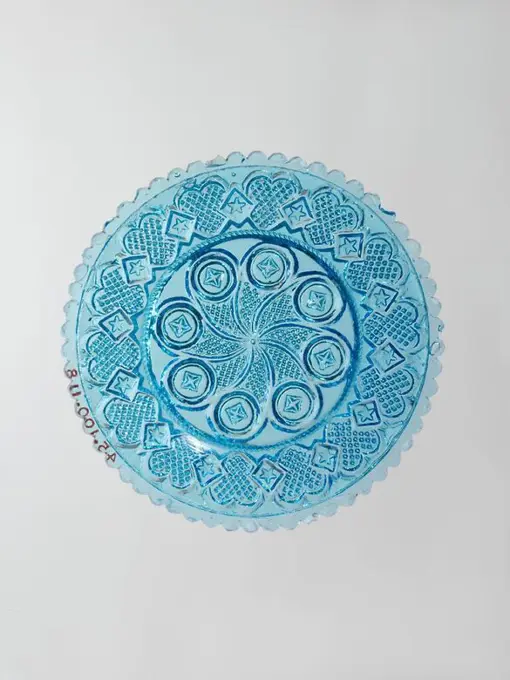
Toy dessert plate - Inconnu / Unknown
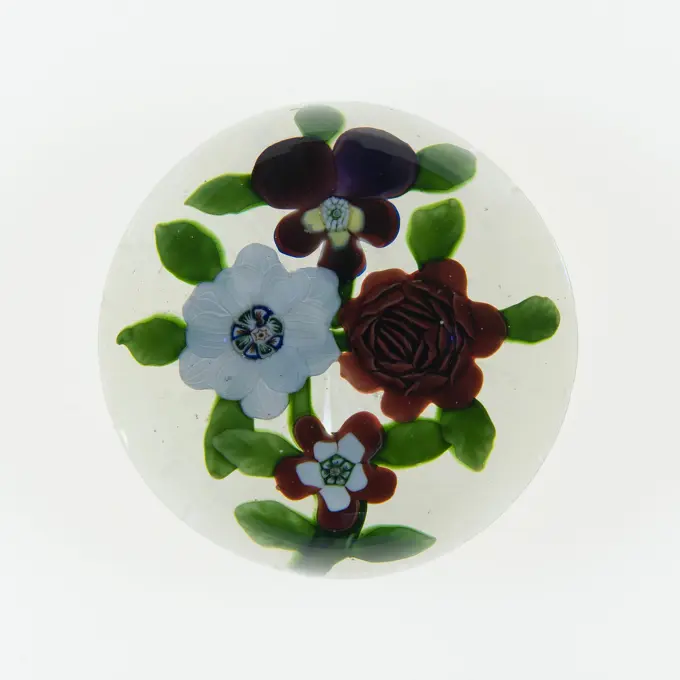
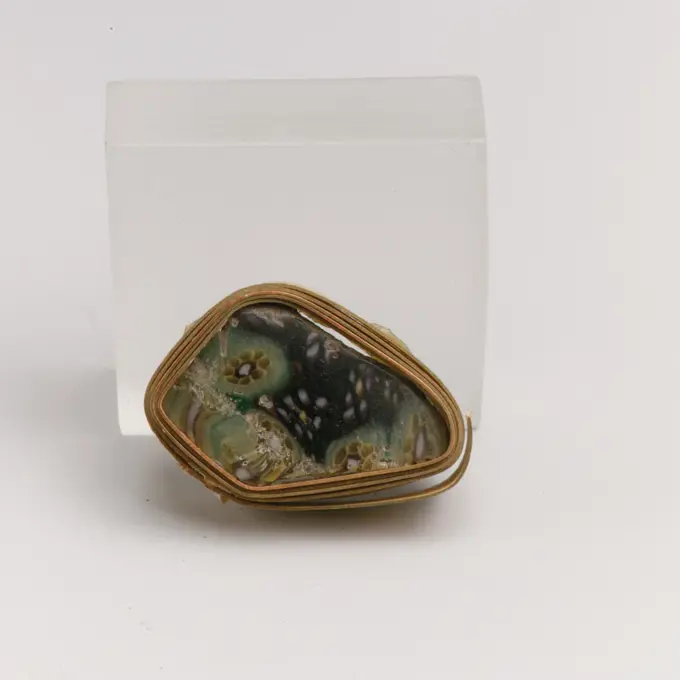
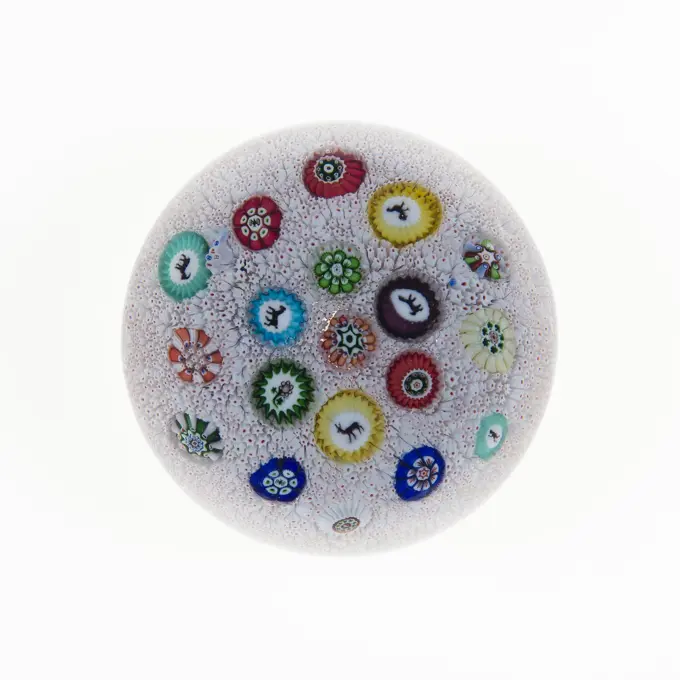
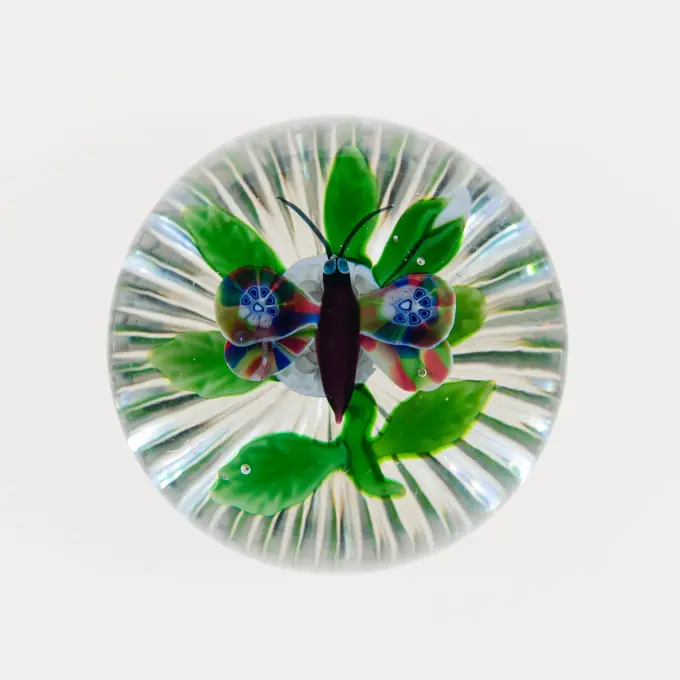
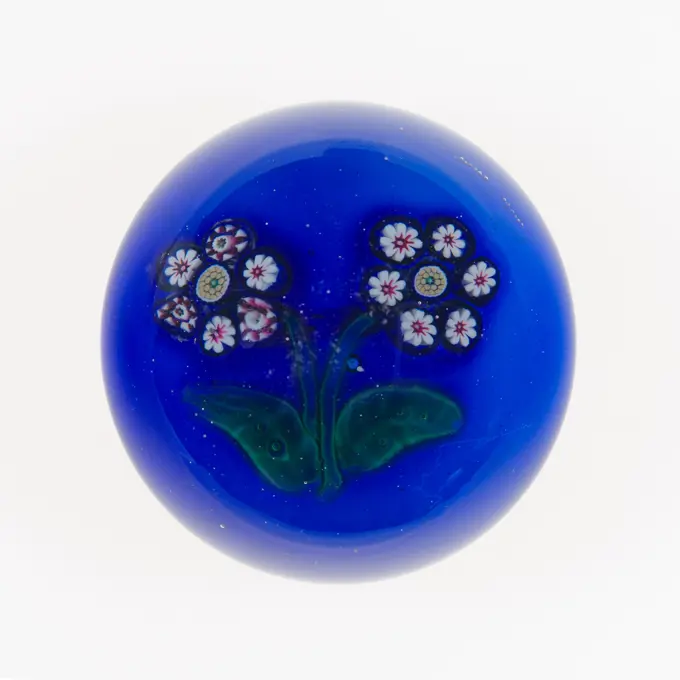
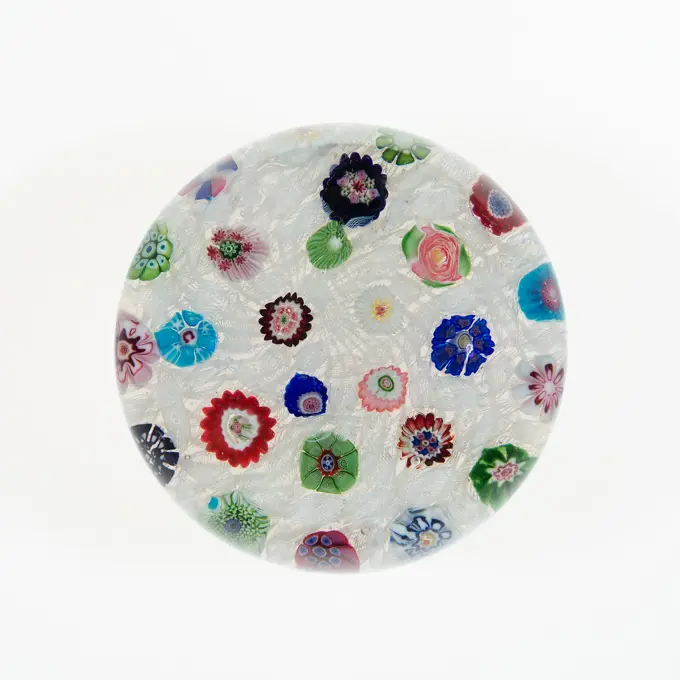
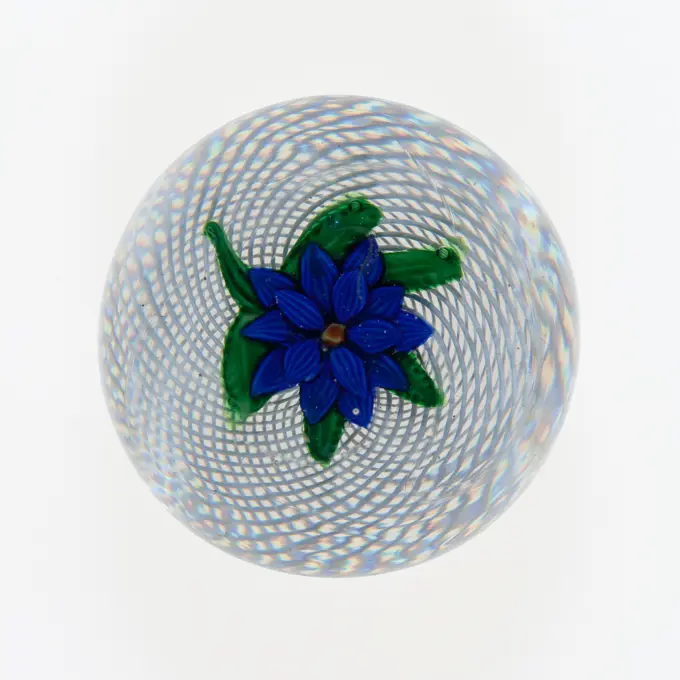
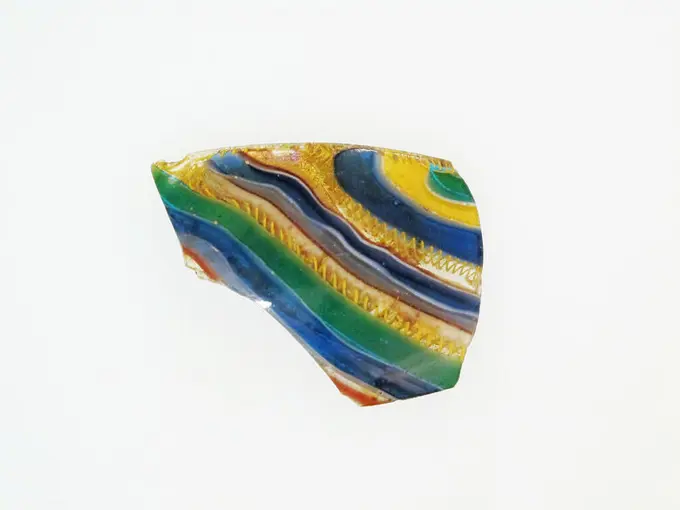
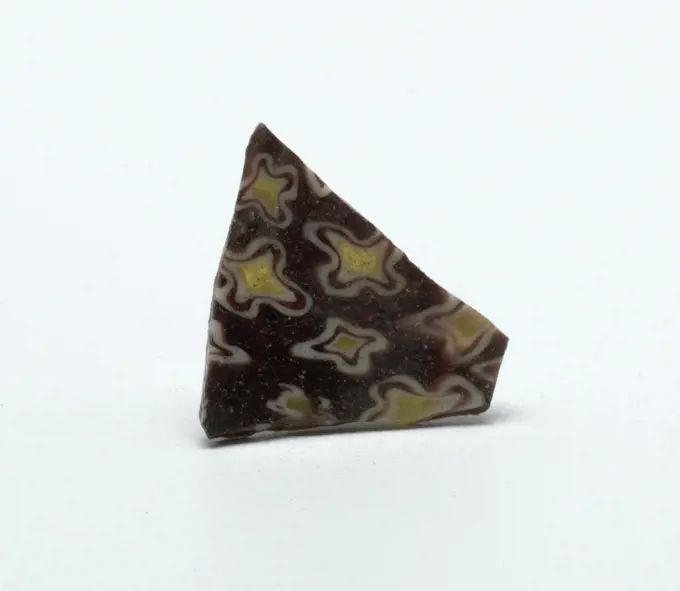
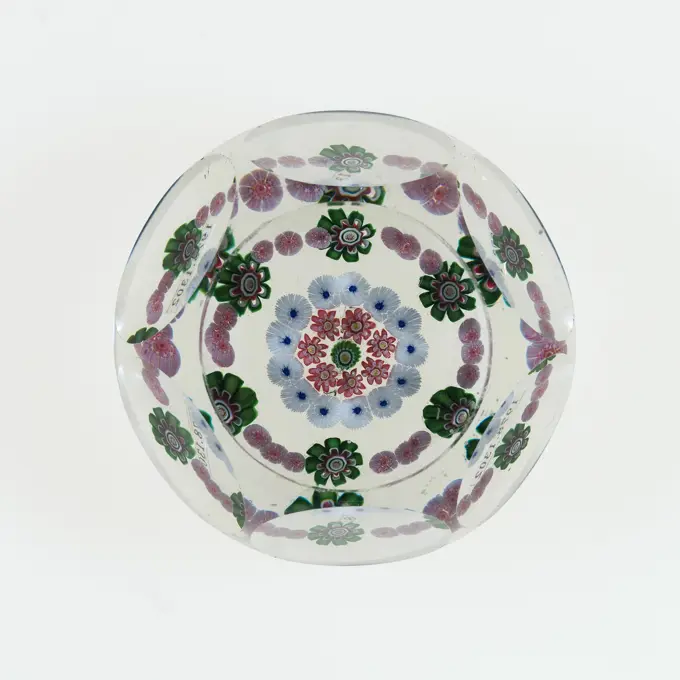
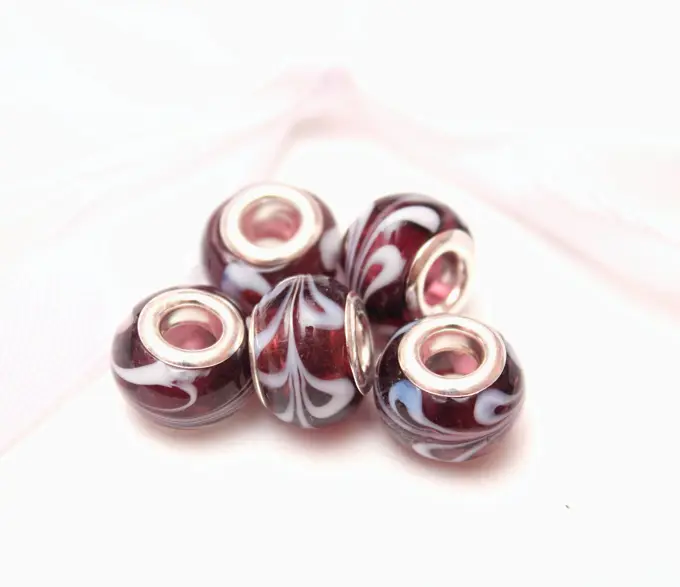
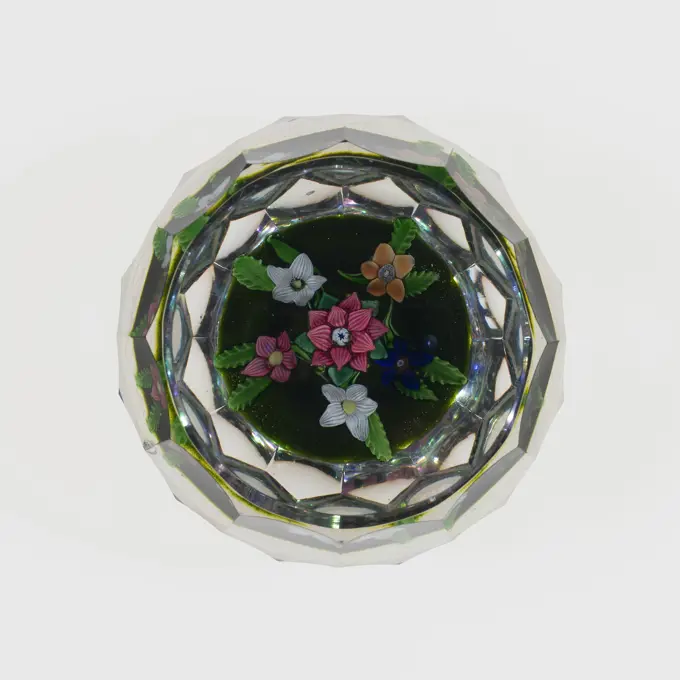
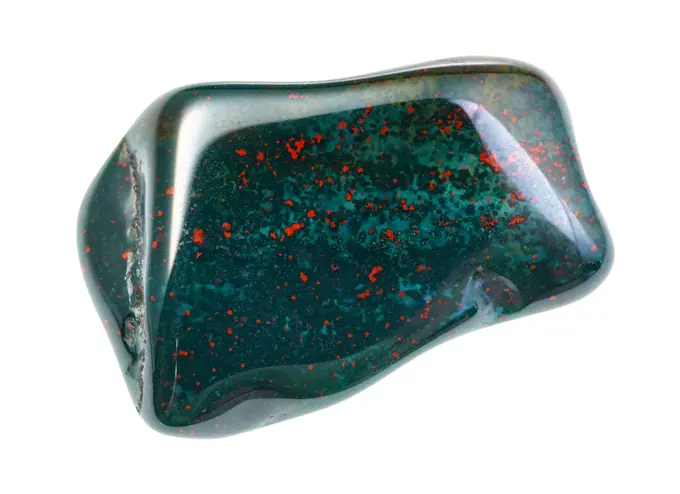
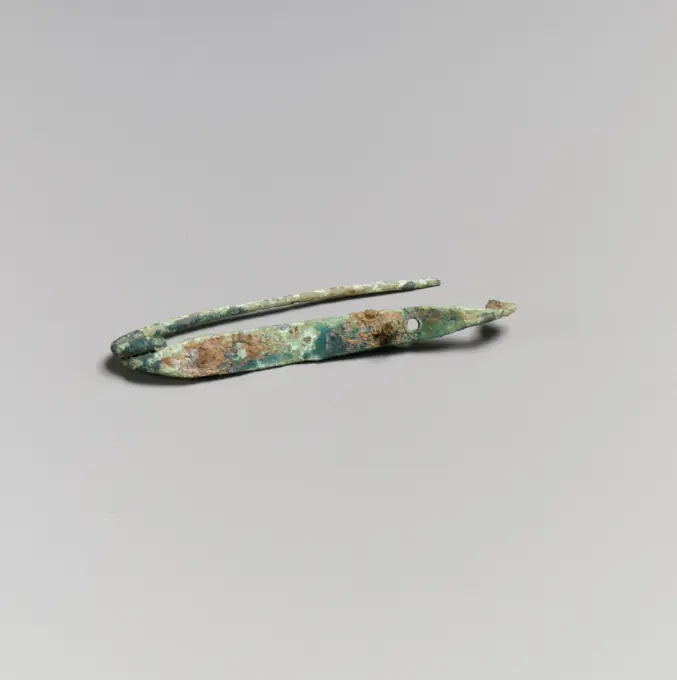
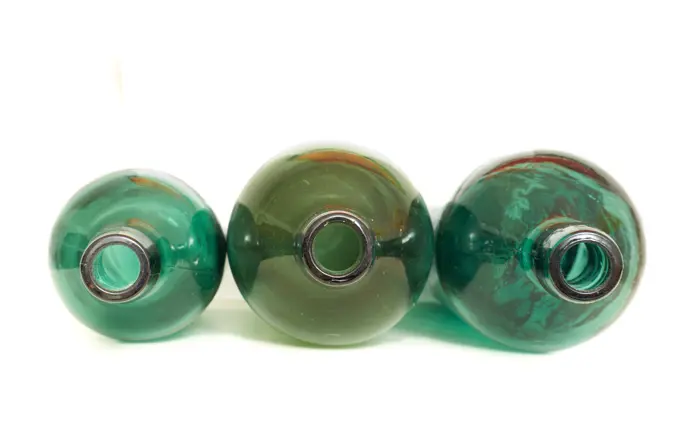
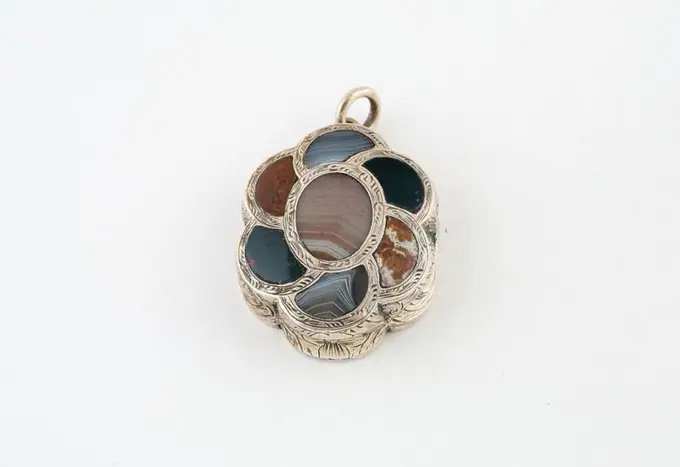
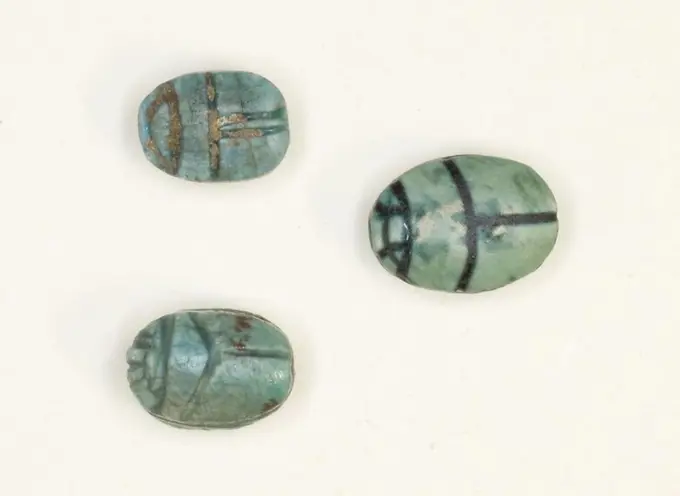
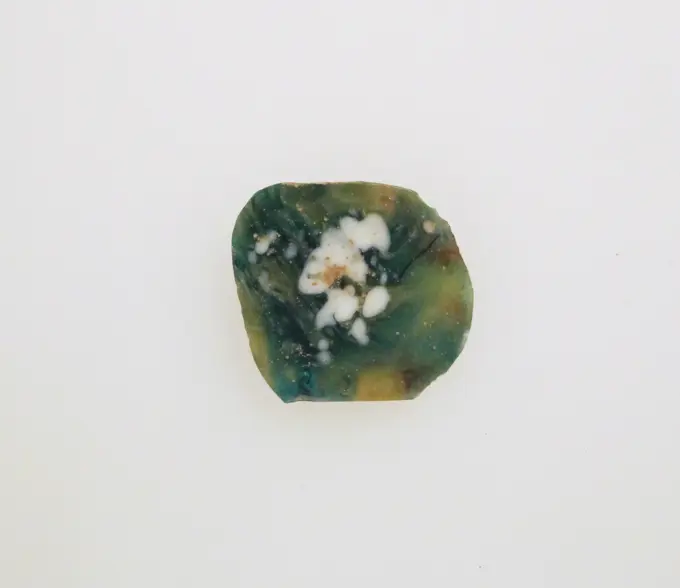
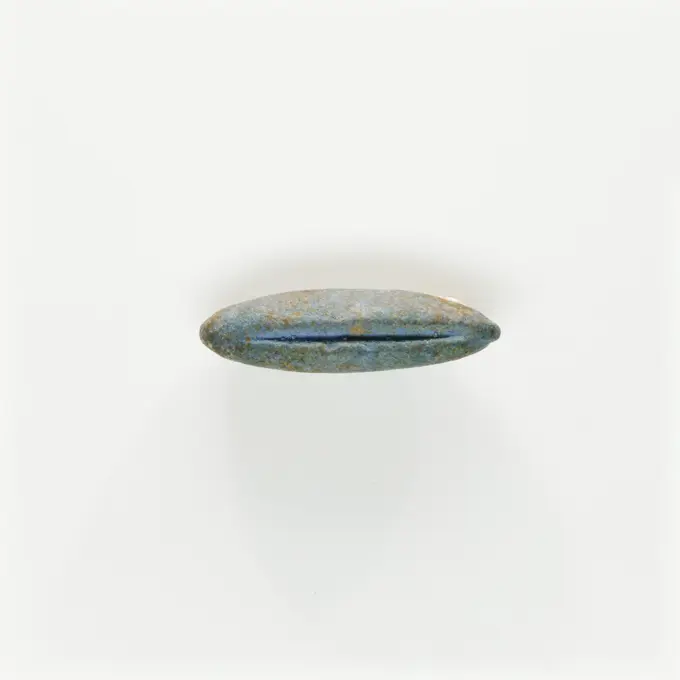
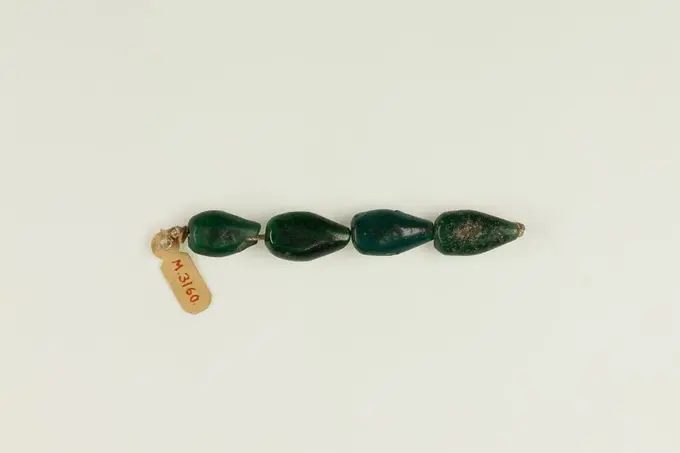
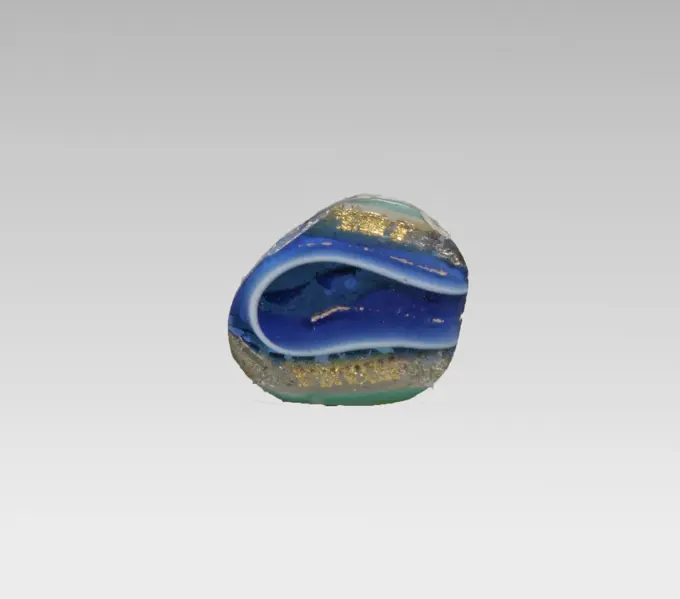
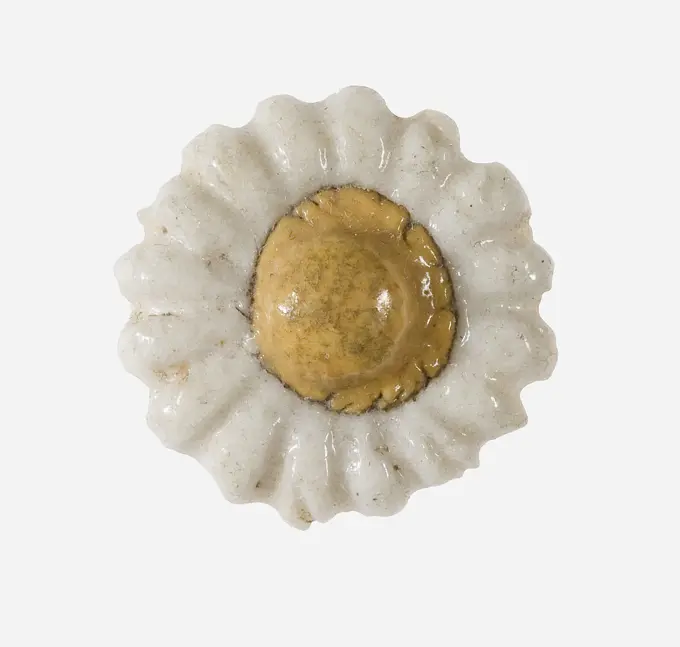
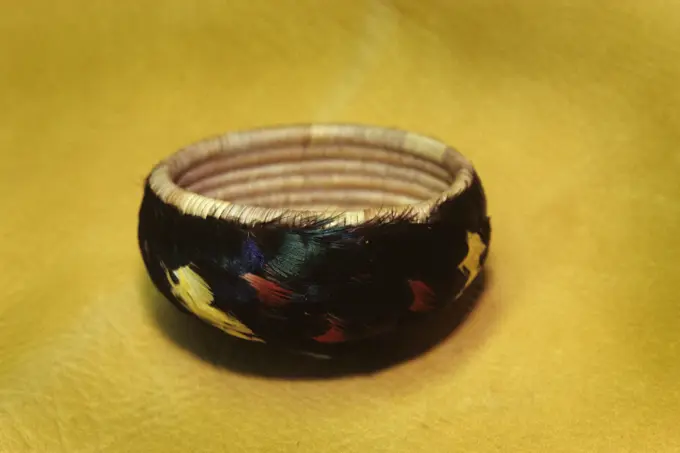
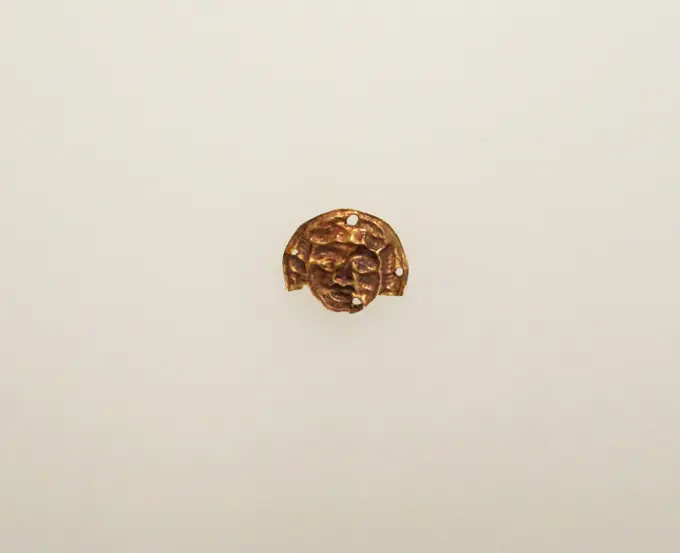
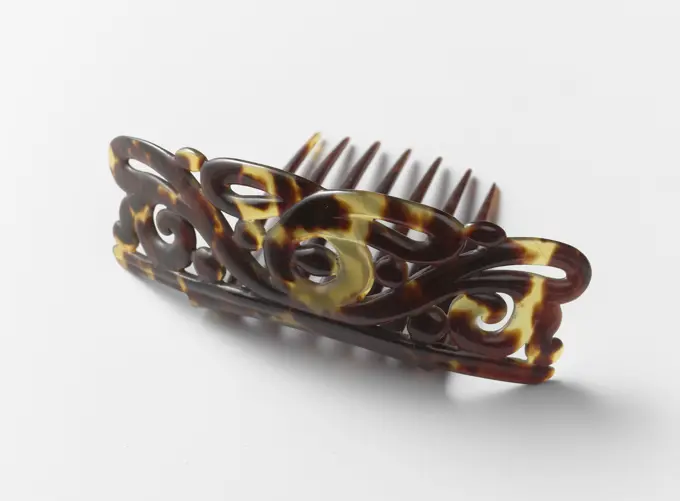
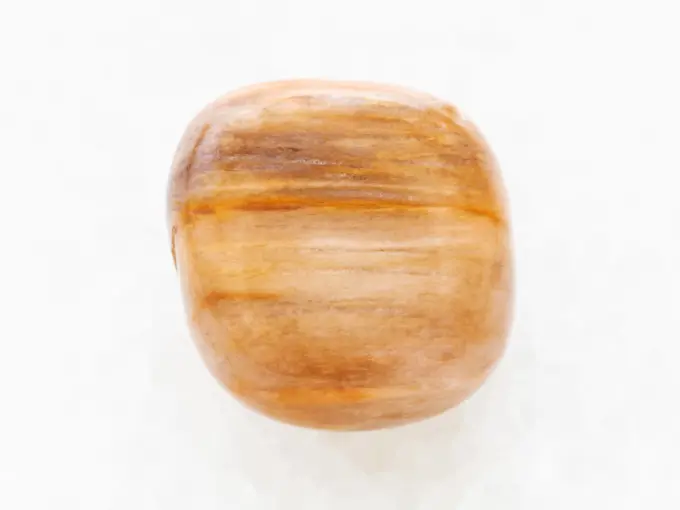
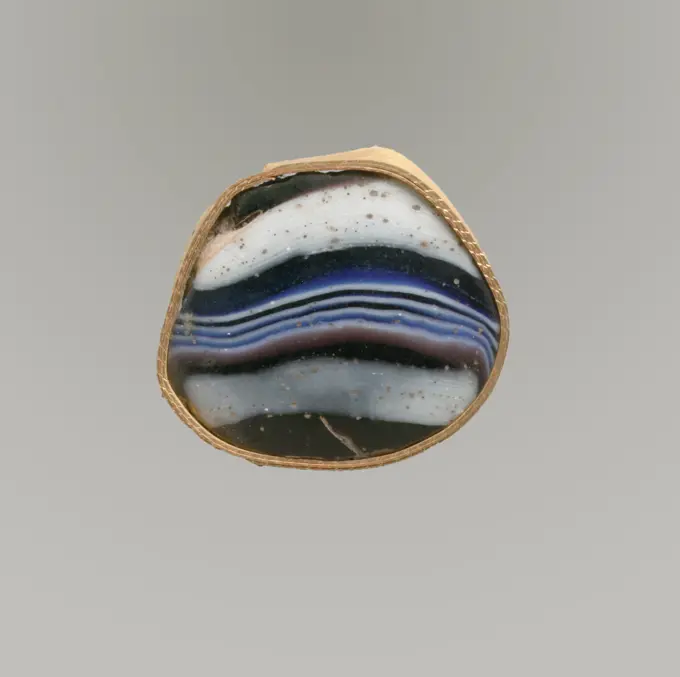
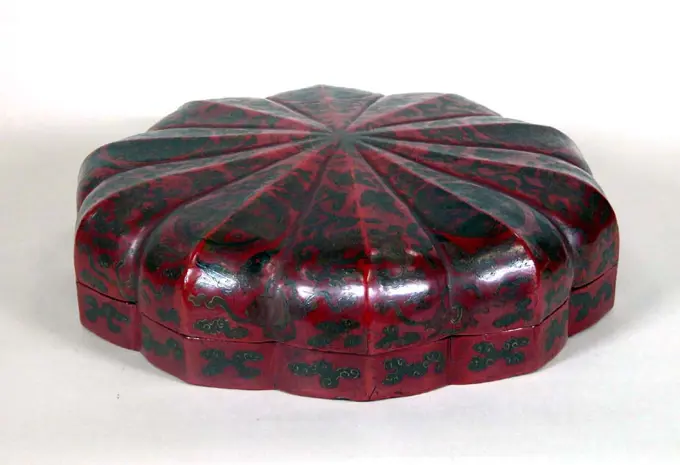
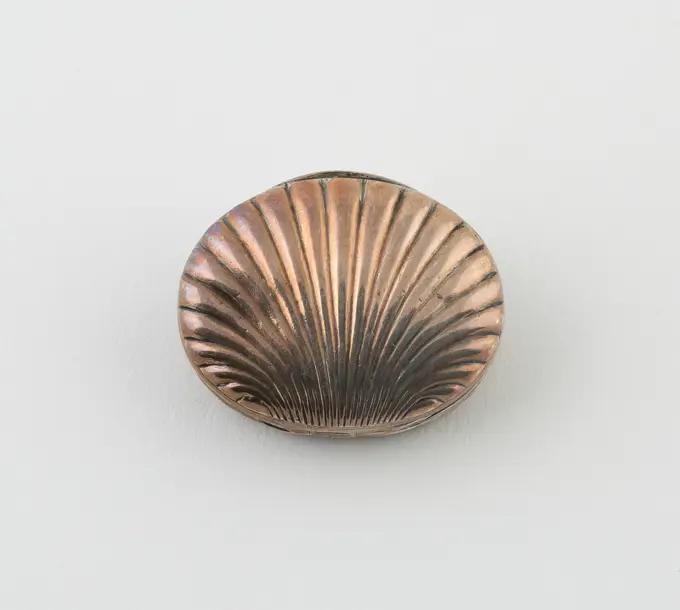
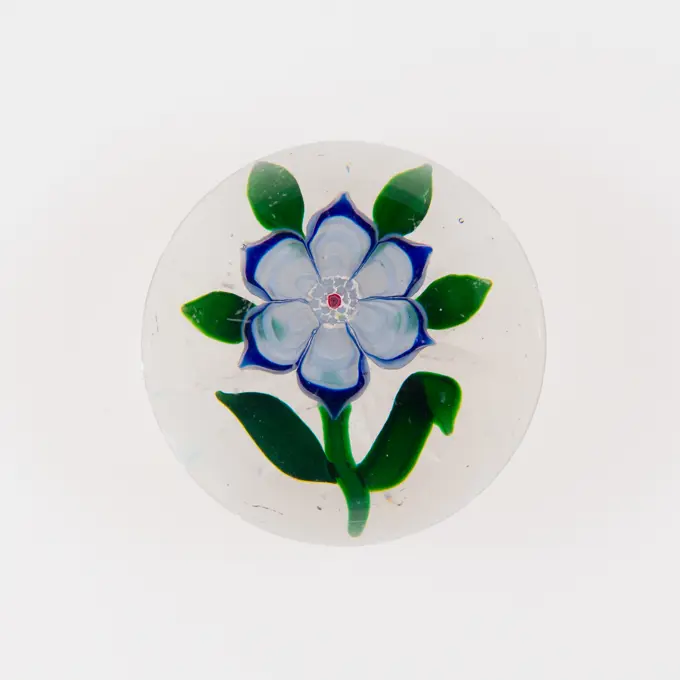
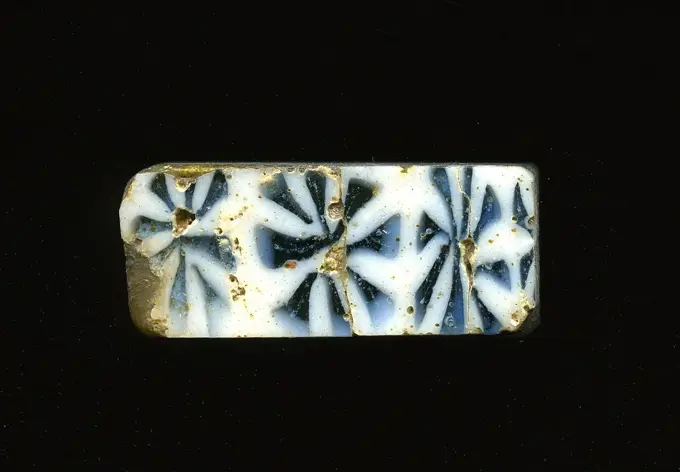
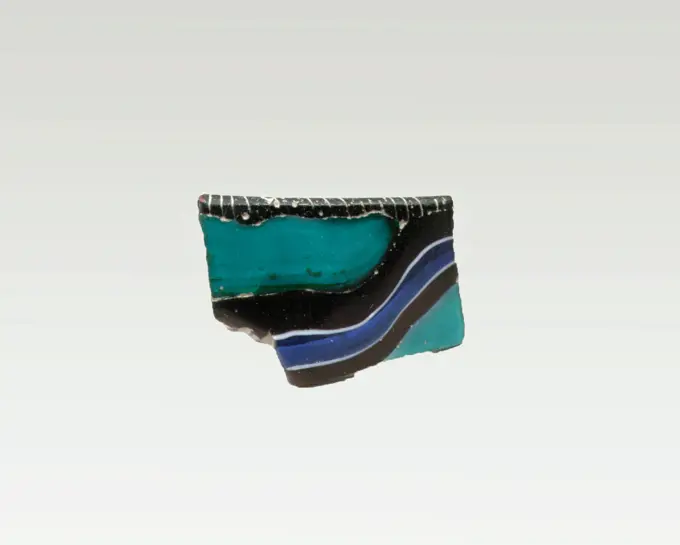
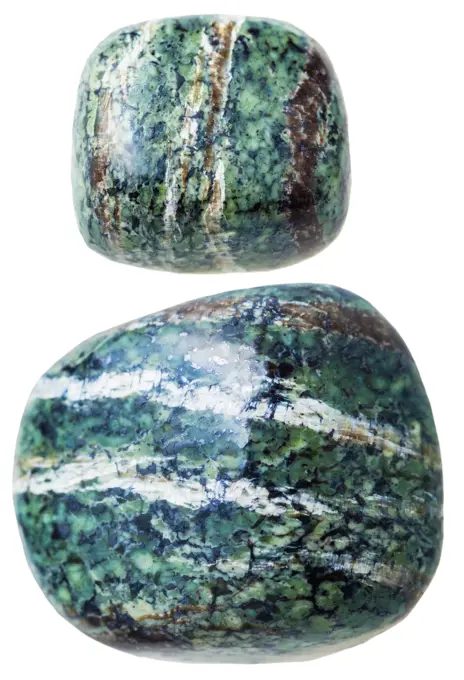
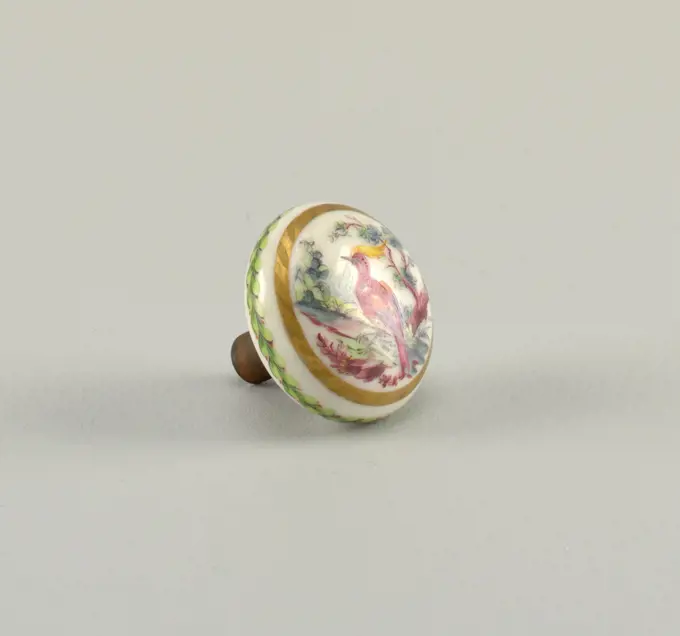
Door knob and escutcheon, Porcelain, Knob is a flattened sphere; escutcheon circular with ogee profile. Florals, bird and gilding., England, ca. 1790, ceramics, Decorative Arts, Door knob and escutcheonToy dessert plate - Inconnu / UnknownPaperweight 1840-1865 France. This paperweight uses a traditional glass-making technique called millefiori to great effect. Italian for ìone thousand flowers,î millefiori was first developed in fifteenth-century Venice. In the nineteenth century, French glassmakers revived the technique with a cultural twist. Arranged to evoke traditional French gardens such as the Tuileries in Paris, paperweights like this example brought a little of this landscaping magic indoors.From the late 1840s to early 1860s, French manufacturers of fine glass and crystalósuch as Baccarat (Alsace), Clichy (Paris), and Saint-Louis (Lorraine)ócatered to the vast public enthusiasm for beautiful yet functional desk accessories. Paperweights, which were designed to secure loose papers against drafts, were among their most popular products.. Glass . Clichy GlasshousePaperweight 1840-1865 Baccarat. Technological improvements to optical scientific instruments in the mid-nineteenth century spurred a veritable obsession across Europe with identifying and classifying the natural world. Amateur botanists were eager to collect and preserve floral specimens, which they intently researched and catalogued. In response to this broad appeal, French glassmakers made paperweights that portrayed the very botanical subjects that were so enthusiastically sought. Many weights represented specimens with horticultural correctness, but others were entirely fanciful creations. Paperweights like this example speak to the periodís fascination with taxonomic systems.From the late 1840s to early 1860s, French manufacturers of fine glass and crystalósuch as Baccarat (Alsace), Clichy (Paris), and Saint-Louis (Lorraine)ócatered to the vast public enthusiasm for beautiful yet functional desk accessories. Paperweights, which were designed to secure loose papers against drafts, Glass mosaic bowl fragment late 1st century B.C.-early 1st century A.D. Roman Rim fragment (of shallow bowl)Translucent deep purple, pale greyish blue appearing green, opaque white and yellow.Flat, ground-off rim; sharply slanting, almost straight side, then curving in at bottom.Mosaic pattern formed from polygonal sections of two canes: one in a purple ground with a circle of white dots around a central white dot, and the other in a streaky blue and white ground around a rosette pattern of purple rods outlined in yellow, with a central white rod surrounded by a purple circle.Polished exterior; pitting and weathering of surface bubbles on exterior; dulling, deep pitting, and creamy weathering on interior, rim, and jagged edges.. Glass mosaic bowl fragment 257316Paperweight 1840-1865 France. This paperweight uses a traditional glass-making technique called millefiori to great effect. Italian for ìone thousand flowers,î millefiori was first developed in fifteenth-century Venice. In the nineteenth century, French glassmakers revived the technique with a cultural twist. Arranged to evoke traditional French gardens such as the Tuileries in Paris, paperweights like this example brought a little of this landscaping magic indoors.From the late 1840s to early 1860s, French manufacturers of fine glass and crystalósuch as Baccarat (Alsace), Clichy (Paris), and Saint-Louis (Lorraine)ócatered to the vast public enthusiasm for beautiful yet functional desk accessories. Paperweights, which were designed to secure loose papers against drafts, were among their most popular products.. Glass . Clichy GlasshousePaperweight 1801-1900 Lunéville. The colorful geometric clusters embedded in this paperweight reflect the nineteenth-century European fascination with optical effects. Sir David Brewster invented the kaleidoscope in 1815, and its colorful and changing patterns brought great visual entertainment. Paperweights such as this example reformed this childlike pastime for a sophisticated adult audience. Depicted in glass were tiny glittering flowers, small black and blue cameos of figures, and even miniature bottlecaps. These were delicately arranged within the orb for the observant eye to discover.From the late 1840s to early 1860s, French manufacturers of fine glass and crystalósuch as Baccarat (Alsace), Clichy (Paris), and Saint-Louis (Lorraine)ócatered to the vast public enthusiasm for beautiful yet functional desk accessories. Paperweights, which were designed to secure loose papers against drafts, were among their most popular products.. Glass . Baccarat GlassworksPaperweight 1840-1865 France. Technological improvements to optical scientific instruments in the mid-nineteenth century spurred a veritable obsession across Europe with identifying and classifying the natural world. Amateur botanists were eager to collect and preserve floral specimens, which they intently researched and catalogued. In response to this broad appeal, French glassmakers made paperweights that portrayed the very botanical subjects that were so enthusiastically sought. Many weights represented specimens with horticultural correctness, but others were entirely fanciful creations. Paperweights like this example speak to the periodís fascination with taxonomic systems.From the late 1840s to early 1860s, French manufacturers of fine glass and crystalósuch as Baccarat (Alsace), Clichy (Paris), and Saint-Louis (Lorraine)ócatered to the vast public enthusiasm for beautiful yet functional desk accessories. Paperweights, which were designed to secure loose papers against drafts, weSeal, oryx ca. 1550-1295 B.C. New Kingdom. Seal, oryx 554029Paperweight 1843-1860 Lunéville. Glass . Baccarat GlassworksPaperweight 1843-1860 Clichy. Technological improvements to optical scientific instruments in the mid-nineteenth century spurred a veritable obsession across Europe with identifying and classifying the natural world. Amateur botanists were eager to collect and preserve floral specimens, which they intently researched and catalogued. In response to this broad appeal, French glassmakers made paperweights that portrayed the very botanical subjects that were so enthusiastically sought. Many weights represented specimens with horticultural correctness, but others were entirely fanciful creations. Paperweights like this example speak to the periodís fascination with taxonomic systems.From the late 1840s to early 1860s, French manufacturers of fine glass and crystalósuch as Baccarat (Alsace), Clichy (Paris), and Saint-Louis (Lorraine)ócatered to the vast public enthusiasm for beautiful yet functional desk accessories. Paperweights, which were designed to secure loose papers against drafts, weSpinkaPaperweight 1840-1865 Baccarat. Technological improvements to optical scientific instruments in the mid-nineteenth century spurred a veritable obsession across Europe with identifying and classifying the natural world. Amateur botanists were eager to collect and preserve floral specimens, which they intently researched and catalogued. In response to this broad appeal, French glassmakers made paperweights that portrayed the very botanical subjects that were so enthusiastically sought. Many weights represented specimens with horticultural correctness, but others were entirely fanciful creations. Paperweights like this example speak to the periodís fascination with taxonomic systems.From the late 1840s to early 1860s, French manufacturers of fine glass and crystalósuch as Baccarat (Alsace), Clichy (Paris), and Saint-Louis (Lorraine)ócatered to the vast public enthusiasm for beautiful yet functional desk accessories. Paperweights, which were designed to secure loose papers against drafts, Paperweight 1800-1899 Clichy. Glass . Clichy GlasshousePaperweight 1843-1860 Saint-Louis. Technological improvements to optical scientific instruments in the mid-nineteenth century spurred a veritable obsession across Europe with identifying and classifying the natural world. Amateur botanists were eager to collect and preserve floral specimens, which they intently researched and catalogued. In response to this broad appeal, French glassmakers made paperweights that portrayed the very botanical subjects that were so enthusiastically sought. Many weights represented specimens with horticultural correctness, but others were entirely fanciful creations. Paperweights like this example speak to the periodís fascination with taxonomic systems.From the late 1840s to early 1860s, French manufacturers of fine glass and crystalósuch as Baccarat (Alsace), Clichy (Paris), and Saint-Louis (Lorraine)ócatered to the vast public enthusiasm for beautiful yet functional desk accessories. Paperweights, which were designed to secure loose papers against draftGlass striped mosaic bowl fragment. Culture: Roman. Dimensions: 1 5/8 × 2 1/8 × 1/8 in. (4.2 × 5.4 × 0.3 cm)Estimated diameter 5 1/8 in. (13 cm). Date: late 1st century B.C.-early 1st century A.D..Rim and side of a shallow hemispherical bowl.Translucent cobalt blue, purple appearing semi-opaque brick red, light blue appearing green, opaque yellow and white, and colorless.Vertical rim with beveled inner lip; convex curving side, turned in sharply towards bottom.Striped pattern formed from lengths of different canes in parallel, diagonal lines: one cane in green; another in yellow outlined with white lines; a third in blue; a network cane in colorless with two spiral yellow threads; a cane in layered stripes of red, white, and blue; another colorless network cone with a single yellow spiral thread; a green length; a blue length outlines in white; and a red stripe flanked in colorless and outlined in light blue and white appearing grey; a colorless network cane with a yellow spiral tPaperweight 1840-1865 France. Technological improvements to optical scientific instruments in the mid-nineteenth century spurred a veritable obsession across Europe with identifying and classifying the natural world. Amateur botanists were eager to collect and preserve floral specimens, which they intently researched and catalogued. In response to this broad appeal, French glassmakers made paperweights that portrayed the very botanical subjects that were so enthusiastically sought. Many weights represented specimens with horticultural correctness, but others were entirely fanciful creations. Paperweights like this example speak to the periodís fascination with taxonomic systems.From the late 1840s to early 1860s, French manufacturers of fine glass and crystalósuch as Baccarat (Alsace), Clichy (Paris), and Saint-Louis (Lorraine)ócatered to the vast public enthusiasm for beautiful yet functional desk accessories. Paperweights, which were designed to secure loose papers against drafts, wePaperweight 1840-1865 France. This paperweight uses a traditional glass-making technique called millefiori to great effect. Italian for ìone thousand flowers,î millefiori was first developed in fifteenth-century Venice. In the nineteenth century, French glassmakers revived the technique with a cultural twist. Arranged to evoke traditional French gardens such as the Tuileries in Paris, paperweights like this example brought a little of this landscaping magic indoors.From the late 1840s to early 1860s, French manufacturers of fine glass and crystalósuch as Baccarat (Alsace), Clichy (Paris), and Saint-Louis (Lorraine)ócatered to the vast public enthusiasm for beautiful yet functional desk accessories. Paperweights, which were designed to secure loose papers against drafts, were among their most popular products.. Glass . Compagnie de Saint Louissocket wrench isolated on a white backgroundPaperweight 1840-1865 France. Technological improvements to optical scientific instruments in the mid-nineteenth century spurred a veritable obsession across Europe with identifying and classifying the natural world. Amateur botanists were eager to collect and preserve floral specimens, which they intently researched and catalogued. In response to this broad appeal, French glassmakers made paperweights that portrayed the very botanical subjects that were so enthusiastically sought. Many weights represented specimens with horticultural correctness, but others were entirely fanciful creations. Paperweights like this example speak to the periodís fascination with taxonomic systems.From the late 1840s to early 1860s, French manufacturers of fine glass and crystalósuch as Baccarat (Alsace), Clichy (Paris), and Saint-Louis (Lorraine)ócatered to the vast public enthusiasm for beautiful yet functional desk accessories. Paperweights, which were designed to secure loose papers against drafts, weFragment, glass, millefiori, Alexandria, Egypt, 1st century, glasswares, Decorative Arts, FragmentPaperweight 1801-1900 Clichy. This paperweight uses a traditional glass-making technique called millefiori to great effect. Italian for ìone thousand flowers,î millefiori was first developed in fifteenth-century Venice. In the nineteenth century, French glassmakers revived the technique with a cultural twist. Arranged to evoke traditional French gardens such as the Tuileries in Paris, paperweights like this example brought a little of this landscaping magic indoors.From the late 1840s to early 1860s, French manufacturers of fine glass and crystalósuch as Baccarat (Alsace), Clichy (Paris), and Saint-Louis (Lorraine)ócatered to the vast public enthusiasm for beautiful yet functional desk accessories. Paperweights, which were designed to secure loose papers against drafts, were among their most popular products.. Glass . Clichy GlasshouseTea caddy third quarter 18th century Style of Whieldon type. Tea caddy. British, Staffordshire. third quarter 18th century. Lead-glazed earthenware. Ceramics-Potterycrystalline texture of green Agate broken ball macro shooting of natural mineral stone - crystalline texture of broken ball from polished green Agate gemstone isolated on white background Copyright: xZoonar.com/ValeryxVoennyyx 11248123Paperweight 1801-1900 Clichy. This paperweight uses a traditional glass-making technique called millefiori to great effect. Italian for ìone thousand flowers,î millefiori was first developed in fifteenth-century Venice. In the nineteenth century, French glassmakers revived the technique with a cultural twist. Arranged to evoke traditional French gardens such as the Tuileries in Paris, paperweights like this example brought a little of this landscaping magic indoors.From the late 1840s to early 1860s, French manufacturers of fine glass and crystalósuch as Baccarat (Alsace), Clichy (Paris), and Saint-Louis (Lorraine)ócatered to the vast public enthusiasm for beautiful yet functional desk accessories. Paperweights, which were designed to secure loose papers against drafts, were among their most popular products.. Glass . Clichy GlasshouseButton (Hungary); silver, enamel, turquoise; Bequest of Julia Hutchins Wolcott; 1959-66-203Paperweight 1840-1865 France. Technological improvements to optical scientific instruments in the mid-nineteenth century spurred a veritable obsession across Europe with identifying and classifying the natural world. Amateur botanists were eager to collect and preserve floral specimens, which they intently researched and catalogued. In response to this broad appeal, French glassmakers made paperweights that portrayed the very botanical subjects that were so enthusiastically sought. Many weights represented specimens with horticultural correctness, but others were entirely fanciful creations. Paperweights like this example speak to the periodís fascination with taxonomic systems.From the late 1840s to early 1860s, French manufacturers of fine glass and crystalósuch as Baccarat (Alsace), Clichy (Paris), and Saint-Louis (Lorraine)ócatered to the vast public enthusiasm for beautiful yet functional desk accessories. Paperweights, which were designed to secure loose papers against drafts, wetumbled orbicular jasper gemstone on white marble macro shooting of natural mineral rock specimen - tumbled orbicular jasper gemstone on white marble background Copyright: xZoonar.com/ValeryxVoennyyx 11947620Glass mosaic carinated bowl fragment late 1st century B.C.-early 1st century A.D. Roman Body fragment.Translucent purple, light blue mixed with opaque yellow and appearing green; opaque white and yellow.Convex curving side and flat bottom.Mosaic pattern formed from polygonal sections of two or more canes: one in a purple ground outlined in white with a lattice pattern of blue canes outlined in yellow, and another in a purple ground with a hollow white circle. Most of canes distorted.Polished exterior; pitting of surface bubbles on exterior; dulling, creamy brown weathering and iridescence on interior and jagged edges.. Glass mosaic carinated bowl fragment 257189Coiled Dragon Pendant. China. Date: 1300 BC-1000 BC. Dimensions: 1 1/2 × 1 3/8 × 5/8 in. Jade. Origin: China. Museum: The Chicago Art Institute, Chicago, USA.Plaque with Coiled Dragon. China. Date: 1000 BC-800 BC. Dimensions: 13/16 × 11/16 × 5/16 in. Jade. Origin: China. Museum: The Chicago Art Institute, Chicago, USA.Medallion that belonged to George Sand. Paris, Museum of Romantic Life. 34870-9 Jewel, writer, french, medallionOrnament, Christmas Tree (USA); sugarRing, Silver, paste, jewels., B: Ring with large oval blue, paste or foil () stone on which are the initials 'G C D' in silver and paste diamonds., France, 19th century, jewelry, Decorative Arts, RingContainer; turned wood, pearpolished tiger eye gemstone on white marble macro shooting of natural mineral rock specimen - polished tiger eye gemstone on white marble background from South Africa Copyright: xZoonar.com/ValeryxVoennyyx 11947364Paperweight 1840-1865 Baccarat. Technological improvements to optical scientific instruments in the mid-nineteenth century spurred a veritable obsession across Europe with identifying and classifying the natural world. Amateur botanists were eager to collect and preserve floral specimens, which they intently researched and catalogued. In response to this broad appeal, French glassmakers made paperweights that portrayed the very botanical subjects that were so enthusiastically sought. Many weights represented specimens with horticultural correctness, but others were entirely fanciful creations. Paperweights like this example speak to the periodís fascination with taxonomic systems.From the late 1840s to early 1860s, French manufacturers of fine glass and crystalósuch as Baccarat (Alsace), Clichy (Paris), and Saint-Louis (Lorraine)ócatered to the vast public enthusiasm for beautiful yet functional desk accessories. Paperweights, which were designed to secure loose papers against drafts, Beads Perlen Beads Perlen Copyright: xZoonar.com/YvonnexBogdanskix 6832118Paperweight 1843-1860 Saint-Louis. Technological improvements to optical scientific instruments in the mid-nineteenth century spurred a veritable obsession across Europe with identifying and classifying the natural world. Amateur botanists were eager to collect and preserve floral specimens, which they intently researched and catalogued. In response to this broad appeal, French glassmakers made paperweights that portrayed the very botanical subjects that were so enthusiastically sought. Many weights represented specimens with horticultural correctness, but others were entirely fanciful creations. Paperweights like this example speak to the periodís fascination with taxonomic systems.From the late 1840s to early 1860s, French manufacturers of fine glass and crystalósuch as Baccarat (Alsace), Clichy (Paris), and Saint-Louis (Lorraine)ócatered to the vast public enthusiasm for beautiful yet functional desk accessories. Paperweights, which were designed to secure loose papers against draftpolished Bloodstone heliotrope gem isolated closeup of sample of natural mineral from geological collection - polished Bloodstone heliotrope gem isolated on white background Copyright: xZoonar.com/ValeryxVoennyyx 14986630Fibula 9th-8th century B.C. Italic, Villanovan. Fibula 256019Artistic still shot of colorful glass bottles in the white isolated background. Three wine bottles arranged in a leaner position in descending order with white background.Scarabs with Inscriptions on Base 2055 BCE-1069 BCE Egypt. Glazed steatite . Ancient EgyptianVinaigrette. Marked JF; Birmingham, England. Date: 1858-1859. Dimensions: 3.8 × 2.5 cm (1 1/2 × 1 in.). Silver, silver gilt, bloodstone, agate, and other hardstone. Origin: Birmingham. Museum: The Chicago Art Institute, Chicago, USA.Button seal. Dimensions: diam. 1.6 cm (5/8 in). Dynasty: Dynasty 12-13. Date: ca. 1981-1640 B.C.. Museum: Metropolitan Museum of Art, New York, USA.Paperweight, 20th century, 2 7/8 x 3 x 3 in. (7.3 x 7.62 x 7.62 cm), Glass, Norway (), 20th centuryScarabs with Inscriptions on Base. Egyptian. Date: 2055 BC-1069 BC. Dimensions: 1 x 0.6 x 0.5 cm (3/8 x 1/4 x 3/16 in.) each. Glazed steatite. Origin: Egypt. Museum: The Chicago Art Institute, Chicago, USA. Author: Ancient Egyptian.Glass mosaic bowl fragment late 1st century B.C.-early 1st century A.D. Roman Translucent turquoise blue, partially mixed with opaque yellow and appearing green, opaque white and yellow, and small patches of purple appearing opaque brick red.Bottom with thick, convex interior and start of curving side at one edge; exterior ground flat.Marbled mosaic pattern in blue ground with irregular pattern of white and yellow patches and streaks.Pinprick bubbles; exterior polished, with pitting of surface bubbles; dulling, pitting, and creamy weathering on interior and jagged edges.. Glass mosaic bowl fragment. Roman. late 1st century B.C.-early 1st century A.D.. Glass; cast. Early Imperial. GlassBead in the Form of a Date () ca. 1504-1447 B.C. New Kingdom This bead in the shape of a date was found near the remains of a small basket inside the coffin of a man named Amenemhat. The basket had been placed near the head of Amenemhat's mummy and seems to have contained more some 400 mostly uninscribed scarabs and a variety of other beads.. Bead in the Form of a Date (). ca. 1504-1447 B.C.. Egyptian blue. New Kingdom. From Egypt, Upper Egypt, Thebes, Asasif, Tomb of Neferkhawet (MMA 729), east chamber, Burial of Amenemhat (V), inside coffin, basket, MMA excavations. Dynasty 18, earlyString of 4 pear-shaped beads. Dimensions: l. 4.6 cm (1 13/16 in.). Date: 6th-7th century. Museum: Metropolitan Museum of Art, New York, USA.Easter Egg Easter Egg Copyright: xZoonar.com/VladimirxNenovx 7115654Glass gold-band mosaic fragment late 1st century B.C.-early 1st century A.D. Roman Body fragment.Translucent cobalt blue, turquoise green, opaque white, and colorless enclosing gold leaf.Convex curving side.Gold-band mosaic pattern formed from polygonal sections of serpentine layered canes in combinations of blue with white line, colorless with gold leaf, and green.Pinprick and some larger bubbles; exterior polished, with some pitting of joins between canes; creamy weathering on interior and edges.The pattern resembles that on the gold-band scyphus (91.1.2053).. Glass gold-band mosaic fragment. Roman. late 1st century B.C.-early 1st century A.D.. Glass; cast. Early Imperial. GlassPaperweight 1843-1860 Saint-Louis. Technological improvements to optical scientific instruments in the mid-nineteenth century spurred a veritable obsession across Europe with identifying and classifying the natural world. Amateur botanists were eager to collect and preserve floral specimens, which they intently researched and catalogued. In response to this broad appeal, French glassmakers made paperweights that portrayed the very botanical subjects that were so enthusiastically sought. Many weights represented specimens with horticultural correctness, but others were entirely fanciful creations. Paperweights like this example speak to the periodís fascination with taxonomic systems.From the late 1840s to early 1860s, French manufacturers of fine glass and crystalósuch as Baccarat (Alsace), Clichy (Paris), and Saint-Louis (Lorraine)ócatered to the vast public enthusiasm for beautiful yet functional desk accessories. Paperweights, which were designed to secure loose papers against draftDaisy Bead ca. 1390-1353 B.C. New Kingdom. Daisy Bead. ca. 1390-1353 B.C.. Faience. New Kingdom. From Egypt, Upper Egypt, Thebes, Malqata, Palace of Amenhotep III, MMA excavations, 1910-11. Dynasty 18Glass mosaic bead 3rd-4th century A.D. Roman, Egyptian. Glass mosaic bead. Roman, Egyptian. 3rd-4th century A.D.. Glass. Late Imperial. GlassFloral plaque. Dimensions: H. 2 × W. 3.2 cm (13/16 × 1 1/4 in.). Date: 100 B.C.-A.D. 400.This fragment was part of a glass floral plaque for wall or furniture inlay like 26.7.1249. Museum: Metropolitan Museum of Art, New York, USA.Miniature Pomo Indian flicker basket decorated with colorful feathers and shellsTile ca. 1882-84 J. and J. G. Low Art Tile Works. Tile. American. ca. 1882-84. Earthenware. Made in Chelsea, Massachusetts, United StatesPaperweight 1840-1865 Baccarat. Technological improvements to optical scientific instruments in the mid-nineteenth century spurred a veritable obsession across Europe with identifying and classifying the natural world. Amateur botanists were eager to collect and preserve floral specimens, which they intently researched and catalogued. In response to this broad appeal, French glassmakers made paperweights that portrayed the very botanical subjects that were so enthusiastically sought. Many weights represented specimens with horticultural correctness, but others were entirely fanciful creations. Paperweights like this example speak to the periodís fascination with taxonomic systems.From the late 1840s to early 1860s, French manufacturers of fine glass and crystalósuch as Baccarat (Alsace), Clichy (Paris), and Saint-Louis (Lorraine)ócatered to the vast public enthusiasm for beautiful yet functional desk accessories. Paperweights, which were designed to secure loose papers against drafts, Roundel, medallion with head of Medusa 5th century B.C. Greek. Roundel, medallion with head of Medusa. Greek. 5th century B.C.. Electrum. Classical. Gold and SilverSix Keyhole Drops (England)Ojime 19th century Japan. Ojime. Japan. 19th century. Edo period (1615-1868). OjimeHair comb made of imitation turtle or horn with an ajour cut back of gracefully mingled curls, perpendicular to the teeth, anonymous, c. 1850 - c. 1880 Hair comb made of imitation turtle or horn with an ajour cut back of gracefully mingled curls, perpendicular to the teeth. Seven teeth. Netherlands (possibly) celluloid (cellulosic). cellulose acetate. horn (animal material) sawing / cutting / polishing Hair comb made of imitation turtle or horn with an ajour cut back of gracefully mingled curls, perpendicular to the teeth. Seven teeth. Netherlands (possibly) celluloid (cellulosic). cellulose acetate. horn (animal material) sawing / cutting / polishingPins in a pileArmband with Spirals 14th-12th century B.C. European Bronze Age. Armband with Spirals 478178polished brown tiger s eye gem on white marble macro shooting of natural mineral rock specimen - polished brown tiger s eye gem on white marble background Copyright: xZoonar.com/ValeryxVoennyyx 11947483Paperweight ca. 1852-80 New England Glass Company. Paperweight 5534Glass mosaic fragment late 1st century B.C.-early 1st century A.D. Roman Thick base fragment, probably from a deep, footed ribbed bowl.Translucent deep purple, cobalt blue, and opaque white.Two layers fused together, forming a convex disk.Exterior layer: ribbon mosaic pattern formed from sections of a single cane in purple ground with white and blue threads in parallel lines; interior layer: spiraling mosaic pattern formed from sections of a single cane in blue ground with white threads.Polished convex exterior; pitting of surface bubbles and weathering in cracks; dulling, creamy weathering, and faint iridescence on exterior and jagged edges.Probably part of a deep ribbed bowl with base ring, but cut down, possibly in antiquity, into a disk.. Glass mosaic fragment. Roman. late 1st century B.C.-early 1st century A.D.. Glass; cast. Early Imperial. GlassMosaic glass fragment. In the white background, purple flowers are inserted. They consist of a dot-shaped white core with dark border, eight petals and a wide dark outdoor circle with white dots. In Roman times, it used colored, ornamented glass for vessels, mosaics, wall decorations and furniture ornaments.A small inlaid sculpture of a soft-shelled turtle ca. 1991-1802 B.C. Middle Kingdom This exquisitely manufactured figurine represents an African soft-shelled turtle, Trionyx triunguis. Created from amethyst, a difficult stone to carve, this turtles back was inlaid with tiny semi-precious stones designed to imitate the stippled pattern found on the animals shell. This object is a sophisticated example of Middle Kingdom artistic skill and creativity and must have been commissioned by an elite member of society. Animal figurines have a long history as gifts to deities and as burial goods to protect the dead.. A small inlaid sculpture of a soft-shelled turtle. ca. 1991-1802 B.C.. Amethyst, turquoise, lapis-lazuli, carnelian, and organic material. Middle Kingdom. From Egypt; Said to be from Northern Upper Egypt, Dendera. Dynasty 12Porto Novo Pagoda from Negapatnam, Voor -India, United Oostindische Compagnie, 1747 - 1781 coin Gold coin. Front: the deity Vishnu standing with cone -shaped triple crown. Aside of the head valves, in addition to a collection of points, ending on the left in four branches. Road side: spherical surface, strewn with points. Smooth edge. Non -non gold (metal) striking (metalworking)Lobulated Covered Box 17th century Japan. Lobulated Covered Box 44629Close-up of a dark green, triangular colored pencil with wood textureVinaigrette in the Form of a Scallop Shell 1816-1817 Birmingham. Silver and silver gilt .Ritual Stone (pulidor). Culture: Olmec. Dimensions: H. 1 in. (2.5 cm). Date: 12th-8th century B.C..Small, rounded hard stones such as this example were mounted to a wooden handle and used to polish stone sculptures in ancient Mesoamerica. Museum: Metropolitan Museum of Art, New York, USA.Paperweight 1840-1865 Baccarat. Technological improvements to optical scientific instruments in the mid-nineteenth century spurred a veritable obsession across Europe with identifying and classifying the natural world. Amateur botanists were eager to collect and preserve floral specimens, which they intently researched and catalogued. In response to this broad appeal, French glassmakers made paperweights that portrayed the very botanical subjects that were so enthusiastically sought. Many weights represented specimens with horticultural correctness, but others were entirely fanciful creations. Paperweights like this example speak to the periodís fascination with taxonomic systems.From the late 1840s to early 1860s, French manufacturers of fine glass and crystalósuch as Baccarat (Alsace), Clichy (Paris), and Saint-Louis (Lorraine)ócatered to the vast public enthusiasm for beautiful yet functional desk accessories. Paperweights, which were designed to secure loose papers against drafts, Glass mosaic fragment late 1st century B.C.-early 1st century A.D. Roman Fragment of base ring.Translucent cobalt blue, honey brown, and opaque white.Beveled bottom edge; slightly convex curving side, flaring downward.Marbled mosaic pattern in blue ground with irregular pattern of white lines and streaks and small brown streak.Polished exterior; pitting of surface bubbles; dulling and iridescent weathering on interior and bottom edge; iridescence on one jagged edge.. Glass mosaic fragment. Roman. late 1st century B.C.-early 1st century A.D.. Glass; cast. Early Imperial. GlassPaperweight 1801-1900 France. Technological improvements to optical scientific instruments in the mid-nineteenth century spurred a veritable obsession across Europe with identifying and classifying the natural world. Amateur botanists were eager to collect and preserve floral specimens, which they intently researched and catalogued. In response to this broad appeal, French glassmakers made paperweights that portrayed the very botanical subjects that were so enthusiastically sought. Many weights represented specimens with horticultural correctness, but others were entirely fanciful creations. Paperweights like this example speak to the periodís fascination with taxonomic systems.From the late 1840s to early 1860s, French manufacturers of fine glass and crystalósuch as Baccarat (Alsace), Clichy (Paris), and Saint-Louis (Lorraine)ócatered to the vast public enthusiasm for beautiful yet functional desk accessories. Paperweights, which were designed to secure loose papers against drafts, weUninscribed Heart Scarab 688-343 B.C. Late Period. Uninscribed Heart Scarab. 688-343 B.C.. Serpentinite. Late Period. From Egypt. Dynasty 26-30ripe taproot of purple kohlrabi cabbage isolated ripe taproot of purple kohlrabi cabbage isolated on white background Copyright: xZoonar.com/ValeryxVoennyyx 14372413Mosaic glass fragment. The small, rectangular glass fragment shows on a white background of blue curved and elongated triangles, which meet in each one point and form three flowers. In Roman times, it used colored, ornamented glass for vessels, mosaics, wall decorations and furniture ornaments. For the production, different colored glasses were molded into tubes and rods. These were compressed and heated, causing a long bar. The glass sliced now had a wide variety of amorphous or floral patterns.Ernest Carrière (1858-1908). "Seed vase". Enameled sandstone. Museum of Fine Arts of the City of Paris, Petit Palais. 101362-20 Ceramic, seed form, gres emaille, vaseCover for a Tea Caddy, c. 1750-1800. Staffordshire Factory (British). Earthenware; overall: 12.2 x 8.5 x 6.4 cm (4 13/16 x 3 3/8 x 2 1/2 in.); with cover: 13 cm (5 1/8 in.).Pinhead. Pinhead. Glass. GlassPaperweight 1843-1860 Baccarat. Technological improvements to optical scientific instruments in the mid-nineteenth century spurred a veritable obsession across Europe with identifying and classifying the natural world. Amateur botanists were eager to collect and preserve floral specimens, which they intently researched and catalogued. In response to this broad appeal, French glassmakers made paperweights that portrayed the very botanical subjects that were so enthusiastically sought. Many weights represented specimens with horticultural correctness, but others were entirely fanciful creations. Paperweights like this example speak to the periodís fascination with taxonomic systems.From the late 1840s to early 1860s, French manufacturers of fine glass and crystalósuch as Baccarat (Alsace), Clichy (Paris), and Saint-Louis (Lorraine)ócatered to the vast public enthusiasm for beautiful yet functional desk accessories. Paperweights, which were designed to secure loose papers against drafts, An artificial water Lilly isolated on a white backgroundSea urchin skeletons from the MediterraneanScallop Shell, Silver plated, In the form of a scallop shell, ribbed surface, striker on back side. Hinged lid, opens along top edge., USA, ca. 1900, containers, Decorative Arts, Matchsafe, MatchsafeDiamond. Isolated over whiteSolitär Einsiedlerspiel aus Marmor Copyright: xZoonar.com/MartinaxBergx 7910081Cup plate. Dimensions: Diam. 3 1/2 in. (8.9 cm). Date: 1825-60. Museum: Metropolitan Museum of Art, New York, USA.Umbel Pendant ca. 1390-1353 B.C. New Kingdom. Umbel Pendant. ca. 1390-1353 B.C.. Faience. New Kingdom. From Egypt, Upper Egypt, Thebes, Malqata, Palace of Amenhotep III, MMA excavations, 1910-11. Dynasty 18Ivory box belonging to the Penning van Parvé, Anonymous, 1775 - 1799 box Round ivory box. The decorative pattern is reminiscent of the decorative panels from the ceiling decoration of the Dalada Maligawa Veranda in Kandy. The box consists of two screwed halves. Both have a different pattern of stylized flower. Black -worn velvet upholstery. The upholstery is heavily damaged in one half. Kandy ivory cutting  Sri LankaBox And Lid (Japan); stoneware, glazed enamelChristmas decorations in festive holiday conceptMahogany Obsidian gemstone pebble isolated natural mineral gem stone - Mahogany Obsidian gemstone pebble isolated on white background close up Copyright: xZoonar.com/ValeryxVoennyyx 8547866Cuff links mid-19th century American or European. Cuff links 123929Mosaic glass fragment late 1st century B.C.-early 1st century A.D. Roman Rim fragment.Translucent cobalt blue, deep purple appearing black, turquoise blue, and opaque white.Applied vertical coil rim, with slightly rounded top edge; almost straight side tapering slightly downward.Rim in purple with white spiral thread; body decorated with meandering-strip mosaic pattern formed from large sections of two canes: one in turquoise blue, and the other in purple stripes with central blue stripe flanked by white lines.Polished exterior, with pitting of surface bubbles and joins between canes; dulling, pitting, and patches of iridescent weathering on interior, and some iridescent weathering on edges.. Mosaic glass fragment. Roman. late 1st century B.C.-early 1st century A.D.. Glass; cast. Early Imperial. Glasstwo hawk s eye gemstones isolated natural mineral gem stone - two hawk s eye gemstones isolated on white background close up Copyright: xZoonar.com/ValeryxVoennyyx 8547268button on white background