Decorative Asian Vases

A variety of intricate Asian vases and jars from the 17th and 18th centuries, featuring floral patterns and traditional ceramic artistry.

Cup and Cover ca. 1780 Japan. Cup and Cover. Japan. ca. 1780. White porcelain decorated with blue under the glaze, polychrome enamels (Arita ware). Edo period (1615-1868). Ceramics
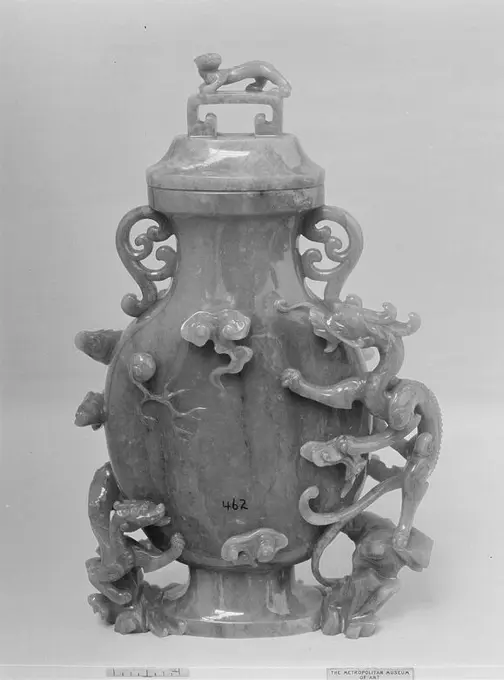
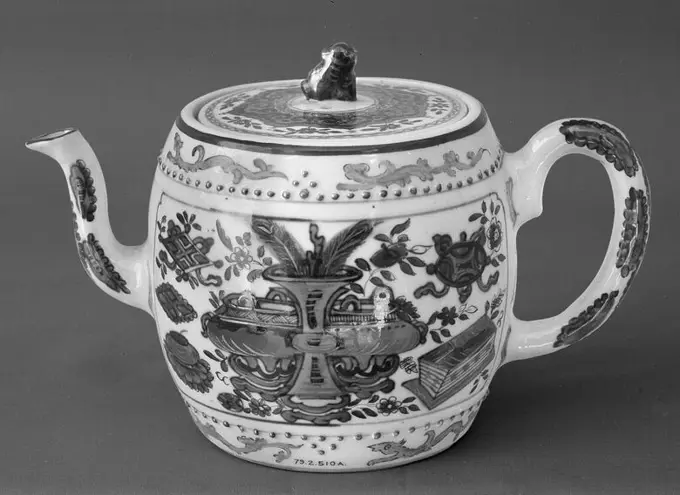
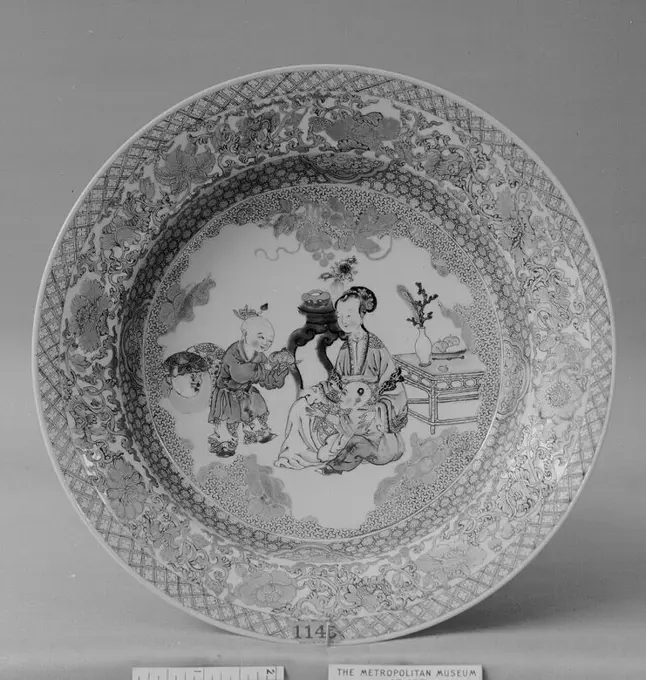
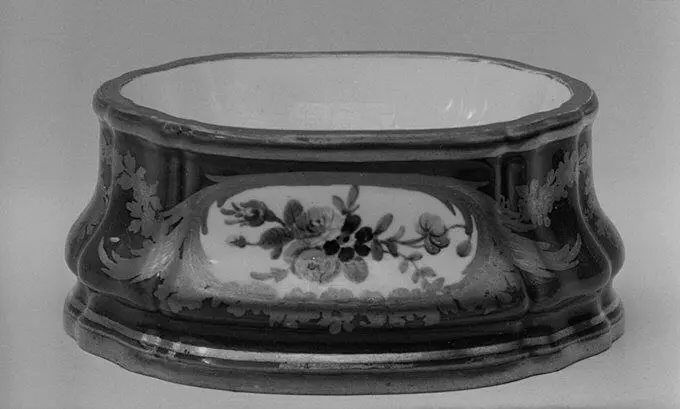
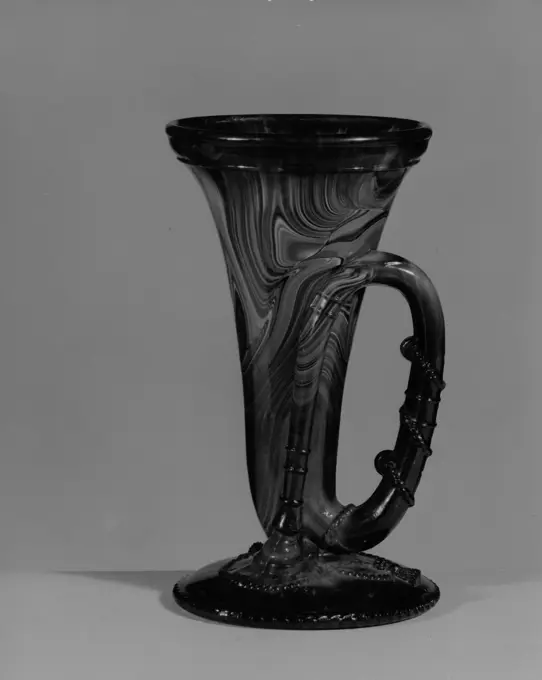
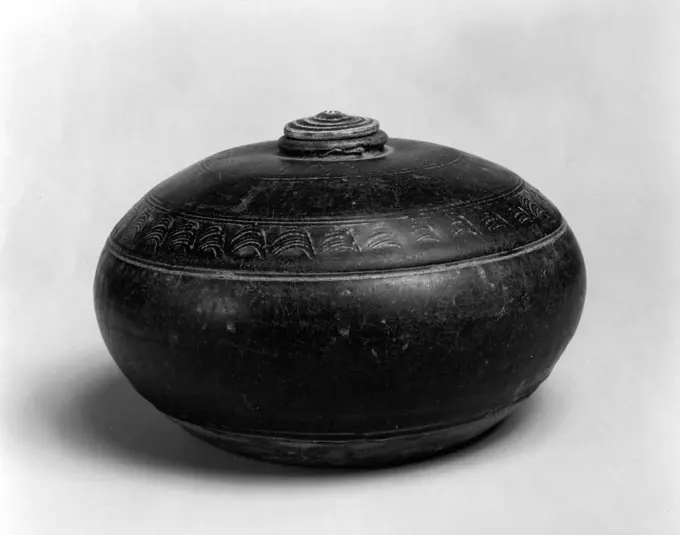
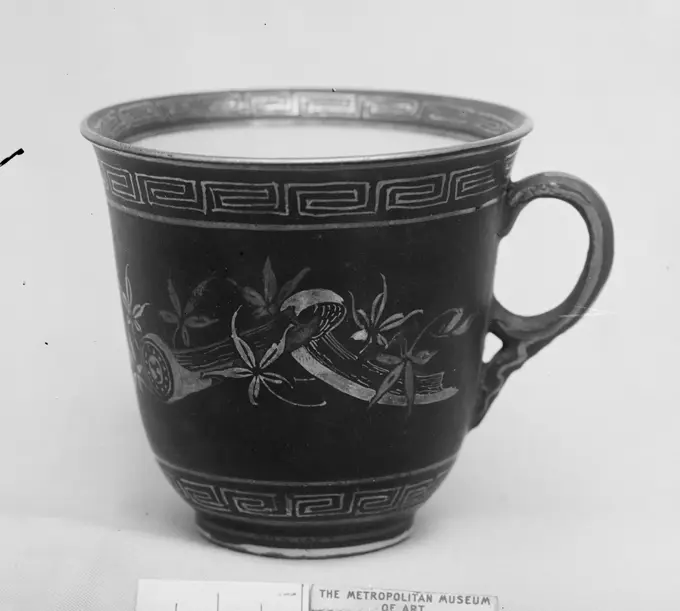
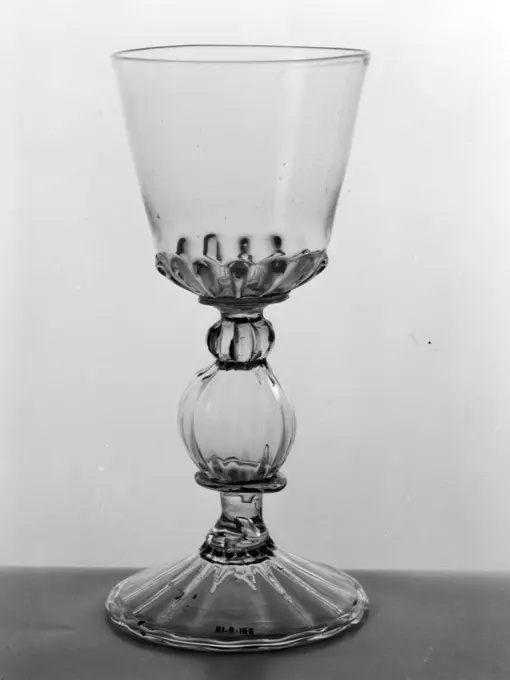
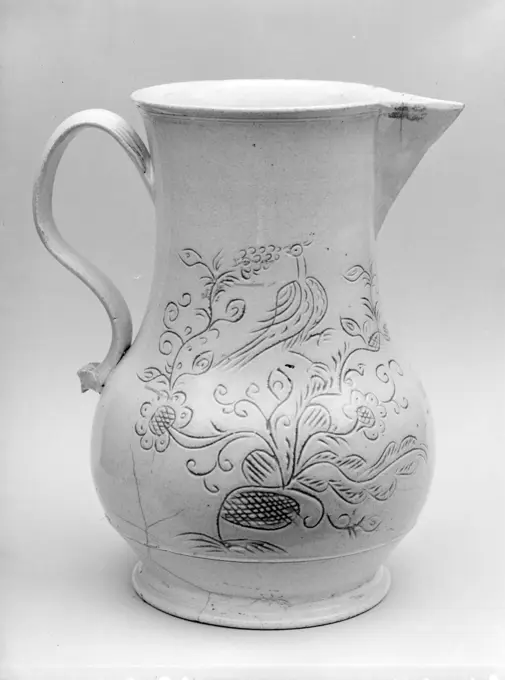
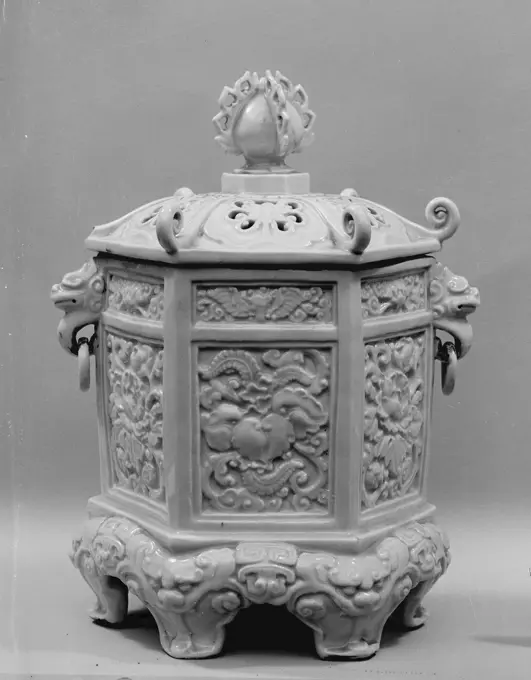
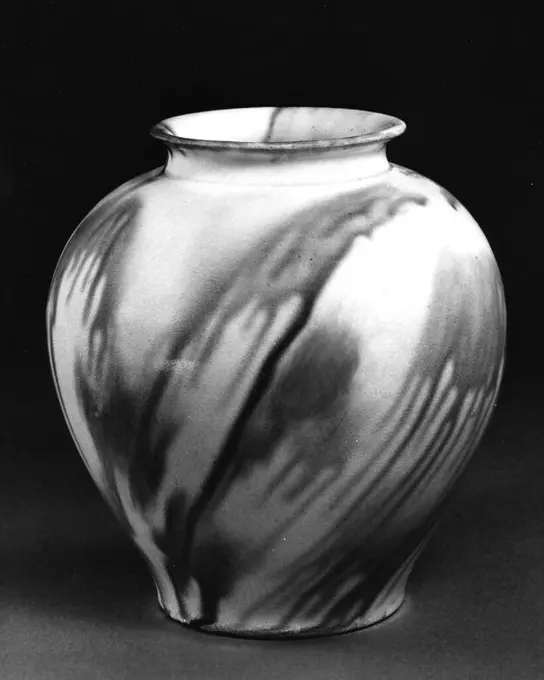
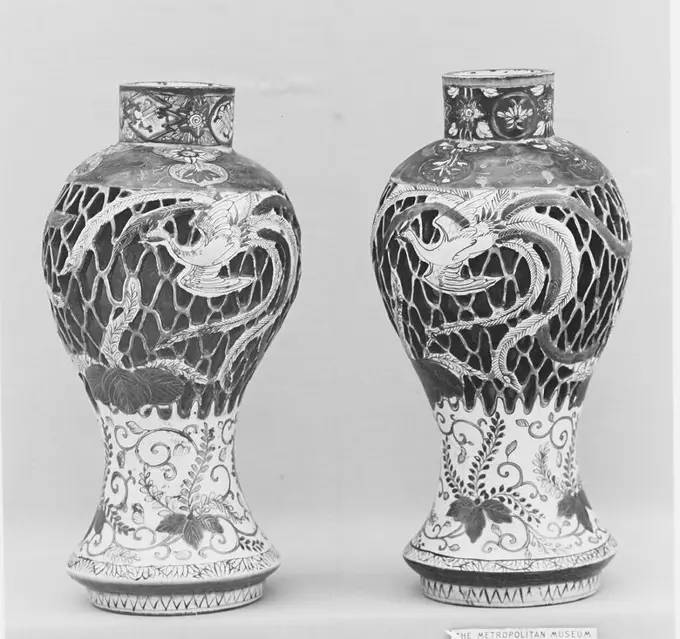
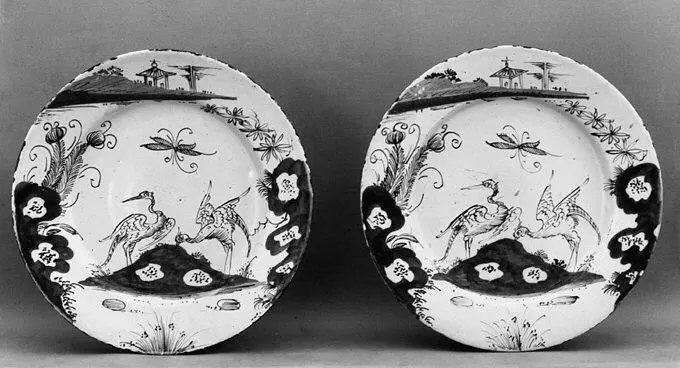
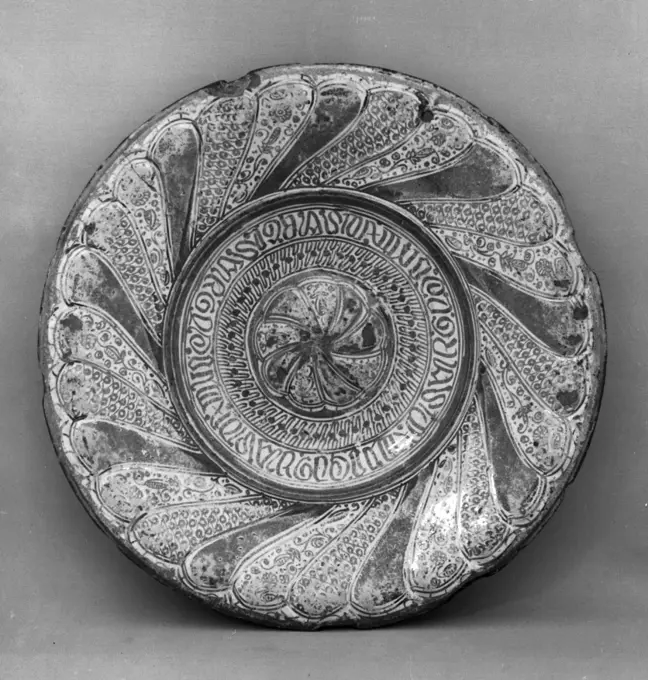
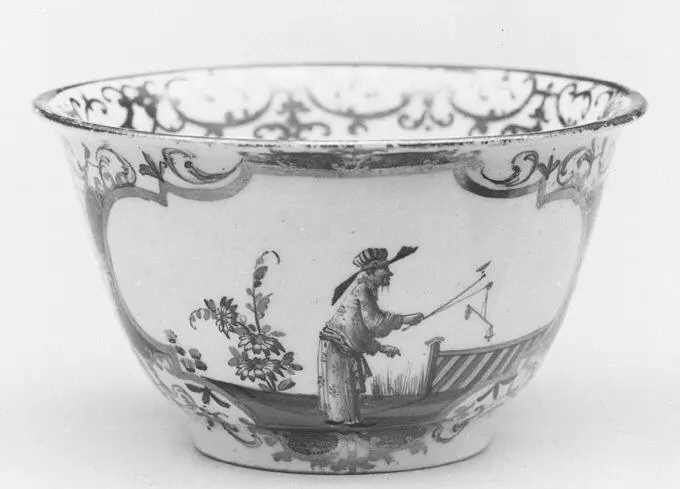
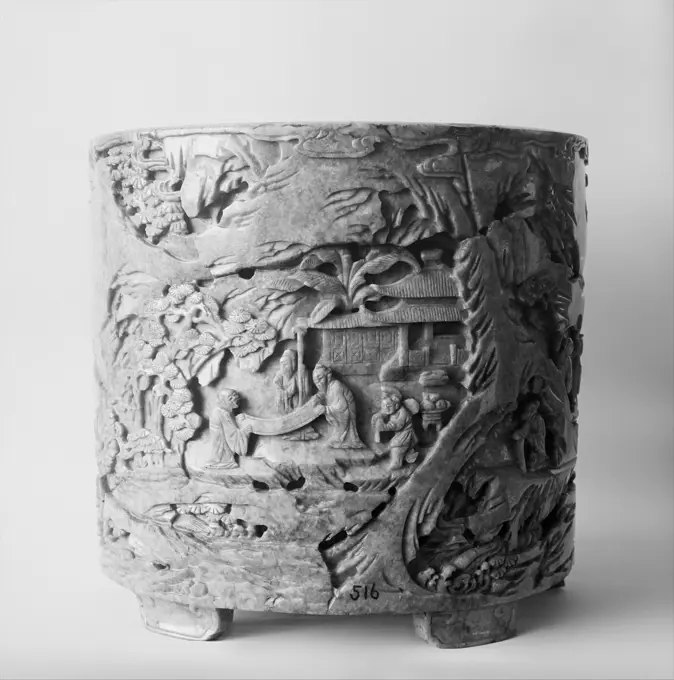
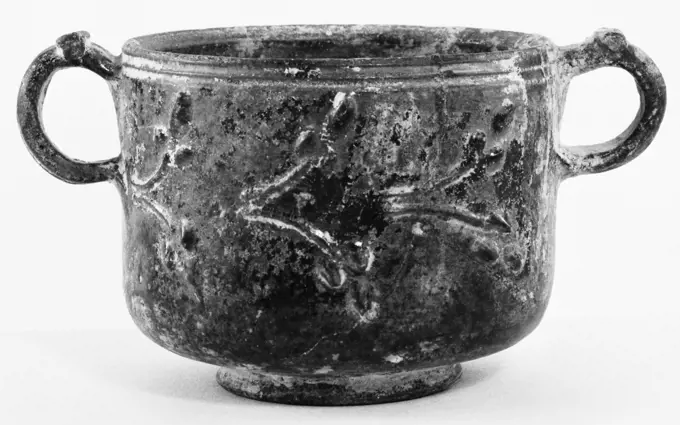
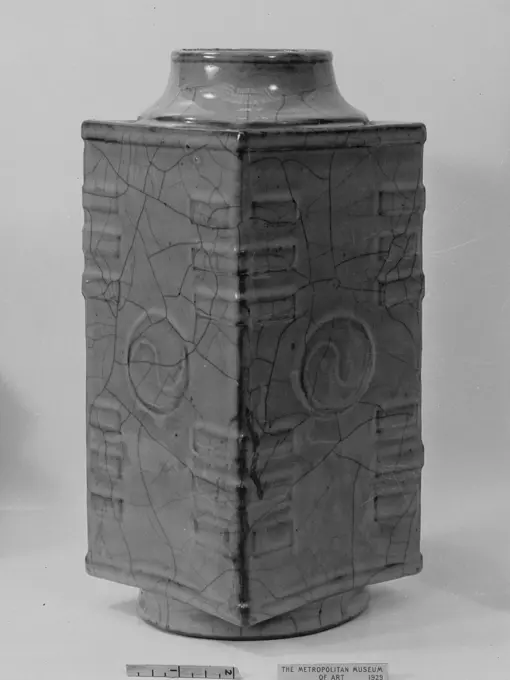
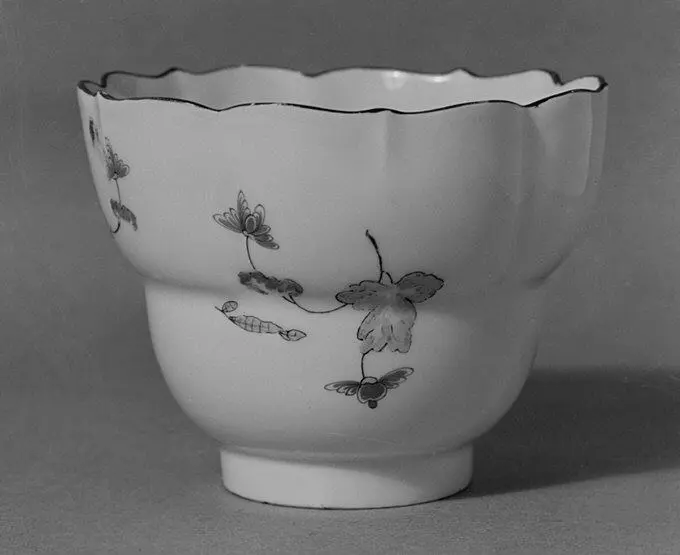
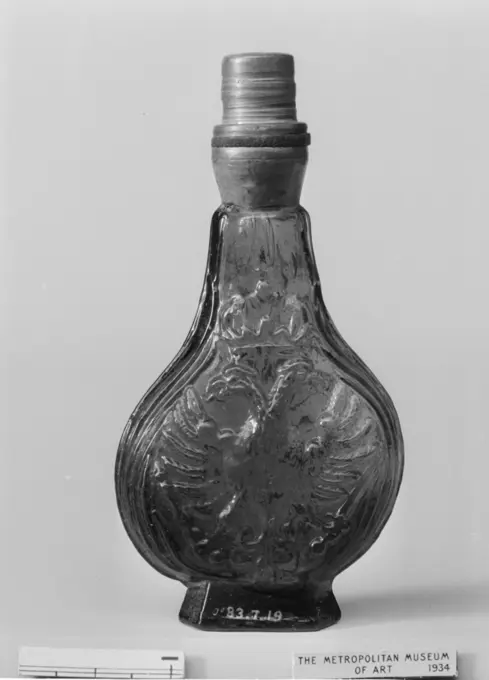
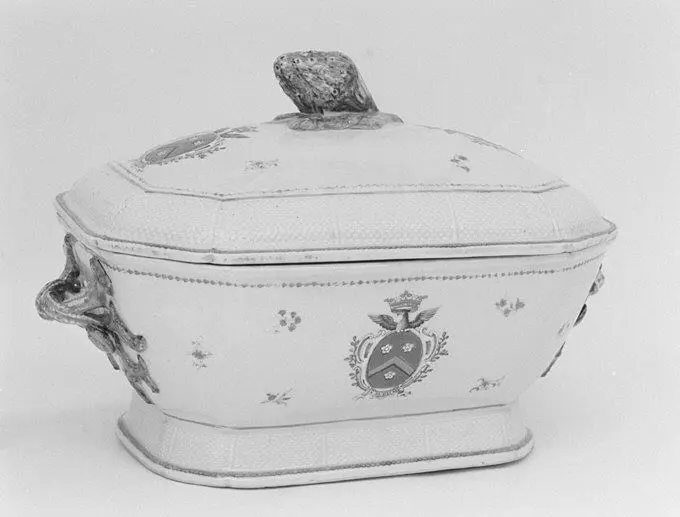
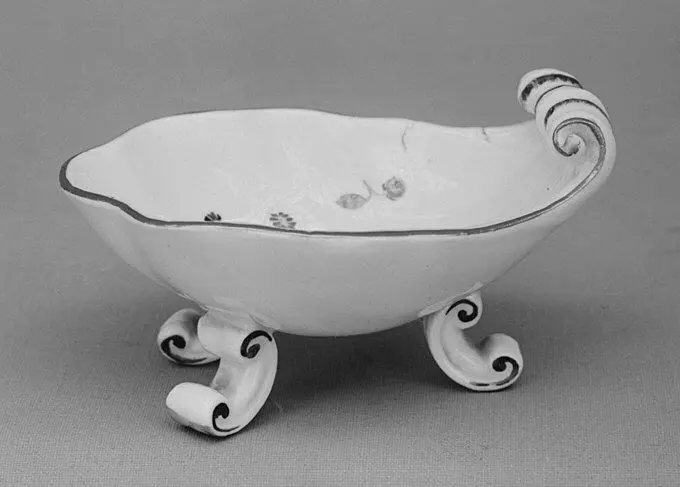
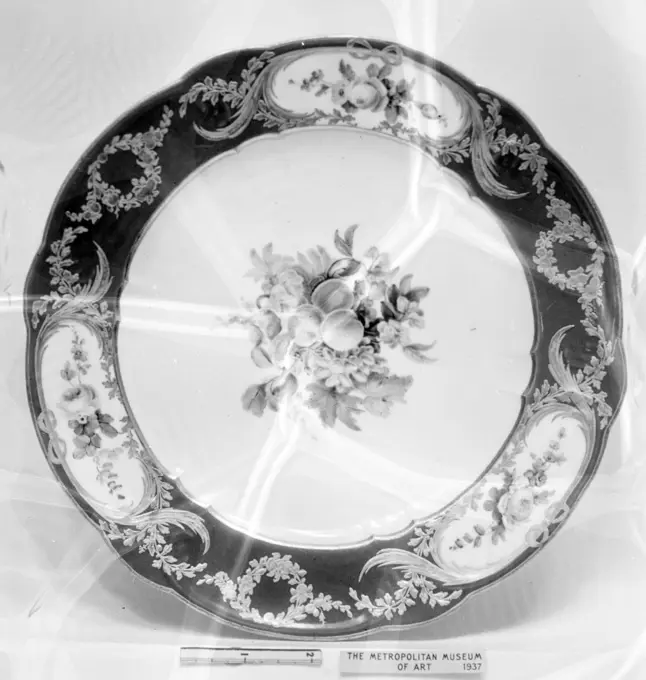
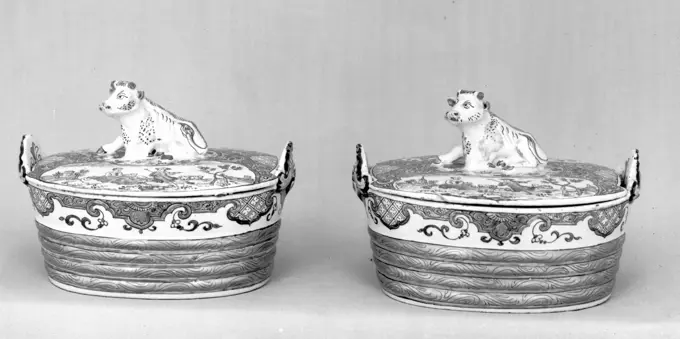
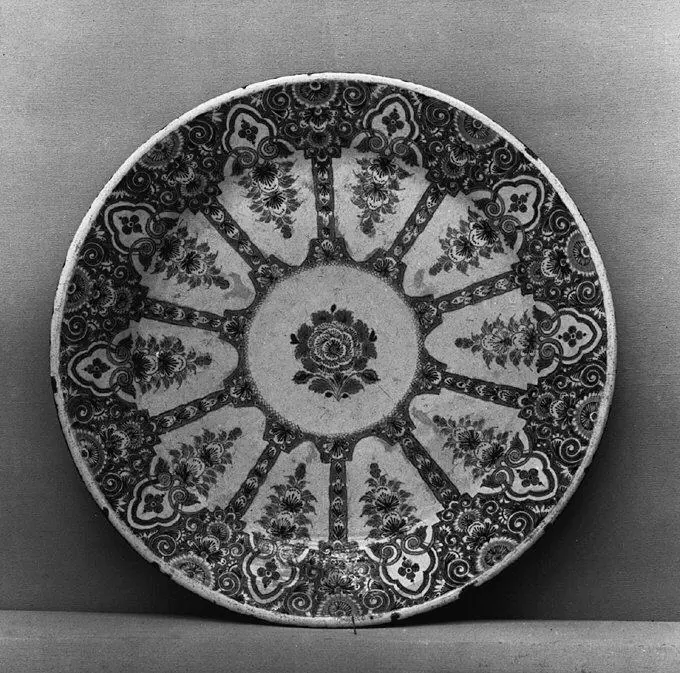
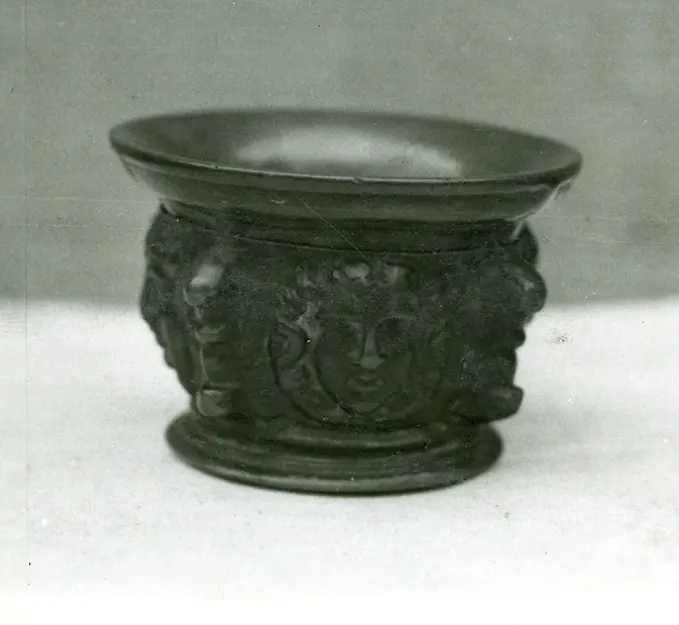
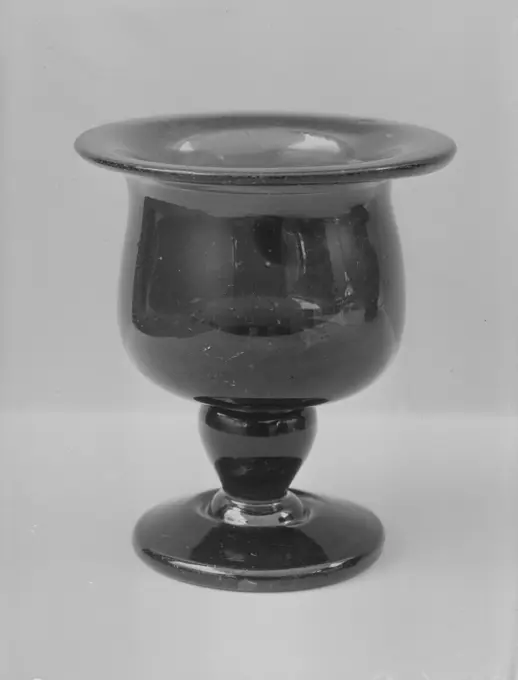
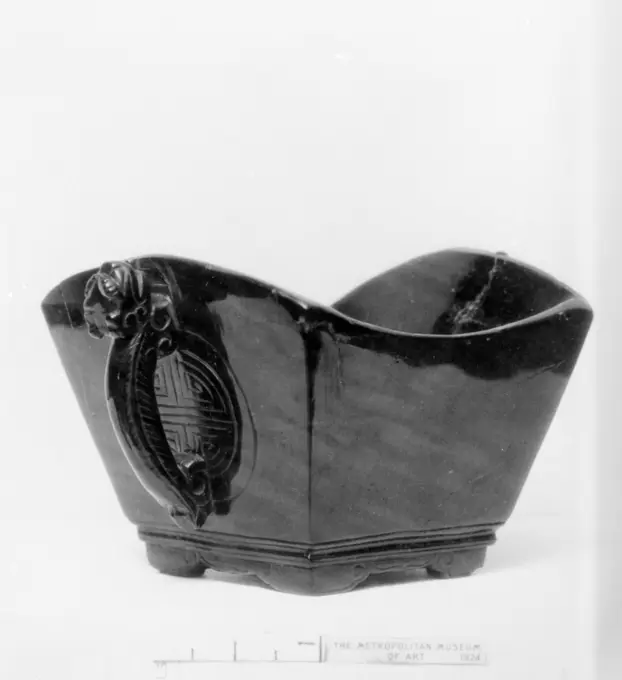
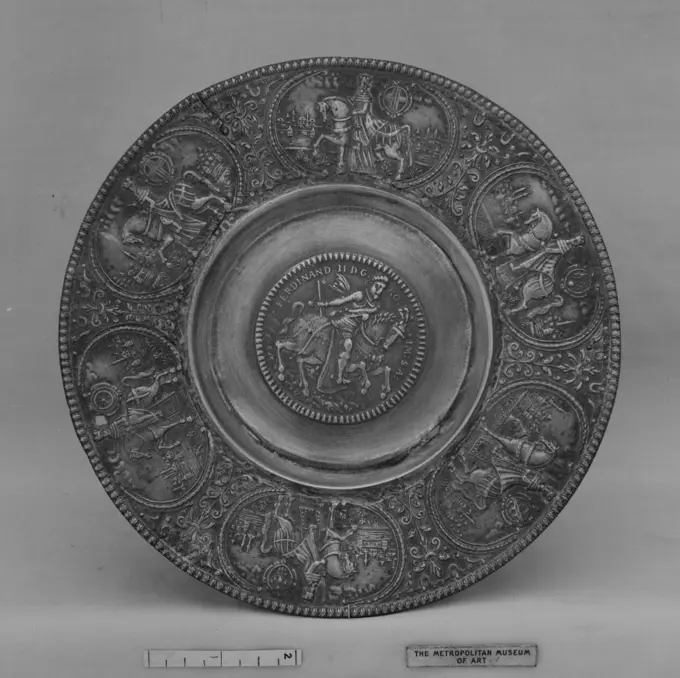
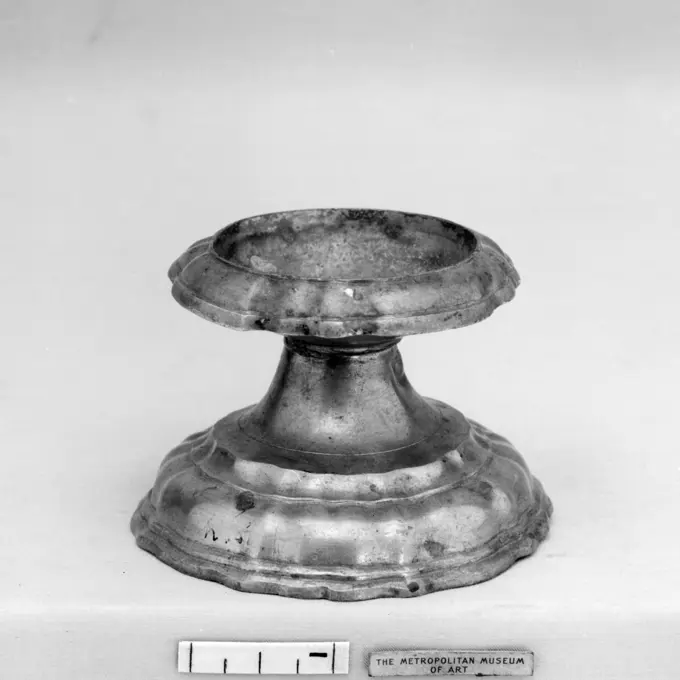
Creamer. Culture: American. Dimensions: H. 3 1/8 in. (7.9 cm). Date: 1780-1820. Museum: Metropolitan Museum of Art, New York, USA.Vase with cover. Culture: China. Dimensions: H. 9 1/16 in. (23 cm); W. 5 13/16 in. (14.7 cm); L. 2 1/2 in. (6.3 cm). Museum: Metropolitan Museum of Art, New York, USA.Liverpool Jug. Dated: c. 1936. Dimensions: overall: 25.4 x 20.3 cm (10 x 8 in.) Original IAD Object: 11" high. Medium: black and white photograph. Museum: National Gallery of Art, Washington DC. Author: Helmut Hiatt.Teapot. Culture: China. Dimensions: H. 4 1/4 in. (10.8 cm); W. 6 7/8 in. (17.5 cm). Date: late 17th-early 18th century. Museum: Metropolitan Museum of Art, New York, USA.Plate. Culture: China. Dimensions: Diam. 8 3/8 in. (21.3 cm). Date: ca. 1730-50. Museum: Metropolitan Museum of Art, New York, USA.DishSalt (one of two) (part of a service) 1787 Sèvres Manufactory French. Salt (one of two) (part of a service) 197844Vase 1880-90. Vase. 1880-90. Pressed purple marble glass. Made in EnglandJar with Cover (one of a pair) China. Jar with Cover (one of a pair) 53962Lotus-Shaped Cup. Culture: China. Dimensions: H. 2 9/16 in. (6.5 cm); Diam. 3 in. (7.6 cm). Date: 18th century. Museum: Metropolitan Museum of Art, New York, USA.Vase with Cover late 11th-12th century Cambodia. Vase with Cover 37438Cup 19th century Japan. Cup. Japan. 19th century. White porcelain decorated with black, silver and gold (Hizen ware, Kutani type). Edo (1615-1868) or Meiji period (1868-1912). CeramicsBeaker ca. 1810-20 Austrian. Beaker. Austrian. ca. 1810-20. Glass. GlassFire-fly cage 1840 Japan. Fire-fly cage 48814Goblet late 17th century Italian, Venice (Murano) During the Renaissance, Venetian glassmakers, working on the island of Murano, were celebrated across Europe for their fine and sparkling work. Called cristallo” emulating the clarity of rock crystal, in the hands of the most skilled glassblowers the medium could be delightfully manipulated, variously stretched paper-thin flat, or playfully twisted, or blown into molds with spectacular patterns.. Goblet. Italian, Venice (Murano). late 17th century. Glass. GlassPair of vases 18th century French. Pair of vases. French. 18th century. Gilt wood. WoodworkVase China. Vase 52626Covered incense burner. Culture: China. Dimensions: H. 7 3/4 in. (19.7 cm); W. 8 in. (20.3 cm). Museum: Metropolitan Museum of Art, New York, USA.Platter ca. 1760 British, Staffordshire. Platter 194484Pitcher 1750-60 British (American market). Pitcher. British (American market). 1750-60. Stoneware. Made in Staffordshire, EnglandIncense Burner in the Shape of a Hanging Lantern (one of a pair) 18th century Japan. Incense Burner in the Shape of a Hanging Lantern (one of a pair). Japan. 18th century. White porcelain with molded designs (Hirado ware). Edo period (1615-1868). CeramicsJar. Culture: China. Dimensions: H. 6 3/8 in. (16.2 cm); Diam. 6 7/8 in. (17.5 cm). Date: first half of 8th century. Museum: Metropolitan Museum of Art, New York, USA.Vase. Culture: Japan. Dimensions: H. 12 1/2 in. (31.8 cm). Date: 1664-1700. Museum: Metropolitan Museum of Art, New York, USA.Plate (one of a pair) 18th century Dutch, Delft. Plate (one of a pair) 236804Dish 16th century Spanish, Valencia Tin-glazed earthenware, of which lusterware is one type, was developed in the Middle East in the ninth and tenth centuries to imitate the porcelains produced in China. The opaque white glaze concealed the clay body, which could range from pale buff to brick red, allowing for brilliant effects created by painting the white surface with metal oxides that fired to a range of colors. This technique, as well as the use of metallic lusteran iridescent, coppery painted glazespread throughout the Muslim world, arriving among the potters of Valencia in the thirteenth century. The so-called Hispano-Moresque lusterware, with its fusion of Islamic and Gothic styles and motifs, often in shaped imitating those of metal vessels, was treasured by the elite in Spain during the fifteenth century and exported to the courts of Europe. The Valencian industry declined in the late sixteenth century, as colorful Italian Renaissance maiolica gained in popularity among the Cup ca. 1725-30 Meissen Manufactory German. Cup. German, Meissen. ca. 1725-30. Hard-paste porcelain. Ceramics-PorcelainPlate 1787-1815 Thomas Badger. Plate 6088Miniature jar 8th century China. Miniature jar 48187Lotus-Shaped Cup 18th century China. Lotus-Shaped Cup. China. 18th century. Jade (nephrite). Qing dynasty (1644-1911). JadeSaucer. Culture: British (American market). Dimensions: Diam. 5 1/2 in. (14 cm). Date: ca. 1825. Museum: Metropolitan Museum of Art, New York, USA.Vase. Culture: China. Dimensions: H. 9 3/4 in. (24.8 cm). Museum: Metropolitan Museum of Art, New York, USA.Brush Holder with Recluses 18th-19th century China. Brush Holder with Recluses 43857Vase. Culture: China. Dimensions: H. 17 in. (43.2 cm). Museum: Metropolitan Museum of Art, New York, USA.Brush Holder. Culture: China. Dimensions: H. 5 in. (12.7 cm); W. 3 3/4 in. (9.5 cm). Date: 18th century. Museum: Metropolitan Museum of Art, New York, USA.Hexagonal Bottle. Culture: Japan. Dimensions: H. 6 5/8 in. (16.8 cm). Date: ca. 1850. Museum: Metropolitan Museum of Art, New York, USA.Basket 19th century China. Basket 40806Tazza second half 17th century Saint-Jean-du-Désert Faience, or tin-glazed and enameled earthenware, first emerged in France during the sixteenth century, reaching widespread usage among elite patrons during the seventeenth and early eighteenth centuries, prior to the establishment of soft-paste porcelain factories. Although characterized as more provincial in style than porcelain, French faience was used at the court of Louis XIV as part of elaborate meals and displays, with large-scale vessels incorporated into the Baroque garden designs of Versailles. Earlier examples of French faience attest to the strong influence of maiolica artists from Italy. Later works demonstrate the ways in which cities such as Nevers, Rouen, Lyon, Moustiers, and Marseille developed innovative vessel shapes and decorative motifs prized among collectors throughout Europe. While faience can be created from a wide mixture of clays, it is foremost distinguished by the milky opaque white color achieved by the adTeapot with cover ca. 1730-35 Meissen Manufactory German. Teapot with cover 200936Snuff Bottle China. Snuff Bottle 41286Green-Glazed Skyphos; Asia Minor (); 1st century B.C. - 1st century A.D; Terracotta; 6.6 × 8.1 cm (2 5,8 × 3 3,16 in.)Teabowl Widow of Ameya Korean ca. 1550 View more. Teabowl. Widow of Ameya (active early 16th century). Japan. ca. 1550. Clay covered with glaze (Amayaki Raku). CeramicsVase China. Vase. China. Porcelain with celadon glaze (Guan type). Qing dynasty (1644-1911), Yongzheng-Qianlong (1723-95). CeramicsFlask 17th century French. Flask. French. 17th century. Glass. GlassCup and saucer ca. 1740 Meissen Manufactory German. Cup and saucer 199184Bottle 18th century Japan. Bottle. Japan. 18th century. Porcelain (Arita ware). Edo period (1615-1868). CeramicsUmbria Terni Collescipoli S. Maria Maggiore8. Hutzel, Max 1960-1990 Post-medieval: Architecture, architectural sculpture (15th century); Baroque interior (c. 1688); frescoes (c. 1690). In sacristy treasury: metalwork (13-16th century) Object Notes: Hutzel photo campaign date: February 6, 1986. General Notes: Re material in treasury, Hutzel refers reader to Terni-Narni Catalogue Should treasury be noted in location field German-born photographer and scholar Max Hutzel (1911-1988) photographed in Italy from the early 1960s until his death. The result of this project, referred to by Hutzel as Foto Arte Minore, is thorough documentation of art historical development in Italy up to the 18th century, including objects of the Etruscans and the Romans, as well as early Medieval, Romanesque, Gothic, Renaissance and Baroque monuments. Images are organized by geographic region in Italy, then by province, city, site complex and monument.Beaker possibly French first half 18th century This form follows a Chinese porcelain form that became popular as a silver shape in France in the later 17th century and remained into the 18th century, when it was also seen in other European countries. View more. Beaker. possibly French. first half 18th century. Glass. GlassBrush Holder with Recluses. Culture: China. Dimensions: H. 7 1/8 in. (18.1 cm); W. 7 5/8 in. (19.4 cm). Date: 18th-19th century. Museum: Metropolitan Museum of Art, New York, USA.Dish ca. 1818-ca. 1846 Enoch Wood & Sons British. Dish. British (American market). ca. 1818-ca. 1846. Earthenware, transfer-printed. Made in Staffordshire, EnglandFlower Pot 1770-1800 Chinese. Flower Pot. Chinese. 1770-1800. Porcelain. Made in ChinaCup ca. 1730-35 Vienna. Cup 206064Dish, set offour. Maker, probably by: Boston and Sandwich Glass Works, American, 1826-88Covered Tankard 1725-30 Japan The form of the tankard is European in origin, and this example must have been intended for export. The style of the enamel decoration, however, is commonly found on Chinese porcelain of the early eighteenth century produced both for the domestic market and for export. The silver mounts that attach the cover to the body of the tankard bear the mark of a French silversmith and are dated for the years 1726-1732.. Covered Tankard. Japan. 1725-30. Porcelain painted with colored enamels over a transparent glaze (Jingdezhen ware). Yongzheng period (1723-35). CeramicsPlatter ca. 1765-75 Chinese, for European market. Platter 196919Amethyst-colored flacon de poche decorated with imperial eagle and floral bouquet 18th century Glasshouse of Bernard Perrot, Verrerie Royale d'Orléans. Amethyst-colored flacon de poche decorated with imperial eagle and floral bouquet. French, Orléans. 18th century. Glass, pewter. GlassPair of cruets and cruet stands 1749-50 Paul de Lamerie British. Pair of cruets and cruet stands. British, London. 1749-50. Silver, glass. Metalwork-SilverTureen with cover (part of a service) 1770-85 Chinese, probably for Swedish market. Tureen with cover (part of a service) 201173Candlestick 1840-70 American. Candlestick. American. 1840-70. Pressed opaque blue and white glass. Made in Massachusetts, United StatesSaltcellar ca. 1770 Höchst Manufactory. Saltcellar 187870 Factory: Hchst Manufactory, German, 17461796, Saltcellar, ca. 1770, Hard-paste porcelain, Length: 3 1/4 in. (8.3 cm). The Metropolitan Museum of Art, New York. Gift of Henry G. Marquand, 1894 (94.4.369)Plate (part of a service) 1784 Sèvres Manufactory French. Plate (part of a service). Decorated by Edme François Bouillat père (French,1739/40-1810, active 1758-1800) or. French, Sèvres. 1784. Soft-paste porcelain. Ceramics-PorcelainPair of butter dishes second half 18th century Dutch, Delft. Pair of butter dishes 187731 Dutch, Delft, Pair of butter dishes, second half 18th century, Tin-glazed earthenware, Overall (each): 3 1/2  4 3/4 in. (8.9  12.1 cm). The Metropolitan Museum of Art, New York. Gift of Henry G. Marquand, 1894 (94.4.92a, b, .93a, b)Pair of altar cruets 1784-85 Jean-Ange Loque. Pair of altar cruets 200141Tray ca. 1705-20 French, Rouen Faience, or tin-glazed and enameled earthenware, first emerged in France during the sixteenth century, reaching widespread usage among elite patrons during the seventeenth and early eighteenth centuries, prior to the establishment of soft-paste porcelain factories. Although characterized as more provincial in style than porcelain, French faience was used at the court of Louis XIV as part of elaborate meals and displays, with large-scale vessels incorporated into the Baroque garden designs of Versailles. Earlier examples of French faience attest to the strong influence of maiolica artists from Italy. Later works demonstrate the ways in which cities such as Nevers, Rouen, Lyon, Moustiers, and Marseille developed innovative vessel shapes and decorative motifs prized among collectors throughout Europe. While faience can be created from a wide mixture of clays, it is foremost distinguished by the milky opaque white color achieved by the addition of tin oxide tWilliam Burwash and Richard Sibley I, Dessert Basket, 1807/8, silver.Bowl with cover and tray. Culture: French, Saint-Cloud. Dimensions: Overall (bowl with cover .10a, b): 5 1/2 × 6 1/4 in. (14 × 15.9 cm); Overall (tray .11): 1 1/2 × 7 7/8 in. (3.8 × 20 cm). Factory: Saint-Cloud factory (French, before 1698-1766). Date: ca. 1720-30. Museum: Metropolitan Museum of Art, New York, USA.Hobnail Pitcher. Culture: American. Dimensions: H. 5 1/2 in. (14 cm). Maker: Probably Hobbs, Brockunier and Company (1863-1891). Date: after 1886. Museum: Metropolitan Museum of Art, New York, USA.Mortar 19th or 20th century, after a 16th century Tuscan model Italian This mortar decorated with four Medusa heads separated by simple flanges is probably one of the Four Assorted Italian Bronze and Brass Motars [sic” that Duveen Brothers removed from the apartment of Mrs. Albert E. Goodhart, Robert Lehman’s aunt, after her death in 1952.. Mortar 460857Apulian Oinochoe, shape 8 (Mug), with Lid. Attributed to the Virginia Exhibition Group (South Italian (Apulian), active 330 - 300 B.C.)Plate (one of a pair) ca. 1770 Worcester factory. Plate (one of a pair) 198411Saltcellar 1815-50 American. Saltcellar. American. 1815-50. Free-blown amber glass. Possibly made in Connecticut, United States; Possibly made in New Hampshire, United StatesSquare Cup China. Square Cup 60670Jelly Glass 1785-1825 American or British. Jelly Glass 4530Kaiser-teller early 17th century Hans Rumpler. Kaiser-teller. German, Nuremberg. early 17th century. Pewter. Metalwork-PewterSaltcellar 18th century probably Dutch. Saltcellar 189086 probably Dutch, Saltcellar, 18th century, Pewter, H. 2 1/2 in. (6.4 cm); Diam. bowl 2 1/2 in. (6.4 cm); diam. of base 3 in. (7.6 cm). The Metropolitan Museum of Art, New York. Rogers Fund, 1906 (06.761)Bottle 18th century Japan. Bottle. Japan. 18th century. White porcelain decorated with blue under the glaze (Arita ware). Edo period (1615-1868). CeramicsBowl with deer late 8th-9th century China The main motif of this bowl, a deer with a single crown-shaped antler, is inspired by the Sogdian art of Central Asia. It is formed in repoussé then gildeda typical technique found in Sassanian silverwork, as is the chased decoration along the vessel lip.. Bowl with deer 39650Mug ca. 1750 German. Mug. German. ca. 1750. Milk glass. GlassBottle China. Bottle. China. Porcelain. Qing dynasty (1644-1911), Kangxi period (1662-1722). CeramicsFlower vase. Culture: China. Dimensions: H. 3 1/4 in. (8.3 cm); W 4 1/4 in. (10.8 cm); L. 1 3/4 in. (4.4 cm). Museum: Metropolitan Museum of Art, New York, USA.Snuff Bottle China. Snuff Bottle 41354Vase (one of four). Culture: China. Dimensions: H. 5 1/2 in. (14 cm); W. 1 3/4 in. (4.4 cm). Museum: Metropolitan Museum of Art, New York, USA.Snuffbox ca. 1775-80 Royal Porcelain Manufactory Danish. Snuffbox. Danish, Copenhagen. ca. 1775-80. Hard-paste porcelain, silver gilt. Royal Porcelain Manufactory (Danish, 1775-present). Ceramics-PorcelainCup and saucer ca. 1755-60 Decoration probably by Johann Philip Dannhofer. Cup and saucer 198653Snuff Bottle China. Snuff Bottle 41700Dish 1822-40 Daniel Curtiss. Dish. American. 1822-40. Pewter. Made in Albany, New York, United StatesCovered Bowl. Culture: American. Designer: Designed by Louis Comfort Tiffany (American, New York 1848-1933 New York). Dimensions: H. 2 15/16 in. (7.5 cm). Maker: Tiffany Glass and Decorating Company (American, 1892-1902). Date: 1898-1902. Museum: Metropolitan Museum of Art, New York, USA.Plate ca. 1839-ca. 1840 John Ridgway. Plate 6176Porringer. Culture: American. Dimensions: 1 5/8 x 7 1/8 x 5 in. (4.1 x 18.1 x 12.7 cm). Maker: William Billings (ca. 1768-1813). Date: 1791-1806. Museum: Metropolitan Museum of Art, New York, USA.Gallipot China. Gallipot. China. Porcelain with blue-grey crackled glaze. Qing dynasty (1644-1911), Qianlong period (1736-95). CeramicsFruit basket and stand (one of a pair) 1790-1800 Chinese, possibly for Continental European market. Fruit basket and stand (one of a pair) 201332Side Chair. Culture: American. Dimensions: 43 1/4 x 21 1/4 x 20 in. (109.9 x 54 x 50.8 cm). Date: ca. 1735-60. Museum: Metropolitan Museum of Art, New York, USA.Inkwell 1770-1800 British (American market). Inkwell. British (American market). 1770-1800. Earthenware, basalt. Made in Staffordshire, EnglandSmall tankard ca. 1730 Meissen Manufactory German. Small tankard 206021Possibly Solomon Hougham, Caddy Spoon, 1817/18, silver.Bowl. Dated: 1935/1942. Dimensions: overall: 22.8 x 30.5 cm (9 x 12 in.). Medium: gouache on paperboard. Museum: National Gallery of Art, Washington DC. Author: American 20th Century.Chocolate pot ca. 1775-90 Ludwigsburg Porcelain Manufactory. Chocolate pot. German, Ludwigsburg. ca. 1775-90. Hard-paste porcelain. Ceramics-PorcelainSalt 1830-40 American. Salt. American. 1830-40. Lacy pressed opalescent glass. Made in New England, United StatesVase early 17th century China. Vase 52390Platter Joseph Stubbs ca. 1824-ca. 1836Girdle pendant China. Girdle pendant 42902