Decorative Asian Vases

A variety of intricate Asian vases and jars from the 17th and 18th centuries, featuring floral patterns and traditional ceramic artistry.

Cup and Cover ca. 1780 Japan. Cup and Cover. Japan. ca. 1780. White porcelain decorated with blue under the glaze, polychrome enamels (Arita ware). Edo period (1615-1868). Ceramics
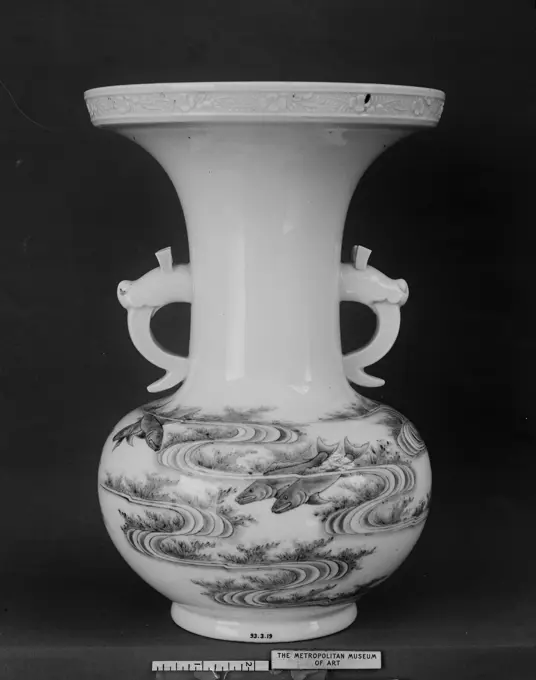
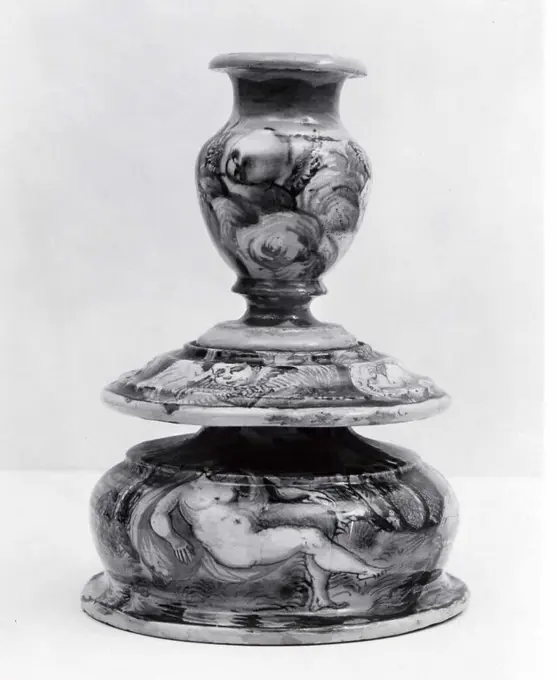
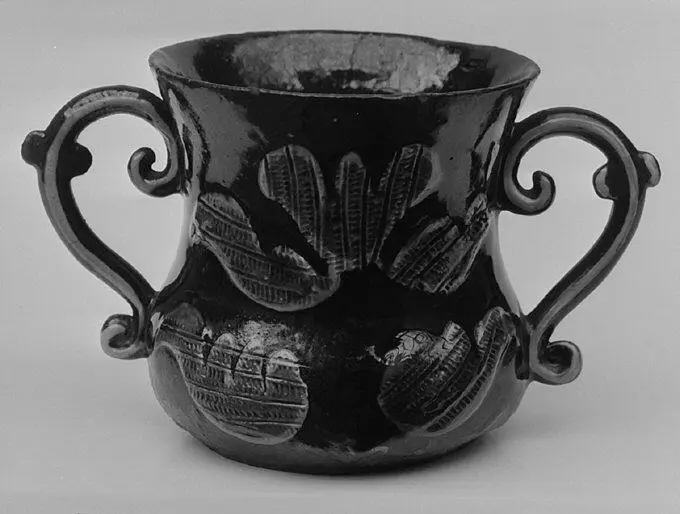
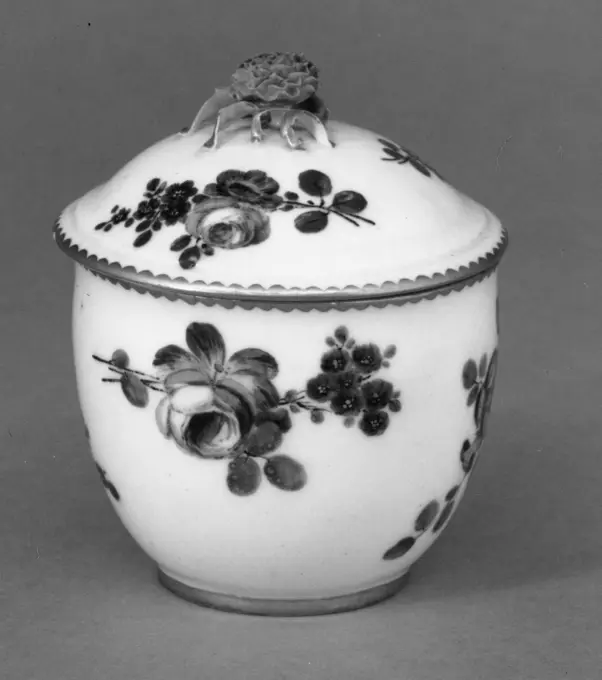
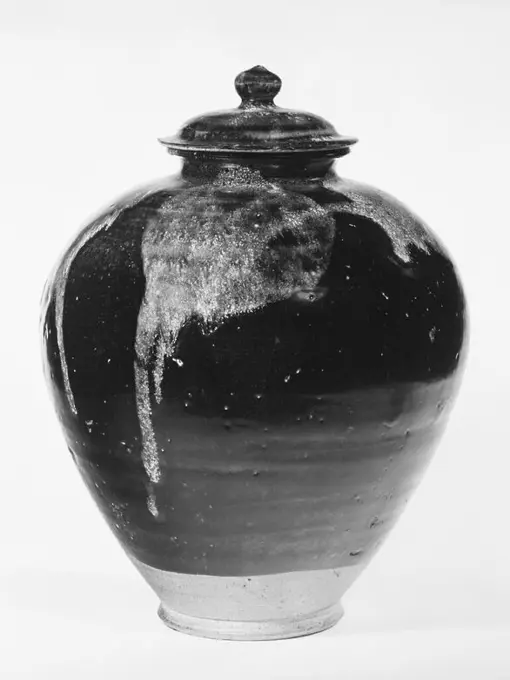
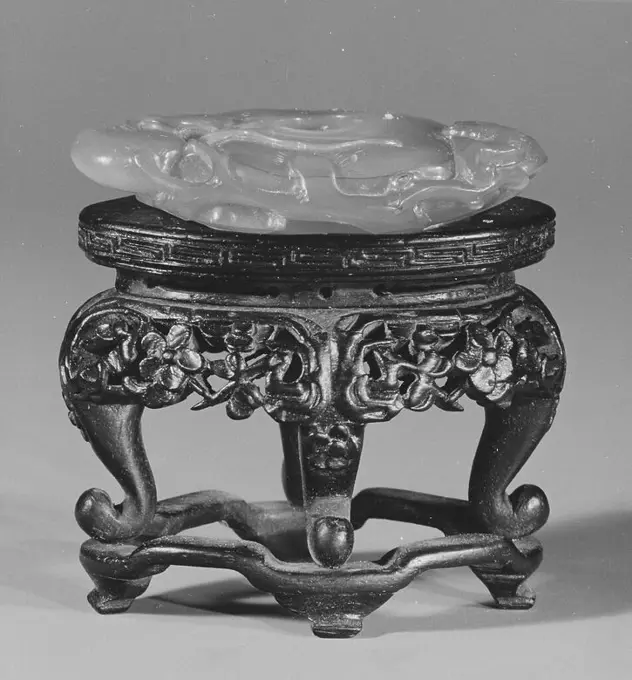
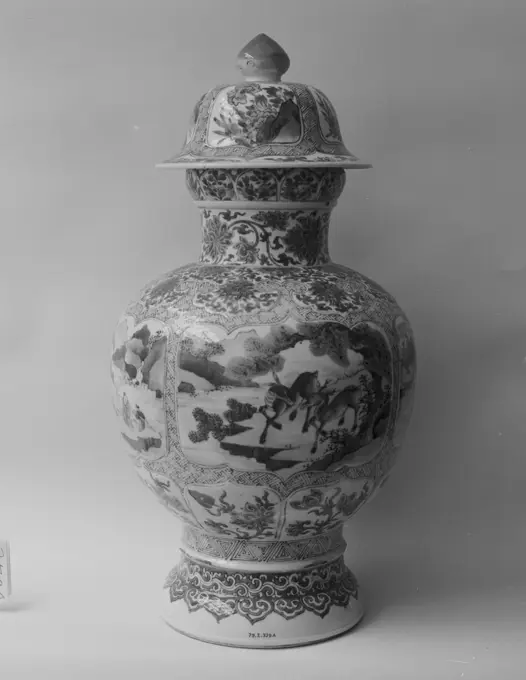
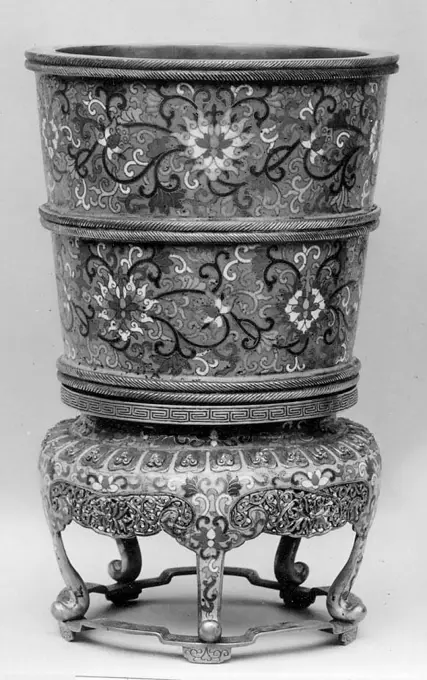
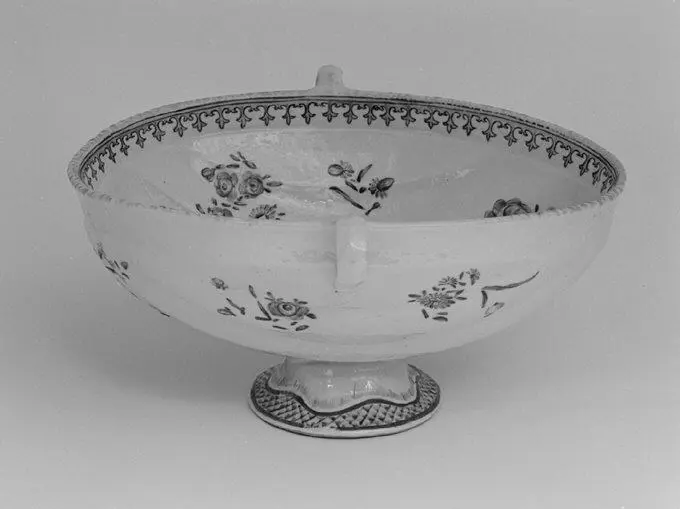
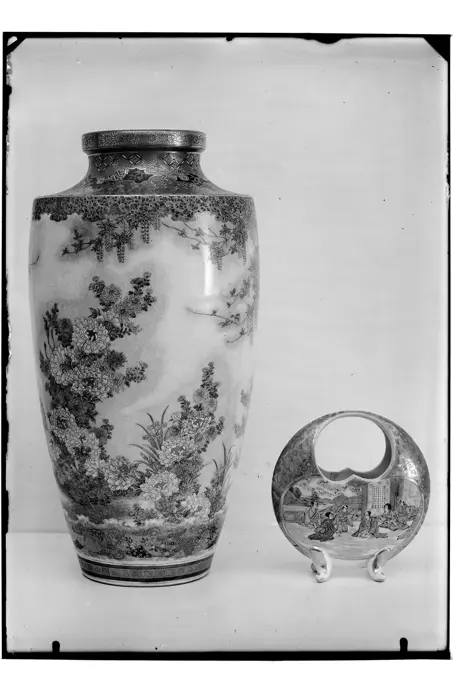
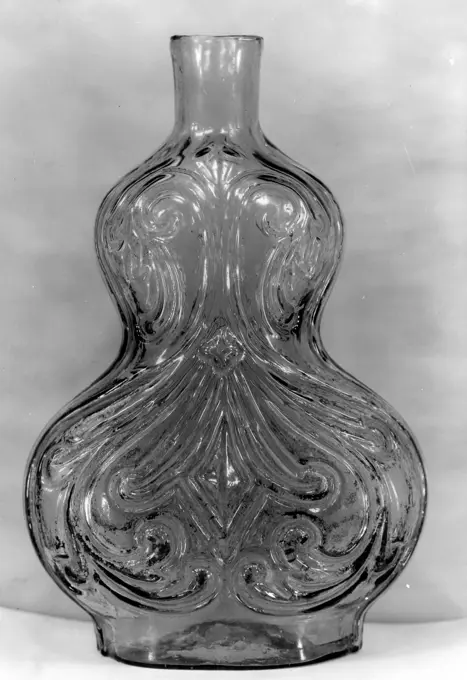
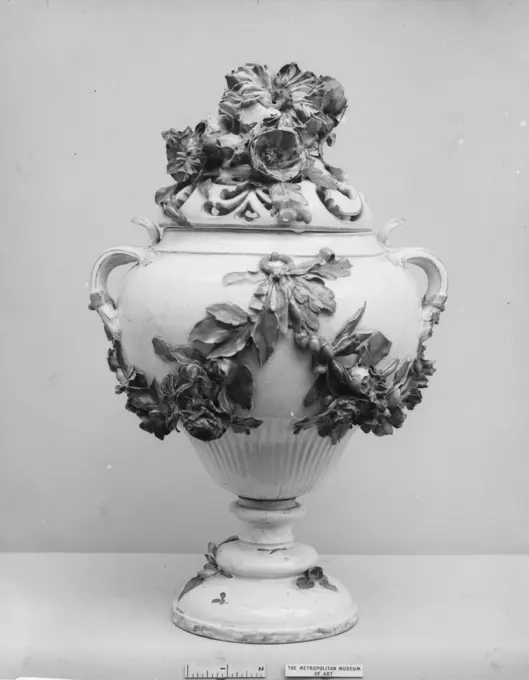
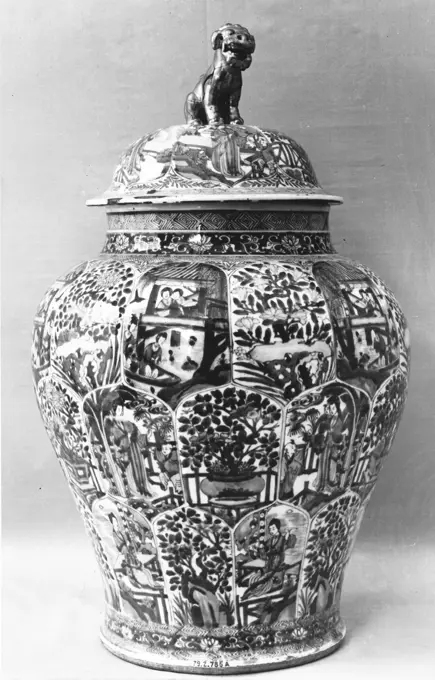
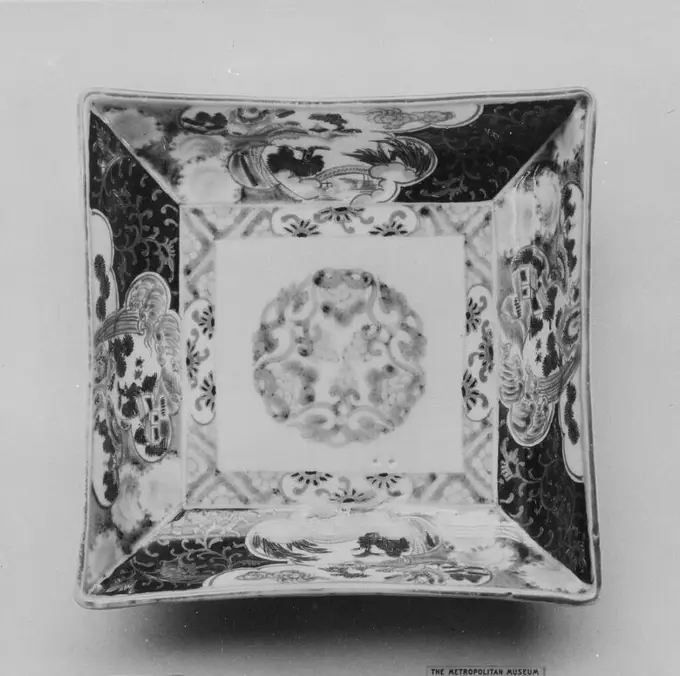
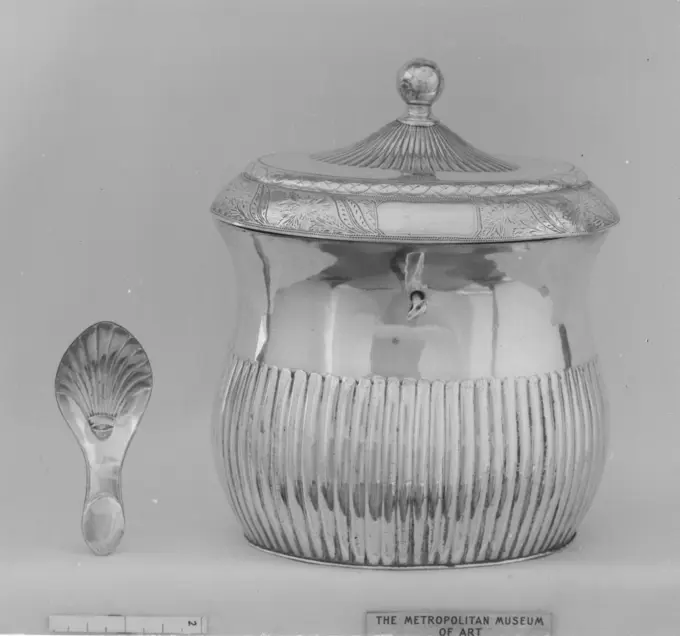
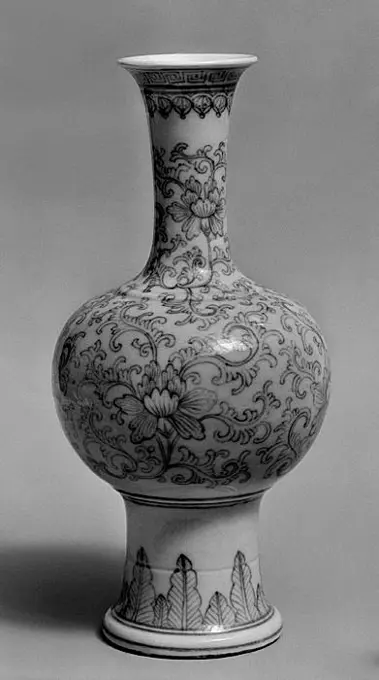
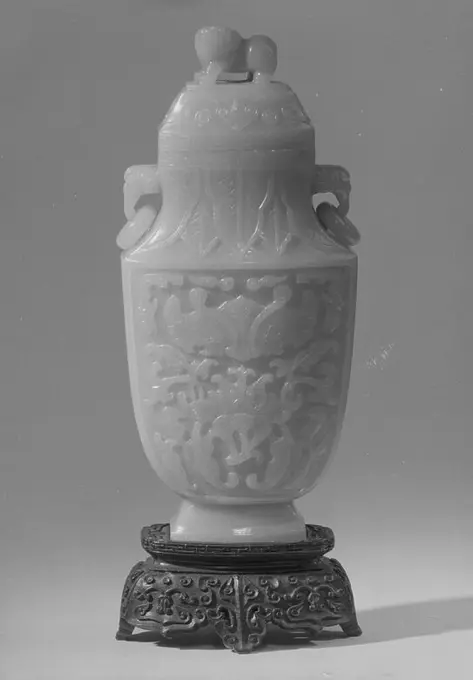
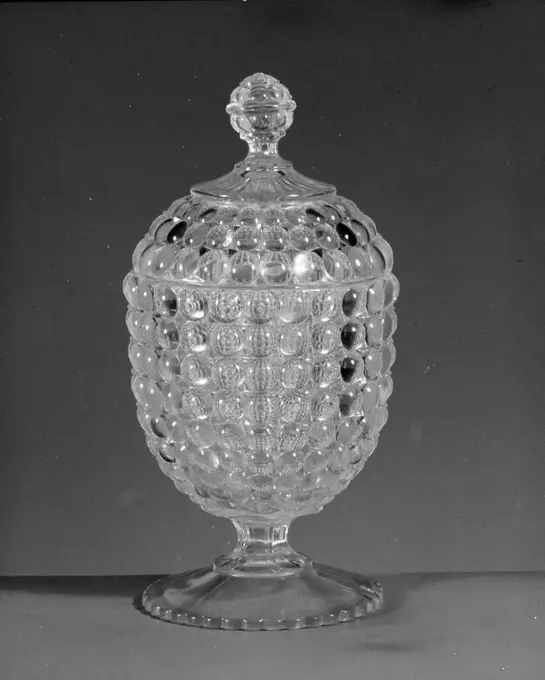
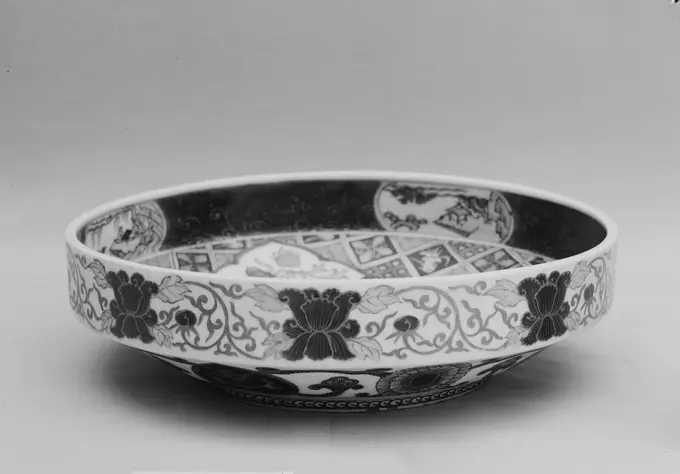
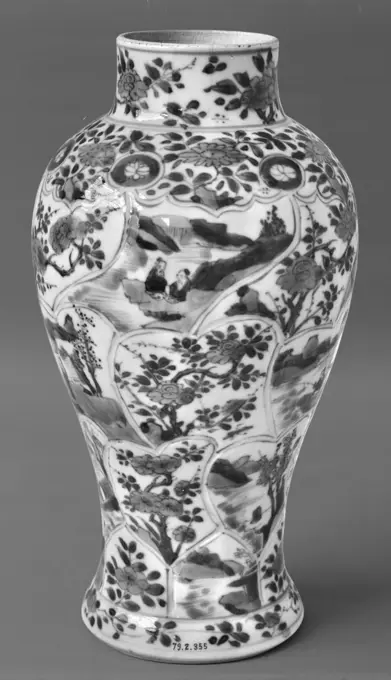
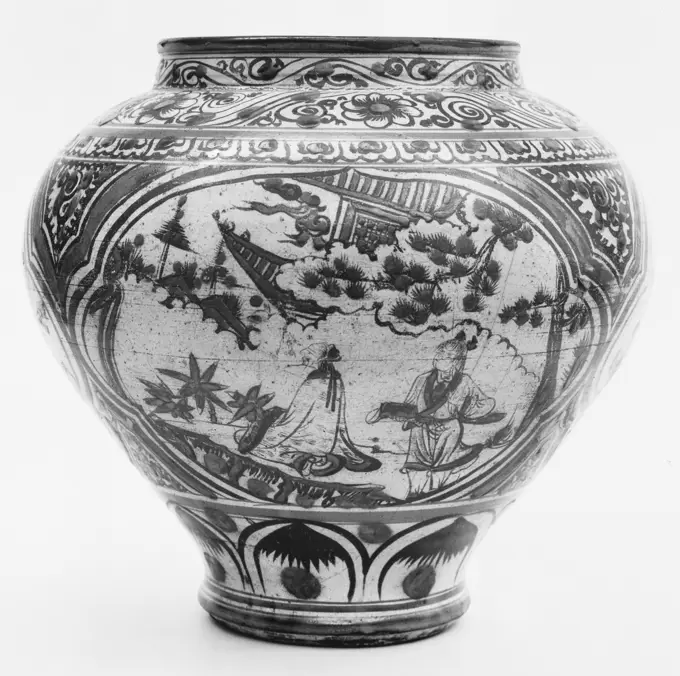
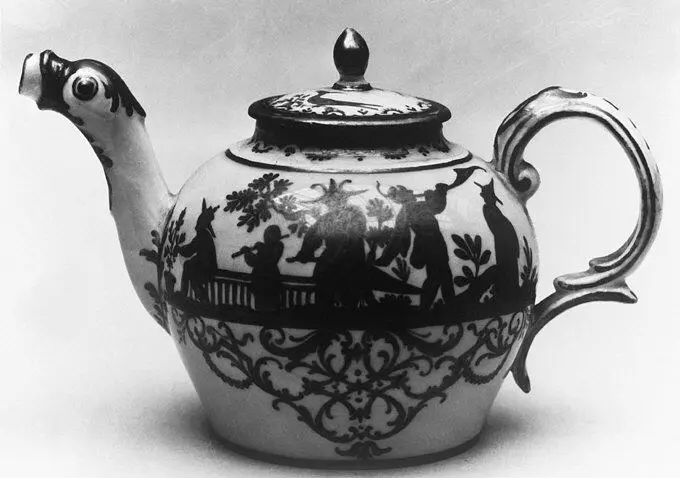
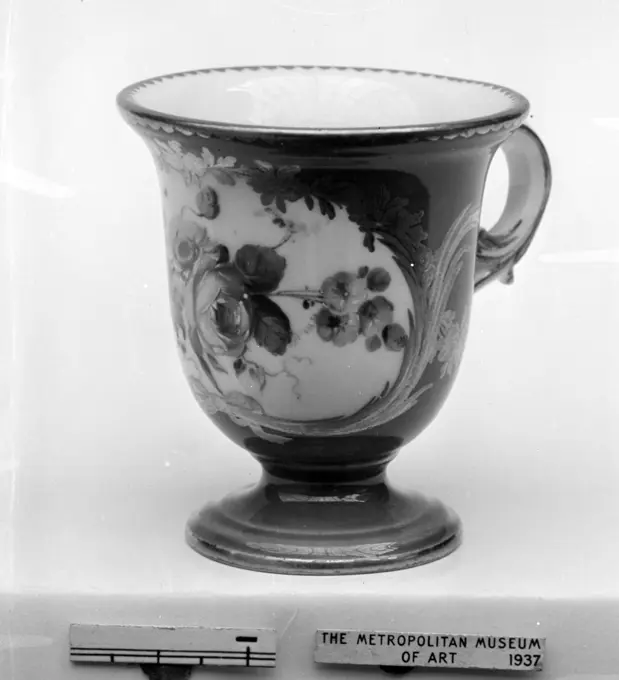
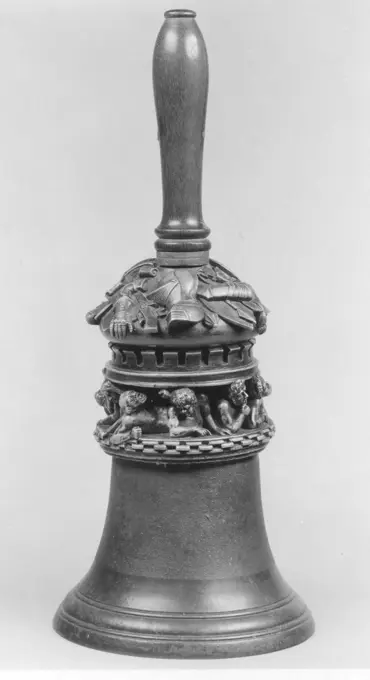
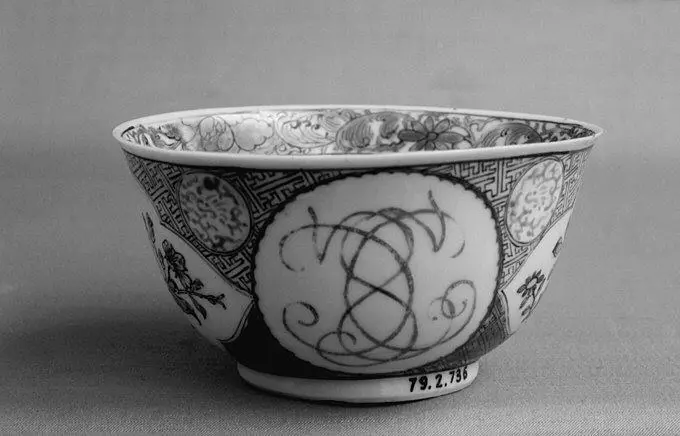
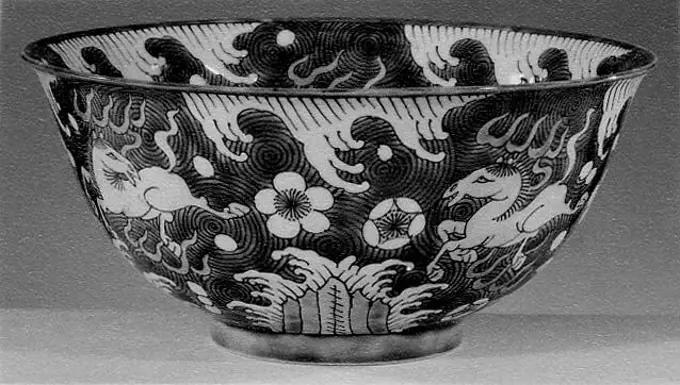
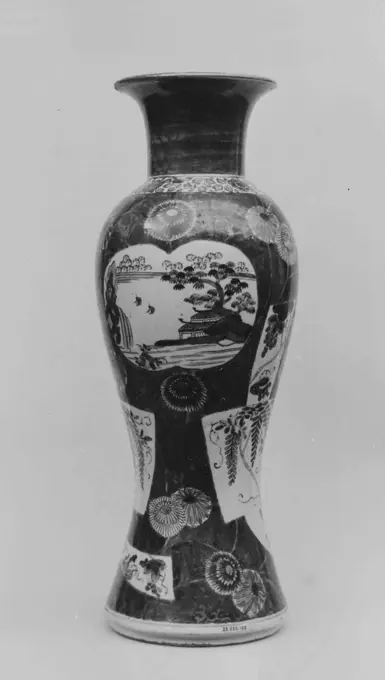
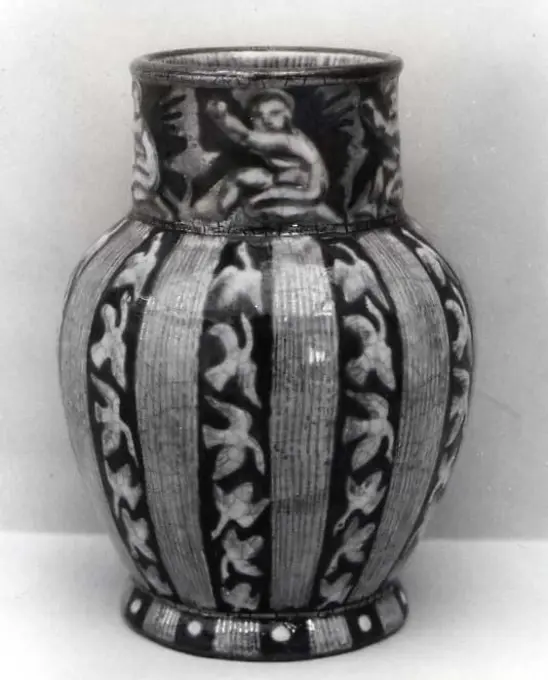
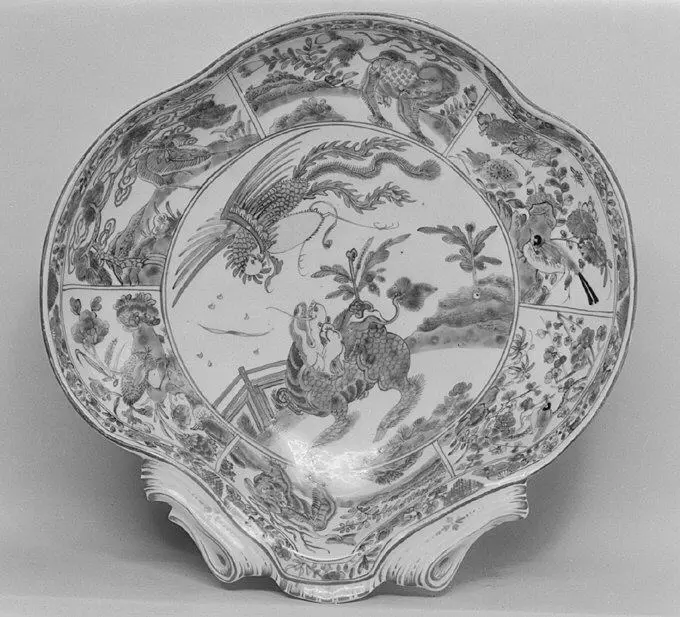
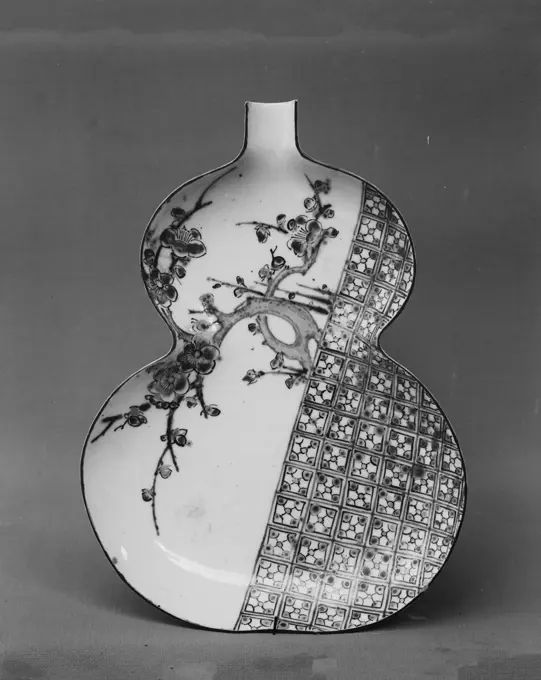
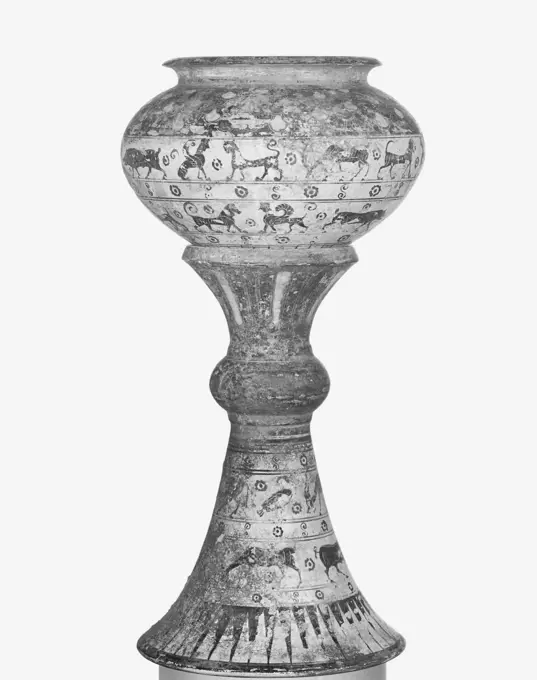
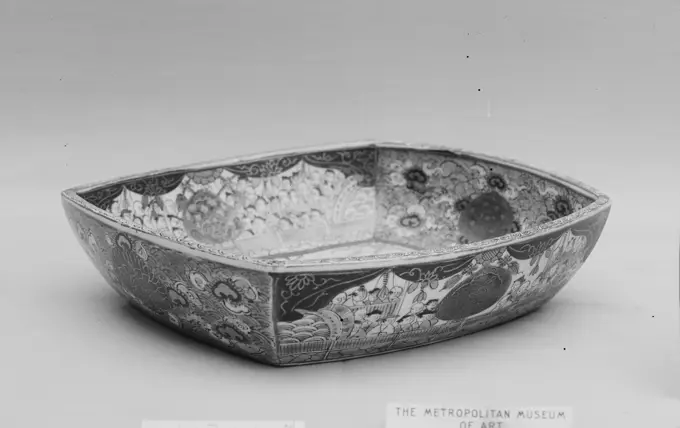
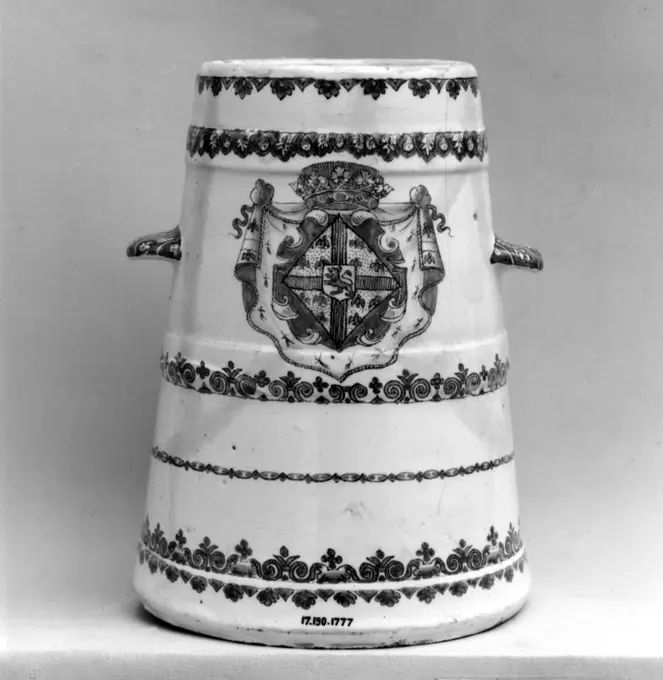
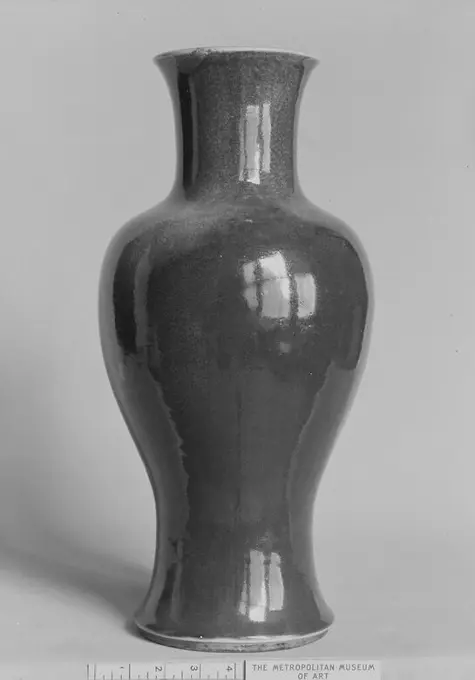
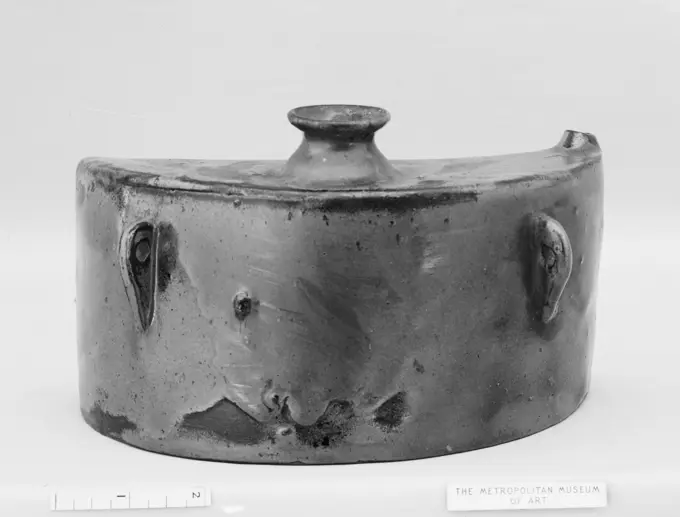
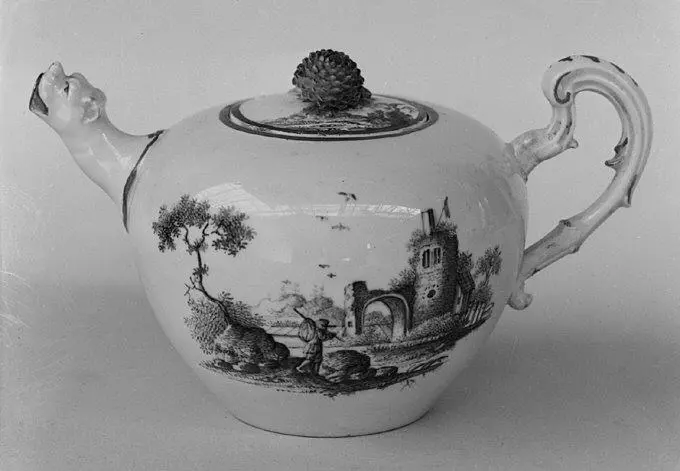
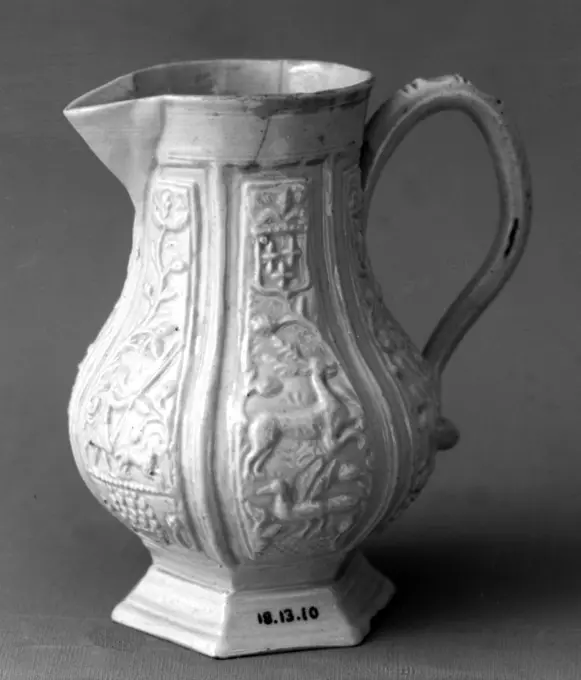
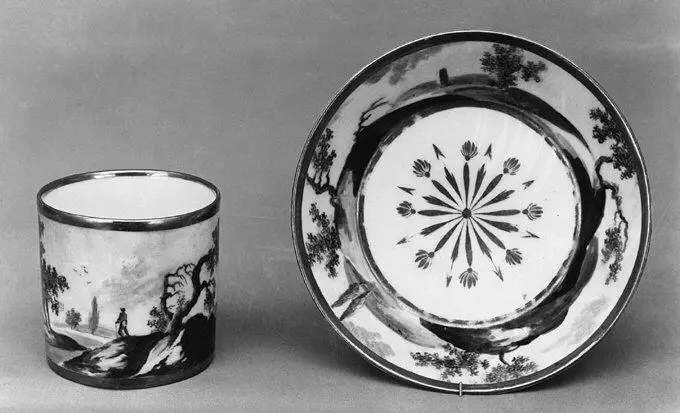
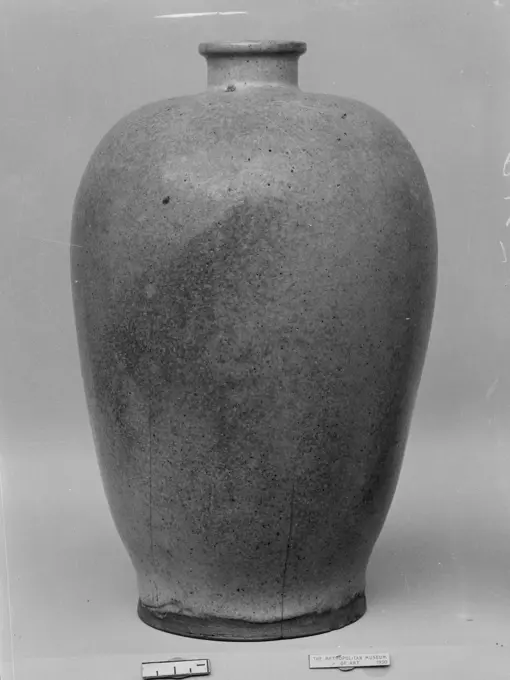
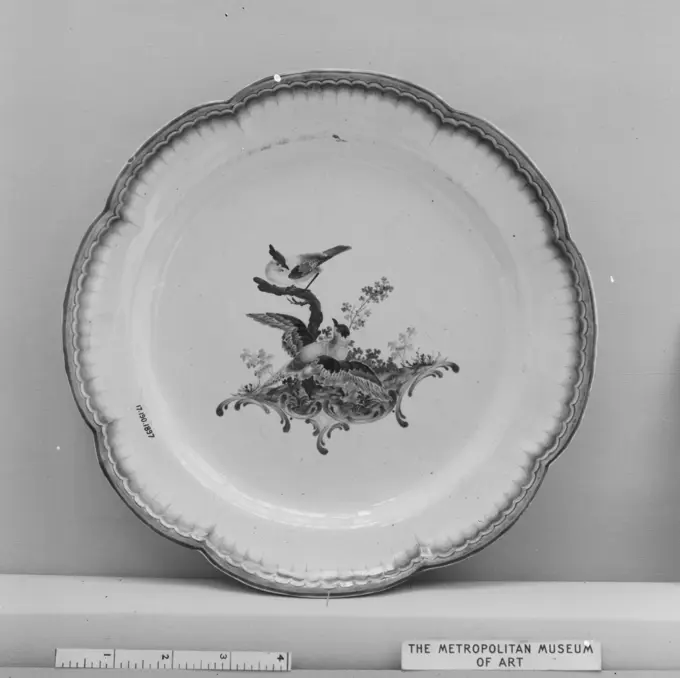
Minature jar with flowers 18th century China. Minature jar with flowers 53965Vase 1740 Japan. Vase 47283Large Jar Japan 1670Vase (one of two). Culture: Chinese, for European market. Dimensions: Height: 11 13/16 in. (30 cm). Date: mid-18th century. Museum: Metropolitan Museum of Art, New York, USA.Sugar bowl 1751-52 Samuel Taylor. Sugar bowl 192154Cup and Cover ca. 1780 Japan. Cup and Cover. Japan. ca. 1780. White porcelain decorated with blue under the glaze, polychrome enamels (Arita ware). Edo period (1615-1868). CeramicsVase. Culture: China. Dimensions: H. 6 1/2 in. (16.5 cm). Museum: Metropolitan Museum of Art, New York, USA.Candlestick (candeliere). Culture: Italian, probably Urbino. Dimensions: Height: 7 1/8 in. (18.1 cm). Date: ca. 1560-80. Museum: Metropolitan Museum of Art, New York, USA.Two-handled cup late 17th-early 18th century probably British, Staffordshire. Two-handled cup 197823Bowl. Culture: Japan. Dimensions: H. 3 1/8 in. (7.9 cm); Diam. 8 5/8 in. (21.9 cm). Date: 1750. Museum: Metropolitan Museum of Art, New York, USA.Flower vase China. Flower vase. China. Calcined nephrite, ashy-gray, yellow and brown. Qing dynasty (1644-1911), Qianlong period (1736-95). JadeSèvres Porcelain Manufactory, Bowl and Cover, c. 1760, soft-paste porcelain.Covered Butter Dish 1850-70 Bakewell, Pears and Company. Covered Butter Dish. American. 1850-70. Pressed glass. Made in Pittsburgh, Pennsylvania, United StatesVase with flowers late 17th-early 18th century China. Vase with flowers. China. late 17th-early 18th century. Porcelain painted in overglaze polychrome enamels (Jingdezhen ware). Qing dynasty (1644-1911), Kangxi period (1662-1722). CeramicsCovered Jar. Culture: China. Dimensions: H. 12 1/2 in. (31.8 cm); W. 8 7/8 in. (22.5 cm). Date: 8th century.Derived from the manipulation of copper oxides during firing, black and dark brown glazes first developed in north China, in the latter part of the Tang dynasty. Wares with such glazes served as household goods and became widespread during tenth, eleventh, and twelfth centuries. Museum: Metropolitan Museum of Art, New York, USA.Tureen with cover (part of a service) 1750-60 Chinese, for Continental European, possibly Danish, market. Tureen with cover (part of a service) 201307Water jar in the shape of a flower. Culture: China. Dimensions: H. 5/8 in. (1.6 cm); H. (with stand) 2 5/8 in. (6.7 cm); W. 2 5/8 in. (6.7 cm). Date: 19th century. Museum: Metropolitan Museum of Art, New York, USA.Covered Jar late 17th-early 18th century China. Covered Jar. China. late 17th-early 18th century. Porcelain painted in underglaze blue. Qing dynasty (1644-1911), Kangxi period (1662-1722). CeramicsFlower Pot with Stand (One of a Pair) China. Flower Pot with Stand (One of a Pair) 40716Bowl 18th century Makazu Kōsai Japanese. Bowl 47522Dish 1740-70 Chinese, for European market. Dish 201319Creamer 1850-70. Creamer 2628Vase ca. 1660 Japan. Vase. Japan. ca. 1660. White porcelain with slip relief; decorated with blue under the glaze, polychrome enamels (Arita ware). Edo period (1615-1868). CeramicsCricket cage 17th-19th century China. Cricket cage 60712Vase. Kinkôzan, Sôbei VII (1867-1927), craftsmanBowl 1750-60 Russian, Moscow. Bowl 202955Covered Jar. Culture: China. Dimensions: H. 16 3/4 in. (42.5 cm). Museum: Metropolitan Museum of Art, New York, USA.Bowl (one of a pair) late 16th-17th century China. Bowl (one of a pair) 49231Jar with cover 1680 Japan. Jar with cover. Japan. 1680. Porcelain decorated in colored enamels (Arita ware, Imari type). Edo period (1615-1868). CeramicsSaucer ca. 1730-35 Vienna. Saucer 198647ViolinFlaskVase with Plum, Magnolia, and Peony. Culture: China. Dimensions: H. 19 in. (48.3 cm). Museum: Metropolitan Museum of Art, New York, USA.Bottle early 12th century Cambodia. Bottle 37434Goblet 17th century Dutch. Goblet. Dutch. 17th century. Glass. GlassPerfume burner 1753-95 Sceaux Faience, or tin-glazed and enameled earthenware, first emerged in France during the sixteenth century, reaching widespread usage among elite patrons during the seventeenth and early eighteenth centuries, prior to the establishment of soft-paste porcelain factories. Although characterized as more provincial in style than porcelain, French faience was used at the court of Louis XIV as part of elaborate meals and displays, with large-scale vessels incorporated into the Baroque garden designs of Versailles. Earlier examples of French faience attest to the strong influence of maiolica artists from Italy. Later works demonstrate the ways in which cities such as Nevers, Rouen, Lyon, Moustiers, and Marseille developed innovative vessel shapes and decorative motifs prized among collectors throughout Europe. While faience can be created from a wide mixture of clays, it is foremost distinguished by the milky opaque white color achieved by the addition of tin oxide toSnuffbox ca. 1730-35 Meissen Manufactory German. Snuffbox 207236Incense Burner 1700 Japan. Incense Burner 47115Covered jar with ladies and flowers late 17th-early 18th century China. Covered jar with ladies and flowers 46079Screw-top jar (Schraubflasche) late 18th century German, Muskau. Screw-top jar (Schraubflasche) 194586Lead-Glazed Skyphos; Roman Empire; 1st century; Terracotta; 9 × 19.7 × 13.1 cm (3 9,16 × 7 3,4 × 5 3,16 in.)Covered goblet mid 16th century; ca. 1550-1600 (mounts); 19th-century (lion finial) probably Italian (Venice); mounts probably German (Augsburg). Covered goblet 461341Jug ca. 1730-40 German, Ansbach. Jug 205828Square Dish. Culture: Japan. Dimensions: H. 1 7/8 in. (4.8 cm); W. 7 in. square (17.8 cm). Date: 16th century. Museum: Metropolitan Museum of Art, New York, USA.Tea caddy and spoon ca. 1790-1800 British, Sheffield. Tea caddy and spoon. British, Sheffield. ca. 1790-1800. Sheffield plate. Metalwork-SilverplateBottle China. Bottle 47531Bottle. Culture: China. Dimensions: H. 4 3/4 in. (12.1 cm); Diam. 3 in. (7.6 cm); Diam. of rim 1 3/16 in. (3 cm); Diam. of foot 1 1/2 in. (3.8 cm). Museum: Metropolitan Museum of Art, New York, USA.Covered vase. Culture: China. Dimensions: H. 9 13/16 in. (24.9 cm); H. (with stand) 11 3/4 in. (29.8 cm); W. 4 3/4 in. (12.1 cm). Date: early 19th century. Museum: Metropolitan Museum of Art, New York, USA.Sugar Bowl. Culture: American. Dimensions: H. 8 5/8 in. (21.9 cm); Diam. 4 3/8 in. (11.1 cm). Maker: Richards and Hartley Flint Glass Co. (ca. 1870-1890). Date: ca. 1888. Museum: Metropolitan Museum of Art, New York, USA.Dish 1750 Japan. Dish. Japan. 1750. White porcelain decorated with blue under the glaze, polychrome enamels (Arita ware). Edo period (1615-1868). CeramicsVase late 17th-early 18th century China. Vase. China. late 17th-early 18th century. Porcelain painted in underglaze blue. Qing dynasty (1644-1911), Kangxi period (1662-1722). CeramicsTripod incense burner 8th century China. Tripod incense burner 52567Sugar Bowl. Culture: American. Dimensions: Overall: 5 1/16 in. (12.9 cm); 11 oz. 18 dwt. (370.5 g)Lip: Diam. 5 3/16 in. (13.2 cm)Foot: Diam. 3 3/16 in. (8.1 cm)Body: H. 4 in. (10.2 cm); 7 oz. 18 dwt. (245.1 g)Cover: 1 3/16 x 4 3/4 in. (3 x 12.1 cm); 4 oz. (125.4 g). Maker: Cooper and Fisher (active 1854-62). Date: 1854-62. Museum: Metropolitan Museum of Art, New York, USA.Jar mid-14th century China. Jar 42443Censer probably 17th century Spanish. Censer 198951Teapot ca. 1760 Nymphenburg Porcelain Manufactory. Teapot 199296Bowl on Three Feet 1760 Japan. Bowl on Three Feet. Japan. 1760. White porcelain decorated with blue under the glaze, polychrome (Nabeshima ware). Edo period (1615-1868). CeramicsBellows 1800-1830. Bellows 453Ice cream cup (Tasse à glace) (part of a service) 1771 Sèvres Manufactory French. Ice cream cup (Tasse à glace) (part of a service). French, Sèvres. 1771. Soft-paste porcelain. Ceramics-PorcelainHandbell ca. 1850 French This bell is adorned with a decorated crown in deep relief. The scene depicts military and clerical emblems sitting atop a crenelated rampart that is crushing nine male and female figures. This remarkable depiction may symbolize the oppression of the masses by the military and the church. The bell is purported to have been a gift from Napoleon III to the president of Peru, Ramón Castilla, in commemoration of the emancipation of the Peruvian slaves in December of 1854.. Handbell 504160Teabowl and saucer ca. 1730-35 Chinese, for European market. Teabowl and saucer 185920Bottle China. Bottle 53901Pitcher 1820-40 American. Pitcher 5658Bowl (one of a pair) 17th-18th century China. Bowl (one of a pair) 50790Beaker 19th century, after 17th century original Franchi and Son This electrotype is after a seventeenth-century original in the Victorian and Albert Museum, London, at the time of reproduction.. Beaker. British, London, after Russian original. 19th century, after 17th century original. Silver on base metal. Metalwork-ElectrotypeVase 1720 Japan. Vase. Japan. 1720. Porcelain decorated with enamels (Arita ware, Imari type). Edo period (1615-1868). CeramicsBottle vase late 18th century China. Bottle vase 46617Vase. Culture: China. Dimensions: H. 5 11/16 in. (14.4 cm); Diam. 3 3/16 in. (8.1 cm). Museum: Metropolitan Museum of Art, New York, USA.Vase. Culture: China. Dimensions: H. 10 in. (25.4 cm). Date: late 17th-early 18th century. Museum: Metropolitan Museum of Art, New York, USA.Vase Designer André Metthey French ca. 1900Apulian Lekanis. Attributed to the Stoke-on-Trent Painter (South Italian (Apulian), active 330 - 310 B.C.)Covered Cup China. Covered Cup. China. Porcelain painted in underglaze blue. Qing dynasty (1644-1911), Daoguang mark and period (1821-50). CeramicsBeaker first half 18th century Possibly by Etienne Guiart. Beaker 200136Cup and saucer early 18th century Chinese, for European market. Cup and saucer 205105Dish Factory Worcester factory British ca. 1770-80Coffeepot (part of a service) ca. 1770 Worcester factory. Coffeepot (part of a service) 205450Cake Dish 1700 Japan. Cake Dish. Japan. 1700. White porcelain decorated with blue under the glaze, polychrome enamels (Hizen ware, Kutani type). Edo period (1615-1868). CeramicsImitation of a Proto-Corinthian Dinos and Stand. UnknownVase with Scholar's Objects. Culture: China. Dimensions: H. 9 1/4 in. (23.5 cm). Date: 19th century. Museum: Metropolitan Museum of Art, New York, USA.Bowl 1800-1830 American. Bowl. American. 1800-1830. Blown pattern-molded lead glass. Made in Ohio, United StatesChocolate cup (part of a service) ca. 1725, decorated ca. 1740 Meissen Manufactory German. Chocolate cup (part of a service) 206033Water Sprinkler China. Water Sprinkler. China. Porcelain painted in underglaze blue. Qing dynasty (1644-1911), Kangxi period (1662-1722). CeramicsCoffeepot ca. 1725-30 Meissen Manufactory German. Coffeepot 199157Square Dish 1780 Japan. Square Dish. Japan. 1780. White porcelain decorated with blue under the glaze, colored enamels (Arita ware). Edo period (1615-1868). CeramicsCreamer with cover (part of a service) ca. 1740 After a design by Cornelis Pronk Dutch. Creamer with cover (part of a service) 202535Hobnail Spooner after 1886 Probably Hobbs, Brockunier and Company. Hobnail Spooner. American. after 1886. Pressed cranberry and opalescent glass. Made in Wheeling, West Virginia, United StatesCandlestick 1830-35 American. Candlestick 1213Butter churn 1730 French, Rouen Faience, or tin-glazed and enameled earthenware, first emerged in France during the sixteenth century, reaching widespread usage among elite patrons during the seventeenth and early eighteenth centuries, prior to the establishment of soft-paste porcelain factories. Although characterized as more provincial in style than porcelain, French faience was used at the court of Louis XIV as part of elaborate meals and displays, with large-scale vessels incorporated into the Baroque garden designs of Versailles. Earlier examples of French faience attest to the strong influence of maiolica artists from Italy. Later works demonstrate the ways in which cities such as Nevers, Rouen, Lyon, Moustiers, and Marseille developed innovative vessel shapes and decorative motifs prized among collectors throughout Europe. While faience can be created from a wide mixture of clays, it is foremost distinguished by the milky opaque white color achieved by the addition of tin oxide Vase. Culture: China. Dimensions: H. 18 in. (45.7 cm); W. 8 3/4 in. (22.2 cm); Diam. of rim 5 in. (12.7 cm); Diam. of base 6 1/4 in. (15.9 cm). Museum: Metropolitan Museum of Art, New York, USA.Imperial Porcelain Factory, Cup and Saucer, Porcelain: 1915; Painting: 1918, hard-paste porcelain.Water Bottle 18th century Japan. Water Bottle. Japan. 18th century. Paste covered with glaze, burnt transparent in thin parts (Kiyomizu ware). Edo period (1615-1868). CeramicsTray (one of two) (part of a service) 1780 Sèvres Manufactory French. Tray (one of two) (part of a service) 197842Jug ca. 1755 British, Staffordshire. Jug 199557Teapot ca. 1770 Ansbach Pottery and Porcelain Manufactory. Teapot 199252Basin (part of a set) Belgian 19th century View more. Basin (part of a set). Belgian. 19th century. Pewter. Metalwork-PewterVase. Culture: China. Dimensions: H. 8 3/4 in. (22.2 cm); W. 5 in. (12.7 cm). Museum: Metropolitan Museum of Art, New York, USA.Hot milk jug ca. 1750 British, Staffordshire. Hot milk jug 194488Cup and saucer (part of a tea set) ca. 1805 French, Paris. Cup and saucer (part of a tea set). French, Paris. ca. 1805. Hard-paste porcelain. Ceramics-PorcelainVase China. Vase. China. Stoneware with blue-gray glaze (Jun ware). Yuan dynasty (1271-1368). CeramicsCovered Vase 1770-1800 Chinese. Covered Vase. Chinese. 1770-1800. Porcelain. Made in ChinaPlate 1753-95 French, Aprey Faience, or tin-glazed and enameled earthenware, first emerged in France during the sixteenth century, reaching widespread usage among elite patrons during the seventeenth and early eighteenth centuries, prior to the establishment of soft-paste porcelain factories. Although characterized as more provincial in style than porcelain, French faience was used at the court of Louis XIV as part of elaborate meals and displays, with large-scale vessels incorporated into the Baroque garden designs of Versailles. Earlier examples of French faience attest to the strong influence of maiolica artists from Italy. Later works demonstrate the ways in which cities such as Nevers, Rouen, Lyon, Moustiers, and Marseille developed innovative vessel shapes and decorative motifs prized among collectors throughout Europe. While faience can be created from a wide mixture of clays, it is foremost distinguished by the milky opaque white color achieved by the addition of tin oxide to t