Decorative Asian Vases

A collection of intricately designed Asian porcelain vases in various shapes and patterns, showcasing blue and white motifs, floral decor, and historical significance.

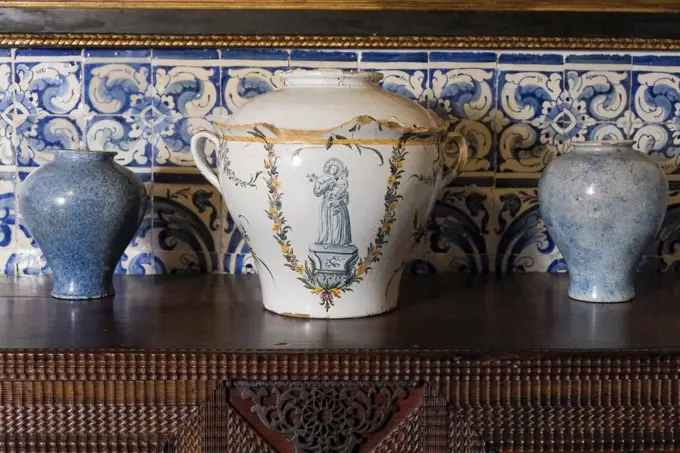
Two vases and a beaker vase, part of a garniture, anonymous (rejected attribution), c. 1740 - c. 1760 Pot (a) with lid (B) from Faïence. The belly multicolored painted with a woman with a child surrounded by flower branches. The button of the lid is formed by a fo 'lion. The pot belongs to a five -part cupboard set consisting of three lid vases and two pots with lids. Delft . Pot (a) with lid (B) from Faïence. The belly multicolored painted with a woman with a child surrounded by flower branches. The button of the lid is formed by a fo 'lion. The pot belongs to a five -part cupboard set consisting of three lid vases and two pots with lids. Delft .
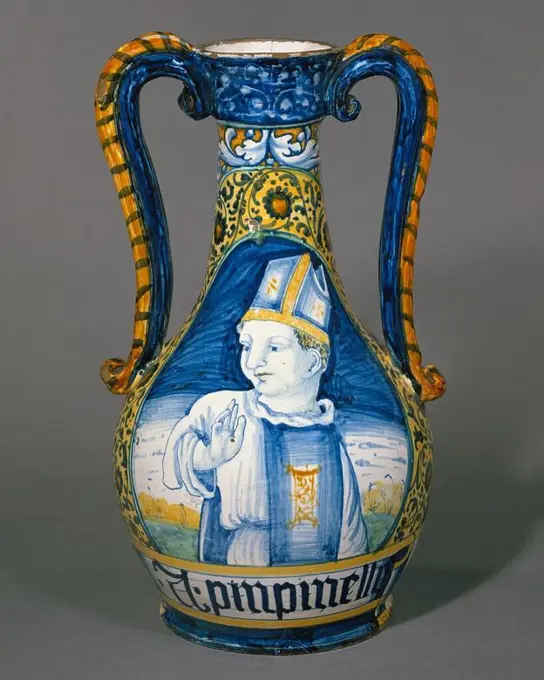
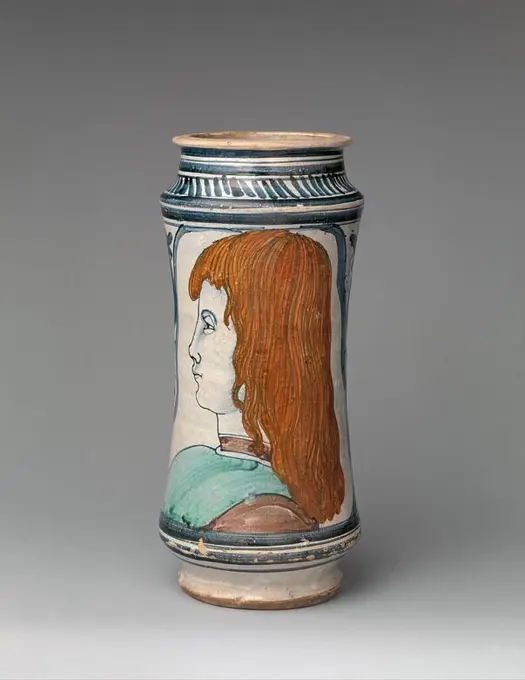
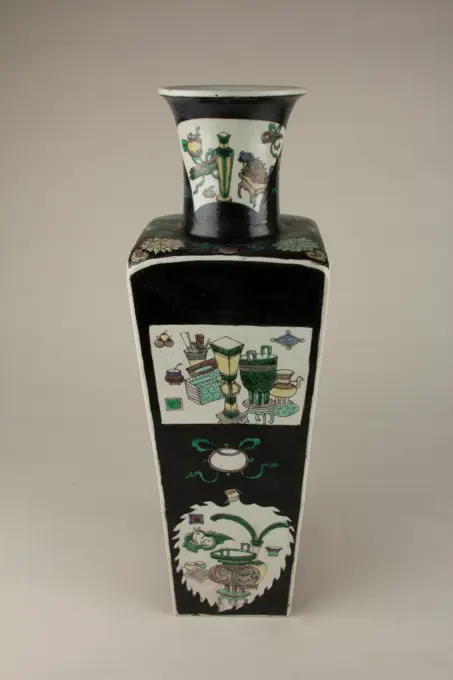
Lisbon, Portugal. Antique clay Portuguese pot with blue tile backgroundTheBus with chinoiseries, Hendrik Voet, c. 1700 TheBus. Rectangular. The wooden core is glued with turtle and inlaid with engraved silver chinoiseries. Silver, profiled frames along all sides. The cylindrical lid is made of silver and is crowned by a round button. On the four sides of the tea life there are: a sitting Chinese man and a standing Chinese woman in trees; Two Chinese with two trees; Two Chinese with a dragon and a tree; Two Chinese by a tree. Leaf and floral motifs in the top of the bus. Zwolle wood (plant material). silver (metal). inlay (process) / engraving TheBus. Rectangular. The wooden core is glued with turtle and inlaid with engraved silver chinoiseries. Silver, profiled frames along all sides. The cylindrical lid is made of silver and is crowned by a round button. On the four sides of the tea life there are: a sitting Chinese man and a standing Chinese woman in trees; Two Chinese with two trees; Two Chinese with a dragon and a tree; Two Chinese by a tree. Leaf andApothecary vase (vaso da farmacia). Culture: Italian, Castelli. Dimensions: Height: 15 5/16 in. (38.9 cm). Date: ca. 1520-30. Museum: Metropolitan Museum of Art, New York, USA.Pharmacy jar (albarello). Culture: Italian, probably Naples or environs. Dimensions: Overall (confirmed): 12 3/8 × 5 1/2 × 5 1/2 in. (31.4 × 14 × 14 cm). Date: ca. 1475-1500.Male busts in profile--one youthful, one mature--appear on the front of these two albarelli (see also 46.85.13), while the backs are painted with a graceful floriated design. Given their close similarity, it seems likely that the jars belonged to a single pharmacy set, which might originally have included dozens, if not hundreds, of vessels. In the absence of labels, the different physiognomies could help the merchant distinguish one jar from the next. Museum: Metropolitan Museum of Art, New York, USA.. Pharmacist spot from faience. Blue painted with inscription: F Tamarind.Vase ca. 1880 Charles Volkmar. Vase. Charles Volkmar (American, Baltimore, Maryland 1841-1914 Metuchen, New Jersey). American. ca. 1880. Earthenware. Possibly made in the Bronx, New York, United States; Possibly made in Brooklyn, New York, United StatesA figurine of a woman in a turquoise green kimono with a fan and in a sling on her head unknownVase China. Vase 48605