Decorative Bowls

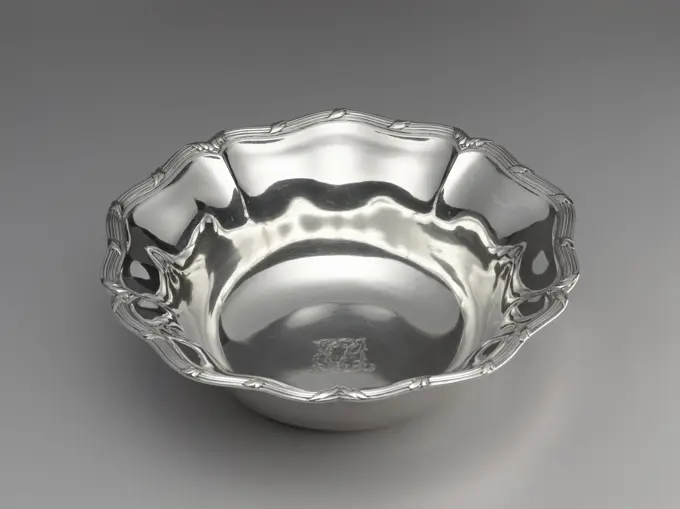
Elegant bowls and dishware with intricate designs. These pieces range from classic porcelain to unique stone shapes, emphasizing artistry.

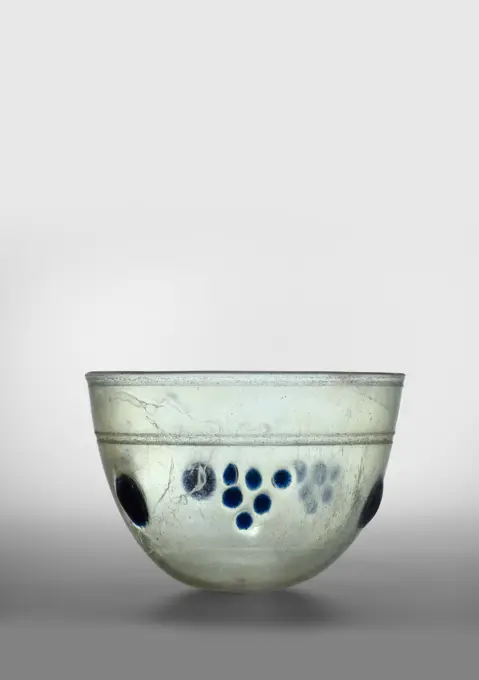
Scale with white Tincraquelé, Chris Lebeau, 1927 In the shape and freely blown body of colorless glass, decorated on the bottom with white tincraquelé. Marked on the pontil brand on the bottom with the diamond Chris-Lebeau unicate/Jan-1927-Moser-Fecit./Tchecoslo Vaquie. Adolf glass glassblowing In the shape and freely blown body of colorless glass, decorated on the bottom with white tincraquelé. Marked on the pontil brand on the bottom with the diamond Chris-Lebeau unicate/Jan-1927-Moser-Fecit./Tchecoslo Vaquie. Adolf glass glassblowing
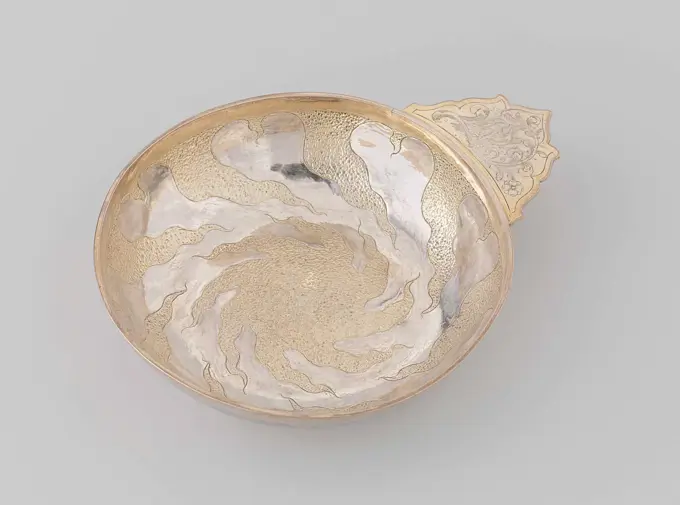
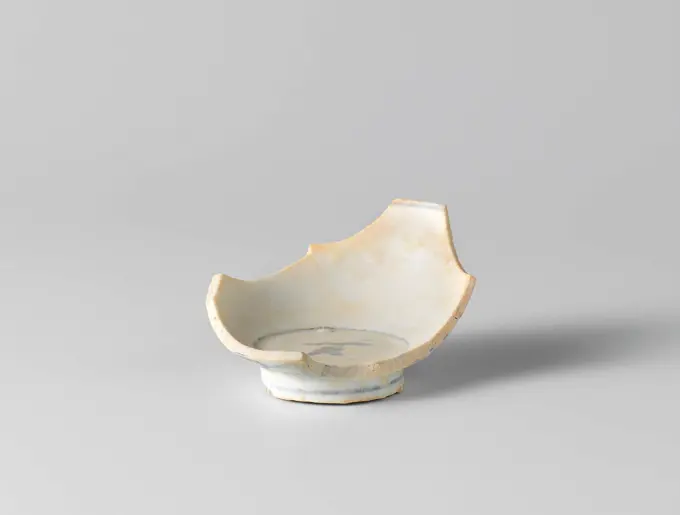
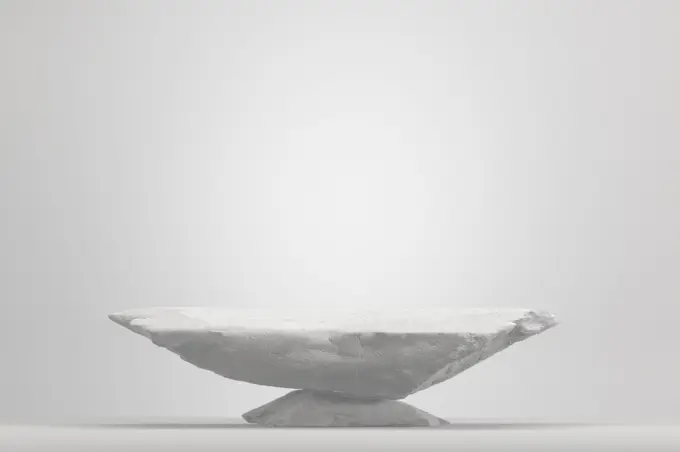
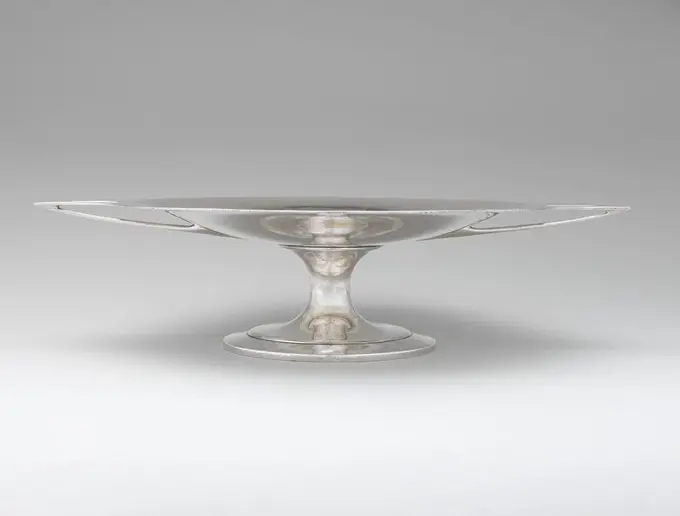
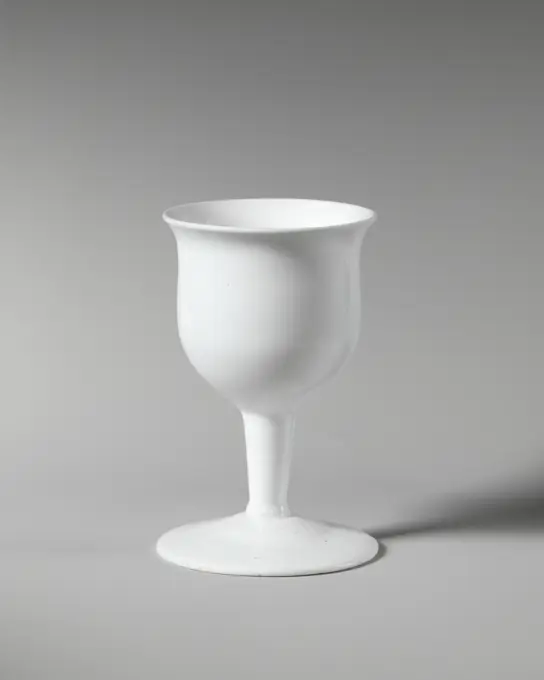
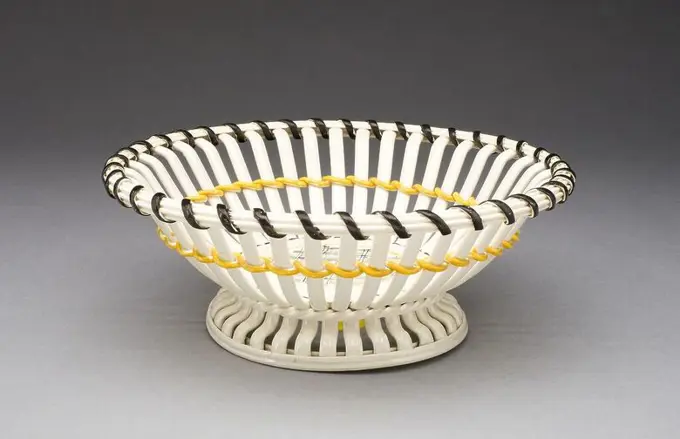
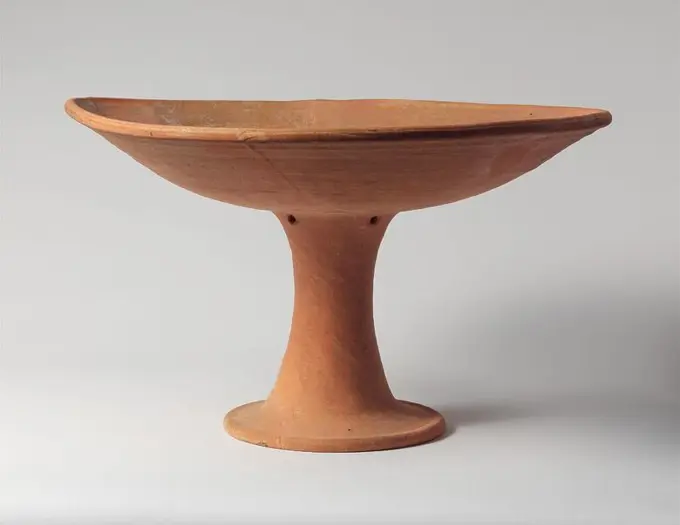
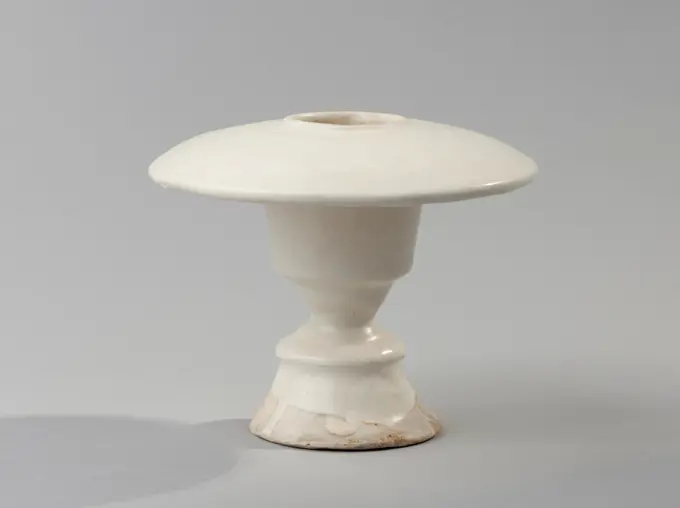
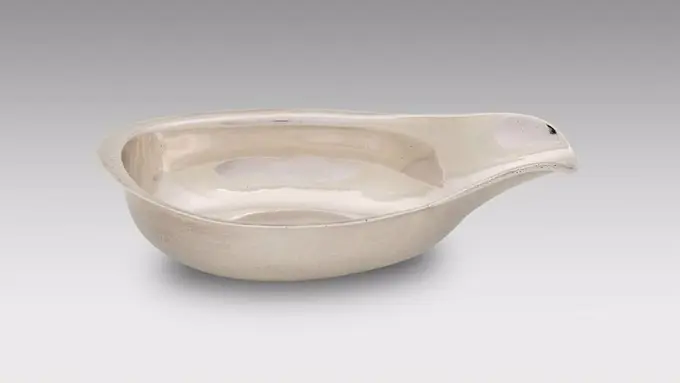
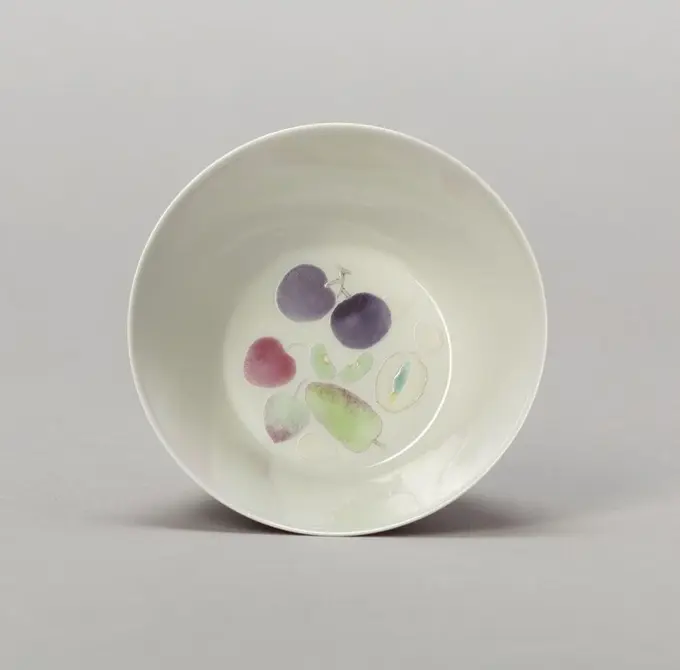
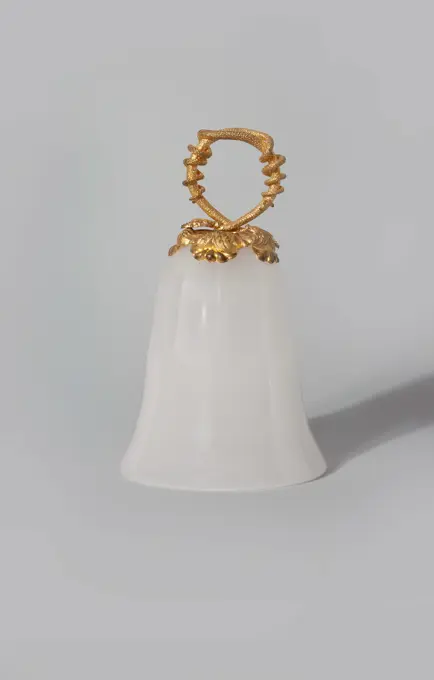
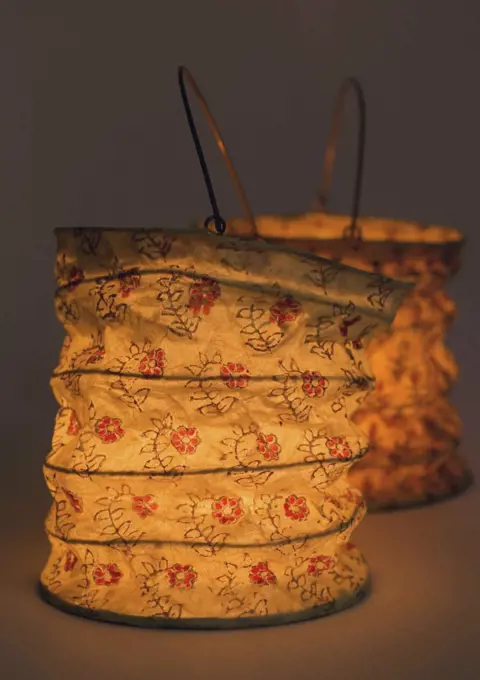
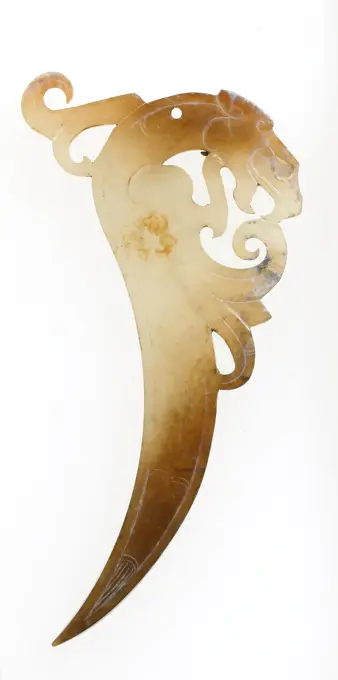
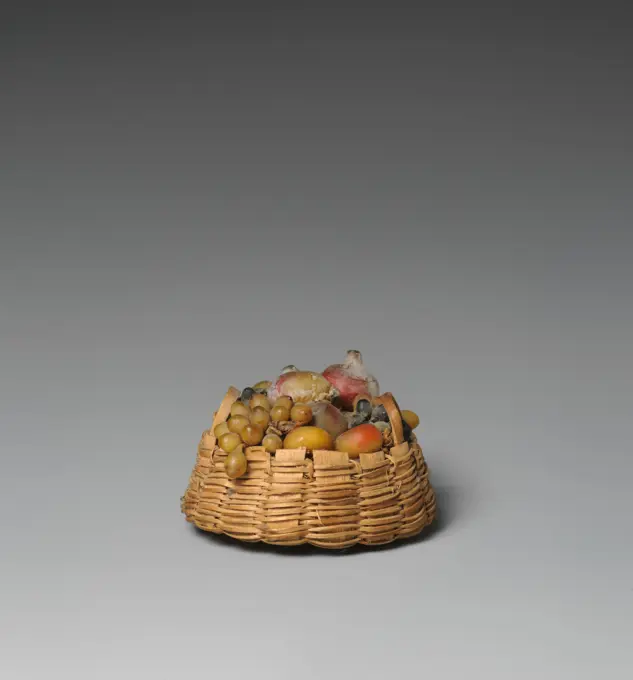
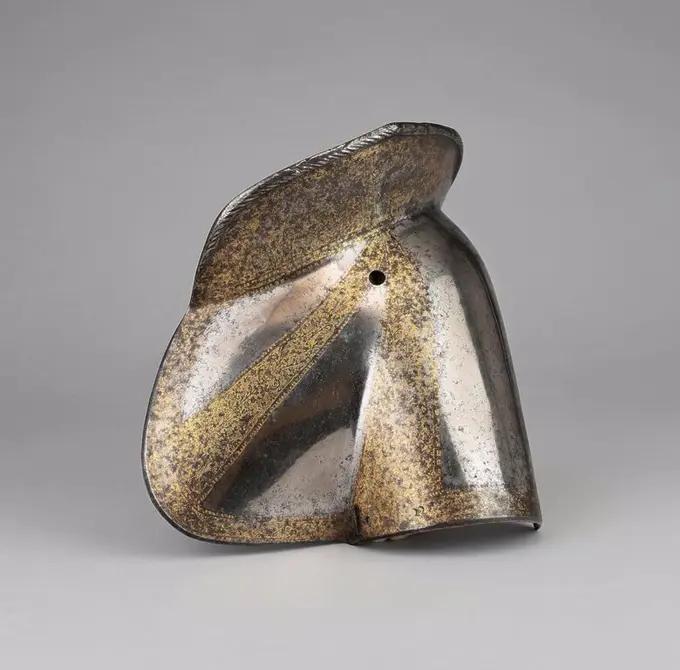
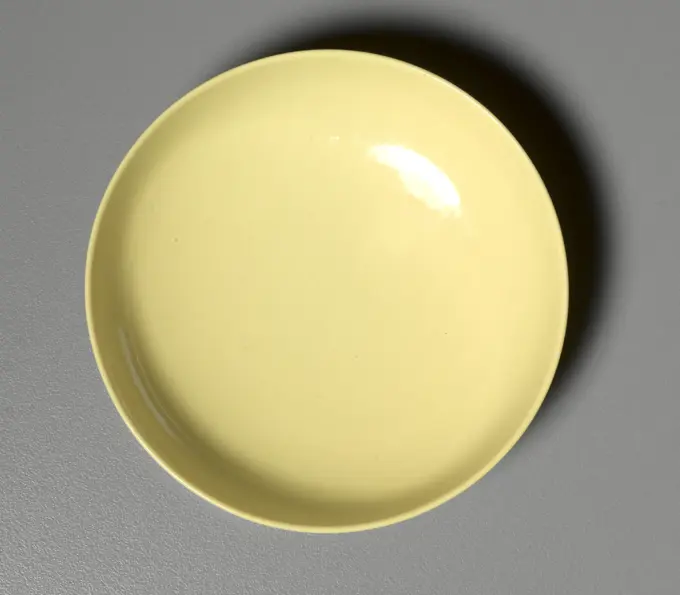
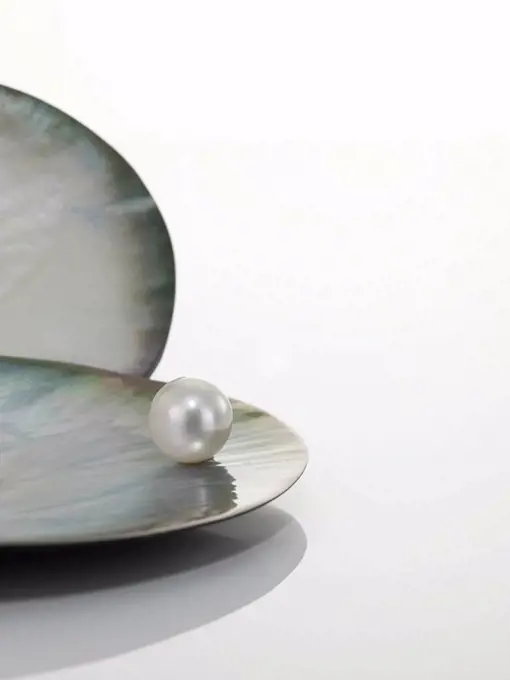
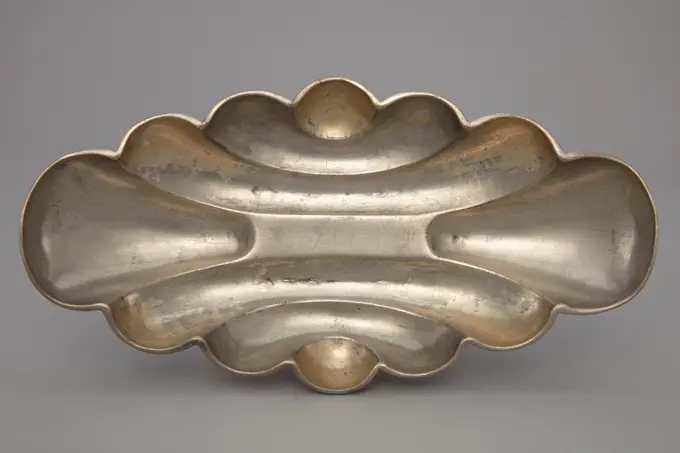
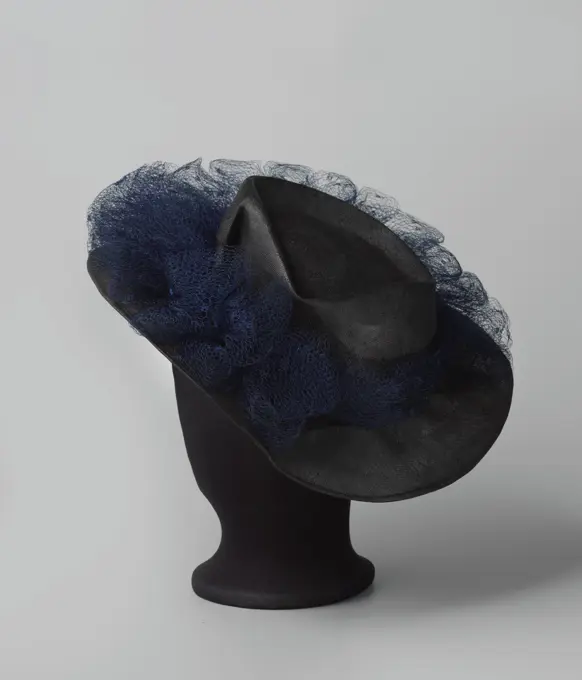
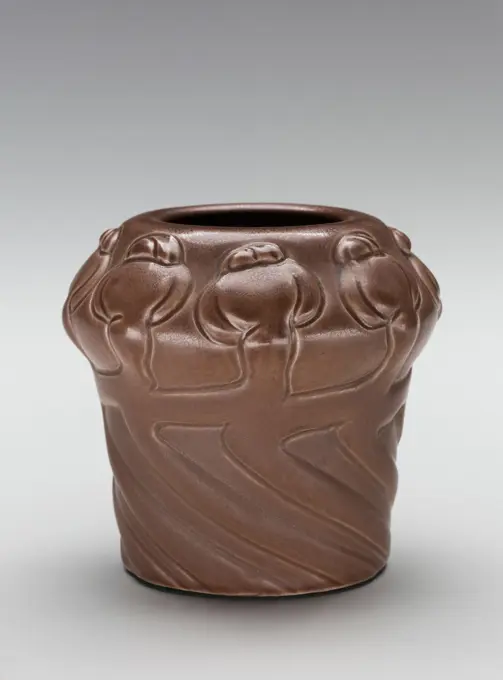
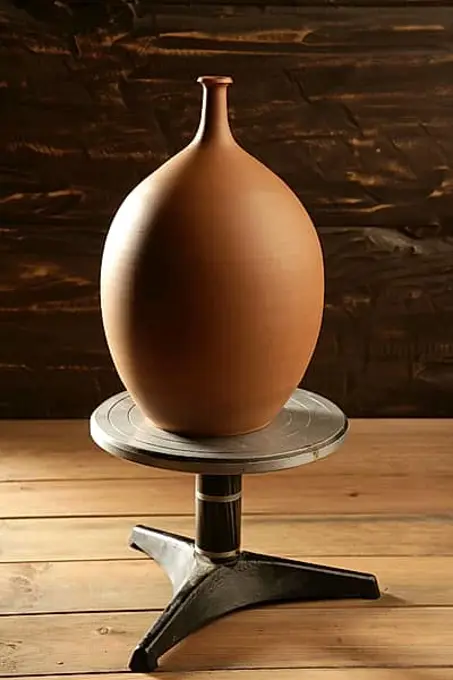
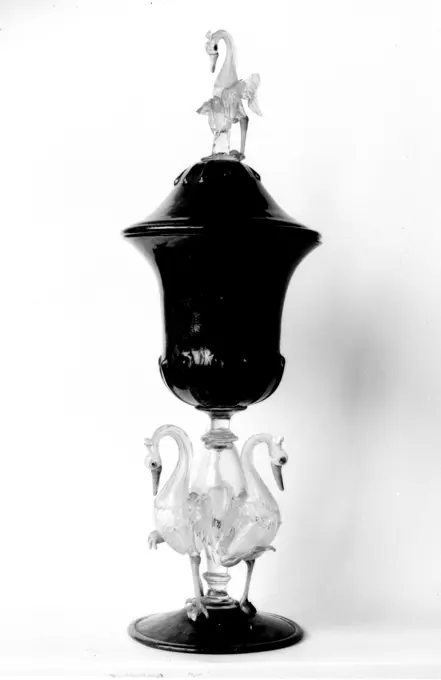
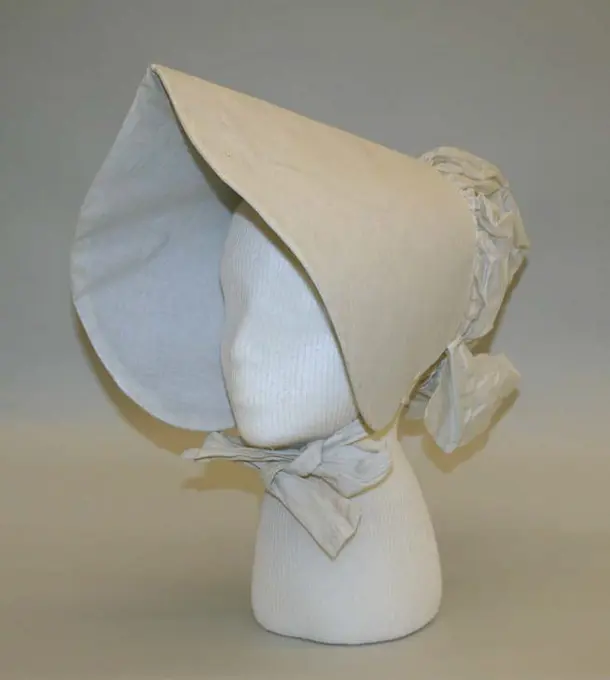
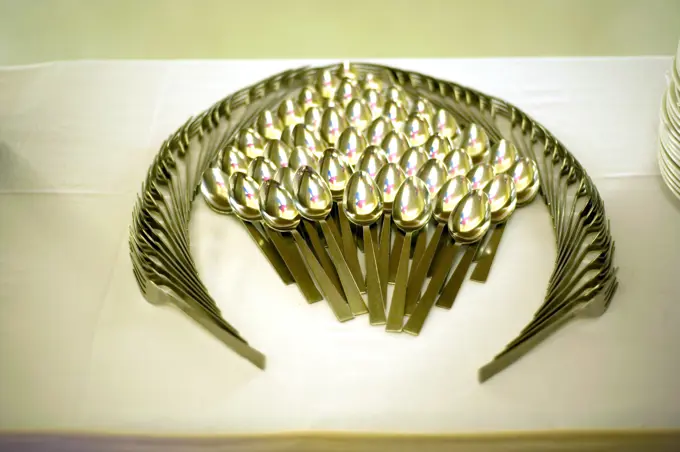
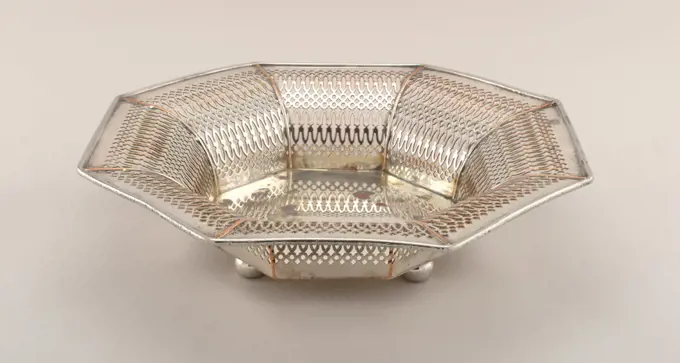
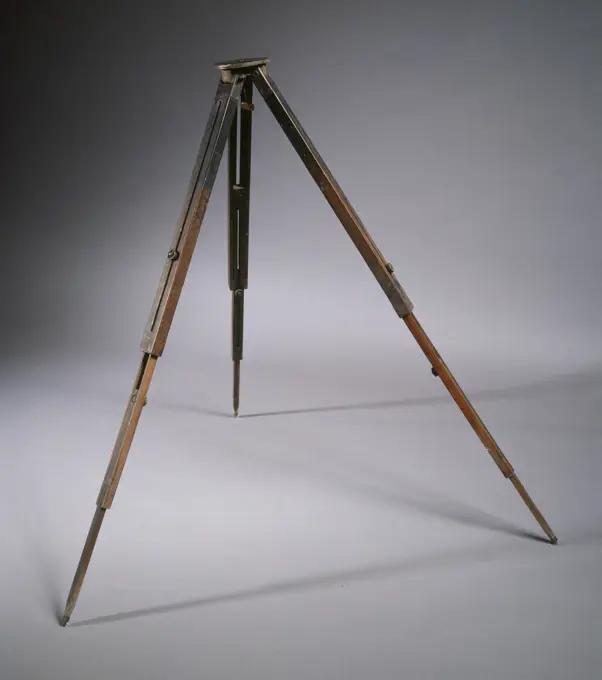
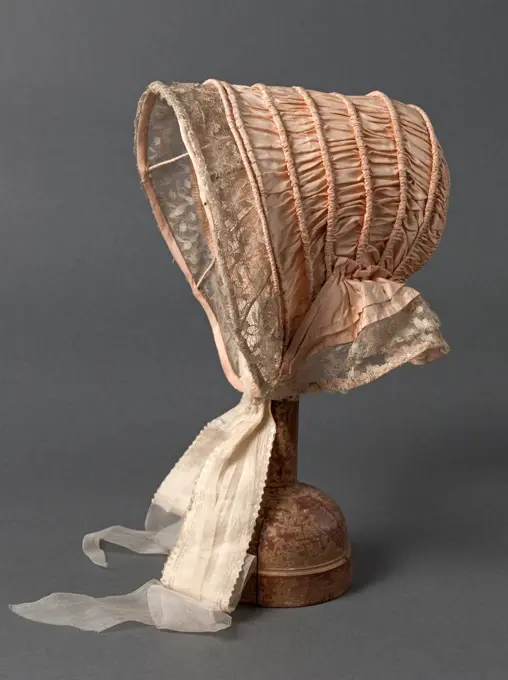
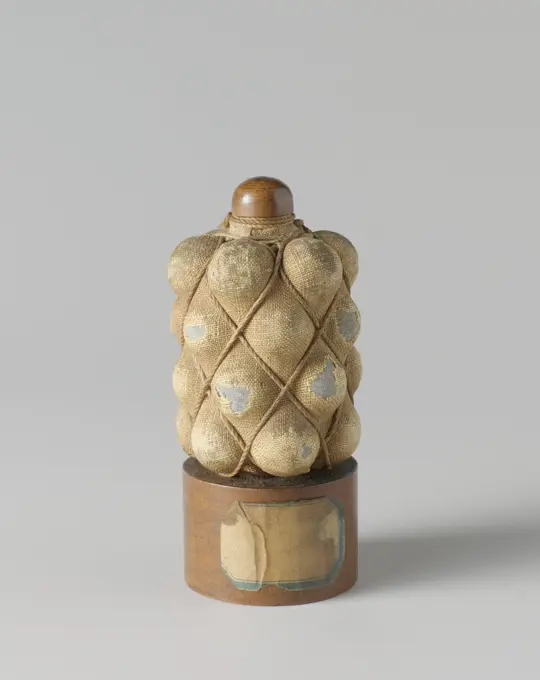
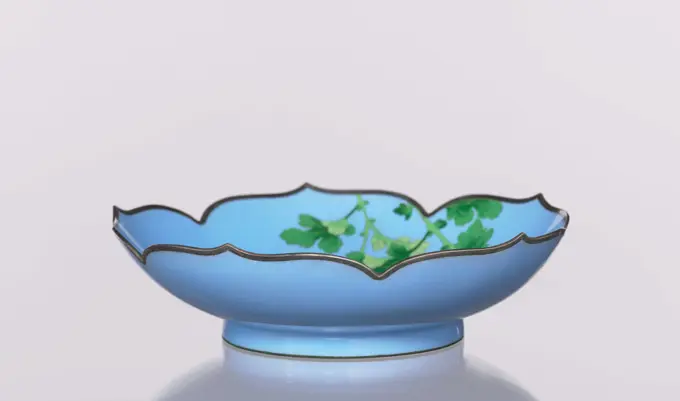
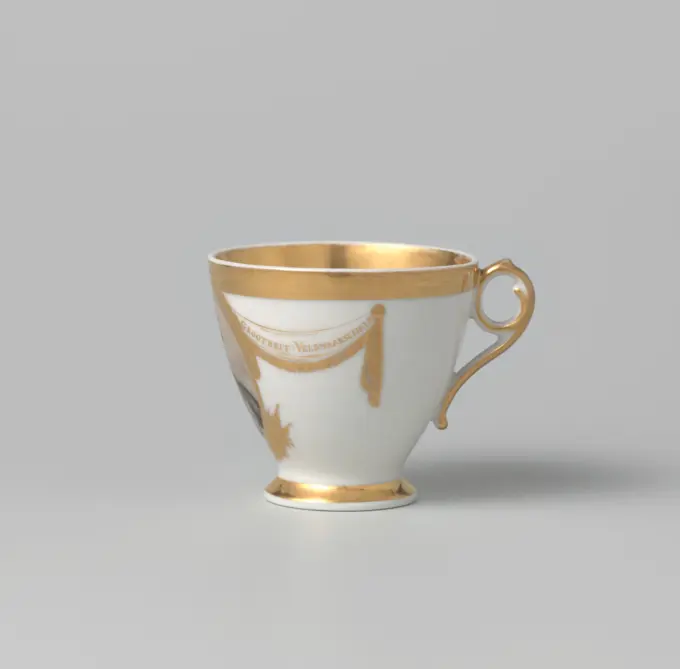
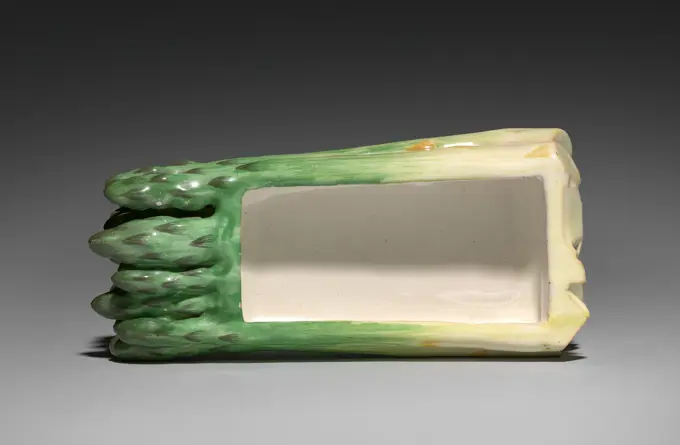
Bowl (Wan) with Foliated Rim and Dragon Medallions. China, Jiangxi Province, Jingdezhen, Chinese, Middle Qing dynasty, 1700-1800. Furnishings; Serviceware. Wheel-thrown porcelain with "hidden" incised decoration (anhua) and clear glazeWine tasting scale. Round drinking scale of partially gold-plated silver. The scale has a flat, short ear. The inside is decorated with engraved flammy motifs with a punched surface.. Scale of porcelain modeled in the shape of a flower with six leaves, covered with a transparent glaze with a light blue tint. On the flat a medallion with ingrangled leaf raft in it. Bakzand on the bottom. Qingbai.Fragment from v.o.c.-ship the 'white lion'. Fragment come from v.o.c.-ship the 'white lion', 40%% present. Type 3.7.Stone stage decoration suitable for products.3D renderingScale with white Tincraquelé, Chris Lebeau, 1927 In the shape and freely blown body of colorless glass, decorated on the bottom with white tincraquelé. Marked on the pontil brand on the bottom with the diamond Chris-Lebeau unicate/Jan-1927-Moser-Fecit./Tchecoslo Vaquie. Adolf glass glassblowing In the shape and freely blown body of colorless glass, decorated on the bottom with white tincraquelé. Marked on the pontil brand on the bottom with the diamond Chris-Lebeau unicate/Jan-1927-Moser-Fecit./Tchecoslo Vaquie. Adolf glass glassblowingTwo-handled Footed Dish. Culture: American. Dimensions: 4 1/4 x 17 in. (10.8 x 43.2 cm). Maker: Marcus and Co. (American, New York, 1892-1942). Date: ca. 1910. Museum: Metropolitan Museum of Art, New York, USA.Egg cup (one of a pair) 1750-1800 British, Bristol. Egg cup (one of a pair). British, Bristol. 1750-1800. Milk glass. GlassRibbonSausom, oval, with scalloped slightly rising sides, Hendrik Swierinck, 1745 The two equal, oval, scalloped sauce bowls (A and B) with slightly rising sides each rest on four legs that consist of a C-Volut in the upper and top. They have two hinged handles built from C and S-Voluten. Profiled edges have been applied along the top and halfway the body. Amsterdam silver (metal) The two equal, oval, scalloped sauce bowls (A and B) with slightly rising sides each rest on four legs that consist of a C-Volut in the upper and top. They have two hinged handles built from C and S-Voluten. Profiled edges have been applied along the top and halfway the body. Amsterdam silver (metal)Basket. E. Mayer Pottery; English, Hanley, Staffordshire. Date: 1780-1790. Dimensions: 7.3 x 19.7 cm (2 7/8 x 7 3/4 in.). Lead-glazed earthenware (creamware). Origin: Staffordshire. Museum: The Chicago Art Institute, Chicago, USA.Plejderka attachment; Höhn, Johann (Ca 1642-1693; m XVII century (1601-00-00-1700-00-00);Terracotta stemmed dish. Culture: Lydian. Dimensions: H. 10 5/8 in. (27 cm)diameter 17 3/4 in. (45.1 cm). Date: 6th century B.C..Familiarly known as fruit stands, this type of stemmed dish is well attested at Sardis, particularly in the Archaic period. Museum: Metropolitan Museum of Art, New York, USA.Dish of hard baked pottery, creamware., Anonymous, c. 1790 - c. 1810 Dish of hard baked earthenware, from a children's service. Dish has a green radiating edge. England earthenware Dish of hard baked earthenware, from a children's service. Dish has a green radiating edge. England earthenwareCup. Culture: British, probably Bristol. Dimensions: Overall: 1 1/2 × 2 3/8 in. (3.8 × 6 cm). Date: 18th century. Museum: Metropolitan Museum of Art, New York, USA.Tray, Okumura Kajo, c. 1925 - c. 1935 Round present sheet of Kanshitsu Lak in imitation of an antique metal leaf with floral motifs. In wooden box. Japan wood (plant material). lacquer (coating). gold (metal). silver (metal) Round present sheet of Kanshitsu Lak in imitation of an antique metal leaf with floral motifs. In wooden box. Japan wood (plant material). lacquer (coating). gold (metal). silver (metal)Burnt-Parfum ". Porcelain. Song dynasty (960-1279). Paris, Cernuschi museum. 145159-4 Burde-parfum, Song dynasty, foot, porcelainThistle with three flowers and five leaves., C. 1400 - c. 1950 An iron flower, thistle with three flowers and five leaves.  iron (metal) An iron flower, thistle with three flowers and five leaves.  iron (metal)Dish with stylized floral scrolls, anonymous, c. 1800 - c. 1810 Oval porcelain dish, painted on the glaze in gold. The flat with a single flower branch. A strap of stylized flower vines on the edge. Double foot ring and a proen on the bottom. France porcelain. glaze. gold (metal) painting / gilding / vitrification Oval porcelain dish, painted on the glaze in gold. The flat with a single flower branch. A strap of stylized flower vines on the edge. Double foot ring and a proen on the bottom. France porcelain. glaze. gold (metal) painting / gilding / vitrificationScale on foot (demolished) with painting in Schwarzlot, with musicians and groups. Solid, baluster-shaped, faceted strain, decorated with rollerwork, three-pass flowers and dots. Kelk with oval cross-section, cut into vertical, flat and concave ribs. The chalice is decorated with balustrades on which flower pots, with akanthus volutes and other rollerwork. In cartouches on the narrow silk two musicians, one with an altvio, the other with a guitar; On the wide sides an elegant couple sitting at a table, on one side at a game of card, on the other side in vibrant conversation. Details such as hairs, akanthus blas, the edges of yes heads and chair legs are accentuated with the engraving needle.Bronze psykter with lid (vase for cooling wine) late 6th century B.C. Greek In the past the piece was severely cleaned of all archaeological corrosion products. It has recently been cosmetically toned with removable pigments.. Bronze psykter with lid (vase for cooling wine) 255061 Greek, Bronze psykter with lid (vase for cooling wine), late 6th century B.C., Bronze, H. 10 15/16 in. (27.8 cm). The Metropolitan Museum of Art, New York. Rogers Fund, 1960 (60.11.3a, b)Apostle Spoon: The Master. London, England. Date: 1628-1629. Dimensions: 18.3 x 5.2 cm (7 3/16 x 2 1/16 in.). Silver; figure gilded. Origin: London. Museum: The Chicago Art Institute, Chicago, USA.Betty Lamp; USA; earthenware, turned woodPap Boat. American. Date: 1751-1771. Dimensions: 3.2 × 12.8 × 7 cm (1 1/4 × 5 × 2 3/4 in.). Silver. Origin: United States. Museum: The Chicago Art Institute, Chicago, USA. Author: Jr. Philip Syng.Cosmetic Jar, one of a pair, Chenghua period, H.4-1/16 x Dia.2-1/2 in. (overall), glazed porcelain, China, 15th centuryEmpty white plate on the table in the kitchen.. Empty white plate on the table in the kitchenCzarka. unknown, craftsmanCup with Stylized Fruit: Plums, Cherries, Melon, and Seeds. China. Date: 1662-1722. Dimensions: H. 5.1 cm (2 in.); diam. 9.8 cm (3 7/8 in.). Porcelain painted with overglaze enamels. Origin: China. Museum: The Chicago Art Institute, Chicago, USA.Straight-sided cup with a wave pattern, anonymous, c. 1650 Small head of porcelain, painted in under -glaze blue. The upper part of the wall with a band with a wave pattern. Two lines around the foot. A medallion with a flower on the bottom. Old label on the bottom with 'C 29'. A crack and a chip in the edge. Transition porcelain. China porcelain. glaze painting / vitrification Small head of porcelain, painted in under -glaze blue. The upper part of the wall with a band with a wave pattern. Two lines around the foot. A medallion with a flower on the bottom. Old label on the bottom with 'C 29'. A crack and a chip in the edge. Transition porcelain. China porcelain. glaze painting / vitrificationFragments come from v.o.c.-ship the 'white lion'. Fragments come from v.o.c.-ship the 'white lion'. Type 3.7.Floosis, white glazed. Ploosischotel, led, with twenty-eight lobes, white glazed. Standing ring.Basket, painted with a multicolored flower bouquet. Basket of porcelain. Round, with openworked wall. The partly gold-plated ears consist of two passengers with multicolored flowers and leaves, which secure itself on the edge. The outer wall is fully painted in light and dark pink. A multicolored flower bouquet on the bottom of the basket. Golden piping along foot and foot edge.Close-up of a glass vase, Murano, Venice, Veneto, ItalyBell. Czechy, creator, Francja, creatorLanterns glowingPendant in the Form of a Xi Tiger, 480-221 BCE, 3 1/4 x 1 5/8 x 1/8 in. (8.26 x 4.13 x 0.4 cm), Partially translucent tan jade, China, 5th-3rd century BCESZMb 2964; Polska (); £ó¿ko empirowe; 1 æw. XIX w.; stolarka, fornirowanie; sosna (konstrukcja), mahoñ (fornir); 97 x 218 x 102 cmColgante, obra de Emili Armengol, 1977. Colección privada.ENVUELTO- 1997- 65x45x37- ACERO INOXIDABLE. Author: PABLO PALAZUELO (1916-2007). Location: GALERIA SOLEDAD LORENZO. MADRID. SPAIN.Nappy - Sunburst pattern Burlington Glass Works Burlington Glass WorksRound basket of fruit second half 18th-mid-19th century Italian The practice of using crèche figures to restage religious events reached the height of its complexity and artistic excellence in eighteenth-century Naples, and the Metropolitan Museum of Arts group of Neapolitan crèche is one of the finest and most complete survivals of the art form. The ensemble consists of characters traditional to eighteenth-century Italian Christmas holiday customs. The Nativity, featuring the holy family, shepherds and their flocks, and a host of angels and cherubs is joined by the procession of the three Magi and colorful peasants, townspeople, and animals. The figures have articulated bodies of tow and wire with polychromed terracotta heads, and are all in partially distressed condition.These vibrant characters are further brought to life by a wide-ranging set of cloth, embroidery, leather, wicker, wax, and silver accessories. Many of these, such as the figures luxurious costumes, baskets of fruitBowl, blue, with flowers and leaves in relief. Bowl of earthenware, bluestone. The walls with flowers and leaves in relief, smooth the inside. The bowl has a scalloped edge.black stage podium decoration suitable for products.3D renderingModern granite,Victory podium show cosmetic product geometric. 3D renderingPelvis of a baptism for The English Reformed Church, Johannes Schiotling, 1771 A silver baptismal basin with a engraved monogram ECA and comprehensive, engraved inscriptions. Amsterdam silver (metal) A silver baptismal basin with a engraved monogram ECA and comprehensive, engraved inscriptions. Amsterdam silver (metal)Dried eucalyptus leaves in vases, stock photoElements of an Armor Garniture for the Field, Joust, and Tourney of a Radziwill Prince of Poland and Lithuania. South German; Augsburg. Date: 1550-1590. Dimensions: . Steel, gilding, and leather. Origin: Augsburg. Museum: The Chicago Art Institute, Chicago, USA.Small Dish with Yellow Enamel, 1736-1795. China, Qing dynasty (1644-1911), Qianlong mark and reign (1735-1795). Enameled porcelain; diameter: 8.8 cm (3 7/16 in.); overall: 3 cm (1 3/16 in.).Tabakierka which Adam Mickiewicz Received from Julian NiemcewiczEmpty round wooden podium for product presentation dry leaves on beige background abstract background. Minimal box and geometric podium. Scene with geometrical forms. Empty showcase for eco cosmetic product presentation. Empty round wooden podium for product presentation and dry leaves on beige background for cosmetic product mockupPearl in shellVintage looking Wood planks on table Vintage looking Three brown wood planks for floors paving Copyright: xZoonar.com/ClaudioxDiviziax 9780074black stage podium decoration suitable for products.3D renderingLid of a jar, anonymous, c. 1725 - c. 1750 Vaulted lid with dome -shaped elevation, crowned with a pledged lid button, consisting of a faceted button and a faceted, pear -shaped end. On the lid, an engraved stylized flower garland. Bohemia glass glassblowing / grinding Vaulted lid with dome -shaped elevation, crowned with a pledged lid button, consisting of a faceted button and a faceted, pear -shaped end. On the lid, an engraved stylized flower garland. Bohemia glass glassblowing / grindingThe past of the future SshiHat of dark blue straw and blue tulle, T.C.C.M. Hoogland, c. 1950 - c. 1955 Hat made of dark blue straw, made up with blue tulle. Model: Triangular fold in the sphere, leaning forward wide edge. A ruffle of stiff tulle with studs is located on the edge. Utrecht hat:. edge: Hat made of dark blue straw, made up with blue tulle. Model: Triangular fold in the sphere, leaning forward wide edge. A ruffle of stiff tulle with studs is located on the edge. Utrecht hat:. edge:Vase 1902 Van Briggle Pottery Company. Vase. American. 1902. Earthenware. Made in Colorado Springs, Colorado, United StatesPair of Candlesticks, De Greek A, After Adrianus Kocx, c. 1690 - c. 1700 FaaMence candlestick with a flower decoration and pseudo Chinese characters inspired by Chinese porcelain Delft . FaaMence candlestick with a flower decoration and pseudo Chinese characters inspired by Chinese porcelain Delft .Czarka dekorowana guzkami. unknown, authorPotter wheel pottery clay jar vase finished over wood backgroundBliżej Kulturydry leaf put on a little model chair on a white backgroundwooden abacus fragment vintage wooden abacus fragment with focus on beads Copyright: xZoonar.com/YuryxZapx 16347337Standing cup with cover late 19th century Italian, Venice (Murano). Standing cup with cover. Italian, Venice (Murano). late 19th century. Glass. GlassFlax Comb 1750-1800 American. Flax Comb 3749Chair with a high back with orange velvet, Klaas van den Berg, c. 1925 Oak chair, partly glued with rosewood, resting on four legs. The short round front legs rejuvenate and are painted black; The hind legs have one beveled side. The high trapezoidal seat is located just above the ground and is completely covered with orange velvet. The high back runs narrower and is caught in two styles that protrude. The back is also covered with orange velvet and is trimmed on the sides with a beige piping. Amsterdam wood (plant material). oak (wood). rosewood (wood). velvet (fabric weave) Oak chair, partly glued with rosewood, resting on four legs. The short round front legs rejuvenate and are painted black; The hind legs have one beveled side. The high trapezoidal seat is located just above the ground and is completely covered with orange velvet. The high back runs narrower and is caught in two styles that protrude. The back is also covered with orange velvet and is trimmed on the sides with a beiSunbonnet 1850-1900 American. Sunbonnet 1160233d rendering. an empty blank wood balance scale on gray background.Beautiful female shoes in the fancy pink circleceramics vases on the shelf 3d renderSpoons on buffet table mumbai Maharashtra India Asia Copyright: xArunxMishra/DinodiaxPhotoxFragment of a Rock Crystal Bowl 3rd-5th century Roman or Byzantine Fish and shells carved in relief decorate this fragment. When the bowl was complete, it may have been suspended by chains and filled with oil for use as a lamp.This rock crystal carving found in a cistern in Carthage (now in Tunisia, North Africa) demonstrates the quality of the arts of that great city as the Roman world became Byzantine. The Roman naturalist Pliny, describing its beauty, believed crystal to come from snow. It was thought to protect against kidney ailments and other diseases.. Fragment of a Rock Crystal Bowl 468470ChairRubber StampPhoto cabinet of wood and brass, Marc Prosman Architecten BV, Forsa Meubels, 2014  Including eleven working drawings. designer: Amsterdamdesigner: Amsterdamdesigner: Amsterdamfurniture worker: Utrechtfurniture worker: Utrecht brass (alloy). wood (plant material)Carpet ball -Hat American 1870-71Ink Stick in Seal Form, 18th century, Attributed to Wang Wei-kao, 1 1/8 x 3 1/4 x 3 1/4 in. (2.86 x 8.26 x 8.26 cm), Pine soot and animal adhesive, China, 18th century, Cleverly moulded in the form of a large official seal, this ink cake has a pair of dragons cavorting amonst waves on its top. The reverse side, shown here, displays a Ming-style imperial seal-script legend in four large characters, T'ien-fu yung-ts'ang meaning, 'eternal collection of the heavenly palace,' This stick conforms in shape and concept to ink cakes made by the mid-eighteenth century ink maker, Wang Wei-kao.Bread basket, Silver-plated copper, Octagonal basket with flaring sides pierced in bands of lancets and circles. Four ball feet., USA, ca. 1900, metalwork, Decorative Arts, Bread basketLaken of white linen. Sheet, made of white linen, lined on four sides.origami peacock India Copyright: xVirenxDesai/DinodiaxPhotoxErnest Renoux painter equipment: tripod for painting box ". Museum of Fine Arts in the city of Paris, Petit Palais. 26987-5 Material, tool, painter, TreeA dresser from the 18th century from the collection of Gustaw Subise-Bisier from Warsaw in 1917-views from the side in 1: 5; Sztolcman, Władysław Roman (1873-1950); 1917 (not after 21.05.1917) (1917-00-00-1917-00-00);Dienstbodenmutje van Tulen Gaas, consisting of flat oval middle section surrounded by a triple, wrinkled edge, anonymous, c. 1910 - c. 1920 Dienstbodenmutje van Tulen Gaas, consisting of flat oval middle section surrounded by a triple, wrinkled edge. Netherlands whole: Cotton (textile).   Amsterdam Dienstbodenmutje van Tulen Gaas, consisting of flat oval middle section surrounded by a triple, wrinkled edge. Netherlands whole: Cotton (textile).   AmsterdamModel of a triangular ball stack. Model of a triangular ball stack of 10 bullets on a wooden holder. A bullet is missing.Hood in rose ribbons frozen on a metal frame, lace and tulle pass; Two beige ribbons. Pink silk taffeta, ferrous metal, cotton canvas, silk mechanical lace, silk tulle, beige silk taffeta taffeta. Around 1845. Galliera, fashion museum of the city of Paris. Cover, pink color, mechanical lace, ribbon, silk, silk taffeta, cotton canvas, tulle, 19th 19th 19th 19th 19th 19th century, hatMirror in a gold-plated table with floral motifs. Two mirrors, faced in a list of gold-plated metal (tin alloy) and mounted on light brown dyed wood. The molded list is decorated with floral motifs and a pyramidal attachment with lobes and button. There is a piece of fabric between the mirror glass and the wooden back wall.Pot, pear-shaped, with red glaze and a wooden stop, standing on a wooden board. Pot of stoneware, pear-shaped, covered with red glaze. It stands on a rectangular shelf and has a wooden stop. Inrummation: HSIM.Navette; gold, enamel, mother-of-pearlModels of shot bundles (grapeshot), anonymous, c. 1750 - c. 1800 scale model A bullet bundle or grape. Linen bag with bullets or scrap on a wooden disc. Netherlands wood (plant material). linen (material). iron (metal)dry leaves on long cramped in vase. studio shotTea Table 1760-90 American. Tea Table 8277Small bowl. unknown, craftsmanTea head, part of a tea set, Petrus Regout & Co., 1934 Tea head of earthenware, part of a tea set. Brown distance on the outside, with red buttons, spouts, ears and edges. Marked with sphinx stamp; Petrus Regout & Co Maastricht in a lying rectangle; Made in Holland. Maastricht earthenware Tea head of earthenware, part of a tea set. Brown distance on the outside, with red buttons, spouts, ears and edges. Marked with sphinx stamp; Petrus Regout & Co Maastricht in a lying rectangle; Made in Holland. Maastricht earthenwareSnail shells and spheres on wooden workbenchModel or a figureehead. Model of red wax of a sheek image on a sheam, on a pedestal. The image is of a running man with a trident in a hand; The crown is missing. The sheek image presents Neptune.Wilhelmina and Wellington, Adrianus Johannes Bik, c. 1814  Porcelain head, with the portraits of Wellington and Wilhelmina, consort of King William I, in Grisaille. The portraits are placed in a crowned oval medallion, including a court at Wellington, at Wilhelmina, including laurel leaves, everything in gold. On either side of the crown a piece of laurel wreath and branches hung on buttons on which 'Wellington Koning: Grootbrit: Veldmaarschalk' and 'F: L Wilhelmina Souvereine Vorstin of the Netherlands', everything in gold. Mouth edge, foot edge, ear and inside Come decorated in gold. European porcelain. Amsterdam porcelainMattress of white cotton, anonymous, c. 1750 - c. 1800 Mattress from the cradle, made of white cotton, filled with fluff. Amsterdam (possibly) cotton (textile) Mattress from the cradle, made of white cotton, filled with fluff. Amsterdam (possibly) cotton (textile)Box in the Form of Asparagus, c. 1765. Probably by Sceaux Factory (French, active 1748-66). Tin-glazed earthenware (faience) with enamel decoration; overall: 6.4 x 17.8 x 8.3 cm (2 1/2 x 7 x 3 1/4 in.).Podium for product advertisement or restaurant menus with colorful background, minimalist design