Decorative Bowls

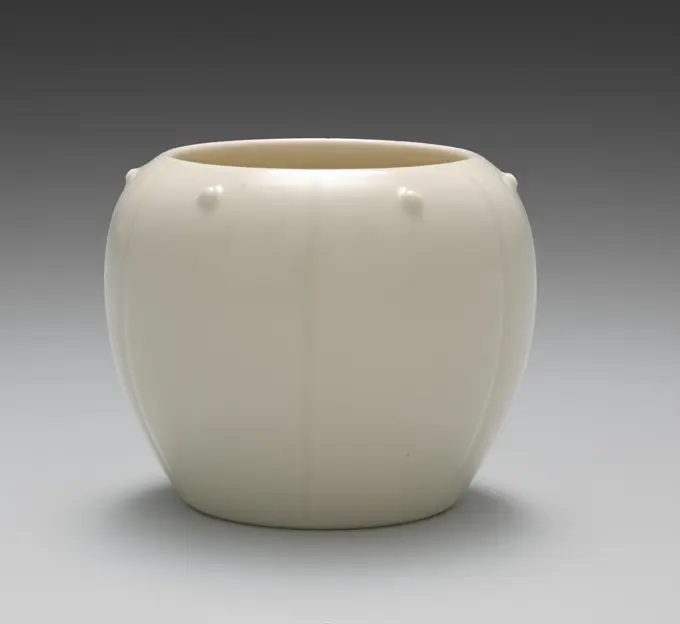
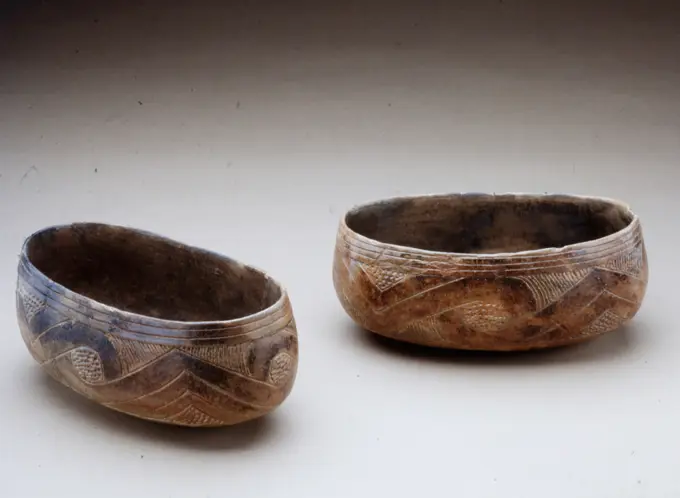
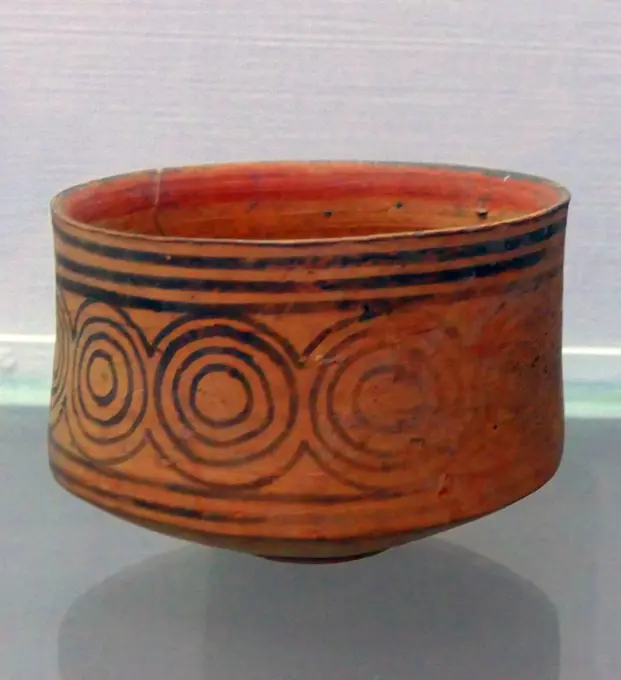
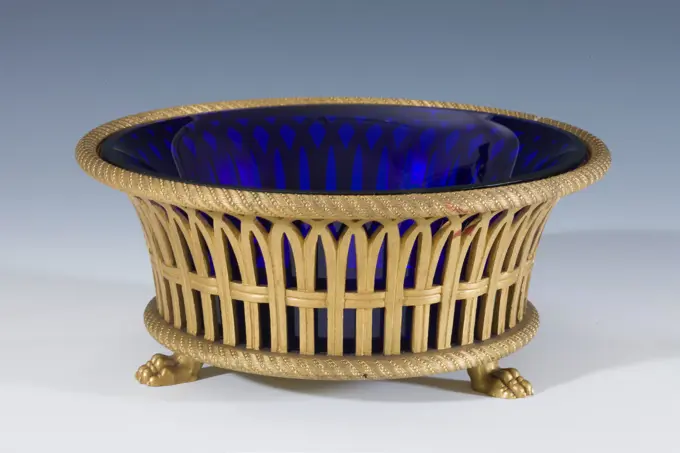
Collection of bowls from different periods and cultures, featuring unique glazes and designs, highlighting the beauty of pottery and ceramics.
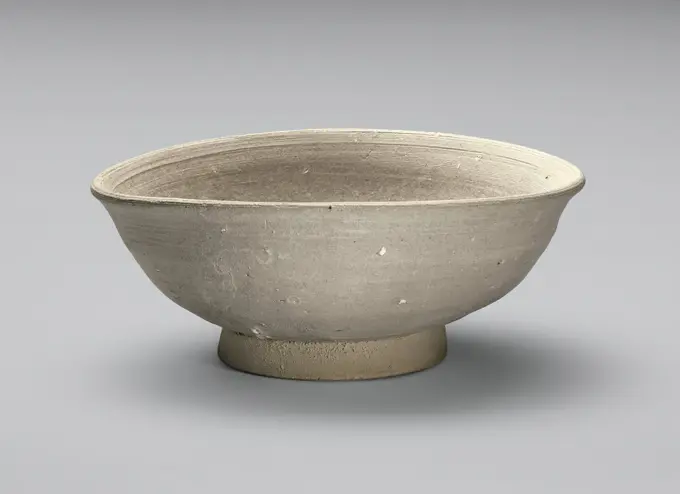
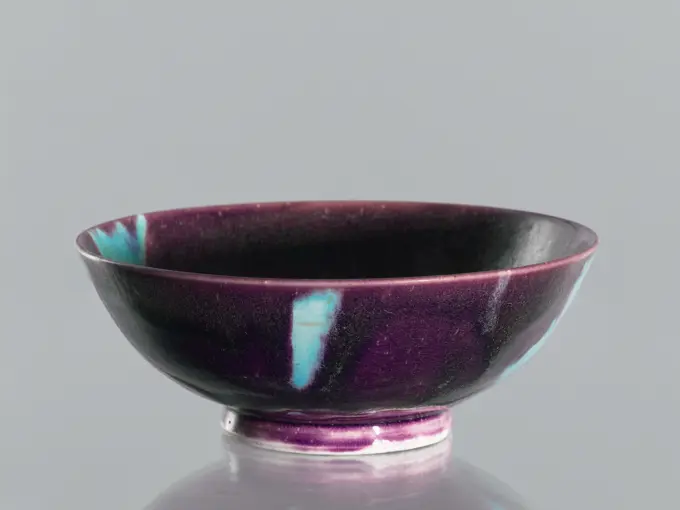
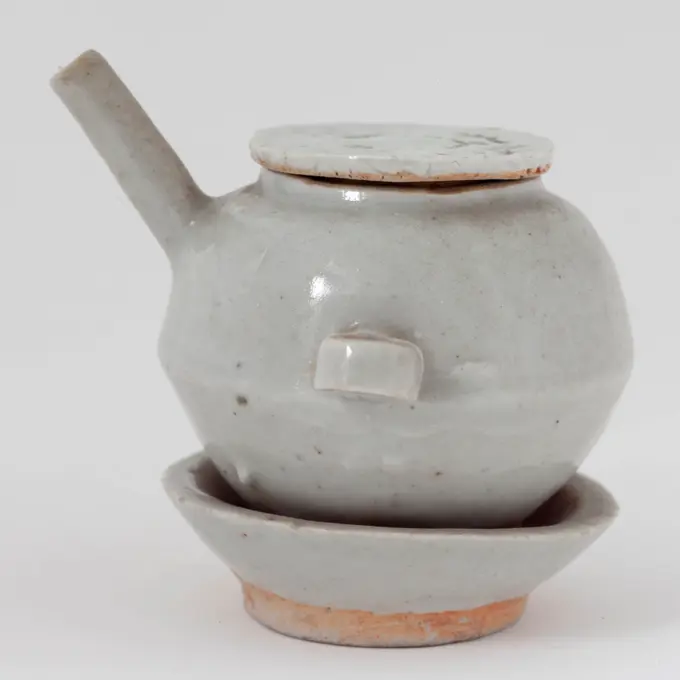
Bowl, 12th century, Unknown Japanese, 2 7/16 × 5 3/4 × 6 3/16 in. (6.19 × 14.61 × 15.72 cm), Sanage ware; stoneware, Japan, 12th century, Sanage ware resembles Chinese ceramics, having emerged in the 700s as an affordable substitute for expensive imported Chinese ceramics and the Japanese luxury wares they inspired. Known as the earliest glazed stoneware in Japan, Sanage ware was primarily made in central Honshū, the largest and most populous island of Japan, and remained popular until the 1100s, when it was superseded by another type of glazed stoneware produced in the region, now known as 'Seto ware.'
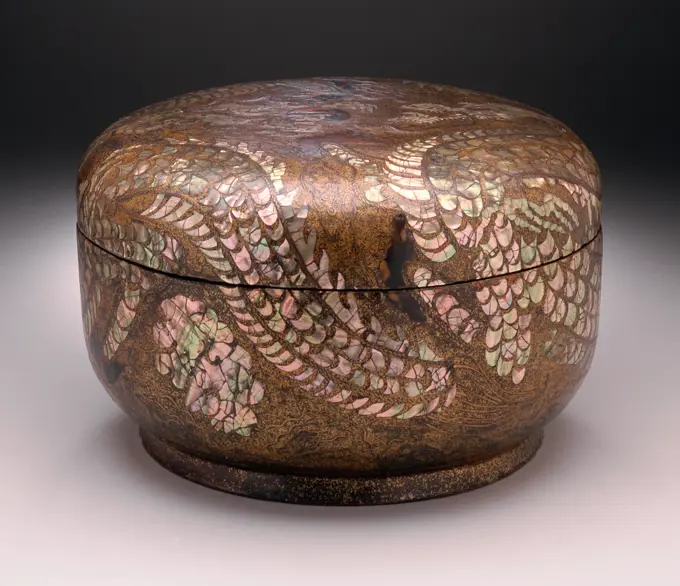
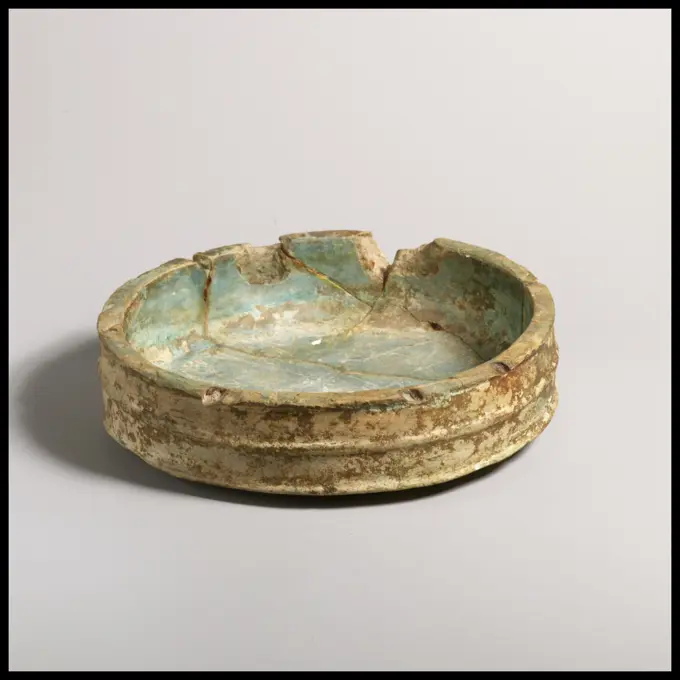
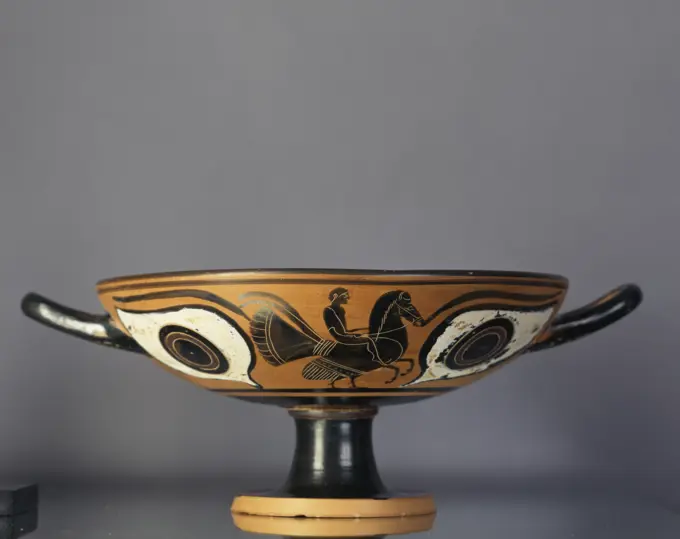
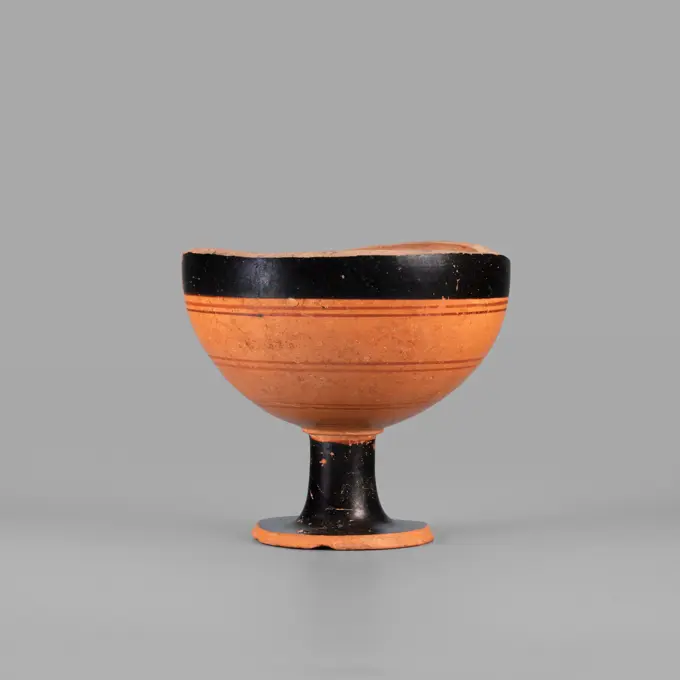
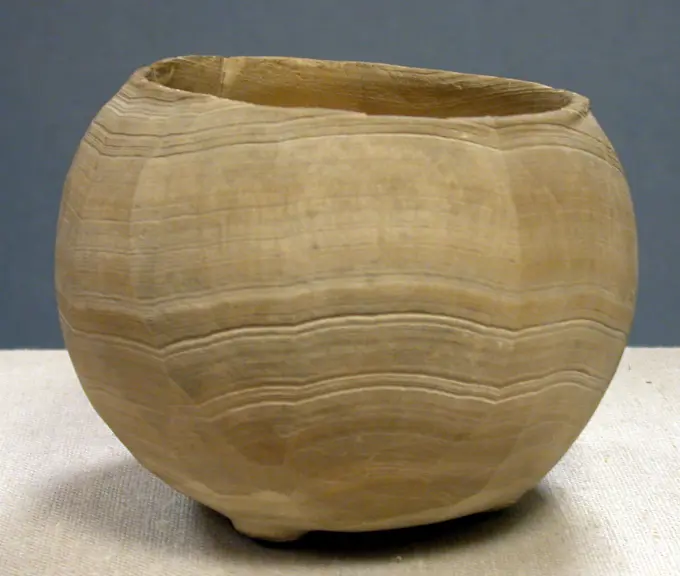
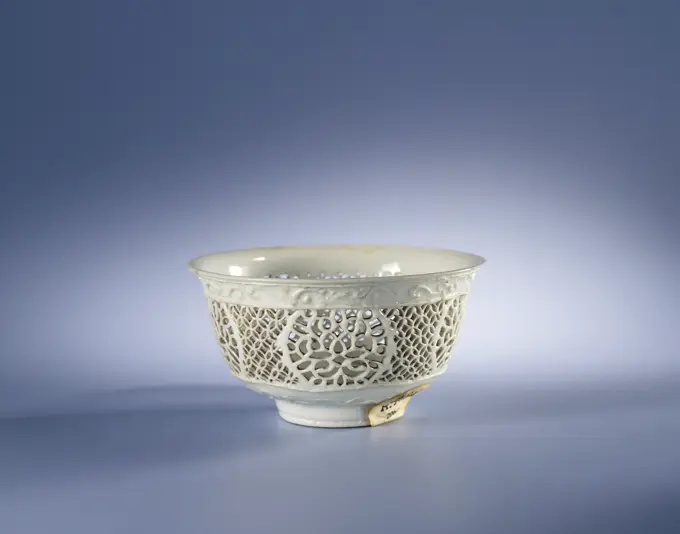
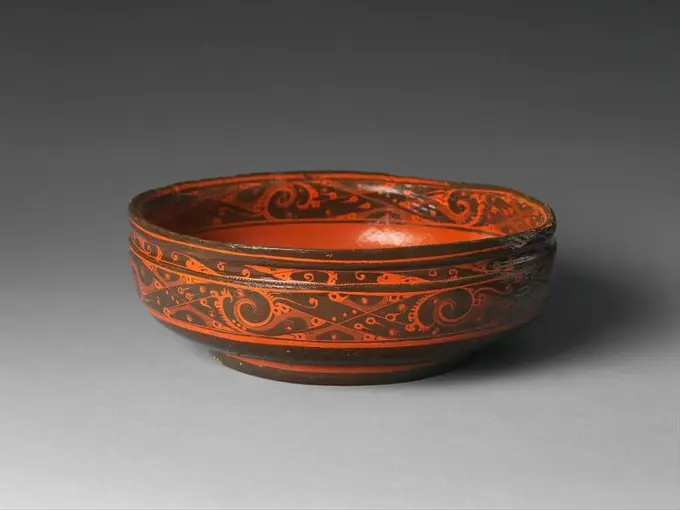
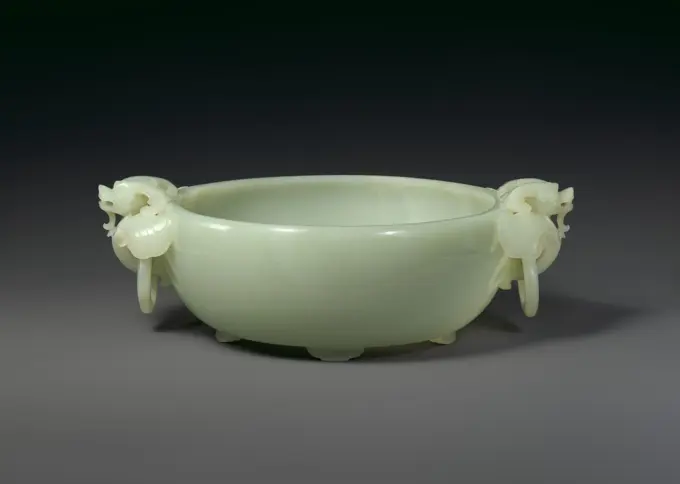
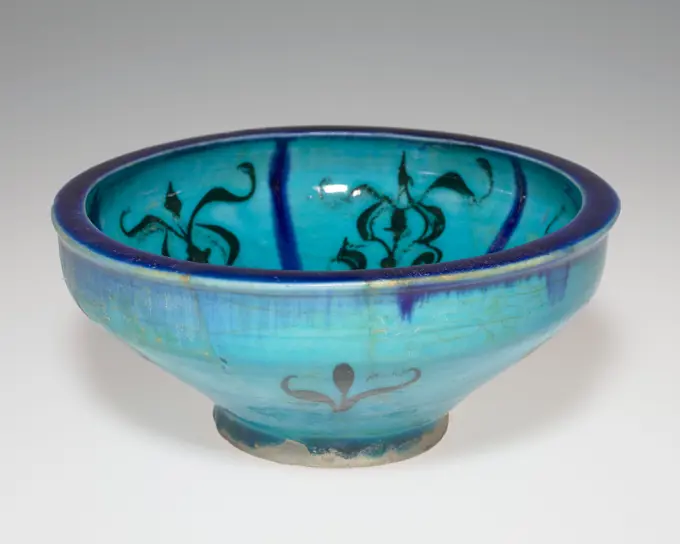
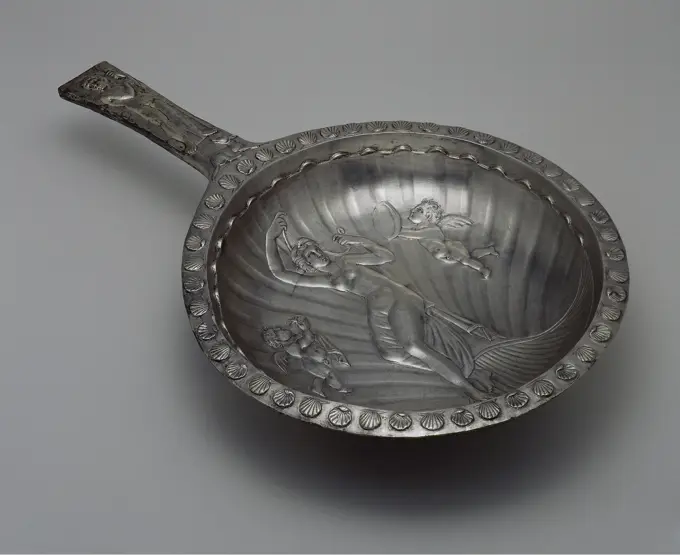
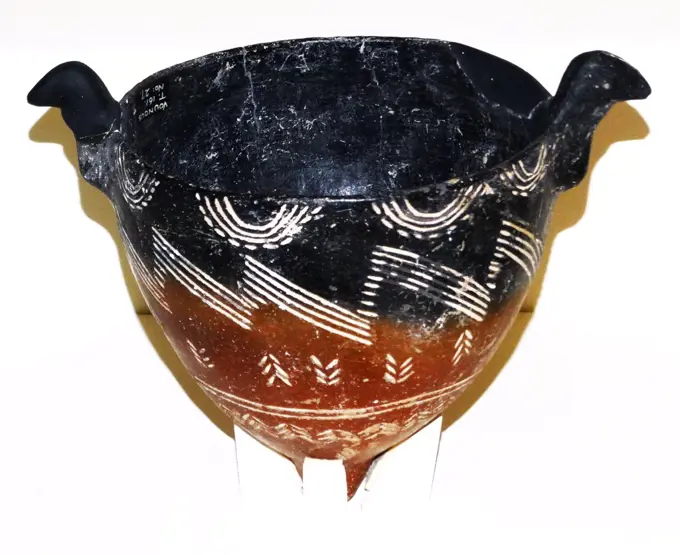
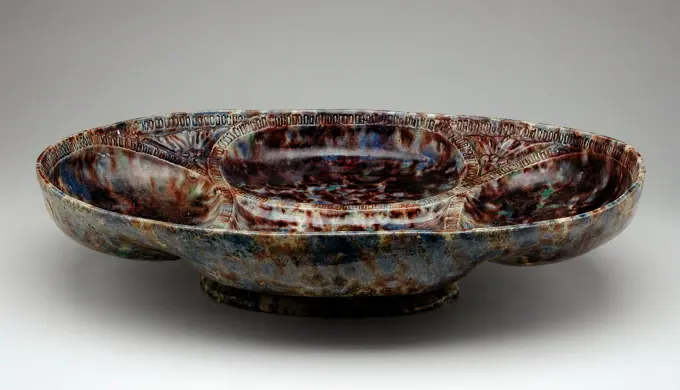
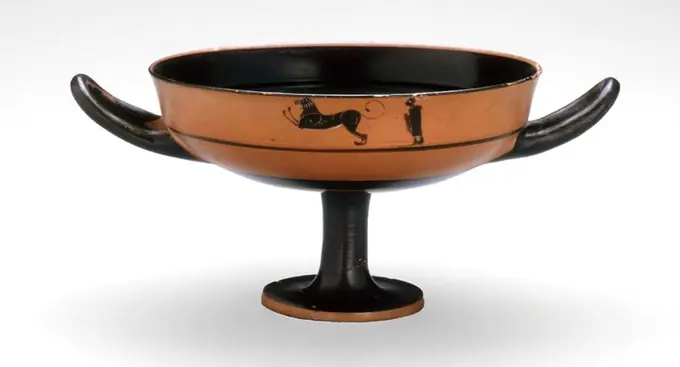
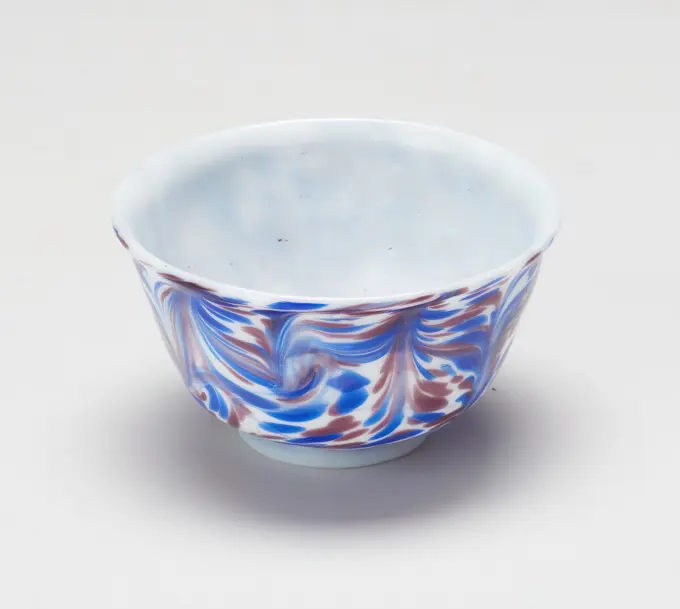
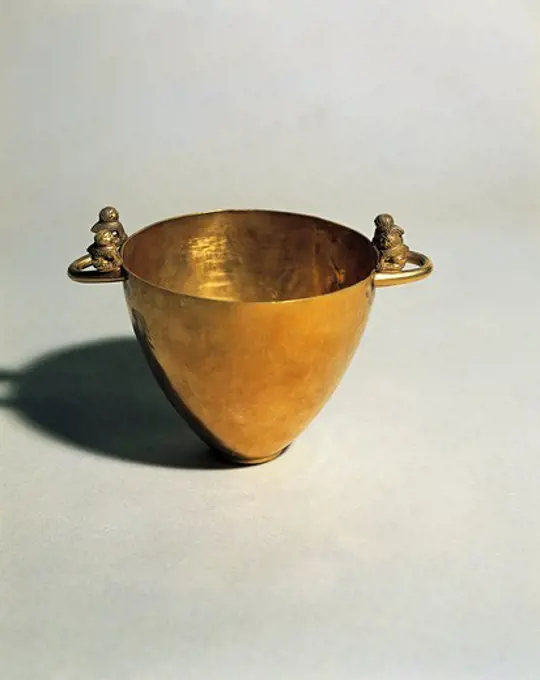
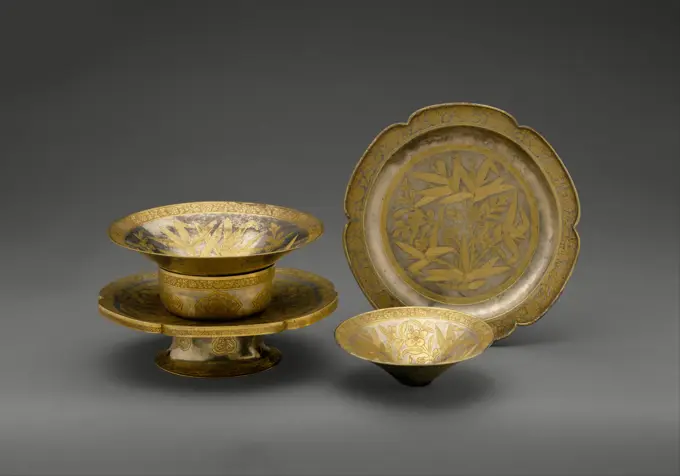
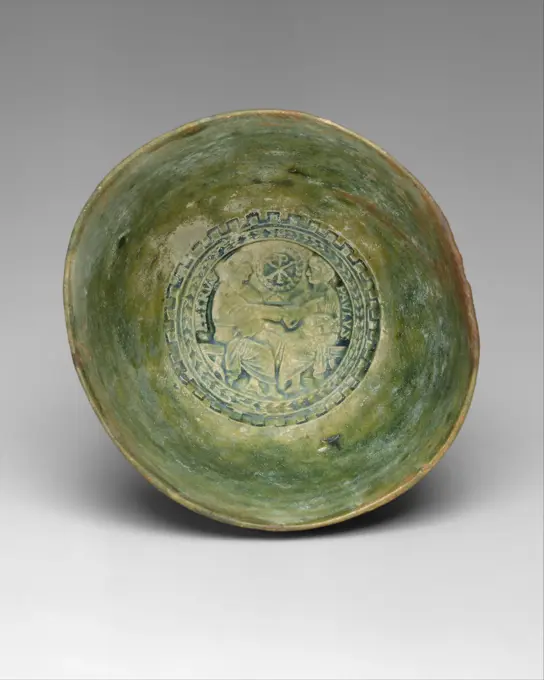
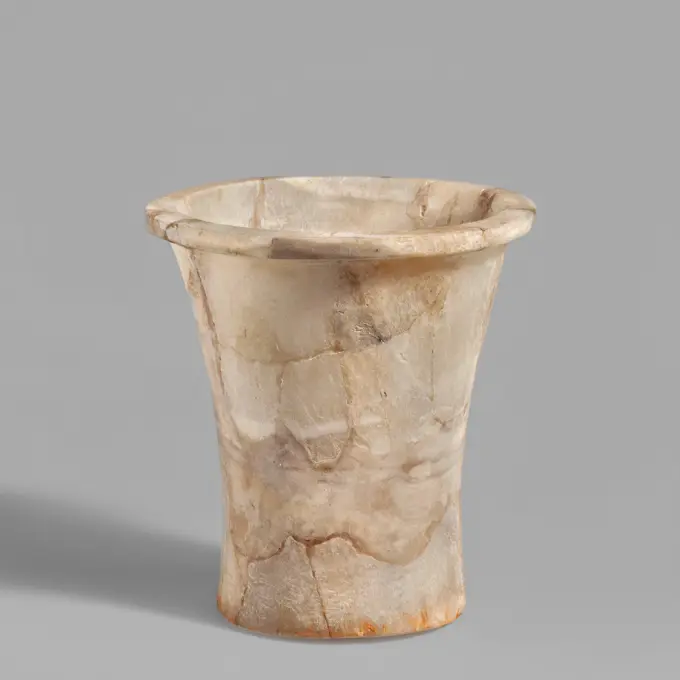
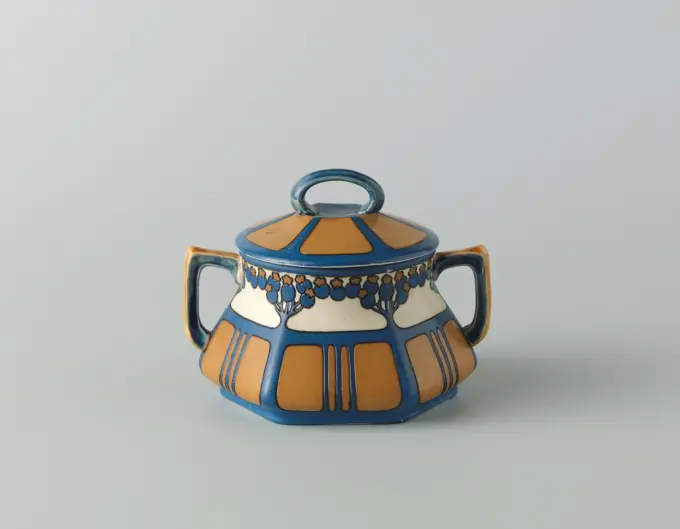
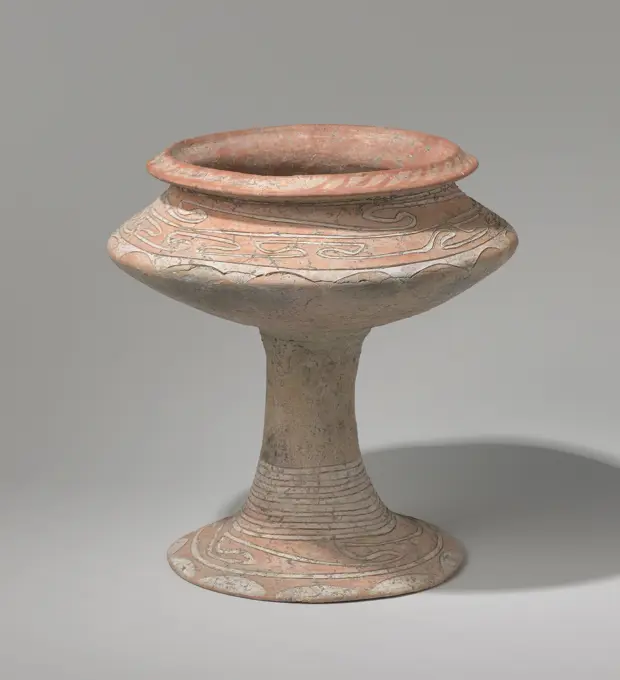
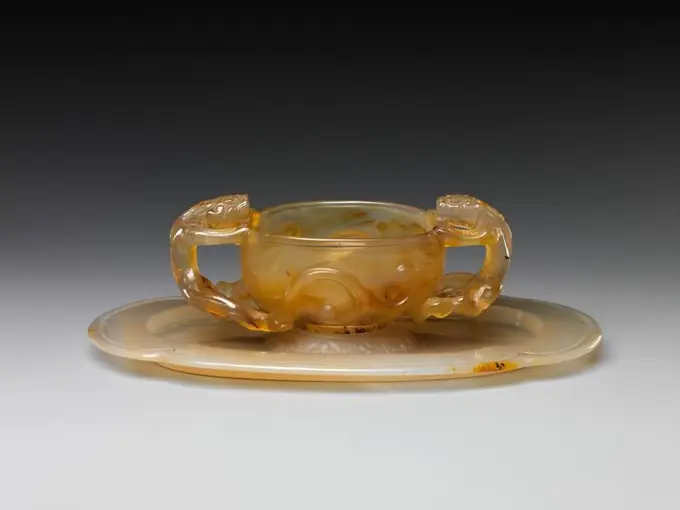
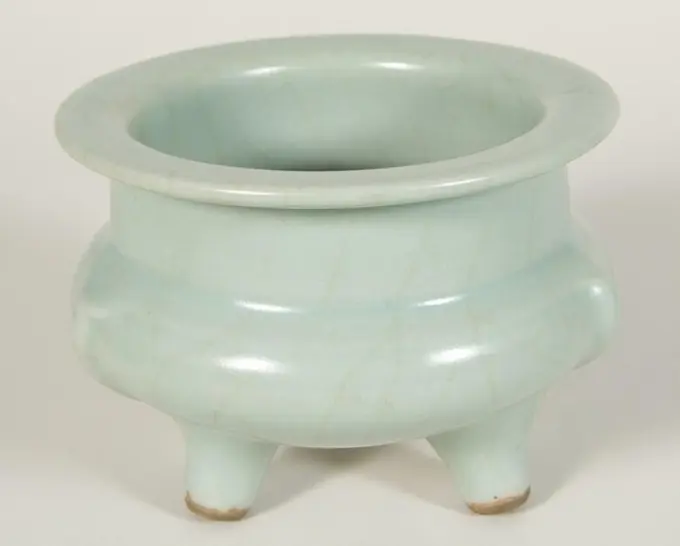
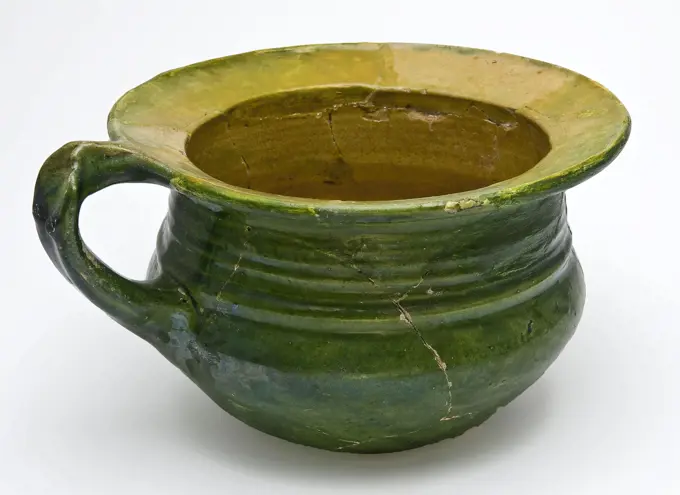
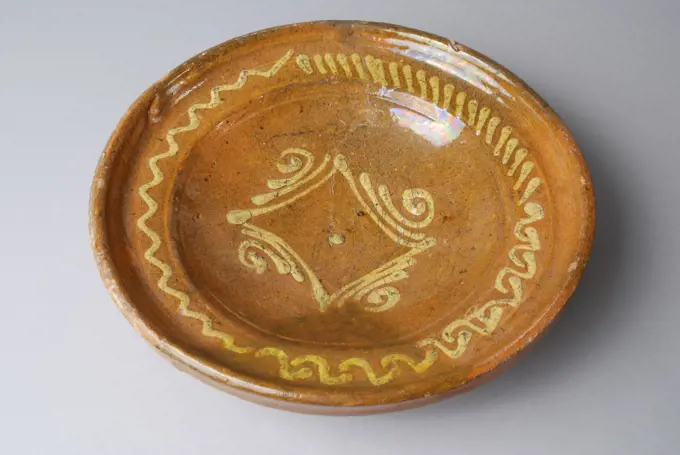
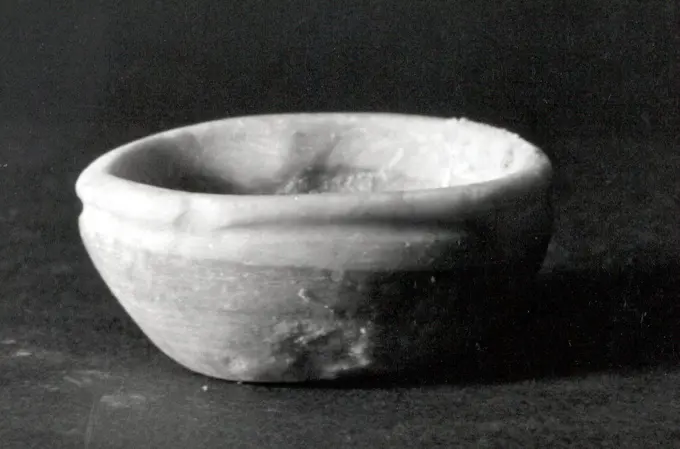
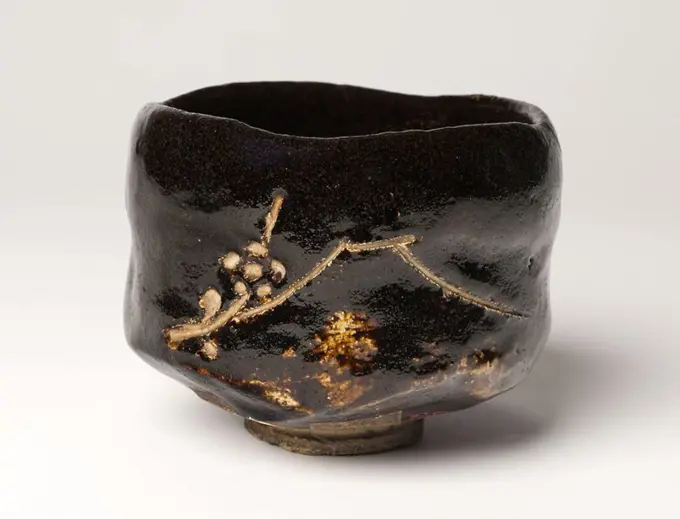
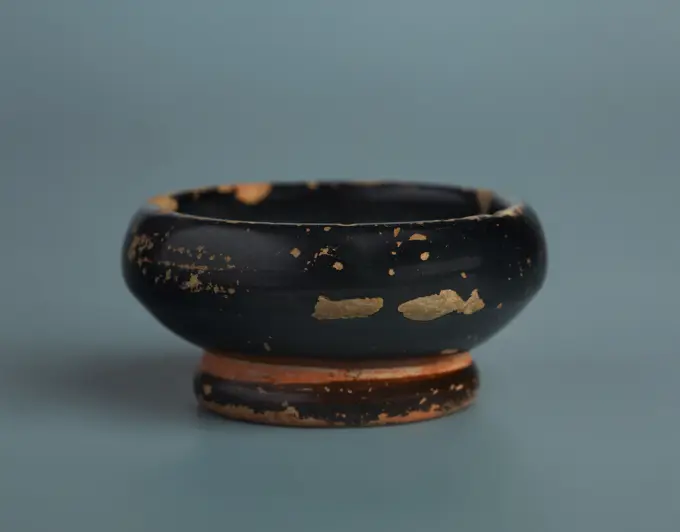
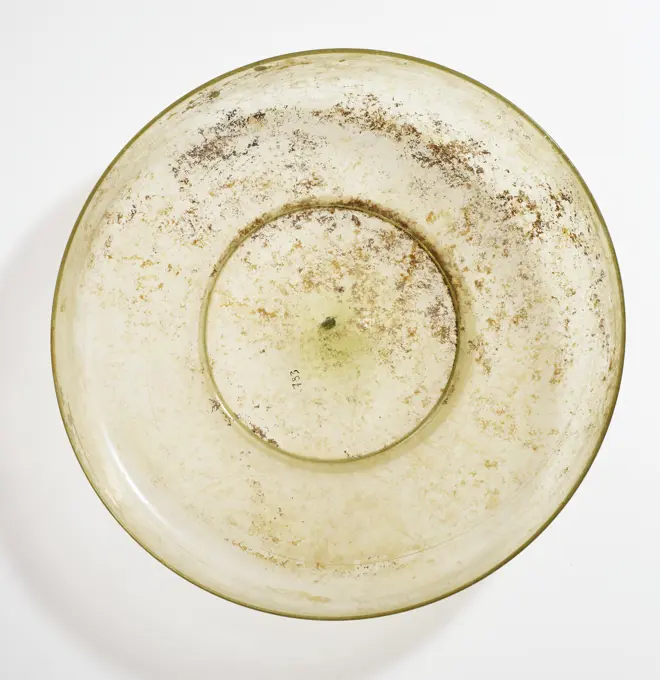
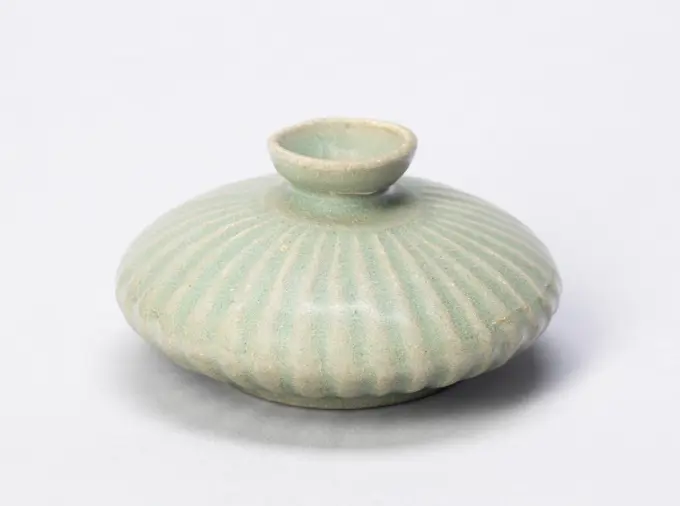
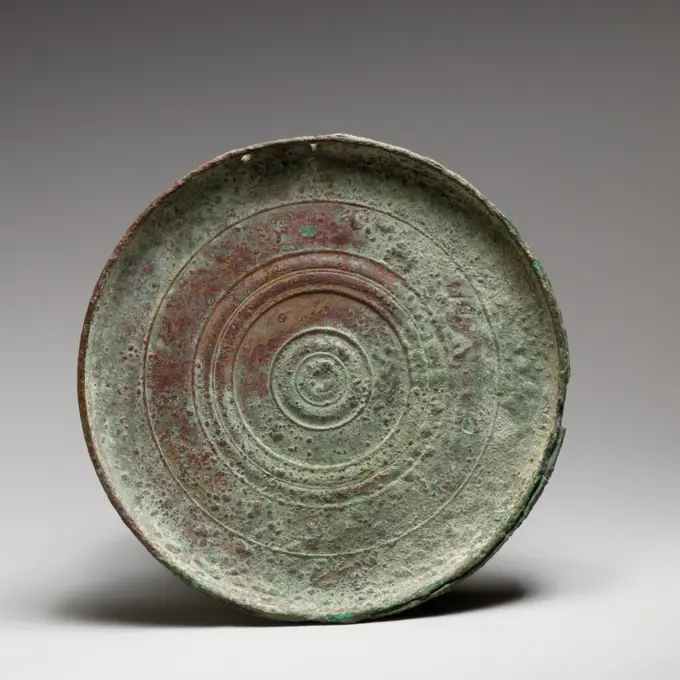
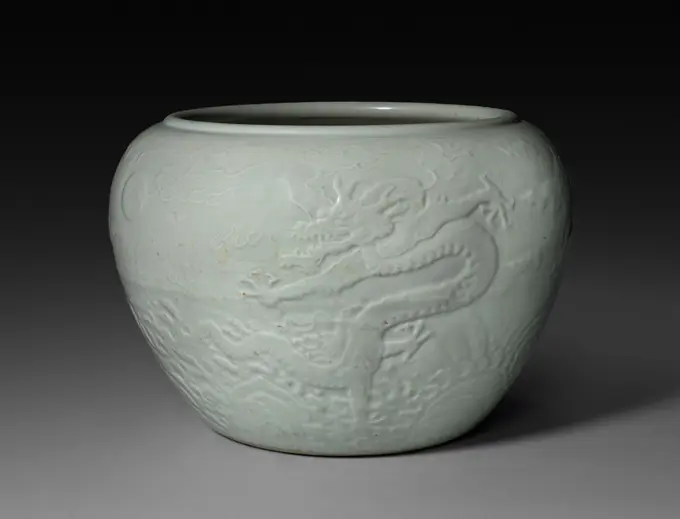
Dish Second Intermediate Period-Early New Kingdom ca. 1580-1479 B.C. View more. Dish. ca. 1580-1479 B.C.. Faience. Second Intermediate Period-Early New Kingdom. From Egypt, Upper Egypt, Thebes, Asasif, Burial B44, East of Pabasa, inside coffin, MMA excavations, 1918-19. Dynasty 17-18Bowl. unknown, craftsmanContainer with Twin Dragon Design. Korea, Joseon dynasty (1392-1910), 19th century. Furnishings; Accessories. Brown lacquer with sprinkled gold on wood core with mother-of-pearl, tortoise shell, and twisted brass wire inlayBowl. Bowl 243959BowlTemple Basket, 20th century, 5 x 16 x 16 in. (12.7 x 40.64 x 40.64 cm), Fiber, buttons, Indonesia, 20th centuryBowl. Culture: Central Highlands (). Dimensions: H. 3 3/4 x Diam. 7 1/8 in. (9.5 x 18.1 cm)Diameter: 7 1/8in. (18.1cm). Date: 12th-9th century B.C.. Museum: Metropolitan Museum of Art, New York, USA.Incense burner China. Incense burner. China. Bronze. Qing dynasty (1644-1911), Qianlong period (1736-95). MetalworkPorcelain from V.O.C. ship De 'Witte Leeuw', Before 1613  Sharf porcelain of Martvaan, mouth and neck, from V.O.C. ship the 'Witte Leeuw'. Three fragments glued together. Jingdezhen porcelain   Sint-HelenaBlack Figure Kylix Attic 6th Century B.C. Greek Art The Cummer Museum Of Art And Gardens Fragment of Lydion;  2nd half VI century BC (-550-00-00--500-00-00);Thin -walled ceramics, Eastern Greek ceramics, gift (provenance), toilet vessels, archaic periodBowl 18th century Japan. Bowl. Japan. 18th century. Clay covered with a white crackled glaze and decorated with polychrome enamels (Kyoto ware). Edo period (1615-1868). CeramicsDishChlorite mortar ca. 1600-700 B.C. Cypriot The mortar has four wide legs. Traces of fire on the interior suggest that the object served as an incense burner.. Chlorite mortar 243931Bowl, 1736-1795. China, Qing dynasty (1644-1911), Qianlong mark and reign (1736-1795). Porcelain with "tea-dust" glaze; diameter: 20.4 cm (8 1/16 in.); overall: 14 cm (5 1/2 in.).Onyx Tripod Vessel before 16th century Mexican. Onyx Tripod Vessel 317567White bowl with pierced sides and flower sprays in relief, anonymous, c. 1620 - c. 1640 Come from porcelain with open worked wall and spreading edge, covered with a white glaze and painted in underlaze blue. The walls with ajour work with five medallions with openwork flowers; Around the foot and on the edge a band with flower vines or curls in relief. Marked on the underside with the six-character brand of Keizer Chenghua. Transition porcelain. China porcelain. glaze. cobalt (mineral) painting / vitrification Come from porcelain with open worked wall and spreading edge, covered with a white glaze and painted in underlaze blue. The walls with ajour work with five medallions with openwork flowers; Around the foot and on the edge a band with flower vines or curls in relief. Marked on the underside with the six-character brand of Keizer Chenghua. Transition porcelain. China porcelain. glaze. cobalt (mineral) painting / vitrificationBowl late 11th-early 12th century Korea. Bowl 52083Bowl 12th-15th century Nicaragua. Bowl 318592Bowl with Geometric Designs. Culture: China. Dimensions: H. 3 5/8 in. (9.2 cm); Diam. 10 7/16 in. (26.5 cm). Date: 2nd century B.C..Likely used for serving a liquid such as wine or soup, this bowl is painted with dramatic swirling lines interlaced with small curls and other forms. Known as cloud energy, or yunqi, this design, which was pervasive during the Western Han dynasty, is understood to represent a forbidding but numinous realm inhabited by immortals. Museum: Metropolitan Museum of Art, New York, USA.Bowl with Two Dragon Handles China. Bowl with Two Dragon Handles. China. Nephrite. Qing dynasty (1644-1911). JadeOval bowl with running tigresses on each side ca. 6th-7th century A.D. Sasanian. Oval bowl with running tigresses on each side 327426Bowl with a yellow glaze, anonymous, c. 1736 - c. 1795 Come from porcelain with a straight wall, covered with a yellow glaze. The underside, within the foot ring with a transparent glaze. Marked on the underside with the six-character seal brand of Emperor Qianlong. A few cracks in the wall. Monochrome. China porcelain. glaze. cobalt (mineral) painting / vitrification Come from porcelain with a straight wall, covered with a yellow glaze. The underside, within the foot ring with a transparent glaze. Marked on the underside with the six-character seal brand of Emperor Qianlong. A few cracks in the wall. Monochrome. China porcelain. glaze. cobalt (mineral) painting / vitrificationGlass ribbed bowl mid-1st century A.D. Roman Translucent deep purple; trail in opaque white.Outsplayed rim, with cracked off and ground lip; short concave neck; globular body curving in to flat, thick bottom with slight kick on interior.Trail applied as a large irregular blob and wound spirally on bottom and then up side to neck; side tooled into twenty slender, vertical ribs.Intact, but parts of trail on body missing through weathering; some large and pinprick bubbles; some pitting, dulling, and faint iridescence.With enamel decoration and vertical threads on body.. Glass ribbed bowl 245667Bowl with Willow Tendril’ designs, c. 1200, 3 7/16 x 7 7/8 in. (8.7 x 20 cm), Stonepaste with painted blue and black decor on white slip under transparent turquoise-blue glaze, Iran, Seljuk period (1038 - c. 1194), A great number of blue and black painted bowls employing radiating panels filled with willow tendril designs like this one have been archaeologically dated to between 1204 and 1215. This type of ware has been shown to originate from Kashan, an important ceramic center in western Iran that, between 1175 and 1225, produced a remarkable variety of luster, underglaze, and overglaze painted wares. Similar Kashan bowls occasionally show inscriptions drawn from Persian literature in the bands radiating from the center like the black and white example shown to the left.Sauce Dish. Culture: American. Dimensions: H. 2 3/8 in. (6 cm); Diam. 4 in. (10.2 cm). Maker: Challinor, Taylor and Company (1866-1891). Date: 1870-90. Museum: Metropolitan Museum of Art, New York, USA.Cup China. Cup 52078Model of a punk spoon. Model in lead or tin for a silver punch spoon. The oval form is lobed.Coat hook of Mont Esquilin "(View of the interior placed flat). Silver. Ancient Rome, 300. Museum of Fine Arts of the City of Paris, Petit-Palais. 26341-6 Angel, money, silverware, shell, woman, mont sketch, nudite, patere, nakedBowl. Dimensions: H. 2 7/8 in. (7.3 cm)Diam. 9 3/8 in. (23.8 cm). Date: late 9th-early 10th century. Museum: Metropolitan Museum of Art, New York, USA.Sauce Dish after 1883 Probably New England Glass Company. Sauce Dish. American. after 1883. Blown glass. Made in East Cambridge, Massachusetts, United StatesCooking pot of bronze with watering sets I.F.h .. The pot, which is poured into its entirety, has a casting seam in the middle between the ears. The hull is round and has a virtually flat bottom. It is decorated with two horizontal ribs with the initials (of the watering can) I.F.H in one ear. Hull and neck form a blunt angle, which respects the inside and outside. Clear and bland indicated. The upper half of the neck thickened on the outside thickened takes the place of the lip edge. The pot stands on three legs that have the cross-section of a blunt triangle, and the feet of which are indicated by two horizontal thickeners. The bottom of the hull is roughly finished with a file. The three legs that date from later time are riveted and soldered.Tulip bowl from the Vounous Cemeteries, Cyprus. From the Early Bronze Age. 1900 BC.Pitcher, c. 1900. George E. Ohr (American, 1857-1918). Stoneware; overall: 10.6 x 12.5 x 9.1 cm (4 3/16 x 4 15/16 x 3 9/16 in.).Oval Dish with Jasper Glaze. Palissy (after), Bernard (France, 1509-1590). France, circa 1560-1600. Furnishings; Serviceware. Lead-glazed earthenware, Palissy wareCzarka Terra Sigillata; NASSO workshop; horse. I - early II century AD (190-00-00-200-00-00);Kylix (Drinking Cup). Greek; Athens. Date: 540 BC-530 BC. Dimensions: 9.2 × 20.5 × 14.6 cm (3 5/8 × 8 1/8 × 5 3/4 in.). Terra-cotta, decorated in the black-figure technique. Origin: Arsinoë. Museum: The Chicago Art Institute, Chicago, USA. Author: ANCIENT GREEK.Cup, one of a pair, 18th century, 1 3/4 x 2 7/8 x 2 7/8 in. (4.4 x 7.3 x 7.3 cm), Glass, Switzerland, 18th centuryEtruscan civilization, Skyphos (bowl in the shape of a cup) oriental zing. From PalestrinaPitcher 1890-1905 George E. Ohr American. Pitcher. American. 1890-1905. Earthenware. Made in Biloxi, Mississippi, United StatesDrum. Syria or Egypt, 15th century. Metal. Brass, originally inlaid with silverService with Decoration of Flowers and Birds late 13th-early 14th century China The forms and decor of this tableware are purely Chineseas opposed to silver pieces of the Tang dynasty (618-907), when metalwork in China was strongly influenced by foreign styles. The same forms occur in Song and Yuan lacquer and porcelain, while the bird-and-flower motifs reflect the influence of Song painting.. Service with Decoration of Flowers and Birds 51249Bowl with Saints Peter and Paul ca. 350 Roman or Byzantine Regularly spaced on the exterior are Christograms, monograms for Christ's name, framed in martyrs' wreaths. Saints Peter and Paul appear on the interior base in a medallion similar to ones on gold glass vessels.. Bowl with Saints Peter and Paul 468386Dish 1750 Japan. Dish. Japan. 1750. White porcelain decorated with blue under the glaze, polychrome enamel (Arita ware). Edo period (1615-1868). CeramicsPlate possibly 17th century possibly British. Plate. possibly British. possibly 17th century. Pewter. Metalwork-PewterSingle organic unshelled pecan nut on white backgroundBastet;  Medium Pa (-2055-00-00--1650-00-00);Deposit of the University of Warsaw from 1937-1939, stone vessels, Polish-French excavations in Edfu (Egypt)Lamp ". White covered porcelain sandstone. China, Hunan, Changsha. Paris, Cernuschi museum. Anse, Asian art, Chinese art, Chinese ceramic, container, porcelain gres, lamp, container, terracottaCup 19th century This cup is typical of the objects that were displayed in open niches in reception rooms of upper-class Syrian residences during the Ottoman period.. Cup 455542Pie pan - Dion Pottery  Dion PotteryBronze cooking pot with watering -ass initiates i.f.h., anonymous, 1600 - 1699 The pot, which is cast in its entirety, has a casting seam in the middle between the ears. The hull is round and has an almost flat bottom. It is decorated with two horizontal ribs with the initials (of the watering can) i.f.h. Hull and neck form a blunt angle that on the inside and outside resp. clear and bland is indicated. The top half of the neck on the outside takes the place of the lip edge. The pot is on three legs, which have the diameter of a blunt triangle, and whose feet are indicated by two horizontal thickenings. The bottom of the hull is roughly finished with a file. The three legs, which date from a later time, are sounded and soldered. Northern Netherlands bronze (metal) casting / soldering The pot, which is cast in its entirety, has a casting seam in the middle between the ears. The hull is round and has an almost flat bottom. It is decorated with two horizontal ribs with the initials (of thDish from Dishes with Flowers, 1914-46. Seifū Yohei IV (Japanese, 1872-1951). One from a set of five dishes; porcelain with underglaze yellow and blue glaze; overall: 4 x 10.2 cm (1 9/16 x 4 in.).Terracotta dish 5th century B.C. Greek, Attic In Attic pottery, vases with figural decoration tend to represent established shapes that reflect only minor variations. Unglazed and black glazed wares display considerably less typological strictness, as indicated by the range of small dishes and covered and stemmed bowls in this case.. Terracotta dish 253612 Greek, Attic, Terracotta dish, 5th century B.C., Terracotta, H. 1 3/16 in. (3 cm); diameter 3 9/16 in. (9.1 cm). The Metropolitan Museum of Art, New York. Purchase, 1940 (40.11.24)Sugar both, belonging to a tea set by Chromolith Steengoed, decorated in blue and yellow -brown, Villeroy & Boch Ceramic Werke K.G., c. 1911 - c. 1912 Sugar pot, belonging to a tea set by Chromolith Steengoed. Decoration in blue and yellow -brown. The lower half of the pot is hexagonal. Metling mastery stoneware Sugar pot, belonging to a tea set by Chromolith Steengoed. Decoration in blue and yellow -brown. The lower half of the pot is hexagonal. Metling mastery stonewareArchaic basin - Rudiae, 4th Century, bronze,Container from Lit Charcoal and Ash Containers, c. 1893-1914. Seifū Yohei III (Japanese, 1851-1914). One from a set of four containers; porcelain with molded design; overall: 10 x 12 cm (3 15/16 x 4 3/4 in.).Canoe Bowl, c. 1150-1499, 3 1/2 x 7 1/2 x 4 3/4 in. (8.89 x 19.05 x 12.07 cm), Earthenware clay, United States, 12th-15th centuryPainted Bowl 1st-6th century Nasca. Painted Bowl 312504While porcelain was their primary specialization, all the members of the Seif studio also made stoneware painted with iron oxide designs under the glaze and with color enamel and gold over the glaze. Many examples are further characterized by pink dots brought out during firing and by crackling in the glaze. Works of this type are classified as Kyoto ware, after the city where the style developed. People used the ceramics for a diversity of purposes, from everyday dining to chanoyu, or Japanese tea practice. Covered Bowl with Seven Treasures, 1860-78. Seifū Yohei II (Japanese, 1844-1878). Stoneware with overglaze color enamel and gold; height: 20 cm (7 7/8 in.); diameter: 29.5 cm (11 5/8 in.).Size of 2 liters, Anonymous, c. 1780 - c. 1830  Wooden size of 2 liters. With large crack from the top of the bottom. Netherlands wood (plant material)   NetherlandsLazio Roma Rome SS. Giovanni e Paolo, Museum16. Hutzel, Max 1960-1990 Medieval: Ceramic fragments, sculptural fragments, fresco fragments, inscribed tomb markers. Houses one of the best collections of Malagan medieval ceramics for casting wall monuments, copies of which are housed in campanile. Specific Location: Museum Antiquities: Ceramic fragments, sculptural fragments, architectural fragments Object Notes: Basilica has separate record and is filed separately. German-born photographer and scholar Max Hutzel (1911-1988) photographed in Italy from the early 1960s until his death. The result of this project, referred to by Hutzel as Foto Arte Minore, is thorough documentation of art historical development in Italy up to the 18th century, including objects of the Etruscans and the Romans, as well as early Medieval, Romanesque, Gothic, Renaissance and Baroque monuments. Images are organized by geographic region in Italy, then by province, city, site complex and monument.Come from soup turbine in the form of a green cabbage, anonymous, c. 1750 - c. 1780 Soup terrine in the form of a green cabbage, of green painted faience. Brussels earthenware. tin glaze. Soup terrine in the form of a green cabbage, of green painted faience. Brussels earthenware. tin glaze.Vichrome potter ware from India dating back to 3000 BC. Fingerbowl, from a set of 12, c. 1929-1930, 1 5/8 x 4 3/4 x 4 3/4 in. (4.1 x 12.1 x 12.1 cm), Silver, Mexico, 20th centurySmall basket BrothersSelling old metal  cookware in bazaarBeaker vase with an incised spiralled pattern, anonymous, anonymous, c. -2000 - c. -1000 Bokaal on high base of earthenware with a shallow bowl and slightly flared edge, painted in white and red. On the bowl and the foot an inserted spiral pattern, filled with white. The edge with red shade. Thailand earthenware engraving / painting Bokaal on high base of earthenware with a shallow bowl and slightly flared edge, painted in white and red. On the bowl and the foot an inserted spiral pattern, filled with white. The edge with red shade. Thailand earthenware engraving / paintingCup and tray. Culture: China. Dimensions: Cup: H. 1 3/8 in. (3.5 cm); W. 4 in. (10.2 cm)Tray: H. 6 3/8 in. (16.2 cm); W. 4 1/2 in. (11.4 cm). Date: 18th century. Museum: Metropolitan Museum of Art, New York, USA.Pair of bowls, Glazed porcelain, Deep bowls on band foot with sides flaring slightly outward, mottled green, grown and yellow glaze. Each base of bowl has underglaze double line in blue with underglaze mark, prinked in black., China, 1662-1722, ceramics, Decorative Arts, Pair of bowlsGold cup from Tomb 5 of the Circle A of Mycenae (Greece). Mycenaean Civilization, 16th Century BC.Cylindrical Tripod Censer (Incense Burner) with Cloud-Scroll Feet. China. Date: 1127-1279. Dimensions: H. 7.4 cm (2 15/16 in.); diam. 9.8 cm (3 7/8 in.). Longquan ware; glazed stoneware with underglaze molded decoration. Origin: China. Museum: The Chicago Art Institute, Chicago, USA.Bowl with Stylized Flowers and Leaves 1900-1950 China. Ding ware; porcelain with underglaze incised decoration .Green chamber pot with curved bottom, standing ear and wide flat edge, yellow and green glaze, pot holder sanitary soil found ceramic earthenware glaze lead glaze, hand turned set glazed baked Chamber pot white shard external green glaze internal yellow glaze rings one scalloped ear. Belly model with curved bottom and wide top edge. Tire of rotations on the shoulder archeology Valckensteyn Poortugaal Albrandswaard indigenous pottery toilet stool night sleep drains Soil discovery: castle Valckensteyn in Poortugaal now Albrandswaard 1961-1962.Size of 2 liters .Wood size of 2 liters. With large bursting from top below bottom.Bowl 1880-90. Bowl 891Terracotta saucer-shaped lamp. Culture: Cypriot. Dimensions: Length: 6 11/16 in. (17 cm.), H. 2 3/8 in. (6 cm.). Date: 4th century B.C..Wheelmade with edge folded in to form a narrow wick rest. Museum: Metropolitan Museum of Art, New York, USA.Bowl East Greek/Sardis, Lydian Shallow bowl on high foot, red ware, concentric circles inside.. Bowl. East Greek/Sardis, Lydian. Terracotta. VasesRustic clay pot isolated on white background.Polychrome, Red and Black on White, Vessel with Serpents in Relief. Noth America, Southwest, Mexico, Chihuahua, Casas Grandes, 1250-1450. Ceramics. Slip-painted ceramicBowl China. Bowl. China. Porcelain with glaze. Qing dynasty (1644-1911), Yongzheng mark and period (1723-35). CeramicsCup, 13th-14th century, 2 1/4 x 4 1/4 in. (5.7 x 10.8 cm), Tz'u-chou-type ware Stoneware with persimmon and dark-brown glaze over carved decor, China, 13th-14th centuryBowl with Radiating Striped Bands and Triangles and Interlocking Zigzag on Exterior 1300-1400 Arizona. Ceramic and pigment . SaladoBowl with Cover. Dimensions: a+b: H. 7 1/2 in. (19.1 cm) Diam. 7 in. (17.8 cm). Date: 19th century.Objects like this bowl with cover were typically displayed in open niches in reception rooms of upper-class Syrian residences during the Ottoman period. Museum: Metropolitan Museum of Art, New York, USA.Dish. Iran, Tabriz, 16th century. Ceramics. GlazedPottery dish on stand ring, yellow silt decoration in mirror and on the flag, dish crockery holder soil find ceramic earthenware glaze lead glaze clay, hand-turned glazed decorated baked lemonade Pottery saucer on stand ring Glazed internally Decorated in sludge technique Decoration consists of yellow square in the mirror with curved sides some curls and lines On the flag single wavy line short slashes and series of waves Groove and nod on the transition from sidewall to flag narrow flag. Thickened upstanding dish edge. Restoration is repainted archeology underground pit Rotterdam City Triangle Blaak Groenendaal indigenous pottery serving serving table room Soil discovery of the Groenendaal direction Blaak 15061977.Amber Pan. Dated: c. 1941. Dimensions: overall: 28.5 x 34.8 cm (11 1/4 x 13 11/16 in.). Medium: watercolor, graphite, and colored pencil on paper. Museum: National Gallery of Art, Washington DC. Author: Chris Makrenos.Bowl 7th-6th millennium B.C.. Bowl 327119empty ceramic bowl isolated on white backgroundSmall Jar. Korea, Joseon dynasty (1392-1910), 18th-19th century. Furnishings; Serviceware. Wheel-thrown stoneware with clear glazeCup. Syria, Mamluk, 1250-1500. Metal. Copper, tinnedRaku-Ware Teabowl with Image of Mt. Fuji. Japanese. Date: 1785-1795. Dimensions: . Glazed stoneware. Origin: Japan. Museum: The Chicago Art Institute, Chicago, USA.Small BowlFragment from v.o.c.-ship the 'white lion'. Fragment from v.o.c.-ship the 'white lion', 85% present.Shallow Bowl, 2nd-3rd century, 2 1/8 x 13 1/8 x 13 1/8 in. (5.4 x 33.34 x 33.34 cm), Blown glass, Roman Empire, 2nd-3rd centuryEgypt, Necropolis of El-Hammamiya, Vase and cup, the cup contains some remains of an unidentified substance and ivory fragments, neolithic period, terracottaLobed Oil Bottle 1100-1175 South Korea. Stoneware with underglaze molded decoration .Stand. India, Maharashtra, Mumbai (Bombay), circa 1875. Furnishings; Accessories. Bombay blackwoodPart of a bronze box mirror 2nd century B.C. Greek This object is half of a box mirror; it would have covered the reflecting surface, with the two parts attached by a hinge. The concentric rings indicate the workmanship applied even to the inside of a luxury object.NOTE - THIS IS PART B ONLY, ADJUST ACC. NO.. Part of a bronze box mirror 253607 Greek, Part of a bronze box mirror, 2nd century B.C., Bronze, Diam.: 6 3/4 in. (17.1 cm). The Metropolitan Museum of Art, New York. Fletcher Fund, 1940 (40.11.19a, b)Drinking Vessel (Hanap; one of a pair). Culture: French. Dimensions: Overall: 6 x 1 1/2 in. (15.2 x 3.8 cm). Date: 1320-60.Hanaps, or drinking vessels for wine, are frequently mentioned in 14th-century inventories. Few have survived, however, as silver plate was often melted down to realize funds for the owner. Wine, customarily diluted throughout the Middle Ages, was poured to the top of the boss and then water was added to the flare of the bowl, roughly in the proportion of four to one. Museum: Metropolitan Museum of Art, New York, USA.Jardiniere with Dragon in Waves, 1662-1722. China, Jiangxi province, Jingdezhen kilns, Qing dynasty (1644-1911), Kangxi reign (1662-1722). Porcelain with molded and incised decoration and light celadon glaze; diameter: 41.7 cm (16 7/16 in.); overall: 28.2 cm (11 1/8 in.).