Decorative Bowls

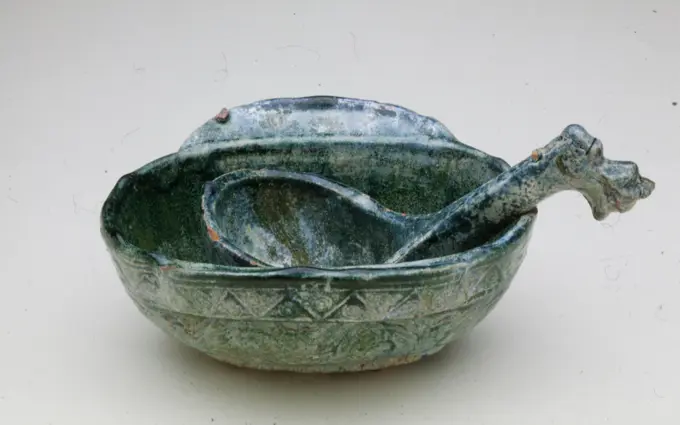
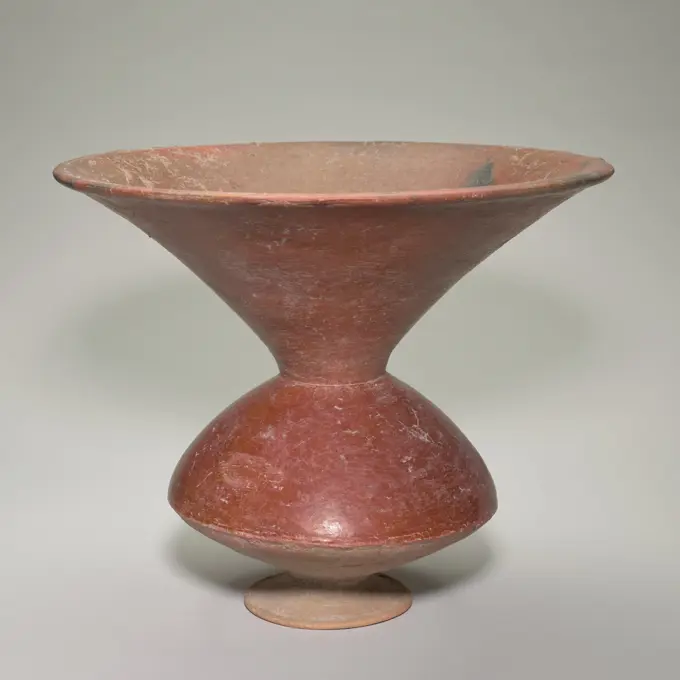
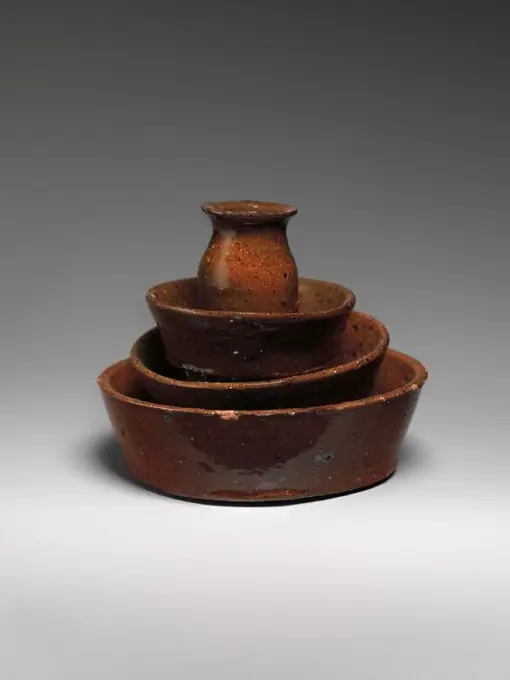
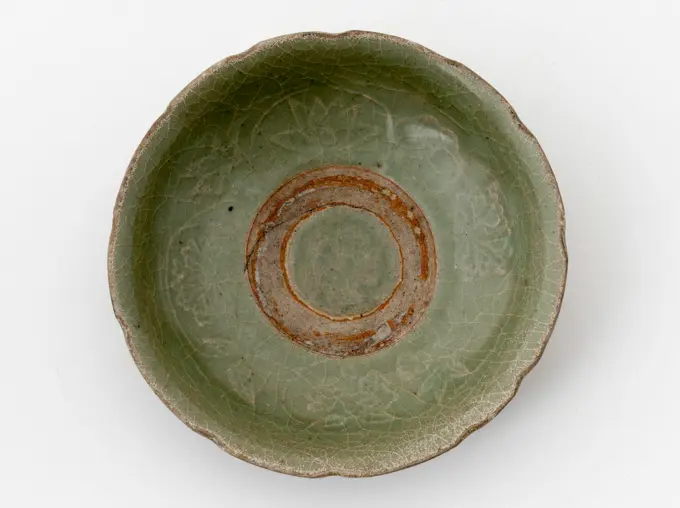
Collection of bowls from different periods and cultures, featuring unique glazes and designs, highlighting the beauty of pottery and ceramics.
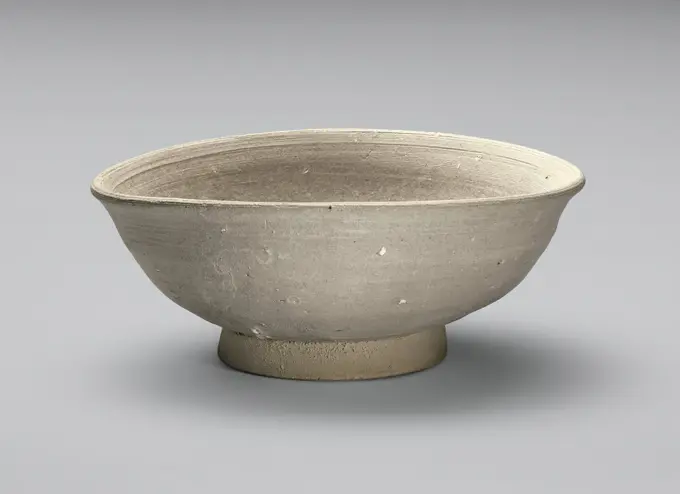
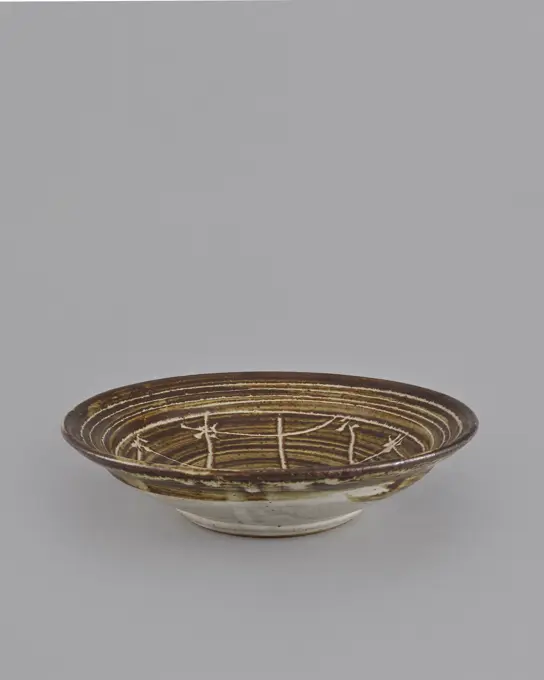
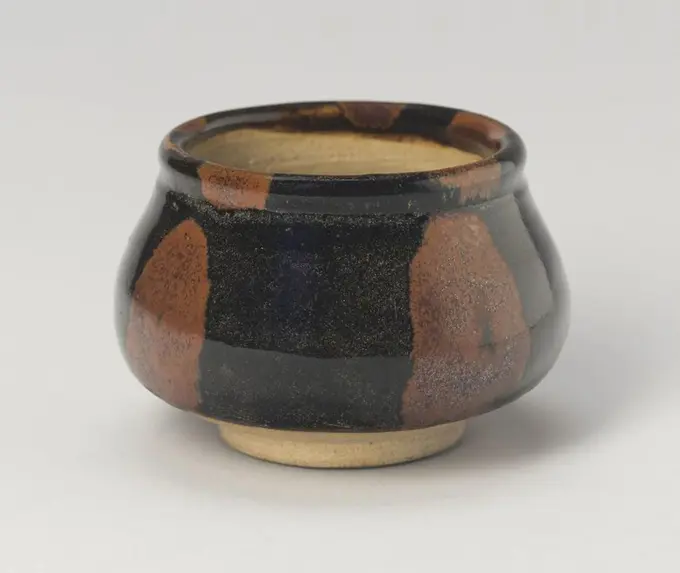
Bowl, 12th century, Unknown Japanese, 2 7/16 × 5 3/4 × 6 3/16 in. (6.19 × 14.61 × 15.72 cm), Sanage ware; stoneware, Japan, 12th century, Sanage ware resembles Chinese ceramics, having emerged in the 700s as an affordable substitute for expensive imported Chinese ceramics and the Japanese luxury wares they inspired. Known as the earliest glazed stoneware in Japan, Sanage ware was primarily made in central Honshū, the largest and most populous island of Japan, and remained popular until the 1100s, when it was superseded by another type of glazed stoneware produced in the region, now known as 'Seto ware.'
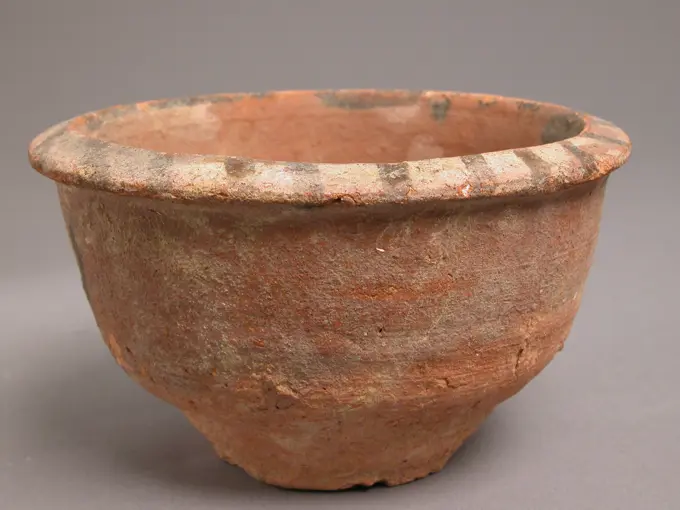
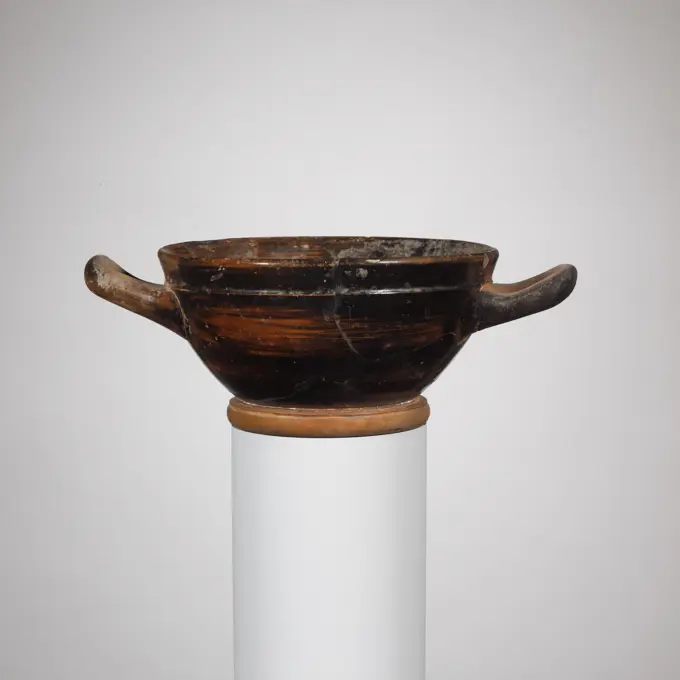
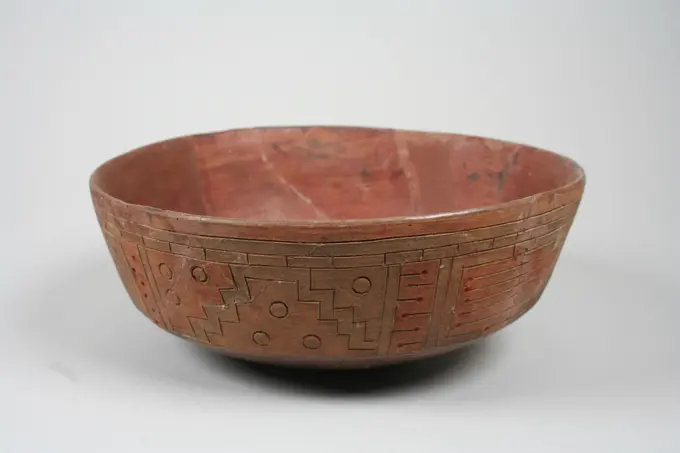
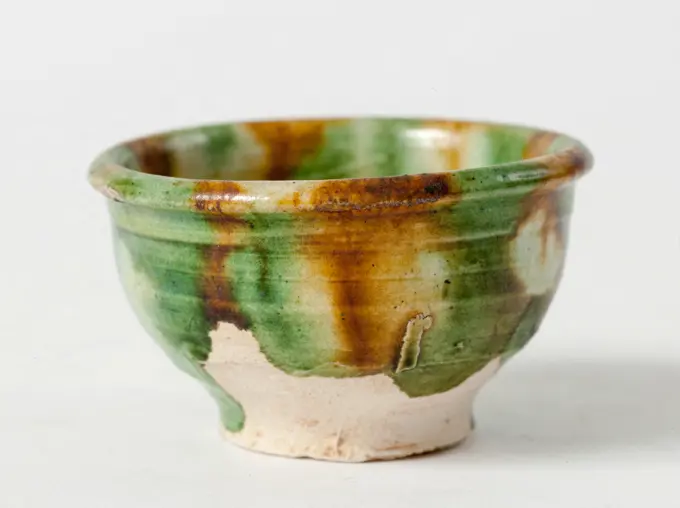
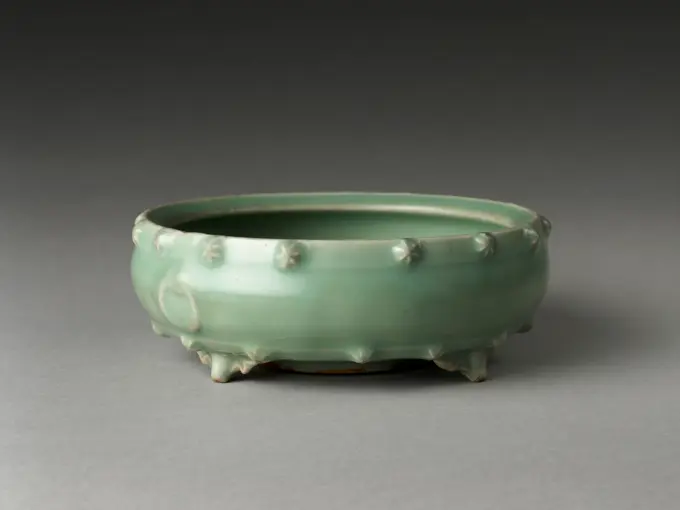
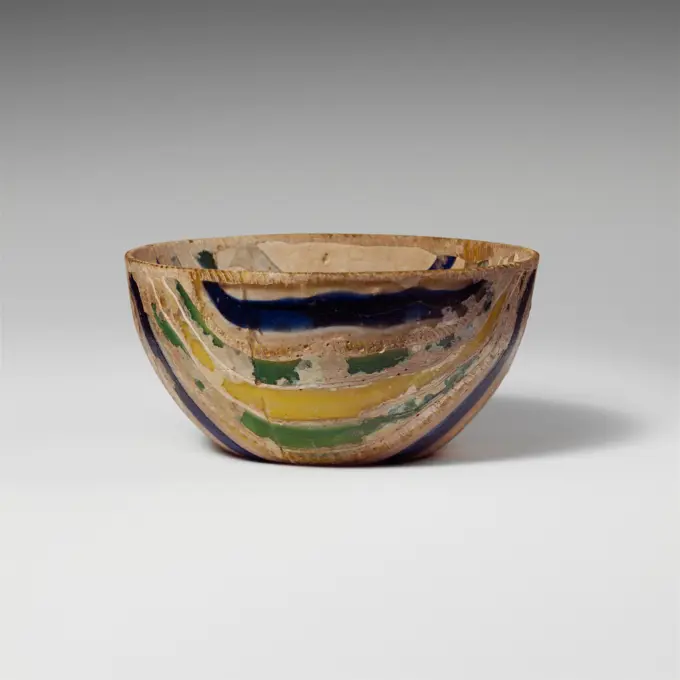
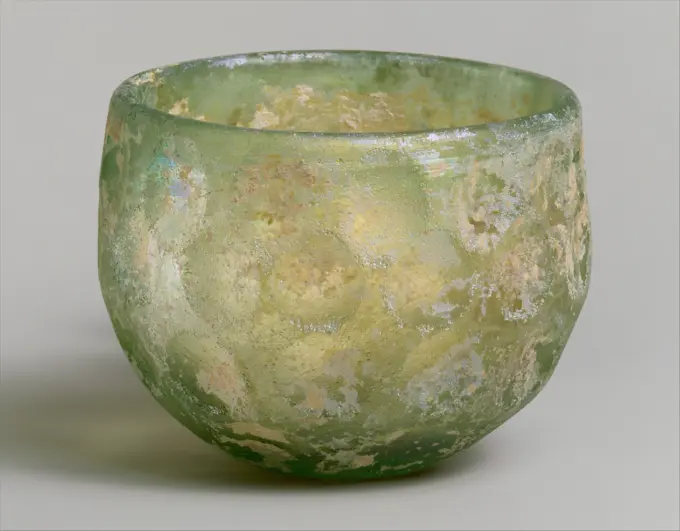
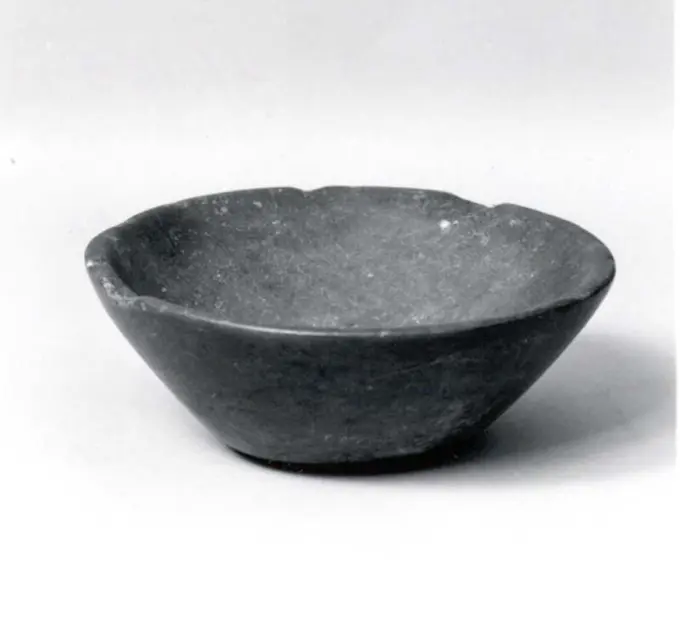
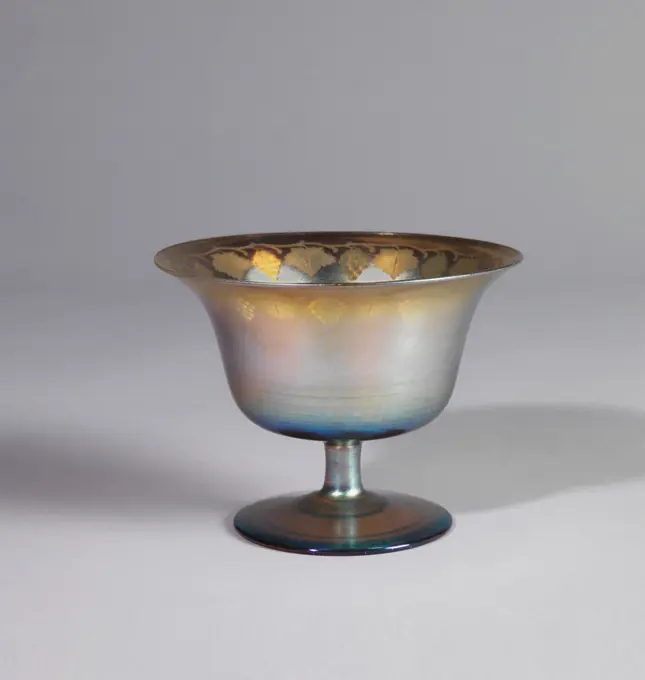
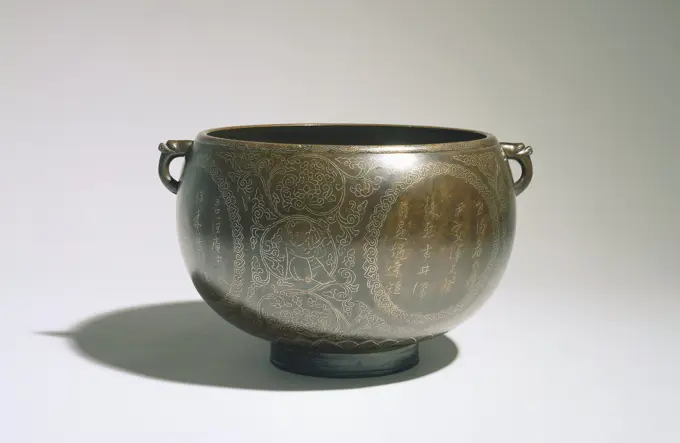
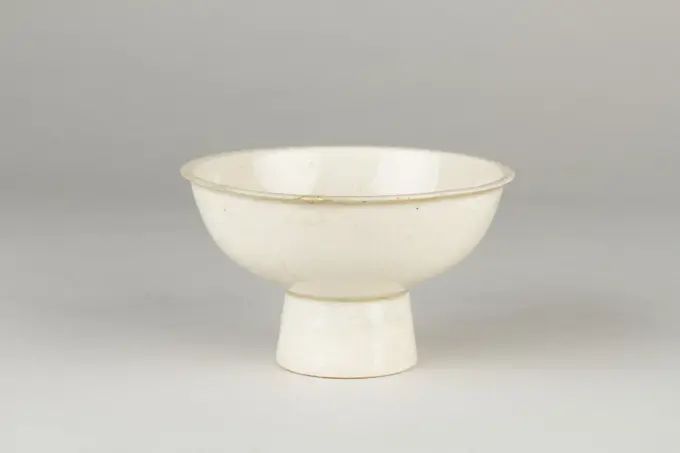
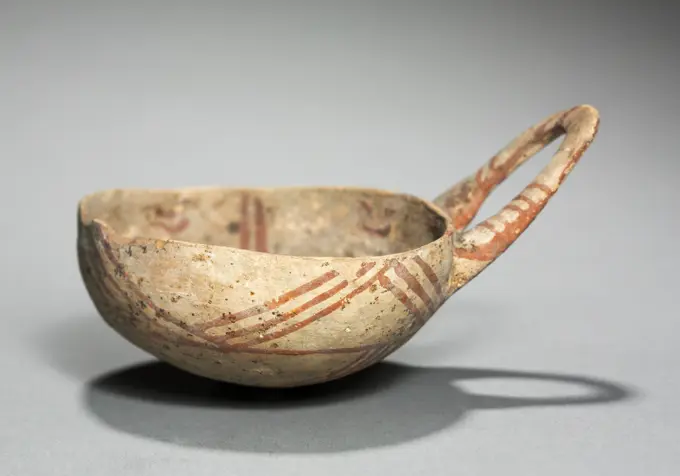
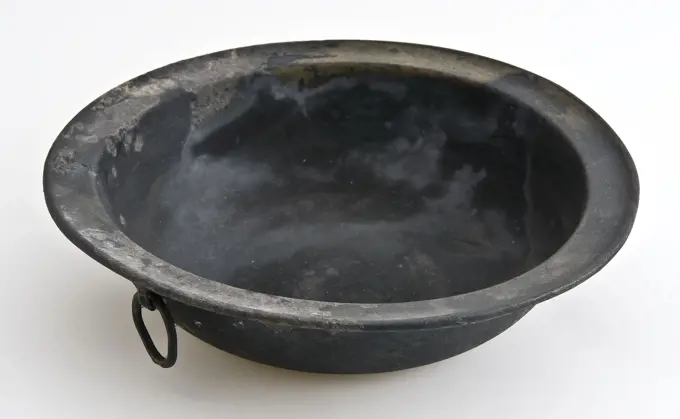
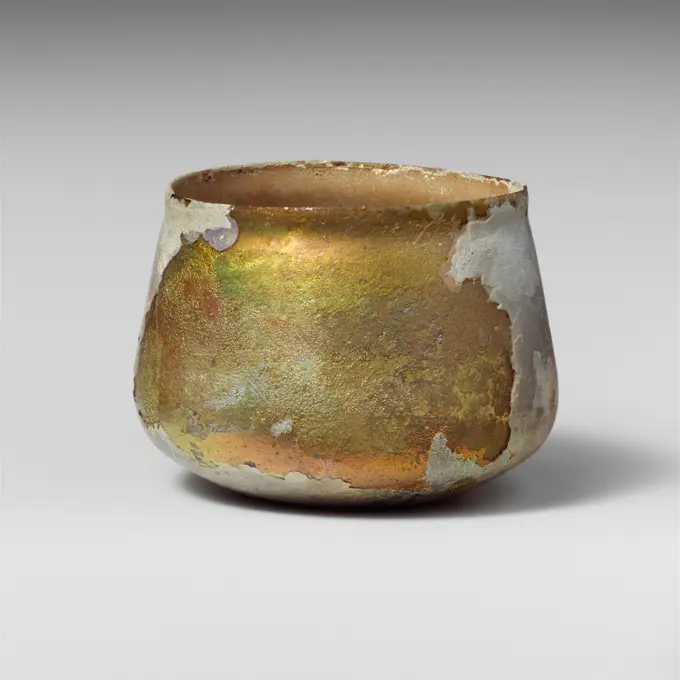
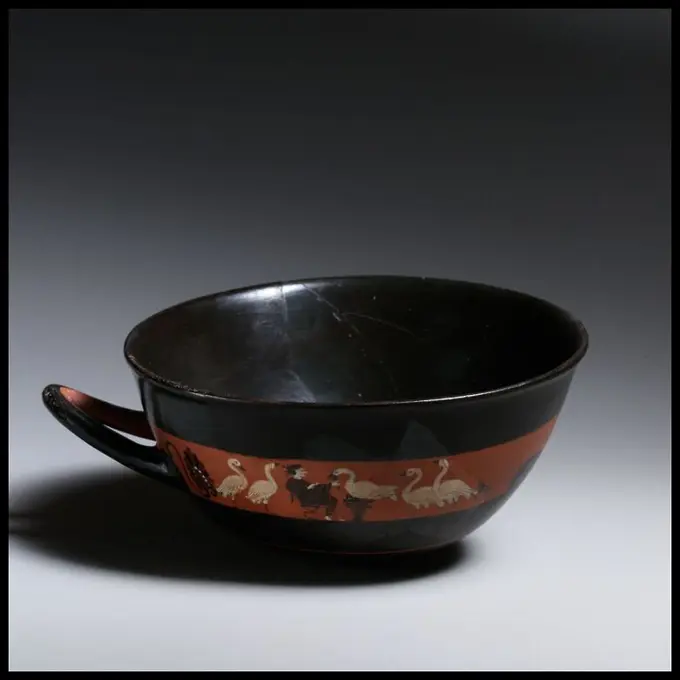
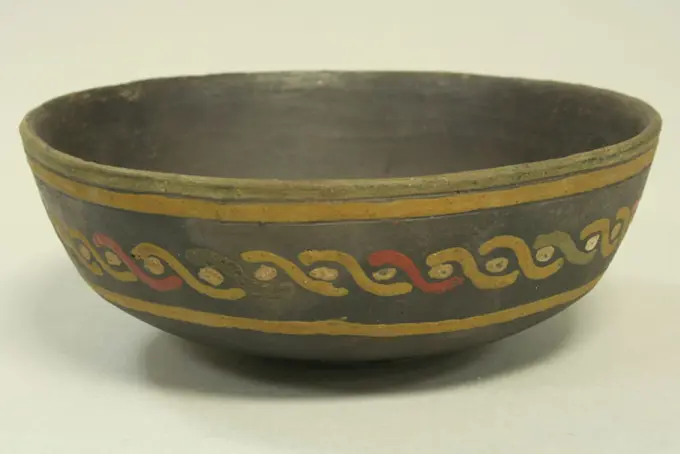
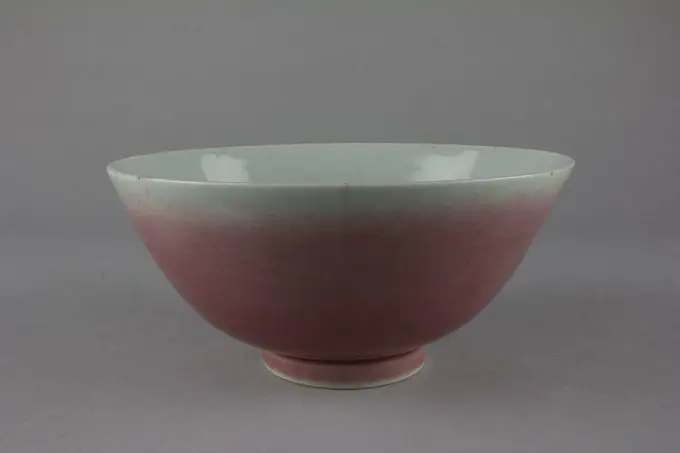
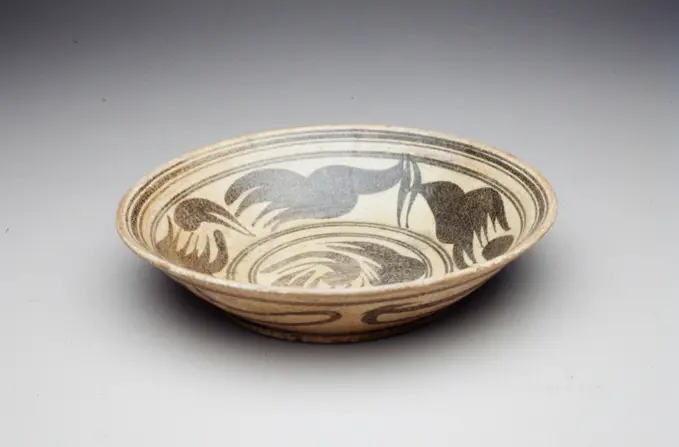
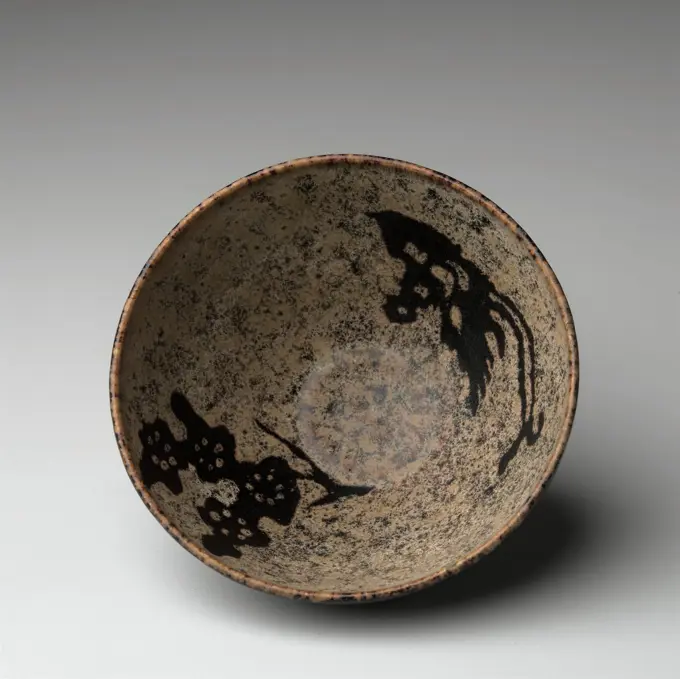
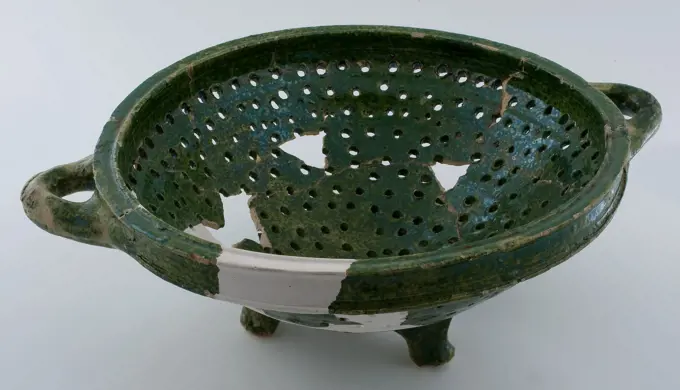
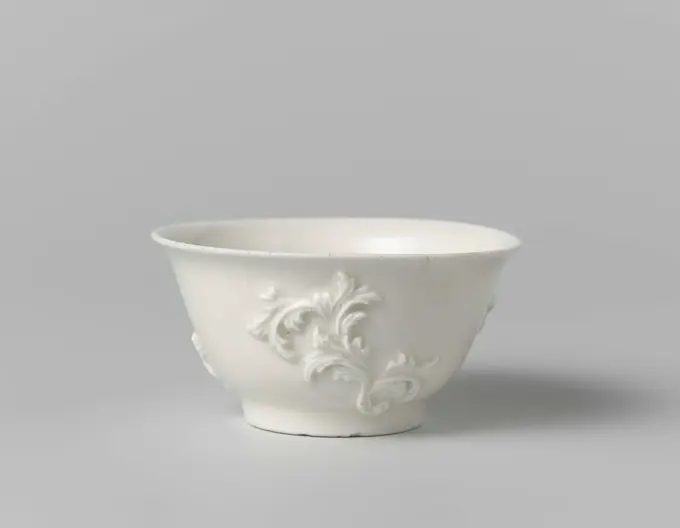
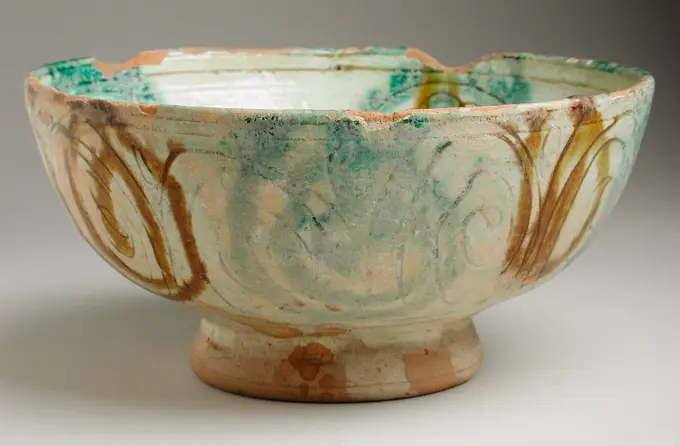
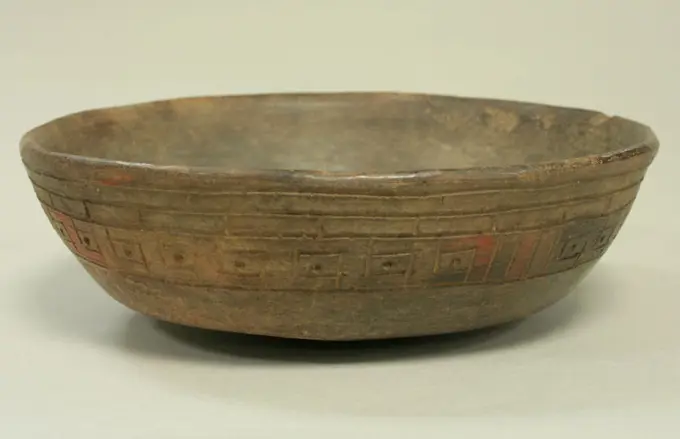
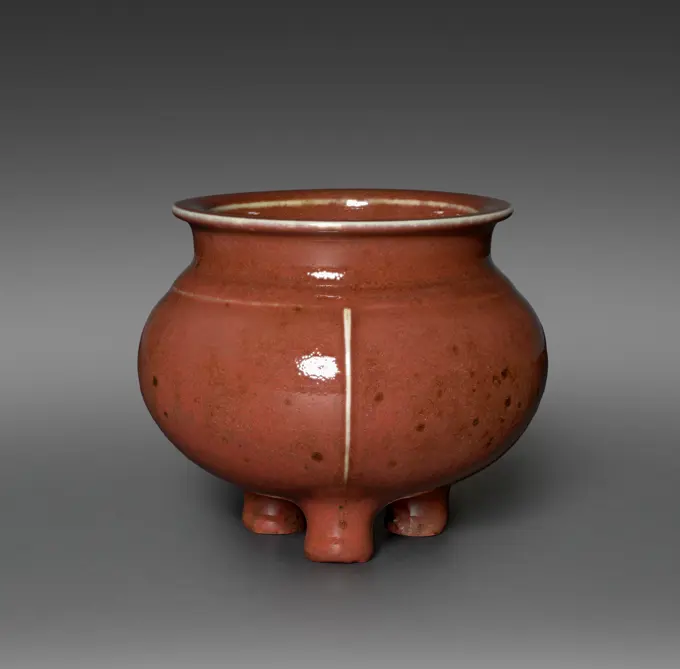
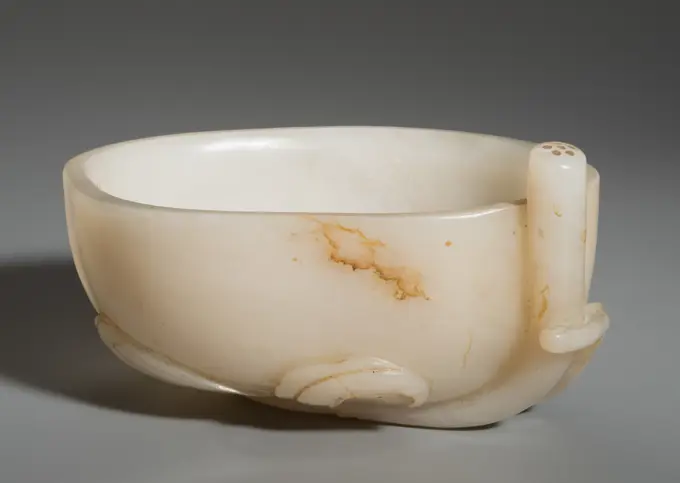
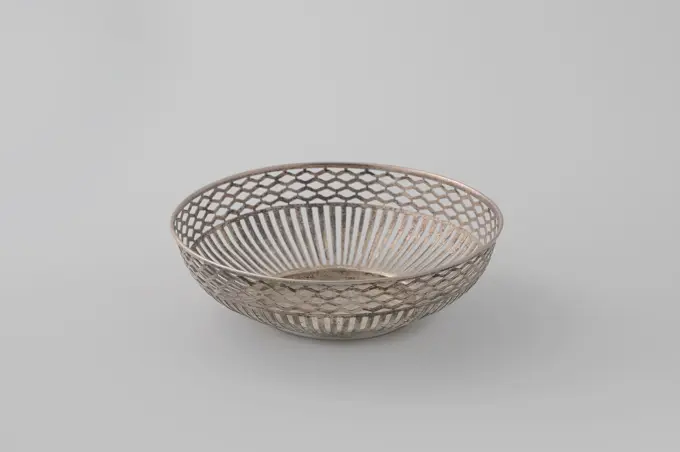
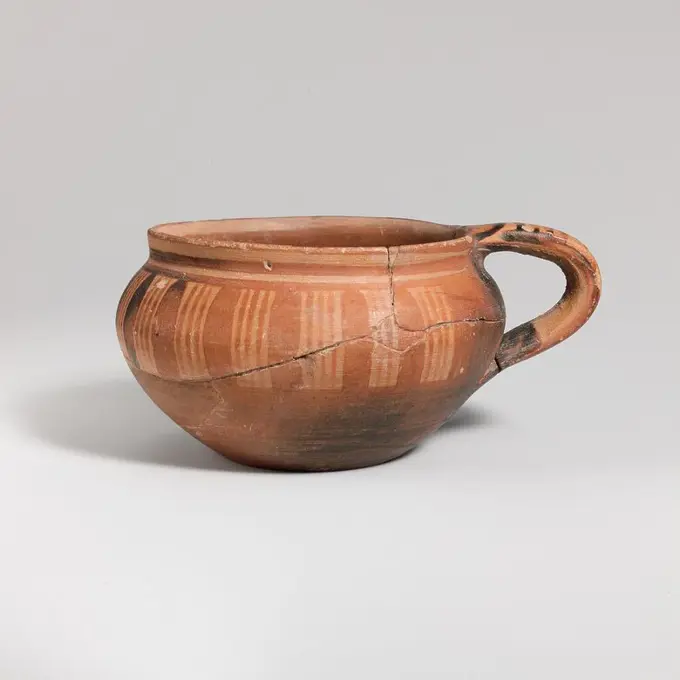
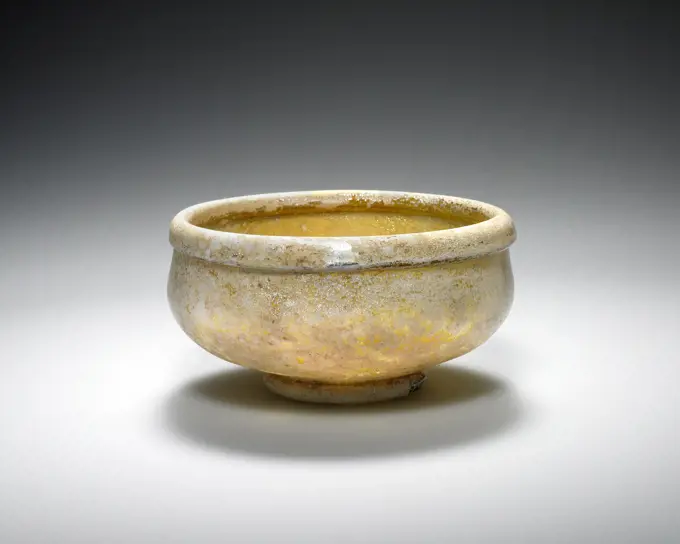
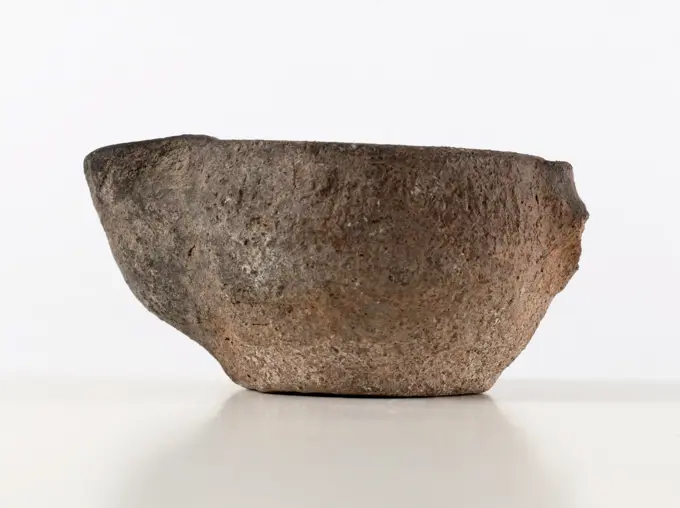
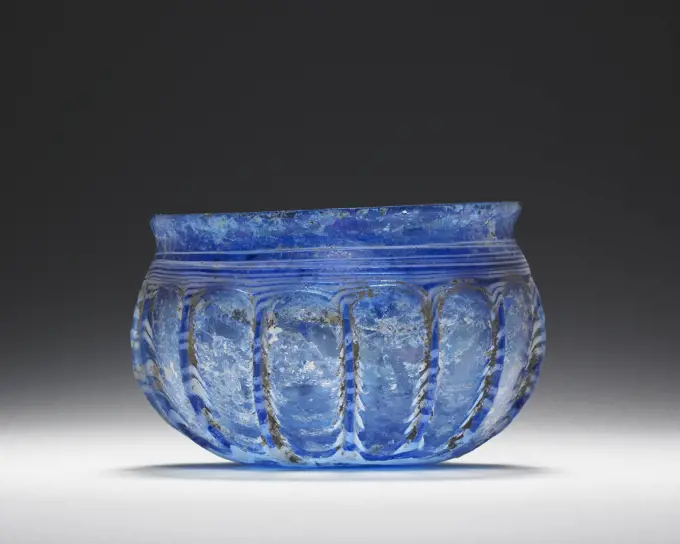
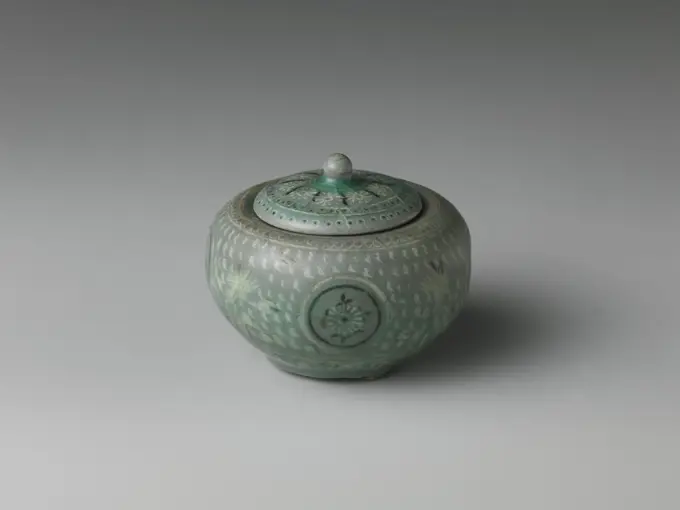
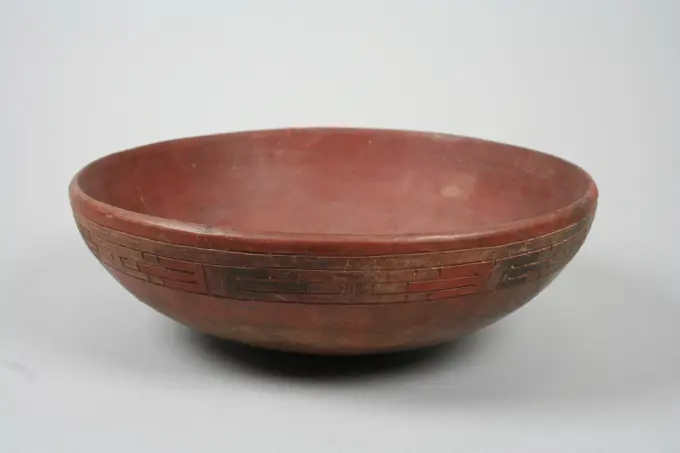
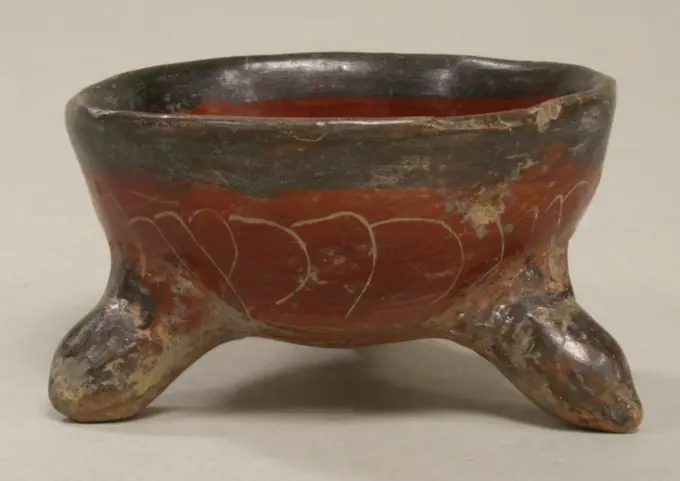
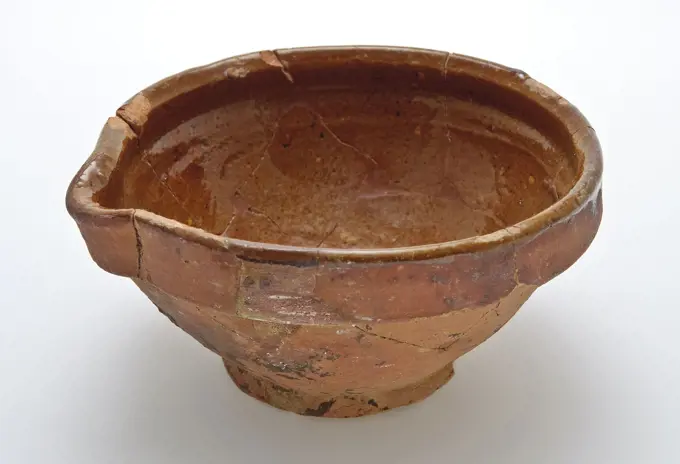
Bowl of red earthenware on stand ring, collars edge with pouring lip, internally glazed, bowl crockery holder soil find ceramic earthenware glaze lead glaze, hand-turned glazed fried Bowl with schenklip. Red shard internally covered with lead glaze Round bottom Roughly shaped stand ring slightly squeezed Collared upper edge inclined slightly inwards archeology inn The Heart Geervliet Bernisse indigenous pottery cooking kitchen food prepare mixing skimming Soil discovery: Geervliet Dorpsplein 1 demolition Trouw put 5 stadsherberg 't Hart 1985.Bowl 4th-7th century Coptic. Bowl 478483Terracotta skyphos (deep drinking cup) ca. 450-400 B.C. Greek, Attic Black glazed skyphos with reserved foot, band at rim.. Terracotta skyphos (deep drinking cup) 244747Incised bowl with geometric pattern 5th-3rd century B.C. Paracas. Incised bowl with geometric pattern 308322Bowl (Japan); glazed and enameled stonewareCup ". Terracotta, brown, green and white glaze (Sancai). China, Tang dynasty (618-907). Paris, Cernuschi museum. Chinese art, Chinese ceramic, container, cup, tang dynasty, container, terracottaJar ca. 700-675 B.C. Etruscan Reddish-brown, two-handled, narrow border of incised lines at top of shoulder.. Jar. Etruscan. ca. 700-675 B.C.. Terracotta; impasto. Villanovian/Orientalizing. VasesBowl. Iran, 15th century. Ceramics. Fritware, underglaze-paintedRinse bowl of hard-baked pottery; Wedgwood .. Flush bowl of hard-baked earthenware. The bowl has a cored funnel-shaped belly and stands on a foot. The bowl is decorated with a border of grape fees and vines in relief. A teapot (BK-15430-A), a sugar bowl (BK-15430-B) and a milk jug (BK-15430-C) heard. The flush bowl has been marked.copper Vase,1937 by Claudius Linossier 1893-1953Cup ca. 570-560 B.C. Etruscan High foot, with stamped relief of nine human figures six times repeated.. Cup. Etruscan. ca. 570-560 B.C.. Terracotta; bucchero. Archaic. VasesStone Bowl before 16th century Mexican. Stone Bowl 317572Mosaic Bowl; Olbia (), Ukraine; 1st century B.C; Glass; 3.2 x 10 cm (1 1,4 x 3 15,16 in.)Tripartite Cosmetic Box, 10th-11th century, 2 x 4 1/2 x 4 1/2 in. (5.08 x 11.43 x 11.43 cm), Yue ware Porcelaneous stoneware with modeled and carved lotus motif under green glaze, China, 10th-11th century, This high-fired stoneware covered with a celadon glaze is typical of the southern family of green ware termed Yue ware. This small, domestic work dates from the last century of the Yue ware tradition.Funerary Offering Jar, 1000-500 BCE, 12 5/8 x 15 1/4 in. (32.1 x 38.74 cm), Slip coated earthenware with burnished surface, Thailand, 10th-5th century BCE, In the late 1960s, a hoard of pots was unearthed at the village of Ban Chiang, on the Khorat Plateau in northeast Thailand. It yielded a complex, innovative ceramic tradition that transformed scholars understanding of early Southeast Asian history. Although much remains unknown about the Ban Chiang culture (c. 3000 BCE-400 CE), archaeology has revealed that it cultivated advanced traditions of metallurgy, agriculture, burial practices, and art.Candlestick. Culture: American. Dimensions: H. 4 in. (10.2 cm); Diam. 5 in. (12.7 cm). Date: 1800-1830. Museum: Metropolitan Museum of Art, New York, USA.Covered Box (He). China, Guangdong, 13th-15th century. Furnishings; Accessories. Stoneware with brown glazeCup ". GRS covered Cladon. Paris, Muse Cernuschi. Coupe Asian art, extreme-East art, Vietnamese art, ceramic, cut, gres, dishesSmall BowlBowlLotus Petal Bowl 1200-1279 China. Longquan ware; stoneware with underglaze carved decoration .Container for Bulbs 13th-early 14th century China Most likely used to grow narcissus for the New Year, this elegant container is an interesting Longquan vessel in a shape more commonly associated with the Jun wares of north China. It illustrates the complex interactions between different kilns found in Chinese ceramics from the eleventh to the early fourteenth century.. Container for Bulbs. China. 13th-early 14th century. Stoneware with applied decoration under celadon glaze (Longquan ware). Southern Song (1127-1279)-Yuan (1271-1368). CeramicsGlass striped mosaic bowl late 1st century B.C.-early 1st century A.D. Roman, probably Italian Translucent blue, green, and yellow, opaque white and yellow, with colorless glass.Vertical rim with angular edge; convex curving side tapering downwards to concave bottom.Striped mosaic pattern formed from lengths of two alternating canes laid side by side in seven parallel rows and separated from one another by single lengths of a network cane in colorless glass wound spirally with two opaque yellow threads; one cane comprises a central length of blue flanked by two white stripes, and the other comprises a central length of translucent yellow outlined in white and flanked by two green stripes; a colorless network cane wound spirally with a fine double yellow thread is attached as rim.Complete, but broken and repaired; many pinprick bubbles; pitting and creamy white iridescent weathering.. Glass striped mosaic bowl 249503Bowl with wheel-cut facets ca. 6th-7th century A.D. Sasanian This hemispherical bowl may have been made by blowing molten glass into an open mold (though possibly it was free-blown); subsequently, four rows of oblong-to-round facets were wheel-cut and polished. The thick glass, originally pale green, has lost much of its surface color and gained extensive iridescence through weathering.Faceted bowls such as this one are characterized by uniformity of shape, size, and arrangement of the facets in four or five rows. They represent the most widespread type of late Sasanian glass vessel, found in excavations of Mesopotamian and Iranian sites dating from the fifth to seventh century A.D. Some examplesprobably carried along the Silk Road to the Far East by Persian merchants and traveling embassieshave been found in Japanese contexts, namely in the sixth-century tomb of the emperor Ankan and in the Shoso-in Treasure at Nara, which was assembled by the emperor Shomu in the eighth century.. BDish (usual name). Enameled covered sandstone. Cernuschi Museum, Asia Museum of Asia in the city of Paris.Vessel ca. 2900-2700 B.C. Sumerian. Vessel 323769Czarka;  13th century (1701-00-00-1800-00-00);Bowl 1814 Pennsylvania. Earthenware . Artist unknownBowl. Culture: Mexican. Dimensions: Diam. 15 7/8 in. (40.3 cm). Date: ca. 1840. Museum: Metropolitan Museum of Art, New York, USA.Dish, anonymous, c. 1200 - c. 1299 Scale of stoneware with straight, slightly flared wall, covered with a transparent glaze with a light blue tint. On the flat twice a crane and stylized flower branch. The edge is unglazed. Qingbai. China stoneware. glaze engraving / vitrification Scale of stoneware with straight, slightly flared wall, covered with a transparent glaze with a light blue tint. On the flat twice a crane and stylized flower branch. The edge is unglazed. Qingbai. China stoneware. glaze engraving / vitrificationPottery test, square model, red shard, glazed, on three legs, fire test test earth discovery ceramics earthenware glaze lead glaze, hand turned hand-formed glazed baked Pottery test square model red shard glazed on three legs Restored edge fragment is repainted archeology Rotterdam City triangle Oudehaven indigenous pottery food preparation cooking eat kitchen heating room Soil discovery: Oude Haven Rotterdam.Stemmed Sherbet Dish (USA); Designed by Louis Comfort Tiffany (American, 1848-1933); favrile glassPunch Bowl. China, Jiaqing reign; Chinese, made for the American market. Date: 1784-1794. Dimensions: 15.2 × 36 cm (6 × 14 3/16 in.). Porcelain. Origin: China. Museum: The Chicago Art Institute, Chicago, USA. Author: Chinese export porcelain.Basin with Inscribed Figures and Calligraphy, 1100s-1200s. Korea, Goryeo period (918-1392). Bronze; overall: 17 cm (6 11/16 in.); diameter of mouth with rim: 21.7 cm (8 9/16 in.).Sacrificial Cup on High Foot Korea. Sacrificial Cup on High Foot 48148Squat jar ca. 2650 B.C. Early Dynastic Period. Squat jar. ca. 2650 B.C.. Magnesite. Early Dynastic Period. From Egypt, Northern Upper Egypt, Abydos, Umm el-Qaab, Tomb of Khasekhemui, Egypt Exploration Fund excavations. Dynasty 2One-Handled Bowl, c. 1725-1600 BC. Cyprus, Middle Cypriot III. White painted ware; diameter: 9 cm (3 9/16 in.); overall: 8 cm (3 1/8 in.); without handle: 4.5 cm (1 3/4 in.).Attic Black-Figure Kylix. Attributed to an Artist close to the Theseus Painter (Greek (Attic), active about 510 - about 490 B.C.)Bowl in shape of a shell 18th century India. Bowl in shape of a shell. India. 18th century. Jade (nephrite). Mughal period (1526-1858). JadeGerrit van Kessel, Deep tin plate with curved bottom, hanging ring under the rim, marked, plate dish crockery holder soil find tin metal, cast soldered stamped Deep pewter plate with light soul in the bottom Bowl shaped plate with high side wall and narrow flag. Under the edge soldered ring with hanging eye. Marked on the rim with stamped crowned rose and initials. Mark on the edge: crowned Tudorroos and CVK possibly GVK archeology Rotterdam IJsselmonde serving food serving Soil discovery: IJsselmonde Castle 2 2 Rotterdam 1972.Glass cup 2nd-3rd century A.D. Roman Uncertain, probably colorless with greenish tinge.Knocked-off, uneven rim; slightly bulging collar below rim; sides expanding downward, then angled in to join bottom with slightly concave center.Band of faint wheel-abraded horizontal lines on body above angle.Complete, but with large crack from rim down side to bottom; many pinprick bubbles; deep pitting and brilliant iridescent weathering on exterior; thick, creamy brown weathering on interior.. Glass cup 244607Bowl, mid 2ndCentury, Terracotta (African Red Slip), 4.445 × 25.718 cm (1 3/4 × 10 1/8in.), Tunisian,Roman, LateRoman-Byzantine, Containers -CeramicsBowl. Byzantine, 11-13th century. Furnishings; Serviceware. CeramicTerracotta box of a pyxis ca. 3200-2800 B.C. Cycladic It is interesting to compare the incised pattern on this box with those on the shallow silver bowls (46.11.1, 1972.118. 152).. Terracotta box of a pyxis 256227Terracotta kylix: band-cup (drinking cup). Culture: Greek, Attic. Dimensions: 3 × 7 1/4 × 6 5/16 in. (7.6 × 18.4 × 16 cm). Date: ca. 540 B.C..Obverse, woman and egg-laying goose, between geeseReverse, ridersThe vignette of a woman among geese was surely observed by the painter firsthand. It is impossible for us to know, however, whether the scene alludes to a story--such as a goose that lays golden eggs--or simply presents a woman at home in contrast to the men riding out on horseback depicted on the other side. Museum: Metropolitan Museum of Art, New York, USA.Incised Painted Bowl 7th-5th century B.C. Paracas. Incised Painted Bowl. Paracas. 7th-5th century B.C.. Ceramic, pigment. Peru, Ica Valley. Ceramics-ContainersRibbed mosaic glass bowl with base ring late 1st century B.C.-early 1st century A.D. Roman, probably Italian Translucent golden brown, blue, and opaque white.Outsplayed horizontal rim, with thick, rounded edge; convex curving side, tapering downwards to convex bottom within outsplayed base ring with pointed outer edge; a deep tooled circle around edge of bottom within base ring.Ribbon mosaic pattern formed from rectangular lengths, applied in a spiral, of a single cane in a golden-brown ground with parallel lines in white or in white and blue stripes, the pattern appearing different on the interior and outer surfaces.Broken and repaired, with large holes in side, and part of base ring missing; pitting, slight dulling, and thick creamy iridescent weathering.Cast deep ribbed bowl with base ring.. Ribbed mosaic glass bowl with base ring 249505Terracotta marbled slip ware bowl mid-1st century A.D. Roman Yellow plate with base, veined with red; stamped; unglazed.. Terracotta marbled slip ware bowl 250078Bowl. Culture: China. Dimensions: H. 3 1/2 in. (8.9 cm); Diam. 7 9/16 in. (19.2 cm). Date: 19th century. Museum: Metropolitan Museum of Art, New York, USA.Czarka jońska. unknown, authorSaucer, c. 1800. Derby (Crown Derby Period) (British). Porcelain; overall: 2.3 x 12.7 cm (7/8 x 5 in.).Bowl.Mortar(Pandudaan)Plate with 'black crow' motif, 14th -16th century, 1 15/16 x 8 5/8 in. (4.92 x 21.91 cm), Kalong ware Stoneware with underglaze brown decor, Thailand, 14th -16th century, In 1933, archaeologists discovered some 200 kilns at Kalong, yielding evidence of the production of high-fired ceramic wares for domestic consumption during the height of the Lan Na Kingdom (1300s-1500s). Kalong potters made use of a clay containing a high percentage of kaolin to create elegant ceramics characterized by a chalky, buff body and a faint glaze the color of a gray rain cloud. Within the broader tradition of Thai ceramics, Kalong wares are noteworthy for their painterly underglaze designs, with loose brushstrokes evocatively conjuring the natural world. Here, the bulbous body of the vase features a fish darting in a sea of water plants, and the dish presents an abstract motif the Thai call 'black crow.'Tea Bowl, 12th-13th century, 2 1/4 x 4 3/8 in. (5.7 x 11.11 cm), Chi-chou ware Buff colored stoneware with brown glaze on the exterior and papercut decoration reserved in dark brown glaze against a variegated buff ground on the inside, China, 12th-13th century, The decorative scheme seen on this bowl is called feng mei wen (phoenix-and-plum design). The design elements were created with papercut stencils at the Qizhou kilns in Jiangxi province, which were apparently the only kilns in traditional China that used cut-paper stencils to impart resist designs. Once the bowl had dried, it was immersed in the dark-brown glaze. When the glaze had stabilized, the phoenix and plum branch papercuts were affixed to the interior walls and a mixture of wood or bamboo ash mixed with slip was sprinkled over the whole interior. After the drying, the papercuts were removed and the vessel was fired right side up.Bowl, 3 1/2 x 7 1/2 x 7 1/2 in. (8.9 x 19.1 x 19.1 cm), Polychroned earthenware, MexicoSoba cup second half of 18th century Japan. Soba cup 63749Green tapering colander on three legs, with two lying sausage ears, colander kitchen utensils earthenware ceramics earthenware glaze lead glaze, hand-twisted glazed baked Pottery colander on three legs. White shard green and completely glazed Deep and bowl-shaped colander with two lying sausage ears attached to the rim. Partially restored Restoration is blank archeology Rotterdam City triangle New port indigenous pottery draining food preparation cooking kitchen Soil discovery Rotterdam Nieuwe Haven 1st cesspool (around) 21-08-1980Silversmith: Jan Boogaert, Silver miniature bowl, bowl crockery holder miniature model silver, Round bowl on low stand ring engraved outer edge stadskeur: three crosses under crown dolls drinking play home interior RotterdamCome, painted with a landscape in Sepia. Bowl of porcelain on stenced foot, painted in sepia with a landscape with house, tower and bridge. Golden piping along foot and mouth edge. Signature in Sepia: Test piece 10 Jan. 1854.Two cups. Meissener Porzellan ManufakturMeissen, c. 1715hard-paste porcelainJar. Terracotta of the 13th SICLE. Vietnam. Paris, Muse Cernuschi. Frieze of flower petals relief at the base of the collar Asian art, art of extreme orient, art of Vietnam, Vietnamese art, terracotta, dishesTerracotta dish ca. 330-300 B.C. Greek, South Italian, Campanian, Teano Stamped, incised and painted decorations.. Terracotta dish 251360 Greek, South Italian, Campanian, Teano, Terracotta dish, ca. 330300 B.C., Terracotta, diameter 11 5/16in. (28.7cm). The Metropolitan Museum of Art, New York. Rogers Fund, 1923 (23.160.16)Bowl. Byzantine, 11th-12th century. Furnishings; Serviceware. CeramicIncised Painted Bowl 5th-2nd century B.C. Paracas. Incised Painted Bowl 308700Bowl with Handles. India, Mughal empire, circa 1640-1650. Furnishings; Serviceware. Dark green nephrite jadeSmall Wide-Mouthed Jar. China. Date: 1100-1199. Dimensions: H. 4.9 cm (1 15/16 in.); diam. 7.1 cm (2 13/16 in.). Northern blackware, Cizhou type; stoneware with russet-streaked dark brown glaze. Origin: China. Museum: The Chicago Art Institute, Chicago, USA.Wase with lid unknownIncense Burner, 1893-97. Seifū Yohei III (Japanese, 1851-1914). Porcelain with molded design, crimson glaze; height: 9.5 cm (3 3/4 in.); diameter: 11.4 cm (4 1/2 in.).Scalloped Bowl. Egypt, 6th - 1st century BCE or later. Furnishings; Serviceware. BronzeSalaterka KorzecChinese, Bowl, jade.Czarka zdobiona guzkami. unknown, authorBowl. Culture: Coptic. Dimensions: Overall: 1 9/16 x 7 5/16 in. (4 x 18.5 cm). Date: 4th-7th century. Museum: Metropolitan Museum of Art, New York, USA.Bowl with Flowering Branches and Insects 907 CE-1199 China. Porcelain with underglaze thread relief .Bowl ca. 3rd-7th century A.D. Sasanian. Bowl 323031Bowl, 206 BCE - 220 CE, 4 3/8 x 8 x 8 in. (11.11 x 20.32 x 20.32 cm), Bronze, China, 3rd century BCE - 3rd century CEBowl with a white glaze, anonymous, c. 1600 - c. 1699 Bell -shaped bowl of porcelain, covered with a white glaze. Old label on the bottom with 'D86'. White porcelain. South China porcelain. glaze vitrification Bell -shaped bowl of porcelain, covered with a white glaze. Old label on the bottom with 'D86'. White porcelain. South China porcelain. glaze vitrificationBowl. Culture: French. Designer: Jean E. Puiforcat (French, Paris 1897-1945 Paris). Dimensions: 5-3/4 x 8-5/8 inches (14.6 x 21.9 cm). Date: 1934.As his career progressed, Puiforcat became increasingly fascinated by the mathematical principles of geometry and proportion. By the 1930s he had replaced the stylized naturalism of his early work with geometric abstraction and bold simplicity. His pieces relied on their exquisite proportions and perfect finish for their effect. Decoration, when it appeared, was restricted to the addition of glass or semiprecious stones. This change reflected not only a shift in consumer taste but also Puiforcat's decision to join the Union des Artistes Modernes (UAM) in 1930. Museum: Metropolitan Museum of Art, New York, USA.Mand van Zilver, Rond and Bol, with walls in sawwork, J.M. Van Kempen (firm), 1910 Round, convex basket of silver, with walls in sawing. Master sign: Half Maan between 2 points including V.K. Netherlands silver (metal) Round, convex basket of silver, with walls in sawing. Master sign: Half Maan between 2 points including V.K. Netherlands silver (metal)Czarka  cobalt decoration made of stylized flowers, lines and crosses unknownTerracotta one-handled cup. Culture: Greek, Attic. Dimensions: H. 2 9/16 in. (6.5 cm). Date: late 8th century B.C..From the Hymettos deposit (see 30.118.1). Museum: Metropolitan Museum of Art, New York, USA.Bowl; Eastern Mediterranean; 1st century; Glass; 3.8 x 7.7 cm (1 1,2 x 3 1,16 in.)Bell-shaped bowl with a water landscape and stylized lotuses. Bell-shaped head of porcelain, painted in underglaze blue. On the outside wall a continuous bond with stylized lotus plants with alternating a flower and a bird on a leaf. The inside with a continuous landscape with pavilions, people and a pine at a rock. Marked on the underside with two unidentified Chinese characters in a circle. Blue White.Bowl China. Bowl 48161Saucer, yellow, anonymous, c. 1675 - c. 1700 Dish van Hout, yellow -rejected. Originally red. Amsterdam wood (plant material) Dish van Hout, yellow -rejected. Originally red. Amsterdam wood (plant material)Oil lamp. Hospital. Terracotta. Late Antiquity. Paris, Carnavalet museum. 50023-10 Late antique, hotel-god, oil lamp, terracotta, ancientBowl;  XVIII-19th century (1644-00-00-1911-00-00);Dish. Culture: China. Dimensions: Diam. 5 3/4 in. (14.6 cm). Museum: Metropolitan Museum of Art, New York, USA.Small Dish, 10th-11th century, 11/16 x 3 1/2 in. (1.75 x 8.89 cm), Yaozhou ware Stoneware with carved decor under a green glaze, China, 10th-11th centuryRippenschale; Eastern Mediterranean; second half of 1st century B.C; Glass; 5.8 x 8.5 cm (2 5,16 x 3 3,8 in.)Small jar and cover decorated with chrysanthemums, cranes, and clouds late 13th century Korea This jar is a rare example of Goryeo celadon with gold decoration (several specks remain). This type became prevalent in Korea from the late thirteenth to the early fourteenth century, reflecting the tastes of the Mongols who ruled China during the Yuan dynasty (1271-1368). The cranes-and-clouds design is entirely Korean.. Small jar and cover decorated with chrysanthemums, cranes, and clouds 52081Punch Bowl 1785-1800 Ephraim Brasher American. Punch Bowl. American. 1785-1800. Silver. Made in New York, New York, United StatesCampania Napoli Naples S. Lorenzo Maggiore11. Hutzel, Max 1960-1990 Medieval: Sculpture, architecture, architectural sculpture (including Roman spolia) 13-14th century Chapter house; sarcophagi, gravestones; wall painting. Fragment of mosaic; sculptural fragments in the Sala Capitolare. Post-medieval: Architecture, architectural sculpture, ceiling painting fresco cycle; prints depicting Venice c. 1845 (4), sculpture; life-size creche figures dressed in original Neapolitan costume Church restored in 1882, 1926, 1944; excavations under the transept undertaken between 1958-1962, and in the cloister in 1976, have revealed remains of a Roman macellum (market), street, and the paleochristian basilica of the 6th c. AD. Antiquities: Pottery: black-glazed, archaic banded, domestic wares, bucchero; architectural terracottas, statuettes, lamps, sculpture fragments Object Notes: 3 color negatives with no prints at the end. General Notes: Most objects/paintings/frescoes unidentified. Three batches BowlIncised Painted Bowl 5th-2nd century B.C. Paracas. Incised Painted Bowl 308631Miniature Tripod Vase 15th-early 16th century Aztec. Miniature Tripod Vase 316882Seif Yohei II excelled as a painter, as evidenced by his floral and landscape designs. His works were selected as the best among Kyoto ceramics shown to jurists from Europe and the US, thus paving the way for international recognition of the studio in the late 1800s. Sweets Dish with Landscape, 1874. Seifū Yohei II (Japanese, 1844-1878). Porcelain with underglaze blue; height: 5 cm (1 15/16 in.); diameter: 16 cm (6 5/16 in.).Bowl. Iran, second half of 17th century or later. Ceramics. Fritware, painted, carved, incised, and glazedCup with Stand latter half of the 13th century Korea. Cup with Stand 57499