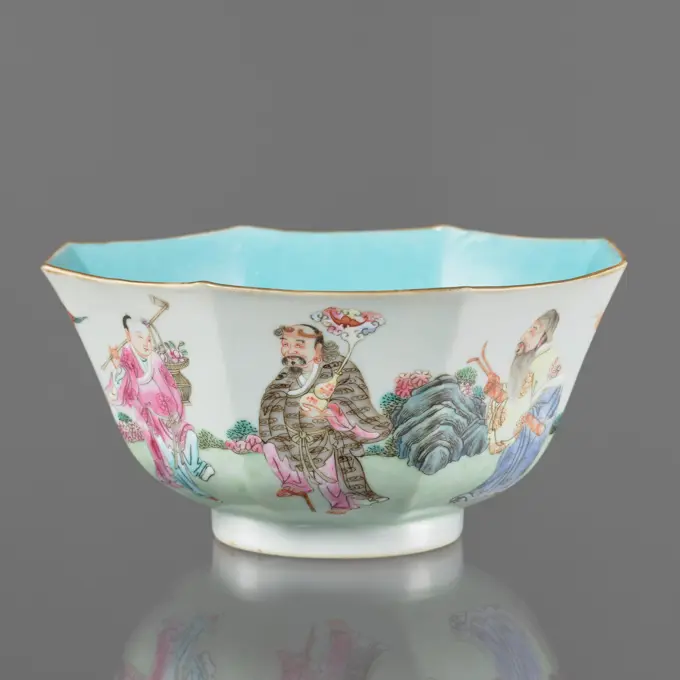
Decorative Bowls Collection

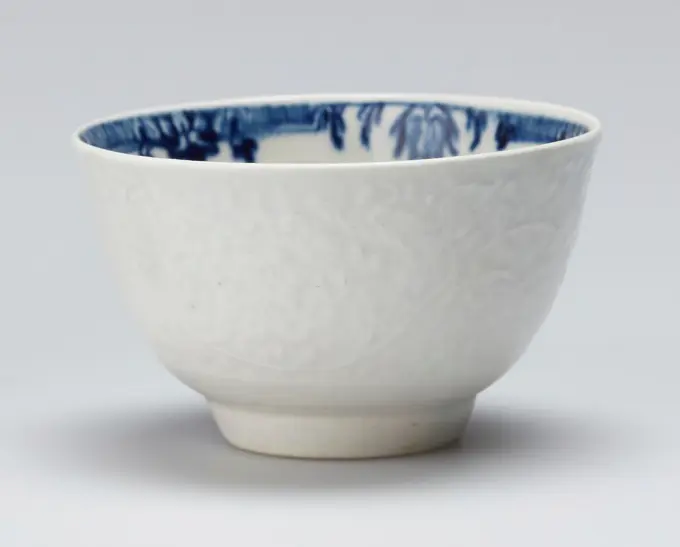
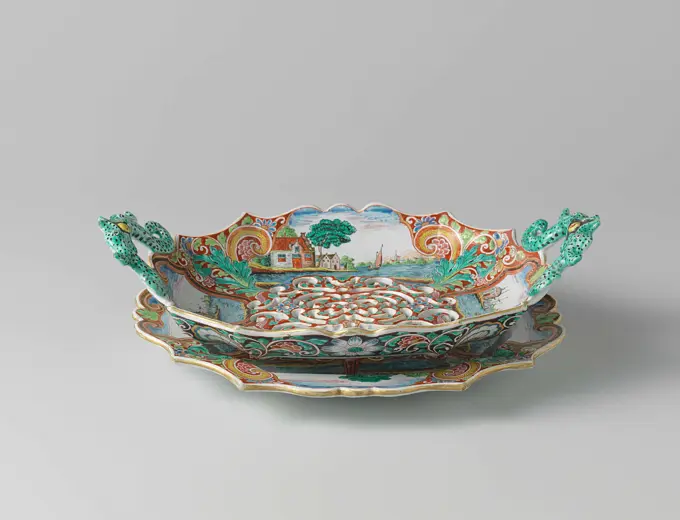
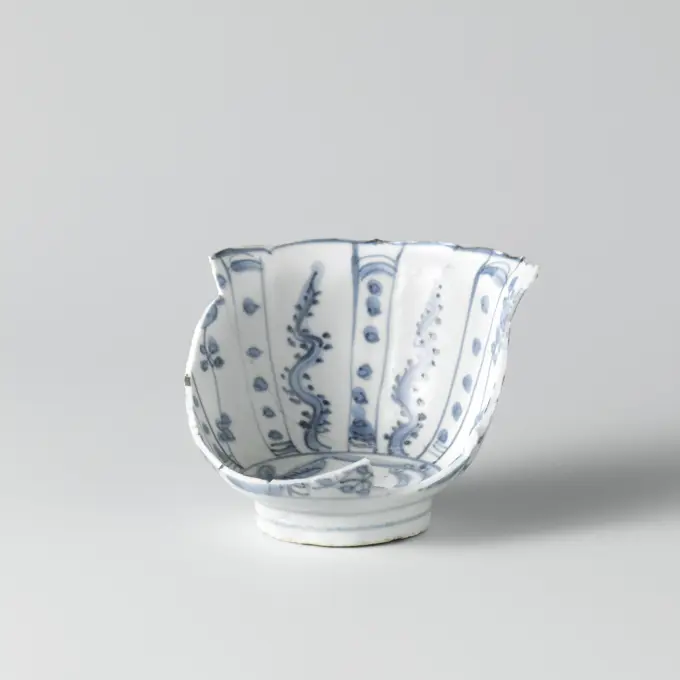
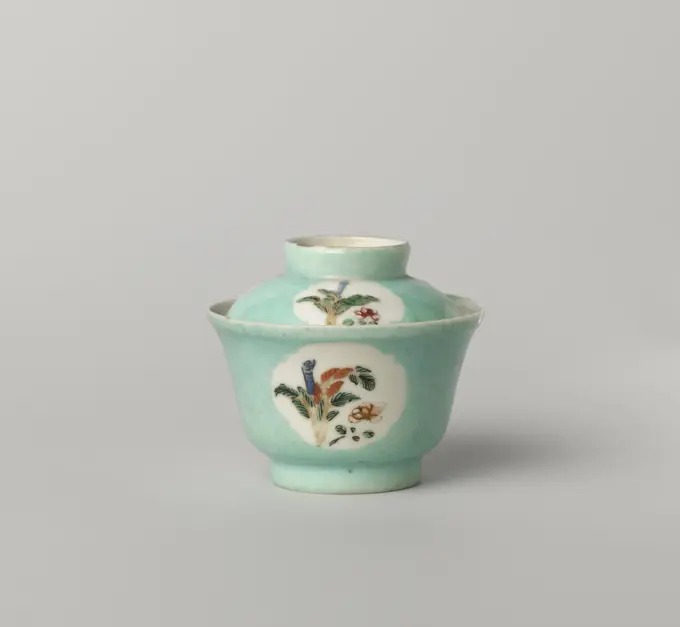
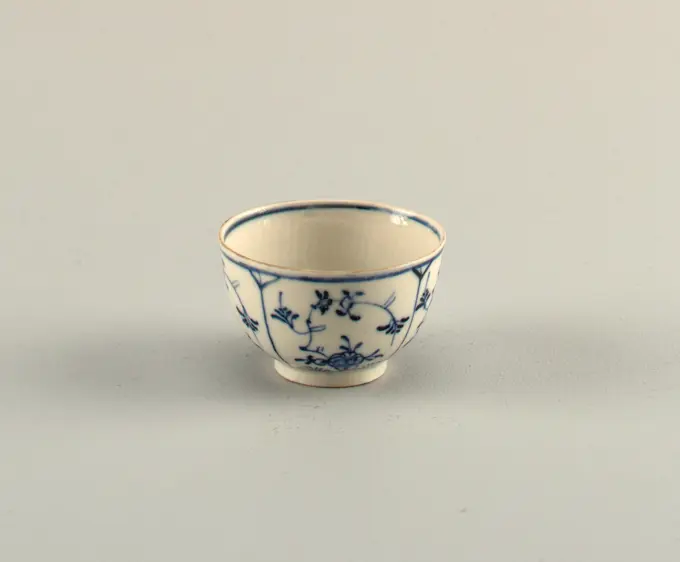
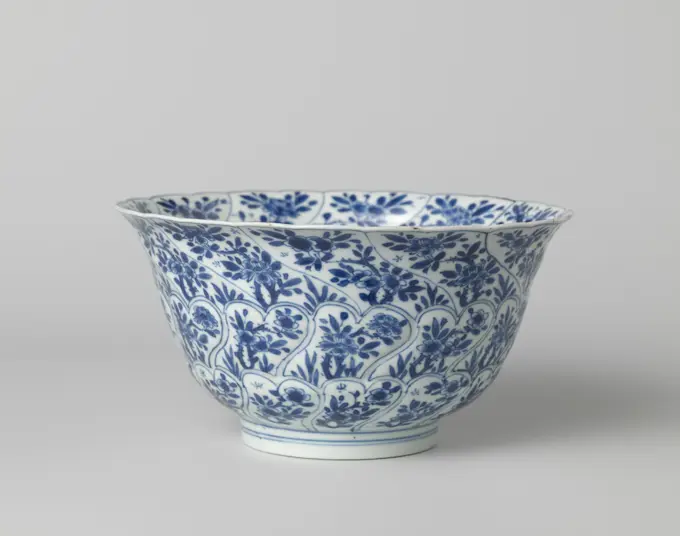
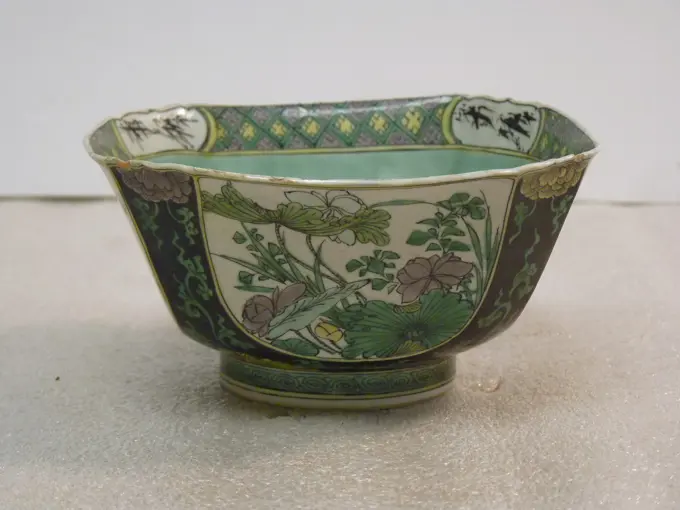
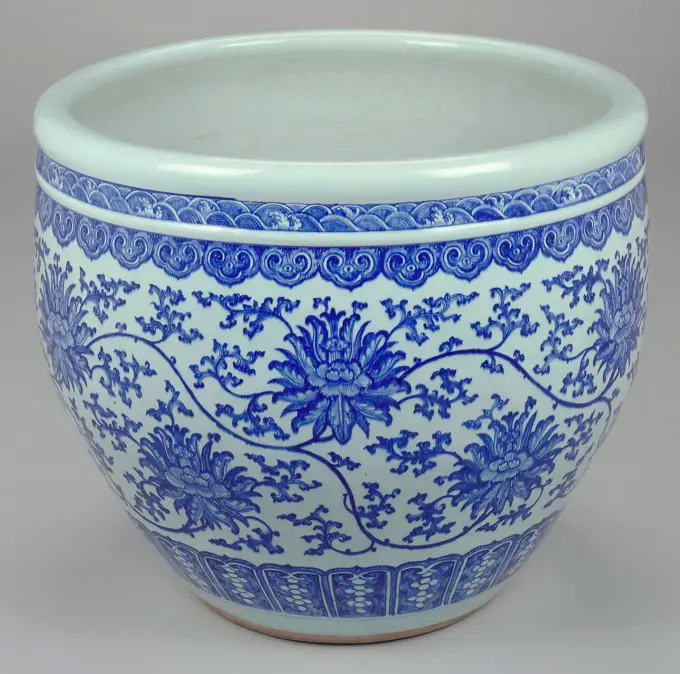
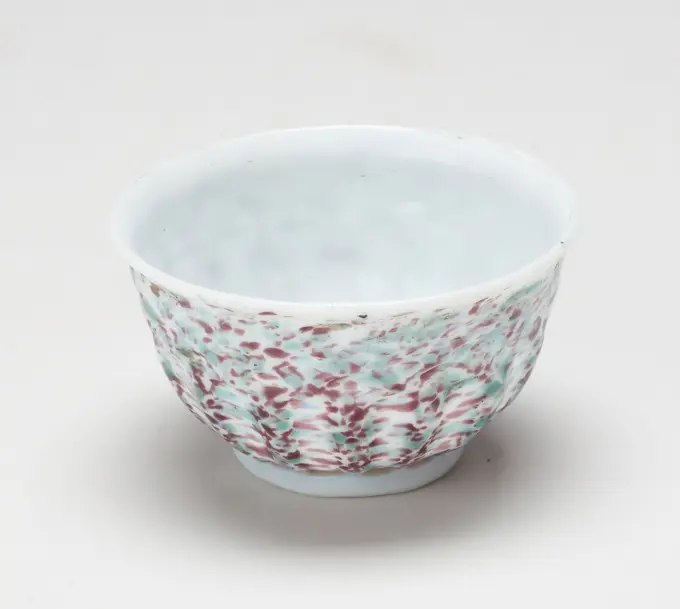
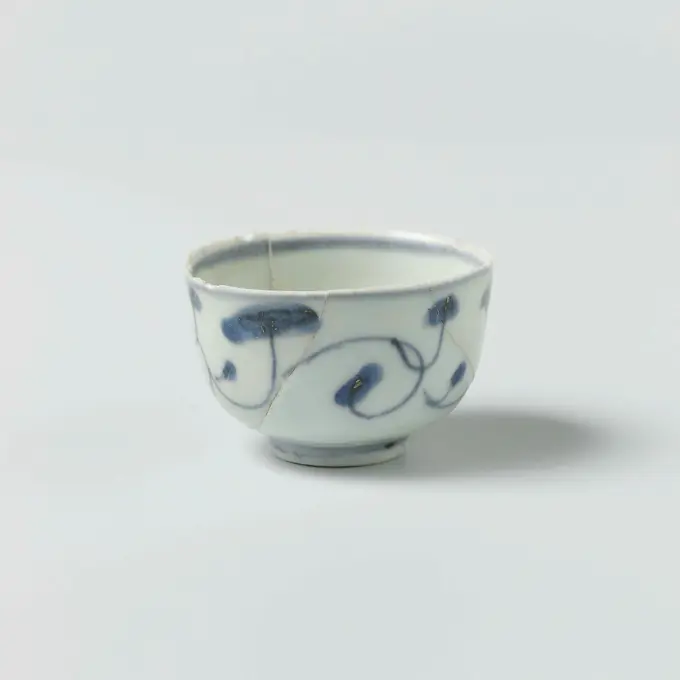
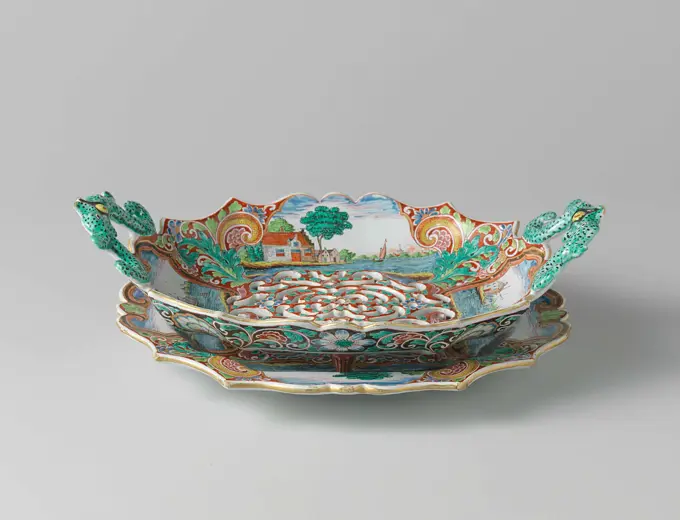
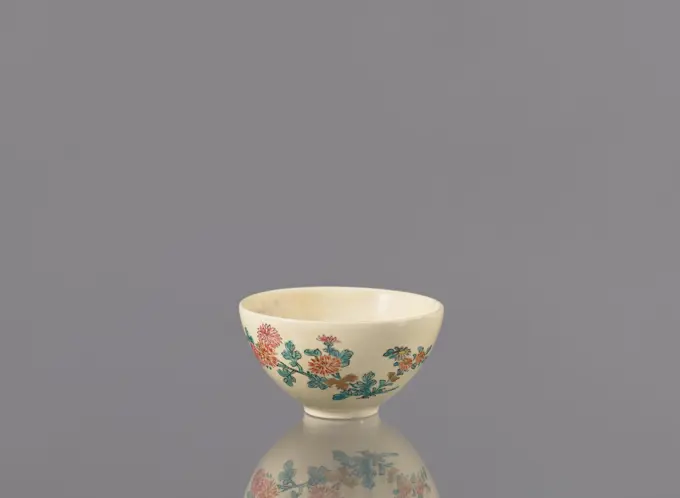
A variety of ornate bowls featuring designs in blue and floral motifs. The styles range from vintage to elegant porcelain, adding charm to any table setting.

Cup, 18th century, 1 1/2 x 2 3/4 x 2 3/4 in. (3.8 x 6.99 x 6.99 cm), Glass, Switzerland, 18th century
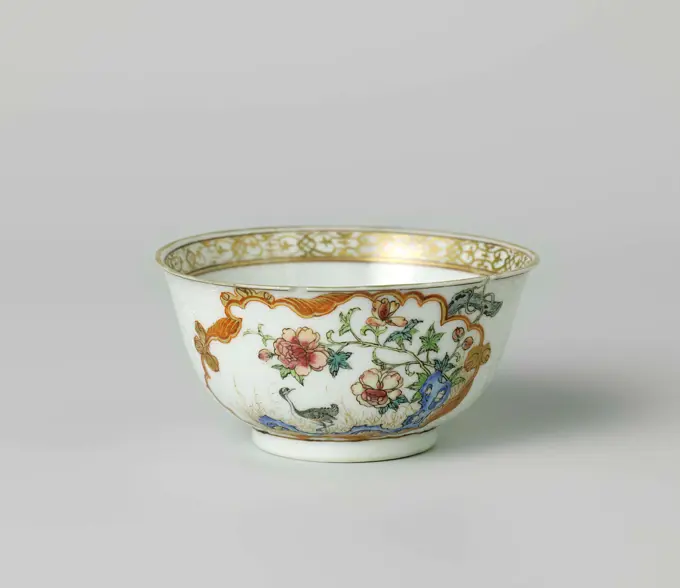
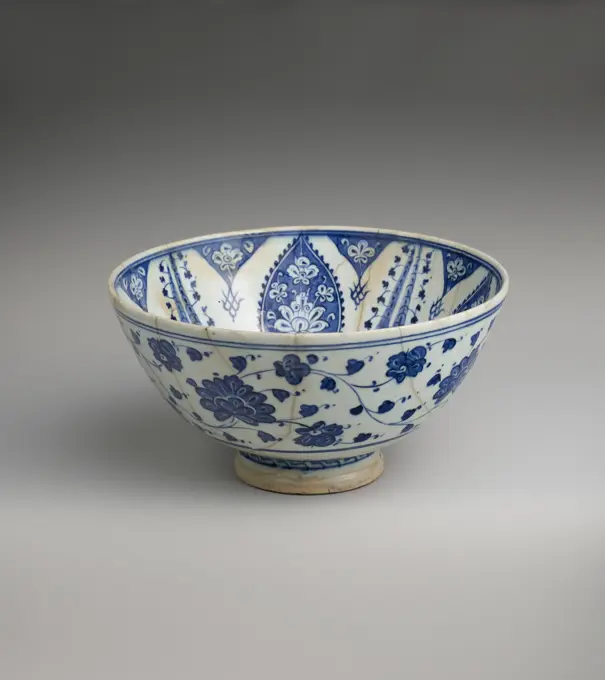
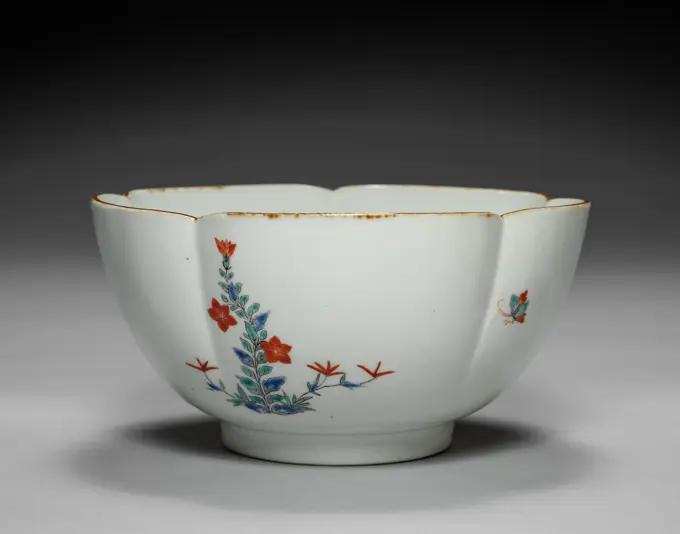
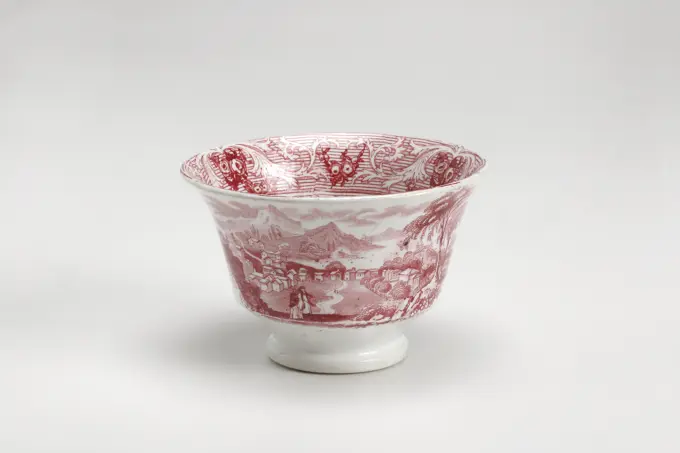
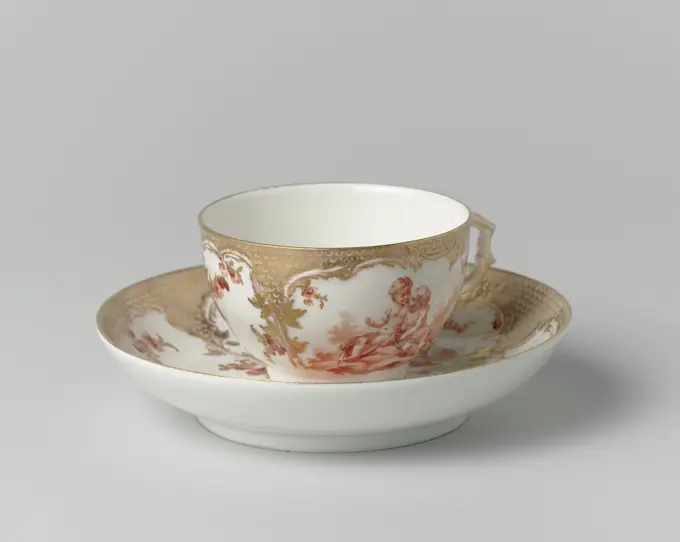
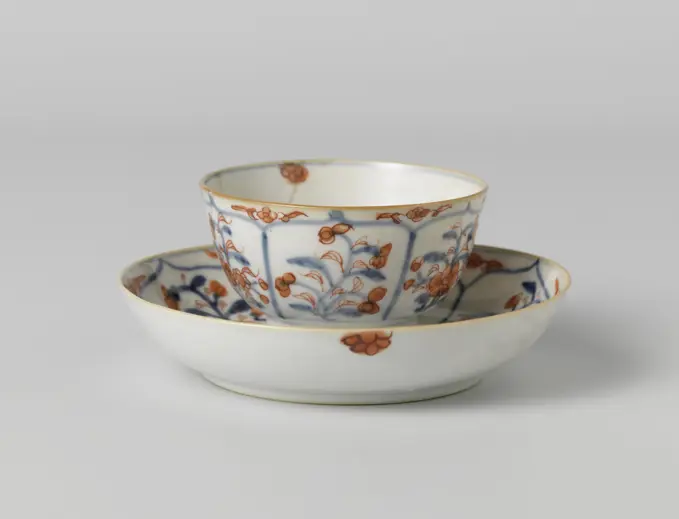
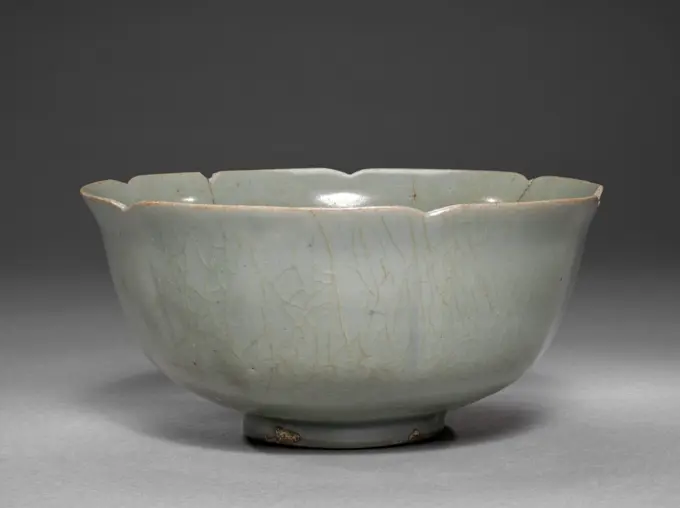
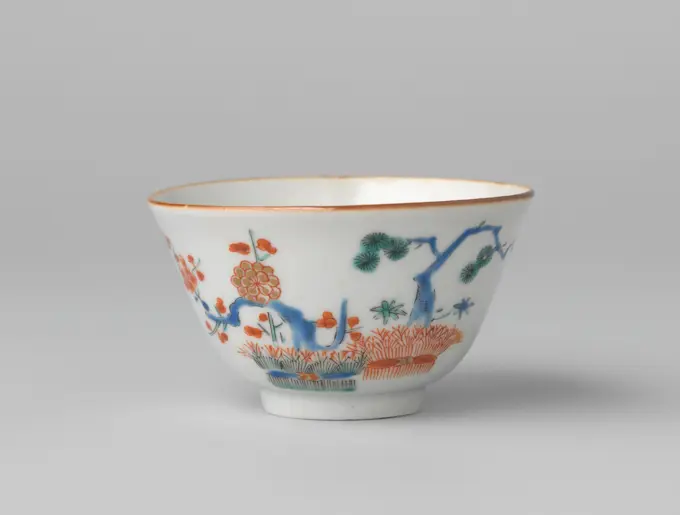
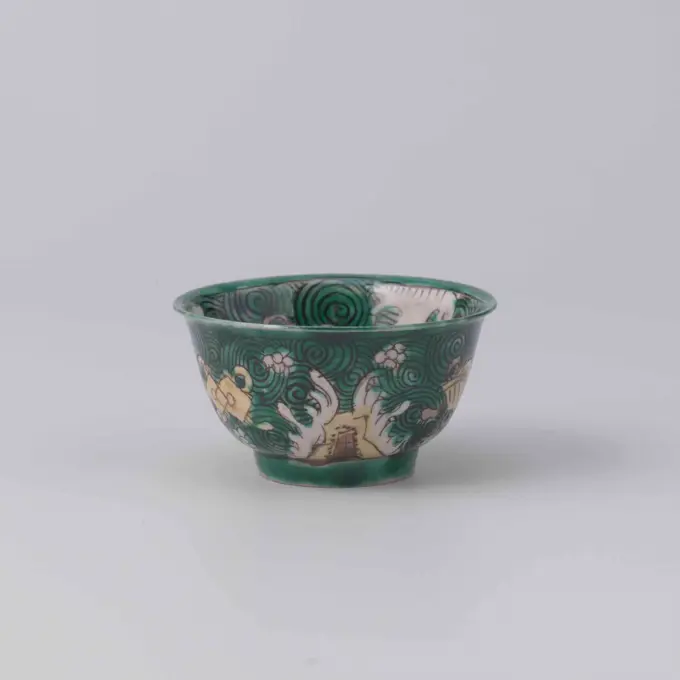
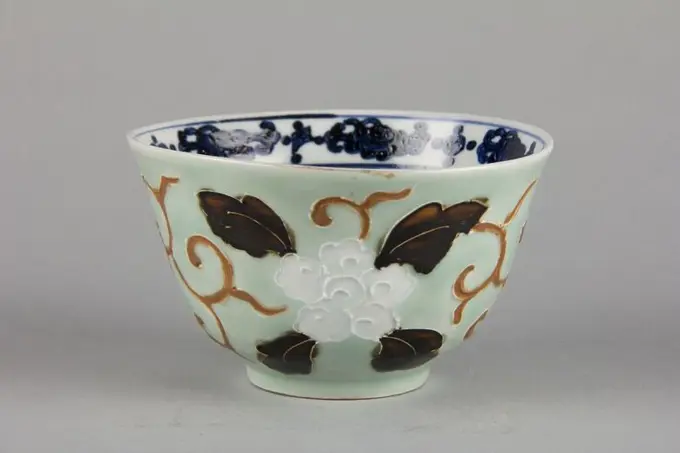
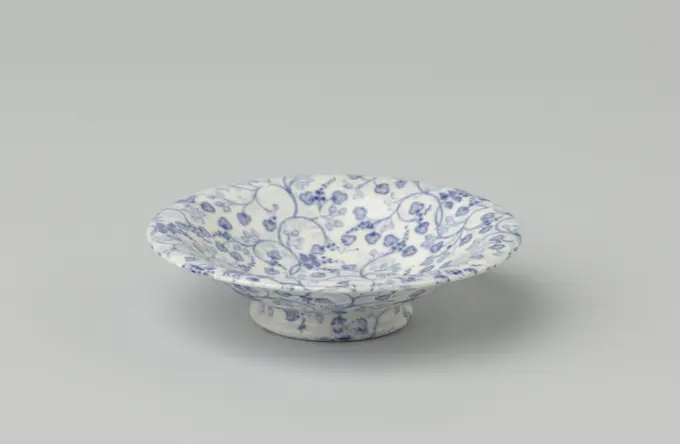
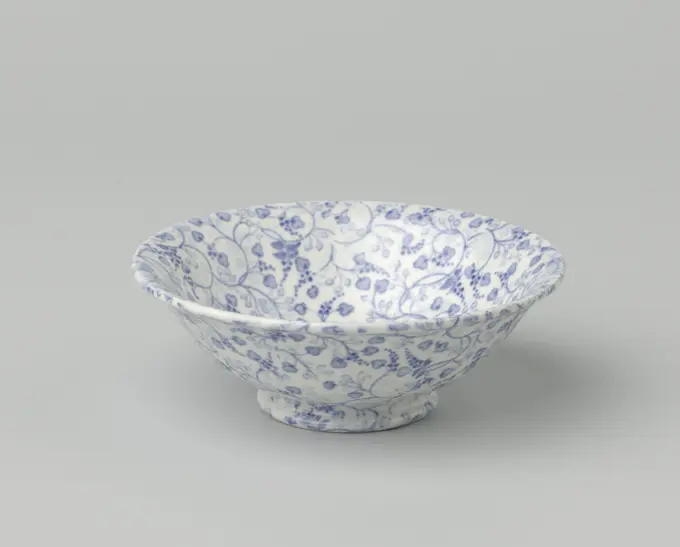
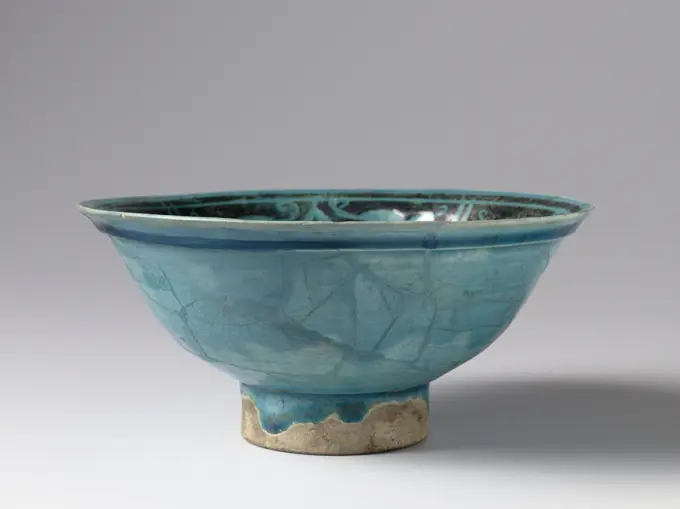
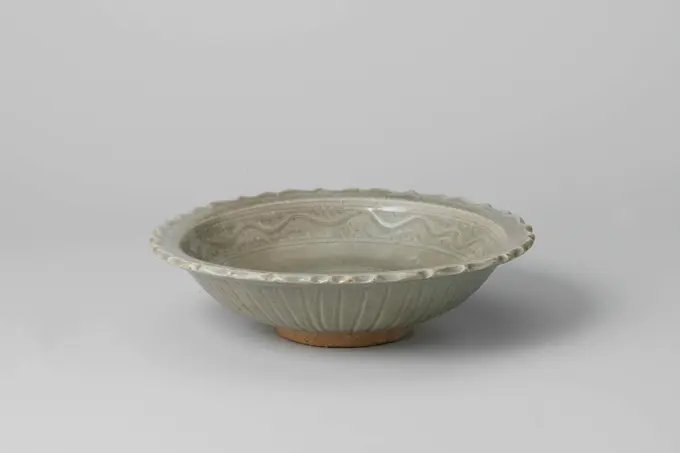
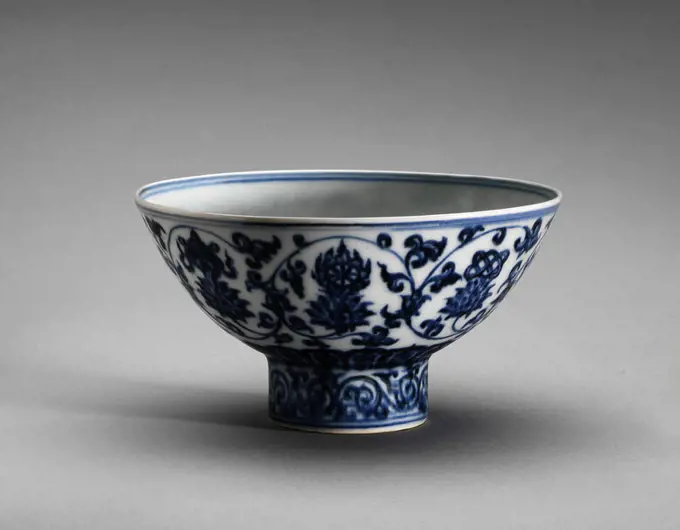
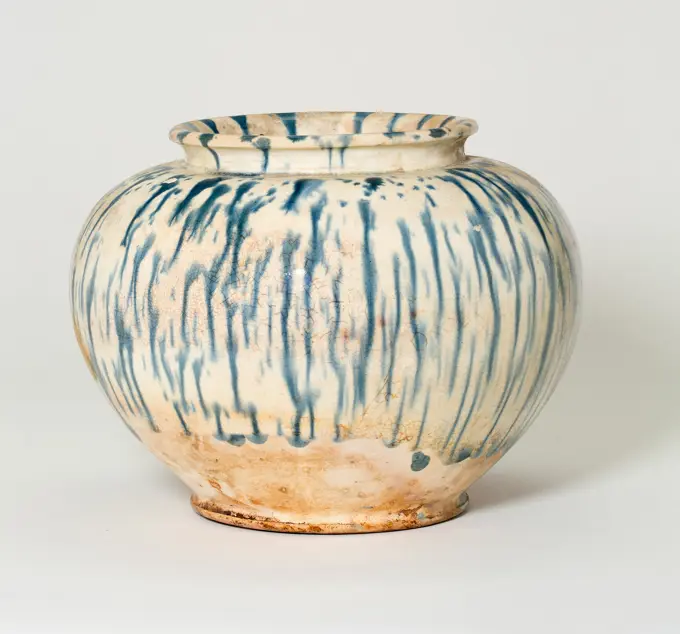
Bowl - Portneuf potteryBowl - Portneuf potteryTea Bowl and Saucer, Royal Worcester, English, established 1751, soft paste porcelain, vitreous enamel, Outcurving side with cylindrical foot, with curved side. Decoration of floral sprays and butterflies., England, ca. 1770, ceramics, Decorative Arts, tea bowl and saucer, tea bowl and saucerBell-Shaped Cup With a Crane Near a Peony Plant and Rock. Bell-shaped head of porcelain, painted on the glaze in blue, red, pink, green, black and gold. Two leaf-shaped cartouches on the outside with a crane in a landscape in a flowering peony plant and a rock; Between the cartouches flower drinks in Bianco Sopra Bianco; The inner edge with a decorative pattern. Two cracks in the wall. Part of a crockery. European forms with famille rose.Bowl - Portneuf potteryCup. unknown, craftsmanBowl with Variation of 'Baba Nakkas' Design ca. 1500-1525 Some of the earliest Iznik stonepaste ceramics are distinguished by delicate underglazepainted blue decoration on a white ground. The meandering vine of twotoned flowers and the whiteonblue decoration of this small bowl link it to an early group of ceramics referred to as Baba Nakkas (literally, "Papa Designer") ware named for an artist employed by the Ottoman sultan Mehmed II (r. 1444-46, 1451-81).. Bowl with Variation of 'Baba Nakkas' Design. ca. 1500-1525. Stonepaste; painted in light and dark blue under transparent glaze. Attributed to Turkey, Iznik. CeramicsCup and Saucer With Flower Sprays Behind a Rock and Fence. Cup and saucer of porcelain, painted in underglaze blue and on the glaze red and gold. On the flat of the dish large, blooming plants (peony, chrysanthemum, aster) behind a rock and a fence; The edge with napkin interspersed with a flower branch in a cart shower; The head with the same decoration, with a flower branch on the bottom. A crack in the head. Chinese Imari.Cup, 18th century, 1 1/2 x 2 3/4 x 2 3/4 in. (3.8 x 6.99 x 6.99 cm), Glass, Switzerland, 18th centuryBowl with Butterflies and Flowers, c. 1700. Japan, Edo period (1615-1868). Porcelain molded in five lobes, with overglaze color enamel (Hizen ware, Kakiemon type); diameter: 18.5 cm (7 5/16 in.); overall: 9.4 cm (3 11/16 in.).Bell-shaped cup with moulded sides with landscapes and men on horseback, anonymous, c. 1680 - c. 1720 Bell -shaped head of porcelain with scalloped edge, painted in underlaze blue. The lower part of the wall is modeled in petal -shaped compartments filled with a landscape or a rider; The upper part of the wall is also modeled in courses alternately filled with a chrysanthemum branch and a pomegranate apple branch. On the bottom a rider in a landscape. The inner edge with a tire servetwork interrupted by medallions with a person in a landscape. Blue White. China porcelain. glaze. cobalt (mineral) painting / vitrification Bell -shaped head of porcelain with scalloped edge, painted in underlaze blue. The lower part of the wall is modeled in petal -shaped compartments filled with a landscape or a rider; The upper part of the wall is also modeled in courses alternately filled with a chrysanthemum branch and a pomegranate apple branch. On the bottom a rider in a landscape. The inner edge witTwo Flowerpot Containers (cache pots) and stands. Manufacturing former loose ruderecht, c. 1778-1782Hard-Paste PorcelainBell-shaped cup with a woman and children at the waterside, anonymous, c. 1750 - c. 1774 Bell -shaped head of porcelain, painted in blue, red, pink, green, yellow, black and gold. Two oval courses on the outer wall of the head; One with a woman with two children in front of a pavilion on the waterfront, the other with a woman sitting on a rock with a person behind her and next to her a boy; Between the courses and small cartouches, between the cartouches flower brackets. A crack in the wall. Famle Rose/ Mandarin. China porcelain. glaze. gold (metal) painting / gilding / vitrification Bell -shaped head of porcelain, painted in blue, red, pink, green, yellow, black and gold. Two oval courses on the outer wall of the head; One with a woman with two children in front of a pavilion on the waterfront, the other with a woman sitting on a rock with a person behind her and next to her a boy; Between the courses and small cartouches, between the cartouches flower brackets. A crack in the wall. FBell-Shaped Cup With Molded Petal-Shaped Panels, Flowering Plants And Flower Sprays. Bell-shaped head of porcelain with scalloped edge, painted on the glaze in blue, red, pink, green and black. Around the foot a band modeled, flower leaf-shaped boxes filled with blooming plants against a pink background with napkin; a tire with flower branches on the outer edge; planting plants on the soil; The inner edge with loose flower branches. A crack in the head. Family Rose.Bowl (folding hat) with flowering plants and auspicious objects. Bowl of porcelain with a scalloped edge, painted in underglaze blue. The outer wall is divided into four compartments, alternately filled with flowering plants with a rock and valuables, antiques and lucky objects (artemisia leaf, peacock feathers, rolls, books, incense burner, etc.). Plants flowering on the soil at a rock. The inner wall is also divided into four compartments with a flower branch in each; between the courses a Swastika pattern. The outer edge with four times a flower drink. Marked on the underside with the character 'Yù' in a double circle. A chip and two cracks in the edge. Blue White.Tea bowl -  Francis Morley & Company, 1850-1858 Francis Morley & Company, 1850-1858Cup and saucer, royal porcelain manufactory, c. 1770 Porcelain head and saucer, painted on the glaze in red and gold. The outer wall of the head is divided into three courses formed by flower vines. The two wide compartments show two putti on a cloud, the third section with flowers. A scaly motif around the compartments and on the edge. A flower branch on the bottom. The head has an angular ear with modeled flowers at the base. The dish with a similar decoration. Marked on the bottom with the scepter and the number 2. Berlin porcelain. glaze. gold (metal) gilding / vitrification Porcelain head and saucer, painted on the glaze in red and gold. The outer wall of the head is divided into three courses formed by flower vines. The two wide compartments show two putti on a cloud, the third section with flowers. A scaly motif around the compartments and on the edge. A flower branch on the bottom. The head has an angular ear with modeled flowers at the base. The dish with a similar decoration.Cup and saucer with petal-shaped panel around a central medallion, filled with flower sprays, anonymous, c. 1750 - c. 1774 Porcelain head and saucer, painted in underly glaze blue and on the glaze red and gold. On the flat of the dish a medallion with flour, around the medallion six petal-shaped compartments filled with flower branches; A flower vend between the courses; Three loose flowers on the back. The head with the same decoration. Head has been broken. Chinese Imari. China porcelain. glaze. cobalt (mineral). gold (metal) painting / gilding / vitrification Porcelain head and saucer, painted in underly glaze blue and on the glaze red and gold. On the flat of the dish a medallion with flour, around the medallion six petal-shaped compartments filled with flower branches; A flower vend between the courses; Three loose flowers on the back. The head with the same decoration. Head has been broken. Chinese Imari. China porcelain. glaze. cobalt (mineral). gold (metal) painting / gilding /Floral-shaped Bowl, 1100s. Korea, Goryeo period (918-1392). Ceramic, glazed; overall: 7.6 cm (3 in.). Celadons, spoons, seals, and bronze mirrors were the most common burial objects in tombs during the Goryeo period (918-1392). Furnishing tombs with an elaborate assemblage of objects was believed to honor and comfort the newly dead. Generally, Goryeo tombs were left untouched until the late 19th century. During the colonial period (1910-45), however, Japanese archaeologists competitively excavated the tombs located in Kaeseong, the former capital of the Goryeo period. This elegant floral-shaped cup was probably one of those grave goods excavated during the Japanese colonial period (1910-1945).Bell-shaped bowl with a water landscape and stylized lotuses, anonymous, c. 1680 - c. 1720 Klock -shaped head of porcelain, painted in under -glaze blue. On the outer wall a continuous tire with stylized lotus plants with alternating a flower and a bird on a leaf. The inside with a continuous landscape with pavilions, people and a pine at a rock. Marked on the underside with two unidentified Chinese characters in a circle. Blue White. China porcelain. glaze. cobalt (mineral) painting / vitrification Klock -shaped head of porcelain, painted in under -glaze blue. On the outer wall a continuous tire with stylized lotus plants with alternating a flower and a bird on a leaf. The inside with a continuous landscape with pavilions, people and a pine at a rock. Marked on the underside with two unidentified Chinese characters in a circle. Blue White. China porcelain. glaze. cobalt (mineral) painting / vitrificationRoound cup with the 'three friends of winter', anonymous, c. 1670 - c. 1700 Round head with a straight wall of porcelain, painted on the glaze in blue, red, green, black and gold with the 'three friends of winter' (bamboo, prunus, pine), with two bound hedges, a five -leaf flower in the Come. Brown edge. Kakiemon style. Japan porcelain. glaze. gold (metal) painting / gilding / vitrification Round head with a straight wall of porcelain, painted on the glaze in blue, red, green, black and gold with the 'three friends of winter' (bamboo, prunus, pine), with two bound hedges, a five -leaf flower in the Come. Brown edge. Kakiemon style. Japan porcelain. glaze. gold (metal) painting / gilding / vitrificationBell-Shaped Cup With Precious Objects On a Green Ground With Cloud Motifs. Bell-shaped head of porcelain, painted on biscuit in green, yellow, eggplant and black. The head is covered on the inside and outside (excluding in the foot ring) with a cloud motif on a green ground; On this motive valuables (coin, pearl, diamond, artemisia leaf) and lucky symbols (shell). Email sur biscuit.Head without ear and saucer of porcelain, manufacture Oud -Loosdrecht, 1774 - 1784 Painted with a border with cornflowers and loose flower branches. Loosdrecht porcelain Painted with a border with cornflowers and loose flower branches. Loosdrecht porcelainCup With Petal-Shaped Panel Around A Central Medallion, Filled With Flower Sprays. Cup of porcelain, painted in underglaze blue and on the glaze red and gold. A medallion depicted with flour, around the medallion six flower leaf-shaped boxes filled with flower branches; Between the boxes a flower drink; Three loose flowers on the back. Chinese Imari.Bell-shaped cup with antiquities and diaper pattern, anonymous, c. 1725 - c. 1749 Bell -shaped head of porcelain, painted in undermglaze blue and on the glaze red, green, black and gold. A group of antiques (vase with peacock springs and coral, scepter, fruit bowl with fingercitroen, incense burner) depicted; The edge with a tire servetwork. Famle Verte. China porcelain. glaze. gold (metal) painting / gilding / vitrification Bell -shaped head of porcelain, painted in undermglaze blue and on the glaze red, green, black and gold. A group of antiques (vase with peacock springs and coral, scepter, fruit bowl with fingercitroen, incense burner) depicted; The edge with a tire servetwork. Famle Verte. China porcelain. glaze. gold (metal) painting / gilding / vitrificationBowl with flowers late 18th-early 19th century China. Bowl with flowers 49884Bowl. Culture: China. Dimensions: H. 3 1/4 in. (8.3 cm); Diam. of rim: 5 1/2 in. (14 cm); Diam. of foot: 2 3/8 in. (6 cm). Date: late 18th-first half of the 19th century. Museum: Metropolitan Museum of Art, New York, USA.Tea strainer, Tin-glazed earthenware, Blue and white decoration. Pierced strainer and scalloped handle., England, 18th century, ceramics, Decorative Arts, Tea strainerAnonymous. Imari decor hollow plate. Porcelain. 18th century. Museum of Fine Arts of the City of Paris, Petit Palais. 112502-21Kyoto Ware While porcelain was their primary specialization, all the members of the Seif studio also made stoneware painted with iron oxide designs under the glaze and with color enamel and gold over the glaze. Many examples are further characterized by pink dots brought out during firing and by crackling in the glaze. Works of this type are classified as Kyoto ware, after the city where the style developed. People used the ceramics for a diversity of purposes, from everyday dining to chanoyu, or Japanese tea practice. Bowl with Chrysanthemums, 1914-46. Seifū Yohei IV (Japanese, 1872-1951). Stoneware with underglaze iron oxide; 7.9 x 18 cm (3 1/8 x 7 1/16 in.).Theekom with a backdrop of pine trees, maple leaves and snow, anonymous (rejected attribution), c. 1850 - c. 1860 Theekom with a backdrop of pine trees, maple leaves and snow. Made in the style of Dohachi. Brand: Seifu. Kyoto stoneware Theekom with a backdrop of pine trees, maple leaves and snow. Made in the style of Dohachi. Brand: Seifu. Kyoto stonewareKyoyaki Bowl with Flowering Dianthus, anonymous, anonymous, c. 1850 - c. 1899 Come from stoneware, painted on the glaze in blue, red, green and gold. Two groups with flower branches on the outer wall (splendidanjer). Kyoyaki. Japan stoneware. glaze. gold (metal) painting / gilding / vitrification Come from stoneware, painted on the glaze in blue, red, green and gold. Two groups with flower branches on the outer wall (splendidanjer). Kyoyaki. Japan stoneware. glaze. gold (metal) painting / gilding / vitrificationScale on foot, Round, Petrus Regout, 1867 Scale on foot of earthenware, round, with blue continuous floral decor, belonging to a children's service. Maastricht . Scale on foot of earthenware, round, with blue continuous floral decor, belonging to a children's service. Maastricht .. Tin-glazed earthenware .Cup with incised lotus scrolls and flower sprays in cartouches. Cup of porcelain with straight wall, painted on the glaze in blue, red, pink, green, yellow and black. A lobd cartouche with flower branches (O.A. peony, chrysanthemum, aster, orchid) shown; On the wall blue email with ingrangled lotus drinks, shelled flowers and medallions with flower branches. Family Rose.Spoelkom, Royal Porcelain Factory Dommer & Co., 1809 - 1814 Rinse bowl decorated with golden piping, sprinkling leaves and a wavy twig around the neck or edge. Nieuwer-Amstel porcelain Rinse bowl decorated with golden piping, sprinkling leaves and a wavy twig around the neck or edge. Nieuwer-Amstel porcelainKom, Petrus Regout, 1867 Come of earthenware, with blue continuous flower decor, belonging to a children's service. Maastricht . Come of earthenware, with blue continuous flower decor, belonging to a children's service. Maastricht .Tea cup, from a tea service, 18th century, Worcester Porcelain Works (a.k.a. Royal Worcester Porcelain Company), Worcester, England, est. 1751, Porcelain, England, 18th centuryCup with cockie probe with prunus branch. Cup of earthenware with liquefy transfer decor, high with gold. The outside with a prunus branch and other plants. The inside of the wall with a band with three cartouches with blooming branches. The ear in the shape of a branch.Cup and Saucer, porcelain factory The Hague, c. 1777 - c. 1790 Cup and saucer multicolored decorated with a wild boar on a floor. Along the edges a row of double arches. N.B. German porcelain painted in The Hague. The Hail Hate Company: Ansbach porcelain Cup and saucer multicolored decorated with a wild boar on a floor. Along the edges a row of double arches. N.B. German porcelain painted in The Hague. The Hail Hate Company: Ansbach porcelainCup without ear, with tea tearing couple and shepherd. Come without ear of pottery with liquefy transfer decor. Two cartouches with a tea-tearing couple and a shepherd on the outside. Between the cartouches flowers. The inside of the wall is decorated with flowers and leaves. A stylized flower on the bottom.Bowl with Lily Scrolls, 1465-87. China, Jiangxi province, Jingdezhen, Ming dynasty (1368-1644), Chenghua mark and period (1465-1487). Porcelain with underglaze blue decoration; diameter: 14.5 cm (5 11/16 in.); overall: 6.9 cm (2 11/16 in.).Bowl with Peonies. China. Date: 960 AD-1279. Dimensions: H. 4.8 cm (1 7/8 in.); diam. 11.2 cm (4 7/16 in.). Celadon-glazed stoneware with underglaze molded decoration. Origin: China. Museum: The Chicago Art Institute, Chicago, USA.Bowl with mythical animals, inscription and ornamental patterns, anonymous, c. 900 - c. 999 Come of earthenware with white sludge and colored painting. The inside is painted with a horror vacui painting in which a gazelle, leopard and probably peacocks occur. Probably the highly stylized inscriptions can be read such as 'Barakat', 'blessing'. Nishapur earthenware. glaze painting / vitrification Come of earthenware with white sludge and colored painting. The inside is painted with a horror vacui painting in which a gazelle, leopard and probably peacocks occur. Probably the highly stylized inscriptions can be read such as 'Barakat', 'blessing'. Nishapur earthenware. glaze painting / vitrificationBowl - Portneuf potteryMedium-sized Dish from Dining Set with Plum Blossoms and Cracked-Ice, c. 1875-78. Seifū Yohei II (Japanese, 1844-1878). Porcelain with molded designs; overall: 3.2 x 16.4 cm (1 1/4 x 6 7/16 in.).Cup with lozenges and flowering plants, anonymous, c. 1800 Porcelain head with slightly flared wall, painted on the glaze in blue, red, green, eggplant, black and gold. On the wall a flower branch in a medallion; On the medallion three times two windows. A flowering plant and a flower branch between the windows. Craqueled glaze. Imari. Japan porcelain. glaze. cobalt (mineral). gold (metal) painting / gilding / vitrification Porcelain head with slightly flared wall, painted on the glaze in blue, red, green, eggplant, black and gold. On the wall a flower branch in a medallion; On the medallion three times two windows. A flowering plant and a flower branch between the windows. Craqueled glaze. Imari. Japan porcelain. glaze. cobalt (mineral). gold (metal) painting / gilding / vitrificationSubdecast of fruit test of multicolored painted faïence. The subset has an oval shape painted multi-colored with water landscapes in cartouches.Come from V.O.C.-Schip De 'Witte Leeuw', Anonymous, Before 1613 bowl Come from V.O.C. ship the 'Witte Leeuw', 60  present. Jingdezhen bone china (material)   Sint-HelenaBell-shaped covered cup with flowering plants in shaped panels, anonymous, c. 1760 - c. 1780 Bell -shaped head of porcelain, covered with a turquoise glaze and bolted in blue, red, pink, green, black and gold. Covered with a turquoise glaze with a scalloped medallion with a plant in the center, three -saved cartouches with flowering plants and a bird depicted on a branch. A crack in the wall of the head and Scherf miss from the edge. Famle Rose. China porcelain. glaze. gold (metal) painting / gilding / vitrification Bell -shaped head of porcelain, covered with a turquoise glaze and bolted in blue, red, pink, green, black and gold. Covered with a turquoise glaze with a scalloped medallion with a plant in the center, three -saved cartouches with flowering plants and a bird depicted on a branch. A crack in the wall of the head and Scherf miss from the edge. Famle Rose. China porcelain. glaze. gold (metal) painting / gilding / vitrificationBowl with palmettes in four panels, anonymous, c. 1175 - c. 1199 Come from quartz-fritgoed covered with Engobe from black sludge from which half palmets have been cut away in "Silhouette" under a transparent monochrome turquoise glaze. Iran earthenware. glaze cutting / vitrification Come from quartz-fritgoed covered with Engobe from black sludge from which half palmets have been cut away in "Silhouette" under a transparent monochrome turquoise glaze. Iran earthenware. glaze cutting / vitrificationDish. Chinese celadon, glazed in a pale-green jade colour, was a popular export product for the Southeast Asian market. When it became less readily available in the 15th century, kilns in Thailand, Vietnam, and Myanmar began to produce their own versions of this ware. The thick green glaze on this Thai-made dish almost obscures its ornamentation of concentric circles and undulating lines.Bowl (Wan) with Flowers and Festoons. China, Jiangxi Province, Jingdezhen, Chinese, late Ming dynasty, late 15th-early 16th century. Furnishings; Serviceware. Wheel-thrown porcelain with underglaze blue painted decoration and clear glazeStem Bowl. Dated: Xuande period, 1426/1435. Dimensions: overall: 8.3 x 15.6 cm (3 1/4 x 6 1/8 in.). Medium: porcelain with underglaze blue decoration. Museum: National Gallery of Art, Washington DC. Author: Chinese Ming Dynasty.Bowl, one of pair, 17th-18th century, 5 1/8 in. (13.02 cm), Porcelain, China, 17th-18th centurySaucer with Loazenges and Flowering Plants. Dish of porcelain, painted on the glaze in blue, red, green, eggplant, black and gold. On the flat of the dish a flower branch in a medallion; On the medallion three diamonds three times. Between the windows a thriving plant and a flower branch. Cracked glaze. Dish has been broken. Imari.Dish from V.O.C.-ship De 'Witte Leeuw', Anonymous, Before 1613  Complete dish from V.O.C. ship the 'Witte Leeuw'. The dish is made up of two shards and is damaged on the edge. Jingdezhen porcelain   Sint-HelenaGlobular Jar 700 CE-750 CE China. Slip-coated earthenware with blue streaks .Cup with "Strohblumen" Pattern Cup; Manufactured by Limbach (Germany); porcelain, vitreous enamelBell-Shaped Cup With Bouquets and Floral Scrolls on a Diaper-Patters Ground. Bell-shaped lid head made of porcelain, painted on the glaze in red, pink, green, black and gold. On the wall a bouquet with different flowers, surrounded by four smaller bouquets; The edge with flower drinks in elongated cartouches saved in a background of napkin. Family Rose.Cup and saucer with a boy and a butterfly in a landscape. Bell-shaped cup and saucer of porcelain, painted on the glaze in red, black and gold. On the platter of the dish a medallion with a boy and a butterfly in a landscape; to the medallion eight flower leaf-shaped boxes with alternating the boy in the landscape and a tree; between the curlwork boxes; On the edge a band with napkin interspersed with a flower in a cartouche. Cup and saucer have been broken. The head with the same decoration. Encre the chine.Bowl with three rows of twisted panels with flower sprays, anonymous, c. 1680 - c. 1720 Come from porcelain, the wall with three rows of modeled compartments and lobed edge, painted in underlaze blue. The courses in the bottom two rows of the wall are twisted with a lobed top, filled with flower branch; The upper row is twisted and also filled with flower branch; On the bottom a flower branch on a rock with butterfly; The inner edge with twisted courses with flower branch. Marked on the bottom with the character 'Yù', Jade, in a double circle. Attack on the inside of the bowl. Blue White. China porcelain. glaze. cobalt (mineral) painting / vitrification Come from porcelain, the wall with three rows of modeled compartments and lobed edge, painted in underlaze blue. The courses in the bottom two rows of the wall are twisted with a lobed top, filled with flower branch; The upper row is twisted and also filled with flower branch; On the bottom a flower branch on a rock with butterfly; The Bowl China Qing dynasty (1644-1911) View more. Bowl. China. Red stoneware with green glaze (Yixing ware). Qing dynasty (1644-1911). CeramicsTea cups isolated on white background. Butter fleet with lid of faïence, oval. Painted in blue with landscapes and a mirror monogram.Flowerpot of Chinese stoneware from the wreck of the Dutch East Indiaman Witte Leeuw, anonymous, before 1613  Flowerpot from V.O.C. ship De 'Witte Leeuw', 90  present. China porcelain   Sint-HelenaHexagonal Cup With Landscapes and Figures. Hexagonal head of porcelain, painted in underglaze blue. On the bottom a river landscape with pavilions, trees and a person; The outer wall wall is divided into six compartments with alternating a person at a fence and a river landscape with a pavilion and trees. Blue White.Tea Bowl and Saucer, Royal Worcester, English, established 1751, soft paste porcelain, vitreous enamel, Outcurving side with cylindrical foot, with curved side. Decoration of floral sprays and butterflies., England, ca. 1770, ceramics, Decorative Arts, tea bowl and saucer, tea bowl and saucerDish, Cozzi Porcelain Factory, Italian, 1763 - 1812, hard paste porcelain, vitreous enamel, gold, Scalloped shell form with Chinese-style decoration and bow knot., Italy, ca. 1765, ceramics, Decorative Arts, dish, dishHead, painted with cornflowers. Cup, decorated with cornflowers. Mounted Amstel in blue under the glaze and rebel L48. Shallow bowl of porcelain with a spreading edge, painted on the glaze in blue, red, green, black and gold. On the bottom prunus and pine behind pounded hedges. In addition to two flying birds. The inner edge with flower drinks. A preen on the bottom. Brown edge. Arita, Kakiemon.Bowl 1736-95 Chinese. Bowl 721Glass ribbed bowl. Culture: Roman. Dimensions: H.: 1 3/4 in. (4.4 cm)Diam.: 6 in. (15.2 cm). Date: end of 1st century B.C.-mid 1st century A.D..Translucent pale blue green.Vertical rounded rim; plain band around top of sides, tapering downwards, then bulging outward before curving in sharply to slightly concave bottom.On interior, two concentric grooves around bottom and small, broader circle at center; on exterior, seventy-six slightly slanting ribs of varying length and width, with tops ground off, arranged around bulging middle section of body.Intact; a few pinprick bubbles; some pitting, dulling, and iridescent weathering on exterior, most of interior covered with creamy weathering.Rotary grinding marks on interior and plain band around top of sides on exterior. Museum: Metropolitan Museum of Art, New York, USA.. Rinse bowl of painted porcelain. The bowl is painted with a contour chinoiserie with a boy on one side, which a rider continues and on the other hand a seated and a dancing boy. The flush bowl has been marked.Cup without ear of porcelain. Painted with a border with cornflowers and loose flower branches.Hexagonal cup with a flying crane in a panel, anonymous, c. 1700 Hexagonal head of porcelain, painted in under -glaze blue. On the outer wall a flying crane against a ground of 'crackled-ice' in a lobed cartouche; Lotus drinks around the cartouche; the outer edge with a decorative band; The inner edge with shadowing. Marked on the underside with the seal brand 'Fú' in a double circle. Blue White. China porcelain. glaze. cobalt (mineral) painting / vitrification Hexagonal head of porcelain, painted in under -glaze blue. On the outer wall a flying crane against a ground of 'crackled-ice' in a lobed cartouche; Lotus drinks around the cartouche; the outer edge with a decorative band; The inner edge with shadowing. Marked on the underside with the seal brand 'Fú' in a double circle. Blue White. China porcelain. glaze. cobalt (mineral) painting / vitrificationBowl (one of a pair) China. Bowl (one of a pair) 50787Bowl - Portneuf potteryPECERA-DINASTIA CHING(1739/95)-60X40 CM-(CON INFLUENCIA JESUITA). Location: BANCO EXTERIOR-COLECCION. MADRID. SPAIN.Sweetmeat Dish. Worcester Porcelain Factory; Worcester, England, founded 1751. Date: 1760-1775. Dimensions: 4 x 15.2 x 14.1 cm (1 9/16 x 6 x 5 9/16 in.). Soft-paste porcelain, underglaze blue decoration. Origin: Worcester. Museum: The Chicago Art Institute, Chicago, USA. Author: Worcester Royal Porcelain Company.Cup China 19th centuryPart of a Coffee and Tea Service. Manufacturing former loose ruderecht, c. 1778-1782Hard-Paste PorcelainFish bowl, 1644-1912, 20 3/4 x 25 3/8 in. (52.71 x 64.45 cm), Porcelain, China, 17th-20th centuryCup, 18th century, 1 7/8 x 3 1/8 x 3 1/8 in. (4.8 x 7.94 x 7.94 cm), Glass, Switzerland, 18th centuryBell-shaped cup with antiquities in panels on a ground of floral scrolls, anonymous, c. 1800 - c. 1899 Bell -shaped head of porcelain, painted on the glaze in blue, red, pink, turquoise, yellow, pink and gold. A medallion in a triangle with servetwork, around three cartouches with antiques (fruit bowl with fingercitroen, vases with peacock springs and coral, incense burner, scepter, objects of a scholar etc.) depicted against a background of flower ranks. Famle Rose. China porcelain. glaze. gold (metal) painting / gilding / vitrification Bell -shaped head of porcelain, painted on the glaze in blue, red, pink, turquoise, yellow, pink and gold. A medallion in a triangle with servetwork, around three cartouches with antiques (fruit bowl with fingercitroen, vases with peacock springs and coral, incense burner, scepter, objects of a scholar etc.) depicted against a background of flower ranks. Famle Rose. China porcelain. glaze. gold (metal) painting / gilding / vitrificationSoba cup mid-18th-18th century Japan. Soba cup 63753Wine cup from v.o.c.-ship the 'white lion'. Wine cup from v.O.c.-ship the 'white lion', 95%% present. The bowl is made up of shards and restored with plaster.Fruit test, painted multi-colored. Fruit test with scalloped edge, openwork soil and two ears in the form of dolphins.Cache-Pot; Manufaktura Majoliki in Nieborów (Nieborów; Wytwórnia; 1881-1899); 19th century (1801-00-00-1900-00-00);Cup on a stand. unknown, craftsmanGlass mosaic carinated bowl Roman late 1st century BCE-early 1st century CE Semi-opaque deep purple, appearing black, translucent light blue green, opaque white, opaque yellow, and opaque red; color(s) of base ring uncertain, but including trail of opaque yellow.Outsplayed rim with slightly pointed edge; carinated side, with two convex curves, the upper being shallow and the lower deep; slightly convex bottom within applied outsplayed base ring with rounded edge.Composite mosaic pattern formed from polygonal sections of two canes: one in a purple ground outlined in white, each with a ring of yellow rods and a central white dot outlined in red and yellow; the second in a blue green ground with a spoked circle of yellow rods and a central white dot.Intact; dulling and slight iridescent weathering on interior; pitting on polished exterior. View more. Glass mosaic carinated bowl. Roman. late 1st century BCE-early 1st century CE. Glass; cast. Early Imperial. GlassCzarka;  19th/20th century (1891-00-00-1910-00-00);Dish in the shape of a chrysanthemum flower 18th century India. Dish in the shape of a chrysanthemum flower 56218Bell-Shaped Cup Model LED in The Shape of a Flower. Bell-shaped head of porcelain with scalloped edge, painted on the glaze with blue, red, pink, green and gold. The wall is modeled in the form of three rows of flower leaves; a flower branch on the bottom; the inner wall with ingrangled lines and three flower branches; A flower on the bottom. Family Rose.Bowl. Manufacture nationale de porcelaine de Sevres (1756-), factory, Sevres, factoryBowl;  XVIII/19th century (1796-00-00-1820-00-00);Lid, multicolored painted with a kakiemon decor, meissener porzellan manufaktur, c. 1725 - c. 1730 A vaulted lid with a raised ring in the middle. The painting consists of a bird on a rock, behind which a branch with flowers grows on either side. This performance occurs twice on the bowl and on the lid. Float porcelain A vaulted lid with a raised ring in the middle. The painting consists of a bird on a rock, behind which a branch with flowers grows on either side. This performance occurs twice on the bowl and on the lid. Float porcelain. Bowl or crowbar of porcelain with scalloped edge, painted in underglaze blue. The outer wall is divided into wide and narrow courses with plants blooming in the wide boxes (bamboo, chrysanthemum) and flying birds; The narrow compartments with bows. On the bottom a bird on a rock. The inner wall also with a trade decoration with flour branches in the wide boxes and dots in the narrow compartments. The wall has been broken. Cracking porcelain in blue and white.Come from V.O.C.-Schip De 'Witte Leeuw', Anonymous, Before 1613 bowl Come from V.O.C. ship the 'Witte Leeuw', 75 present. Jingdezhen bone china (material)   Sint-HelenaRibbed Dish with Floral Scrolls 1300-1499 China. Celadon-glazed porcelain with underglaze copper red decoration .