Decorative Boxes

A diverse range of decorative boxes, showcasing intricate designs and craftsmanship, including historical and cultural elements from various eras.

casket, wood, Central Europe, possibly Germany, late 18th-early 19th century, containers, Decorative Arts, casket
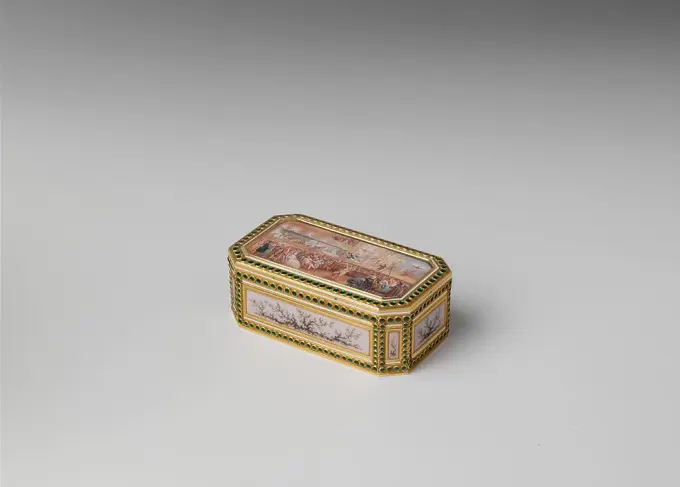
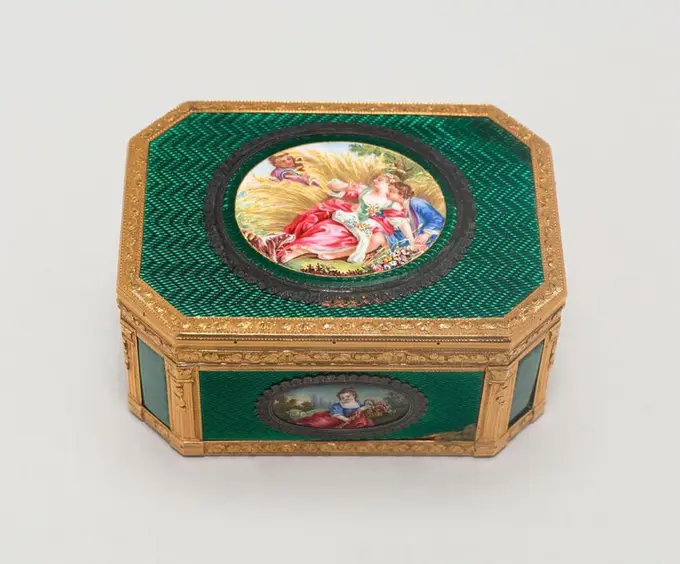
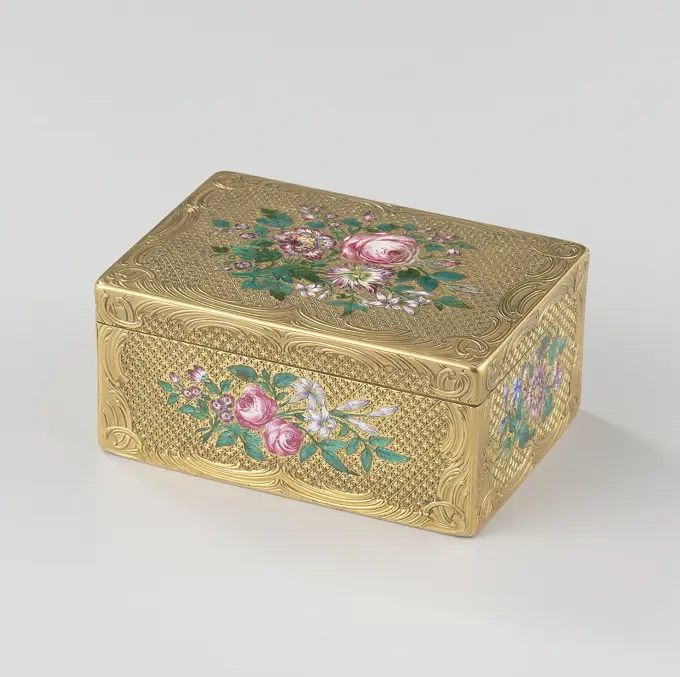
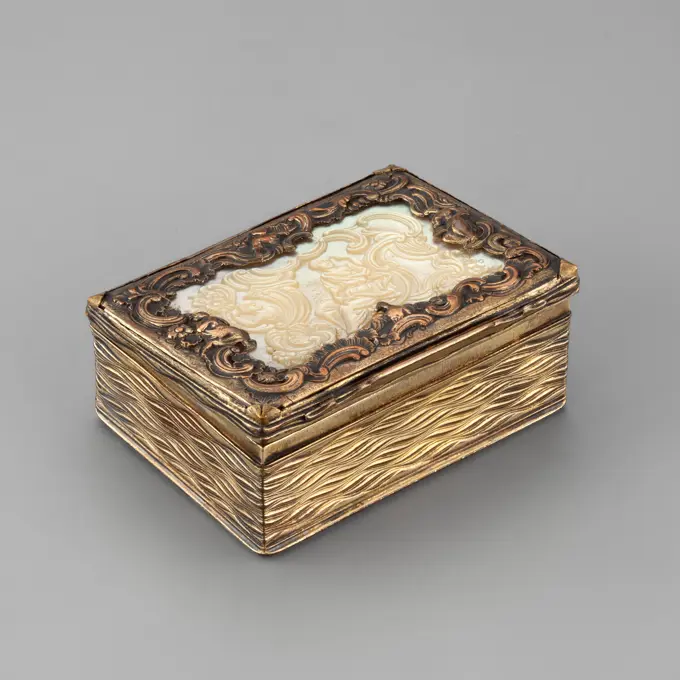
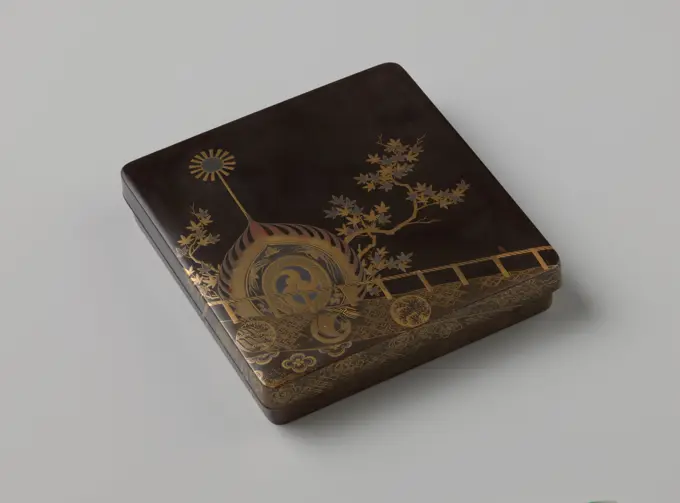
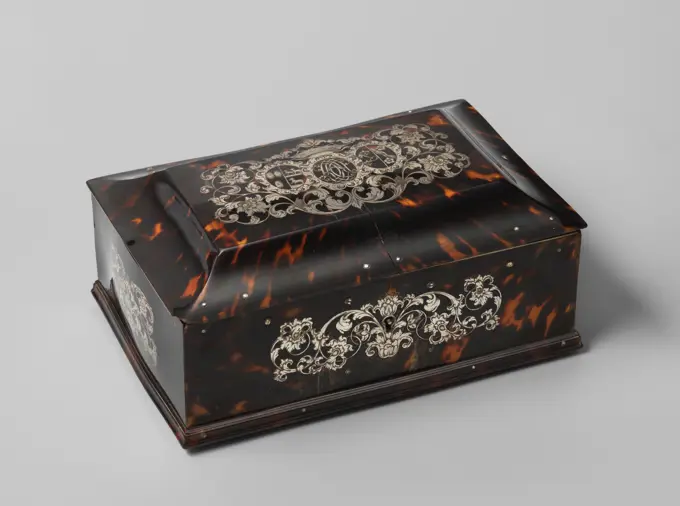
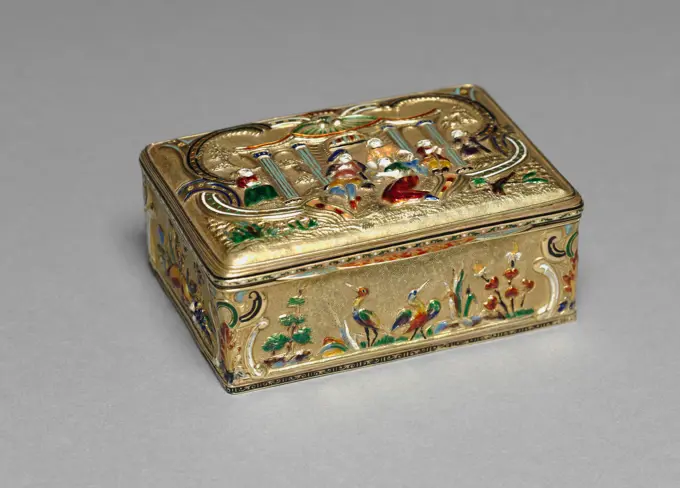
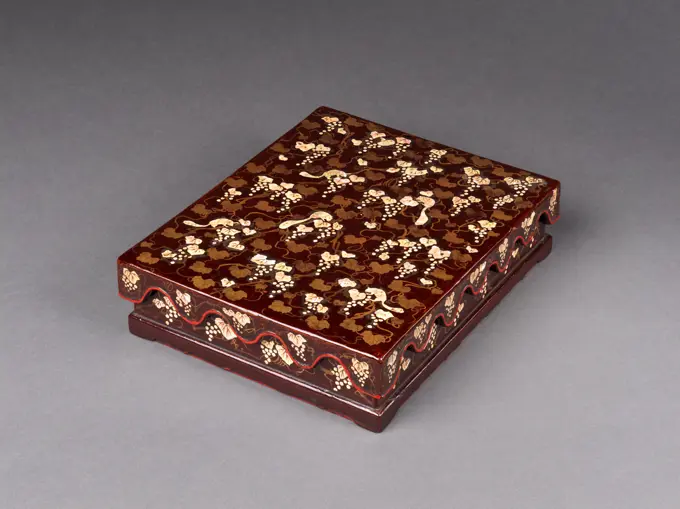
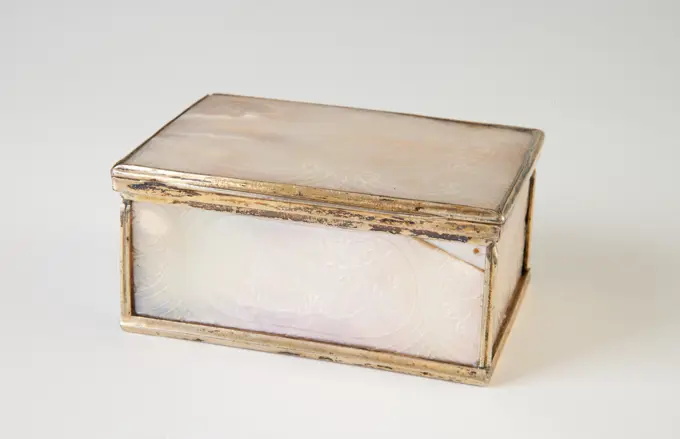
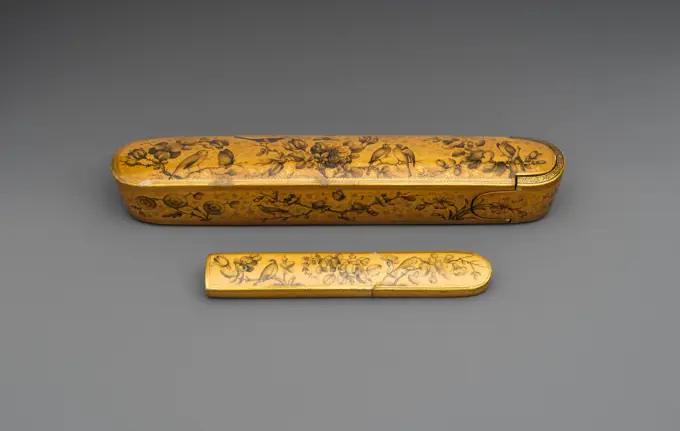
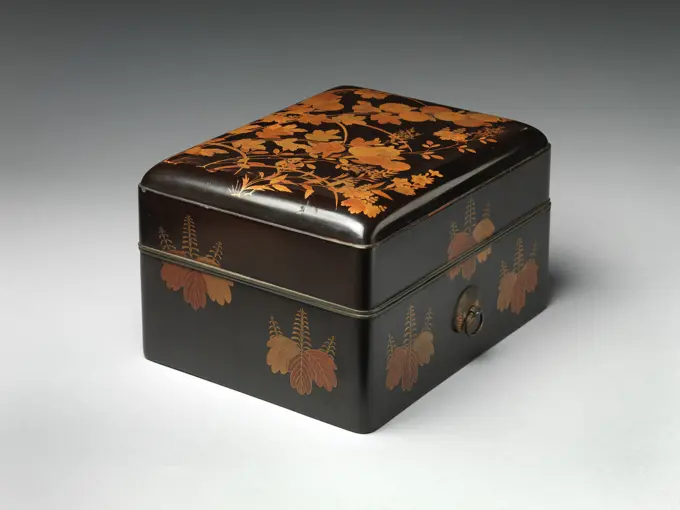
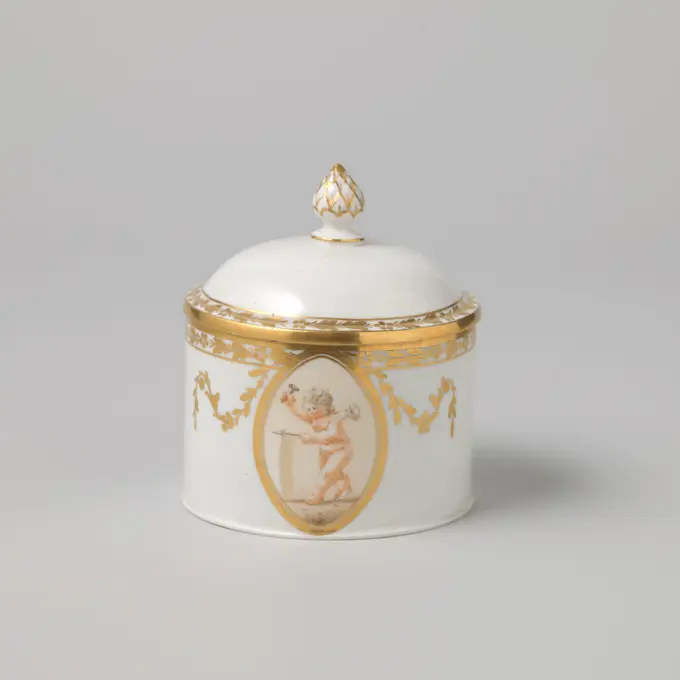
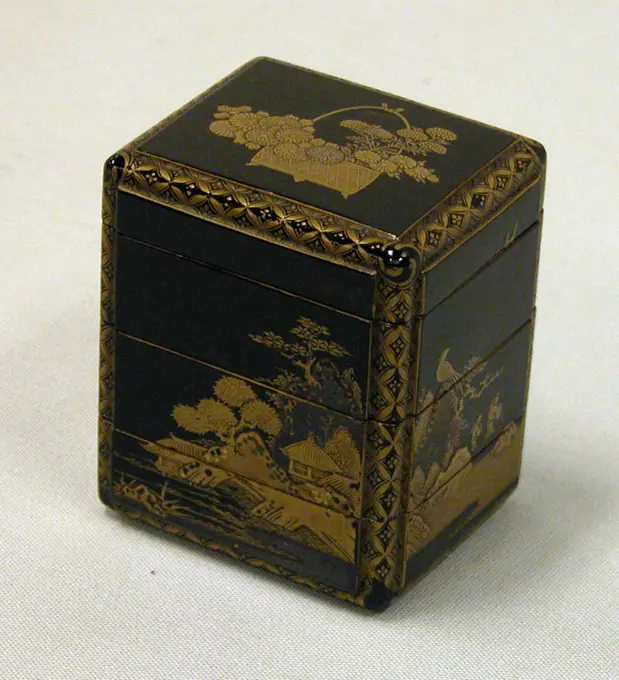
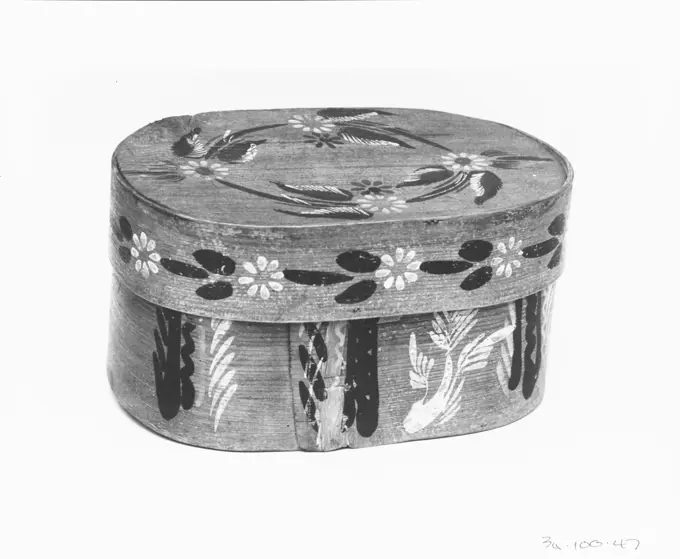
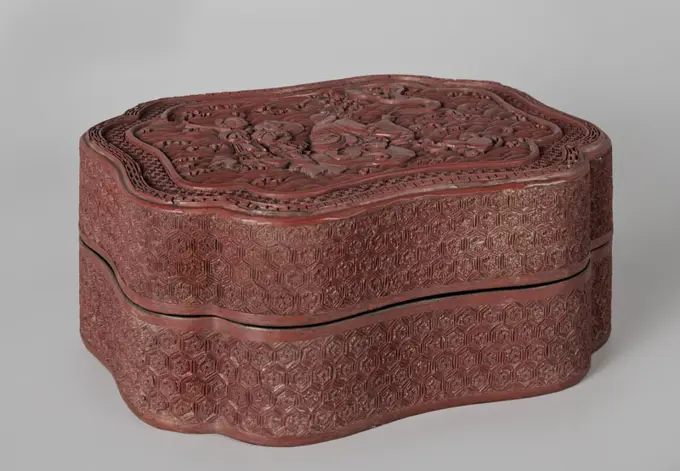
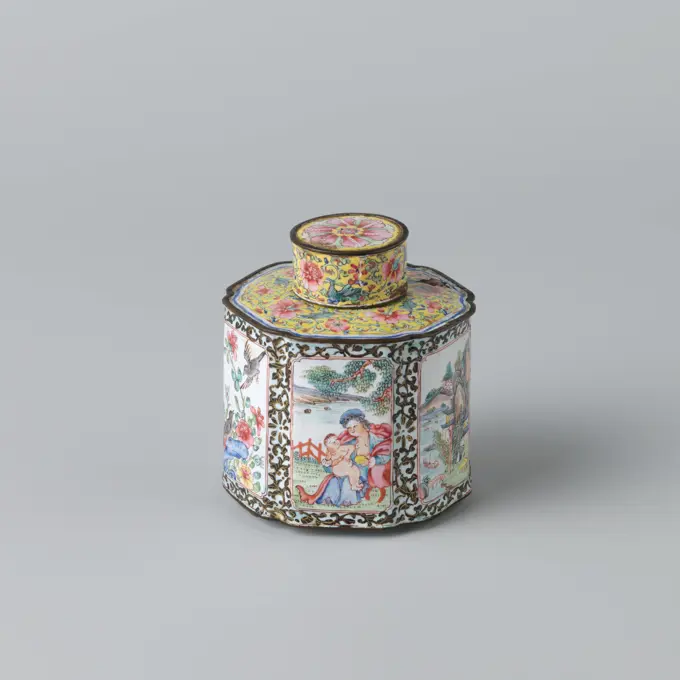
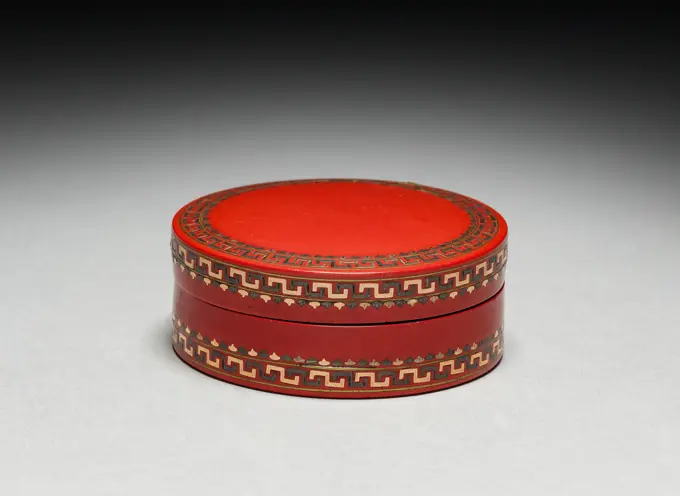
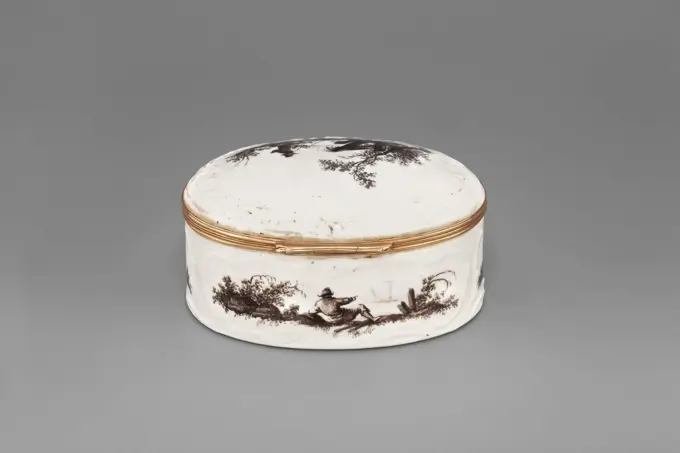
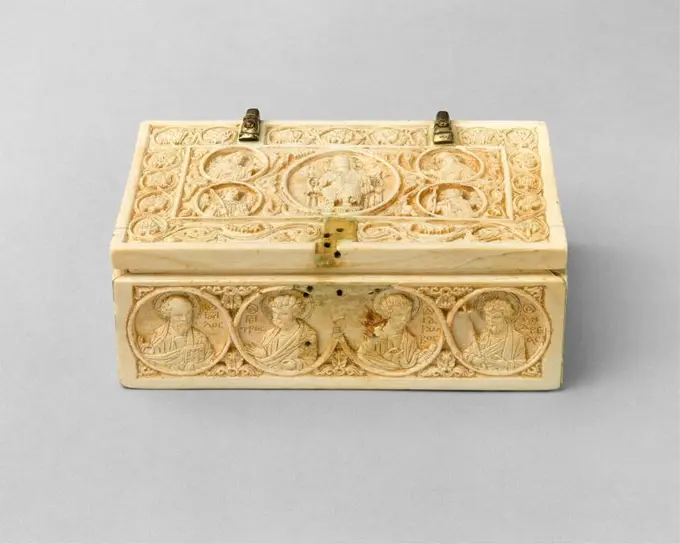
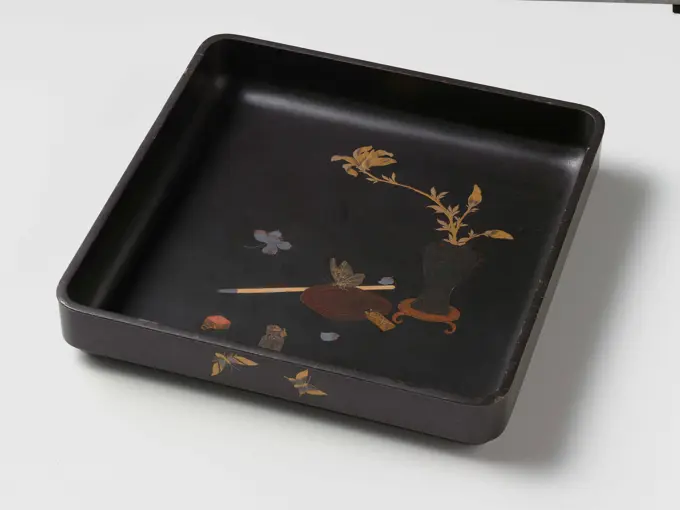
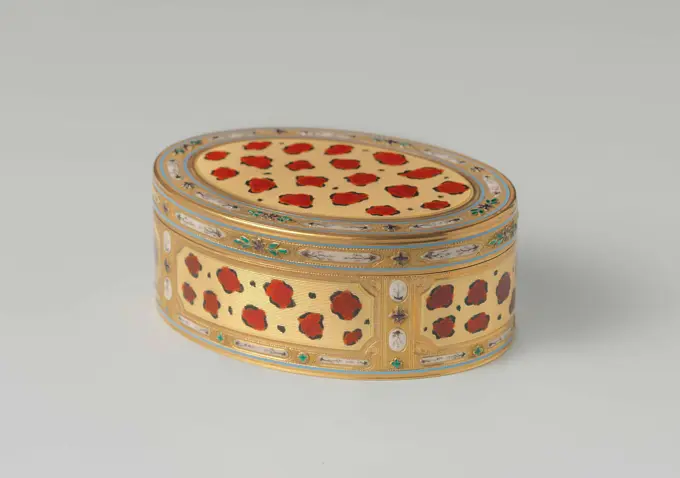
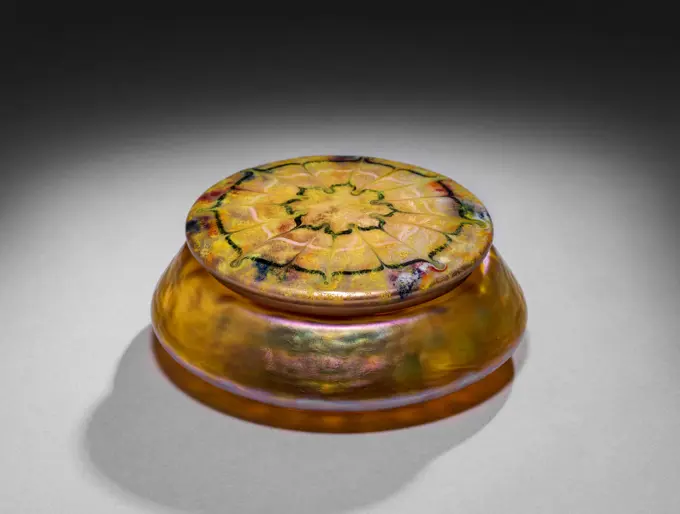
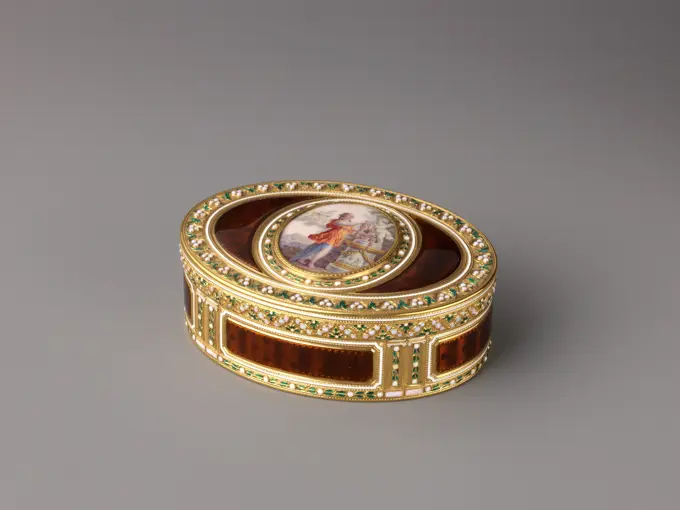
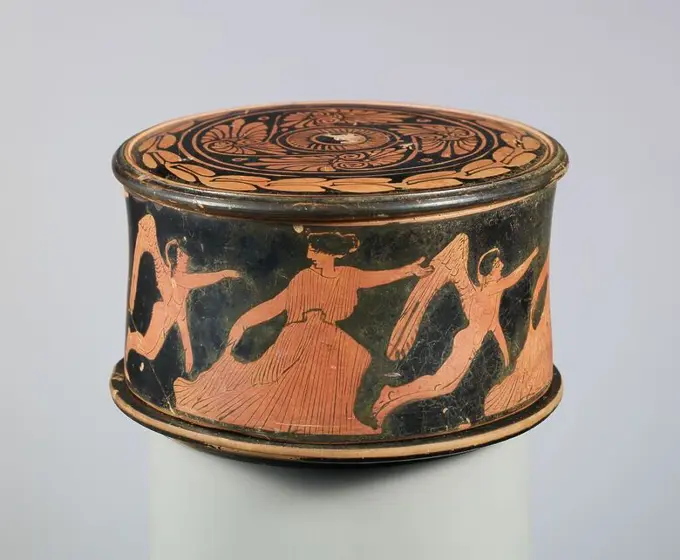
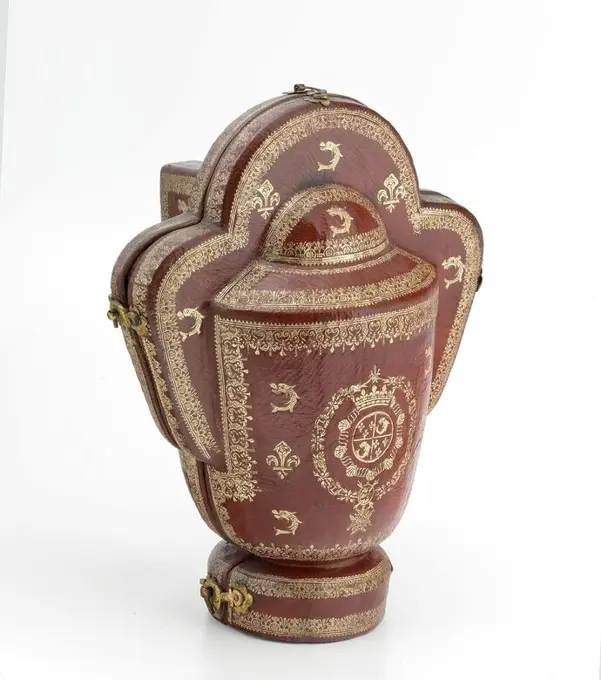
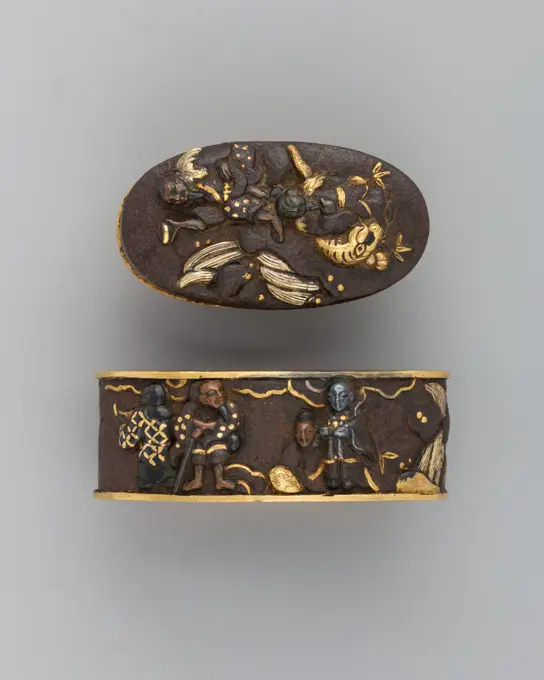
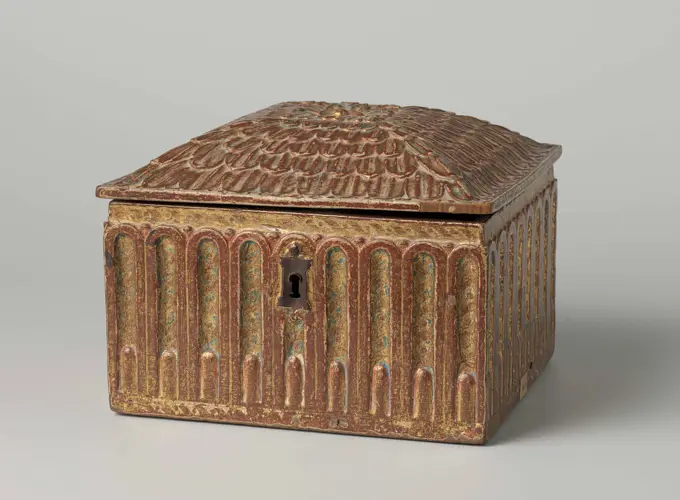
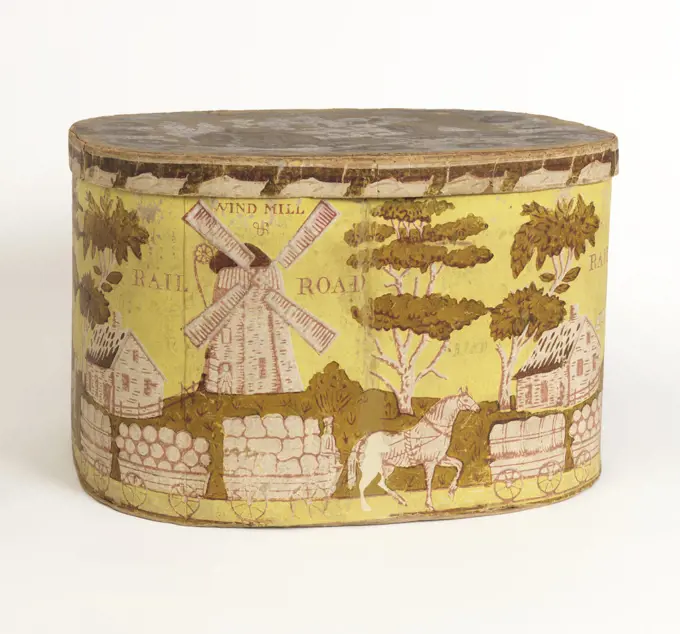
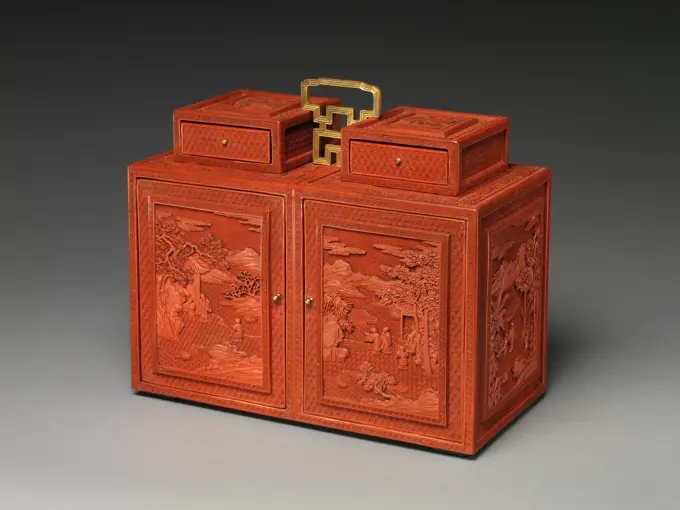
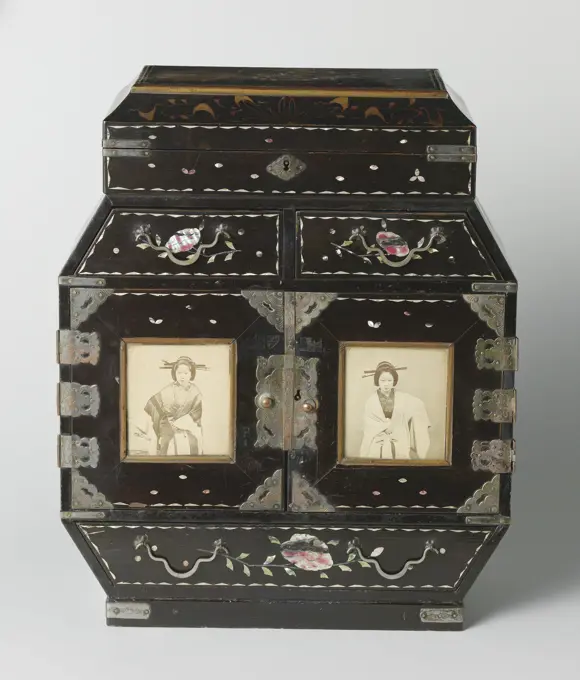
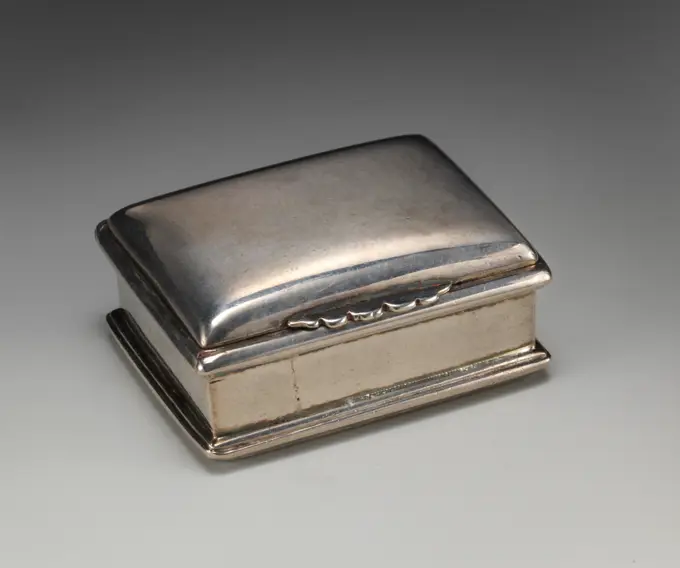
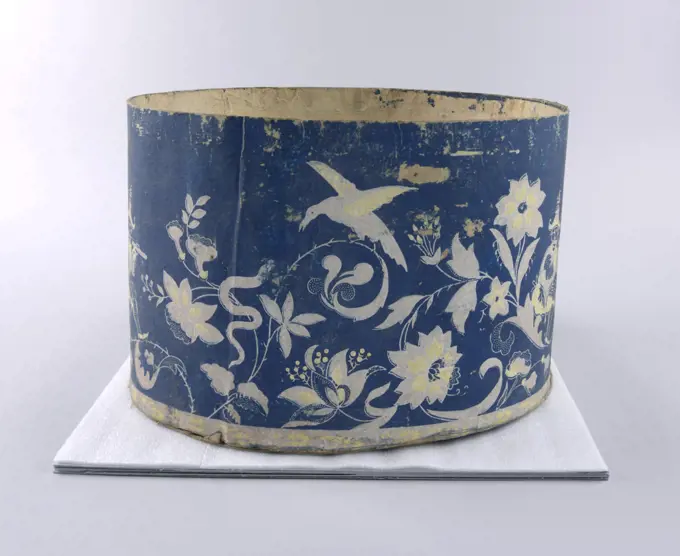
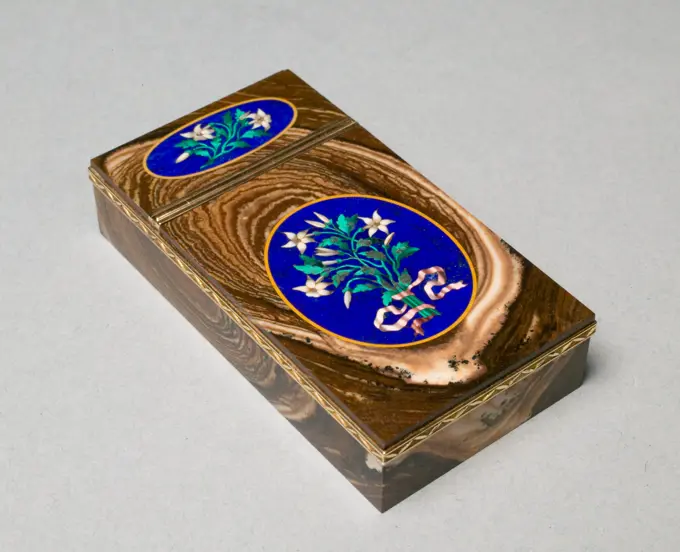
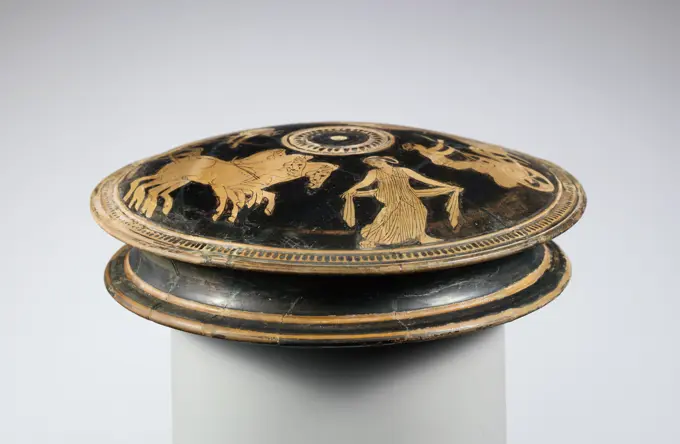
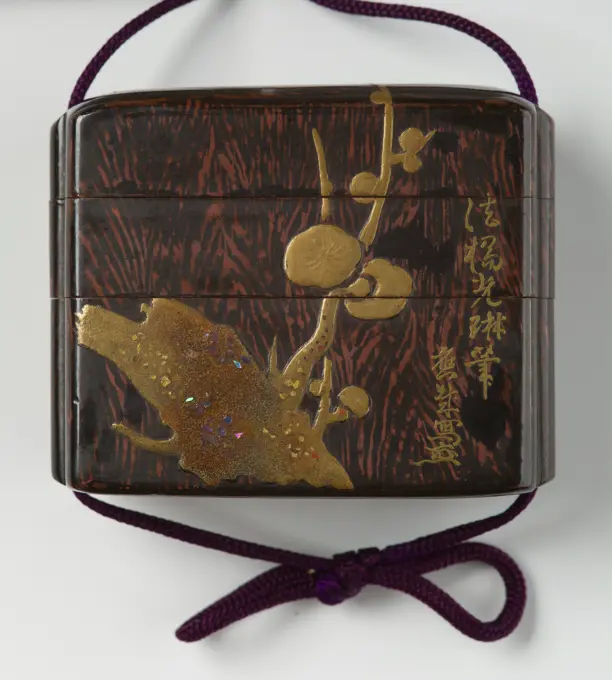
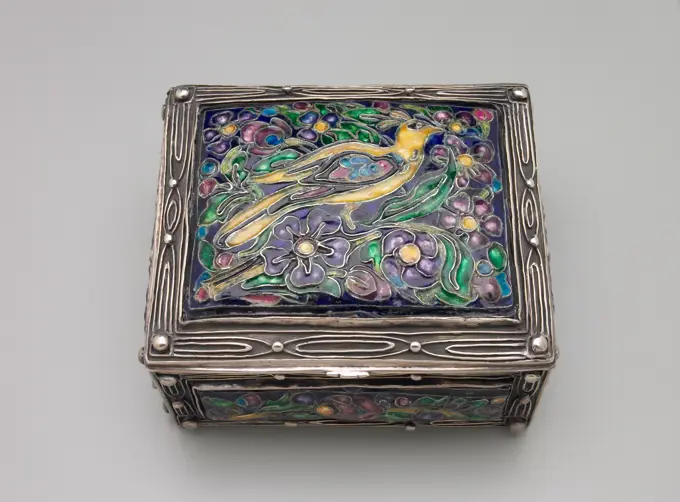
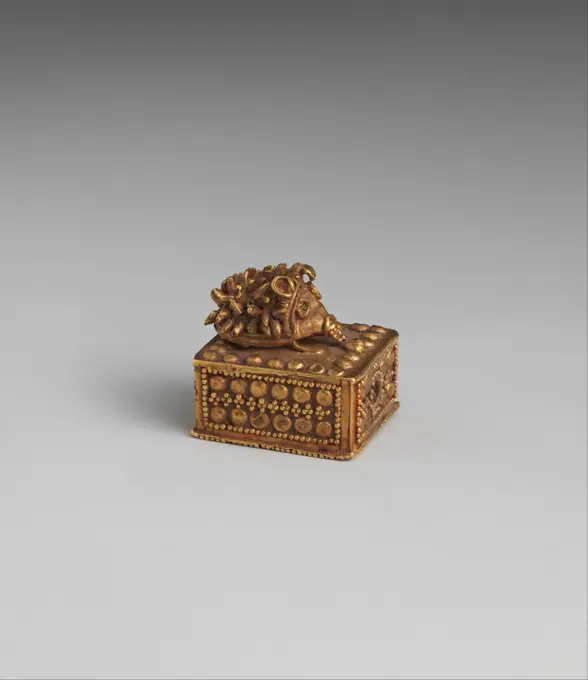
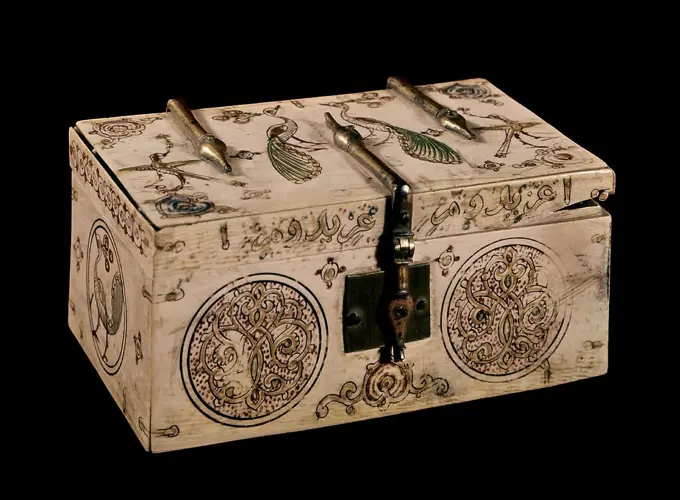
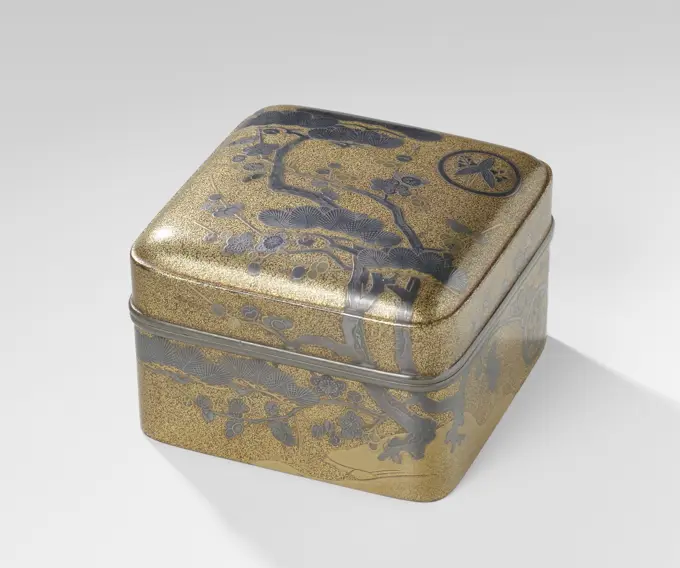
Incense box decorated with pine trees and plum trees, anonymous, c. 1700 - c. 1800 Outside lid and box decorated with pain and plum trees in silver and gold in a golden stock. Japan wood (plant material). lacquer (coating). tin (metal) Outside lid and box decorated with pain and plum trees in silver and gold in a golden stock. Japan wood (plant material). lacquer (coating). tin (metal)casket, wood, Central Europe, possibly Germany, late 18th-early 19th century, containers, Decorative Arts, casketSnuffbox with theatrical scenes of a rope dancer and a puppet show. Artist: Miniature by Louis Nicolas van Blarenberghe (French, Lille 1716-1794 Fontainebleau); and Henri Joseph van Blarenberghe (French, Lille 1750-1826 Lille). Culture: French, Paris. Dimensions: Overall (confirmed): 1 1/16 x 2 13/16 x 1 5/8 in. (2.7 x 7.1 x 4.1 cm); Miniatures: (sight measurements) top 1 3/16 x 2 3/8 (3 x 6 cm.); bottom 1 3/16 x 2 3/8 (3 x 6 cm.). Maker: Box by Joseph Étienne Blerzy (French, active 1750-1806). Date: 1778-79.The box bears four marks, among them the Paris mark for 1778-79, and the mark of Joseph-Étienne Blérzym a master in 1768, working to 1806. The sides and chamfered corners are decorated with plaques of translucent opalescent enamel resembling moss agate with delicate branches in silhouette. Judging by the costumes, the miniatures, this one and that on the lid, A Rope Dance, are contemporaneous. Neither is signed, but the style is typical of the Van Blarenberghes in the late 1770s, tTwo -segment box;  18th century (1701-00-00-1800-00-00);Confectioner; Wehdell, Karol Harald (CA 1793-1844); 1930s (0-00-00-0-00-00);Gold Box. Pierre François Drais; French, active 1763-88. Date: 1770. Dimensions: 3.2 × 6.7 × 4.8 cm (1 1/4 × 2 5/8 × 1 7/8 in.). Gold, silver, and enamel. Origin: France. Museum: The Chicago Art Institute, Chicago, USA.Gold snuff box, rectangular, decorated with flower bouquets from Émail, Barnabé Sageret, c. 1753 - c. 1754 Rectangular golden snuff box, with flower bouquets in enamel on the lid and on the sides. A painted family portrait on the inside of the lid. Paris gold (metal). glass painting Rectangular golden snuff box, with flower bouquets in enamel on the lid and on the sides. A painted family portrait on the inside of the lid. Paris gold (metal). glass paintingSnuffbox;  Ok. PO. 18th century (1746-00-00-1755-00-00);antique scenes, ancient outfit, rocaille (ornament), rococo (style)Snuffbox;  1728-29 (1728-00-00-1729-00-00);rabbits, flowers, birds, squirrels, purchase (provenance), animals, snailsRound Botervloot van earthenware, Anonymous, c. 1740 - C. 1765 Round butter fleet with raised ears multicolored painted with a Mediterranean landscape. Marked in blue va. Delft . Round butter fleet with raised ears multicolored painted with a Mediterranean landscape. Marked in blue va. Delft .Suzuribako with lid, anonymous, 1775 - 1800 Suzuribako whose lid is decorated in gold lacquer and silver lacquer with a windshield and a drum set. Japan wood (plant material). lacquer (coating) Suzuribako whose lid is decorated in gold lacquer and silver lacquer with a windshield and a drum set. Japan wood (plant material). lacquer (coating)Box, 1750-1775. South Germany, 18th century. Porcelain with silver-gilt mounts; overall: 4.2 x 8.2 x 6.7 cm (1 5/8 x 3 1/4 x 2 5/8 in.).Vessel for betel;  XIX - 1. PO. 20th century (1800-00-00-1950-00-00);Toeplitz-Mrozowska, Jadwiga (1880-1966), Toeplitz-Mrozowska, Jadwiga (1880-1966)-collection, gift (provenance), Burmese artBox of turtle inlaid with engraved silver, decorated with a monogram and weapons. Box of turtle inlaid with engraved silver: monogram C or / and D, K and L, and two weapons inside symmetrical acanthus drinks. Rectangular model with vaulted lid. Silver lock, hinges and nails. Lining of light red moire side.Key cassetteSquare Lantern With Pierced Sides. Square lantern of porcelain with openwork walls, painted on biscuit in blue, green, yellow, eggplant and black. The walls are opened in a medallion in a square decorated with swastika pattern, napkin work and flower raft. To put the square loose flowers in a geometric pattern on a speckled soil. Email sur biscuit with famille verte colors.Sand spreader. Sand spreader of stoneware.Scroll tray 1573-1620 China. Scroll tray. China. 1573-1620. Black lacquer with inlay. Ming dynasty (1368-1644), Wanli period (1573-1620). LacquerRed Japanese lacquer box with albumin pressure on the lid, Anonymous, c. 1870 - c. 1900 photograph Red Japanese lacquer box with albumin pressure on the lid used to store photos. unknown wood (plant material). enamel paint. photographic support albumen printCasket (part of a toilet service) 1683-84 William Fowle. Casket (part of a toilet service). British, London. 1683-84. Silver gilt. Metalwork-SilverConfectioner; Non -like Lona Huta; Ok. PO. 19th century (1840-00-00-1860-00-00);Skuratowicz Stanisław, Dar (provenance)Snuff Box, 1800s. Continental, 19th century. Gold box decorated with polychrome, repousse enamel figures; overall: 3.2 x 8.6 x 6.7 cm (1 1/4 x 3 3/8 x 2 5/8 in.).Writing box with decoration of grapes and squirrels 17th century Japan (Ryky Islands). Writing box with decoration of grapes and squirrels. Japan (Ryky Islands). 17th century. Black lacquer with mother-of-pearl inlay and gold painting. LacquerTabakierkaPen Box and Glass Case mid-19th century Fathallah Shirazi This penbox, by one of the great lacquer painters of the second half of the nineteenth century, is decorated in the artist's signature gul-u-bul-bul (rose and nightingale) style in a palette of beige, gold and black. It contains a small spectacle case with the same decorative motif that fits into the sliding compartment. The inscription, which appears at the top and bottom edges of the lid, tells us that it was made for the Qajar prince, Kamran Mirza, who was the third son of the ruler, Nasir al-Din Shah (r.1848-96).. Pen Box and Glass Case. Fathallah Shirazi (Iranian, active 1850s-80s). mid-19th century. Lacquer. Made in Iran. LacquerBox for Personal Accessories (Tebako) with Autumn Grasses early 17th century Japan Autumn flowers and grasses, principally chrysanthemums, pampas grass, and bush clover, embellish the lid of this box. Scattered across these plants are five stylized paulownia crests that echo the larger ones adorning the boxs sides. By the late sixteenth century, Kyoto had become the most important center of Japanese lacquer art. It was at this moment that the military leader Toyotomi Hideyoshi (1537-1598) changed the way maki-e (“sprinkled picture”) decoration was used, ordering that it be applied to large furniture, household objects, and other objects not normally worthy of such luxurious treatment. Craftsmen created innovative, bold designs without complicated underdrawings and covered large surfaces in a comparatively short time. This flamboyant style was named K?daiji, after the temple in Kyoto dedicated to Hideyoshi and his wife, Nene.. Box for Personal Accessories (Tebako) with Autumn Grasses. Stacking box. The inlaid silver globules on this box represent dewdrops on flowering autumn plants. Dew is a metaphor for transience, a natural development of the autumnal theme.Sugar bowl with a putto in a medallion, Fürstenberg, c. 1785 - c. 1795 Porcelain sugar bowl with a cylindrical body, painted on the glaze in sepia and gold. On the belly a medallion with a putto twice, one picks up a shelf and the other inshalances its arrow. Above the medallions a garland with a bond with a leaf shelf above it. Lid with a leaf vank and lid button in the shape of a pine cone. Marked on the bottom with F-I and N1. Fürstenberg porcelain. glaze. gold (metal) painting / gilding / vitrification Porcelain sugar bowl with a cylindrical body, painted on the glaze in sepia and gold. On the belly a medallion with a putto twice, one picks up a shelf and the other inshalances its arrow. Above the medallions a garland with a bond with a leaf shelf above it. Lid with a leaf vank and lid button in the shape of a pine cone. Marked on the bottom with F-I and N1. Fürstenberg porcelain. glaze. gold (metal) painting / gilding / vitrificationIncense box early 18th century Japan. Incense box. Japan. early 18th century. Lacquer. Edo period (1615-1868). LacquerSugar bowl, belonging to coffee and tea sets, painted with women or putti in ovals against red fond. Sugar bowl, belonging to a coffee and tea set, multi-colored painted with ovals in which women's figures or putti in brown on a soil against a red fond. Along the edges a golden flower and leaf drink. Flammed f of 1, 2, 3 and 10 separated by a lying indent in underglazing blue.Aventurine snuffbox. unknown, authorRound Box For Woman s Hat Old handmade round box for hats on isolated background Copyright: xZoonar.com/AndreyxSkatx 7801813Trinket Box 1770-1800 American. Trinket Box. American. 1770-1800. Cedar. Made in Pennsylvania, United StatesBox - rectangular casket. unknown, craftsmanTwo tea caddies, anonymous, 1740 - 1760 Hexagonal tea liability with nipples on three very low unglazed legs and with flat shoulders and round, flat cap. On the six sides three different representations, painted in pink, blue, green (2 shades), brown, orange and yellow enamel: a water landscape, two birds in flowering plants and a rock, a woman with bare chest and a child on their lap at The waterfront (Maria). Between the fields of black lods with golden details on a very light blue surface. A European flower drink in blue on the bottom. China copper (metal). Hexagonal tea liability with nipples on three very low unglazed legs and with flat shoulders and round, flat cap. On the six sides three different representations, painted in pink, blue, green (2 shades), brown, orange and yellow enamel: a water landscape, two birds in flowering plants and a rock, a woman with bare chest and a child on their lap at The waterfront (Maria). Between the fields of black lods with golden details on a ¡CONSULTAR DISPONIBILIDAD! - CAJA DE MARFIL-ABIERTA. Location: PRIVATE COLLECTION. MADRID. SPAIN.Round Box, c. 1770. France, 18th century. Tortoise shell decorated in red lacquer with inlays of gold, brass, and silver; contains a portrait miniature; diameter: 2.3 x 6.4 cm (7/8 x 2 1/2 in.).Snuffbox. unknown, authorReliquary Casket with the Deesis, Archangels, and the Twelve Apostles. Culture: Byzantine. Dimensions: Overall (with mounts): 2 13/16 x 7 3/16 x 4 1/4 in. (7.1 x 18.3 x 10.8 cm)Overall (without mounts): 2 5/8 x 7 3/16 x 4 in. (6.7 x 18.3 x 10.2 cm)Top: 7 3/16 x 3 13/16 x 3/8 in. (18.3 x 9.7 x 1 cm). Date: 950-1000.On the lid of the casket is a Deesis composition showing Christ enthroned in majesty, flanked by the Virgin, John the Forerunner (the Baptist), and archangels. Roundels containing portraits of saints, identified by carefully carved Greek inscriptions, decorate the sides of the casket. Museum: Metropolitan Museum of Art, New York, USA.Small plate. unknown, craftsman. Dark gray fond with a still life of a flower vase and writing accessories; Imitation of bronze surface structure.Snuff box with leosess. Oval golden box, enameled with red-brown spots on yellow fond, as with a panther skin. The edges with green leaves and light violet strips on matted gold.. The clans of Japans ruling class had clan emblems (mon), which they displayed like a logo on clothing or utensils. Mon were sometimes used as decorative motifs too, as may be the case with this object.Covered Box, c. 1898-1902. Tiffany Glass & Decorating Company (American, New York, 1892-1902). Favrile glass, enamel on copper; 14 cm (5 1/2 in.). By 1900 Tiffany had expanded his empire by increasing the firms production of “fancy goods,” including inkstands, candlesticks, clocks, small boxes, desk sets, tea screens, and other functional objects. Along with the array of artistic glass designs from his factory in Corona, Queens, works in ceramic, bronze, other metals, and even jewelry abounded. These smaller, more affordable luxury items were designed with as much thought to artistry as the great stained glass windows and lamps through which the firm enjoyed unrivaled success.Sponge Box 1855 Netherlands. Silver .Snuffbox with a Scene of Venus and Cupid 1781-82 Joseph Etienne Blerzy French No charge mark for gold and small silver work was registered at the outset of the new tax farm in 1781, although this was corrected two years later. Boxes made in the interim were struck with the mark seen on this box. The fashion for boxes that accommodated other media in their design encouraged the production of miniatures on vellum, ivory, or enamel from which the goldsmiths or retailers could choose. The randomness of subject matter is indicated by 106 such miniatures sold from the Cottin collection in 1752, which included royal and anonymous portraits; genre, landscape, and allegorical scenes; pastoral and biblical subjects; and birds.. Snuffbox with a Scene of Venus and Cupid 460924Round box with flowering plants, anonymous, anonymous, c. 1700 - c. 1799 Round box (incense box or kogo) made of stoneware, covered with a cream -colored glaze and painted in underlaze blue and iron brown. A group of flowering plants on the lid. Gold lacquer restorations on the edge and outside of the box. Kyoyaki. Japan stoneware. glaze. cobalt (mineral) painting / vitrification Round box (incense box or kogo) made of stoneware, covered with a cream -colored glaze and painted in underlaze blue and iron brown. A group of flowering plants on the lid. Gold lacquer restorations on the edge and outside of the box. Kyoyaki. Japan stoneware. glaze. cobalt (mineral) painting / vitrificationTerracotta pyxis (box). Culture: Greek, Attic. Dimensions: H. with lid 3 1/2 in. (8.9 cm)diameter of body 4 3/4 in. (12.1 cm)diameter of lid 5 7/8 in. (14.9 cm). Date: ca. 425-400 B.C..Erotes pursuing womenThe pyxis was a container for small items and toilet articles. The decoration of Erotes rushing in hot but endless pursuit around the circumference is charming and suggestive. Museum: Metropolitan Museum of Art, New York, USA.Treasure Boat-shaped Incense Box Kōgō 17th century Japan. Treasure Boat-shaped Incense Box Kōgō 57942Anonymous / 'Case for rock crystal vessel with spout and trefoiled handle'. 1650 - 1711. Leather, Wood, Metal, Cloth. Museum: Museo del Prado, Madrid, España.Basket with Lid (TampaNyawan)Secretary (Japan); wood; 186 x 112 x 78 cm (6 ft. 1 1/4 in. x 44 1/8 in. x 30 11/16 in.)Sword-Hilt Collar and Pommel (Fuchigashira) 18th century Japanese A fuchigashira is a pair of matching sword fittings comprising the fuchi (collar at the base of the grip of the sword hilt) and kashira (pommel cap at the end of a sword hilt).. Sword-Hilt Collar and Pommel (Fuchigashira). Japanese. 18th century. Iron, gold. Sword Furniture-Fuchi-KashiraToilet set, c. 1795 Rectangular box belonging to the Mirror Standard AK-RAK-2003-8-1. Covered with black lacquer with gold decorations. On the lid a monogram ECVB surrounded by a narrow b and with leaf motifs and four small flowers. Around the central medallion a flower band and outside this tire the surface is filled with geometric motifs. Loose flower branches on the sides. Canton whole: Wood (plant material). whole: Lacquer (coating). Looking Glasses lacquering Rectangular box belonging to the Mirror Standard AK-RAK-2003-8-1. Covered with black lacquer with gold decorations. On the lid a monogram ECVB surrounded by a narrow b and with leaf motifs and four small flowers. Around the central medallion a flower band and outside this tire the surface is filled with geometric motifs. Loose flower branches on the sides. Canton whole: Wood (plant material). whole: Lacquer (coating). Looking Glasses lacqueringCosmetic Box, 1573-1615. Japan, Momoyama period (1573-1615). Wood with lacquer; valance: 19.7 x 26.7 x 33.4 cm (7 3/4 x 10 1/2 x 13 1/8 in.).Candle Box 1800-1830 American. Candle Box 1151Anonymous / 'Case for gold tazza with turquoises and rubies'. 1600 - 1711. Leather, Wood, Metal, Cloth. Museum: Museo del Prado, Madrid, España.Snuif box of enamelled copper, anonymous, c. 1400 - c. 1950 Snuif box of enamelled copper with a representation in pink on white stock of a ship fight, landscapes with ships and on the lid a cityscape with ships.  copper (metal). Snuif box of enamelled copper with a representation in pink on white stock of a ship fight, landscapes with ships and on the lid a cityscape with ships.  copper (metal).Small, round, ivory box with engraved pearl chips. Small, round box with a convex lid. The lid and sides decorated in high relief. On the lid a curious show of three trees surrounded by and fence; a landscape with houses without figures on the sides; A flower in low relief on the bottom. On the inside of the lid a vague remainder of a Chinese character in Chinese ink. The chips are equipped with a fine cartel edge and are engraved with various narrow, decorative tires. In the center at the front a Chinese man at a tree. All the sheets (12) Except one sitting in the box. This box was probably part of a larger game box.MountCoffin with vaulted lid, decorated with cannelures. Coffin, square, with vaulted lid and adorned to four sides with cannelures that are filled up to a half. On the lid cutting of crossing leafwork. The whole has been plated on red substrate and painted in multiple places in blue, red and white. Inside the box is painted red red, the lid heavily plated with multicolored painting with the letters IHS in praise. The bottom is attached to the upright sides with four hooks.Slip case for a book, Leather on paper, USA, 19th century, containers, Decorative Arts, Case, CaseSnuffbox 1749-50 French, Paris In eighteenth-century Europe, Paris led the production of high-quality luxury goods. Parisian goldsmiths made a wide range of small, personal articles such as snuffboxes; étuis to hold sealing wax, tweezers, or utensils for sewing; souvenirs, which contained thin ivory tablets for note taking; and shuttles for knotting lace. Gold snuffboxes and boxes decorated with portrait miniatures were prized and frequently given as royal gifts, often to ambassadors or members of the court in lieu of cash payments for their services. Coveted and admired, these boxes were produced from a variety of materials. The best were skillfully made of gold and embellished with diamonds, enameled decoration, lacquer, and other luxurious materials. By the middle of the century, the taking of snuff had become an entrenched social ritual, and the snuffbox, too, had become an important social prop. Snuffboxes were considered highly fashionable accessories, with some merchants advertiFunerary Headrest (Zhen) with Confronting Flying Fish and Floral ScrollsTea bus with a multicolored landscape in a medallion saved in a geometric pattern. Tea bus with a multicolored landscape in a medallion saved in a purple geometric pattern. Not noticed.Incense burner. Terracotta. China, Tang dynasty. Paris, Cernuschi museum. 72776-14 Asian art, burn-brurge, old ceramic, covered, tang dynasty, email, empire unifies tang, glacide three 3 colors, 9th 9th 9th 9th 9th 9th century, Chinese object, Chinese pottery, terracotta, terracotta emaillee, 7th VII 7th 7th 7th century, VIIIEME VIIIE VIII 8th 8th 8th century, XEME XE X 10th 10th 10th centuryWindmill and Rail Road, Block-printed on handmade paper, pasteboard support, Windmill and railroad, three loaded cars drawn by a horse, on side. Top has houses and trees, with a border of flowers. Printed in sky: 'Windmill & Rail Road'. Printed in red and green on yellow ground., USA, ca. 1830, Wallcoverings, Bandbox and lid, Bandbox and lidBox ca. 1755-60 Italian, Venice Though small decorative objects in the lacca povera ("poor-man's lacquer") technique, embellished with cutout and pasted-on prints, were quite popular during the eighteenth century, few examples survive.. Box 208207Portfolio (France); leather, paper, gold, silk, brassCoca Box (Coquera). Unidentified artist. Bolivia, possibly Moxos or Chiquitos, circa 1770. Furnishings; Accessories. Cast and chased wood and silverCabinet with figures in a landscape 18th century China This two-door cabinet appears to be two separate boxes held together by gilt-bronze handles but it is actually a single piece. Six side panels represent figures along a riverbank and on a garden terrace with hills receding in the distance. Deer adorn the tops of the two drawers. The sharp, precise carving of the red lacquer is characteristic of Qianlong workshops, as is the deeply carved background of brocade patterns.. Cabinet with figures in a landscape. China. 18th century. Carved red lacquer; gilt bronze fittings. Qing dynasty (1644-1911), Qianlong period (1736-95). LacquerCabinet of Japanese paintwork, c. 1400 - c. 1950 photograph. object. cabinet   wood (plant material). mother of pearl. photographic support. glass. metalFootstool in an oval shape, anonymous, c. 1900 - c. 1925 Footstool made of oak wood in an oval shape resting on four legs. The four legs are inspired in the oval frame and end at the bottom in a curl turned outside. Within the oval frame, the footstool is covered with brown trijp that is trimmed with a brown-yellow band.  oak (wood). wool Footstool made of oak wood in an oval shape resting on four legs. The four legs are inspired in the oval frame and end at the bottom in a curl turned outside. Within the oval frame, the footstool is covered with brown trijp that is trimmed with a brown-yellow band.  oak (wood). woolBox ca. 1730-50 British. Box. British. ca. 1730-50. Paktong. Metalwork-Base MetalBandbox, Block-printed on paper, pasteboard support, A Chinoiserie design inspired probably from an 18th century one. An Asian figure is seated on a leaf of a floral branch. He is in Oriental costume and is playing a flute. The flowers in proportion are of colossal size. On a slender stem. The colors are peach, yellow and old ivory. Stem - a narrow floral band encircles bottom of box., USA, 1800-1825, Wallcoverings, BandboxPurse-Shaped Vinaigrette. T. Simpson and Son; Birmingham, England. Date: 1816-1817. Dimensions: 3.2 × 2 cm (1 1/4 × 3/4 in.). Silver and silver gilt. Origin: Birmingham. Museum: The Chicago Art Institute, Chicago, USA.Jessica Price, Pa German Bride's Box, c 1936 Pa. German Bride's BoxBetelBoxSnuffBox.   Maker: Peter Van Dyck, American, 1684-1751Cup with roses in medallions, anonymous, c. 1800 - c. 1810  Porcelain head with a cylindrical wall, painted on the glaze in enamel colors and gold. The outer wall is covered with a cream -colored glaze containing four oval medallions with peonies. In between depending and standing leaf motifs. Golden band above the foot and on the edge. Ear is missing. France porcelain. glaze. gold (metal) painting / gilding / vitrificationHalf of a bedspread, ivory-colored, stitched into shell pattern. Half of a spread of ivory-colored silk satin, filled with an interlayer of (roughened) wool; Stitched with light silk thread in shell pattern in the middle and in the corners.Snuff Box, c. 1840. France, early 19th century. Gold, agate, set with mosaic panels, lapis ground; overall: 7.6 x 2.9 x 1.6 cm (3 x 1 1/8 x 5/8 in.).Terracotta pyxis (box) ca. 430 B.C. Attributed to the Marlay Painter The daughters of DanaosWomen driving chariots at full tilt are rare in Greek mythology. For that reason, the figures in this scene have been identified as the formidable daughters of the mythical king Danaos. There were fifty daughters, known for their accomplishments at hunting and warfare. They had been forced to marry their fifty cousins, sons of king Aigyptos, but slew their husbands on the wedding night. Thereafter, they found new spouses.. Terracotta pyxis (box). Greek, Attic. ca. 430 B.C.. Terracotta; red-figure. Classical. VasesSafe' still bank, c. 1896, Kyser & Rex Company, Philadelphia, c. 1879-1898, 3 5/16 x 2 1/2 x 2 3/16 in. (8.41 x 6.35 x 5.56 cm), Iron, pigment, 19th-20th centurybox, Wood (possibly olivewood), paint, Small box, rectangular in plan, oval in section. Hinged lid, thinly veneered lining of shell. Painted geometric design on top, black lines with green, blue, red, and white filled areas., USA, 19th century, containers, Decorative Arts, boxCDK TOYENCHI OSAIInk set. Ink tube of stoneware with loose sand cooker and ink vessel. Very damaged.Musical Chime 1756-1766 China. Jade with gilt decoration . Kuei MaoPerfume Flask in form of a Book Made 1745-1805 France. Tin-glazed earthenware (faience) .Band for the New Testament and the Psalms, Anonymous, c. 1700 - c. 1725 The New Testament and the Psalms from 1854, bound in Segrin Band with old silver ditches, corners and rings. Abraham's sacrifice and the three angels at Abraham on the ditches. The proclamation and birth. The circumcision and the assignment in the temple. On the corners: Love with the law, twice; The faith with the cross, twice; the innocence with a pigeon, twice; The trust or the power with a column, twice. On the batter where the rings: the hope with the anchor; The innocence () With the lamb. On one of the lips of the ditches JH. Oojevaar (from later time). Netherlands paper. silver (metal). shagreen (leather) The New Testament and the Psalms from 1854, bound in Segrin Band with old silver ditches, corners and rings. Abraham's sacrifice and the three angels at Abraham on the ditches. The proclamation and birth. The circumcision and the assignment in the temple. On the corners: Love with the law, twice; The faithBox.  Maker: Elizabeth Copeland, American, 1866-1957Hedgehog on box pendant 4th century -30 B.C., perhaps Late Period-Ptolemaic Period This box pendant is topped with a tiny hedgehog whose round eyes and pointed snout have been indicated with wire tube whose projecting tongue is created with a granulated strip.The hedgehog was well-known and observed throughout both Egyptian and Greek antiquity. Egyptians had long worn amulets of the small animal - possibly connecting its ability to hibernate and reemerge with rebirth - and its ability to roll into a tiny ball was admired.. Hedgehog on box pendant. 4th century -30 B.C., perhaps. Gold. Late Period-Ptolemaic Period. From EgyptCAJITA DE MARFIL - SIGLO XI. Location: CATEDRAL-INTERIOR. Toledo. SPAIN.Egg Warming Rack (France); painted tôleDish. London, England. Date: 1809. Dimensions: 3 x 26 x 23.3 cm (1 3/16 x 10 1/4 x 9 3/16 in.). Silver. Origin: London. Museum: The Chicago Art Institute, Chicago, USA.Knoop, Anonymous, 1868 - 1912 Spherical knot, hollow and thin-walled, top and bottom flattened; different openings; A relief on the top. Japan bronze (metal). copper (metal). gilding (material) gilding Spherical knot, hollow and thin-walled, top and bottom flattened; different openings; A relief on the top. Japan bronze (metal). copper (metal). gilding (material) gildingBox 1675-1700 American The most common small storage unit in the seventeenth century was the rectangular box with a hinged lid. Boxes provided a place to keep valuables, documents, writing implements, books, and small articles of apparel. Except for one rare example decorated with applied moldings, these boxes are carved utilizing a vocabulary of stylized plant forms and simple geometric shapes. The boxes are all of simple five-board nailed construction and have a deep association with Americas so-called "Pilgrim Century." They were avidly sought after by the earliest collectors of seventeenth-century American oak furniture, hence their acquisition by the museum in 1910 as part of the foundation for the museums collection of early American furniture.. Box 912Box belonging to the top hat of S.J.P. Kruger, Box and Co Ltd Cooper, 1800 - 1900 box The oval box is made of cardboard, covered with paper on which a wood grain is printed, two labels on the bottom and a black carrying cord. Inscription; Inside at the bottom: S.J.P. Kruger. / Direct president. On the box: Factory State Railways. / General Expedition Company / Van Gend & Loos / H. Colignon & Cie from .... to Hilversum / Via .... signed; Inside at the bottom: Cooper, Box & Co / Limited. London cardboard. paper   South Africa1 Kop, anonymous, c. 1800  Chips size 1 head, marked and v.z.v. Labels and label on a ribbon. The Hague wood (plant material)   The HagueNécessaire mid-18th century French Fitted inside this case, which is decorated with openwork mounts, are a knife, an ivory tablet, a pair of scissors, tweezers, and a handle for a pencil.. Nécessaire 198064