Decorative Boxes and Accessories

Artistic objects including fan boxes, rogue skin cases, and hairpins, showcasing elegant craftsmanship from various historical periods.

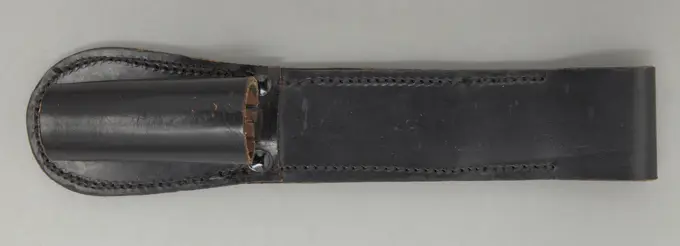
Fan box of cardboard covered with decorative paper with a white stock on which purple -brown flowers, anonymous, c. 1740 - c. 1750 Waaierdug by cardboard covered with decorative paper with a white stock on which purple -brown flowers. Netherlands Completely: Cardboard. Decoration: Paper printing  Amsterdam Waaierdug by cardboard covered with decorative paper with a white stock on which purple -brown flowers. Netherlands Completely: Cardboard. Decoration: Paper printing  Amsterdam
Fan box of cardboard covered with decorative paper with a white stock on which purple -brown flowers, anonymous, c. 1740 - c. 1750 Waaierdug by cardboard covered with decorative paper with a white stock on which purple -brown flowers. Netherlands Completely: Cardboard. Decoration: Paper printing Amsterdam Waaierdug by cardboard covered with decorative paper with a white stock on which purple -brown flowers. Netherlands Completely: Cardboard. Decoration: Paper printing Amsterdam
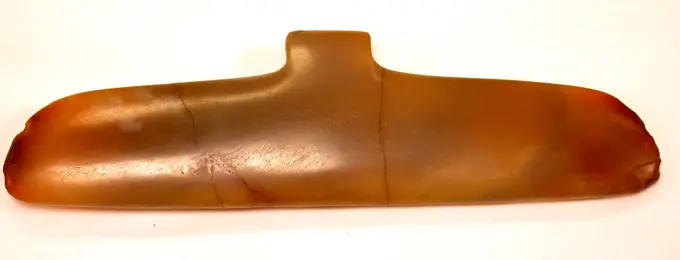
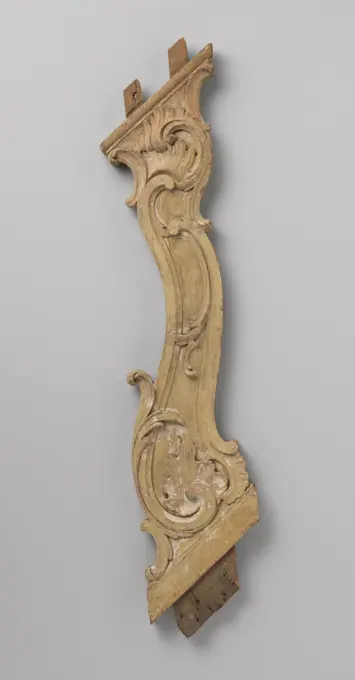
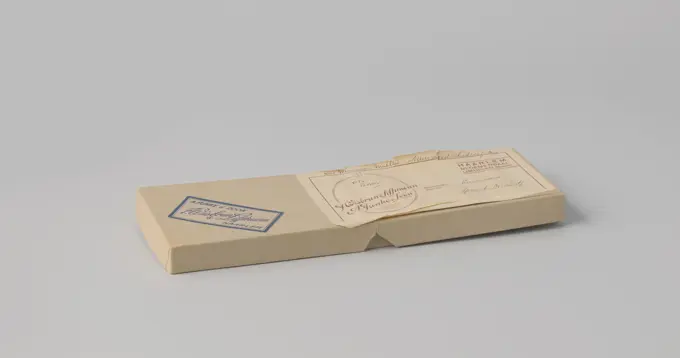
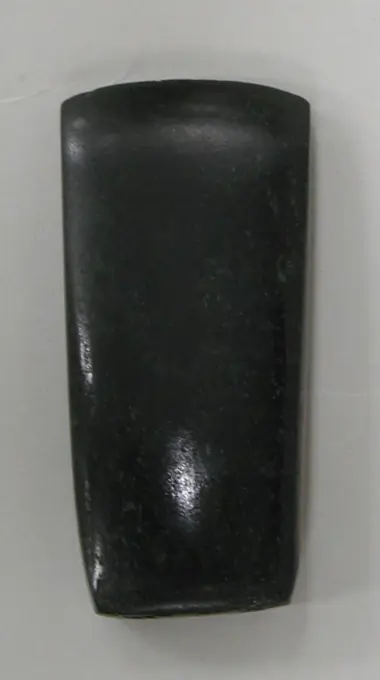
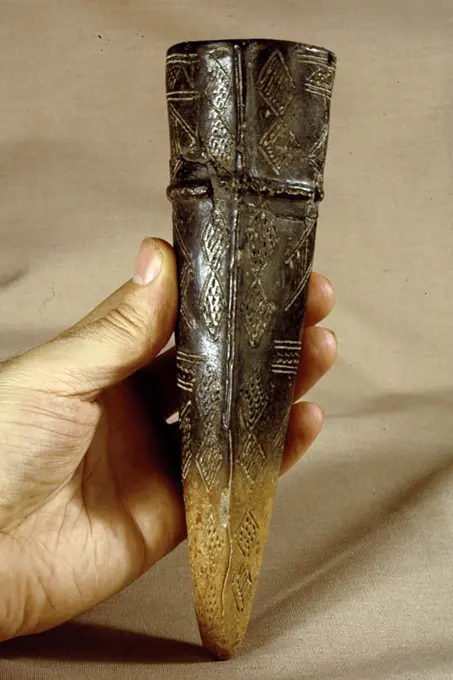
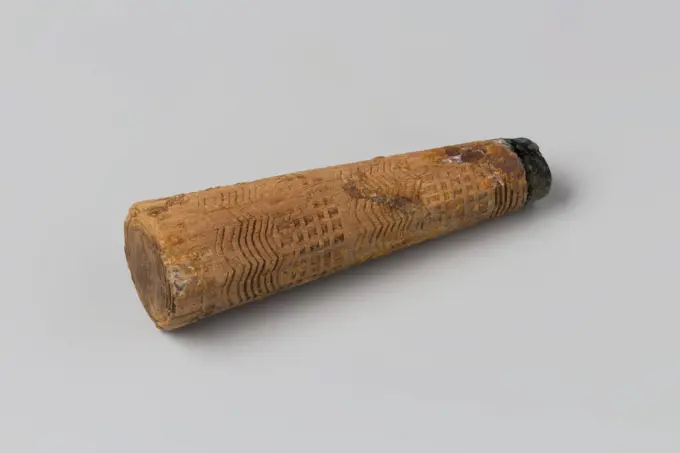
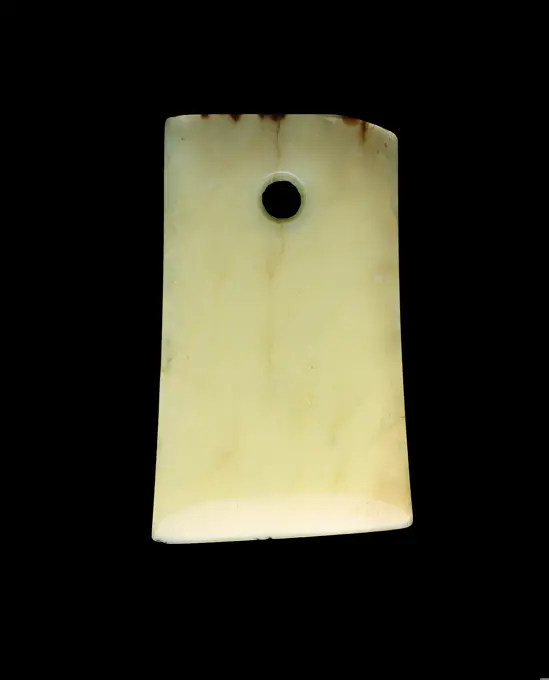
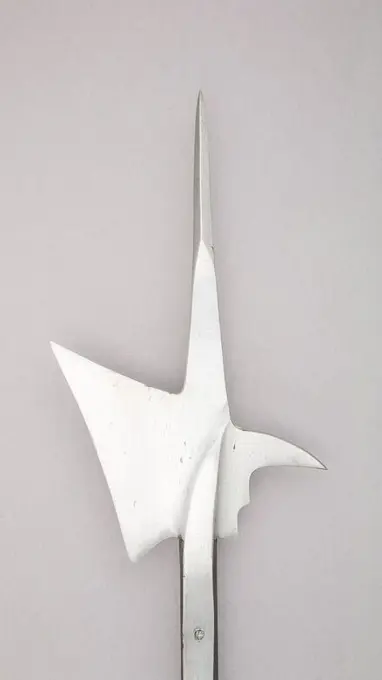
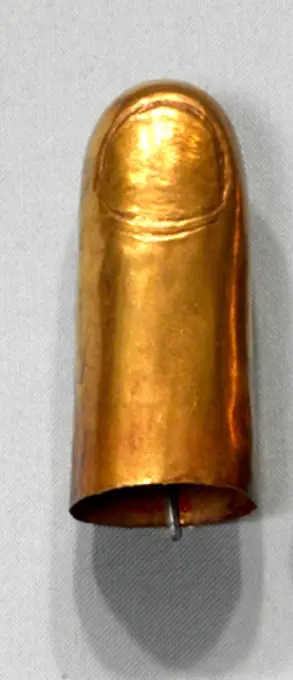
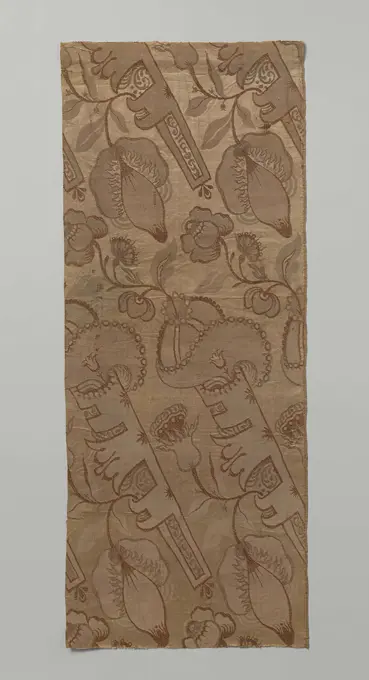
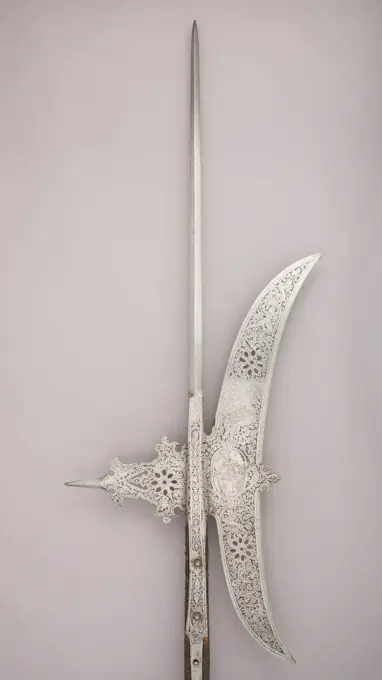
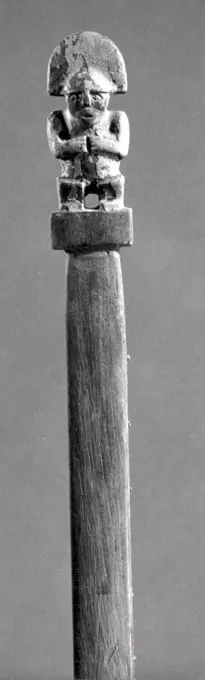
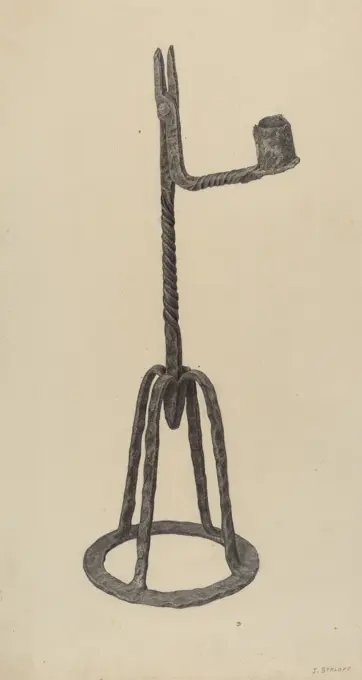
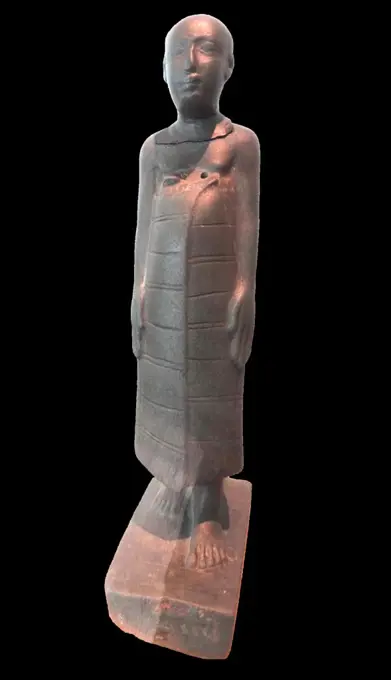
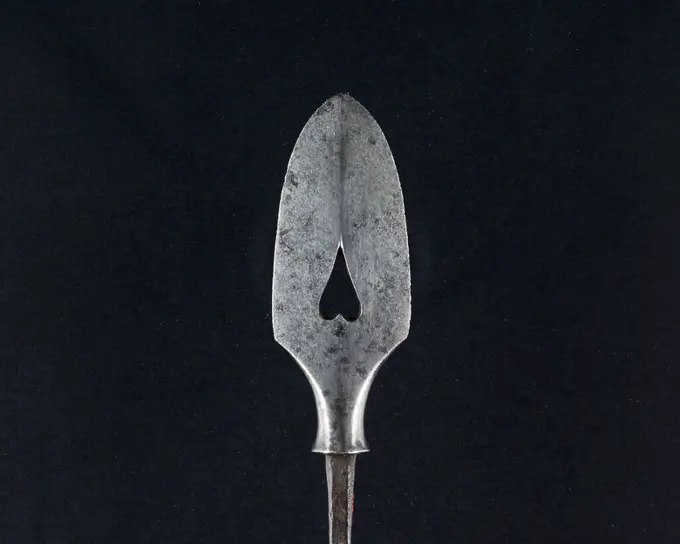
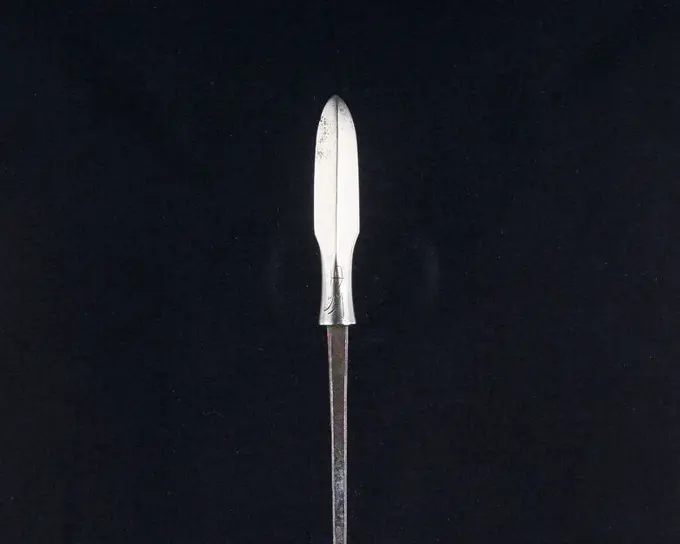
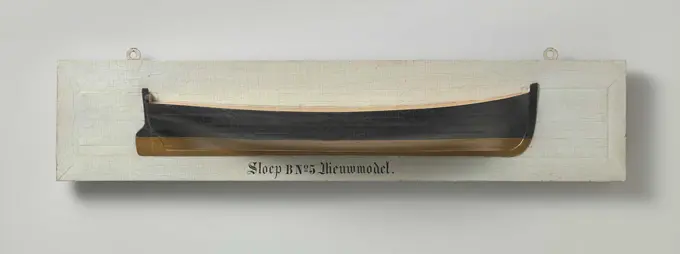
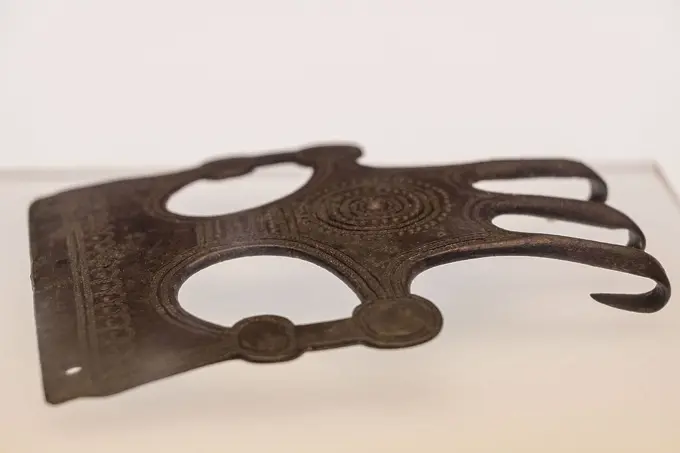
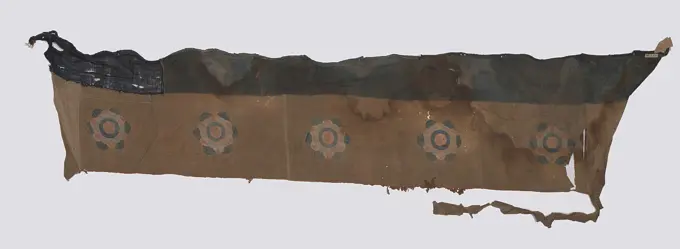
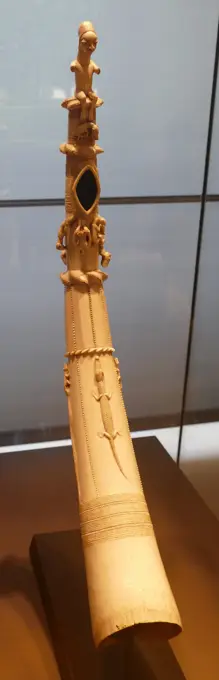
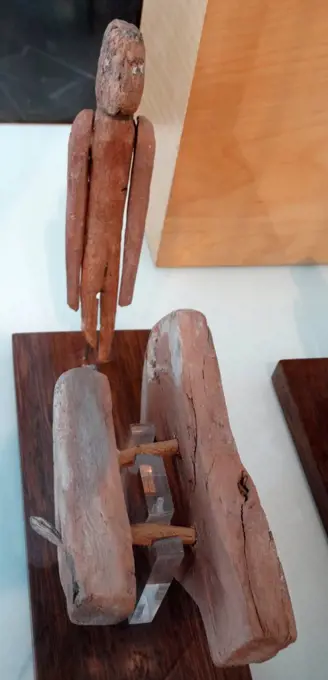
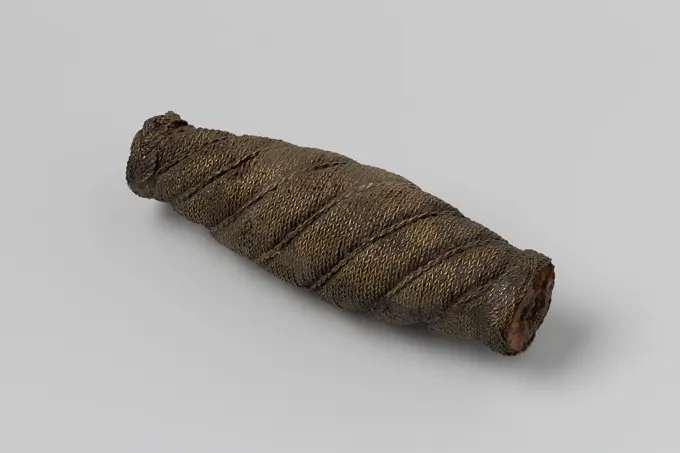
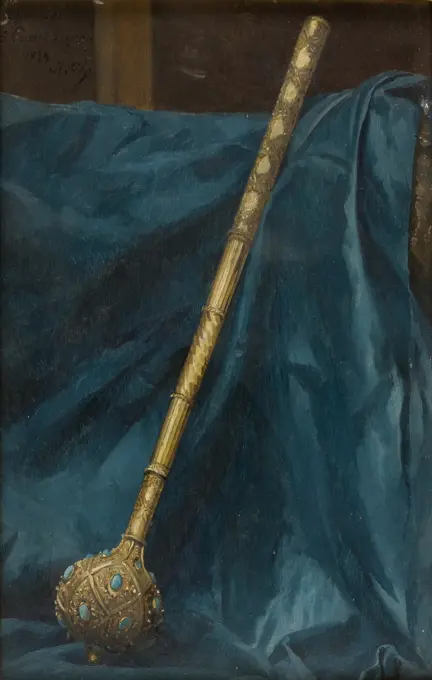
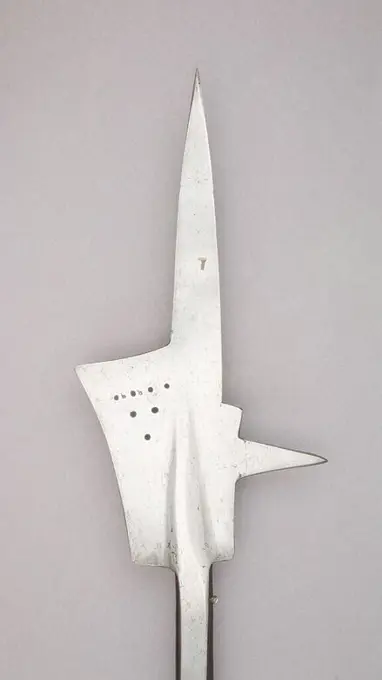
Suspension with a sleeve on a municipal pennant of the Swiss army unknown labelGiant reed leaf in studioNecklace of Stone Beads 3rd-6th century Moche. Necklace of Stone Beads 308734Winged Pendant before 16th century Cocle. Winged Pendant 317451Baluster with stabbed C and S-Voluten, Anonymous, c. 1740 - c. 1760 S-shaped baluster with stabbed C and S-Voluten with rocaille shells. Northern Netherlands wood (plant material) S-shaped baluster with stabbed C and S-Voluten with rocaille shells. Northern Netherlands wood (plant material)Baluster early 18th century British. Baluster. British. early 18th century. Deal. WoodworkASTIL DE FLECHA: CON TENDONES DE SUJECCION DE LA PUNTA DE LA FLECHA. PALEOLITICO. (DEPOSITO: MUSEO ARQUEOLOGICO NACIONAL).Rectangular glove box made of cardboard with loose lid; Covered with beige -colored paper, c. 1925 Rectangular glove box made of cardboard with loose lid. Covered with beige -colored paper. With address label and label on which the name of the supplier/ manufacturer. Haarlem Box: Cardboard. upholstery: paper Rectangular glove box made of cardboard with loose lid. Covered with beige -colored paper. With address label and label on which the name of the supplier/ manufacturer. Haarlem Box: Cardboard. upholstery: paperWrist Rest, 1736-95. China, Qing dynasty (1644-1911), Qianlong reign (1736-95). Jade; overall: 16.2 cm (6 3/8 in.).Goldweight Knot, 19th-20th century, 2 3/16 x 3/8 x 1/4 in. (5.56 x 0.95 x 0.64 cm), Brass, Ghana, 19th-20th centuryBaluster with stabbed C and S-Voluten, Anonymous, c. 1740 - c. 1760 S-shaped baluster with stabbed C and S-Voluten with rocaille shells. Northern Netherlands wood (plant material) S-shaped baluster with stabbed C and S-Voluten with rocaille shells. Northern Netherlands wood (plant material)Stone Chisel before 16th century Maya () Greenstone axe heads, commonly known as “celts,” were some of the most important works of art across ancient Mesoamerica and Central America. Created from jadeite mined from the Motagua River Valley of southern Guatemala, or using local green stones from highland Mexico, celts were first created by the Olmec peoples of the Gulf Coast after 1000 B.C. The Olmec conceived of green celts as sprouts of maize and thus “planted” celts in dedicatory offerings, activating ceremonial spaces and perpetuating agricultural fertility. For the later Maya peoples, celts also served as dedicatory materials, but more so as adornments for the royal bodies of kings and queens. Often the celts would be thinned into celt-shaped plaques, strung together in pairs and triads in order to create belt assemblages that would have clinked with the sound of jades striking one another. Tombs from the Classic Period (ca. AD 250-900) contain celts of jadeite and various greenstBatter of iron. Batter or Iron With Two Holes.Vase ca. 1900 Clément Massier. Vase. French, Golfe-Juan. ca. 1900. Earthenware. Ceramics-PotteryCarving fork, Gorham Manufacturing Company, Providence, Rhode Island, USA, founded 1818, Horn, silver, Large, small carving fork (c,d): bone handles with silver boar's head terminals and hinged metal rest on shaft; sharpener., 1900, cutlery, Decorative Arts, Carving forkSickle Blade, 1980-1801 BC. Egypt, Middle Kingdom, Dynasty 12. Flint; overall: 5 cm (1 15/16 in.).Punic Votive SteleFrench loaf French loaf isolated on white ,model released, Symbolfoto ,property released Copyright: xZoonar.com/OleksandrxPakhayx 6518175 ,model released, Symbolfoto ,property releasedMold, Tin, Stamped eight-pointed star with flat circular center. A wire skewer is soldered to the back., USA, 1889, metalwork, Decorative Arts, MoldPlank shaped female figurine with incised facial features. Red polished clay 2000-1900 BC AnatolianHalberd early 16th century Swiss. Halberd 25920Skeins of yarn, Medium: linen, cotton, Eight skeins of yarn in various shades of pink. Yarn purchased from a Scottish supplier and dyed by members of the Society., ca. 1910, appliances & tools, Skeins of yarnNecklace with a Green Glass Bead 8th-early 10th century Indonesia (Java). Necklace with a Green Glass Bead 49679Gauntlet Sword (Pata). Culture: Indian. Dimensions: L. 46 1/2 in. (118.1 cm); W. 4 in. (10.2 cm); D. 3 5/16 in. (8.4 cm); Wt. 2 lb. 7.3 oz. (1114.3 g). Date: 19th century. Museum: Metropolitan Museum of Art, New York, USA.Yeah one hundred; Tauron-Parisot (couples; Factory; 1839-); after 1880 (1901-00-00-2000-00-00);Tassel (Italy); linen, silk, metal wire, foil strip, paillettes, woodDagger with Sheath. Culture: African, Sudan. Dimensions: L. with sheath 14 9/16 in. (37 cm); L. without sheath in. 14 1/8 in. (35.9 cm); L. of blade 10 1/4 in. (26 cm); W. 3/8 in. (1 cm); D. 3/8 in. (1 cm); Wt. 5.7 oz. (161.6 g); Wt. of sheath 2.4 oz. (68 g). Date: 18th-19th century. Museum: Metropolitan Museum of Art, New York, USA.Japanese Pijpfoudraal, 1700 - 1740 Box for two long pipes, following the shape of the pipes. The box can be opened on the pipe head side with a hinged lid. Decorated with flower branches in Gold-Makie on a Nashiji base. Hinge, closure and batter (at the end of the box) of engraved copper. Japan whole: Wood (plant material). whole: Lacquer (coating). Batter: copper (metal). Gold (Metal) lacquering  Japan Box for two long pipes, following the shape of the pipes. The box can be opened on the pipe head side with a hinged lid. Decorated with flower branches in Gold-Makie on a Nashiji base. Hinge, closure and batter (at the end of the box) of engraved copper. Japan whole: Wood (plant material). whole: Lacquer (coating). Batter: copper (metal). Gold (Metal) lacquering  JapanPottery Sheath for a pottery dagger, Incised Red-and-Black Polished Ware, Early Bronze Age, 2000 BC. from CyprusFragment (France); silkMessenheft from the wreck of the East Indians Hollandia, 1700 - in or before 1743  Knife, handle, cylindrical: tapering; id. NG 1979-403H, ferrules, id. NG 1980-27H426. Netherlands wood (plant material)   SecondBottle 101 CE-400 CE Syria. Glass, blown technique . Ancient RomanSilver punch 1st title for Paris, 1798-1809: Coq standing the two legs placed on the ground. Large openwork strip with round stones and diamond patterns.Axe 3500 BCE-2000 BCE China. Jade .Lluis Ventós / "Toromiro", 2005, Sculpture (wood), 125 x 22 x 17 cm.Cache-Sexe 12th century Tellem peoples This carefully crafted object is part of a rare group of female "modesty skirts," which are thought to have been worn low on the hips and held in place with a fiber cord. Commonly called a "cache-sexe," these fiber skirts are the oldest of their type to have survived the tropical climate of West Africa. The remarkable state of preservation of this example is due to the favorable climatic conditions of the cave in which it was found. Located within the Bandiagara Escarpment of present-day Mali, these caves are historically significant as the home of the ancient Tellem people, to whom this object is attributed, and later the Dogon. The Tellem are believed to have arrived at the Bandiagara Escarpment some time during the eleventh century and remained there until their population was devastated in the fifteenth to sixteenth centuries.This cache-sexe consists of three interconnected layers and is constructed from a sophisticated combination of plating Halberd. Culture: Swiss. Dimensions: L. 78 1/2 in. (199.3 cm); L. of head 17 in. (43.2 cm); W. 11 in. (27.9 cm); Wt. 5 lbs. 9 oz. (2523.1 g). Date: early 16th century. Museum: Metropolitan Museum of Art, New York, USA.Bliżej KulturyRelief fragment, tomb of Meketre ca. 1981-1975 B.C. Middle Kingdom. Relief fragment, tomb of Meketre 562170Bull's hornToe stall ca. 1479-1425 B.C. New Kingdom. Toe stall 547652Fragment leverleurig zijdedamast met patroon van pijlenkokervormige figuren waaruit ranken, bloemen en bladeren ontwikkelen.Fragment silk tissue in liver colored shades. The asymmetrical pattern has faced left-facing arrows frames, with a hat covered, from which ascending branches with flowers and a lowering branch with a stretched fruit.Blank stone in ColiseumHalberd ca. 1575 Italian. Halberd 26790Detail at the Bonanza salt works near Sanlucar de Barrameda. Aerial view. Drone shot. Cadiz province, Andalusia, Spain, EuropeCandlestickFunerary Staff 15th-16th century Inca. Funerary Staff. Inca. 15th-16th century. Wood, paint, metal, copper. Peru, Rio Ica region. Wood-SculptureJack Staloff, Rush and Candle Holder, c 1939 Rush and Candle Holderstatue of an Egyptian official called Hori. made from Greywacke; Middle Kingdom (2040-1640 BC)Bottle. Roman, Levant or Syria. Date: 101 AD-400 AD. Dimensions: H. 16.8 cm (6 5/8 in.); diam. 3.5 cm (1 3/8 in.). Glass, blown technique. Origin: Syria. Museum: The Chicago Art Institute, Chicago, USA. Author: ANCIENT ROMAN.Model of a Two-Masted Ship, anonymous, c. 1800 - c. 1850 ship model. hull model Model of the hull of a ship, the two masts and structure are missing as well as the fence. unknown wood (plant material)Sapi sculpture made from elephant tusk, Sierra LeoneWoodcarving knife -Arrowhead (Yanone). Culture: Japanese. Dimensions: L. 9 3/4 in. (24.8 cm); L. of head 3 5/16 in. (8.4 cm); W. 1 1/4 in. (3.2 cm); Wt. 2.2 oz. (62.4 g). Date: probably 16th century. Museum: Metropolitan Museum of Art, New York, USA.Arrowhead (Yanone). Culture: Japanese. Dimensions: L. 7 7/8 in. (20 cm); L. of head 2 1/4 in. (5.7 cm); W. 1/2 in. (1.3 cm); Wt. 1.1 oz. (31.2 g). Date: 18th century. Museum: Metropolitan Museum of Art, New York, USA.Half Model of a Launch.Polychromed stack model (starboard) of a sloop. He is smoother, the seam to the front rising, and has a flat mirror with a stir.Altar-cloth. unknown, authorAnonymous. Enamel box. Golden silver frame, XIXth century punch: crab. Paris, Cognacq-Jay museum. 56057-7 Silver gilded, box, crab, detail, email, frame, goldenry, stitch, 19th centuryCreature lid. Four iron eyes on the side.MountReichsadlerhumpen; indefinite steelworks; 1613 (1613-00-00-1613-00-00);herbyARTE PREHISTORIA. EDAD METALES. EUROPA. Mujer de Skrydstrup. Tumba de la Edad del Bronce, con ataud de roble. Sepultura de una mujer joven de 18 años. Fue colocada en el ataud, con blusa de manga corta de tela de lana con bordados en mangas y cuello. Peinado cubierto con una redecilla. Ajuar, como joyas, puñales y placa metal colocada a la altura estómago. 1300 a. C. Skrydstrup, Jutland. Dinamarca. Museo Nacional. Copenhague. Dinamarca. Europa.broche de tres garfios, Necrópolis de Carratiermes, siglo IV a.C. museo del Yacimiento arqueológico de Tiermes, Soria, comunidad autónoma de Castilla y León, Spain, Europe.Fragment of Bottle 9th century. Fragment of Bottle 447640Shabti of Itet-Nefer. Egypt, Middle Kingdom - Second Intermediate Period (2061 - 1569 BCE). Sculpture. WoodGlass Fragment 4th-early 5th century Coptic. Glass Fragment 479108Light falling on Open shedFork, steel, glass beads, thread, Fork has two long pointed tines, rounded shoulders, baluster-shaped neck, beadwork handle. Similar to 1985-103-53., England, n.d., cutlery, Decorative Arts, Forkrough crystal of smoky quartz isolated on white closeup of sample of natural mineral from geological collection - rough crystal of smoky quartz isolated on white background Copyright: xZoonar.com/ValeryxVoennyyx 14991325Fragment of a Flag.Fragment of a flag. Only the blue trousers with a white vertical job decorated with five rosettes has been preserved. The top and bottom are chamfered to the flight.Tassel French 19th century View more. Tassel. French. 19th century. Silk. Textiles-TrimmingsHanging Light 1780-1825 American or British. Hanging Light. American or British. 1780-1825. Blown pattern-molded green glass. Possibly made in England; Possibly made in United StatesSapi sculpture made from elephant tusk, Sierra LeoneScarf 19th century Spanish. Scarf. Spanish. 19th century. no medium availableWoman's Headdress, 20th century, Unknown Jewish, 123 3/4 x 23 1/4 in. (314.33 x 59.06 cm), Silk, metal thread; tie-dye with supplementary warp patterning, Morocco, 20th centuryModel of a farmer with oxen. Wood. 11th-12th Dynasties (2134-1783 BC).ESCULTURA-COLUMNA 1972. Author: EUSEBIO SEMPERE. Location: PRIVATE COLLECTION. MADRID. SPAIN.A strap with a shackle pulling another strapDouble Halberd ca. 1600 Italian. Double Halberd. Italian. ca. 1600. Steel, wood (ash). Shafted WeaponsFragment (France); wool and silk wefts on wool warps; Warp x Weft: 29.2 x 97.5 cm (11 1/2 x 38 3/8 in.)Hold from Hilt from the wreck of the East Indied Flying Heart. Handle from a blank weapon consisting of a round wooden core vertically wounded through three-stranded copper wire and one diagonal two-knit copper wire. The copper wire shines from this specimen. The handle is drilled rectangular.Terracotta woman figurine; Unknown Beock workshop; around 550 BC (-555-00-00--545-00-00);sumirago abstract   rusty brass brown knocker in a  door curch  closed wood italy  lombardy Projects For Bracelts, Design for a Bracelet; George E Germer (1868 - 1936); graphite, brush and white gouache, brush and brown, blue watercolor on cardboard; 4.5 × 12.8 cm (1 3/4 × 5 1/16 in.); 1939-84-30-cTassel (Spain); linen, silk on linen coreRustic wood door isolated on white Rustic wood door isolated on white in Mallorca, Balearic islands, Spain Copyright: xZoonar.com/ArtesiaWellsx 11492843Town Crier's Bell. Dated: c. 1937. Dimensions: overall: 30.9 x 22.2 cm (12 3/16 x 8 3/4 in.). Medium: watercolor, graphite, and pen and ink on paper. Museum: National Gallery of Art, Washington DC. Author: Edith Towner.Partisan ca. 1680 German, Saxony. Partisan 26683Textile Swatches Onondaga Silk Company, Inc. (1925-1981). , 1948-1959. Silk, 23 1/4 x 9 in. (59.1 x 22.9 cm).    1948-1959Blade and Mounting for a Dagger (Tant) blade, 16th century; mounting, 19th century Japanese A tant is a dagger or blade shorter than 30 cm.. Blade and Mounting for a Dagger (Tant). Japanese. blade, 16th century; mounting, 19th century. Steel, wood, silver, gold, copper-gold alloy (shakud). DaggersPiece () ca. 1750 British, London, Spitalfields. Piece (). British, London, Spitalfields. ca. 1750. Silk. Textiles-WovenRitual Eye Mask 3rd century-second half of the 8th century Indonesia (Java). Ritual Eye Mask 49716Textile Swatches Onondaga Silk Company, Inc. (1925-1981). , 1948-1959. Silk, 20 x 4 1/2 in. (50.8 x 11.4 cm).    1948-1959Study of a Turkish Mace from the 17th C. Chlebowski, Stanis Aw von (1835 1884)Terracotta fragment of a Neck-amphora (jar) second quarter of the 5th century B.C. Greek, Attic Part of the handle from an amphora. Terracotta fragment of a Neck-amphora (jar). Greek, Attic. second quarter of the 5th century B.C.. Terracotta; red-figure. Classical. Vasesfemale statuettes, Beirut, Clay, iron age III, Beirut National Museum, The Coliseum , Rome, Lazio, Italy ,.Pair of Sword-Grip Ornaments (Menuki) 18th century Japanese Menuki are a pair of ornamental sword fittings attached to either side of a sword hilt.. Pair of Sword-Grip Ornaments (Menuki). Japanese. 18th century. Silver, gold. Sword Furniture-Menuki9 Spindle Shafts or Spindles Wood, longest: 1/16 x 1/16 x 9 in. (0.2 x 0.2 x 22.9 cm).   Arts of the AmericasHalberd. Culture: Swiss. Dimensions: L. 82 1/4 in. (208.8 cm); L. of head 18 in. (45.7 cm); W. 9 3/8 in. (23.8 cm); Wt. 5 lbs. 10 oz. (2550 g). Date: ca. 1450. Museum: Metropolitan Museum of Art, New York, USA.Textile Swatches Onondaga Silk Company, Inc. (1925-1981). , 1948-1959. Silk, 45 1/2 x 17 3/4 in. (115.6 x 45.1 cm).    1948-1959