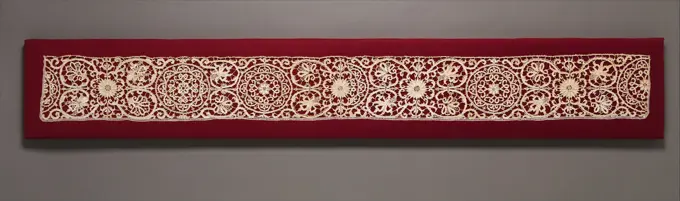
Decorative Boxes and Accessories

Artistic objects including fan boxes, rogue skin cases, and hairpins, showcasing elegant craftsmanship from various historical periods.

Fan box of cardboard covered with decorative paper with a white stock on which purple -brown flowers, anonymous, c. 1740 - c. 1750 Waaierdug by cardboard covered with decorative paper with a white stock on which purple -brown flowers. Netherlands Completely: Cardboard. Decoration: Paper printing  Amsterdam Waaierdug by cardboard covered with decorative paper with a white stock on which purple -brown flowers. Netherlands Completely: Cardboard. Decoration: Paper printing  Amsterdam
Fan box of cardboard covered with decorative paper with a white stock on which purple -brown flowers, anonymous, c. 1740 - c. 1750 Waaierdug by cardboard covered with decorative paper with a white stock on which purple -brown flowers. Netherlands Completely: Cardboard. Decoration: Paper printing Amsterdam Waaierdug by cardboard covered with decorative paper with a white stock on which purple -brown flowers. Netherlands Completely: Cardboard. Decoration: Paper printing Amsterdam
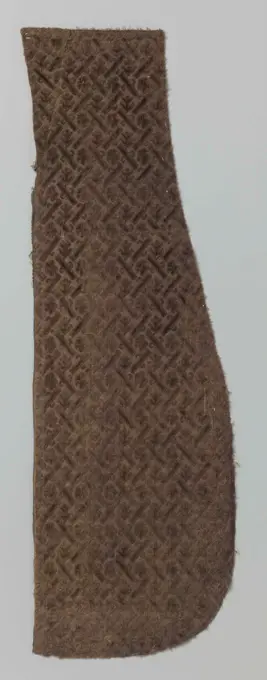
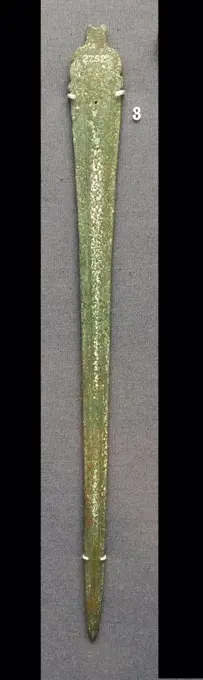
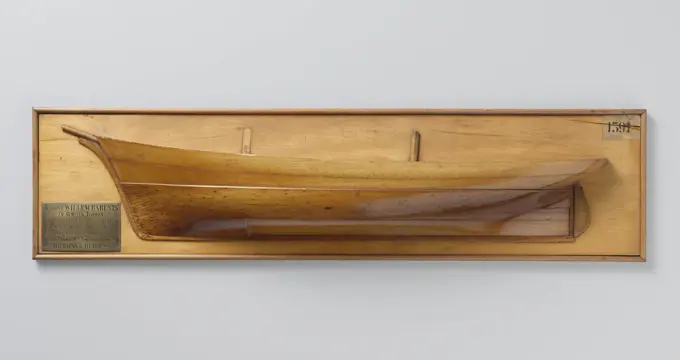
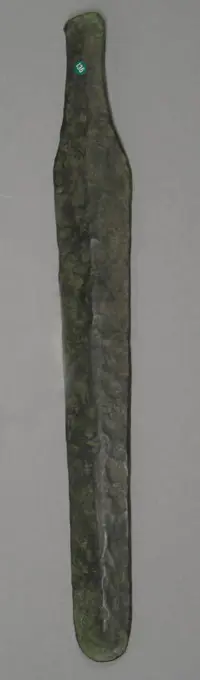
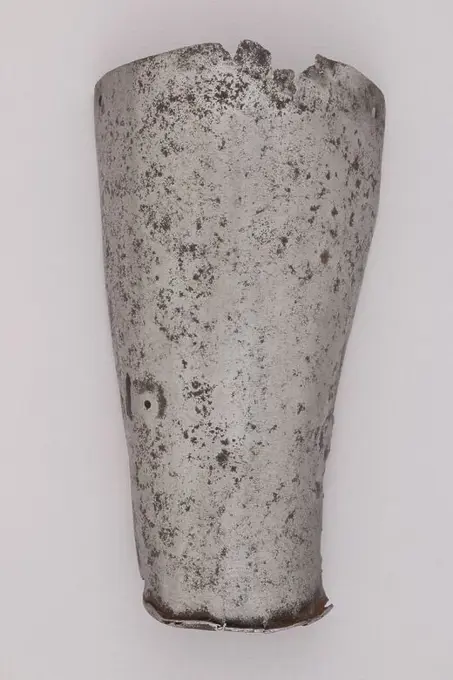
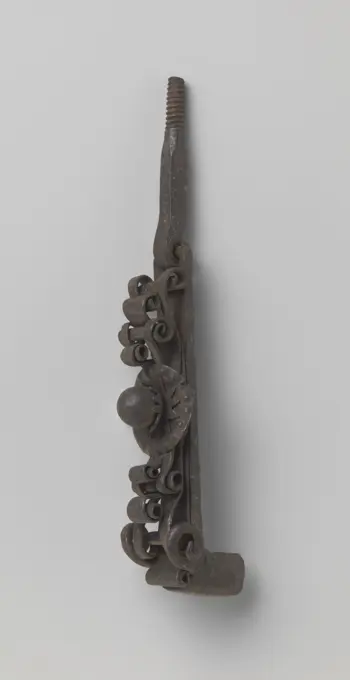
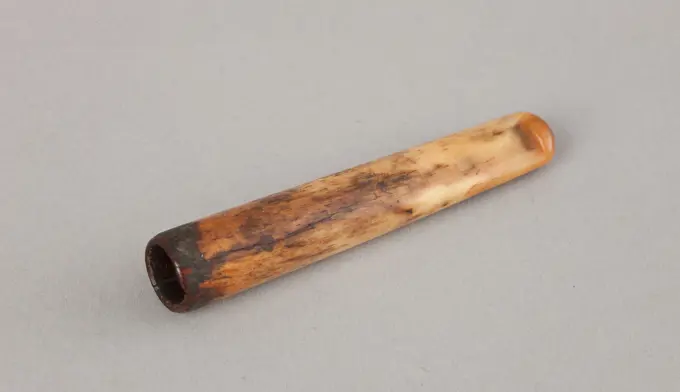
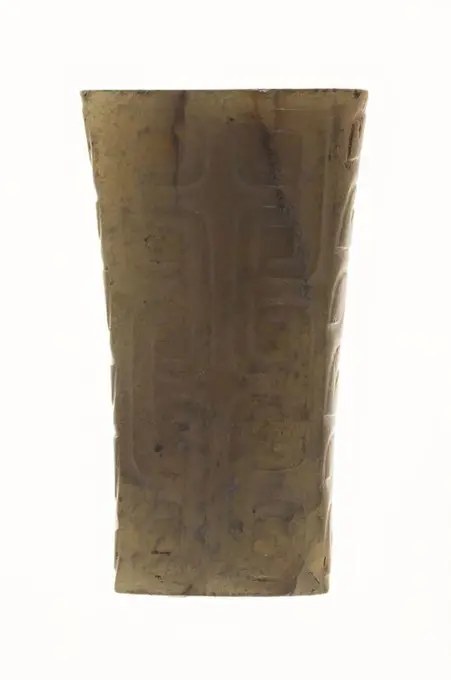
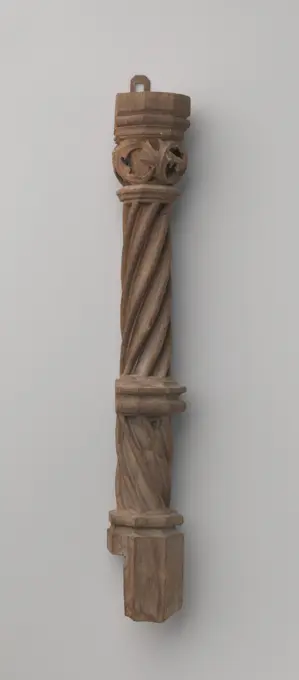
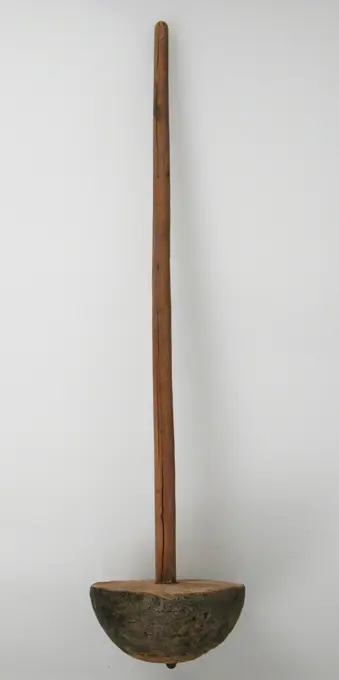
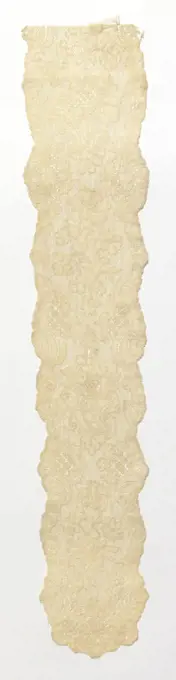
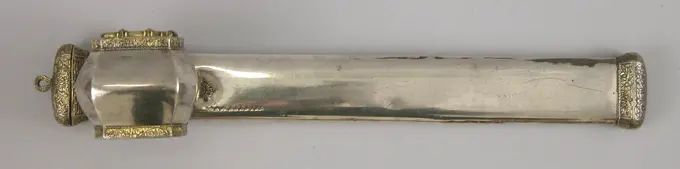
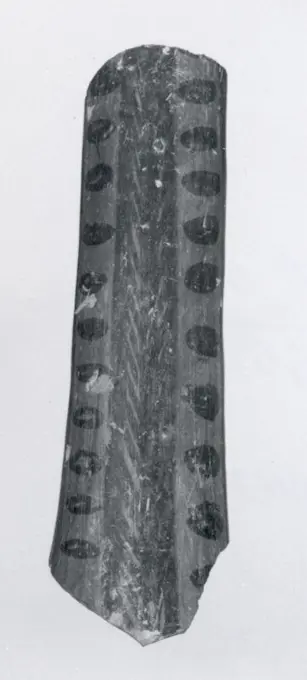
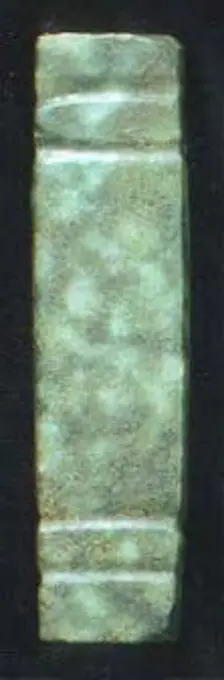
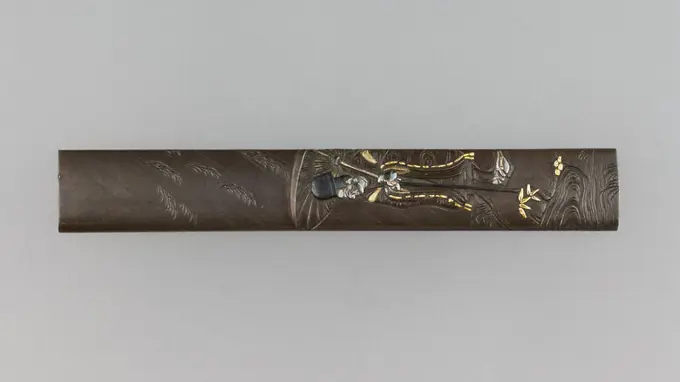
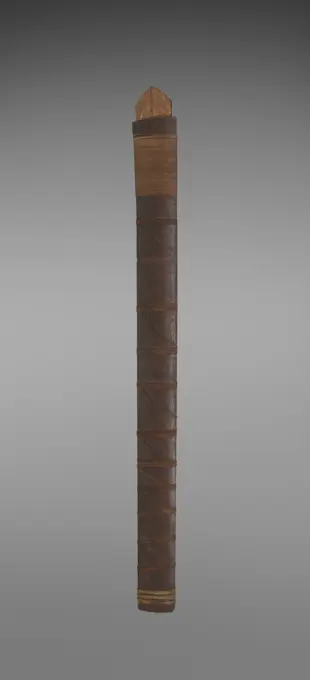
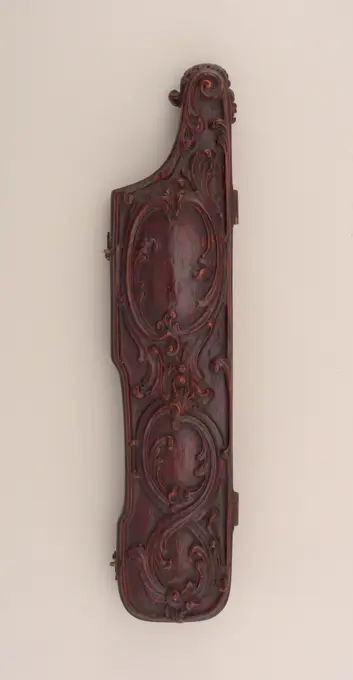
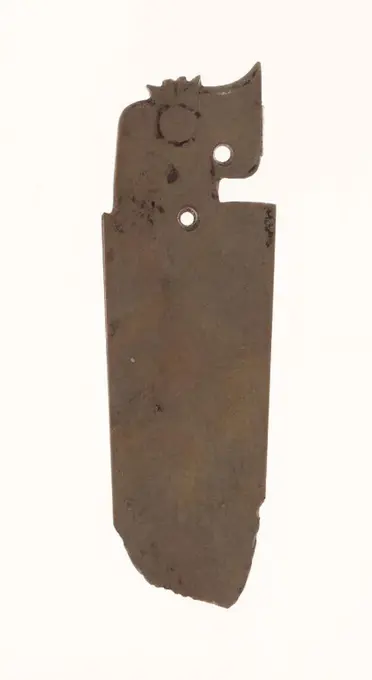
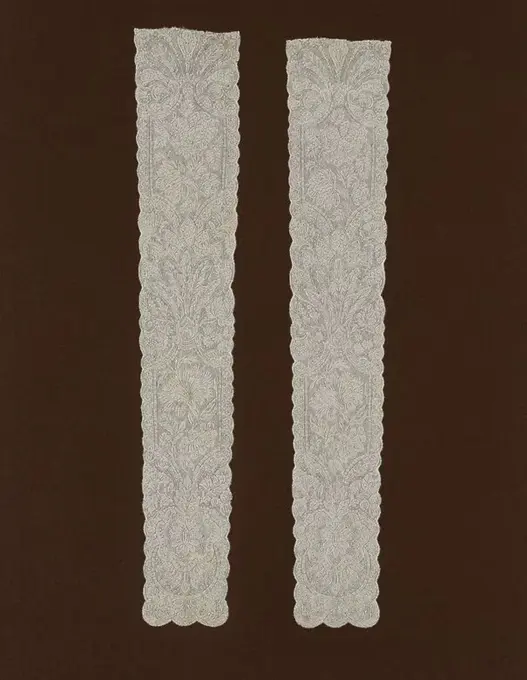
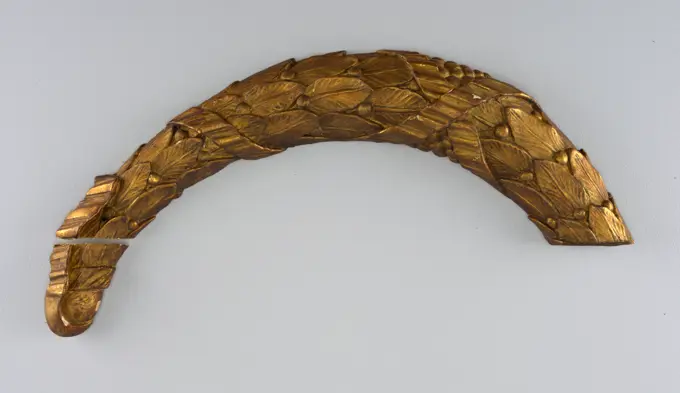
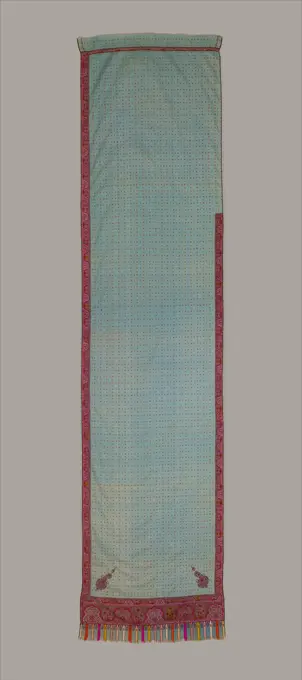
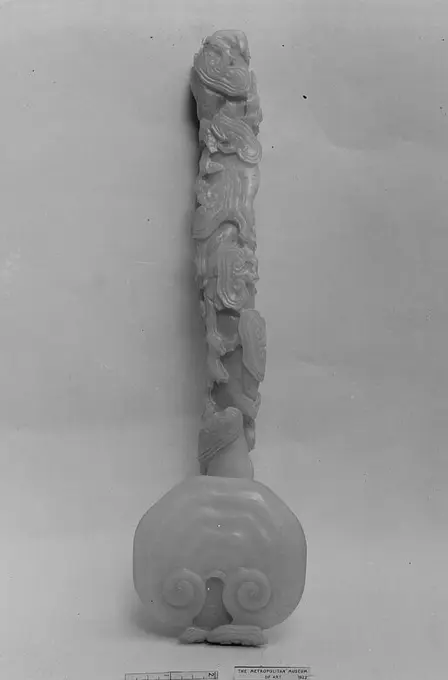
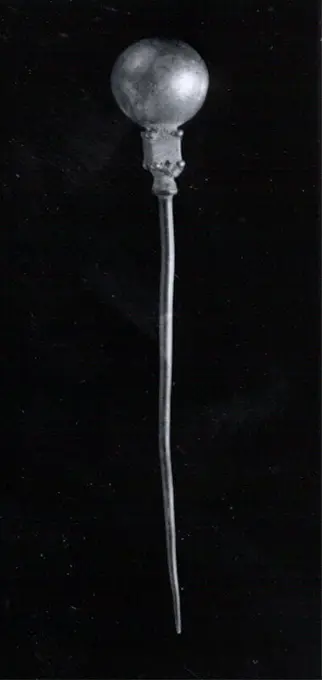
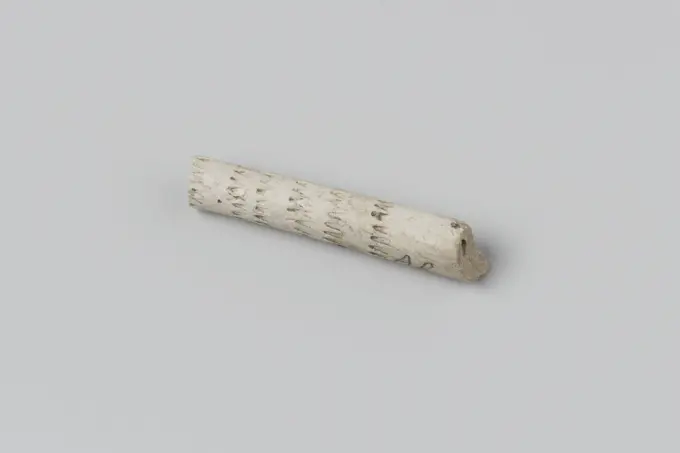
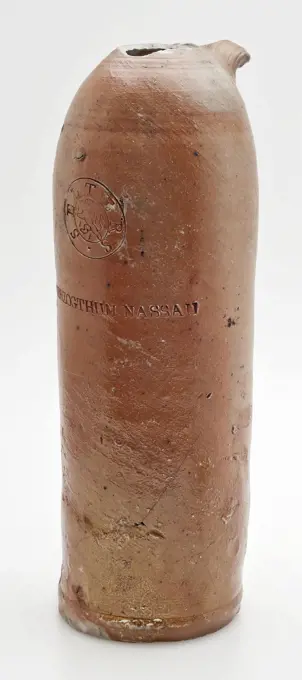
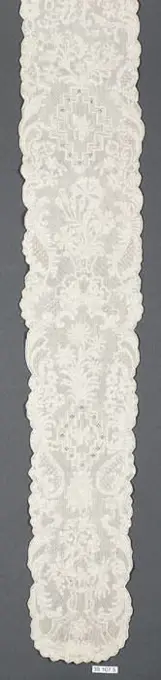
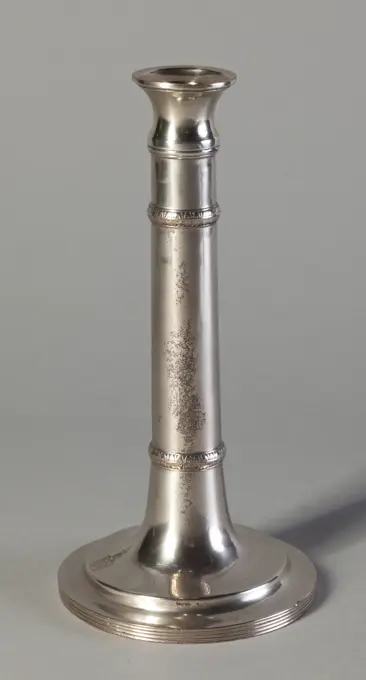
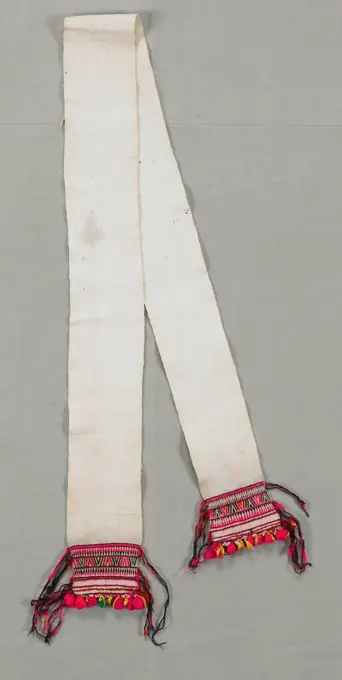
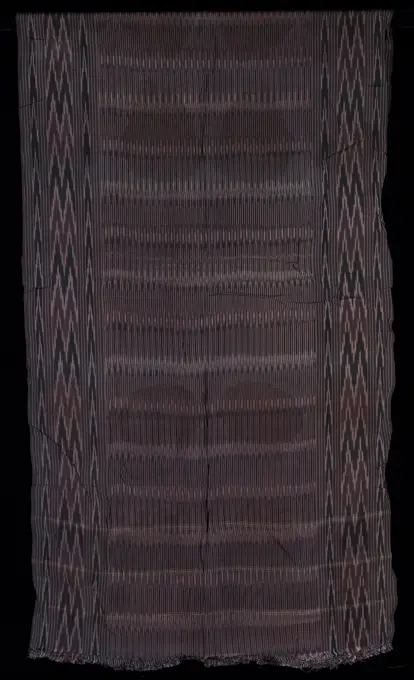
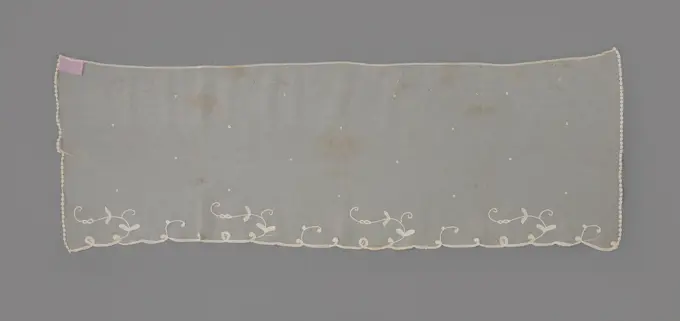
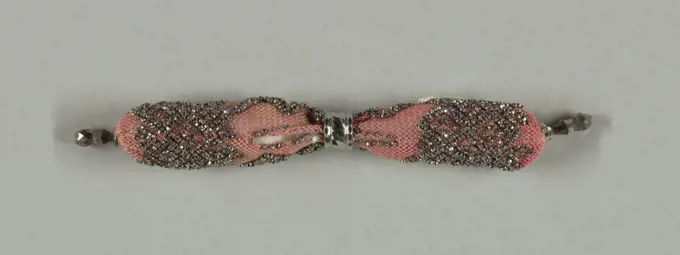
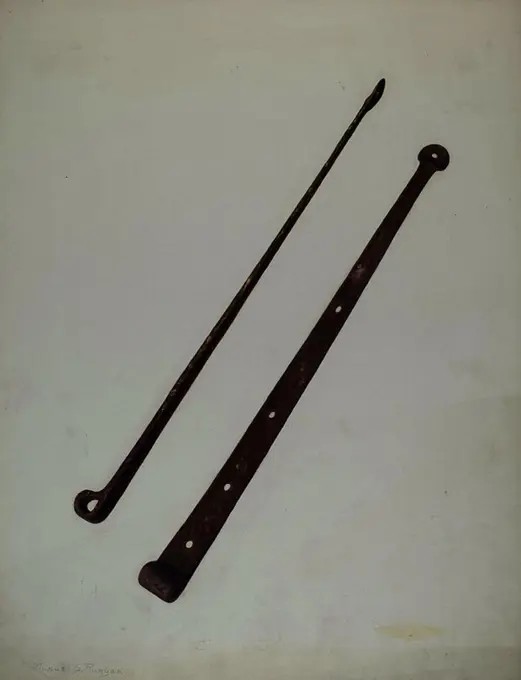
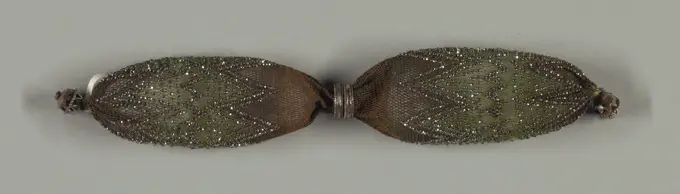
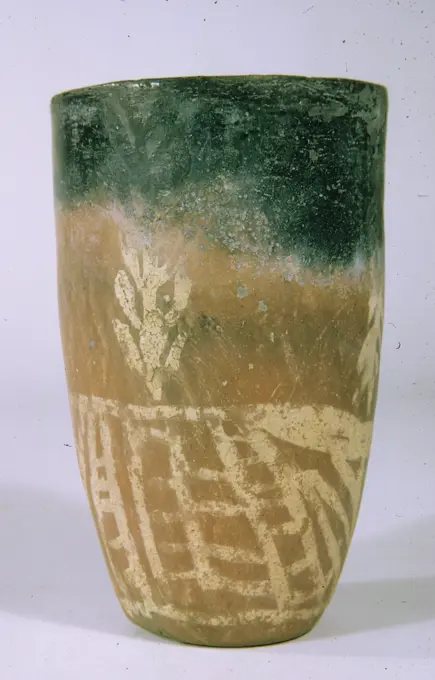
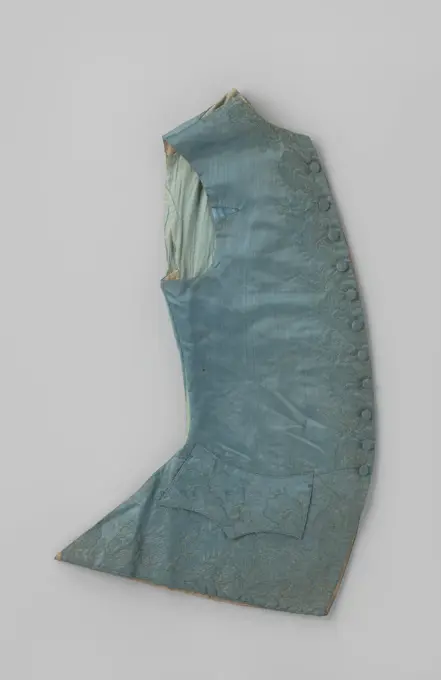
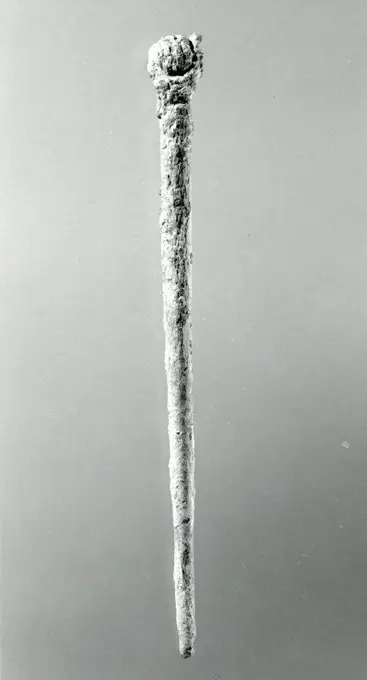
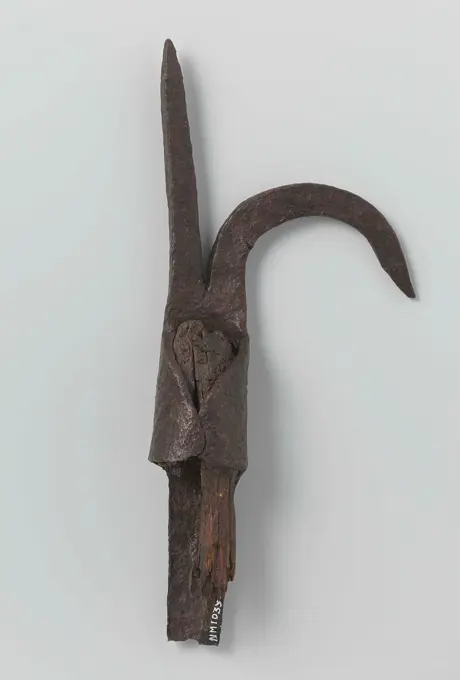
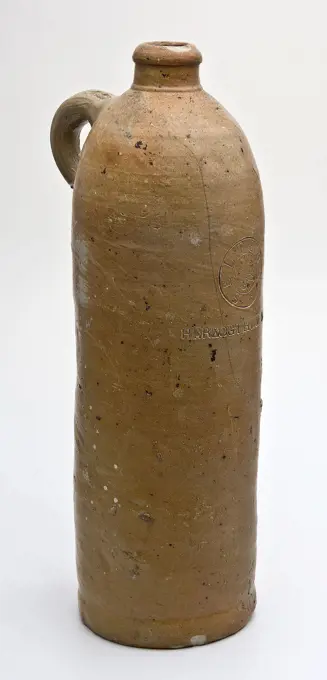
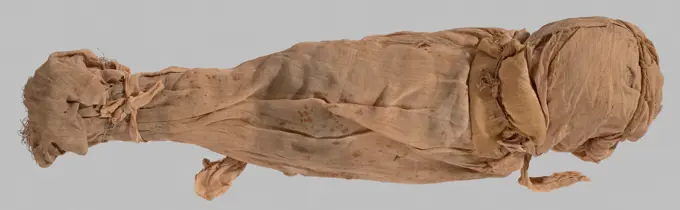
Fan box of cardboard covered with decorative paper with a white stock on which purple -brown flowers, anonymous, c. 1740 - c. 1750 Waaierdug by cardboard covered with decorative paper with a white stock on which purple -brown flowers. Netherlands Completely: Cardboard. Decoration: Paper printing  Amsterdam Waaierdug by cardboard covered with decorative paper with a white stock on which purple -brown flowers. Netherlands Completely: Cardboard. Decoration: Paper printing  AmsterdamLight gray roggen skin with golden locking plate and hinges, anonymous, c. 1650 Light gray roggenvel (). It has an oval to the end rejuvenating cross -section. The final plate and hinges are made of gold filigrein. Netherlandssilversmith: Amsterdam . filigree Light gray roggenvel (). It has an oval to the end rejuvenating cross -section. The final plate and hinges are made of gold filigrein. Netherlandssilversmith: Amsterdam . filigreeHairpin Roman 1st-4th centurySword 19th century French. Sword. French. 19th century. Steel, bronze, gold, silver, enamel. SwordsCross Arm 10th-14th century () Byzantine. Cross Arm 472754Friauler Spiess 16th century Italian. Friauler Spiess 26798Figurine, 700s - 900s. Iran, early Islamic period, 8th - 10th century. Bone, incised; overall: 12.3 x 3.2 x 0.6 cm (4 13/16 x 1 1/4 x 1/4 in.).Halberd early 16th century German. Halberd 32353Deurhengsel van vertind ijzer, versierd met graveringen en narrenkoppen.Door mixture of tinned iron decorated with engravings. The batter is as follows from the hinge: a baluster-shaped start, delegating in a narrow, straight piece from which to the end steal some leaf motifs that curl as volutes. In the middle of it two narrows look at each other. The whole ends in a pointed leaf.Fragment paarsbruine fluweel..A fragment of a velvet. On brown with silver threaded soil, in brown velvet, horizontal, alternately used, gerijen twigs with blades to beam-shaped ends. Note: Self side; 1.2 cm, solid bond 1 side thread.Bronze sword Mycenaean, 1400-1100 BC Said to be from Corfu, GreeceFragment Purple -brown velvet with branches and leaves, anonymous, 1500 - 1599 A fragment of a velvet. On brown with silver threaded soil, in brown velvet, horizontal, alternately used, ripped twigs with blades at beam -shaped ends. NOTE: MEERSHIP; 1.2 cm, Effenbinding 1 side thread. Italy silk. velvet (fabric weave). ciselé velvet A fragment of a velvet. On brown with silver threaded soil, in brown velvet, horizontal, alternately used, ripped twigs with blades at beam -shaped ends. NOTE: MEERSHIP; 1.2 cm, Effenbinding 1 side thread. Italy silk. velvet (fabric weave). ciselé velvetHalf Model of A Schooner, Meursing & Huijgens, c. 1877 - c. 1878 ship model. half model Stacking model (port) of a two -mast schooner. Very creatre clipper. Overhanging fence; Stir with rounded leaf. The Zeeg runs forward. V-shaped underwater ship. The most striking thing about this model is the partially reinforced skin at the pre -stem and all around the waterline and just below; This reinforcement was specially applied for sailing in the polar regions. Amsterdam wood (plant material)  sailing-ship, sailing-boat (SCHOONER)Nobleman's grave with Gothic iron spurs. Cetina Sv. Spas, Croatia. Museum of Croatian Archaeological Monuments, Split, Croatia.Antennae Sword 1500-500 B.C. India. Antennae Sword. India. 1500-500 B.C.. Copper. MetalworkKling for Ruiterdegen, Anonymous, c. 1550 - c. 1900  Kling for Ruiterdegen with inscription: Sahagum and image of a running animal.  iron (metal)   NetherlandsExcerpt: with band work and volutes, anonymous, 1700 - 1710 Fragment of a tablecloth from Linnamast with band work and volutes. Flanders (Possible) linen (material) damask Fragment of a tablecloth from Linnamast with band work and volutes. Flanders (Possible) linen (material) damaskPart of a Forearm Defense (Vambrace). Culture: Italian. Dimensions: H. 8 1/2 in. (21.6 cm); W. 2 in. (5.1 cm); D. 4 1/2 in. (11.4 cm); Wt. 5.9 oz. (167.3 g). Date: ca. 1450-70. Museum: Metropolitan Museum of Art, New York, USA.Legs knife handle decorated with flower stalk and flower, knife cutlery cutlery soil find leg, w 3.0 sawn cut sanded dot engraving Legs knife handle decorated with flower stalk and flower Decoration consists of swinging flower stem with leaves and flowers on it Flowers are formed by circle of seven stars the end one big flower in the inflorescence of the tulip Decoration is made by means of dot engraving archeology Rotterdam Heliport terrain indigenous pottery cutting table serving room food Soil discovery: Heliport site Rotterdam June 1978.Degen with Learning Schede, Anonymous, 1600 - 1699 sword Bemartend sword with in the blood channel '1515' and a running wolf. No brands further. Front and side bracket in () Connection rod. Thumb ring, pareer rod. With leather sheath. No seizure. Handle with braided iron wire, bump plate in ajour.  iron (metal). schede: leather   NetherlandsDoor beater, c. 1400 - c. 1950 A door beater.  iron (metal) A door beater.  iron (metal)Cigar holderBead with Interlocked Spirals. China. Date: 1600 BC-1050 BC. Dimensions: 2 1/16 × 1 3/16 × 1/2 in. Jade. Origin: China. Museum: The Chicago Art Institute, Chicago, USA.Hinge, c. 1400 - c. 1950   iron (metal)   iron (metal)Knife Handle (Kozuka) 19th century Iwama Nobuyoshi Japanese A kozuka is a handle of a by-knife that is part of a sword mounting. It is kept in a slot on the reverse of a katana scabbard, often with a matching kgai (hairdressing tool).. Knife Handle (Kozuka). Japanese. 19th century. Copper-silver alloy (shibuichi), silver, gold. Sword Furniture-KozukaSheet, linen mark, medium spin, irregular weave ca. 1492-1473 B.C. New Kingdom. Sheet, linen mark, medium spin, irregular weave 549005Textile (USA); cottonBaluster first half 18th century British. Baluster. British. first half 18th century. Deal. WoodworkKnife (possibly England); ivory, silver, steel; L x W: 18.7 x 2 cm (7 3/8 x 13/16 in.); The Robert L. Metzenberg Collection, gift of Eleanor L. Metzenberg; 1985-103-173Flint Blade before 16th century Mexican. Flint Blade 317316Leaf, silver trim with vertical branch with leaves and flower work along edge and between ears.Rectangular Silver Silver with corrugated sides. Resting on 4 paws. A Branch With Leaves and Flowers Winds Around The Outer Edge And Between The Ears.Cap from the needle side, anonymous, c. 1780 Cap from Alençon side. The side has a pattern of stripped flowers. Various decorative stitches have been used along the edges. The edges are trimmed with picots. West-Europa . Alençon Lace Cap from Alençon side. The side has a pattern of stripped flowers. Various decorative stitches have been used along the edges. The edges are trimmed with picots. West-Europa . Alençon LaceColonnet, anonymous, c. 1400 - c. 1950 Colonnet with two torn and cutting work. Northern Netherlands (possibly)Netherlands (possibly) gilding (material). oak (wood) gilding Colonnet with two torn and cutting work. Northern Netherlands (possibly)Netherlands (possibly) gilding (material). oak (wood) gildingSpindle 580-640 Coptic. Spindle. Coptic. 580-640. Wood and iron. Made in Thebes, Byzantine Egypt. Woodwork-MiscellanyFragment (from the altar cabinet); (possibly) belonging to the retable of Soest, c. 1475 - c. 1499   wood (plant material)   wood (plant material)Cap streamer, Medium: linen Technique: bobbin lace, Mechlin ground, Cap streamer in the Mechlin style with open floral sprays alternating with floral bouquets emerging from cornucopias bordered by garlands and terminating in small-scale scrolls at intervals., Belgium, mid-18th century, lace, Cap streamerPen Case and Inkwell first half 19th century This portable pen case, or divit, has an inkwell on the exterior, at one end of the tubular arm that holds the pens. This example is characteristically Ottoman in its silver body and gold overlay with a tughra stamp of the imperial mint.. Pen Case and Inkwell 453201Stem of pedestal vase ca. 3100 B.C. Iran This ceramic tube is the pedestal of a goblet or stemmed bowl. It is made of red clay and decorated with black paint. It was excavated at Yarim Tepe in northeastern Iran, six miles south of the modern town of Gonbad-e Kavus. Yarim Tepe was a small settlement, inhabited from the Neolithic to the Parthian period, with many interruptions. Pedestal vessels have been discovered at other sites in the region, such as Shah Tepe, Tureng Tepe and Tepe Hissar, dating to the late Chalcolithic period. This pedestal probably dates to the same period, when this region served as an important link between the emerging cities of Mesopotamia and Afghanistan, one of the few sources of both tin and lapis lazuli in the ancient Near East.. Stem of pedestal vase 325603Textile Swatch Textile Swatch, 1950s to 1960s. Silk, 20 x 7 1/2 in. (50.8 x 19.1 cm).    1950s to 1960sSash from Machinale side, Anonymous, c. 1850  Sash of natural -colored machine side: machine blonde. The sculpting edges along the long sides of the sash are formed by the repeating and half -mirrored pattern of a large open flower, an oval flower and a volute leaf. The flowers are connected and almost fill the midfield from both sides. Some curved leaf branches cross the midfield diagonally. The pattern at the ends of the sash consists of a large flower, which is placed diagonally in the corner and from which two volute leaves spring. The motifs are provided with shiny contour threads and are connected by a machine tulist. Decorative lands have been used in most flower hearts. The sculpting edges are finished with picots. West-Europa silkBottle 18th century French. Bottle. French. 18th century. Glass. GlassRectangular BeadSampler, Medium: linen Technique: buttonhole, darning, satin, chain, and knot stitches on plain weave, Nine openings partially filled with needlepoint stitches in several designs. Embroidery in three designs., Italy, 18th century, embroidery & stitching, SamplerKnife Handle (Kazuko). Culture: Japanese. Dimensions: L. 3 13/16 in. (9.7 cm); W. 9/16 in. (1.4 cm); thickness 1/4 in. (0.6 cm); Wt. 1 oz. (28.3 g). Date: mid-19th century. Museum: Metropolitan Museum of Art, New York, USA.Amulet of Khnum ca. 712-343 B.C. Late Period (). Amulet of Khnum 560636Scabbard for Sword (Kris), Before 1916. Philippines. overall: 71.3 x 11.1 x 3.2 cm (28 1/16 x 4 3/8 x 1 1/4 in.); scabbard: 56.1 x 5.1 x 1.8 cm (22 1/16 x 2 x 11/16 in.).Busk 18th century American or European. Busk 105564Knife 15th-16th century Inca. Knife. Inca. 15th-16th century. Copper. Peru. Metal-ImplementsKnife Handle (Kozuka) 1770-1852 Japanese A kozuka is a handle of a by-knife that is part of a sword mounting. It is kept in a slot on the reverse of a katana scabbard, often with a matching kōgai (hairdressing tool).. Knife Handle (Kozuka) 29924Case (probably France); mahogany, silk, brass; case open: L: 27 x W: 12.8 x D: 2cm case closed: L: 27 x W: 6.4 x D: 3.1cm; The Robert L. Metzenberg Collection, gift of Eleanor L. Metzenberg; 1985-103-193Vase; glassPiece 18th-19th century Japan. Piece. Japan. 18th-19th century. Silk. Textiles-WovenDagger-Blade (ge). China. Date: 1200 BC-771 BC. Dimensions: 2 5/8 × 7/8 × 1/8 in. Jade. Origin: China. Museum: The Chicago Art Institute, Chicago, USA.Tablecloth from Linnamast with an allegorical image, anonymous, c. 1660 Tablecloth from Linnamast with allegorical figures of the four continents in oval fields. Two napkins (BK-1973-47-A and BK-1973-47-B) belong to the table fakes.  linen (material) damask Tablecloth from Linnamast with allegorical figures of the four continents in oval fields. Two napkins (BK-1973-47-A and BK-1973-47-B) belong to the table fakes.  linen (material) damaskPair of Lappets. France, Valenciennes. Date: 1725-1729. Dimensions: a: 59.8 × 10.8 cm (23 1/2 × 4 1/4 in.)b: 59.6 × 10.7 cm (23 1/2 × 4 1/4 in.). Linen, bobbin straight lace of a type known as "Valenciennes" with five hole and snowflake mesh grounds. Origin: France. Museum: The Chicago Art Institute, Chicago, USA.Fragment Of A Decoration; Overall: 50.5 x 17 x 4 cm (19 7/8 x 6 11/16 x 1 9/16 in.)Sari early 19th century. Sari 451483Plank shaped female figurine with incised facial features. Red polished clay 2000-1900 BC AnatolianGrace Ula Ski, KazimierzPiece 18th-19th century Japan. Piece 66815Scepter. Culture: China. Dimensions: L. 16 in. (40.6 cm). Museum: Metropolitan Museum of Art, New York, USA.Pair of tricot gloves.Left glove made of pale-green stretch side with press stud fastening with two beige crops.Pin ca. 3rd-2nd century B.C. Parthian (). Pin 326014Fragment Pijpensteel, Anonymous, 1600 - 1800 Fragment pipe stalk with 6 zigzag lines all around. Of the excavations on the Hofstede Arentsburg 1827-1831 under the supervision of Professor Reuvens. Netherlands pipe clay Fragment pipe stalk with 6 zigzag lines all around. Of the excavations on the Hofstede Arentsburg 1827-1831 under the supervision of Professor Reuvens. Netherlands pipe claySilver from the 16th century in the collections of the National Museum in Warsaw - general view;  around 1920-1922 (1918-00-00-1922-00-00);Stoneware mineral water pitcher, cylindrical with round shoulder, sausage ear and short neck, mineral water pitcher jar product packaging container soil find ceramic stoneware glaze salt glaze approx., hand turned glazed baked Stoneware mineral pitchers cylindrical with round shoulder short neck and sausage ear. Stand area with traces of deduction and soul. brown glazed. Marked under the ear and marked on the front with medallion and text. Chalkboard in medallion: SELTERS in the midfield leftwing claw lion archeology Rotterdam Kralingen-Crooswijk Struisenburg Oostmaaslaan Boslaan Buizengat advertising indigenous pottery import drinking water drinking medicine medicine packaging Soil discovery: Buizengat Oostmaaslaan Boslaan Rotterdam an old landfill of urban waste.Lappets (2) 18th century French. Lappets (2) 226439Textile Swatches Onondaga Silk Company, Inc. (1925-1981). , 1948-1959. 83 wool, 17 silk, 47 3/4 x 16 3/4 in. (121.3 x 42.5 cm).    1948-1959Tablecloth with conquest of names by Willem III, Anonymous, 1695 Tablecloth from Wit Linnamast with the presentation of the conquest of names by Willem III. Southern Netherlands linen (material) damask Tablecloth from Wit Linnamast with the presentation of the conquest of names by Willem III. Southern Netherlands linen (material) damaskChrysanthemum Dinner Knife; Manufactured by Tiffany and Co. (United States); Patented by Charles Grosjean; USA; silver; L x W: 25.5 x 2.8 cm (10 1/16 x 1 1/8 in.)Candlestick Westwalewicz, StanisławWoman's belt, c. 1970s, 43 1/16 x 2 13/16 in. (109.38 x 7.14 cm) (without pompons or fringes), Cotton, plastic, India, 20th centuryWrap, 1950, 74 x 36 in. (187.96 x 91.44 cm), Synthetic, ikat, Syria, 20th centuryFragment; linen; Bequest of Marian Hague; 1971-50-410Arc-shaped Pendant 510 BCE-490 BCE China. Jade .Fragments; silk, metallic threadSkeins 18th century French. Skeins 221563Miser's Purse (France); silk, metal; L: 25 cm (9 13/16 in.)Ribbon (France); silkKloskant's hatcher on tulle (application side), anonymous, c. 1900 Hat veil from application side. One of the long sides has a scallop of scallops from which loops with a decorative stitch, S-shaped and C-shaped leaf branches. The short sides are trimmed with applications in the form of a chain. Mosjes adorn the ground. Belgium . bobbin lace Hat veil from application side. One of the long sides has a scallop of scallops from which loops with a decorative stitch, S-shaped and C-shaped leaf branches. The short sides are trimmed with applications in the form of a chain. Mosjes adorn the ground. Belgium . bobbin laceScarf early 19th century French. Scarf 119397Tubular Bead before 16th century Maya. Tubular Bead 317359Corner pyramid, anonymous, c. 1700 Hoekétagère of red painted oak, with eleven borders. The étagère runs pyramidal. The sides are decorated with Louis XIV-Voluten, which, like the front of the borders, are gilded. Northern Netherlands wood (plant material). oak (wood). gilding (material). paint (coating) gilding Hoekétagère of red painted oak, with eleven borders. The étagère runs pyramidal. The sides are decorated with Louis XIV-Voluten, which, like the front of the borders, are gilded. Northern Netherlands wood (plant material). oak (wood). gilding (material). paint (coating) gildingPair of sleeve ends, Medium: linen Technique: bobbin lace made in Lille style with heavy outlining thread, Buckingham, England, 19th century, lace, Pair of sleeve endsMiser's purse, Medium: silk, metal Technique: crocheted, Crocheted pink silk ornamented with geometric pattern of cut steel beads. One steel ring controls side opening; steel pendant at each end., France, early 19th century, costume & accessories, Miser's purseFedral of black lacquered wood, with glass plate in the lid; intended for a folding range, c. 1765 - c. 1771 Custom made feat of black lacquered wood, with glass plate in the lid. The Foedraal has the shape of a generated fan, and can be locked (the key is missing). Netherlands (possibly) Fedral: Wood (plant material). Cover: Glass. upholstery: Silk lacquering  The Hague Custom made feat of black lacquered wood, with glass plate in the lid. The Foedraal has the shape of a generated fan, and can be locked (the key is missing). Netherlands (possibly) Fedral: Wood (plant material). Cover: Glass. upholstery: Silk lacquering  The HagueAkhenaten head, Blue Crown ca. 1353-1336 B.C. New Kingdom, Amarna Period. Akhenaten head, Blue Crown. ca. 1353-1336 B.C.. Indurated limestone. New Kingdom, Amarna Period. From Egypt, Middle Egypt, Amarna (Akhetaten), Great Temple of the Aten, pit outside southern wall, Petrie/Carter excavations, 1891-92. Dynasty 18Strap Hinges. Dated: c. 1939. Dimensions: overall: 45.8 x 35.7 cm (18 1/16 x 14 1/16 in.). Medium: watercolor, graphite, and colored pencil on paper. Museum: National Gallery of Art, Washington DC. Author: Manuel G. Runyan.Bottle 19th century Japan. Bottle 47173Ebony ruler. Black ruler with one profiled side; The top is inlaid with mother-of-pearl, ivory and turtle in geometric figures.Miser's Purse (France); silk, metal; L: 21 cm (8 1/4 in.)White cross-lined ware beaker with geometric and floral design ca. 3850-2960 B.C. Predynastic Period. White cross-lined ware beaker with geometric and floral design. ca. 3850-2960 B.C.. Pottery, paint. Predynastic Period. From EgyptVest of embroidered light blue satin, anonymous, c. 1740 Vest of embroidered light blue satin. Netherlands (possibly) silk embroidering Vest of embroidered light blue satin. Netherlands (possibly) silk embroideringPin ca. late 3rd-early 2nd millennium B.C. Bactria-Margiana Archaeological Complex. Pin 326767Ships essentials. Pulleys, boathooks and rope, all these items were recovered on Nova Zembla. The rope in particular is still surprisingly intact. A piece of the hull of Barentsz ship has also been preserved and is now kept in St Petersburg.Stoneware mineral water pitcher, cylindrical with round shoulder, sausage ear and short neck, mineral water pitcher jar product packaging container soil find ceramic stoneware glaze salt glaze, hand turned glazed baked Stoneware mineral pitcher cylindrical with round shoulder short neck and sausage ear. Stand area with traces of deduction and soul. Light brown glazed. Marked under the ear and marked on the front with medallion and text. Mark under ear pottery brand: HS NUM 162 archeology Rotterdam Kralingen-Crooswijk Struisenburg Oostmaaslaan Boslaan Buizengat advertising indigenous pottery import drinking water drinking medicine medicine packaging Soil discovery: Buizengat Oostmaaslaan Boslaan Rotterdam an old landfill of municipal waste.Mumia dziecka w całunie. unknown, authorAlabastron Unglazed terracotta with incised lines between handles.. Alabastron. Terracotta. VasesBorder of needle lace early 17th century Italian Punto in arialiterally, "stitches in the air"is one of the earliest styles of needle lace, which is itself developed from cutwork of primarily geometric design. When lacemakers transitioned to using a foundation of threads laid out according to a pattern drawn on parchment, they were able to incorporate more fluid lines and curves into their designs.. Border of needle lace 197360Miser's purse, Medium: silk, steel Technique: knotted netting, White silk purse ornamented with cut steel beads in bar and hexagonal pattern on one side, zigzag and diamond pattern on the other. One steel ring controls side opening; tassels of small steel beads at each end., France, early 19th century, costume & accessories, Miser's purse