Decorative Boxes and Chests

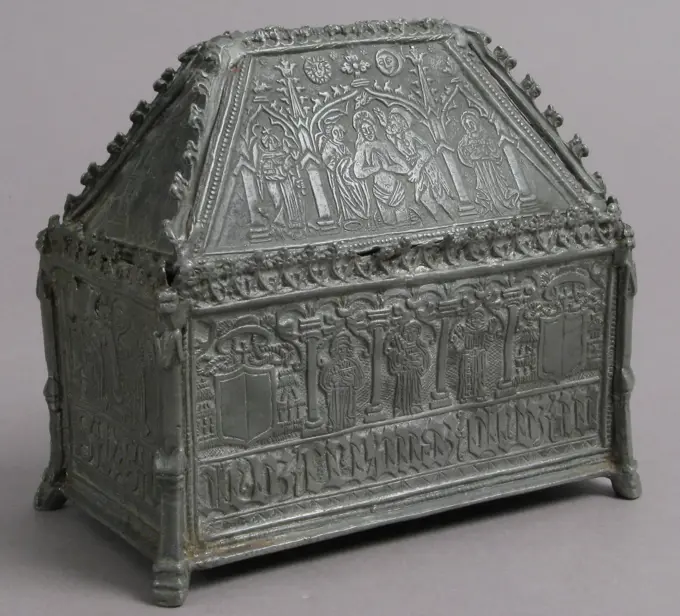
Collection of ornate wooden boxes and caskets from different eras, highlighting craftsmanship and intricate detailing.

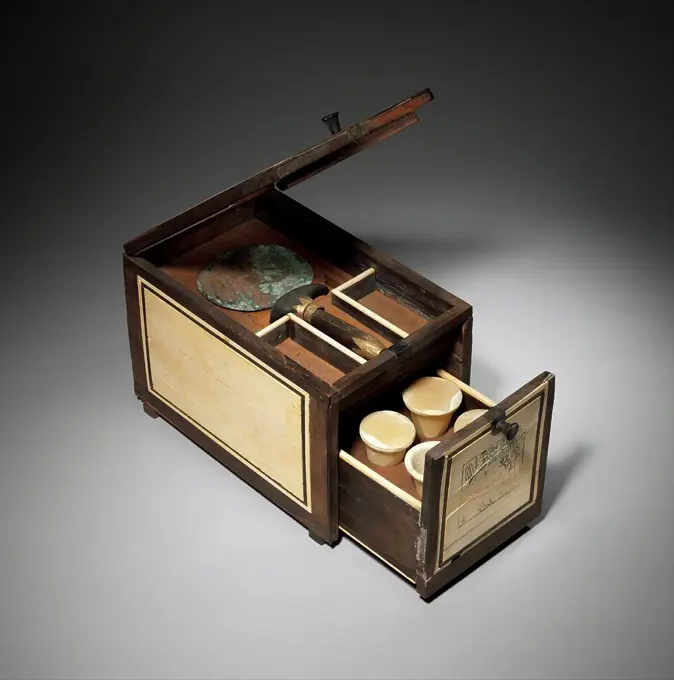
Box, 18th century, 3 5/8 × 12 9/16 × 6 1/4 in. (9.21 × 31.91 × 15.88 cm) (closed), Huanghuali hardwood, metal, China, 18th century
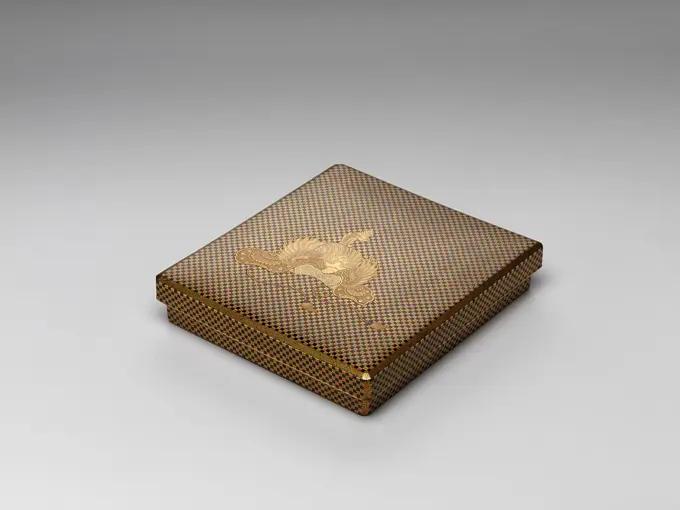
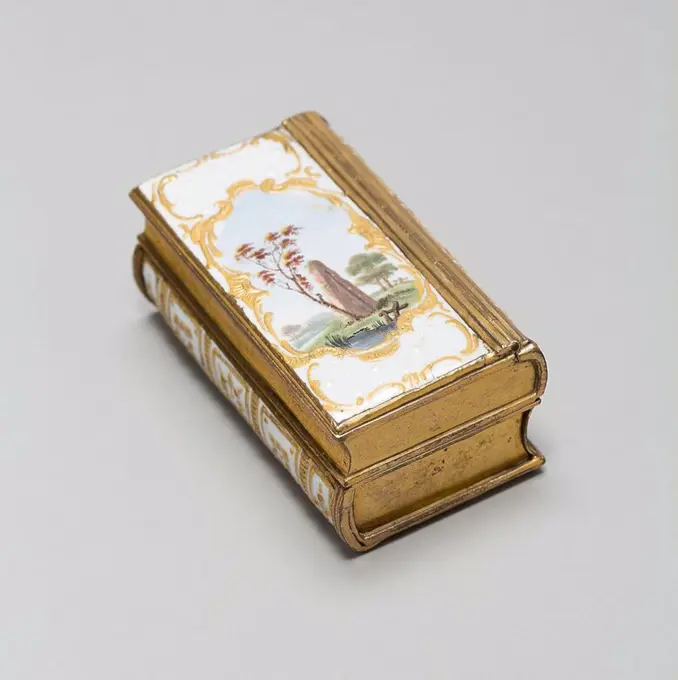
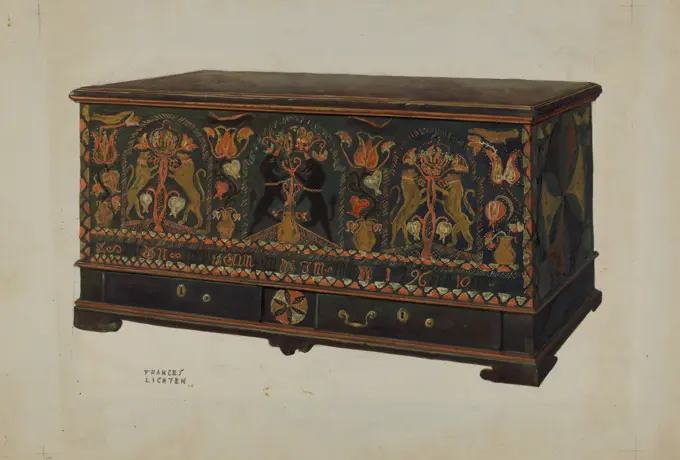
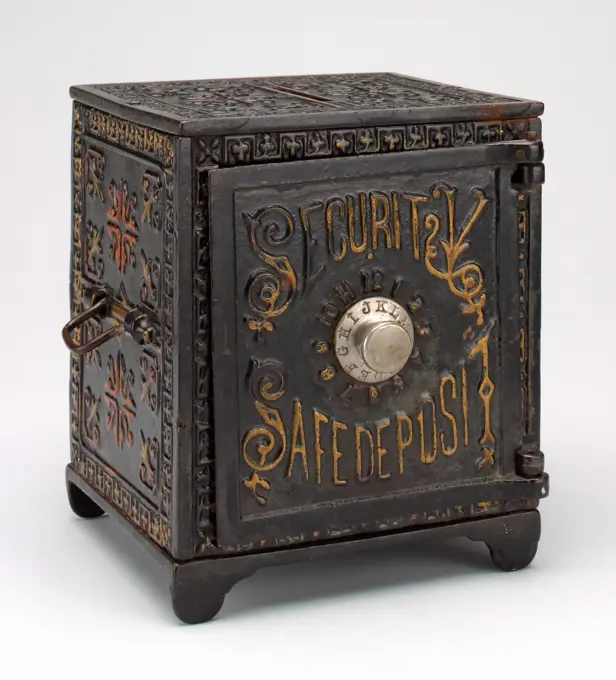
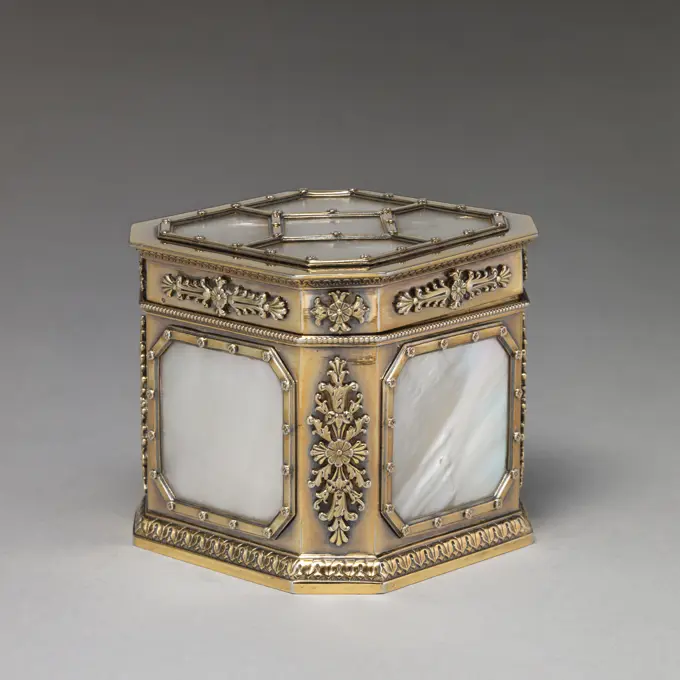
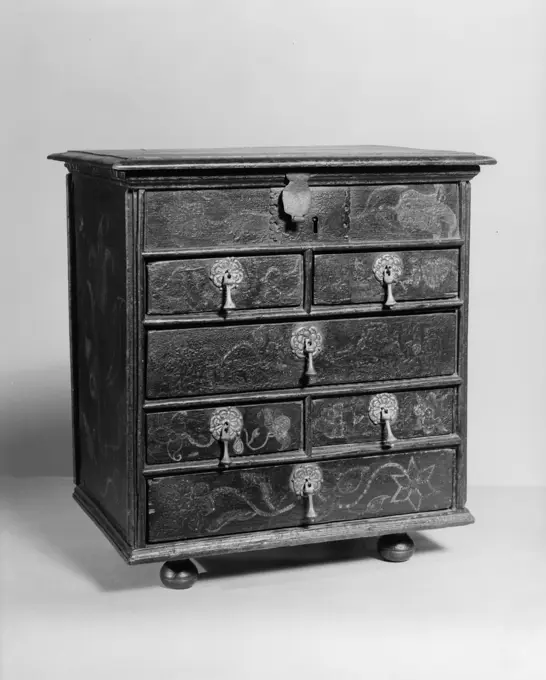
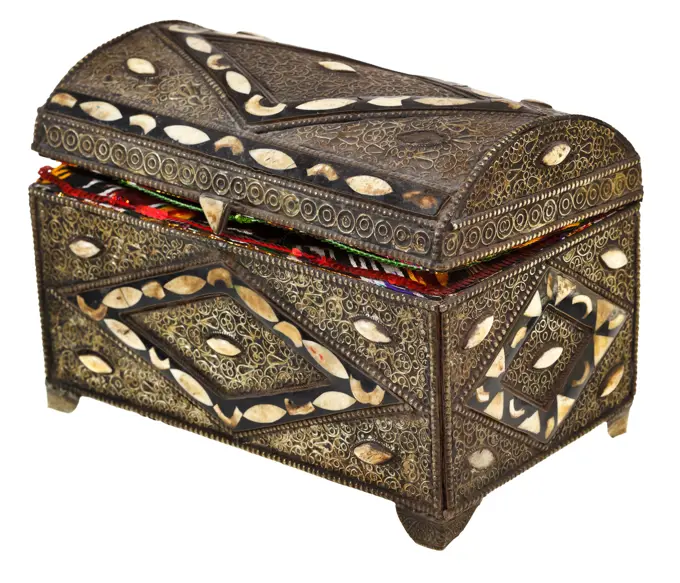
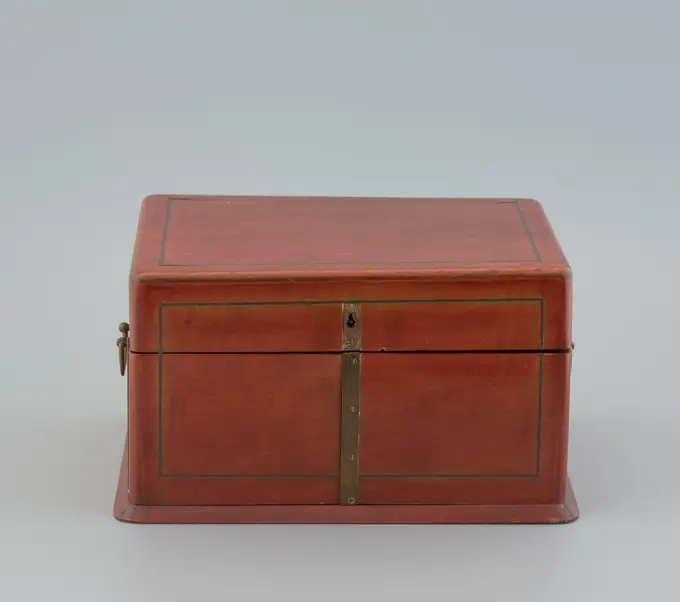
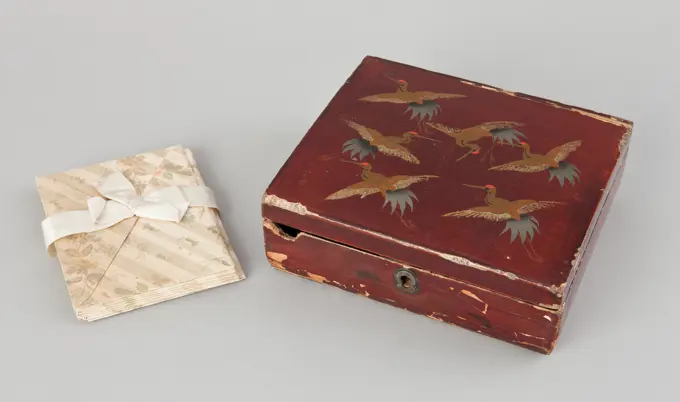
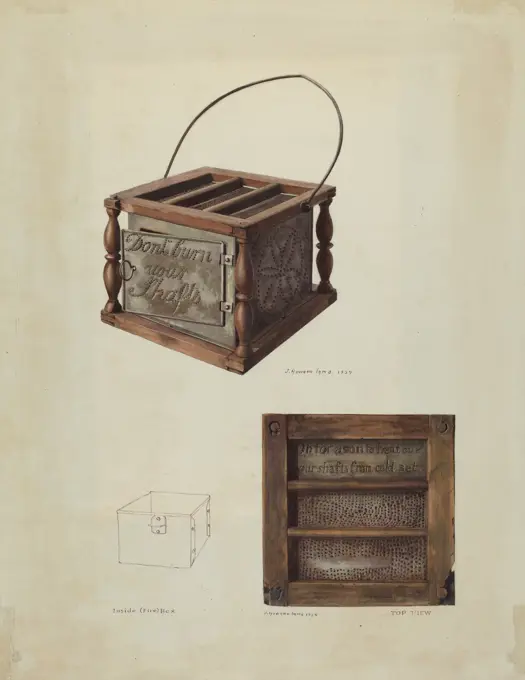
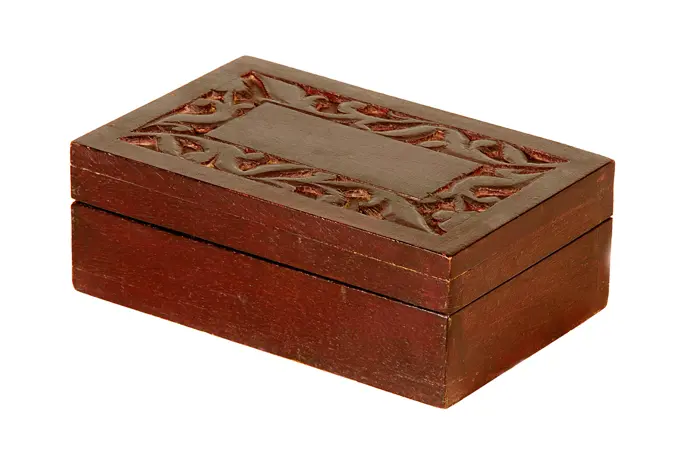
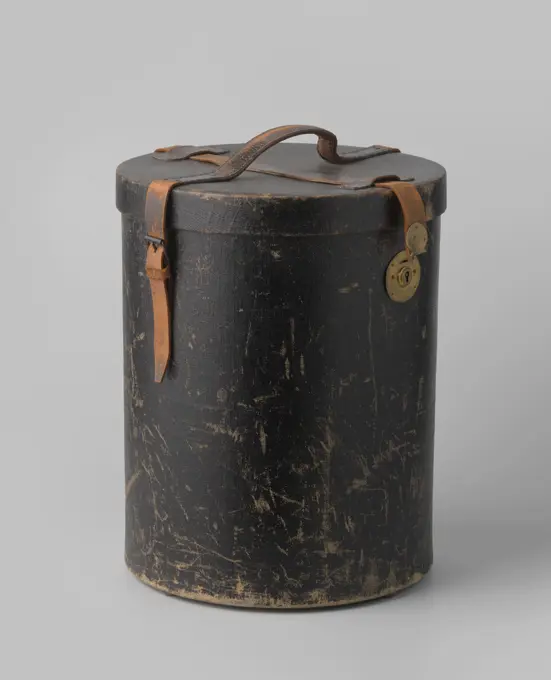
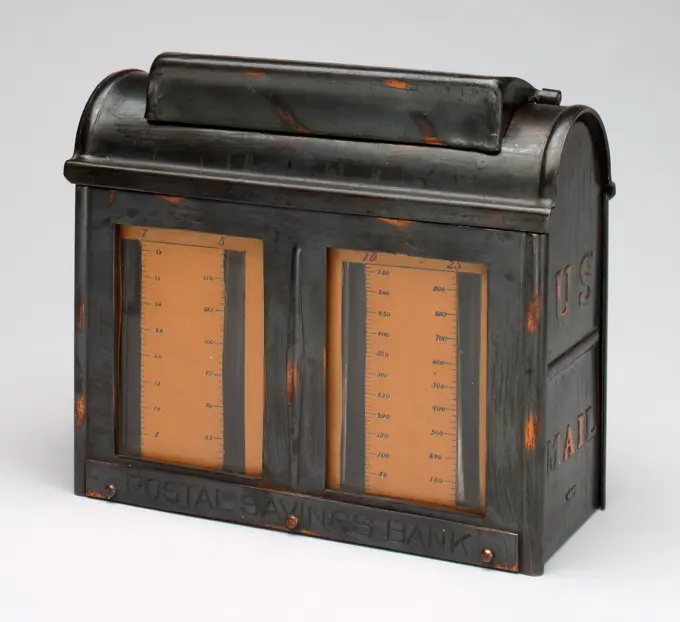
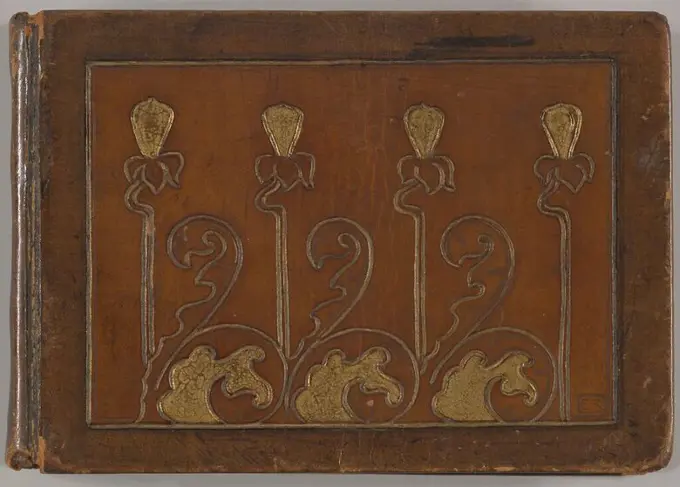
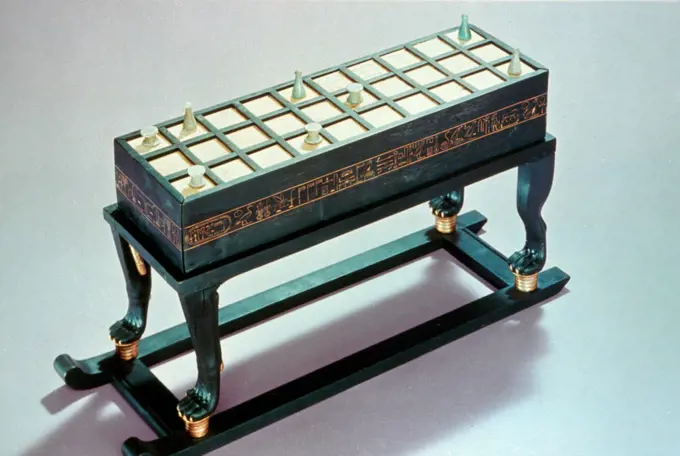
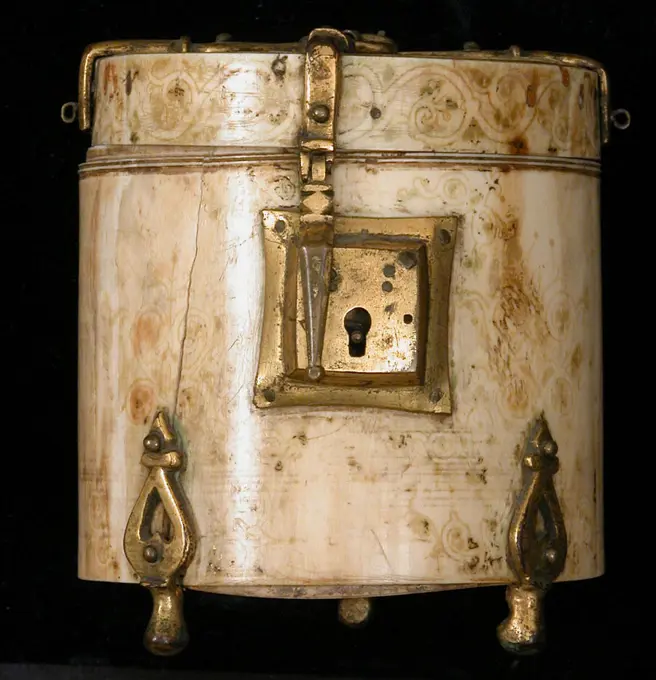
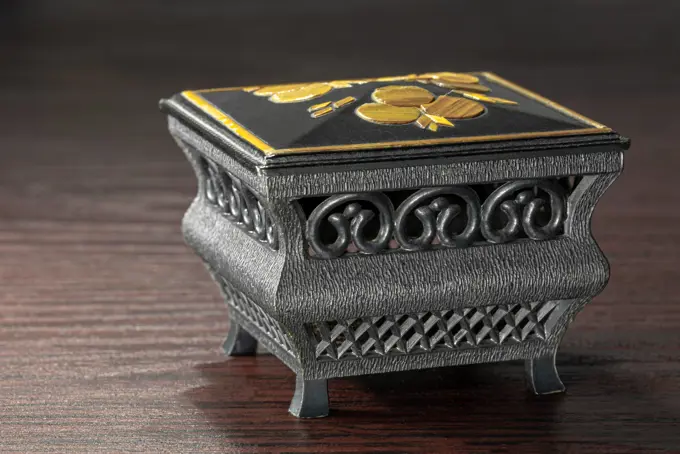
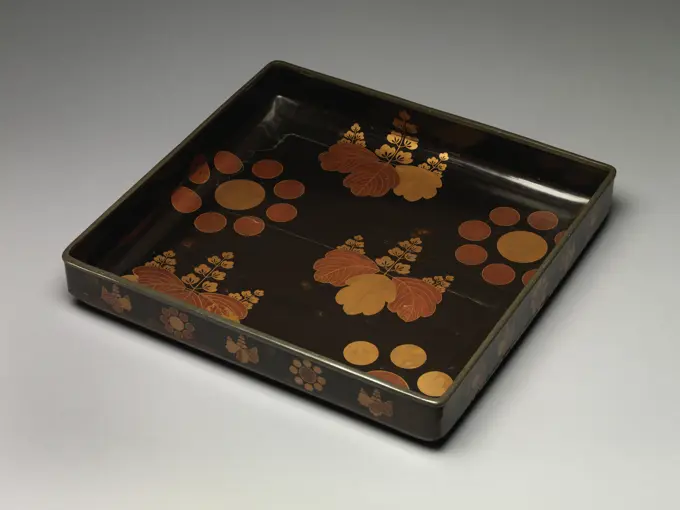
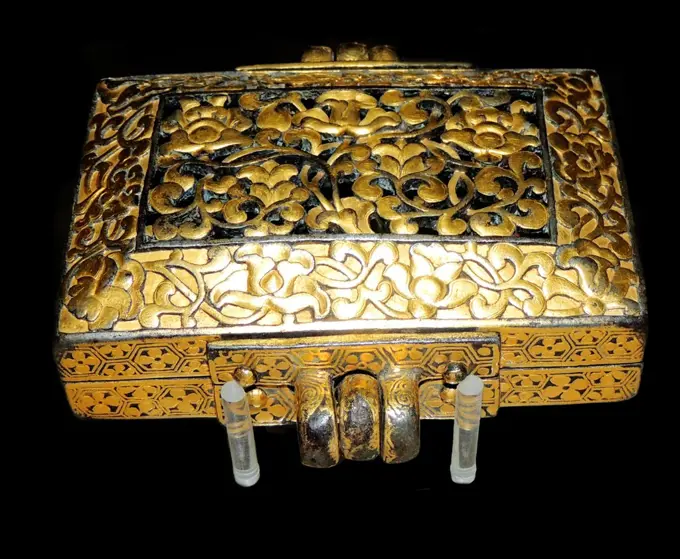
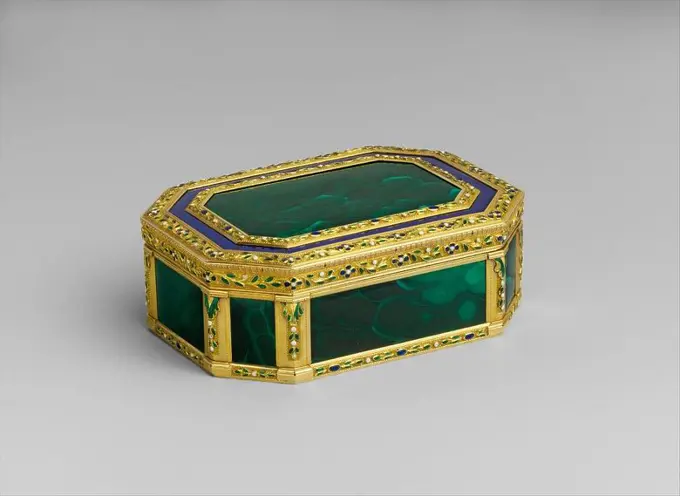
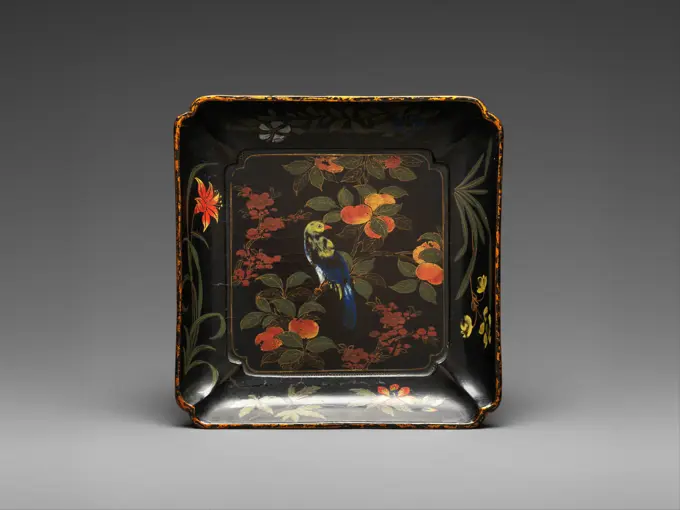
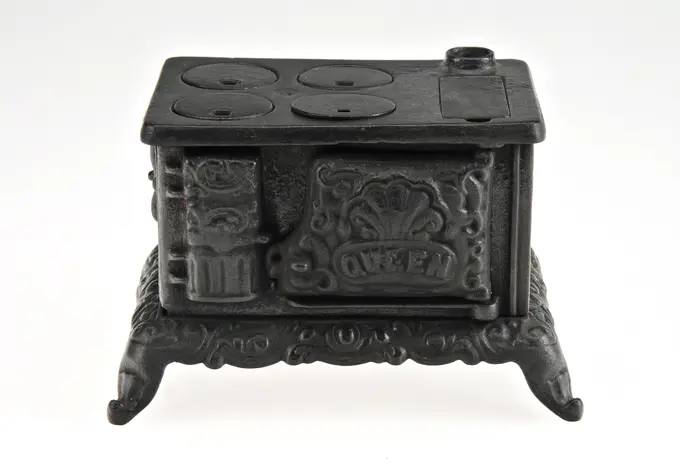
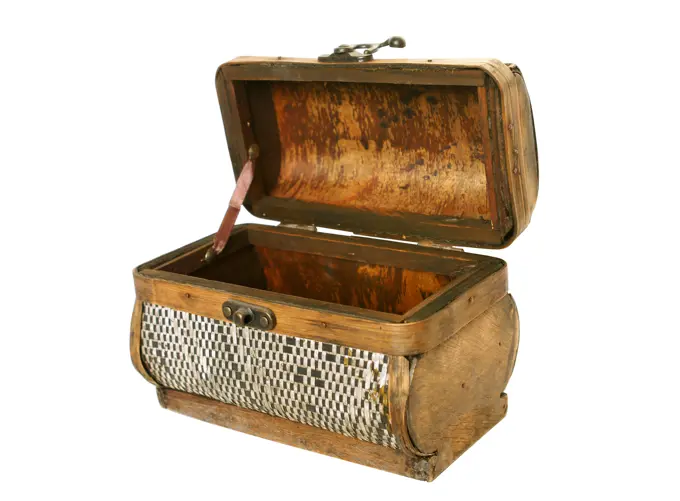
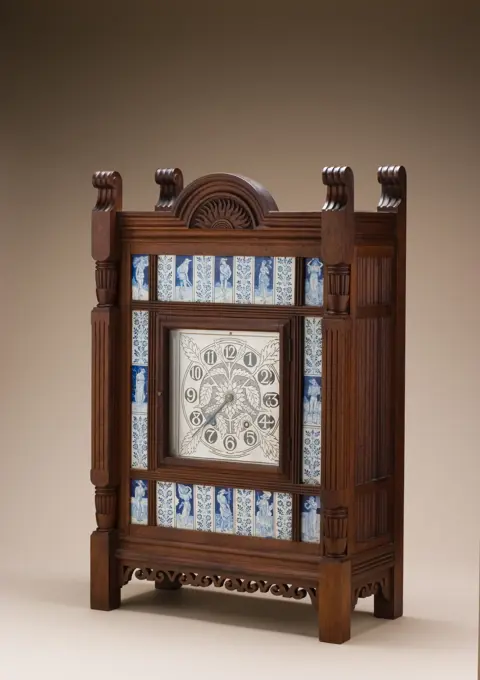
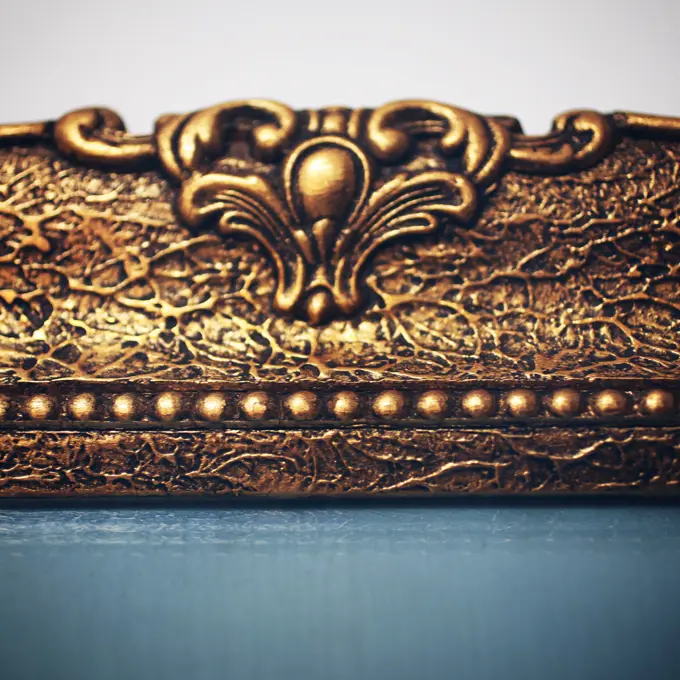
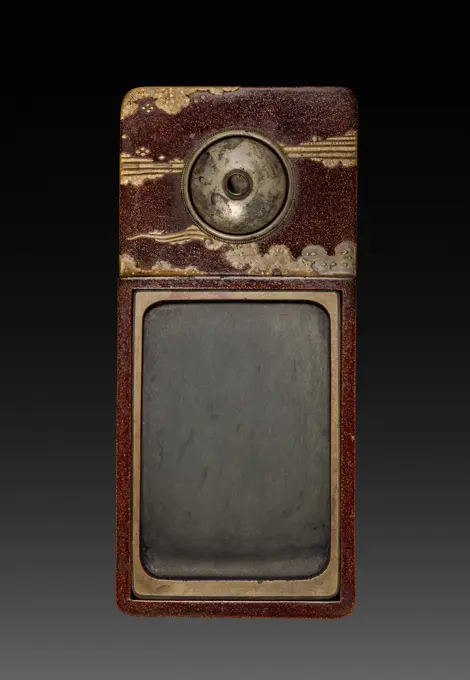
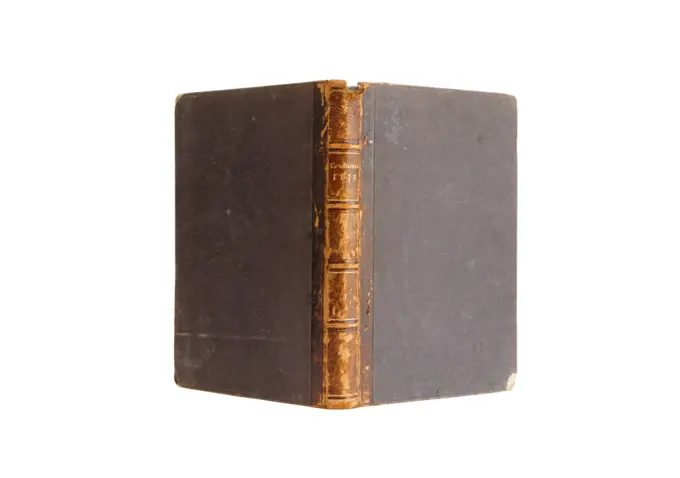
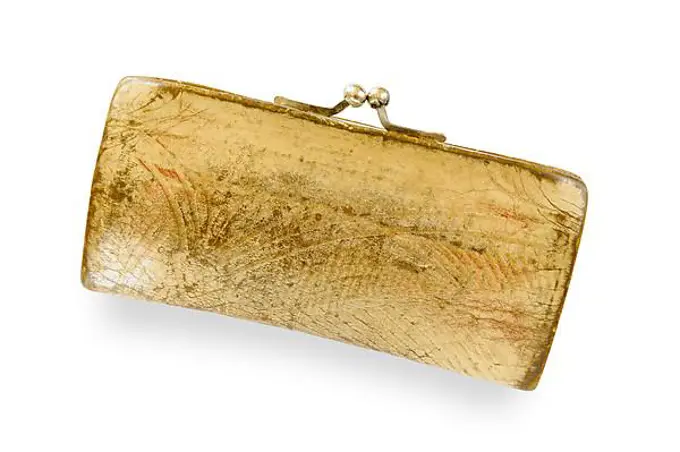
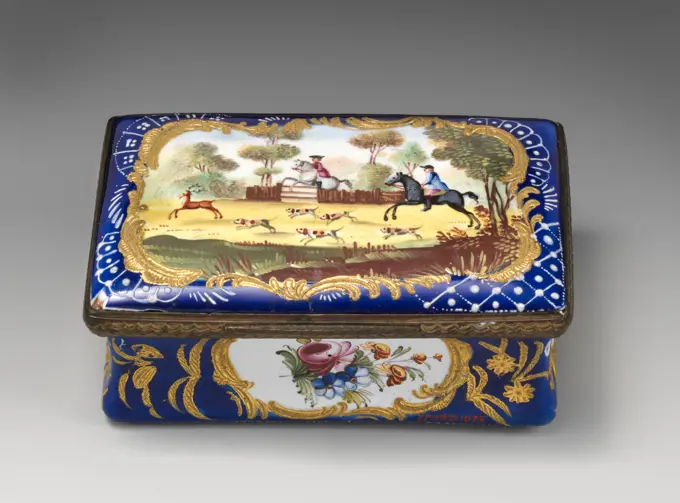
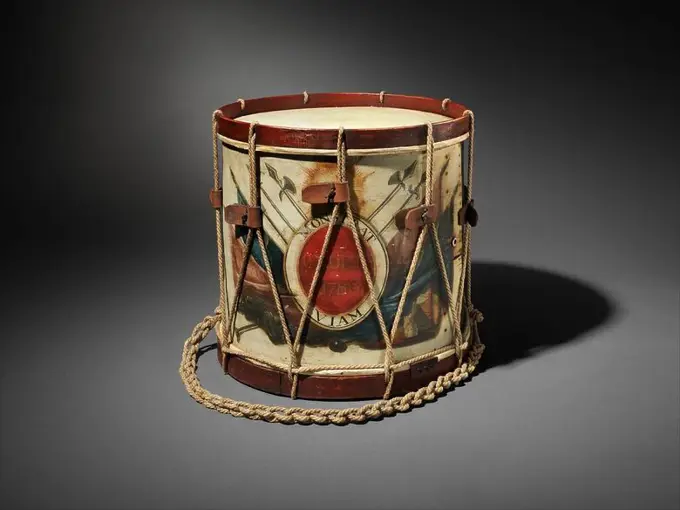
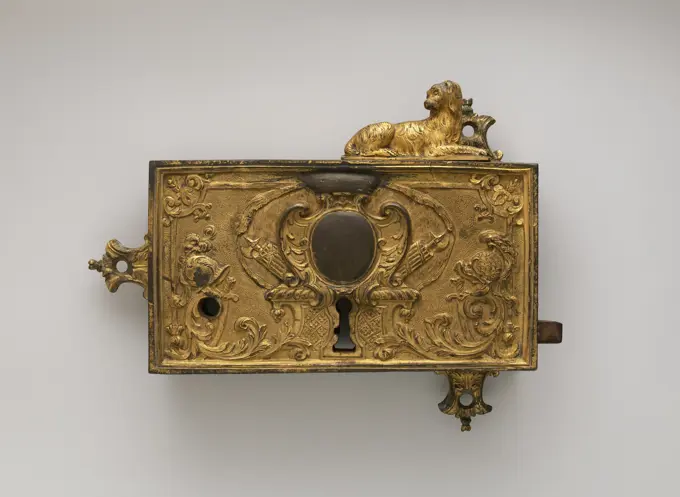
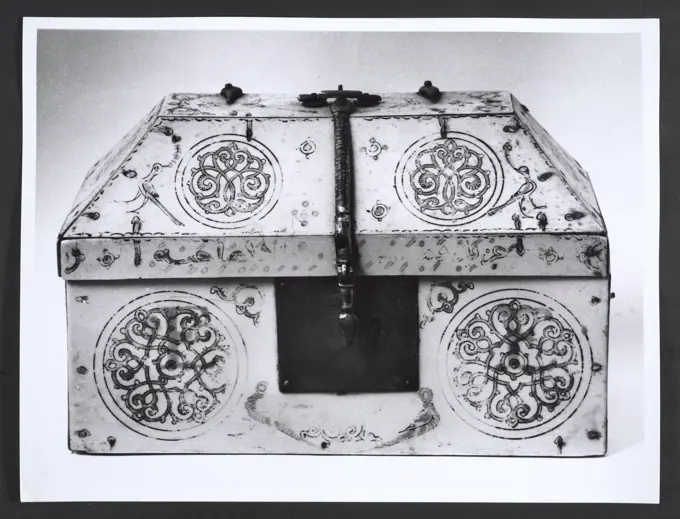
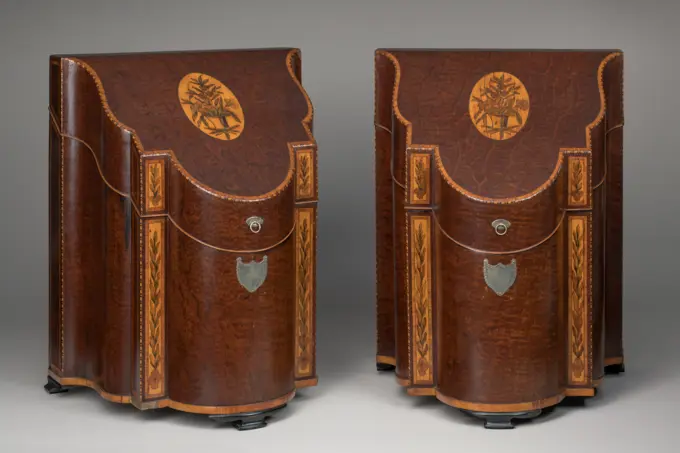
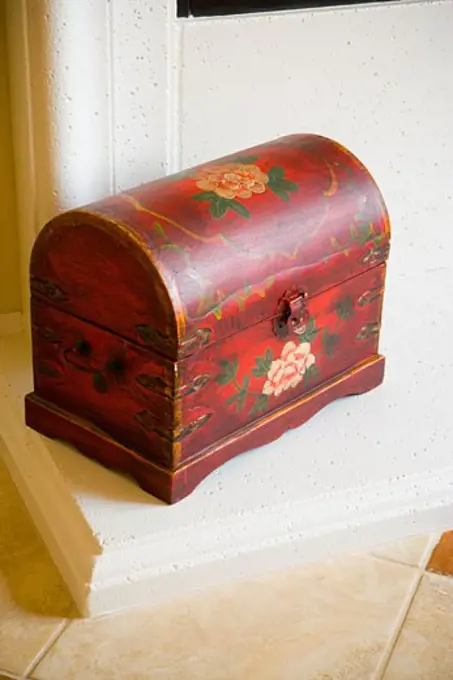
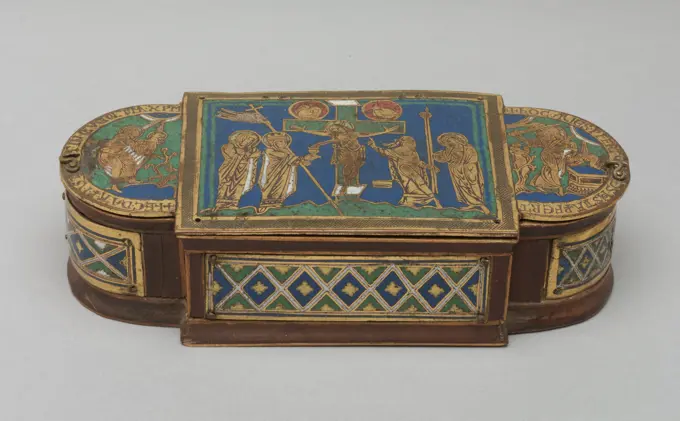
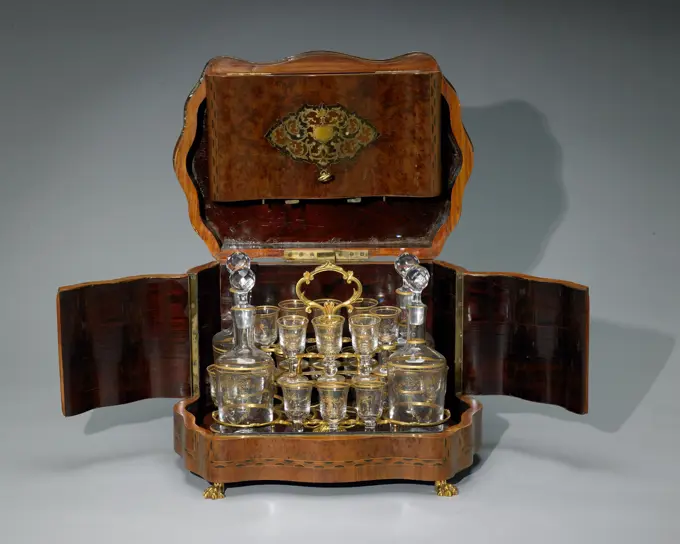
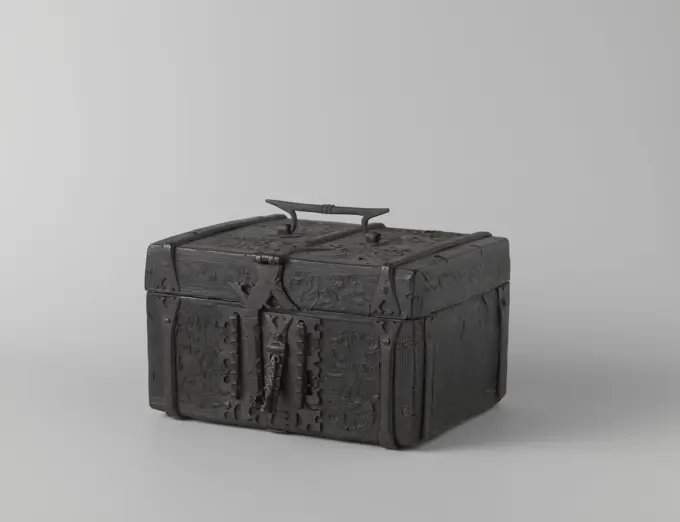
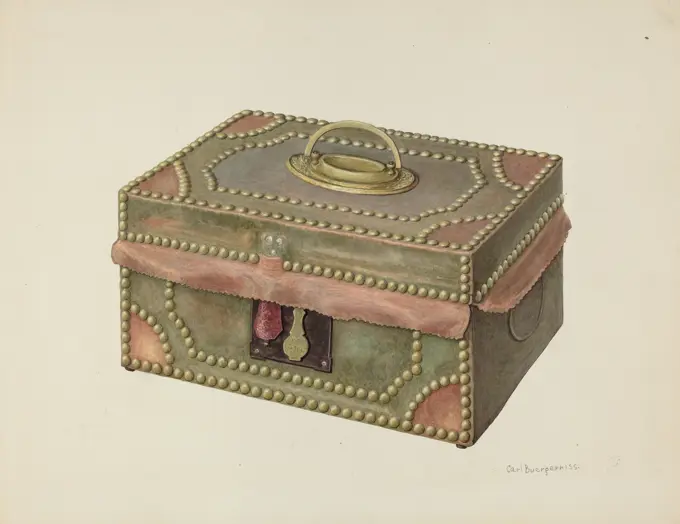
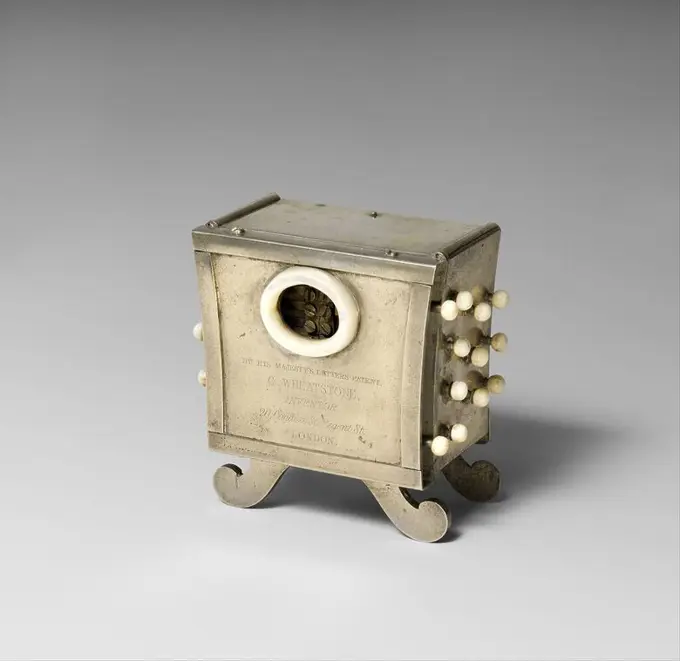
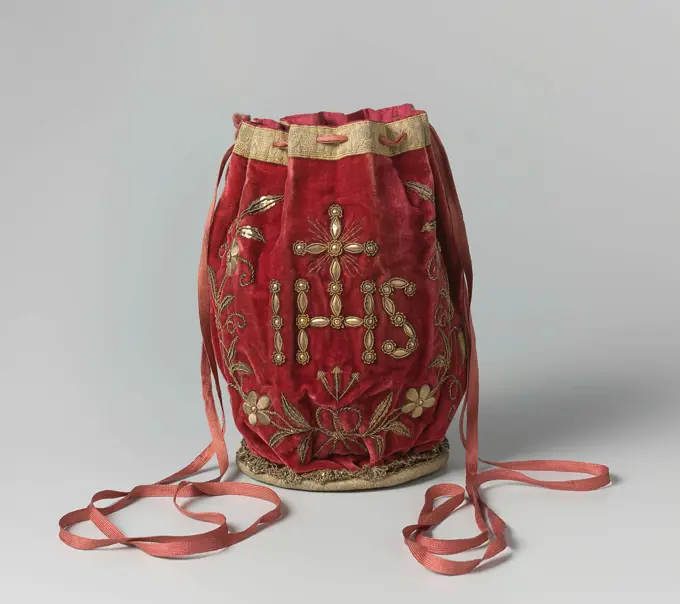
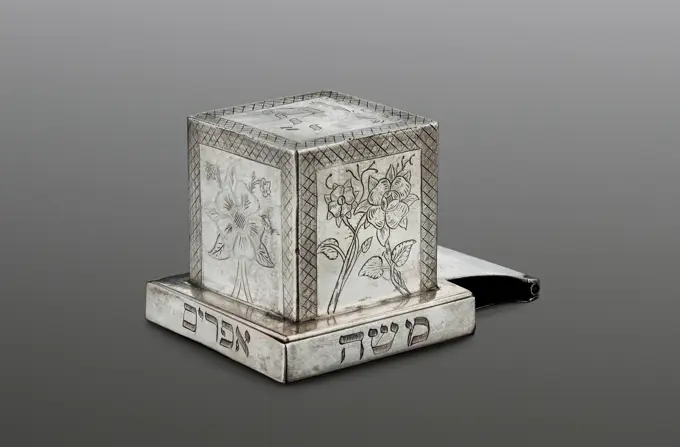
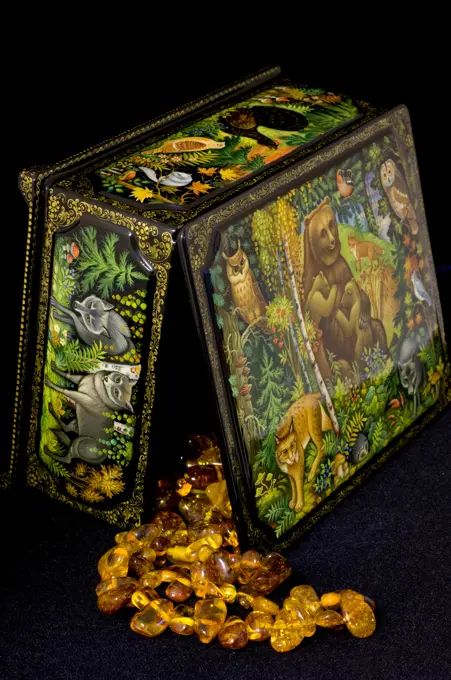
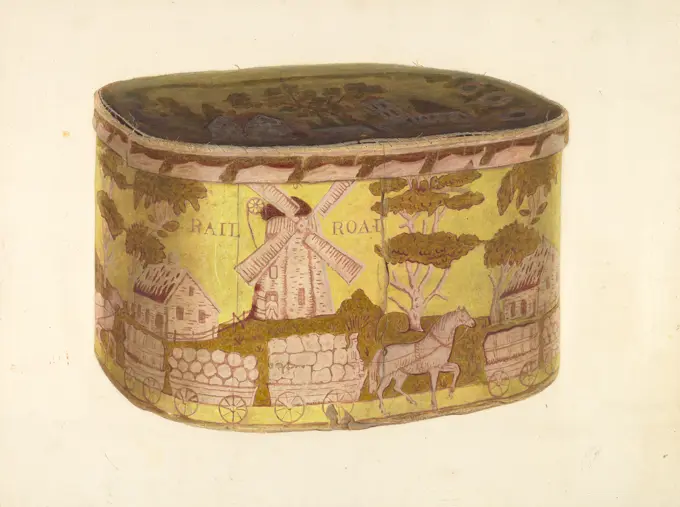
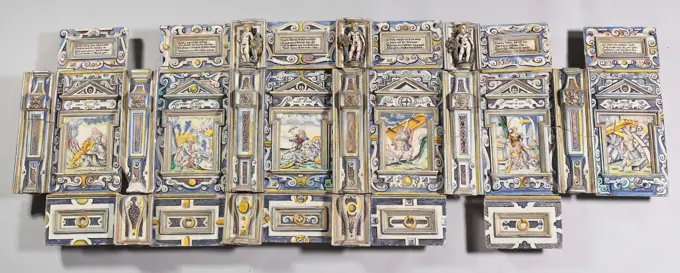
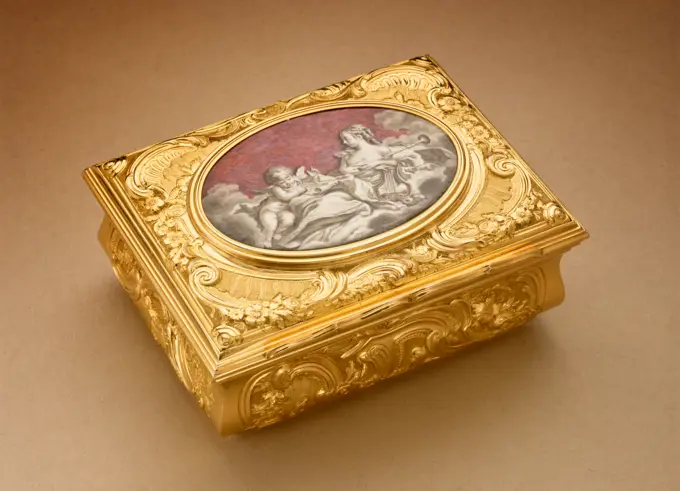
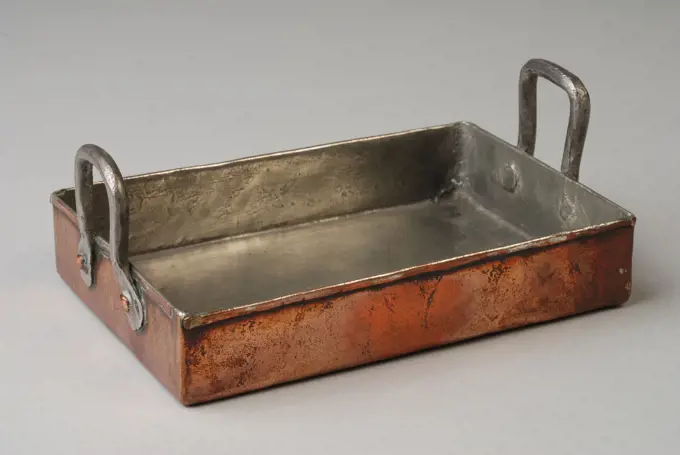
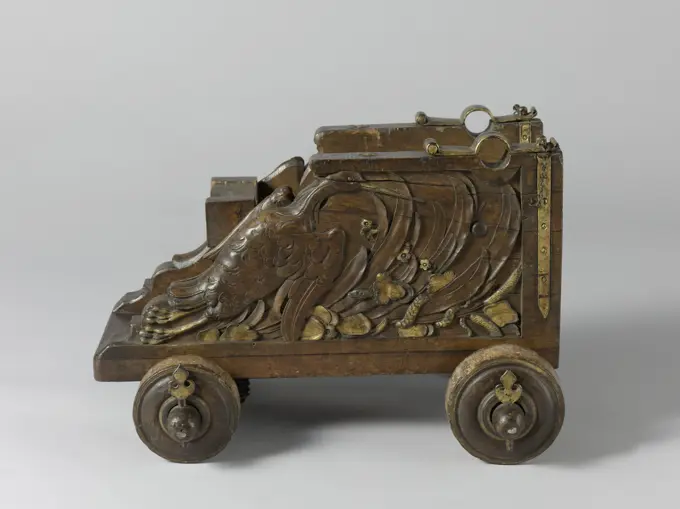
Snuffbox third quarter 18th century possibly German. Snuffbox 193914Box for Square Calligraphy Paper (shikishi-bako) with a Bugaku Helmet on Checkered Ground. Culture: Japan. Dimensions: H. 1 3/8 in. (3.5 cm); L. 8 5/8 in. (21.9 cm); W. 8 in. (20.3 cm). Date: 18th century. Museum: Metropolitan Museum of Art, New York, USA.Grille 15th-16th century German. Grille. German. 15th-16th century. Iron. Metalwork-IronSnuffbox with scene of two maids and cupid at altar of love ca. 1780 Les Frères Souchay. Snuffbox with scene of two maids and cupid at altar of love 191139Sewing cigar niture in mother -of -pearl box, Balthasar Wigand, c. 1826 Seamigarnituur in rectangular pearl box, with a gouache behind the glass lid with a cityscape with caption: Weilburg Bey Baden, among other things a bobbin, a scissors and a fox hat of pearl drill. The box is rectangular and flat without legs, covered with diamond -shaped pieces of mother -of -pearl on the sides. On the lid a copper Empire list around the glass, the lock plate is gilded. Painting in Gouache. In the box a scissors, a bobbin for wash, a yarn winder, a needle cooker, a tub, a prime and a fox hat in a white moiré cushion and a mirror in the lid. Add four keys on a ring. painter: Austriamaker: West-Europa Box: Mother of Pearl. Decoration: Copper (Metal). Decoration: Gilding (Material). Cover: gouache (paint). Cover: Glass. Content: Mother of Pearl. lining: velvet (fabric weave). Mirror: Glass. Metal. Oil Paint (Paint) cutting / gilding / painting / cutting / cutting / grinding  Weilburg Castle (Baden) SNécessaire in the Form of Two Books. Bilston, England. Date: 1765-1785. Dimensions: 3.2 × 4.5 × 8.3 cm (1 1/4 × 1 3/4 × 3 1/4 in.). Polychrome enamel and gilding on copper with gilt bronze mounts. Origin: Bilston. Museum: The Chicago Art Institute, Chicago, USA.Stool (pair with 1975.1.2002) possibly 16th century Italian. Stool (pair with 1975.1.2002) 460826Frances Lichten, Pa German Painted Chest, c 1938 Pa. German Painted ChestSecurity Safe Deposit' still bank, c. 1890, 5 7/16 x 4 3/8 x 4 5/8 in. (13.81 x 11.11 x 11.75 cm), Iron, pigment, 19th centurySmall square box 1887-1911 André Aucoc A member of a Parisian family of gold- and silversmiths, André Aucoc often worked in an eighteenth-century style and also dealt in antique silver. These boxes are part of a dressing-table set that also comprises a mirror and stand, a pair of candelabra, two glove trays, and two pincushions.. Small square box. French (Paris). 1887-1911. Silver gilt, mother-of-pearl. Metalwork-SilverSalver (one of a pair) 1727-28 Simon Pantin I British. Salver (one of a pair). British, London. 1727-28. Silver gilt. Metalwork-SilverCarl Strehlau, Pa German Chest, c 1939 Pa. German ChestTrinket Chest 1715-25 American. Trinket Chest. American. 1715-25. Pine. Made in New England, United StatesBox. Culture: Italian, Venice. Dimensions: H. (at back) 5 1/2 x W. 8 inches (14.0 x 20.3 cm)H. (at front) 3 inches (7.6 cm). Date: 18th century (). Museum: Metropolitan Museum of Art, New York, USA.Tavern Sign Arnold's Inn 1701-1800 United States. Painted white pine . Artist unknownancient treasure chest ancient metal treasure chest isolated on white background Copyright: xZoonar.com/ValeryxVoennyyx 5528670Casket with dishes;  XXW. (1901-00-00-2000-00-00);Shield. Culture: Bornean, Dyak. Dimensions: H. 42 3/4 in. (108.6 cm); W. 16 1/2 in. (41.9 cm); D. 4 in. (10.2 cm); Wt. 4 lb. 0.3 oz. (1822.9 g). Date: 18th-19th century. Museum: Metropolitan Museum of Art, New York, USA.Casket with stationery Olga BoznańskaPortable TravellingLibrary.  Artist: Unknown  Artist: Jones and Co., LondonJ Howard Iams, Foot Warmer, 1939 Foot WarmerAntique red wooden carving box, Jodhpur, Rajasthan, India Copyright: xSafatxAli/DinodiaxPhotoxAnonymous / 'Case for rock crystal boat with a dragon, two fantastical creatures and wheels'. 1650 - 1711. Leather, Wood, Metal, Cloth. Museum: Museo del Prado, Madrid, España.Box, Zuber & Cie, Rixheim, Alsace, France, founded 1797, Block printed paper on wood, Box covered with wallpaper: Green, white and yellow foliage on gray. Lined with newspaper, 'Daily Patriot' of Concord, NH, dated January 1855., Rixheim, Alsace, France, 1825-35, Wallcoverings, BoxHoedendoos, intended for officer head covers, Eduard Kühne, c. 1880 - c. 1920 Hat box, cylindrical, from washing cloth, intended for officer head lids. A closing and carrying strap of leather runs over the lid. The plug fits the front in a copper lock. There are two hat supports in the box, separated from each other by an intermediate piece. The hat supports consist of a box glued with blue paper, covered with light yellow cotton on the inside, in which a kidney -shaped support covered with dark green relief paper. This support has a lid that is covered on the inside with pink velvet. The support itself is held on the inside with light pink paper. There is also a support in the support, covered with light yellow cotton. In the lid a label on which the name of the supplier: Eduard Kühne. Strasbourg (France) box:. Belt: Leather. Closure: Copper (Metal). Lining box: Cotton (textile). upholstery: paper. Lid Lid Support: Velvet (Fabric Weave) forging Hat box, cylindrical, from washing clothU.S. Mail (registering)' still bank, early 20th century, 4 5/8 x 5 1/4 x 2 1/8 in. (11.75 x 13.34 x 5.4 cm), Metal, glass, paper, United States, 20th century23-cm Segment Shell in a Wooden Box, W.G. Armstrong & Co, 1868 grenade (ammunition). chest Half a longitudinal sawn -shaped 23 cm grenade, in a wooden box. The grenade is 51.8 cm long and has a caliber of 226 mm. He has two rings bronze cams for a drawn run with six pulling fields. The nose has a tube hole. The grenade is hollow: the spring load is surrounded by thirteen outdoor segment rings, in which nineteen inside segment rings, with lead, together. The soil used is also attached to lead rings. Newcastle upon Tyne iron (metal). bronze (metal). brass (alloy). lead (metal). wood (plant material)Miniature stew of multicolored painted faïence. Square stove painted multi-colored with an oriental decor of birds and flowers.Album with Designs for Art Nouveau Jewelry. Artist: Edgar Gilstrap Simpson (British, 1867-1945 (presumed)). Dimensions: Overall: 3 1/2 x 5 x 5/8 in. (8.9 x 12.7 x 1.6 cm). Date: 1899-1900.Small album containing 34 leaves with designs for Art Nouveau jewelry. Bound in a tooled and gilt leather binding, designed by Simpson himself. Museum: Metropolitan Museum of Art, New York, USA.Weapon trophy. North facing the pedestal of the Vend�me column. Anonymous. "Weapon trophy. North facing the pedestal of the Vend�me column". Bronze.board game of senet, made in ebony and ivory. From the tomb treasures of Tutankhamen, discovered in 1922. Tutankhamen was an Egyptian pharaoh of the 18th dynasty (ruled c. 1332-1323 BC). Now on display in the Cairo Museum.Border (possibly England); block-printed, flocked; 62 x 13 cm (24 7/16 x 5 1/8 in.)Pyxis with Painted Designs second half 12th-first half 13th century A popular type of ivory container produced in medieval Sicily was composed of ivory sheets, often nailed together with ivory pegs, and decorated with designs painted in tempera colors, a technique both faster and more economical than carving. On this pyxis, the decoration is now largely faded, but includes lions, arabesques, and floral scrolls. The gilded silver attachments on this example are thought to be original.. Pyxis with Painted Designs 446818Bandbox (USA); block-printed on handmade paper, cardboard support; 43.5 x 33.5 x 32.5 cm (17 1/8 x 13 3/16 x 12 13/16 in.)Little black and gold jewell case Little black and gold jewel case on a dark wooden table Copyright: xZoonar.com/AlainxdexMaximyx 13900472Clothing Tray (Midare-bako) with Paulownia and Nine Stars” Crests late 16th century Japan The midarebako—a shallow traylike box used to temporarily hold folded clothing and small accessories—developed from a Heian-period (794-1185) predecessor. It was typically used when dressing or changing, for keeping things nearby at night, or while women arranged their hair. The shape indicates that larger boxes’ lids might originally have been used for the same purpose. This K?daiji-style version is embellished with maki-e paulownia crests associated with Toyotomi Hideyoshi and nine-orb (kuy?) crests used predominately by the Hosokawa family.. Clothing Tray (Midare-bako) with Paulownia and Nine Stars” Crests. Japan. late 16th century. Lacquered wood with gold, silver hiramaki-e and e-nashiji (pear-skin picture”) on black ground. Momoyama period (1573-1615). LacquerTalisman Box 18th Century AD. Tibet. Gilt iron with niello inlay.Painting on wooden basket, Jodhpur, Rajasthan, India Copyright: xSafatxAli/DinodiaxPhotoxAnonymous. "Quadrangular vase with Korean decor". Porcelain. 1776-1800. Paris, Carnavalet museum. 101759-14Coffee grinder. Coffee grinder with crank and tray. The tray has a button and a diamond shape is engraved on the tray. The coffee grinder is marked: STK. = Amsterdam, JRL. = L (1745), Mt. = Maria Breda and a boar cup.Iron gauze design fitting on wooden bottle box, Jodhpur, Rajasthan, India Copyright: xSafatxAli/DinodiaxPhotoxCigarette caseCase for a note booklet, Louis Cousin, 1777 - 1778 Case for a note booklet of gold and email. On both sides an oval miniature painting on paper under glass. On the lid in an oval the inscription: Souvenir d'Amitié. Paris gold (metal). silver (metal). glass. mother of pearl. ivory. gouache (paint). diamond (mineral) Case for a note booklet of gold and email. On both sides an oval miniature painting on paper under glass. On the lid in an oval the inscription: Souvenir d'Amitié. Paris gold (metal). silver (metal). glass. mother of pearl. ivory. gouache (paint). diamond (mineral)Snuffbox. Culture: French, Paris. Dimensions: Overall: 1 1/8 × 3 1/8 × 2 1/4 in. (2.9 × 7.9 × 5.7 cm). Maker: Adrien Jean Maximilien Vachette (French, Cauffry 1753-1839 Paris). Date: 1782-83.In eighteenth-century Europe, Paris led the production of high-quality luxury goods. Parisian goldsmiths made a wide range of small, personal articles such as snuffboxes; étuis to hold sealing wax, tweezers, or utensils for sewing; souvenirs, which contained thin ivory tablets for note taking; and shuttles for knotting lace. Gold snuffboxes and boxes decorated with portrait miniatures were prized and frequently given as royal gifts, often to ambassadors or members of the court in lieu of cash payments for their services. Coveted and admired, these boxes were produced from a variety of materials. The best were skillfully made of gold and embellished with diamonds, enameled decoration, lacquer, and other luxurious materials. By the middle of the century, the taking of snuff had become an entrenched Dish with persimmons, flowers, and birds 16th century China The blue used in the depiction of the magpie was created using an oil-based pigment that allowed for the development of additional colors in the design of Chinese lacquers. Such pigments, to which a lead oxide is added as a drying agent, are known as litharge in Western writings, and as mituoseng in Chinese.. Dish with persimmons, flowers, and birds 667022Square box, black lacquer with sprinkling flowers in Gold -Makie, Anonymous, 1700 - 1800 Square box with convex sides and a somewhat sphere lid; with gold -plated copper on the inner side. On the sides and the lid, three flowers are always painted in gold-made on a black soil; Gold contour lines surround the edges of the sides. Probably intended for incense axis (Ju-Kogo). Japan geheel: wood (plant material). geheek: lacquer (coating). gold (metal). copper (metal). gilding (material) lacquering Square box with convex sides and a somewhat sphere lid; with gold -plated copper on the inner side. On the sides and the lid, three flowers are always painted in gold-made on a black soil; Gold contour lines surround the edges of the sides. Probably intended for incense axis (Ju-Kogo). Japan geheel: wood (plant material). geheek: lacquer (coating). gold (metal). copper (metal). gilding (material) lacqueringOld book isolated on white background Kero.  Maker: UnknownToy cookstove -Old casket from birch bark Old casket from birch bark isolated on the white background Copyright: xZoonar.com/OlgaxPopovax 1727278Fangding food vessel, late 11th century BCE, 9 1/8 × 7 1/4 × 6 1/16 in., 5.7 lb. (23.18 × 18.42 × 15.4 cm, 2.6 kg), Bronze, China, 11th century BCEClock. Lewis F. Day (England, 1845-1910)Howell & James (England, London, 1820-1900). England, circa 1878. Furnishings; Accessories. Cherry case, ceramic and aluminumPair of Shoe Buckles with Case. France, circa 1785. Costumes; Accessories. Paste stones with gilded-copper-alloy trim on silver and steelAlcalá de Henares (Madrid), 12/18/2009. Regional Archaeological Museum. Time capsule found under the statue of Cervantes in the Plaza de las Cortes in Madrid. Dates from 1834. Photo: De San Bernardo. ARCHDC.Detail of an antik gold picture frame Detail of an antik gold picture frame Copyright: xZoonar.com/AgnieszkaxMariaxZiebax 7815184. Round box with eight small round boxes. On the lid a representation of a temple building with trees and clouds in gold and silver. Between lid and box a separate leaf with a bank landscape.Writing Box (Suzuribako) with Phoenix in Paulownia (inkstone and water dropper), c. 1573-1599. Japan, Momoyama period (1573-1615). Lacquer on wood with sprinkled gold and silver powder (maki-e) and gold and silver foil application; 4 x 20.5 x 23.5 cm (1 9/16 x 8 1/16 x 9 1/4 in.). This box--a container for an inkstone, brushes, and ink--is both functional and lavish, its dramatic effects achieved with a pear-skin ground decoration (nashiji), and sprinkled powder decoration in high relief (takamaki-e). In contrast to the bright, celebratory motifs on the exterior, the interior of the box invites a more reflective mood with its autumn moonlit sky over chrysanthemums.Antique book stands isolated on white backgroundCosmetic Box of the Royal Butler Kemeni. Dimensions: L. 28.5 cm (11 1/4 in.); W. 17.7 cm (6 15/16 in.); H. 20.3 cm (8 in.). Dynasty: Dynasty 12. Reign: reign of Amenemhat IV. Date: ca. 1814-1805 B.C.. Museum: Metropolitan Museum of Art, New York, USA.Snuffbox with scenes of courtship. unknown, authorWriting Box with Design of Flowering Bush Clover and Sun first half of the 19th century Japan. Writing Box with Design of Flowering Bush Clover and Sun 45480Blue jeans denim and wood background texture. Jeans material with plank wooden boardAn old leather wallet on white backgroundSnuffbox ca. 1760-1800 British, Staffordshire. Snuffbox. British, Staffordshire. ca. 1760-1800. Enameled copper. Enamels-PaintedSide drum. Culture: American. Dimensions: 18 × 17 in. (45.7 × 43.2 cm). Maker: Henry H. Prentiss (American, Roxbury, Massachusetts 1801-1860 Boston). Date: ca. 1840.The side drum was associated with the military, especially as a signal instrument for infantry troops, from at least the sixteenth century through the end of the nineteenth century. This large drum is eighteen inches in height with a seventeen inch diameter. The shell is made of a thin sheet of wood bent into a cylinder and then glued together and reinforced with brass tacks that are visible from the exterior of the drum. This example utilizes the traditional rope tensioning system, with a single length of rope running between the wood counter hoops and leather tugs used to tighten or loosen the tension on the heads. A set of gut cords are stretched across the bottom head and create a buzzing sound when the top (batter) head is hit. The drum bears a large painted decoration on a white field. The composition has at its cenSuzuribako, anonymous, 1700 - 1800 Suzuribako with a performance of two people who approach a group of dancing women from behind a screen. Japan wood (plant material). lacquer (coating) Suzuribako with a performance of two people who approach a group of dancing women from behind a screen. Japan wood (plant material). lacquer (coating)Portable Compass Sundial. J. Kleininger; German, late 18th to 19th century; Germany. Date: 1785-1795. Dimensions: 8.7 x 5.2 cm (3 7/16 x 2 1/16 in.). Wood, hand-colored etching on paper, and glass with string gnomon. Origin: Germany. Museum: The Chicago Art Institute, Chicago, USA.Olearium late 15th-early 16th century German. Olearium 466125 German, Olearium, late 15thearly 16th century, Lead, Overall: 5 5/8 x 5 11/16 x 3 1/16in. (14.3 x 14.4 x 7.8cm). The Metropolitan Museum of Art, New York. Gift of Ruth Blumka in honor of Ashton Hawkins, 1985 (1985.229.1)Sutra Container, 1100s. Korea, Goryeo period (918-1392). Gilt bronze with incised and high relief decoration; overall: 10.2 x 6.5 x 1.5 cm (4 x 2 9/16 x 9/16 in.).Lock 18th century French. Lock 189759 French, Lock, 18th century, Gilt bronze, Overall (confirmed): 7 x 8 1/4 x 1 7/8 in., 5.4lb. (17.8 x 21 x 4.8 cm, 2.4494kg). The Metropolitan Museum of Art, New York. Gift of J. Pierpont Morgan, 1906 (07.225.510.1)'Epitome of Geographical Knowledge, Ancient and Modern'. booksSnuff Box with a Mythological Scene 1809-1819 Switzerland. Gold and enamel .Lazio Frosinone Veroli S. Andrea Apostolo, Cathedral1. Hutzel, Max 1960-1990 Views of metalwork objects housed in Treasury of S. Andrea Apostolo, including busts, reliquaries, crosses, polittico, boxes. Antiquities: relief sculpture; busts General Notes: Museum, which contains Treasury, is located in the last chapel of the right nave. Thirteen views of (non-metalwork) sculpture from Museum have been assigned numbers at end of Treasury sequence, but there are no negatives corresponding to these prints, nor is there authoritative evidence that these objects are housed in the Cathedral Museum. German-born photographer and scholar Max Hutzel (1911-1988) photographed in Italy from the early 1960s until his death. The result of this project, referred to by Hutzel as Foto Arte Minore, is thorough documentation of art historical development in Italy up to the 18th century, including objects of the Etruscans and the Romans, as well as early Medieval, Romanesque, Gothic, Renaissance and Baroque Unknown, Knife Boxes (pair), late 18th century, inlaid mahogany, satinwood.Brush Holder. Culture: Japan. Dimensions: H. 5 3/4 in. (14.6 cm); Diam. 4 3/8 in. (11.1 cm). Date: 19th century. Museum: Metropolitan Museum of Art, New York, USA.Nested Boxes with Chrysanthemums, early 1900s. Japan, Meiji period (1868-1912). Set of five boxes; lacquered wood with sprinkled gold powder (maki-e); overall: 1.1 x 12.1 x 9.2 cm (7/16 x 4 3/4 x 3 5/8 in.).Small red decorative chestPyx, c. 1170-1180. Germany, Lower Saxony, Hildesheim, Romanesque period, enamels: 12th century; wood core: 19th century. Gilded copper, champlevé and cloisonné enamel, wood core (modern); overall: 5.4 x 21.3 x 9.3 cm (2 1/8 x 8 3/8 x 3 11/16 in.).Boxes with Tray 19th century China. Boxes with Tray 61916Square Tiered Box With Floral Scrolls. Square stack box of stoneware consisting of three layers with openwork walls and lid, painted on the glaze in blue, green and gold. On the walls of leaf motifs (bamboo). The edge of the lid with a bond with floral drinks. Kyoyaki.Model or a filtering machine. Model of filtering machine for purifying drinking water, brown painted. It is a flat, square container that is on a narrow side. Inside a piping system is laid: a thick pipe with a narrow branch runs from above diagonally to below, where a narrow horizontally running tube connects, which has an outlet in the side; On the other hand, a narrow vertical pipe with an open end leaves at the bottom of slightly above the bottom, where a drain pipe is in the side and above it a small compartment that the pipe comes in and is finished with a basket.Albert Levone, Footstool, 1935 1942 FootstoolCordial glass, from a cordial set, c. 1870, 3 x 1 1/2 x 1 1/2 in. (7.62 x 3.81 x 3.81 cm), Glass, England, 19th centuryBox. Dated: 1935/1942. Dimensions: overall: 30.7 x 28.1 cm (12 1/16 x 11 1/16 in.) Original IAD Object: 4 1/4" long; 3 1/16" wide. Medium: watercolor, gouache, graphite on paperboard. Museum: National Gallery of Art, Washington DC. Author: Frank Fumagalli.Chest of wood, exaggerated with black leather and with decorated iron fittings, anonymous, c. 1500 Chest made of wood, exaggerated with black leather and with decorated iron fittings. The ornaments in the leather are cut and beaten. Tires, lock and handle are made of forged iron and richly decorated. The inside is covered with red leather.  wood (plant material). leather. iron (metal). wrought iron (iron alloy) forging / cutting / striking (metalworking) Chest made of wood, exaggerated with black leather and with decorated iron fittings. The ornaments in the leather are cut and beaten. Tires, lock and handle are made of forged iron and richly decorated. The inside is covered with red leather.  wood (plant material). leather. iron (metal). wrought iron (iron alloy) forging / cutting / striking (metalworking)Carl Buergerniss, Chest or Trunk, 1938 Chest or TrunkSymphonium. Culture: British. Dimensions: Width across top 61 mm (2 3/8 in.); Height 70 mm (2 3/4 in.), Depth including ring 37 mm (1 7/16 in.). Maker: Charles Wheatstone (1802-1875). Date: ca. 1835.Invented in 1829 by the physicist Charles Wheatstone-the famous discoverer of the electric "Wheatstone bridge"-the symphonium features two characteristics that he later used in his concertina: the same notes at pressure and suction, and alternative distribution of the diatonic tones to the right and left hand (C is for the right hand, D for the left, E for the right hand, etc.). The chromatic tones are the buttons of the outer row. The two groups of twelve buttons on each side produce a chromatic range from c1 to d3 (lacking d#1). The form of the instrument recalls a sheng without pipes. Museum: Metropolitan Museum of Art, New York, USA.Sarcophagus with Virgin and Child and the Arms of the Sanguinacci Family. Culture: North Italian. Dimensions: Overall: 32 1/2 x 88 x 37 in. (82.6 x 223.5 x 94 cm)rim thickness: 6 3/8 in. (16.2 cm)interior depth: 25 5/8 in. (65.1 cm). Date: late 13th century-early 14th century. Museum: Metropolitan Museum of Art, New York, USA.Bursa of red velvet with IHS monogram embroidered in gold thread. Bursa of red velvet with iHS monogram embroidered in gold thread.Hand tefila casket. unknown, goldsmithRussia, Russian handicrafts. High quality painted lacquer box showing the wildlife of Russia and amber necklace.Kompas ,, 1575 - 1600 compass Small, rectangular instrument in the form of a book band with four locks. At the top of the top a circle with 2 x i-xii hours. In the four corners of heads that symbolize the four wind directions. Rotatable disc with a stereographic project of the globe. Names of countries inherited. France bronze (metal). silver (metal). glass cutting / forging / gilding / engravingWalter Doran, Bandbox, c 1939 BandboxSail paved from German faience.Snuffbox. Attributed to Thomas Burges (England, active London, 1731-1782). England, London, circa 1756. Tools and Equipment; boxes. Gold, enamelJUGUETE CABALLO CON CARRO. Location: EXPOSICION DE LA GUERRA CIVIL ESPAÑOLA. MADRID. SPAIN.TECHUMBRE DEL PALACIO DE FRESNEDA. ARTESONADO DETALLE DE LAS VIGUERIAS Y PARES. MUDEJAR XV. (DEPOSITO: MUSEO ARQUEOLOGICO NACIONAL).metal worker: Gresnich, Copper rectangular miniature roasting pan with two handles, roasting dish baking dish miniature toy relaxing agent model copper tin, hammered tinned elongated rectangular upright walls with side widths. Exterior red copper inside tinned 1868 Sibilla van Embden playing frying food preparing kitchenRole horse of the cannon of the Reygersberg family, Anonymous, 1678  Original oak role horse. The gilded iron fittings is sculpted and shows herons between aquatic plants. Low Countries oak (wood). beslag: iron (metal) cuttingOld chest isolated on the white background