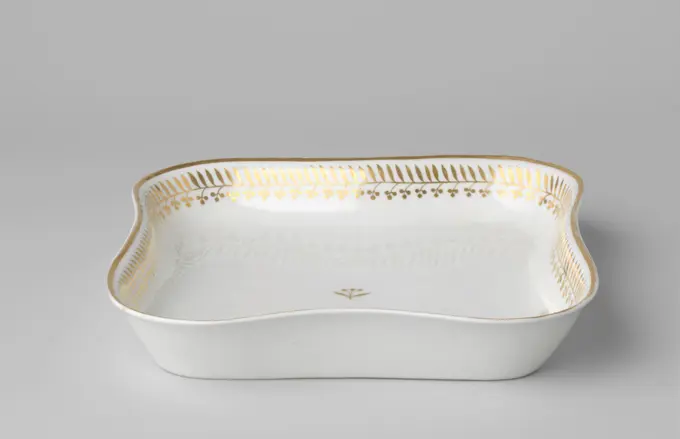
Decorative Boxes and Containers

A collection of ornate boxes and holders, featuring intricate designs and materials like silver and tortoiseshell, showcasing craftsmanship from various cultures and centuries.
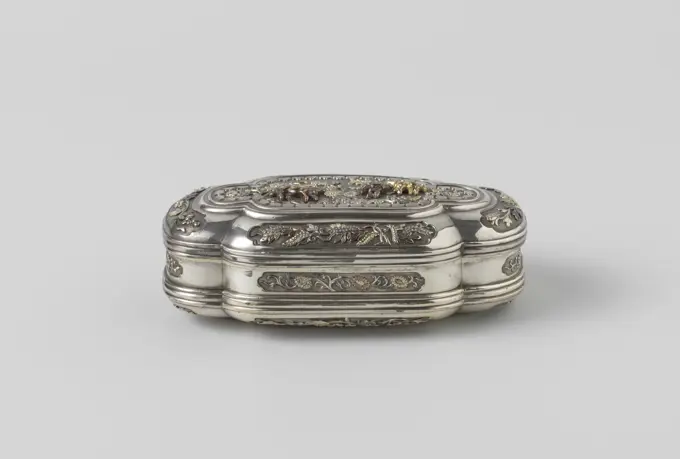
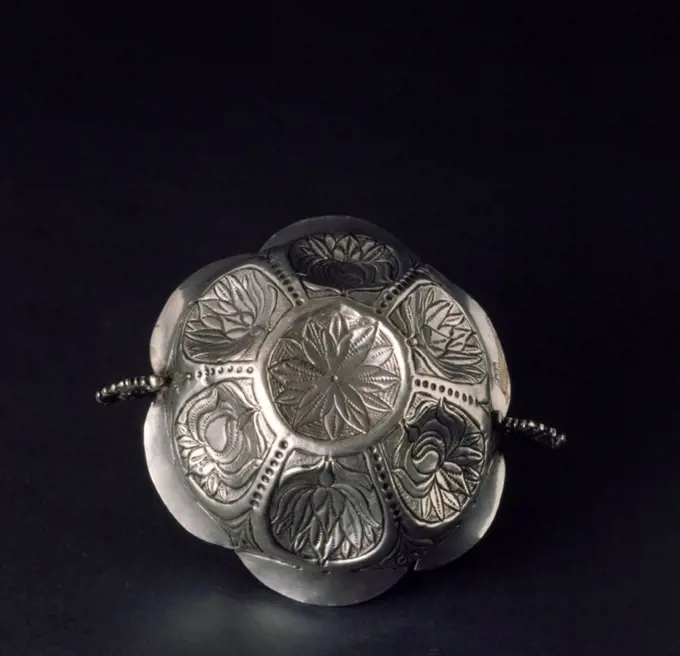
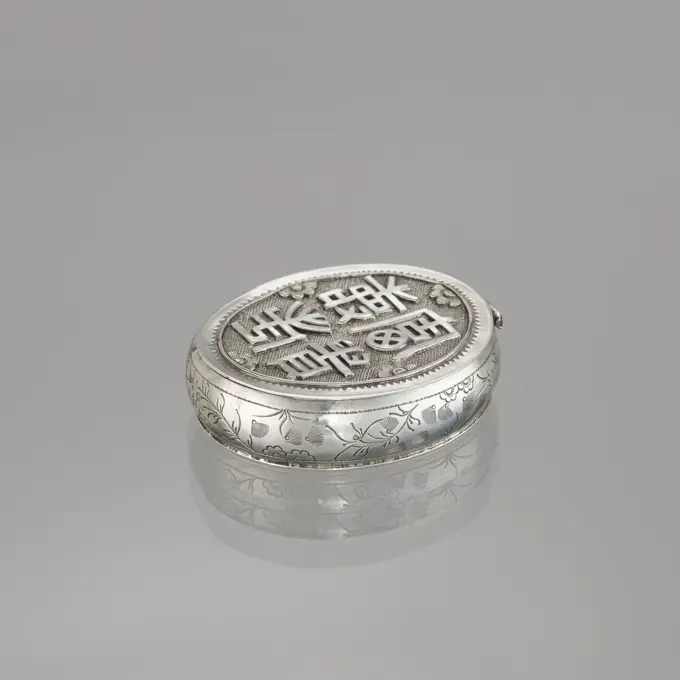
Four -lobe tobacco box, anonymous, 1700 - 1750  Four -lobe tobacco box with different motifs on the individual panels. On the lid: 3 buffalo; On the bottom: bird and floral motifs; On the sides: flower motifs. Indonesia silver (metal). bronze (metal) gilding  Dutch East Indies, The. Japan
Four -lobe tobacco box, anonymous, 1700 - 1750 Four -lobe tobacco box with different motifs on the individual panels. On the lid: 3 buffalo; On the bottom: bird and floral motifs; On the sides: flower motifs. Indonesia silver (metal). bronze (metal) gilding Dutch East Indies, The. Japan
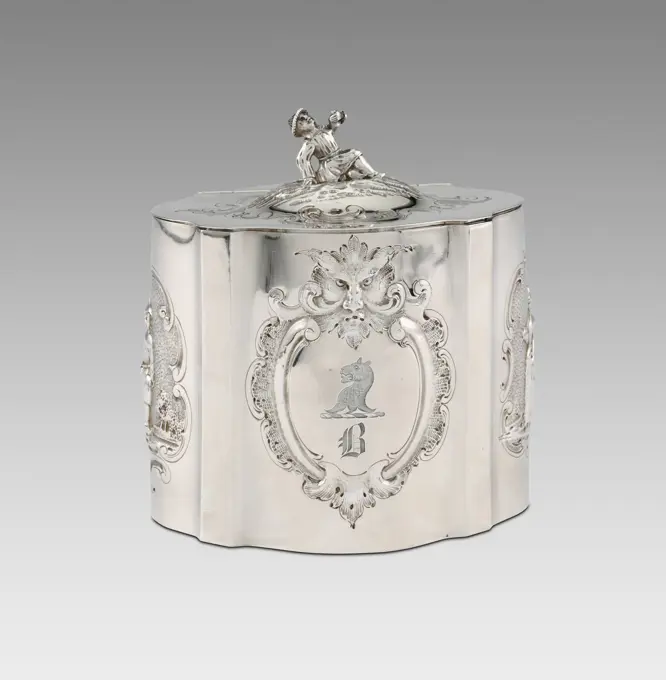
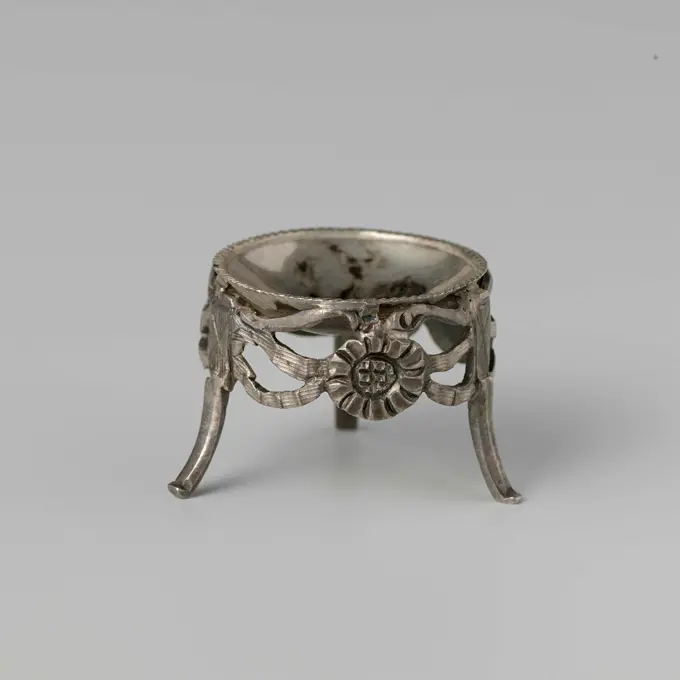
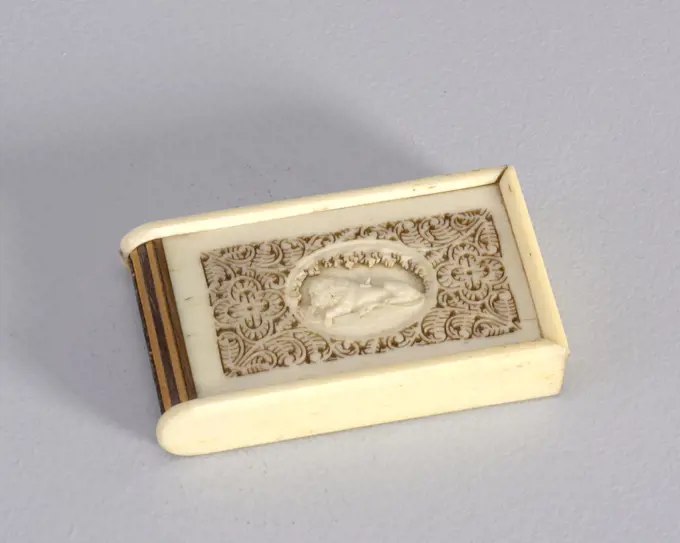
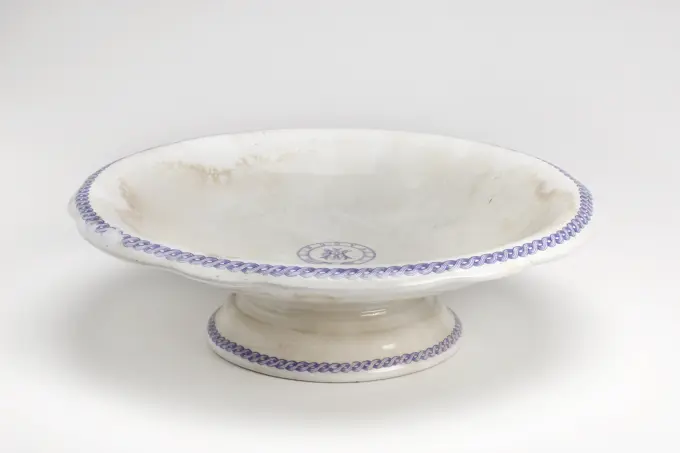
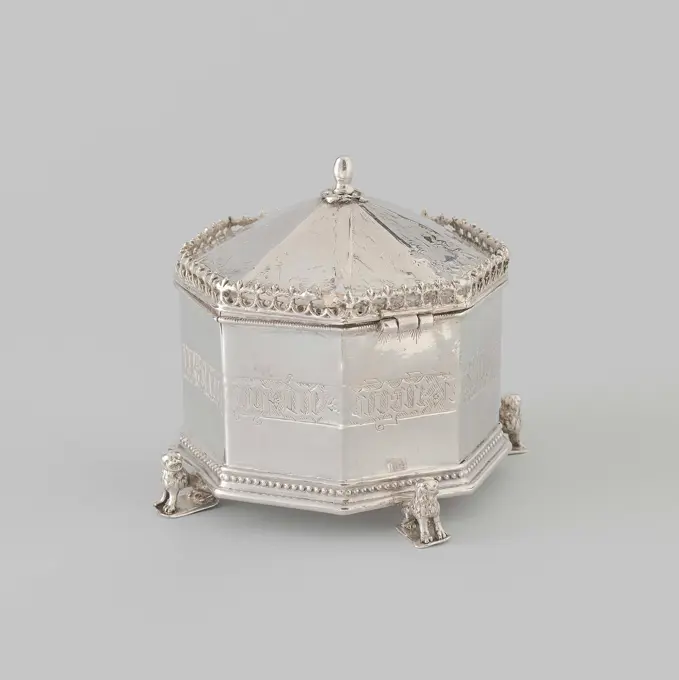
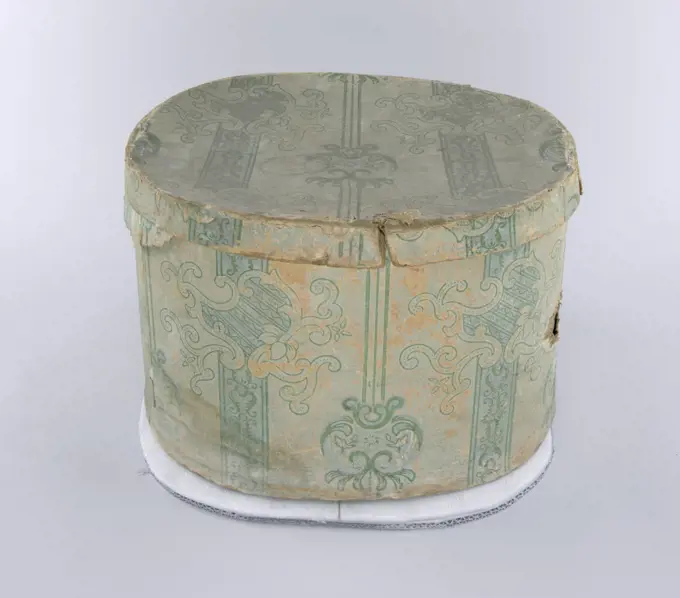
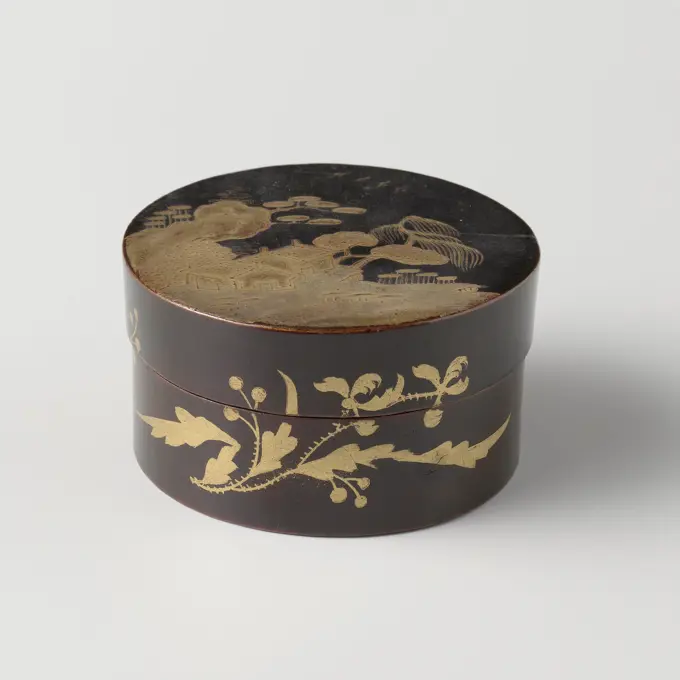
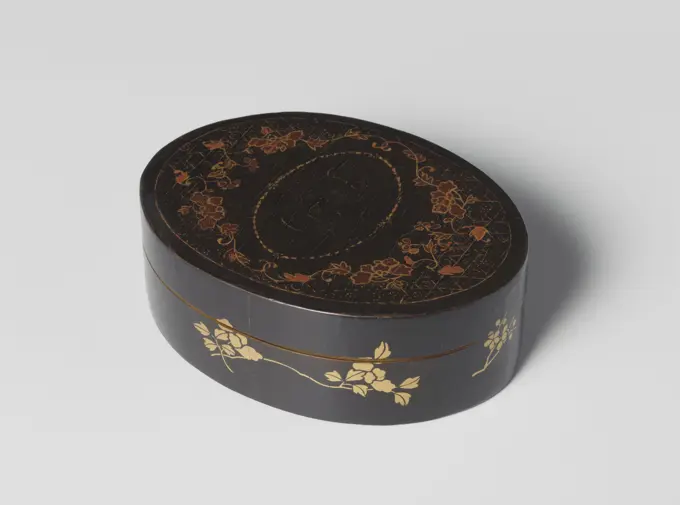
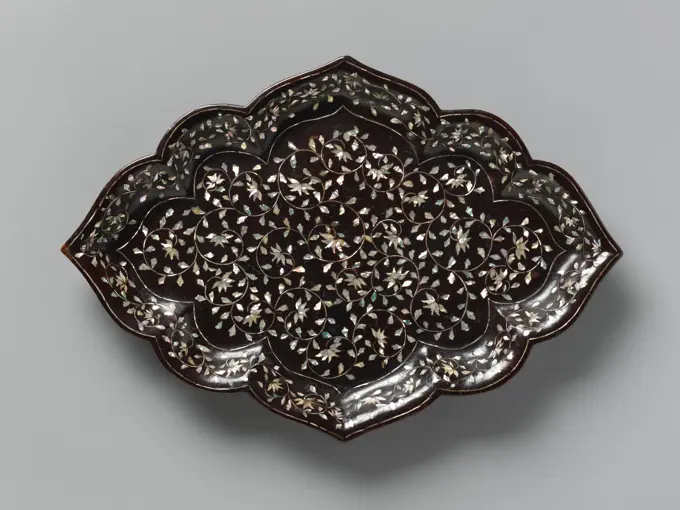
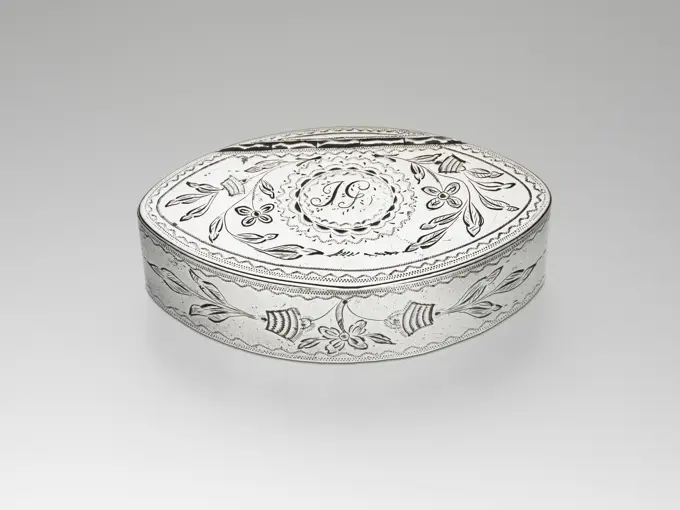
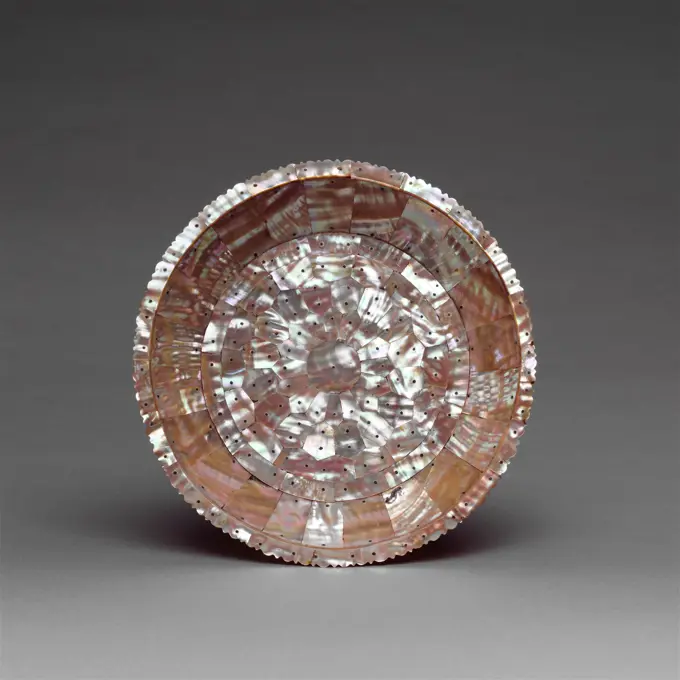
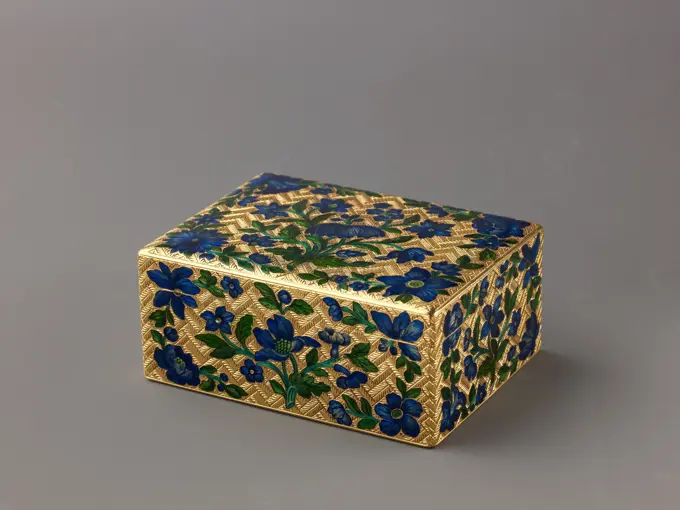
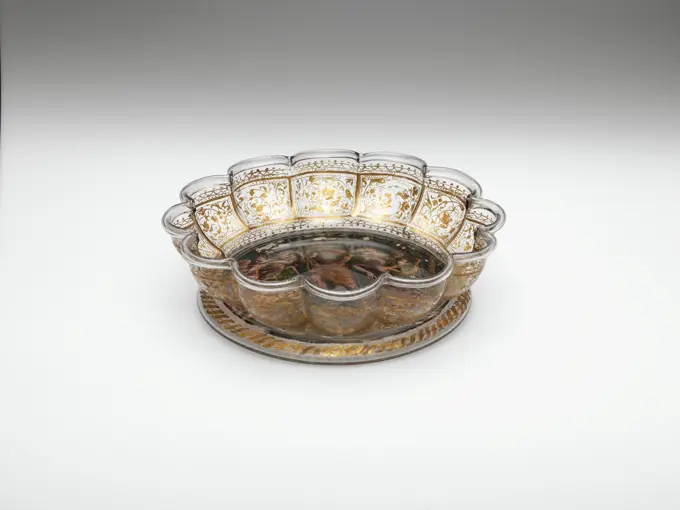
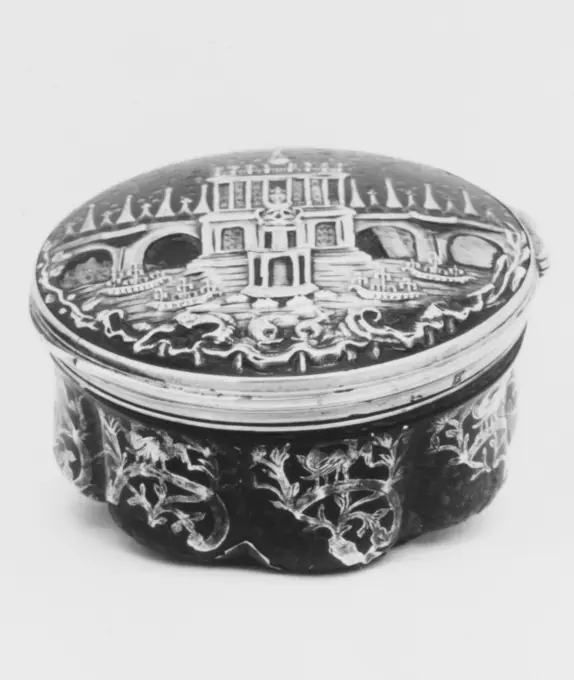
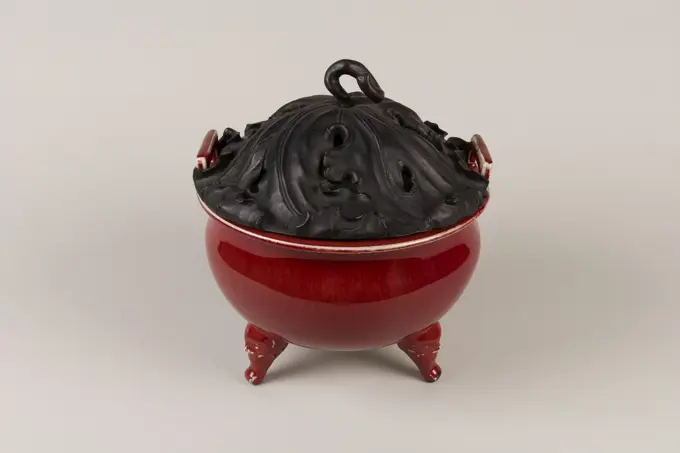
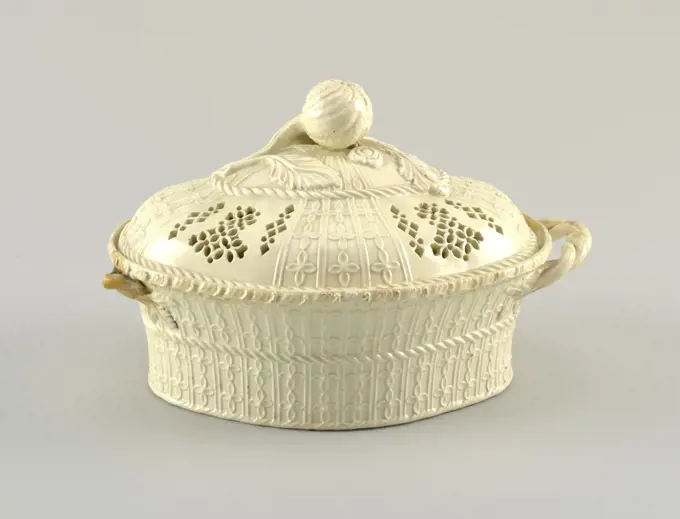
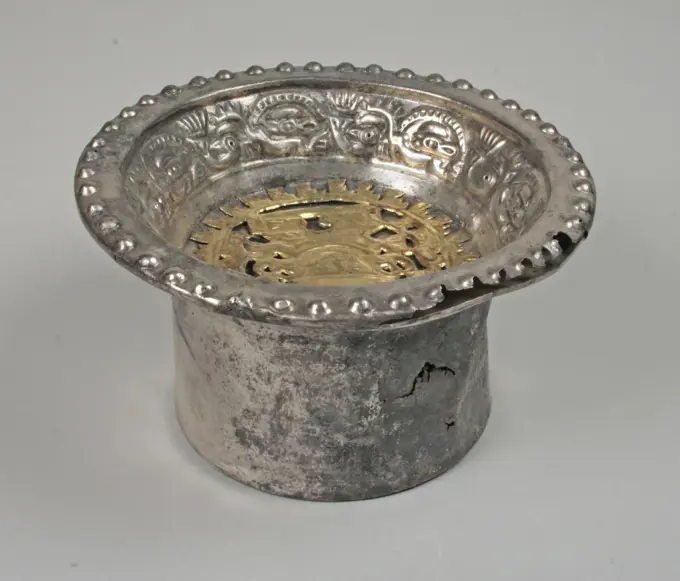
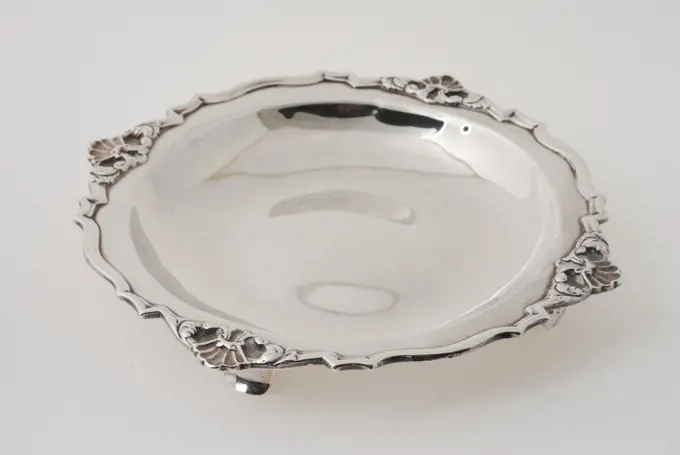
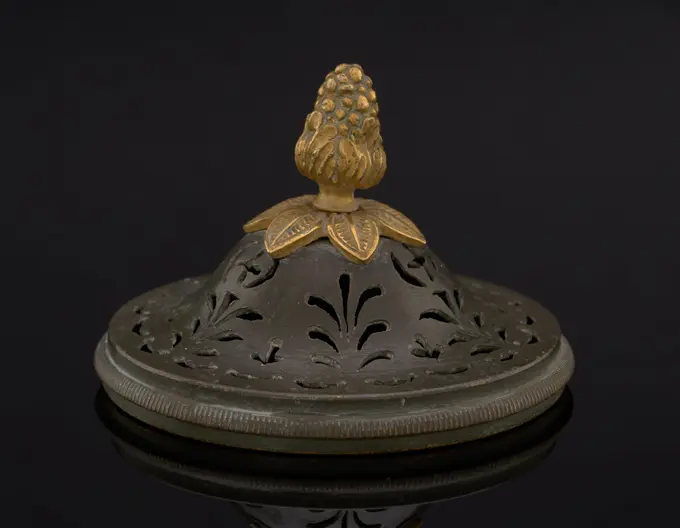
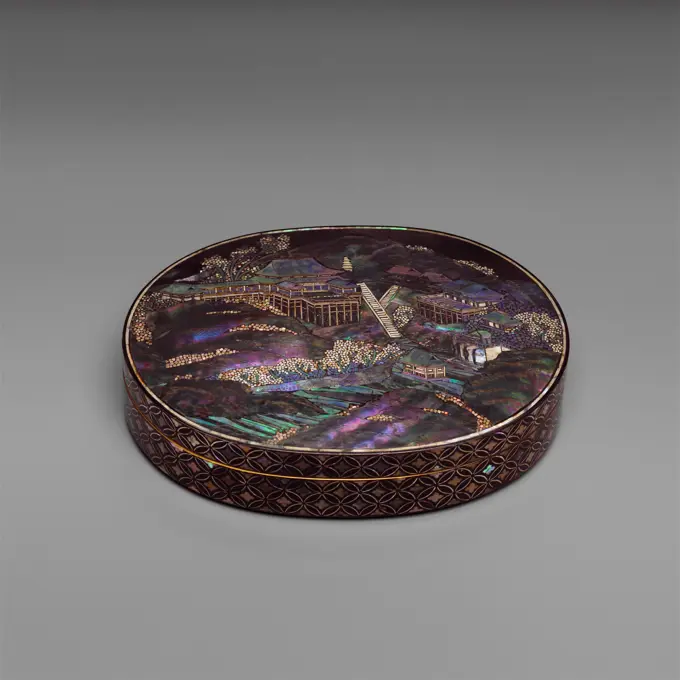
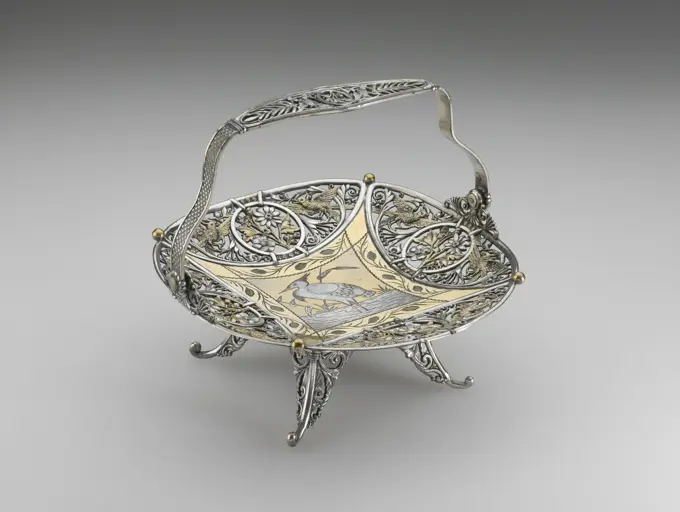
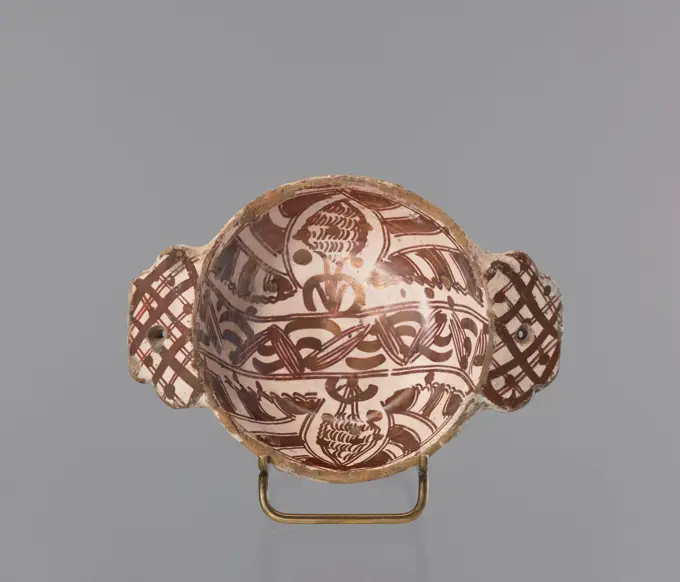
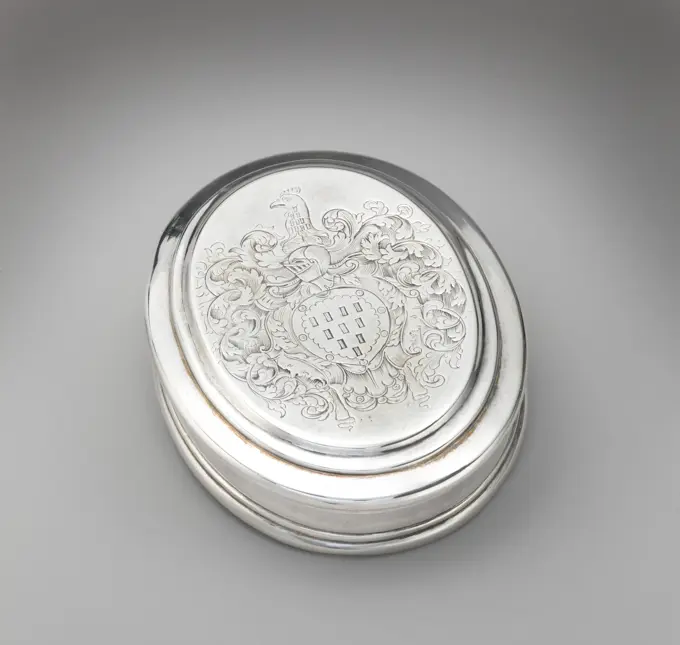
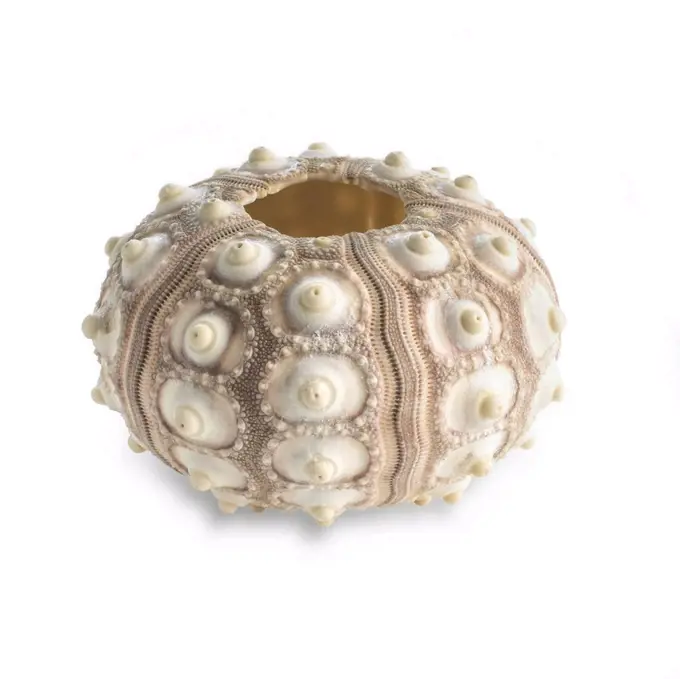
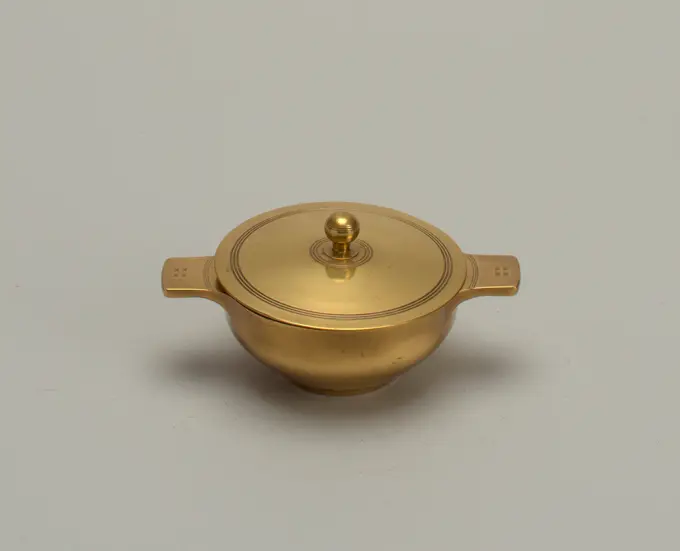
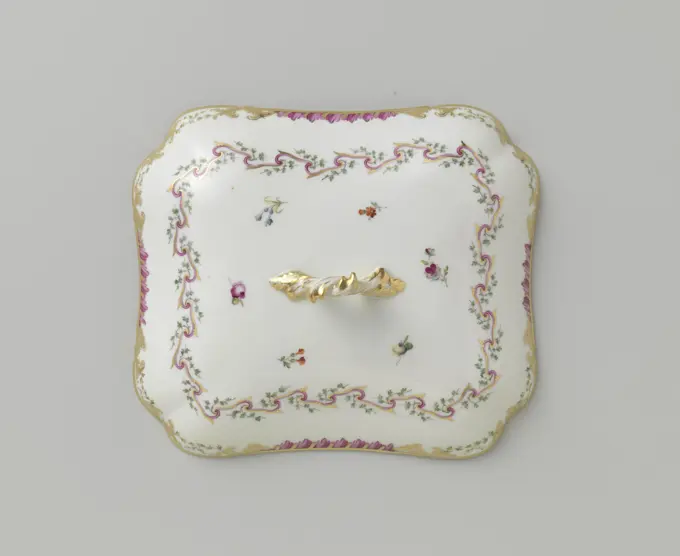
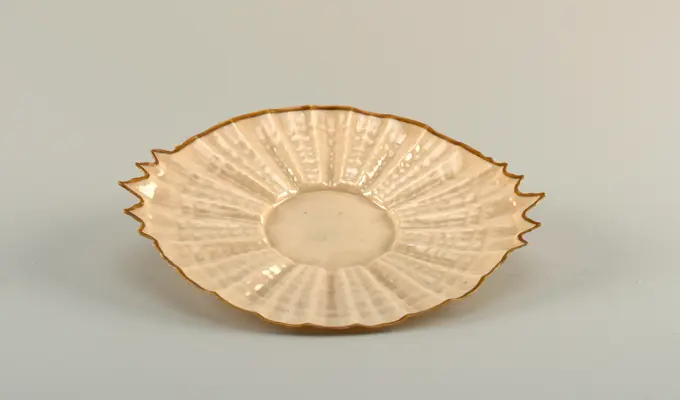
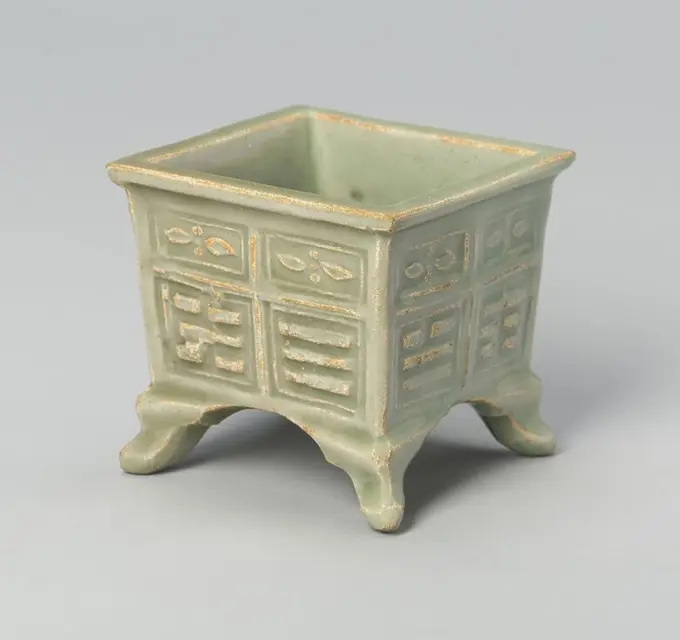
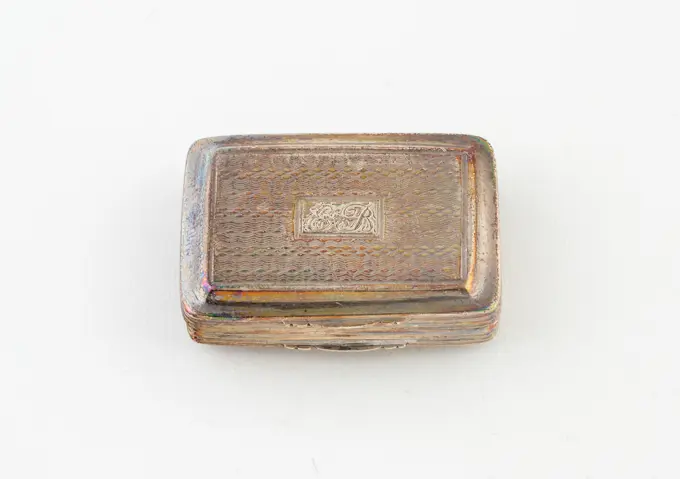
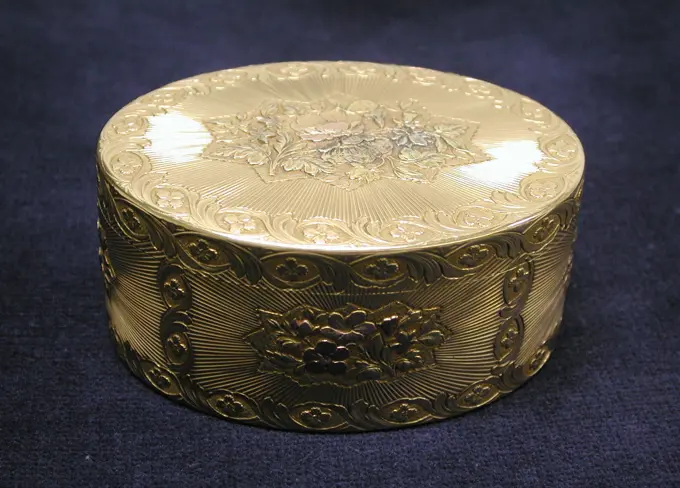
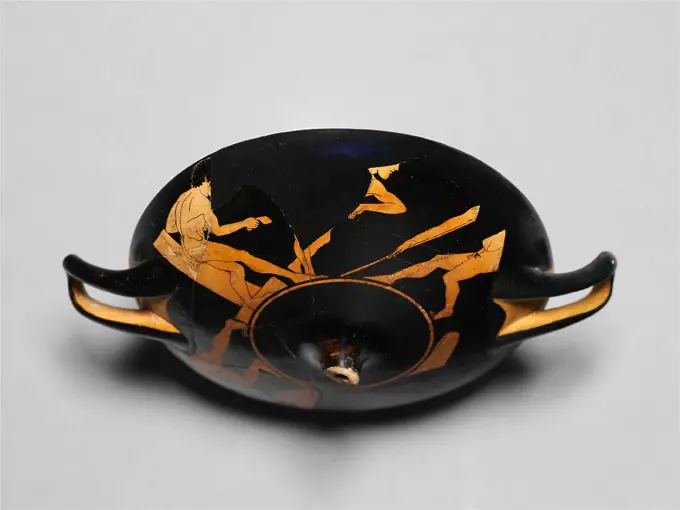
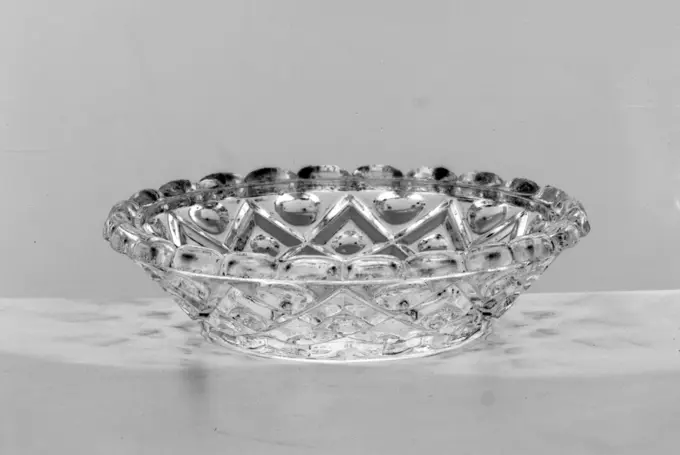
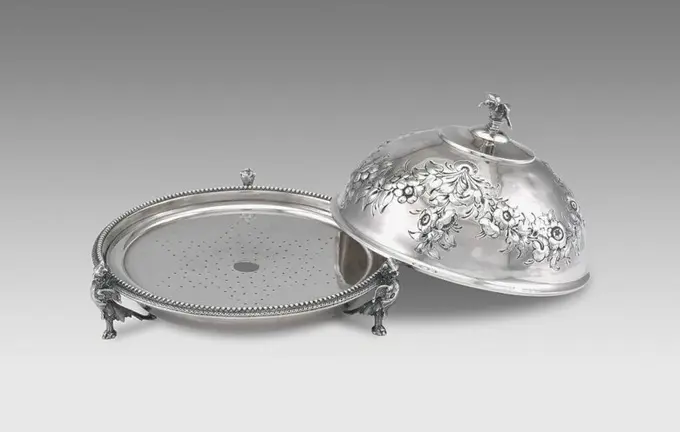
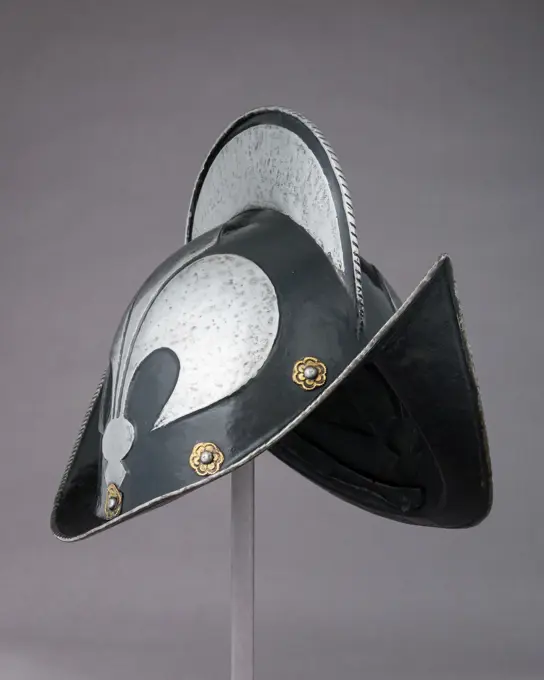
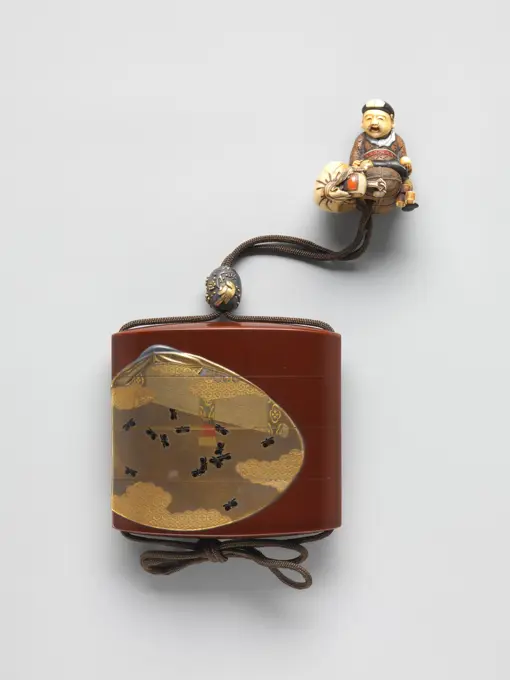
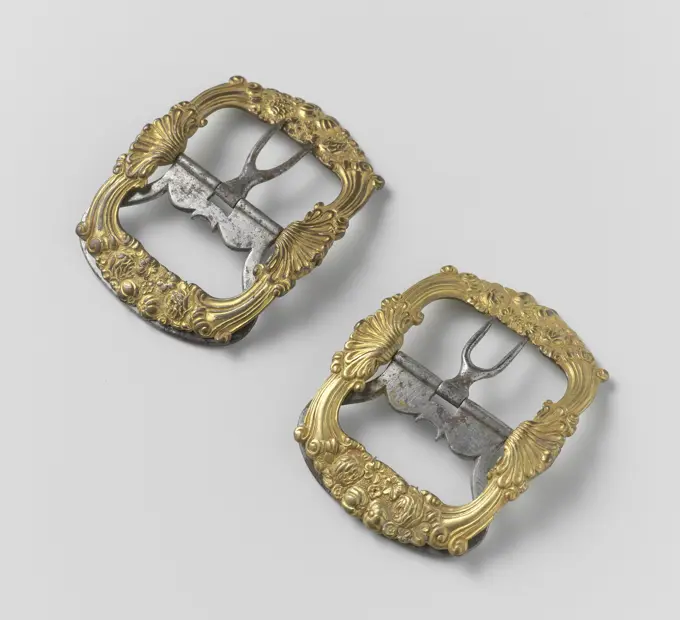
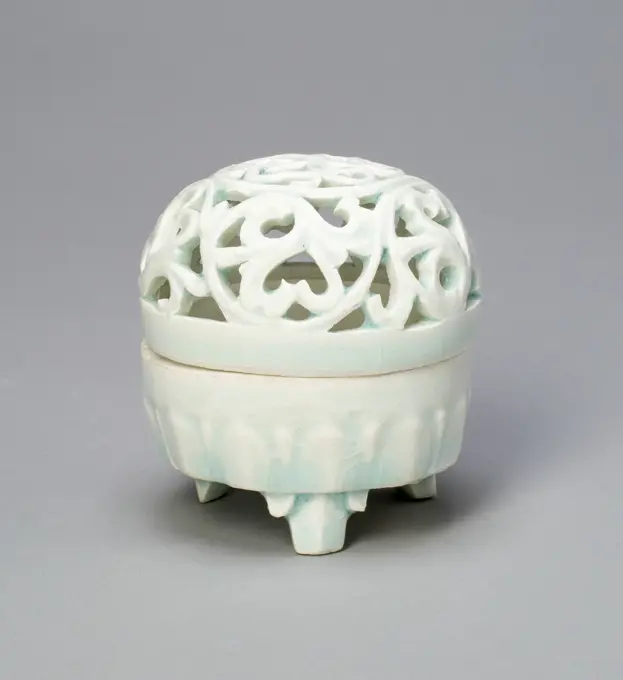
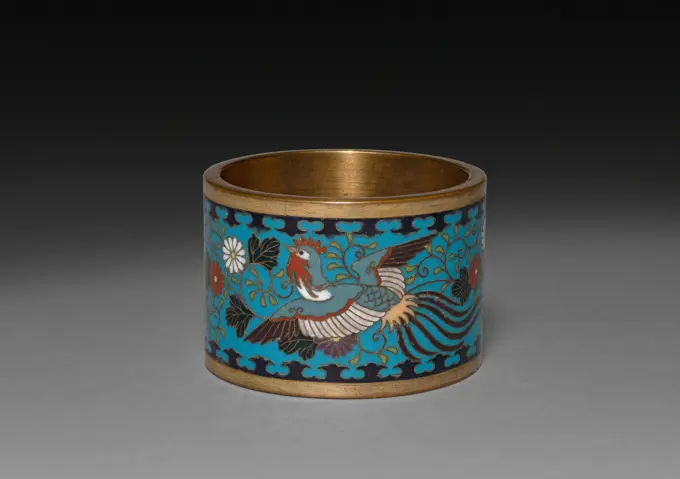
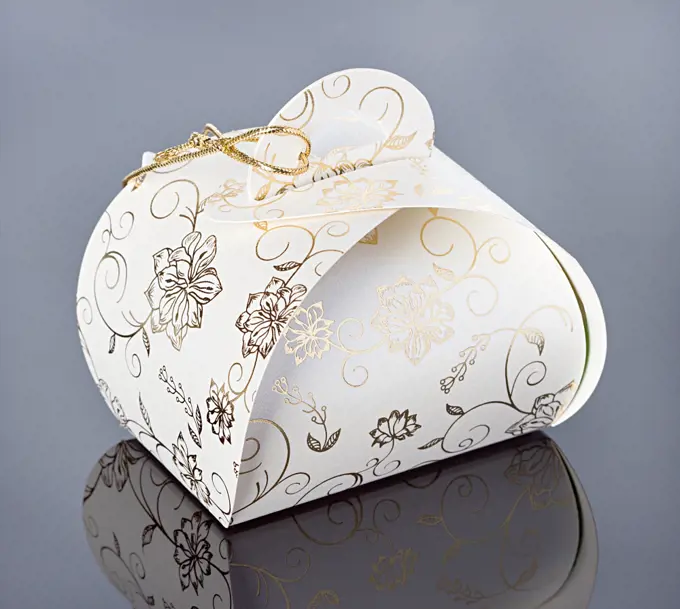
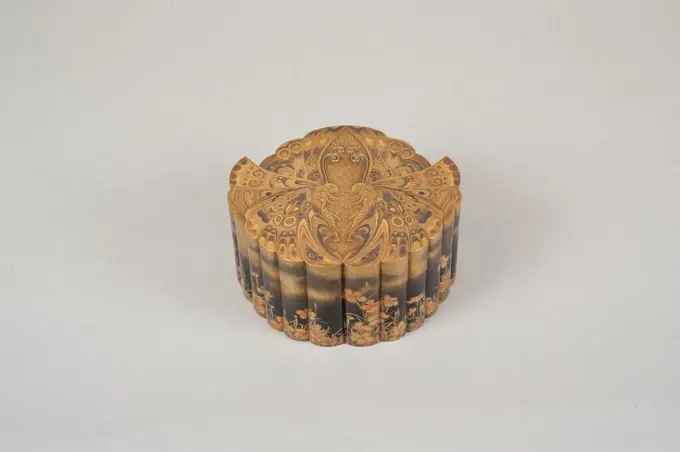
Box in Shape of Butterfly with Design of Wild Pinks on Side. Culture: Japan. Dimensions: H. 2 in. (5.1 cm); W. 3 7/8 in. (9.8 cm); L. 4 1/8 in. (10.5 cm). Date: 19th century. Museum: Metropolitan Museum of Art, New York, USA.Snuffbox ca. 1815 Probably John Targee American. Snuffbox 7566Basket; enameled copperBox late 17th-early 18th century Charles Lamb. Box. probably British or possibly Irish, Dublin. late 17th-early 18th century. Silver, tortoiseshell. Metalwork-Silver In CombinationFeather and ohm stand; Tasha (st.; 1786-1838), Tasha (fl. 1820-1838); 19th century (1801-00-00-1900-00-00);Four -lobe tobacco box, anonymous, 1700 - 1750  Four -lobe tobacco box with different motifs on the individual panels. On the lid: 3 buffalo; On the bottom: bird and floral motifs; On the sides: flower motifs. Indonesia silver (metal). bronze (metal) gilding  Dutch East Indies, The. JapanSirih Box. A sirihpot 'Goela Klapa', part of a couple (A and B) with gold-plated lid from the 18th century with Louis XVI decoration with tassels and garlands in driven silver. A peacock c.q. bird motif is applied to the golden caps and not, as one would expect, the motif of a dying garden. The lid is attached to the pot with a chain. The pot is round and stands on a foot.Tea Caddy c 1850-1857 Boston. Silver . Lincoln & Foss (Retailer). Bracelet of gold. Decorated with three pearl edges and engraving.Taperstick ca. 1890 probably American. Taperstick. probably American. ca. 1890. Silver. Metalwork-SilverSalt barrel. Salt barrel on three outs of curved legs. Between the legs is an open-worked edge consisting of flowers and ribbons. The salt vessel has not been marked. The salt barrel includes an identical salt barrel.Oval dish cover, Jean Baptiste Claude Odiot, 1819 Empire High -vaulted lid of gilded silver. Along the lid two imposed, openwork tires with grape vines. With accompanying dish with a narrow palmetrand. (BK-17031-B-2) Paris silver (metal). gilding (material) gilding Empire High -vaulted lid of gilded silver. Along the lid two imposed, openwork tires with grape vines. With accompanying dish with a narrow palmetrand. (BK-17031-B-2) Paris silver (metal). gilding (material) gilding. Snuff box, oval, with a wide corrugated border along the bottom. Lid light blue enameled.With Lion on Tambour-Style Opening, Ivory, wood, canvas, brass, Rectangular, with left side curved to accomodate tambour-style opening, comprised of light and dark strips of wood adhered to canvas, which wrap around to underside of box. Cover features sliding ivory panel with central reserve of carved, reclining lion holding a shield with symbol of crusifix. Lion appears to have a stake in his back. Central reserve surrounded by intricately carved and pierced foliage. Interior lined in brass. Underside of sliding ivory panel scored with cross hatch marks for striker., Europe, late 19th century, containers, Decorative Arts, Matchsafe, MatchsafeCompote - Nooya William Davenport & Company, 1835-1881 William Davenport & Company, 1835-1881Snuff box, painted multi-colored with port faces and on the inside of the lid a faun that a woman spies. Rectangular snuff box from painted porcelain. The box is painted on the outside with port faces within four passes. On the inside of the lid is a Faun that spends a sleeping woman. The lid is connected to the box by a gold-plated silver frame. The box is not noticed. The snuff box is made to a Meissen example of around 1735.Communion host container or pyx. The Latin inscription on this pyx from The Hague reads as follows: De virgine natum anno MCDXCV’ (Born of the Virgin, from the year 1495). This is a reference to the host, the symbolic body of Christ, who was born of the Virgin Mary.Bandbox, Machine-printed paper, pasteboard support, sized cotton, On light blue ground, slightly deeper blue bandings, vertical, with green pattern of: vertical lines, scrolls and leafy patterns. Over the vertical blue bandings, green pattern with leaves between paired bordering lines giving ribbon-like effect, interrupted by assymetrical lambrequin-like shape of scrolls and flowers with diagonal linear fill and pin-work. Paper covers sized cotton reinforcement which is visible at worn edges., USA, 1860-70, Wallcoverings, BandboxRound box with lid, c. 1750 - c. 1850 Round box with flat lid. Lacquer, decorated in gold makie with a landscape and flower vines on the side on the lid. Japan lacquer (coating) Round box with flat lid. Lacquer, decorated in gold makie with a landscape and flower vines on the side on the lid. Japan lacquer (coating)Plejerko in the shape of a manner of the "ruyi" liability from the cover;  18th century (1701-00-00-1799-00-00);Toilet set, c. 1795 Oval box belonging to the Mirror Standard AK-RAK-2003-8-1. Covered with black lacquer with gold decorations. On the lid a monogram ECVB surrounded by a narrow b and with leaf motifs and four small flowers. Around the central medallion a flower band and outside this tire the surface is filled with geometric motifs. Loose flower branches on the sides. Canton whole: Wood (plant material). whole: Lacquer (coating) lacquering Oval box belonging to the Mirror Standard AK-RAK-2003-8-1. Covered with black lacquer with gold decorations. On the lid a monogram ECVB surrounded by a narrow b and with leaf motifs and four small flowers. Around the central medallion a flower band and outside this tire the surface is filled with geometric motifs. Loose flower branches on the sides. Canton whole: Wood (plant material). whole: Lacquer (coating) lacqueringSpittoon -Snuffbox. George Unite; Birmingham, England. Date: 1898-1899. Dimensions: 7 × 4.5 cm (2 3/4 × 1 3/4 in.). Silver and silver gilt. Origin: Birmingham. Museum: The Chicago Art Institute, Chicago, USA.Silver cup. Baroque, 17th century. Museum: Museo Arqueológico Nacional, Madrid.Saint-Gil () Paris. Buvard buffer from General Leclerc's office. Leather, metal, paper, 1900-1930. General Leclerc Museum of Hauteclocque and the Liberation of Paris, Jean Moulin Museum.Oval basket; Royal Worcester (Porcelain Factory; 1751-), Caghley; 1770-1775 (1770-00-00-1775-00-00);Jean-René Roussel. "Taste-vin". Money. 1767. Museum of Fine Arts of the City of Paris, Petit Palais. 74383-30 Silver, silverware, bottleneck, TastevinOgival tray with decoration of floral scroll 15th-16th century Korea Floral scrolls consisting of delicate leaves and chrysanthemum-like petals are ubiquitous in Korean lacquers dating to the Goryeo dynasty, an aristocratic age noted for its elegant artistic traditions. The scrolls on this tray follow that tradition but are distinguished from those on earlier pieces by the use of pearl shell, rather than silver or brass wire, for depicting the stems. This tray, which is comparable to one in the Tokyo National Museum, is among the few Korean examples that can be dated to the beginning of the subsequent Joseon dynasty.. Ogival tray with decoration of floral scroll. Korea. 15th-16th century. Lacquer inlaid with mother-of-pearl. Joseon dynasty (1392-1910). LacquerSnuffbox.   Maker: Laurent Amyot, Canadian, 1786-1838Plate mid-16th-17th century India (Gujarat) On this plate, which has a wooden substrate, pearl shell in various sizes has been applied to the front and sides and secured with pins. The flower motif at the center is often found on such items. Plates as well as ewers and basins, many in shapes derived from European vessels, were produced in Gujarat for the Portuguese trade. The only dated example is a plate in Lisbon that has the year 1568 incised into the bottom. Examples are also known from royal collections in Dresden, Paris, and London.. Plate 73309Cup. unknown, ceramistSnuffbox 19th century probably French. Snuffbox 461265Basket; enameled tôleCloud-Shaped Pillow with Fish 1100-1234 China. Cizhou ware; stoneware, slip-coated, with underglaze painting in iron brown slip .Box (probably France); paperJoseph Richardson Sr., Snuffbox, c. 1760, silver.Ink set. Ink tube of stoneware in gray with blue decoration.Dish mid to late 16th century Venetian or façon de Venise, probably Tyrol (Innsbruck). Dish 461231Snuffbox ca. 1740 French In eighteenth-century Europe, Paris led the production of high-quality luxury goods. Parisian goldsmiths made a wide range of small, personal articles such as snuffboxes; étuis to hold sealing wax, tweezers, or utensils for sewing; souvenirs, which contained thin ivory tablets for note taking; and shuttles for knotting lace. Gold snuffboxes and boxes decorated with portrait miniatures were prized and frequently given as royal gifts, often to ambassadors or members of the court in lieu of cash payments for their services. Coveted and admired, these boxes were produced from a variety of materials. The best were skillfully made of gold and embellished with diamonds, enameled decoration, lacquer, and other luxurious materials. By the middle of the century, the taking of snuff had become an entrenched social ritual, and the snuffbox, too, had become an important social prop. Snuffboxes were considered highly fashionable accessories, with some merchants advertising nBox;  around 1920-1940 (1915-00-00-1925-00-00);Incense Burner late 18th-first half of the 19th century China. Incense Burner 45955Cover of a bonbonnière with flowers and bird, N.V. Haagsche Plateel Factory Rozenburg, 1914 Cover of a bonbonnière (A) of porcelain, hexagonal, polychrome painted in the colors green, yellow, red and black with floral motifs and a bird. The Hague porcelain Cover of a bonbonnière (A) of porcelain, hexagonal, polychrome painted in the colors green, yellow, red and black with floral motifs and a bird. The Hague porcelainDish and cover, Lead-glazed earthenware ('cream ware'), Lozenge-shaped outline, with rounded corners. A) has a flaring rim, one twisted loop handle, sides with raised quatrefoil and cord design. B) has triangular panels of raised and pierced decoration and fruit branches as knob., Leeds, England, mid- 18th century, ceramics, Decorative Arts, Dish and coverEarflare 14th-15th century Chimú. Earflare 310637. Bruné was a brother-in-law of Christoffel Mittscherlich, the leading assistant of Johannes Schiotling. This chest contains three canisters, two for tea and one for mixing. Tea was expensive and tea chests were therefore often fitted with a lock. Here, the keyhole is covered by a small ribbon-shaped lock plate from which musical instruments are suspended.Inner box of blue glass, Wouterus Verschuur (silversmith) (attributed to), 1790 Inner box of blue glass. Amsterdam glass Inner box of blue glass. Amsterdam glassOval fish platter. Ćmielów (fabryka fajansu i porcelany ; 1804-), factoryCovered Dish, c. 1783, 5 3/4 x 9 7/8 x 9 7/8 in. (14.61 x 25.08 x 25.08 cm), Silver, France, 18th century. Round, cylindrical bucket with handle. The wall of the bucket is decorated with engraved tendrils between pearl lists. The bucket is marked: Mt. = Boele Rijnhout and an ax.Vinaigrette box 1835 Gervaise Wheeler. Vinaigrette box 207426Silversmith: Louis de Haan, Round silver tray with slightly convex bottom, on four smooth legs, bake crockery holder silver, cast Round bowl with slightly convex bottom on four smooth legs applied profiled and contoured outer edge with four shell motifs served by acanthus leaves flanked bottom bottom (debossed)Barrel of stoneware. Barrel of stoneware in the form of a beer ton. Without foot and with a cork hole from above and a crane opening on one of the flat sides. Decorated with flowers and fruits in relief and in purple and blue glaze.Lid;  End of the 19th century (1890-00-00-1900-00-00);Circular Box and Cover 14th century China. Circular Box and Cover 42485Glass mosaic carinated bowl fragment late 1st century B.C.-early 1st century A.D. Roman Body fragment.Translucent purple, light blue appearing green, opaque white and yellow, and colorless.Part of two convex curves, the upper narrow and sharply curving, the lower deeper and tapering downward.Mosaic pattern formed from polygonal sections of three canes: one in a purple ground outlined in white with a circle of yellow rods; another in a blue ground with a yellow spiral, and a third in a colorless ground with a yellow spiral. All canes distorted.Polished interior; pitting of surface bubbles and some deep iridescent weathering on interior; dulling, thick black weathering, and some iridescence on exterior and jagged edges.. Glass mosaic carinated bowl fragment 257334Small Box with Scene of Kiyomizudera Temple early 19th century Japan The Buddhist temple complex depicted on the lid of this box represents Kiyomizudera, or the Temple of Pure Water, in the Higashiyama district of Kyoto. The temple is located near the Otowa waterfall, famed for its wish-granting and healing properties. Kiyomizudera, which was founded in the late eighth century, has been a popular destination of pilgrims and visitors for centuries. This box was probably made for export to Europe.. Small Box with Scene of Kiyomizudera Temple 58287Steel-wire bracelet, Gold, steel wire, France or Germany, ca. 1830, jewelry, Decorative Arts, Bracelet, BraceletBox -CardReceiver.  Manufacturer: Simpson, Hall, Miller and Company, American, 1866-1898Oval Silver Silver For Sausom, Valentine Caspar Bömcke (Attributed to), 1764 Oval underput for sauce bowl. The dish has a deepened leaf. The edge is decorated with a profile that is interrupted in four places by a shell motif. The dish is marked. Amsterdam silver (metal) casting / hammering Oval underput for sauce bowl. The dish has a deepened leaf. The edge is decorated with a profile that is interrupted in four places by a shell motif. The dish is marked. Amsterdam silver (metal) casting / hammeringBrandewijnkom, round, with two flat ears, David Roobol (Falsification of), Before 1944 The round bowl rests on a foot with a straight wall and a paltte lower edge. The two flat ears consist of a geot, open -up symmetrical ornament. This is made up of volutes, which are connected to each other at the top by a fancier list, filled with a shell, including a palm-like motif in a frame of two C-Voluten. There is valley work between these elements. Amsterdam silver (metal) The round bowl rests on a foot with a straight wall and a paltte lower edge. The two flat ears consist of a geot, open -up symmetrical ornament. This is made up of volutes, which are connected to each other at the top by a fancier list, filled with a shell, including a palm-like motif in a frame of two C-Voluten. There is valley work between these elements. Amsterdam silver (metal)Crystal Vase Crystal vase on a glass studio background Copyright: xZoonar.com/AndreyxSkatx 12333239Shallow bowl. Nieokreślona manufaktura, factoryTobacco box 1706-7 John Abbott. Tobacco box. British, London. 1706-7. Silver. Metalwork-SilverSputnik sea urchin shellSugar Bowl And Lid (Netherlands); Designed by Jan Eisenloeffel (1876 - 1957); brass; 7 x 14.6 x 10.2 cm (2 3/4 x 5 3/4 x 4 in.)Lid, elongated, with a button, belonging to a crockery with a flung ribbon motif with leaf branches, flower bouquets and stripped flower branches, manufacture Oud -Loosdrecht, 1780 - in or before 1820 Lid, elongated, with a button, belonging to a porcelain service with a thrilled motif in purple and gold with green leaf branches, flower bouquets and sprinkled flower branches. Borders light golf with decoration in gold with purple leaf motif between which green crossed leaf motif. Marked: M.O.L. and Amstel. Loosdrecht Amsterdam porcelain Lid, elongated, with a button, belonging to a porcelain service with a thrilled motif in purple and gold with green leaf branches, flower bouquets and sprinkled flower branches. Borders light golf with decoration in gold with purple leaf motif between which green crossed leaf motif. Marked: M.O.L. and Amstel. Loosdrecht Amsterdam porcelainBowl Fragment. Syria, 14th century. Ceramics. Fritware, underglaze-paintedIncense Box with Dragon Design, 1600s-1700s. Korea, Joseon dynasty (1392-1910). Painted wood with flattened ox-horn inlay; diameter: 7.2 cm (2 13/16 in.); overall: 3.6 cm (1 7/16 in.).Tobacco box 1714-15 Nathaniel Lock. Tobacco box. British, London. 1714-15. Silver. Metalwork-SilverCollar with the weapon of Nassau; Collar with the weapon of Willem III, Prince of Orange-Nassau, king of England. The object carved from plate consists of a tire in which an eye is soldered at one end and are arranged in the other three openings, which fit them down. Two round holes were made along the edge. The band has an engraved decoration consisting of a coat of arms with graves crown, surrounded by symmetrical tendrils of Acanthus sheet. The weapon is fortunate: 1 a climbing lion, 2 vertically and obliquely shaded, 3 an incised partially shaded crossbar (), 4 two ranging lions. On either side of the shield B and S and the coat of arms of Nassov * 1689. The weapon is attributed to Anna Isabella van Beijeren van Schagen (died 1716). The holes in the band probably indicate that he was originally attached to leather or other material. The band has no eye to confirm a chain.. Folding table, made of a black lacquered white wood, with an oval folding sheet. The leaf is painted with a multicolored flower wreath around a parrot, seated on a branch; The raised edge is decorated with leaves and flowers, greater multicolored, everything on black background. The leaf pivotes on the back on a small square leaf and can be closed with a also locked black with a lock. The legs baluster-shaped, ending in a button, and rests on four nozzles kinked S-shaped volutes, painted with golden ornaments (geometric and tendrils) on black background (imitation lacquer).Soba cup first half of 18th century Japan. Soba cup 63754Lid of oil reservoir. Marbled lid of an oileservoir.Entree Dish with Cover from the Hood Service 1806-1807 London. Sterling silver . Paul StorrDish; Manufactured by Belleek Pottery (Ireland); porcelain; 29 x 24.5 x 2.5 cm (11 7/16 x 9 5/8 x 1 in.); 1963-64-3Square Jar with Archaistic "Trigrams" and Floral Scrolls. China. Date: 1300-1399. Dimensions: 6.6 × 7 × 7 cm ( 2 5/8 × 2 13/16 × 2 13/16 in.). Longquan-type ware; stoneware with underglaze molded decoration. Origin: China. Museum: The Chicago Art Institute, Chicago, USA.Vinaigrette 1817-1828 Birmingham. Silver and silver gilt . John BettridgeSnuffbox 1757-58 Jean Frémin French In eighteenth-century Europe, Paris led the production of high-quality luxury goods. Parisian goldsmiths made a wide range of small, personal articles such as snuffboxes; étuis to hold sealing wax, tweezers, or utensils for sewing; souvenirs, which contained thin ivory tablets for note taking; and shuttles for knotting lace. Gold snuffboxes and boxes decorated with portrait miniatures were prized and frequently given as royal gifts, often to ambassadors or members of the court in lieu of cash payments for their services. Coveted and admired, these boxes were produced from a variety of materials. The best were skillfully made of gold and embellished with diamonds, enameled decoration, lacquer, and other luxurious materials. By the middle of the century, the taking of snuff had become an entrenched social ritual, and the snuffbox, too, had become an important social prop. Snuffboxes were considered highly fashionable accessories, with some merchants adTerracotta kylix (drinking cup). Culture: Greek, Attic. Dimensions: Diam.: 9 in. (22.9 cm). Date: 1st quarter of 5th century B.C..Interior, diskos-throwerExterior, obverse and reverse, athletes practicingThe Antiphon Painter and artists around him depicted athletic scenes on their cups frequently and with sympathy. Museum: Metropolitan Museum of Art, New York, USA.Sauce dish 1850-60 American With the development of new formulas and techniques, glass-pressing technology had improved markedly by the late 1840s. By this time, pressed tablewares were being produced in large matching sets and innumerable forms. During the mid-1850s, colorless glass and simple geometric patterns dominated. Catering to the demand for moderately-priced dining wares, the glass industry in the United States expanded widely, and numerous factories supplied less expensive pressed glassware to the growing market. At the Exhibition of the Industry of All Nations at New Yorks Crystal Palace in 1853, for example, the New England Glass Company exhibited 130 pieces of one design, "consisting of bowls, tumblers, champagnes, wines, and jelly glasses." This object belongs to one such service. Although the glass manufactory is not known, the glassware is very typical of the large services that were very popular with Americas middle class in the nineteenth century.. Sauce dish. AmerCDK unknownSpittoon -Butter dish. Gorham Manufacturing Company; American, founded 1831; Providence, Rhode Island. Date: 1853-1865. Dimensions: 12.1 × 17.2 cm (4 3/4 × 6 3/4 in.). Silver. Origin: Providence. Museum: The Chicago Art Institute, Chicago, USA.Morion 16th century German. Morion 27891Dish Cross 1768 London. Silver . Richard MillsSugar bowl Loetz widow, JohannJewelry Concept - Concept or Metaphor for selling old pearls and gold jewelry for cashCase (Inr) with Design of Clamshells and Fireflies late 18th century Koma Yasutada Japanese. Case (Inr) with Design of Clamshells and Fireflies. Koma Yasutada (Japanese). Japan. late 18th century. Case: powdered gold and silver (maki-e) and gold foil on red lacquer with mother-of-pearl inlay; Fastener (ojime): silver with design of bird and flowers in gold; Toggle (netsuke): carved ivory and colored lacquer with design of Daikoku in ivory and carnelian inlays. Edo period (1615-1868). InrGolden shoe spacer (), In relief decorated with shell and fruits, anonymous, c. 1770 Golden shoe spacer (), With shell and lighting in relief. Rococco. Rectangular and curved model, rounded corners. From under smooth and thickened for the pivot. Under buckle: single, U-shape eye of steel with two sharp points and an acculation-shaped part in the pivot, which is blindly attached in the decorative edge. Loose, hinged gaffel -shaped tongue (or point) With sharp points. England or France The shoe closes on the instep with two overlapping leather slips, the other through the upper edge. Forms a few with BK-1978-407-B. England (possibly) whole: copper (metal). whole: Gilding (Material) gilding Golden shoe spacer (), With shell and lighting in relief. Rococco. Rectangular and curved model, rounded corners. From under smooth and thickened for the pivot. Under buckle: single, U-shape eye of steel with two sharp points and an acculation-shaped part in the pivot, which is blindly attached in the Silversmith: Arnoldus van Geffen, Silver rectangular miniature diaper basket, diaper basket basket dolls toy relaxing medium miniature model silver, stamping Oblong shaped basket with four handles on four knob shaped feet. Decoration simulates braided reed. stadskeur: three crosses under crown baby care play decorate store interiorBottle. Ćmielów (fabryka fajansu i porcelany ; 1804-), factoryFragment sign from V.O.C. ship De 'Witte Leeuw', Before 1613 plate (dishes) Fragment sign from V.O.C. ship the 'Witte Leeuw'. 45 present.  porcelain   Sint-HelenaCovered Tripod Incense Burner (Censer) with Foliate Scrolls and Leafy Tendrils 960 CE-1127 China. Qingbai ware; porcelain with openwork and underglaze molded decoration .Benefit belonging to a terrine. Round dish with checked edge. A six-lasting star is engraved in the flat and seed beads are engraved in the edge. The dish has been labeled: STK. = Amsterdam, JRL. = A (1785), Mt. = Hendrik Duller, the letter L (Rerkur Haarlem), Crowned O, the letter V and the sign & (Rerkur 1812-1813). The dish is stored with a non-associated terrine (BK-NM-11177-131-A).Loop. Very openwork flat strip with plant decor.. This instrument was made especially for René Descartes (1596-1650). The Frenchman resided in the Dutch Republic from 1629 to 1650, during which time he conducted experiments and wrote his most important philosophical works. He could use this convenient pocket instrument on his travels. To determine the time at night, the nocturnal (or nocturlabe) had to be aligned with the Pole Star. It also houses a sundial and a compass.Napkin Ring, early 1900s. Japan, Meiji period (1868-1912) to Taishō period (1912-26). One of a pair; cloisonne enamel; diameter: 3.2 x 4.6 cm (1 1/4 x 1 13/16 in.).gift box, present, with golden ornamentsDish with stylized floral scrolls, anonymous, c. 1800 - c. 1810 Square bowl of porcelain with round corners and slightly pressed walls, painted on the glaze in gold. The flat with a single flower branch. On the inner edge a tire of stylized flower vines. Double foot ring. Marked on the underside with N . France porcelain. glaze. gold (metal) painting / gilding / vitrification Square bowl of porcelain with round corners and slightly pressed walls, painted on the glaze in gold. The flat with a single flower branch. On the inner edge a tire of stylized flower vines. Double foot ring. Marked on the underside with N . France porcelain. glaze. gold (metal) painting / gilding / vitrification