Decorative Boxes and Sundials

An array of decorative historical boxes and sundials made of various materials, showcasing intricate designs and craftsmanship from different eras.
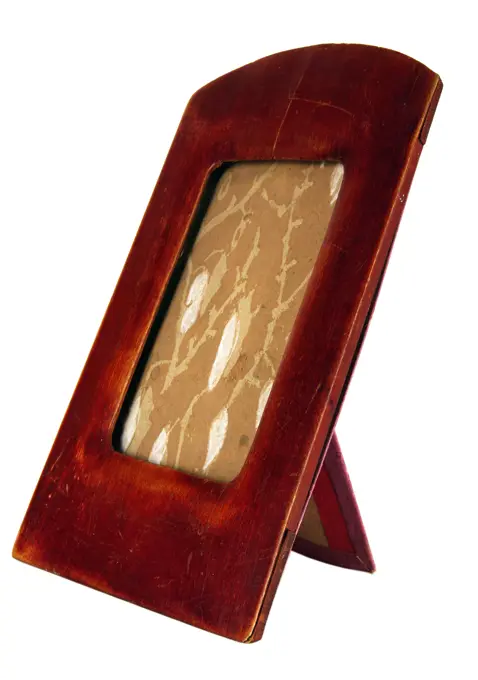
Old wooden framework Antique frames from the early 1900 s with work paths Copyright: xZoonar.com/ValeryxxSibrikovx 2424103
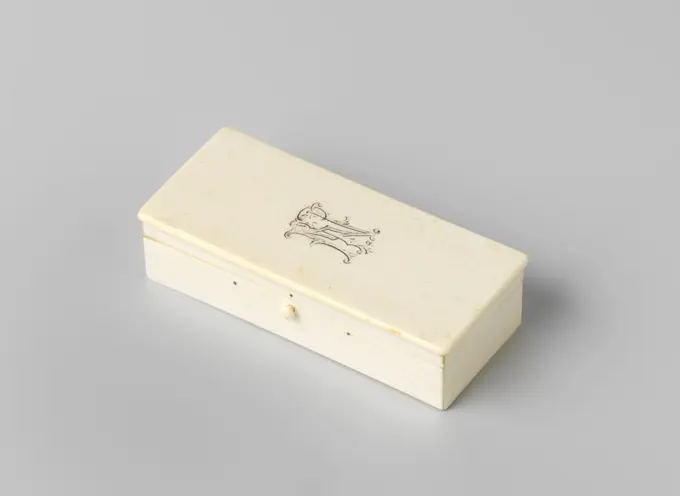
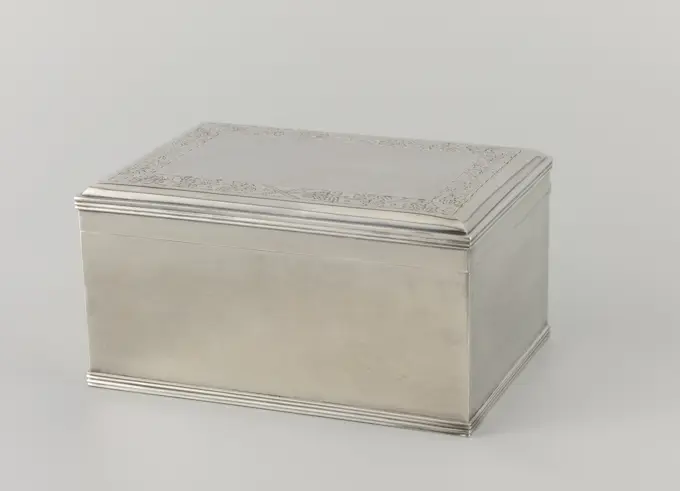
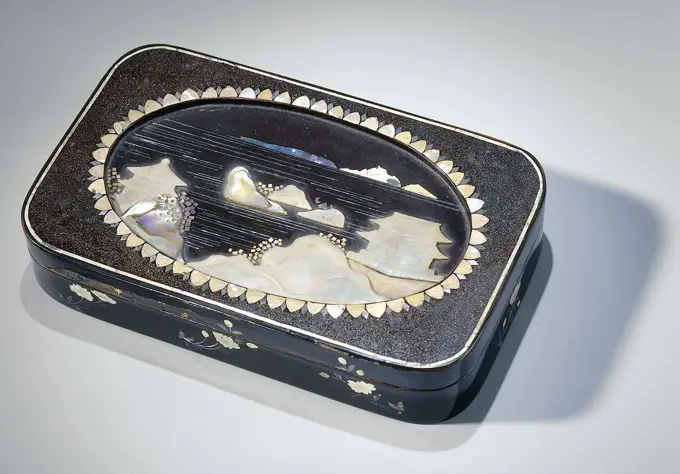
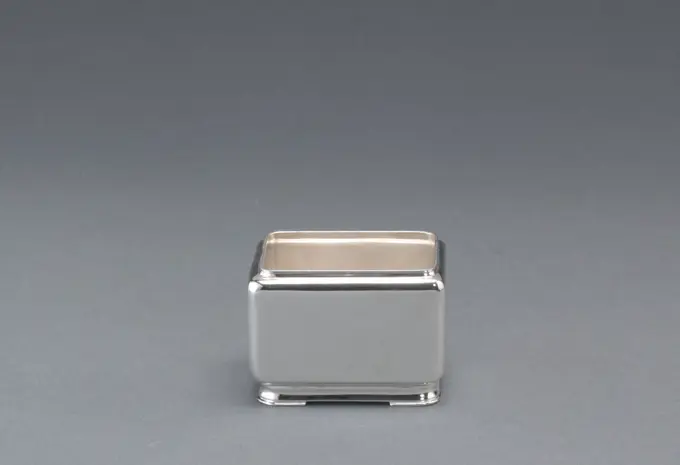
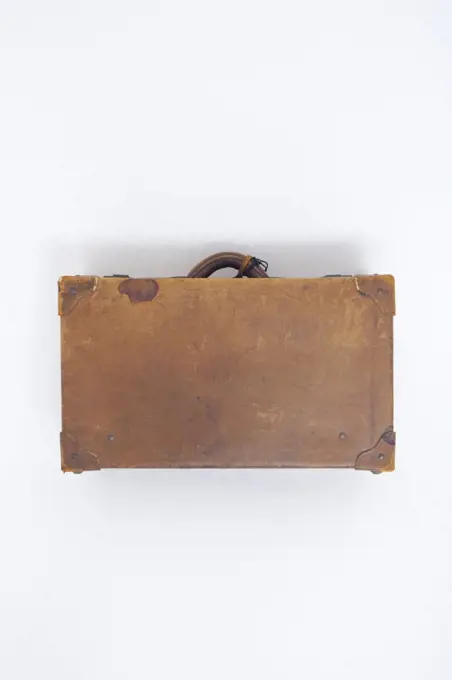
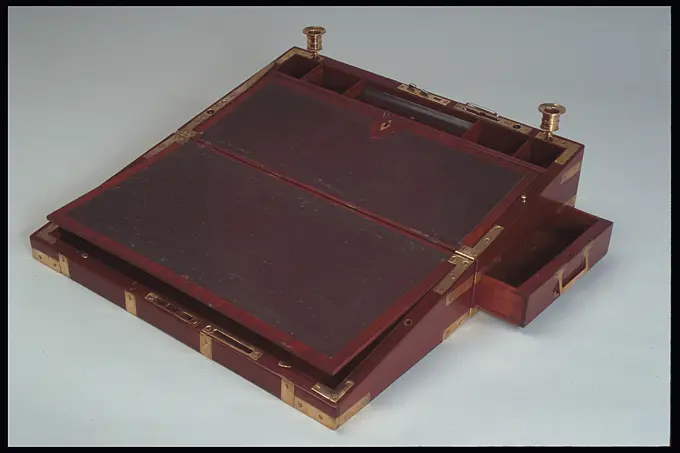
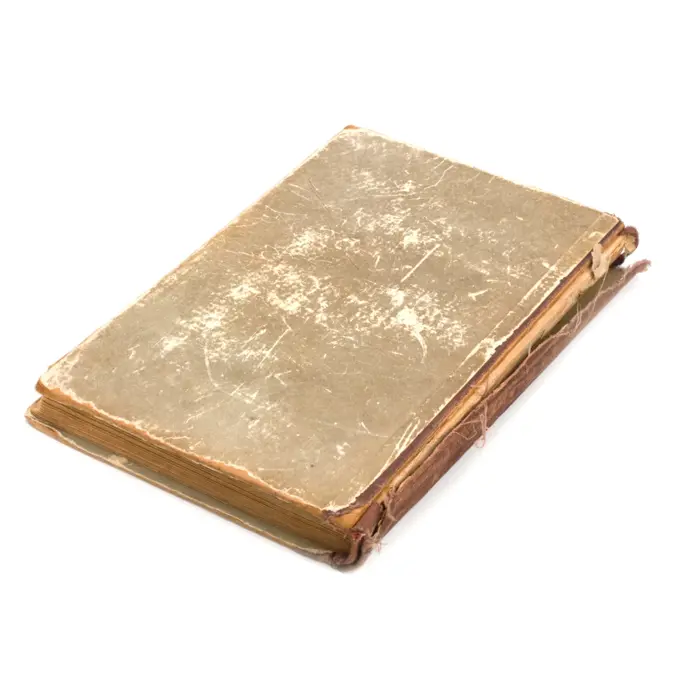
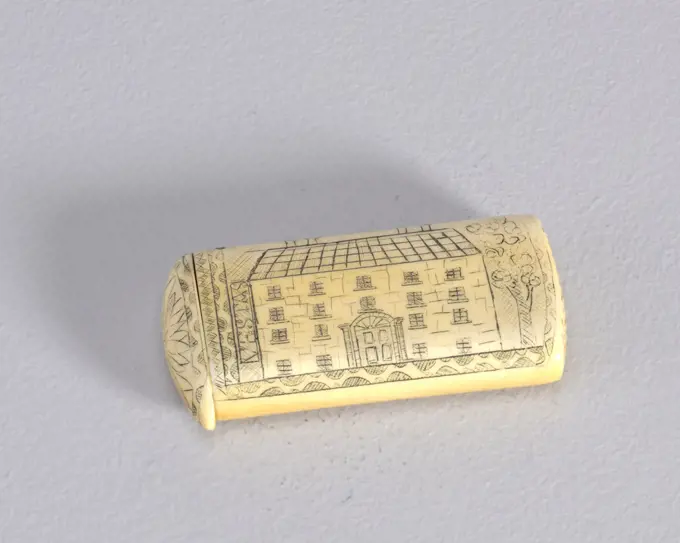
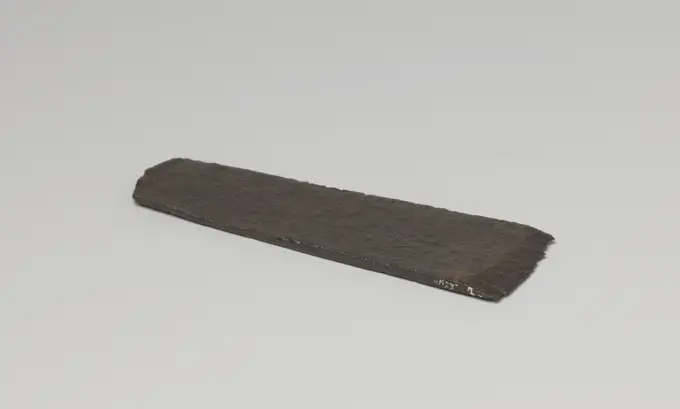
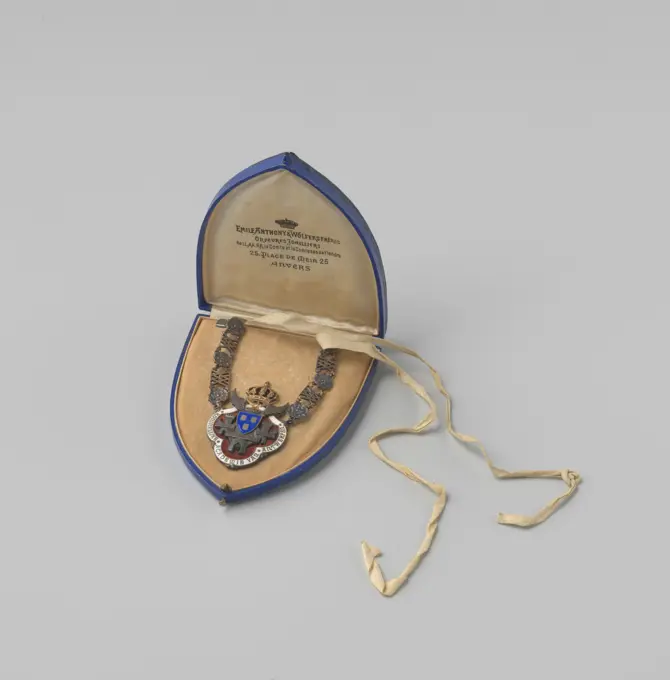
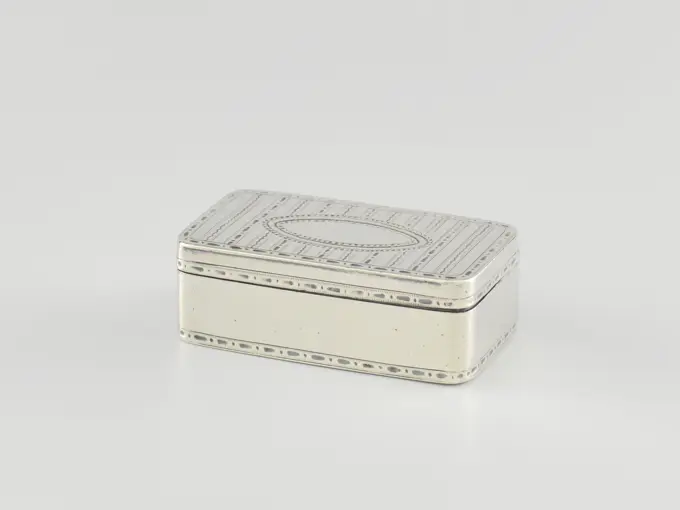
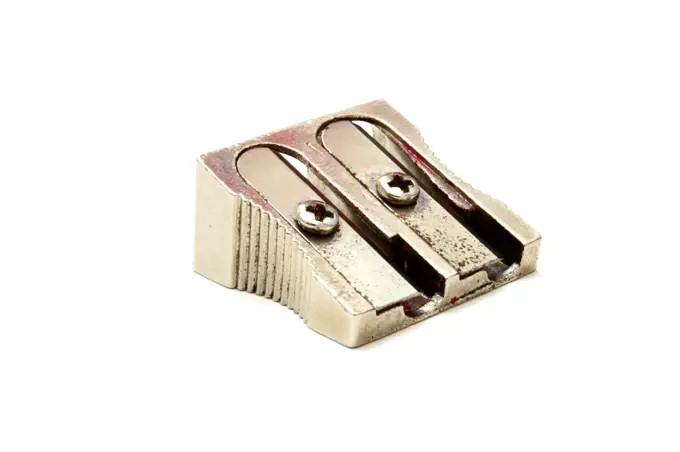
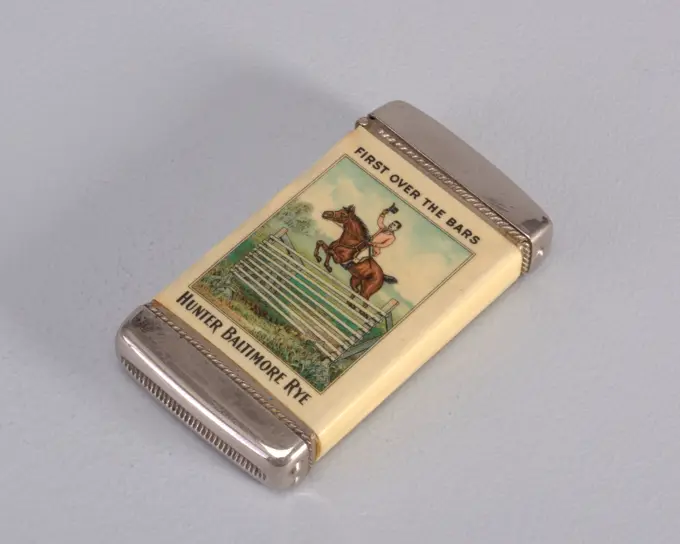
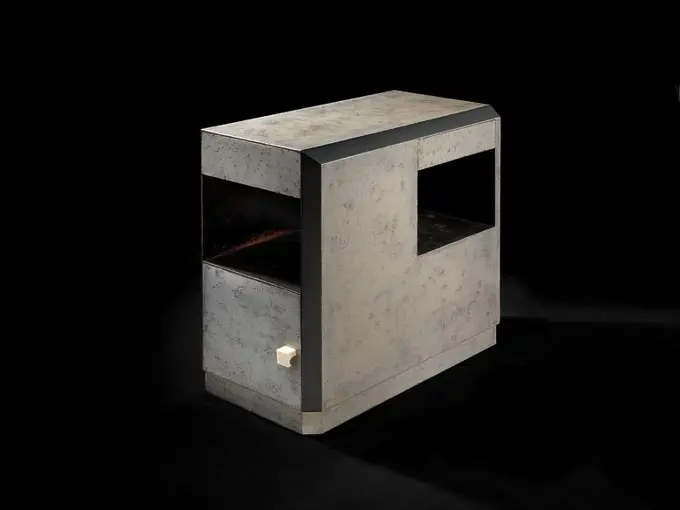
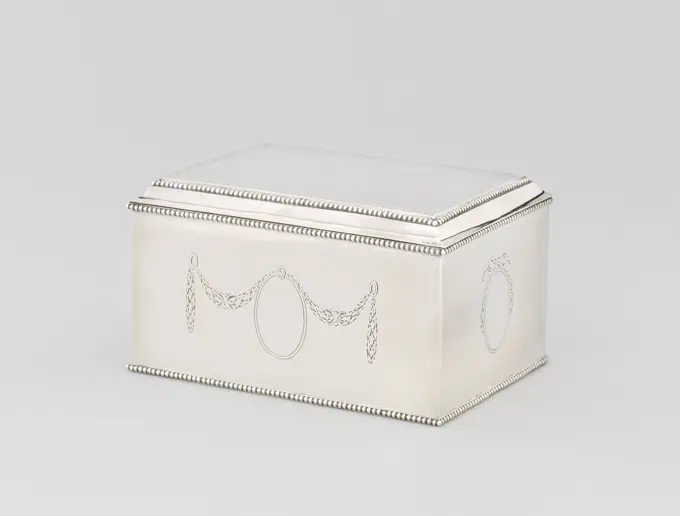
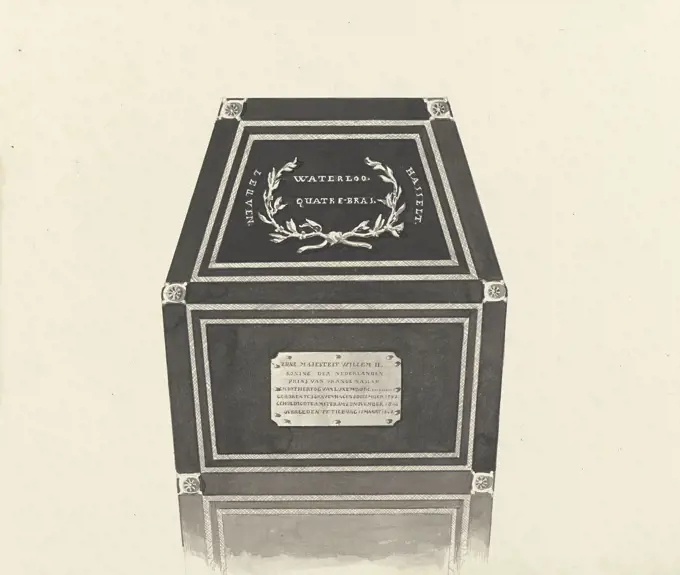
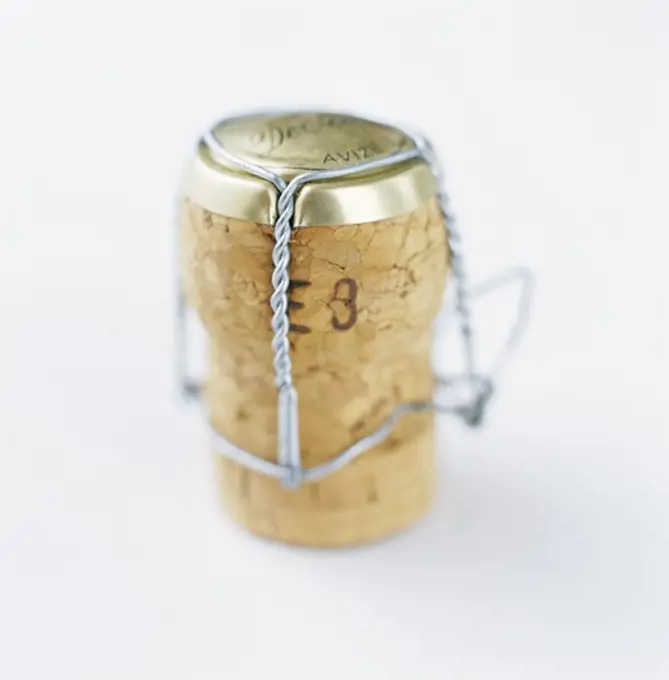
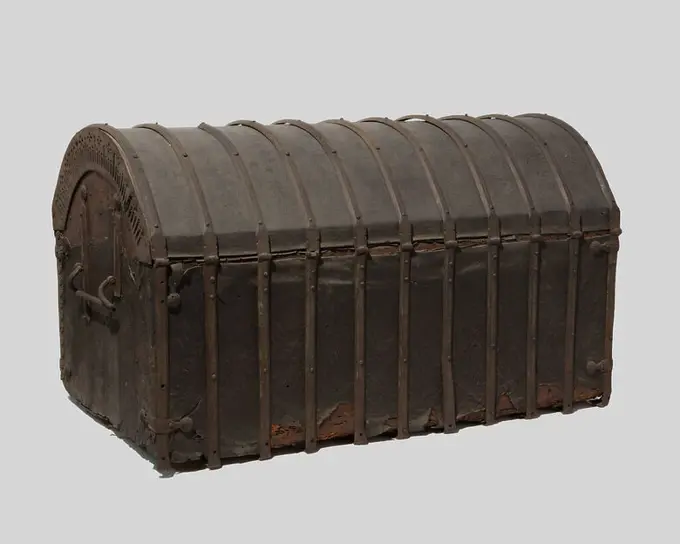
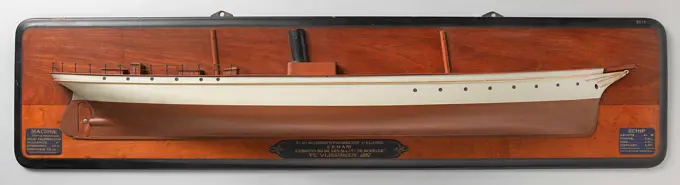
Cut and gilded foot, 1800 - 1899 Cut and gilded foot, associated with a lactic art (AK-RAK-2013-3-1). Europe wood (plant material). gilding (material). gilding Cut and gilded foot, associated with a lactic art (AK-RAK-2013-3-1). Europe wood (plant material). gilding (material). gildingBox, rectangular, from ivory with monogram jvn, anonymous, c. 1910 Box, rectangular, from ivory with monogram jvn, in embroidered bag.  ivory. iron (metal) Box, rectangular, from ivory with monogram jvn, in embroidered bag.  ivory. iron (metal)Button of faceted transparent press glass with a button of lilac cloud glass in the middle, a metal eye at the back, c. 1905 - c. 1925 Button of faceted transparent press glass with a Lila Cloud glass button in the middle, a metal eye on the back. Europe glass. metal Button of faceted transparent press glass with a Lila Cloud glass button in the middle, a metal eye on the back. Europe glass. metalsundial compass, wood, brass, steel, glass, Two rectangular pieces of varnished wood, hinged together with wire, and painted with discs and Chinese numerals in black and red. Compass sunk in glazed center of tower piece. Brass wire stretched between the two pieces serves as sun dial indicator., China, possibly 18th century, timepieces & measuring devices, Decorative Arts, sundial compassBox at Plaquette awarded to Bart van Hove at the International World Exhibition in Brussels, 1910, 1910 medal box Rectangular cardboard box with brown leather covered, hinged at the rear through the white silk inner lining. On lid golden frame with round corners. A button on the front. Inside inlay of blue velvet with two ribbons. Belgium cardboard. velvet (fabric weave). silk   BrusselsVanity case made from gold, enamel and glass. English, 1935Old wooden framework Antique frames from the early 1900 s with work paths Copyright: xZoonar.com/ValeryxxSibrikovx 2424103New Zealand Scenery photograph albums, albumen prints, vintage printsSouth African War Through the Stereoscope (part 2) stereoscopic photographs, black-and-white printsDrum of smooth silver, Francois Marcus Simons, 1803 Rectangular drum of smooth silver with hinged lid. Marked and dated. The Hague silver (metal) Rectangular drum of smooth silver with hinged lid. Marked and dated. The Hague silver (metal)Japanese box, Anonymous, 1800 - 1900 box Black rectangular box with rounded corners. On the lid in oval frame a landscape in mother -of -pearl: rocks of water with two Japanese buildings. On the edge of the lid and the box of flower branches of inlaid mother -of -pearl. Inscription; Inside lid: C.E. the tuyll. Japan copper (metal). lacquer (coating). mother of pearl lacquering / inlay (process)  JapanSugar Bowl, c. 1935. Harold Stabler (British, 1872-1945), J.R.O & Sons (British), Ogdens (British). Silver; overall: 5.2 x 7.3 x 5.4 cm (2 1/16 x 2 7/8 x 2 1/8 in.). A streamlined adaptation of traditional forms distinguishes this otherwise diminutive tea service designed for use by one person. As such, the design typifies the stylized modern look that emerged in the 1920s and remained popular throughout the 1930s. Compartmentalized forms, economy of scale, and new materials (Bakelite) are a feature of its updated design. While this version in solid silver remained the top of the line, it could also be purchased in less expensive silver plate from the several stores that retailed it around Britain.Tobacco box. Rectangular tobacco box with rounded corners of red and yellow copper, with performances and inscription on lid and bottom. Lid: Relief with, among others, Allegorsiche performances of the 4 world parts, leaving ships, a smoking company and 7 weapons (der United Provinces), inscription: (see inv. Form). Bottom relief with, among others, a show of a garden balustrade with the image of Mercury and merchants at a bale merchandise, with inscription. Box further from yellow copper. Signed; top m.o.: Giese f.with Hidden Photo Compartment, Battin & Company, American, 1896 - 1922, silver, photo, celluloid, ca. 1896, containers, Decorative Arts, Matchsafe, MatchsafeSuitcaseCasket with mementoes of Baron C.J. Krayenhoff, anonymous, before 1895 chest Black -lacked wooden box with copper batter, handle, lock and hinges. On the inside of the lid, with four Punaises there is a printed explanation from J.E.A.R. Baron Rom Krayenhoff confirmed. A black-painted and curved metal plate is attached to the left wall on the inside, in which exactly the round wooden box of the Kartetskogel (NG-NM-10255-C) fits. Declaration: June 18, 1815. Battle at Waterloo. Cornelis Johannes Baron Kraijenhoff, Ritmeester Kommandant at the 2nd, (....) etc. Maker: Netherlands Printer: Lekkerkerk wood (plant material). copper (metal). iron (metal). paper striking (metalworking) / lacquering / printingRectangular footed tray, Unknown Japanese, 3 × 14 5/16 × 8 1/4 in. (7.62 × 36.35 × 20.96 cm), Negoro ware; wood, red lacquer, JapanCutlery case cover, linen, leather, metal, Fitted cover with leather bound edges and corners, two buckles and straps., Paris, France, ca. 1890, containers, Decorative Arts, Cutlery case coverArchitectural Fitting (Gong) Made 770 BCE-481 BCE China. This is one of sixteen hollow bronze fittings in the museumís collection that together comprise rectangular, L-shaped, and cylindrical pieces. In 1973, fittings of similar shape and design were excavated from the site of a palace of the 7th century B.C. in modern-day Fengxiang, Shaanxi province in north China. Most show tightly interlaced surface patterns like those cast in this piece. Archaeologists have conjectured that these fittings, some of which preserve traces of wood, originally served as collars and sleeves that had been socketed over a framework of timber columns and tie beams embedded into the earthen walls. Some of these pieces may originally have been stuffed with silk to tighten them.. Bronze .Vinaigrette (England); Made by John Shaw; silver, gildingPortable desk - Sharp Sharptattered book isolated on white backgroundBox of the Dutch West India Company, Jean Saint (attributed to), 1749 box The rectangular box, with rounded corners, has a loose lid. Soil, walls and lid are made of turtle, caught in profiled golden edges. The lid contains a gold clog in which white stones, around which a scene with Mercury as a god of the trade in the middle, to him a woman rinsing gold with her to the right of her a scene with gold seekers, and to him a man wearing an elephant stand , with a scene left on the coast on the left in which the trade in a slave is depicted. In the middle at the top the coat of arms of William IV of Oranjenassau, Stadholder of the Dutch Republic. The flat soil is inlaid in gold Piqué with a rectangular map of the West African coast between Senegal and Angola with the Africa inscription (partially renewed the gold). A symmetrical golden shield has been applied to each of the four vaulted walls with the image of a fort within a frame of C-Voluten with leaves, rocailles and flowers. AmsterdaCaseGeorgian House Facade, Ivory, pigment, Oblong, curved lid and bottom, featuring engraved decoration, situated horizontally on case body, of Georgian style house, with four chimneys, four rows of windows, front door flanked by classical columns and fanlight above, a tree on right side of house, on left side of house 'Vestas' is inscribed (to be read if case is turned upright), all is framed by decorative border. Reverse features engraved decoration, situated vertically on case body, of flower bouquet in vase on stand. Top of lid, located to left of house, features engraved flower surrounded by decorative border, thumb catch protrudes slightly over box edge, hinged on side. Striker on box bottom carved into ivory with hatch marks., possibly USA, late 19th century, containers, Decorative Arts, Matchsafe, MatchsafeSchaafbeitel, anonymous, c. 1590 - c. 1596  Schaafeitel with straight cut.  iron (metal) forging  Nova Zembla. Saving HuysGoldsmith's art, Italy, 20th century. Mario Buccellati, engraved gold vanity case containing lipstick holder, powder holder and cigarette holder, 1950s. Interior.Box in distinction of the Royal Academy of Antwerp, awarded to Bart van Hove, 1875 - 1914 box Blue glued cardboard box in the shape of the coat of arms. On the lid three smaller coats of arms (see award). A metal button on the front. At the rear hinged by means of white sides and two hinges. White inner lining in the lid v.z.v. Crowned address in black letters. Box v.z.v. Cream -colored velvet inlay. Antwerp cardboard. silk. velvet (fabric weave). metal printing  AntwerpSnuifdoos, Andries de Graaf Koopman, 1802 Snuff box of partially gilded silver. Rectangular with rounded corners. The lid is decorated with engraving work. The inside of the box is gilded. Schoonhoven silver (metal). gilding (material) gilding Snuff box of partially gilded silver. Rectangular with rounded corners. The lid is decorated with engraving work. The inside of the box is gilded. Schoonhoven silver (metal). gilding (material) gildingPencil Sharpener on white background.Brush tray 16th century or earlier China. Brush tray. China. 16th century or earlier. Black and red lacquer (Guri). Ming dynasty (1368-1644). LacquerInkstest of brass and tropical wood, Theo Nieuwenhuis (Possible), c. 1900 - Before 1910 The rectangular object placed on four feet, which is compiled from various parts, is fully executed or covered in brass or covered on the increased middle part. In the middle part is a round ink jar with a lid attached by a hinge with a pointed button, as well as two ribbed bars, on which writing utensils can be laid. There are two bins on both sides. The brass raised walls on the front and back of the ink set are ajour processed at the place where they form the closure of the bins. The surface of the bins, the top at the front of the middle part, the ink jar with HT lid as well as the upright sides of the feet decorated with brass leafwork and a tropical wood-stylized tight ornament, in which flower and button motifs can be recognized. designer: NetherlandsGermany brass (alloy). wood (plant material) cutting / inlay (process) The rectangular object placed on four feet, which is compiled from variouStationery numerator lies on a white backgroundSnuffbox 1803 Samuel Pemberton. Snuffbox 207421Liberian Knighthood (Order of the Star of Africa), received by Willem Drees, Anonymous, c. 1950 - c. 1960  Covered with dark red leather, with two ditches to be closed. The inside of the lid is covered with white velvet and the inside of the box has a deep red velvet elevation. Loosen a business card with printed 'S. Edward Peal / Envoy Extraordinary and Minister Plenipotentiary of the Republic of Liberia / The Hague 'and typed' in the name and on instruction of the president of the republic of liberia '.  leather. gold (metal). velvet (fabric weave)   Netherlands. LiberiaJewellery Box 3 Polished wood jewellery box with valuables. Copyright: xZoonar.com/BrettxMulcahyx 1213600Box; shagreenHarem Scene Matchsafe; Manufactured by John William Barrett; England; gold, enamel; 5 x 4.3 x 1.2 cm (1 15/16 x 1 11/16 x 1/2 in. )First Over the Bars Matchsafe; Manufactured by Whitehead & Hoag Company (United States); USA; celluloid, metal; Overall: 7 x 4 x 1.1 cm (2 3/4 x 1 9/16 x 7/16 in.)Old Wood cutting board isolated white background with clipping pathHourglass isolated on white background. Sand running through the bulbs of an hourglass measuring the passing time in a countdown to a deadline. Free space for text.Bedside Table. Artist: Jean Dunand (French (born Switzerland), Lancy 1877-1942 Paris). Dimensions: 23 5/8 × 27 1/2 × 13 3/4 in. (60 × 69.9 × 34.9 cm). Date: ca. 1927-28.Although most Art Deco patrons were French, one of the era's most complete, important residential design projects was realized in America: a penthouse apartment in San Francisco designed for Templeton Crocker (1884-1948), the millionaire grandson of the founder of the Union Pacific Railroad Company. Completed in 1928, the apartment contained a master bedroom, dining room, and breakfast room by Dunand; the noted French designers Jean-Michel Frank, Pierre Legrain, and Madame Lipska created the other rooms. The apartment was dismantled and sold in 1959.The "sponged" surface of Dunand's master-bedroom furniture is characteristic of lacque arraché, a technique in which a final coat of lacquer (here, metallic gray) is applied over a roughened layer (black). By polishing the entire surface, the raised peaks of the black lacqbelt  with a buckle on a black leatherThe ancient ink device The ancient ink device. It was used the last centuries Copyright: xZoonar.com/ValeryxxSibrikovx 2429250Ribbon of turquoise mesh, c. 1900 - c. 1915 Ribbon of turquoise mesh. Nijmegenfrance silk. Ribbon of turquoise mesh. Nijmegenfrance silk.. .Two boxes, Johannis Logerath, 1788 The bunch of drums consists of a round (A-1) and a rectangular (B-1) copy, both with a hinged lid. The straight wall is decorated along top and bottom with a pearl list. The lid has a curved, rejuvenating wall above which a pearl list surrounds the slightly raised top. The body is engraved on the front and back with a laurel garland hung on three rings, with ribbons with an empty oval medallion on the middle ring, and on both sides with a empty medallion hung on a strict ribbon, of which laurelslingers hang on both sides . The top of the lid is decorated along the edge with a ribbons -lined ribbons with rosettes, slaved with dots decorated edges. Engraved on the bottom of the soil: by Mr. Jelle Wildschut,/and Miss Bauwdina Stinstra,/spouses. Received received from/Isabella de Clercq, born stinstra,/and gooitjen s: stinstra,/when this 11 meij 1788, had turned 25. Amsterdam silver (metal) The bunch of drums consists of a round (A-1) and a rectangular (BThree tins of sardinesWide-angle bistigmat lens by Rodenstock, 14 cm focal length, f/5.6 aperture, with disc cover for four openings, glass optics, produced in 1893.A golden blank ring in boxGolden snuff box, snuffbox holder metal silver gold, gram Flat rectangular golden snuff box with hinging lid in red leather sheath (C). With accompanying handwritten letter with seal dated January 1812 addressed to Jan Havelaar (Rotterdam) written by Anthoinette Kuyl, soil and lid inside: Anthony Kuyl Kuijl Anthonetta Foundation of Kuijl's Jan Havelaar Foundation Rotterdam Cornelia Soetens Adriaan Kuyl sniffing storing tobacco tobacco box Last well-known owner: Jan Havelaar in 1812.Construction concept - case and hard hat isolated on whiteMoët & Chandon Champagne Hamper Matchsafe; France; brass, enamel; 3.5 x 5 x 2.1 cm (1 3/8 x 1 15/16 x 13/16 in. )"Scientific American" Matchsafe; Manufactured by Enos Richardson & Company; USA; silver, enamel; Overall: 2.7 x 5.6 x 1.3cm (1 1/16 x 2 3/16 x 1/2in.)Objective lens by Carl Dietzler, focal length 17.5 cm, aperture 1:6.7, glass lens, brass version, wooden lens mount, produced in 1857.Box, 1900s. China, 20th century. Ivory; overall: 5.2 x 4.2 cm (2 1/16 x 1 5/8 in.).external HDD hard disk case, isolated on white backgroundchocolate and praline luxury box with candy and sweetsDark brown gift box In the white backgroundChest with nine bottles, anonymous, c. 1680 - c. 1700 chest Box of Asian wood. Four upper corners with ajour processed silver batter, the same the key plate and 2 hinge plates (lotus flower motif). On the sides 2 silver handles, edited. Divided into 9 square compartments in which 9 bottles of Japanese porcelain (Kakiemon). Compartments and inside lid covered with velvet, trimmed with white turned cord. Two pieces of ribbon ensure non -forcing lid. The bottles are decorated on sides with plants and on shoulders with rank motif. Inscription; Bottom bottle: VOC. Japanfurniture worker: Batavia silver (metal). velvet (fabric weave). porcelain  flowers. lotus ~ ornament DESHIMABrass design fitting on wooden bottle box, Jodhpur, Rajasthan, India Copyright: xSafatxAli/DinodiaxPhotoxMonk's robe storage box with fly whisk, 19th century, Unknown Japanese, 5 1/2 × 15 3/4 × 13 1/16 in. (13.97 × 40.01 × 33.18 cm), Black lacquer with gold maki-e and lead inlay, Japan, 19th century, This dramatic lacquer box (kesabako) stored a Buddhist monk's robe. The design on its lid represents a fly whisk (hossu) made of animal hair. Such whisks represented the Buddhist reverence for all life because they were used to gently brush away annoying insects without harming them. They also became symbolic of the enlightened mind; portraits of high ranking priests often illustrate the venerable master holding a hossu in the manner of a scepter.Footwarmer, early 17th century, Zhang Mingqi, Chinese, H.6-1/8 x W.8-15/16 x D.8-9/16 in. (overall), Copper, China, 17th century, Wang Fengjiang from Jiaxing in Zhejiang province specialized in making metal handwarmers and footwarmers during the late sixteenth century. Wang successfully sought out high-level literati patronage, allowing him to produce some of the finest late Ming metalwork. This large warmer is formed of copper beaten thin and light, with perfect symmetry. The exquisite piercework domed lid was probably inspired by brocaded textile patterns. The swing handle is finely inlaid with silver wire incorporating in seal script the name of the maker. Handwarmers were especially useful to calligraphers and painters when working in cold conditions, and large versions such as this were also used as footwarmers.Coffin of the late King William II, 1849, anonymous, 1849, The coffin in which the late King William II was buried at Delft on 4 April 1849. The upper part of the coffin with inscriptions., draughtsman: anonymous, Netherlands, 1849, paper, brush, pen, h 277 mm × w 328 mmClose-up of champagne cork on white backgroundCoffer. Culture: Spanish. Dimensions: H:20 1/2" W:35 1/4" D:18" (52.1 x 89.5 x 45.7cm). Date: 15th-16th century. Museum: Metropolitan Museum of Art, New York, USA.Half Model of a Screw Steamer.Fortered ship with the aforementioned. S-shaped. Galleon indicated, two sloops and closed changing. Clothing in the extension of coquits. Zwanshals with curl and bowsprit. Round stern. Flat wulf and sloping. Stern bent and sloping backwards. Screw shaft is far out in screw window. Kingdom arm on the fence. Model has a straight stir with oval leaf. The underwater ship has a fairly flat bottom. Round kimmen to feed and backwards sharper. Little Sea. Two decks have been indicated by portholes. A chimney on the build-up midship. Various shutters and a roof on the stern. The skin is smooth and closed. Eight round gates in the fore ship on the bottom. On the semi-deck on board six round gates with a diameter of 7 mm. On the semi-deck a railing with thirteen scepters. The rig consists of two masts and a bow mad. Under the model three pictures with inscription in golden paint.Bracket; mahoganyInro, anonymous, c. 1700 - c. 1850 Five -part inro decorated with a man with a large hat driving on a donkey. Japan wood (plant material). lacquer (coating) Five -part inro decorated with a man with a large hat driving on a donkey. Japan wood (plant material). lacquer (coating)Jewish Museum of Florida.  Old Tefillin also called phylacteries. Set of small black leather boxes with leather straps containing scrolls of parchment inscribed with verses from the Torah.Black leather wallet on a black background.Deck light.Boided patent glass with a loose grid. The brass flange is screwed onto the deck, screwed along the underside in the flange with the matte flat side upstairs and the clear convex side down; There are two handles for turning on the edge. The glass can be replaced by the grid. The cast-iron grid is also in a brass edge with screw thread and two brackets such as handles, to be screwed at the bottom of the flange.Cradle. Dated: c. 1936. Dimensions: overall: 24.3 x 22.6 cm (9 9/16 x 8 7/8 in.) Original IAD Object: 91 cm.. Medium: watercolor, colored pencil, gouache, and graphite on paper. Museum: National Gallery of Art, Washington DC. Author: Alfred H. Smith.Half Model of a 20-Gun Sloop of War.Molds model (starboard) of a three-master, the skin above the bark wood closed. Ten gunposes indicated on one deck, which is closed. Wrinkled mirror, closed hollow wulf and closed fence, which is decorated with carving of tendrils and a weapent trophy with a rosette; No side gallery; Stir straight with square roofing. Sea in front and behind something ascending, one bark wood. Peaked round trip.Necklace with a Compartment for Magical Texts Made 1701-1899 Nestórion. Silver .War 1939-1945. Pocket mirror by Alain Patermotte1/40th Rana (belonged to the 2nd DB). General Leclerc Museum of Hauteclocque and the Liberation of Paris, Jean Moulin Museum. 75311-19 French army, military equipment, war 1939-1945 39-45, pocket mirror, object, R.A.N.A. Rana, Second World War, Daily LifeOpened blue jewelry box to putting ring earring or others value stuff into it, an image isolated on whiteChest, square, from Campechehout, veneered with Coromandelhout and decorated with an abstract pattern with arrows in an Intarsia technique of pearl, Albert Schulze, c. 1922 Chest, square, from Campechehout, veneered with Coromandelhout and decorated with an abstract pattern with arrows in an intara technique of pearl. The box with inner box is on four square low blocks. Hannover, Albert Schulze, designed by Johan Thorn Prikker. At the bottom of the box a printed label of Schulze with the data. Hannover .. ebony (wood). mother of pearl Chest, square, from Campechehout, veneered with Coromandelhout and decorated with an abstract pattern with arrows in an intara technique of pearl. The box with inner box is on four square low blocks. Hannover, Albert Schulze, designed by Johan Thorn Prikker. At the bottom of the box a printed label of Schulze with the data. Hannover .. ebony (wood). mother of pearlTwo writing boxes, lacquerer (attributed to), c. 1905 - c. 1920 Rectangular writing box in black lacquer with a decoration in Maki-e of a praying mantis on an eggplant. Inside: with waternut leaf wreaths. Waterdruppelaar (Suiteki) with a decoration of a gourd plant. In wooden box. Japan wood (plant material). lacquer (coating). gold (metal). suiteki: Rectangular writing box in black lacquer with a decoration in Maki-e of a praying mantis on an eggplant. Inside: with waternut leaf wreaths. Waterdruppelaar (Suiteki) with a decoration of a gourd plant. In wooden box. Japan wood (plant material). lacquer (coating). gold (metal). suiteki:A Solar 400 mm projection lens, No. 944, produced by Carl Reichert in 1916. The lens has a metal frame and wooden standard, designed for projection and optical magnification.Traditional wooden kalimba isolated on black background. Traditional wooden kalimba isolated on blackOpened portfolio case Opened portfolio case with space for text, isolated on white. Copyright: xZoonar.com/NikolajxKondratenkox 2334124Golden cube Small golden cube footstool at parquet floor Copyright: xZoonar.com/MarkoxBericx 7167896Ferris Wheel, World's Fair, Chicago Matchsafe; USA; plated brass; 7.3 x 4 x 1 cm (2 7/8 x 1 9/16 x 3/8 in. ). INRO, consisting of 5 parts, with knot (ojime) and belt button (Netsuke). On the one hand a Dutch merchant, on the other hand, a Portuguese. The cord is not authentic.Biscuit Tin; Manufactured by Huntley, Boorne, & Stevens; Produced by Huntley & Palmers, Ltd. (United Kingdom); offset lithograph on tinPicture Frames on ShelfTravel camera measuring 15 x 20 cm produced by Josef Wanaus after 1880, with wooden construction for portability and field use.SealARQUETA EUCARISTICA-1645-CAREY Y PLATA-ANVERSO CON INSCRIPCION. Author: SEBASTIAN CHEVI (S XVII). Location: IGLESIA DE NUESTRA SEÑORA DE LOS MILAGROS. QUINTANA DE LA SERENA. Badajoz. SPAIN.Set of Man's Coat and Waistcoat Buttons with Case. Germany, circa 1805. Jewelry and Adornments; buttons. Paste stones set in gilt silverOld Radio 50s - 60s isolated on a whiteClose-up of a yo-yoFidele jusqu'a l'infamie, told in response to William I to Liège, Anonymous, 1829  Silver carrying sign in the form of open book, on which bundle of four arrows rests. Front: Left half of book: Inscription in Dutch; Right half of book: Inscription in French. Reverse: Left half of book: Inscription; Right half of book: Inscription Binnenchrift Belgium silver (metal) striking (metalworking) / engraving  Liègevintage wool carding comb isolated wood wool carding comb against a white background Copyright: xZoonar.com/YannxPoirierx 12727524Leather key chain isolated on white background.Half Model of an 18-Gun Brig, anonymous, c. 1795 ship model. half model. builder's model Polychromed mold model (starboard) of a two -mast. Get mirror, Hol Wulf, no details of fence or side gallery; Straight with square stirring king. Almost flat, one barkhout. Peaked around, sharply cut backwards. Scale approx. 1:44 (scale on model). Harlingen (possibly) wood (plant material)Paint tube, France, EuropeMercal Merit, granted to W. Drees by the international Jewish organization B'nai B'rith in 1984, Anonymous, 1984  Penning with an eye on blue and white ribbon of 2 lanes. Front: Fakkel in hand with edge script 'Distinguished Leadership & Service for Humanity / Dr. W. Drees', and inside 'Amsterdam December 1984'. Reverse: a seven -armed candlestick with edge script 'b'nai b'rith Kontinental Europe. District 19. Europe Continental '. In leather box (NG-2003-43-B). Amsterdam textile materials. metal   Netherlandsdfgdfgdfhdfhdfh