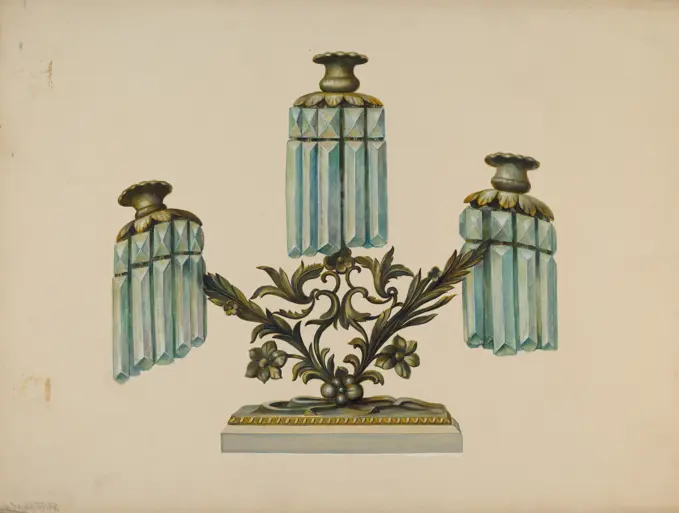
Decorative Candlesticks

An array of ornate candlesticks crafted from silver and gold-plated materials, featuring intricate designs from various historical periods.

Candlestick; Silver Products Factory K.F. Malcza (Warsaw; Sreber label; 1828-1864), Malcz, Karol (1797-1867); 1852 (1852-00-00-1852-00-00);
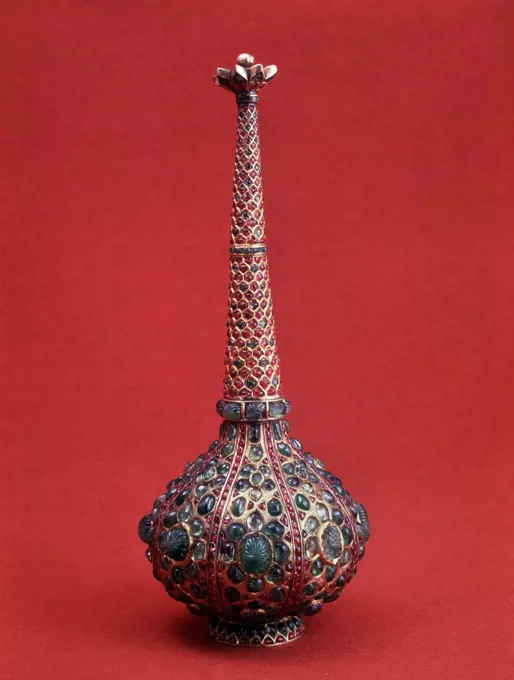
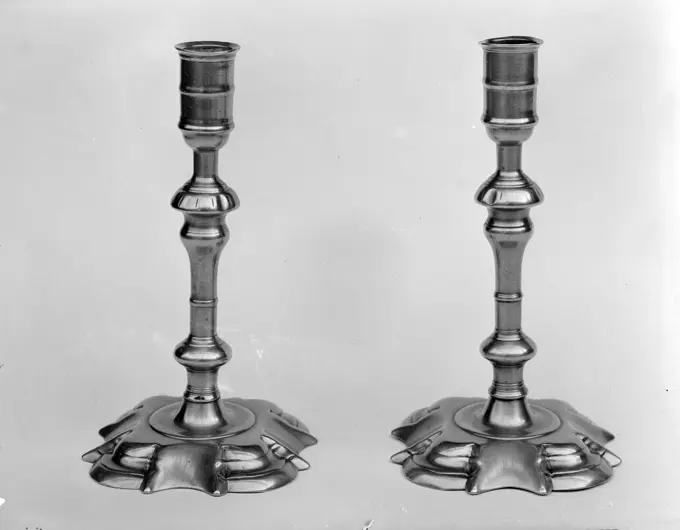
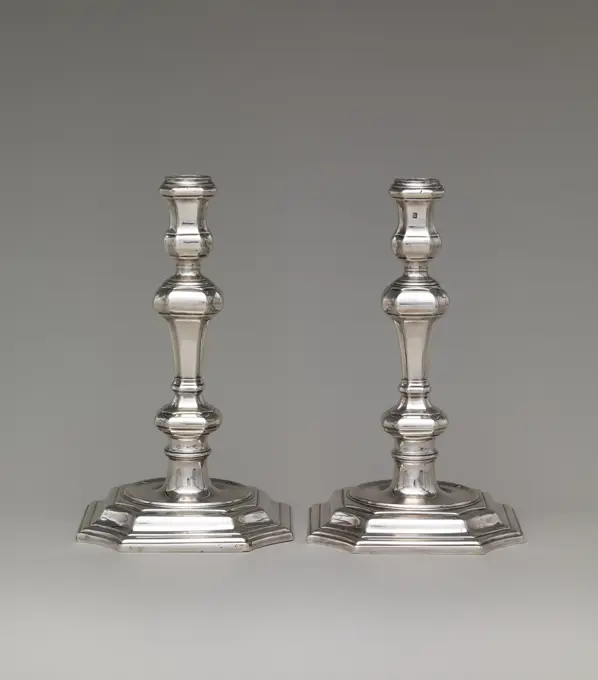
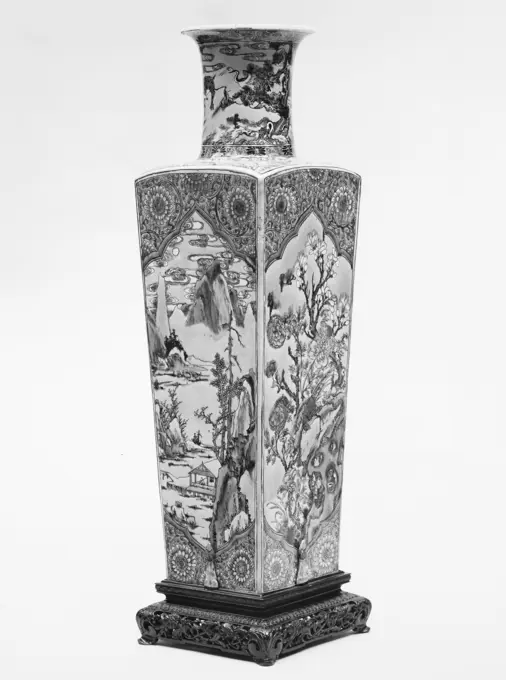
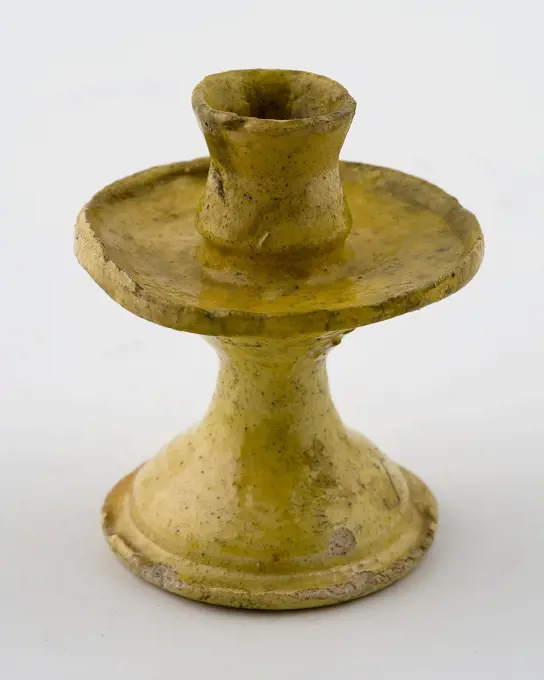
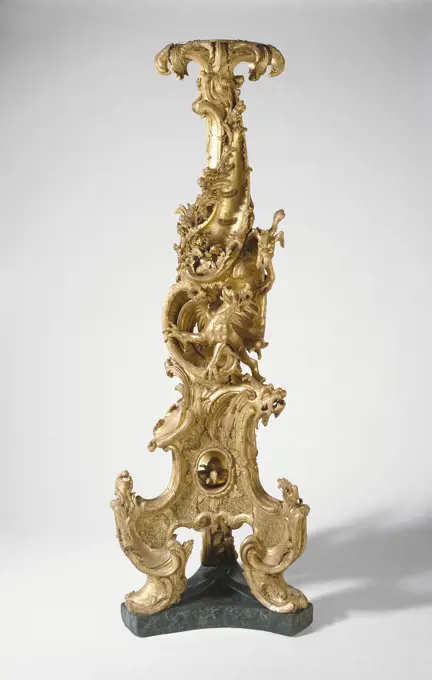
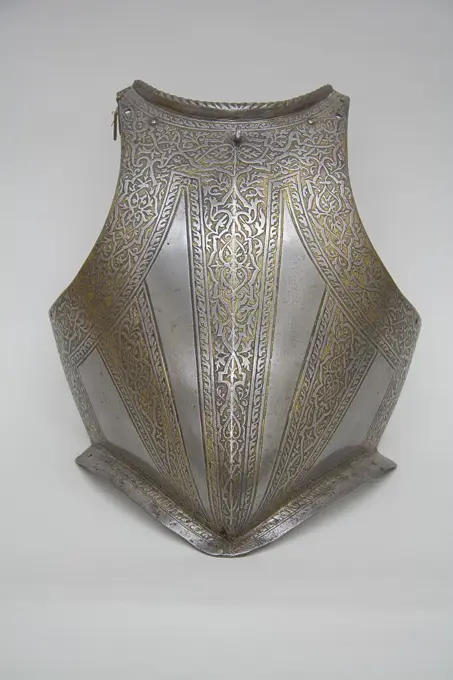
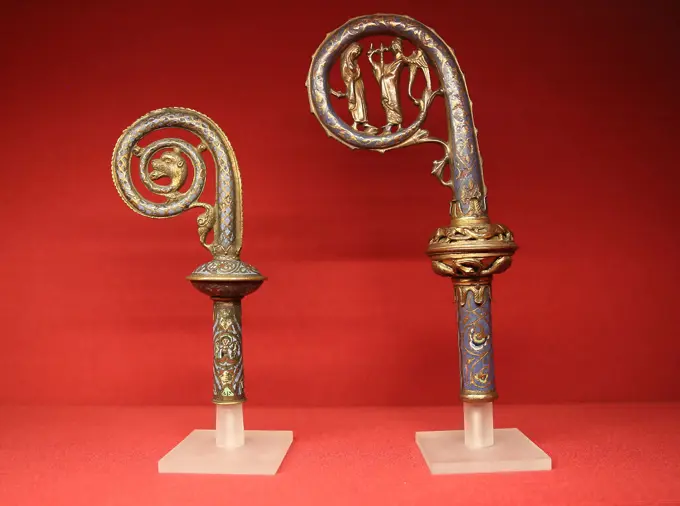
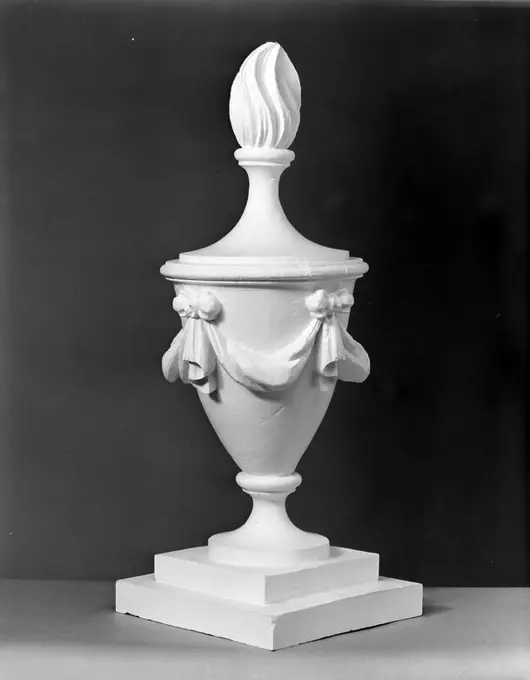
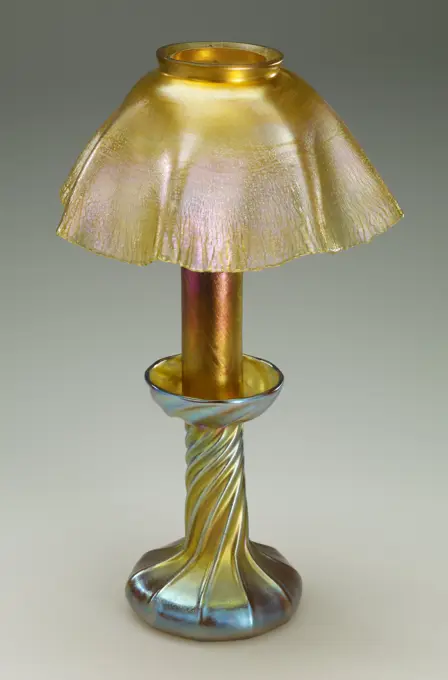
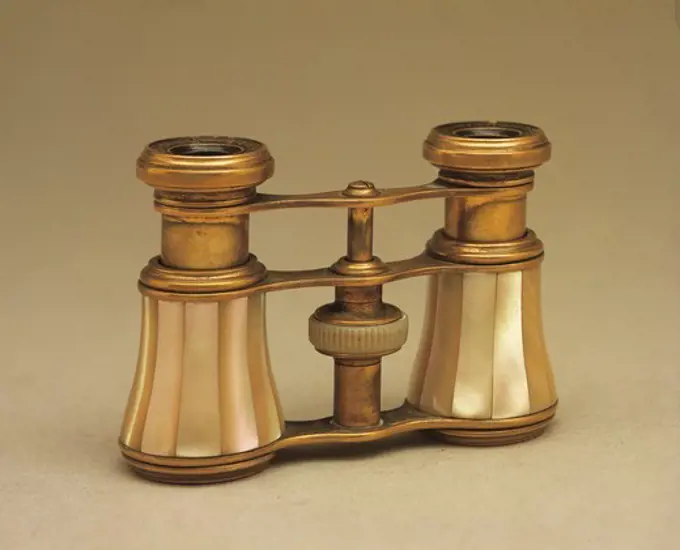
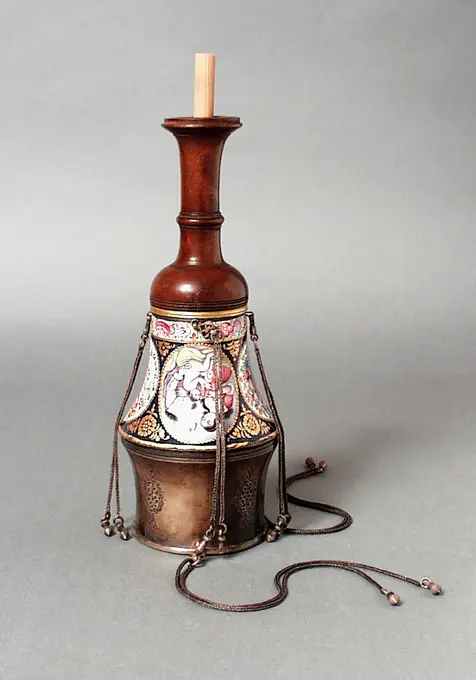
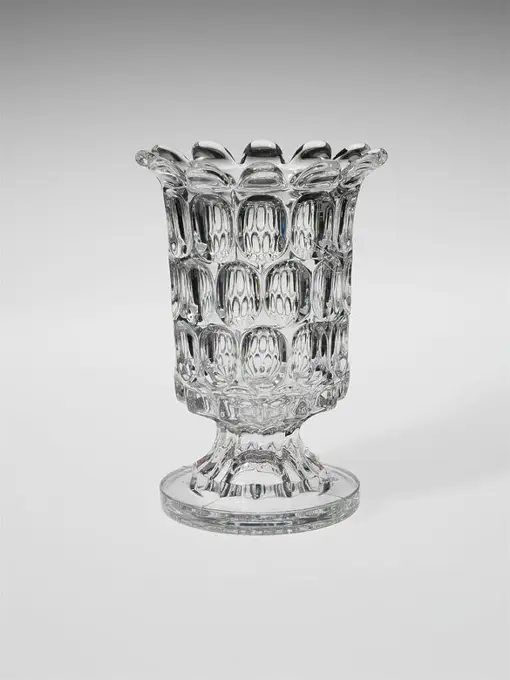
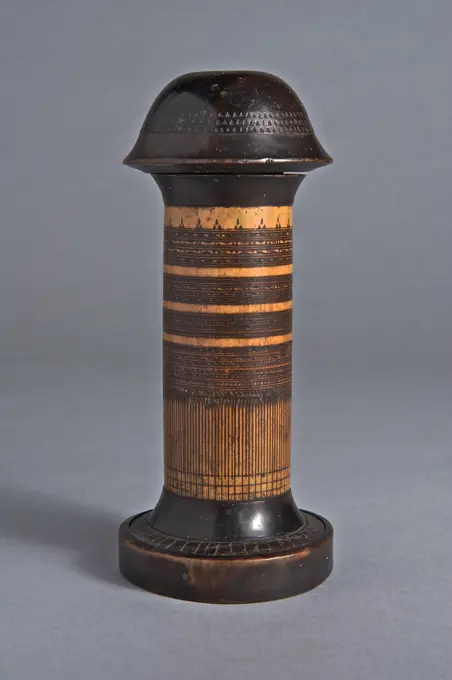
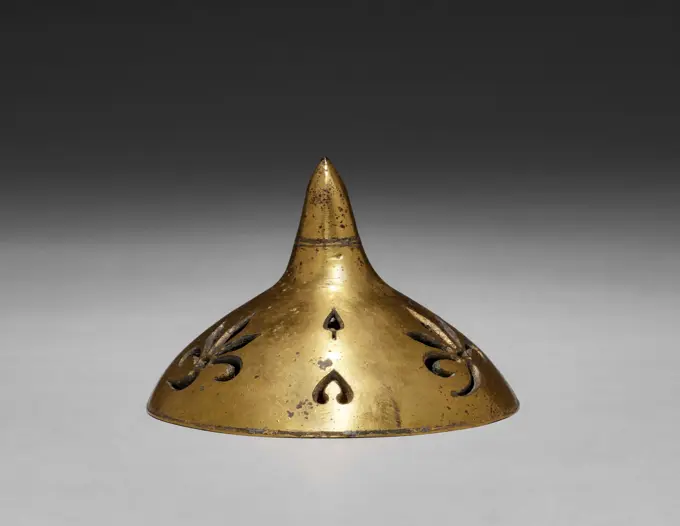
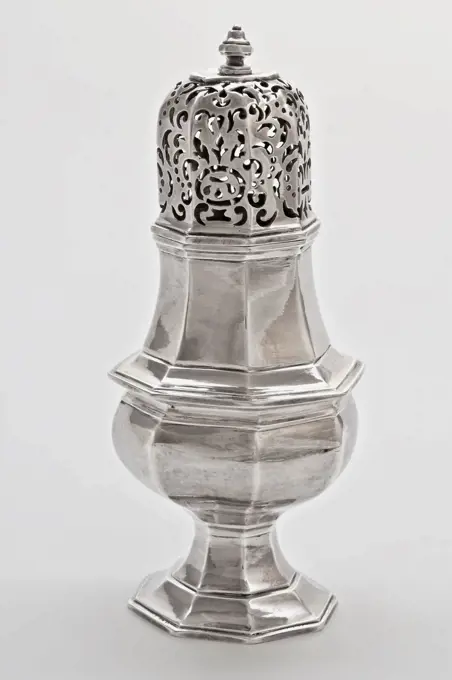
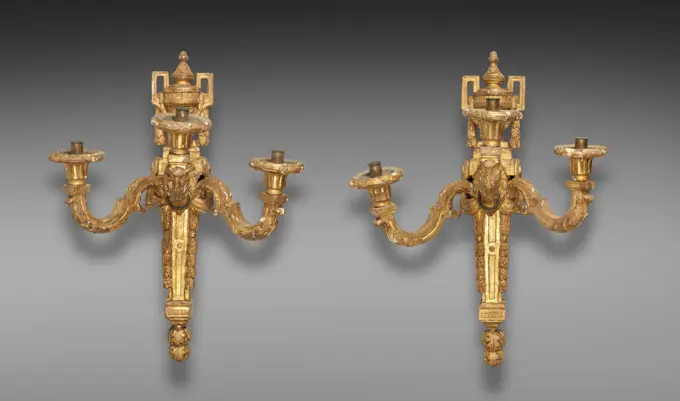
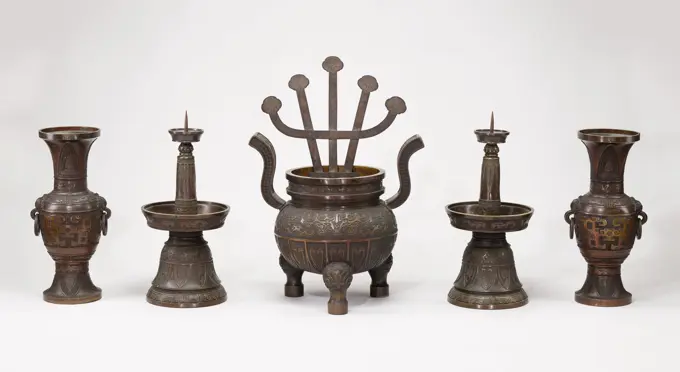
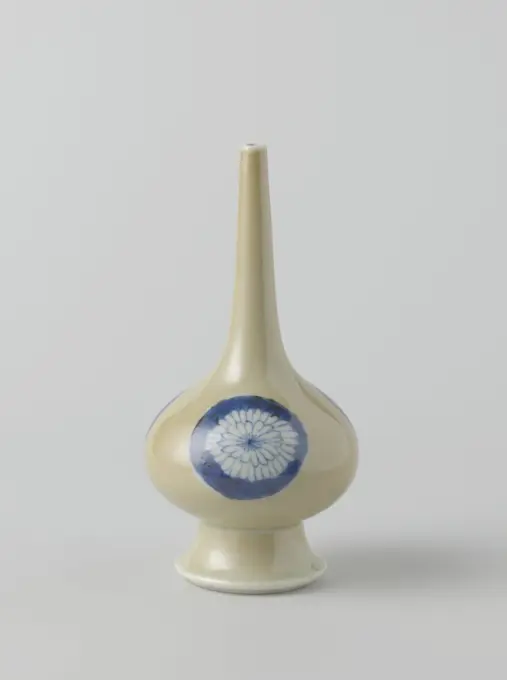
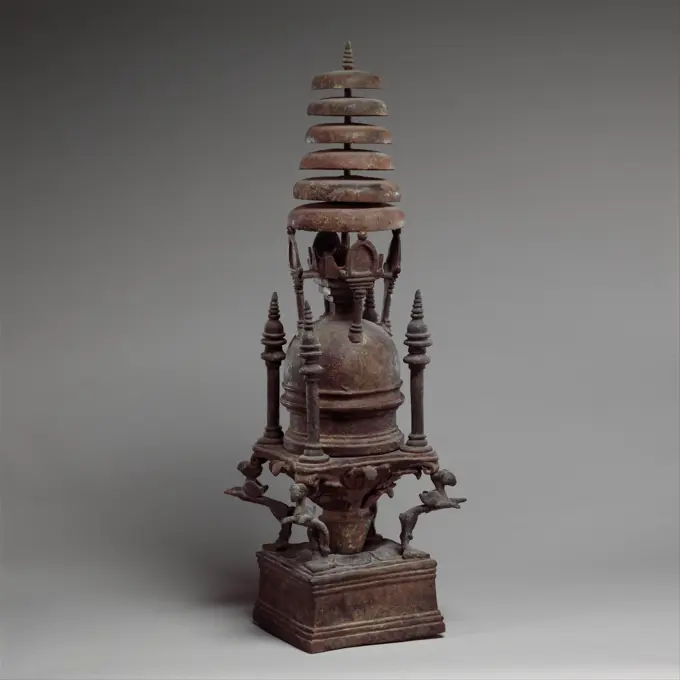
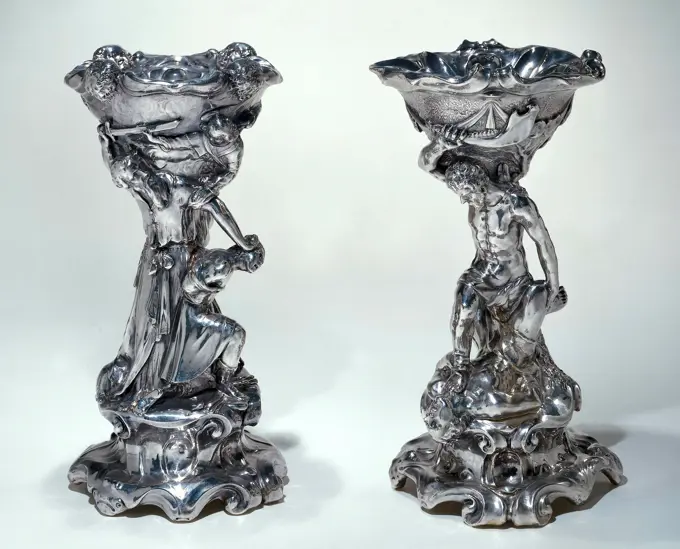
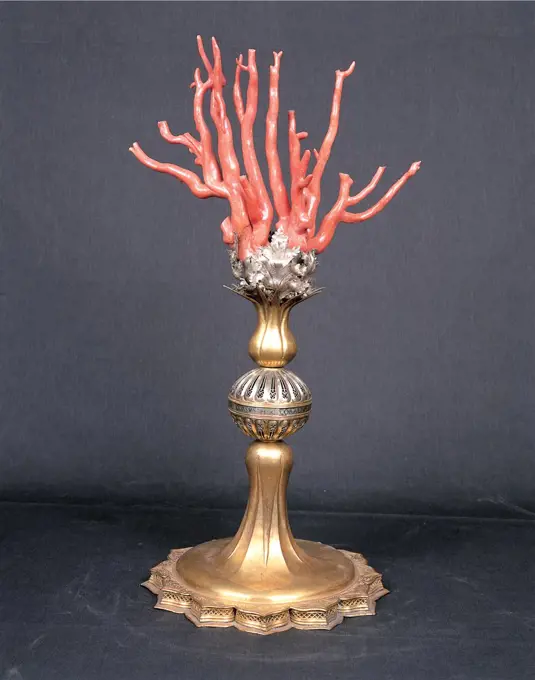
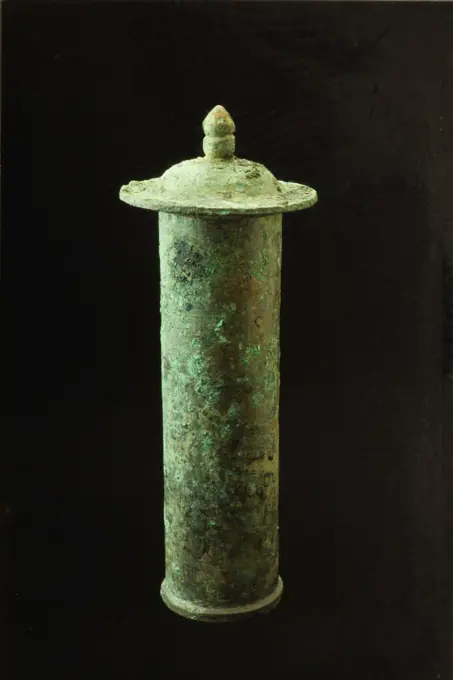
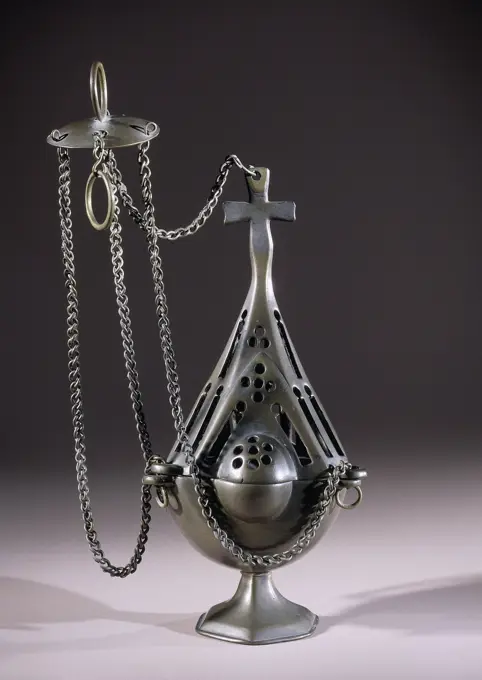
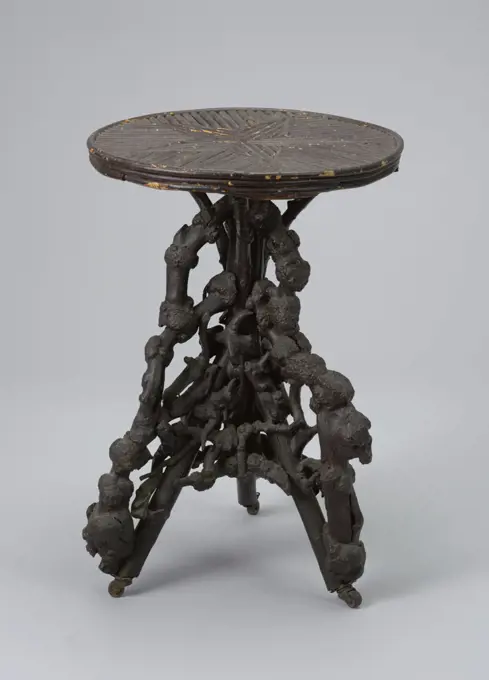
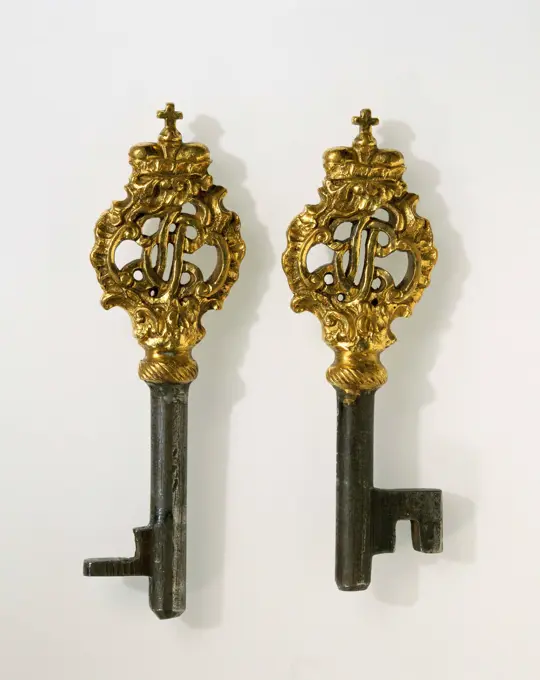
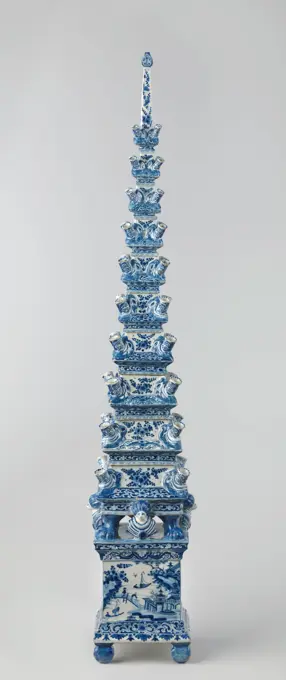
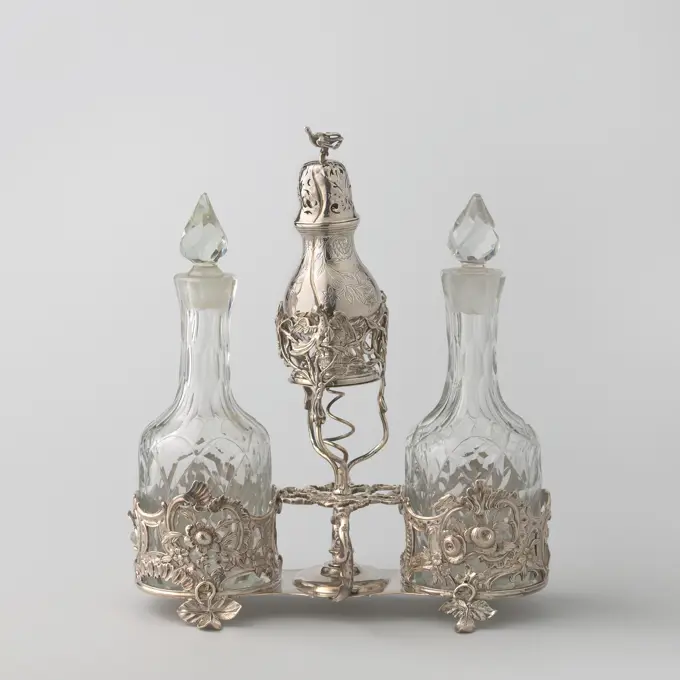
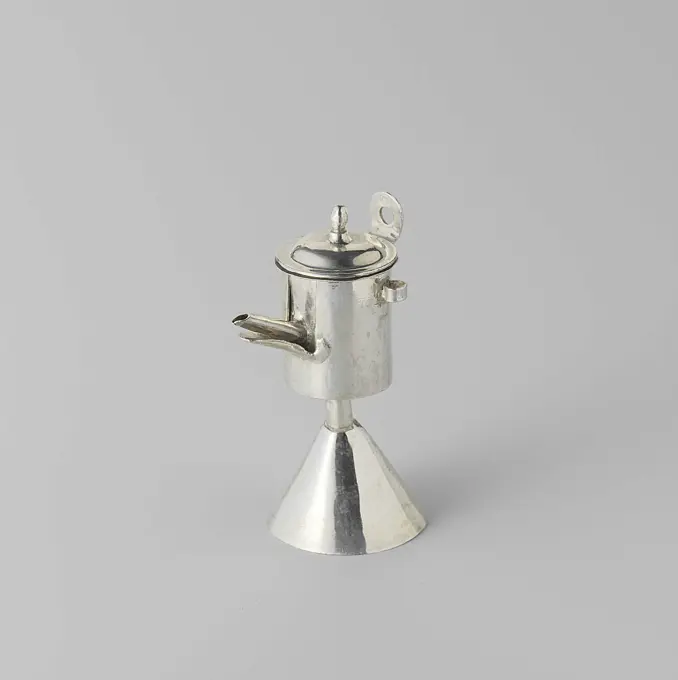
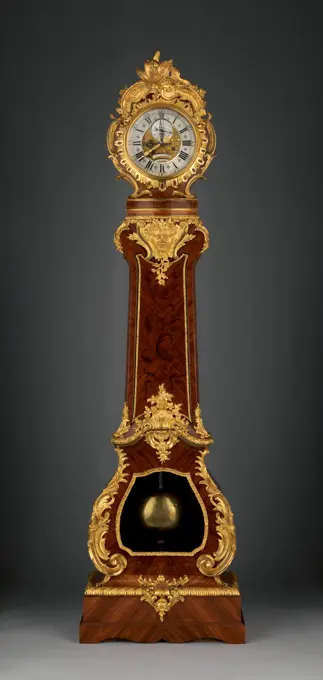
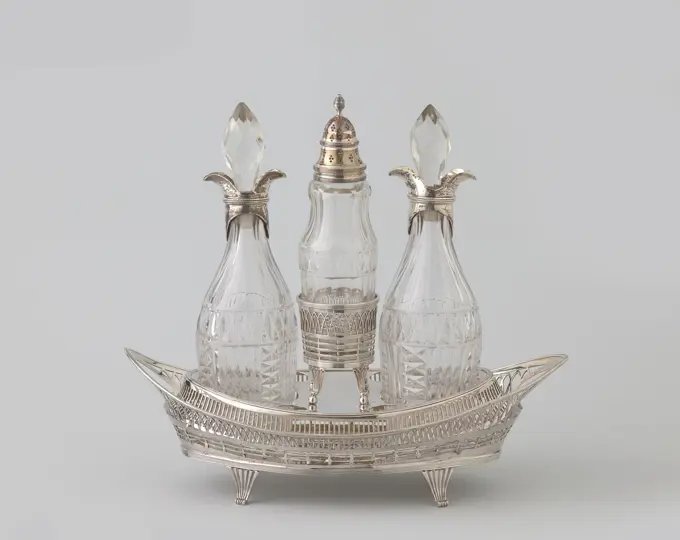
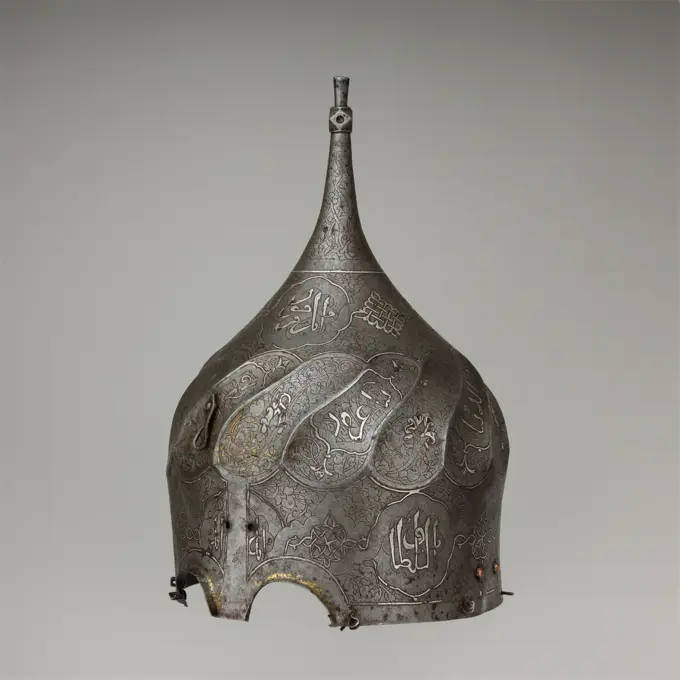
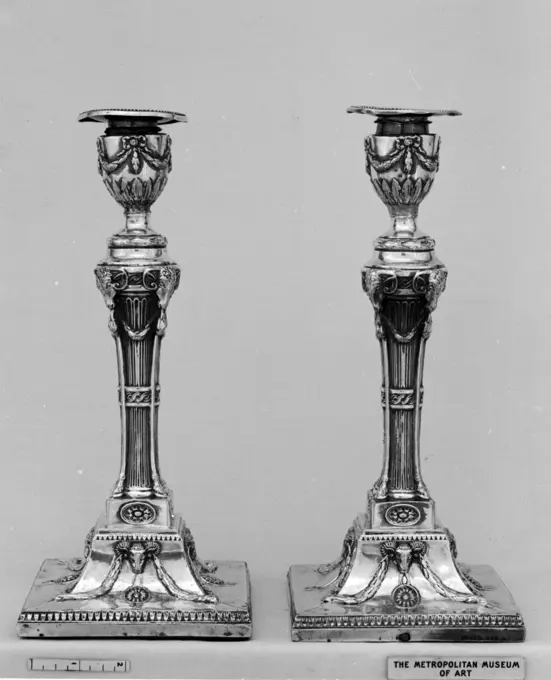
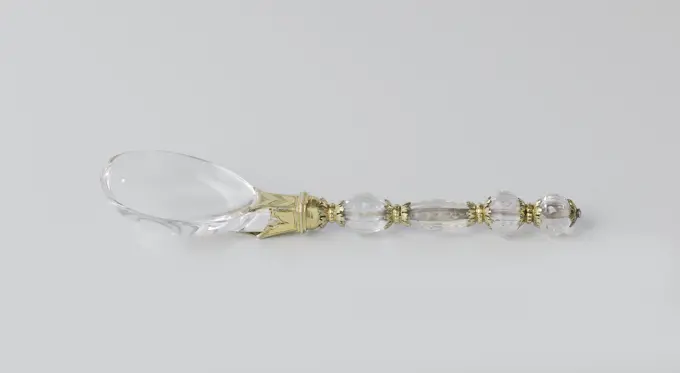
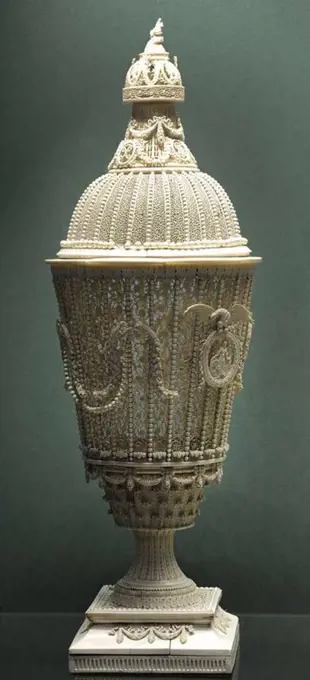
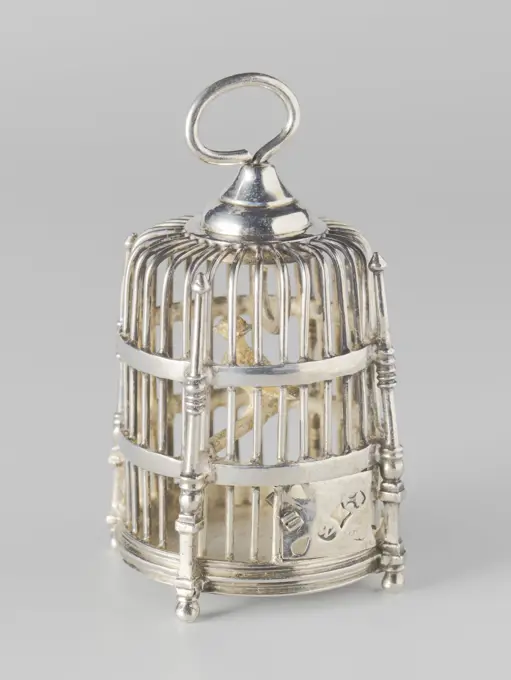
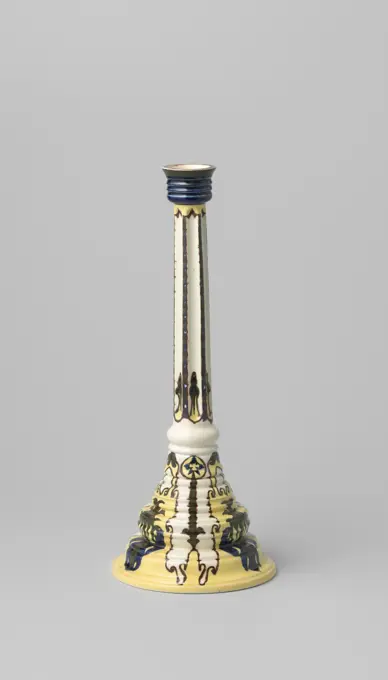
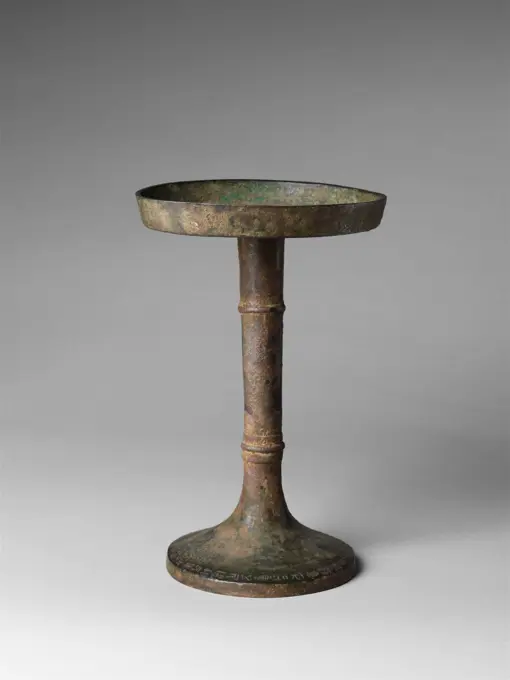
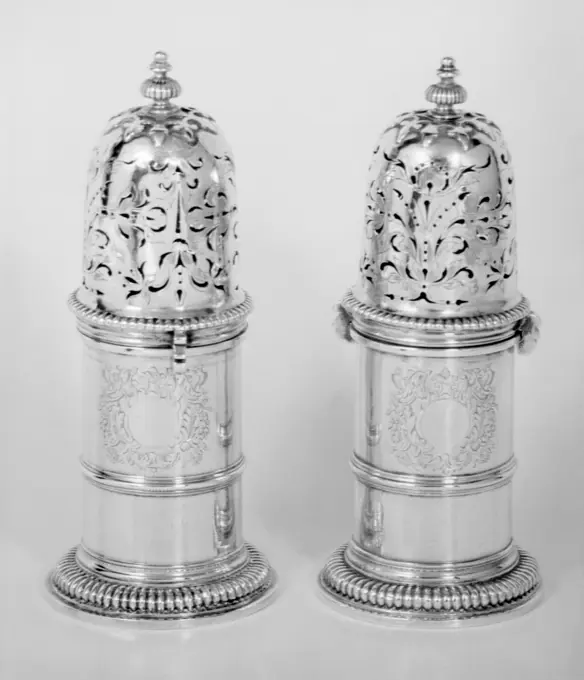
Halberd Head with Naga and Blade ca. second half of the 13th century Indonesia (Java). Halberd Head with Naga and Blade 39411Vera Van Voris, Bud Vase, c 1937 Bud VaseCaster.  Maker: Peter Van Dyck, American, 1684-1751Candlestick (one of a pair) ca. 1785 British or Irish. Candlestick (one of a pair). British or Irish. ca. 1785. Glass. GlassGauge of a water pump. The object consists of a lead tube with a glass cast and topped mouthpiece. This has the shape of a mask with eyes, nose and dragon wings such as ears, with a profiled edge around the opening.Indian Artmeralds, gold, enamel , 17th century, Russia, St. Petersburg, State Hermitage, H 26, 5 ETable clock in the shape of Atlas, Pierre Louteau (attributed to), c. 1603 - c. 1628 Table clock of silver and gilded bronze in the form of Atlas. The square pedestal rests on four glans -shaped legs. On the pedestal is a naked atlas figure, which holds the oval timepiece with both hands above the head. The timepiece cabinet is crowned by a noded button. The pedestal is decorated with engraving work and with a cast angel's head at the front and rear. The dial, the timepiece and the glass edge are decorated with engraving work. The back slatin is signed: Pierre Louteau Alion. Lyon silver (metal). bronze (metal). glass gilding / engraving / niello (technique) Table clock of silver and gilded bronze in the form of Atlas. The square pedestal rests on four glans -shaped legs. On the pedestal is a naked atlas figure, which holds the oval timepiece with both hands above the head. The timepiece cabinet is crowned by a noded button. The pedestal is decorated with engraving work and with a cast Candlestick 1750-70. Candlestick. 1750-70. Brass. Probably made in EnglandOil Lamp, 1st century BCE - 1st century CE, 9 1/16 x 9 7/16 x 14 1/2 in. (23.02 x 23.97 x 36.83 cm), Bronze, Italy, 1st century BCE - 1st century CESpoon, silver, Large fig-shaped spoonbowl. Flat flaring neck, on front scrolled decoration with lion's head in the centre. Long plain neck, round in section. On top of handle a soldier holding a spear., Netherlands, late 19th century, cutlery, Decorative Arts, SpoonPair of candlesticks 1734/35 Paul de Lamerie British The design of these candlesticks follows a conventional model. This pair, however, part of a set of six, is nearly twice the size and weight of a typical example. They were made for a club of High Tory aristocrats called the Honorable Board of Loyal Brotherhood, whose members met for boisterous evenings of wine and conversation.. Pair of candlesticks 204870Vase late 17th-early 18th century China. Vase 42267europe in    the sky of italy lantern    and   abstract illuminationYellow miniature or toy collar candlestick with high hollow base, candlestick candlestick lighting tool toy relaxing ground find ceramic earthenware glaze lead glaze, hand turned glazed baked earthenware candlestick on high hollow base with broad collar white shard light yellow green glazed candle holder with small hole of which the inward pressed clay was not removed so that no candle would fit. Probably the candlestick is also toy archeology Gerdesiaweg underground pit Rotterdam Kralingen-Crooswijk Rubroek lighting indigenous pottery play child enlighten evening night Soil discovery underground pit Gerdesiaweg January 1978.Torchère; Pieter de Swart (Dutch, 1702 - 1772), probably carved by Agostino Carlini (Italian, about 1718 - 1790); The Hague (possibly), Netherlands; about 1748 - 1753; Gessoed, painted, and gilt limewood; crushed glass; bases possibly of dogwood; 214 cm (84 1,4 in.)Bustle 1872-74 American. Bustle 157992Breastplate from an Armor of Francesco Maria II della Rovere (1548-1631), Duke of Urbino. Culture: Italian, probably Milan. Dimensions: 17 1/4 x 13 9/16 in. (43.8 x 34.5 cm); Wt. 6 lb. 14 oz. (3113 g). Date: ca. 1570.This breastplate belongs to an armor made for Francesco Maria II della Rovere (1548-1631), duke of Urbino from 1574. The armor is represented in a portrait of the prince painted by Federico Barocci soon after Francesco Maria returned to Urbino following his participation in the destruction of the Turkish fleet at the battle of Lepanto in October 1571. It is not known if Francesco Maria wore this armor during the battle or if he had it made afterward to celebrate his role in this historic victory.The heavy weight of the breastplate suggests that it was intended for battlefield use. The Barocci portrait depicts the prince wearing an infantry armor, which includes an open-faced helmet (burgonet) and a shield. However, the breastplate has a turning-pin at the top for the attacWestern crosier.s Limoges enamel. France. 13th century. Mares Museum. Barcelona. Spain.StarFence Post Finial from the Jerathmeel Peirce House, Salem, Massachusetts. Culture: American. Dimensions: H. 32 in. (81.3 cm). Maker: Samuel McIntire (1757-1811). Date: 1770-1800. Museum: Metropolitan Museum of Art, New York, USA.Ostrich egg found in Ottoman made mosques in IstanbulRapier of the Guard of the Duke-Electors of Saxony Copy 1580-1610 Dresden. Steel, silver, gold, wood, and rayskin .Cylinder (base), 1800-1940. China, Qing dynasty (1644-1911) or Republican period (1912-49). Carved jade and gilt bronze; base: 8.2 x 10.5 cm (3 1/4 x 4 1/8 in.).Pair of candlesticks 1756-57 Michel II Delapierre. Pair of candlesticks 200082Flower pyramid.Even though flower pyramids were a Dutch invention, the decorations on this vase are clearly derived from motifs on Chinese porcelain. This is evident from the landscapes on the base and the floral motifs on the separately fired and stacked segments. Other decorative elements, suchas the figures on the top of the base and the animal faces at the spouts, are European in origin.Wall light (candelabrum appliqué) (one of a pair) ca. 1735 French. Wall light (candelabrum appliqué) (one of a pair) 189672 French, Wall light (candelabrum appliqu) (one of a pair), ca. 1735, Carved and gilded walnut, Overall: 36  32 3/4  12 1/2 in. (91.4  83.2  31.8 cm). The Metropolitan Museum of Art, New York. Gift of J. Pierpont Morgan, 1906 (07.225.412a)Terracotta tray ca. 550-500 B.C. Etruscan Ornate bucchero stands with removable trays, often decorated with four female heads, are distinctive objects found in Chiusine burials. The ultimate prototypes for the circular trays are likely East Greek Orientalizing examples.. Terracotta tray 246221Lamp, late 19th-early 20th century, Louis Comfort Tiffany, American, 1848-1933, 12 in. (30.48 cm), Opalescent glass, United States, 19th-20th centuryGoldsmith's art, France, 19th century. Gilded metal and mother-of-pearl opera glassesHooka BowlEpichysis ca. 325-300 B.C. Greek, South Italian, Apulian. Epichysis 255285Spoon Holder. Culture: American. Dimensions: H. 5 1/4 in. (13.3 cm). Maker: Bakewell, Pears and Company (1836-1882). Date: 1850-70. Museum: Metropolitan Museum of Art, New York, USA.Lime Container(Tagan)Censer, early 600s. China, Tang dynasty (618-907). Gilt bronze; overall: 23.8 x 14.3 cm (9 3/8 x 5 5/8 in.).Pair of Candelabra, 1887-90. House of Fabergé (Russian, 1842-1918), Julius Alexandrovitch Rappoport (Russian, 1864-1916). Silver; overall: 28.5 x 25.1 x 12 cm (11 1/4 x 9 7/8 x 4 3/4 in.). This pair of candelabra demonstrates Fabergés commitment to a commercial balance between decorative and functional design. The pair was made by Fabergés chief silversmith, German-born Julius Rappoport, in Moscow, where the majority of gold and silver objects were crafted. Small in size, the pair may have been used in more intimate settings, as opposed to larger banquets or public gathering areas.Vase 19th century Italian, Venice (Murano). Vase. Italian, Venice (Murano). 19th century. Glass. GlassSilver octagonal hopper, scatterer crockery holder silver, sawn cast Sprinkler with smooth eight-sided reversed baluster-shaped body with protruding profile band on the belly on constricted eight-sided foot, cylindrical eight-sided lid with smooth upper surface with profiled button bottom bottom serve (smashed) spreadingPair of Candle Brackets, c. 1765-1775. After a design by Jean Charles Delafosse (French, 1734-1789). Carved and gilded wood; part 1: 88.3 x 62.3 x 47.6 cm (34 3/4 x 24 1/2 x 18 3/4 in.); part 2: 89.2 x 63.5 x 45.1 cm (35 1/8 x 25 x 17 3/4 in.).Andiron 1790-1820. Andiron. 1790-1820. Brass, ironVase, Yongzheng period, 1723-1735, 23 3/4 x 12 x 8 1/2 in. (60.4 x 30.5 x 21.6 cm), Bronze, China, 18th century, Standard ritual bronzes cast for the altar comprise five vessels (wu gang), a censer, two candlesticks, and a pair of vases. Early woodblock prints depict these objects formally arranged in a line across the altar table with the censer used as a centerpiece flanked by candlesticks with the vases at the two ends. Ritual bronze vessels like these, made for the imperial palaces and temples, were governed by state regulations under a section titled, 'Rules for Making Sacrificial Vessels and Ornaments for Temple Use.' The archaistic décor including taotie masks and cicada blades against a spiral ground is a revival of a Song dynasty (960-1279) style which was itself an interpretation of ancient Shang and Zhou (16th c. - 221 BCE) ritual bronzes. Each vessel of this large and important set bears the six-character reign mark of the Yongzheng emperor (1723-35), and the censer and can. Oil and vinegar set. Oval bin with a profiled edge ending along concave basis ending in leaf shapes. Paws in shape of grape trims. A-jour processed bottle holders with garlands and bell-shaped motifs. Between the bottles a column in the form of Tuscan column, awarded amphora. On the base two wreaths with grape vines for the silver stopping the bottles of ground crystal. The Hague, 1803, Frans Simons. Bottom brands.Rosewater sprinkler or bottle with light brown and chrysanthemums, anonymous, c. 1700 - c. 1724 Rose water drops or point bottle on a high base of porcelain with spherical body and long, narrow neck, covered with a cafe-au-lait glaze and painted in under-glaze blue. The bottle is covered with a light brown enamel and with three round fields in under -glaze blue with saved chrysanthemum. Monochrome brown with blue and white. China porcelain. glaze. cobalt (mineral) painting / vitrification Rose water drops or point bottle on a high base of porcelain with spherical body and long, narrow neck, covered with a cafe-au-lait glaze and painted in under-glaze blue. The bottle is covered with a light brown enamel and with three round fields in under -glaze blue with saved chrysanthemum. Monochrome brown with blue and white. China porcelain. glaze. cobalt (mineral) painting / vitrificationPair of Candlesticks. Flight, Barr & Barr (England, Worcester, 1813-1840). England, circa 1807-1813. Furnishings; Lighting. Porcelain, gildingOne of two Bouts de Table, Francois Marcus Simons, 1803 Two half-sphere containers on four claw legs, standing on a rectangular plate, which rest on four spherical feet. The whole is crowned by a Kylix-shaped oil lamp. Marked and dated. The Hague silver (metal) casting Two half-sphere containers on four claw legs, standing on a rectangular plate, which rest on four spherical feet. The whole is crowned by a Kylix-shaped oil lamp. Marked and dated. The Hague silver (metal) castingCandlestick late 15th century German or South Netherlandish. Candlestick. German or South Netherlandish. late 15th century. Copper alloy. Metalwork-Copper alloyElmer Weise, Weather Vane, c 1936 Weather VaneCurb Bit. Culture: bit, German or French; bosses, French or South Netherlandish. Dimensions: H. 10 1/2 in. (26.7 cm); W. 8 1/2 in. (21.6 cm); Wt. 2 lb. 7.1 oz. (1108.5 g). Date: ca. 1530-1550.According to contemporary equestrian manuals, this complex mouthpiece, characteristic of the bits made between ca. 1530 and ca. 1550, was designed for lowering the horse's head. The shanks (the levers on the sides of the bit to which the reins were attached), are shaped as waving snakes or dragons, their heads hidden behind the large copper alloy bosses. These bosses, contemporary but not originally attached to this bit, bear a proverb in French stamped on their rims. They belong to a large group of bosses, some inscribed, produced in Northern France or in the Southern Netherlands (see also 42.50.227). Museum: Metropolitan Museum of Art, New York, USA.Stupa 7th-9th century India (Jammu & Kashmir, ancient kingdom of Kashmir). Stupa 38964Candlestick with profiled trunk and foot, anonymous, c. 1500 - c. 1600 The round -profiled foot turns into a predominantly hollow -rounded trunk and then in a fat catcher, on which the candle pin is soldered. Foot, trunk and fat catcher, which are cast as a whole, are equipped with grooved rings. The hollow trunk still contains remains of the seed core. Southern Germany (possibly) brass (alloy) casting / soldering The round -profiled foot turns into a predominantly hollow -rounded trunk and then in a fat catcher, on which the candle pin is soldered. Foot, trunk and fat catcher, which are cast as a whole, are equipped with grooved rings. The hollow trunk still contains remains of the seed core. Southern Germany (possibly) brass (alloy) casting / solderingCANDELABROS DE PLATA S XVIII. Location: IGLESIA DE SANTA MARIA DEL CAMPO. Coruña. SPAIN.Turban Helmet. Culture: Iranian. Dimensions: H. 13 1/8 in. (33.34 cm); Diam. 9 1/2 in. (24.13 cm); Wt. 2 lb. 11 oz. (1219 g). Date: late 15th century.Helmets of this type are usually called turban helmets becuase of their large bulbous shape and the flutings that imitate the folds of a turban. Because certain dervish groups wore turbans wound with a prescribed number of folds to represent an important mystical number, it is likely that turban helmets were regarded not merely as armor but also as a kind of religious insignia, their very shape marking the wearer as a fighter in a Holy War.Turban helmets, together with mail-and-plate armor of matching decoration, were intended for the heavy cavalry and are recorded as early as the fourteenth century. The examples exhibited here appear to have belonged to the dynasty of Ak-Koyunlu (White Sheep Turkoman), which ruled northwestern Iran and Anatolia in the fifteenth century. The inscriptions, damascened with gold and silver, glorify temporaReliquary in the Shape of a Stupa ca. 4th-5th century Pakistan (ancient region of Gandhara) The stupa sits atop a Corinthian capital bracketed by four felines with wings and beaks. Its elaborate form suggests it was placed in a shrine where it was seen rather than enclosed in a solid masonry stupa. A similar masonry stupa in a monastic cell at the site of Kalawan attests to veneration of this stupa type in the late Gandharan tradition.. Reliquary in the Shape of a Stupa 38926Hanukkah lamp, c. 1900, 15 1/16 x 12 3/16 x 4 3/4 in. (38.26 x 30.96 x 12.07 cm), Silver, United States, Hanukkah commemorates the victory of the Jewish people over Greco-Syrian rule. This victory included cleansing and rededicating the Temple as well as rekindling the lights of the Temple Menorah. To remember these events, Jewish people continue to light the candles of the Hanukkah menorah, or chanukiah, during an eight-day long celebration. The traditional blessing over the candles is found inscribed on the top portion of this benchform chanukiahAbruzzo, L'Aquila, Sulmona, Museo Civico, Italy, 20th century, photo, photography, Europe. These two silver sculptures are actually salt-cellars. Each depicts an Old Testament scene with a figure threatening another. One presents Cain killing his brother out of envy, and the other Abraham obeying Gods command to sacrifice his son Isaac.Bread basket; Hutton & Sons Ltd (Shefield, Birmingham, London; company Z Otnicz and Platernicza; Fl. 1800-1930), MAU, Hainrich (Fl. The beginning of the 20th century); 1901/02 (1901-00-00-1902-00-00);Ex-voto with coral, by Rinaldo di Giovanni di Ghino, 1447, 15th Century, coral and gilded embossed silver. Italy: Tuscany: Florence: Opera di Santa Maria del Fiore Museum. Whole artwork. Ex-voto pedestal gold coral pinkApplication;  18th century (1701-00-00-1800-00-00);Sutra Container, 12th century, Unknown Japanese, 11 1/4 in. (28.58 cm), Bronze, Japan, 12th century, As early as the ninth century, the Japanese began to bury sutras (Buddhist sacred texts). Scrolls were put into bronze or ceramic containers and placed within small stone chambers over which earth was heaped. This practice arose in response to belief in mappō, or the decline of the Buddhist Law, which was calculated to commence in 1052. During mappō, the world would be chaotic and people would be incapable of following the Buddha's teaching until the arrival of Miroku, the Buddha of the Future. Sutras were buried to preserve the sacred scriptures until Miroku arrived.Guitar. Culture: Italian. Dimensions: Height: 36 in. (91.4 cm)Width: 10 5/8 in. (27 cm)Depth: 3 7/8 in. (9.8 cm). Date: ca. 1800.This highly decorated guitar is also an early example of a six-string, single-course guitar. The elaborate decoration features classical figures, musical instruments, and floral motifs made from ebony and fit into an ivory ground covering the back, sides, neck, and headstock of the guitar. A second guitar at the Yale Collection of Musical Instruments features the same decoration, only in reverse, indicating that the decoration was made at the same time by cutting through thin layers of stacked ebony and ivory. A portrait in the center of the upper back is believed to be of Giovanni Paisiello based on his 1791 portrait. Paisiello was a composer of opera and many of his works were transcribed for use on other instruments and his pieces were a favorite of guitarists. The fingerboard is covered with tortoiseshell over read paint with an ivory satyr inlaid where tBell (Zhong) 5th-3rd century B.C. China Longer and narrower than the nao, with an upper section decorated with protruding nipples grouped in four sections of nine, the zhong first appeared during the Zhou dynasty. Like the nao, the zhong is found in odd-numbered sets of bells of graduated size and pitch. Struck with a long-stemmed, T-shaped beater, the bells have excellent musical qualities, such as a clear sound that decays rapidly and a defined and focused pitch. The melodies made by zhong accompanied ritual and entertainment.. Bell (Zhong). China. 5th-3rd century B.C.. Bronze. Eastern Zhou dynasty, Warring States period (475-221 B.C.). MetalworkIncanescent vessel on the chain, with multi -surface and rushing lid, crowned by a cross, anonymous, c. 1300 - c. 1400 The parts have been cast and added. The tub is placed on the six -flawed foot. De Kuip has a convex shape, which has been chamfered by three vertical surfaces and is once again potted by three ball segments, so that the edge of the tub has the shape of a four -pass. Kuip and lid have three pairs of eyes. The openwork lid, the edge of which connects to that of De Kuip, is multi -surface and rushing, and has a cross at the top. The foot is originally, chains, ring carrier and ring have been renewed. Germany (possibly) brass (alloy) casting The parts have been cast and added. The tub is placed on the six -flawed foot. De Kuip has a convex shape, which has been chamfered by three vertical surfaces and is once again potted by three ball segments, so that the edge of the tub has the shape of a four -pass. Kuip and lid have three pairs of eyes. The openwork lid, the edge of wTable, Wood, In the so-called rustic or 'Adirondack twig' style., USA, 19th century, furniture, Decorative Arts, Table. Key of iron and plated bronze, with Monogram JPC from Johann Philipp von Walendersdorff, Keurvorst van Trier (1756-1768). Key belongs to Bureau that was manufactured by Abraham Roentgen about 1765 (BK-16676).Part Bloempyramid of Delft pottery, Anonymous, c. 1700 Articles of flower pyramid from Faience. Decorated with flower branches and with four streams. Delft . Articles of flower pyramid from Faience. Decorated with flower branches and with four streams. Delft .Silver Peperbus, Wijnand Warneke (attributed to), 1767 The twisted, pear -shaped pepperbus has a profiled, constricted foot and a loose, opened lid. The body is surrounded by a profile edge at the top, where it runs out. It is engraved with flower branches descending from Rocailles. The lid is crowned by a bird on a leaf branch. The Peperbus belonged to an oil and vinegar set of silver. Amsterdam silver (metal) The twisted, pear -shaped pepperbus has a profiled, constricted foot and a loose, opened lid. The body is surrounded by a profile edge at the top, where it runs out. It is engraved with flower branches descending from Rocailles. The lid is crowned by a bird on a leaf branch. The Peperbus belonged to an oil and vinegar set of silver. Amsterdam silver (metal)Lance-Linstock 17th century Italian. Lance-Linstock 32222. Oil lamp or snot nose. On a reverse cylindrical foot with straight back, a cylindrical holder with a wearing eye and a flat spout. In the holder there is a cylindrical can with a spout and a lid with button. The oil lamp has been marked: STK. = Amsterdam, Mt. = Foot 373 and a letter W (Rerkur Woerden).in oman     the sky of   lantern    and   abstract illuminationCarved wooden chair from Venice. Dated 17th CenturyGoblet, Johann Jacob Adam, d. 1792, silver (gilt), gold, glass, Silver-gilt American Indian, in feather skirt and headdress, holding up globular glass cup, engraved with coat of arms, two gentlemen shaking hands, and legend: 'Treuer Freunde Freundschafts Pflicht Endert Sich im Grabe nicht.', Augsburg, Germany, ca. 1751-53, metalwork, Decorative Arts, GobletMirror with Split-Leaf Palmette Design Inlaid with Gold early 16th century The polished, reflecting side of this mirror has traces of gold inlay along the edges. On the back, dense spiral scrolls sprinkled with blossoms, leaves, and arabesques revolve from the six-pointed star placed in the center of the poly-lobbed medallion. The handle shaft has a gold chevron pattern and two ivory plaques. A gold-inlaid steel mirror in the Topkapi Palace Museum in Istanbul is somewhat more deluxe, with a jade handle and inset with ruby and turquoise, but the similarity of ornamentation suggests production in the same Ottoman court workshop.. Mirror with Split-Leaf Palmette Design Inlaid with Gold. early 16th century. Iron, inlaid with gold; ivory. Attributed to Turkey, probably Bursa or Istanbul. Membranophone-single-headed / waisted drumLongcase equation regulator ca. 1752 Clockmaker: Ferdinand Berthoud French clocks with long pendulums and weights are called régulateurs (regulators). This clock, presented in April 1752 to the Royal Academy of Sciences in Paris, appears to be the first equation clock by Berthoud, who came to specialize in timekeepers showing both solar time, which varies slightly according to the season, and mean solar time, which is stable throughout the year. The trunk of Lieutauds case swells just above the base, enclosing a shaped opening to show the pendulum. The curved outline of the case is not only in keeping with the rococo style popular in the mid-eighteenth century but also highlights Berthouds cutting-edge technology of the time.. Longcase equation regulator. French. ca. 1752. Oak veneered with satinwood and kingwood; gilt-bronze mounts, glass, enamel, steel, and brass. HorologyBottle belonging to oil and vinegar consisting of two bottles and a stray bus in Spuntovale holder, Fa. Diemont, 1803 Bottle of colorless glass, decorated in various sharpening, intended for oil or vinegar. The upper part of the bottle is contained in a silver frame that is decorated with a pearl edge between profile edges. At the bottom, the frame at the front and rear ends in a point, at the top front and rear in a snee -shaped spout. The bottle has a drop -shaped, facet pattern. Amsterdam silver (metal). glass Bottle of colorless glass, decorated in various sharpening, intended for oil or vinegar. The upper part of the bottle is contained in a silver frame that is decorated with a pearl edge between profile edges. At the bottom, the frame at the front and rear ends in a point, at the top front and rear in a snee -shaped spout. The bottle has a drop -shaped, facet pattern. Amsterdam silver (metal). glassVase. Bronze. Chine. Par musée musée malée. 71127-3 Chinese art, bronze, extended shape, decorative motif, vaseArm with candle crown candle holder, 1825 - 1875 Candle belonging to a brass candle crown. The S-shaped arm is decorated with nine vine leaves of wingerd leaves, partly to entangled tenders, and ends in the flat thickening with a screw hole. The round Vetvanger is equipped with ajour processed serrated decorations on the underside. This is attached with an eight -fold front and rear perforated candle holder on a vertical ring -shaped base, which are screwed onto the arms. This is the first arm, numbered with 1 triangle. West-Europa brass (alloy) casting Candle belonging to a brass candle crown. The S-shaped arm is decorated with nine vine leaves of wingerd leaves, partly to entangled tenders, and ends in the flat thickening with a screw hole. The round Vetvanger is equipped with ajour processed serrated decorations on the underside. This is attached with an eight -fold front and rear perforated candle holder on a vertical ring -shaped base, which are screwed onto the arms. This is the Turban Helmet late 15th century Iranian Helmets of this type are usually called turban helmets becuase of their large bulbous shape and the flutings that imitate the folds of a turban. Because certain dervish groups wore turbans wound with a prescribed number of folds to represent an important mystical number, it is likely that turban helmets were regarded not merely as armor but also as a kind of religious insignia, their very shape marking the wearer as a fighter in a Holy War.Turban helmets, together with mail-and-plate armor of matching decoration, were intended for the heavy cavalry and are recorded as early as the fourteenth century. The examples exhibited here appear to have belonged to the dynasty of Aq Quyunlu (White Sheep Turkoman), which ruled northwestern Iran and Anatolia in the fifteenth century. The inscriptions, damascened with gold and silver, glorify temporal rulers, wish the owner well, or give advice on how to attain virtue.. Turban Helmet. Iranian. late 15th centurBLANDONES GRANDES DE MADERA GALLONADOS - PAN DE ORO - SIGLO XVIII. Location: MONASTERIO DE SANTO DOMINGO EL ANTIGUO. Toledo. SPAIN.Tiered planter, vintage engraved illustration.Pair of candlesticks ca. 1777 probably by John Winter and Co.. Pair of candlesticks. British, Sheffield. ca. 1777. Sheffield plate. Metalwork-SilverplateLAMPARA DE LA MEZQUITA-PERIODO ALMOHADE-S XII/XIII-ALEACION COBRE. Location: MEZQUITA QARAWIYYIN. FEZ.Knife of sharpened rock crystal with gilded silver, anonymous, 1600 - 1650 Knife of a table cutlery consisting of a knife, fork and spoon, of sharpened rock crystal, in sections mounted on double, decorated gilded silver rosettes. Freiburg silver (metal). Knife of a table cutlery consisting of a knife, fork and spoon, of sharpened rock crystal, in sections mounted on double, decorated gilded silver rosettes. Freiburg silver (metal).Vase. Carved bone. Russia. Second half of the 18th century. Carved by N. Vereshchagin (1770-1813). The State Hermitage Museum. Saint Petersburg. Russia.Banister-back chair 1715-35 American American-made banister-back chairs with rush seats were economical counterparts to the imported English cane chairs popular in the colonies from the 1690s to the 1720s. Although the origins of this chair are uncertain, it is set apart by the unusual design of its crest rail, which is reminiscent of ornamental engravings in silver, linking it to a group of chairs from the Portsmouth area.. Banister-back chair 1732Bird Cage, Pieter van Somerwil (I) (attributed to), 1731 Cylindrian bird cage with carrier ring. Two smooth horizontal tires run around the cage, to which four vertical, profiled rods are attached. These rods form the legs of the cage at the bottom and run to the top edge of the cage. In the cage there is a bird on a stick. The cage has noticed a small door: stk. = Amsterdam, Jrl. = W (1731), Mt. = Pieter van Somerwil I. See also invnr. BK-1977-54. Amsterdam silver (metal) Cylindrian bird cage with carrier ring. Two smooth horizontal tires run around the cage, to which four vertical, profiled rods are attached. These rods form the legs of the cage at the bottom and run to the top edge of the cage. In the cage there is a bird on a stick. The cage has noticed a small door: stk. = Amsterdam, Jrl. = W (1731), Mt. = Pieter van Somerwil I. See also invnr. BK-1977-54. Amsterdam silver (metal)Kandelaar, multi -colored painted with abstract motifs, N.V. Haagsche Plateel Factory Rozenburg, 1888 Candlestick of earthenware with painted ornament in yellow, blue, green and manganese. Marked with WG with a sign between; The Hague; D; W.D. And another sign. Note: is bursting in the middle. The Hague earthenware Candlestick of earthenware with painted ornament in yellow, blue, green and manganese. Marked with WG with a sign between; The Hague; D; W.D. And another sign. Note: is bursting in the middle. The Hague earthenwareSilver broth, melon -shaped, with Komfoor, Engelbart Joosten, 1776 Melon -shaped boiler consisting of six segments. The Hague silver (metal). mahogany (wood) casting Melon -shaped boiler consisting of six segments. The Hague silver (metal). mahogany (wood) castingCandlestick (Deng) China. Candlestick (Deng). China. Bronze. Han dynasty (206 B.C.-A.D. 220). MetalworkPair of casters 1700-1701 Joseph Ward. Pair of casters 197693Pair ofCandlesticks.   Maker: Goodnow and Jenks, American, established 1893Betel Nut Cutter, 1800s. Siam, 19th century. Porcelain; overall: 16.6 x 9 cm (6 9/16 x 3 9/16 in.).Desk candelabrum early 19th century French. Desk candelabrum 200627Flower Basket (Hanakago) in the Shape of a Flower. Culture: Japan. Dimensions: H. 10 1/4 in. (26 cm); Diam. 11 1/2 in. (29.2 cm). Date: mid-19th century. Museum: Metropolitan Museum of Art, New York, USA.Candles and Candle Stick with Snuffer for use in the bathroom for relaxationWalter Hochstrasser, Candelabra, c 1938 CandelabraKey;  Ok. PO. 18th century (1801-00-00-1900-00-00);stone column made in 3 D graphicsLantern of copper, anonymous, c. 1400 - c. 1950 Lantern of copper. Sixteen windows. Equipped with electricity wire and fitting for light bulb.  copper (metal) Lantern of copper. Sixteen windows. Equipped with electricity wire and fitting for light bulb.  copper (metal)Vase 19th century Italian, Venice (Murano). Vase. Italian, Venice (Murano). 19th century. Glass. GlassBake belonging to inkstel, Laurens Potmans, c. 1773 - c. 1782 Silver ink set. The leaf is bent straight and at the front at the front. The ink jar and sand spreader are melon -shaped. The pear -shaped table bell is applied between the two melons. Under the bell is the container. Middelburg silver (metal) Silver ink set. The leaf is bent straight and at the front at the front. The ink jar and sand spreader are melon -shaped. The pear -shaped table bell is applied between the two melons. Under the bell is the container. Middelburg silver (metal)