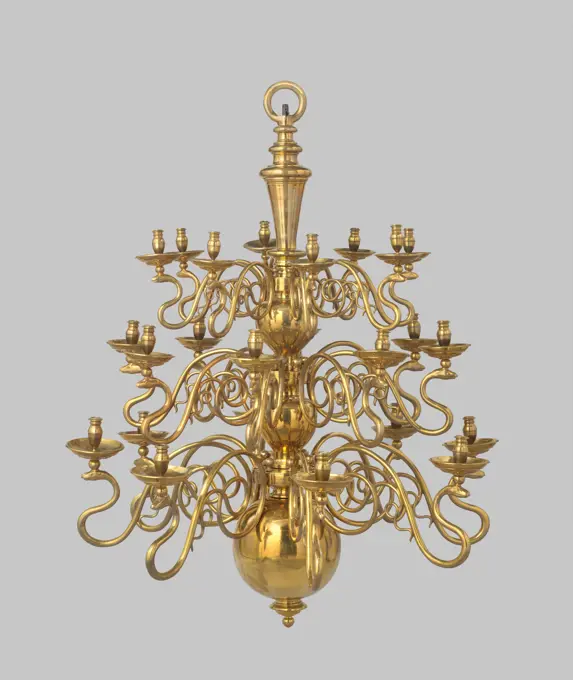
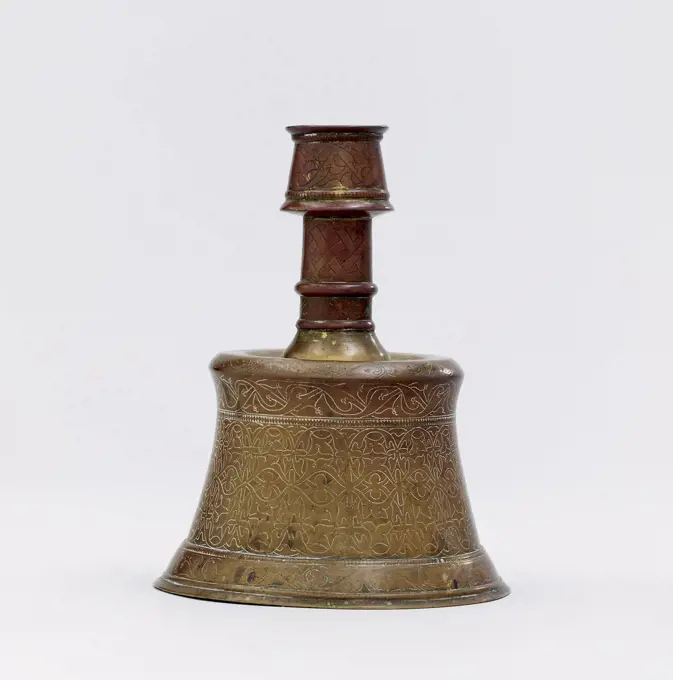
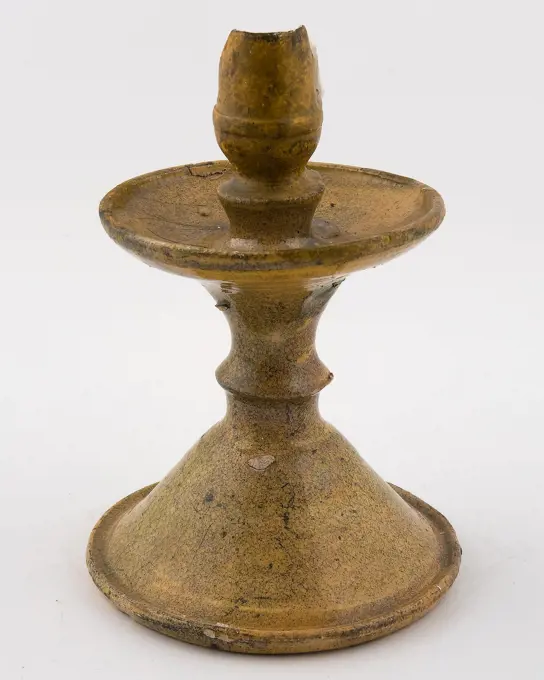
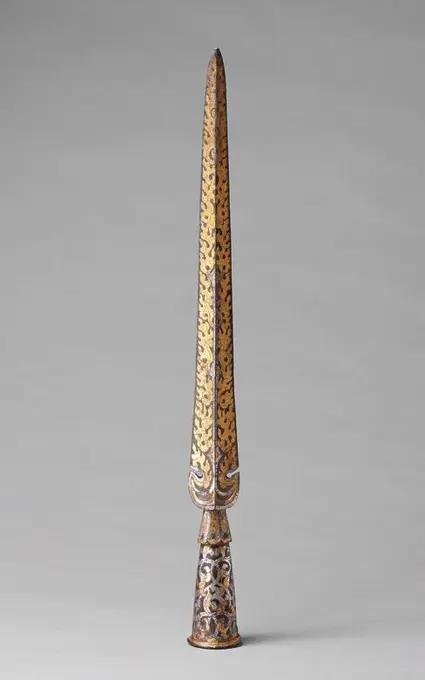
Decorative Candlesticks

An array of ornate candlesticks crafted from silver and gold-plated materials, featuring intricate designs from various historical periods.

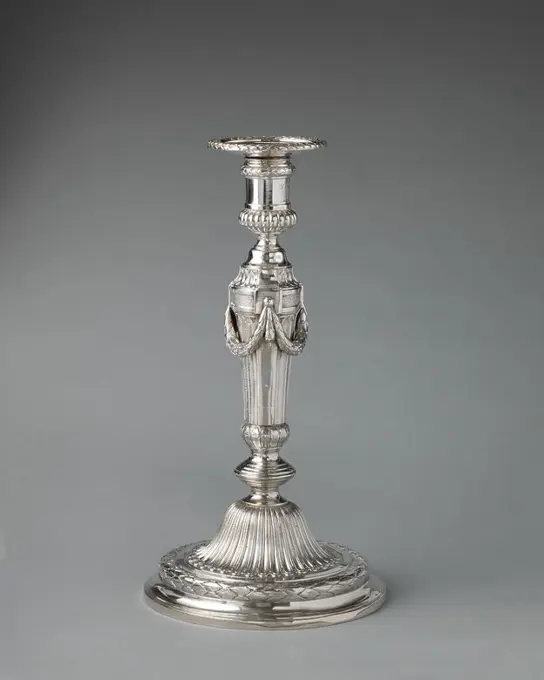
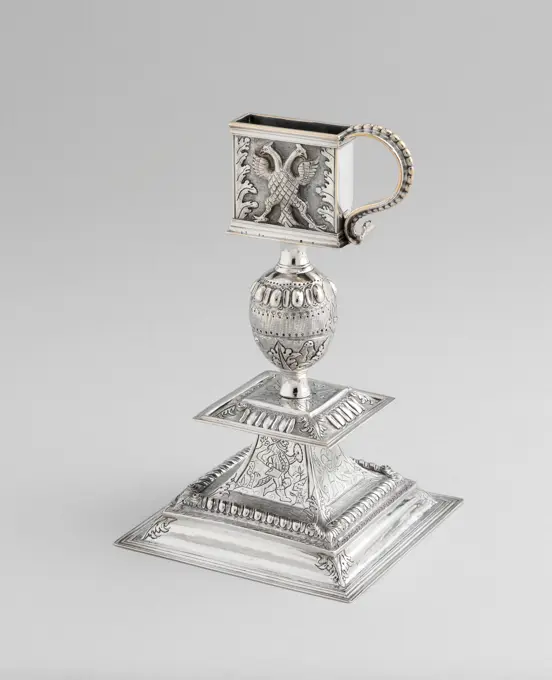
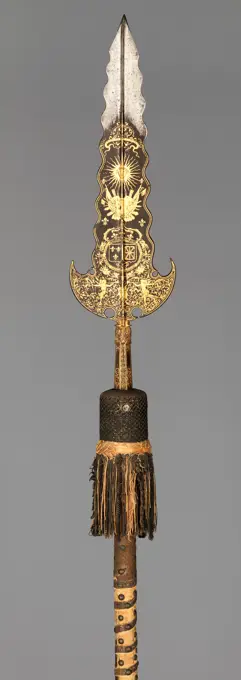
Candlestick; Silver Products Factory K.F. Malcza (Warsaw; Sreber label; 1828-1864), Malcz, Karol (1797-1867); 1852 (1852-00-00-1852-00-00);
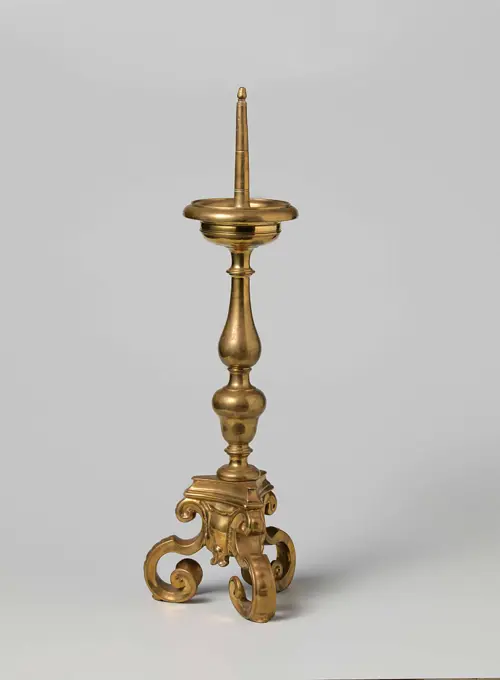
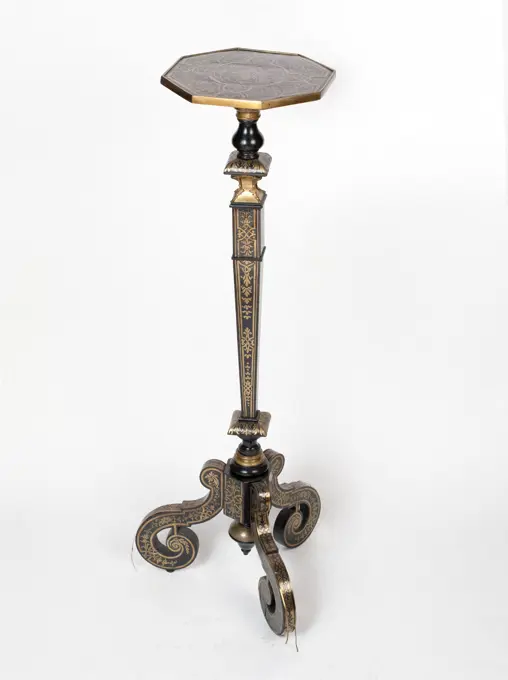
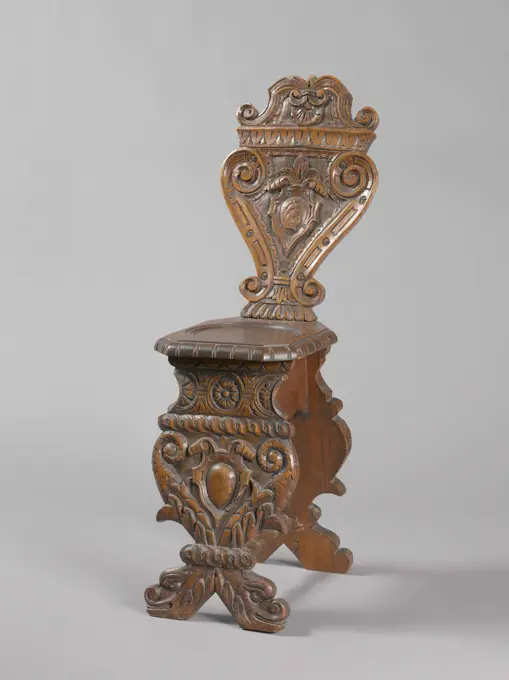
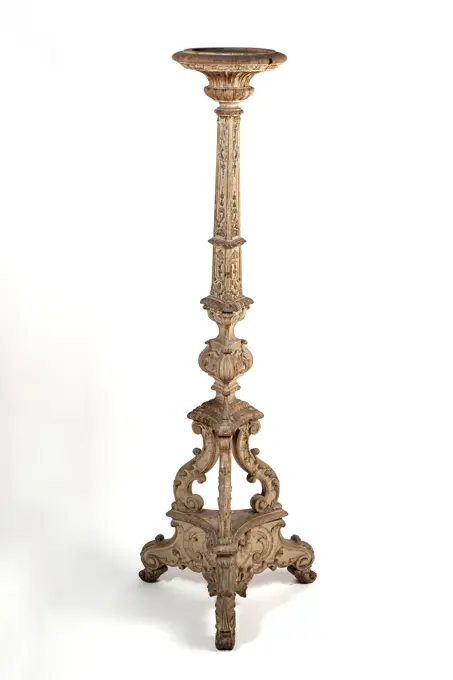
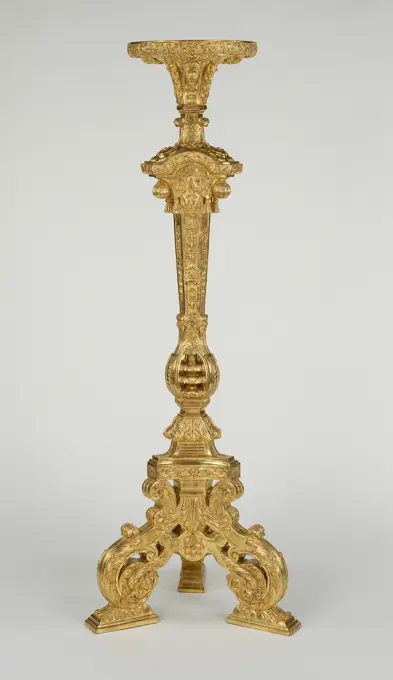
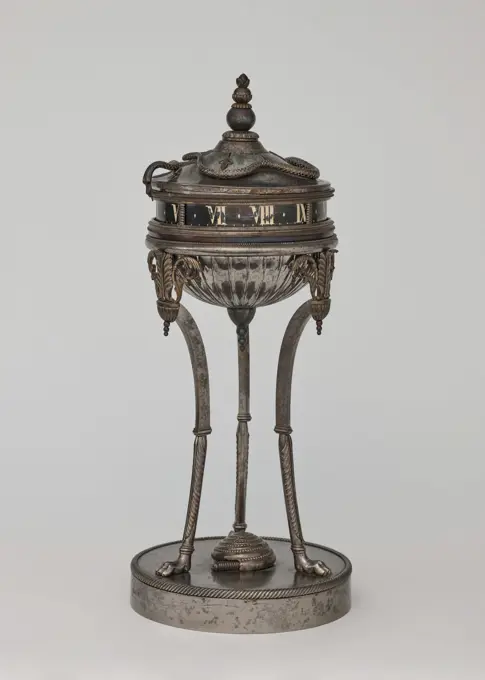
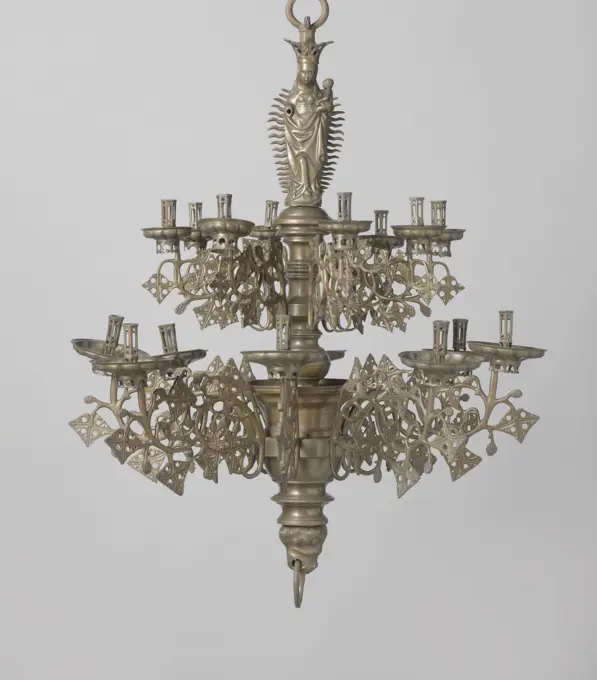
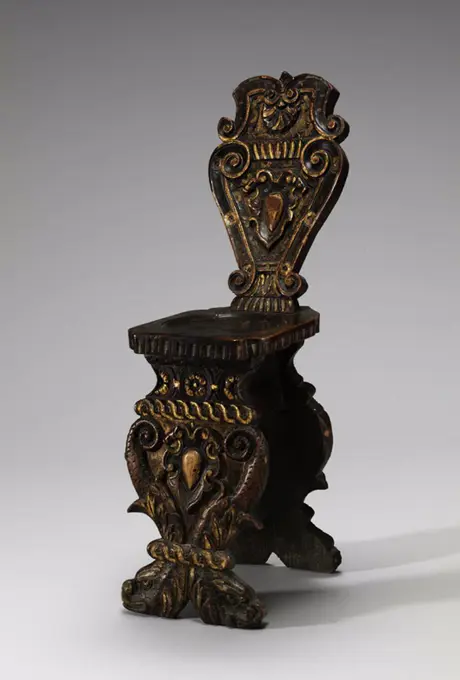
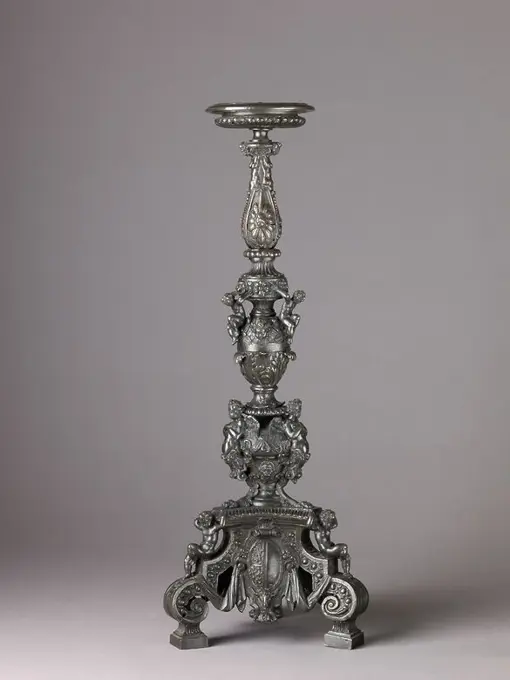
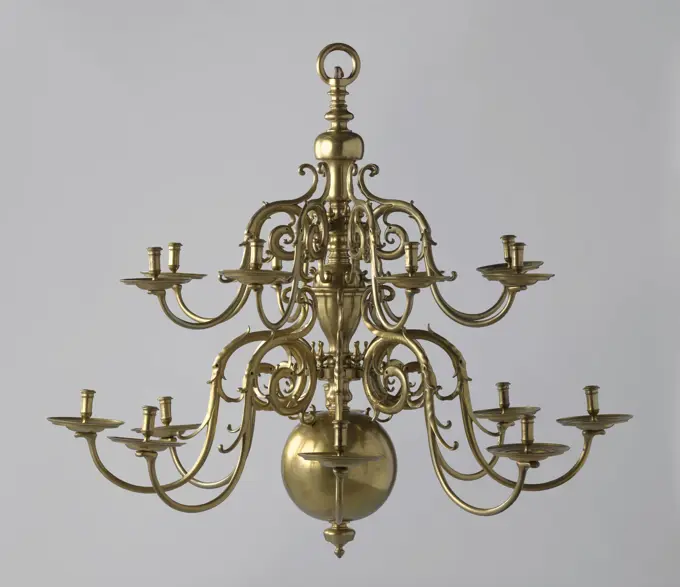
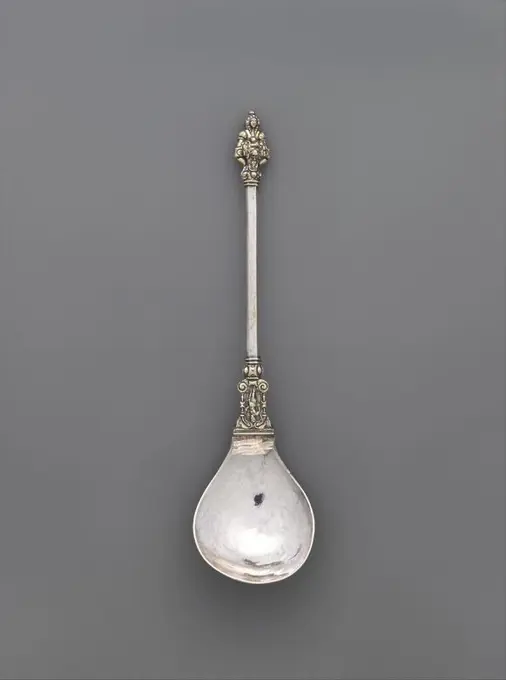
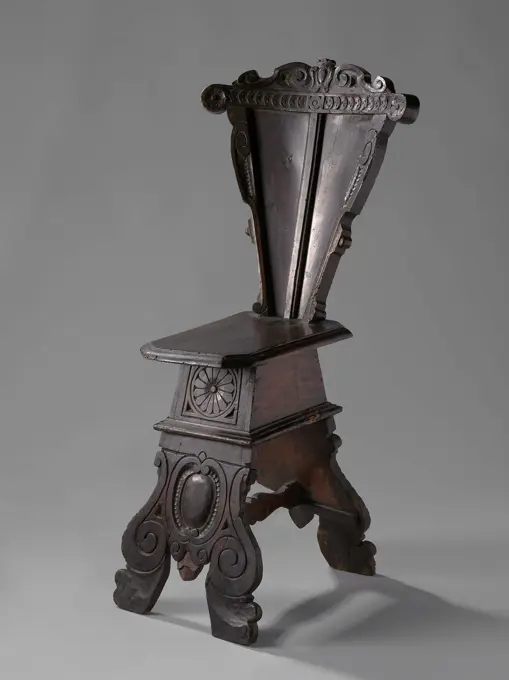
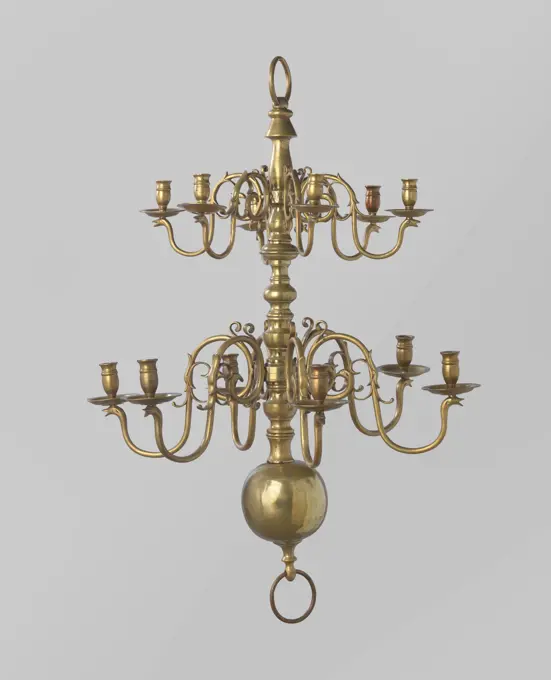
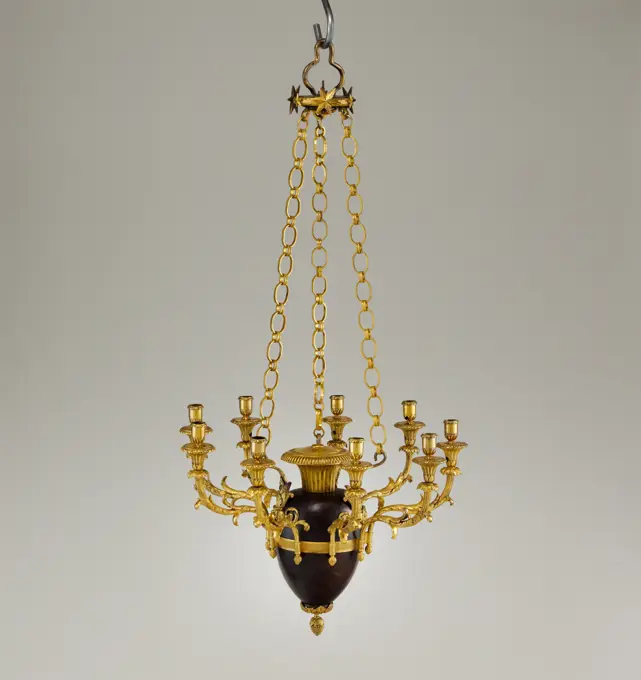
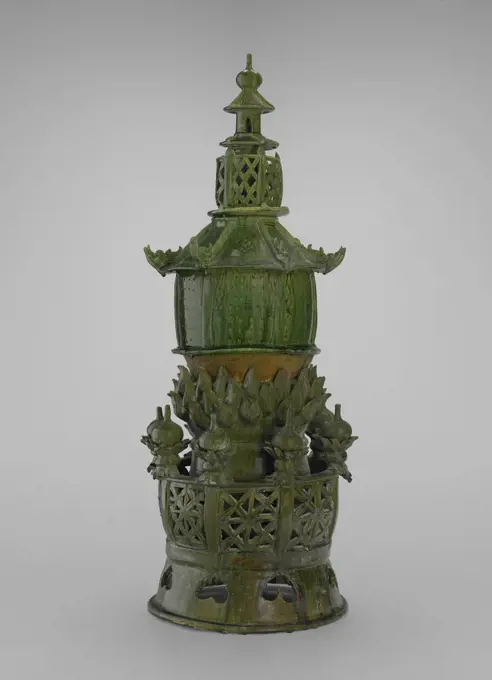
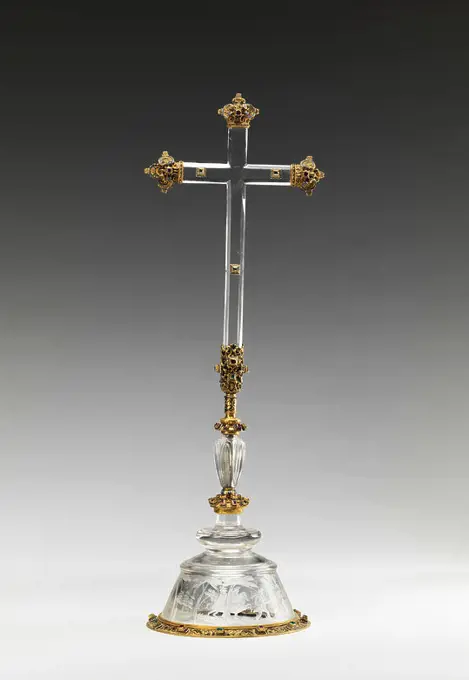
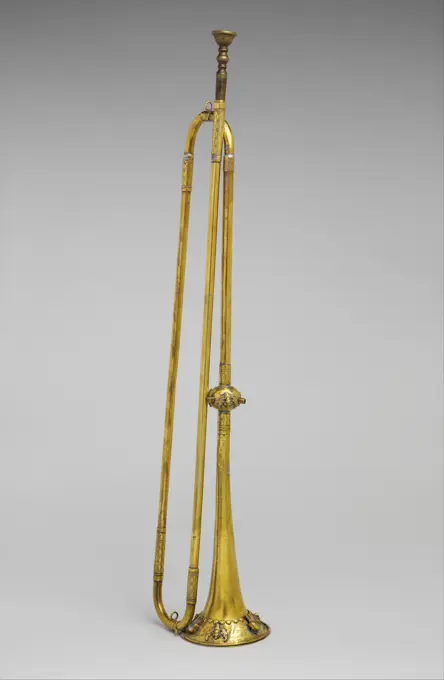
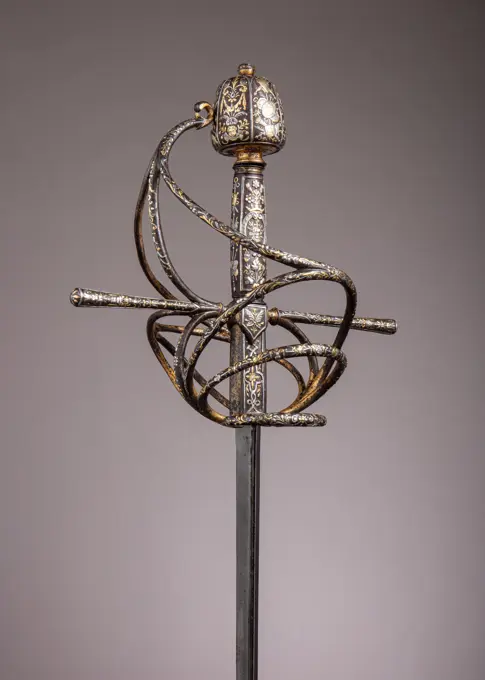
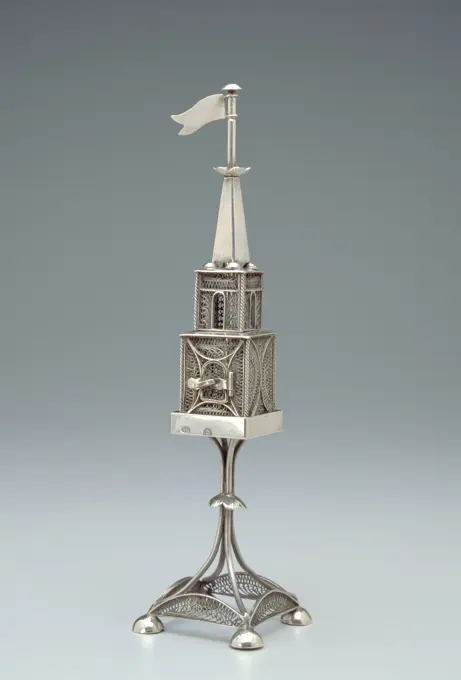
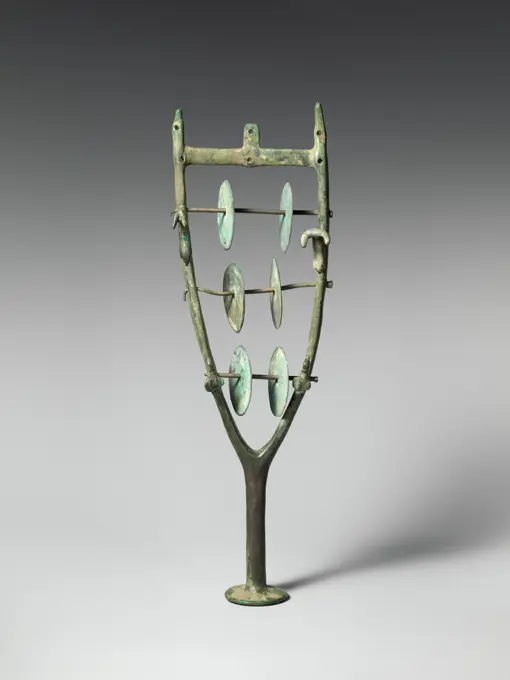
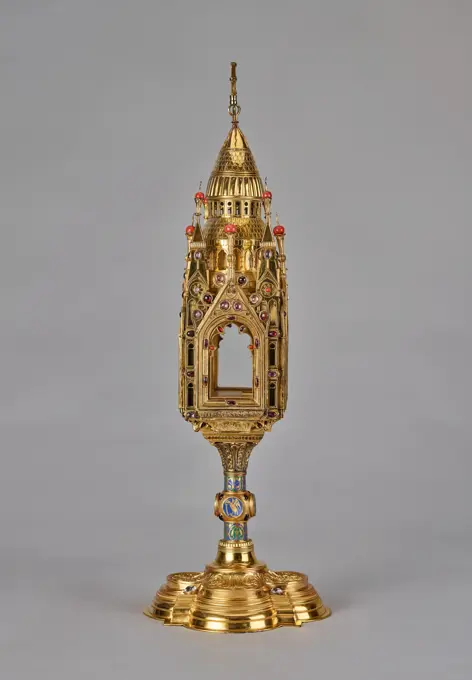
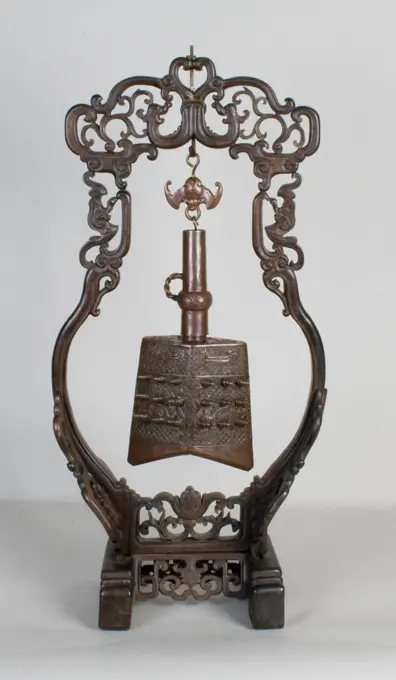
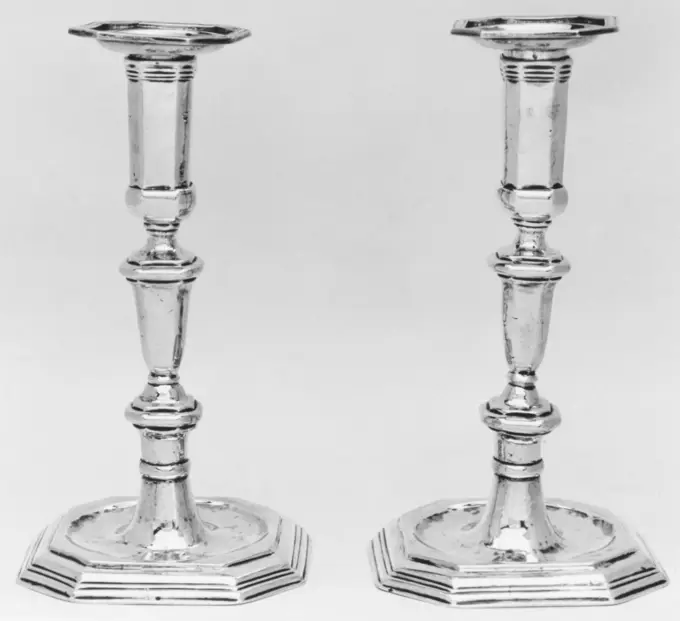
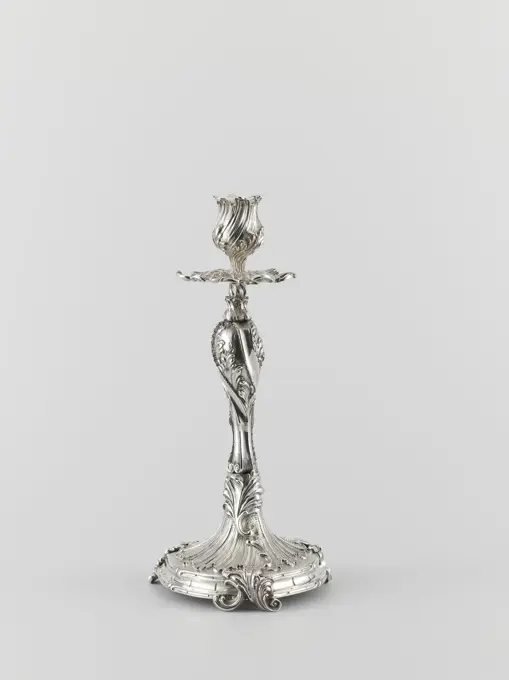
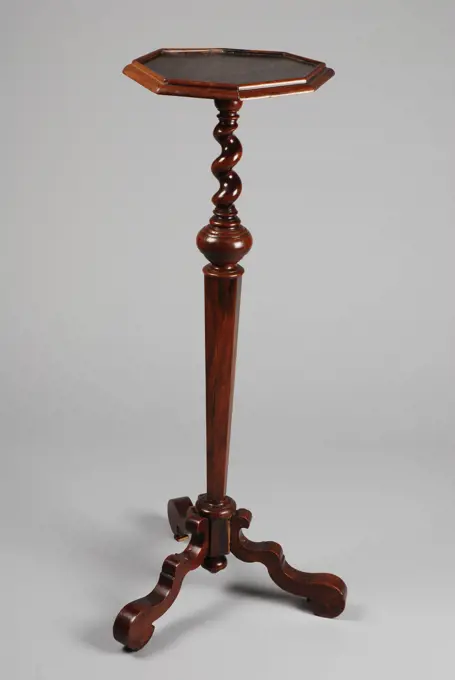
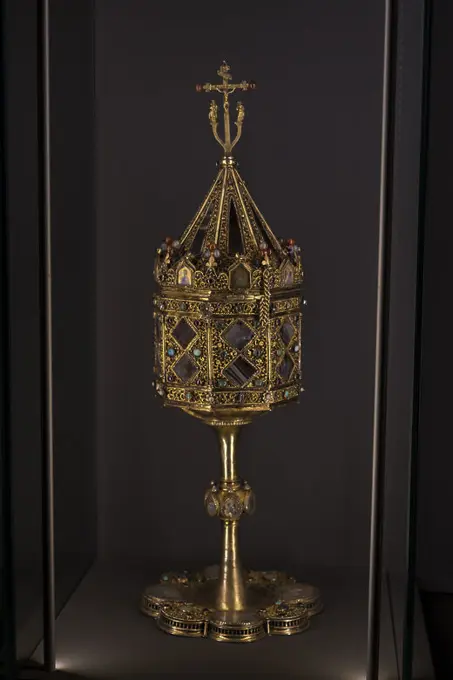
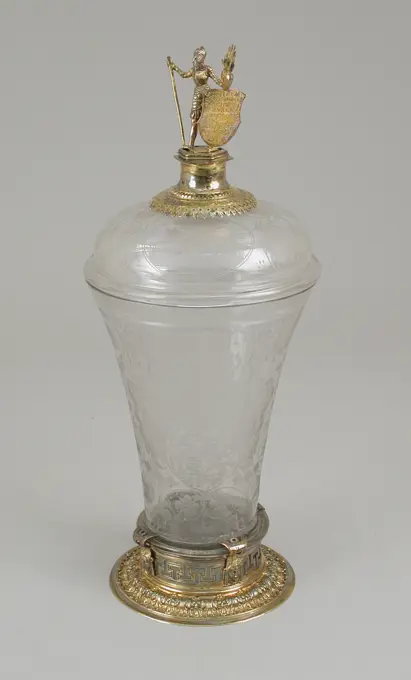
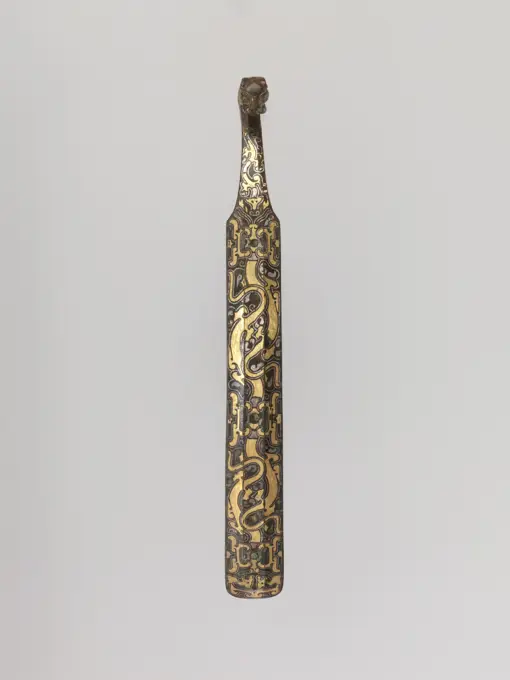
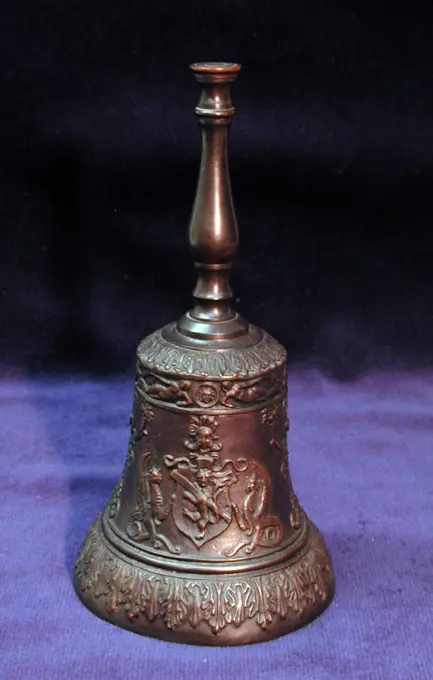
Candlestick; Silver Products Factory K.F. Malcza (Warsaw; Sreber label; 1828-1864), Malcz, Karol (1797-1867); 1852 (1852-00-00-1852-00-00);Candlestick (one of a set of eight). Culture: British, London. Dimensions: Overall (confirmed): 11 7/16 x 6 1/16 in., 34.763oz. (29.1 x 15.4 cm, 985.5g). Maker: John Romer (British, b. ca. 1715). Date: 1768/69. Museum: Metropolitan Museum of Art, New York, USA.Candlestick with foot in lobe style. Foot, trunk, fat catcher and pin are poured separately. The triangular base carried out in lobe is made up of three S volutes, which are connected by three cartouches, and carrying the triangular base for the trunk. This consists of a vase and a baluster. The profiled fat catcher includes a rib in the middle of the strongly curving edge. The candle pin decorated with grooved rings has been profiled to the foot and ends at the top of a gang. The candlestick is aged inside at the bottom to give more firmness.Torchère of gold-plated lindenhout.torchère of gold-plated linden wood. The three-nozzles placed on three nozzles is the sad feet, which is decorated to the corners with jumped volutes and on each of the faces with a medallion. This lies a triangular cover plate with a flat concave sides, on which the shaft raises, which consists of the following sections; A cup-shaped portion with serrated edge, an inverted pomegranate, a disk, an acanthus knob, from which a tapered fluted column shaft, which ends in four rings of different diameters, while the third and fourth are decorated with pearl edge. Above the round cover disc, in which a square pen.Anonymous. Guéridon. Ebony and copper veneer. 1700. Paris, Carnavalet museum. Furniture, furnitureMacri Gaspare workshop. Candlestick. Bronze, 16th century. Museum of Fine Arts of the City of Paris, Petit Palais. CHANDELIER BRONZE, CANDELABRA, CANDLESTICK, CHANDELIER. Woodwood chair, with front and rear plate placed in spread position. The front plate shows two dolphins in low relief, resting with their heads on the ground and together at the neck. Their tails end in volutes and they flank a rollerwork cartouche with coat of arms. The back shows a rollerwork cartouche with coat of arms, on which an animal claw, flanked by S volutes. To have groning a leaf edge, S volutes and a reverse palm with. See also BK-15380.Anonymous. Tree. Carved and painted oak. 1700-1725. Paris, Carnavalet museum. Furniture, furnitureCandlestick, Pricket 15th century South Netherlandish. Candlestick, Pricket 467953Pair of Torchères. UnknownTerrestrial Globe (Globe terrestre).Rotation clock on a tripod. Taszyński, Michał (fl. 1820-1838), locksmithCandlestick, Pricket 15th century South Netherlandish. Candlestick, Pricket 467948Arm with candle holder of candle crown of two heights with eight arms each, c. 1525 - c. 1550 Candle arm belonging to a candle crown of two heights with maria figure at the top. The arm is bent twice and is decorated with four grapes bunches and five vine leaves. The round fat catcher is decorated with fish bladder motifs at the bottom and has an excellent edge of cross flowers towards the middle, which masks the placement on the arm. The candle holder is six -flat, opened, placed on three vertical styles, transferring to a threaded protrusion. This is the first arm of the upper ring, numbered with 1 round point. The candle holder is numbered with 1 diagonal notch. Southern Netherlands brass (alloy) casting  Barneveld Candle arm belonging to a candle crown of two heights with maria figure at the top. The arm is bent twice and is decorated with four grapes bunches and five vine leaves. The round fat catcher is decorated with fish bladder motifs at the bottom and has an excellent edge ofGueridon with octagonal leaves, anonymous, c. 1700 - c. 1750 Gueridon van Notenhout. The octagonal leaf has a sloping rising outer edge and rests on a pentagonal, profiled baluster tribe with a slightly sagged S-shaped tripod. Amsterdam (possibly) walnut (hardwood) Gueridon van Notenhout. The octagonal leaf has a sloping rising outer edge and rests on a pentagonal, profiled baluster tribe with a slightly sagged S-shaped tripod. Amsterdam (possibly) walnut (hardwood). SGABELLO of walnut resting on a front and back leg in the form of two flat claw legs, between which a hanging, stylized lily. Through a profiled list, rear and former are separated from the wide seat rules; The hexagonal seat is over. The flat back is lacking vase. See also: BK-15384 and BK-15385.Four Light Candelabrum (one of a pair) 1809-1819 Paris. This object for the dining table is part of a vast service made for Emperor Napoleon Bonaparteís sister Pauline on the occasion of her marriage to the Roman nobleman Camillo Borghese, Sixth Prince of Sulmona.In the years after the French Revolution, architects and designers adopted the visual language of ancient Greece and Rome to express the new imperial order. Napoleon, hoping to promote Parisís luxury trades, commissioned several silver dinner services as gifts to be sent abroad. The slender outlines and smooth surfaces of the objects in the Borghese service contrast with the rich decoration.. Silver-gilt, repoussÈ, cast, applied and chased decoration, gilt bronze . Martin-Guillaume Biennais (Silversmith)Walnut Stool (Sgabello), Carved and Gilded. Dated: c. 1540/1560. Dimensions: overall: 30.8 x 97.8 x 52.4 cm (12 1/8 x 38 1/2 x 20 5/8 in.). Medium: gilded walnut. Museum: National Gallery of Art, Washington DC. Author: Italian 16th Century.Dessert Fork, c. 1880. Maison Cardeilhac (French). Gilt silver and ivory; overall: 21.4 x 2.1 x 1.9 cm (8 7/16 x 13/16 x 3/4 in.).Monstrance. The object is made up of parts, which are driven, beaten, poured or forged, and confirmed by soldering, boursing or using pens. Remarkably, the six-spectant base driven from red copper, the two lobes on the sides of the monstrans are wider than the others and have a brace mold. Furthermore, mutual figures in the niches of the support bears and the figure of Mary with the child on the lid, and the finely ribbed edges on the cylinder frames. The LUNULA and the cylinder glass are missing. Similarly the parts of the demolished hexagonal lantern. Coarse soldering against the bottom of the lower cabinet frame.Anonymous, three -branched candelabra (main title). Golden bronze. Petit Palais, Museum of Fine Arts of the City of Paris.Stam of a candle crown, Anonymous, 1700 - 1800 The object consists of a round wrought iron rod, a split pin of plate iron and the next cast and then parts of brass processed on the lathe: the hanging ring, a baluster -shaped intermediate piece, the tribe part with the stand ring, the bulb and the button. The tribe with the stand ring is profiled above the stand ring Balus-shaped and below that. The stand ring decorated with grooved rings has six confirmation points, five of which are marked by one to five points, in accordance with the signs on the ends of the poor. The profiled button has a acorn button on the end and is attached to the iron rod. This is provided with a crack for the split pin on the other end. Northern Netherlands brass (alloy). iron (metal) casting / forging The object consists of a round wrought iron rod, a split pin of plate iron and the next cast and then parts of brass processed on the lathe: the hanging ring, a baluster -shaped intermediate piece, the tribe parCandelabra Supported by Putti. Artist: Workshop of Niccolò Roccatagliata (Italian, born Genoa, active 1593-1636); (son of Nicolo Roccatagliata) Sebastiano Nicolini (active after 1614). Culture: Italian, Venice. Dimensions: H. 57.5 cm (excluding prickets).. Date: first half 17th century or later.This candlestick (part of a pair with 1975.1.1381) may have been used in an ecclesiastical setting. One of the roundels between their legs contains a cross, while another contains the figure of a saint. The attributes of the saint--an open book and the IHS monogram--suggest that he can be identified as Saint Bernardino of Siena, an influential fifteenth-century Franciscan preacher who was canonized in 1450. Although the coat of arms in the third roundel has not yet been linked with a specific family, they are probably those of the family who commissioned the pair. Museum: Metropolitan Museum of Art, New York, USA.Urn (France); wood, carvedArm with candle crown candle crown of two heights, Anonymous, 1650 Candle belonging to a brass candle crown of two heights. The S-shaped arm has a curl at the start, halfway through a dolphin head and turns outside into the flat thickening with a screw hole. The candle holder is secured with the fat catcher. The fat catcher is ribbed at the bottom of the opening and has one down and a slightly excellent edge. The Cylindrian candle holder has a profiled and an excellent edge, two grooved rings, a rib and a profiled narrower bottom piece, which turns into a protrusion with a thread with a center hole. The pin to attach the arm is cone -shaped with a round button on top. The Vetvanger has closed a close one, which indicates that the candle crown has ever been elected. This is the first arm of the upper position ring, numbered with the number 7. Amsterdam (possibly) brass (alloy) casting Candle belonging to a brass candle crown of two heights. The S-shaped arm has a curl at the start, halfArm with candle crown candle crown of two heights, Anonymous, 1650 Candle belonging to a brass candle crown of two heights. The S-shaped arm has a curl at the start, halfway through a dolphin head and turns outside into the flat thickening with a screw hole. The candle holder is secured with the fat catcher. The fat catcher is ribbed at the bottom of the opening and has one down and a slightly excellent edge. The Cylindrian candle holder has a profiled and an excellent edge, two grooved rings, a rib and a profiled narrower bottom piece, which turns into a protrusion with a thread with a center hole. The pin to attach the arm is cone -shaped with a round button on top. The Vetvanger has closed a close one, which indicates that the candle crown has ever been elected. This is the first arm of the upper position ring, numbered with the number 8. Amsterdam (possibly) brass (alloy) casting Candle belonging to a brass candle crown of two heights. The S-shaped arm has a curl at the start, halfSpoon. Culture: Hungarian, Locse. Dimensions: Overall: 8 3/8 in. (21.2 cm). Maker: Attributed to Sebastianus Aurifaber (recorded 1575). Date: 1586.The former northern Hungarian town of Locse had a vibrant cultural scene and prospering economy until the end of sixteenth century. It was a center of humanist learning and Reformation thinking and a printing press was established there as early as 1624. Aurifaber is mentioned in public records as the first goldsmith master of the local guild in 1575.LiteratureEuropean Silver. Sale cat., Sotheby's, Geneva, May 12, 1983, p. 45, no. 107.Judit H. Kolba. Hungarian Silver: The Nicolas M. Salgo Collection. London, 1996, p. 27, no. 5.ReferencesElemr Koszeghy. Magyarorszgi tvsjegyek a kzpkortl 1867-ig / Merkzeichen der Goldschmiede Ungarns vom Mittelalter bis 1867. Budapest, 1936, possibly no. 1170 maker's mark.Wolfram Koeppe 2015. Museum: Metropolitan Museum of Art, New York, USA.. Chair of walnut, resting on a, placed in spread, front and backboard, connected by a twisted sport. The preface shows in low embossed volutes on lion claws, which flank a cartouche with empty coat of arms. The front seat shows a rosette. The crossing seat is rectangular. The back has the shape of a reverse-like triangle with two flat panels; Volutes with Schubpeep stretched on the corner styles. The upper sorrel has a cartouche, volutes and circular rosons.Arm of a candle crown in two heights, Anonymous, 1890 - 1910 The arm has an S-shape, ending out in a snake head and on the other end in bird heads. The arm is decorated with curls there. Screws have been applied in the protrusion on the candle holder, the arm or at the end of the connecting rod. In the middle the arm also has a stylized animal head. This is the first arm of the lower position ring, numbered with the number 1. Netherlands brass (alloy) casting The arm has an S-shape, ending out in a snake head and on the other end in bird heads. The arm is decorated with curls there. Screws have been applied in the protrusion on the candle holder, the arm or at the end of the connecting rod. In the middle the arm also has a stylized animal head. This is the first arm of the lower position ring, numbered with the number 1. Netherlands brass (alloy) castingBrooch. A brooch of gold in the shape of a tube. Under the unmarmed upper part follows a hexagonal baluster-shaped middle part, which is as well as the narrow hexagonal point with small motifs of four engraved points. (Belonging to a Zeeland costume)Kwispedoor van Hout on articulated tribe, Anonymous, 1700 Spittoon. The tribe articulated with rotary work rests on three legs placed in the form of volutes. On the trunk the container rests, which offers space for a silver inner box. Also described as Guéridon. Indonesia wood (plant material). walnut (hardwood). silver (metal) Spittoon. The tribe articulated with rotary work rests on three legs placed in the form of volutes. On the trunk the container rests, which offers space for a silver inner box. Also described as Guéridon. Indonesia wood (plant material). walnut (hardwood). silver (metal)Two wall lights, anonymous, c. 1765 - c. 1770 Gilt bronze wall arm, with three arms. The square trunk in diameter rejuvenates downwards and shows rosette -shaped leaf motifs and a festen at the front; To crown, an urn with two ears, from which a flame comes. The S-shaped arms are largely covered with an acanthus leaf; The front cannelure is filled with decorations. A Festoen connects the two outer arms with the trunk. The candle holders decorated with flam motif rest on a scale -shaped base with rosettes. BK-16899-A. Paris bronze (metal). gilding (material) gilding Gilt bronze wall arm, with three arms. The square trunk in diameter rejuvenates downwards and shows rosette -shaped leaf motifs and a festen at the front; To crown, an urn with two ears, from which a flame comes. The S-shaped arms are largely covered with an acanthus leaf; The front cannelure is filled with decorations. A Festoen connects the two outer arms with the trunk. The candle holders decorated with flam motif rest onCandelabro de bronce con base de tres pies en forma de delfines. Siglo I. Altura: 48 cm. Anchura: 17 cm. Museum: MUSEO ARQUEOLOGICO, MADRID, SPAIN.Candlestick fragment 16th-17th century Italian, Venice. Candlestick fragment. Italian, Venice. 16th-17th century. Bronze. Sculpture-BronzeCandlestick -Six-light candelabrum ca. 1813 Paul Storr British. Six-light candelabrum. British, London. ca. 1813. Silver. Metalwork-SilverSword hilt, Italian; blade, French hilt, 19th century; blade, 18th century; shell, ca. 1600 View more. Sword. hilt, Italian; blade, French. hilt, 19th century; blade, 18th century; shell, ca. 1600. Steel, gold, silver. SwordsNine-light chandelier ca. 1785 French In the era before gas lighting and electricity, candles played a principal role in illuminating the interior of a house. The number and type of candles lit was an indication of the wealth and status of the owner. Beeswax candles burnt cleaner and smelled more pleasant than tallow and were rather expensive. Contemporary travelers and diarists frequently commented on the illumination and cost of brightly lit spaces. Gilt bronze was extensively used for different types of lighting ranging from standing candlesticks and candelabra to hanging chandeliers and lanterns. This graceful chandelier has a vase-shaped patinated-bronze body fitted with a fluted neck of gilt bronze. From a gilt-bronze band encircling the vase rise nine S-shaped branches, each decorated with scrolling acanthus-leaf motifs, a flaring drip pan and a candle socket. The chandelier is suspended from gilt-bronze chains.The combination of patinated metal and gilt bronze used here offeredFuneraryJar, 10th-11thcentury, Red earthenware with green lead glaze, 34 1/4 × 12 5/8 × 39 5/8 in. (86.995 × 32.068 × 100.648cm), China, Chinese, Tang dynasty (618-907)-Liao (907-1125) / Song dynasty(960-1279), Containers -CeramicsChurch Candlestick, Anonymous, 1685 - 1700 Large wooden sculpted church candlestick, standing on three legs, above which female figures have been installed. The knot is decorated with winged angel heads. The sculpture is gilded on a white soil. A pen is present to turn the candle. Northern Netherlands (possibly)Netherlands (possibly) wood (plant material). gilding (material) gilding Large wooden sculpted church candlestick, standing on three legs, above which female figures have been installed. The knot is decorated with winged angel heads. The sculpture is gilded on a white soil. A pen is present to turn the candle. Northern Netherlands (possibly)Netherlands (possibly) wood (plant material). gilding (material) gildingPrzeszo Przyszoci unknownSpice container, c. 1889, 9-1/4 x 2-3/8 x 2-1/4 in. (23.5 x 6.0 x 5.7 cm), Silver, Poland, 19th centuryWheellock Spanner with Priming Flask and Screwdriver ca. 1610-30 Workshop of Daniel Sadeler German This combination tool was made to match an elaborate hunting rifle. It includes a flask with a spring-loaded nozzle to hold gunpowder, a spanner to wind the wheellock mechanism of a hunting rifle, and a screwdriver to tighten or loosen parts of a rifle as needed.. Wheellock Spanner with Priming Flask and Screwdriver 21970Altar Cross. Dated: c. 1590 (foot); mid to late 19th century (cross and its mounts). Dimensions: overall: 44.9 x 15.2 cm (17 11/16 x 6 in.). Medium: rock crystal, enameled gold, 3 beryls, 46 spinels, and 11 emeralds. Museum: National Gallery of Art, Washington DC. Author: Attributed to Saracchi Workshop (foot); Western European 19th Century (cross and its mounts).Natural Trumpet in D 1790 Andreas Naeplaesnigg Germany The instrument follows the Nuremberg tradition of trumpet making with its structural setup and decoration of cast brass putti of angels, embossed and engraved ferrules and garlands, glass stones, et cetera. Toward the end of the eighteenth century, Nuremberg lost its former significance, and trumpet making shifted to other places. Originally pitched in C, the tube was shortened to a higher pitch in the nineteenth century.. Natural Trumpet in D 501675Lichella in the shape of a lotus flower unknownRapier with Scabbard ca. 1620-30 Decoration attributed to Gasparo Mola Italian The hilt decoration includes the coat of arms of the Albani family, possibly Orazio Albani (1576-1653), ambassador from Urbino to the papal court. While clearly influenced by French ornament, the decoration has been attributed to Gasparo Mola (1567-1640), a medalist and goldsmith working in Rome between about 1620 and 1630.. Rapier with Scabbard. French or Italian. ca. 1620-30. Steel, gold, silver, leather, wood. SwordsSpice container, 20th century, 9 3/8 x 2 1/2 x 2 1/2 in. (23.81 x 6.35 x 6.35 cm), Silver, Czechoslovakia, 20th centuryArm of a candle crown in three heights, Anonymous, 1717 chandelier The S-shaped arm is equipped with a ridge on the tribe side to secure it with a pin in the stand ring. At the trunk, the arm is decorated at the end and to the center with two stylized dolphin heads and with curls, the shape of which is derived from the lobe ornament. To the outside, the arm ends in a thickening, in which a hole provided with a thread is applied to attach the candle holder to the fat catcher. The arm is cast using the same model as the other arms of the wreath. The candle holder is cylinder -shaped with profiled excellent edge and with a baluster foot, which turns into a threaded end, in which the center hole at the bottom. The fat catcher is deepened twice at the top towards the center. At the bottom it is profiled around the hole in the somewhat spherical center and the edge is ribbed. The fat catcher has been cast using the same model as the other fat catchers of this wreath. The pin is equipped withSistrum (rattle) ca. 2300-2000 B.C. Hattian. Sistrum (rattle). Hattian. ca. 2300-2000 B.C.. Copper alloy. Early Bronze Age III. Central AnatoliaDouble Goblet (Pokal), c.1614-32. Alexander Treghart (German, active 1614-1654). Gilt silver; overall: 58.2 cm (22 15/16 in.).Zoutvat, belonging to a spice service, Anthonie Grill (attributed to), 1642 Zoutvat belonging to a spice service. The salt vessel rests on a six -lobe base on which there is a stacking of a kndering edge between two mirroring vase shapes, a baluster, a vase shape and a kndering edge. Above the half-egg-shaped body that is decorated with drop-shaped bulges rises. These motifs also adorn the removable lid. The fairly flat outer part of it drops a little towards the center and then elevated itself in a multiple profiled button. The salt barrel has a fixed inner bin whose gilding is still in good condition. Amsterdam silver (metal). gilding (material) casting / gilding Zoutvat belonging to a spice service. The salt vessel rests on a six -lobe base on which there is a stacking of a kndering edge between two mirroring vase shapes, a baluster, a vase shape and a kndering edge. Above the half-egg-shaped body that is decorated with drop-shaped bulges rises. These motifs also adorn the removableTable clock with globe and automatonGoblet 19th century Italian, Venice (Murano). Goblet. Italian, Venice (Murano). 19th century. Glass. GlassCandlestick with profiled trunk and foot, anonymous, c. 1600 - c. 1699 Foot, trunk and fat catcher are cast in one whole. The candle pin sounded with the bottom of the fat catcher in two places in the fat catcher. The profiled pin has a horizontal hole at the bottom, serving to turn the pin on it. The profiled Konical foot turns into a trunk consisting of a ball, a knot and a small baluster, and then in a profiled fat catcher with a rib on the inside of the excellent edge. All parts are decorated with grooved rings. Foot and trunk are hollow on the inside. The candle pin is soldered, the bottom of the fat catcher (with red copper) is riveted again. Nuremberg brass (alloy) casting Foot, trunk and fat catcher are cast in one whole. The candle pin sounded with the bottom of the fat catcher in two places in the fat catcher. The profiled pin has a horizontal hole at the bottom, serving to turn the pin on it. The profiled Konical foot turns into a trunk consisting of a ball, a knot and a smaArm of a candle crown in three heights, Anonymous, 1625 - 1650 The arm is provided with a ridge on the tribe side, in which a hole is applied to secure them with a pin in the stand rings. The S-shaped arm has the shape of a hose with a tail-wrinkled tail and outside a lifted head with a round button on it, in which the hole provided with a thread is applied to confirm the candle holders with the fat catchers. The arm is cast using the same model as the other arms of the wreath. The round candle holder is vase -shaped with a profiled rib. At the top she has two holid profile, and a protruding edge and at the bottom of a foot consisting of two holy -round profiles. The foot runs out in a rejuvenating screw end with a center hole. The convex fat catcher is smooth at the top and has fish bladder -like godrons and a rib at the bottom. The fat catcher is cast using the same model as the other fat catchers of the wreath. The pins are decorated with convex buttons. This is the fifth arm of theFork with two teeth; Steel with a long, to the end rejuvenated needle..Fork of Gold, with two teeth. On the voice is a long themselves to the end rejuvenated.An Early Ottoman Cast Brass Candlestick, Turkey Late 15th Century Islamic Art AntiqueEarthenware candlestick, yellow glazed, candlestick candlestick illumination floor foundry ceramics pottery, archeology Rotterdam Illuminating Heliport terrain Soil discovery: Heliport site Rotterdam June 1978.Spearhead (Mdung Rtse). Culture: Tibetan. Dimensions: L. 18 7/8 in. (47.9 cm). Date: 17th-18th century. Museum: Metropolitan Museum of Art, New York, USA.Offering Box (Arca); Roman Empire; about A.D. 130-180; Bronze; 51 cm (20 1,16 in.)Monstrance, 1854-1874. Designer: John Francis Bentley. Manufacturer: Hart & SonBell on a wooden frame unknownSnuffer Stand ca. 1705 Cornelius Kierstede American Made for Johannes Schuyler (1668-1747), mayor of Albany from 1703 to 1706, and his wife, Elizabeth Statts Wendell (ca. 1659-1737), by the outstanding New York silversmith Cornelius Kierstede, this snuffer stand is decorated with flat-chased chinoiserie ornament of a type popular in England from the 1670s to 1690s. It descended in the Schuyler family, albeit in different branches than the two affiliated candlesticks (57.153a, b and 64.83a, b). Although the chasing on its base is consistent with that on the candlesticks, the remainder of the piece appears to have been altered at some time in its historya determination confirmed by scientific analysis.. Snuffer Stand 7570Partisan Carried by the Bodyguard of Louis XIV (1638-1715, reigned from 1643) ca. 1658-1715 French, Paris This partisan, along with two like it also in the Metropolitan Museum's collection (acc. nos. 14.25.454, 04.3.65), are thought to have been carried by the Gardes de la Manche (literally, guards of the sleeve,” indicating their close proximity to the king), an elite unit of the bodyguard of Louis XIV. This example (along with 04.3.65) bears the king’s motto and sunburst above the crowned arms of France and Navarre, which are encircled by the collars of the royal orders of the Holy Spirit and Saint Michael. 04.3.65 is inscribed RAVOISIE FOVRBISSEVR DV ROY A PARIS, probably referring to Bonaventure Ravoisie, a royal cutler recorded between 1678 and 1709.The other partisan (14.25.454) is from a small group designed by Jean Bérain the Elder (1637-1711) for the marriage of Louis’s niece Marie-Louise d’Orléans to Carlos II of Spain in 1679. The decoration features a sunburst surmounted bPair of candlesticks early 18th century M.D.. Pair of candlesticks 200090Kandelaar, part of an ensemble, Hoeker & Zoon company, 1891 Silver candlestick, part of an ensemble Amsterdam silver (metal) Silver candlestick, part of an ensemble Amsterdam silver (metal)Set of four candlesticks. Culture: British, London. Dimensions: Height (each): 13 1/4 in. (33.7 cm). Maker: Thomas Heming (active 1745-73). Date: 1771-73. Museum: Metropolitan Museum of Art, New York, USA.Louis Quatorze guéridon, candlestickstand standard furniture interior design wood walnut oak wood, Octagonal leaf and column partly partly basted hexagonal rejuvenated on three legs The top and the head of the column are made of oak wood from walnut Louis XIV Louis XIV Louis QuatorzeSabbath lamp hanging;  18th century (1700-00-00-1800-00-00);Bronisław Krystall. Testament (Warsaw - Exhibition - 2015/2016), Krystall, Bronisław (1887-1983) - collection, Sabbath, Jewish House (Kult), Six -pointed star, Judestern lamps, testamentary record (provenance), testamentary record of Bronisław Krystall, Jewish holidaysStandard, gray/green cylinder -shaped for pot, anonymous, 400 - 600 Standard of stoneware with ash glaze. Korea stoneware. glaze Standard of stoneware with ash glaze. Korea stoneware. glazeArm with candle holder of candle crown of three heights, c. 1675 - c. 1725 Candle belonging to a brass candle crown of three heights. The S-shaped arm has a curl and turns outside into the flat thickening with a screw hole. The candle holder is secured with the fat catcher. The fat catcher is ribbed at the bottom of the opening and also has twice two grooved rings. The cylindrical candle holder, who has a profiled excellent edge, two grooved rings and a thickening, turns into a baluster with the end of threads at the bottom and a button in which the center hole can be seen. This is the second arm of the upper position ring, numbered with 2 round points. The pin, to attach the arm to the stand ring, is spie -shaped. Southern Netherlands (possibly) brass (alloy) casting Candle belonging to a brass candle crown of three heights. The S-shaped arm has a curl and turns outside into the flat thickening with a screw hole. The candle holder is secured with the fat catcher. The fat catcher is riCandlestick (common name). Cernuschi Museum, Asia Museum of Asia in the city of Paris.ArmletSpinning wheel, Gilt bronze, wood, Gilt bronze silk winder. Pear-shaped body with symmetrical motif of cocks on scrollwork. Base in the form of a partial fluted column with drapery. Turned wood handle, the bow-ended base inset with a leather panel., France, mid- 18th century, metalwork, Decorative Arts, Spinning wheelciborium, Venice workshop, Italy, 14th century, gilded silver with precious stones and agate sheets, Vitoria-Gasteiz Museum of Sacred Art, María Inmaculada Cathedral, Álava, Spain.Beaker with cover early 17th century and 19th century German, Thuringia This covered beaker was made as a bridal gift of Count Wilhelm von Schwarzburg to Klara, daughter of Duke Wilhelm von Braunschweig-Lüneburg. The glass cover is a 19th-century copy of the original.. Beaker with cover 1960512009.0002.. Argand Lamp. Manufacturers: Matthew Boulton & John FothergillBelt hook 4th-3rd century B.C. China. Belt hook 44786Bell 19th century, after 16th century original British, after Italian original This electrotype is after a sixteenth-century original in the Botkine Collection, St. Petersburg, at the time of reproduction.. Bell 186593Cup-Hilted Rapier hilt, Spanish; blade, German ca. 1650 The rapier was the principal civilian sidearm throughout the sixteenth and seventeenth centuries. Designed for cut-and-thrust fencing of progressively complex techniques, the rapier is characterized by a double-edged blade with an acute point and an elaborate guard for the hand. The guards, usually of iron or steel, were subject to a variety of embellishment. They were engraved, chiseled, gilded, damascened, and encrusted in gold and silver in keeping with fashionable styles. Unless otherwise noted, the materials, attributions, and dating given here refer to the hilts. Rapier blades, invariably of steel, bear a variety of makers marks denoting their origin in the two principal centers of blademaking, Toledo in Spain and Solingen in Germany. View more. Cup-Hilted Rapier. hilt, Spanish; blade, German. ca. 1650. Steel. SwordsGrand oboe. Dimensions: Total L.: 74.3 cm (28.74 in.). Date: ca. 1650.This instrument is a unique example of a transitional stage inthe development of the oboe. It is probably identical with the grand hoboy àune clef that is mentioned in a source of 1650 in which it is pictured. It waspitched like the later oboe d'amore in b-natural and had a key for a, but not yettwinned finger holes. Museum: Metropolitan Museum of Art, New York, USA.Pair of Wall Lights; about 1700; Gilt bronze;Candlestick Van Messing, Anonymous, 1400 - 1450 The object is composed of two parts: the foot and the rowed stem. The foot is cast and then fitted with very narrow ribs. He has a Konsiche shape with a raised edge, so that he can also serve as a fat catcher. The trunk is sounded on the raised middle part. This has a round profiled knot in the middle. In addition, the trunk continues around, with a thread applied in the lower part above the knot. Northern Netherlands (possibly) brass (alloy) casting The object is composed of two parts: the foot and the rowed stem. The foot is cast and then fitted with very narrow ribs. He has a Konsiche shape with a raised edge, so that he can also serve as a fat catcher. The trunk is sounded on the raised middle part. This has a round profiled knot in the middle. In addition, the trunk continues around, with a thread applied in the lower part above the knot. Northern Netherlands (possibly) brass (alloy) castingParasol Handle, c. 1900. Firm of Jacob Tostrup (Norwegian, 1806-1890), possibly by Torolf Prytz (Norwegian). Silver and enamel; overall: 15.3 x 6.9 cm (6 x 2 11/16 in.).Spontoon 18th century French. Spontoon 34299Cachet with women's head and inscription. A cachet of iron and copper. On the coin surrounded by laurel branches, a woman's head surrounded by Lorraine crosses is depicted on the one hand and on the other hand a weapon with inscription: the par le roi dv ci. Signature.'Medallion' pattern, Ball, Black & Co., Silver, Antique style bust at tip of handle; circular fluted bowl with piercing., ca. 1865, cutlery, Decorative Arts, Sifting spoon, Sifting spoonDoor knocker (one of a pair) ca. 1600-1625 Manner of Hubert Gerhard German Hubert Gerhards workshop made a variety of similar bronze objects in the Mannerist style. He worked for several important patrons including the Fugger banking family in Augsburg and their various country estates creating monumental sculptural groups and fittings of great refinement.. Door knocker (one of a pair) 203979Glass perfume bottle Roman, possibly Egyptian late 1st-4th century CE Thick-walled perfume bottle.Translucent dark blue-green.Everted rim, folded round and in, with uneven flattened upper surface; cylindrical neck, slightly flaring at top and then joining imperceptibly with slender, conical body; pushed-in bottom with circular pontil mark.Intact; very many bubbles, elongated in neck, and a few glassy impurities; pitting and iridescent weathering. View more. Glass perfume bottle. Roman, possibly Egyptian. late 1st-4th century CE. Glass; blown. Imperial. GlassPair of wall lights. The airy, elegant style of these wall lights is characteristic of the 1780s. The rams heads, the thyrsus (staff wound with laurel branches) and the bunches of grapes refer to Bacchus, the god of wine. Wall lights of this particular model were ordered by various members of the French royal family.Pair of pricket candlesticks second half 16th century, mounts 1880-90 Mounted after a design by Reinhold Vasters German Whereas the four cut crystal sections are of Milanese XVI century origin, the silver-gilt and enameled gold mounts have been designed by Reinhold Vasters, and executed for Frederick Spitzer, Paris, 1880-1890.. Pair of pricket candlesticks 197101Ensemble of two candelabers, six candlesticks and a middle section, with accompanying Liber Amicorum, Hoeker & Zoon company, 1891 Ensemble of silver consisting of two candelabers, six candlesticks and a middle section. Together with a Liber Amicorum. Neo Rococo. Amsterdam Ensemble of silver consisting of two candelabers, six candlesticks and a middle section. Together with a Liber Amicorum. Neo Rococo. AmsterdamWooden Candlestick. Dated: c. 1937. Dimensions: overall: 35 x 24.5 cm (13 3/4 x 9 5/8 in.) Original IAD Object: Scale=3/8 actual size.. Medium: watercolor, colored pencil, pen and ink, and graphite on paper. Museum: National Gallery of Art, Washington DC. Author: David P Willoughby.Table centerpiece 1765-67 Johann Jakob Adam. Table centerpiece. German, Augsburg. 1765-67. Silver. Metalwork-SilverSet of four casters 1733-34 Paul de Lamerie British. Set of four casters 202051Top of a Scepter ca. second half of the 13th century Indonesia (Java). Top of a Scepter 39350Holder for hourglass on rotating arm of brass. .Candlestick (part of a set of four) 1701-5 (Johann) Daniel Schäffler I. Candlestick (part of a set of four) 733983MICROSCOPE OF LAZZARO SPALLANZANI - 18TH CENTURY. Location: INSTITUTO DE HISTORIA DE LA MEDICINA. Rome. ITALIA.