Decorative Ceramic Artifacts

A collection of ornate ceramic pieces including jars and bowls, featuring intricate designs and historical craftsmanship from various cultures.

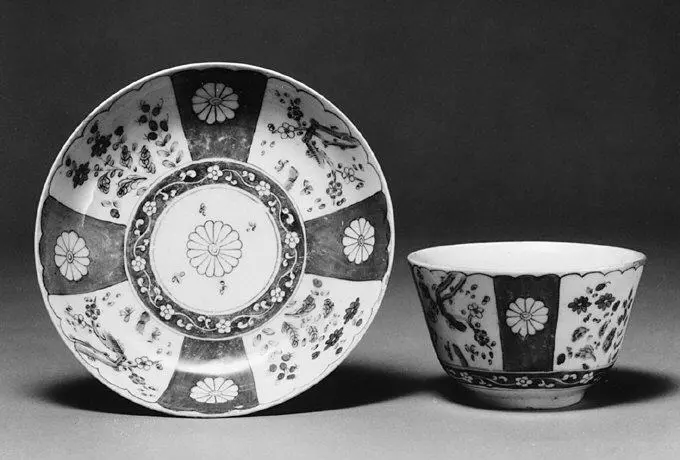
Cup and Cover 18th century Japan. Cup and Cover. Japan. 18th century. White porcelain covered inside with iron red, outside with colored enamel decorations on a black enamel ground. Edo period (1615-1868). Ceramics
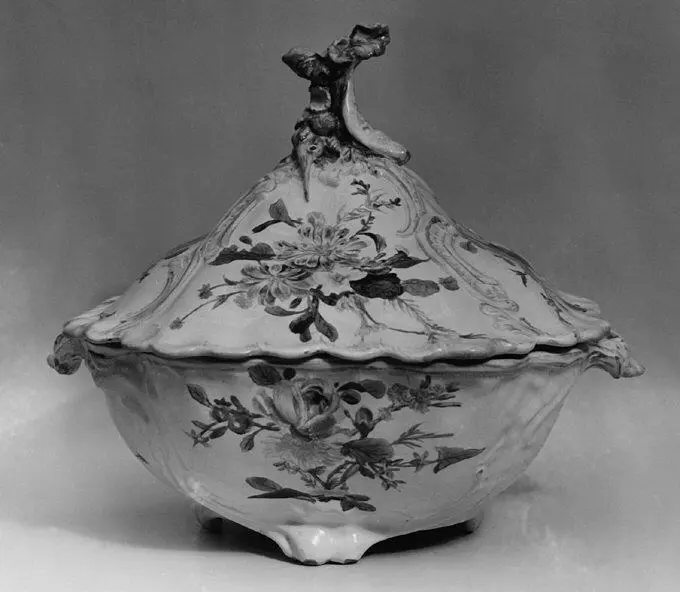
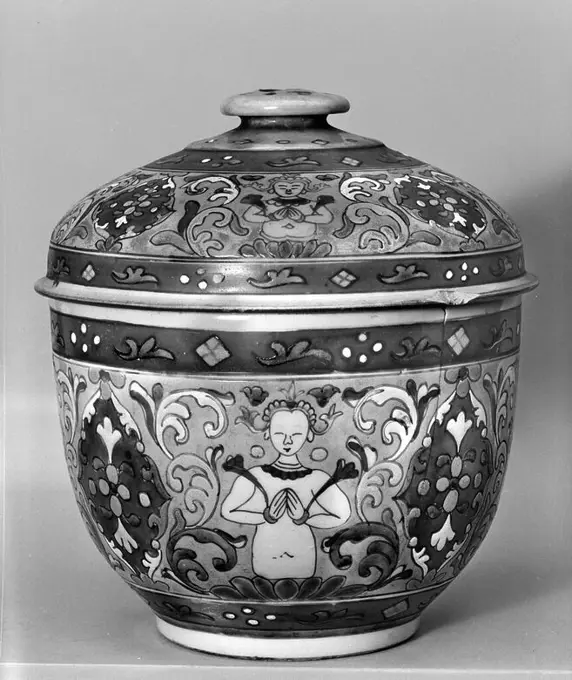
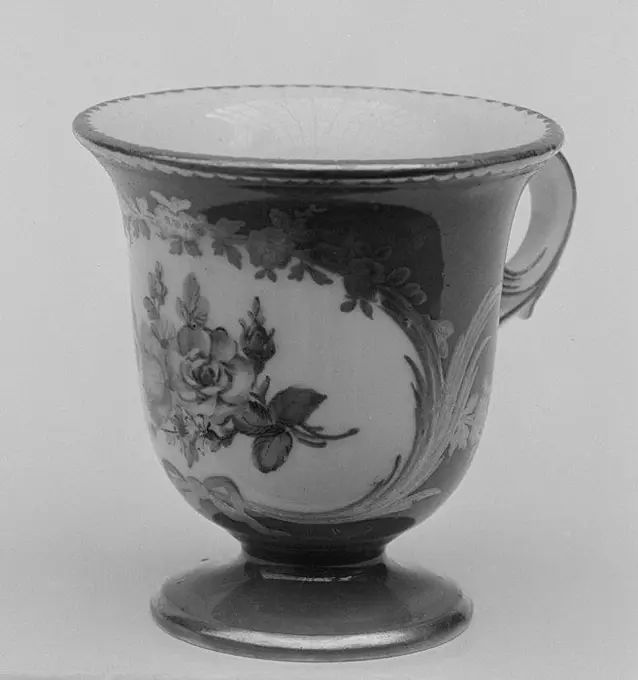
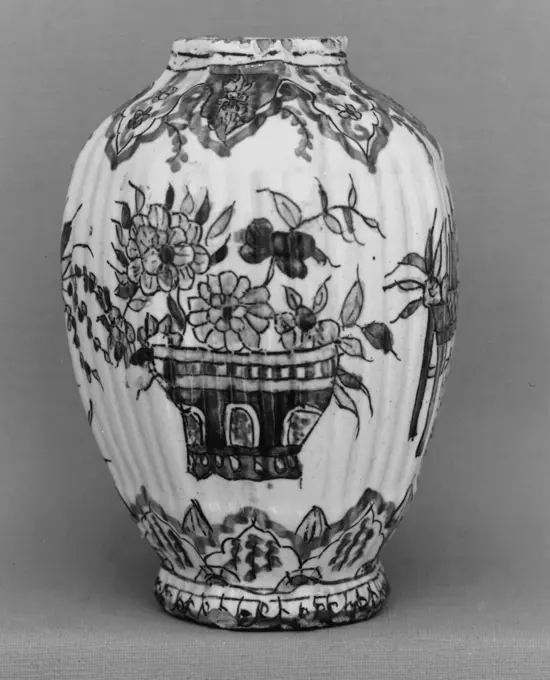
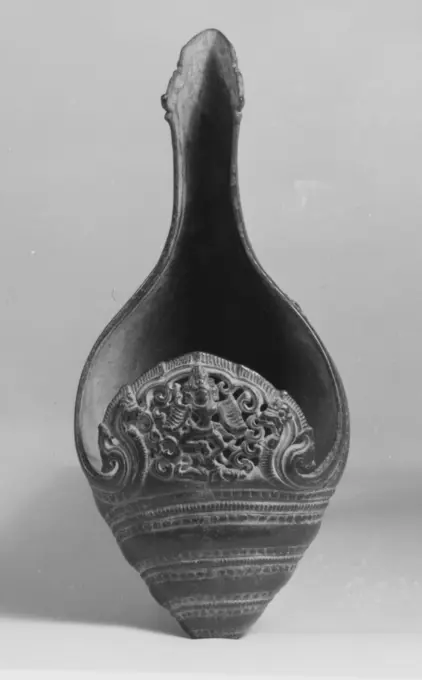
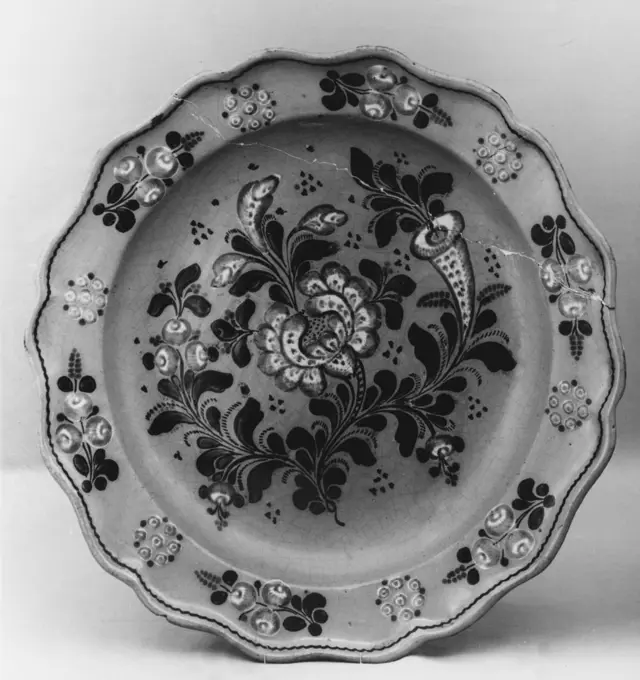
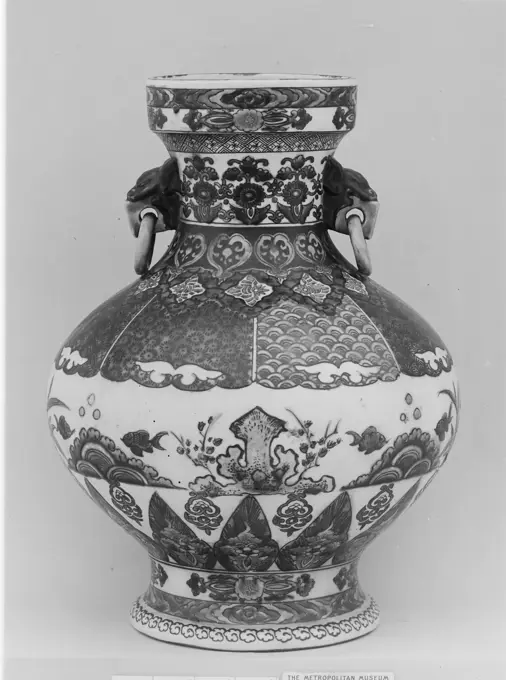
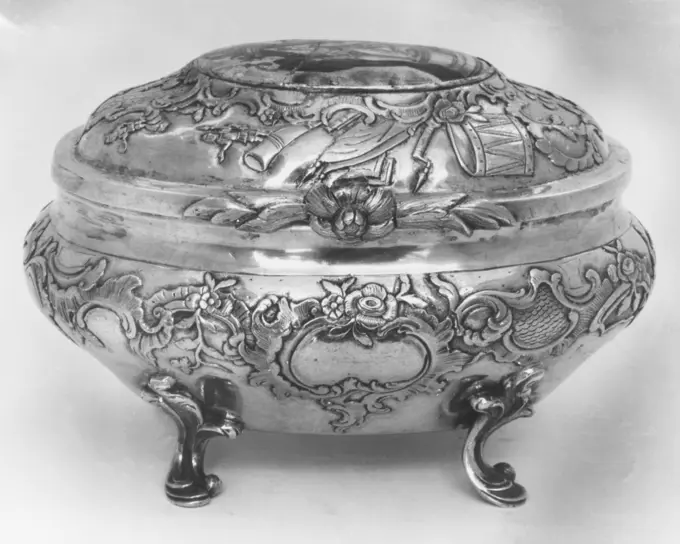
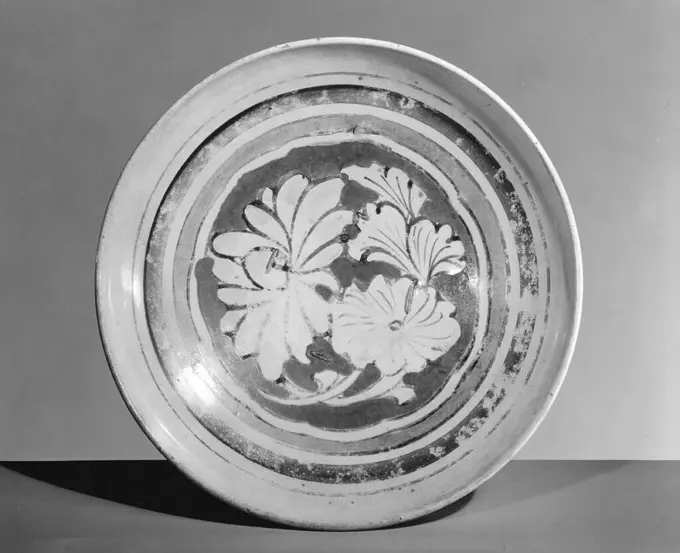
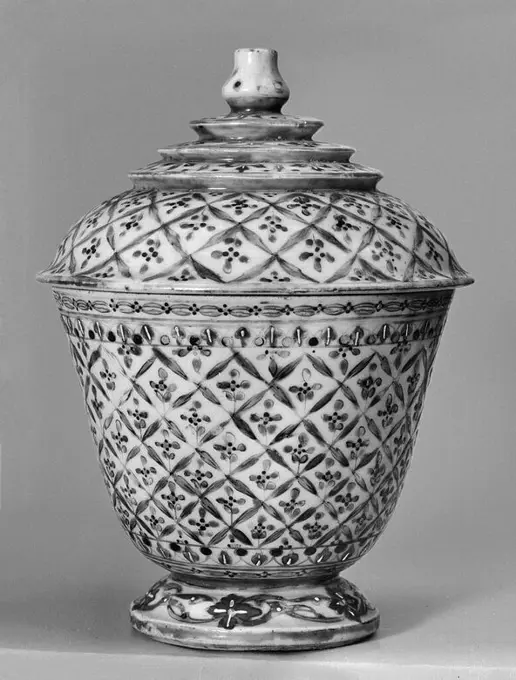
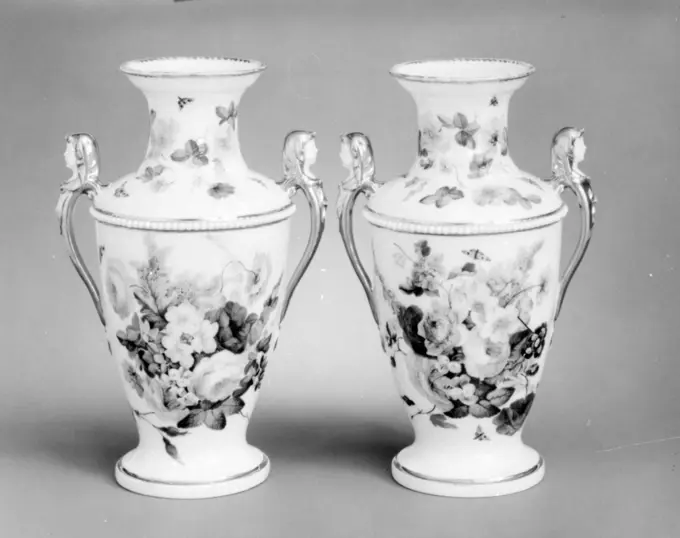
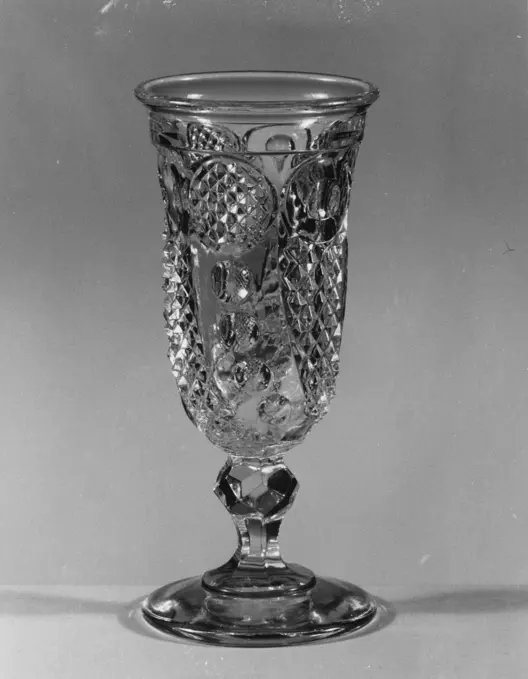
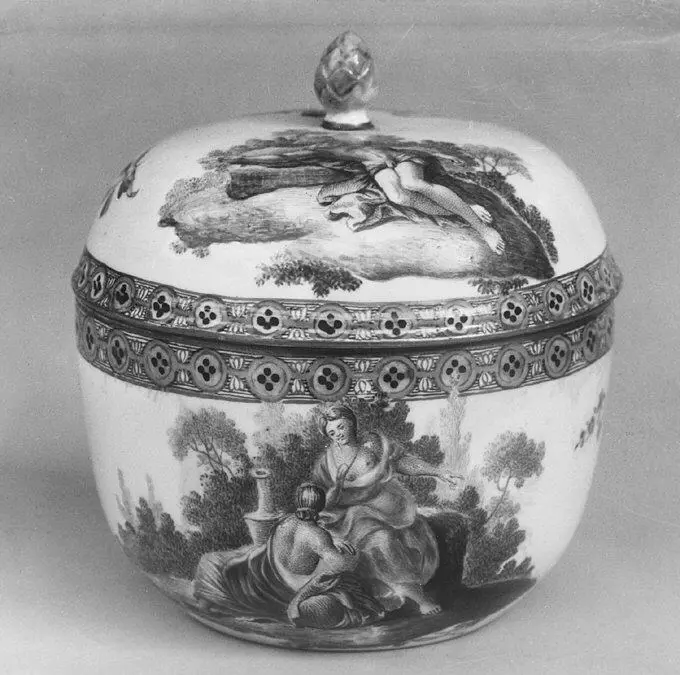
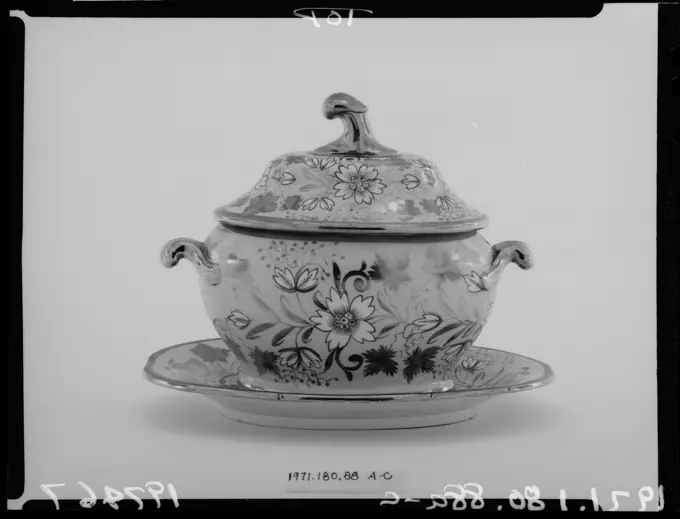
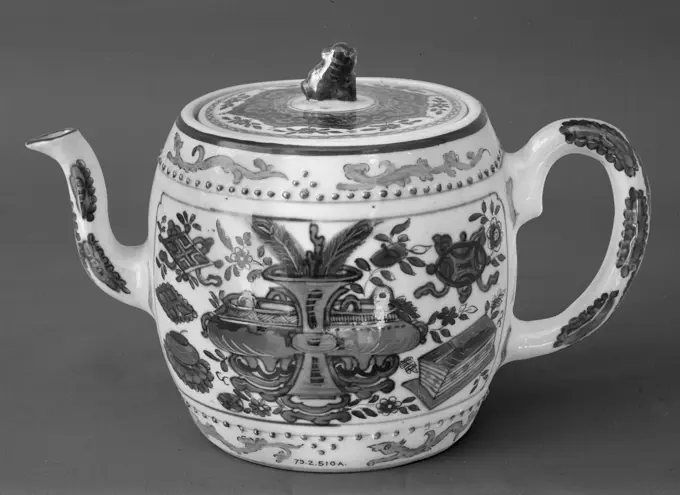
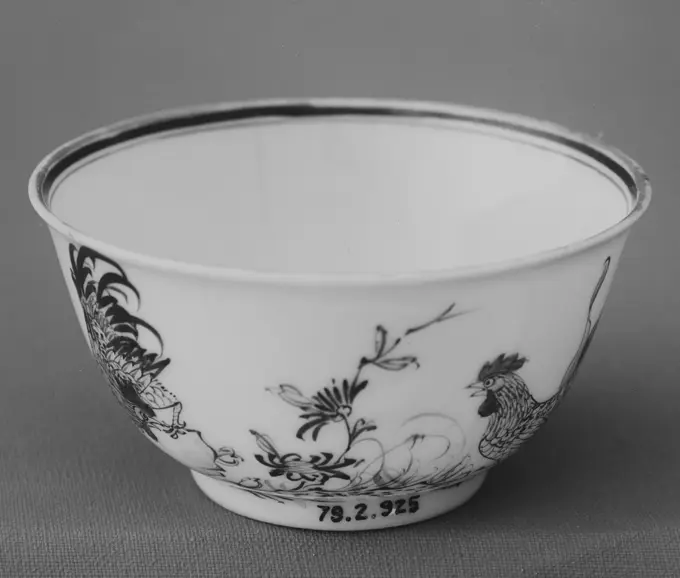
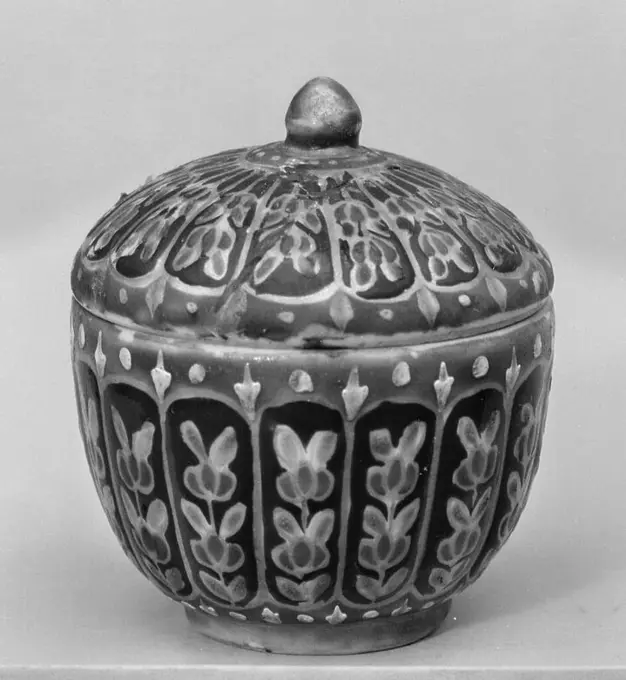
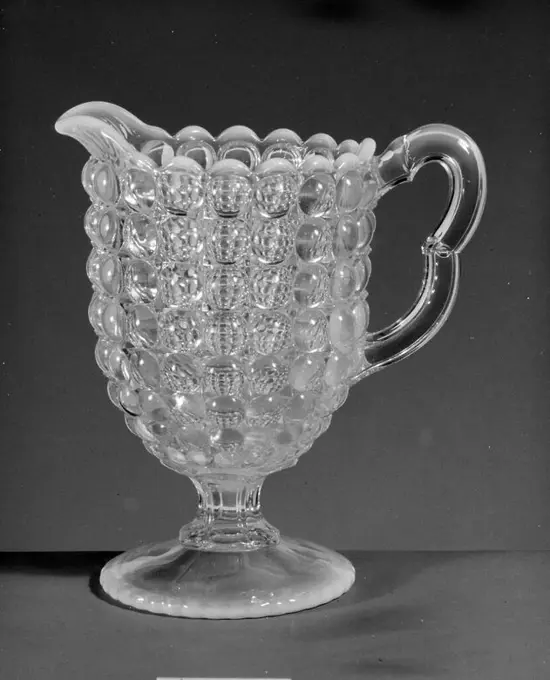
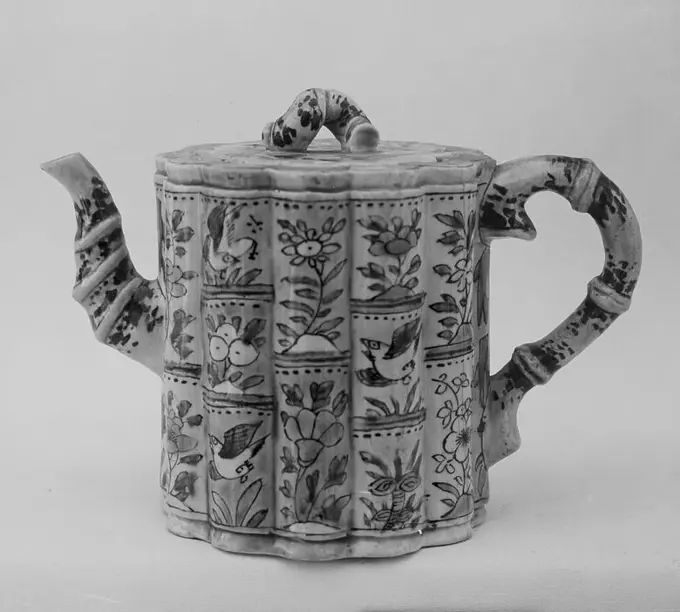
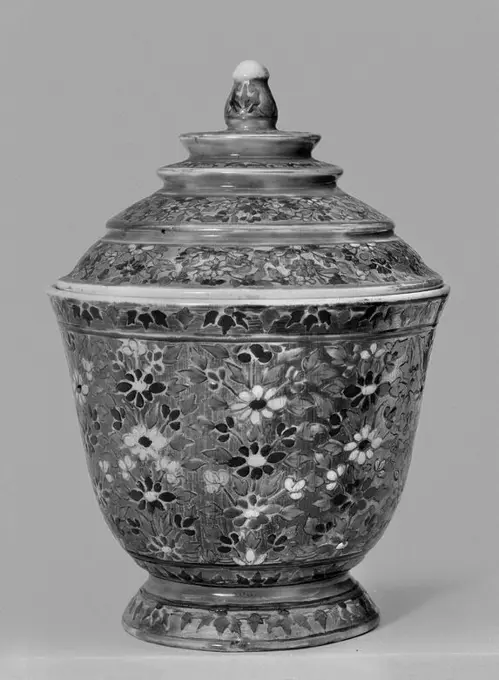
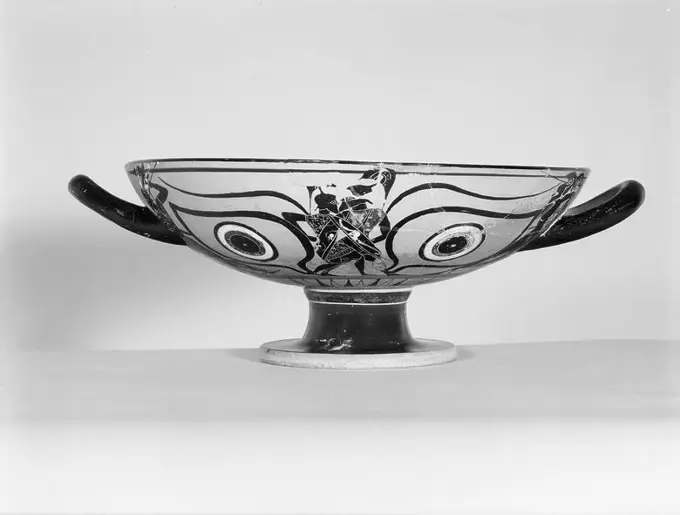
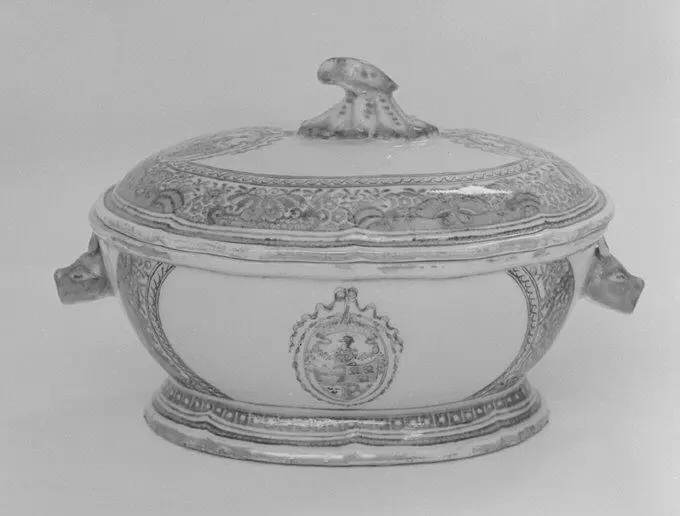
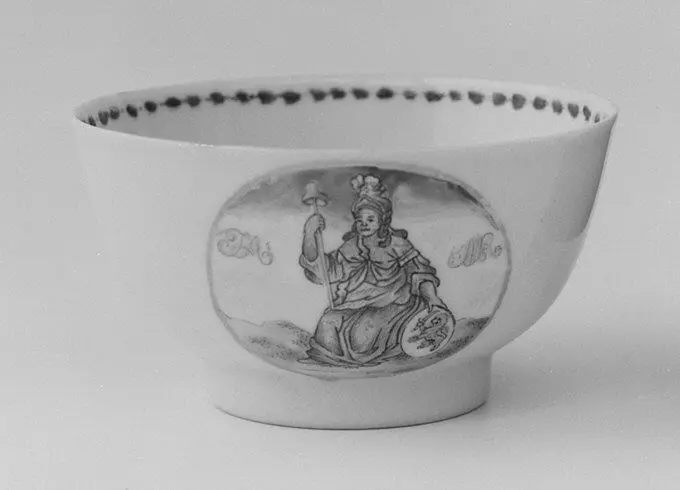
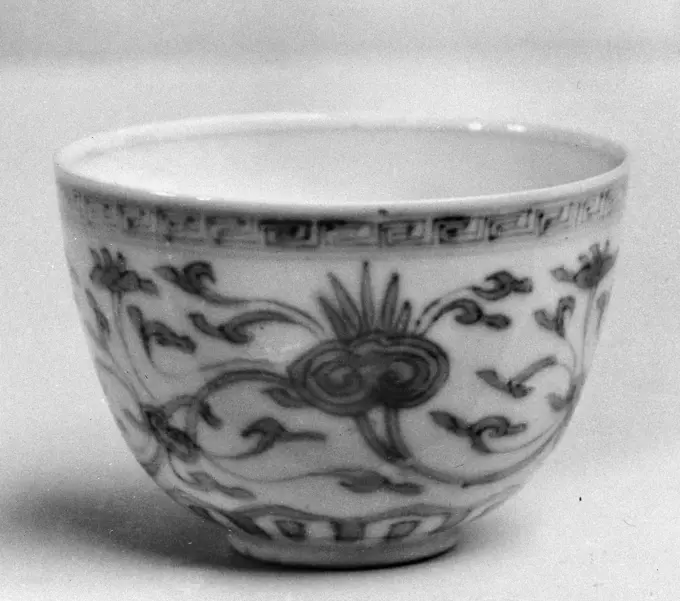
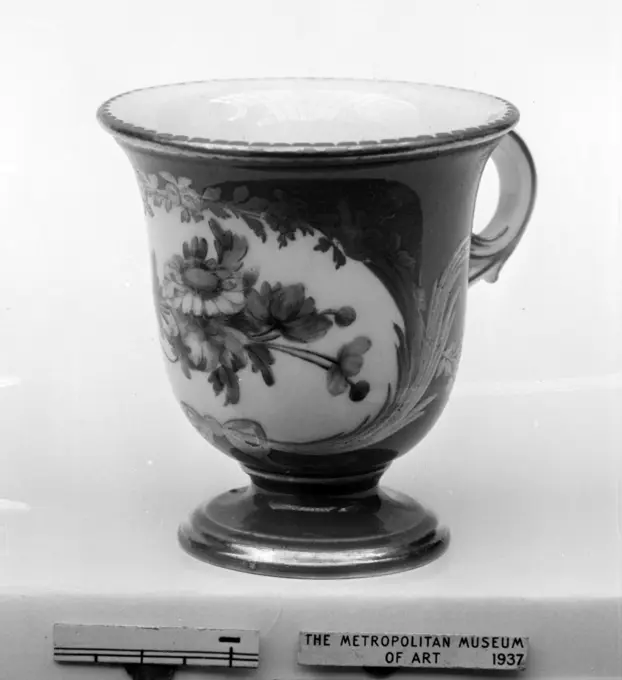
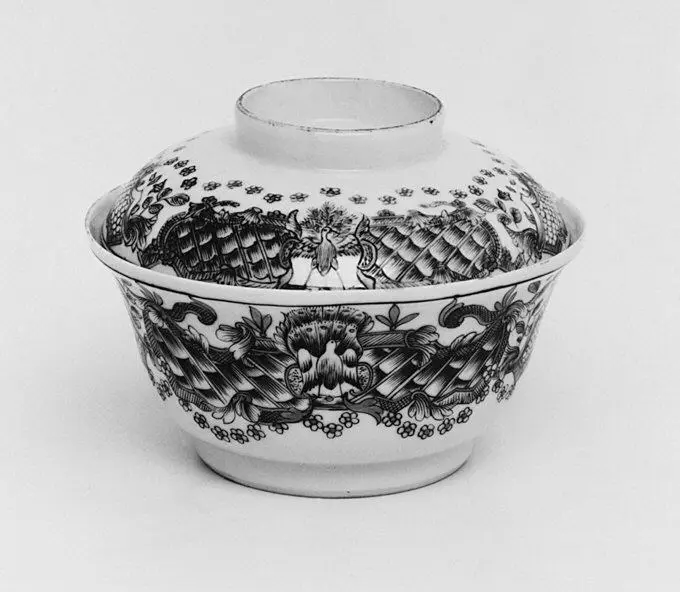
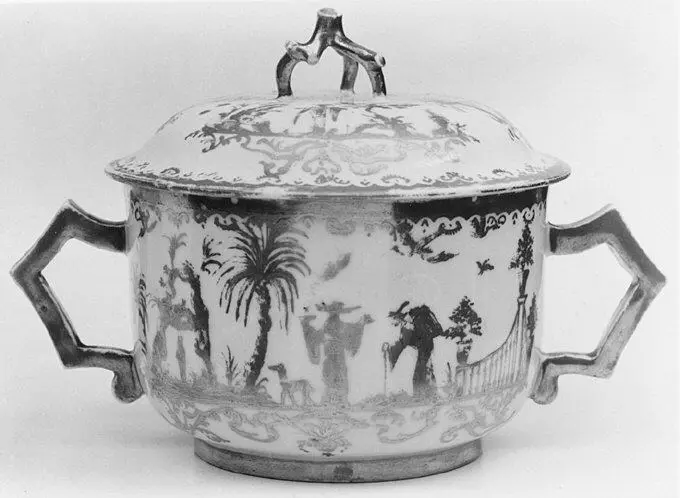
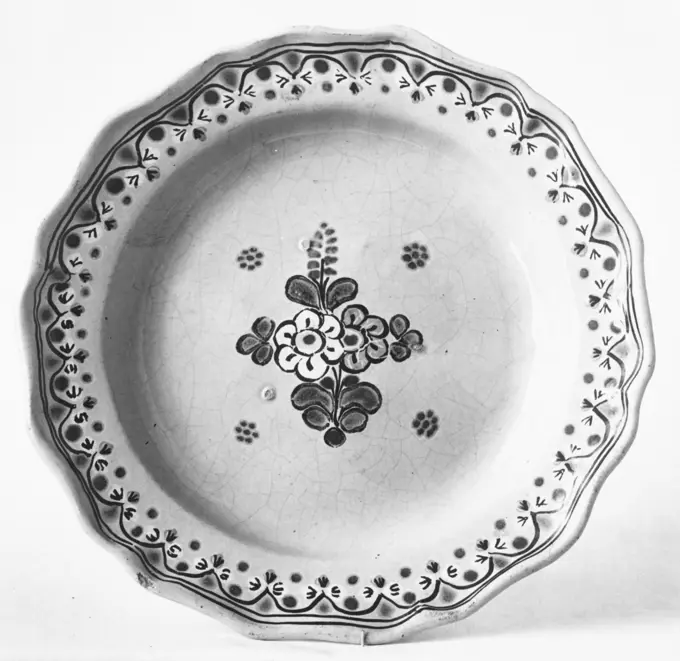
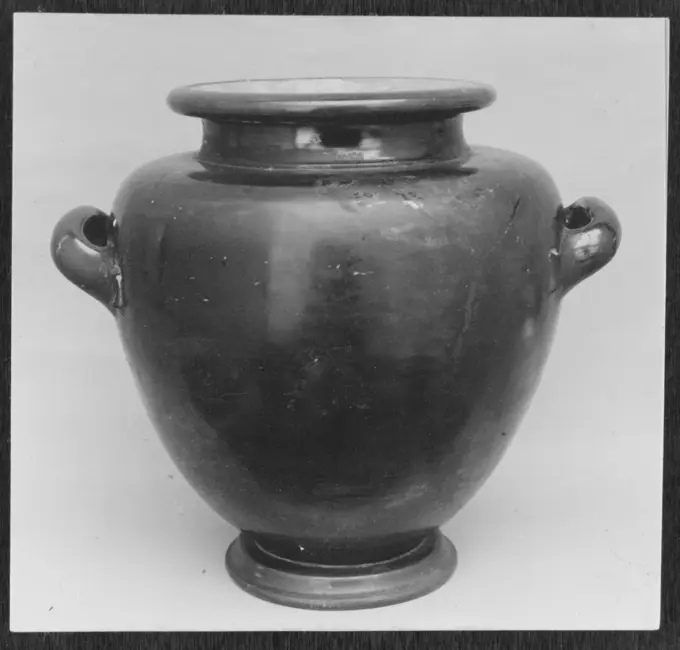
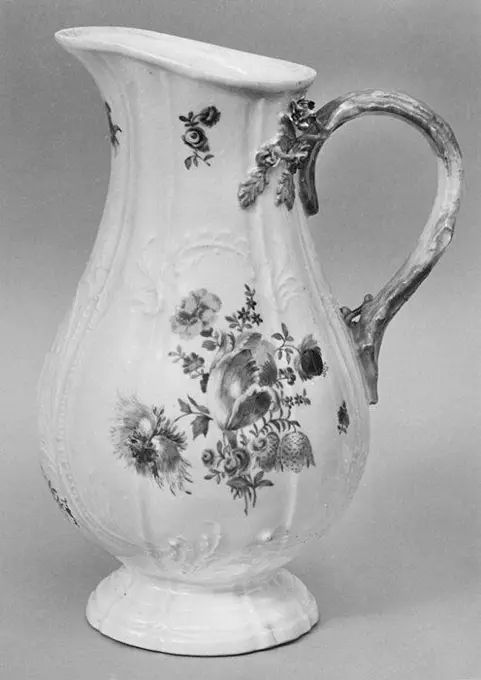
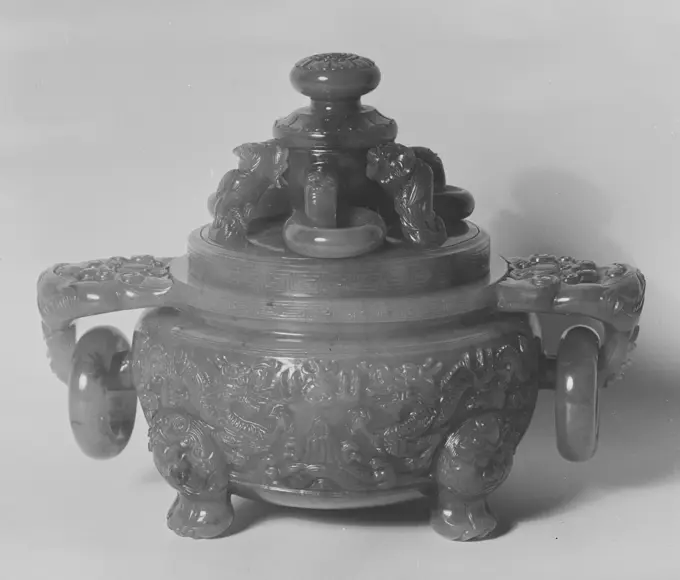
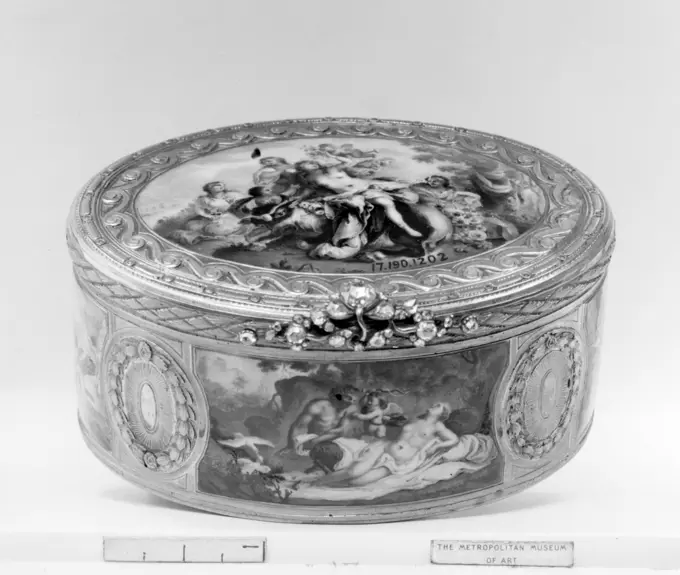
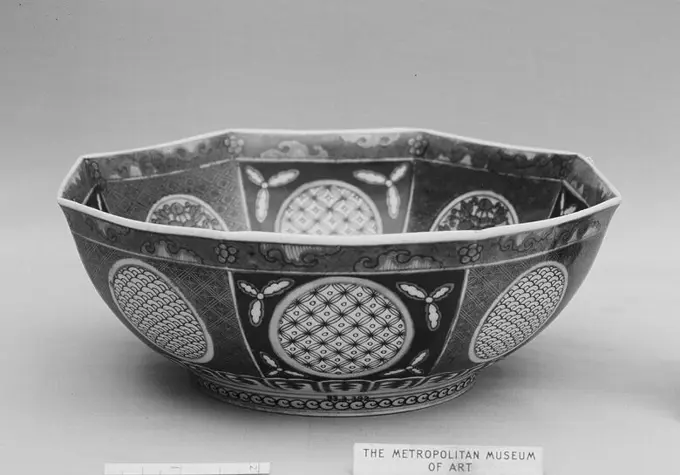
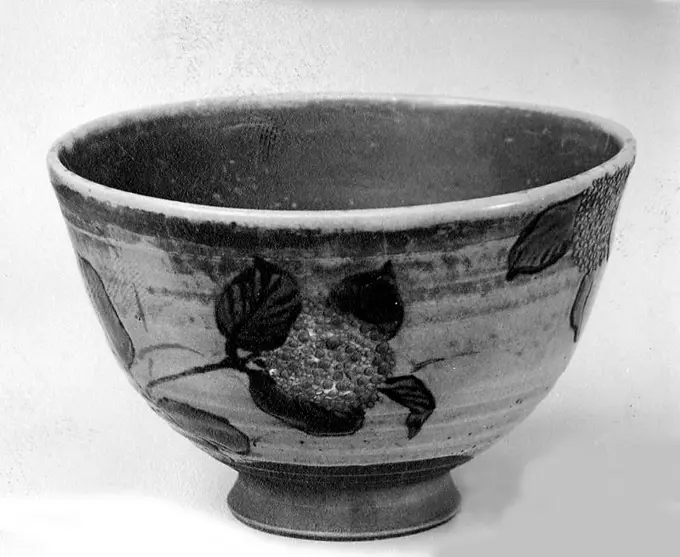
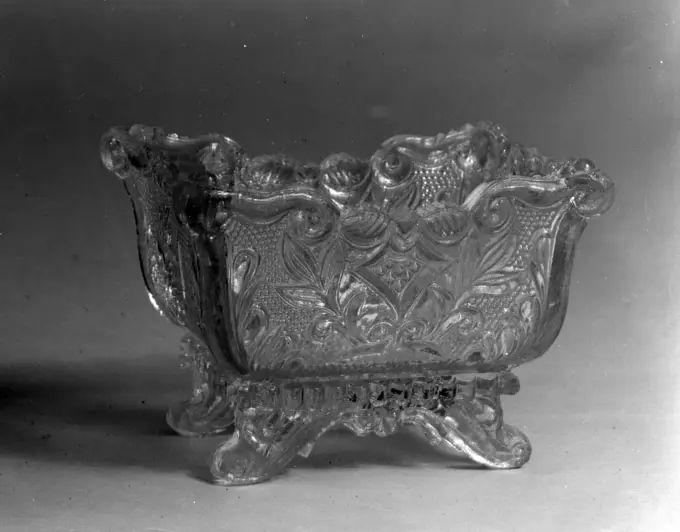
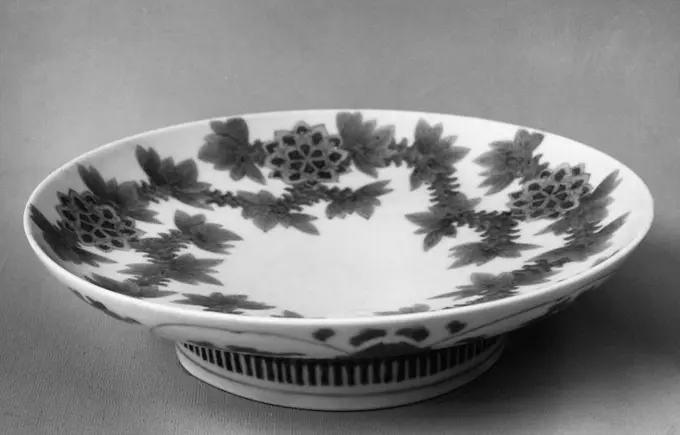
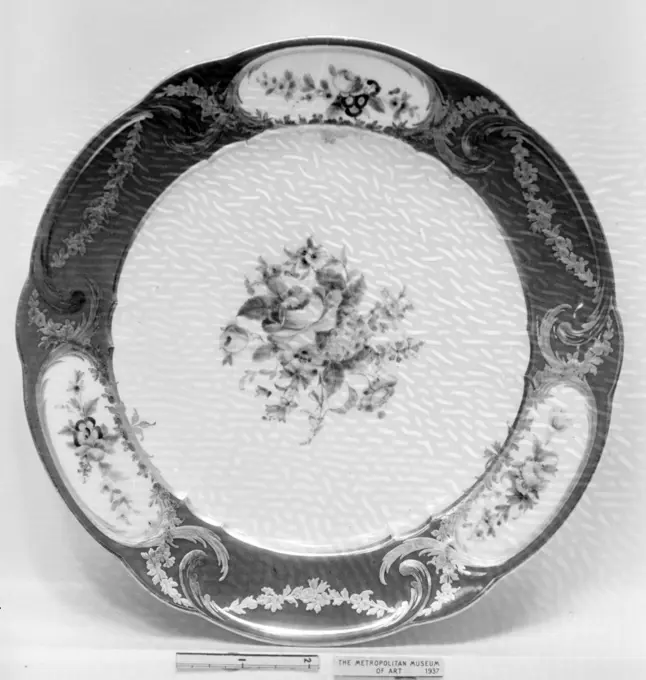
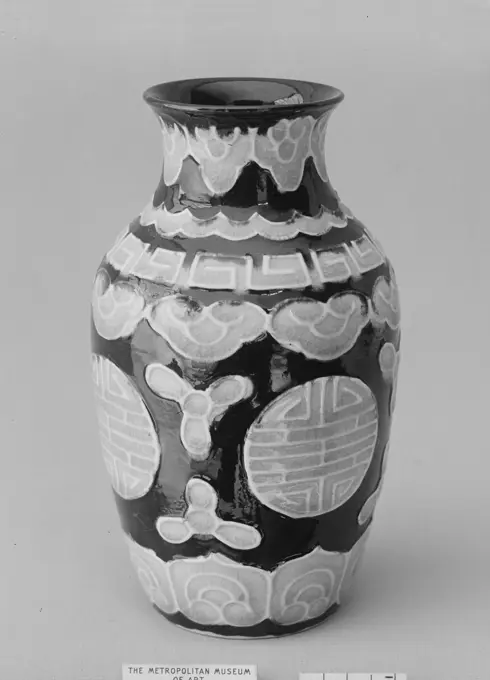
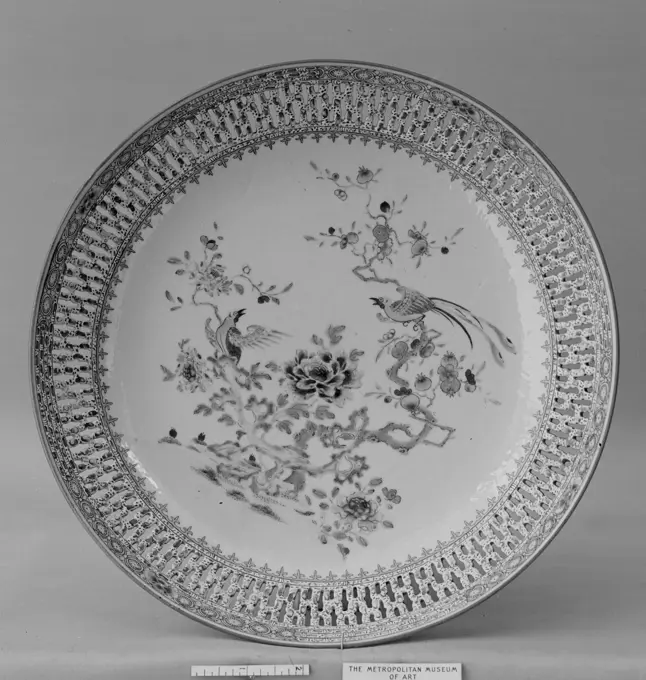
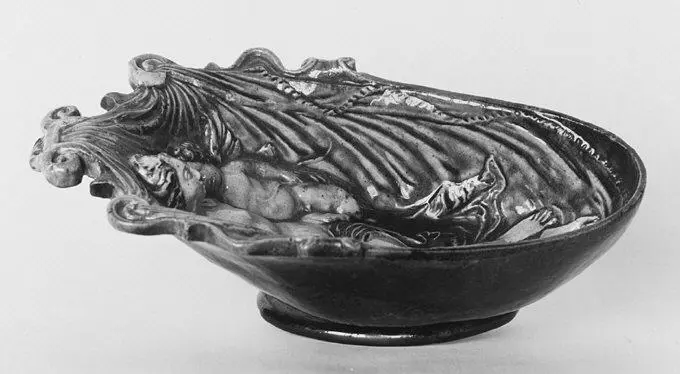
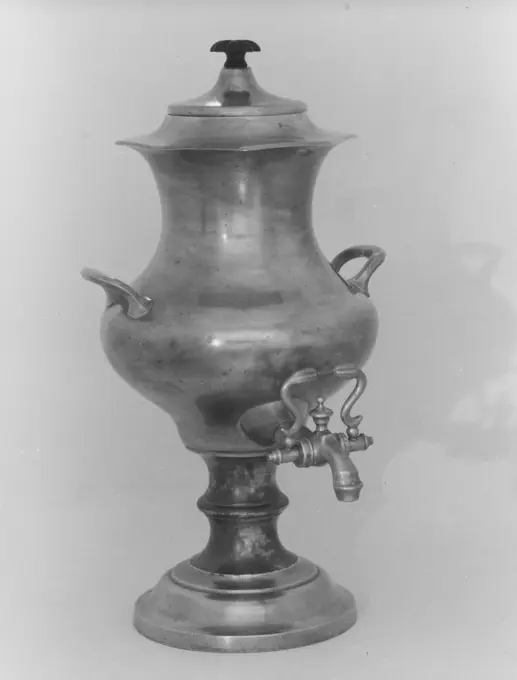
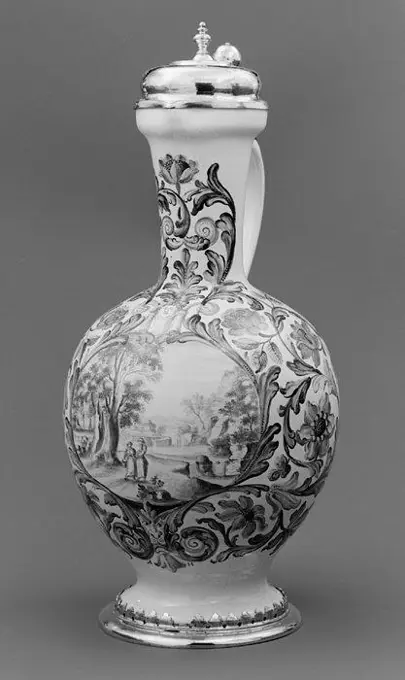
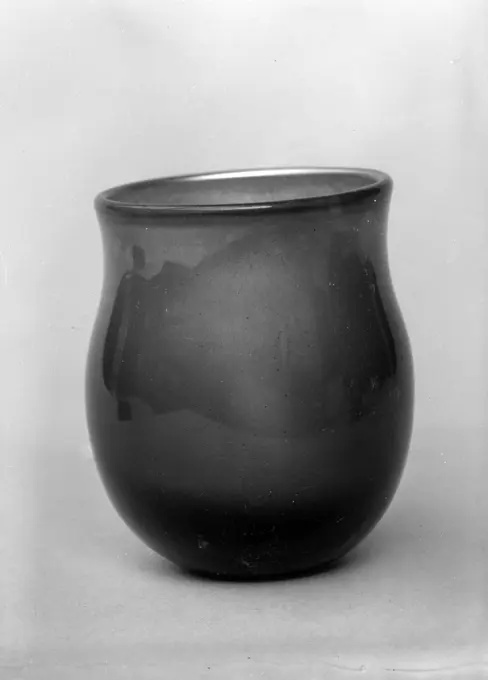
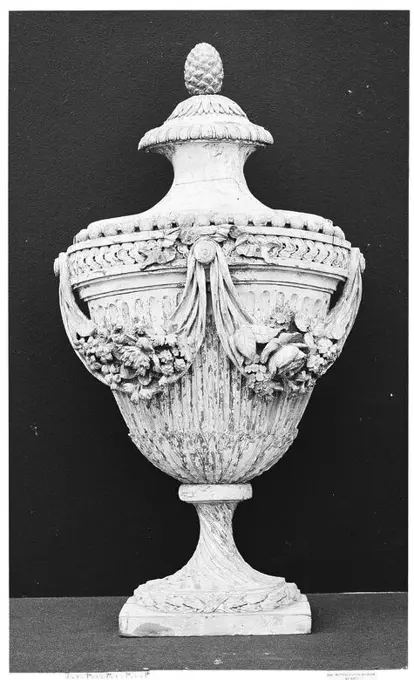
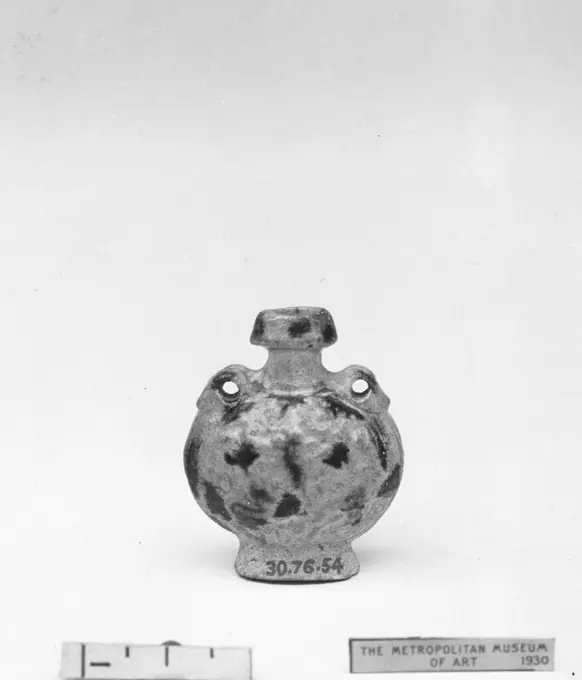
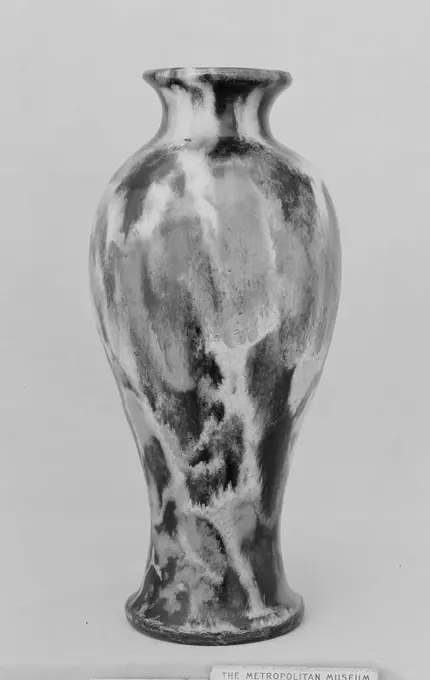
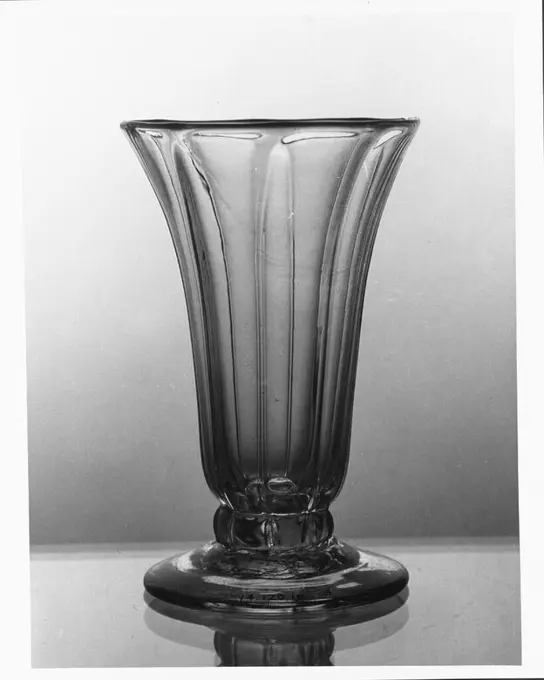
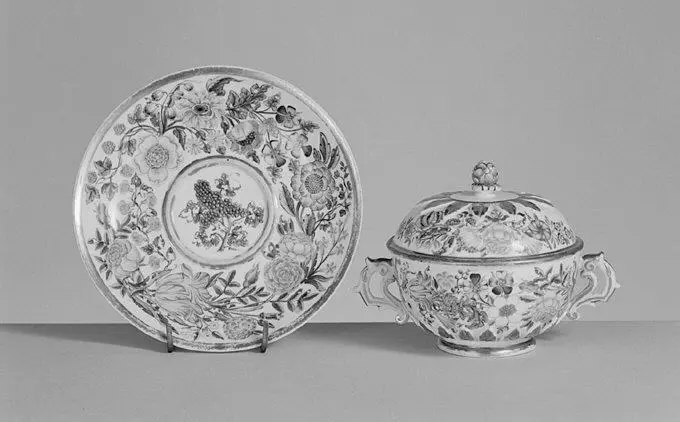
Covered Jar China. Covered Jar 52767Bowl with Thai mythical figures 19th century China. Bowl with Thai mythical figures 46263Tureen with cover ca. 1750-70 Veuve Perrin Factory Faience, or tin-glazed and enameled earthenware, first emerged in France during the sixteenth century, reaching widespread usage among elite patrons during the seventeenth and early eighteenth centuries, prior to the establishment of soft-paste porcelain factories. Although characterized as more provincial in style than porcelain, French faience was used at the court of Louis XIV as part of elaborate meals and displays, with large-scale vessels incorporated into the Baroque garden designs of Versailles. Earlier examples of French faience attest to the strong influence of maiolica artists from Italy. Later works demonstrate the ways in which cities such as Nevers, Rouen, Lyon, Moustiers, and Marseille developed innovative vessel shapes and decorative motifs prized among collectors throughout Europe. While faience can be created from a wide mixture of clays, it is foremost distinguished by the milky opaque white color achieved by the addCovered Bowl. Culture: China. Dimensions: H. 7 in. (17.8 cm); Diam. 6 3/8 in. (16.2 cm). Date: late 18th-19th century. Museum: Metropolitan Museum of Art, New York, USA.Ice cream cup (tasse à glace) (one of thirty-one) (part of a service) 1780 Sèvres Manufactory French. Ice cream cup (tasse à glace) (one of thirty-one) (part of a service) 197874Vase Modern Dutch, Delft. Vase 187854Libation Vessel in the Form of a Conch 12th century Cambodia The multi-armed, multi-headed dancing figure is Hevajra.. Libation Vessel in the Form of a Conch 37723Cup and Cover 18th century Japan. Cup and Cover. Japan. 18th century. White porcelain covered inside with iron red, outside with colored enamel decorations on a black enamel ground. Edo period (1615-1868). CeramicsPlate ca. 1830 Mexican. Plate 5954Bowl. Culture: China. Dimensions: H. 3 3/4 in. (9.5 cm); Diam. 7 in. (17.8 cm); Diam. of foot 2 3/4 in. (7 cm). Date: late 18th-19th century. Museum: Metropolitan Museum of Art, New York, USA.Large Vase ca. 1850 Japan. Large Vase. Japan. ca. 1850. Porcelain decorated in polychrome enamels (Hizen ware, Kutani type). Edo period (1615-1868). CeramicsCup 18th century German, possibly Nuremberg. Cup 193557Sugar box with cover (part of a set) 1773 Johan Henrik Blom Finish The service (47.51.1-.5) is thought to have been given by Empress Catherine II to Count Pyotr Rumiantsev, governor of the Ukraine and leader of the victorious Russian forces in the war with Turkey (1768-74). Enamel portraits on the utensils depict the imperial line from Peter the Great to Catherine II to her son, later Paul I. Facing are: Catherine II on the coffeepot, the empress Elizabeth on the teapot, the empress Anna on the bowl, Peter III on the cream jug, and Catherine I on the sugar-box lid. The shape and decoration recall silver utensils made in northern Germany, especially Berlin. German silver was highly esteemed in Russia, where a large German artistic community had influenced the transmission of Western forms since the time of Peter the Great. The goldsmith, born in Vyborg at the Gulf of Finland, might also have spent time in northern Germany during his journey years.Wolfram Koeppe, 2003. Sugar box with cWine pot with cover late 19th century Kitei Japanese. Wine pot with cover. Kitei (Japanese). Japan. late 19th century. Porcelain decorated with blue under the glaze and colored enamels (Kyoto ware). Meiji period (1868-1912). CeramicsVase with floral scrolls late 18th century China. Vase with floral scrolls 48781Dish. Culture: China. Dimensions: Diam. 6 3/4 in. (17.1 cm). Date: 13th century. Museum: Metropolitan Museum of Art, New York, USA.Covered Bowl 1800-1830 American. Covered Bowl 2302Covered Urn. Culture: China. Dimensions: H. 6 1/2 in. (16.5 cm); Diam. 4 1/2 in. (11.4 cm). Date: late 18th-19th century. Museum: Metropolitan Museum of Art, New York, USA.Pair of vases ca. 1800 La Courtille. Pair of vases. French, Paris with British, Mansfield decoration. ca. 1800. Hard-paste porcelain. La Courtille (French, 1771-ca. 1840). Ceramics-PorcelainVase China. Vase. China. Porcelain. Ming dynasty (1368-1644), Hongzhi period (1488-1505). CeramicsSaltcellar 1855-65 American. Saltcellar. American. 1855-65. Pressed glass. Made in United StatesClaret Glass 1850-70. Claret Glass 2072Cup and Cover 1780 Japan. Cup and Cover 47012Sugar bowl with cover ca. 1765-70 Frankenthal Porcelain Manufactory. Sugar bowl with cover 199259Large Vase. Culture: Japan. Dimensions: H. 14 1/2 in. (36.8 cm). Date: ca. 1850. Museum: Metropolitan Museum of Art, New York, USA.Jar late 17th century Japan. Jar 52261Teapot with cover 1860 Kitei Japanese. Teapot with cover. Kitei (Japanese). Japan. 1860. White porcelain decorated with blue under the glaze (Kyoto ware). Edo period (1615-1868). CeramicsCovered Sauce Tureen ca. 1835 British. Covered Sauce Tureen. British. ca. 1835. Earthenware, lusterware. Made in EnglandTeapot late 17th-early 18th century China. Teapot. China. late 17th-early 18th century. Porcelain painted in underglaze blue and overglaze polychrome enamels of a later date. Qing dynasty (1644-1911), Kangxi period (1662-1722). CeramicsCup late 18th-first half of the 19th century China. Cup. China. late 18th-first half of the 19th century. Porcelain painted in overglaze red and black enamels, and gilt. Qing dynasty (1644-1911). CeramicsCovered Bowl. Culture: China. Dimensions: H. 2 5/8 in. (6.7 cm); Diam. 2 1/8 in. (5.4 cm). Date: late 18th-19th century. Museum: Metropolitan Museum of Art, New York, USA.Creamer. Culture: American. Dimensions: H. 6 in. (15.2 cm). Maker: Richards and Hartley Flint Glass Co. (ca. 1870-1890). Date: ca. 1888. Museum: Metropolitan Museum of Art, New York, USA.Jar 19th century Japan. Jar. Japan. 19th century. Clay covered with fingerprints, and with three glazes (Seto ware). Edo (1615-1868) or Meiji period (1868-1912). CeramicsTeapot. Culture: China. Dimensions: H. 4 1/4 in. (10.8 cm); W. 6 in. (15.2 cm). Museum: Metropolitan Museum of Art, New York, USA.Covered Urn. Culture: China. Dimensions: H. 5 1/4 in. (13.3 cm); Diam. 4 in. (10.2 cm). Date: late 18th-19th century. Museum: Metropolitan Museum of Art, New York, USA.Terracotta kylix: eye-cup (drinking cup). Culture: Greek, Attic. Dimensions: H. 4 15/16 in. (12.6 cm)diameter 11 3/4 in. (29.8 cm)width with handles 14 5/8 in. (37.2 cm). Date: ca. 540-530 B.C..Obverse, between eyes, warrior and woman (Menelaos and Helen)Reverse, between eyes, fightGraffito under the foot: I am Melousa's prize; she won the girl's carding contestThe special interest of this kylix lies in the inscription. It is surprising that a girl who won a carding contest would choose or be given a cup decorated with military scenes. One explanation is that the prize was chosen from the potter's stock. When Menelaos reclaimed his wife, Helen, at Troy, he approached her threateningly but was disarmed by her beauty. If this is the subject of the obverse, the other combats also concern the Trojan War. Museum: Metropolitan Museum of Art, New York, USA.Cup late 19th century China. Cup. China. late 19th century. Jade, ivory stand. JadeSauceboat with cover (part of a service) 1770-85 Chinese, for British market. Sauceboat with cover (part of a service) 201135Teabowl ca. 1795 Chinese, for Dutch market. Teabowl 201294Covered Jar with Dragons 18th century China. Covered Jar with Dragons. China. 18th century. Jade with nephrite. Qing dynasty (1644-1911), Qianlong period (1736-95). JadeSnuffbox ca. 1740 Meissen Manufactory German. Snuffbox 207216Bottle cooler possibly French 19th centuryCup with magic fungus (one of a pair) late 17th-early 18th century China. Cup with magic fungus (one of a pair). China. late 17th-early 18th century. Porcelain painted in underglaze cobalt blue (Jingdezhen ware). Qing dynasty (1644-1911), Kangxi period (1662-1722). CeramicsIce cream cup (Tasse à glace) (part of a service) 1780 Sèvres Manufactory French. Ice cream cup (Tasse à glace) (part of a service). French, Sèvres. 1780. Soft-paste porcelain. Ceramics-PorcelainBowl with cover ca. 1760 Chinese, for European market. Bowl with cover 201007Vase stand 18th century French. Vase stand. French. 18th century. Carved and gilded wood. Woodwork-FurnitureBowl with dragon late 18th century China. Bowl with dragon 46878Sugar bowl 18th century Meissen Manufactory German. Sugar bowl 188657 Factory: Meissen Manufactory, German, 1710present, Sugar bowl, 18th century, Hard-paste porcelain, Height: 4 1/2 in. (11.4 cm). The Metropolitan Museum of Art, New York. Gift of Alfred Duane Pell, 1902 (02.6.113a, b)Creamer 1860-70 American. Creamer. American. 1860-70. Pressed glass. Made in United StatesEwer 18th century Dutch. Ewer. Dutch. 18th century. Glass. GlassDeep platter (part of a service) ca. 1765 Chinese, for Portuguese market. Deep platter (part of a service) 201154Vase late 17th-early 18th century China. Vase. China. late 17th-early 18th century. Porcelain painted in underglaze blue, with coffee brown glaze. Qing dynasty (1644-1911), Kangxi period (1662-1722). CeramicsAttic Tripod Pyxis with Lid; Athens, Greece; about 540 B.C; Terracotta;Stand. Culture: Japan. Dimensions: H. 2 3/8 in. (6 cm); L. 5 1/2 in. (14 cm);. Date: 1800. Museum: Metropolitan Museum of Art, New York, USA.Plate ca. 1840 Mexican. Plate 5982Salt 1815-40 American. Salt 7048Jar. Culture: China. Dimensions: H. 7 5/8 in. (19.4 cm); Diam. 8 in. (20.3 cm). Museum: Metropolitan Museum of Art, New York, USA.Terracotta stamnos (jar) ca. 475-450 B.C. Greek, Attic Although vases with painted scenes generally receive the most attention, their black-glazed counterparts deserve equal consideration. The proportion and functionality of the shapes as well as the rich gloss of the surfaces stand out in unmitigated purity. They represent an important aspect of the Attic potters' production.. Terracotta stamnos (jar) 246720Jug ca. 1750 Meissen Manufactory German. Jug 199238Cup 19th century Japan. Cup. Japan. 19th century. Clay covered with a white crackled glaze and decorated with enamels. Edo (1615-1868) or Meiji period (1868-1912). CeramicsTripod Bowl with Cover China. Tripod Bowl with Cover. China. Jade. Qing dynasty (1644-1911), Qianlong period (1736-95). JadeSnuffbox with mythological scenes 18th century French or German In eighteenth-century Europe, Paris led the production of high-quality luxury goods. Parisian goldsmiths made a wide range of small, personal articles such as snuffboxes; étuis to hold sealing wax, tweezers, or utensils for sewing; souvenirs, which contained thin ivory tablets for note taking; and shuttles for knotting lace. Gold snuffboxes and boxes decorated with portrait miniatures were prized and frequently given as royal gifts, often to ambassadors or members of the court in lieu of cash payments for their services. Coveted and admired, these boxes were produced from a variety of materials. The best were skillfully made of gold and embellished with diamonds, enameled decoration, lacquer, and other luxurious materials. By the middle of the century, the taking of snuff had become an entrenched social ritual, and the snuffbox, too, had become an important social prop. Snuffboxes were considered highly fashionable accessoBowl. Culture: Japan. Dimensions: H. 3 in. (7.6 cm); Diam. 8 1/8 in. (20.6 cm). Date: 1750. Museum: Metropolitan Museum of Art, New York, USA.Tea Bowl with Hydrangeas first half of the 19th century Nin'ami Dōhachi (Takahashi Dōhachi II) Japanese. Tea Bowl with Hydrangeas 63115Dish 19th century China. Dish. China. 19th century. Painted enamel. Qing dynasty (1644-1911). EnamelsTripod Cauldron (Ding) China Instead of being glazed, some tomb pottery was decorated with pigments applied after firing to mimic the form and decor of vessels made of more precious materials such as lacquer or bronze.. Tripod Cauldron (Ding) 44333Covered Sugar Bowl 1830-70 American. Covered Sugar Bowl. American. 1830-70. Pressed glass. Made in United StatesSalt ca. 1830-70 Probably Providence Flint Glass Works. Salt. American. ca. 1830-70. Lacy pressed green glass. Made in Providence, Rhode Island, United StatesVase. Culture: China. Dimensions: H. 6 1/2 in. (16.5 cm). Date: 17th century. Museum: Metropolitan Museum of Art, New York, USA.BLOCKS BIDDER THE BIBRAABUL THE BIBRASEFlask 1770-1830 American. Flask. American. 1770-1830. Blown pattern-molded glass. Made in United StatesVase ornament for console. Culture: French. Dimensions: Height: 8 in. (20.3 cm). Date: first quarter 18th century. Museum: Metropolitan Museum of Art, New York, USA.Dish 1760 Japan. Dish 50343Plate (Assiette à palmes) (1 of 102) (part of a service) 1780 Sèvres Manufactory French. Plate (Assiette à palmes) (1 of 102) (part of a service). French, Sèvres. 1780. Soft-paste porcelain. Ceramics-PorcelainVase 19th century Eiraku Hozen. Vase. Eiraku Hozen (Japanese, 1795-1854). Japan. 19th century. Clay covered with glazes (Kairakuen ware). Edo (1615-1868) or Meiji period (1868-1912). CeramicsCovered bowl with figures 17th century China. Covered bowl with figures. China. 17th century. Porcelain with relief and pierced decoration on the biscuit, traces of gilt (Jingdezhen ware). Ming dynasty (1368-1644). CeramicsPlate China. Plate. China. Porcelain with reticulated decoration, painted in overglaze famille rose enamels and gilt. Qing dynasty (1644-1911), Qianlong period (1736-95). CeramicsGondola cup (Coupe gondole) probably 19th century Manner of Bernard Palissy French. Gondola cup (Coupe gondole) 194436Coffee Urn 1840-65 Roswell Gleason. Coffee Urn. American. 1840-65. Pewter, brass, wood. Made in Dorchester, Massachusetts, United StatesIncense burner 18th century China. Incense burner. China. 18th century. Jade (nephrite). Qing dynasty (1644-1911). JadeFlagon (one of a pair) ca. 1690 Abraham Helmhack. Flagon (one of a pair) 208007John Sutton, Punch Bowl, 1705/6, silver.Dish China. Dish. China. Painted enamel. Qing dynasty (1644-1911), Qianlong period (1736-95). EnamelsVase ca. 1895 Designed by Louis Comfort Tiffany American. Vase. American. ca. 1895. Favrile glass. Made in New York, New York, United StatesWall vase (). Culture: French. Dimensions: Overall: 33 1/2 × 18 1/2 in. (85.1 × 47 cm). Date: 18th century. Museum: Metropolitan Museum of Art, New York, USA.Vase China. Vase 49360Teapot ca. 1735-40 Meissen Manufactory German. Teapot 202360Teabowl and saucer ca. 1755 West Pans Porcelain Manufactory The gift of the Hans Syz Collection in 1995 endowed the Museum with nearly three hundred examples of European and Asian ceramics meticulously acquired by Swiss-born collector Dr. Syz (1894-1991) to chart the migration of models and patterns from East to West. Documenting a continuous process of influence and adaptation, these pieces provide a discriminating review of the nuances of stylistic change resulting from three centuries of trade.. Teabowl and saucer 208272Creamer with cover (part of a service) ca. 1760 Doccia Porcelain Manufactory Italian. Creamer with cover (part of a service) 196892Water Pot 19th century Japan. Water Pot. Japan. 19th century. Clay covered with transparent crackled glaze over design; foot enameled (Banko ware). Edo (1615-1868) or Meiji period (1868-1912). CeramicsCreamer 1700-1800 American or British. Creamer 2606Wine bottle 1800 Japan. Wine bottle 62995Pitcher 1830-50 American. Pitcher. American. 1830-50. Blown green glass with applied decoration. Possibly made in New York, United StatesMiniature Pilgrim Bottle. Culture: China. Dimensions: H. 1 3/4 in. (4.4 cm). Museum: Metropolitan Museum of Art, New York, USA.Cup (gobelet litron) (one of nine) (part of a service) 1786 Sèvres Manufactory French. Cup (gobelet litron) (one of nine) (part of a service) 197847Terra Sigillata Krater with Applique Reliefs of Vines. UnknownSmall Vase. Culture: Japan. Dimensions: H. 6 1/8 in. (15.6 cm). Date: 19th century. Museum: Metropolitan Museum of Art, New York, USA.Tombak 19th century Iranian (Persian). Tombak. Iranian (Persian). 19th century. Brass, parchment. Isfahan, Iran. Membranophone-single-headed / goblet drumJelly Glass. Culture: American or British. Dimensions: H. 3 1/4 in. (8.3 cm); Diam. 2 1/8 in. (5.4 cm). Date: 1785-1825. Museum: Metropolitan Museum of Art, New York, USA.Écuelle with cover and stand ca. 1739 Meissen Manufactory German. Écuelle with cover and stand 203174