Decorative Ceramic Tiles

A collection of colorful ceramic tiles featuring floral and geometric patterns in vibrant hues of blue, yellow, and green on white backgrounds.
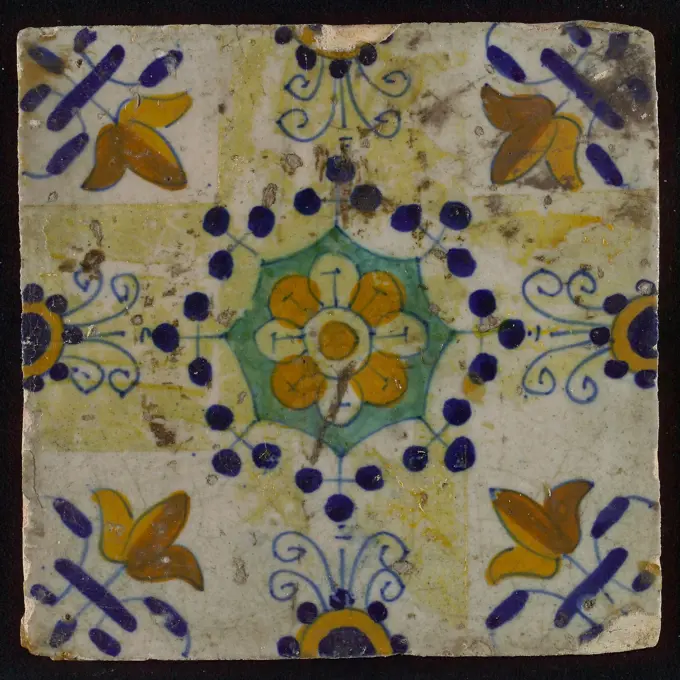
Tile, blue draft, yellow, green and orange on white, central flower within star shape, three-spot around, half rosette, corner pattern lily, wall tile tile sculpture ceramic earthenware glaze, baked 2x glazed painted 'Haarlem tile' reddish shard square. Four nail holes. AIb3.
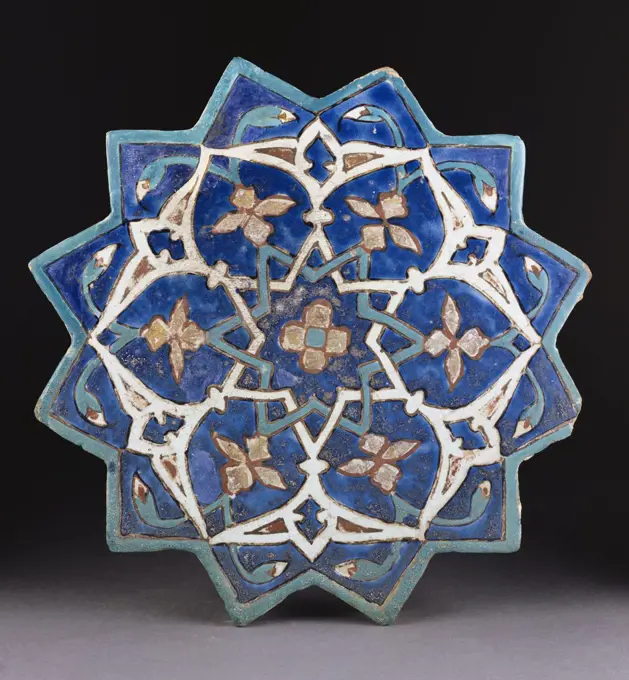
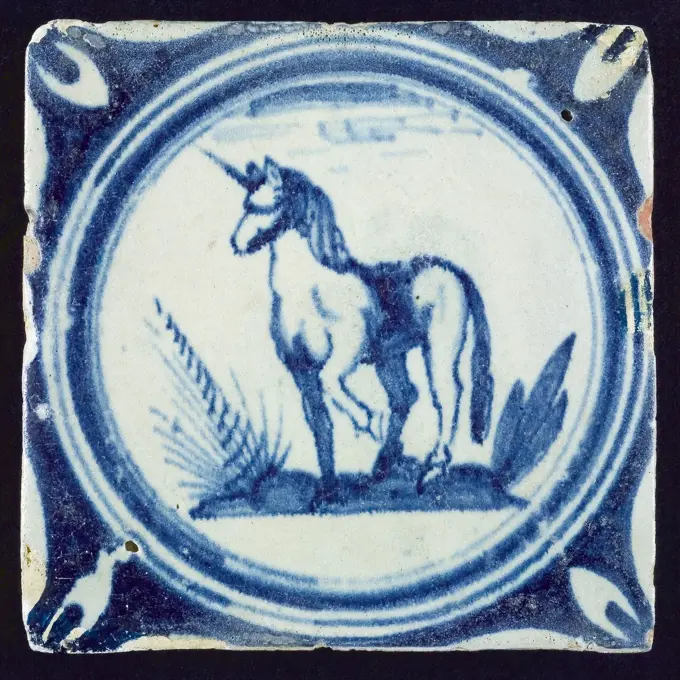
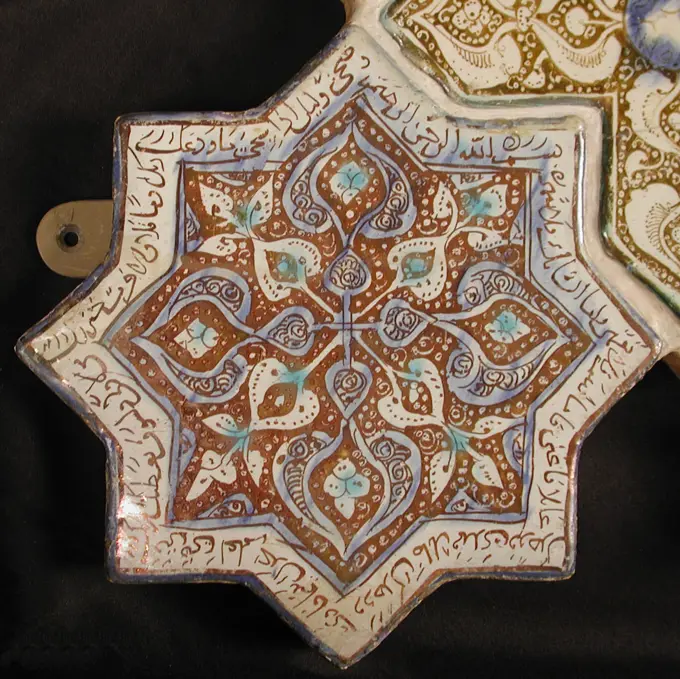
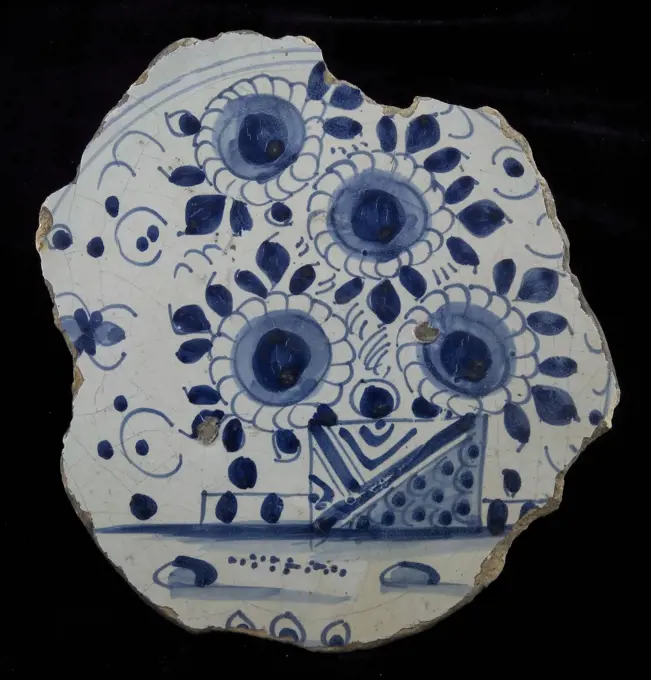
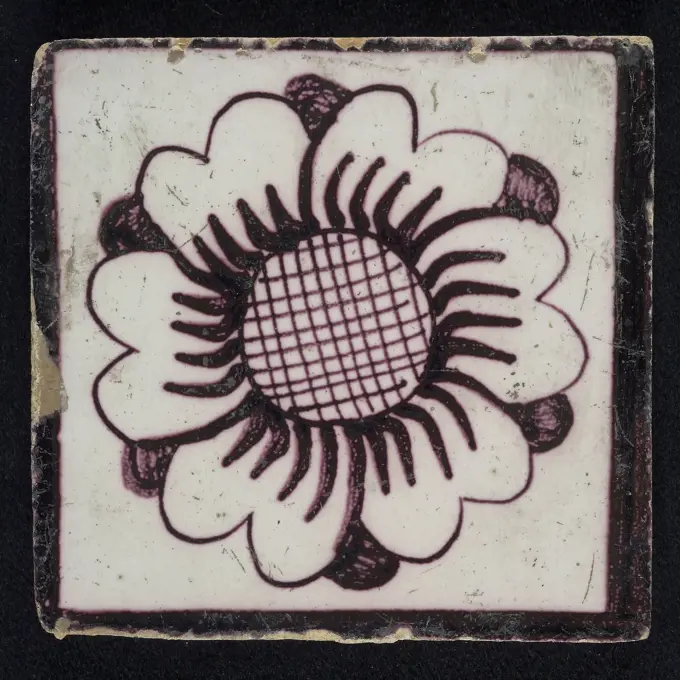
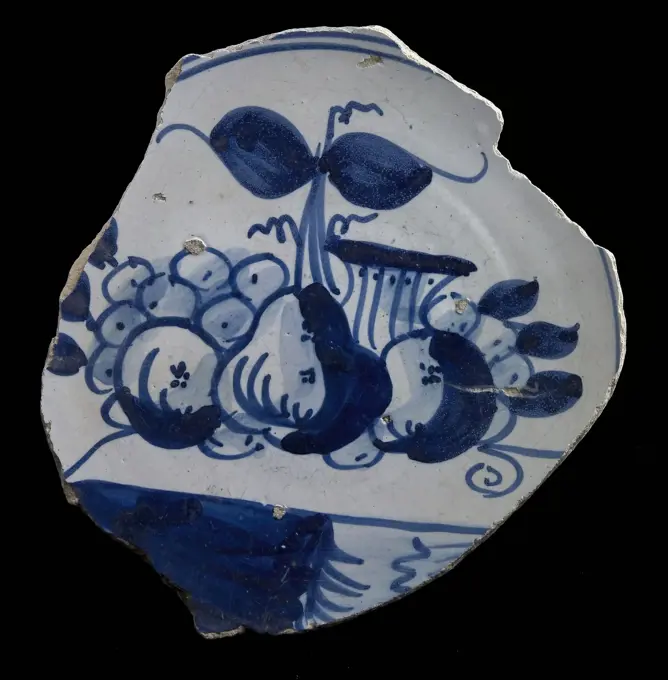
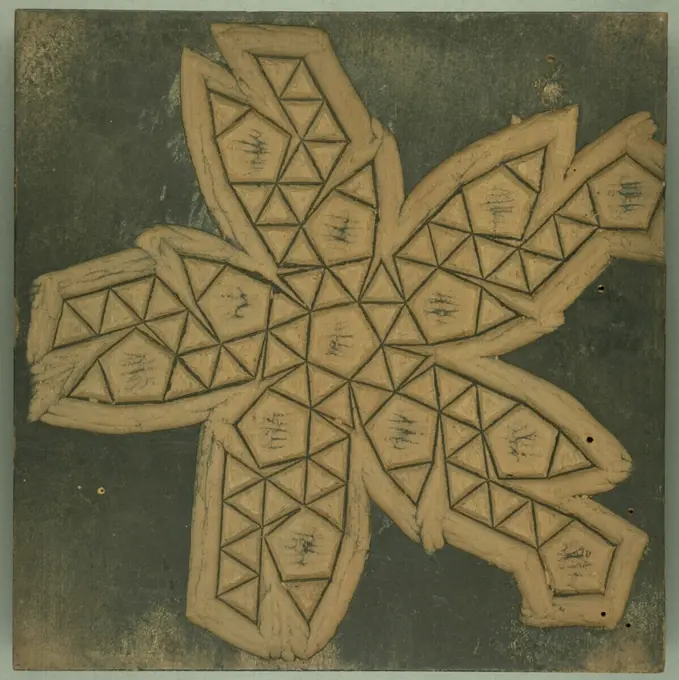
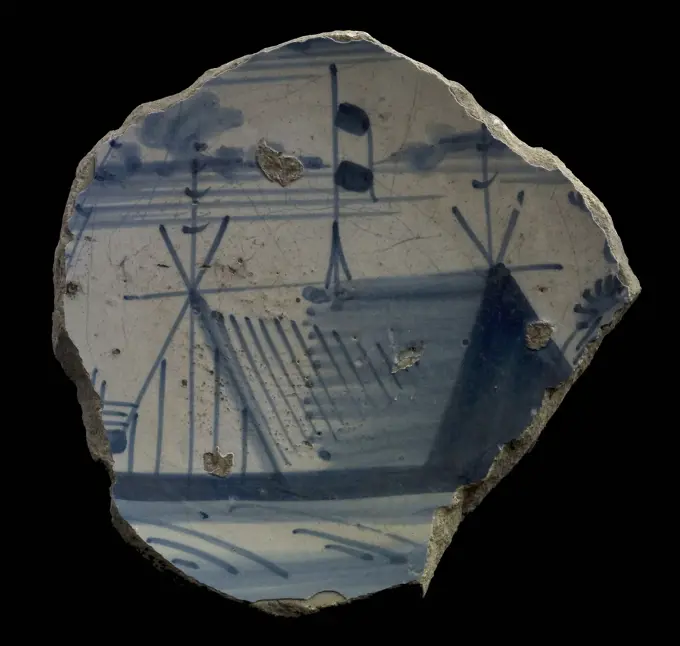
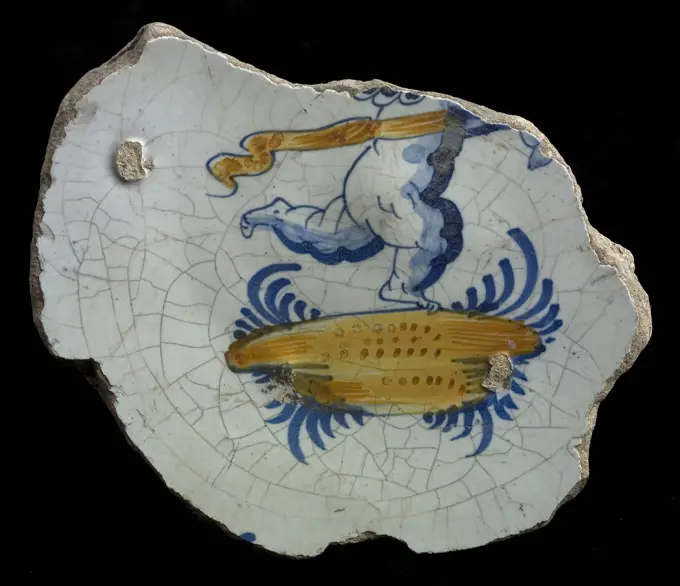
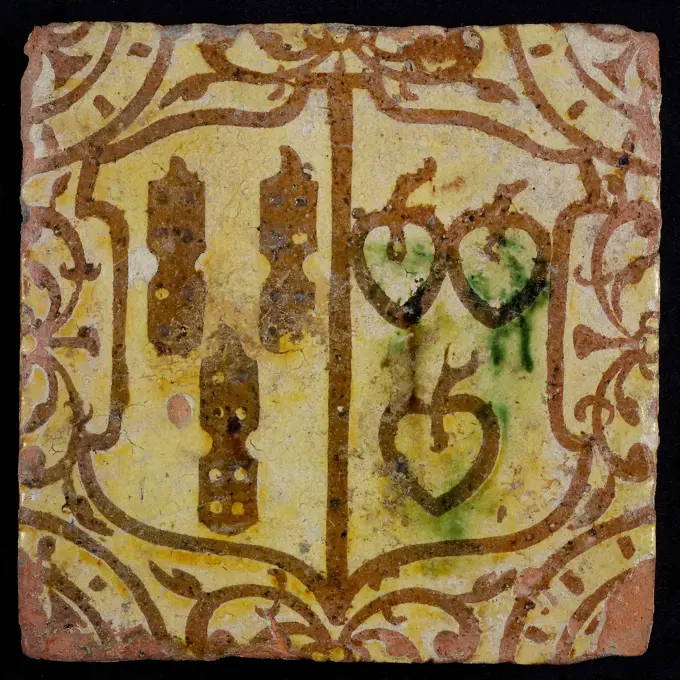
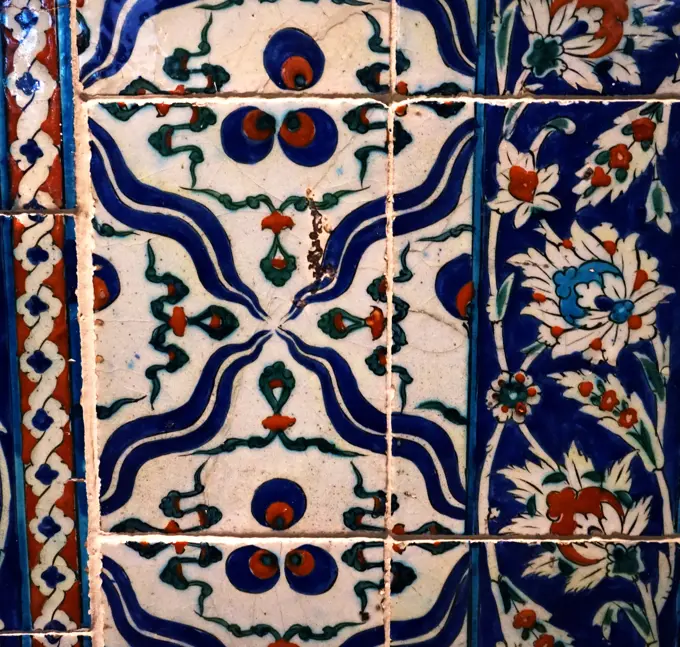
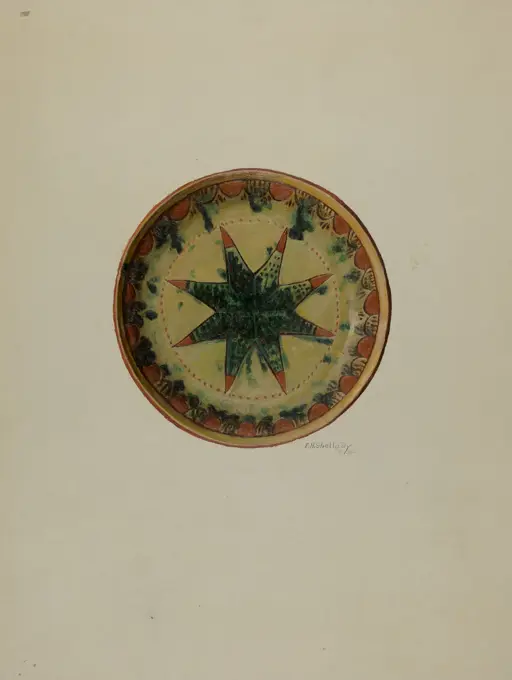
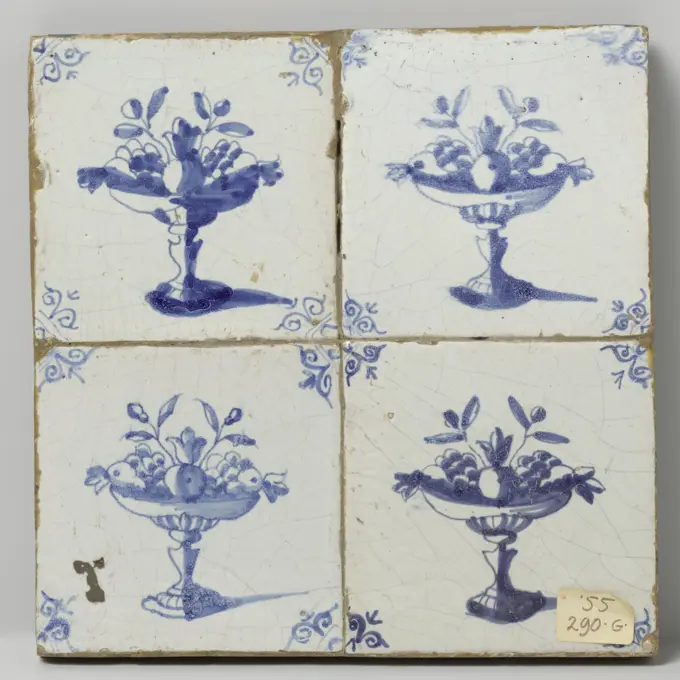
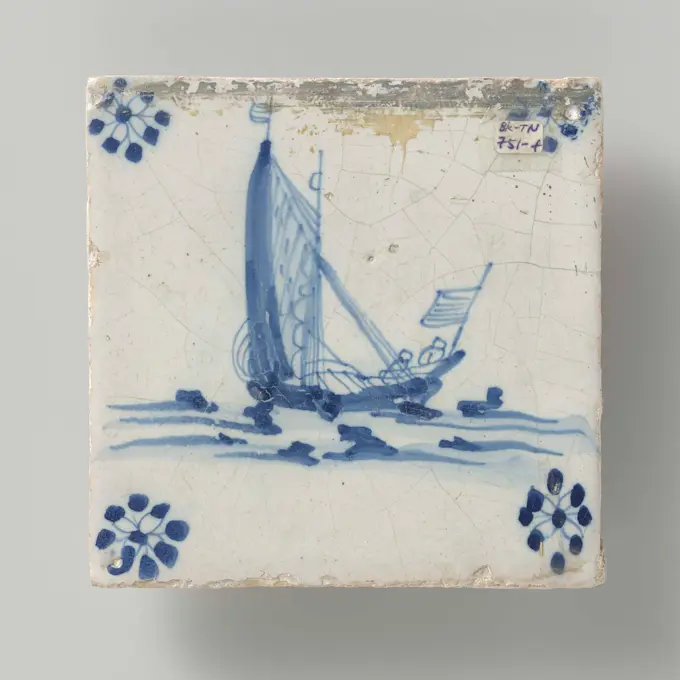
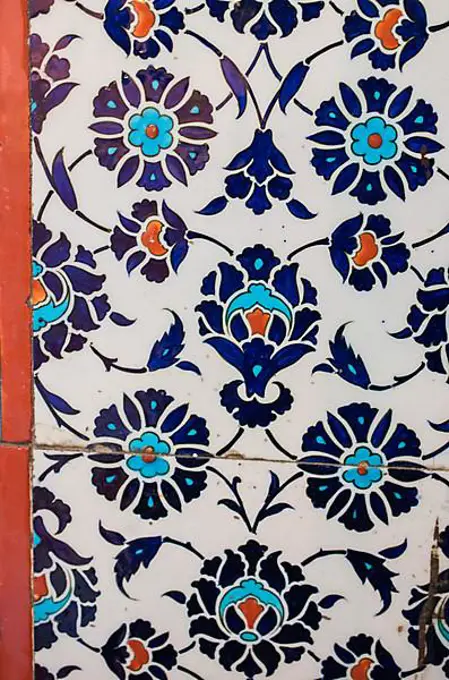
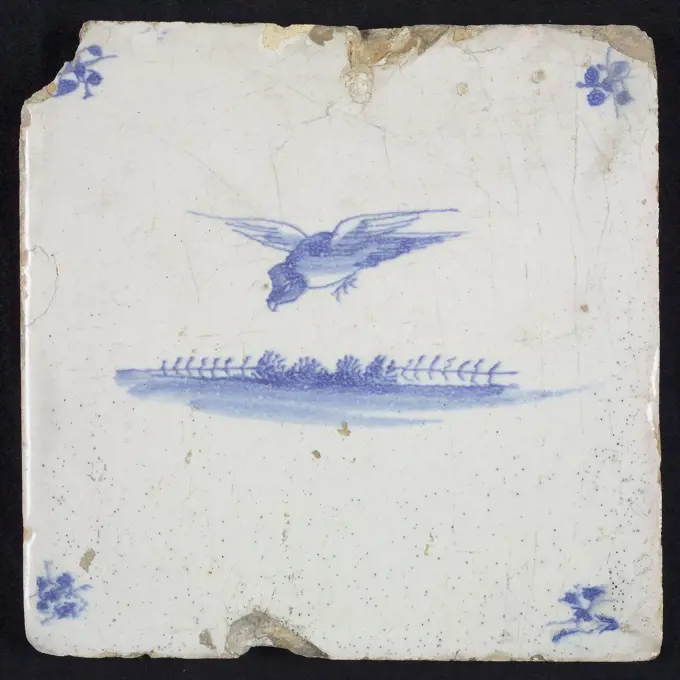
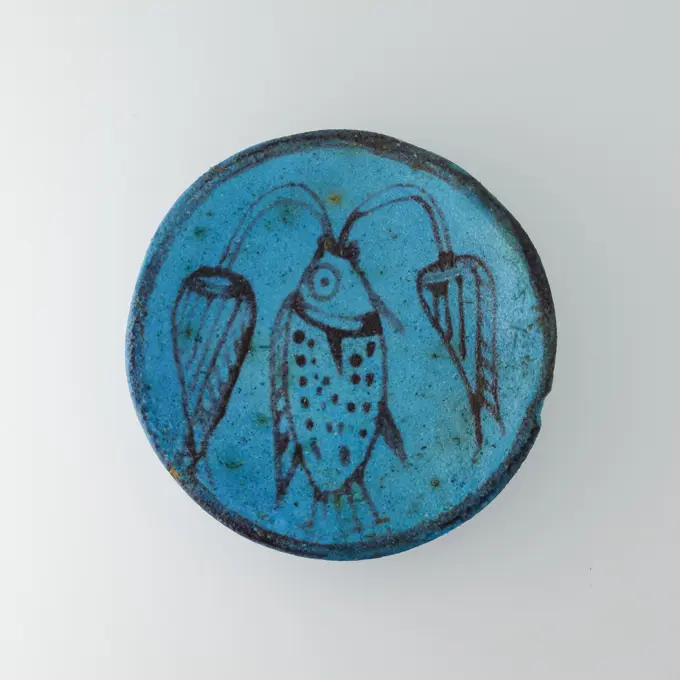
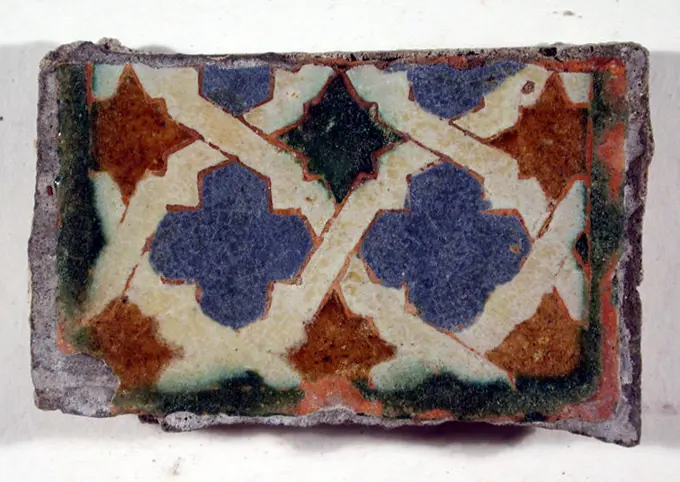
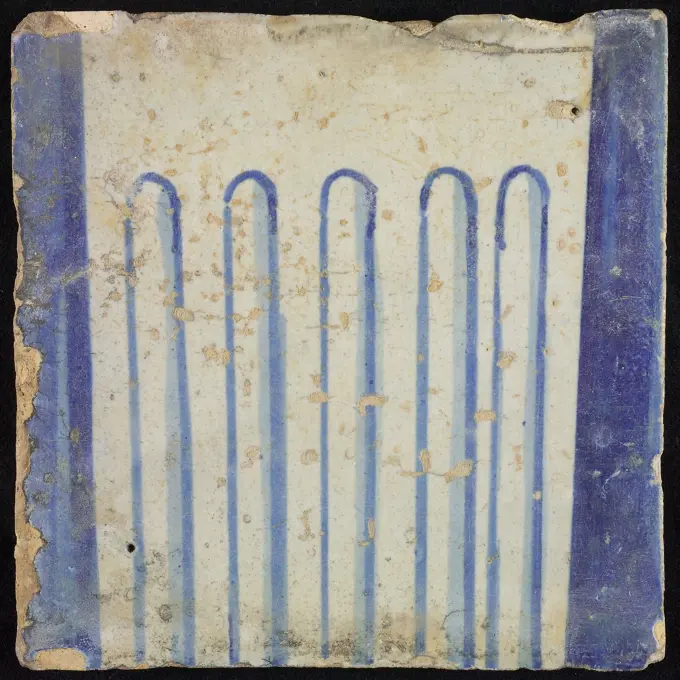
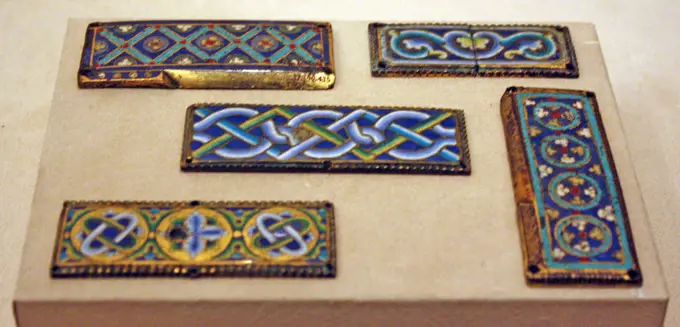
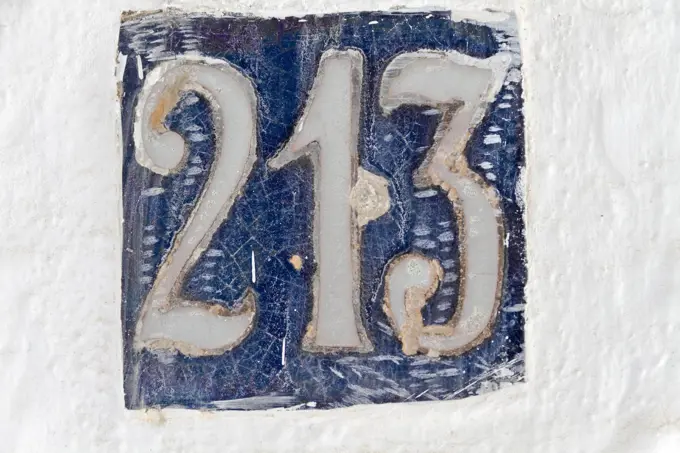
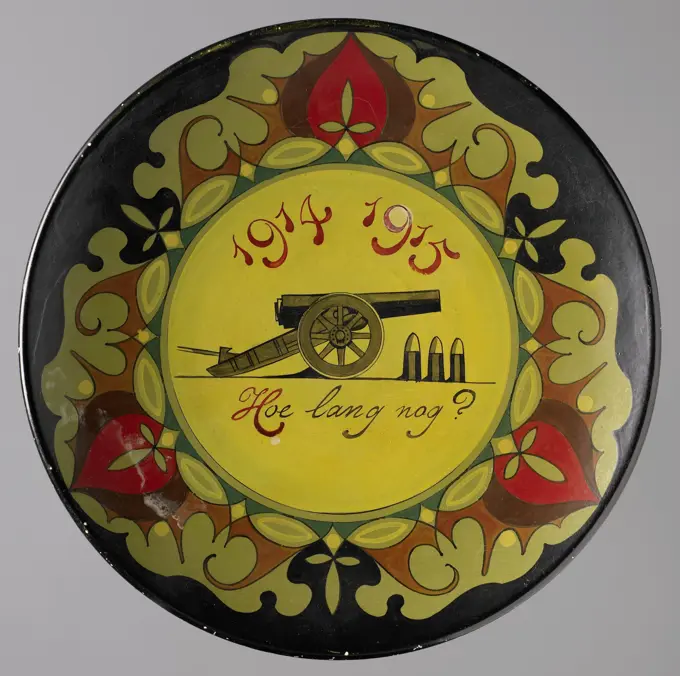
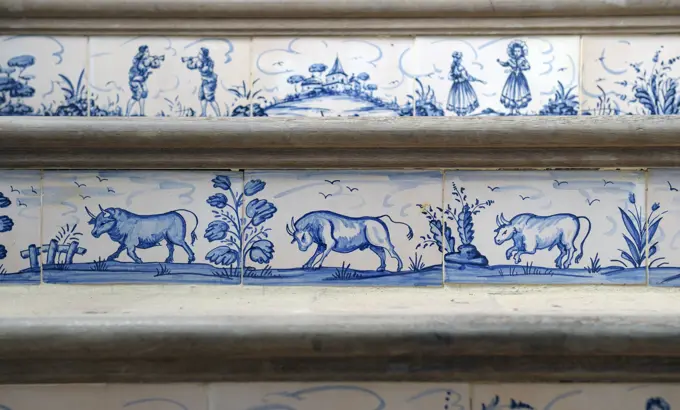
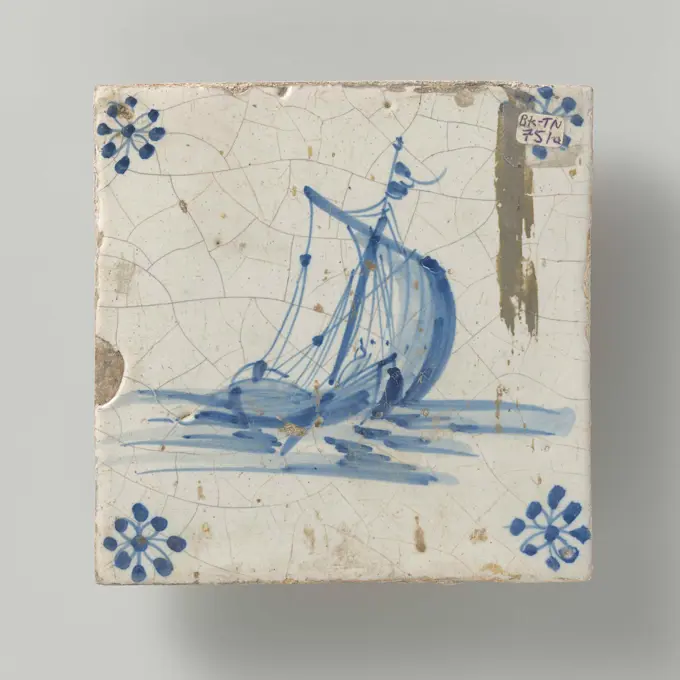
Tile, blue painted with a ship. Tile, blue painted with a ship, so-called farmer's throw. A spinning head in the corners.Field of four tiles with leaves and band work. Four tiles (2 x 2) multicolored (blue and yellow) painted with leaves and tape work.A Samarkand Cuerda Seca stellar tile of twelve pointed form, the blue ground with a central turquoise and gold flower outlined in red. Circa 1450, 34.4cm across. Catalogue no. 2027c.Ornament tile or pompadrain tile, corner pattern palmet, wall tile tile sculpture ceramic earthenware glaze, baked 2x glazed painted Square rossige to yellow shard three to four nail holes Multicolored: blue orange brown and green on white background. Central motif an orange heart with round blue arrows (958.1) circles and orange and green leaf shapes with in each round an orange apple with leaves and buds Angles in saving technique. Ottoman ancient Handmade Turkish Tiles. Ottoman ancient Handmade Turkish Tiles with floral patternsTile, tulip on ground in blue on white, inside serrated square, corner pattern french lily, wall tile tile sculpture ceramic earthenware glaze, baked 2x glazed paintedField of three tiles with portraits, anonymous, c. 1640 - c. 1660 Field of 3 tiles (1 x 3) each with a blue painted portrait of a man inside a squared pillow and a lily in the corners. Netherlands earthenware. tin glaze majolica Field of 3 tiles (1 x 3) each with a blue painted portrait of a man inside a squared pillow and a lily in the corners. Netherlands earthenware. tin glaze majolicaScene tile with unicorn in blue, wall tile tile material ceramics pottery glaze, baked 2x glazed painted Yellow-pink shard. Skewed edges Smaller size than usual Blue pull blue on whiteStar-Shaped Tile 13th-14th century This eight-pointed star tile was probably originally part of a panel of star- and cross-shaped tiles, meant to decorate a wall. The vegetal design was drawn on a luster backdrop which would have caught the light, causing the patterns to shimmer. The effect would have been compounded by the number of tiles on the wall. The motif of cross-style leaf stalks resembles other tiles in the collection (41.165.18), indicating that it was likely a stock motif used by potters in Ilkhanid Iran. Tiles of this type contain a variety of inscriptions in Persian and Arabic, which may relate to the function of the buildings they decorated. This example has inscriptions from the Quran, Sura 93 (Ad-Dhuha) in naskh script which is directed to those who are facing hardship and is intended to console them with the promise of Gods mercy and justice.. Star-Shaped Tile 450436Fragment majolica dish, blue on white, flowers in bowl, dish plate crockery holder earth discovery ceramics pottery glaze, majolica At prongs fried archeology decorate serving food ChinaAn optical spinning toy. Coloured lithograph.Star-Shaped Tile late 13th-early 14th century. Star-Shaped Tile 453453Almost square purple corner edge tile with central corner decoration, flower, edge tile wall tile tile sculpture ceramic earthenware glaze, baked 2x glazed paintedSoul of majolica dish, on which table with fruit, blue decor, dish crockery holder soil find ceramic earthenware glaze lead glaze tin glaze w 20.5, ring 12.0 hand turned baked glazed painted Soul of majolica dish Bottom completely covered with lead glaze Wide stand ring slightly oblique and pierced flat cut Monochrome decor. Blue Pictured is table covered with fruit in the middle pear in the background vase Fast painted decor with thick brush set up. Eat-fried archeology adorn serving serve foodWooden stick after 1538 illustrating the network of a flattened dodecahedron for geometric construction.Fragment majolica dish, blue on white, on the mirror tent With flag, dish crockery holder soil find ceramic earthenware glaze, Cooked on the underside covered with lead glaze. Monochrome archeology adorn serving foodFragment of the majolica dish, polychrome, Amor or Cupid on floating piece of ground, plate dish crockery holder soil find ceramic pottery glaze, Cooked on the underside covered with lead glaze. Polychrome archeology adorn serving foodtile floor tile tile sculpture soil find ceramics pottery clay engobe glaze lead glaze, baked 1x glazed painted Red shard square Two-colored: brown (iron oxide) and white (pipe earth); sludge decoration archeology heraldryField of two tiles with fruit bowls, anonymous, c. 1640 - c. 1660 Field of two tiles (1 x 2) each with a multicolored (blue, green, yellow and orange) fruit bowl on foot with a lily in the corners. Netherlands earthenware. tin glaze majolica Field of two tiles (1 x 2) each with a multicolored (blue, green, yellow and orange) fruit bowl on foot with a lily in the corners. Netherlands earthenware. tin glaze majolicaOld Portuguese tiles with Moorish influenceFour tiles with four-pointed star in circle. Four tiles (2 x 2) that together form a four-pointed star within a circle between which drinks in relief.Ottoman, tilework Chimneypiece; from Turkey, probably Istanbul. Dated 1731. Fritware with under-glaze decorationOrnament tile with diagonal decor on manganese sprinkled background, wall tile tile sculpture ceramic earthenware glaze, Baked 2x glazed painted Square yellow shard two nail holes.Eugene Shellady, Pa German Small Plate, 1938 Pa. German Small PlateSidewall (USA); block-printed; 11 x 10 cm (4 5/16 x 3 15/16 in.)Shards of Kommen from V.O.C. ship De 'Witte Leeuw', Anonymous, Before 1613 bowl Shards Kraakporcelain from V.O.C. ship De 'Witte Leeuw'. Jingdezhen bone china (material)   Sint-HelenaField of four tiles with fruit bowls, anonymous, c. 1640 - c. 1660 Field of four tiles (2 x 2) each with a blue painted fruit bowl. In the corners, an ox head. Netherlands earthenware. tin glaze majolica Field of four tiles (2 x 2) each with a blue painted fruit bowl. In the corners, an ox head. Netherlands earthenware. tin glaze majolicaShards of signs from V.O.C. ship De 'Witte Leeuw', Anonymous, Before 1613 plate (dishes) Shards of signs from V.O.C. ship De 'Witte Leeuw'. One shard to lump concretion. Jingdezhen bone china (material). concretionary stone   Sint-HelenaOrnament tile, blue on white, centrally fine eight-pointed star, wall tile tile sculpture ceramic earthenware glaze, baked 2x glazed painted Red shard square Four nail holes. Two-tone: blue on white ground.Tile, blue painted with a ship. Tile, blue painted with a ship, so-called farmer's throw. A spinning head in the corners.Ottoman ancient Handmade Turkish Tiles with floral patternsAnimal tile, flying bird to the left above ground, in the background vegetation, in blue on white, corner pattern spider, wall tile tile sculpture ceramic earthenware glaze, baked 2x glazed paintedBowl with fish and lotuses ca. 1550-1295 B.C. New Kingdom This charming little bowl is made in brilliant blue faience and decorated in black paint, including a thin black rim. The exterior of the shallow bowl is nicely rounded and shows an open lotus flower in top view with its pointed petals spreading across the surface. The bowls interior features a tilapia with two lotus stems emerging from its mouth. They extend to opposite sides of the bowl and end in closed buds. The fish as well as the open and closed lotus flowers on both sides of the vessel symbolize regeneration and rebirth. The lotus opens and closes with the sunlight which was seen as a cycle of birth, death, and rebirth. The curious behavior of the tilapia to carry its egg in its mouth until they hatch, connected this fish with the power of life and regeneration. Additionally, the blue color of the faience contributed to the symbolism of this piece as it relates to the Nile water, which was life-bringing as well. Such decPavement tiles 16th century Spanish, Seville Polychrome tiles had long been made in Spain in the cuerda seca (dry cord) technique, dating to the Muslim Almohad dynasty, in which colors were kept from running together during firing by a line of grease drawn between them. This method was not always successful, however, as the blurred outlines in some of these tiles indicate.. Pavement tiles 187937 Spanish, Seville, Pavement tiles, 16th century, Tin-glazed earthenware, Each tile: 3 x 3 in. (7.6 x 7.6 cm). The Metropolitan Museum of Art, New York. Gift of Henry G. Marquand, 1894 (94.4.449a, b)Ottoman art example of Mother of Pearl inlays on objectsField of sixteen tiles with hunters and animals, Anonymous, c. 1620 - c. 1640 Field of sixteen tiles (4 x 4) each with a blue painted animal or hunter on a ground (one with a portrait) within a circle with scalloped edge. In the corners, a meander. One loose tile (BK-1955-185-A-1). Netherlands earthenware. tin glaze majolica Field of sixteen tiles (4 x 4) each with a blue painted animal or hunter on a ground (one with a portrait) within a circle with scalloped edge. In the corners, a meander. One loose tile (BK-1955-185-A-1). Netherlands earthenware. tin glaze majolicaTile of chimney pilaster, blue on white, part of column with cannelure, chimney pilaster tile pilaster footage fragment ceramics pottery glaze, baked 2x glazed painted Tiles form part of one-row chimney pilaster originally twelve high Yellow to ruddy shard square two nail holes tile figure lower left and the letter upper right P and 4 1914 construction City Hall Zandstraat Quarter Second World War war bombardment Rotterdam City Triangle 1940 Renaissance Coming from debris after bombing on Rotterdam in May 1940.Ottoman ancient Handmade Turkish Tiles with floral patternsDetail of Nez Perce beadwork of cradle board, Olympia State Capitol Museum, Washingon state, United States of America, North Americapottery plate An image of a nice pottery plate Copyright: xZoonar.com/magannx 2902963Plaque from a Reliquary Shrine, Champleve enamel on guilded copper. German, probably Cologne. Made about 1170.Hausnummer house number Copyright: xZoonar.com/angetax 10677466Scene tile, castle or town, blue decor on white ground, corner fill spider, wall tile tile sculpture ceramics earthenware glaze tin glaze, in shape made baked glazed painted baked Wall tile with blue decor on white fond Central representation castle or part of walled city with flour mill on the ramparts Orange-yellow shard. Shaved pottery. Corner filling spins Slightly slanted sides of indigenous potteryHow long, Johannes Hendricus de Groot, 1914 - 1915  White glazed plate with a multicolored painting over the entire surface and edge of the front. Outdoor edge with geometric motifs on black surface. Central to around the frame: cannon on a role horse with three grenades on the right. Below inscription. Reverse: brand and 2 holes in the surface. Nijmegenmaastricht earthenware. oil paint (paint). glaze. varnish vitrificationEurope, Spain, Andalusia, Malaga Province, Ronda. Ceramic tile stairs, Plaza de Toros (Bullring)Tuscan ceramics, at Volpaia, a hill village near Radda, Chianti, Tuscany, Italy, EuropePaper collectors badge of the Committee of Assistance for the PoIIsh Legions Central Office of Publishers of the Supreme National Committee, Printing House of the Jagiellio University