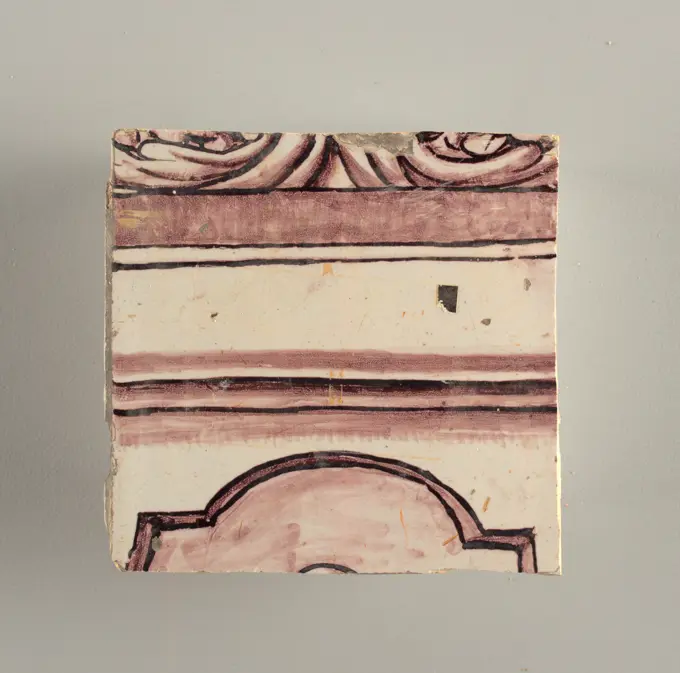
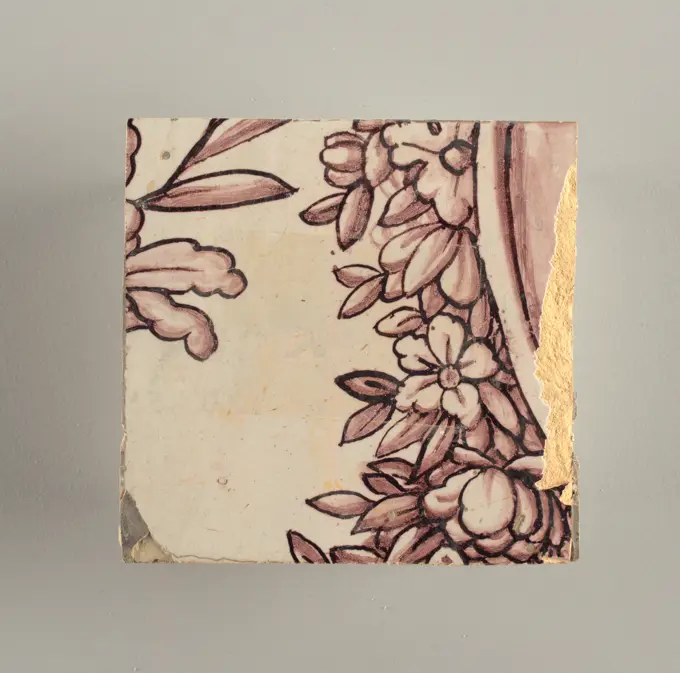
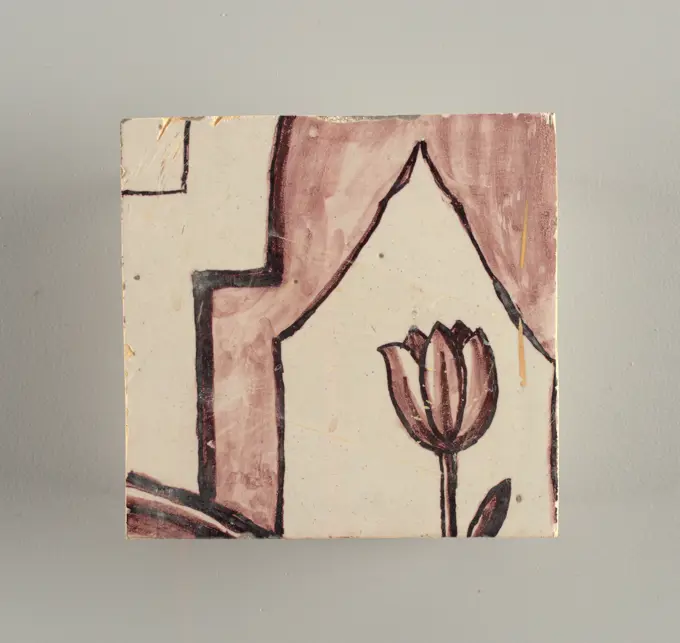
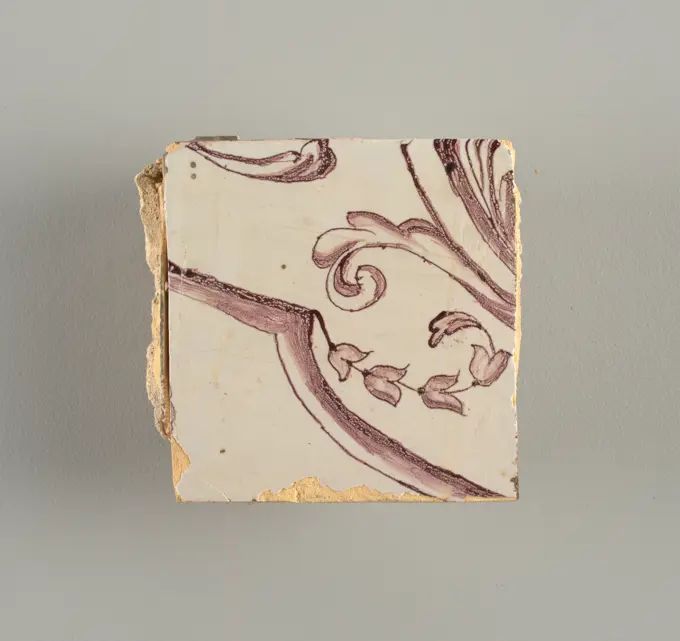
Decorative Ceramic Tiles

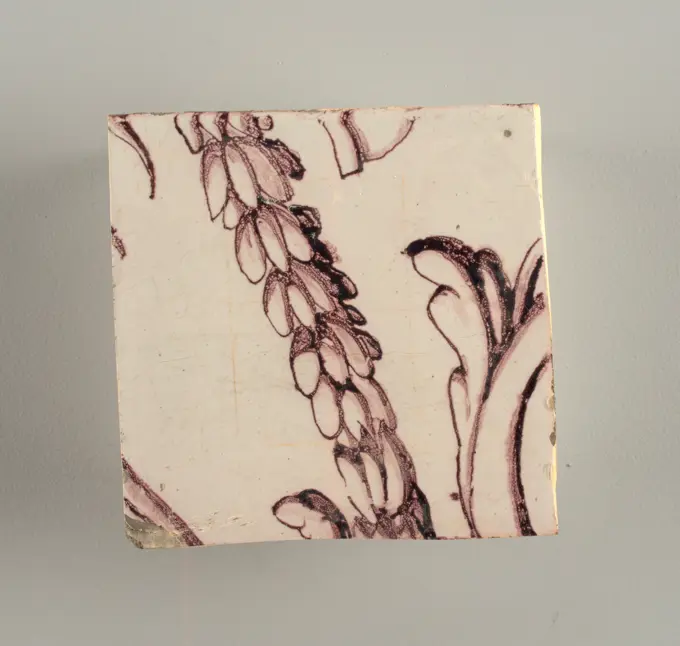
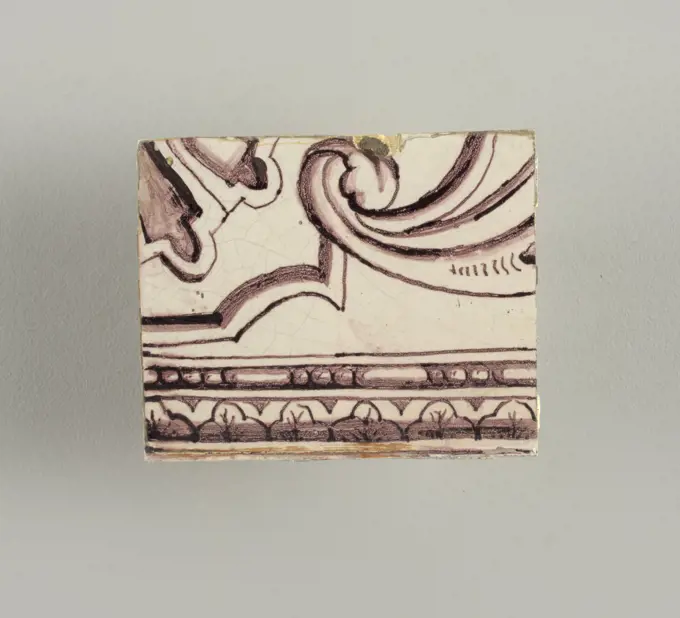
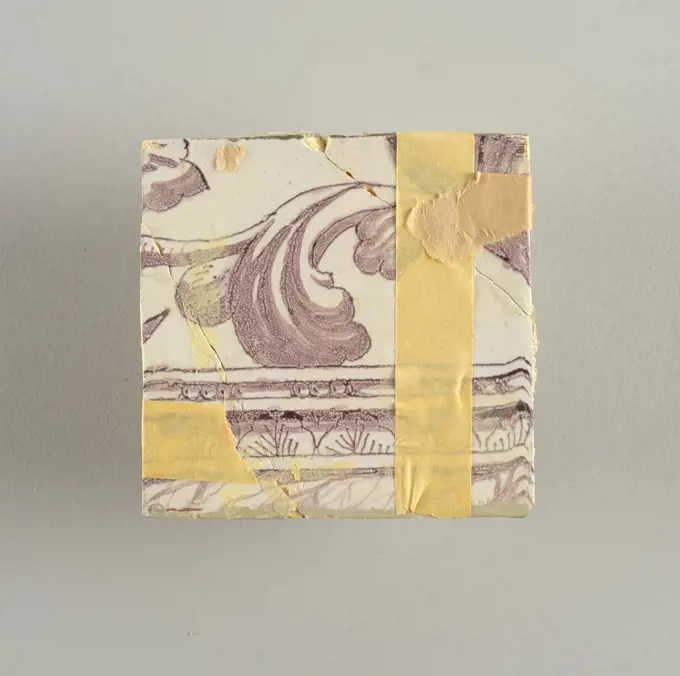
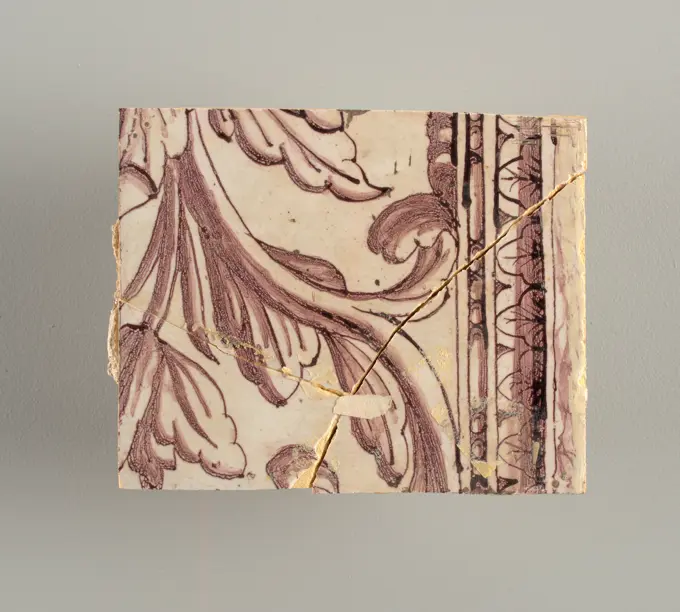
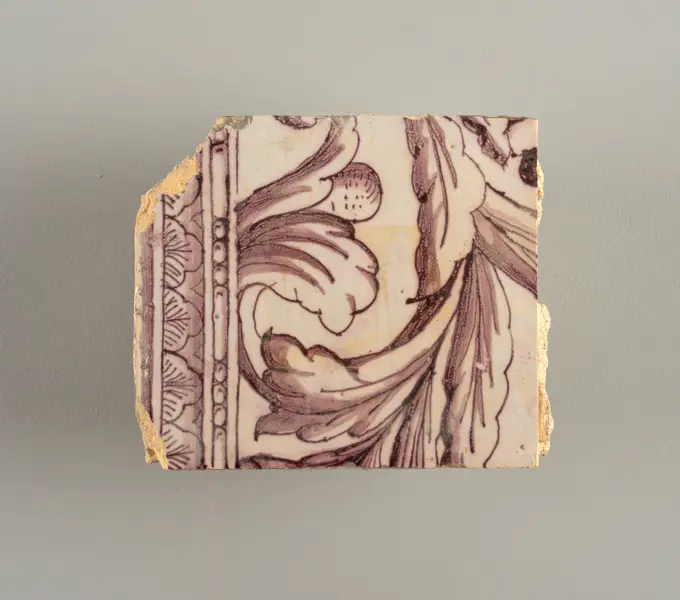
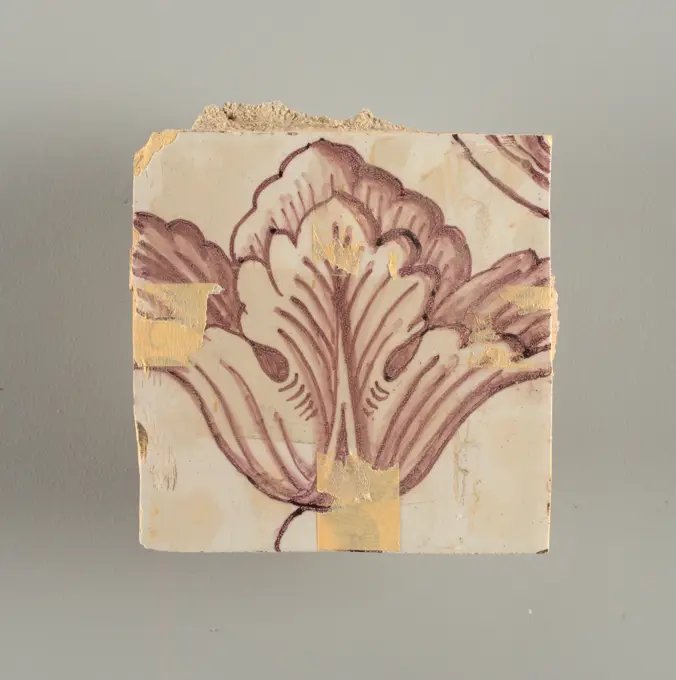
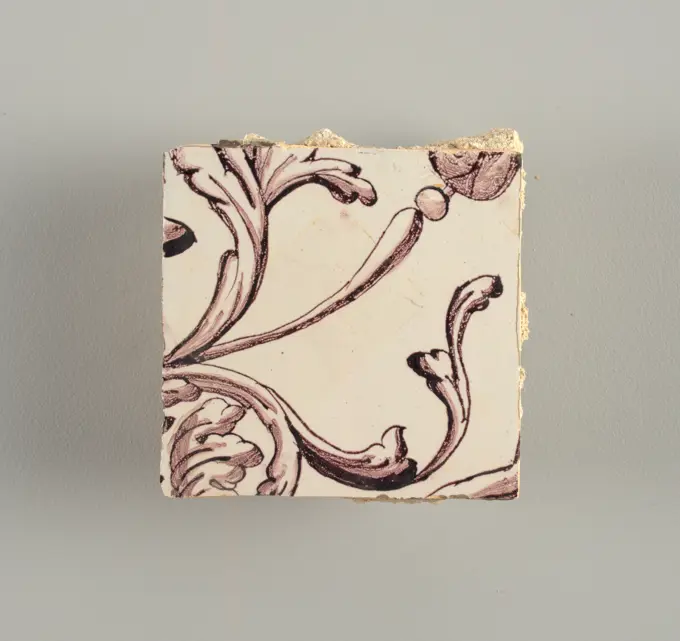
Beautifully designed ceramic wall tiles with intricate patterns. Each piece features underglazed artwork typical of historical crafts.

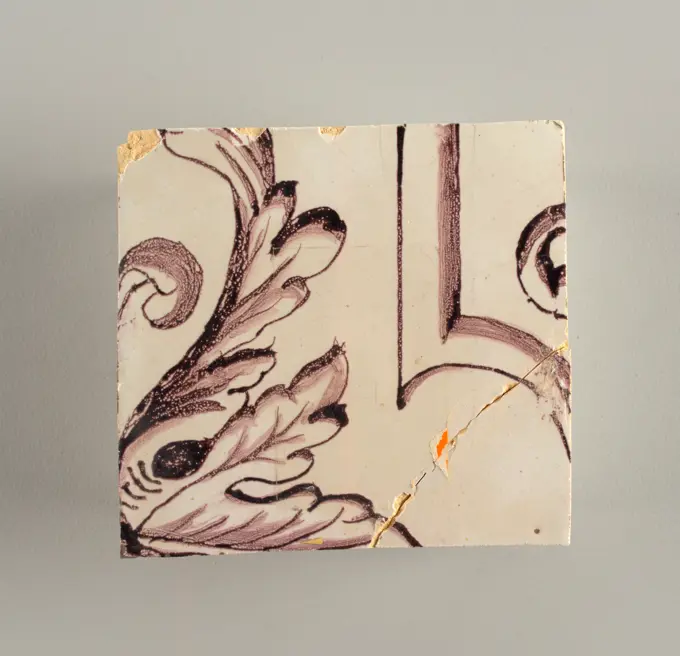
Wall Facing (Netherlands); tin-glazed earthenware, underglaze; 5 tiles tall, various wide
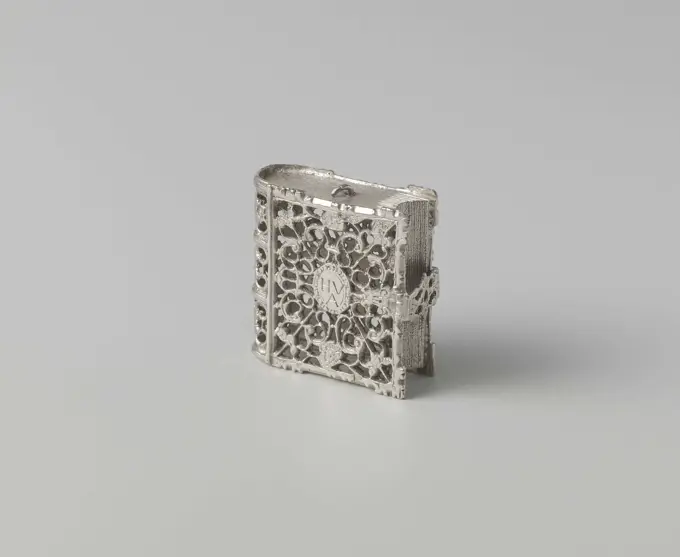
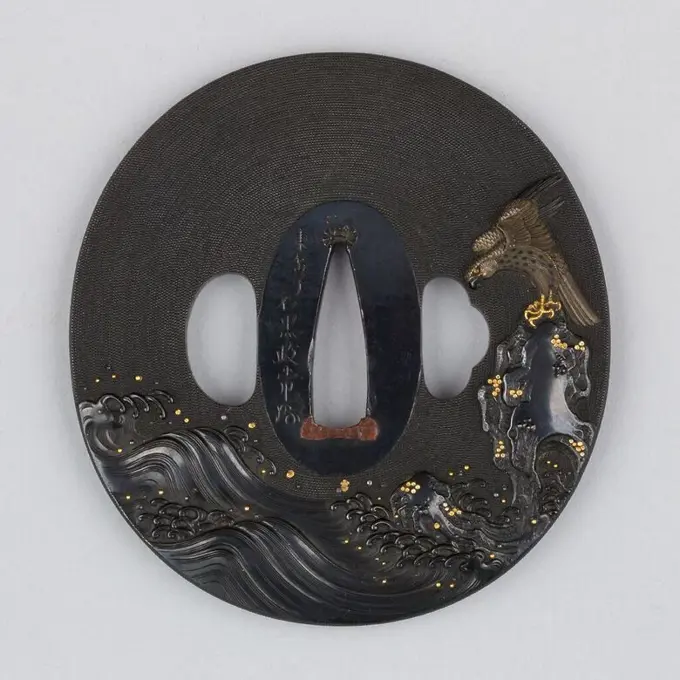
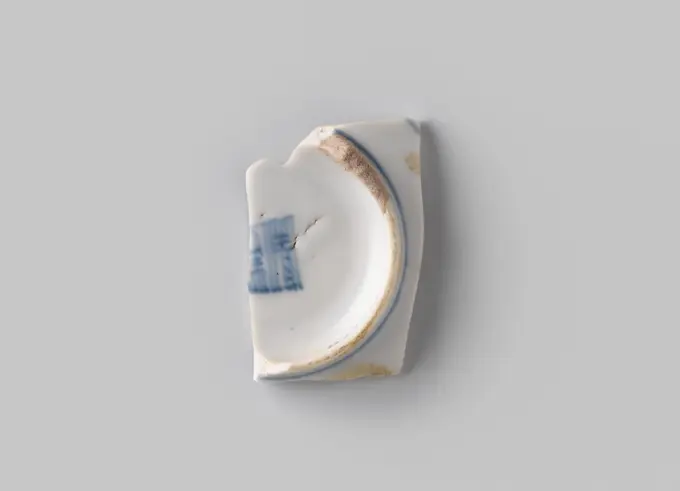
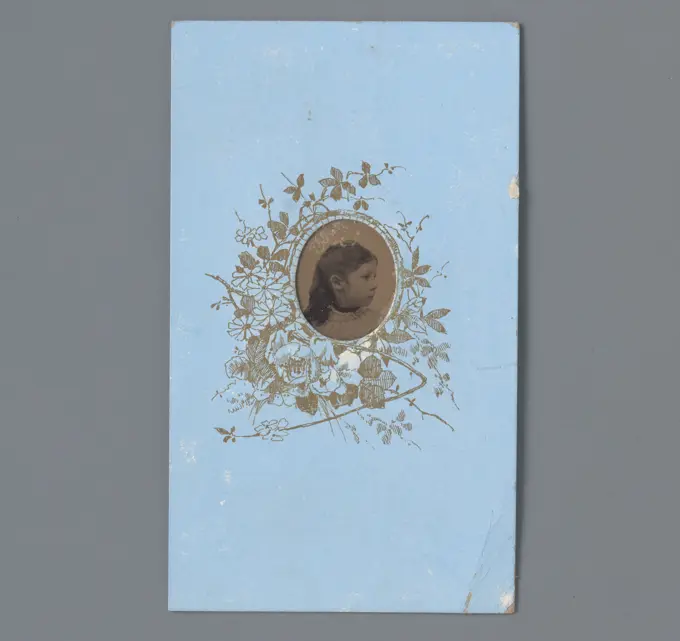
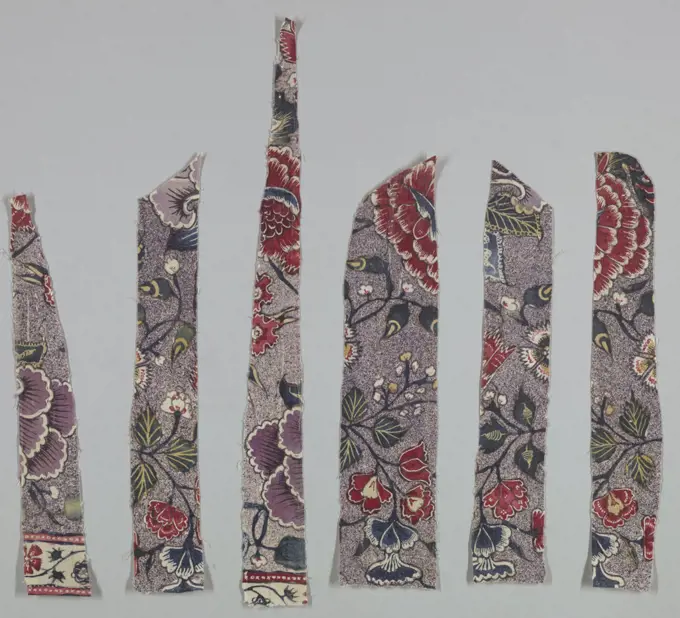
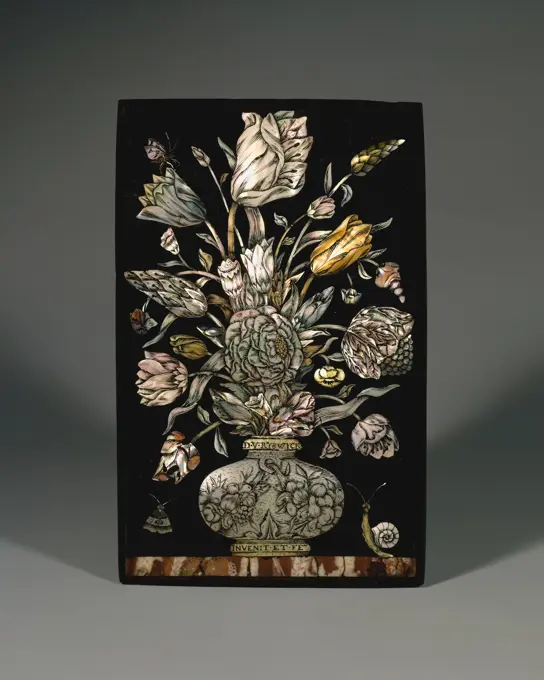
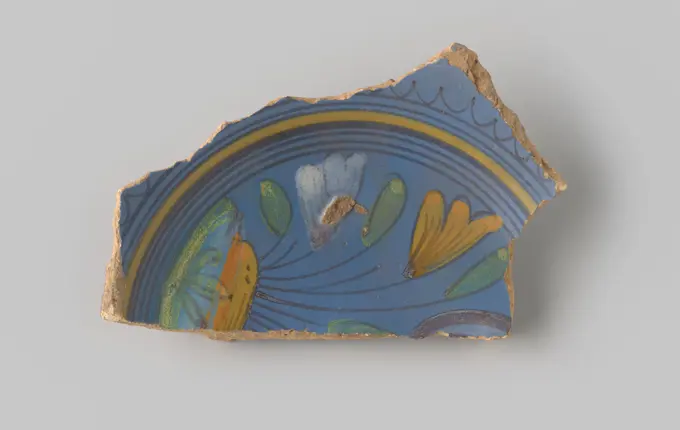
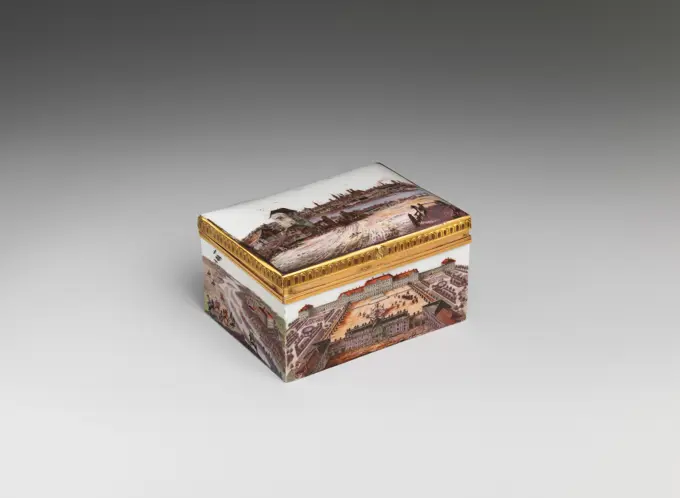
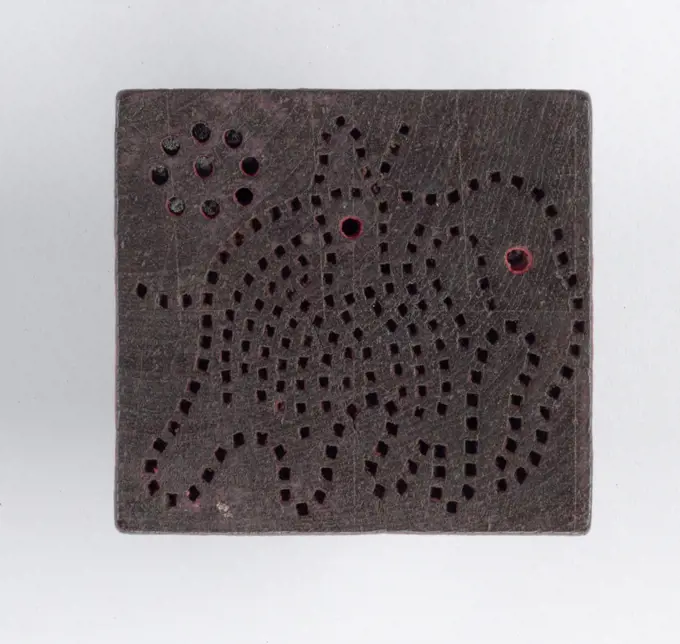
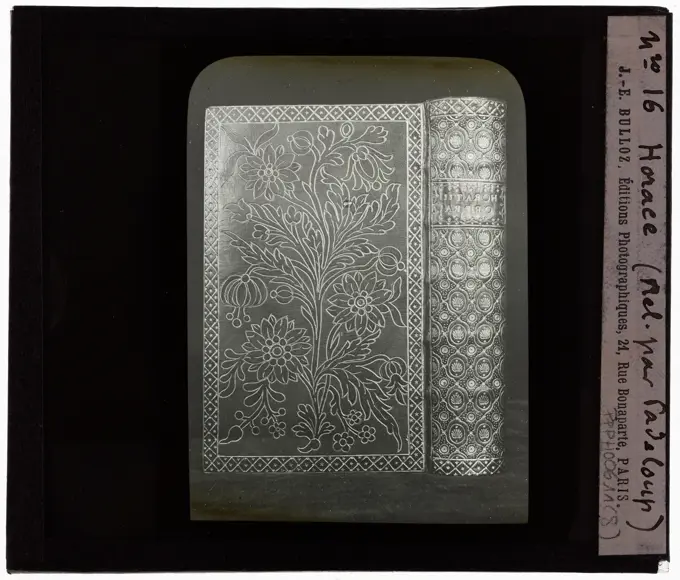
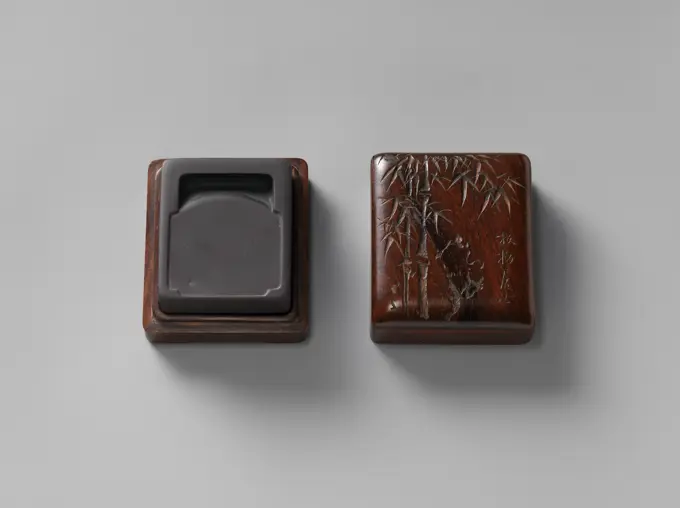
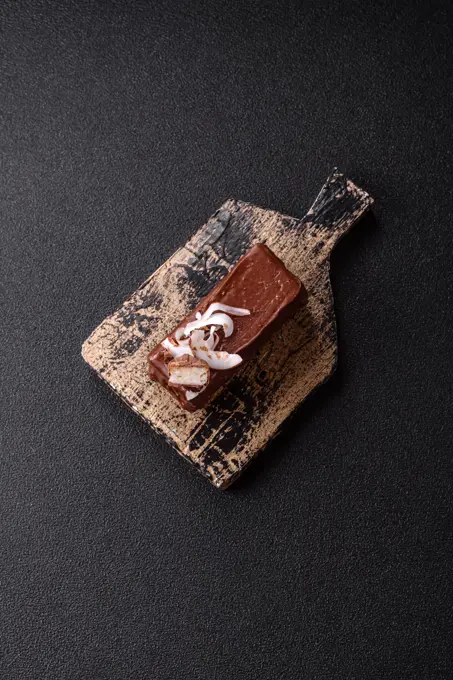
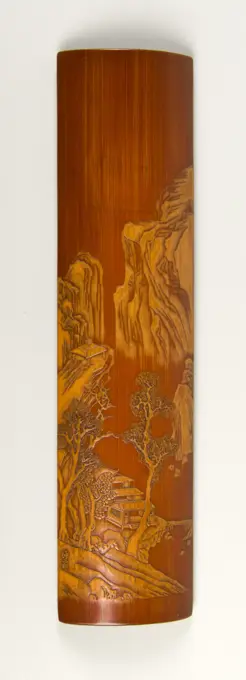
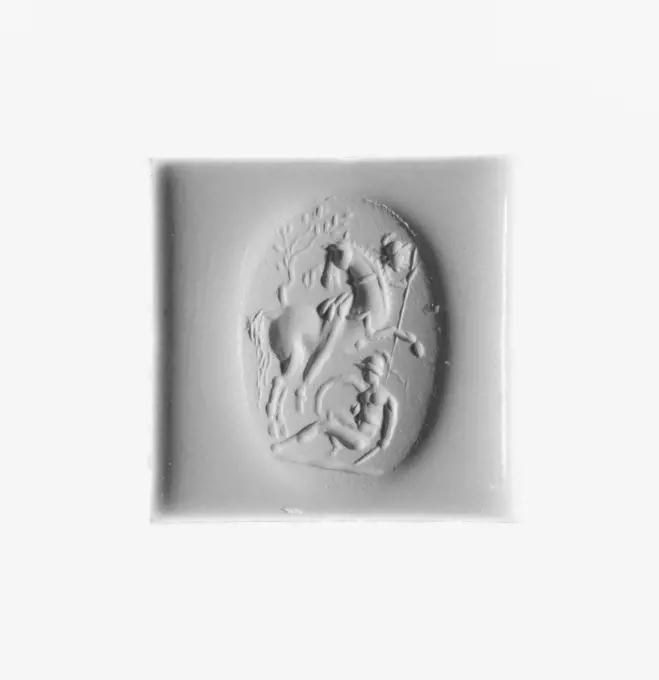
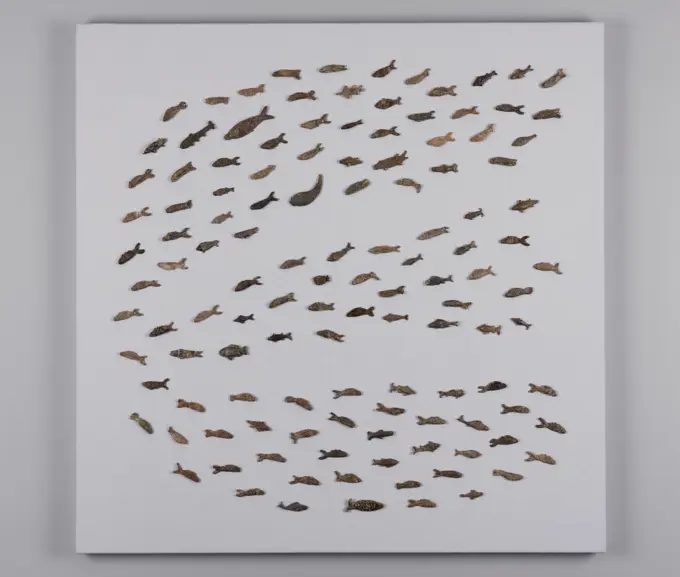
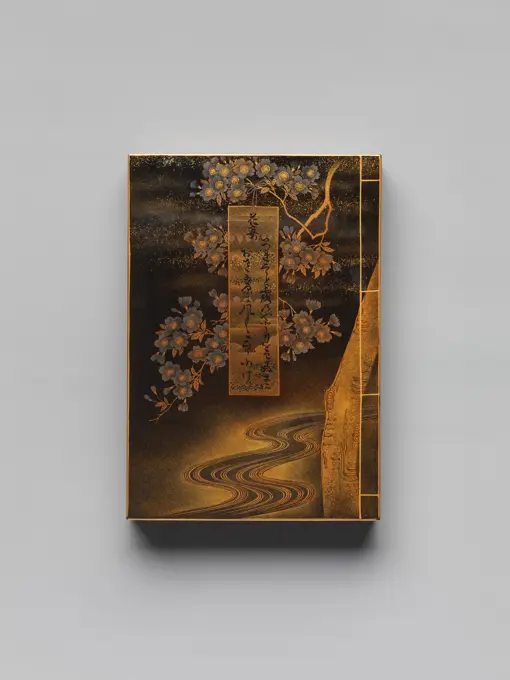
Wall Facing (Netherlands); tin-glazed earthenware, underglazeWall Facing (Holland); tin-glazed earthenware, underglazeTile Panel Composed Of Six Square Tiles (Holland); tin-enamelled earthenwareTile Wall Facing (Netherlands); tin-glazed earthenware, underglazeWall Facing (Netherlands); tin-glazed earthenware, underglaze; 5 tiles tall, various widePanel; tin-glazed earthenware, underglaze manganese decoration; Overall: H: 147.3 x W: 85.1 cm (58 x 33 1/2 in.)Wall Facing (Holland); tin-glazed earthenware, underglaze; 5 tiles tall, various wideTile Wall Facing (Netherlands); tin-glazed earthenware, underglazeWall Facing (Netherlands); tin-glazed earthenware, underglaze; 5 tiles tall, various widePanel, Tin-glazed earthenware, underglaze manganese decoration, Tile from upright rectangular panel of tiles; dark purple (manganese) on white ground showing arched framework; oval cartouche bearing double monogram (probably Lubert Adolf Torck), supported by pair of nude amors; pair of small amors holding crown above, borne by pair of female terms; surrounded by leafscrolls and foliations, with pair of flower-filled urns; top center, lunetted amor's head pendented with rosetted lattice cartouche., To be used in Rozendaal Castel. Intended to be viewed inset into a wall- indicated by the inclusion of a trompe-l'oeil marbleized edge that surrounds three sides of the panel., Possibly Rotterdam, Holland, Possibly Delft, Netherlands, ca. 1725, tiles, Decorative Arts, PanelTile wall facing, Tin-glazed earthenware, underglaze, Horizontal rectangle. Thirty tiles wide and twenty-three tiles high with opening for fireplace eleven tiles wide and ten high. Foliage arabesques disposed about three vertical axes from which are emphazised by urns at center and right, and at left by the figure of a standing woman carrying an infant on her arm and accompanied by two children., Possibly Rotterdam, Holland, Possibly Delft, Netherlands, ca. 1725, tiles, Decorative Arts, Tile wall facingWall Facing (Netherlands); tin-glazed earthenware, underglaze; 5 tiles tall, various wideTile wall facing, Tin-glazed earthenware, underglaze, Horizontal rectangle. Thirty tiles wide and twenty-three tiles high with opening for fireplace eleven tiles wide and ten high. Foliage arabesques disposed about three vertical axes from which are emphazised by urns at center and right, and at left by the figure of a standing woman carrying an infant on her arm and accompanied by two children., Possibly Rotterdam, Holland, Possibly Delft, Netherlands, ca. 1725, tiles, Decorative Arts, Tile wall facingWall Facing (Holland); tin-glazed earthenware, underglazeWall Facing (Netherlands); tin-glazed earthenware, underglaze; 5 tiles tall, various wideWall Facing (Netherlands); tin-glazed earthenware, underglaze; 5 tiles tall, various wideWall Facing (Holland); tin-glazed earthenware, underglaze; 5 tiles tall, various wideTile Wall Facing (Netherlands); tin-glazed earthenware, underglazeWall Facing (Netherlands); tin-glazed earthenware, underglazeSketchbook (23 leaves, colored, mostly blank, perforated for removal, linencover).  Artist: Edwin Austin Abbey, American, 1852-1911, M.A. (HON.) 1897Illustration of brown envelope isolated on whiteNapkin centenary Dutch Independence 1813-1913, Royal Weverij van Dijk, 1913 Linnamast napkin for the centenary of the Dutch Independence 1813-1913. Midfield: a circle, in which the Dutch garden and the dates 1813-1913. Standing and lying edges: stylized leaves. Corners: diagonally placed, crowned coats of arms with the Dutch Lion. Eindhoven linen (material) damask Linnamast napkin for the centenary of the Dutch Independence 1813-1913. Midfield: a circle, in which the Dutch garden and the dates 1813-1913. Standing and lying edges: stylized leaves. Corners: diagonally placed, crowned coats of arms with the Dutch Lion. Eindhoven linen (material) damaskWall Facing (Netherlands); tin-glazed earthenware, underglaze; 5 tiles tall, various wideWall Facing (Netherlands); tin-glazed earthenware, underglaze; 5 tiles tall, various wideYellow glazed floor tile, anonymous, c. 1400 - c. 1600 Yellow glazed floor tile made of red -baking earthenware. The tile is part of three floor tiles (BK-NM-1388-1 to BK-NM-1388-4). Netherlands (possibly) earthenware. glaze Yellow glazed floor tile made of red -baking earthenware. The tile is part of three floor tiles (BK-NM-1388-1 to BK-NM-1388-4). Netherlands (possibly) earthenware. glazeWall Facing (Netherlands); tin-glazed earthenware, underglazeKids drawing dots circles colorful strokes.Hand drawn creative invitation or greeting cards template. Anniversary, Birthday, wedding, party, social media banners set of 6. Isolated on layer.Tile Wall Facing (Netherlands); tin-glazed earthenware, underglazeBöhmer Franz (1907-1943), Haus Darré in Berlin-Dahlem (1936-1936): sofa. Photo on paper, 18.7 x 24.5 cm (including scan edges) Böhmer & Petrich : Haus Darré, Berlin-Dahlem. UmbauNeedleHolderWall Facing (Holland); tin-glazed earthenware, underglaze. Openwork box in the shape of a book. A ring is attached to the top. The sliding plate is missing. An open-worked side has a medallion in the middle with the letters H A V engraved. The box is not noticed. See also BK-NM-11177-81.Colorful geometric website sale tag button. Colorful geometric website sale tag button. universal internet bannerLodder ink of silver. Lodder in the form of a book, the bottom of which is the hinged lid. A shield engraved on the front and back with the letters A. C. v. T.Sword Guard (Tsuba). Culture: Japanese. Dimensions: H. 3 1/8 in. (7.9 cm); W. 2 15/16 in. (7.5 cm); thickness 5/16 in. (0.8 cm); Wt. 7 oz. (198.4 g). Fittings maker: Inscribed by Ishiguro Masatsune (Japanese, 1760-1828). Date: late 18th-early 19th century.This tsuba features a dsign of an eagle perched on a rock above the sea. It forms a pair (Daisho tsuba) with another sword guard also in the Metropolitan Museum's collection (acc. no. 43.120.723). Museum: Metropolitan Museum of Art, New York, USA.Fragment Come from V.O.C. ship De 'Witte Leeuw', Anonymous, Before 1613 bowl Fragment come from V.O.C. ship De 'Witte Leeuw'. Jingdezhen porcelain   Sint-HelenaVintage greeting card.Portrait of an unknown girl, Anonymous, 1855 - 1900 photograph   iron (metal). cardboard. paper ferrotyping historical persons - BB - woman. girl (child between toddler and youth)Finger cloth with fish. Finger cloth from Linnendamast with the Motif School Visschen, Dessin 568.Close-up shot of a fashionable leather men’s wallet on a white background with reflection. men’s wallet on a white backgroundLa Farge Sketchbook #16 (35 leaves, pluscovers).  Artist: John La Farge, American, 1835-1910, M.A. (HON.) 1896Piece 18th century Japan. Piece. Japan. 18th century. Silk / Compound weave. Edo period (1615-1868). Textiles-WovenWall Facing (Holland); tin-glazed earthenware, underglazeFragments, Medium: cotton Technique: mordants for madder colors hand painted; blue immersion dyed over resist; yellow applied by brush over blue for green; chintz on plain weave, Chintz textile with symmetrical floral pattern in red, blue, green and yellow, with speckled purple background., India, 18th century, printed, dyed & painted textiles, FragmentsCylindrical sealFloral still life 1662 Dirck van Rijswijck Trained as a goldsmith, Van Rijswijck was celebrated during his lifetime for his inlaywork of mother-of-pearl in ebony or black marble creating still-life pictures and several tabletops. The large-scale importation of tropical shells into Amsterdam during the seventeenth century prompted contemporary artists to specialize in the working of mother-of-pearl. Carefully choosing pieces that simulated the natural colors of his subjects, Van Rijswijck engraved certain features with a burin and darkened them with charcoal and wax. Like most flower paintings, his compositions were not entirely realistic in their portrayal of blooms that available during different seasons.. Floral still life. Dirck van Rijswijck (Cleves, Germany 1596-1679 Amsterdam). Dutch, Amsterdam. 1662. Black marble inlaid with engraved mother-of-pearl and breccia marble, ebony frame. Natural SubstancesBirthday, Christmas, and Valentine cards depicting characters from nursery rhymes : Queen of Hearts, Little Johnny Horner, girl with leaves and shells.. Proofs, Greeting cards. 1865 - 1899. The Miriam and Ira D. Wallach Division of Art, Prints and Photographs: Print Collection. Children, Nursery rhymesDrawing, Polychrome floral group c; Manufactured by Herman A. Elsberg (American, 1869-1938); France; gouache, beige tassel (silk) support: ivory paper; 31.6 x 24 cm (12 7/16 x 9 7/16 in.); Anonymous bequest in memory of Albert and Rebecca Elsberg; 1938-82-229-aFragment silk tissue., Silk weave Heshuyzen, 1750 - 1800 Fragment silk tissue. A blue and brown vertically striped soil has yellow horizontal tires in which saved a leaf with a fruit (holly). Haarlem silk Fragment silk tissue. A blue and brown vertically striped soil has yellow horizontal tires in which saved a leaf with a fruit (holly). Haarlem silkMagic items seamless pattern in flat style. School of Magic. Pumpkin, key, magic ball, feather, spider, hat, broom skull snake. Magic items seamless pattern in flat style. School of Magic.Sharp of ross -baking earthenware, with blue glaze at the top with decoration of a scene of flowers that stand in the earth in brown, white, yellow, orange and green, and a few circles in brown and yellow around it, anonymous, 1600 - 1650  Northern Netherlands earthenware. glaze majolica  Northern Netherlands earthenware. glaze majolicaWebsite banner on white with sample text. Button with your promo text, sale symbolTile with sailing ship. Tile with a multicolored (blue, orange, green and purple) sailing ship.Bay Scene; Sketches of Two Boats (from Sketchbook) 1890 Albert Bierstadt American. Bay Scene; Sketches of Two Boats (from Sketchbook). Albert Bierstadt (American, Solingen 1830-1902 New York). American. 1890. Graphite on wove paperBox Horning with a bronze medal, Jan Wils, 1957 box Square yellow cardboard box with publisher on lid of medal. Inside orange velvet with a yellow drawstring. Voorschoten Box: Cardboard. Box: Velvet (Fabric Weave). Cord: Ribbon (Material)   NetherlandsFragments of a strip of bobbin with horns of abundance, anonymous, c. 1850 - c. 1860 Fragments of a strip of black bobbin: Chantilly side. The original pattern consists of an empty grid land where hollow horns of abundance along the heavy and wide scalloped bottom, where smaller horns are moving, which are interrupted by Bolle C-Voluten. Forced branches rise from the horns with anemones, tulips, daffodils and lily of valleys. The sculptures in turn show a range of leaves and a thick garland of anemones and other flowers. Fine swingers with flowers hang off the inside with connected rosters. France (possibly) silk bobbin lace Fragments of a strip of black bobbin: Chantilly side. The original pattern consists of an empty grid land where hollow horns of abundance along the heavy and wide scalloped bottom, where smaller horns are moving, which are interrupted by Bolle C-Voluten. Forced branches rise from the horns with anemones, tulips, daffodils and lily of valleys. The sculptures in turnSnuffbox ca. 1770 Nymphenburg Porcelain Manufactory This snuffbox is notable for the high quality of its painting and for the ambitiousness of its decorative scheme. The exterior of the cover is painted with a view of Munich copied from a painting by Bernardo Bellotto of 1761, and the sides and bottom of the box are decorated with views of south German castles associated with the Bavarian court. Among the structures depicted are those at Schieissheim, Fürstenried, Dachau, Lichtenberg am Lech, and Nymphenburg, the latter housing the small porcelain manufactory where this snuffbox was made. The castles on the snuffbox are based on water colors by Maximilian de Geer (1690-1768) that in turn were copies of paintings by Franz Joachim Beich (1665-1748), the court painter in Munich. The interior of the box displays a scene of a deer hunt on Lake Starnberg and, unusu ally, a finely detailed lozenge pattern evoca tive of the contemporary textiles that often lined a coffer's interior. The decoraSharf of white -baking earthenware, with a painting in blue on a white surface at the top, c. 1500 - c. 1899 fragment   earthenware. glazePrinting block, Medium: wood Technique: carved, Small block of carved wood shot through lengthwise with 5 large holes. Design of an elephant with howdah (carriage) is made by small squares dug out of the surface of the wood for reserve printing. A large round hole for elephant's eye, another for a jewel in the howdah and a circular pattern of holes for the sun pierce through to the lengthwise tunnels in the wood. Remains of red dye or wax on sides of block and in the round holes., Rajasthan, India, 19th century, appliances & tools, Printing blockVase fragment East Greek/Sardis, Lydian. Vase fragment 252787 East Greek/Sardis, Lydian, Vase fragment, Terracotta, Overall: 1 3/4 x 1 15/16in. (4.4 x 5cm). The Metropolitan Museum of Art, New York. Gift of The American Society for the Excavation of Sardis, 1926 (26.199.220)Easter cards depicting flowers and decorative design.. Proofs, Greeting cards. 1865 - 1899. The Miriam and Ira D. Wallach Division of Art, Prints and Photographs: Print Collection. Flowersflu word abstract - vintage wooden letterpress blocks isolated on whiteBinders. Horace Binders. Horace. Black and white projection plate. 1900-1930. Photograph of Jacques-Ernest Bulloz (1858-1942).Inkstone with Box with Bamboo after Zheng Xie (1693-1765) China. Inkstone with Box with Bamboo after Zheng Xie (1693-1765). China. Duan stone, wood. Qing dynasty (1644-1911). InkstoneTaweret amulet. Dimensions: l. 2.2 × w. 1.3 cm (7/8 × 1/2 in.). Date: 100 BC-100 AD. Museum: Metropolitan Museum of Art, New York, USA.Campania Caserta Capua Museo Campano01. Hutzel, Max 1960-1990 Medieval: Byzantine architectural fragments; parchment fragments with miniatures (12th century) from Montecassino; painted wooden crucifix (13th century); Carolingian crucifixes; Bishop's miter (11th century) of gold and silver damask; fresco (13th century). Post-medieval: Architecture (15th century). Formerly the Palazzo Antignano. Unusual Catalan/Moorish-style portal; Paintings on panel and canvas (15th-18th centuries); marble intarsia (16th century); marble sculpture: busts of Christ and Mary (17th century); sculpture of saints in marble and in wood (15th century); painted and gilded sculpture in wood; marble grave sculpture (16th century); sarcophagus with allegorical carvings; gold reliquary "Rosa d'Oro"; crucifix made of elephant tusk Specific Location: Pianterreno Antiquities: Italic sculpture (seated women holding babies); inscription. Photo campaign #1: 533 photos. Roman relief and sculpture; cinerary urns; Greek an. The message on this pewter dish translates as: arrived here on 25 October 1616.’ En route to Asia, the Dutch EastIndia Company captain, Dirck Hartogh, veered off course and so discovered the west coast of Australia. As proof of his presence there, he nailed this flattened dish to a pole; it is the oldest European object ever found on Australian soil. Another Dutch captain brought it back eighty years later.Sketchbook (20 leaves, brown marbledcover).  Artist: Edwin Austin Abbey, American, 1852-1911, M.A. (HON.) 1897Cicada 206 BCE-220 CE China. Jade .Wall Facing (Holland); tin-glazed earthenware, underglazeColorful geometric website sale tag button. Colorful geometric website sale tag button. universal internet bannerSeal of the Republic Augustin Dupre (1748-1833). Seal of the Republic, 1793.Glass diapositive by Léon Vidal showing subjects for three-color printing and projection, created in 1899.Vintage car detailStill life leaves fauna wall art printWebsite banner on white with sample text. Button with your promo text, sale symbolGreen velvet with letter s embroidered in pink silk and gold thread with sequins, Geesje Smid, c. 1890 - c. 1900 Workpiece for diploma beautiful crafts. Green velvet with letter s embroidered in pink silk and gold thread with sequins. Netherlands velvet (fabric weave) embroidering Workpiece for diploma beautiful crafts. Green velvet with letter s embroidered in pink silk and gold thread with sequins. Netherlands velvet (fabric weave) embroideringScherf of a bowl from V.O.C. ship De 'Witte Leeuw', Before 1613 bowl Scherf Kraakporseleins come from V.O.C. ship the 'Witte Leeuw'. Soil clip. Jingdezhen bone china (material)   Sint-HelenaColorful geometric website sale tag button. Colorful geometric website sale tag button. Vector universal internet bannerPrintable wall art vector poster. Hand drawn minimalism design for scandinavian interior.. Printable wall art vector posterFuroshiki (Wrapping Cloth) Made 1875-1900 Japan. Wool, plain weave; resist dyed and stenciled (y˚zenzome) .Piece of sweet chocolate bounty cake with coconut flakes and sponge Piece of sweet chocolate bounty cake with coconut flakes and sponge Copyright: xZoonar.com/TetianaxChernykovax 22848187Attic Red-Figure Kylix Fragment. Probably the Euergides Painter (Greek (Attic))Flower. UnknownSample, Pelargonie (Pelargonium); Designed by Wiener Werkstätte (Austria), Felice Rix-Ueno (Austrian, 1893-1967, active Japan 1935-1967); Austria; silkyellow flower branch with black paper tableChristmas sale stickers and labels. Christmas sale stickers and labels. Paper infographic template with snowflakeWrist rest China Chinese is traditionally written vertically, from right to left and from top to bottom. An armrest is often placed over the last line on the paper while a new line is being written, so that the ink will not be smeared by a wrist or a sleeve. Armrests are usually rectangular, with a concave section, like a roof tile. This example is carved in the reserve-green technique. The yellow-green skin of the bamboo is partially preserved as highlights against a background of the darker and more fibrous inner layer.. Wrist rest 42134Minimalistic hand drawn printable wall artFragment (France); silk; Warp x Weft: 45 x 12 cm (17 11/16 x 4 3/4 in.)Attic Red-Figure Cup Fragment. Euergides Painter (Greek (Attic))Engraved Gem; Roman Empire; 1st century A.D; Carnelian; 1.9 × 1.3 × 0.3 cm (3,4 × 1,2 × 1,8 in.)Printable wall art vector poster. Hand drawn minimalism design for scandinavian interior.. Printable wall art vector posterVotive Fish. UnknownVotive Fish. UnknownVotive Fish. UnknownVotive Fish. UnknownVotive Fish. UnknownIncense Box (Kōgō) in the Shape of a Volume of The Tale of Genji second half of the19th century Japan This small incense box was created in the shape of a book. On the cover, suspended from a branch of a blossoming cherry tree, is a long poem-card (tanzaku) inscribed with a poem from Chapter 8, A Banquet Celebrating Cherry Blossoms” (Hana no En).. Incense Box (Kōgō) in the Shape of a Volume of The Tale of Genji 55972Close-up of traditional Chinese outfits embroidered on a box