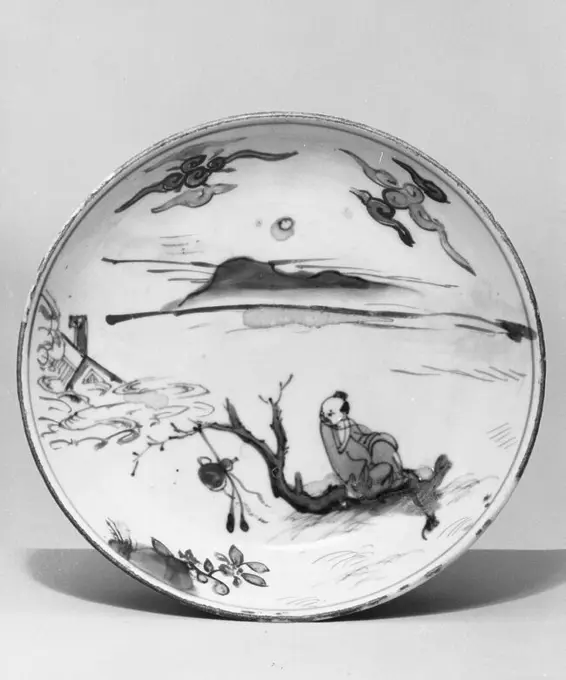
Decorative Ceramic Vessels

Antique ceramic jars and vases from Asia, featuring intricate designs and historical significance, displayed against a neutral background.
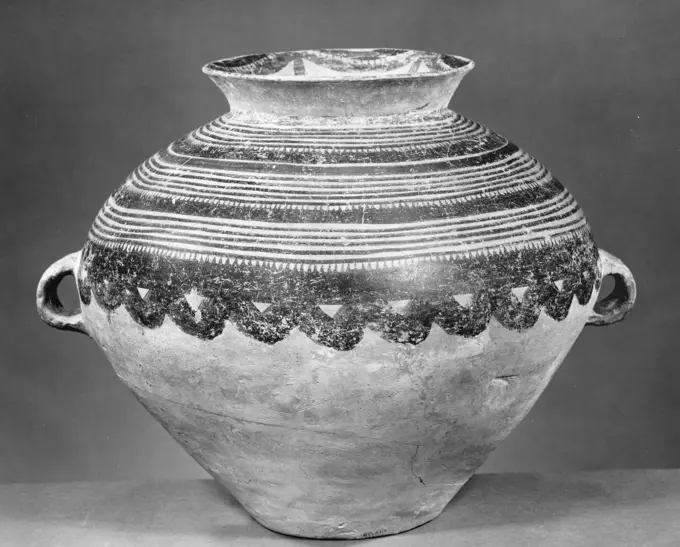
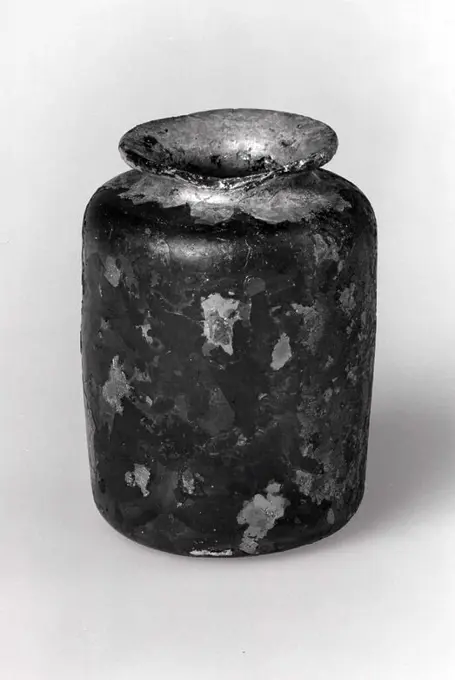
Jar (Guan) Banshan phase (ca. 2650-2350 B.C.) China. Jar (Guan) 49135
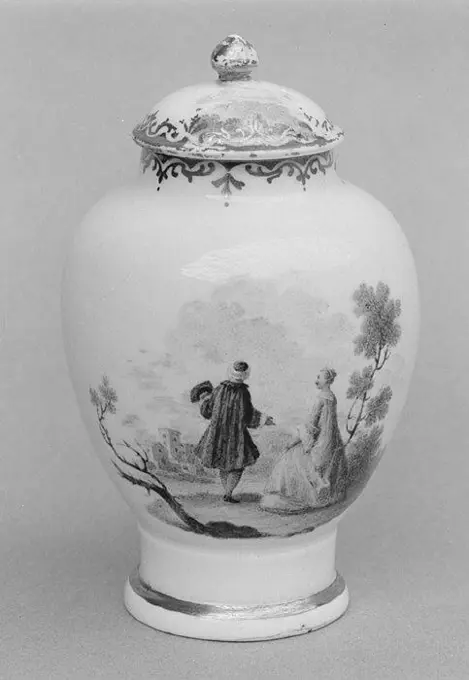
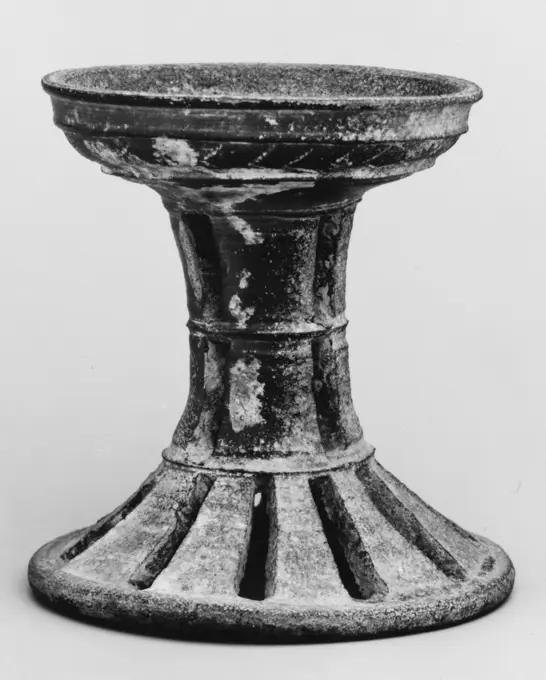
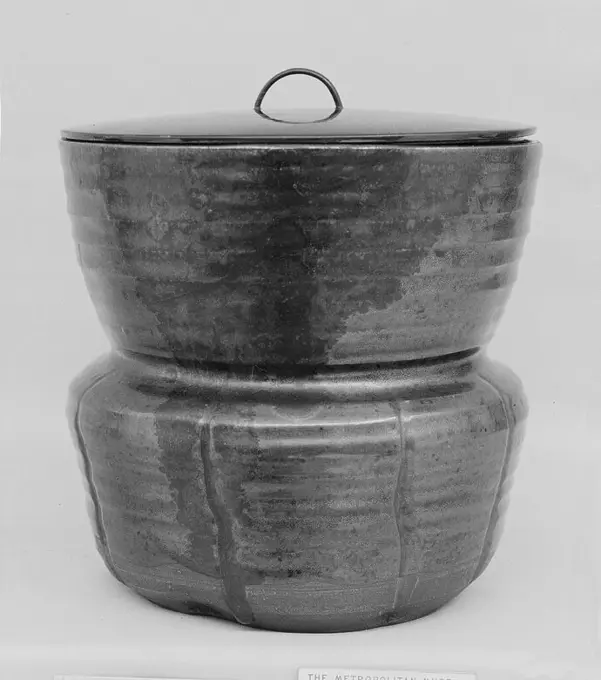
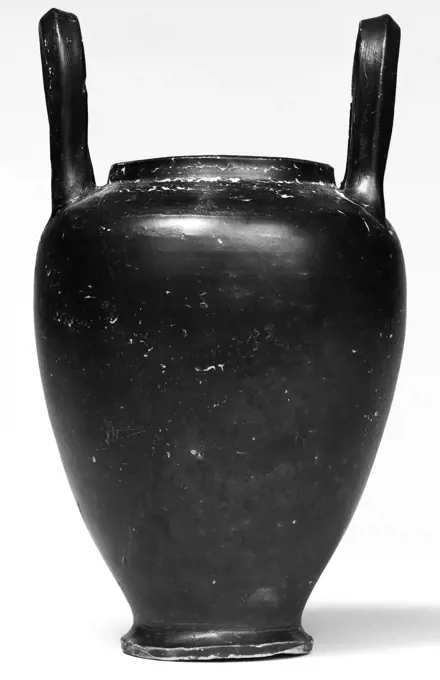
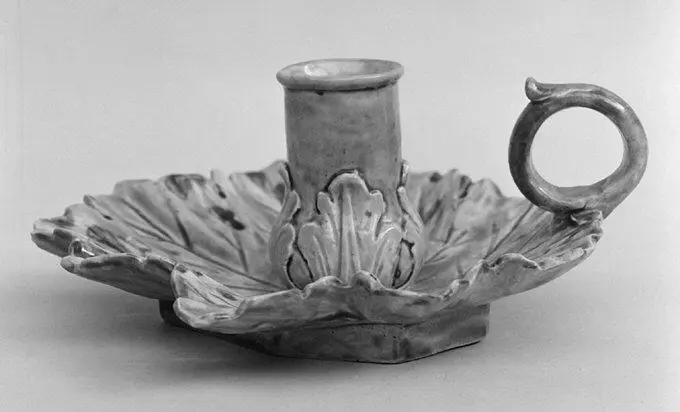
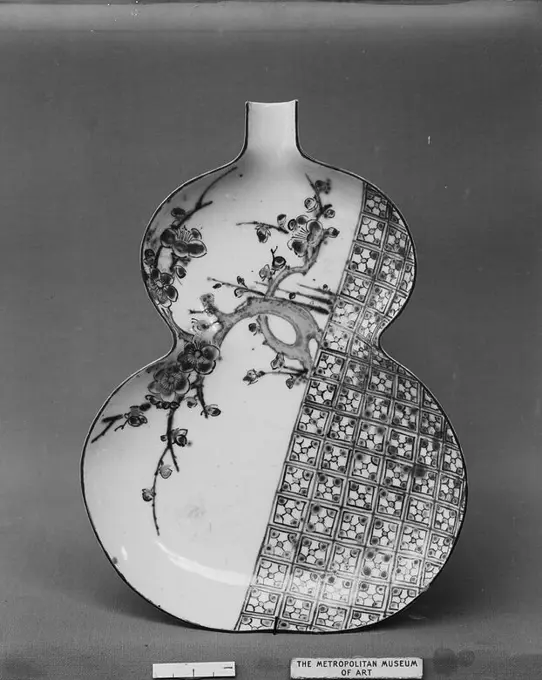
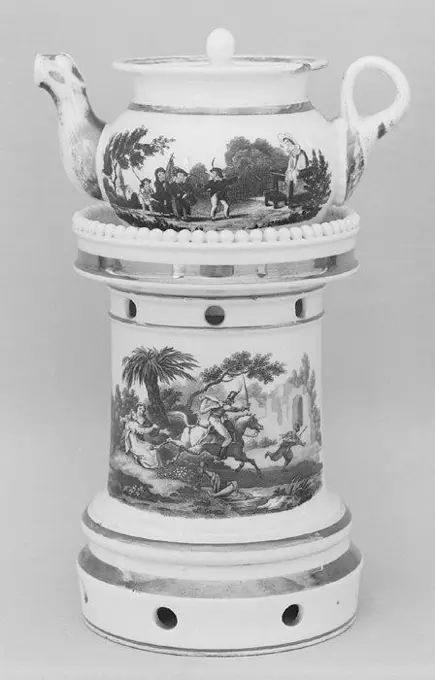
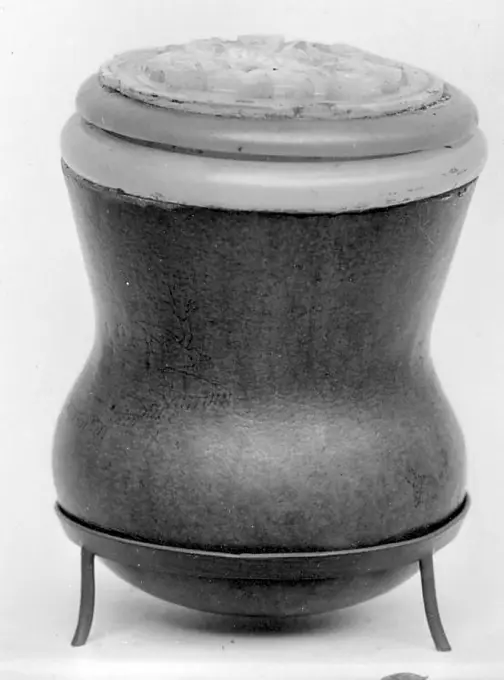
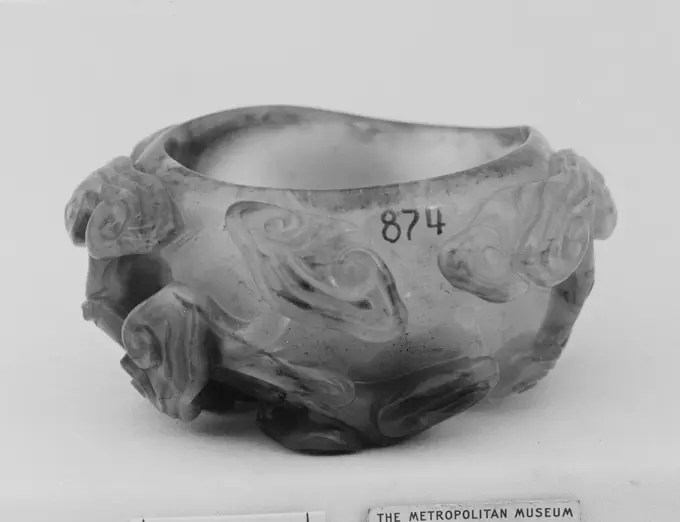
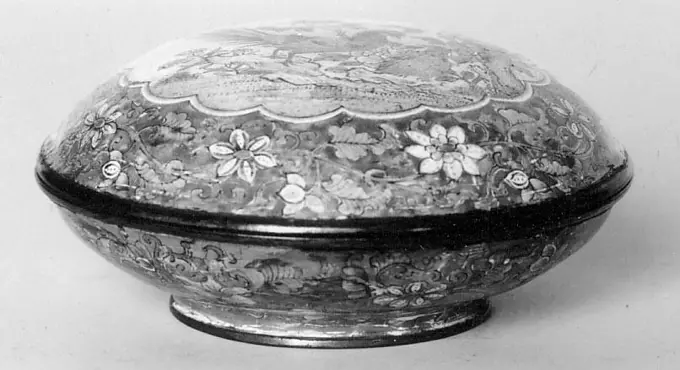
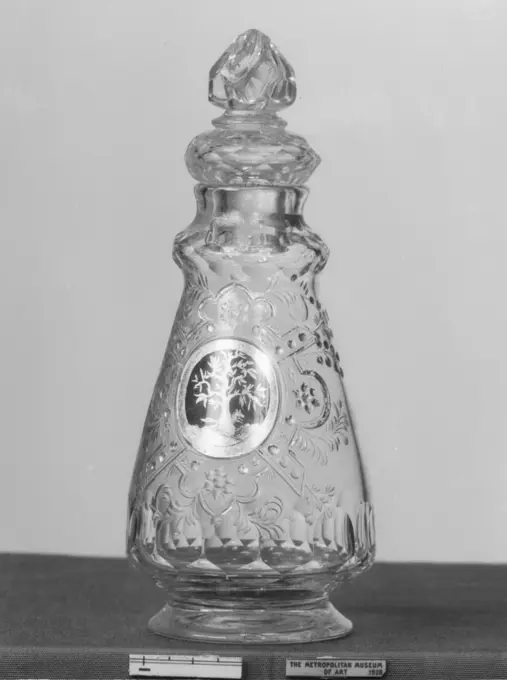
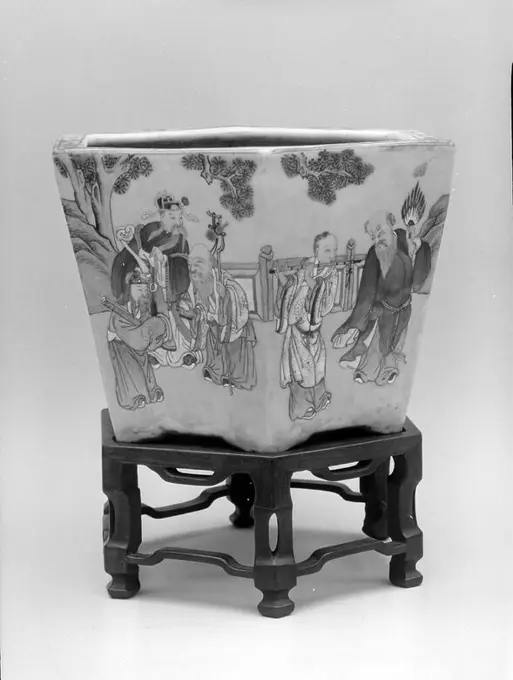
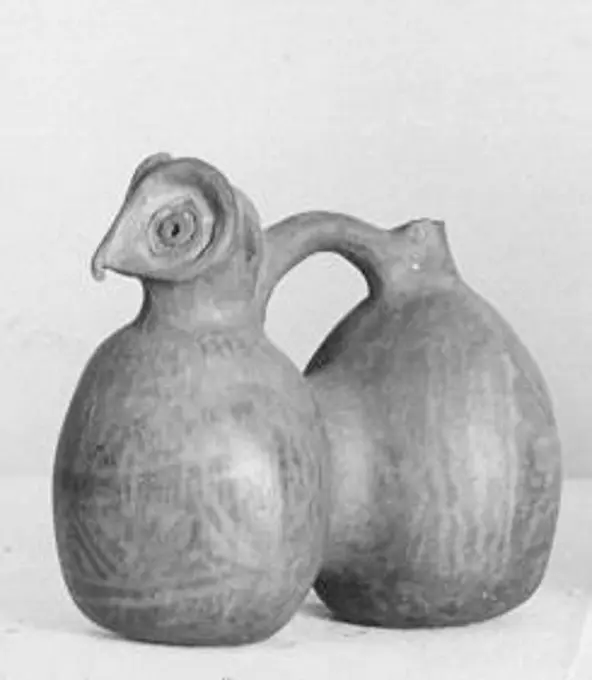
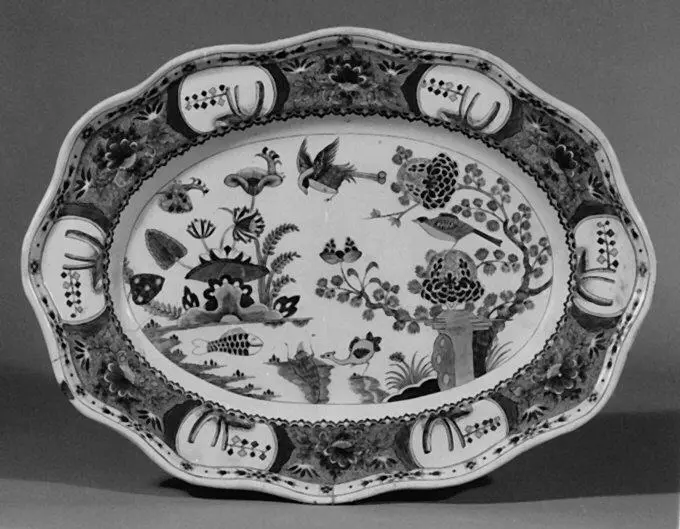
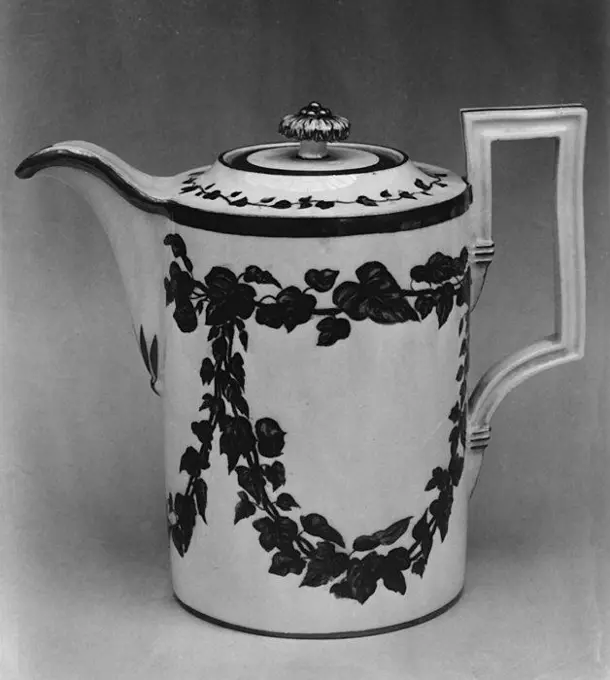
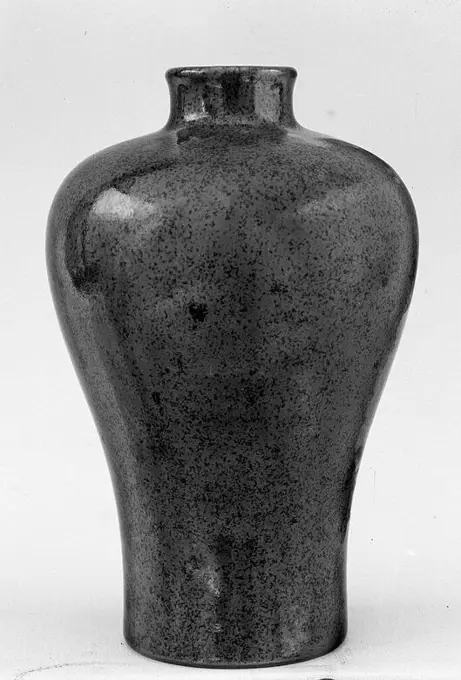
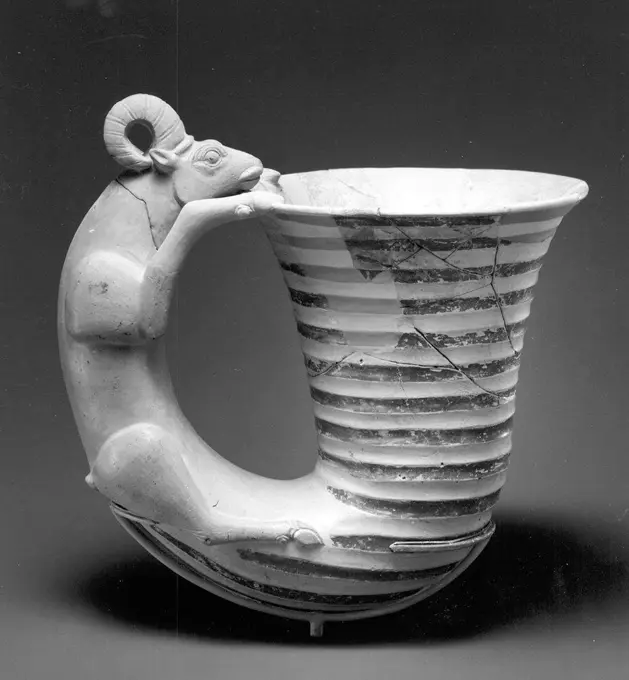
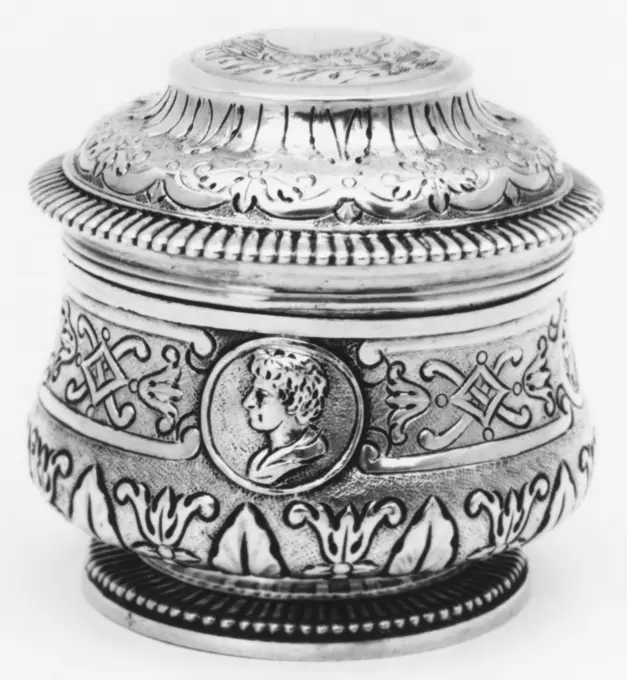
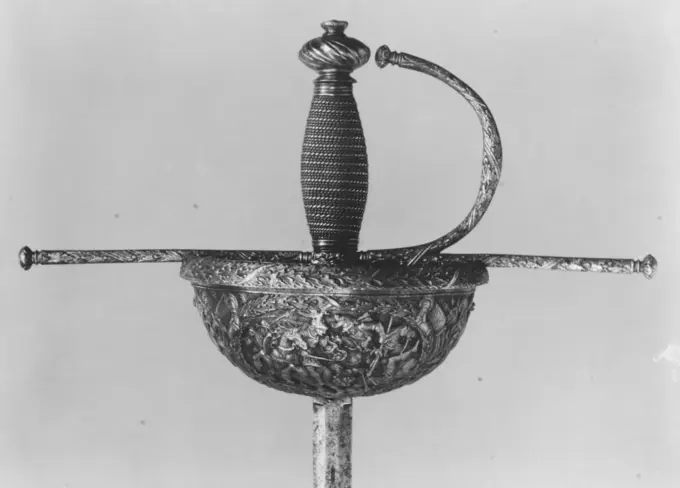
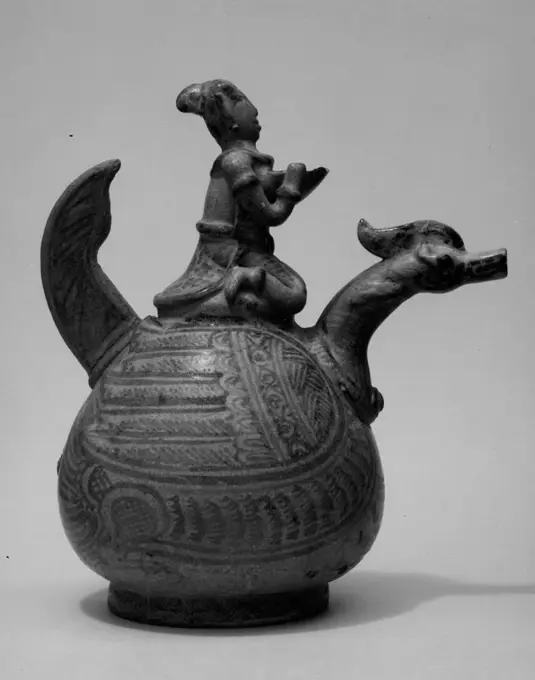
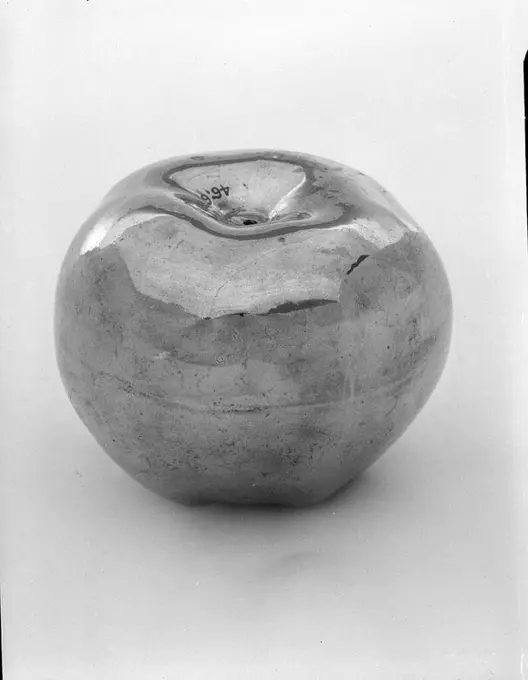
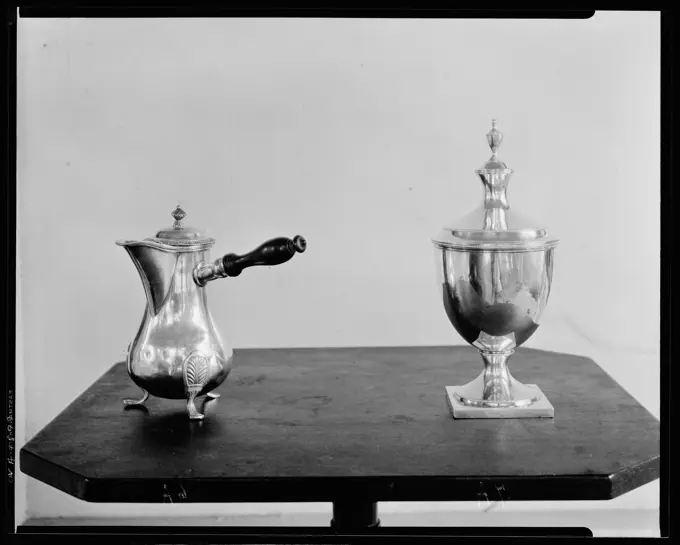
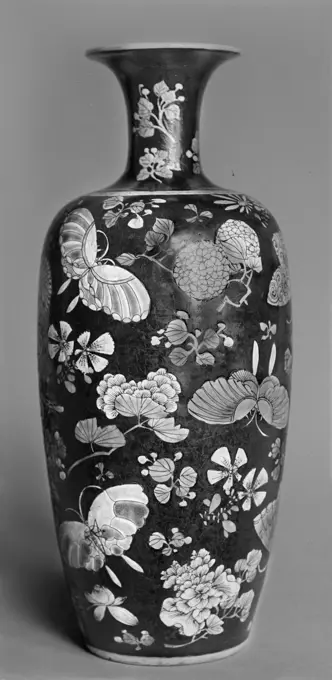
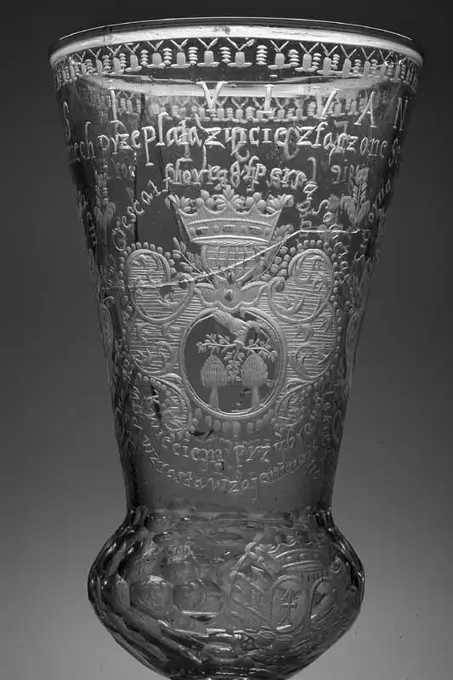
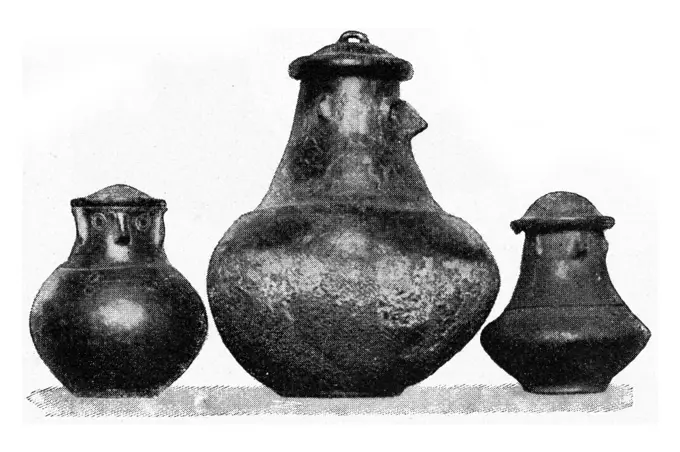
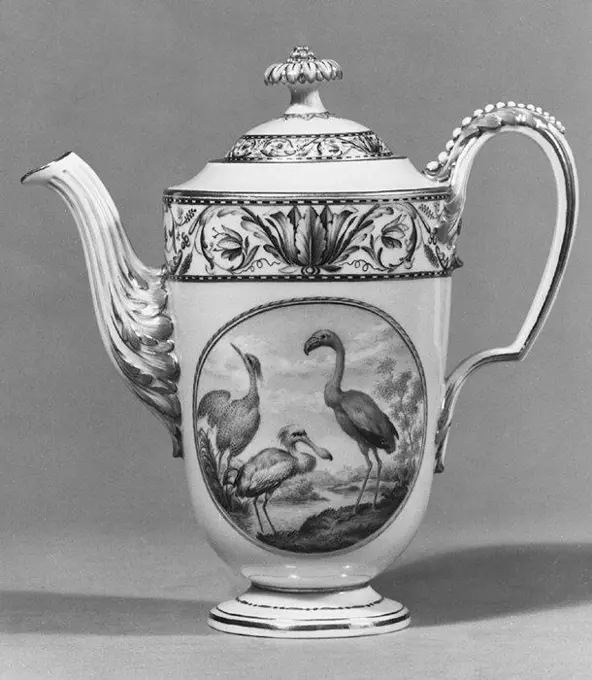
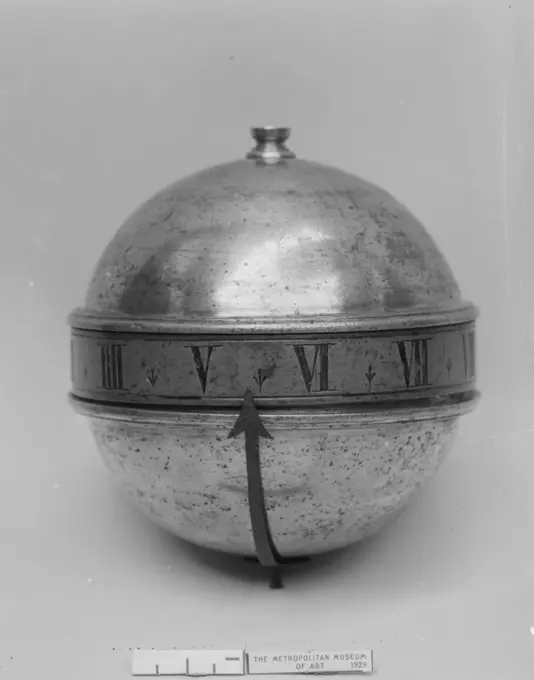
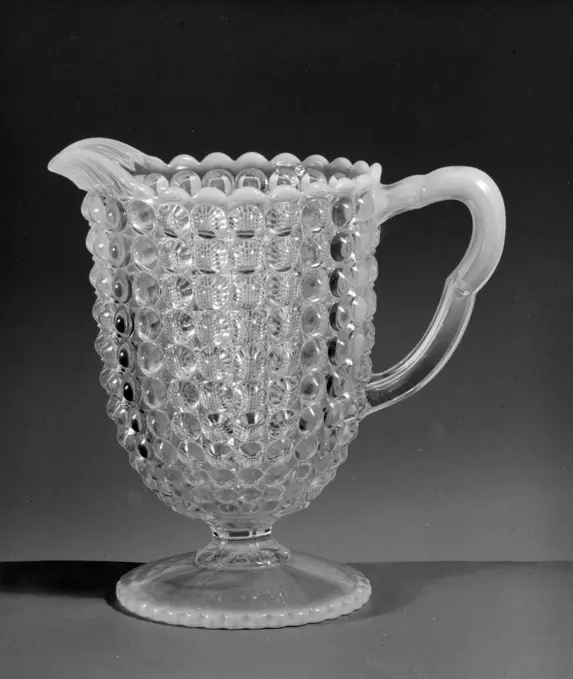
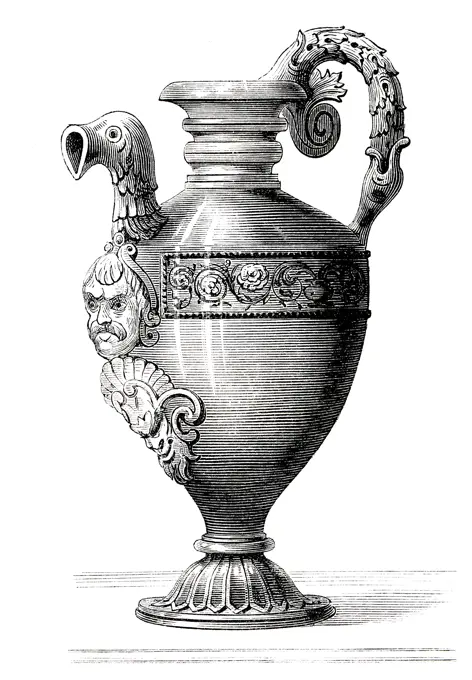
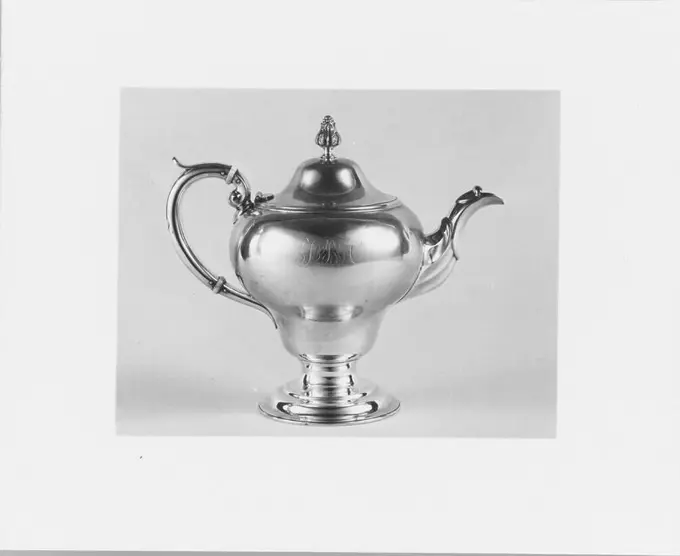
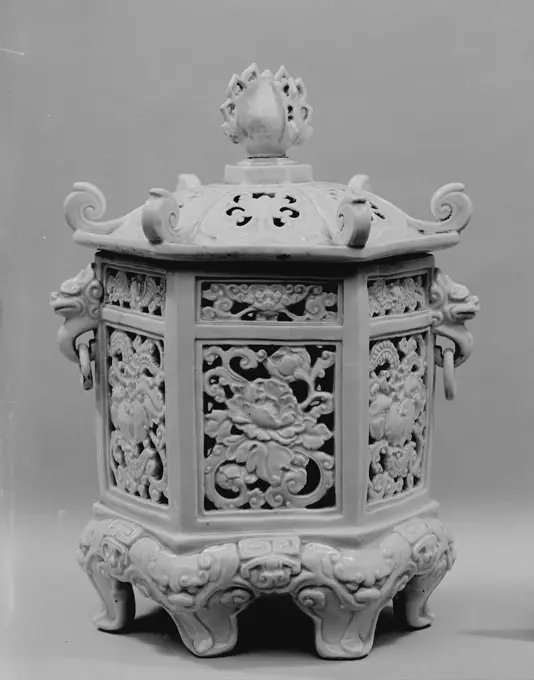
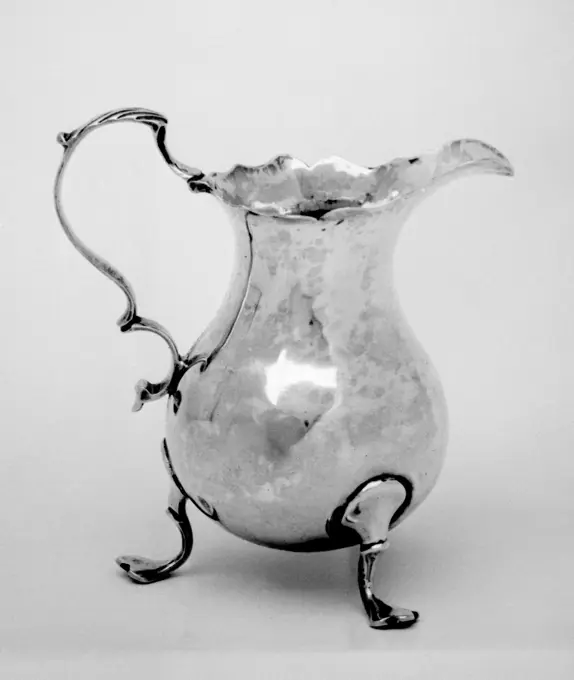
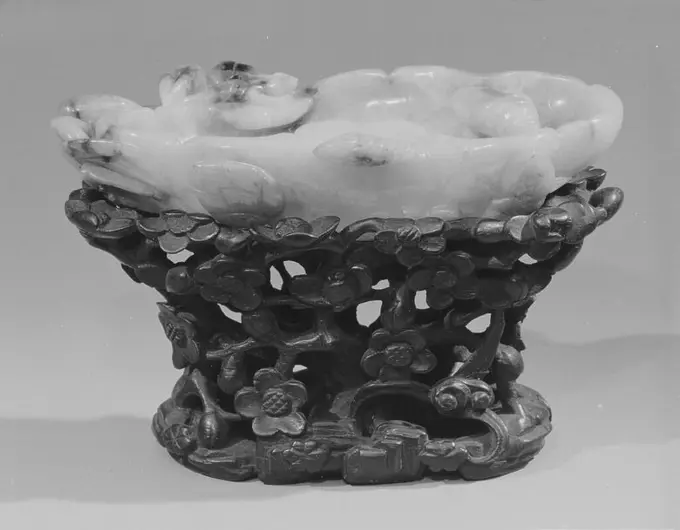
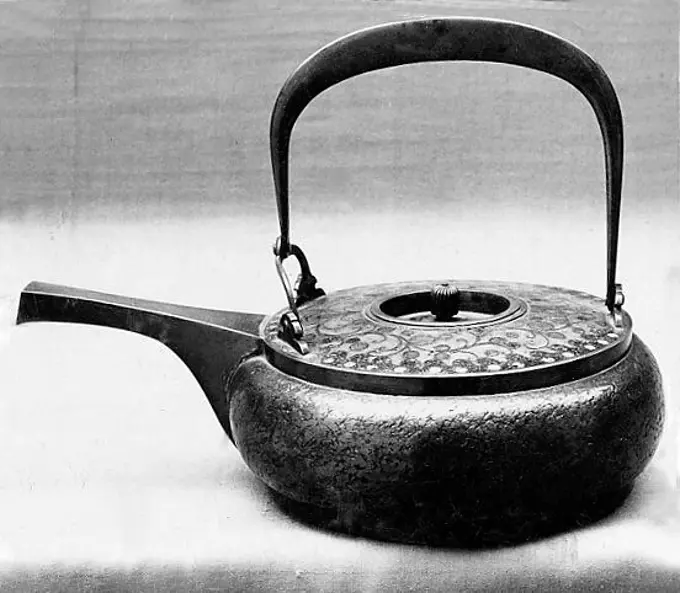
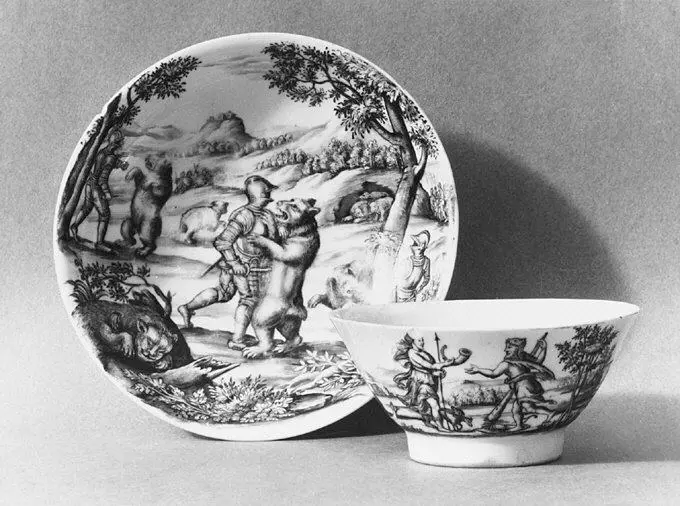
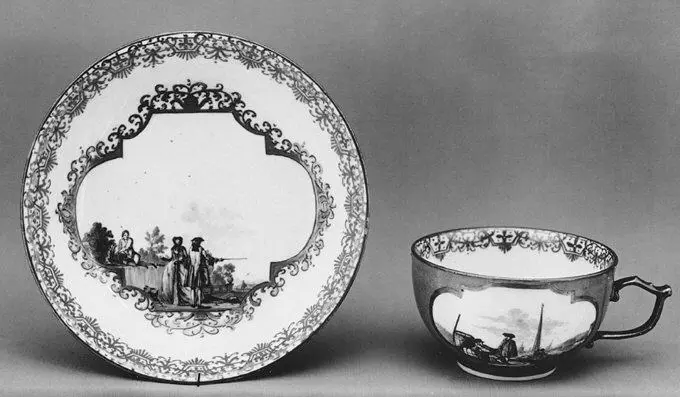
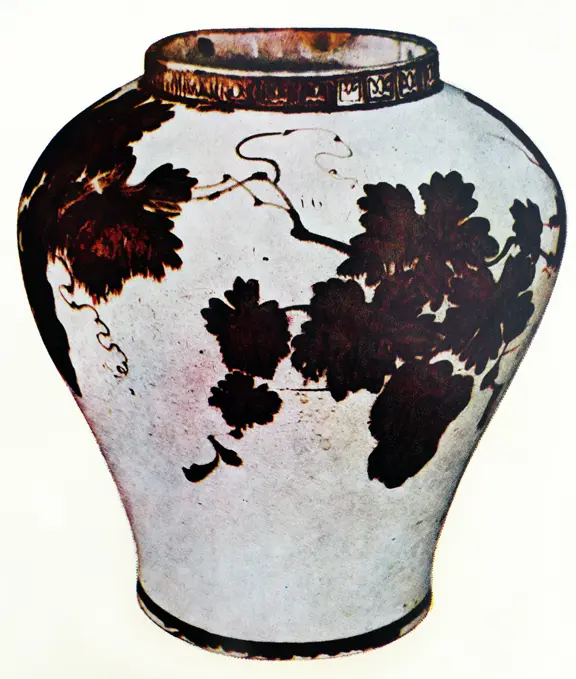
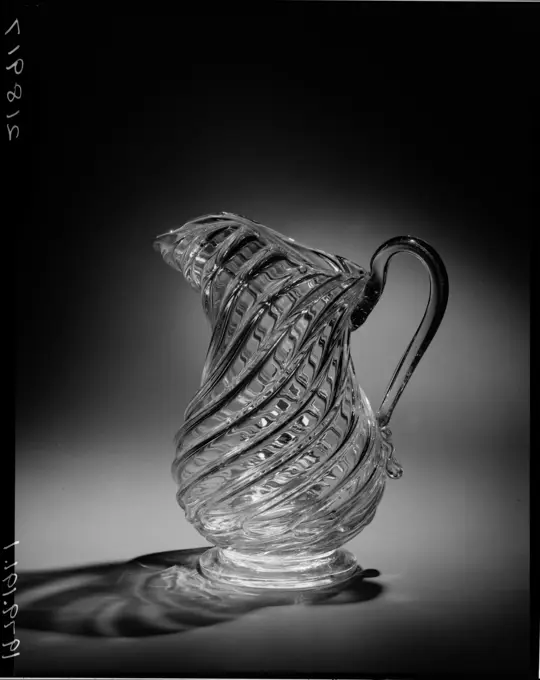
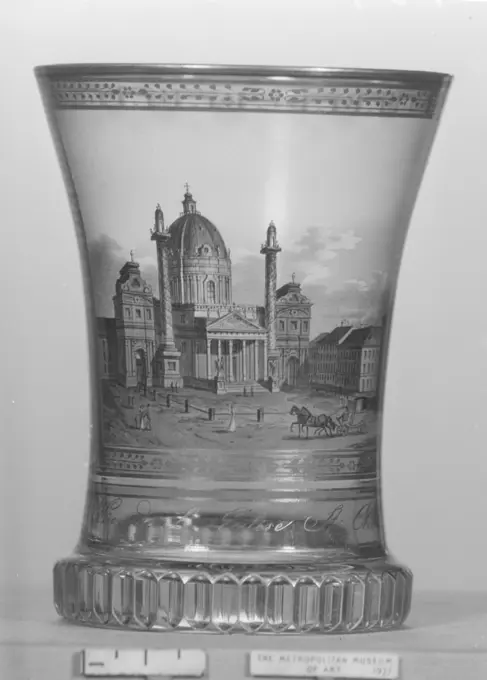
Headdress Box 18th century() Thailand. Headdress Box 37669Caddy ca. 1765 Real Fabrica de Buen Retiro. Caddy 188977 Factory: Real Fabrica de Buen Retiro, Spanish, Caddy, ca. 1765, Soft-paste porcelain, Height: 4 5/8 in. (11.7 cm). The Metropolitan Museum of Art, New York. Rogers Fund, 1906 (06.332a, b)Pedestal 5th-6th century Korea. Pedestal 39514Water Jar. Culture: Japan. Dimensions: H. 6 1/4 in. (15.9 cm); Diam. 6 1/8 in. (15.6 cm). Date: 18th century. Museum: Metropolitan Museum of Art, New York, USA.Campanian Black Lebes; Campania, South Italy; 323 - 31 B.C; Terracotta; 20.7 × 7.2 cm (8 1,8 × 2 13,16 in.)Jar 18th century China. Jar 46950Jar with cover. Artist: Kiyomizu Rokubei I (Japanese, 1737-1799). Culture: Japan. Dimensions: H. 7 7/8 in. (20 cm); Diam. 8 1/8 in. (20.6 cm). Date: 1820. Museum: Metropolitan Museum of Art, New York, USA.Bliżej Kultury unknownCampania Caserta Capua Museo Campano023. Hutzel, Max 1960-1990 Medieval: Byzantine architectural fragments; parchment fragments with miniatures (12th century) from Montecassino; painted wooden crucifix (13th century); Carolingian crucifixes; Bishop's miter (11th century) of gold and silver damask; fresco (13th century). Post-medieval: Architecture (15th century). Formerly the Palazzo Antignano. Unusual Catalan/Moorish-style portal; Paintings on panel and canvas (15th-18th centuries); marble intarsia (16th century); marble sculpture: busts of Christ and Mary (17th century); sculpture of saints in marble and in wood (15th century); painted and gilded sculpture in wood; marble grave sculpture (16th century); sarcophagus with allegorical carvings; gold reliquary "Rosa d'Oro"; crucifix made of elephant tusk Specific Location: Pianterreno Antiquities: Italic sculpture (seated women holding babies); inscription. Photo campaign #1: 533 photos. Roman relief and sculpture; cinerary urns; Greek aCandlestick ca. 1755 British, Staffordshire. Candlestick 199563Cake Dish. Culture: Japan. Dimensions: H. 1 1/4 in. (3.2 cm); W. 6 1/2 in. (16.5 cm); L. 4 3/4 in. (12.1 cm). Date: 1700. Museum: Metropolitan Museum of Art, New York, USA.Tea warmer (veilleuse) ca. 1830 French. Tea warmer (veilleuse). French. ca. 1830. Hard-paste porcelain. Ceramics-PorcelainCovered bowl China. Covered bowl. China. Jade. Qing dynasty (1644-1911), Qianlong period (1736-95). JadeCricket cage 18th-19th century China. Cricket cage 60736Dish 18th century China. Dish. China. 18th century. Carnelian agate. HardstoneCovered Box early 19th century China. Covered Box 40935Vase with Lotus Scrolls. Culture: China. Dimensions: H. 17 7/8 in. (45.4 cm); Diam. of rim 9 in. (22.9 cm); Diam. 7 1/4 in. (18.4 cm); Diam. of base 6 1/8 in. (15.6 cm). Date: early 18th century. Museum: Metropolitan Museum of Art, New York, USA.Bowl ca. 1760 British, Staffordshire. Bowl 197548Bowl (one of a pair) early 19th century Continental European. Bowl (one of a pair). Continental European. early 19th century. Glass. GlassBottle with stopper ca. 1730 Bohemian. Bottle with stopper. Bohemian. ca. 1730. Glass, verre églomisé. GlassCandlestick late 17th century French. Candlestick 188506 French, Candlestick, late 17th century, Brass, silvered, Height: 6 5/8 in. (16.8 cm). The Metropolitan Museum of Art, New York. Gift of Henry Victor Burgy, 1901 (01.23.21)Stand late 17th-early 18th century China. Stand. China. late 17th-early 18th century. Porcelain with polychrome enamel over the biscuit (Jingdezhen ware). Qing dynasty (1644-1911), Kangxi period (1662-1722). CeramicsWaterpot. Culture: China. Dimensions: Diam. 2 1/2 in. (6.4 cm). Date: 9th century. Museum: Metropolitan Museum of Art, New York, USA.Four coffee cups (part of a service) ca. 1770 Worcester factory. Four coffee cups (part of a service) 205453Jardiniere. Culture: Chinese. Dimensions: H. 11 in. (27.9 cm) (without stand). Date: 1700-1800. Museum: Metropolitan Museum of Art, New York, USA.Whistling Jar 200 B.C.-600 A.D. Peruvian Whistling jar with an owl's face.Although numerous pottery instruments survive from pre-Conquest South and Central America, little is known of how they were used before Spanish invaders ravaged the native cultures. Whistles, trumpets and rattles in animal or human form probably had ceremonial functions or served as playthings. The "whistling jar" is a 1- or 2-chambered vessel in which a whistle, often concealed by a bird's head, is sounded by blowing into the spout, or by pouring liquid from one chamber to the other to create a bird-like twittering sound. Smaller whistles in animal shapes, perhaps worn suspended from the neck, sometimes have fingerholes that allow variation of pitch.. Whistling Jar. Peruvian. 200 B.C.-600 A.D.. Pottery. Pre-Columbian: Gallinazo phase. North Coast, Peru. Aerophone-Blow Hole-vessel fluteCreamer ca. 1815 William B. Heyer. Creamer 2724Mug (part of a service) ca. 1750 Chinese, for British market. Mug (part of a service) 201352PORCELAIN CANDELABRUM, BY LAHOCHEOval dish ca. 1730 German, Ansbach. Oval dish 205847Molasses jug 1800-1830 American. Molasses jug 5222Spice box second half 18th century German. Spice box 188991 German, Spice box, second half 18th century, Cream-colored earthenware, No dimensions recorded. The Metropolitan Museum of Art, New York. Rogers Fund, 1906 (06.349)Lazio Roma Rome S. Maria in Aquiro73. Hutzel, Max 1960-1990 Post-medieval: Architecture, architectural sculpture, sculpture, painting, religious artifacts (reliquaries), decorative arts (tapestries, furniture). From Counter-Reformation, built in 1590 and finished in 1774. A picture gallery exists in the former convent, which also houses offices. Located on Piazza Capranica. German-born photographer and scholar Max Hutzel (1911-1988) photographed in Italy from the early 1960s until his death. The result of this project, referred to by Hutzel as Foto Arte Minore, is thorough documentation of art historical development in Italy up to the 18th century, including objects of the Etruscans and the Romans, as well as early Medieval, Romanesque, Gothic, Renaissance and Baroque monuments. Images are organized by geographic region in Italy, then by province, city, site complex and monument.Coffeepot ca. 1800 Meissen Manufactory German. Coffeepot 199250Lead-Glazed Skyphos; Asia Minor; 1st century; Terracotta; 7 × 13.5 × 8.3 cm (2 3,4 × 5 5,16 × 3 1,4 in.)Bottle. Culture: China. Dimensions: H. 8 1/8 in. (20.6 cm). Museum: Metropolitan Museum of Art, New York, USA.Jar 10th-11th century. Jar 449392Vessel with a handle in the form of a ram 5th-3rd century BC Iran This ceramic cup has a handle in the form of an ibex. The ibexs body is cylindrical, with its front and back legs and shoulders modeled smoothly. The ibex has curved horns, decorated with incised horizontal lines, pointed ears, and eyes under heavy lids. Its nose and forelegs touch the rim of the cup, and its overall posture suggests leaping. The cup is decorated with horizontal ribs with alternating dark brown bands. The cup itself was made on a potters wheel, with the ibex handle added afterwards.There are no other known cups like this one, making it difficult to determine its date or place of origin. Thermoluminescence testing indicates a date in the 1st millennium B.C. The ibex handle suggests that it may come from Iran, since ibexes were native to the Zagros and Alborz Mountains and their distinct profiles, especially their curved horns, have inspired Iranian artists and craftsmen since the Chalcolithic period. Th12/31/1949. Manises - Hispanoarabe jug - Osma museum.Crystal barrel with metal handle, from the Louvre.Vase. Culture: China. Dimensions: H. 14 1/2 in. (36.8 cm). Museum: Metropolitan Museum of Art, New York, USA.Naqqareh late 19th century Syrian. Naqqareh. Syrian. late 19th century. Body brass, head parchment. 2 wooden sticks.. Syria. Membranophone-single-headed / kettle drumSilver-Gilt Ewer. Sixteenth Century. Italian WorkBox (one of a pair) (part of a toilet service) 1726-28 Jean-Baptiste Boullemer. Box (one of a pair) (part of a toilet service) 200152Incense Burner 1760 Japan. Incense Burner 46984Gallipot. Culture: China. Dimensions: H. 7 1/16 in. (17.9 cm); Diam. 3 3/4 in. (9.5 cm). Date: late 18th century. Museum: Metropolitan Museum of Art, New York, USA.Mug 18th century. Mug 5278Cup-Hilted Rapier ca. 1650-75 Cup signed Carlo Piccinino Italian The rapier was the principal civilian sidearm throughout the sixteenth and seventeenth centuries. Designed for cut-and-thrust fencing of progressively complex techniques, the rapier is characterized by a double-edged blade with an acute point and an elaborate guard for the hand. The guards, usually of iron or steel, were subject to a variety of embellishment. They were engraved, chiseled, gilded, damascened, and encrusted in gold and silver in keeping with fashionable styles. Unless otherwise noted, the materials, attributions, and dating given here refer to the hilts. Rapier blades, invariably of steel, bear a variety of makers marks denoting their origin in the two principal centers of blademaking, Toledo in Spain and Solingen in Germany.. Cup-Hilted Rapier 22135Bowl 1800-1825 American. Bowl. American. 1800-1825. Blown glass with applied decoration. Made in New Jersey, United StatesLazio Viterbo Viterbo Museo Civico69. Hutzel, Max 1960-1990 Views of paintings (Middle Ages through 18th c.), frescoes, a tabernacle, coffin, sculpture reliefs, portal fragments, busts, sculpture, tapestry found in the Pinacoteca, Second floor gallery and Second floor cloister sequences. Antiquities: Many views of Etruscan and Roman fragments, sculpture, sarcophagi, pottery, masks, jewelry and other objects found in the Storeroom sequence (inventory numbers on back of prints), and the Cloister, Second floor Cloister, Valle Giulia, Sala Romana and Sala Etrusca sequences. General Notes: There are eight separate numerical sequences for this location. The cloister as an architectural structure, rather than museum site, is documented in the record and file for S. Maria della Verita, Cloister, all views of which are stored in Medieval core collection. Five views from the Museo Civico Second floor cloister sequence are stored in Medieval. German-born photographer and scholar Max Hutzel (1911-Vessel with Swan and Male Rider 14th-15th century Thailand (SukhoThailand). Vessel with Swan and Male Rider 38351Vase (one of a pair). Culture: French. Dimensions: Height: 12 3/8 in. (31.4 cm). Maker: Possibly by Pierre Gouthière (French, Bar-sur-Aube 1732-1813/14 Paris). Date: 18th century.One of a pair with 19.89.1. Museum: Metropolitan Museum of Art, New York, USA.Hobnail Water Pitcher. Culture: American. Dimensions: H. 8 in. (20.3 cm). Maker: Probably Hobbs, Brockunier and Company (1863-1891). Date: after 1886. Museum: Metropolitan Museum of Art, New York, USA.Figure of an Apple. Culture: British (American market). Dimensions: H. 2 3/4 in. (7 cm); Diam. 3 3/8 in. (8.6 cm). Date: 1800-1830. Museum: Metropolitan Museum of Art, New York, USA.Shirley Plantation, Shirley, Charles City County, Virginia. Carnegie Survey of the Architecture of the South. United States  Virginia  Charles City County  Shirley, Pitchers, Tableware.Pitcher 1884-86 Reading Artistic Glass Works. Pitcher. American. 1884-86. Free-blown colorless and opalescent yellow glass. Made in Reading, Pennsylvania, United StatesVase with butterflies and flowers 19th century China. Vase with butterflies and flowers. China. 19th century. Porcelain with polychrome enamels over black ground (Jingdezhen ware, famille noire). Qing dynasty (1644-1911). CeramicsGoblet. Huta Kryształowa (huta szkła; 1717/1718- ca 1794), glass worksUrns a figure, vintage engraved illustration. From the Universe and Humanity, 1910.Bottle China. Bottle. China. Porcelain: dense. late Ming dynasty (1368-1644). CeramicsSaucer 1800-1830. Saucer. 1800-1830. Earthenware, spatterware. Possibly made in Staffordshire, EnglandJar. Culture: China. Dimensions: H. 8 3/8 in. (21.3 cm); W. 7 3/4 in. (19.7 cm). Date: 15th century. Museum: Metropolitan Museum of Art, New York, USA.Coffeepot (part of a service) ca. 1780-85 Meissen Manufactory German. Coffeepot (part of a service) 205986Clock late 17th century German. Clock. German. late 17th century. Gilt bronze. HorologyMirror ca. 11th-12th century() Indonesia (Java). Mirror 37713Milk Pitcher 1870-80 Richards and Hartley Flint Glass Co.. Milk Pitcher. American. 1870-80. Pressed colorless and opalescent glass. Made in Tarentum, Pennsylvania, United StatesGerman coffee pot, Faience, 16th century German coffee pot, Faience, 16th century Copyright: xZoonar.com/Heinz-DieterxFalkensteinx 21665001Engraved Crystals Volutenkan, from the Louvre, Charles Thurston Thompson, 1866 - 1890 photomechanical print  Louvre Museum paper  container of glass: bottle, jar, vase Louvre MuseumTeapot. Culture: American. Dimensions: Overall: 8 1/4 x 9 1/2 x 5 9/16 in. (21 x 24.1 x 14.1 cm); 20 oz. 19 dwt. (651.6 g)Foot: Diam. 4 1/8 in. (10.5 cm). Maker: George B. Foster (1810-1881). Date: 1840-50. Museum: Metropolitan Museum of Art, New York, USA.Incense burner China. Incense burner. China. Nephrite. Qing dynasty (1644-1911), Qianlong period (1736-95). JadeIncense Burner in the Shape of a Hanging Lantern (one of a pair) 18th century Japan. Incense Burner in the Shape of a Hanging Lantern (one of a pair). Japan. 18th century. White porcelain with mouded designs (Hirado ware). Edo period (1615-1868). CeramicsSnuff bottle with stopper 18th-19th century China. Snuff bottle with stopper 41164Hall Lantern 1815-25 American. Hall Lantern. American. 1815-25. Blown and cut glass, gilded brass. Possibly made in Pittsburgh, Pennsylvania, United StatesCream jug 1767-68 William Caldecott. Cream jug 197386Bottle 17th century German. Bottle. German. 17th century. Glass. GlassWater coupe. Culture: China. Dimensions: H. 3 in. (7.6 cm); L. 4 1/2 in. (11.4 cm); D. 2 1/16 in. (5.2 cm). Date: 19th century. Museum: Metropolitan Museum of Art, New York, USA.Flask. UnknownPot for Wine or Tea 19th century Japan. Pot for Wine or Tea 59841Crystals jug, from the Louvre, Charles Thurston Thompson, c. 1866 - c. 1890.Beaker ca. 1765 Bohemian. Beaker. Bohemian. ca. 1765. Glass. GlassTeabowl and saucer ca. 1720-30 Decoration in the style of Vienna. Teabowl and saucer 200742Showcase with ceramics, including on the right a bowl with the image of a hare with a cloverleaf in the mouth; 5000 years of art from Egypt from the museums of Cairo, Alexandria and Leiden. .Cup and saucer ca. 1740 Meissen Manufactory German. Cup and saucer 192785Teapot ca. 1700 Chinese. Teapot 199349Basin; Roman Empire; 1st century B.C.-1st century A.D; Bronze; 11.8 x 40.7 cm (4 5,8 x 16 in.)Vase with Flowers. Culture: China. Dimensions: H. 14 1/4 in. (36.2 cm); W. 8 in. (20.3 cm). Museum: Metropolitan Museum of Art, New York, USA.Tankard 18th century German, Saxony (Magdeburg). Tankard 191347Jar. Culture: Roman. Dimensions: H. 6.8 cm; diam. of rim 3.9 cm; diam. of shoulder 5 cm. Date: possibly 2nd-4th century. Museum: Metropolitan Museum of Art, New York, USA.Showcase with various objects including dishes and vases; Setting Italian pottery. .Information office and radio broadcaster Dutch New Guinea. Humboldt bay. To set up the rattan ring and pots; On this an earthen jar and wooden spatula. March 1959. New GuineaAttic Black-Figure Vase Fragment. UnknownCream-colored porcelain food Jar painted in underglaze iron. From the time of Joseon Dynasty (1392 - 1910)Snuffbox 18th century Dutch. Snuffbox. Dutch. 18th century. Brass, copper. Metalwork-BrassShowcase with objects of ceramics, including scales, vases, candlesticks and two animal figures; Vitters crafts. This is the device of the display case before emptying in October 1959. Bottom left in the display case Two animal figure of faience, representing a cow, multicolored painted with flowers.Pitcher 1835-70 American. Pitcher. American. 1835-70. Blown pattern-molded glass. Probably made in Pittsburgh, Pennsylvania, United StatesBeaker with view of the Karlskirche, Vienna ca. 1820-30 Anton Kothgasser Austrian View of the Karlskirche, or Church of Saint Charles Borromeo (Vienna) in bright transparent enamel; the identifying inscription below implies that the beaker was meant for French-speaking visitors to Vienna.. Beaker with view of the Karlskirche, Vienna. Austrian, Vienna. ca. 1820-30. Glass, enameled and gilt. GlassSweden, Blekinge, Blekinge, Karlskrona, Karlskrona, external marina (depicted, town).Sweden, Blekinge, Blekinge, Karlskrona, Karlskrona, External War Gogs (depicted, City)Dish. Culture: China. Dimensions: Diam. 6 1/2 in. (16.5 cm). Museum: Metropolitan Museum of Art, New York, USA.Incense burner with cover 18th century China. Incense burner with cover. China. 18th century. Jade (nephrite). Qing dynasty (1644-1911). JadeSnuff Bottle China. Snuff Bottle 41366