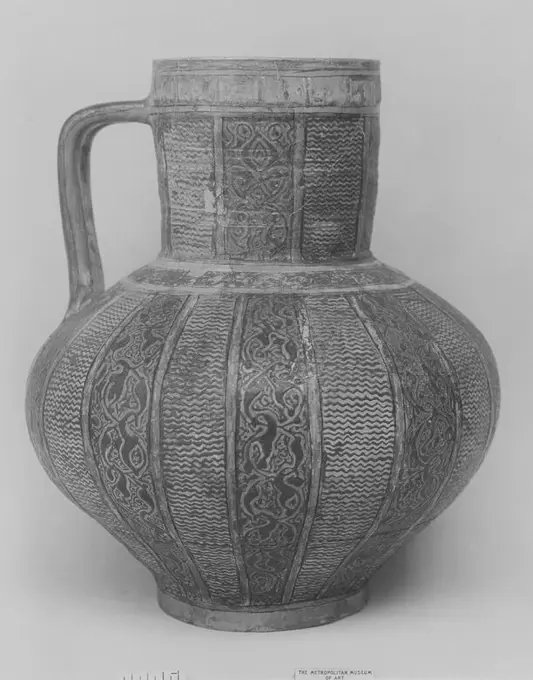
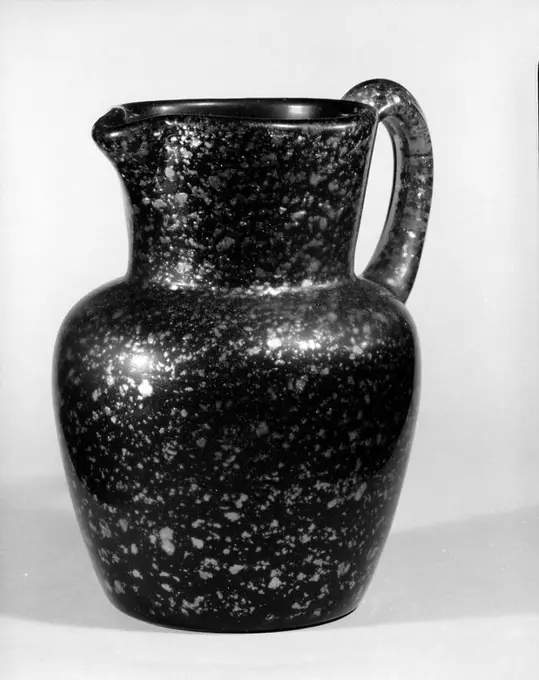
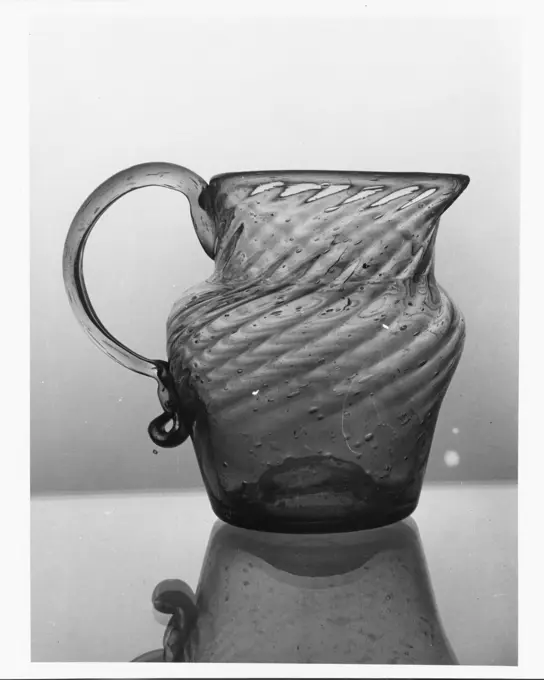
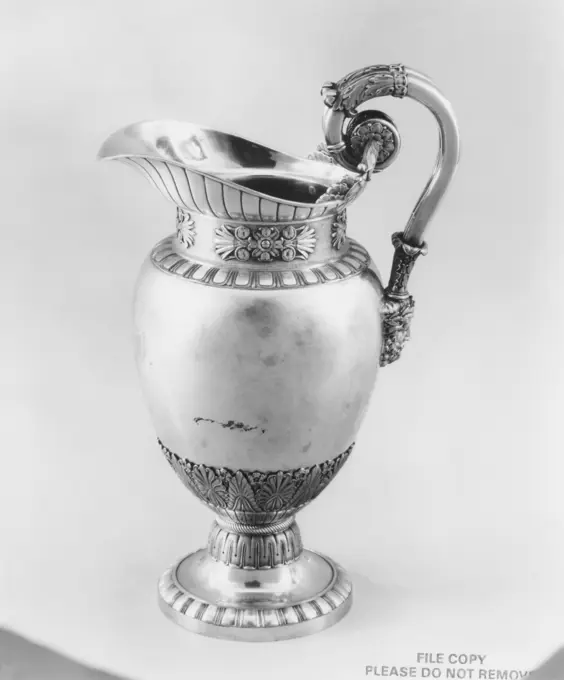
Decorative Ceramic Vessels

Antique ceramic jars and vases from Asia, featuring intricate designs and historical significance, displayed against a neutral background.
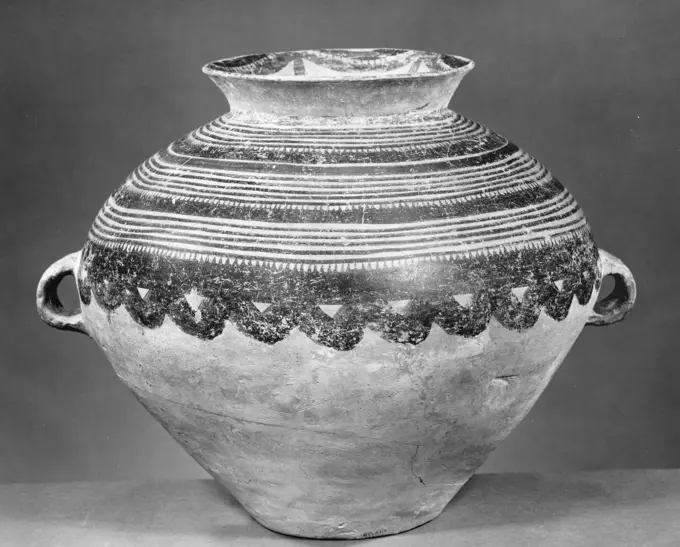
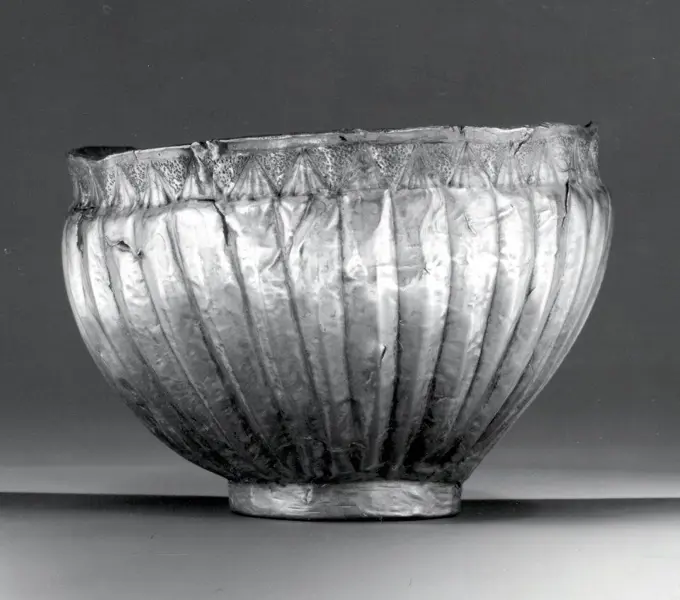
Jar (Guan) Banshan phase (ca. 2650-2350 B.C.) China. Jar (Guan) 49135
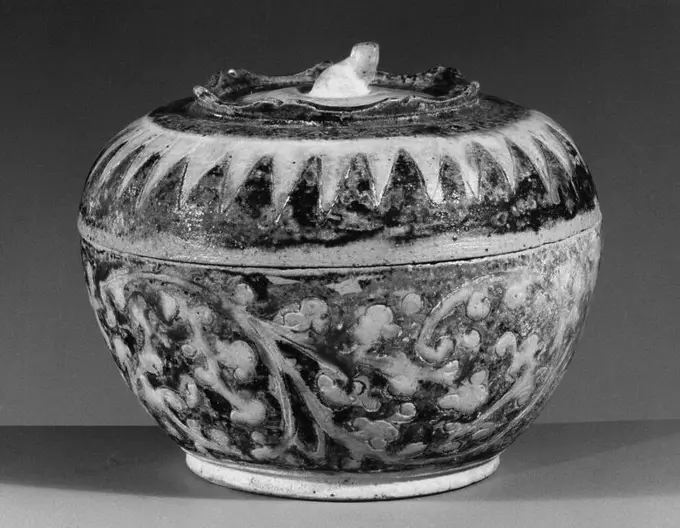
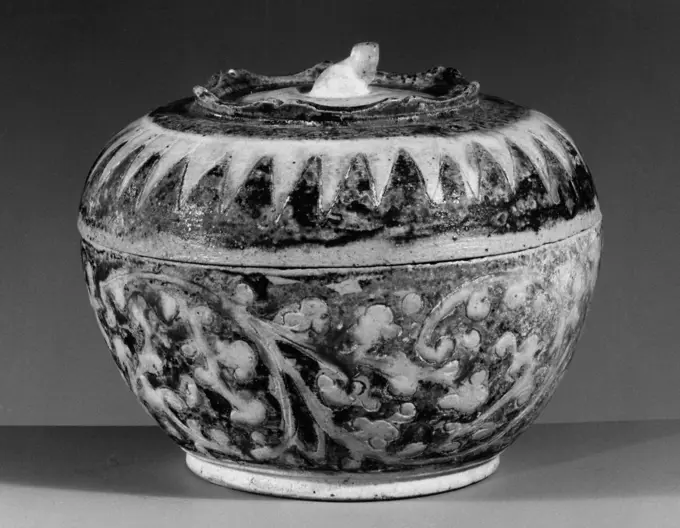
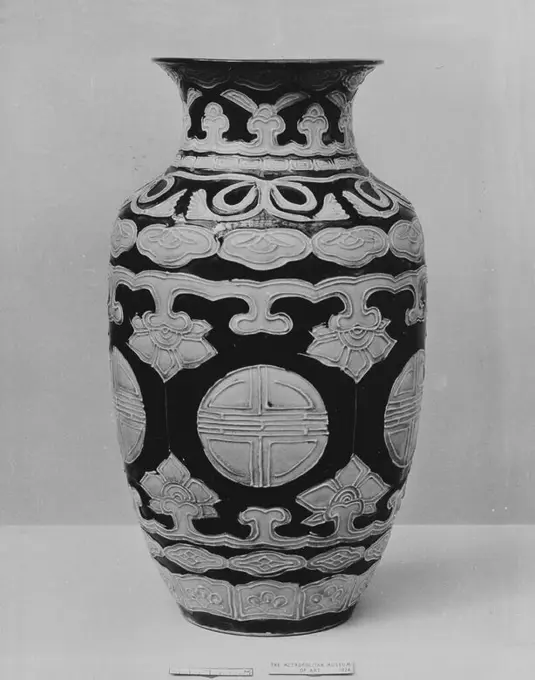
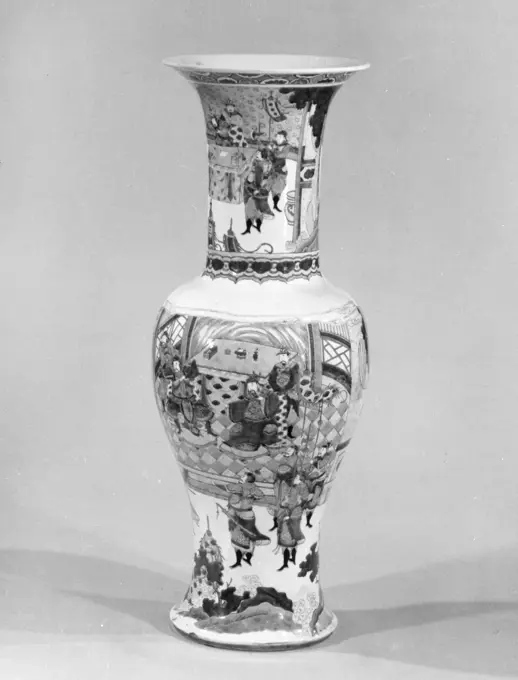
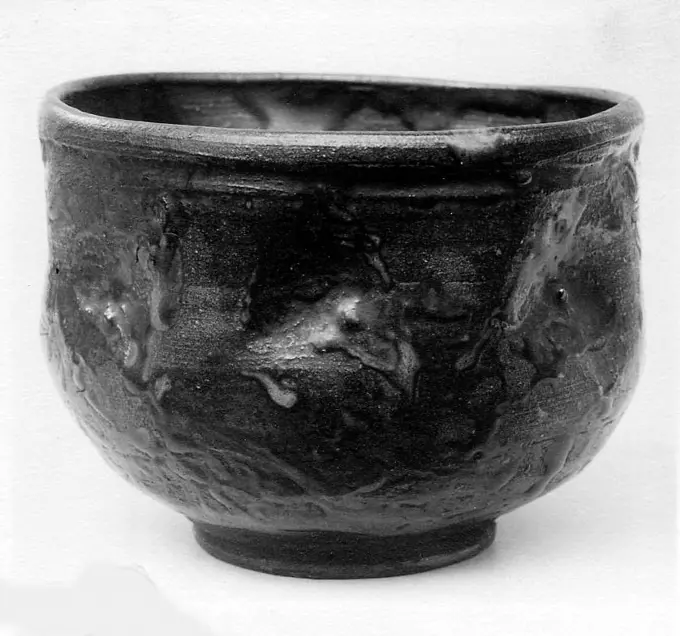
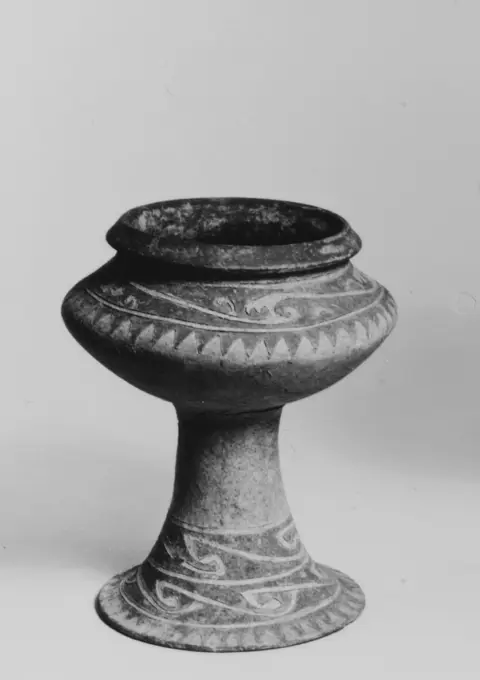
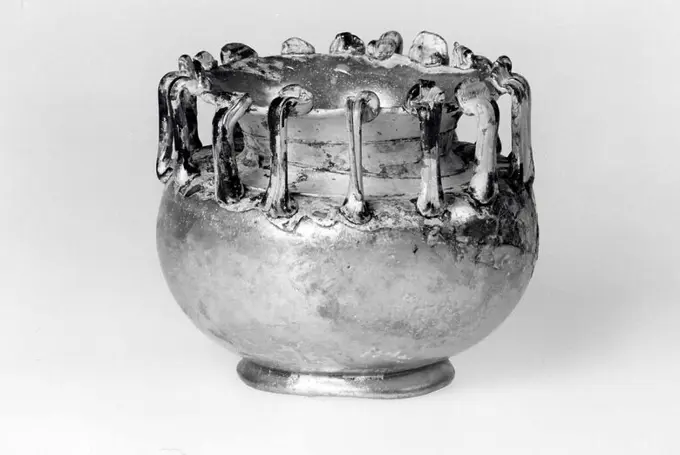
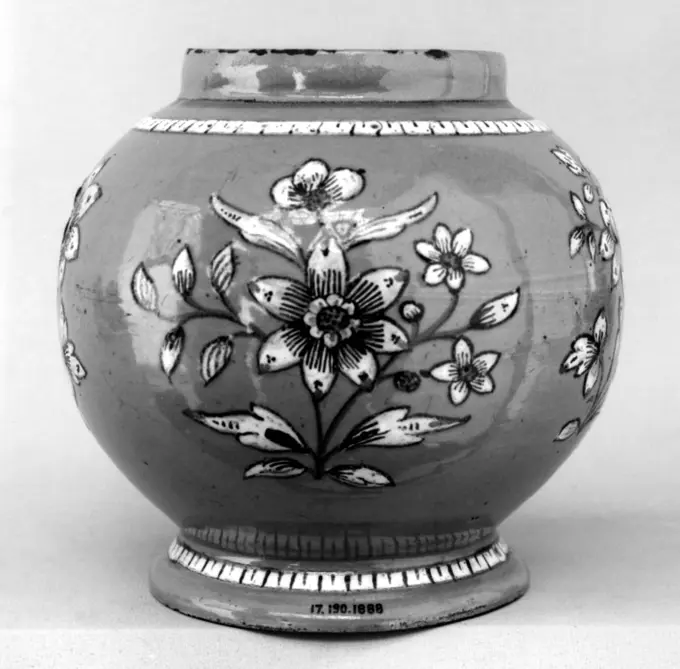
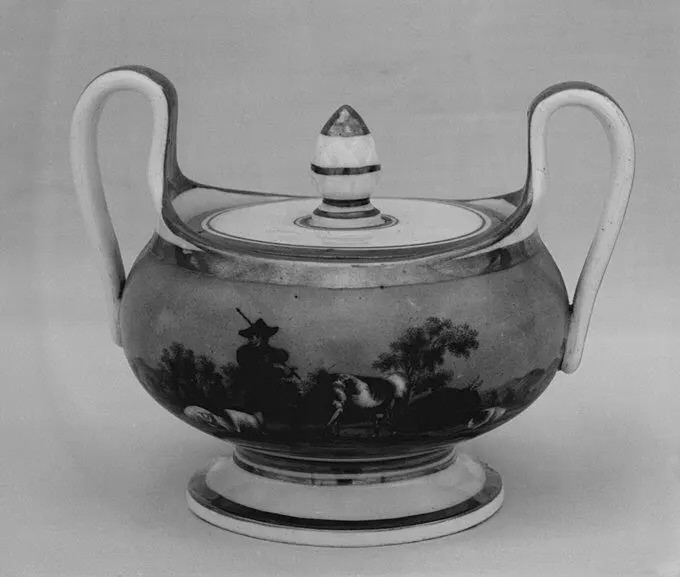
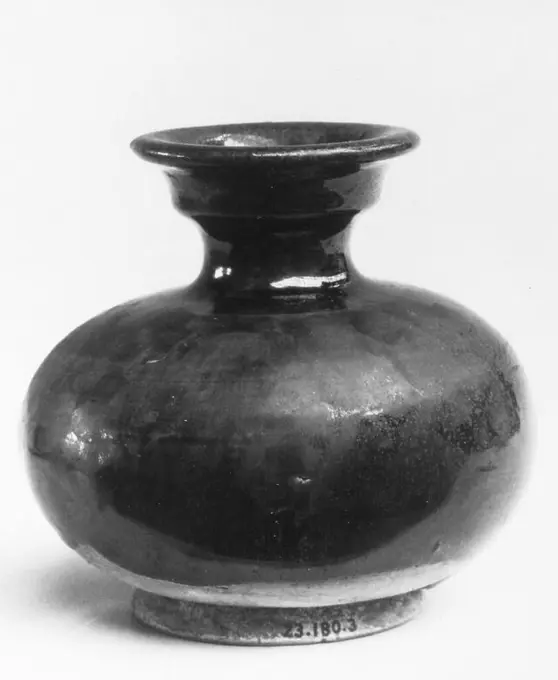
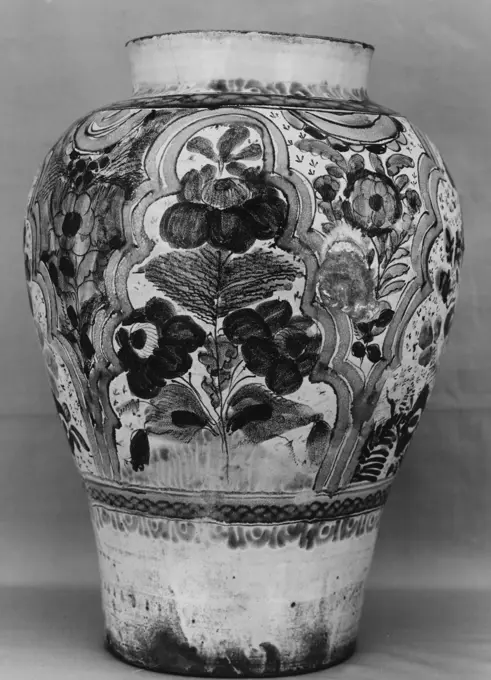
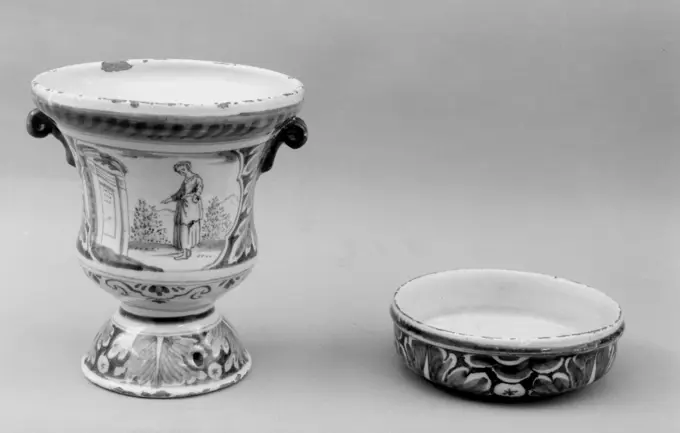
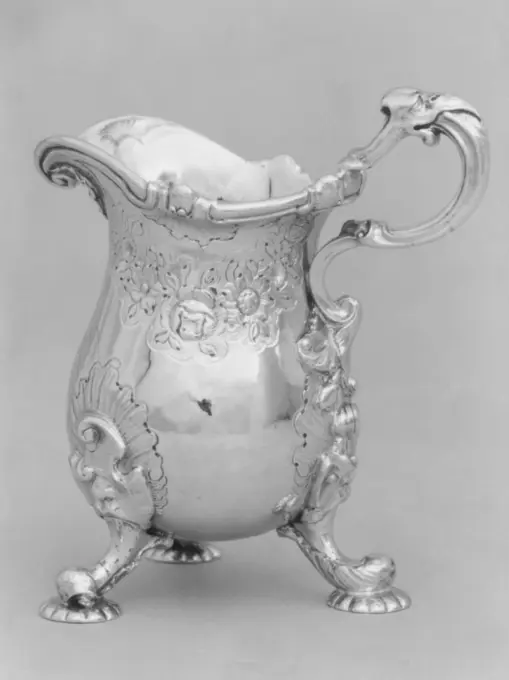
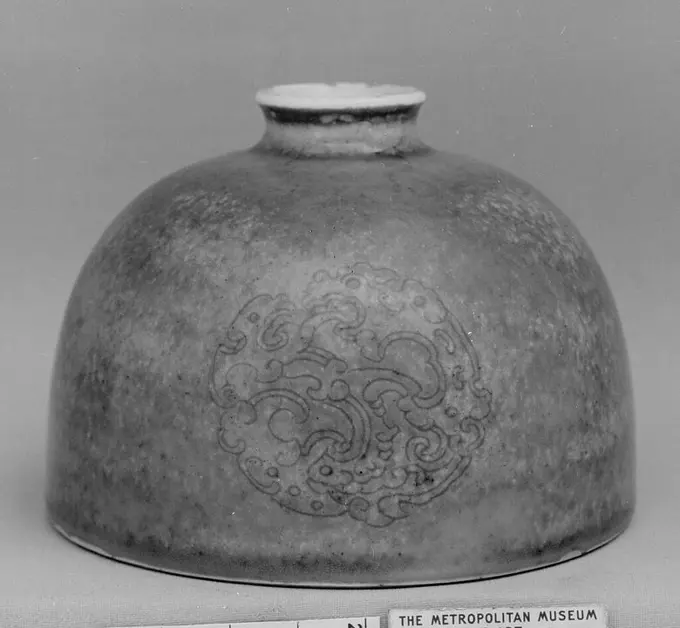
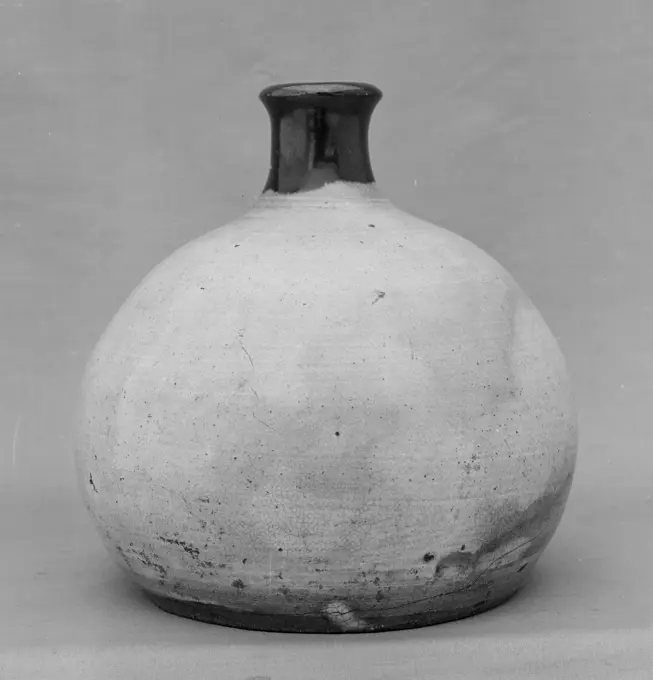
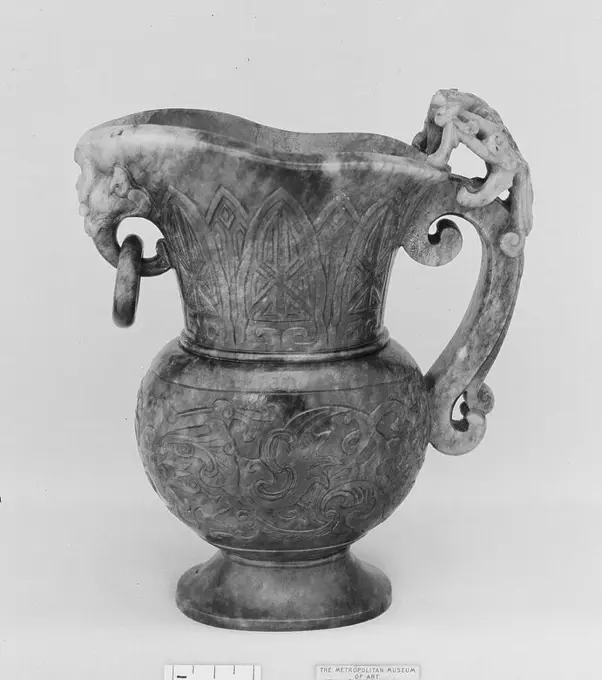
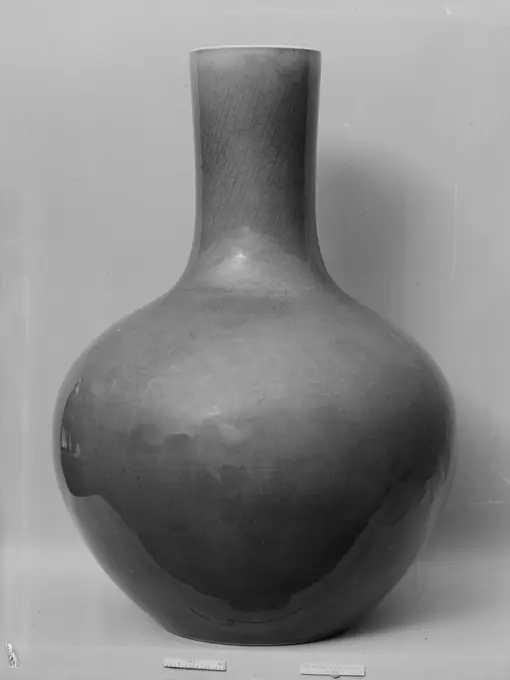
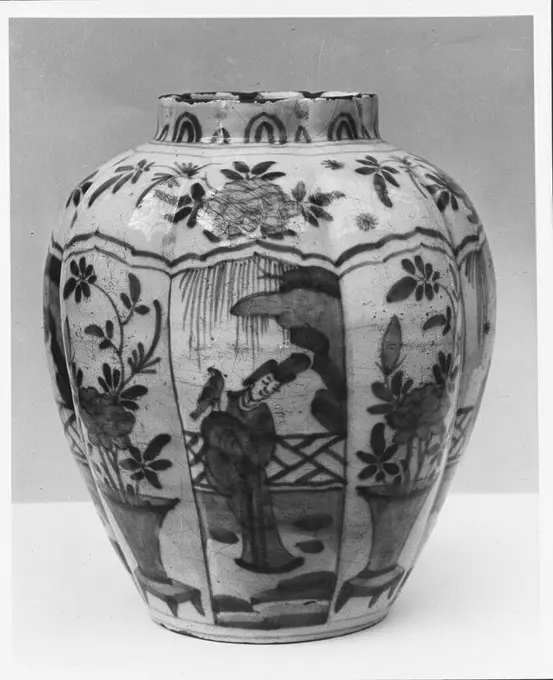
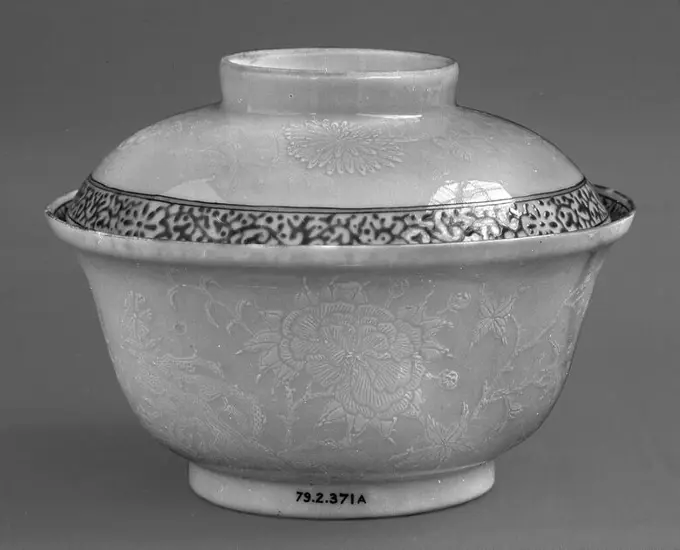
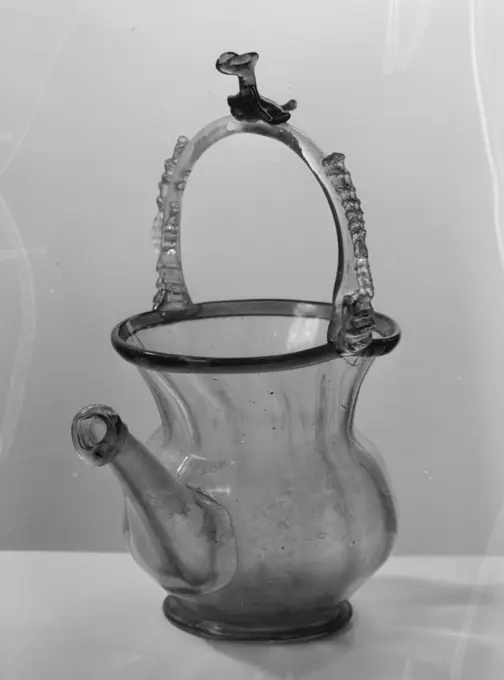
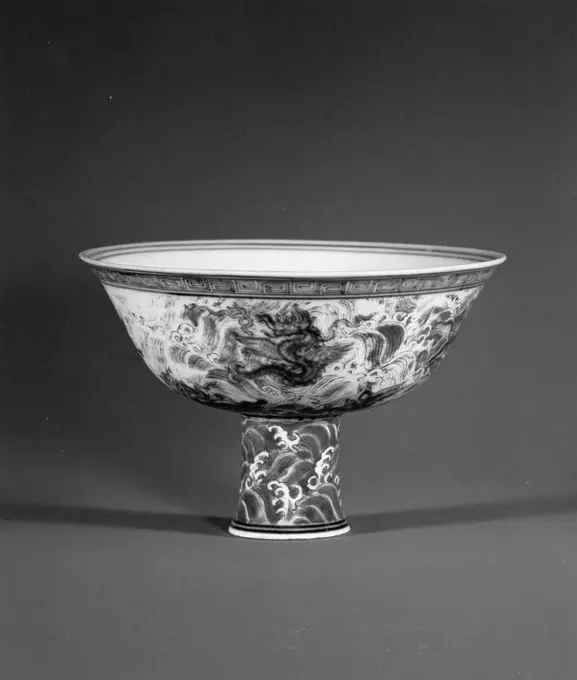
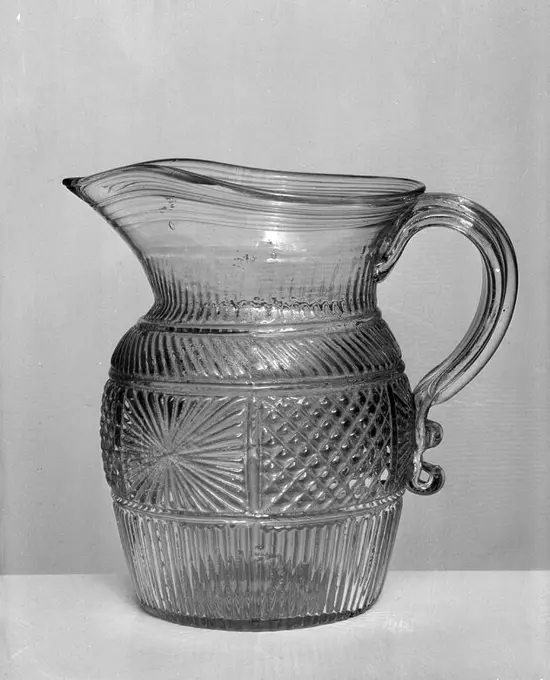
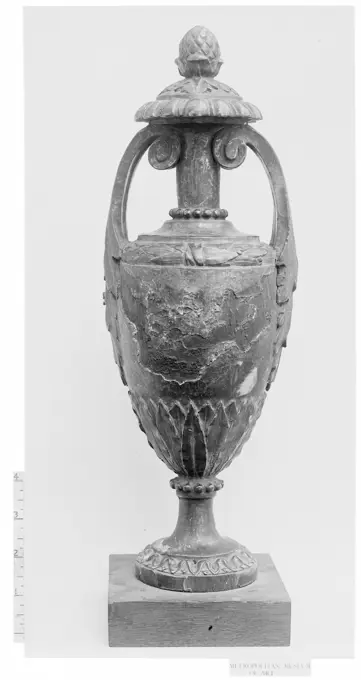
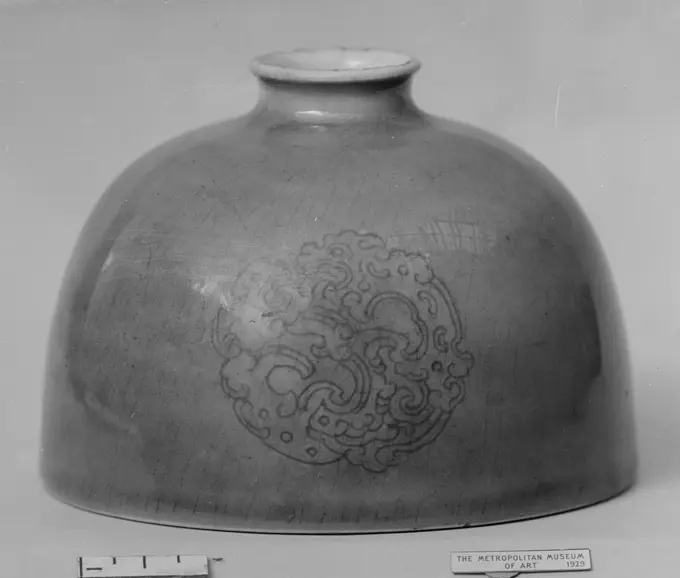
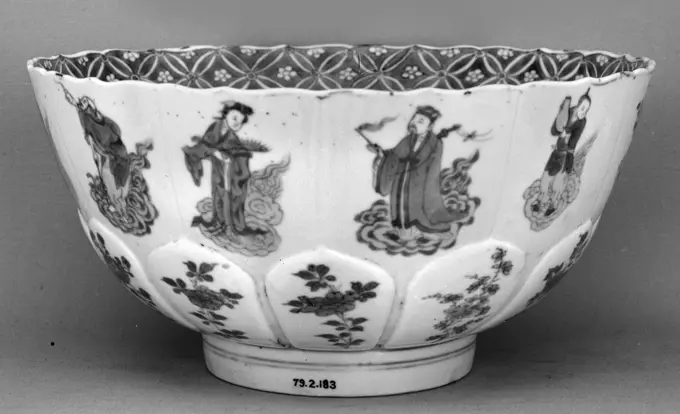
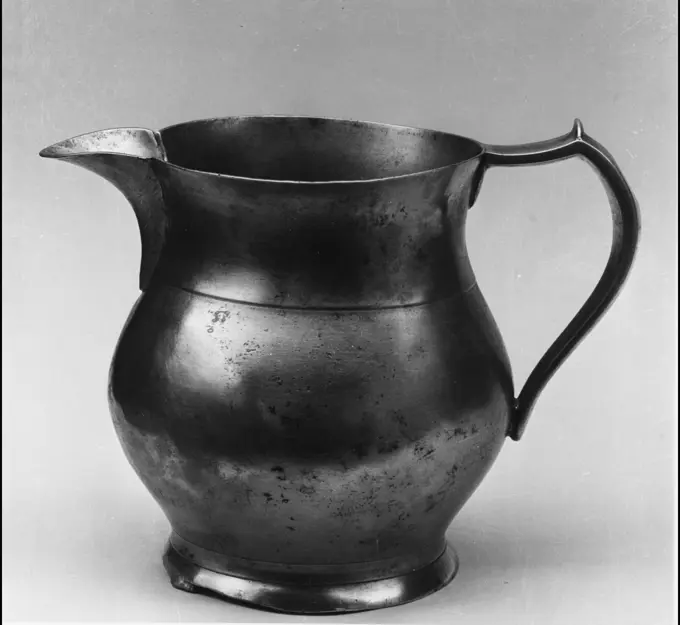
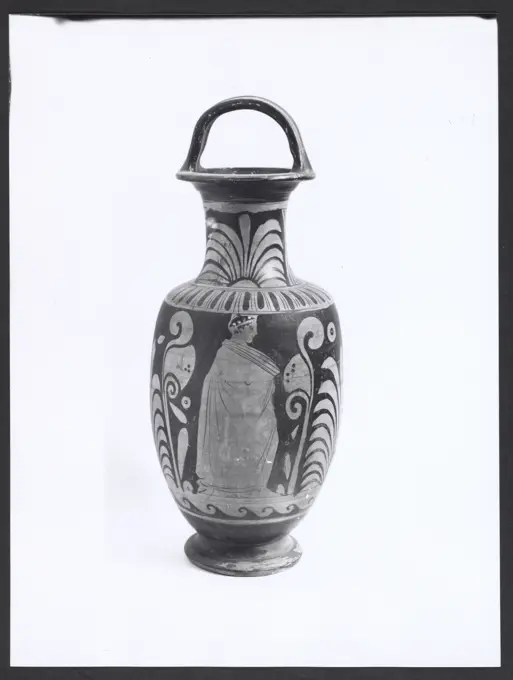
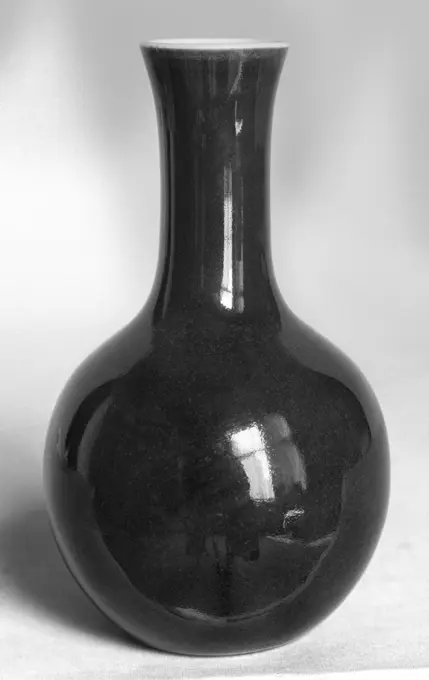
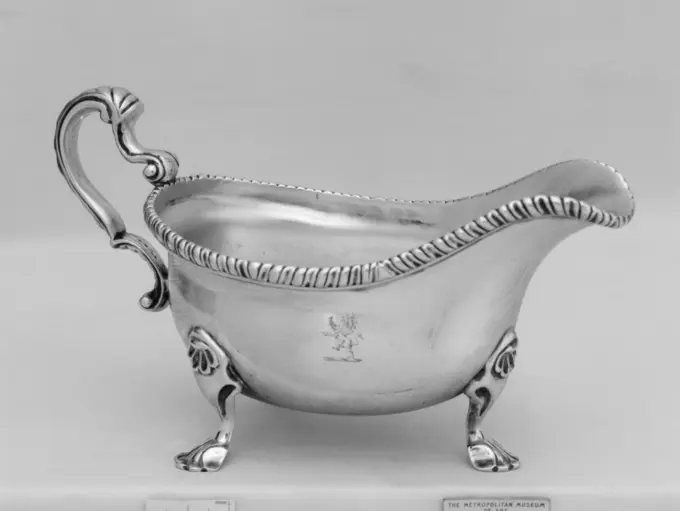
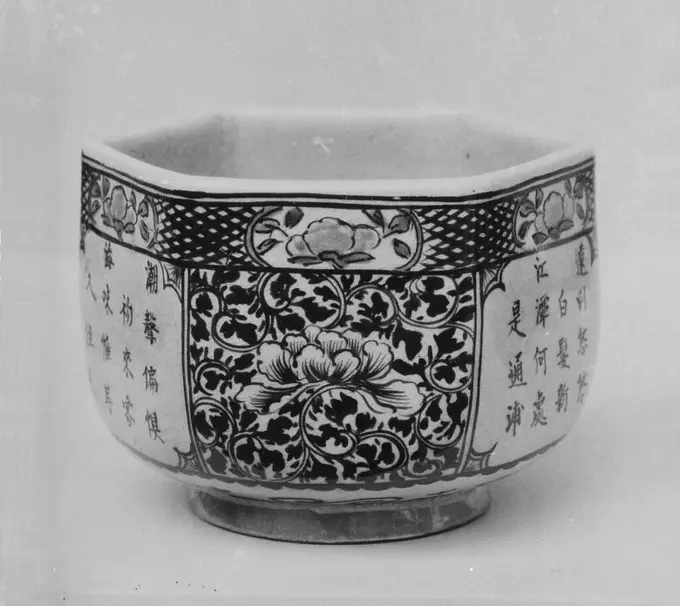
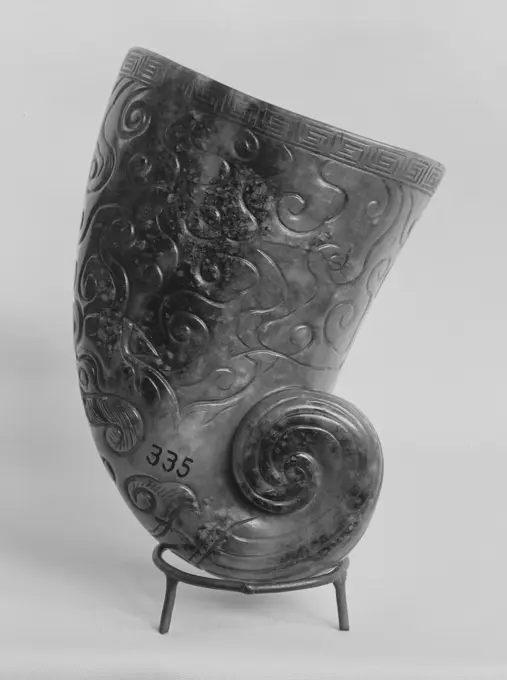
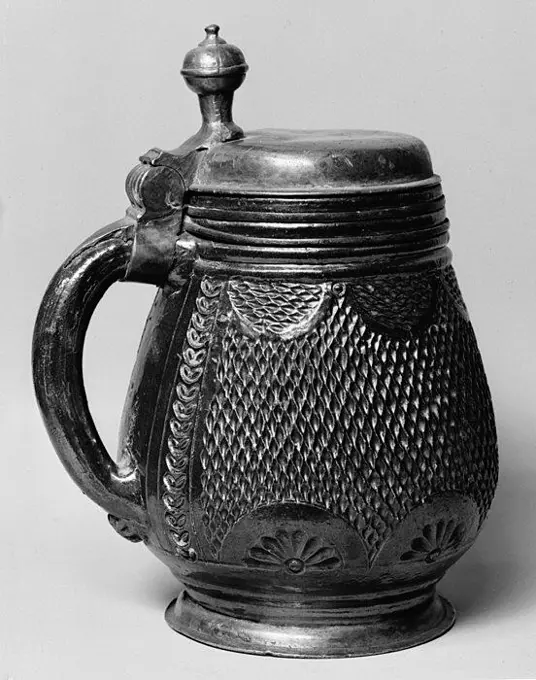
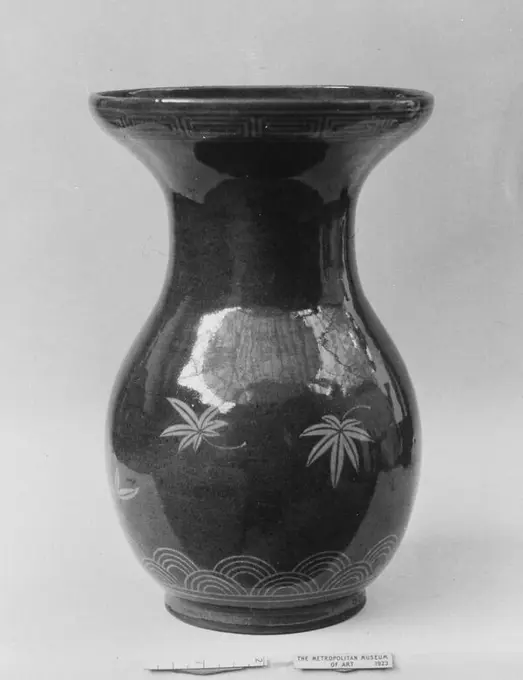
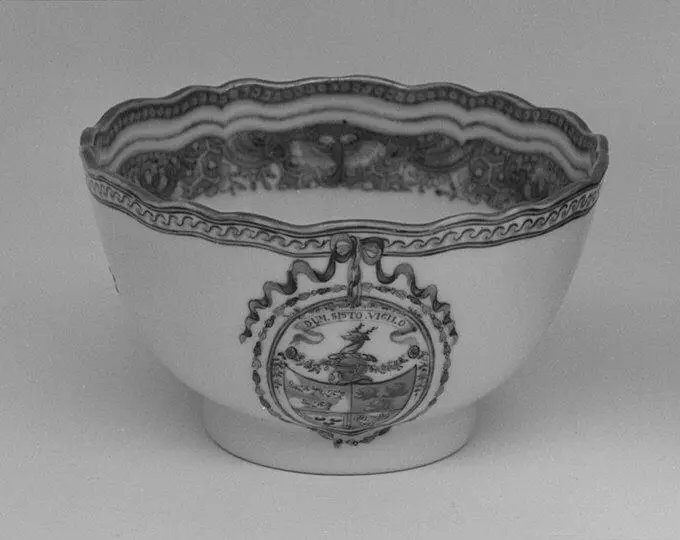
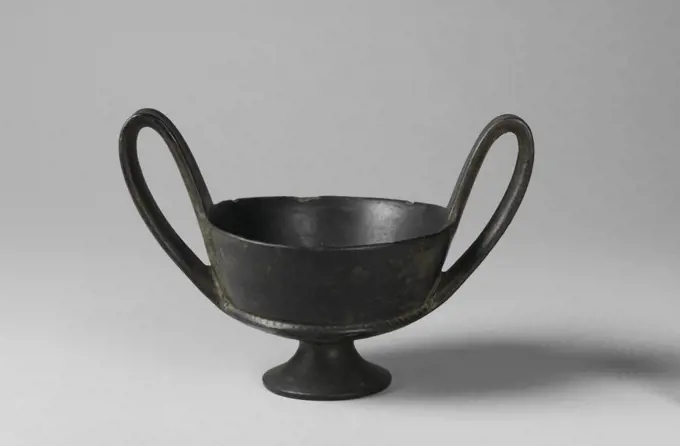
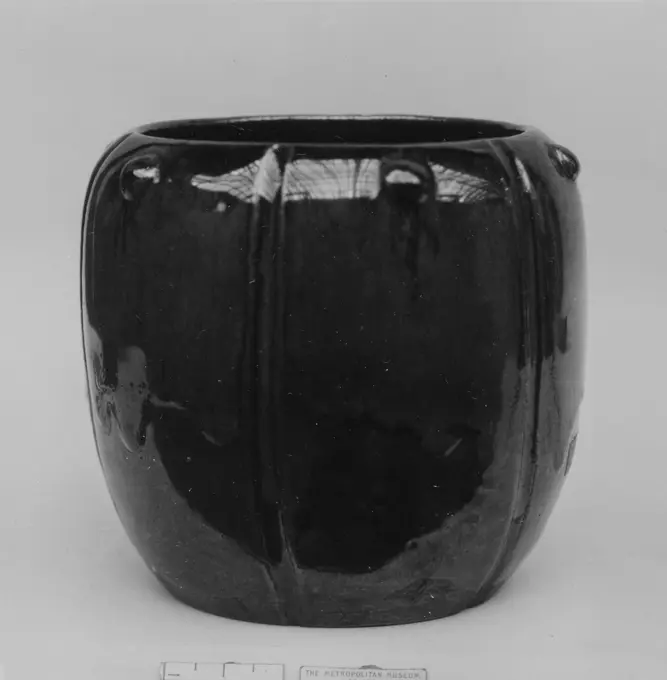
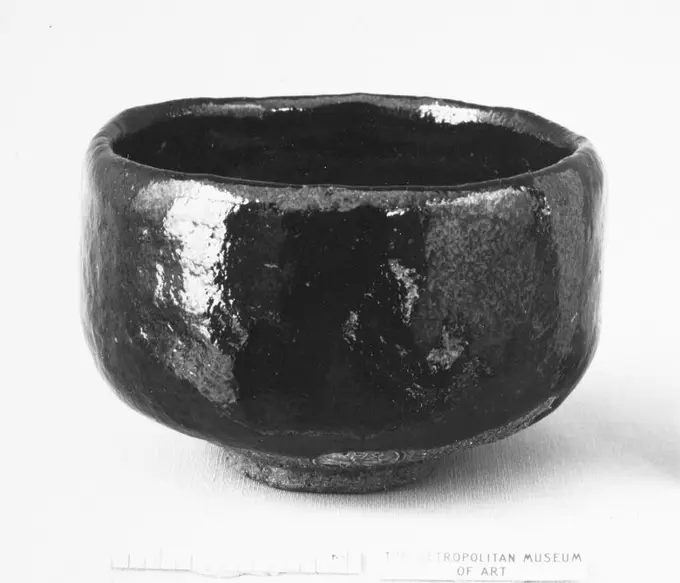
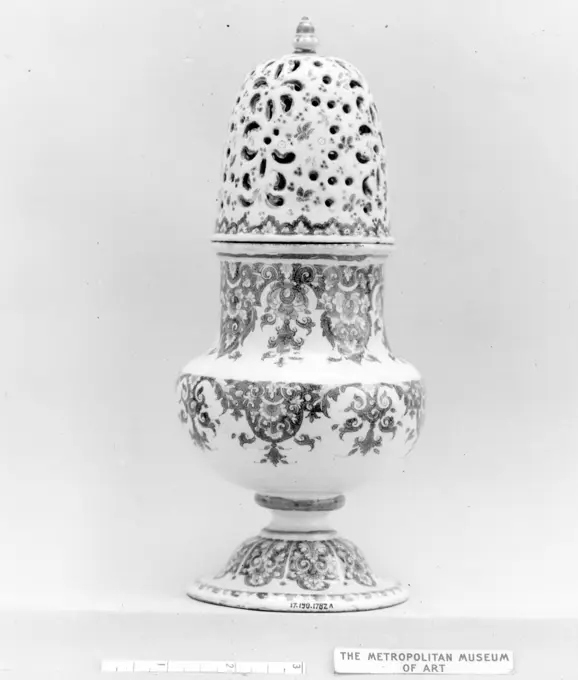
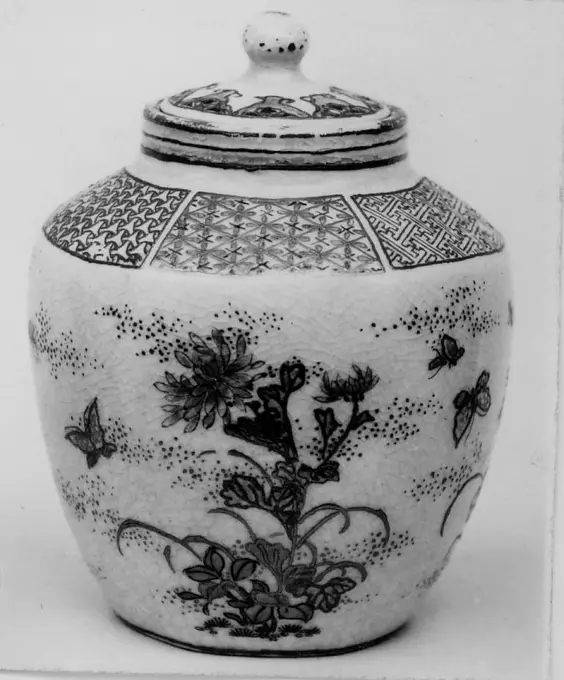
Miniature Covered Jar late 18th century Japan. Miniature Covered Jar. Japan. late 18th century. Porcelain, roughly hexagonal with enamel decoration of butterflies and flowering plants in pale green, blue and rose, with gold tracery and leaves, on creamy white crackled glaze; six different diaper designs in gold with some blue and red enamel on shoulder; three gold bands on neck; cover bordered with floral decoration in red and blue (Satsuma ware). Edo period (1615-1868). CeramicsVessel in the Shape of a Persimmon. Culture: Thailand. Dimensions: H. 3 15/16 in. (10 cm); Diam. 5 1/16 in. (12.9 cm). Date: ca. 15th century. Museum: Metropolitan Museum of Art, New York, USA.Vessel in the Shape of a Persimmon ca. 15th century Thailand. Vessel in the Shape of a Persimmon. Thailand. ca. 15th century. Earthenware. CeramicsVase. Culture: Japan. Dimensions: H. 15 1/4 in. (38.7 cm). Date: 1820. Museum: Metropolitan Museum of Art, New York, USA.Vase with figural scenes late 17th-early 18th century China The figures on this vase were inspired by illustrations of historical characters in woodblock-printed plays and novels. Those publications became popular in the seventeenth century and influenced porcelain design and other decorative arts.. Vase with figural scenes 50837Bowl 1840 Japan. Bowl 52489Teabowl ca. 1830 Japan. Teabowl 63199Jar (Guan) Banshan phase (ca. 2650-2350 B.C.) China. Jar (Guan) 49135Stem Cup ca. 1500-1250 B.C. Thailand. Stem Cup 37406Celery Glass 1820-40 American. Celery Glass 1490Double-Bottomed Bowl mid-16th century China. Double-Bottomed Bowl. China. mid-16th century. Porcelain painted in overglaze polychrome enamels. Ming dynasty (1368-1644). CeramicsVase. Culture: Japan. Dimensions: H. 8 1/2 in. (21.6 cm). Date: 1800. Museum: Metropolitan Museum of Art, New York, USA.Jar with sixteen handles. Culture: Roman. Dimensions: H. 6.9 cm; diam. of rim 8 cm; diam. of body 9.4 cm. Date: 4th century or later. Museum: Metropolitan Museum of Art, New York, USA.Covered Jar China. Covered Jar. China. Porcelain painted in overglaze famille rose enamels. Qing dynasty (1644-1911), Qianlong period (1736-95). CeramicsVase China. Vase 40673Vase (part of a set) ca. 1750 French, Rouen Faience, or tin-glazed and enameled earthenware, first emerged in France during the sixteenth century, reaching widespread usage among elite patrons during the seventeenth and early eighteenth centuries, prior to the establishment of soft-paste porcelain factories. Although characterized as more provincial in style than porcelain, French faience was used at the court of Louis XIV as part of elaborate meals and displays, with large-scale vessels incorporated into the Baroque garden designs of Versailles. Earlier examples of French faience attest to the strong influence of maiolica artists from Italy. Later works demonstrate the ways in which cities such as Nevers, Rouen, Lyon, Moustiers, and Marseille developed innovative vessel shapes and decorative motifs prized among collectors throughout Europe. While faience can be created from a wide mixture of clays, it is foremost distinguished by the milky opaque white color achieved by the addition oMeiping vase with dragon 18th century China. Meiping vase with dragon. China. 18th century. Porcelain painted in underglaze cobalt blue (Jingdezhen ware). Qing dynasty (1644-1911). CeramicsSquared Jar with Cover (Fanghu) China. Squared Jar with Cover (Fanghu) 50362Sugar bowl (part of a set) 1820-30 French. Sugar bowl (part of a set) 187827 French, Sugar bowl (part of a set), 182030, Hard-paste porcelain, Height: 3 3/4 in. (9.5 cm). The Metropolitan Museum of Art, New York. Gift of Henry G. Marquand, 1894 (94.4.314a, b)Jar. Culture: China. Dimensions: H. 3 7/8 in. (9.8 cm); Diam. 4 in. (10.2 cm); Diam. of rim 2 1/4 in. (5.7 cm); Diam. of foot 2 1/4 in. (5.7 cm). Date: ca. late 7th-first half of the 8th century. Museum: Metropolitan Museum of Art, New York, USA.Snuff Bottle China. Snuff Bottle 41691Jar ca. 1830 Mexican. Jar 4477Covered Jar China. Covered Jar. China. Porcelain. Qing dynasty (1644-1911), Qianlong period (1736-95). CeramicsVase and coaster 1700-1755 Factory of de Porceleyne Lampetkan. Vase and coaster 187849 Factory: Factory of de Porceleyne Lampetkan, Vase and coaster, 17001755, Tin-glazed earthenware, Height: 7 in. (17.8 cm). The Metropolitan Museum of Art, New York. Gift of Henry G. Marquand, 1894 (94.4.340a, b)Saucer 1780 Japan. Saucer 51231Ewer. Dimensions: H. 9 3/4 in. (24.8 cm)Diam. 8 5/8 in. (21.9 cm)Wt. oz. ( g). Date: late 12th century. Museum: Metropolitan Museum of Art, New York, USA.Tankard 18th century German, Bayreuth. Tankard. German, Bayreuth. 18th century. Tin-glazed earthenware; pewter. Ceramics-PotteryTeapot (part of a service) ca. 1725, decorated ca. 1740 Meissen Manufactory German. Teapot (part of a service) 206031Pitcher. Culture: American. Dimensions: H. 8 1/4 in. (21 cm); Diam. 7 1/2 in. (19.1 cm). Date: ca. 1885. Museum: Metropolitan Museum of Art, New York, USA.Vase. Culture: China. Dimensions: H. 4 3/8 in. (11.1 cm). Date: 19th century. Museum: Metropolitan Museum of Art, New York, USA.Pitcher 1800-1830 American. Pitcher 5671Vase (one of a pair). Culture: China. Dimensions: H. 21 in. (53.3 cm). Museum: Metropolitan Museum of Art, New York, USA.Cream jug 1738-39 Paul de Lamerie British. Cream jug. British, London. 1738-39. Silver. Metalwork-SilverWriter's Water Bottle. Culture: China. Dimensions: H. 3 1/2 in. (8.9 cm); Diam. 5 in. (12.7 cm). Museum: Metropolitan Museum of Art, New York, USA.Covered bowl with Thai mythical figures 19th century China. Covered bowl with Thai mythical figures 45877Oil Bottle 19th century Hosho Japanese. Oil Bottle. Hosho (). Japan. 19th century. Clay covered with white slip and a transparent glaze; darker glaze round the neck and lip (Agano ware). Edo (1615-1868) or Meiji period (1868-1912). CeramicsBoîte à savonette ca. 1770-80 Manufacture Royale This boîte à savonette presumably was en suite with a sponge box, and a barber's basin; it seems to be a rare survivor and may have been specially made for a particular perfumer or seller of toilette articles in Montpellier, by one of the soap factories there.. Boîte à savonette 200773Wine jug. Culture: China. Dimensions: H. 6 1/2 in. (16.5 cm); W. 5 1/2 in. (13.9 cm); L. 3 1/4 in. (8.3 cm). Museum: Metropolitan Museum of Art, New York, USA.Cup ca. 1730 Vienna. Cup 189007 Factory: Vienna, Factory director: Du Paquier period, 17181744, Cup, ca. 1730, Hard-paste porcelain, Height: 3 1/8 in. (7.9 cm). The Metropolitan Museum of Art, New York. Rogers Fund, 1906 (06.367)Vase China. Vase. China. Porcelain. Qing dynasty (1644-1911), Yongzheng period (1723-35). CeramicsJar. Culture: Dutch. Dimensions: H. 9 3/4 in. (24.8 cm). Date: 1700-1720. Museum: Metropolitan Museum of Art, New York, USA.Cup ca. mid-3rd millennium B.C.. Cup 327265Creampot.   Maker: Jacob Hurd, American, 1702-1758Jar 19th century Japan. Jar. Japan. 19th century. Clay covered with a finely crackled glaze (Denko ware). Edo (1615-1868) or Meiji period (1868-1912). CeramicsCovered Cup. Culture: China. Dimensions: H. with cover 3 3/8 in. (8.6 cm); Diam. 4 1/2 in. (11.4 cm). Date: late 18th century. Museum: Metropolitan Museum of Art, New York, USA.Jug 17th-18th century Spanish, Castile. Jug. Spanish, Castile. 17th-18th century. Glass. GlassAltar Bowl with Winged Animals among Waves. Culture: China. Dimensions: Diam. 6 1/4 in. (15.9 cm). Date: mid-15th century. Museum: Metropolitan Museum of Art, New York, USA.Pitcher. Culture: American. Dimensions: H. 6 5/8 in. (16.8 cm). Date: 1820-40. Museum: Metropolitan Museum of Art, New York, USA.Vase ornament for console 18th century French. Vase ornament for console. French. 18th century. Wood, gilt. WoodworkWater Coupe China. Water Coupe. China. Porcelain with incised decoration under peachbloom glaze. Qing dynasty (1644-1911), Kangxi period (1662-1722). CeramicsVase China. Vase. China. Pottery (Longquan ware). Song dynasty (960-1279). CeramicsVase early 20th century Korea. Vase. Korea. early 20th century. Pottery. CeramicsCream jug 1779 Frankenthal Porcelain Manufactory. Cream jug 199261Covered Cup China. Covered Cup 52716Jug 1577-78 Possibly William Cocknidge Stoneware jugs of this type were frequently imported from Germany and the mounts added in England.. Jug. British, London. 1577-78. Stoneware, silver gilt. Metalwork-Silver In CombinationMortar 1550 probably Spanish The coat of arms on the front of the mortar has not been identified.. Mortar. probably Spanish. 1550. Bronze. Metalwork-BronzeJar or Fire-holder. Culture: Japan. Dimensions: H. 4 3/8 in. (11.1 cm); Diam. 4 3/4 in. (12.1 cm). Date: 1840. Museum: Metropolitan Museum of Art, New York, USA.Tea jar ca. 1775 Japan. Tea jar. Japan. ca. 1775. Pottery (Ko Bizen ware). Edo period (1615-1868). CeramicsPitcher. Culture: American. Dimensions: 3 1/4 x 2 5/8 x 2 1/4 in. (8.3 x 6.7 x 5.7 cm). Date: 1830-70. Museum: Metropolitan Museum of Art, New York, USA.Goblet 1800-1830 British (American market). Goblet. British (American market). 1800-1830. Earthenware, lusterware. Made in Staffordshire, EnglandJelly Glass 1785-1825 American or British. Jelly Glass 4536Lotus bowl with immortals late 17th-early 18th century China. Lotus bowl with immortals. China. late 17th-early 18th century. Porcelain painted in underglaze cobalt blue (Jingdezhen ware). Qing dynasty (1644-1911), Kangxi period (1662-1722). CeramicsTeapot ca. 1790 Japan. Teapot. Japan. ca. 1790. Pottery decorated with polychrome enamels; straw handle (Meppotani ware). Edo period (1615-1868). CeramicsPitcher 1835-ca. 1860 Freeman Porter. Pitcher 5838Campania Caserta Capua Museo Campano062. Hutzel, Max 1960-1990 Medieval: Byzantine architectural fragments; parchment fragments with miniatures (12th century) from Montecassino; painted wooden crucifix (13th century); Carolingian crucifixes; Bishop's miter (11th century) of gold and silver damask; fresco (13th century). Post-medieval: Architecture (15th century). Formerly the Palazzo Antignano. Unusual Catalan/Moorish-style portal; Paintings on panel and canvas (15th-18th centuries); marble intarsia (16th century); marble sculpture: busts of Christ and Mary (17th century); sculpture of saints in marble and in wood (15th century); painted and gilded sculpture in wood; marble grave sculpture (16th century); sarcophagus with allegorical carvings; gold reliquary "Rosa d'Oro"; crucifix made of elephant tusk Specific Location: Pianterreno Antiquities: Italic sculpture (seated women holding babies); inscription. Photo campaign #1: 533 photos. Roman relief and sculpture; cinerary urns; Greek aFooted dish with floral pattern 19th century China. Footed dish with floral pattern. China. 19th century. Porcelain painted in overglaze polychrome enamels (Bencharong ware for Thai market). Qing dynasty (1644-1911). CeramicsBowl 18th-19th century Japan. Bowl. Japan. 18th-19th century. Porcelain decorated in blue, green, red-orange and gilt (Arita ware, Imari style). Edo period (1615-1868). CeramicsVase 18th century China. Vase. China. 18th century. Porcelain with copper red glaze (Jingdezhen ware). Qing dynasty (1644-1911). CeramicsPlate 18th century Japan. Plate 59866Vase. Culture: China. Dimensions: H. 10 3/4 in. (27.3 cm); Diam. 4 3/4 in. (12.1 cm); Diam. of rim 1 1/2 in. (3.8 cm); Diam. of base 3 3/8 in. (8.6 cm). Date: early 18th century. Museum: Metropolitan Museum of Art, New York, USA.Jar with Four Lugs. UnknownSauceboat 1759-60 Probably by William Sheen. Sauceboat 192097Finger Bowl 1815-50 American or British. Finger Bowl. American or British. 1815-50. Blown pattern-molded glass. Possibly made in England; Possibly made in United StatesSaltcellar 17th century Spanish. Saltcellar. Spanish. 17th century. Glass. GlassTeabowl 1850 Eiraku Wazen Japanese. Teabowl 62678Bowls with Three Panels with Poems. Artist: Kinkozan. Culture: Japan. Dimensions: H. 3 1/2 in. (8.9 cm); Diam. 4 1/4 in. (10.8 cm). Date: 19th century. Museum: Metropolitan Museum of Art, New York, USA.Horn-Shaped Cup China. Horn-Shaped Cup. China. Nephrite, light sage-green mottled with lighter spots and stained and encrusted in part with patches of dead-oak-leaf. late Ming dynasty (1368-1644)-early Qing dynasty (1644-1868). JadeBowl with cover ca. 1735 Meissen Manufactory German. Bowl with cover 199179Tankard 17th century German, Muskau German stoneware tankards were brought to America in large numbers on Dutch fur-trading ships. Shards of these popular vessels have been uncovered at seventeenth century sites in New York and New England.. Tankard 194602Vase. Culture: Japan. Dimensions: H. 9 3/8 in. (23.8 cm); Diam. 6 in. (15.2 cm). Date: 1875. Museum: Metropolitan Museum of Art, New York, USA.Mazer with cover third quarter 17th century, in part (cover finial) British. Mazer with cover. British. third quarter 17th century, in part (cover finial). Maple wood, silver. Metalwork-Silver In CombinationTea cup (part of a service) 1770-85 Chinese, for British market. Tea cup (part of a service) 201141Punch bowl 1705-6 John East This bowl, engraved with the De Peyster arms, was probably made for Abraham de Peyster (1657-1728) of New York. De Peyster was mayor from 1691 to 1694 and held many other civil posts, including chief justice and treasurer of the province. The altar silver for Saint Andrews church in Staten Island and for Christ Church in Rye was also made by John East.. Punch bowl. British, London. 1705-6. Silver. Metalwork-SilverSlop Bowl 1854-65 Thomas Danforth Boardman. Slop Bowl 13407Jar with dragons mid-16th century China. Jar with dragons. China. mid-16th century. Porcelain with incised decoration under blue glaze (Jingdezhen ware). Ming dynasty (1368-1644), Jiajing mark and period (1522-66). CeramicsDish. Culture: China. Dimensions: H. 2 in. (5.1 cm); L. 7 in. (17.8 cm). Museum: Metropolitan Museum of Art, New York, USA.Mustard pot 1759 Joseph Opinel. Mustard pot 200162Pitcher ca. 1867 Boston & Sandwich Glass Company. Pitcher 5774Vase with floral scrolls mid-18th century China. Vase with floral scrolls. China. mid-18th century. Porcelain with relief decoration under turqoise glaze (Jingdezhen ware). Qing dynasty (1644-1911), Qianlong period (1736-95). CeramicsBottle 18th century French, possibly Nevers. Bottle. French, possibly Nevers. 18th century. Glass, pewter. GlassKantharos, Glossy black and dark gray biscuit control-fired earthenware, Footed cup with two high looped handles., Southern Etruria, Italy, late 7th-early 6th century BC, ceramics, Decorative Arts, KantharosTea Jar 19th century Japan. Tea Jar 62591Tankard ca. 1730 Vienna. Tankard 200735Jar or Fire-holder 1840 Japan. Jar or Fire-holder. Japan. 1840. Pottery covered with glaze, overrun by glaze with iron red dappling (Takatori ware). Edo period (1615-1868). CeramicsBowl ca. 3rd-1st century B.C. Parthian This bowl has a flat base, gently sloping sides and an outturned rim. It is made of a red clay with mottled smoke patterns on the interior and exterior, an accidental side effect of the firing process. It was excavated at Yarim Tepe in northeastern Iran, six miles south of the modern town of Gonbad-e Kavus. Yarim Tepe was a small settlement, inhabited from the Neolithic to the Parthian period, with many interruptions. Bowls with similar shapes were discovered at Shahr-i Qumis in northern Iran, believed to be the site of the Parthian capital Hecatompylos.. Bowl 325585Bowl China. Bowl. China. Porcelain. Qing dynasty (1644-1911), Kangxi period (1662-1722). CeramicsTeabowl. Artist: Kichizaemon. Culture: Japan. Dimensions: H. 3 in. (7.6 cm); Diam. 4 1/2 in. (11.4 cm). Date: ca. 1840. Museum: Metropolitan Museum of Art, New York, USA.Sugar caster ca. 1720-30 French, possibly Lille Faience, or tin-glazed and enameled earthenware, first emerged in France during the sixteenth century, reaching widespread usage among elite patrons during the seventeenth and early eighteenth centuries, prior to the establishment of soft-paste porcelain factories. Although characterized as more provincial in style than porcelain, French faience was used at the court of Louis XIV as part of elaborate meals and displays, with large-scale vessels incorporated into the Baroque garden designs of Versailles. Earlier examples of French faience attest to the strong influence of maiolica artists from Italy. Later works demonstrate the ways in which cities such as Nevers, Rouen, Lyon, Moustiers, and Marseille developed innovative vessel shapes and decorative motifs prized among collectors throughout Europe. While faience can be created from a wide mixture of clays, it is foremost distinguished by the milky opaque white color achieved by the additiKrug ca. 1680 Probably by Wolf Rössler. Krug 207986Ewer 1793-94 J.F.. Ewer 188353 Maker: J.F., Ewer, 179394, Silver, H. 12 1/2 in. (31.8 cm.). The Metropolitan Museum of Art, New York. Gift of Mrs. Isaac Gibson Jaffray, in memory of her husband,1898 (98.1.1)