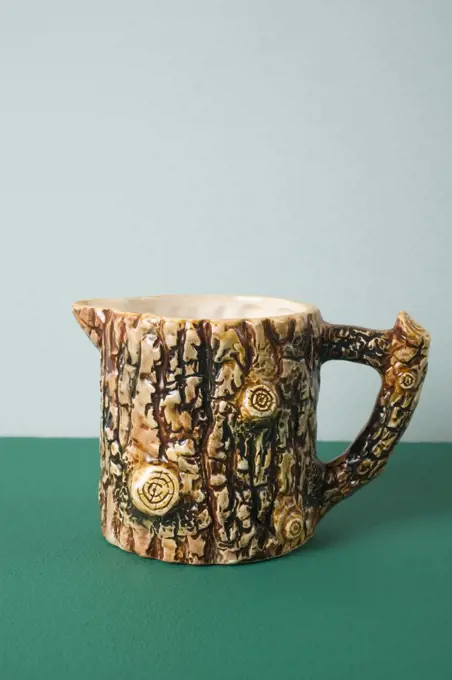
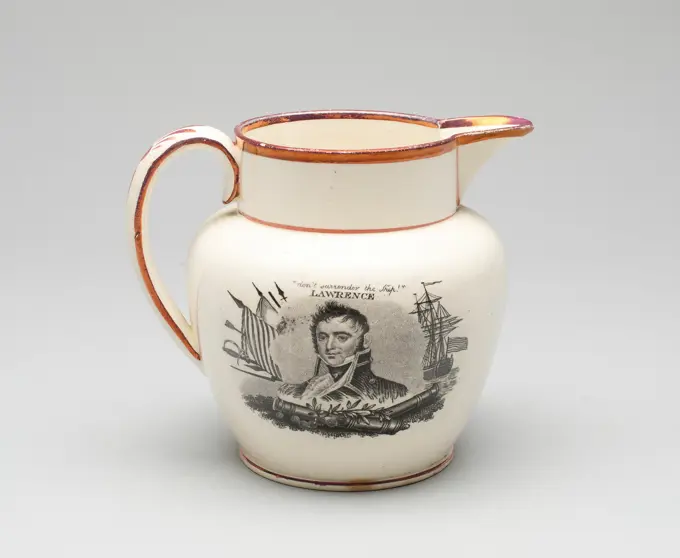
Decorative Ceramics

Collection of decorative jugs and mugs from various periods, showcasing intricate designs, materials, and historical significance in ceramic arts.
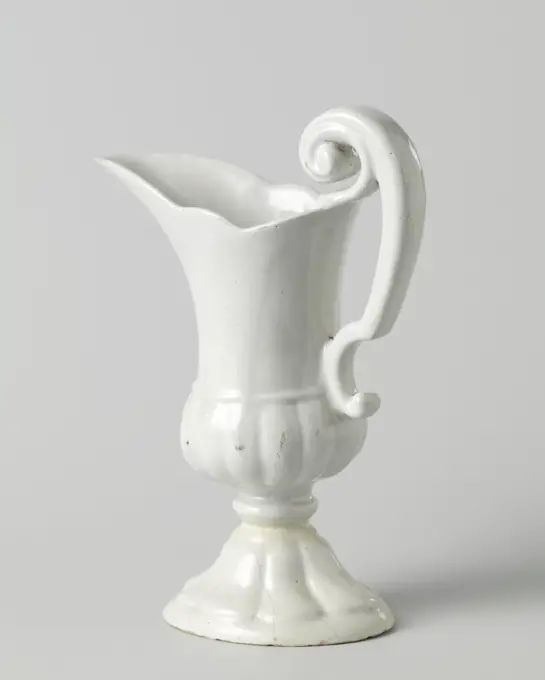
Lampet can with partly ribbed belly, on high curved ribbed foot, anonymous, c. 1710 - c. 1740 Lametkan of undecorated faience, on a high curved and ribbed foot. The bottom of the abdomen of the jug is ribbed. The upper edge of the KAN is sculpted and has a wide lip. The ear is S-Volute-shaped. Netherlands (possibly) earthenware. tin glaze. Lametkan of undecorated faience, on a high curved and ribbed foot. The bottom of the abdomen of the jug is ribbed. The upper edge of the KAN is sculpted and has a wide lip. The ear is S-Volute-shaped. Netherlands (possibly) earthenware. tin glaze.
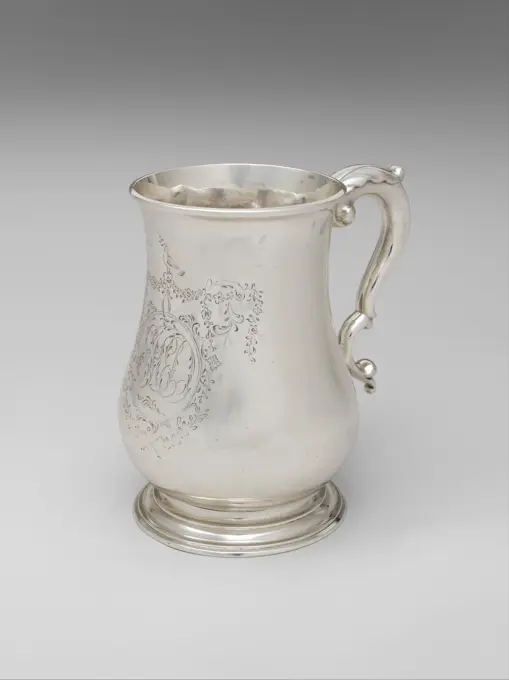
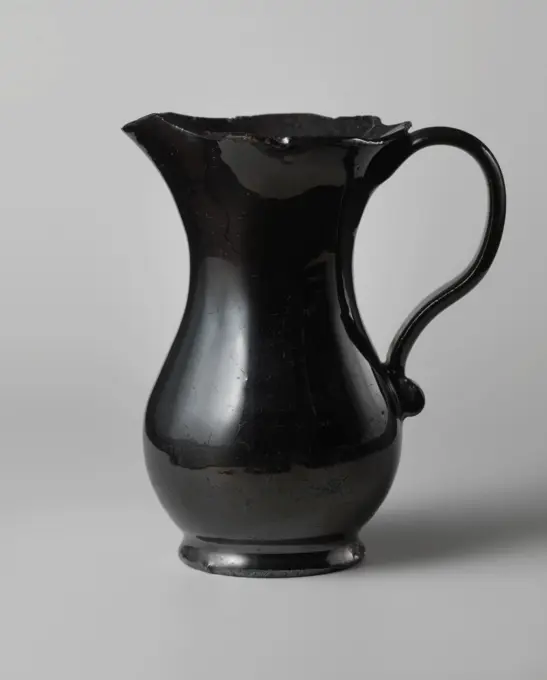
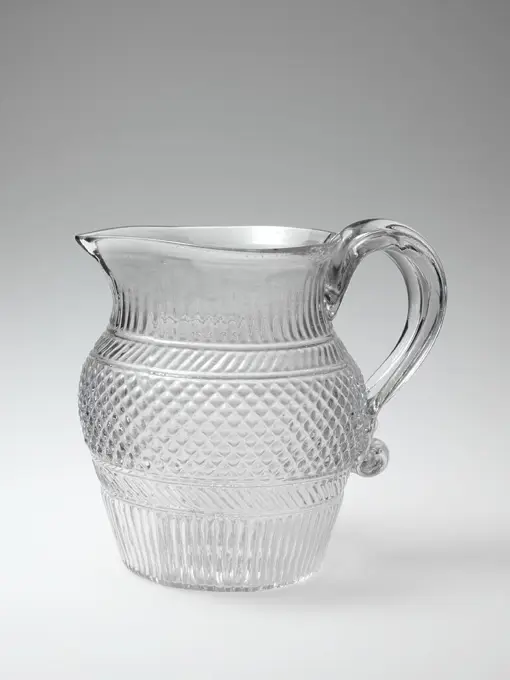
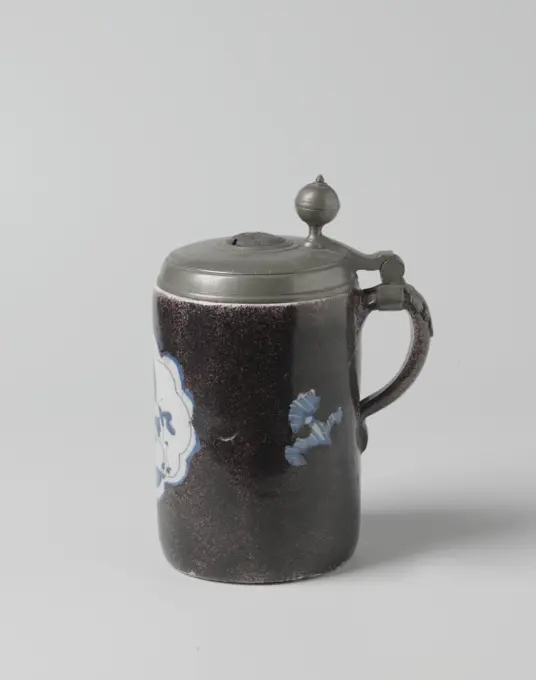
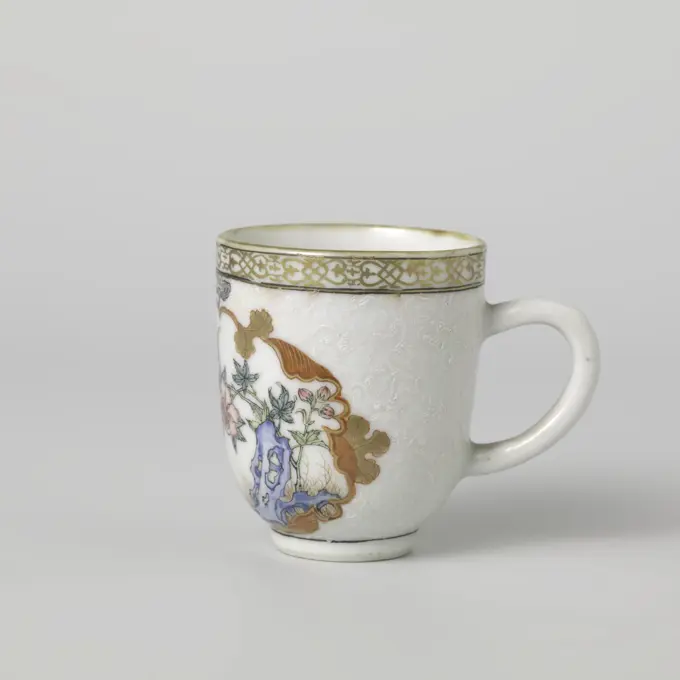
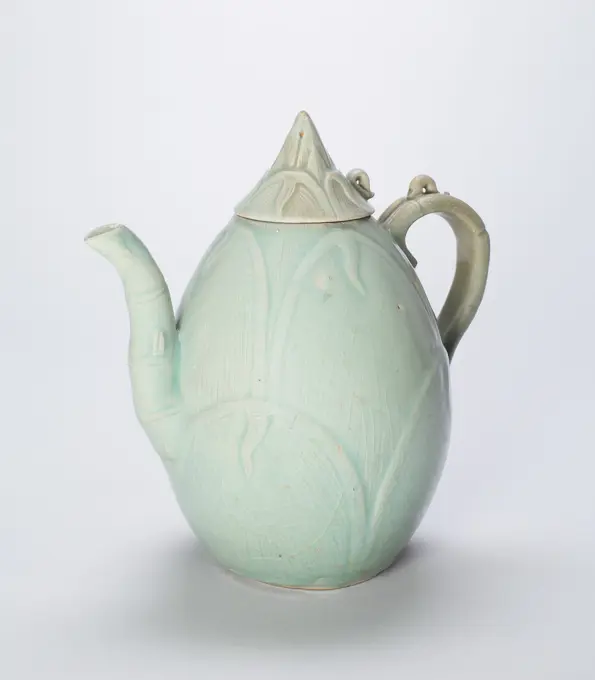
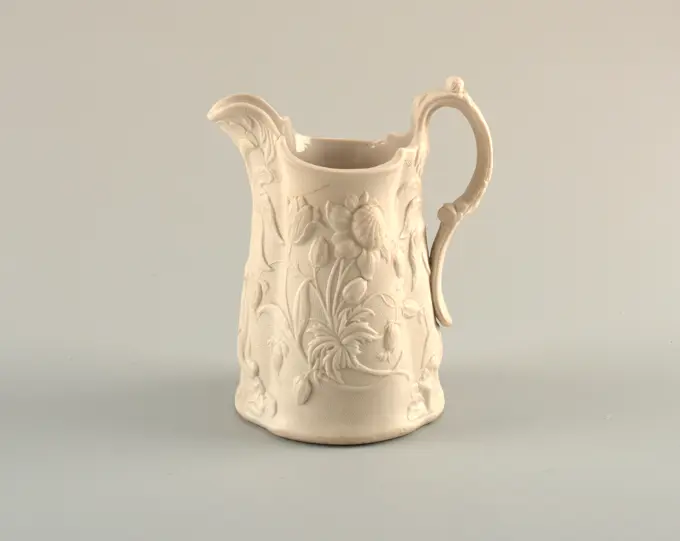
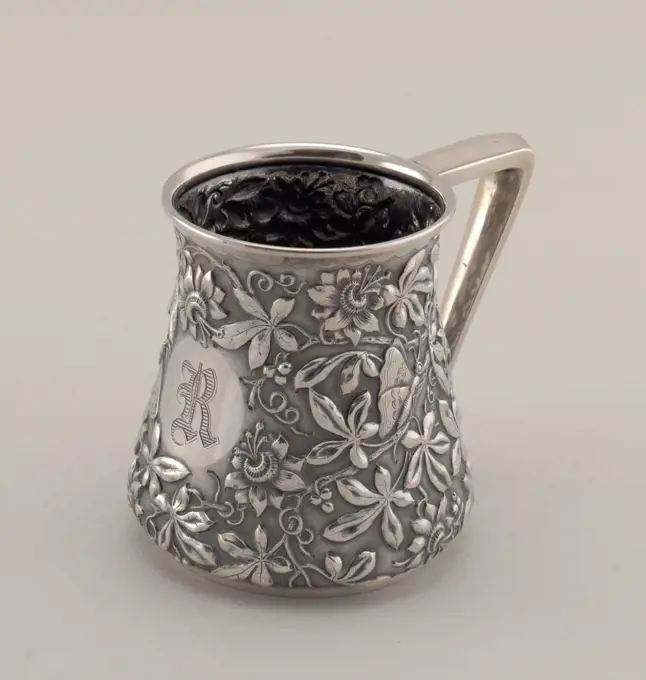
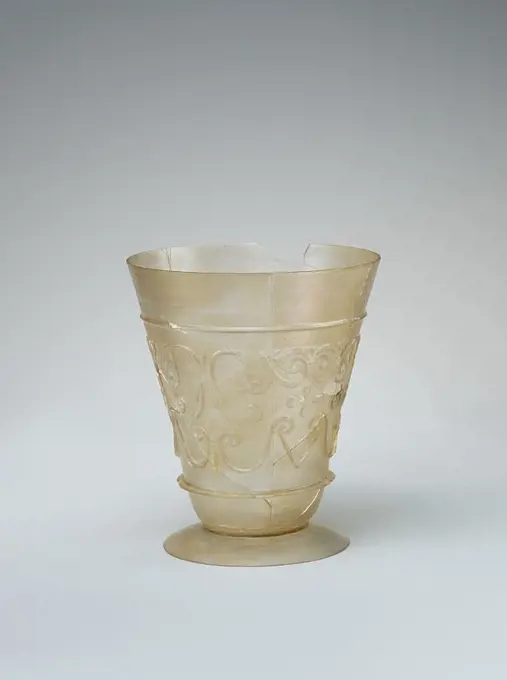
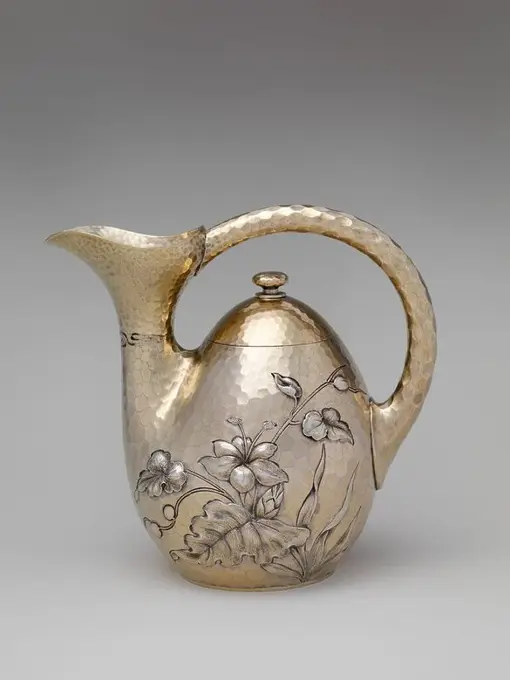
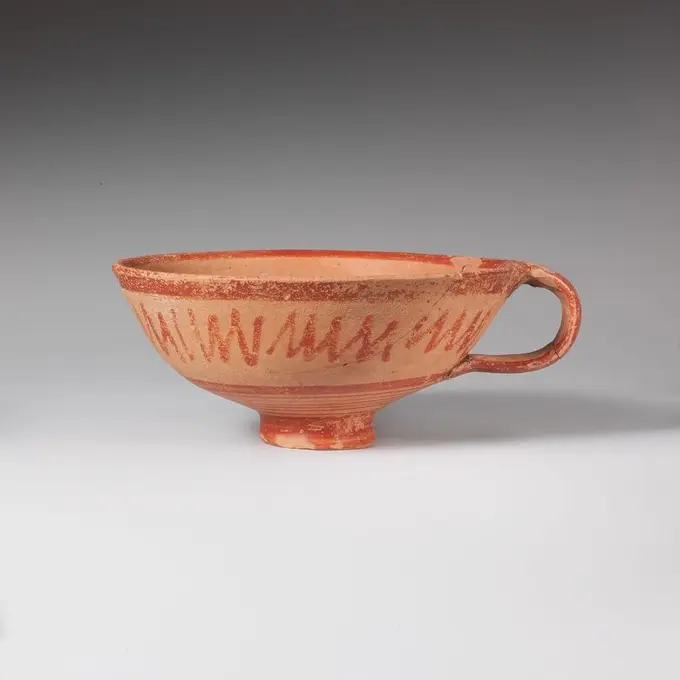
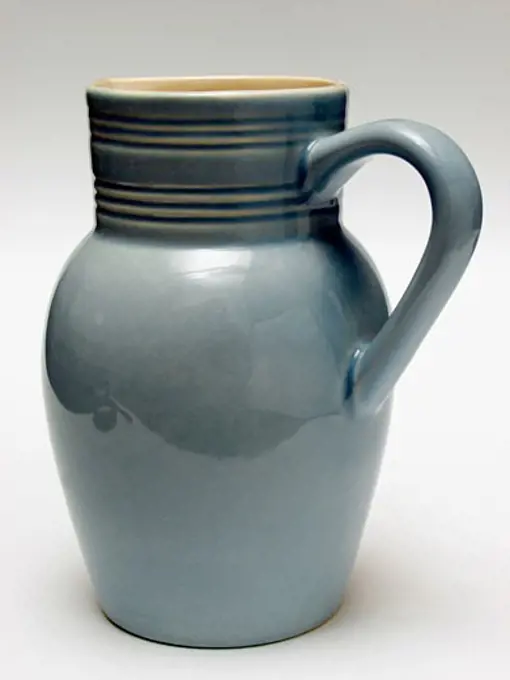
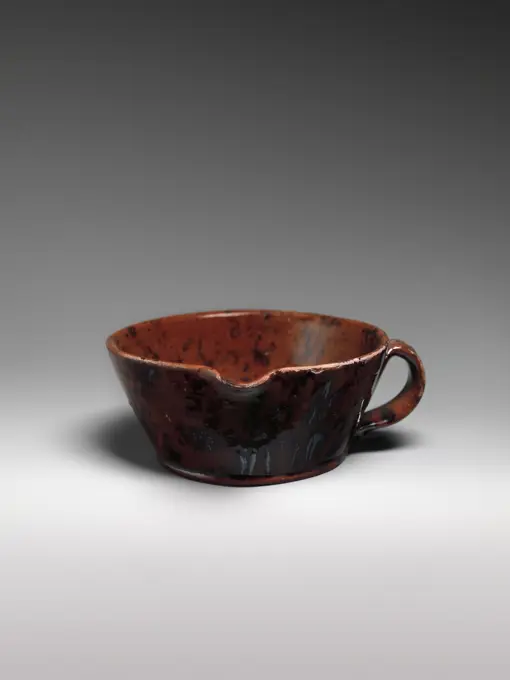
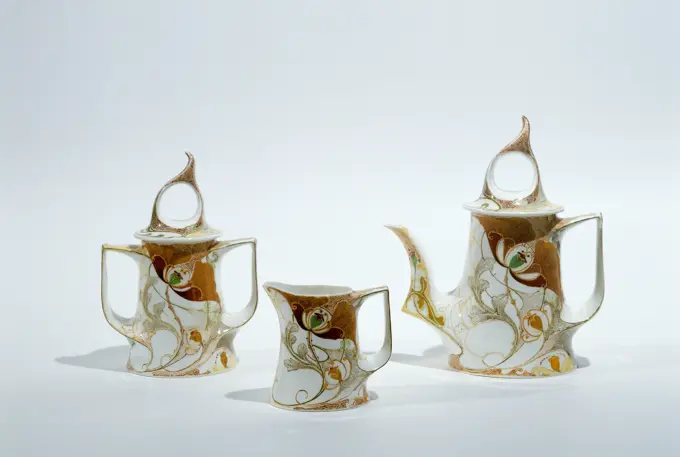
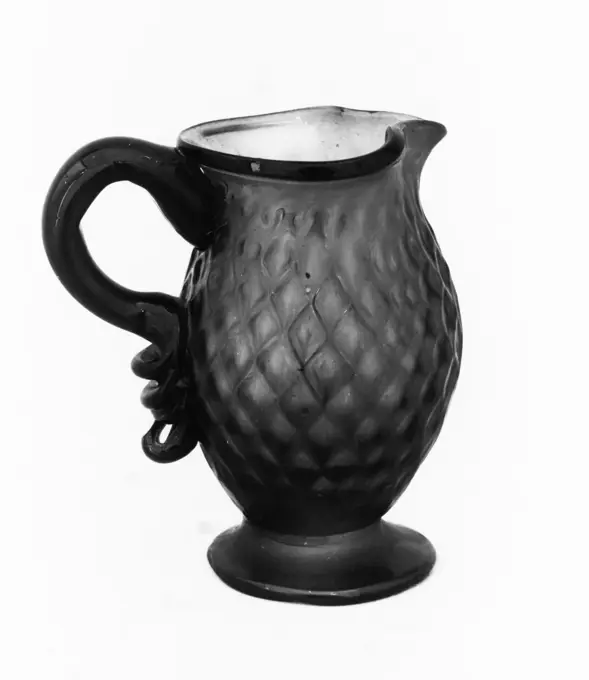
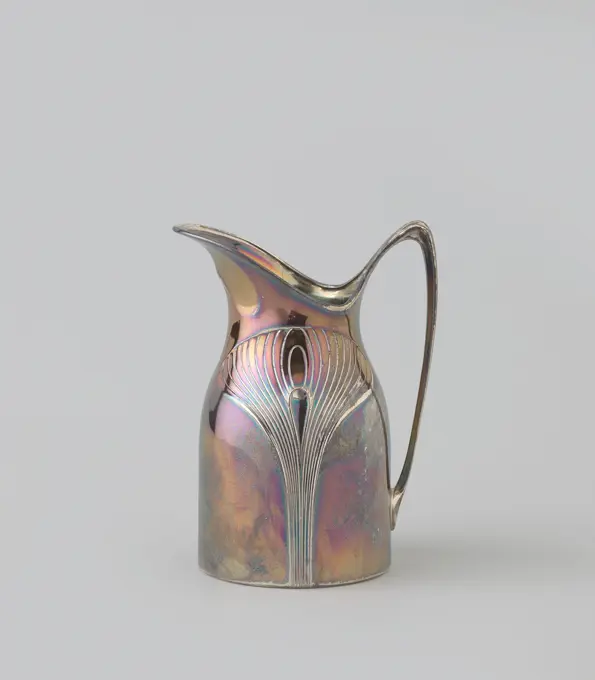
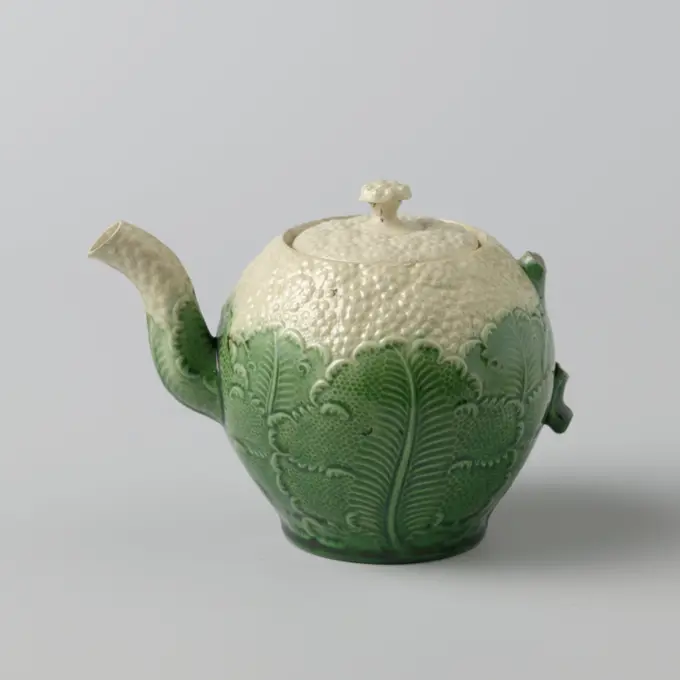
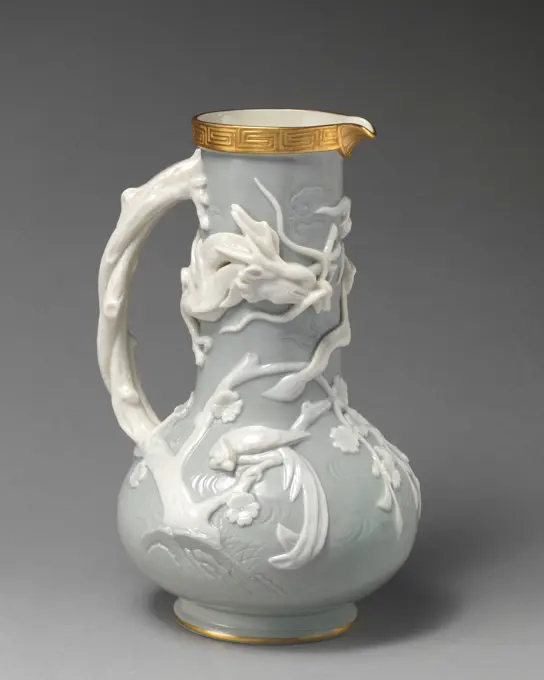
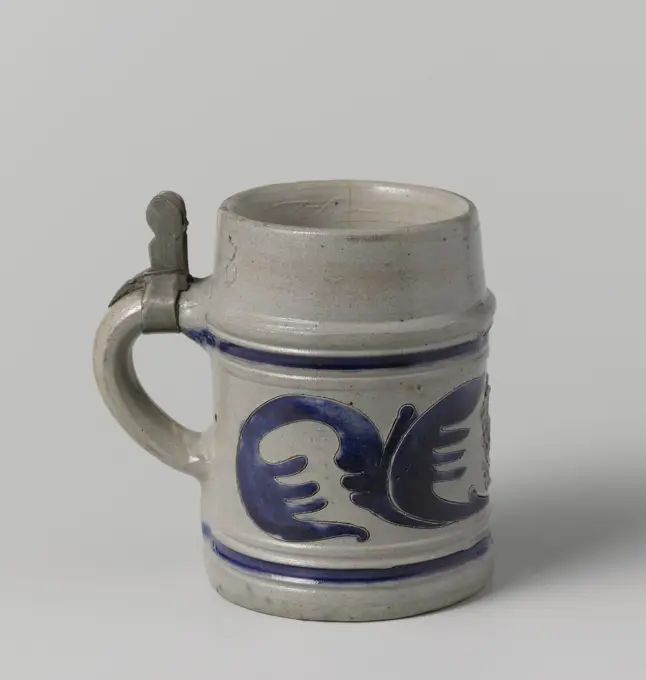
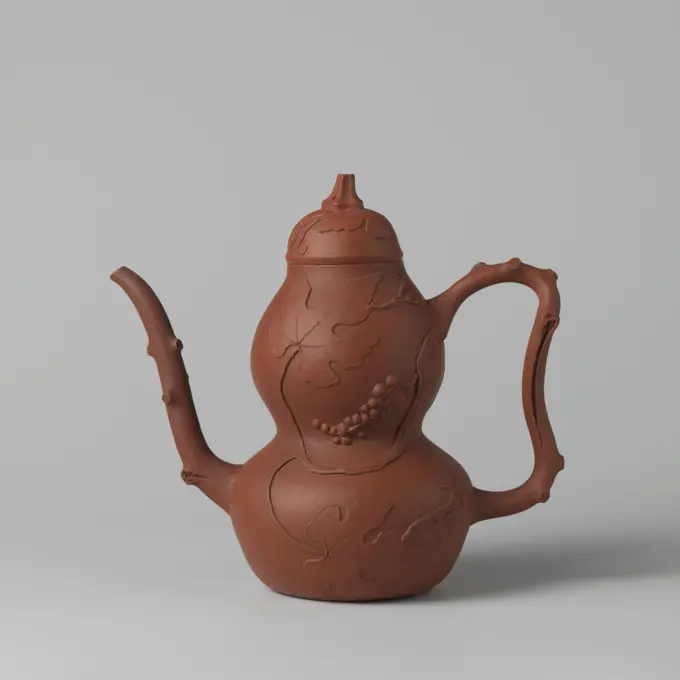
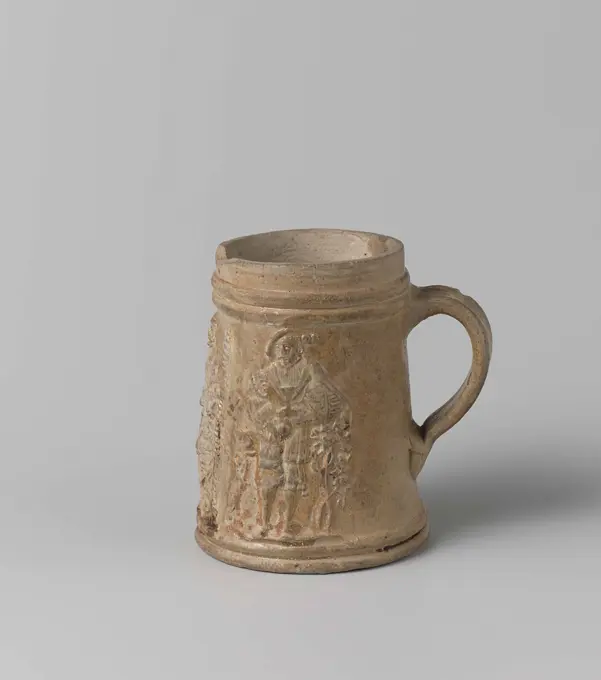
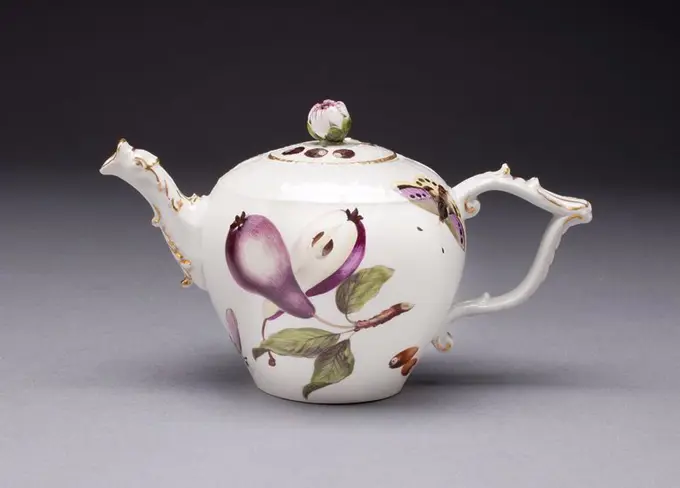
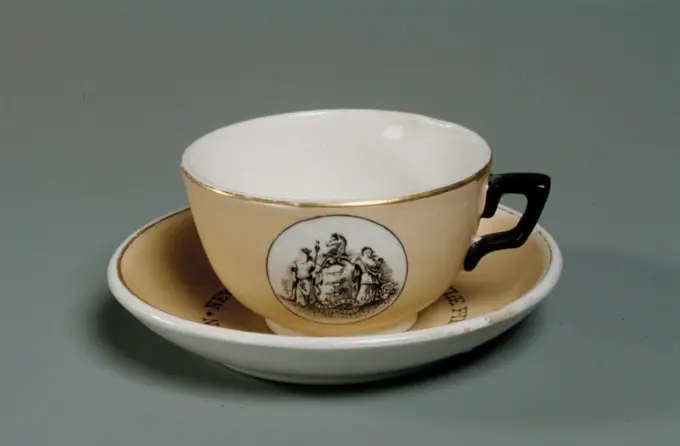
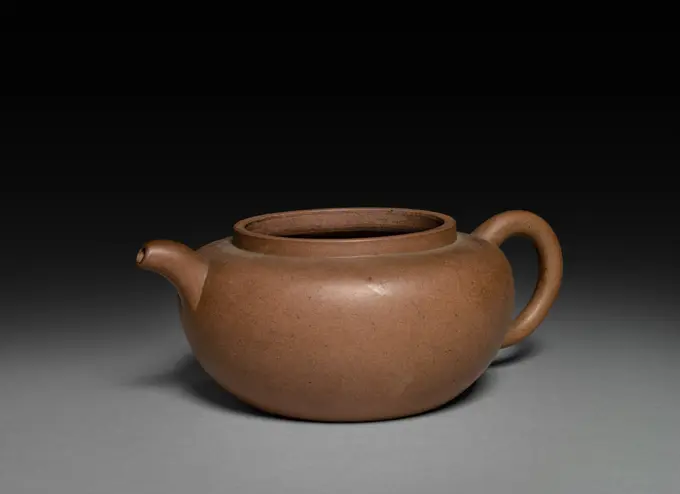
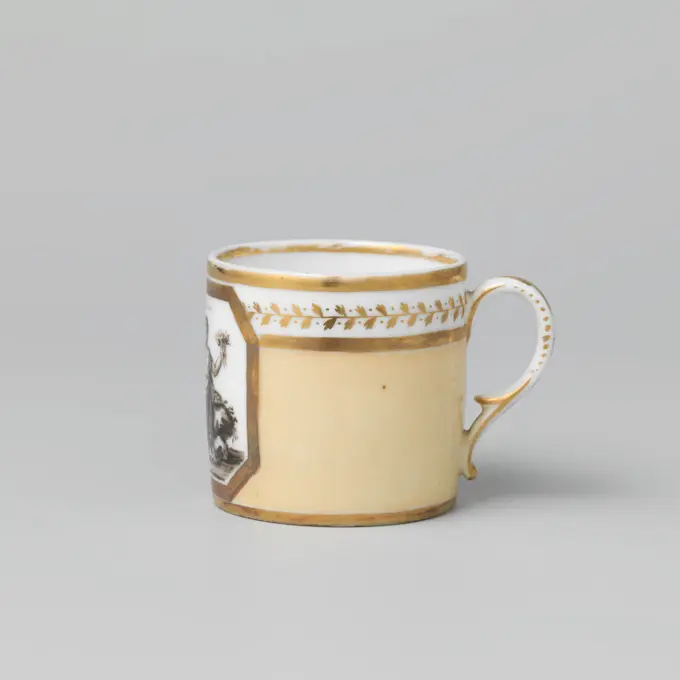
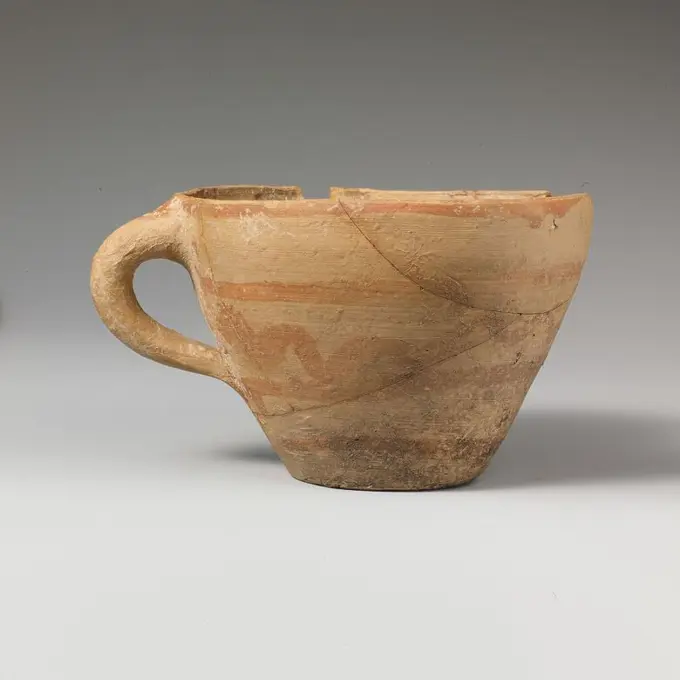
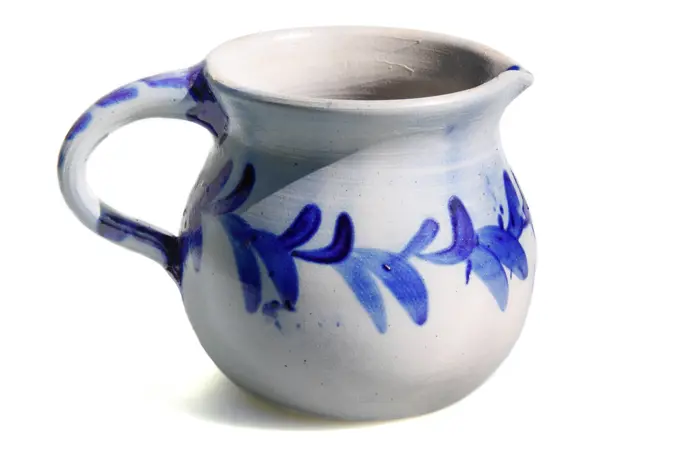
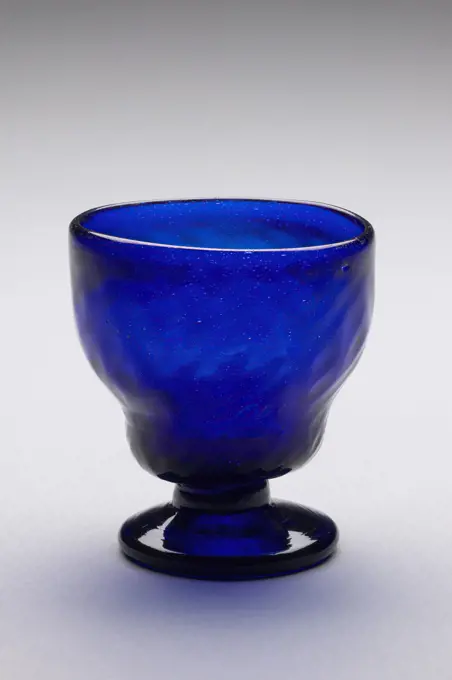
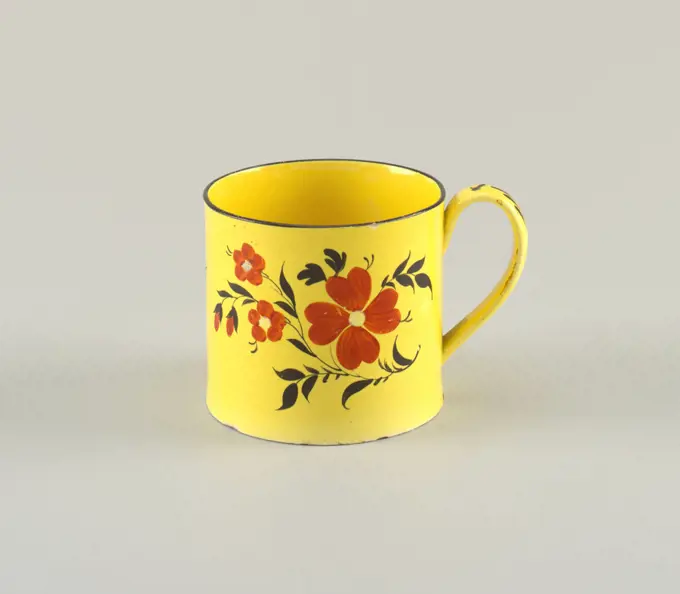
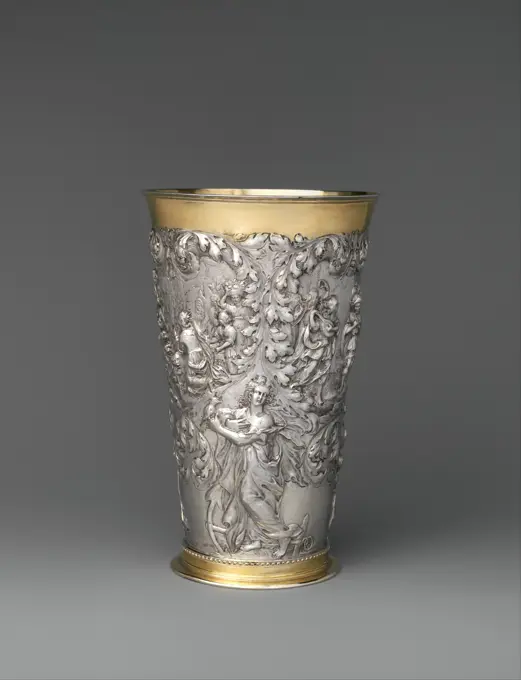
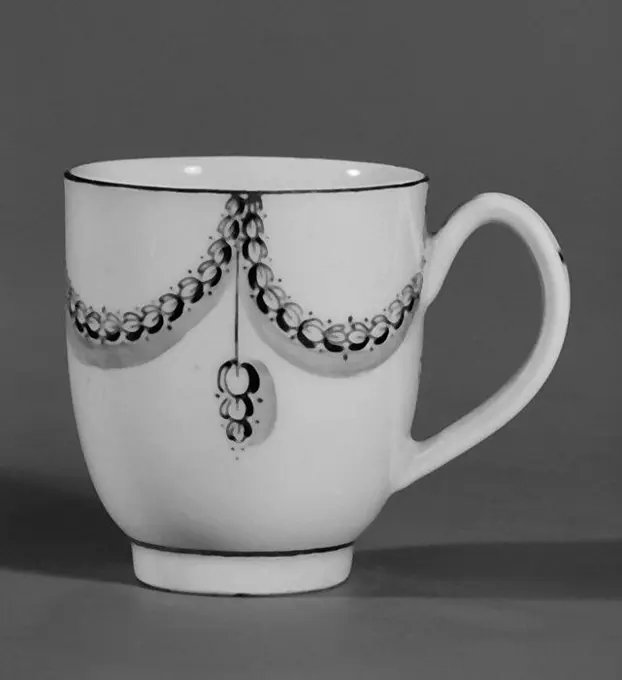
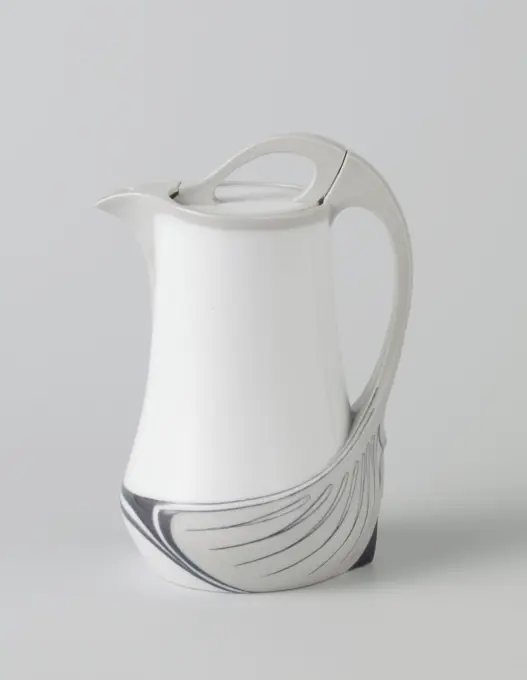
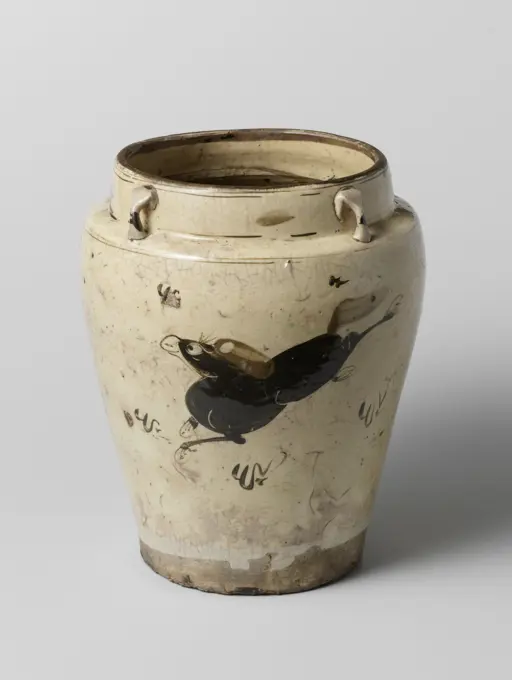
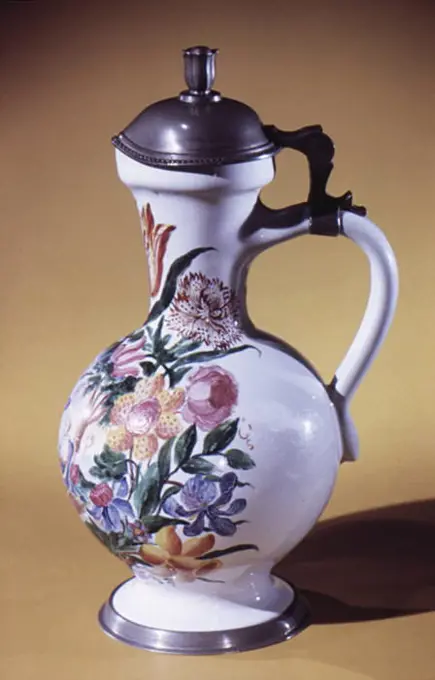
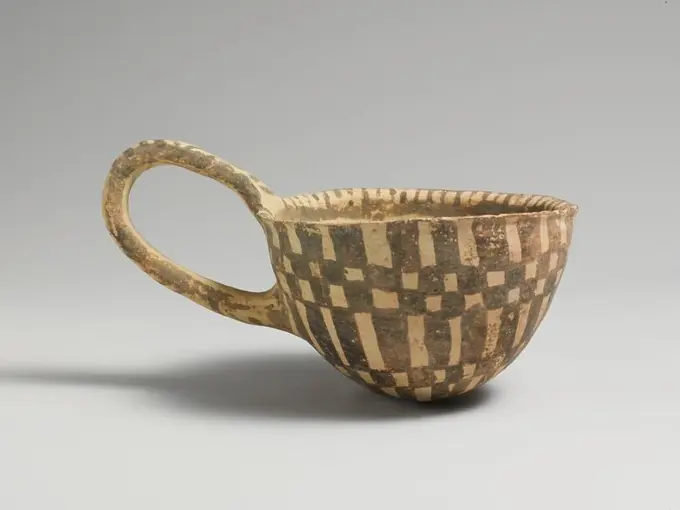
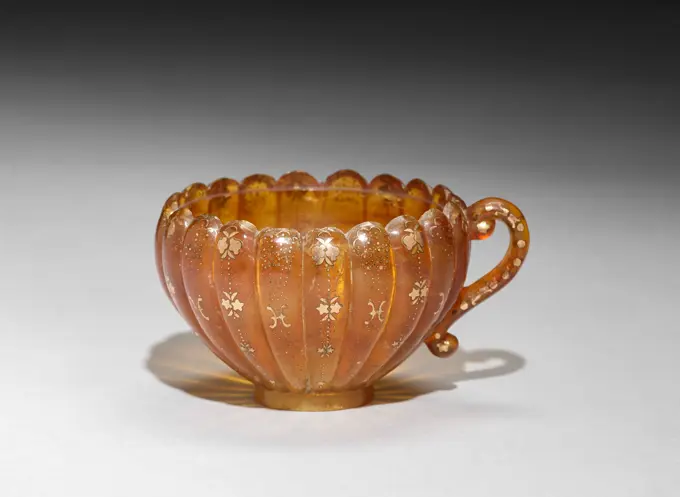
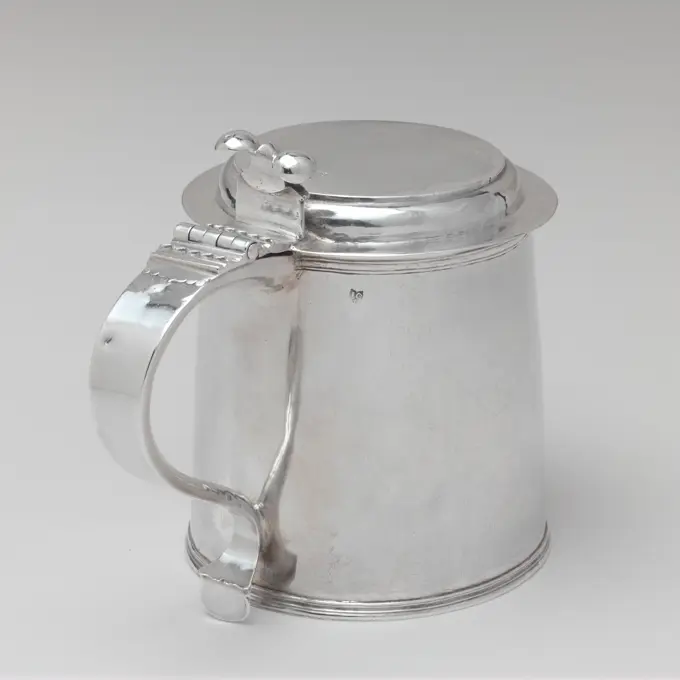
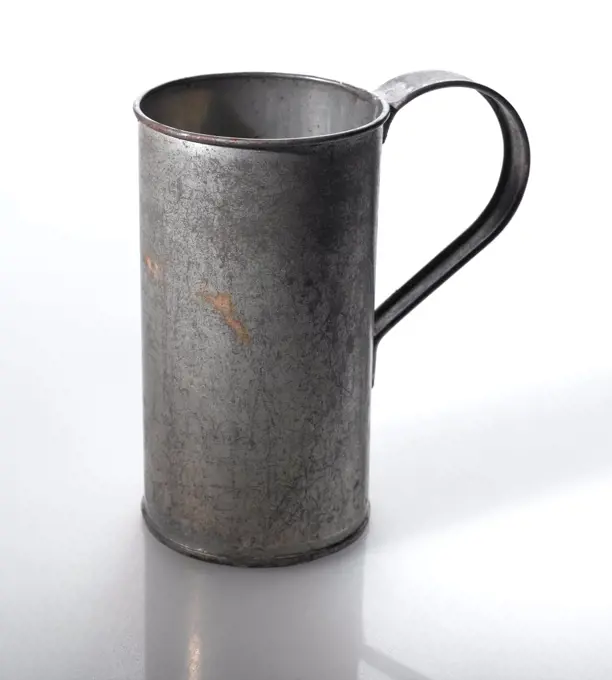
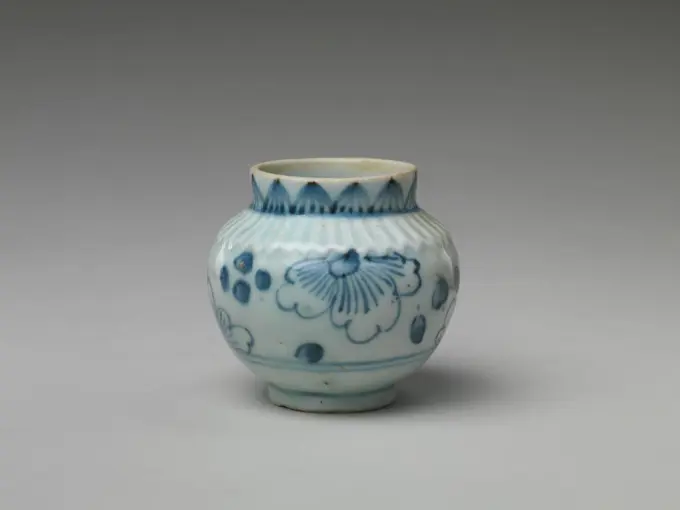
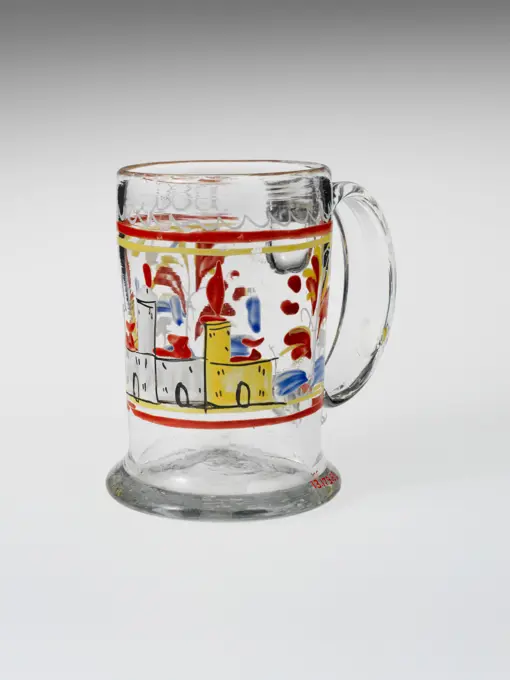
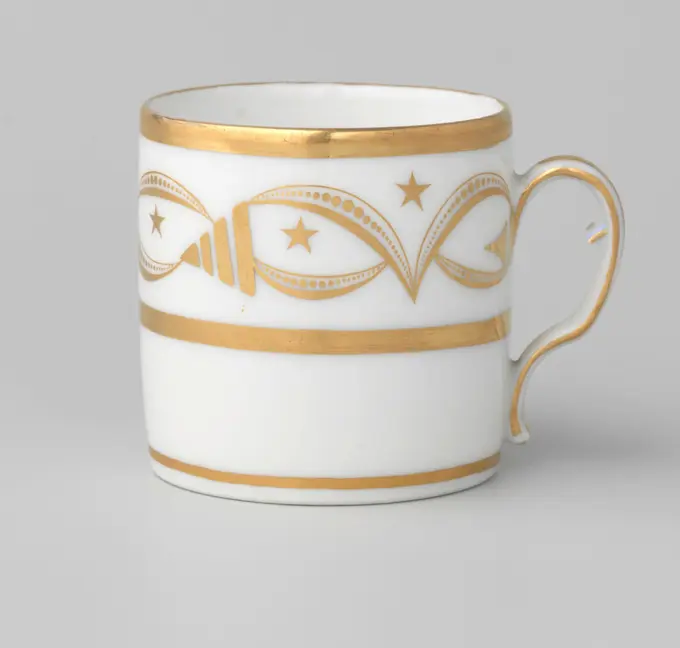
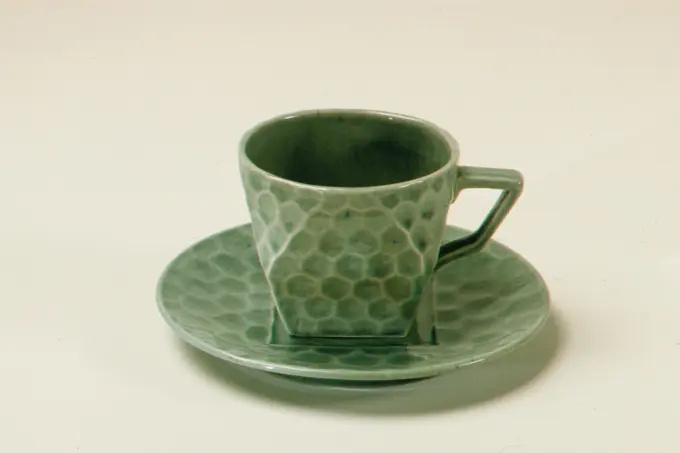
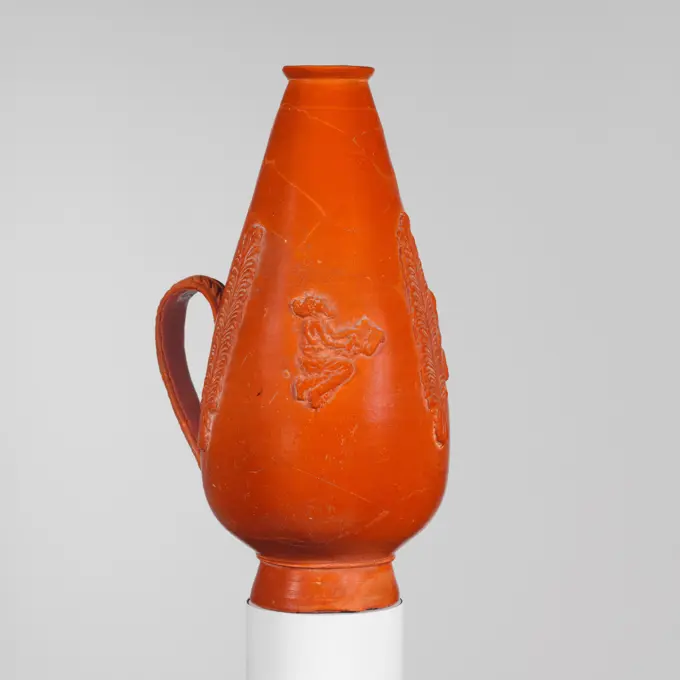
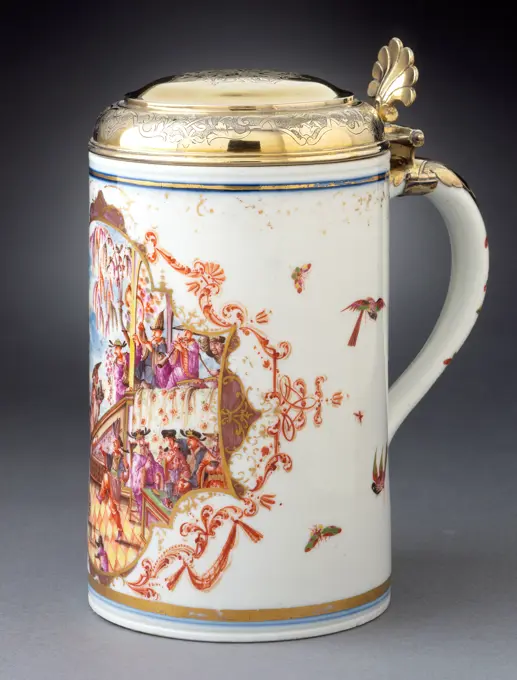
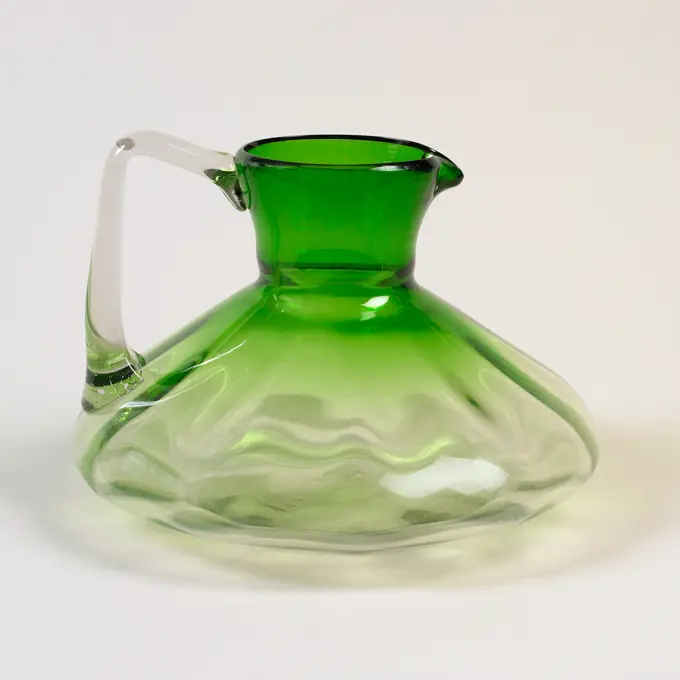
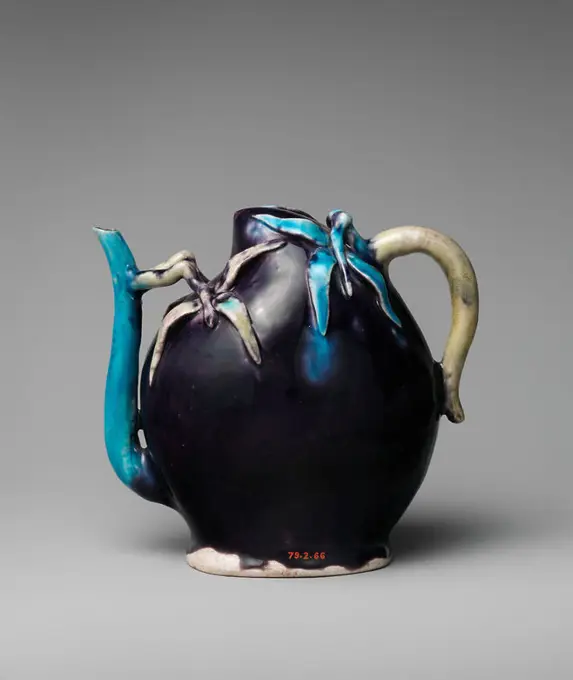
Jug, Stoneware, USA, 19th century, ceramics, Decorative Arts, JugCann 1783 Paul Revere Jr. American Cann, a term used interchangeably with mug during the eighteenth century, refers to a pear- or tulip-shaped drinking vessel with scroll handle and circular foot. This exceptionally large pair was made for Elias Hasket Derby (1739-1799) and his wife Elizabeth, whose interlaced script monogram, EHED, is engraved on the front of each. Derby was a wealthy shipping merchant in Salem, Massachusetts. In April of 1783, Revere recorded in his ledger that he was making a pair of "quart canns for E. H. Darby, Esq." A set of silver beakers by Revere (58.3.1-.4), as well as several pieces of furniture and Chinese export porcelain in the Museum's collection, also belonged to Derby.. Cann 1399Teacup. Blerzy et Sauvage (Paryż ; malarnia ; ca 1812-1830), company, Desprez, Rue de Recollets, factoryMilkkan of earthenware with black -covering glaze, anonymous, c. 1740 - c. 1770 Pear -shaped milk jug of earthenware with black -covering glaze. The jug has a wide flared neck with a corrugated edge. The ear is C-shaped. Jackfield earthenware Pear -shaped milk jug of earthenware with black -covering glaze. The jug has a wide flared neck with a corrugated edge. The ear is C-shaped. Jackfield earthenwareLampet can with partly ribbed belly, on high curved ribbed foot, anonymous, c. 1710 - c. 1740 Lametkan of undecorated faience, on a high curved and ribbed foot. The bottom of the abdomen of the jug is ribbed. The upper edge of the KAN is sculpted and has a wide lip. The ear is S-Volute-shaped. Netherlands (possibly) earthenware. tin glaze. Lametkan of undecorated faience, on a high curved and ribbed foot. The bottom of the abdomen of the jug is ribbed. The upper edge of the KAN is sculpted and has a wide lip. The ear is S-Volute-shaped. Netherlands (possibly) earthenware. tin glaze.Pitcher. Culture: American. Dimensions: H. 7 in. (17.8 cm); Diam. 5 1/2 in. (14 cm). Date: 1825-40. Museum: Metropolitan Museum of Art, New York, USA.Terracotta sessile kantharos (deep cylindrical drinking cup with two handles) 4th century B.C. Greek, Attic With impressed patterns.. Terracotta sessile kantharos (deep cylindrical drinking cup with two handles) 255884Pitcher Made 1810-1820 Staffordshire. Lead-glazed earthenware with lustre decoration .Beer mug with pewter lid, anonymous, c. 1725 - c. 1760 Beer mug of multi -colored painted faience, with a pewter lid. In a dark manganese-purple soil there is a recess with a corrugated edge, in which a horse jumping to the left in blue. On either side of the ear, recesses in the form of flowers are painted with blue. The lid has a medallion. Hannoversch-Münden (Possibly) Lesum (Possibly) earthenware. tin glaze. tin (metal). Beer mug of multi -colored painted faience, with a pewter lid. In a dark manganese-purple soil there is a recess with a corrugated edge, in which a horse jumping to the left in blue. On either side of the ear, recesses in the form of flowers are painted with blue. The lid has a medallion. Hannoversch-Münden (Possibly) Lesum (Possibly) earthenware. tin glaze. tin (metal).Cup with handle with a crane near a peony plant and rock, anonymous, c. 1725 - c. 1749 Porcelain ear head with straight wall, painted on the glaze in blue, red, pink, green, black and gold. On the outside a leaf -shaped cartouche with a crane in a landscape in a flourishing pair of pair of peoning plant and a rock; For the cartouche flower ranks in Bianco Sopra Bianco; The outer edge with a decorative pattern. Part of a service. European forms with Famle Rose. China porcelain. glaze. gold (metal) painting / gilding / vitrification Porcelain ear head with straight wall, painted on the glaze in blue, red, pink, green, black and gold. On the outside a leaf -shaped cartouche with a crane in a landscape in a flourishing pair of pair of peoning plant and a rock; For the cartouche flower ranks in Bianco Sopra Bianco; The outer edge with a decorative pattern. Part of a service. European forms with Famle Rose. China porcelain. glaze. gold (metal) painting / gilding / vitrificationEwer in the Form of a Bamboo Shoot 1135-1165 Korea. Celadon-glazed stoneware with underglaze molded decoration .Mug 1800-1830 American. Mug 5292Pear-shaped milkjug with two European Ladies, Gentlemen and Boy With a Dog in a Landscape. Porcelain pear-shaped milk jug, with C-shaped ear and small, triangular spout, painted on the glaze in blue, red, pink, green, yellow, black and gold. On the abdomen a continuous representation of three classically looking, European, half-naked people, two women and a man, with a boy and a dog in a landscape. Lid is missing. European form and show in email colors.Coffee Cup, c. 1740, 2 1/2in. (6.4cm), Ceramic with salt glaze, England, 18th centuryPitcher, late 1700s. Staffordshire Factory (British). Lusterware; overall: 18.8 x 27.4 x 20.4 cm (7 3/8 x 10 13/16 x 8 1/16 in.).Jug (USA); stonewareMug, Silver, Conical shape, slightly flaring rim, and angular handle terminating in leaf scroll. Whole body, except for circular cartouche with engraved 'R', covered with repousse and chased flowers, leaves and butterflies on granular ground., New York, New York, USA, 1879, metalwork, Decorative Arts, MugMug. Artist: Union Porcelain Works, American, 1863-ca. 1922Jug c 1796-1803 Liverpool. Earthenware (creamware) with transfer decoration .Beaker with Relief-cut Decoration. Dimensions: H. 5 1/2 in. (14 cm)Diam. 4 9/16 in. (11.6 cm)Wt. 4.1 oz. (116.2 g). Date: 9th-10th century.In its size, state of preservation, and fineness of execution, this piece has few parallels in Islamic relief-cut glass. The decoration consists of a band of palmettes, half-palmettes, and floral motifs on two scrolls between two horizontal ridges. Early Islamic carved rock-crystal vessels reputedly produced in Egypt demonstrate a close similarity in technique and design. Museum: Metropolitan Museum of Art, New York, USA.Cup with gold borders on a red ground, anonymous, c. 1800 - c. 1824 Porcelain head on spreading foot and with a high, curled ear, covered on the glaze with red and gold. The outer wall is covered with red and the foot, edge, ear and part of the inner wall with gold. On the outer edge a flower vank in one of the golden tires. Empire. France porcelain. glaze. gold (metal) painting / gilding / vitrification Porcelain head on spreading foot and with a high, curled ear, covered on the glaze with red and gold. The outer wall is covered with red and the foot, edge, ear and part of the inner wall with gold. On the outer edge a flower vank in one of the golden tires. Empire. France porcelain. glaze. gold (metal) painting / gilding / vitrificationWine pot. Culture: American. Dimensions: 6 × 6 1/8 × 3 7/8 in., 14 oz. 19 dwt. (15.2 × 15.6 × 9.8 cm, 465.1g). Maker: Dominick & Haff (1872-1928). Date: 1882.Dominck & Haff produced a diverse range of magnificently crafted silver and was an influential and defining force in the American silver industry. The exquisite ornament on this oil pot, in the form of a Greek askos, reveals the hand of a masterful chaser, likely the same craftsman who chased the tureen on display nearby (2011.115). Exceptional among Dominick & Haff's oeuvre, the small group of objects associated with this virtuosic chaser are some of the finest examples of American Aesthetic movement silver known. Museum: Metropolitan Museum of Art, New York, USA.Terracotta cup with one handle. Culture: Mycenaean. Dimensions: H. 2 1/16 in. (5.2 cm.). Date: ca. 1600-1050 B.C..One-handled. Museum: Metropolitan Museum of Art, New York, USA.Maker Unknown, Footed Cream Pitcher, c. 1820-60, free-blown glass.Blue JugDish ca. 1850 American. Dish 3220Cup, purple red with golden edges and ear. Cup of porcelain, part of a coffee set. Body purple red with golden edges and ear. On top of the broad golden trim in which an engraved leaf drink. No brand.Mug (England); silver resist; 9 x 9 x 11.5 cm (3 9/16 x 3 9/16 x 4 1/2 in.); Bequest of Jane M. Epstine; 2006-20-5Kop, De Greek A, 1700 - 1725 Head of faience. Multicolored painted with flower and leaf decoration. Delft . Head of faience. Multicolored painted with flower and leaf decoration. Delft .SauceBoat. Porcelain sugar bowl, painted multicolored with poppies inside an ornamental decor. Part of tea service.Creamer 1780-1820 American or British. Creamer 2597Milkkan, Orivit, c. 1905 Silver milk jug, with smooth, wide, high spout and decorated with two palmets. Germany silver (metal) Silver milk jug, with smooth, wide, high spout and decorated with two palmets. Germany silver (metal)Cup 17th-18th century German or Dutch. Cup 186423Teapot of hard baked earthenware; Whieldon Ware, Cauliflower Ware., Anonymous, c. 1765 - c. 1775 Spherical teapot made of hard baked pottery. The pot has an S-shaped spout and a lid with a button. The ear is missing. The teapot has the appearance of a cauliflower due to the decoration in relief and the colors green and white. The teapot includes a milk jug with invnr. BK-NM-13200-A. England earthenware. lead glaze Spherical teapot made of hard baked pottery. The pot has an S-shaped spout and a lid with a button. The ear is missing. The teapot has the appearance of a cauliflower due to the decoration in relief and the colors green and white. The teapot includes a milk jug with invnr. BK-NM-13200-A. England earthenware. lead glazeTeapot with lid, multicolored painted with landscapes with figures, Meissener Porzellan Manufaktur, 1777 Conversely, pear -shaped teapot made of painted porcelain. The pot has a C-shaped ear, a spout and a lid with a button in the shape of a flower bud on a branch. The pot is painted with landscapes in which figures and along the edge a wide strip of green braid. The pot is marked. Float porcelain Conversely, pear -shaped teapot made of painted porcelain. The pot has a C-shaped ear, a spout and a lid with a button in the shape of a flower bud on a branch. The pot is painted with landscapes in which figures and along the edge a wide strip of green braid. The pot is marked. Float porcelainEwer with twisted trunk handle March 1873 Copeland. Ewer with twisted trunk handle. British, Stoke-on-Trent, Staffordshire. March 1873. Porcelain. Ceramics-PorcelainMugPitcher (Germany); Manufactured by Freiherr von Poschinger Krystallglasfabrik; mold-blown glass with applied trails and prunts; 13.3 x 10.5 x 7.5 cm (5 1/4 x 4 1/8 x 2 15/16 in.)Mug with cover 1688-89 D., London. Mug with cover. British, London. 1688-89. Silver. Metalwork-SilverDrinking jug of tin with a soil medallon. Drinking jug of tin. The stand ring is over in a baluster-shaped body, which flows at the top in a right-standing lip edge. The slightly vaulted lid has a tire imposed from the center, which turns into the hammer-shaped thumb trust. Through a one-day hinge it crosses a round handle. On the inside a medallion has been applied to the bottom with a cross and French lilies.Tankard with a monogram and stylized foliate scrolls, anonymous, c. 1710 - c. 1730 Cylindrical beer mug made of stoneware with a C-shaped ear. Partly covered with cobalt blue. Between two profiles with a blue horizontal line, a print and imposed monogram has been applied in relief with the letters 'G r' (George Rex, or King George of England) in a medallion with leaves. For the medallion entered, stylized leaves. On the ear the hinge for a pewter frame; The lid is missing. Westerwald. Westerwald Stoneware. Glaze. Cobalt (Mineral). frame: tin (metal) vitrification Cylindrical beer mug made of stoneware with a C-shaped ear. Partly covered with cobalt blue. Between two profiles with a blue horizontal line, a print and imposed monogram has been applied in relief with the letters 'G r' (George Rex, or King George of England) in a medallion with leaves. For the medallion entered, stylized leaves. On the ear the hinge for a pewter frame; The lid is missing. Westerwald. Westerwald Stoneware. GCoffee pot, 18th century, 7 1/4 x 5 1/2 x 4 1/4 in. (18.4 x 14 x 10.8 cm), Porcelain, Germany, 18th centuryJug, Ceres” pattern.   Maker: Edward Walley, British, active 1845-1856Double gourd-shaped ewer with grapevines, anonymous, c. 1700 Calebas-shaped jug of red stoneware with a long, S-shaped spout and a curved C-shaped ear. The wall and lid with grape vines in relief. The ear and the spout are in the form of gnarled branches. Yixing. China stoneware Calebas-shaped jug of red stoneware with a long, S-shaped spout and a curved C-shaped ear. The wall and lid with grape vines in relief. The ear and the spout are in the form of gnarled branches. Yixing. China stonewareCan. Growly glazed can, on which 3 warriors and relief are depicted from the time of Karel V.Lemon teacup with a miniature. Korzec (manufaktura porcelany ; 1790-1832), factoryJug, Glazed stoneware, A highly decorative blue jug with detail on the body, spout and handle. The center depicts a knight riding a horse in an outdoor scene., England, 1849, ceramics, Decorative Arts, JugTeapot. Meissen Porcelain Manufactory; German, founded 1710. Date: 1745-1750. Dimensions: 11 x 17 cm (4 5/16 x 6 11/16 in.). Hard-paste porcelain, polychrome enamels, and gilding. Origin: Meissen. Museum: The Chicago Art Institute, Chicago, USA.Mug. Alexander W. Robertson (England, active United States, 1840-1925). United States, 1897. Furnishings; Serviceware. EarthenwareChip-carved jug, anonymous, c. 1750 - c. 1780 Can be made of stoneware on the stand ring with an egg -shaped body and narrow neck with pinched spout. The C-shaped ear is attached to the neck and shoulder. The KAN is completely covered with a notch cut. On the foot, shoulder and edge a narrow band with stamped circles. A pewter frame with lid is attached to the ear. Westerwald. Westerwald Stoneware. Glaze. frame: tin (metal) vitrification Can be made of stoneware on the stand ring with an egg -shaped body and narrow neck with pinched spout. The C-shaped ear is attached to the neck and shoulder. The KAN is completely covered with a notch cut. On the foot, shoulder and edge a narrow band with stamped circles. A pewter frame with lid is attached to the ear. Westerwald. Westerwald Stoneware. Glaze. frame: tin (metal) vitrificationCup and Saucer 1876 Glasgow Pottery Company. Cup and Saucer. American. 1876. Earthenware. Made in Trenton, New Jersey, United StatesTeapot: Yixing ware, 1644-1911. China, Qing dynasty (1644-1911). Stoneware; diameter: 12.8 cm (5 1/16 in.); overall: 8.6 cm (3 3/8 in.).Cup with the personification of Gratitude, anonymous, c. 1800  Porcelain head with a cylindrical body and C-shaped ear, painted on the glaze in cream, black and gold. On the outer wall a wide, cream -colored band with a square course with the personification of gratitude and the inscription 'La Reconnaissance' in grisaille. A leaf vank on the edge. Golden band above the foot and on the edge. The ear with a leaf vank and dots. Marked on the underside with C. France porcelain. glaze. gold (metal) painting / gilding / vitrificationTerracotta one-handled cup. Culture: Minoan. Dimensions: H. 3 1/16 in. (7.8 cm.)Diameter 4 1/2 in. (11.4 cm.). Date: ca. 1600-1450 B.C..Exterior decorated with four bands and a wavy line. Museum: Metropolitan Museum of Art, New York, USA.Ceramic jug hand paint made of ceramic - exposed on white background copyright: xzoonar.com/heikexbrauerx 1072182Maker, possibly by: New Bremen Glass Manufactory, American, 1784-1795, Proprietor: John Frederick Amelung, American, born Germany, 1741-1798, Salt or BonnetGlass, Mold-blown potash-lime glass, 2 5/8 × 2 3/8 in. (6.67 × 6.03cm), Possibly made in Frederick County, Maryland, American, 18thcentury, Containers -GlassMeasure 18th century British. Measure. British. 18th century. Pewter. Metalwork-PewterMug, Poly-chromed border, England, 18th-mid-19th century, ceramics, Decorative Arts, MugBeaker late 17th century Daniel Sigmund Dockler the Younger Six years before being accepted as a master in the Nuremberg goldsmiths guild, journeyman Sigmund Dockler created this refined beaker with its superbly embossed decoration. He inscribed it proudly with his initials as well as the date and place of manufacture. Docklers skill and talent were remarkable, even by the high standards of Nuremberg. His fame, and that of other Nuremberg masters, was the reason why so many journeymen traveled to the city.. Beaker 187163Sauce bowl with scalloped edge, c. 1700 - c. 1800 Sausom of tin on four legs. The bowl runs out in a pour on one side. The other side is channeled. The handle is turned on there. The edge of the bowl is sculpted. Low Countries tin (metal) Sausom of tin on four legs. The bowl runs out in a pour on one side. The other side is channeled. The handle is turned on there. The edge of the bowl is sculpted. Low Countries tin (metal)Pitcher with view of Landing of the Fathers atPlymouth.  Manufacturer: Enoch Wood and Sons, British, 1820-1846 Engraver: Samuel Hill, American, active 1789-1803After painting by: Michele Felice Cornè, American, born Italy, 1752-1845Melon-Shaped Ewer with Triple-Strand Handle 1001-1100 China. Glazed porcelain with underglaze mold-impressed decoration .Coffee cup (part of a service) ca. 1780-90 Caughley Factory. Coffee cup (part of a service) 726168Mokkakan from the coffee and tea set 'Saxonia', Meissener Porzellan Manufaktur, c. 1904 Mokkakan of porcelain, painted in blue and gray. The jug has a SNEB and a lid. The Kan is part of the coffee and tea set Saxonia. The jug is marked. Float porcelain. uranium oxide Mokkakan of porcelain, painted in blue and gray. The jug has a SNEB and a lid. The Kan is part of the coffee and tea set Saxonia. The jug is marked. Float porcelain. uranium oxideMokkakan lid from the coffee and tea set 'Saxonia', Meissener Porzellan Manufaktur, c. 1904 Porcelain mokkakan lid, painted in blue and gray. Float porcelain. uranium oxide Porcelain mokkakan lid, painted in blue and gray. Float porcelain. uranium oxideJar with a running horse and a flower spray, anonymous, c. 1500 - c. 1599 Pot of stoneware with four small ears from the shoulder to the neck, partially covered with a white sludge and painted in brown under the glaze. A galloping horse and a flower branch on the belly. The underside is unglazed. A dot four times on the neck. The glaze has released in a few places. Old label on the bottom with 'W011'. Cizhou. China stoneware. glaze painting / vitrification Pot of stoneware with four small ears from the shoulder to the neck, partially covered with a white sludge and painted in brown under the glaze. A galloping horse and a flower branch on the belly. The underside is unglazed. A dot four times on the neck. The glaze has released in a few places. Old label on the bottom with 'W011'. Cizhou. China stoneware. glaze painting / vitrificationJug late 17th century Style of Abraham Helmhack. Jug 205827Roemer with a row of braam buds. Roemer with inserted bottom on light concave, spun base from a wire. Inserted soil. The egg-shaped chalice as a whole blown with the trunk that is busy with a row of bra. The transition from the chalice to the trunk indicated by a ribbed wire.Cup with Handle with Three Ladies in a Panel on a ground of scrolls. Small ear cup made of porcelain, painted on the glaze in blue, red, pink, green, yellow, black and gold. The wall is covered with curlwork and tendrils with a cartouche with three ladies around a table with a table with vases and lucky symbols next to them; a sprig at the bottom. Family Rose.Terracotta loop-handled cup. Culture: Cypriot. Dimensions: H. 2 3/16 in. (5.6 cm); diameter 3 3/16 in. (8.1 cm). Date: ca. 1900-1600 B.C..Cup with vertical handle and chequer pattern. Museum: Metropolitan Museum of Art, New York, USA.Cup, c. 1730. France, 18th century. Amber decorated with inlaid gold and mother-of-pearl; overall: 6.7 cm (2 5/8 in.).wooden cup isolated on whiteTankard ca. 1685 John Coney. Tankard 8193TEAPOT WITH LOTUS Scrolls and Flower Roundels. Teapot of porcelain with pear-shaped body, C-shaped ear and light curved spout, painted in underglaze blue and on the glaze red, green, black and gold. On the wall twice a flower rosette surrounded by lotus drinks. The ear and the spout includes through a cartouche with leaf drinks and 'frog troll'. Around the foot a bond with lotus drinks in cartouches. Imari.Jug with faceted sides from Iran. Dated 12th CenturyOld tin cup, close-upTeapot, the ribs alternately blue and white, separated by golden piping, c. 1775 - c. 1800  Teapot. Ribbed, the edges are serrated. The ribs separated by vertical gold piping. The Cavities Dark Blue (Blue du Roi), the ribs white, on which a decoration of leaf work and braid tire. The ear once kinked. The edges gilded, gilding inwards. The spout of the draft jar is damaged and mounted with silver. Marked in underlaze blue. With accompanying lid (BK-NM-I-Z-a-2). Worcester earthenware vitrificationBeer cup and saucer "GUI". Acquired by the artist on the Paris World Fair 1900Jar ca. 1640 Japan. Jar 52220Cup late 18th-first half of the 19th century China. Cup. China. late 18th-first half of the 19th century. Porcelain painted in overglaze polychrome enamels. Qing dynasty (1644-1911), Qianlong period (1736-95). CeramicsMug 18th century. Mug. 18th century. Non-lead glass with enamel decoration. Made in Bohemia, Czech RepublicCup with an ornamental border, anonymous, c. 1800 - c. 1824 Porcelain head with a cylindrical wall and C-shaped ear, painted on the glaze in gold. The outer wall is with golden lines divided into two wide tires with a pendulum of stars in the top, half moon shapes with dots and triangles. Golden line and dots on the ear. Marked on the bottom with f. Empire. France porcelain. glaze. gold (metal) painting / gilding / vitrification Porcelain head with a cylindrical wall and C-shaped ear, painted on the glaze in gold. The outer wall is with golden lines divided into two wide tires with a pendulum of stars in the top, half moon shapes with dots and triangles. Golden line and dots on the ear. Marked on the bottom with f. Empire. France porcelain. glaze. gold (metal) painting / gilding / vitrificationOLYMPUS DIGITAL CAMERACup and Saucer 1879-83 Chelsea Keramic Art Works This rare example of domestic tableware by Chelsea Keramic Art Works exemplifies the taste for Far Eastern motifs during the last quarter of the nineteenth century. Its angular forms and honeycomb surfaces emulate the shape and hand-hammered texture of Japanese metalwork but also reference the designs of Christopher Dresser. The soft celadon glaze is the successful result of the firms extensive experiments to imitate and perfect the monochromatic glazes found on Chinese ceramics.. Cup and Saucer. American. 1879-83. Earthenware. Made in Chelsea, Massachusetts, United StatesCup.   Maker: William Ball Jr., American, 1763-1825Cup 19th century Probably New England Glass Company. Cup 2828Small pottery cooking jug on three legs, grape-model, one ear, long neck, grape cooking pot tableware holder kitchenware earthenware ceramics earthenware glaze lead glaze, hand-turned glazed baked Small pottery cooking jug or cup Three legs and one standing sausage ear Low belly and long neck slightly constricted. Coarsely sculpted legs. Covered entirely with lead glaze. Red shard. Turning around the neck Frosting on the inside and remnants of repairs by the potter who are untidy archeology Rotterdam IJsselmonde indigenous pottery food cooking kitchen nutrition food preparation drinking games Soil discovery: Castle IJsselmonde pit 1 Rotterdam 1972.CERAMICA DE MANISES (VALENCIA) - JARRA. Location: MUSEO DEL PUEBLO ESPAÑOL, MADRID, SPAIN.Cup 17th century Italian, Venice (Murano) During the Renaissance, Venetian glassmakers, working on the island of Murano, were celebrated across Europe for their fine and sparkling work. Called cristallo” emulating the clarity of rock crystal, in the hands of the most skilled glassblowers the medium could be delightfully manipulated, variously stretched paper-thin flat, or playfully twisted, or blown into molds with spectacular patterns.. Cup. Italian, Venice (Murano). 17th century. Glass. GlassHandmade empty craft ceramic on  textile background.. Handmade empty craft ceramicTerracotta jug ca. A.D. 220-250 Roman Narrow mouthed jug with one handle, and in stamped relief a man, animal, and leaves. The distinctive shape, fabric, and decoration of this vessel mark it as a product of the North African pottery industry, based in what is now Tunisia, which exported its wares widely throughout the Mediterranean.. Terracotta jug. Roman. ca. A.D. 220-250. Terracotta; African Red Slip Ware. Late Imperial. VasesTankard with a Chinoiserie Scene. Johann Gregor Heroldt (Germany, 1696-1775)Meissen Porcelain Manufactory (Germany, Meissen, founded 1710). Germany, Saxony, Meissen, circa 1725. Furnishings; Serviceware. Porcelain with enamel and gilding, with gilded silver lidPitcher; Designed by Marie Kirschner (German, 1852 - 1931); Manufactured by Johann Loetz Witwe; mold-blown glassWine Pot in Shape of a Peach. Culture: China. Dimensions: H. 6 1/8 in. (15.6 cm). Date: early 18th century. Museum: Metropolitan Museum of Art, New York, USA.A ceramic creamer made to look like tree barkTea Service. Haddock, Lincoln & Foss; American, 1859-1868; Boston, Massachusetts. Date: 1862. Dimensions: Teapot: 13.3 × 10.8 × 8.1 cm (5 1/4 × 4 1/4 × 3 3/16 in.); Sugar bowl: 12.1 × 12.1 × 7.5 cm (4 3/4 × 4 3/4 × 2 15/16 in.); Cream pot: 7.3 × 7 × 4.8 cm (2 7/8 × 2 3/4 × 1 7/8 in.). Silver. Origin: Boston. Museum: The Chicago Art Institute, Chicago, USA.Berkenmeier with two rows of flat studs. Berkenmeier with inserted bottom, on low, spun base spun. The light convex chalice as a whole blown up with the trunk, which is busy with two rows of very large flat studs. The transition from the chalice to the trunk indicated by a smooth wire.Pitcher c 1800-1825 Staffordshire. Earthenware .Ointment jar from the wreck of the Dutch East Indiaman Princesse Maria, anonymous, c. 1670 - c. 1686  Pharmacist or ointment pot from the wreck of the East Indians Princesse Mary. Netherlands tin glaze