Decorative Ceramics

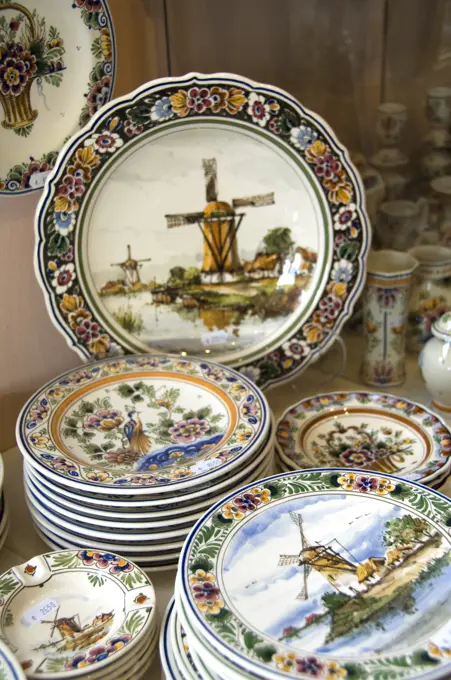
A collection of beautifully crafted ceramic plates and bowls, adorned with floral patterns and rich colors, displaying traditional artistic techniques.

Dish decorated with orchids and a yellow fence, Utzschneider & Cie., 1900 - 1925 Dish of earthenware, with scalloped edge, polychrome decorated with orchids on a winding green twig. A yellow fence in the middle. On the edge five pear-shaped motifs in green and gold, and a 'rococo decoration' in relief with gold.  earthenware Dish of earthenware, with scalloped edge, polychrome decorated with orchids on a winding green twig. A yellow fence in the middle. On the edge five pear-shaped motifs in green and gold, and a 'rococo decoration' in relief with gold.  earthenware
Dish decorated with orchids and a yellow fence, Utzschneider & Cie., 1900 - 1925 Dish of earthenware, with scalloped edge, polychrome decorated with orchids on a winding green twig. A yellow fence in the middle. On the edge five pear-shaped motifs in green and gold, and a 'rococo decoration' in relief with gold. earthenware Dish of earthenware, with scalloped edge, polychrome decorated with orchids on a winding green twig. A yellow fence in the middle. On the edge five pear-shaped motifs in green and gold, and a 'rococo decoration' in relief with gold. earthenware
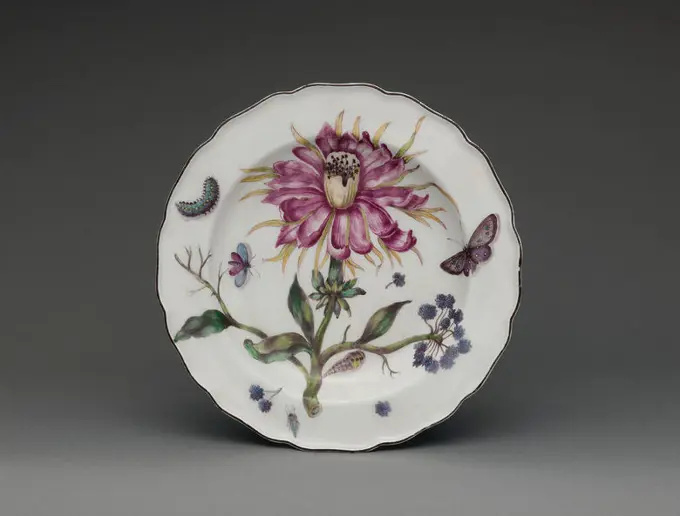
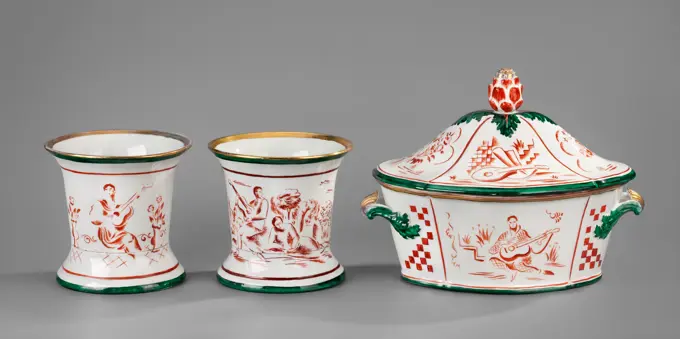
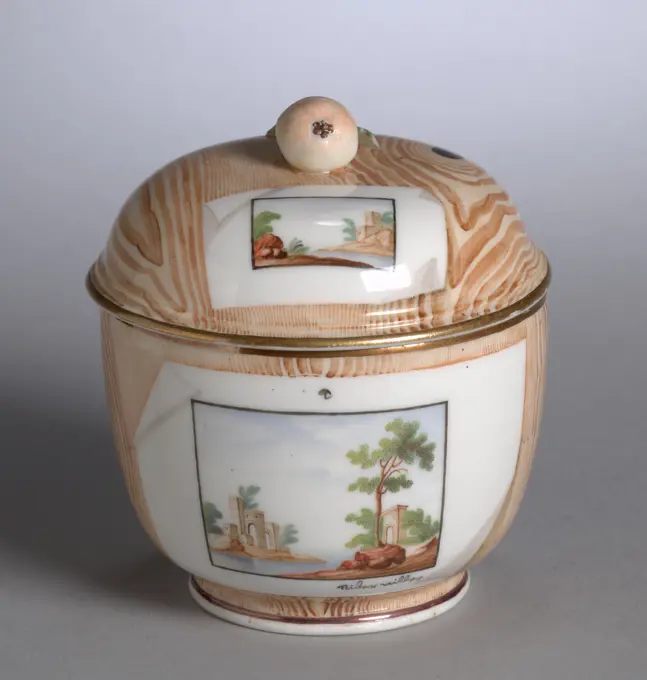
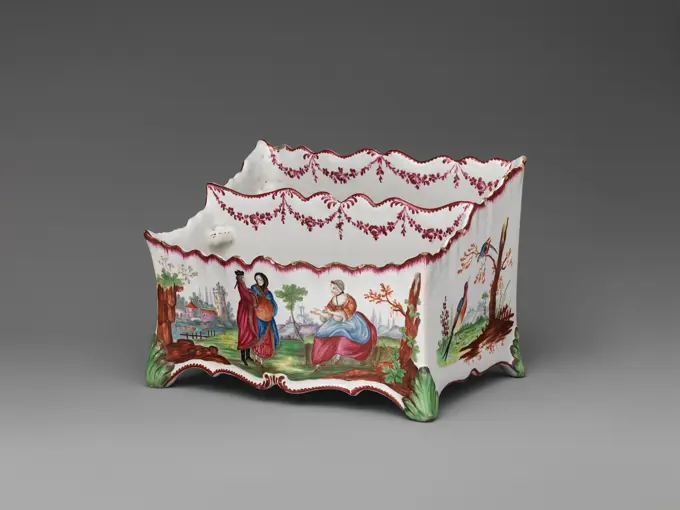
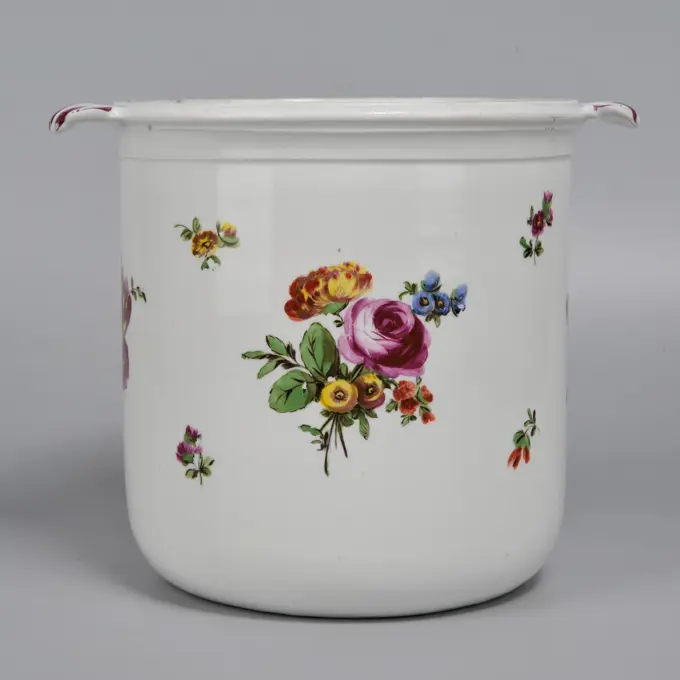
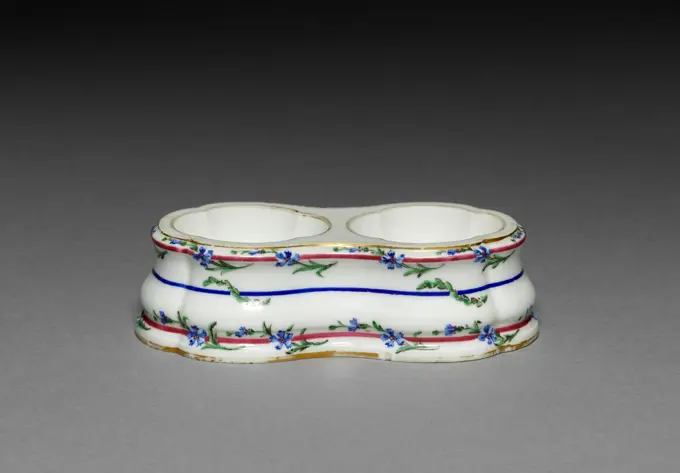
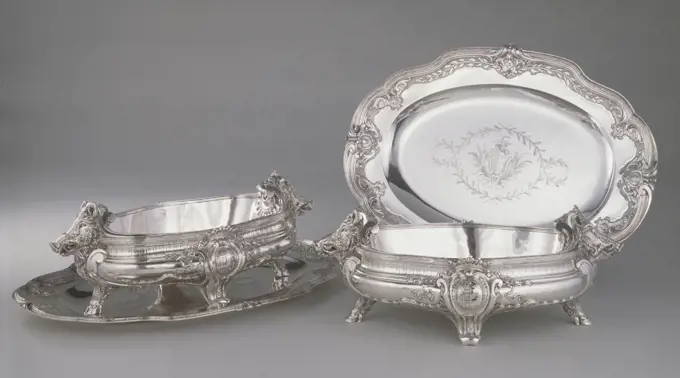
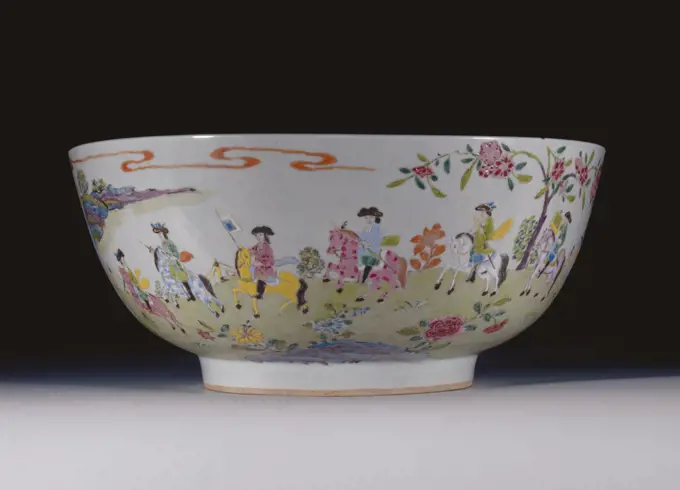
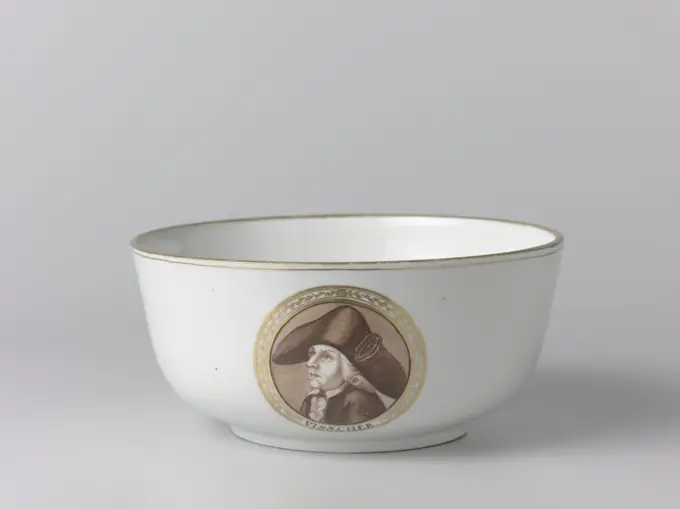
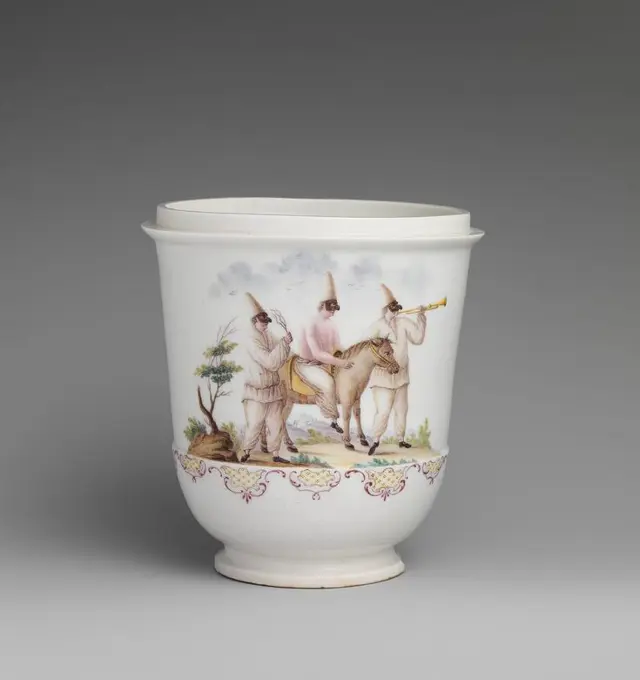
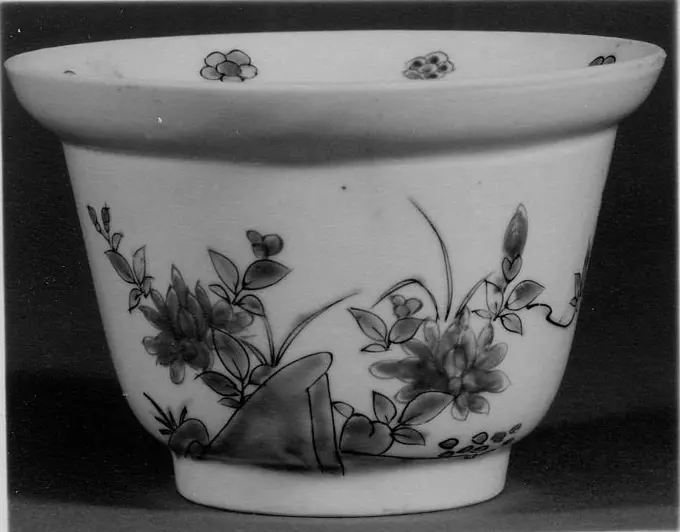
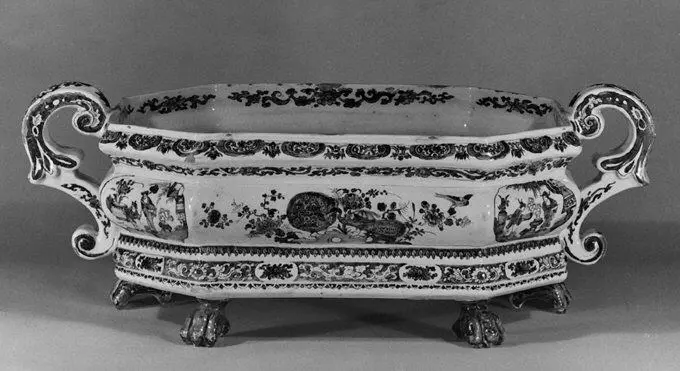
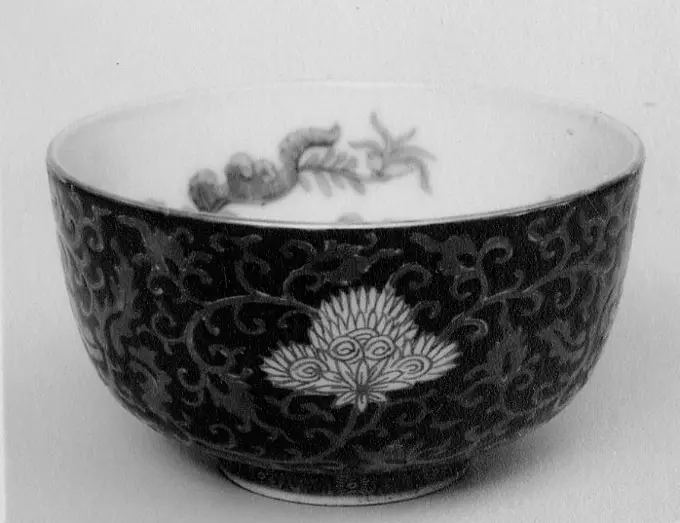
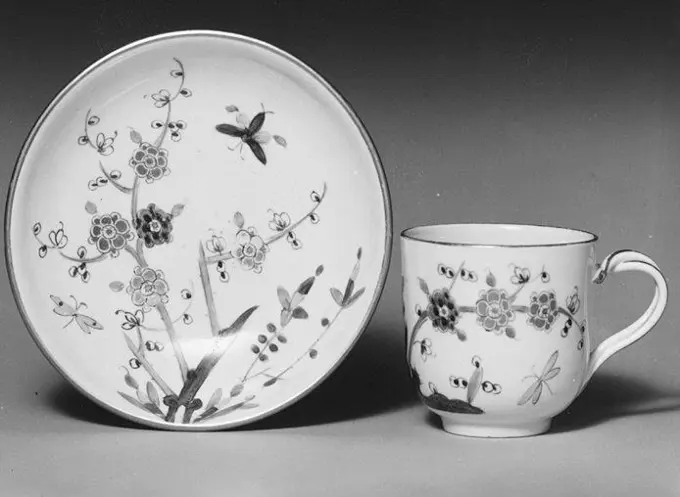
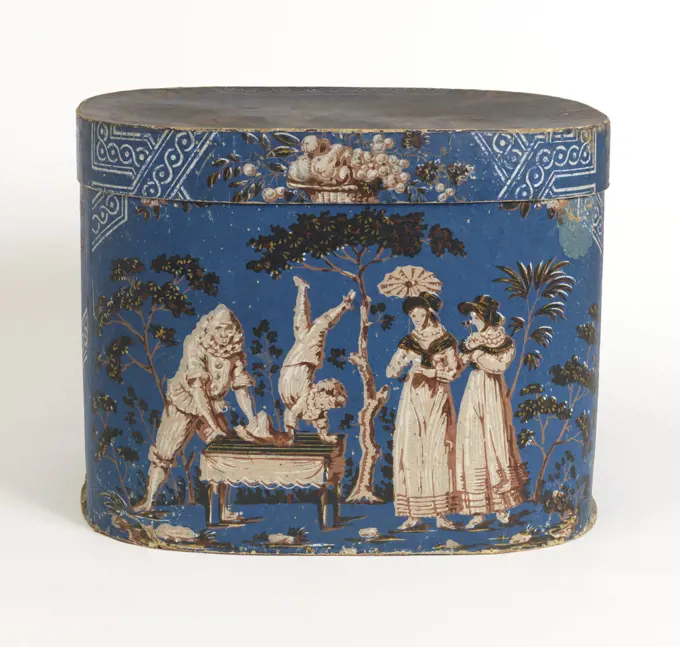
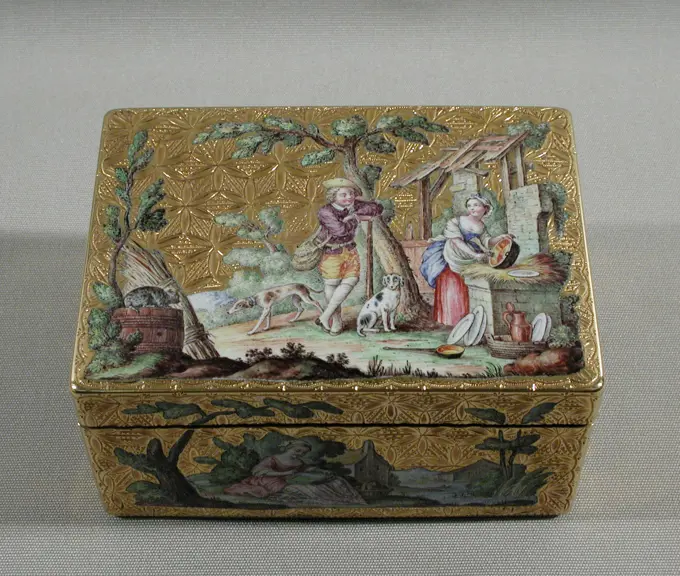
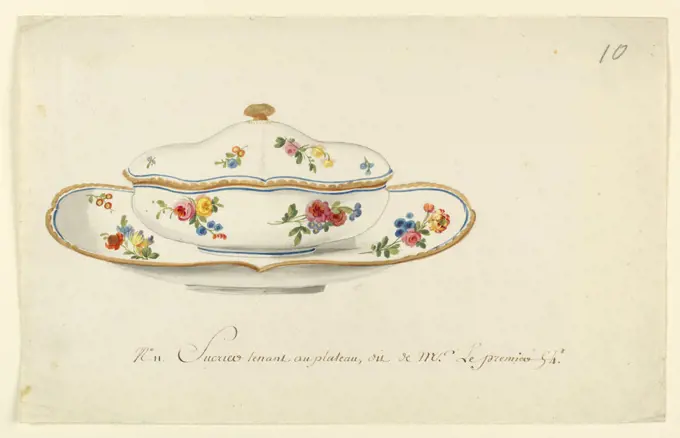
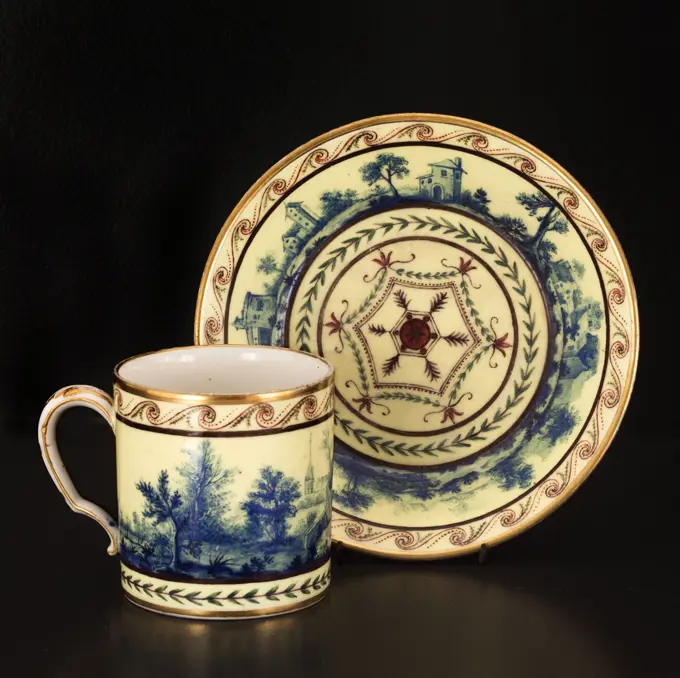
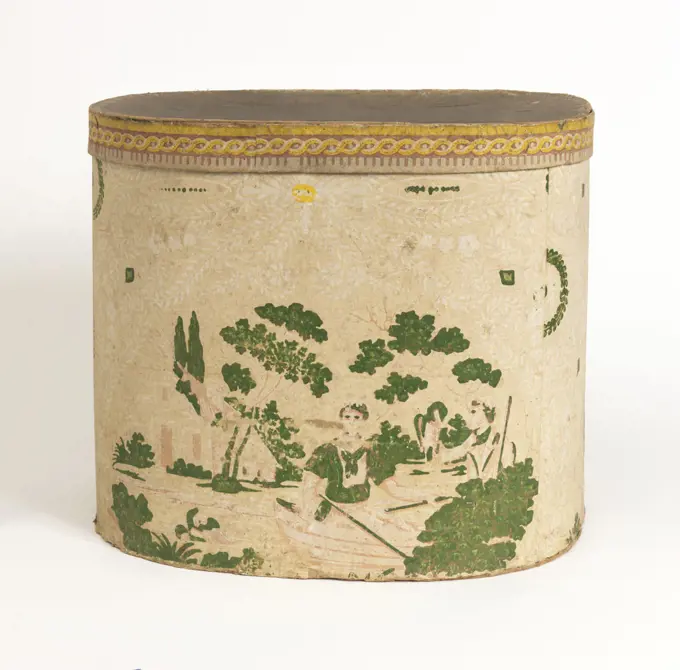
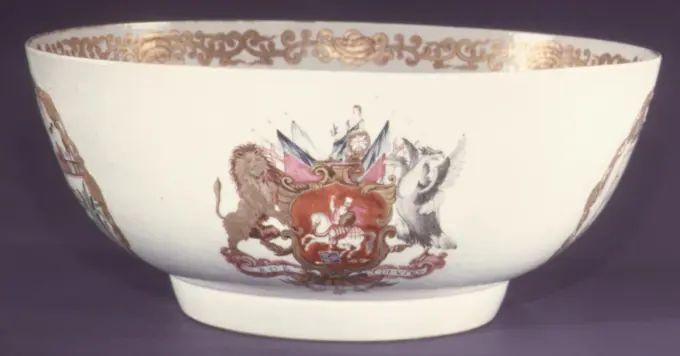
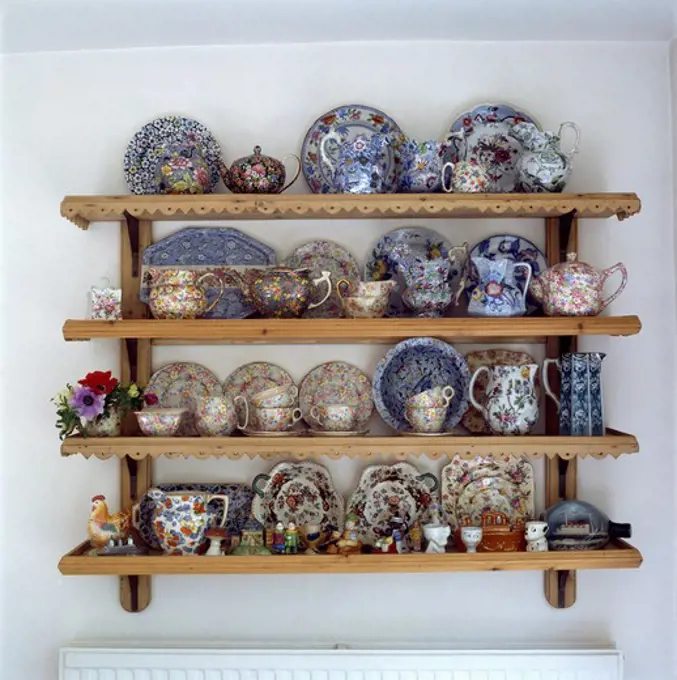
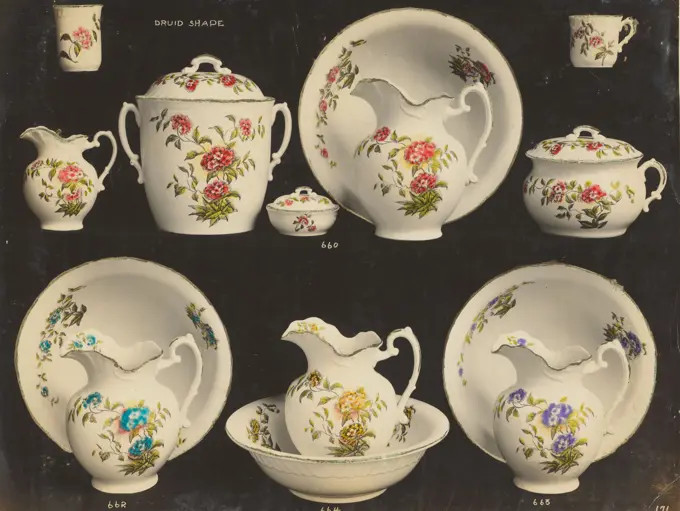
United States of America, Stadler Photographing Company, Advertising photo with tableware and kitchen utensils of the firm C. Read & Co., Baltimore, Maryland, photograph, photo, photos, height 300 mm, width 240 mm, American, photographer, 1920 - 1930, paper, papier, textile materials, textile, photographyBotanical plate with wavy angled torch thistle. Culture: British, Chelsea. Dimensions: Overall (confirmed): 1 7/16 × 9 × 9 in., 1 lb. (3.7 × 22.9 × 22.9 cm, 0.5 kg). Maker: Chelsea Porcelain Manufactory (British, 1745-1784, Red Anchor Period, ca. 1753-58). Date: ca. 1755.These botanical plates (2016.217-.226) were produced by the Chelsea factory around 1755 and are often referred to as Chelsea "Hans Sloane" wares, in reference to the royal physician, traveler, and natural historian who helped transform the Chelsea Physik Garden into a center of botanical knowledge during the British Enlightenment. Several subjects depicted on these plates were taken from botanical illustrations published by Philip Miller, curator of Chelsea Physik Garden. Although flowers and fruits could typically be found on earlier porcelain wares from Meissen, the lively naturalism of the Chelsea botanical plates reflects a broadening public interest in the natural world, and evidence the forms of global commerce Ice Cream Pail (Seau à Glace), porcelain, vitreous enamel, gold, Semi-ovoid, cylindrical rim; four rectangular legs with lion mascarpone at knees, and paw feet. Lining a flattened hemisphere, with flaring rim and flat edge. Cover is concave, with textured bulbous handle and cylindrical edge. Decoration of scattered floral sprays and blue ribbons., France, ca. 1795, ceramics, Decorative Arts, ice cream pail, ice cream pailParis Porcelain Manufactory, Porcelaine de la Reine, Rue Thiroux, Tray and Tea Service, 1775-80, hard-paste porcelain.Rinse bowl with performances of the fight at the Weesper Tolhek and Gerardus Anthony Visscher. Rinse bowl of porcelain, part of a crockery with medallions painted in brown in which historical events and portraits of people from national history. Displayed event: the fight at the Weesper Tolhek in 1787. Person pictured: Gerardus Anthony Visscher. Signature.Bowl (one of a pair) early 19th century China. Bowl (one of a pair) 40871Incense Box second half of the 18th century Japan. Incense Box. Japan. second half of the 18th century. Black and red lacquer, mother-of-pearl application (metal wire inlay). Edo period (1615-1868). LacquerCup. Culture: China. Dimensions: H. 1 1/2 in. (3.8 cm); Diam. 2 3/8 in. (6 cm). Date: 19th century. Museum: Metropolitan Museum of Art, New York, USA.Cache-Pot "Music" (part of the triptych), from the scenes in the landscape, cache-pot "music" (part of the triptych), from the character Women playing guitar, vase with covers "Music" (part of the triptych); W Sowicz, Wac Aw (1891-1942); 1925 (1925-00-00-1925-00-00);Bronisław Krystall. Testament (Warsaw - Exhibition - 2015/2016), Krystall, Bronisław (1887-1983) - collection, Rytm Artists Association (Artistic Group - 1922-1932), Art Deco, ceramics, gift (provenance), trees, table haberdashery, table Guitars, women, paint color, flowers, geometric motifs, musician, music, scenes against the background of landscape, genre scenes in the interiorCovered Bowl, c. 1775. Niderviller Factory (French). Hard-paste porcelain with enamel and gilt decoration; diameter: 9.1 x 8.4 cm (3 9/16 x 3 5/16 in.).Jardinière ca. 1770 Levavasseur Faience, or tin-glazed and enameled earthenware, first emerged in France during the sixteenth century, reaching widespread usage among elite patrons during the seventeenth and early eighteenth centuries, prior to the establishment of soft-paste porcelain factories. Although characterized as more provincial in style than porcelain, French faience was used at the court of Louis XIV as part of elaborate meals and displays, with large-scale vessels incorporated into the Baroque garden designs of Versailles. Earlier examples of French faience attest to the strong influence of maiolica artists from Italy. Later works demonstrate the ways in which cities such as Nevers, Rouen, Lyon, Moustiers, and Marseille developed innovative vessel shapes and decorative motifs prized among collectors throughout Europe. While faience can be created from a wide mixture of clays, it is foremost distinguished by the milky opaque white color achieved by the addition of tin oxide Ryszard, Stanisław Ryszard (1871-1955) - collection, flower decorations, flower, dessert vesselsDouble Salt Dish, 1791. Sèvres Porcelain Factory (French, est. 1756). Porcelain; overall: 3.5 x 12.4 x 7 cm (1 3/8 x 4 7/8 x 2 3/4 in.).Pair of Tureens, Liners, and Stands; Thomas Germain (French, 1673 - 1748 (master 1720)), arms added by François-Thomas Germain (French, 1726 - 1791); Paris, France; 1726 - 1729; Silver;An Important Famille Rose 'European Procession' Punchbowl. The Exterior Depicting Sixteen Westerners Riding Colourful Ponies. Early Qianlong. 40.4cm diam.Cup with handle with a coat of arms and bamboo border with floral scrolls, anonymous, c. 1750 - c. 1774 Porcelain ear head, painted on the glaze in blue, red, pink, green, yellow, black and gold. On the wall an unidentified family crest with a sun with a face, a star and a gold beam on a blue background. The weapon is surrounded by leaf vines, a palm branch and flower branch. On the top and bottom edge a bamboo band with flower vines. A chip in the edge of the head. Weapon porcelain with email colors. China porcelain. glaze. gold (metal) painting / gilding / vitrification Porcelain ear head, painted on the glaze in blue, red, pink, green, yellow, black and gold. On the wall an unidentified family crest with a sun with a face, a star and a gold beam on a blue background. The weapon is surrounded by leaf vines, a palm branch and flower branch. On the top and bottom edge a bamboo band with flower vines. A chip in the edge of the head. Weapon porcelain with email colors. China porcelain. gBowl with an image of the Battle for Weesp and Gerardus Anthony Visscher, anonymous (attributed to), after Jan Gerritsz. Visser, after 1794 service (set) Dish bowl (coil bowl) of porcelain, painted on the enamel in sepia and gold. On the outer wall twice a medallion with a performance of a battle in one with the inscription 'Fight at the Weesper Tolhek, 1787' and in the other a portrait with the inscription 'Visscher'. A bond with a leaf vendor around the medallions. Golden Rand. Marked on the bottom with N-103. porcelain company: Schwarzburgafter print by: Amsterdam porcelain. glaze. painting / gilding / vitrification  WeespJar. Culture: Italian, Naples. Decorator: decoration possibly by Giovanni Caselli (1698-1752). Dimensions: Overall, irregular diameter (confirmed): H. 6 3/8 x W. 6 x D. 5 5/8 in. (16.2 x 15.2 x 14.3 cm). Factory: Capodimonte Porcelain Factory (Italian, 1740/43-1759). Date: ca. 1745-50.This jar is distinguished by its uncommon subject matter, the superb quality of its painted decoration, and its lustrous, cream-colored, soft-paste porcelain body. The primary scene depicts a barren landscape with three Pulcinellas, who are immediately identifiable by their traditional costume of loose tunic, baggy trousers, tall hat, and black mask with hooked nose. The Pulcinellas are depicted, respectively, carrying a branch, riding a donkey, and blowing a trumpet, and the significance of these activities remains unclear. The somewhat otherworldly aspect of this composition is enhanced by the delicate, stippled technique in which it is painted, as well as by the muted palette of browns, greens, yellowTwo Salt Cellars, Manufactuur Oud-Loosdrecht, c. 1774 - c. 1778 Porcelain salt barrel on six legs, with rocaille foot edge. On one side in the middle a rocaille in relief on the wall. Painted in beet red: Figures in a landscape on both sides on both sides, a ground with trees on the top surface. Rocailles in gold on the sides and along the top edges. Loosdrecht porcelain Porcelain salt barrel on six legs, with rocaille foot edge. On one side in the middle a rocaille in relief on the wall. Painted in beet red: Figures in a landscape on both sides on both sides, a ground with trees on the top surface. Rocailles in gold on the sides and along the top edges. Loosdrecht porcelainCup and Saucer. Fürstenberg Porcelain Factory; German, founded 1747. Date: 1767-1799. Dimensions: Cup: H. 6 cm (2 3/8 in.); diam. 6.4 cm (2 1/2 in.)Saucer: H. 3.8 cm (1 1/2 in.); diam.12.7 cm (5 in.). Hard-paste porcelain, polychrome enamels, and gilding. Origin: Fürstenberg. Museum: The Chicago Art Institute, Chicago, USA.Goldsmith's art, France, 18th century. Joseph Etienne Blezzy, gold and enamel snuffbox with miniature, Paris, 1782.Plate with a flower spray, royal porcelain manufactory, c. 1825 - c. 1835 Porcelain plate, painted on the glaze in green, yellow, purple, brown, black and gold. On the flat a flower branch on a salmon -colored background. The wall with a narrow decorative tire and on the edge a continuous leaf vank with gold lines. On the bottom the inscription 'Rhexia Muricata/ Popaijan. Marked on the underside with the scepter, the red eagle, a scepter and a globe in his claws, with K.P.M underneath. and the number 32 III. Berlin porcelain. glaze. gold (metal) painting / gilding / vitrification Porcelain plate, painted on the glaze in green, yellow, purple, brown, black and gold. On the flat a flower branch on a salmon -colored background. The wall with a narrow decorative tire and on the edge a continuous leaf vank with gold lines. On the bottom the inscription 'Rhexia Muricata/ Popaijan. Marked on the underside with the scepter, the red eagle, a scepter and a globe in his claws, with K.P.M undernea Chinese porcelain : celadons  and fonds verts on biscuit.        Date: 18th century Cup 17th century Japan. Cup 52374Pair Of Cache Pots; Manufactured by Sèvres Porcelain Manufactory (France); porcelain, polychrome overglaze enameling, gildingWine cistern late 17th-early 18th century De Metaale Pot Factory Dutch. Wine cistern. Dutch, Delft. late 17th-early 18th century. Tin-glazed earthenware. De Metaale Pot Factory (Dutch, 1670-1771/75). Ceramics-PotteryCup 1800 Japan. Cup 52481Cup and saucer ca. 1800 Imperial Porcelain Manufactory The gift of the Hans Syz Collection in 1995 endowed the Museum with nearly three hundred examples of European and Asian ceramics meticulously acquired by Swiss-born collector Dr. Syz (1894-1991) to chart the migration of models and patterns from East to West. Documenting a continuous process of influence and adaptation, these pieces provide a discriminating review of the nuances of stylistic change resulting from three centuries of trade.. Cup and saucer 208361Bandbox, Block-printed paper, pasteboard support, Blue field, printed in pink, green and brown. Framework of white interlaces, enclosing medallions: one view: two women, one with parasol, watching a clown and young acrobat perfomring on draped table; second view: of a basket of fruit. Lined with newspapers of 1839., USA, ca. 1840, Wallcoverings, BandboxEurope, The Netherlands (aka Holland), Delft. Royal Delft Factory since 1653. Delft pottery store. (Editorial Usage Only)Colorful decorative objects in the shape of a heartSnuffbox 1753-54 Guillaume Loir In eighteenth-century Europe, Paris led the production of high-quality luxury goods. Parisian goldsmiths made a wide range of small, personal articles such as snuffboxes; étuis to hold sealing wax, tweezers, or utensils for sewing; souvenirs, which contained thin ivory tablets for note taking; and shuttles for knotting lace. Gold snuffboxes and boxes decorated with portrait miniatures were prized and frequently given as royal gifts, often to ambassadors or members of the court in lieu of cash payments for their services. Coveted and admired, these boxes were produced from a variety of materials. The best were skillfully made of gold and embellished with diamonds, enameled decoration, lacquer, and other luxurious materials. By the middle of the century, the taking of snuff had become an entrenched social ritual, and the snuffbox, too, had become an important social prop. Snuffboxes were considered highly fashionable accessories, with some merchants advertDesign for a Painted Porcelain Sugar Bowl and Stand, Brush and watercolor, gray wash on cream laid paper, An oval covered sugar bowl with gold knob and matching oval stand. Rim of cover and stand are painted with scalloped band in gold, inside of which is a thin blue band. The body of cover, bowl and inside of stand are painted with floral sprays of yellow and deep pink roses, blue ranuculusses/daisies, and yellow tulips., France, ca. 1775, ceramics, Drawing, DrawingAnonymous. Litron cup and saucer. Porcelain, 1780. Paris, Cognacq-Jay museum. 79169-6 Tree, threatening art, decorative motif, landscape, porcelain, saucer, litron cup, dishes, 18th 18th 18th 18th 18th 18th century, houseBandbox, Block-printed on paper, pasteboard support, Yellow field, with ground design of foliage scrolls in white; medallion scene, repeated, of two figures in a boat, with trees., Philadelphia, Pennsylvania, USA, 1831-44, Wallcoverings, BandboxPunch bowl ca. 1745-50 Chinese, for British market The armorial, depicting Saint George trampling the French flag, was devised by the Anti-Gallican Society, an organization formed in London in 1745 to discourage the importation of French goods. This European topical motif is complemented by finely painted Chinese genre scenes enclosed in frames of Meissen derivation.. Punch bowl 205230Snuffbox with portrait of a woman ca. 1785-95 Les Frères Souchay. Snuffbox with portrait of a woman 206166Close-up of shelves with collection of Chintz and blue and white antique china