Decorative Ceramics

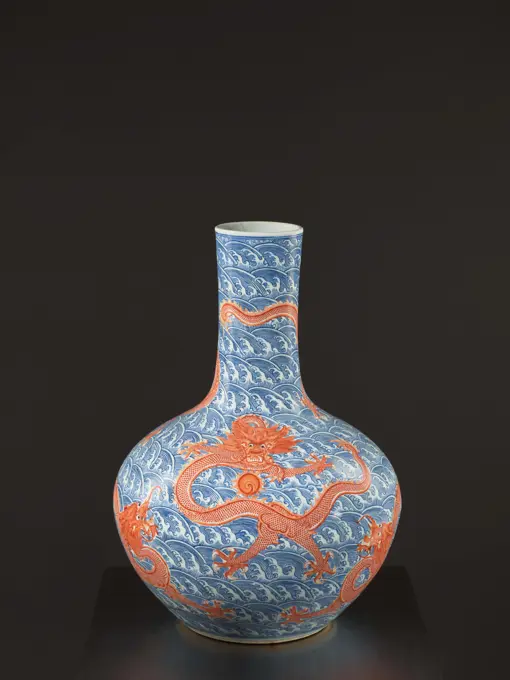
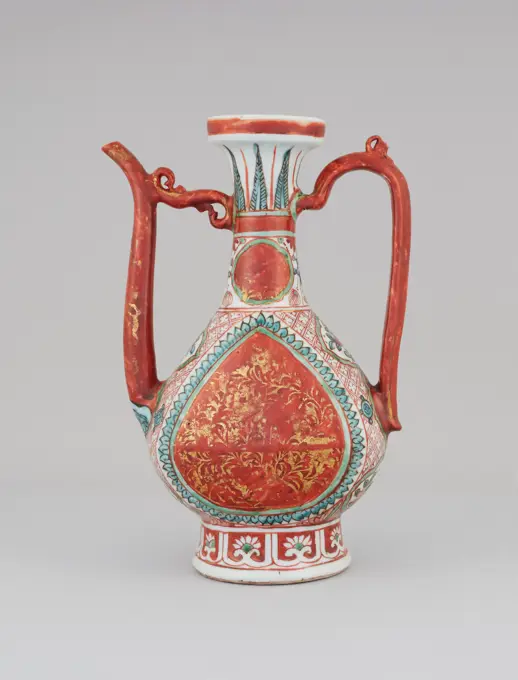
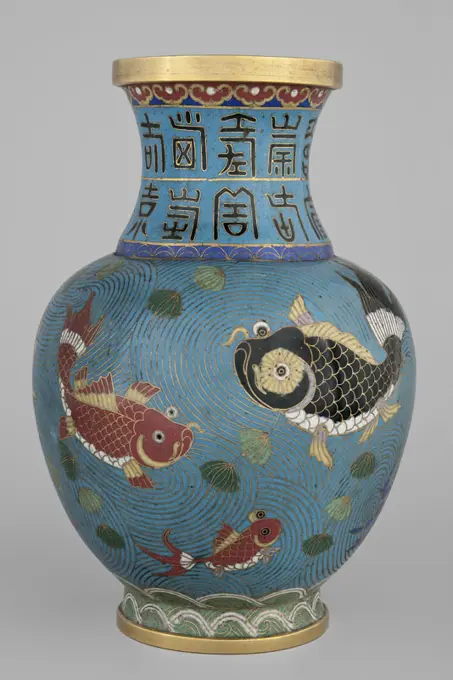
Exquisite ceramic vases and pots with intricate patterns and vibrant colors, representing fine craftsmanship and artistic tradition.

Lid of multicolored painted pot from Faïence, Anonymous, c. 1720 - c. 1740 Lid of multi -colored painted pot from Faïence Delft . Lid of multi -colored painted pot from Faïence Delft .
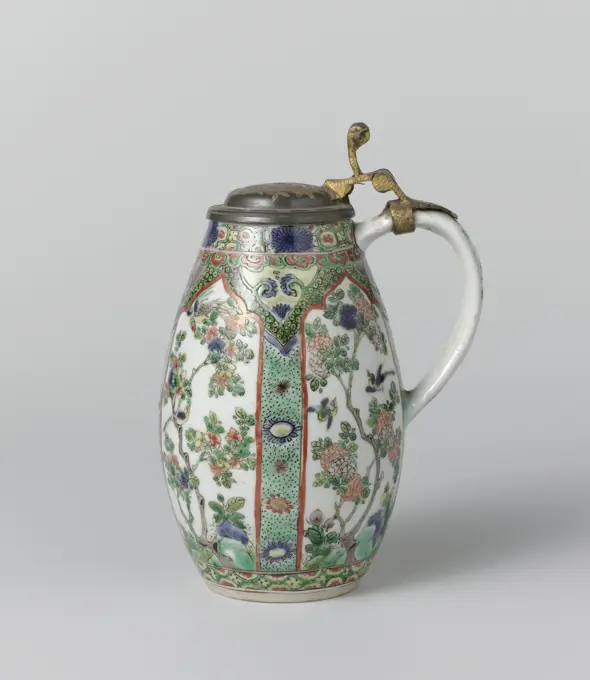
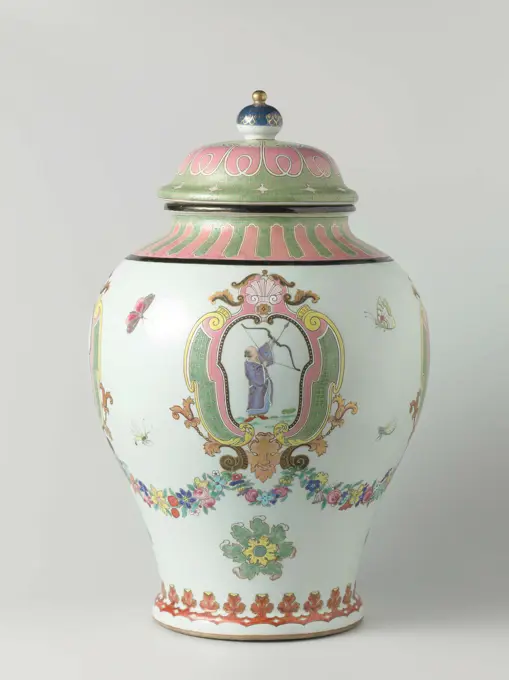
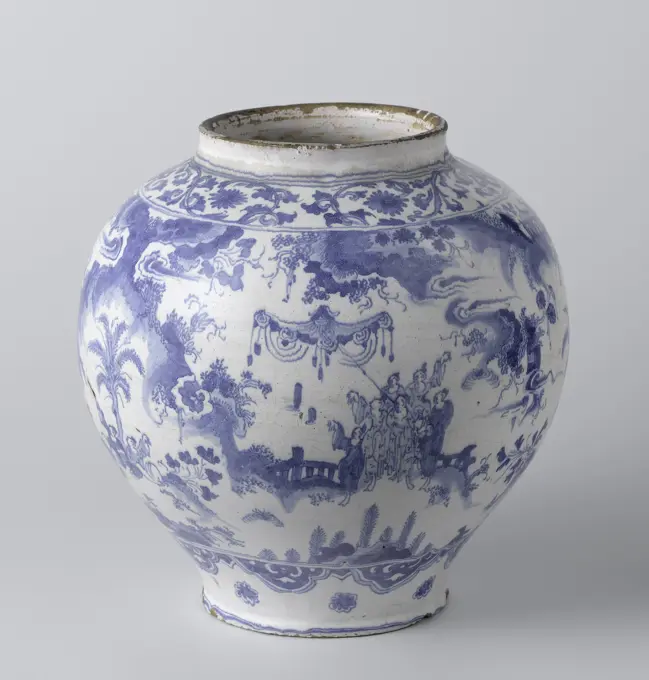
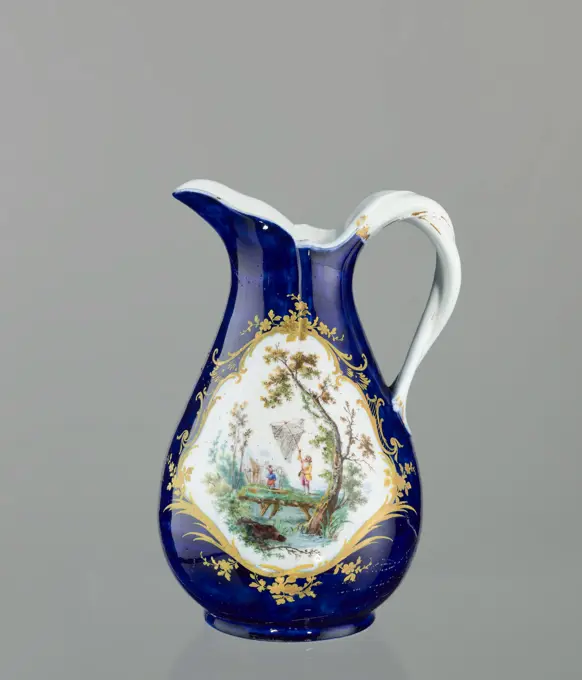
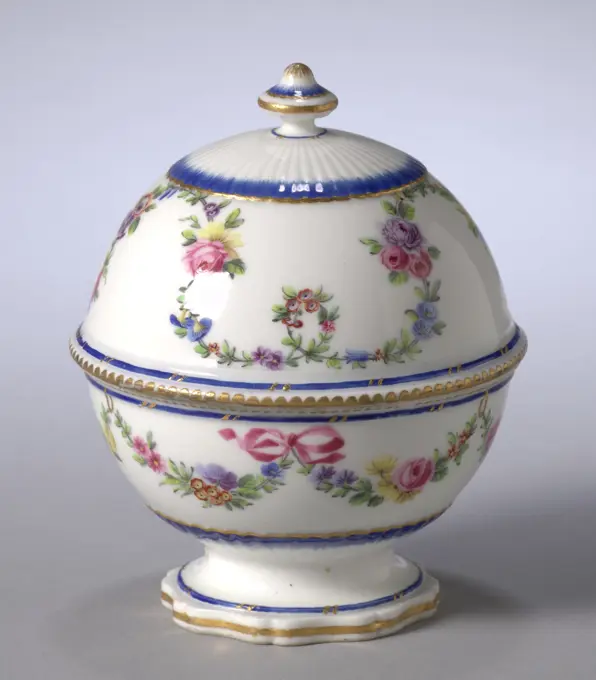
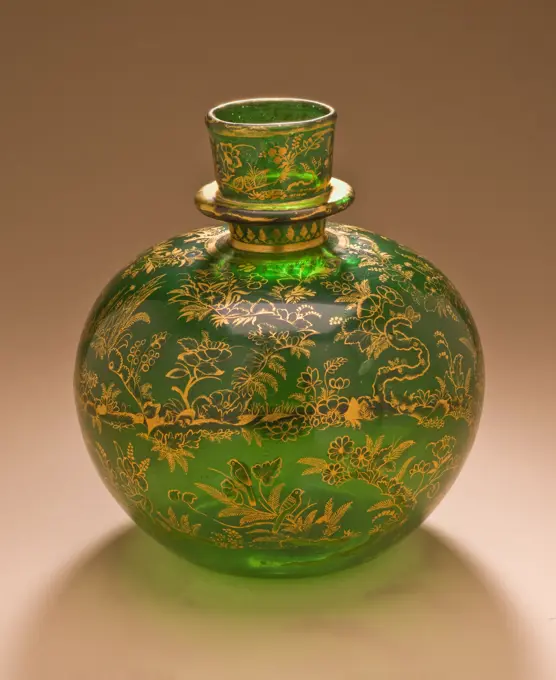
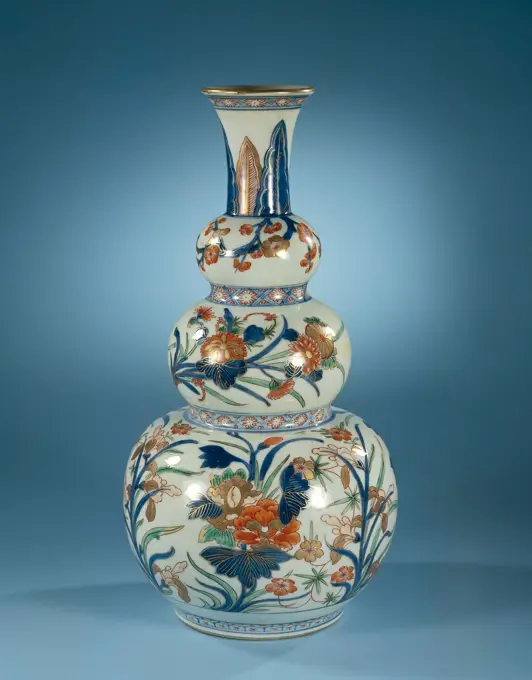
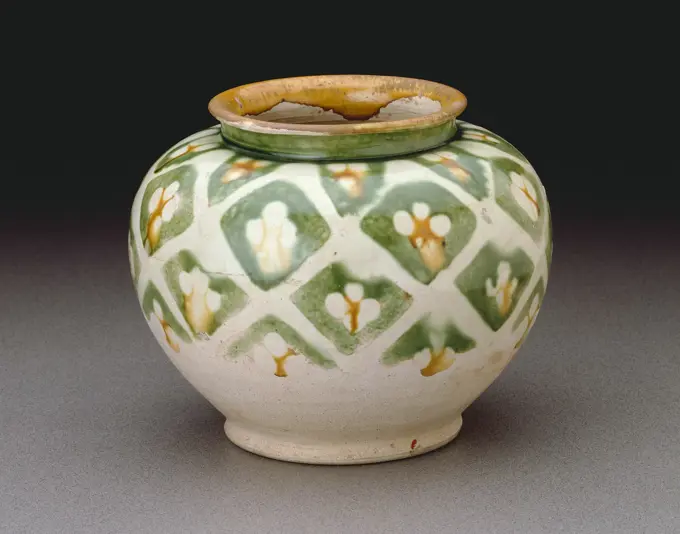
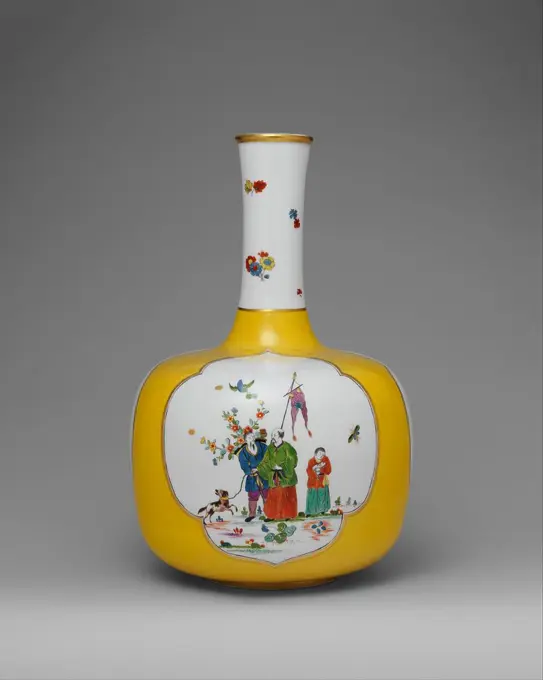
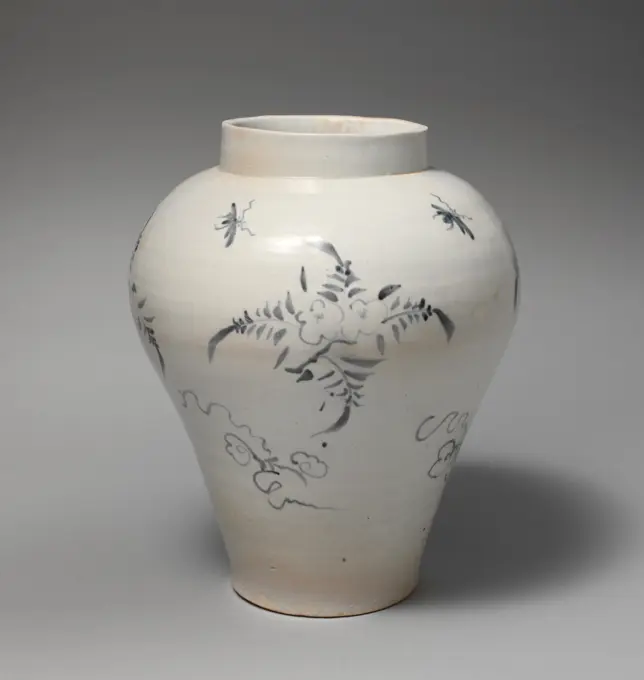
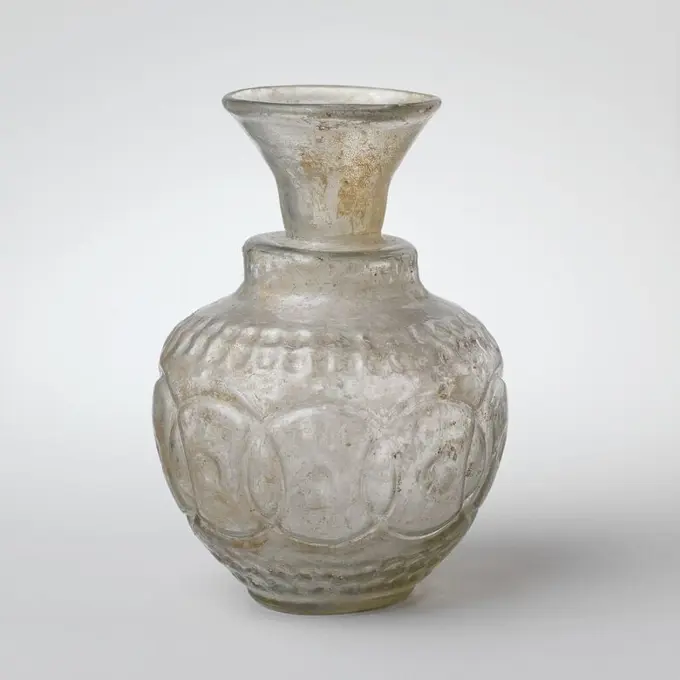
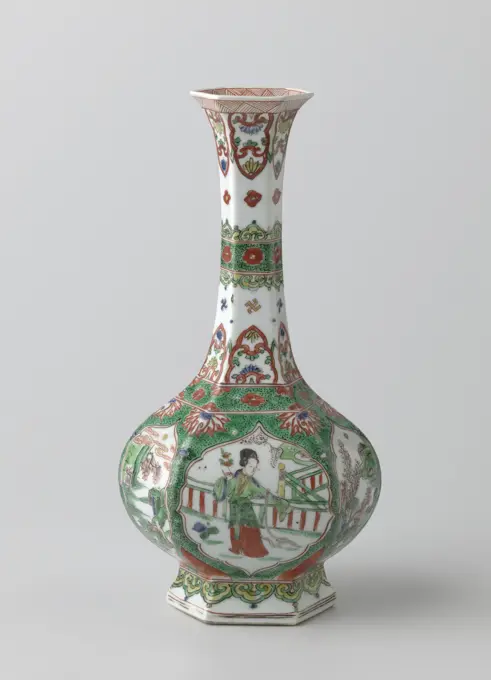
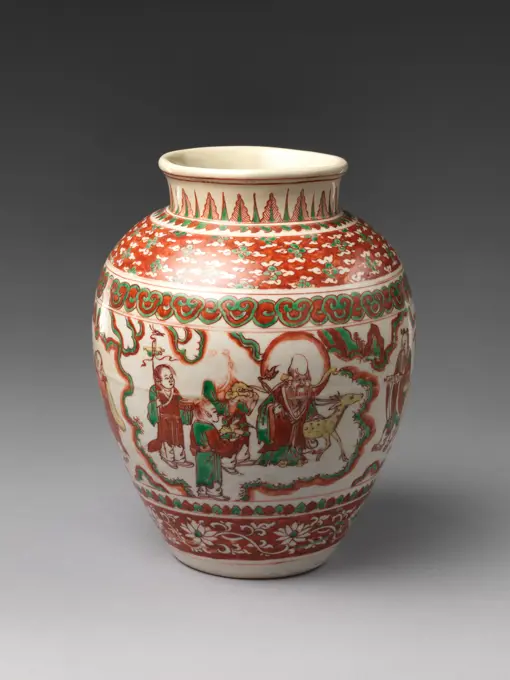
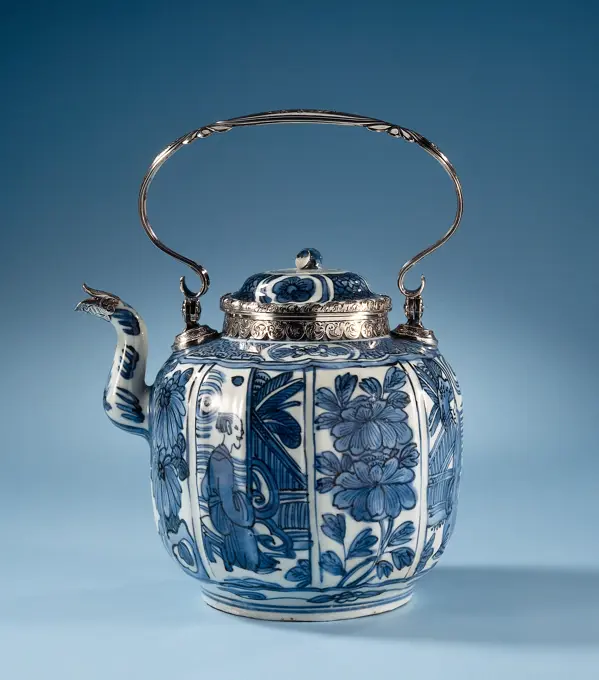
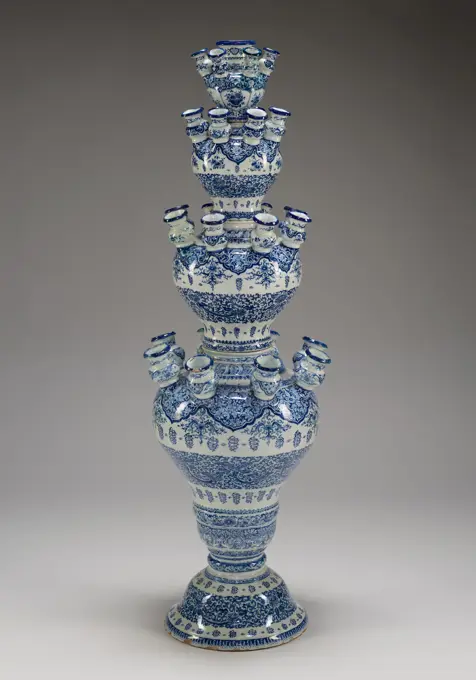
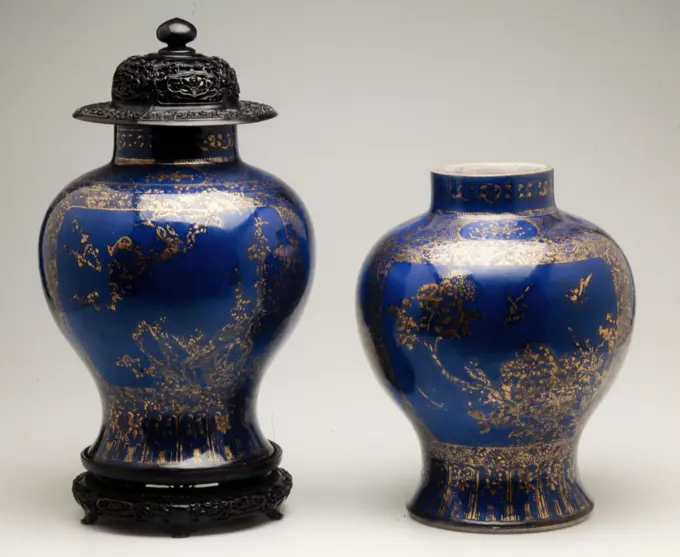
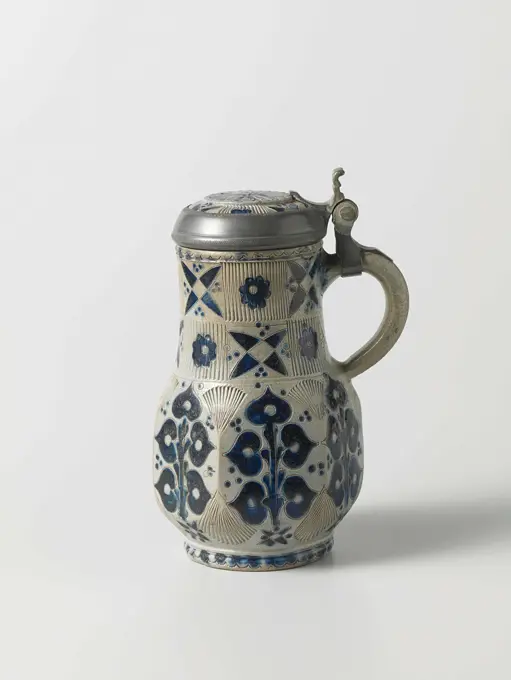
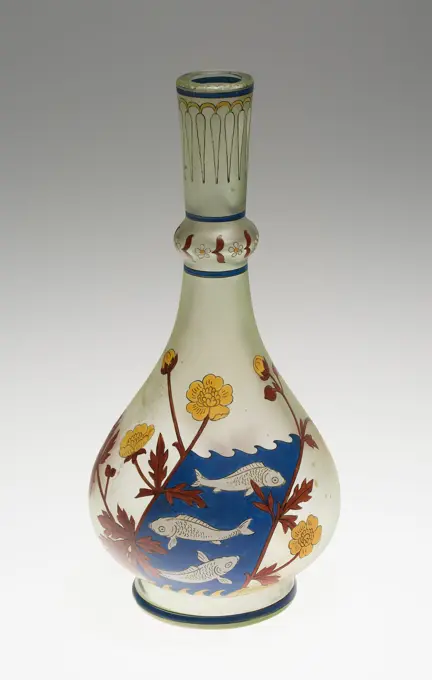
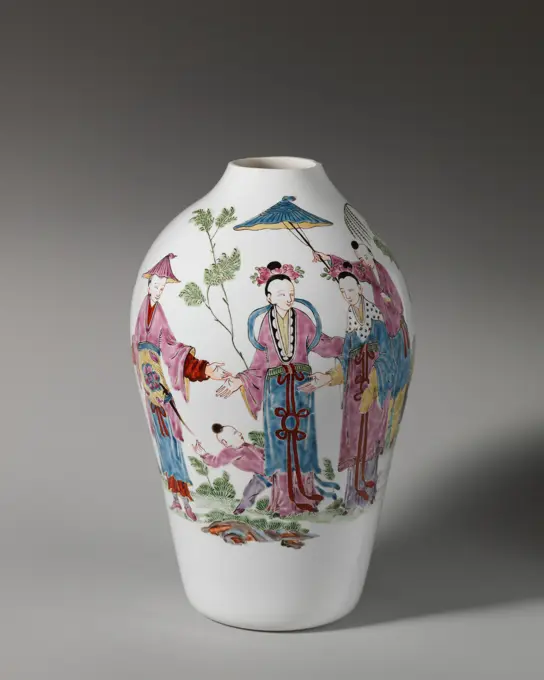
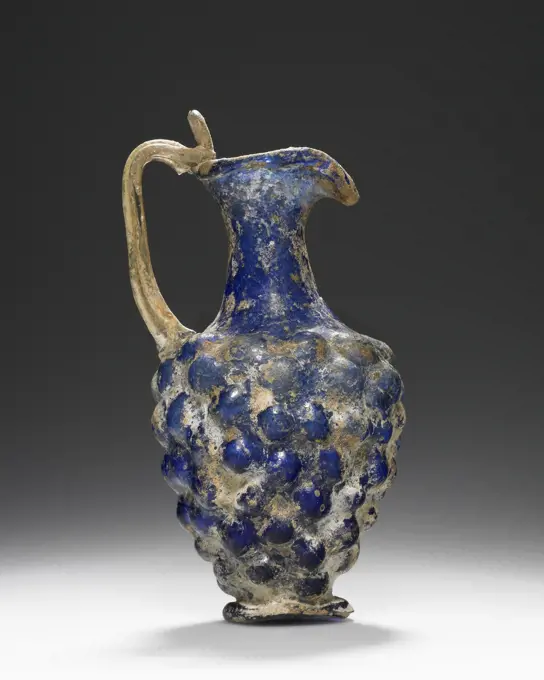
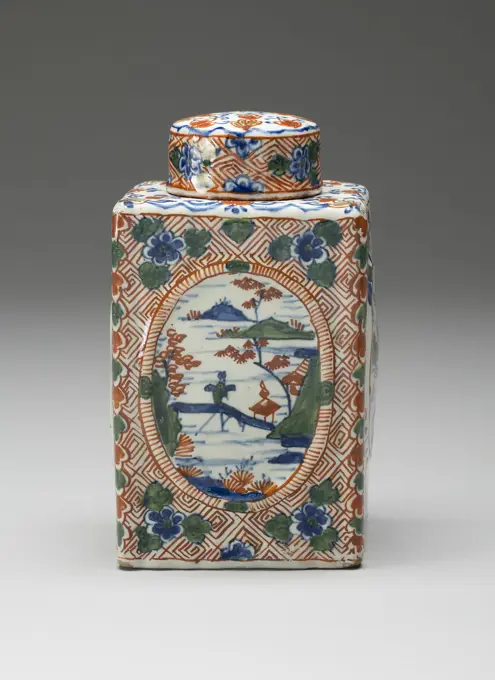
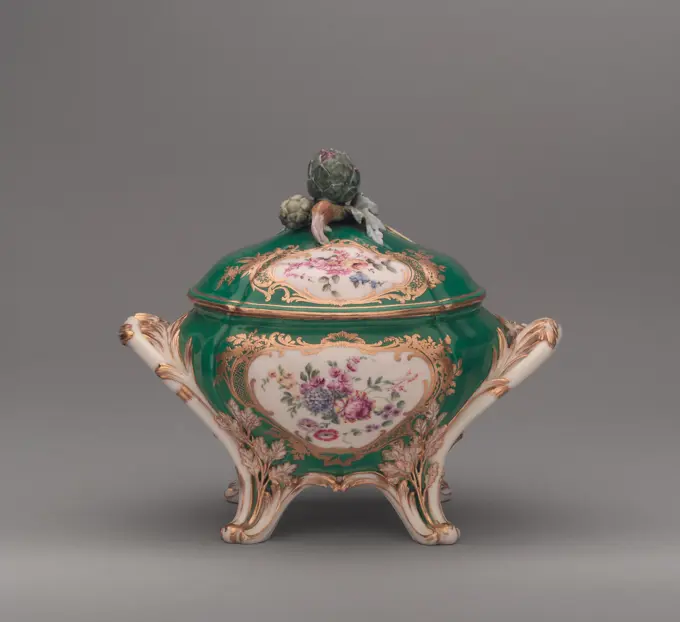
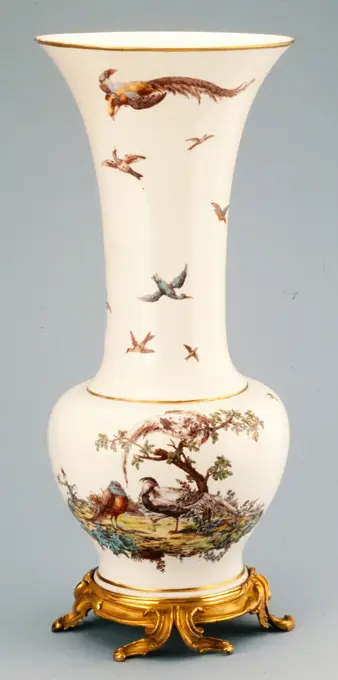
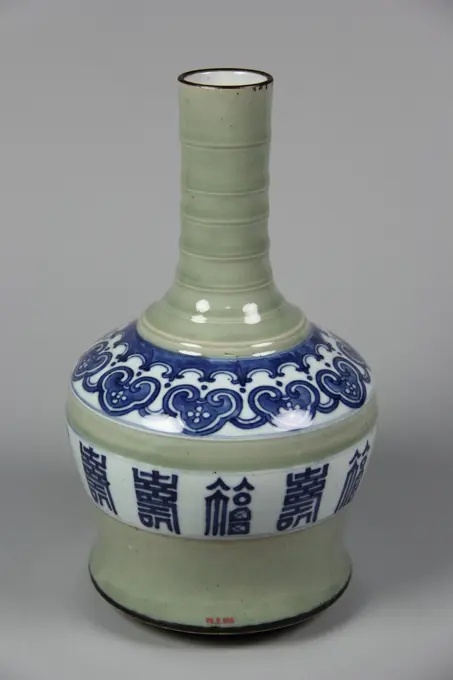
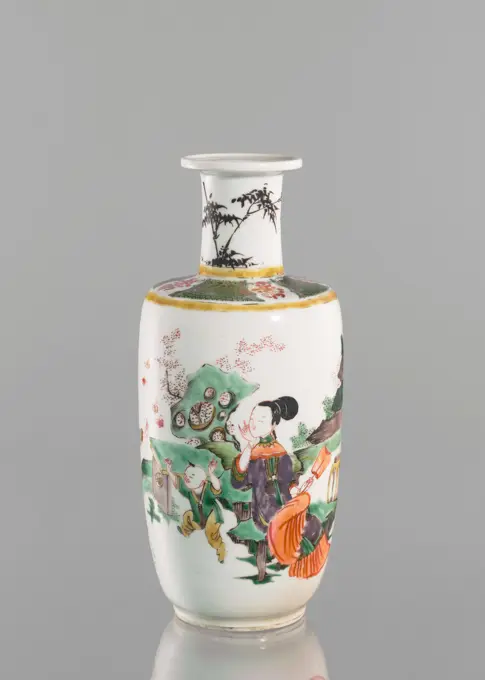
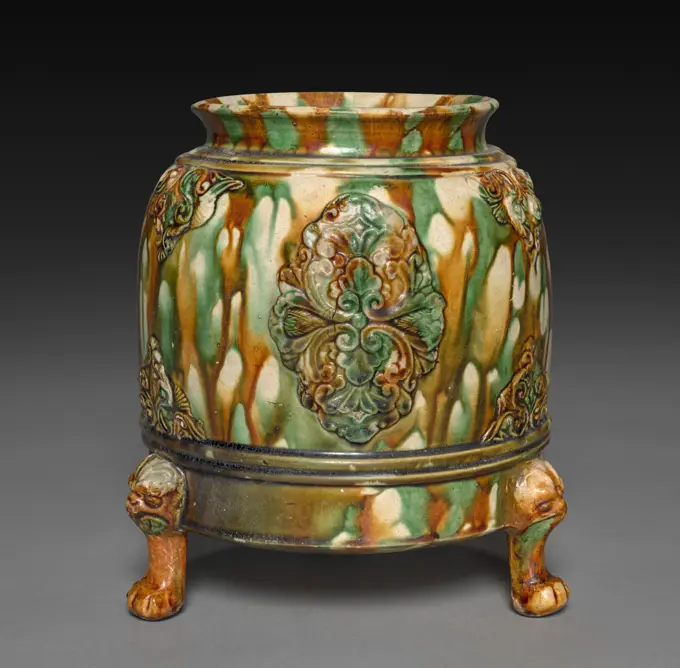
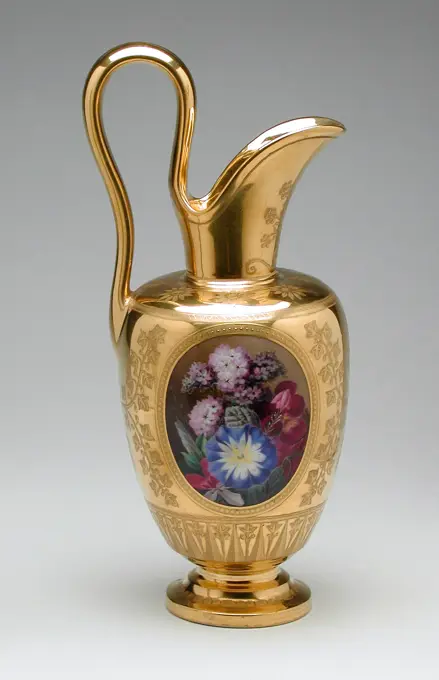
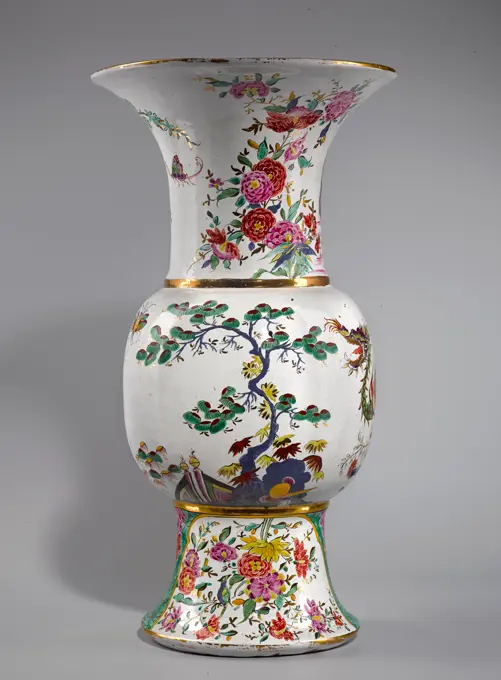
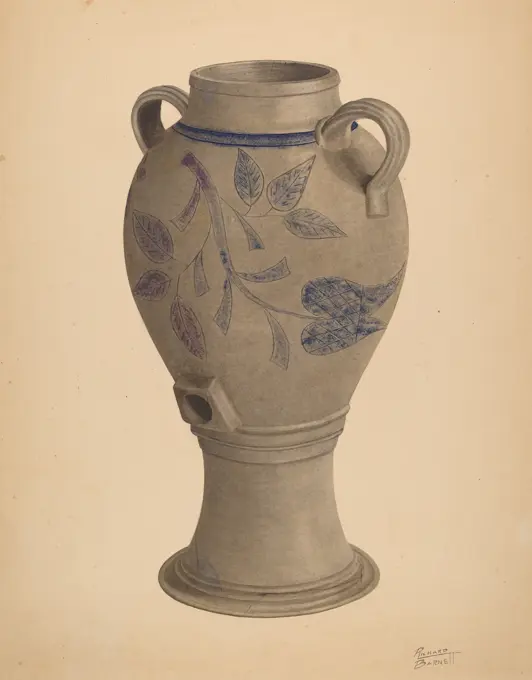
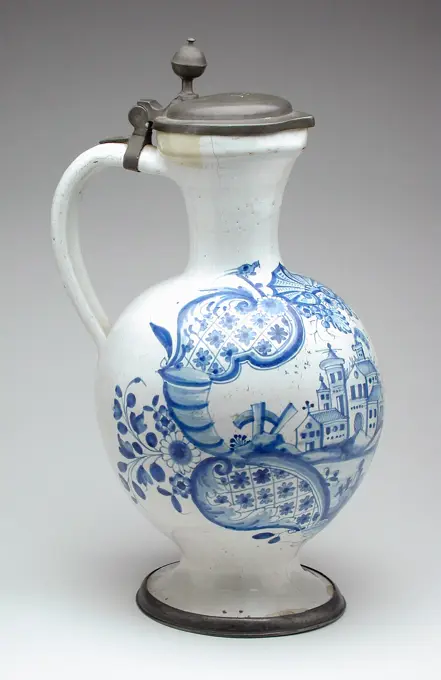
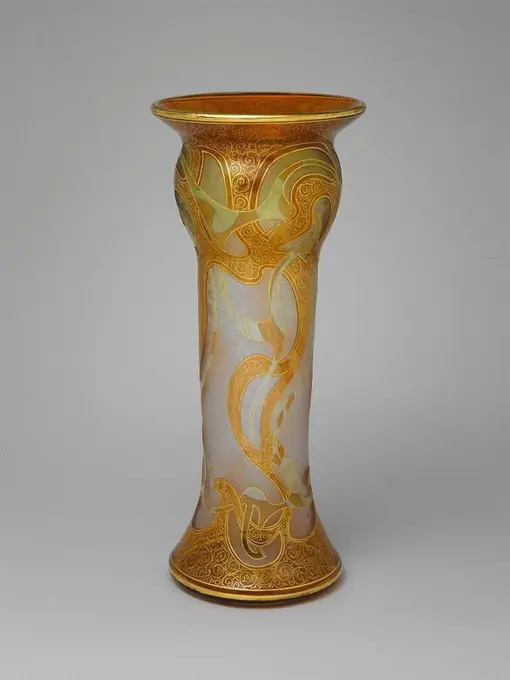
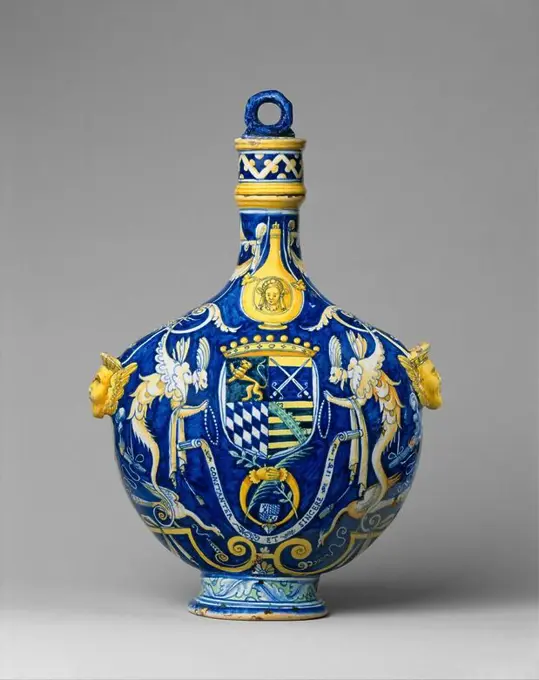
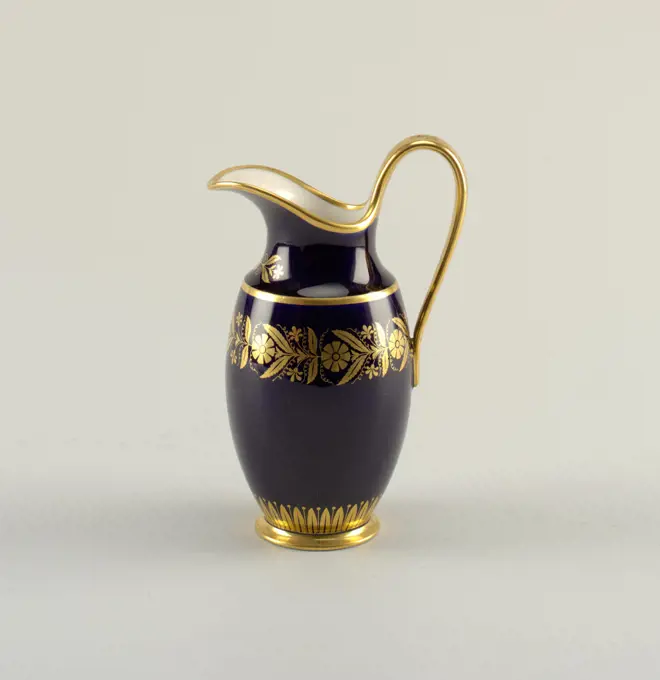
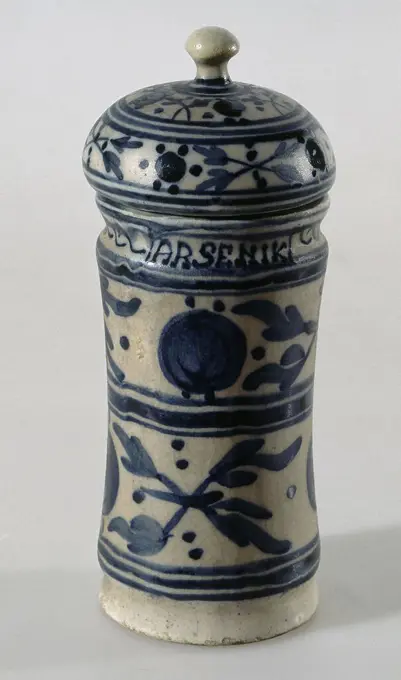
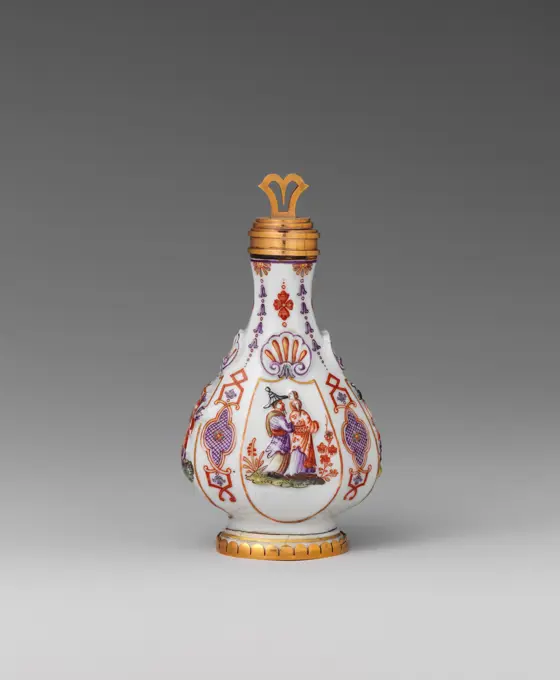
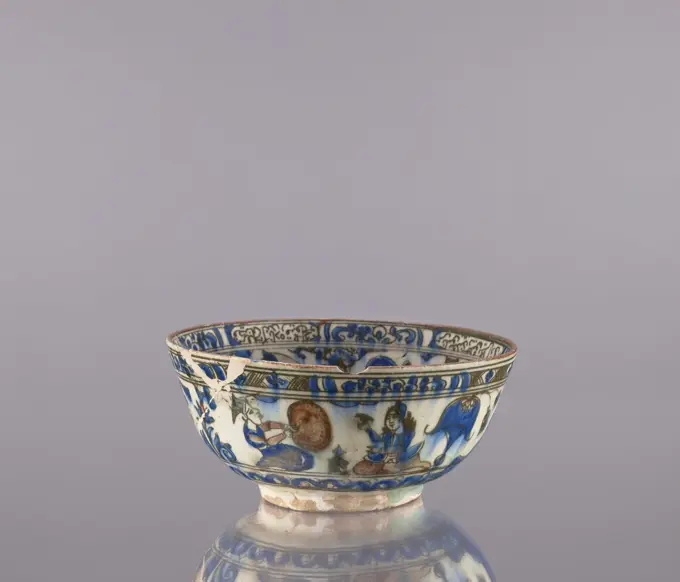
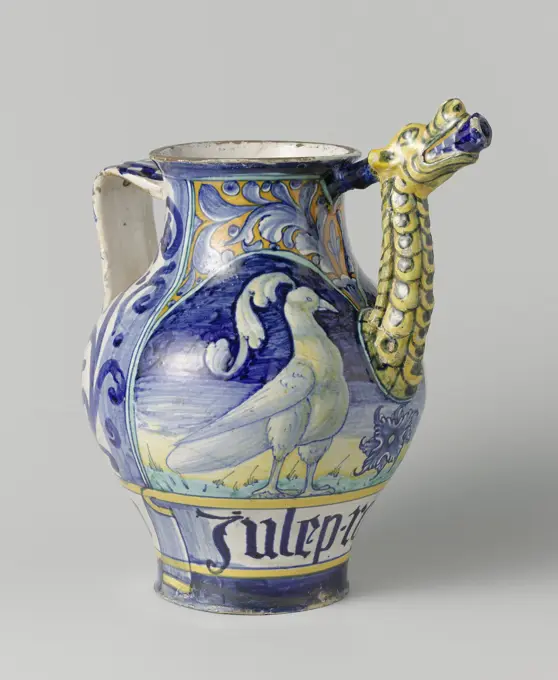
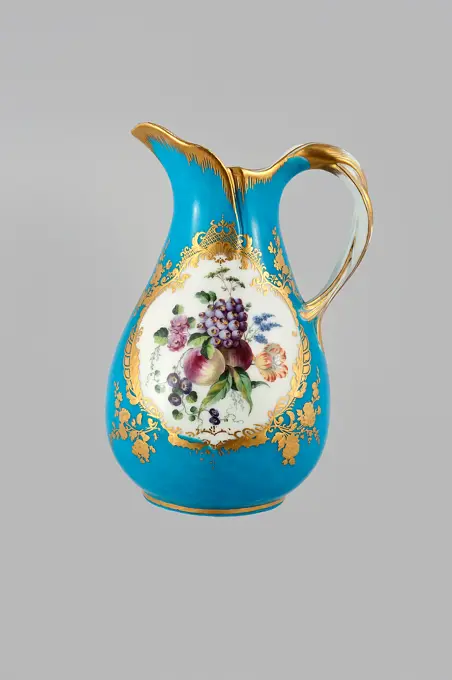
Bottle (Netherlands); Attributed to Samuel Van Eenhoorn; Manufactured by Grieksche A de (the Greek A Factory) (Netherlands); tin-glazed earthenware; 20 x 11.5 x 11.5 cm (7 7/8 x 4 1/2 x 4 1/2 in.); Bequest of Walter Phelps Warren; 1986-61-38Vase, mid 1700s. Probably by Het Bijltje Factory (Dutch). Delftware (tin glazed earthenware); overall: 25.1 cm (9 7/8 in.); container: 15 cm (5 7/8 in.).Flower Pot. Culture: Mexican. Dimensions: H. 12 7/8 in. (32.7 cm). Date: ca. 1750. Museum: Metropolitan Museum of Art, New York, USA.Tankard with flower sprays in panel decoration and cover of tin, anonymous, c. 1700 - c. 1724 Ton-shaped porcelain beer with C-shaped ear and pewter lid with thumb rest, painted on the glaze in blue, red, green, yellow, eggplant, black and gold. On the wall four long Lotus leaf-shaped compartments filled with flower branches, rocks and birds; Between the courses loose flowers on a black speckled green soil; here above hanging courses with lotus vines surrounded by frogs 'frog spawn', above that a bond with Ruyi motif; Around the edge and the foot a band with geometric pattern. The pewter lid with flower branches and bird in gold. Famle Verte. China porcelain. glaze. gold (metal). tin (metal) painting / vitrification / casting / gilding Ton-shaped porcelain beer with C-shaped ear and pewter lid with thumb rest, painted on the glaze in blue, red, green, yellow, eggplant, black and gold. On the wall four long Lotus leaf-shaped compartments filled with flower branches, rocks and birds; Bet. Fountain pot in the shape of a baluster-shaped lid vase or rack of porcelain, painted on the glaze in blue, red, pink, green, yellow, purple, black and gold. On the abdomen four times a cartouche with the archer. The cartouche consists of leaf raft, shell pattern, curlwork and a mask; The cartouches are interconnected by a garland and surrounded by butterflies and insects. Under every cartouche a stylized leaf rosette, of which a hole is drilled in one in the center for the tap. A relationship with raised leaf refines around the foot. A decorative band on the shoulder. The lid with three decorative tires with napkin against a (light) green or pink background. The lid knob with a golden stylized flower on a dark blue background. Decoration possible based on a design by Cornelis Pronk (1691-1754). Faucet is missing. European performance in email colors.Covered jar with floral patterns late 17th-early 18th century China. Covered jar with floral patterns 48054Octagonal coffee pot with hunting and mythological scenes, anonymous, c. 1700 Octagonal coffee pot of porcelain on three spherical feet, a tapered body with straight walls and C-shaped ear, painted in underly glaze blue. The long spout is bent out at the end and connected to the body with an S-shaped element at the top. The wall is divided into two parts. The underside with a continuous representation of a hunting company in a landscape. The top consists of a wide, decorative tire with curl, shell motifs, servetwork, flower vines and two cartouches containing the mythological representation of Europe and the bull. The spout and the ear with decorative tires; The top of the ear with a hole for a frame. The underside of the jug with a worn, painted (European) Decoration of flower vines and medallions. The lid with the same decoration, but with a putto in the cartouches. Cover button in the form of a shishi (lion dog). European form and representation in blue and white. China porcelain. gConical coffeepot with an image of The Parasol Lady, anonymous, c. 1736 - c. 1740 Porcelain Coffee Can with the C-shaped ear and the S-shaped spout perpendicular to each other, painted in under-glaze blue. On the wall a woman by a pond with reeds, forth to three birds in front of her on the land, next to the woman a servant who holds a richly decorated umbrella over her head. On the edge of flower branches interspersed with a medallion. The underside of the wall with a honeycomb motif interrupted by two cartouches with a peon branch and two medallions with a swimming duck. The ear and the spout with flower vines. The performance is designed by Cornelis Pronk (1691-1754). European performance in Blauw-Wit. China porcelain. glaze. cobalt (mineral) painting Porcelain Coffee Can with the C-shaped ear and the S-shaped spout perpendicular to each other, painted in under-glaze blue. On the wall a woman by a pond with reeds, forth to three birds in front of her on the land, next to the woman aBeaker, 19th Century. China, Qing dynasty (1644-1911), Daoguang reign (1821-1850) - Xianfeng reign (1851-1861). Porcelain; overall: 11.5 cm (4 1/2 in.).Vase (one of a pair). Culture: Austrian, Vienna. Dimensions: Height: 5 5/8 in. (14.3 cm). Factory: Vienna. Factory director: Du Paquier period (1718-1744). Date: ca. 1725.The gift of the Hans Syz Collection in 1995 endowed the Museum with nearly three hundred examples of European and Asian ceramics meticulously acquired by Swiss-born collector Dr. Syz (1894-1991) to chart the migration of models and patterns from East to West. Documenting a continuous process of influence and adaptation, these pieces provide a discriminating review of the nuances of stylistic change resulting from three centuries of trade. Museum: Metropolitan Museum of Art, New York, USA.Anonymous. Imari decor bowl cover. Porcelain. 18th century. Museum of Fine Arts of the City of Paris, Petit Palais. 112502-20Garniture, anonymous, c. 1800 - c. 1899 Octagonal, 'gu'-shaped cup vessel of porcelain, painted on the glaze in blue, red, pink, green, purple, black and gold. The wall is covered with peon branches against a background of a spiral pattern. On each of the eight sides a saved, scalloped cartouche with alternating flower branches (peony, chrysanthemum, aster, prunus) in a rock or one or more people on a terrace or in a fenced garden with flowering plants and rocks. In the middle of the body a thickened ring with servetwork interspersed with lobed cartouches with deer or birds in a pair of pair of pairing plant. On the edge a band with flower branches on blue frogs. A decorative band around the foot. Bekervaas is part of Kaststel AK-NM-11497. Famle Rose. China porcelain. glaze. gold (metal) painting / gilding / vitrification Octagonal, 'gu'-shaped cup vessel of porcelain, painted on the glaze in blue, red, pink, green, purple, black and gold. The wall is covered with peon branches againstPot, anonymous, c. 1650 - c. 1675 Powence pot with a decoration to the Chinese porcelain from the transition period. Delft . Powence pot with a decoration to the Chinese porcelain from the transition period. Delft .Water jug. Manufacture nationale de porcelaine de Sevres (1756-), factoryPerfume burner of multi-colored painted faïence. Faïence perfume burner. Painted multi-colored and with three ears in the form of snakesSoap Box, c. 1769. Sèvres Porcelain Factory (French, est. 1756). Soft-paste porcelain; overall: 11.5 x 9.1 cm (4 1/2 x 3 9/16 in.).Miniature bottle-shaped vase of porcelain, painted in underglaze blue. A blooming plant on the wall. The neck with twigs. Blue White.Hookah Base. India, Uttar Pradesh, Awadh, Lucknow, circa 1780. Tools and Equipment; hookahs. Dark green glass with gilding on the exterior and bright green enamel on the interiorWater pipe base. unknown, craftsmanCanto vase in the shape of a pilgrim cylinder;  19th century (1801-00-00-1900-00-00);Kendi shaped like a dragon, anonymous, c. 1575 - c. 1599 Kendi van Porcelain, painted in undermglaze blue. The Kendi is modeled in the form of a dragon rising from the waves with spread wings and covered with a lotus leaf; The neck and head of the dragon form the spout; The neck is divided into three tires with hanging, pointed leaf motifs, scalloped compartments with servetwork or flower vines; the raised edge with shacking; Around the foot a tire with curl. Ming porcelain in blue and white. China porcelain. glaze. cobalt (mineral) painting / vitrification Kendi van Porcelain, painted in undermglaze blue. The Kendi is modeled in the form of a dragon rising from the waves with spread wings and covered with a lotus leaf; The neck and head of the dragon form the spout; The neck is divided into three tires with hanging, pointed leaf motifs, scalloped compartments with servetwork or flower vines; the raised edge with shacking; Around the foot a tire with curl. Ming porcelain in blue and whOctagonal garden seat with lotus scrolls, anonymous, c. 1750 - c. 1774 Octagonal taboeret or porcelain stool, painted in underlaze blue. On the wall a wide, continuous bond with Lotusranken. A double openwork mint on two opposite sides. At the lower and top of the wall a bond with lobed cartouches with lotus vranks; In between, Noppen in relief. The top with a bond with lotus vines, an open -up mint motif and a band with a meander pattern. The bottom is open. A crack in the wall. Blue White. China porcelain. glaze. cobalt (mineral) painting / vitrification Octagonal taboeret or porcelain stool, painted in underlaze blue. On the wall a wide, continuous bond with Lotusranken. A double openwork mint on two opposite sides. At the lower and top of the wall a bond with lobed cartouches with lotus vranks; In between, Noppen in relief. The top with a bond with lotus vines, an open -up mint motif and a band with a meander pattern. The bottom is open. A crack in the wall. Blue White. China porce. Mute vase of porcelain with three lumps and spreading neck, painted in underglaze blue and on the glaze with red, green and gold. In Japanese style painted with large flower branches (prunus, chrysanthemum, peony, hibiscus and iris); on the neck a band with standing leaf motifs; between the lumps and on the edge a tire with napkin with flour; A decorative band around the foot. Edge damaged. Chinese Imari.Ovoid covered jar with flowering plants in panels, anonymous, c. 1700 - c. 1724 Egg -shaped lid pot of porcelain with hexagonal body and flat, unglazed underside, painted in under -glaze blue. On the wall six elongated cartouches with squeezed corners containing flowering plants in a rock. The lid with a dancing boy (crazy) in a landscape. Lid is not matching. A crack in the edge of the pot. Blue White. China porcelain. glaze. cobalt (mineral) painting / vitrification Egg -shaped lid pot of porcelain with hexagonal body and flat, unglazed underside, painted in under -glaze blue. On the wall six elongated cartouches with squeezed corners containing flowering plants in a rock. The lid with a dancing boy (crazy) in a landscape. Lid is not matching. A crack in the edge of the pot. Blue White. China porcelain. glaze. cobalt (mineral) painting / vitrificationVase. Vase, spherical with long cylindrical neck halfway interrupted by a ring, painted multi-colored with dependent lambrequins. Signature.Jar 701 CE-750 CE China. Earthenware with three-color (sancai) lead glazes .Vase. Culture: German, Meissen. Decorator: Adam Friedrich von Löwenfinck (German, 1714-1754). Dimensions: Overall (confirmed): 15 7/8 x 10 x 10 in. (40.3 x 25.4 x 25.4 cm). Factory: Meissen Manufactory (German, 1710-present). Date: ca. 1735.The production of large vases was one of Meissen's greatest technical achievements. Vases of this scale were difficult both to form and to fire in the kiln; even this highly accomplished example displays a slight warping from the firing that has caused the tall neck to lean slightly. The vase is decorated with a yellow enamel ground inspired by Chinese porcelains, while the three reserves are painted with chinoiserie scenes, each of which depicts three Chinese figures in a landscape. The painting is of a very high quality, and has been attributed to Adam Friedrich von Löwenfinck (1714-1754), a talented artist who worked at Meissen from 1727 to 1736.The base of the vase is marked with the initials AR painted under the glaze. It is probable that AR stJar decorated with flowers and insects mid-18th century Korea In its form, color, and style of decoration, this handsome jar is representative of blue-and-white porcelain produced at court-patronized kilns in eighteenth-century Korea. The minimalism of the painted design and the abundance of white space are among the features that distinguish Korean blue-and-white porcelain from its contemporary equivalents in China, Japan, and Europe.. Jar decorated with flowers and insects 72738Glass flask decorated with intersecting circles. Culture: Roman. Dimensions: H. 4 1/2in. (11.4cm). Date: 2nd-3rd century A.D..Translucent colorless with pale greenish tinge.Plain rounded rim; upper half of neck funnel-shaped, then cylindrical; horizontal shoulder, slightly pushed in on one side, above vertical collar; spherical body; slightly projecting solid edge to base with uneven concave bottom; no pontil mark. Body blown into a four-part mold of three vertical sections, extending to top of collar, joined to a shallow, disk-shaped base section.On body, sunken relief design of nine interlocking circles with a dot at the center of each circle, bordered above and below by a double row of smaller dots; on bottom, two faint raised circles around a small central knob.Intact; some bubbles; dulling, patchy weathering and iridescence.L. P. di Cesnola mistakenly identified this vase's provenance as Idalion, Cyprus, and published it as such in his "Descriptive Atlas of the Cesnola CollecHexagonal vase with women, landscapes and precious objects in panel decoration, anonymous, c. 1700 - c. 1724 Hexagonal vase of porcelain with angular, pear -shaped body and long spreading neck, painted on the glaze in blue, red, green, yellow, eggplant, black and gold. The body is covered with a speckled green soil with small flowers and saved six scallops with a woman (long lijs) in a fenced garden, a landscape and a table with shishi (lion dog) or Qilin with valuables (window, mint) or antiques (vase with coral and peacock springs or lotus stem), lotus flowers hanging between the subjects; On the shoulder a band with flower vines against a speckled green soil; On the neck raised and hanging leaf motifs with flower vines, Swastika symbol, two tires with Ruyi motif next to a band with flower vines against a speckled green soil; the edge with zigzag pattern; Around the foot a band with Ruyi motif. Restored edge. Famle Verte. China porcelain. glaze. gold (metal) painting / gilding / vitrJar China An inscription, chang ming fu gui ("long life, riches, and honor"), has been painted in red enamel over the incised reign mark on the base.. Jar. China. Porcelain with incised decoration overpainted in polychrome enamels. Ming dynasty (1368-1644), Jiajing mark and period (1522-66). CeramicsJug and tinplated lid. Annaberg (ośrodek ceramiczny: XVI-XIX w.)Anonymous (n. - d.), Pharmacy vase (main title). Earthenware, clay earth, stanniferous enamel, metal chandelier with yellow reflections. Petit Palais, Museum of Fine Arts of the City of Paris.. Porcelain teapot lid, painted in underglaze blue. The lid with a tire napkin interspersed with a flower in a cartouche. Equipped with a 19th-century silver frame and handle by Arnoldi & Wielick, Amsterdam 1850. Kraakporkein.Three vases. Objects with a red ground are extremely rare. Moreover, the quality of the depictions on this vase is very high: harbourscenes with a low horizon and so-called indianische Blumen, flowers of the Indies, around the neck.Snuff Bottle, 18th-19th century, H.2-3/8 x W.1-5/8 in., porcelain, China, 18th-19th centuryFlower vase, c. 1700, De Witte Ster (The White Star) Factory, 46 1/16 × 15 3/8 × 15 1/4 in. (117 × 39.05 × 38.74 cm) (approx.), Tin-glazed earthenware, pigments, Netherlands, 18th century, 'Tulip mania' reached its height in the 1630s in Europe, with wealthy men and women spending great sums of money to acquire exotic tulip bulbs from the Middle East. More generally, there was enthusiasm for all types of rare flowers, such as marigolds, which came from Mexico via Spain. Potters in Holland created elaborate multitiered vases like this one to showcase colorful blooms. Here, the borders of scrolling lotuses, chrysanthemums, ruyi (scepter heads), and the Chinese character for longevity are copied from decoration on Chinese blue-and-white porcelain vases imported in large quantities in the 1600s. It is unlikely that Dutch craftsmen or customers knew the meaning of these motifs.Bird Basin, the young Porian Soleoft, C. 1680 - c. 1685 Waterbank for birds from Faience with a chinoiserie decoration Delft . Waterbank for birds from Faience with a chinoiserie decoration Delft .Temple Jar (one of a pair) with base, 1662-1722, 12 5/8 in. (32.1 cm) (without lid or base), Porcelain, wood, China, 17th-18th centurySkew. Can be from stoneware. Skew of shape and decorated with blue stars and flowers. The lid is caught in tin.Vase 1861-1895 Silesia. Glass with enamel decoration .Vase of porcelain, multi -colored painted with flowers, J.W. Van Rossum, 1903 Vase of porcelain, multi -colored painted with flowers. Model 200. The Hague porcelain Vase of porcelain, multi -colored painted with flowers. Model 200. The Hague porcelainWine Jug. Germany, Ansbach. Date: 1715-1725. Dimensions: 24.8 × 12.7 cm (9 3/4 × 5 in.). Tin-glazed earthenware (faience) and pewter. Origin: Ansbach. Museum: The Chicago Art Institute, Chicago, USA.Vase 18th century British, Bristol Listen to experts illuminate this artwork's story Listen Play or pause #413. Retail Value. High and Low Supported by Bloomberg Philanthropies We're sorry, the transcript for this audio track is not available at this time. We are working to make it available as soon as possible.. Vase. British, Bristol. 18th century. Glass. GlassThree vases, part of a garniture. These lidded vases are composed of rocailles, or twisted shell-like motifs, characteristic of the Rococo style. The Chinese heads on the lids make the vases look like female figures with swirling robes. Vases of this kind, painted in striking colours with Chinese motifs, were highly fashionable.Blue Grape-Cluster Pitcher; Eastern Mediterranean; about 1st - 2nd century; Glass; 12 cm (4 3,4 in.)Bottle 18th century British. Bottle 618Vase with Plum Blossoms and Birds late 19th century China Recent studies have suggested that large vases with black backgrounds such as this were produced in the late nineteenth century to meet rising demand from collectors in Europe and the United States. The resurgence of interest in vases with this color scheme remains difficult to explain; however, it may have been spurred by an interest in Japanese lacquer, which is also often characterized by the use of a black background.. Vase with Plum Blossoms and Birds. China. late 19th century. Porcelain painted with colored enamels on the biscuit (Jingdezhen ware). Qing dynasty (1644-1911). CeramicsTea Caddy 1695-1705 Delft. Tin-glazed earthenware (Delftware) . De Metaale Pot (The Metal Pot) Factory (Maker)Jug ca. 1815 British, Staffordshire. Jug. British, Staffordshire. ca. 1815. Lustered earthenware. Ceramics-PotteryTureen 1758 Sèvres Manufactory French The curvilinear forms of this tureen and the asymmetry of the gilding reflect the characteristic features of the French rococo style. This is the smallest of the tureens produced by the Sèvres factory; records indicate that Louis XV purchased a green-ground tureen of this uncommon size in 1758.. Tureen. French, Sèvres. 1758. Soft-paste porcelain. Ceramics-PorcelainVase, c. 1758, Chelsea Porcelain Manufactory, London, c.1743-1784, 21 11/16 x 10 1/8 x 10 1/8 in. (55.09 x 25.72 x 25.72 cm), Porcelain with enamel and gilded decoration, and gilt bronze mount, England, 18th centuryPharmacy Jug 1645-1655 Winterthur. Tin-glazed earthenware (faience) .Vase with characters fortune (fu) and longevity (shou) first half 19th century China. Vase with characters fortune (fu) and longevity (shou). China. first half 19th century. Porcelain painted in underglaze cobalt blue, with celadon glaze (Jingdezhen ware). Qing dynasty (1644-1911). CeramicsCovered Jar. China, 16th century. Furnishings; Serviceware. Stoneware with blue painted decorationVase. unknown, craftsmanTwo beaker vases and a vase, part of a garniture, De Klaauw, 1760 - 1800 Vase of Faience. Blue painted with floral decorations. Delft . Vase of Faience. Blue painted with floral decorations. Delft .Parrot and rooster in a group ca. 1755 Chelsea Porcelain Manufactory. Parrot and rooster in a group. British, Chelsea. ca. 1755. Soft-paste porcelain. Chelsea Porcelain Manufactory (British, 1745-1784, Red Anchor Period, ca. 1753-58). Ceramics-PorcelainJar with Applied Floral Decoration, 618-907. China, Tang dynasty (618-907). Glazed earthenware, sancai (three-color ware); overall: 20.2 x 28.5 cm (7 15/16 x 11 1/4 in.).Creamer. Georgius J. Van Os (Holland, active France, 1782-1861)Sèvres Porcelain Manufactory (France, Sèvres, established 1756). France, 1812-1813. Furnishings; Serviceware. Porcelain with enamel, gilding, and glaze. Porcelain vase with cylindrical body, flat shoulder and cylindrical neck with raised edge, painted on the glaze in blue, red, green, yellow, eggplant, black and gold. On the wall a continuous representation with a large pine and a battle with armed warriors with flags, on foot and on horseback; On the shoulder a geometric motif interspersed with four cartouches with valuables (books, music stone, horns); The neck with lotus flowers on a black dotted green soil with two cartouches reserve with river landscape; On the edge a Meander pattern. Famille Verte.Jug with a dancing couple, anonymous, c. 1597 - c. 1620 Jug of stoneware on high foot with a cylindrical body, round shoulder and wide neck. The C-shaped ear is attached to the neck and shoulder. Profiles on the neck, belly and foot. Partly covered with cobalt blue. The belly is divided into seven courses by means of arches, with a dancing pair in each box. Under the arches an illegible inscription (see BK-KOG-513 for comparison). In the left -most box the date '1597'. The lower part of the abdomen runs slanted to the foot and has canelures. The shoulder is divided into entered courses with a stamped decoration saved in blue and surrounded by karf -cut. On the neck in relief a printed and imposed bond of connected heart -shaped medallions and masks in medallions, surrounded by leaf ranks. Raeren. Rae stoneware. glaze. cobalt (mineral) vitrification Jug of stoneware on high foot with a cylindrical body, round shoulder and wide neck. The C-shaped ear is attached to the neck and shoulder.Vase; Belvedere (faience manufacture; 1770-1780); 1770-1780 (1770-00-00-1770-00-00);Belvedere (Manufaktura Fajansu- 1770-1780), Chinoiserie, Far Eastern motives, dragons, Tsun vases, purchase (provenance)Jar. Carnavalet museum, history of Paris.Richard Barnett, Water Cooler, probably 1938 Water CoolerCream jug 18th century British. Cream jug. British. 18th century. Soft-paste porcelain, metal. Ceramics-PorcelainVase; Manufaktura Majoliki in Nieborów (Nieborów; Wytwórnia; 1881-1899); 1881-1886 (1881-00-00-1886-00-00);Vase 1744 Adam Friedrich von Löwenfinck. Vase 200881Ovoid covered jar with fluted sides and figures in medallions, anonymous, c. 1700 - c. 1724 Egg -shaped lid jar of porcelain with ribbed wall and flat lid, painted in underlaze blue. In the ribbed wall, four medallions have been saved with a woman (long lijs) in a fenced garden for a pavilion with trees and rocks; Around the foot and the shoulder a band with flower branches (splendidanjer, peony, camelia); The edge of the lid with fruit branches (peach), the top with three playing boys (fools) in a fenced garden. Marked on the underside with the six-character brand of Keizer Chengua in a double circle. Blue White. China porcelain. glaze. cobalt (mineral) painting / vitrification Egg -shaped lid jar of porcelain with ribbed wall and flat lid, painted in underlaze blue. In the ribbed wall, four medallions have been saved with a woman (long lijs) in a fenced garden for a pavilion with trees and rocks; Around the foot and the shoulder a band with flower branches (splendidanjer, peony, cameVase. Sèvres Porcelain Manufactory; French, founded 1740; Designed by Jean-Claude Duplessis; French, fl. 1745/48-1774, died 1783. Date: 1755-1765. Dimensions: H. 17.2 cm (6 3/4 in.); diam. at mouth: 12 cm (4 3/4 in.). Soft-paste porcelain, polychrome enamels and gilding. Origin: Sèvres. Museum: The Chicago Art Institute, Chicago, USA. Author: Manufacture nationale de Sevres.Narrow-Necked Jug with Architectural Cartouche. Hanau Faïence Factory (Germany, 1661-1806). Germany, 1708-1749. Furnishings; Serviceware. Tin glazed earthenware, pewterVase. Culture: American. Dimensions: H. 14 3/16 in. (36 cm); Diam. 6 1/4 in. (15.9 cm). Maker: Honesdale Decorating Company (1901-1932). Date: 1901-15. Museum: Metropolitan Museum of Art, New York, USA.Pilgrim bottle with screw top. Culture: French, Nîmes. Dimensions: Height (with screw top): 15 in. (38.1 cm). Maker: Workshop of Antoine Syjalon (French, 1524-1590). Date: 1581.Satirical references to Catholic practice in the form of fantastic, dog-faced creatures holding rosaries and other accessories appear on this flask. It was probably made as a diplomatic gift for a foreign Protestant prince, Johann Casimir of Bavaria (1543-1592), whose arms appear on it. The decorative scheme of fabulous beings, fruits, birds, and masks is derived from the work of the engraver and architect Jacques Androuet du Cerceau (1510/12-1585). Museum: Metropolitan Museum of Art, New York, USA.Colourful cabbage pattern painted China ware, Old vintage Chinese porcelain vase. Square bottle of porcelain, painted on the glaze in blue, red, green, yellow, eggplant, black and gold. On the wall a flower vase on a stool with two flower baskets and insects; a bird on a flower branch at a rock and a fence; a flower vase on a stool with a second vase, lid pot with handle, bird and insects; A hay-bird on a blooming chrysanthemum at a rock, bound hedges and an insect. On the shoulder a band with napkin with flowers interrupted by four cartouches with a quail. The bottom is unglazed. A chip in the edge and in the shoulder. Old label on the underside with 'Collection Westendorp / 141'. Arita, decorated in the Japanese Kakiemon style in Europe.Vase with Bamboo, Auspicious Symbols, and Military and Civilian Figures in a Landscape. China. Date: 1662-1722. Dimensions: H. 43.7 cm (17 3/16 in.); diam. 20.3 cm (8 in.). Porcelain painted in overglaze enamels. Origin: China. Museum: The Chicago Art Institute, Chicago, USA.Pitcher. Culture: American. Dimensions: H. 12 in. (30.5 cm); Diam. 11 in. (27.9 cm). Maker: Union Porcelain Works (1863-ca. 1922). Date: 1870-1900. Museum: Metropolitan Museum of Art, New York, USA.Bowl. Culture: Spanish. Dimensions: Overall: 8 7/8 x 13 3/8 in. (22.5 x 34 cm)Diameter of Foot: 8 1/8 in. (20.6 cm). Date: 1440-1460. Museum: Metropolitan Museum of Art, New York, USA.Hemispherical vase on three legs, with lid. Samson, Edmé (1810-1891), ceramistMilk jug, belonging to a six-part tête-à-tête, painted with dust pattern in gold, white and blue. Milk jug, belonging to a six-part tête-à-tête, painted with a dust pattern consisting of alternating a white band, in which a golden leaf garrier winds around a blue trim and a wider gold band with lace pattern with flower and leaf garlands. Marked with the crowned monogram CT including 7 in underglazing blue.Cylinder;  18th century (1701-00-00-1800-00-00);Paderewski, Ignacy Jan (1860-1941), Paderewski, Ignacy Jan (1860-1941)-collection, qing (style), Chinese (culture), gift (provenance), white-blue porcelain, plant (ornament), Chinese artGu-type chalice/cup. unknown, craftsmanPitcher or Jug (Broc), Sèvres Porcelain Manufactory, French, established 1756 to the present, hard paste porcelain, vitreous enamel, gold, France, ca. 1858, ceramics, Decorative Arts, pitcher or jug, pitcher or jugTARRO DE FARMACIA O BOTICA VIDRIADO Y PINTADO EN AZUL. Location: ALFARERIA. GRANADA. SPAIN.Lidded Pots, anonymous, c. 1720 - c. 1770 Porcelain lid jar, painted in underly glaze blue and on the glaze red, black and gold. On the outer wall flower vines with a lotus vendal and a cartouche with a Hoo-Vogel alternately. Around the foot a band with pointed leaf motifs. The lid with the same decoration; Lid button in the form of a rooster on a rock. Imari. Japan porcelain. glaze. cobalt (mineral). gold (metal) painting / gilding / vitrification Porcelain lid jar, painted in underly glaze blue and on the glaze red, black and gold. On the outer wall flower vines with a lotus vendal and a cartouche with a Hoo-Vogel alternately. Around the foot a band with pointed leaf motifs. The lid with the same decoration; Lid button in the form of a rooster on a rock. Imari. Japan porcelain. glaze. cobalt (mineral). gold (metal) painting / gilding / vitrificationHigh-necked ceramic vases, China. Chinese Civilisation, Qing dynasty, 19th century.SWATOW VAASJE OF V.O.C.-SCHIP THE 'Witte Leeuw', Anonymous, Before 1613 vase Fully preserved vase from V.O.C. ship the 'Witte Leeuw'. The glaze is pale green and has pinholes and small baking cracks. The bottom is unglazed. The vase has a short neck and the lip edge is unpacked. Swatow porcelain   Sint-HelenaScent bottle ca. 1730 Vienna Medieval travelers used leather pilgrim flasks to transport water. The form was appropriated in later centuries for large, opulent examples made in silver or glass. Employed on small scale, it was an appropriate choice for a luxury object intended to hold an expensive fragrance. This example is embellished with low-relief decoration, including shells and chinoiserie figures, and ornamental strapwork.. Scent bottle 207123Hemispherical bowl. unknown, craftsmanVase - bottle. unknown, craftsmanCovered jar with antiquities in panel decoration, anonymous, c. 1700 - c. 1725 Porcelain lid pot with two ears in the form of two monster heads, painted on the glaze in blue, red, green, yellow, eggplant, black and gold. The pot is covered with flowers and flower branches on a green speckled soil, in which two large fields have been saved with antiques (vases, peacock springs, coral, incense burner, tripod, Qilin image, man with beard, books, lotus stem, painting role etc.). The lid with the same decoration. Lid has been broken. Famle Verte. China porcelain. glaze. cobalt (mineral). gold (metal) painting / gilding / vitrification Porcelain lid pot with two ears in the form of two monster heads, painted on the glaze in blue, red, green, yellow, eggplant, black and gold. The pot is covered with flowers and flower branches on a green speckled soil, in which two large fields have been saved with antiques (vases, peacock springs, coral, incense burner, tripod, Qilin image, man with beard, bSnuff Bottle China. Snuff Bottle. China. Porcelain with brass stopper. Qing dynasty (1644-1911), Qianlong period (1736-95). Snuff BottlesAnonymous, Buire (usual name), 1500. CERUNUSCHI museum, Asia Museum of Asia in the city of Paris.Vase. unknown, craftsmanBowl and cover from China for the Thai Royal market. Dated 18th CenturyREMATE ARQUITECTONICO AZUL Y BLANCO-VIDRIADO-S XX ARTE POPULAR. Location: ALFARERIA. TRIGUEROS. Huelva. SPAIN.Ewer. Iran or Central Asia, late 15th - early 16th century. Ceramics. Earthenware with white slip, underglaze-paintedRosewater ewer, anonymous, c. 1520 - c. 1540 Balus -shaped can of multicolored painted majolica, with a spout in the form of a dragon. The ear is wide and flat. A white pigeon with a long spring -shaped crest is painted on either side of the spout. Under the pigeons a banderol is painted with inscription: julep.rosatum. Castelli earthenware. tin glaze. lead glaze majolica Balus -shaped can of multicolored painted majolica, with a spout in the form of a dragon. The ear is wide and flat. A white pigeon with a long spring -shaped crest is painted on either side of the spout. Under the pigeons a banderol is painted with inscription: julep.rosatum. Castelli earthenware. tin glaze. lead glaze majolicaJar. Manufacture de porcelaine (Vincennes ; 1740-1756), factoryVase;  18th century (1701-00-00-1800-00-00);