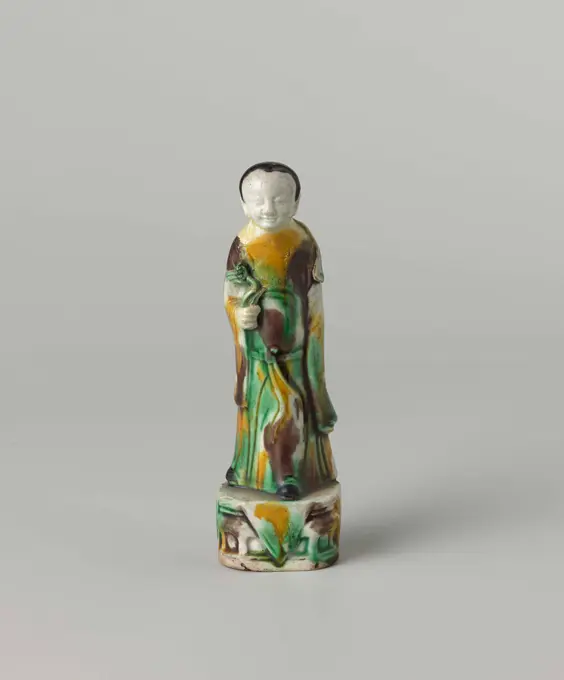
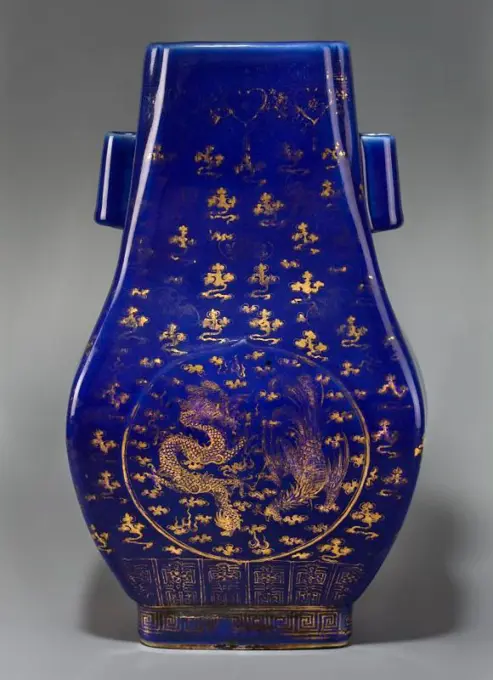
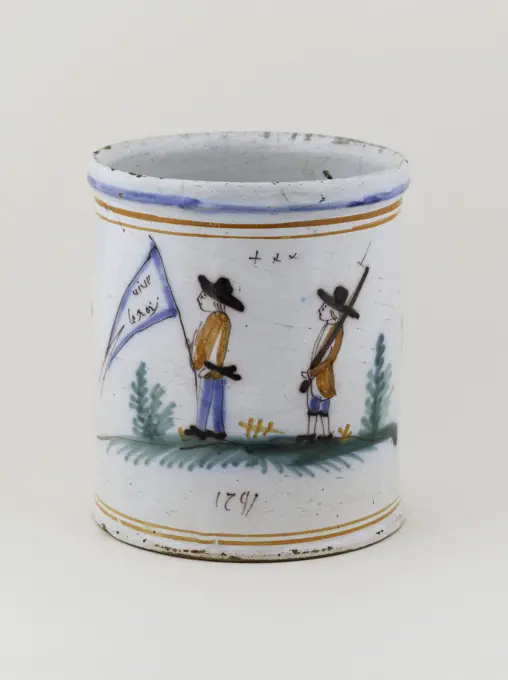
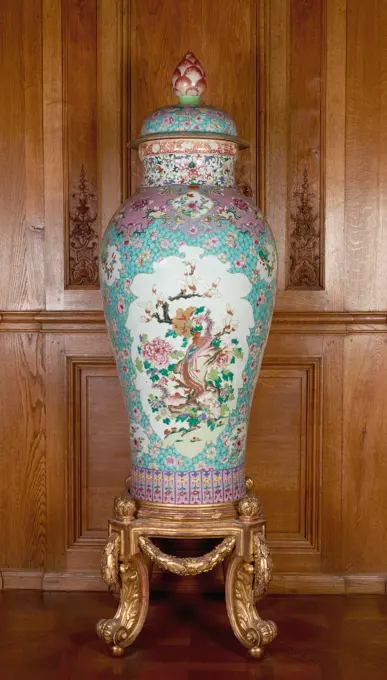
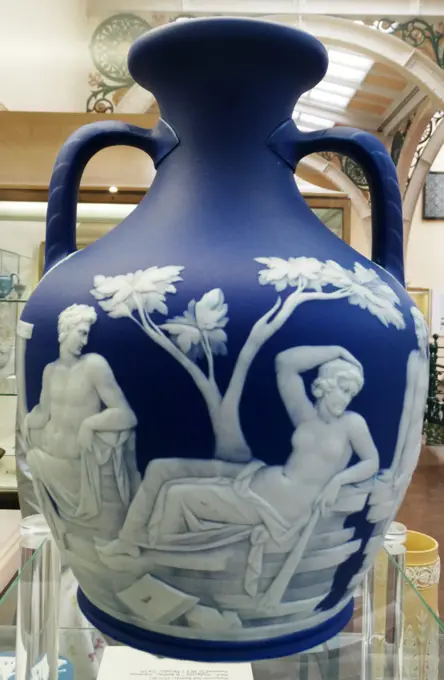
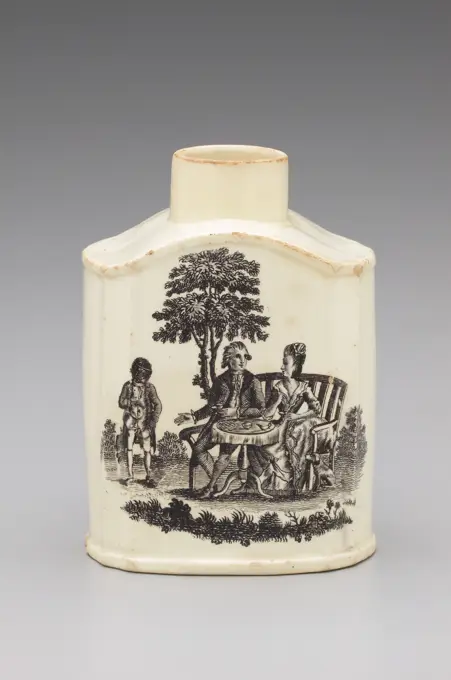
Decorative Ceramics

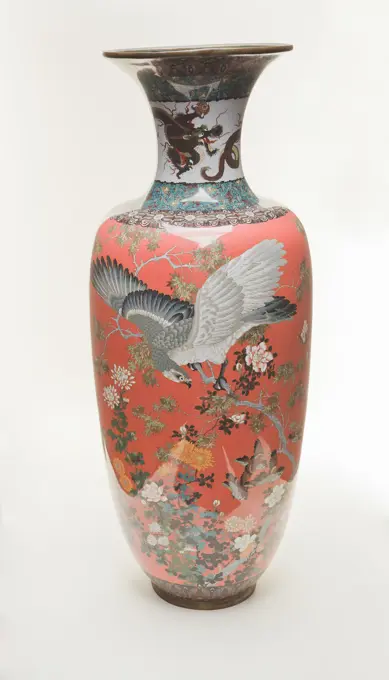
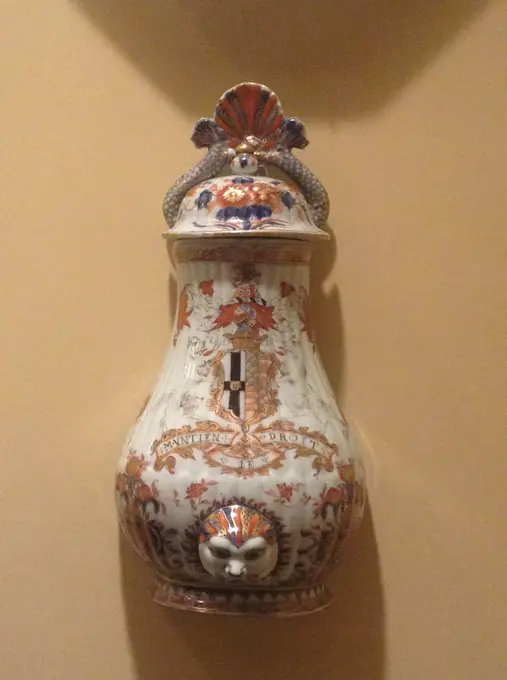
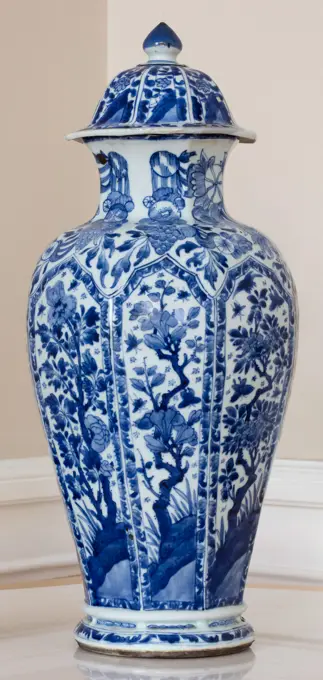
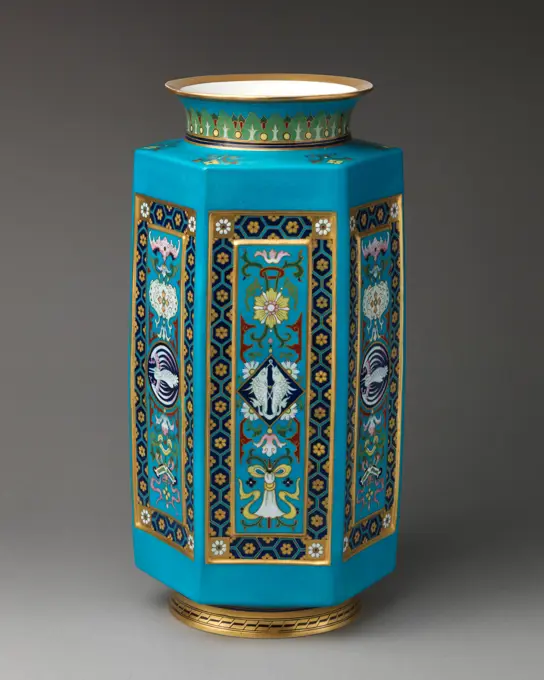
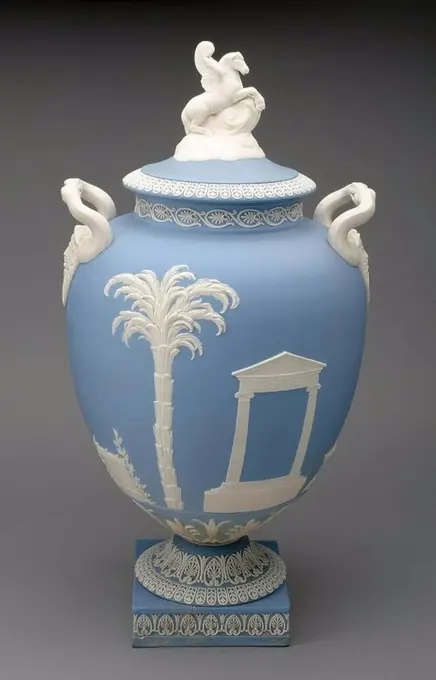
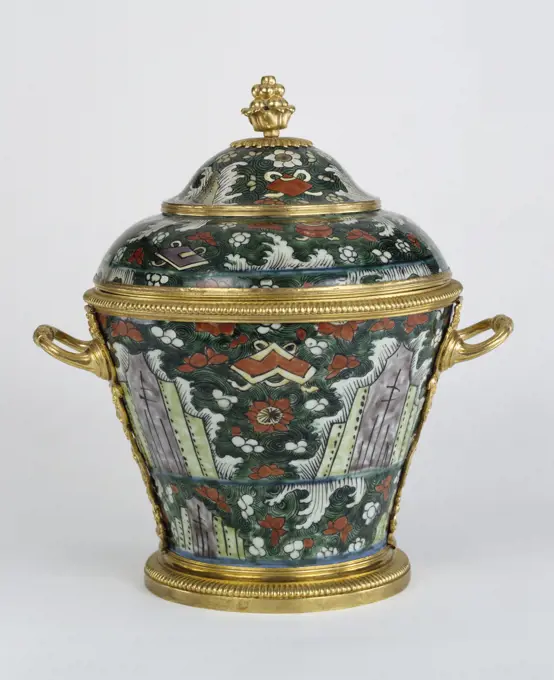
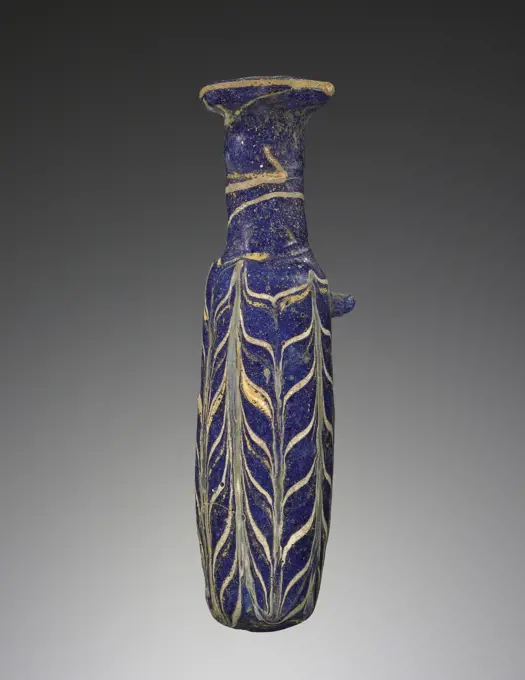
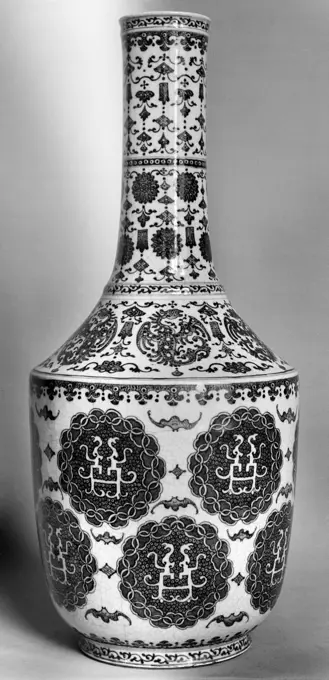
Exquisite ceramic vases and pots with intricate patterns and vibrant colors, representing fine craftsmanship and artistic tradition.

Lid of multicolored painted pot from Faïence, Anonymous, c. 1720 - c. 1740 Lid of multi -colored painted pot from Faïence Delft . Lid of multi -colored painted pot from Faïence Delft .
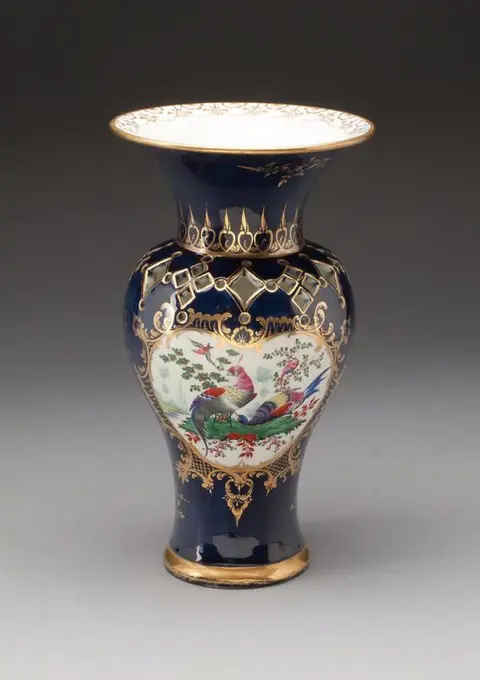
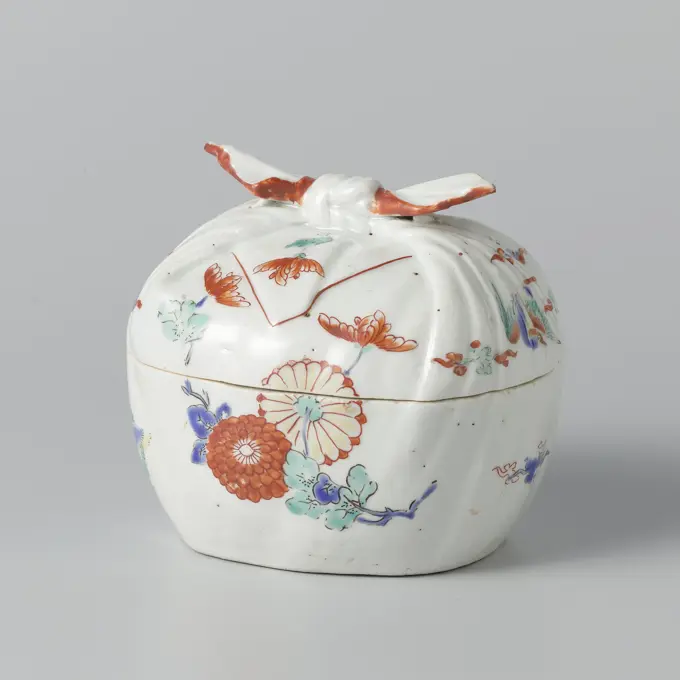
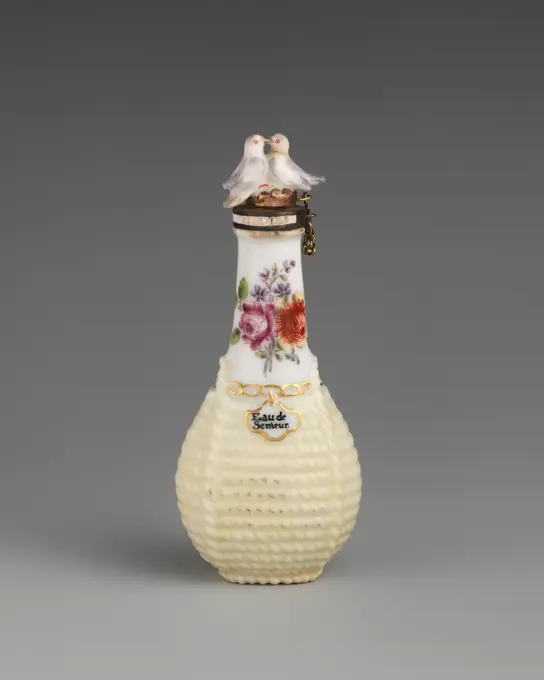
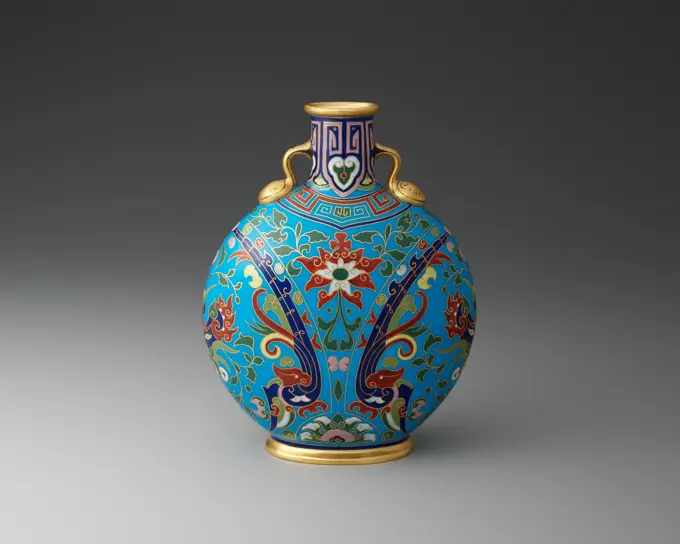
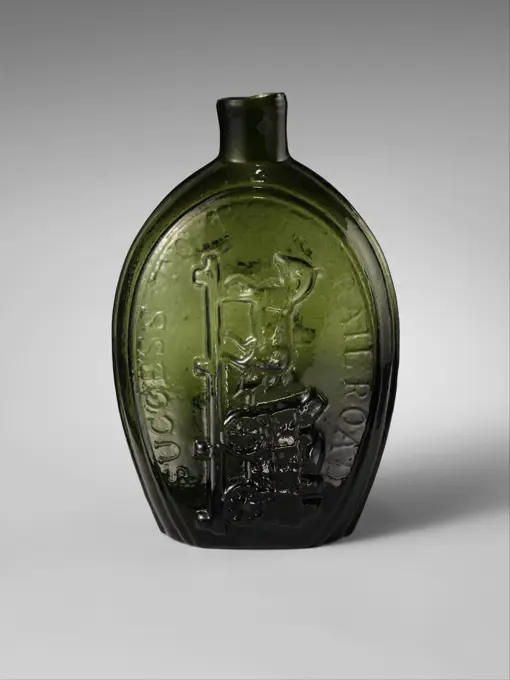
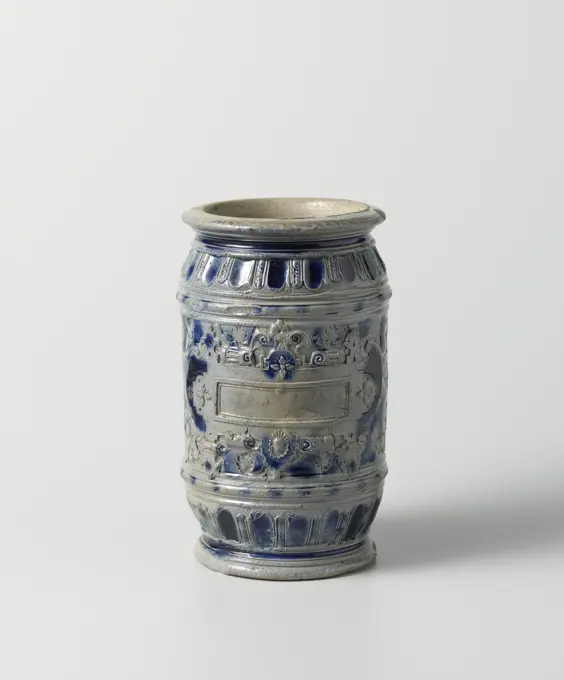
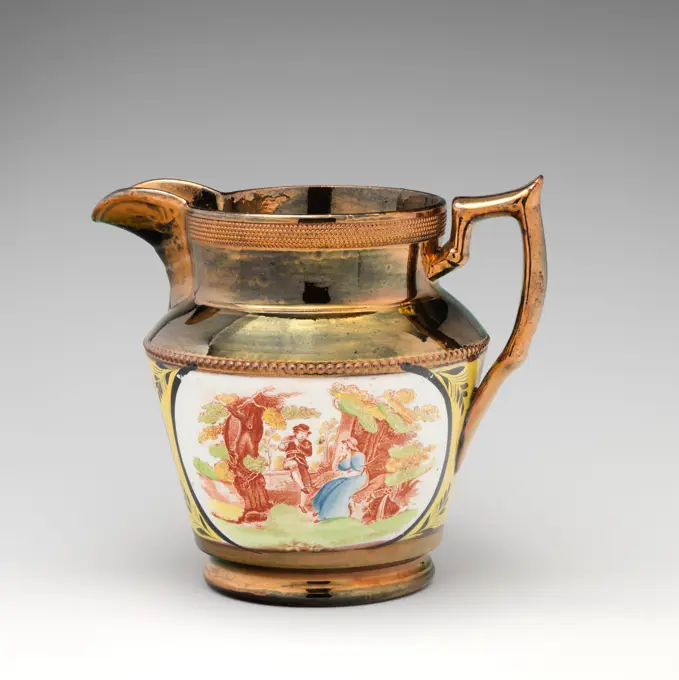
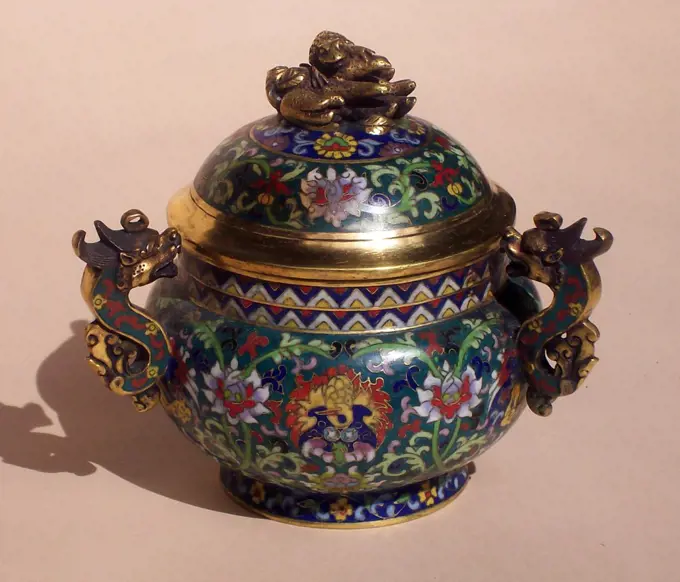
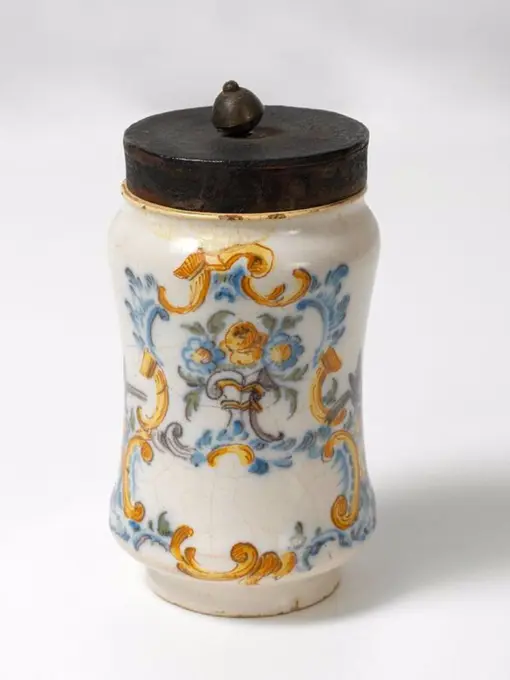
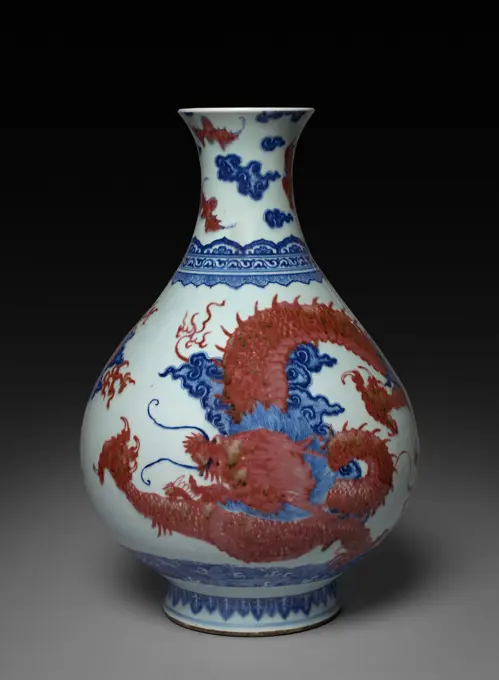
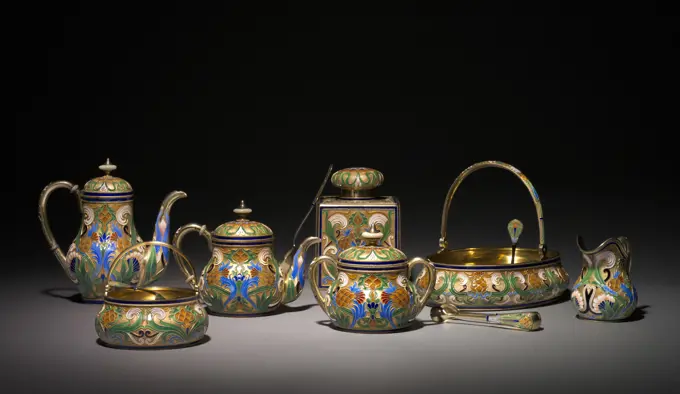
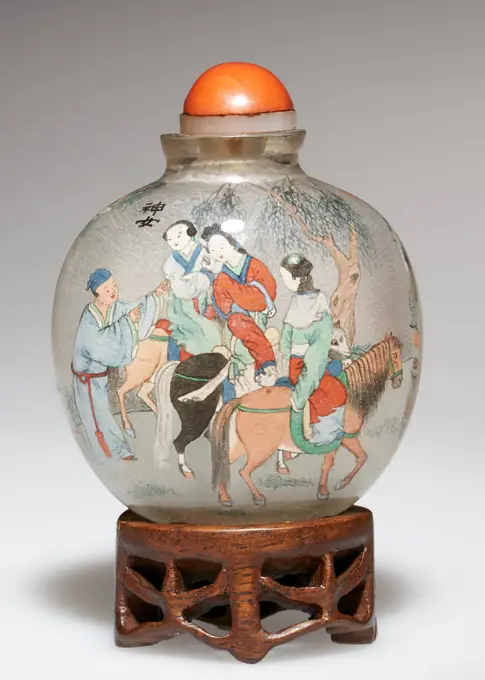
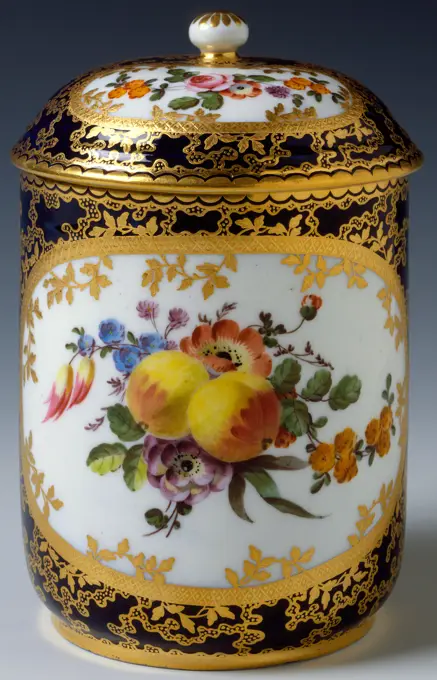
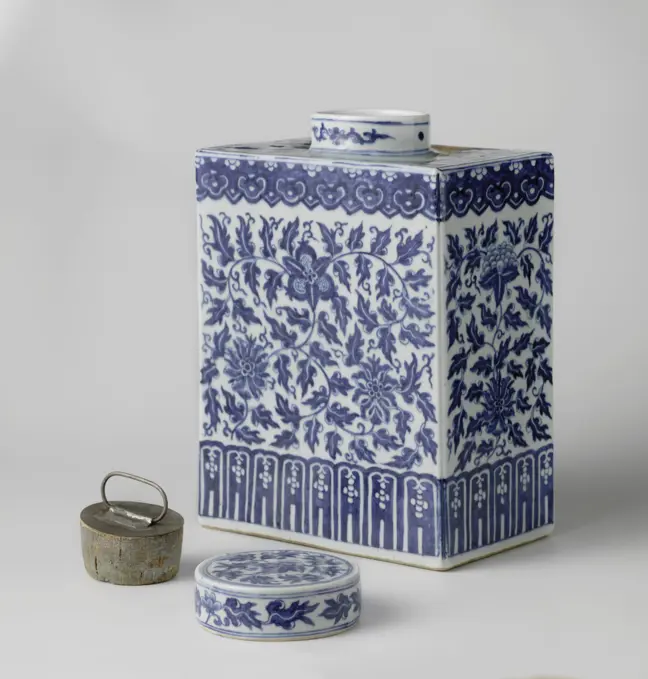
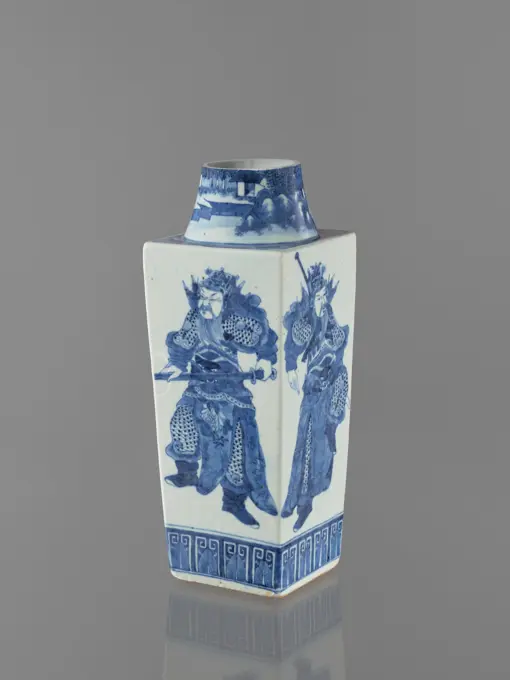
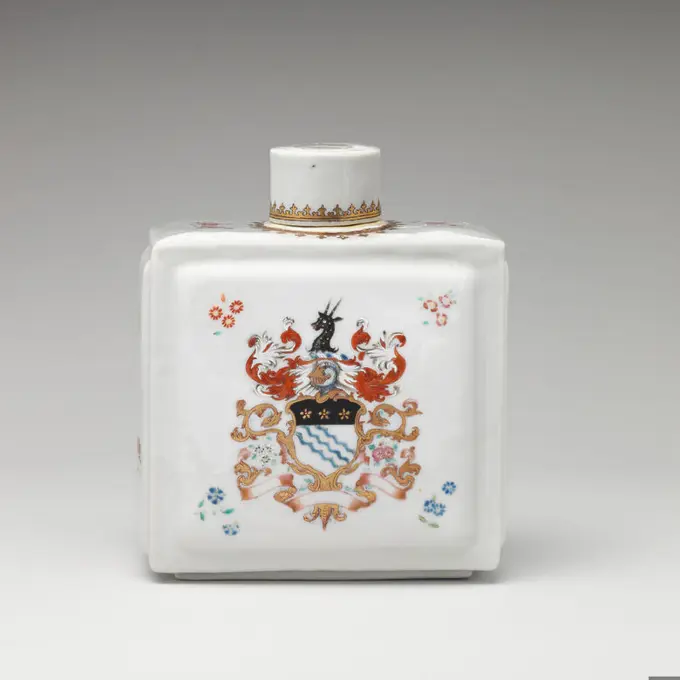
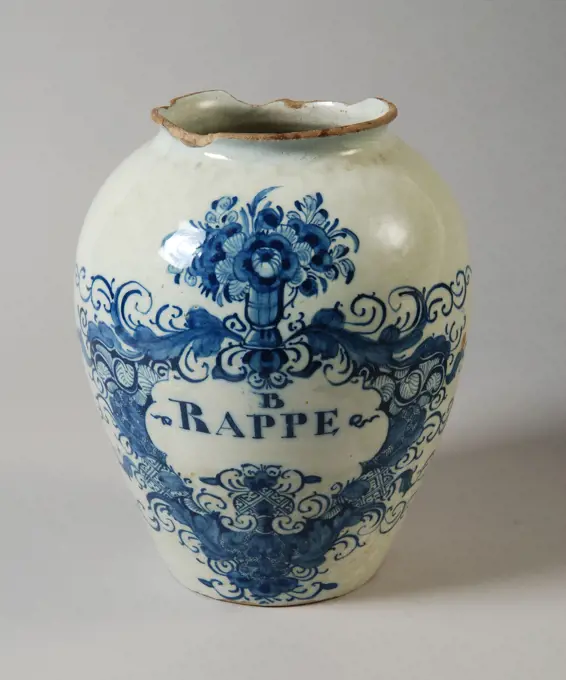
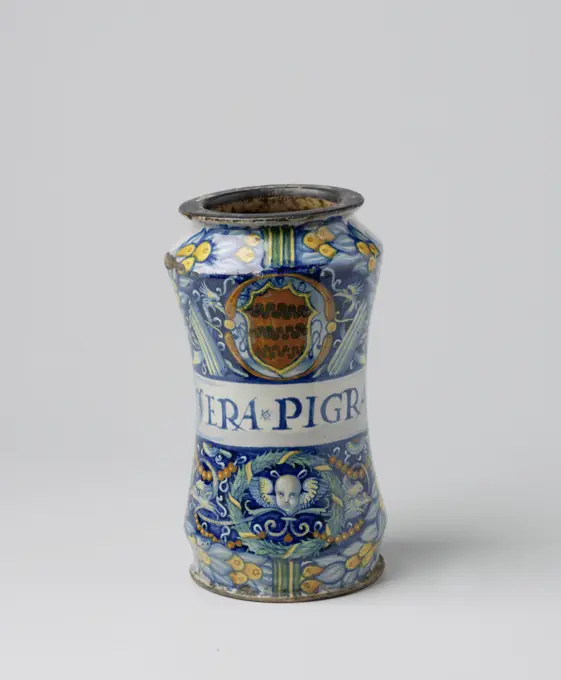
Square bottle with birds, flowering plants and pavilions, anonymous, c. 1700 - c. 1724 Square bottle of porcelain with a gilt, bronze cap, painted on the glaze in red, green, yellow, purple, black and gold. On the walls twice pavilions on an island with rocks and flowering plants (bamboo), a bird on a branch, and twice a flying bird at a prunus branch and bamboo. On the shoulder a band with prunus branches and a leaf motif; Rank around the neck. A meander pattern on the neck. The cap is in the form of a braided ring, ending in a Hoo bird head on a flower rosette. The edge has been ground. Arita, decorated in Europe  In the Japanese Kakiemon style. Japanpainter: Europe (possibly) porcelain. glaze. gold (metal). dop: bronze (metal) painting / gilding / vitrification Square bottle of porcelain with a gilt, bronze cap, painted on the glaze in red, green, yellow, purple, black and gold. On the walls twice pavilions on an island with rocks and flowering plants (bamboo), a bird on a branch, aVase (Switzerland); glassVase (part of a pair). Worcester Porcelain Factory; Worcester, England, founded 1751. Date: 1765-1775. Dimensions: H. 26.5 cm (10 7/16 in.). Soft-paste porcelain, underglaze blue, polychrome enamels and gilding. Origin: Worcester. Museum: The Chicago Art Institute, Chicago, USA. Author: Worcester Royal Porcelain Company.Sand shaker with blue dots, anonymous, c. 1750 - c. 1799 Sand spreader of stoneware with a cylindrical body and excellent edge to hang in the holder. Painted with blue dots. Westerwald. Westerwald stoneware. glaze painting / vitrification Sand spreader of stoneware with a cylindrical body and excellent edge to hang in the holder. Painted with blue dots. Westerwald. Westerwald stoneware. glaze painting / vitrificationCovered slop jar. Culture: American. Dimensions: H. 19 1/2 in. (49.5 cm). Maker: Probably United States Pottery Company (1852-58) or. Manufacturer: Lyman, Fenton & Co. (1849-52). Date: 1849-58. Museum: Metropolitan Museum of Art, New York, USA.Pharmacy Jar 15th century Spanish. Pharmacy Jar 468524Box in the shape of a knotted cloth, anonymous, c. 1670 - c. 1690 Porcelain box in the form of a densely tied cloth (furoshiki), painted on the glaze in blue, red, green, yellow and black. A continuous decoration on the box and the lid with chrysanthemum branches, flames, clouds and two Hoo birds. The bottom is unglazed. Arita, Kakiemon. Japan porcelain. glaze. painting / vitrification Porcelain box in the form of a densely tied cloth (furoshiki), painted on the glaze in blue, red, green, yellow and black. A continuous decoration on the box and the lid with chrysanthemum branches, flames, clouds and two Hoo birds. The bottom is unglazed. Arita, Kakiemon. Japan porcelain. glaze. painting / vitrificationFlagon ca. 1755 Chelsea Porcelain Manufactory. Flagon. British, Chelsea. ca. 1755. Soft-paste porcelain. Chelsea Porcelain Manufactory (British, 1745-1784, Red Anchor Period, ca. 1753-58). Ceramics-PorcelainVase with covers; Prószków L Ski (Factory of the Fajans; 1763-1853); 1763-1769 (1763-00-00-1763-00-00);Moon Flask 1873 England. Bone china, enamel, and gilding . Christopher Dresser (Designer)Vase with lid. unknown, craftsmanPeony late 19th century Style of Thomas Webb & Sons The anonymous skilled engraver used acid etching, wheel engraving, and carving with a hand-held blade to achieve a cameo effect upon "strata" of clear, crimson, and white glass. The spiderweb on the neck refers to the firm of Thomas Webb, a major reviver of cameo glass.. Peony 188957Vase, early to mid-1800s. Japan, Edo period (1615-1868). Porcelain; overall: 34 cm (13 3/8 in.).Pharmacy Jar second half 15th century Spanish. Pharmacy Jar. Spanish. second half 15th century. Tin-glazed earthenware. Made in Manises, Valencia, Spain. CeramicsFlask 1835-40 Mount Vernon Glass Works. Flask 3743Medicinal jar with foliate scrolls, anonymous, c. 1590 - c. 1600 Pharmacist's spot of stoneware on stand ring with a cylindrical body and slightly spreading edge. The wall narrows somewhat under the edge and above the foot. Partly covered with cobalt blue. On the abdomen a wide tire with broken -in tenders with stamped leaves, interrupted by a curl, printed and imposed for a cartouche in relief intended for a label. Below and above a narrow band with Canelures. Raeren. Rae stoneware. glaze. cobalt (mineral) vitrification Pharmacist's spot of stoneware on stand ring with a cylindrical body and slightly spreading edge. The wall narrows somewhat under the edge and above the foot. Partly covered with cobalt blue. On the abdomen a wide tire with broken -in tenders with stamped leaves, interrupted by a curl, printed and imposed for a cartouche in relief intended for a label. Below and above a narrow band with Canelures. Raeren. Rae stoneware. glaze. cobalt (mineral) vitrificationVase. unknown, craftsmanPitcher British 19th century View more. Pitcher. British. 19th century. Lustreware. Ceramics-PotteryPilgrim Bottle and Cover late 15th or ealry 16th century Italian, Venice. Pilgrim Bottle and Cover 461089Ancient China: Censer with three dragon handles, Qing Dynasty, 1735 AD. Gilt cloisonne enamel and bronze.Square vase with archaisitic vessels and flowers late 17th-early 18th century China. Square vase with archaisitic vessels and flowers 49838Pharmacy canister, c. 1750, Ceramics (Rockery series, polychrome crockery decorated with rockery and plant motifs), manufactured by Alcora (Castellón), Height: 10.5 cm. Museum: Museo Fundación Francisco Godia, Barcelona, Cataluña, España.Vase with Dragon and Cloud Decoration, mid- to late 1700s. China, Qing dynasty (1644-1911), Yongzheng reign (1723-35)-Qianlong reign (1736-95). Porcelain with underglaze blue and red decoration;Jug with lid, with or flowers; Boles XVIII/19th century (1780-00-00-1820-00-00);Bolesławiec Kamionka, overlay decoration, Prussian eagleSnuff Bottle China. Snuff Bottle. China. Porcelain. Qing dynasty (1644-1911), Jiaqing period (1796-1820). Snuff BottlesPear-shaped beaker vase and domed cover with spiralling bands of flower sprays, anonymous, c. 1700 - c. 1724 Pear -shaped porcelain cup vessel with a trumpet -shaped neck, painted in underlaze blue. Tires with flower branches twisted on the wall with above and -under a double row of petal -shaped compartments with flower branches; A decorative tire on the foot. On the outer edge a bond with archery. A chip in the edge. Blue White. China porcelain. glaze. cobalt (mineral) painting / vitrification Pear -shaped porcelain cup vessel with a trumpet -shaped neck, painted in underlaze blue. Tires with flower branches twisted on the wall with above and -under a double row of petal -shaped compartments with flower branches; A decorative tire on the foot. On the outer edge a bond with archery. A chip in the edge. Blue White. China porcelain. glaze. cobalt (mineral) painting / vitrificationSmall vase with a cover;  around 1900 (1896-00-00-1900-00-00);Vase with Design of Birds amid Flowers and TreesEwer 1775-80 La Courtille. Ewer 188972 Factory: La Courtille, French, 1771ca. 1840, Factory director: Locr period, 17731787, Ewer, 177580, Hard-paste porcelain, Height: 9 1/4 in. (23.5 cm). The Metropolitan Museum of Art, New York. Rogers Fund, 1906 (06.323)Enamel Ewer (duomuhu) China. Gilt bronze and cloisonnÈ enamel .Wall fountain with arms of Brydges and Willoughby, c. 1719, 15 1/8 x 7 3/8 x 4 5/8 in. (38.42 x 18.73 x 11.75 cm), Porcelain, China, Chinese export. Incense burner (Koro) of porcelain in the form of a bronze pot with a four times lubricated wall separated by four ribs, painted in underglaze blue. A modeled ring on each wall. The foot is hexagonal; The edge is six times lobed, just like the metal lid. The lid has openwork flower drinks. Blue White.Jug with masks and stylized foliate ornamentation, anonymous, c. 1650 - c. 1699 Can be made of stoneware on high foot with an egg -shaped abdomen and a narrow neck with pinched spout. The C-shaped ear is attached to the neck and shoulder. Some of the lines of the foot and the neck. Partly covered with cobalt blue and mangangan purple. On the neck a relief decoration with a printed, imposed mask from a bearded man or a lion. The front of the abdomen with concentric circles of flower vines and a flower rosette. To the handle an empty medallion. The sides with a vertical line of small masks with triangular leaf motifs on either side. Westerwald. Westerwald stoneware. glaze. cobalt (mineral). manganese oxide vitrification Can be made of stoneware on high foot with an egg -shaped abdomen and a narrow neck with pinched spout. The C-shaped ear is attached to the neck and shoulder. Some of the lines of the foot and the neck. Partly covered with cobalt blue and mangangan purple. On the neck a rSake Server with Landscape Design. Japan, Edo period, 1615-1868, mid-19th century. Ceramics. Hamasaka ware; stoneware with lead-based glazes and underglazes. Bearded manner () Stoneware. Gray with blue and decorated metrosettes.Lidded Vase. Designer: René Crevel (French, Paris 1900-1935 Paris). Dimensions: Height 28 1/4 in. (71.8 cm), diameter 11 in. (27.9 cm). Manufacturer: Sèvres Manufactory (French, 1740-present). Date: 1926.Although Fauvism lasted in painting from only 1905 to 1907, its impact lingered in the decorative arts well into the 1920s. The decoration of this vase employs the dense rich colors, coarse brushstrokes, and formal simplifications characteristic of the style. The writer-painter Crevel produced the decorative design, which was painted on a stock porcelain blank by a craftsman at the Sèvres workshops near Paris. Museum: Metropolitan Museum of Art, New York, USA.Vase with lid. unknown, craftsmanHexagonal vase 1870-80 Minton(s) Minton was the most important ceramics factory during the Victorian period and began exhibiting products at the first Great Exhibition of 1851. Founded in 1793 by Thomas Minton at Stoke-on-Trent, the firm initially specialized in transferware pottery before expanding under the ownership of Thomass son Herbert Minton, beginning in 1836. Under the ownership of Colin Minton Campbell, who succeeded his uncle in 1858, the factory became recognized as a specialist producer of Aesthetics movement porcelain, which were inspired by a rich array of exotic and eclectic decorative motifs. Listen to experts illuminate this artwork's story Listen Play or pause #418. Christopher Dresser and the Birth of Industrial Design Supported by Bloomberg Philanthropies We're sorry, the transcript for this audio track is not available at this time. We are working to make it available as soon as possible.. Hexagonal vase. British, Stoke-on-Trent, Staffordshire. 1870-80. Bone chinVase. Wedgwood Manufactory; England, founded 1759. Date: 1855-1865. Dimensions: H. 49.5 cm (19 1/2 in.); diam. 25.4 cm (10 in.)Base height: 3.8 cm (1 1/2 in.). Stoneware (jasperware). Origin: Burslem. Museum: The Chicago Art Institute, Chicago, USA.Lion (base), 1662-1722. China, Qing dynasty (1644-1911), Kangxi reign (1661-1722). Porcelain with overglaze enamel decoration; overall: 45.1 cm (17 3/4 in.). This porcelain lion is a pair with 1930.643. The female is with a cub, while the male lion holds a ball. Guardian lions were traditionally placed in front of buildings to protect from harmful spiritual or human forces.Lidded Vase; Paris, France; porcelain about 1650 - 1680; mounts about 1715 - 1720; Hard-paste porcelain; gilt bronze mounts; 34.3 x 32.4 x 33 cm (13 1,2 x 12 3,4 x 13 in.)Cup with cover late 15th-early 16th century Italian, Venice. Cup with cover 193542Alabastron; Eastern Mediterranean; 2nd - 1st century B.C; Glass; 13.3 cm (5 1,4 in.)Vase by J & L Lobmeyr, Vienna, Austria. Lead glass painted with enamels and gilt. During the 19th century Islamic objects were collected avidly throughout Europe.Fragment of Westerwald jug, rounded ball with swaying grooves over the belly and appliqués, jug crockery holder soil find ceramic stoneware glaze salt glaze cobalt oxide, foot 8.5 hand turned twisted glazed glazed fried jug-fragment stoneware gray glaze with blue decoration wafers rosettes and ties neck and ear missing . Swinging grooves over the belly in gray on dark blue background. Ball-shaped model on stand foot. Profile rings archeology Valckensteyn Poortugaal Albrandswaard indigenous pottery import serving drink drinking kitchen serving serve Soil discovery: castle Valckensteyn in Poortugaal now Albrandswaard 1961-1962.Milk Jug In The Form Of A Monkey. Milkus from Faïence, in the form of a drinking monkey. On his belly The inscription: Kees is Goet He gives milk into overflower if your stomach is doing. With loose lid.Glass 1500-1599 Spain. Glass .Vase with roundels of phoenix and chi dragon mid-18th century China. Vase with roundels of phoenix and chi dragon. China. mid-18th century. Porcelain painted in underglaze cobalt blue (Jingdezhen ware). Qing dynasty (1644-1911), Qianlong period (1736-95). CeramicsSnuff Bottle, 1890-1930, 3 3/4 x 2 1/4in. (9.5 x 5.7cm), Ivory, China, 19th centuryFan-shape 'Persian' bottle with handles (one of a pair) 1870 Minton(s) Minton was the most important ceramics factory during the Victorian period and began exhibiting products at the first Great Exhibition of 1851. Founded in 1793 by Thomas Minton at Stoke-on-Trent, the firm initially specialized in transferware pottery before expanding under the ownership of Thomass son Herbert Minton, beginning in 1836. Under the ownership of Colin Minton Campbell, who succeeded his uncle in 1858, the factory became recognized as a specialist producer of Aesthetics movement porcelain, which were inspired by a rich array of exotic and eclectic decorative motifs.. Fan-shape 'Persian' bottle with handles (one of a pair). British, Stoke-on-Trent, Staffordshire. 1870. Lead-glazed earthenware ("Minton's Majolica"). Ceramics-PorcelainFigure of A Woman Holding A Flower. Image of a woman on a pedestal of porcelain, painted on biscuit in green, yellow, eggplant and black. The image shows a standing woman with a flower in her right hand. Email sur biscuit.Vase, Bow Porcelain, circa 1760, UK, London, London MuseumTea Service, 1887-96. Attributed to Feodor Ivanovich Rückert (Russian, 1840-1917), House of Fabergé (Russian, 1842-1918). Silver gilt, opaque cloisonné enamel; Fabergés craftsmen in Moscow, especially under the watchful eye of workmaster Feodor Rückert, became known for their work in the pan-Slavic or neo-Russian style, hearkening back to 17th-century motifs of Russian folk art. Often on rather conventional shapes, Rückert and his silversmiths created an explosion of color, achieved through the historic technique of cloisonné enamel in which tiny metal lines are soldered to the surface then filled with glass powders in various colors and fired to create a high gloss finish. The result is a spectacular evocation of the 17th-century originals. Far from mere copies, however, Rückert's designs, such as this tea service, employ naturalistic or abstract motifs in a thoroughly modern adaptation of a remarkable earlier period of Russian art and decoration.Vase. unknown, craftsmanSnuff Bottle, 2 3/8 x 1 7/8in. (6 x 4.8cm), Crystal, ChinaSquare Bottle with Birds, Flowering Plants and Pavilions. Square bottle of porcelain with a gilt, bronze cap, painted on the glaze in red, green, yellow, purple, black and gold. On the walls twice pavilions on an island with rocks and flowering plants (bamboo), a bird on a branch, and twice a flying bird at a prunus branch and bamboo. On the shoulder a band with prunus branches and a leaf motif; Running around the neck. A meander pattern on the neck. The cap is in the form of a braided ring, ending in a hay-bird head on a flower rosette. The edge has been ground. Arita, decorated in Europe ? In the Japanese Kakiemon style.The Jim Thompson House is a museum in Bangkok. It is a complex of various old Thai structures that the American businessman Jim Thompson collected from all parts of Thailand in the 1950s and 60s. James (Jim) Harrison Wilson Thompson (born March 21, 1906 in Greenville, Delaware - unknown) was an American businessman who helped revitalize the Thai silk industry in the 1950s and 1960s. A former U.S. military intelligence officer, Thompson mysteriously disappeared from Malaysia's Cameron Highlands while going for a walk on Easter Sunday, March 26, 1967. A mug with a flower motif on a light blue background unknownVase in the form of a camel Worcester factory British Modeler James Hadley British 1870 View more. Vase in the form of a camel. British. 1870. Porcelain. Ceramics-PorcelainTobacco Jar. Jean-Baptiste Nouahlier (France, active 1753-1765)Sèvres Porcelain Manufactory (France, Sèvres, established 1756). France, 1764. Furnishings; Serviceware. Porcelain with enamel, gilding, and glazeBottle with handles in the shape of dragons unknownVase;  around 1880 (1876-00-00-1885-00-00);Paderewski, Ignacy Jan (1860-1941) - collection, gift (provenance), Japanese (culture), Japanese artPair Red Celadon Vases on Carved Wooden Stand,  Qing Dynasty, early 19th centuryRectangular tea caddy with flower scrolls and bats, anonymous, c. 1875 - c. 1899 Stop from rectangular porcelain tea lein. Cork with iron ring. China cork (bark). iron (metal) painting / vitrification Stop from rectangular porcelain tea lein. Cork with iron ring. China cork (bark). iron (metal) painting / vitrificationVase. unknown, craftsmanTea caddy with cover (part of a service). Culture: Chinese, for British market. Dimensions: Height (with cover): 5 9/16 in. (14.1 cm). Date: 1750-60. Museum: Metropolitan Museum of Art, New York, USA.Manufacturer: De Porceleyne Schotel, Earthenware tobacco pot with text RAPPE, tobacco jar pot holder ceramic earthenware glaze, baked painted glazed Baluster shaped In underglaze blue: tobacco rappe Delft blue smoking storage tobacco box Rotterdam education Academy of Fine Arts and Technical Sciences Cool Coolvest Dijkzigt G.J. de Jonghweg City Triangle Blaak Academy of Fine Arts and Technical Sciences Rotterdam.Pair of candlesticks ca. 1756 Chelsea Porcelain Manufactory. Pair of candlesticks. British, Chelsea. ca. 1756. Soft-paste porcelain. Chelsea Porcelain Manufactory (British, 1745-1784, Red Anchor Period, ca. 1753-58). Ceramics-PorcelainHu-type four-sided vase. unknown, craftsmanAnonymous. Cylindrical pot with standard bearers. Earthenware. 1791. Paris, Carnavalet museum. 72787-4 Decor painted, Revolutionary Faience, Object, Character, Drapeau Porte, Pot, Revolution 1789, French Revolution, Royalism, Royault, Daily Life, 18th 18th 18th 18th centuryAnonymous, Potiche with decoration of flowers and birds and lid (main title), 1735. Porcelain, polychrome enamels. Petit Palais, Museum of Fine Arts of the City of Paris.Moorish Lamp - Enamelled, William Gibb (Laurieston, Falkirk, Scotland, 1839 - 1929) 1900-1924Oil or Vinegar Cruet 1732-1742 Meissen. Typifying the splendor of the Saxon court at Dresden during the eighteenth century, this porcelain centerpiece would have been part of an elaborate dinner service that graced ceremonial court banquet tables. Remarkable for its large size and luxurious decoration, the service was designed for Count Heinrich von Br¸hl, who was both administrator of the Royal Saxon Porcelain Manufactory at Meissen and prime minister to Augustus III (r. 1733ñ63), elector of Saxony and king of Poland. The centerpiece consists of a large, flat plateau made in sections fitted together to support a tall, four-legged, open basket decorated with fanciful roosters and Chinese figures. At either end of the plateau are sugar casters in the form of Chinese figures embracing under a canopy. Established in 1710, the Meissen factory dominated porcelain production in Europe until the mid-eighteenth century and continues to operate to this day.. Hard-paste porcelain, polychrome enaHot MilkPotMedallion; A Sacrifice to Hymen. Jasper under a Jasper stoneware dip decorated with applied reliefs. Wedgewood and Bentley; 1775-80.TeaCaddy.  Maker: Josiah Wedgwood, British, 1730-1795 Engraver: John Sadler, British, 1720-1770Albarello, multi -colored painted with a weapon with the head of a griffin on either side and a banderole with inscription: Jera Pigra, Anonymous, c. 1500 - c. 1530 Cylindrical pot with concave walls, from multicolored painted majolica. In the middle of the abdomen, the pot has a banderole with inscription "Jera Pigra". Above the banderole is a weapon with the head of a griffin painted on either side. Under the banderol, a head of an angel is painted within a wreath. The pot includes a second pot with invnr. BK-15346-B. Deruta (possibly)Castel Durante (possibly) earthenware. tin glaze. lead glaze majolica Cylindrical pot with concave walls, from multicolored painted majolica. In the middle of the abdomen, the pot has a banderole with inscription "Jera Pigra". Above the banderole is a weapon with the head of a griffin painted on either side. Under the banderol, a head of an angel is painted within a wreath. The pot includes a second pot with invnr. BK-15346-B. Deruta (possibly)Castel DuJar. Culture: Mexican. Dimensions: H. 7 in. (17.8 cm). Date: ca. 1860. Museum: Metropolitan Museum of Art, New York, USA.Seven seeve vases rolwagens. China, 1635-1650. Porcelain. Rijksmuseum. Amsterdam. Holland.