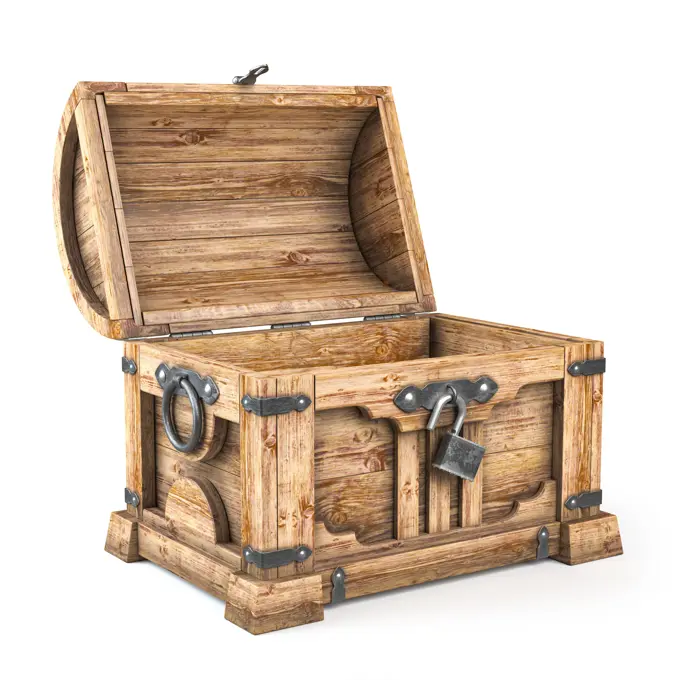
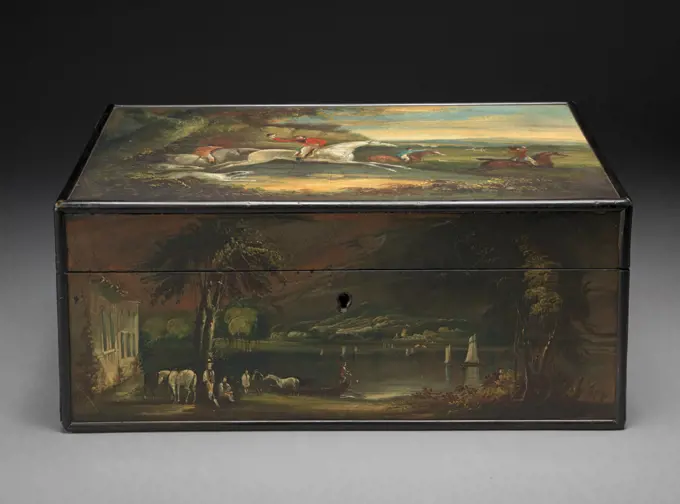
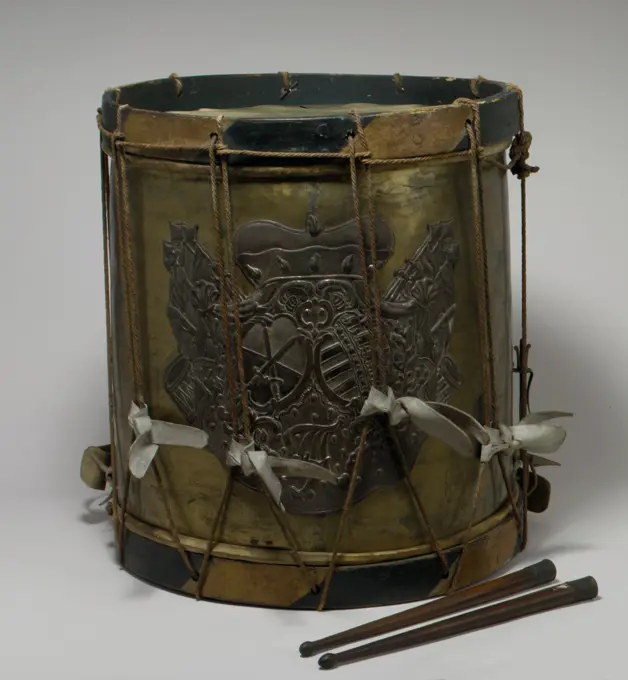
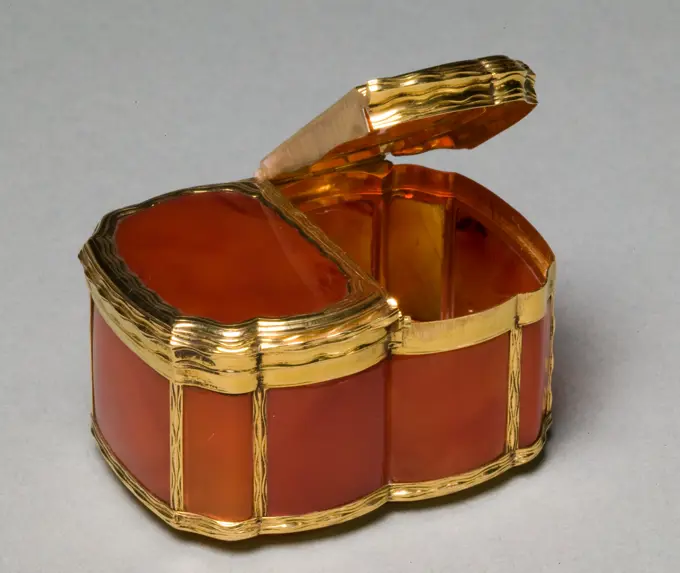
Decorative Chests and Boxes

A variety of intricate chests and boxes, featuring distinctive designs, craftsmanship, and materials, reflecting historical styles from different cultures.
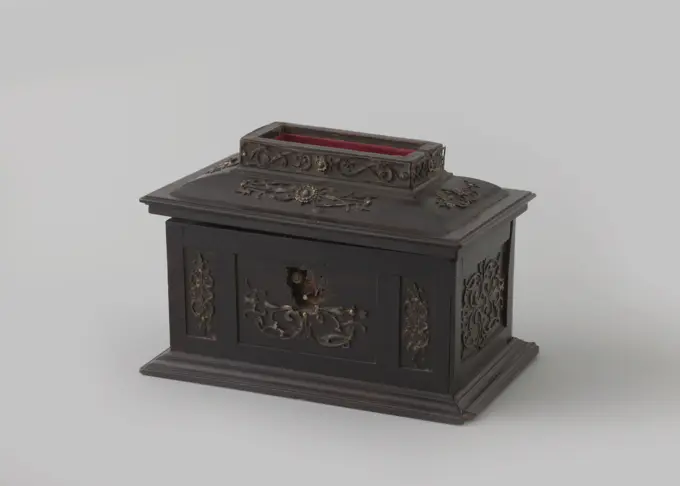
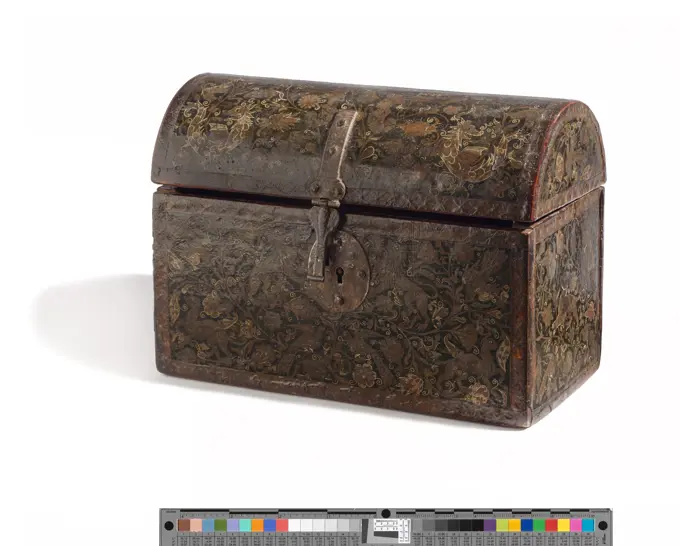
Elongated box of ebony with ornaments of silver, anonymous, 1600 - 1699 Kist, elongated, from ebony with silver ornaments. Key is missing. Netherlands (possibly) ebony (wood). silver (metal) Kist, elongated, from ebony with silver ornaments. Key is missing. Netherlands (possibly) ebony (wood). silver (metal)
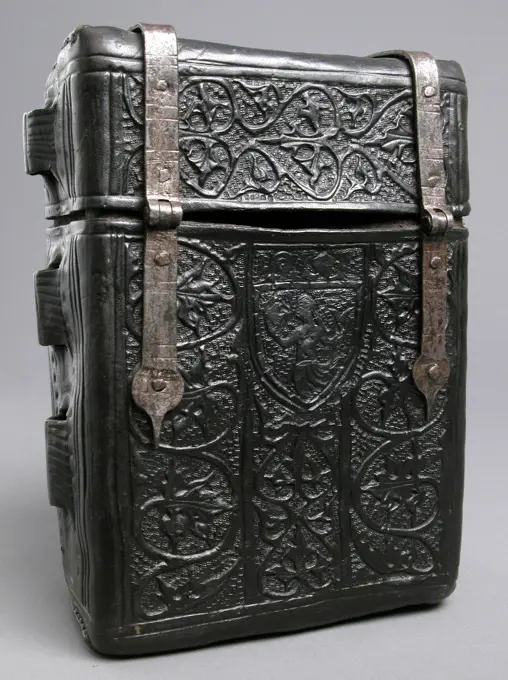
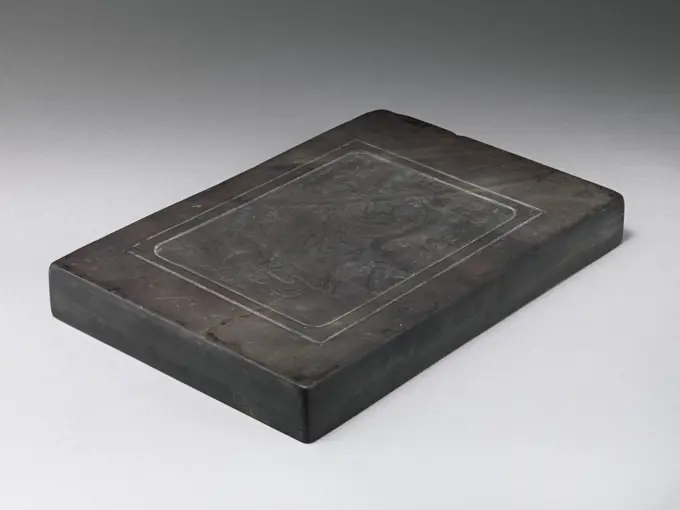
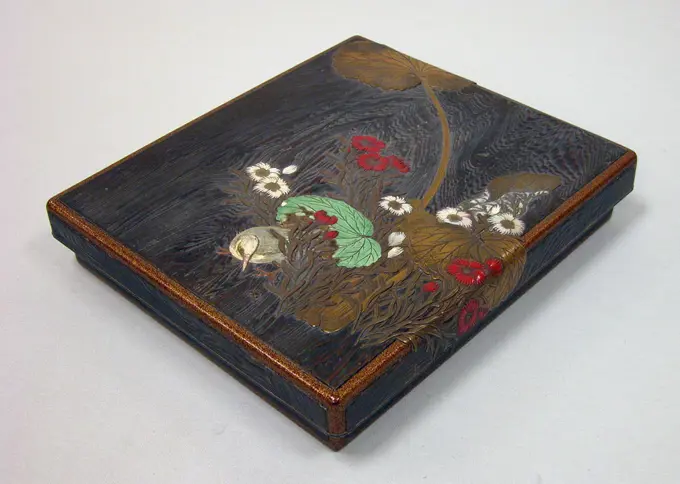
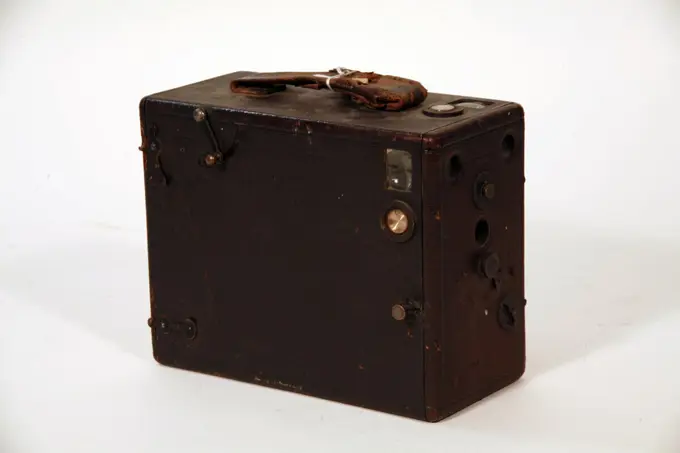
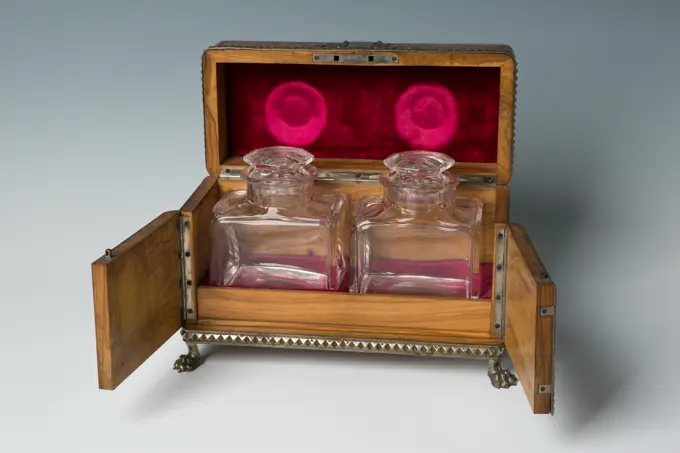
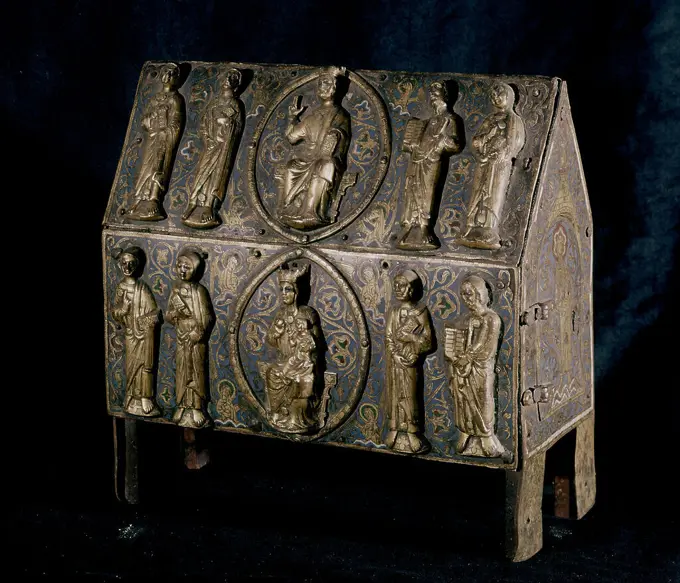
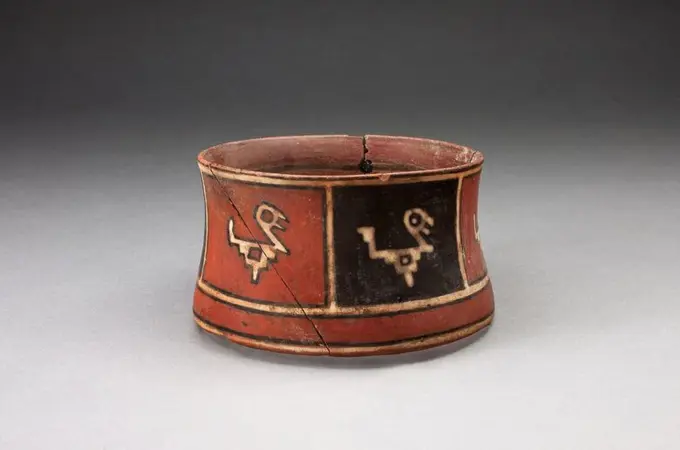
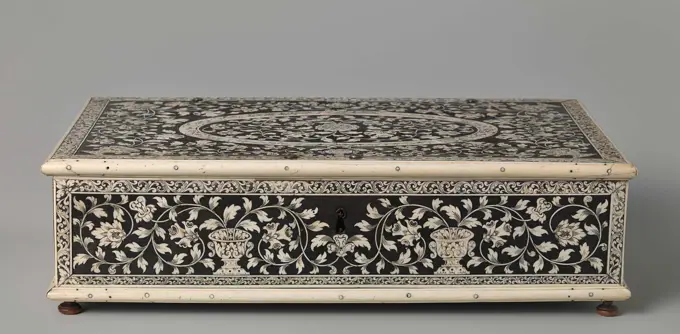
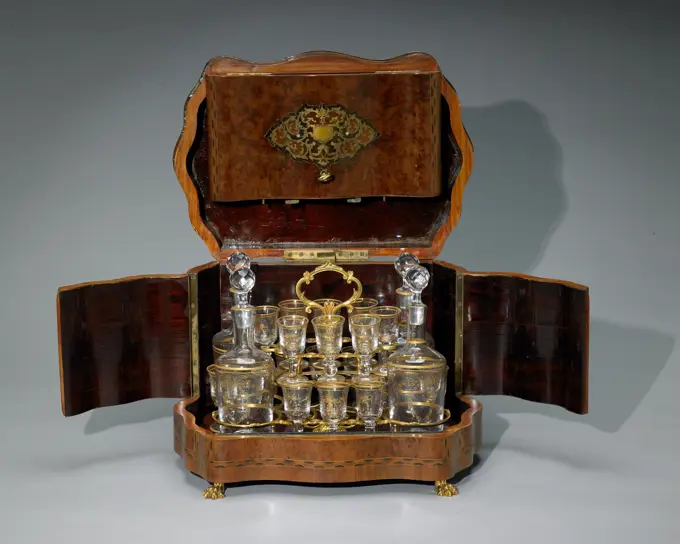
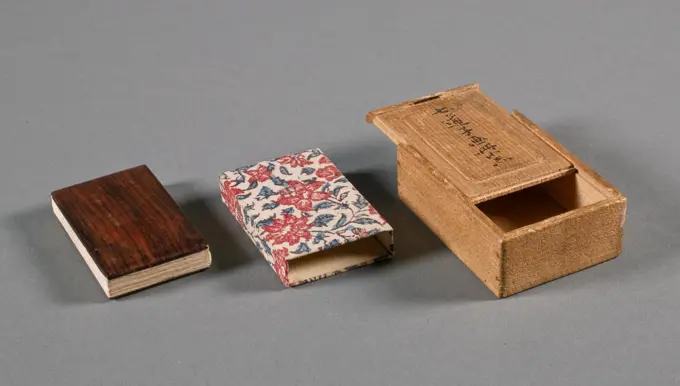
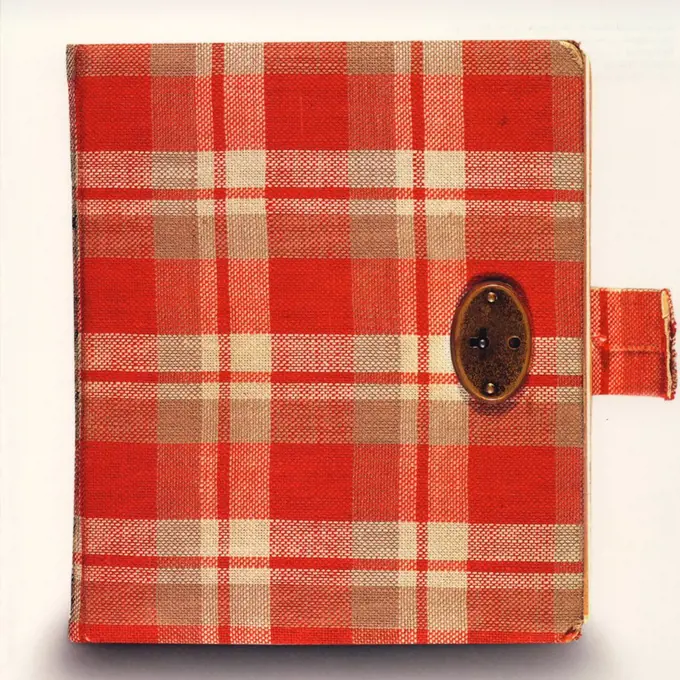
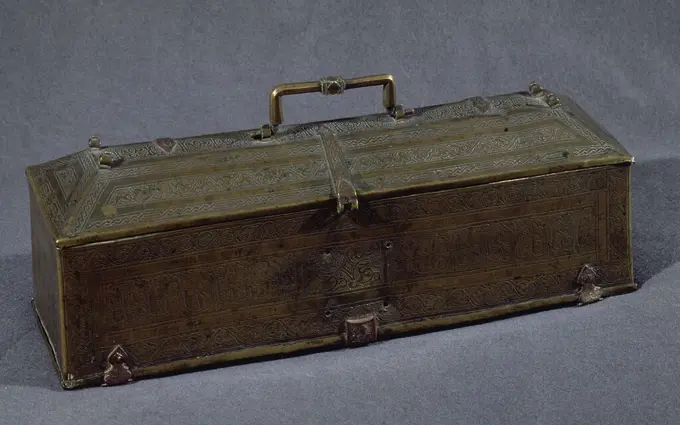
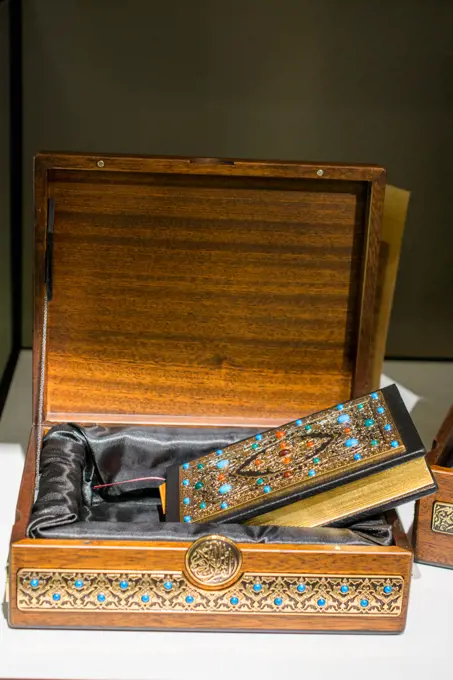
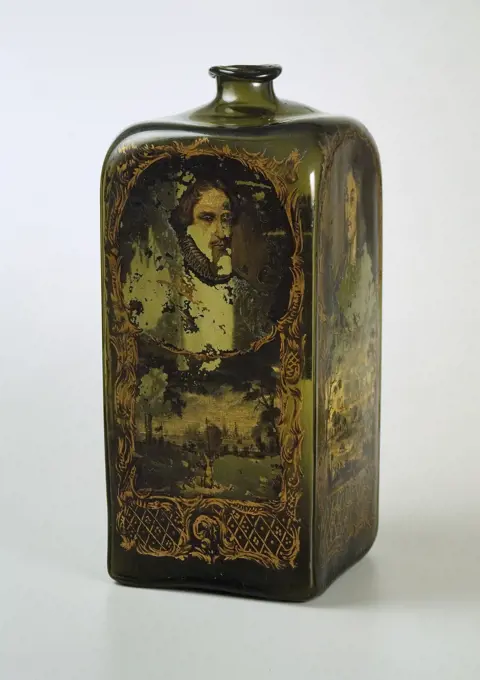
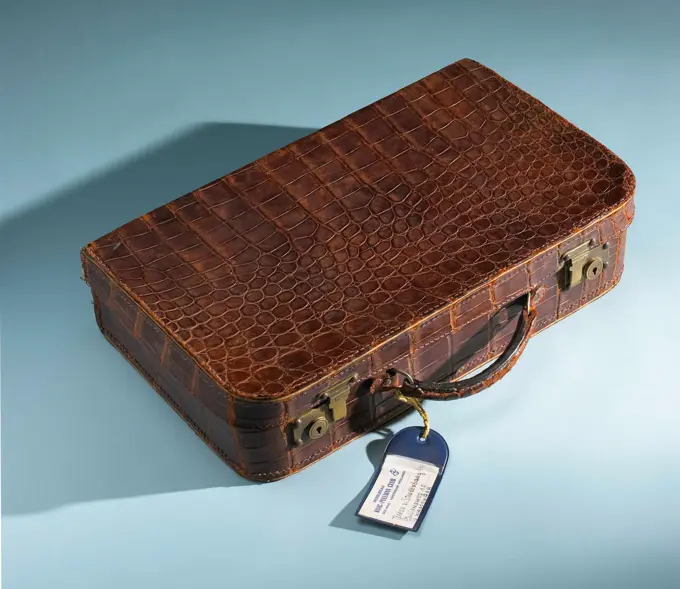
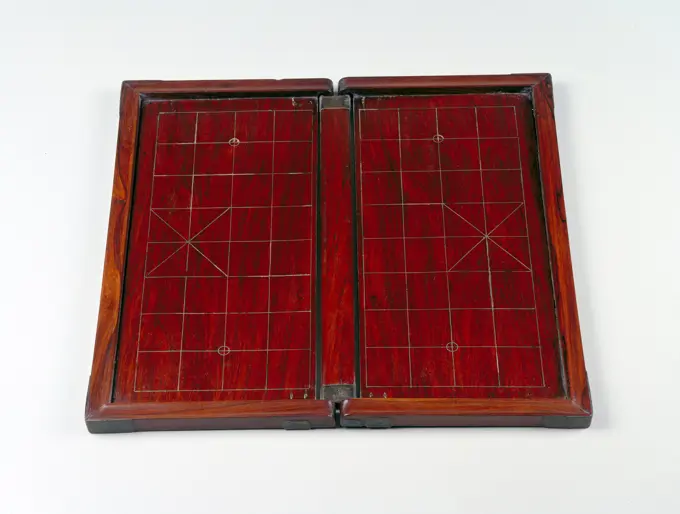
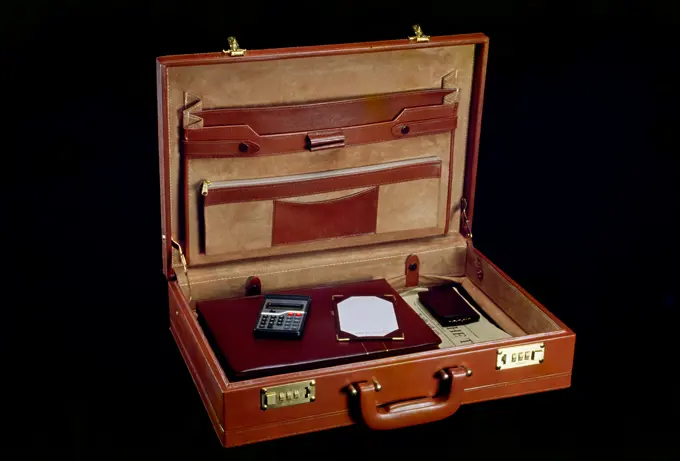
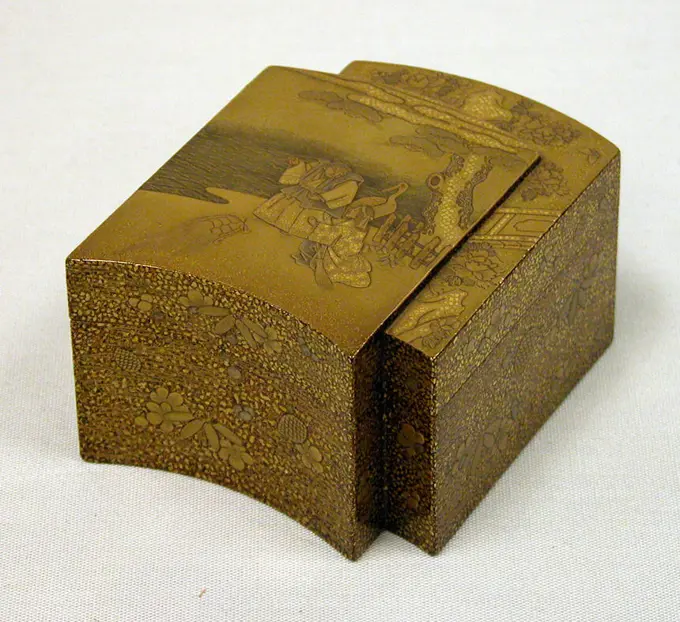
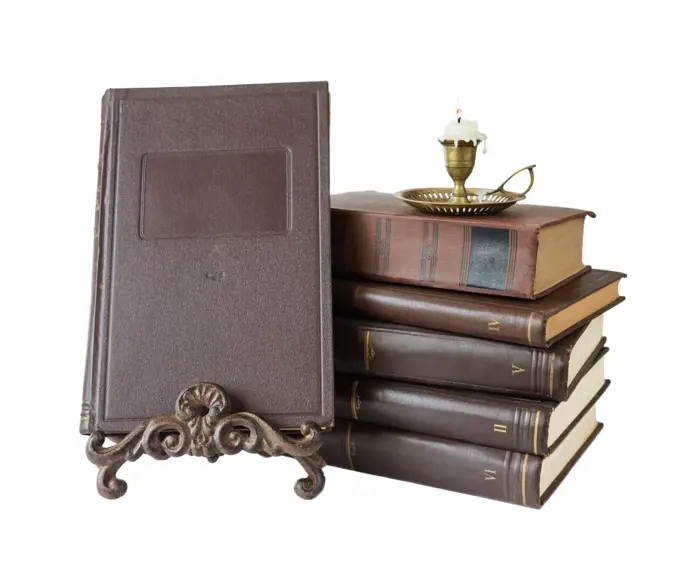
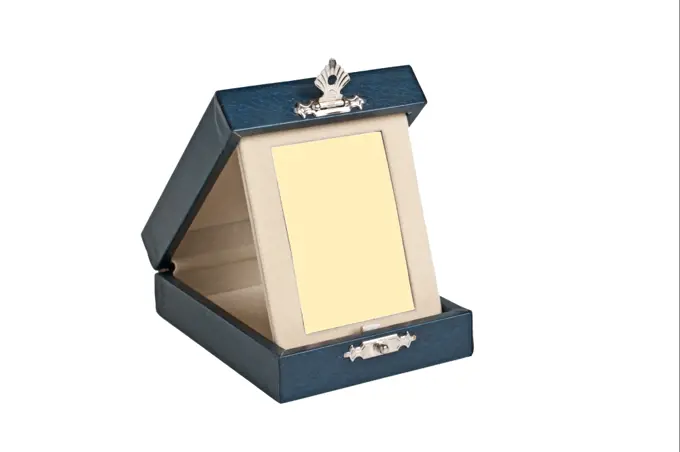
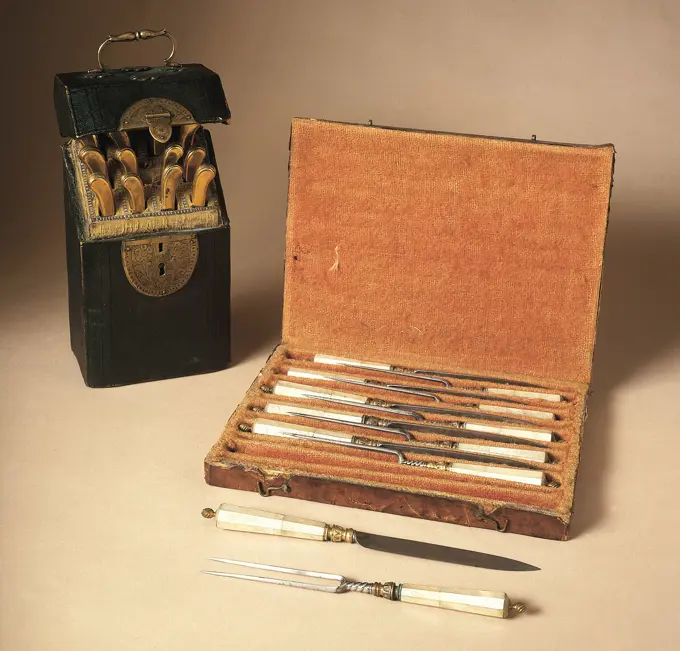
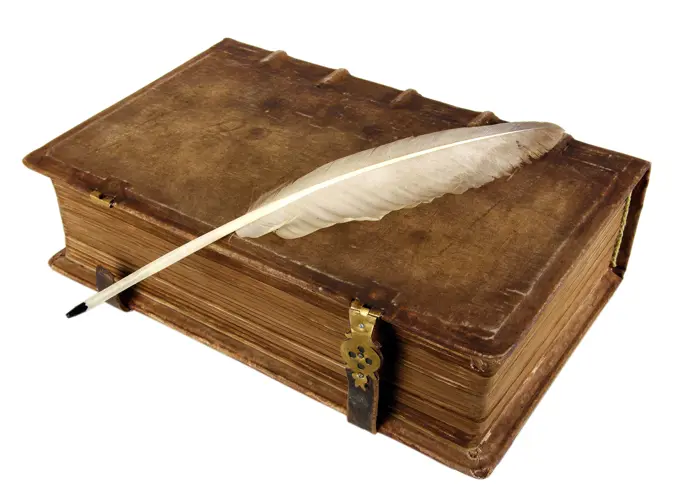
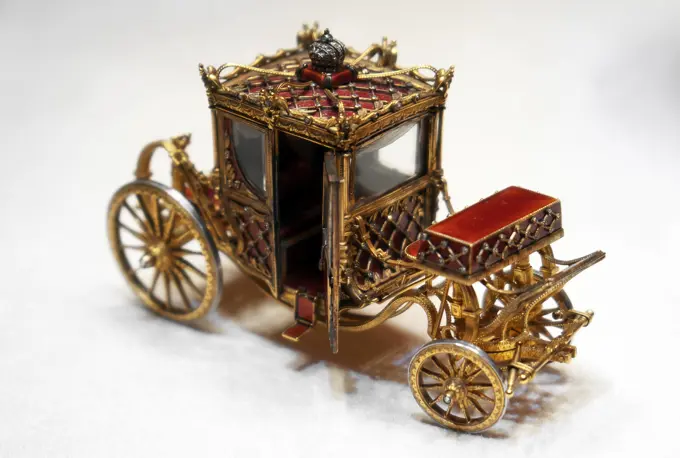
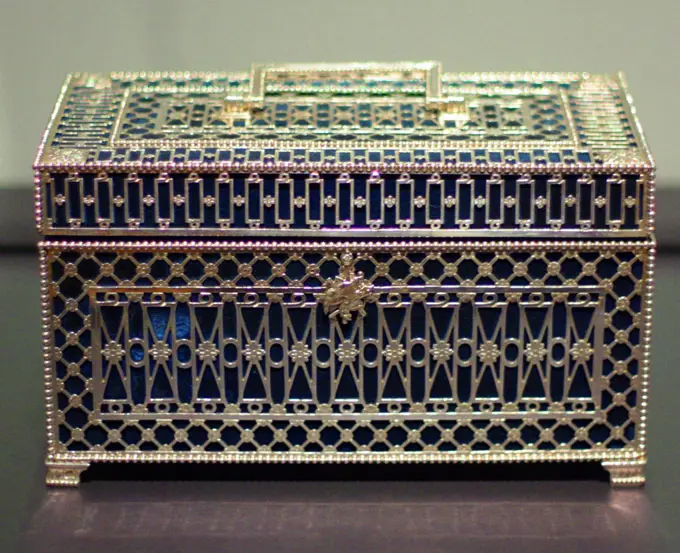
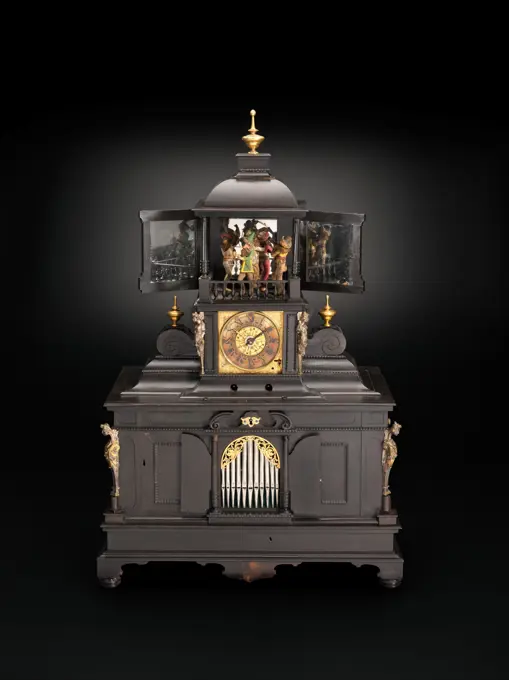
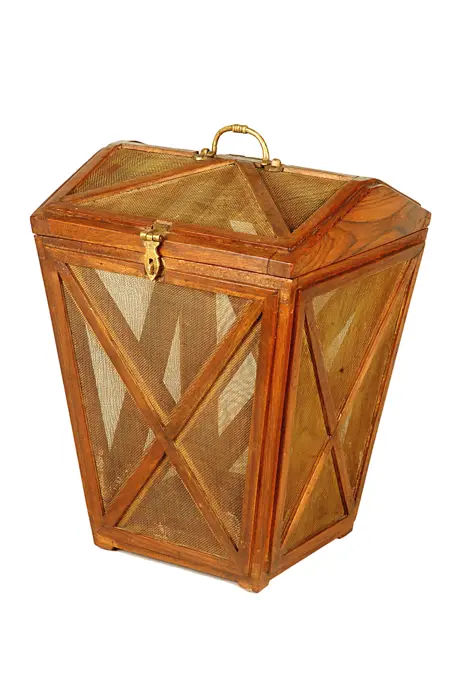
Brass design fitting on wooden basket, Jodhpur, Rajasthan, India Copyright: xSafatxAli/DinodiaxPhotoxCupboard. Hermanus Heuvel is renowned above all for his largescale silver objects. This cupboard is his only known miniature and must thus have been a special commission. Its form closely imitates a large wooden cupboard: the drawers and doors can open and the silversmith has even copied the construction. The doors consist of two panels, affixed to each other on the inside by tenon-and-mortise joints.The leather book The leather book on a white background Copyright: xZoonar.com/SergiixSvyerchkovx 5884193Case for a Book 15th century French () On the back is an unidentified coats of arms with a crozier and mitre, suggesting that this protective cover for a book belonged to a bishop.. Case for a Book. French (). 15th century. Leather (Cuir bouilli) and metal mounts. LeatherworkInkstone with Su Wu 18th-19th century China The back of this inkstone is adorned with a picture of Su Wu (d. 60 B.C.), an emissary of the Han dynasty who was detained by a nomadic ruler to tend goats in the frigid steppeland of southern Siberia. It is carved out of a fine-grained stone with natural markings that was quarried in Shaoxiang, Guangdong Province. Its low water permeability and low absorbency, as well as the inclusion of moderately hard grains within its fine structures, make it an excellent material for inkstones.. Inkstone with Su Wu. China. 18th-19th century. Duanxi slate. Qing dynasty (1644-1911). InkstoneJapanese Lacquers. Jubako. food box with four compartments from the 18th century. Edo period. Writing Box with Design of Wild Pink, Butterbar, and Bird late 19th century In the Style of Ogawa Haritsu (Ritsuō) Japanese. Writing Box with Design of Wild Pink, Butterbar, and Bird 58280Hasselblad's Swedish Express camera, 9 x 12 cm, with Meniscus lens line, made of wood and leather between 1893 and 1913, designed for portable photography.Cassette and two carafe with traffic jamsARQUETA ROMANICA CON ESMALTES. Location: CATEDRAL. HUESCA. SPANIEN.Arqueta amatoria, siglo XV. Colección privada.Stand panel Brown stand panel isolated included clipping path Copyright: xZoonar.com/Baloncicix 14290257Metal box with Stanislaus Leszczyńskis Royal coat of arms unknownMiniature Straight-sided Bowl with Abstract Bird Motifs. Inca; South coast or southern highlands, Peru. Date: 1450-1532. Dimensions: . Ceramic and pigment. Origin: Peru, southern. Museum: The Chicago Art Institute, Chicago, USA.Small box with cover. Jômi, Eisuke I (1839-1899), male artistTobacco box 'Pacheers riot', Jacobus Koning (attributed to), 1764  Tobacco box, the short ends around, completely decorated with engravings. The accompanying note (NG-KOG-1481-B) provides an explanation of the performances. Lid: With an execution on Dam Square, the militia shot on the crowd. Bottom: looting of a tenant house on the Singel. Back: killing a Swede, one of the main rioters. On the front an image of shooters shooting on fleeing people. Furthermore, plant motifs and text cartouches. On the inside of the hinged lid a label: Naa / 3160. Amsterdam silver (metal) forging / engraving / striking (metalworking)  AmsterdamBox With Spoon; silver gilt, enamelSchrijfkist van ebbenhout, ingelegd met ivoor.Rectangular coffin with flat lid, standing on four small ball legs. On the inside, two pen trays and two layers with 9 shallow sides on the inside, along the back and sides. The entire coffin is richly decorated with inserts of flower drinks in ivory. On the lid, the ranges spread over the surface from four European vases in the corners and from two different vases halfway through the long side, an oval medallion in the center in the center. On the sides, the inside of the lid and in the interior with the late these towers come back. On the outside of the lid there is a rosette centrally in the oval. On the inside of the lid within a rectangle a family crest (probably completed later). The bottom and part of the inside is inlaid with turtle. All sides and inside and outside of the lid are enclosed by narrow tires with a range.18-cm Segment Shell in a Wooden Box. Single long longitudes gowned pointed 18 cm of grenade, in a wooden box. The grenade is 45 cm long and has a 166 mm caliber. He has two rings bronze cams for a drawn loop with three drawing fields. The nose has the shape of a bottle neck with a pipe hole. The garnet is hollow: the spring load is surrounded by twelve iron segment rings that are together with lead. The soil deployed has also been attached with lead rings.Kist, 1700 - 1800 A painted iron box with lock and two handles. The final plate was spread and engraved from the inside.  iron (metal) engraving A painted iron box with lock and two handles. The final plate was spread and engraved from the inside.  iron (metal) engravingPair of Tea Caddies Tea Caddy; silverBandbox, Clayton's Ascent; USA; block printed on handmade paper, pasteboard supportBag 1870s Canadian. Bag 87667Old Books in Book Stands Eight old neglected and torn books between two book stands made of copper and resembling horses, photographed on an isolated white background. Copyright: xZoonar.com/JacquesxJacobszx 6662313Chest (Cofre). Unidentified artist. Colombia, Pasto, 17th-18th century. Furnishings; Furniture. Wood, barniz de Pasto, silver fittingsSnuffer with court play stages;  after. 18th century (1750-00-00-1750-00-00);fete galante, concerts, rococo (style), courtshipancient antique pendant with stones on black background. Middle-Asian vintage jewelry. old Oriental ornamentsARQUETA DE MARFIL HISPANOMUSULMANA - SIGLO X - PERIODO CALIFAL - VISTA FRONTAL. Location: VICTORIA AND ALBERT MUSEUM. LONDON. ENGLAND.Chests treasure isolated on white backgroundTiled clock;  around 1580 (1575-00-00-1585-00-00);Box with lychees 18th century China Asymmetrical, fruit-shaped boxes such as this one were made as part of sets of vessels used to hold confections and stored together in a larger box. The depth of the carving of the lychees on the cover and the lattice patterns on the sides are both typical of eighteenth-century carved lacquer.. Box with lychees 60939Gold snuff box, rectangular, decorated with flower and fruit garlands in a border of bright green compartments in rocaille frame, anonymous, anonymous, c. 1800 - c. 1900 Rectangular golden snuff box. With flower and fruit still lifes in enamel, within an edge of bright green courses in rocaille frame. goldsmith: Russiagoldsmith: Paris gold (metal). Rectangular golden snuff box. With flower and fruit still lifes in enamel, within an edge of bright green courses in rocaille frame. goldsmith: Russiagoldsmith: Paris gold (metal).Hexagonal bottle of blue glass with a few turtle doves and the inscription "Lieb du Mich Allein Oder Lasz Gar Sein". Flat ground. Hexagonal, body blown in shape, with red, white, yellow green and blue a few tortoes on a stylized branch above a heart on the front . A stylized flower branch on the narrow lace. The underside of the performance deposited with a double trim, the top with a single trim and a border styled tendrils. The neck caught in a tin frame. Smooth, pewter screw cap.Cordial glass, from a cordial set, c. 1870, 3 x 1 1/2 x 1 1/2 in. (7.62 x 3.81 x 3.81 cm), Glass, England, 19th centuryCordial glass, from a cordial set, c. 1870, 3 x 1 1/2 x 1 1/2 in. (7.62 x 3.81 x 3.81 cm), Glass, England, 19th centuryManuel Capdevila / 'Sagrario Alfonsa Cavin', siglo XX. Colección privada.Treasury;  approx. 1400 (1380-00-00-1420-00-00);Mandylion (iconogr.), Noli Me Tangere (iconogr.), Resurrection of Lazarus (iconogr.), Tools of the Passion (iconogr.)Brass design fitting on colourful wooden almira , Jodhpur, Rajasthan, India Copyright: xSafatxAli/DinodiaxPhotoxMiniature Album with Figures and Landscape, 1822. Zeng Yandong (Chinese, c. 1751-1827). Album leaf, ink and color on paper; overall: 6.1 x 7.7 cm (2 3/8 x 3 1/16 in.); album, closed: 6.1 x 3.9 cm (2 3/8 x 1 9/16 in.).BetelContainerTheeblad.Tea leaf made of teak with silver edges. From Sulawesi (Bone and Goa).Vanity Case, after 1903. House of Fabergé (Russian, 1842-1918), Henrik Wigström (Russian, 1862-1923). Silver box with gold borders and silver gilt interiors, enamel over engine turned ground, diamonds; overall: 1.5 x 10.4 x 4.7 cm (9/16 x 4 1/8 x 1 7/8 in.).The diary of Anne Frank / Anonymous   / Color photography/  / Anne Frank House Museum, Amsterdam / HistoryCAJA HISPANOMUSULMANA DE AZOFAR - SIGLO XIII - 56x10x12 cm. Location: MUSEO ARQUEOLOGICO NACIONAL-COLECCION. MADRID. SPAIN.Old Radio 50s - 60s isolated on a whiteMoody and Sankey' (photos missing) still bank, c. 1874, Smith & Egge, Bridgeport, Connecticut, est. 1874, 5 x 4 1/8 x 3 3/8 in. (12.7 x 10.48 x 8.57 cm), Iron, pigment, 19th centuryRound golden snuff or powder box, Anonymous, 1775 - 1800 Round golden sniff or powder box. The lid, the bottom and the edge are very finely ribbed. In the middle of the lid and the bottom a rosette of red and yellow gold. Master sign: 2 leaves, and M&P in shield. goldsmith: Francemaker: Great Britain gold (metal) Round golden sniff or powder box. The lid, the bottom and the edge are very finely ribbed. In the middle of the lid and the bottom a rosette of red and yellow gold. Master sign: 2 leaves, and M&P in shield. goldsmith: Francemaker: Great Britain gold (metal)Close-up of a designed traditional box on table at home, Scottsdale, USA. Arizona, USA. 01/25/2013Islamic Holy Book Quran with decorative cover. Holy Book Quran with decorative cover and  boxWapenboek, Anonymous, c. 1690 - c. 1710 Wapenboek. Bound in leather. Amsterdam leather. calf (leather). paper Wapenboek. Bound in leather. Amsterdam leather. calf (leather). paperOpen wooden chest box isolated on white background. Open wooden chest box isolated on white background. 3d illustration Copyright: xZoonar.com/MaksymxYemelyanovx 19115366Antique Letter Box Converted into a Humidor, unknown artist, after Philip Reinagle, 1749-1833, British, ca. 1840, Oil on wood, Overall: 5 1/2 x 12 1/4 x 9 inches (14 x 31.1 x 22.9 cm), boats, cigar box, fishing, genre subject, horses (animals), hunting, landscape, shovel, sporting artBrunckhorst. Cylindrical box of the loyalty oath at the führer "der Gau Ost-Hannover". Leather, metal, silver, cardboard, 1938. General Leclerc Museum of Hauteclocque and the Liberation of Paris, Jean Moulin Museum.Snuff box unknownCandy box - Cadbury's Cadbury'sSnuffbox with clockSide Drum 1694-1733 German This side drum bears a magnificent royal cartouche with the cipher of Frederick Augustus II. Known by his nickname, "Augustus the Strong," he ruled as elector of Saxony (1694-1733) and king of Poland (1697-1704, 1709-33). The cartouche consists of many royal and military symbols, including a large crown, shields, swords, banners, and drums.This brass shell drum was certainly a military instrument that would have been used to signal troops in the field and to provide cadences for a marching army. The drum would have been worn on a sling to a player's side, and played with two large sticks. Across the bottom head are two cordsconsisting of a single piece of twisted gutthat rattle against the head when the drum is played, giving the drum its characteristic "buzzy" sound. A pair of eighteenth century drumsticks survive with this side drum. Technical description: Brass (or copper alloy) shell, soldered seam. Shell decorated with a large metal cartouche with royaSadaksari-Lokesvara Mandala, c. 1475-1525. Tibet, Ming dynasty (1368-1644). Wood; overall: 14.1 x 8.7 x 2.4 cm (5 9/16 x 3 7/16 x 15/16 in.).Small blue Diary decorated with leaves on a white backgroundGrainy and gritty image of an old steamer trunk.CAJA RELICARIO DE S CRISTOBAL. Location: CATEDRAL DE SANTA MARIA. ASTORGA. LEON. SPAIN.Double Snuff Box, c. 1765. Antoine Cheret (French). Agate, gold;. Smoking, 'Gear for smoking'.Stock bottle, decorative bottle, painted in oil and gold leaf, cellar bottle shop bottle bottle holder glass oil painting gold leaf, free blown and formed in form blown glass application cold painted Large square stock bottle ornamental bottle shop bottle cellar bottle in clear green glass (Pipe) pontilemark under raised bottom in which mark print or cover of caste-like structure with two towers and battlements. Almost vertically ascending slightly widening wall (20 to 21 cm over 39 cm) to convex shoulders to short (3.0 cm) rejuvenated neck with imposed circumferential continuous irregular thick round glass thread to lip Mouth oval distorted mark imprint at bottom: castle-like building prince Prince Maurits Grave Prince Frederik Hendrik Den Bosch Stadtholder Stadtholder Willem Frederik of Nassau-Dietz Eilerschans Holland. Decor from leaves in red and green nuanced gold and from fruits in turned red. Black fond speckled with gold, which passes on the top of the INRO in a dense gold ground. Five boxes with rope connected.Koffertje van Jonkheer Mr. Dr. A.w.l. Tjarda van Starkenborch Stachoumer. Koffertje van Jonkheer Mr. Dr. A.w.l. Tjarda van Starkenborch Stachouwer, experienced by him during his internment in Japanese camps. Crocodile leather briefcase with fabric inside with copper or brass double closure. Plastic address label on a yellow string with inscription: 'Tjarda van Starkenborch, Julianaweg 10, Wassenaar'. The briefcase contained papers, keys and stuff associated with his function.Chess Board, late 17th-early 18th century, 5/8 x 16 1/4 x 16 3/8 in. (1.59 x 41.28 x 41.59 cm), Huang-hua-li hardwood and ivory, China, 17th-18th century, Although board games were used in China as early as the Shang dynasty (about 1600-1027 BCE), it is likely that 'Chinese' chess was invented in north India during the sixth century and spread to China and the West along trade routes.Leather bag brief case, India Copyright: xJagdishxShinde/DinodiaxPhotoxThe Queen's Doll House' still bank, c. early 1920s, 3 1/2 x 4 1/8 x 2 1/2 in. (8.89 x 10.48 x 6.35 cm), Tin, pigment, England, 20th centuryHolder with folding lists with nine portraits of unknown people, 1880 - 1900 photograph. frame   wood (plant material). metal. glass. paper. textile materials albumen print anonymous historical person portrayedSewing boxClose-up of traditional Chinese outfits embroidered on a boxTunbridgeware Glove Box, 1800-1900. This Tunbridgeware glove box. was possibly made by Henry Hollamby of Tunbridge Wells around 1850-1860. The lid is decorated with a picture of Eton College which has been made from sticks of different woods, to make it look like a painting. The sticks are first cut and glued on to a paper backing which is then placed into a background of holly wood. Finally, it is set into a rosewood veneer which covers the carcass of the box. The sides of the box are covered with a version of a Berlin Woolwork pattern, normally found on tapestry... Purchased from Edward H Pinto, 1965.. .Coffee grinderVintage suitcases Old vintage carton suitcases isolated over white Copyright: xZoonar.com/IvonnexWierinkx 7465577Incense Box in the Shape of a Book early 19th century Japan The old couple beneath the pine depicted on the book-shaped cover refer to the legent of the spirit of the gods of Sumiyoshi and Takasago. On the ivory inner tray is a still-life arrangement of Noh mask, mask box, hand drum and props for the auspicious dance of the old man in the play Okina. Around the sides of the box is a scattering of plum blossoms, pine cones and bamboo leaves, a delightful reference to the auspicious "Three Friends of Winter", the pine, bamboo and plum, which gladden the winter with their evergreen foliage and early blossom and are thus emblematic of long life and fortitude.. Incense Box in the Shape of a Book 58356. Rectangular diamond, painted with a combat scene in the manechine: a man in a harness - perhaps David or Simson - defends himself with a battle ax of a lion, while a boy behind him, frightened, escaping. In the background a house wall and a seascape behind trees. Along the edges an egg list, on the corners of branch ornaments. Right under the signature f.Siebel 1825. The window is caught in a black wooden table, awarded by a timpano of thuja rootelhout, which slides into a also black wooden standard.Old chest isolated on the white backgroundARQUETA DE AGATAS PROCEDENTE DE SAN ISIDORO DE LEON - SIGLO XI - REVERSO. Location: MUSEO ARQUEOLOGICO NACIONAL-COLECCION. MADRID. SPAIN.Old brown hardcover books and burning candle in antique copper candlestick  isolated on white background, with copy-spacegift box with a diploma  isolated on white backgroundManicure set from CPC cosmetics, 1927. Gift box with cans of radiant nail powder, nail white, nail cream and flacon of cuticle softener. Round box of talcum powder. Chromolithograph by an unknown artist from the California Perfume Company (later Avon) product catalog, New York, Kansas, Montreal, 1927.Purse 1820 European. Purse. European. 1820. leatherKnife (England), ca. 1720-40; brass, steel; L x W: 17.5 x 1.9 cm (6 7/8 x 3/4 in.); The Robert L. Metzenberg Collection, gift of Eleanor L. Metzenberg; 1985-103-279-gset of ancient bronze treasure chests set of ancient bronze treasure chests isolated on white background Copyright: xZoonar.com/ValeryxVoennyyx 5528759Micro-mosaic Box; Italy; various stones, goldNational Savings Bank (house)' still bank, early 20th century, 5 1/4 x 5 7/16 x 4 15/16 in. (13.34 x 13.81 x 12.54 cm), Wood, pigment, United States, 20th centuryMuselar Virginal 1622 Joannes (Jan) Ruckers Flemish Joannes (Jan) Ruckers was the oldest son of Hans Ruckers who built the extraordinary 'mother and child' virginal also at The Metropolitan Museum of Art (29.90). After training in his father's workshop, Joannes became a master and joined the Guild of St. Luke's in 1611. This instrument is a muselar virginal, a type of instrument with a rectangular case and a single set of strings that run parallel to the back of the case and with its keyboard set to the right fo the center of the case. The more typical virginals had their keyboards to the right of the center of the case. The position of the keyboard and jacks makes the plucking point of the strings closer to the center than for other virginals, giving these instruments a discernibly different sound that is sometimes described as 'flute like.' The instrument has a rectangular popular case with inset keyboard to the right (muselar). The interior case walls and interior surface of the lidClosed casket Closed casket isolated on the white background Copyright: xZoonar.com/OlgaxPopovax 1634236Wooden travel camera by Heinrich Bögner, measuring 9 x 12 cm, used for early photography around 1900.Doll's Pram, undated .Leporello album Wiener World Exhibition , Jacobi , Zobel, publishing houseThe Last Edition: Anything New (money box)' still bank, late 19th century, 2 5/8 x 4 1/8 x 2 1/2 in. (6.67 x 10.48 x 6.35 cm), Wood, pigment, Scotland (probably), 19th centuryThe ancient book The ancient book and old goose feather Copyright: xZoonar.com/ValeryxxSibrikovx 2479280Storage Chest 1780-1820 Tlingit or Tsimshian. Storage Chest 319171Eine exakte Kopie des Faberge-Wagens im Museum. An exact copy of the Faberge carriage in the museum. LicenseRF Copyright: xZoonar.com/DmitrixMarutax 23275176Sewing box of blue faux leather on which says "to L.W. van der Meulen Nulle on behalf of the Salet 1925-1950". Sewing box of wood, completely covered with blue faux leather. Rectangular model with metal push button to open the lid, on the back with two metal hinges. On the lid stands with gold-colored letters: "To L.W. van der Meulen Nulle on behalf of the Lace Salet 1925-1950". On a blue velvet soil is a gold-plated thimble in a cavity. In four blue velvet loops stabbed a prime, a crocheted, a And a scissors, all of silver. Thimble with engraved text "Heemskerk Price July 1903", scissors with engraved rosette flowers. The sewing box is lined in the lid with white satin. From the collection of L.W. Van der Meulen-Nulle, donated by the Kantalet to her on the occasion of the 25th anniversary of the association.Box (USA); carboard, printed paperSilver Casket by Johannes Schiotling and Neoclassical silver in Amsterdam. Amsterdam was the most important centre of silver smithing in the Netherlands during the Neoclassical period. Swedish born Schiotling was one of the leading silversmiths of this time. Following his training in Goteborg, he became a master silversmith in Amsterdam in 1762. Although he initially worked in Rococo style, he soon mastered the Neoclassical idiom.Musical Clock with Spinet and Organ ca. 1625 Veit Langenbucher German Inside the ebony case of this musical clock is an extremely rare and important instrument consisting of a sixteen-note pipe organ and a sixteen-string spinet that may be played independently of the organ. Made by the renowned team of Samuel Bidermann and his son (also Samuel)--the fathers L-shaped pinning style appears in this work--and Viet Langenbucher, the extraordinary piece includes, in addition to the organ and spinet, a clock and five carved and colorfully clad commedia dell'arte figures that perform a circling dance in the clock's tower when the instruments sound to mark the hours.The complex clock is perhaps the most musically elaborate automatic instrument to survive from the early seventeenth century. Its three airs, probably by composer Hans Leo Hassler (baptized 1564-1612), the elder Bidermann's teacher and once keeper of the knowledge of pinning barrels in Augsburg, are stored on the original pinned cy