Decorative Dish Fragments

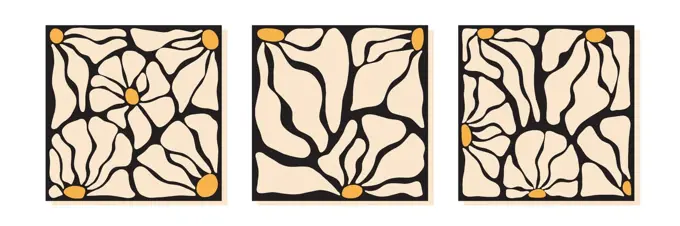
Artistic fragments of various ceramic dishes displaying intricate floral and geometric designs, showcasing historical craftsmanship.

Plate with geometric decor, anonymous, c. 1610 - c. 1640 Plate (fragment) of blue painted faience, painted with a geometric decor "small spirals". The board is a bottom find. Portugal earthenware. tin glaze. Plate (fragment) of blue painted faience, painted with a geometric decor "small spirals". The board is a bottom find. Portugal earthenware. tin glaze.
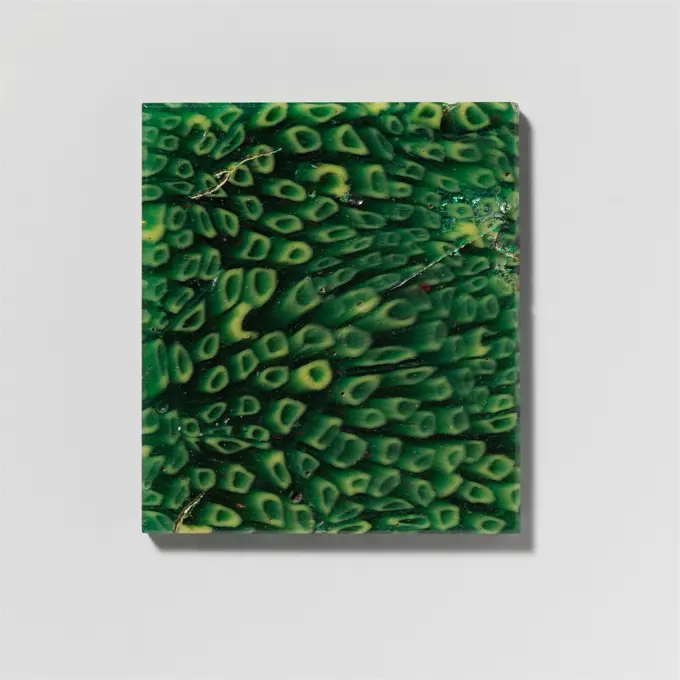
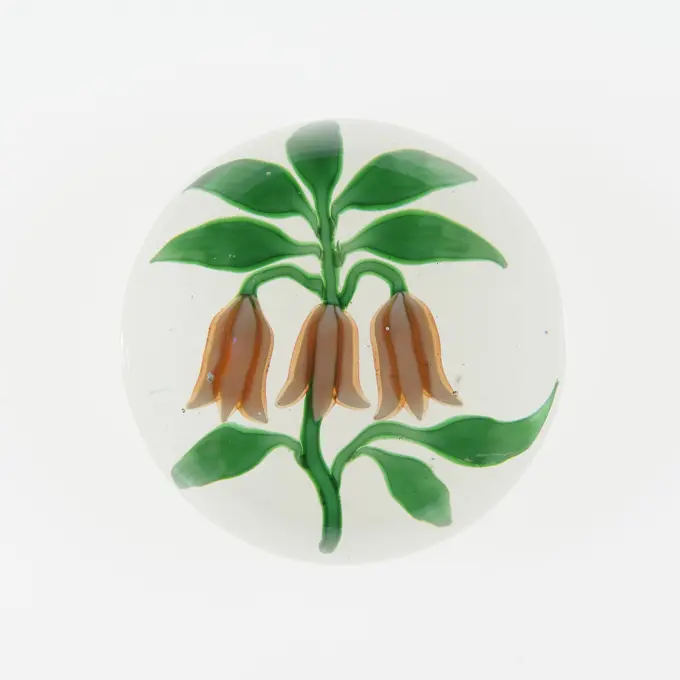
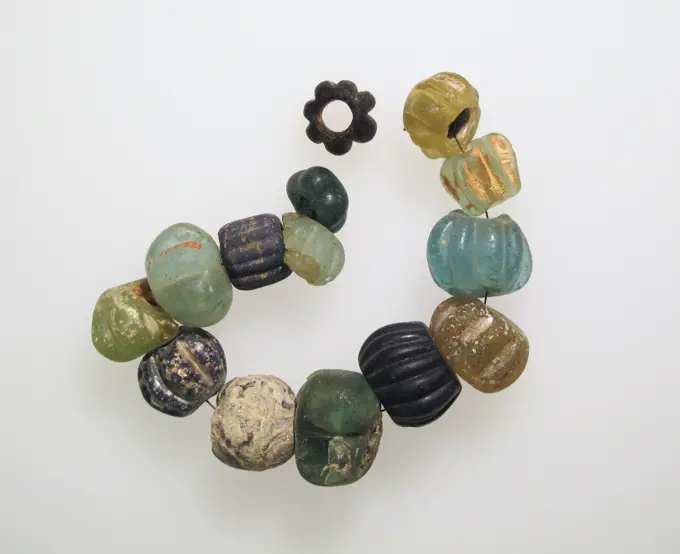
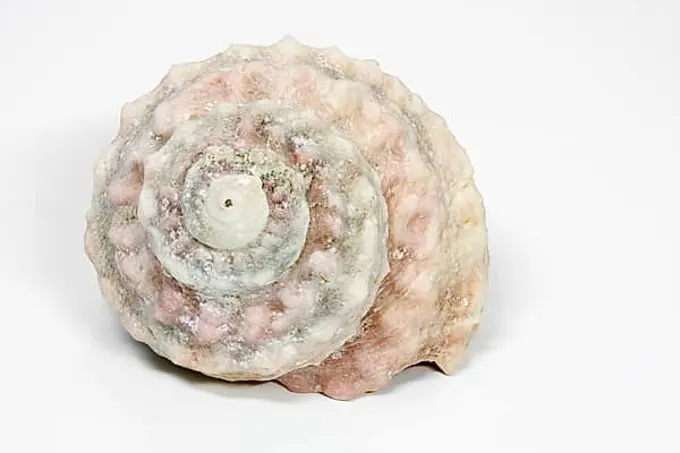
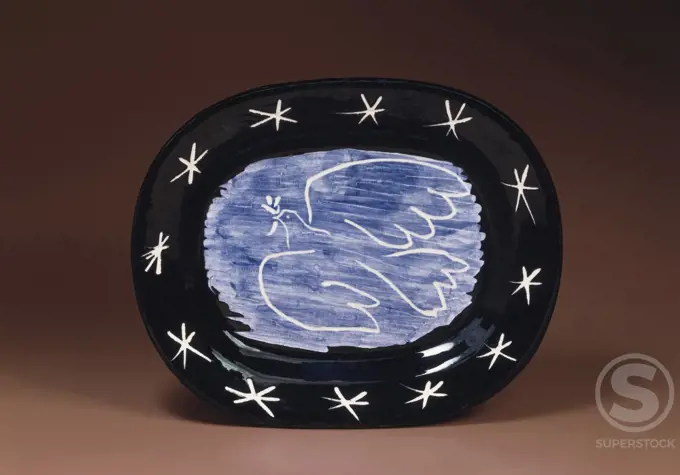
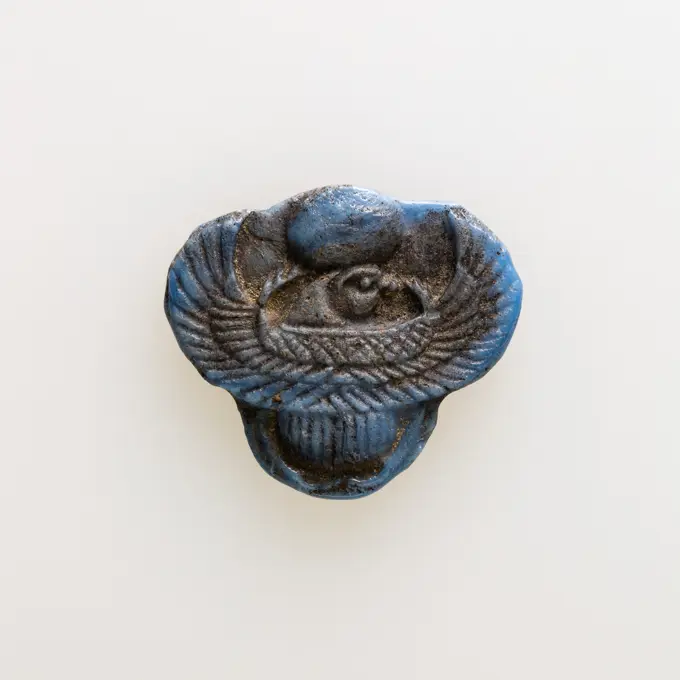
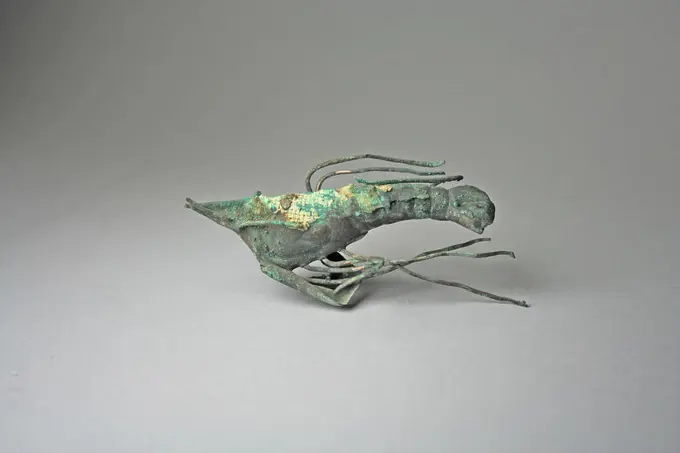
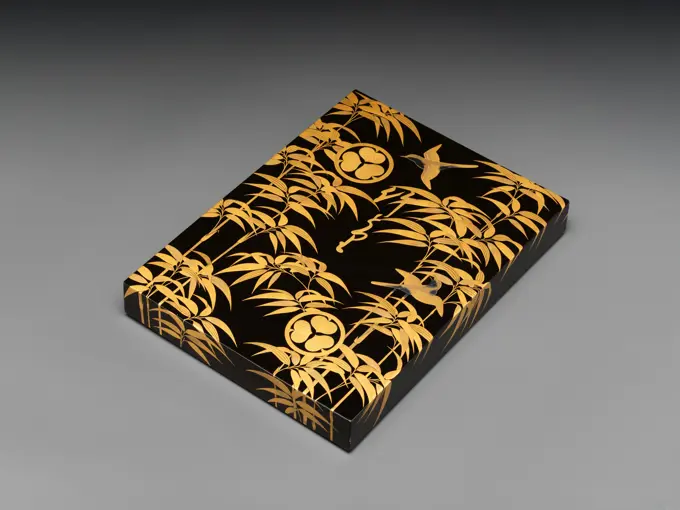
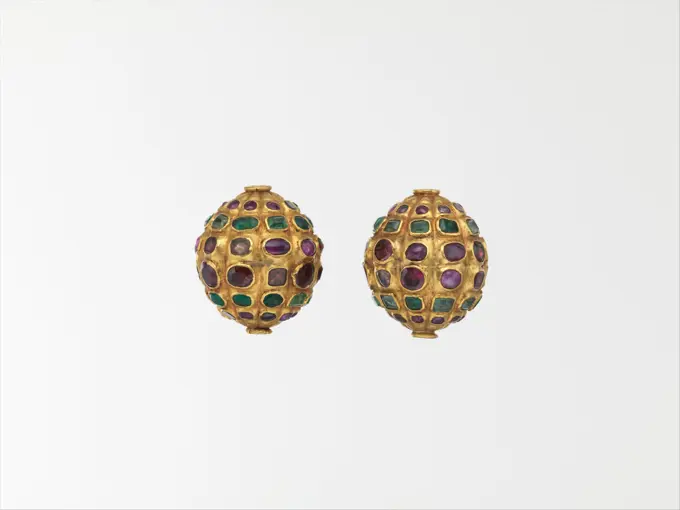
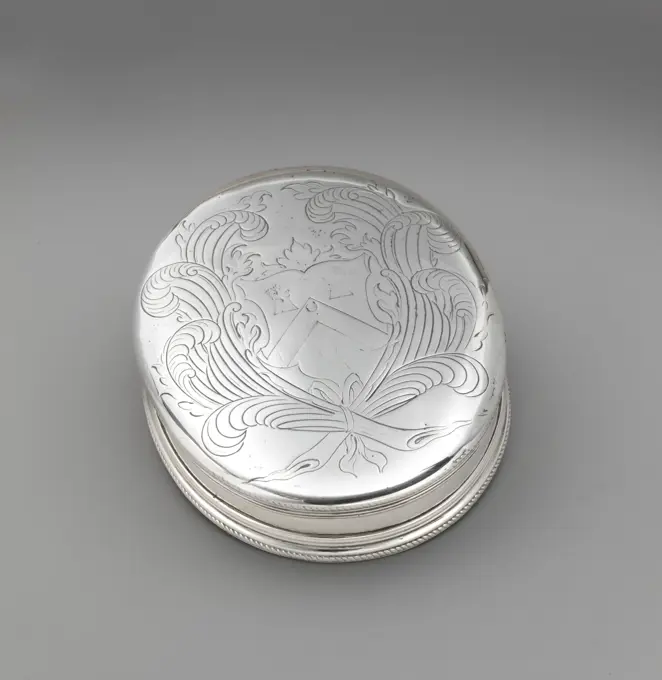
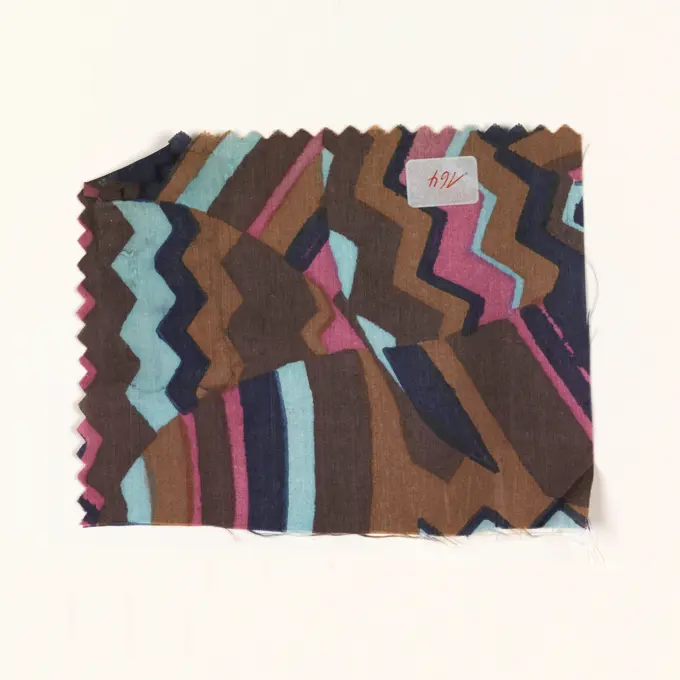
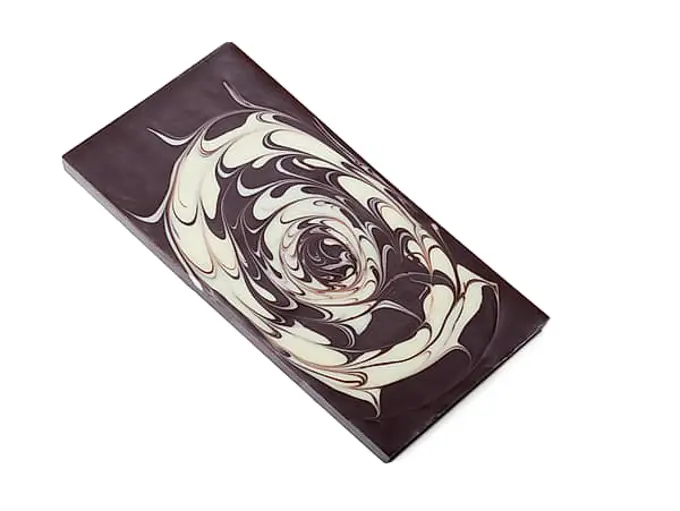
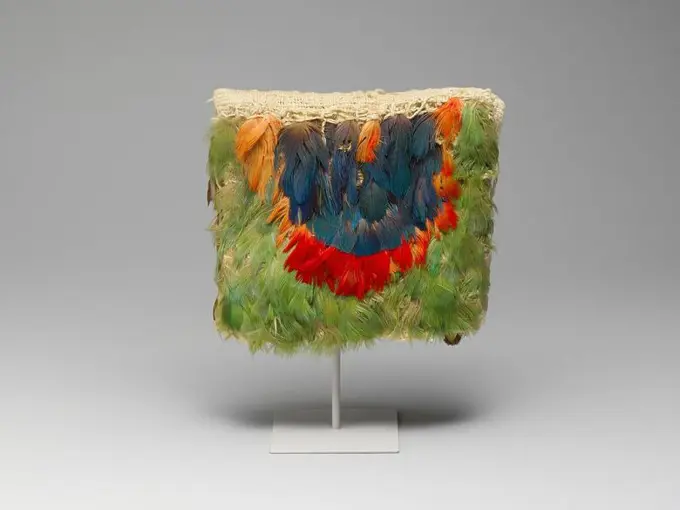
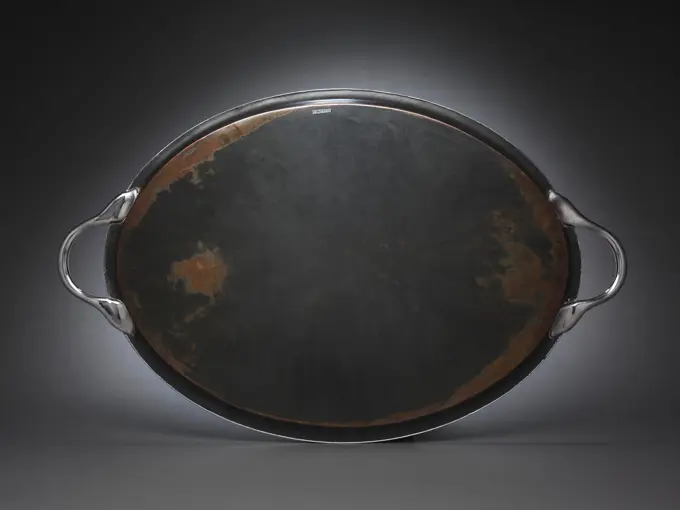
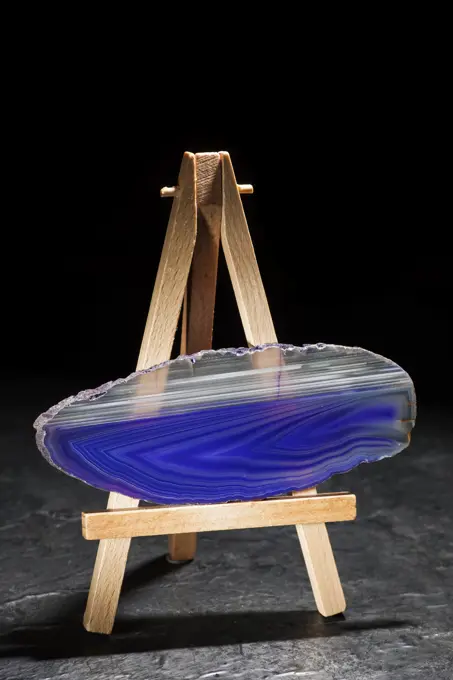
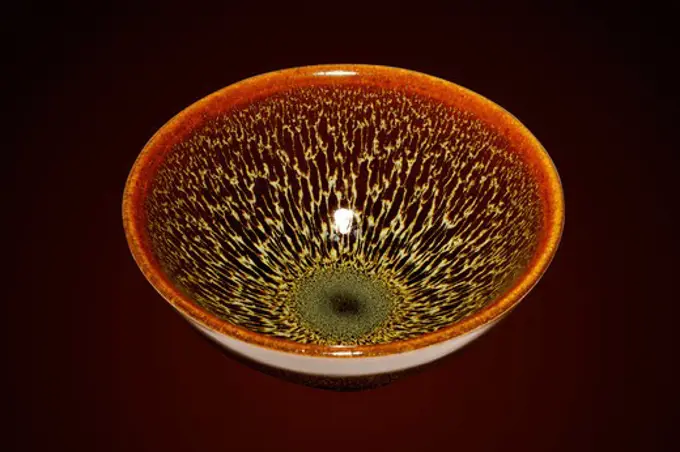
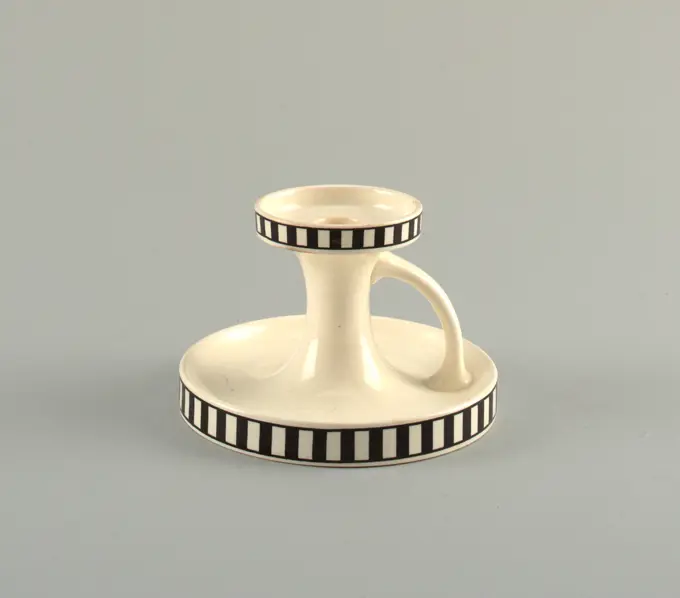
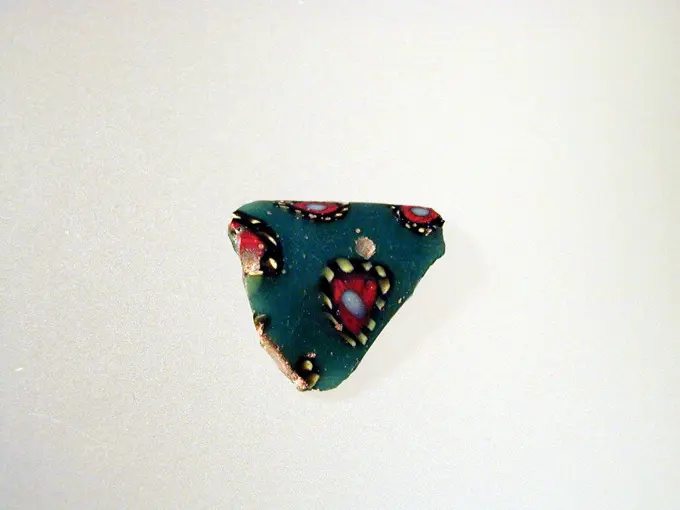
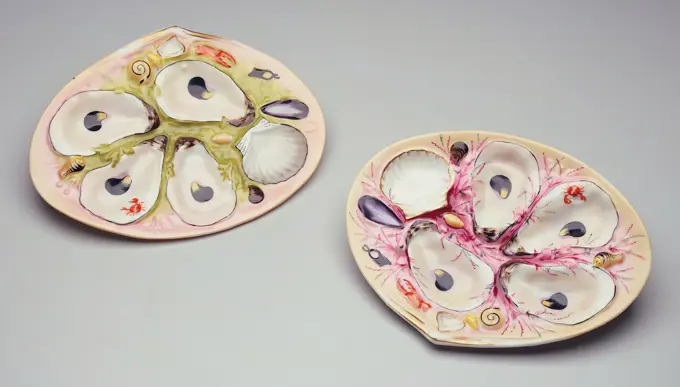
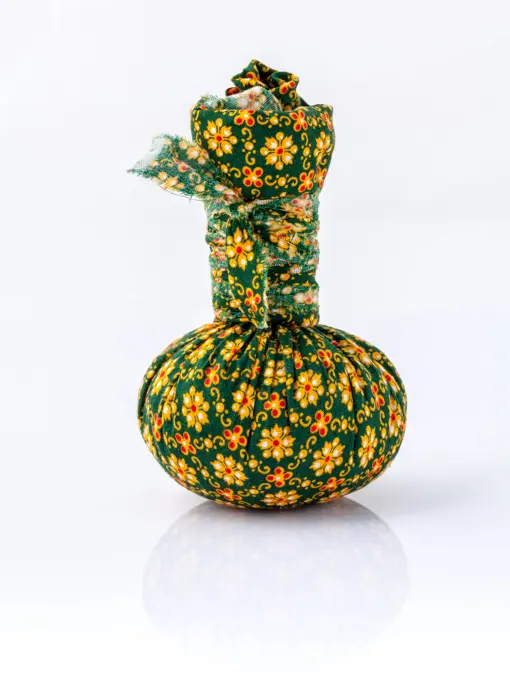
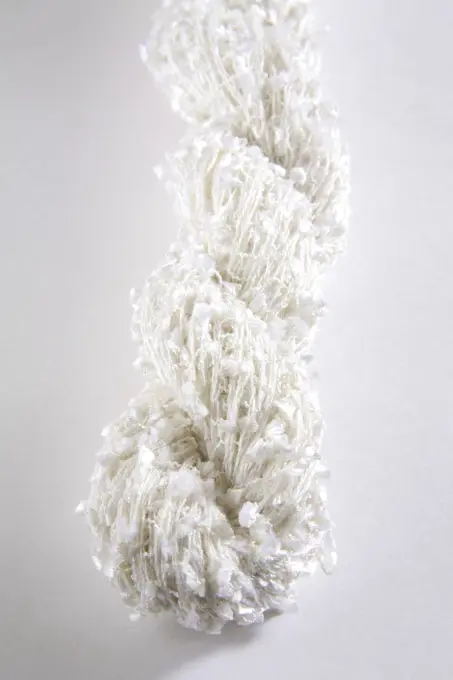
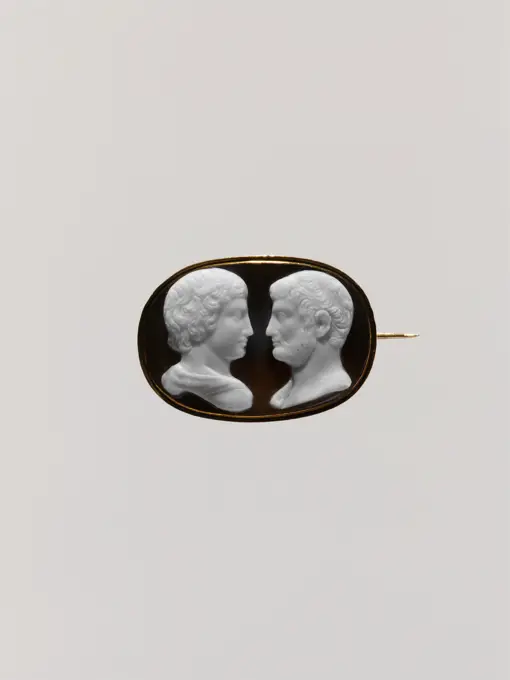
Lid. Blown lid in the form in a braid work pattern. Vaulted lid in the same braid work pattern, deposited with a smooth wire. The lid is crowned by a ribbed pear of green opaque glass, with a pinched leaf of bright green glassGlass revetment plaque fragment 1st century B.C.-1st century A.D. Roman Translucent turquoise greenish blue with opaque yellow, making glass look greenComposite mosaic pattern of multiple circular rods, drawn out to give a three-dimensional impression.Upperside flat; underside flat but slightly uneven.Probably cut into rectangle and upperside and edges polished in modern times; some deep pitting, dulling and iridescent weathering on underside.. Glass revetment plaque fragment 239899Basket, 20th century, 2 1/2 x 14 1/2 in. (6.35 x 36.83 cm), Plant fibers, United States, 20th centuryPaperweight, c. 1850, Clichy Glass Works, 2 x 3 x 3 in. (5.08 x 7.62 x 7.62 cm), Glass, France, 19th centuryA container made from Lapis lazuli, a deep blue semi-precious stone. Dated 21st CenturyDish with Peonies and Phoenixes 960 CE-1279 China. Qingbai ware; porcelain with underglaze molded decoration; copper rim .Paperweight 1840-1865 Baccarat. Technological improvements to optical scientific instruments in the mid-nineteenth century spurred a veritable obsession across Europe with identifying and classifying the natural world. Amateur botanists were eager to collect and preserve floral specimens, which they intently researched and catalogued. In response to this broad appeal, French glassmakers made paperweights that portrayed the very botanical subjects that were so enthusiastically sought. Many weights represented specimens with horticultural correctness, but others were entirely fanciful creations. Paperweights like this example speak to the periodís fascination with taxonomic systems.From the late 1840s to early 1860s, French manufacturers of fine glass and crystalósuch as Baccarat (Alsace), Clichy (Paris), and Saint-Louis (Lorraine)ócatered to the vast public enthusiasm for beautiful yet functional desk accessories. Paperweights, which were designed to secure loose papers against drafts, Rice wine bowl from v.O.c.-ship the 'white lion'. Rice vine bowl from v.O.c.-ship the 'white lion', preserved around 99%%. The shard is glassy and white. The glaze is tinted blue and matte and shows pinholes and small frying tears on the bottom. The bottom is glazed and runs at the foot ring that is straight and faceted. No oven sand has been found.Sign from V.O.C.-ship De 'Witte Leeuw', Anonymous, Before 1613 plate (dishes) Sign from V.O.C. ship De 'Witte Leeuw', 40 present. The shard is glassy white and has little ingrained dirt. The glaze is blue tinted and has pinholes and small baking cracks on the corners of the lip edge. The glaze is peeling off over parts of the lip edge. The bottom is glazed and the foot ring is V-shaped and faceted. More than 20 grains of oven sand have been found. The lip is scooped. Jingdezhen bone china (material). glaze   Sint-HelenaBake  cylindrical from the scenes ritual; Unknown Cypriot workshop; XV-XIV century BC (-1500-00-00--1301-00-00);Czartoryska, Maria Ludwika (1883-1958), Czartoryska, Maria Ludwika (1883-1958)-collection, Działyńska, Izabela (1830-1899), Działyńska, Izabela Elżbieta née Czartoryski (1830-1899)-collection, filling elements (iconog. ), linear (style), cylindrical seals, transmission (provenance)Carved Intaglio Gemstone with an Eagle between TwoStandardsFragment of a Mosaic Glass Vessel. Unknown 1st century B.C.-1st century A.D. Dark green with light green, yellow and red in a rosette and square pattern.Paperweight 1801-1900 Baccarat. Technological improvements to optical scientific instruments in the mid-nineteenth century spurred a veritable obsession across Europe with identifying and classifying the natural world. Amateur botanists were eager to collect and preserve floral specimens, which they intently researched and catalogued. In response to this broad appeal, French glassmakers made paperweights that portrayed the very botanical subjects that were so enthusiastically sought. Many weights represented specimens with horticultural correctness, but others were entirely fanciful creations. Paperweights like this example speak to the periodís fascination with taxonomic systems.From the late 1840s to early 1860s, French manufacturers of fine glass and crystalósuch as Baccarat (Alsace), Clichy (Paris), and Saint-Louis (Lorraine)ócatered to the vast public enthusiasm for beautiful yet functional desk accessories. Paperweights, which were designed to secure loose papers against drafts, Box (common name), 1127. Qingbai covered porcelain (bluish white). Cernuschi Museum, Asia Museum of Asia in the city of Paris.Trinket Box 1830-70 American. Trinket Box 8820Mosaic glass fragment. Culture: Roman. Dimensions: 1 5/8 × 2 1/4 × 1/8 in. (4.1 × 5.7 × 0.3 cm); estimated diameter 7 1/16 in. (18 cm). Date: late 1st century B.C.-early 1st century A.D..Translucent purple and opaque white.Upright rim, with slightly rounded edge; slightly convex-curving side, tapering downward, then turned in to obliquely sloping bottom.Composite mosaic pattern formed from polygonal sections of a single cane in a purple ground with a large central white rod ringed by a white circle.Slight chips in edge of rim; polished on all surfaces, with pitting of surface bubbles and some weathering. Museum: Metropolitan Museum of Art, New York, USA.Plate with green edge and golden Greek band, Petrus Regout, c. 1865 Plate of earthenware, scalloped, with green edge and golden Greek band. Maastricht earthenware Plate of earthenware, scalloped, with green edge and golden Greek band. Maastricht earthenwarePaperweight 1801-1900 France. Glass .Two Pipe RESTS. Manufacturing former loose ruderecht, c. 1778-1782Hard-Paste PorcelainWatch stand, Anonymous, c. 1765 - 1775A beautiful Christmas composition consisting of ceramic plates, gingerbread and other elements of New Year’s decorations on a dark concrete backgroundBeads, 14 Roman. Beads, 14. Roman. Glass. GlassTile  six copiesDish with a landscape, anonymous, A.T. Vaillant, c. 1850 - c. 1860 Leaf -shaped bowl of porcelain, painted on the glaze in sepia and gold. On one side on the front a modeled leaf, turned on with gold. On the flat a landscape with two people near a tower and a building. Golden Rand. Signed in the performance with A.T.V. And marked on the underside with V . Europe porcelain. glaze. gold (metal) painting / gilding / vitrification Leaf -shaped bowl of porcelain, painted on the glaze in sepia and gold. On one side on the front a modeled leaf, turned on with gold. On the flat a landscape with two people near a tower and a building. Golden Rand. Signed in the performance with A.T.V. And marked on the underside with V . Europe porcelain. glaze. gold (metal) painting / gilding / vitrificationPaperweight 1840-1865 Baccarat. Glass . Baccarat GlassworksEgg -shaped ear clip of spotted email, c. 1950 - c. 1960 Egg -shaped ear clip of spotted white, red and blue email on copper. Netherlands copper (metal) Egg -shaped ear clip of spotted white, red and blue email on copper. Netherlands copper (metal)(Round Box), 19th century, Unknown Japanese, 2 1/8 x 2 1/4 x 2 1/4 in. (5.4 x 5.72 x 5.72 cm), Lacquer, Japan, 19th centurySea snails on a white backgroundPaperweight, 19th century, Clichy Glass Works, 2 1/8 x 3 x 3 in. (5.4 x 7.62 x 7.62 cm), Glass, France, 19th centuryLluís Masriera / Centro de mesa de plata, 1906. Colección privada. Author: LLUÍS MASRIERA I ROSÉS.Paperweight 1840-1865 Baccarat. Glass . Baccarat GlassworksThe Pigeon with a Branch by Pablo Picasso, ceramic, 1881-1973, Russia, Moscow, Museum of Fine ArtsBerber round  symbol vector 1Hair comb made of turtle with high upright smooth back; With thirteen teeth, Anonymous, c. 1800 - c. 1830 Hair comb made of turtle with high upright smooth back. With thirteen teeth. Netherlands . sawing / filing / polishing Hair comb made of turtle with high upright smooth back. With thirteen teeth. Netherlands . sawing / filing / polishingTree stump, round cut with annual rings vectorHair comb of imitation turtle with bulging, unadorned back, anonymous, c. 1900 - c. 1949 Hair comb of imitation turtle with bulging, unadorned back, 19 teeth. Netherlands (possibly) celluloid (cellulosic). cellulose acetate sawing / filing / polishing Hair comb of imitation turtle with bulging, unadorned back, 19 teeth. Netherlands (possibly) celluloid (cellulosic). cellulose acetate sawing / filing / polishingAmulet of winged scarab with falcon head 525-30 BC Late Period-Ptolemaic Period Starting in the later Late Period and continuing through the Ptolemaic Period, a type of glass amulet cast by pressing the glass into a shallow open mold appears. The back was left rough, and the amulets may look ragged because glass overflowed the mold around the edges. The earlier amulets are monochrome, bi- or multicolor amulets supplement the repertoire during the Ptolemaic Period.Some of the amulets can be specifically tied to spells of the Book of the Dead - for example, acc. no. 17.194.2526 - and most are clearly funerary amulets, presumably meant to be wrapped between the bandages of the mummy where the presence of the amulet would do its job irrespective of its degree of finish.. Amulet of winged scarab with falcon head. 525-30 BC. Glass. Late Period-Ptolemaic Period. From EgyptSilk Turban Of Persian Maskerade Costume, Anonymous, 1913 Turban of raw, natural -colored silk and we red/green changing silk. Lined with natural cotton. Interior of Laiton. Delft (possibly) Turban: Silk. Turban: Silk. lining: cotton (textile). interior:   Delft Turban of raw, natural -colored silk and we red/green changing silk. Lined with natural cotton. Interior of Laiton. Delft (possibly) Turban: Silk. Turban: Silk. lining: cotton (textile). interior:   DelftPlaque with Portrait of Queen Charlotte or Caroline. England, Staffordshire. Date: 1805-1815. Dimensions: H. 13.3 cm (5 1/4 in.). Earthenware with lustre decoration. Origin: Staffordshire. Museum: The Chicago Art Institute, Chicago, USA.Paperweight 1841-1860 France. Glass . Compagnie de Saint LouisCrayfish. Culture: Moche (Loma Negra). Dimensions: Length 4-3/8 in. (11.5 cm). Date: 390-450. Museum: Metropolitan Museum of Art, New York, USA.Miniature Dress. Culture: Ica. Dimensions: H. 8 7/8 x W. 8 1/2 in. (22.9 x 22.2 cm). Date: 12th-13th century. Museum: Metropolitan Museum of Art, New York, USA.Flowerpot with stand. unknown, craftsmanPaperweight 1875-1900 United States. Glass . New England Glass CompanyFragment of a vessel. A low curvature and kinks of the glass fragment allow assignment to a vessel, probably a shell. The turquoise shard shows several, each other pretty similar flowers in Millefiori technology. To make a yellow core with black contour, other yellow points with black contour as petals are framed with a fine yellow line. For the production, different colored glasses into tubes and rods were formed. These were compressed and heated, causing a long bar. The glass sliced now had different amorphous or floral patterns. Thereafter, several of these platelets were folded, heated again and pressed into a vascular shape. Burry for the elaborate manufacturing process and its fragility was one of the luxury articles of antiquity.Wall support for Paintings Tang, 1885 - 1899  Wall support for painting tongs. Casted in two halves in the form of an open lion's pussy, ending in oak leaves on a profiled plinth, with supported supports of uneven length. (Smaller variant of MU-221)  cast iron castingOld Fashioned Crystal DoorknobCovered Box for Volumes late 17th century Japan The lacquer storage box is decorated with a maki-e (sprinkled picture”) design of a bamboo grove, two birds, and the crest of the Tokugawa family.. Covered Box for Volumes. Japan. late 17th century. Lacquered wood with gold and silver hiramaki-e on black ground. Edo period (1615-1868). LacquerFan 1850 European. Fan 123984Box, Wood, shells, paper, Rectangular box with lid hinged in gauze. Inside and outside covered with white paper printed with small blue flowers. On sides, a row of diagonally set shells; on lid, a large haliotis shell surrounded by a multitude of smaller shells of varying kind., USA, 19th century, containers, Decorative Arts, BoxLiquorice candy isolated on a white backgroundToy serving plate - Inconnu / UnknownBead, One of a Pair 18th century Because this bead and 1981.5.19 are the only beads of their type known to us, we can only speculate as to how they were used in combination with other elements; it is likely, however, that they were strung as a necklace and separated by pearls in multiple strands, as was common in many seventeenth- to nineteenth-century Moroccan necklaces. Although this type of pushed-up setting on a repoussé ground of thin metal is typical of Moroccan jewelry, the fine workmanship and design, including the dense setting of stones in graduated rows on the melonlike form, create an effect unparalleled in the work of this school.. Bead, One of a Pair 453041Anonymous. "Fruit -shaped box". Italian earthenware. Paris, Museum of Romantic Life. Italian faienceTobacco box 1691-92 Possibly by Caleb Westbrooke. Tobacco box. British, London. 1691-92. Silver. Metalwork-SilverStudio still-life: stacked pebbles, stonesTile, blue painted with a ship, c. 1650 - c. 1680 tile Tile, blue painted with a ship, supposedly farm ship. A spinning head in the corners. Holland earthenware. tin glaze majolicaTassel 17th century Italian. Tassel. Italian. 17th century. Linen. Textiles-TrimmingsRetro styled pocket watch placed in a straw boxPocket book, Medium: silk and metal embroidery on silk foundation Technique: embroidered in chain, stem and running stitches on satin, Case covered in white satin embroidered with flowers and fruit in colored silks, lined with pink silk, with pink ribbon and metal button fastner., France, 19th century, costume & accessories, Pocket bookBlue cheese under the glass domeBread plate - "Montreal" Davenport DavenportHand drawn organic cut out flowers in modern style abstract square postersDoll dessert plate - F. K. Martin Löchner F. K. Martin LöchnerDoll soup plate - F. K. Martin Löchner F. K. Martin LöchnerScherven from signs from the wreck of the East Indieschief Hollandia. Porcelain, plate, type 3; Fragm or Rim, SIM. NG 1980-27H3202C.Textile, Zakopane; Designed by Marianne Perlmutter (Austrian, b. 1891, active early 20th century); Made for Wiener Werkstätte (Austria); silk; Height: 10.2 cm (4 in.) Width: 13 cm (5 1/8 in.)Electric toothbrush, close upDelicious bar of mixed chocolate with pattern, isolated on whiteButter shaped in the form of a white grape food. Butter fleet of multi-colored painted faience. The butter fleet has the shape of a white grape roos, lying on a bed of flowers and leaves on a bowl. The butter dish has a lid and a inner bin. The lid and the container are marked.Miniature Tunic. Culture: Ica. Dimensions: H. 6 1/8 x W. 7 in. (15.6 x17.8 cm). Date: 12th-13th century. Museum: Metropolitan Museum of Art, New York, USA.Paperweight, 19th century, Baccarat Glass Works, 2 x 3 1/4 x 3 1/4 in. (5.08 x 8.26 x 8.26 cm), Glass, France, 19th centurydirty tray palette top viewTea Service (Tray), c. 1790-1810. Anne Bateman (British, 1748-1813), Peter Bateman (British, 1740-1825), William (I) Bateman (British, 1774-1850). Silver on copper; overall: 33.7 x 54.5 x 1.9 cm (13 1/4 x 21 7/16 x 3/4 in.).Two plates with the Los (Loose) pattern, N.V. Plateelbakkerij Ram, c. 1925 Plate of earthenware, painted with the "loose" pattern in the colors blue, yellow, green, brown, pink and purple. Design Colenbrander. Marked: 27 with partial sign including a D.; factory stamp; "Los" and V.B.; 27 (Inganglift). Arnhem earthenware Plate of earthenware, painted with the "loose" pattern in the colors blue, yellow, green, brown, pink and purple. Design Colenbrander. Marked: 27 with partial sign including a D.; factory stamp; "Los" and V.B.; 27 (Inganglift). Arnhem earthenwareScherf of a jug of the wreck of the East Indians Hollandia, Anonymous, 1700 - in or Before 1743  Stoneware, Rhenish, Frechen-ware, jug; fragm of body with rosette-shaped stamps. Cologne stoneware   SecondPainted and plastered easter egg on blue background, close upBowl late 8th-first half 9th centuryBlue and white agate slices standing horizontal Studio shot of an elongated, thin and polished agate slice in the front light with blue and white stripes standing horizontally on a miniature easel. Studioaufnahme einer länglichen, dünnen und polierten Achat-Scheibe im Frontlicht mit blauer und weißer Bänderung horizontal auf einer Miniatur-Staffelei stehend. Copyright: xZoonar.com/AndyxNowackx 14875292Pickle Dish And Spear (USA); Made by Wood & Hughes (United States); silver, gilt silverBag in a flat hemisphere model, with multicolored silk embroidered in a stylized floral pattern. Bag in a flat hemisphere model, with multicolored silk embroidered in a symmetrically stylized floral pattern. The front and back have the same pattern of green, light gray, blue and salmon-colored silk. Along the side, a seam runs, on which a twisted cord of ercotic silk with a narrow strip of silver thread. The lining of striped cotton is secured by hand on the edge. The closure is missing.Close-up of a decorative pottery bowl in unique patternCandlestick; Designed by Eduard Schweitzer (German, 1870 - 1939); Manufactured by Waechtersbach Steingut Fabrik; earthenwareWreath from Adam Mickiewiczs Funeral in KrakówHeart with flower metal heart with flowers, outdoor copyright: xzoonar.com/angax 7146556Glass mosaic bowl fragment late 1st century B.C.-early 1st century A.D. Roman Rim fragment.Semi-opaque blue green appearing greyish green, dark purple appearing black, opaque white, yellow, and red.Outsplayed horizontal rim, with rounded edge; convex curving side slanting downward.Mosaic pattern formed from polygonal sections of a single cane in a blue green ground with a black circle containing a ring of yellow rods and a central white rod surrounded by a red circle.Polished interior; pitting and weathering of surface bubbles on interior; dulling and creamy brown weathering on exterior, edge of rim, and part of one jagged edge; other edges unweathered.. Glass mosaic bowl fragment. Roman. late 1st century B.C.-early 1st century A.D.. Glass; cast. Early Imperial. GlassOyster plate, one of a pair, 19th century, Union Porcelain Works, American, (Greenpoint, New York), 8 1/2 x 6 1/2 in. (21.59 x 16.51 cm), Porcelain, enamel, United States, 19th centuryNatural Spa Ingredients herbal compress ball isolate on white background. alternative medicine and relaxation Thai Spa theme . Natural Spa Ingredients herbal compress ball isolate on white background. alternative medicine and relaxation Thai Spa theme . Copyright: xZoonar.com/SeksakxKerdkannox 7860103Concept, fabric turn twist on white background India Copyright: xNirmalaxMishra/DinodiaxPhotoxConfronted busts of the Emperor Hadrian (Publius Aelius Hadrianus, 76-138) and his favorite, Antinous (d. 130) mid-18th century Italian, probably Rome The double portrait of the emperor Hadrian and his favorite possibly catered to the tastes of a homosexual aware of antecedents in ancient history.. Confronted busts of the Emperor Hadrian (Publius Aelius Hadrianus, 76-138) and his favorite, Antinous (d. 130) 198365Doll dinner plate - Inconnu / UnknownBun comb.Empty wooden plate, knife, fork and cutting board set on textured concrete backgroundClock with Stand, copper, enamel, gilt bronze, glass, Green enamel body with five points graduating upwards from each end to center, decorated on obverse with landscape, on reverse with still life, surrounded with rocaille arabesques and flowers. Furnished with watch movement with plain white enamelled face, surrounded by alternating red and green brilliants., ca. 1770s, timepieces & measuring devices, Decorative Arts, clock, clockBracket, Mahogany, Against the wall, a bilaterally symmetrical pierced plaque, the piercings forming a series of extended vertical scrolls. From the vertical mid-line extends at right angles a third pierced leaf reproducing 1/2 the plaque. Supported is a rectangular molded stage having its two front corners cut and bearing a pierced gallery of alternating large and small round-headed arches., 1755-60, Decorative Arts, BracketStarfish Starfish against rocks in the Japanese sea in the summer red with the black Copyright: xZoonar.com/AlexanderxStrelax 3897137One round Mediterranean dried dark red peppers over white at studio, isolatedStained glass component isolated on white backgroundBaby stroller in ice cube, 3D rendering Baby stroller in ice cube, 3D rendering isolated on white background Copyright: xZoonar.com/alexlmxx 21288608Christmas tree ornament (fly agaric toadstool)