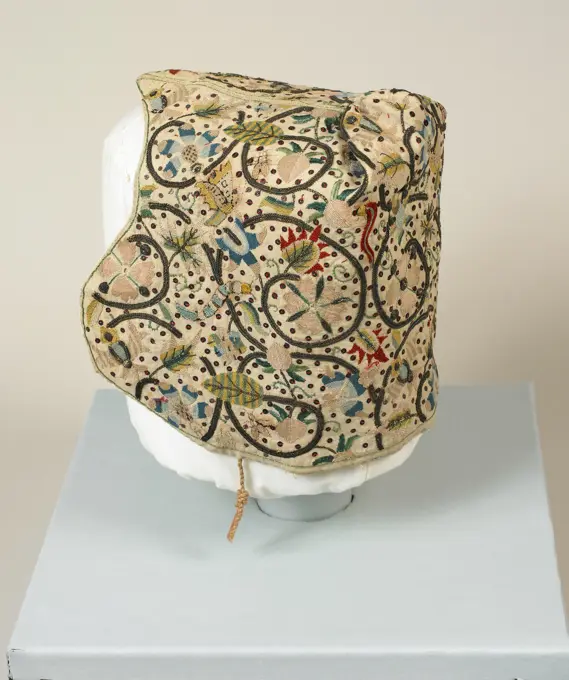
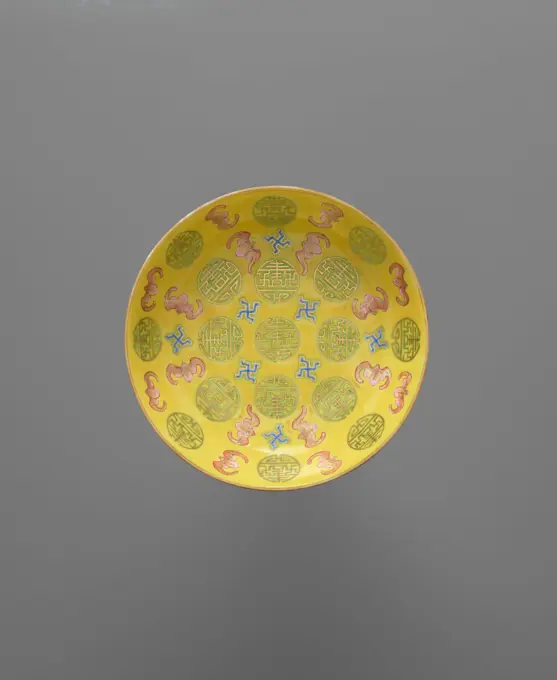
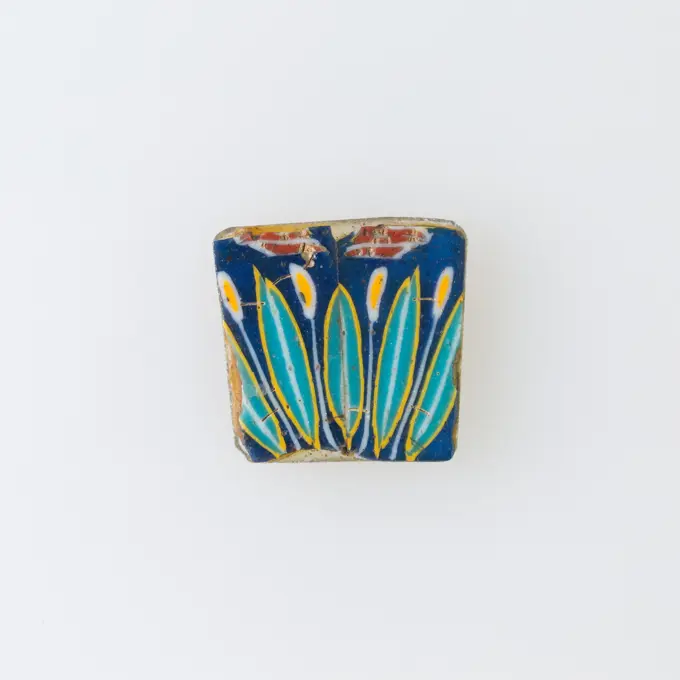
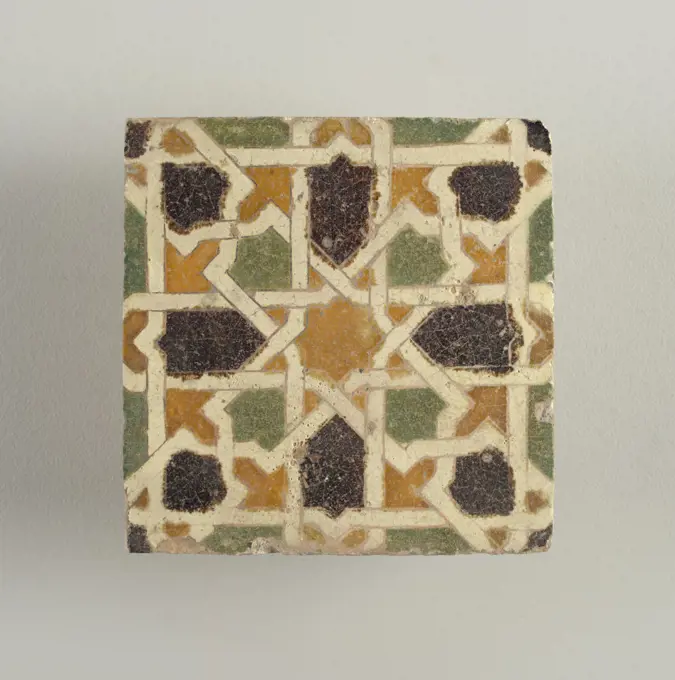
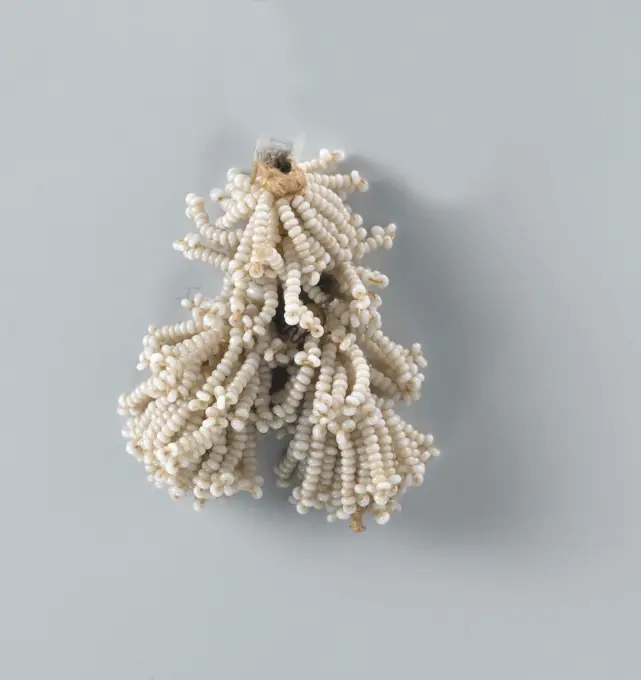
Decorative Dish Fragments

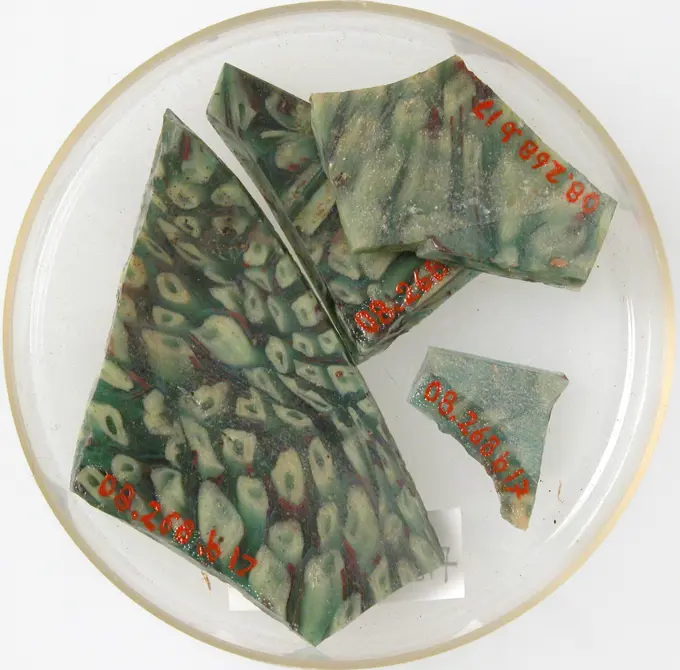
Artistic fragments of various ceramic dishes displaying intricate floral and geometric designs, showcasing historical craftsmanship.

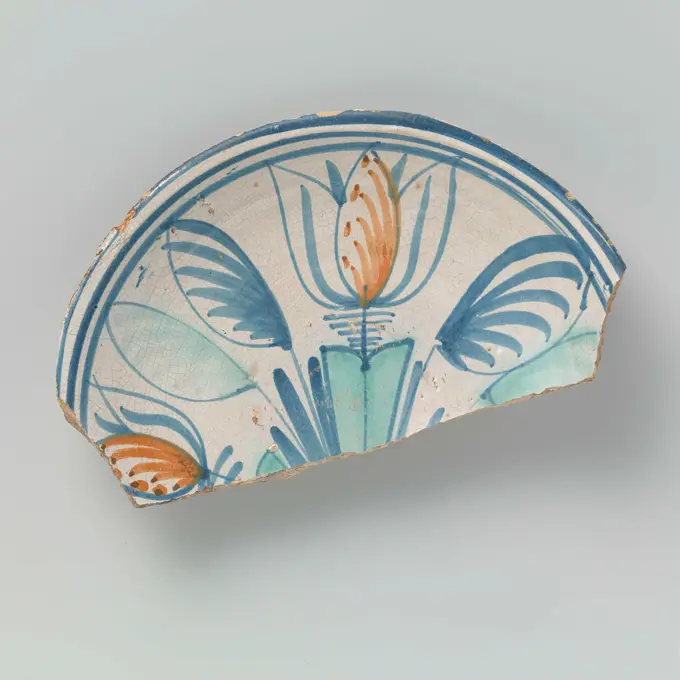
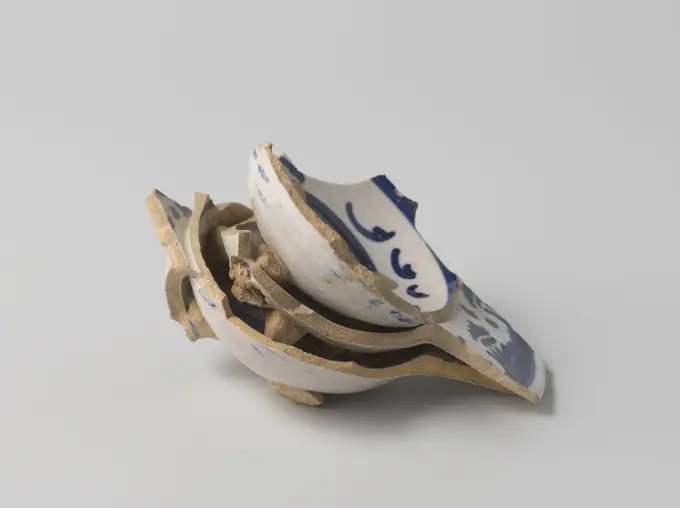
Plate with geometric decor, anonymous, c. 1610 - c. 1640 Plate (fragment) of blue painted faience, painted with a geometric decor "small spirals". The board is a bottom find. Portugal earthenware. tin glaze. Plate (fragment) of blue painted faience, painted with a geometric decor "small spirals". The board is a bottom find. Portugal earthenware. tin glaze.
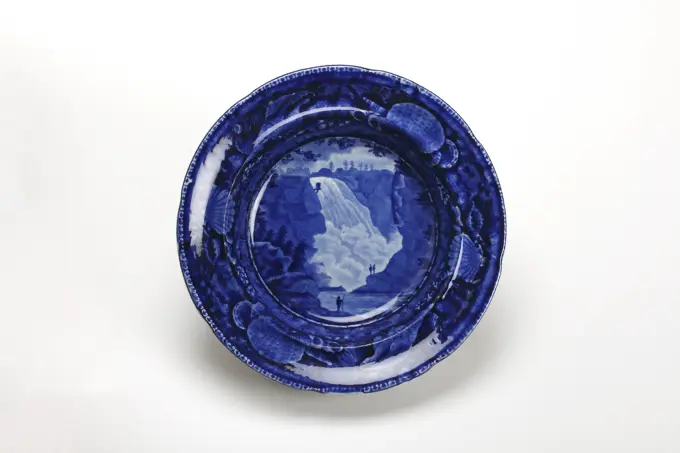
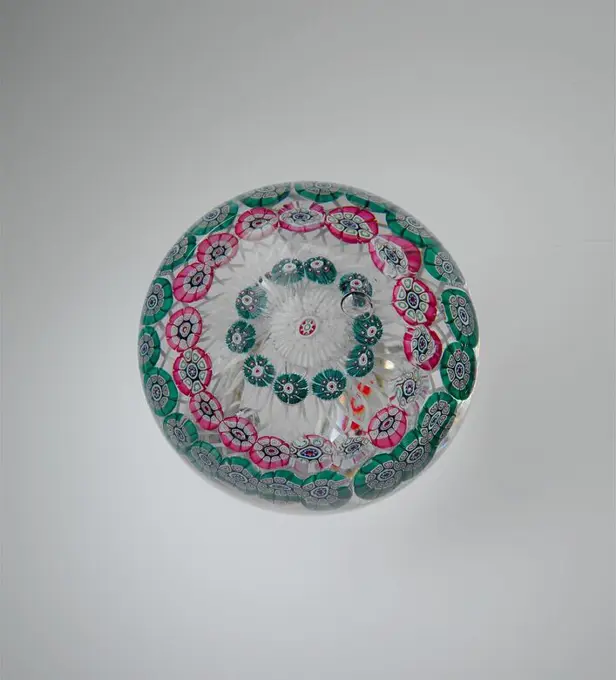
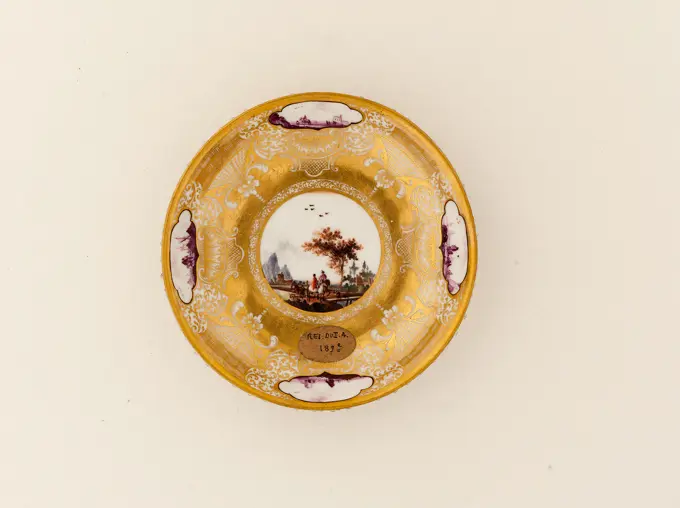
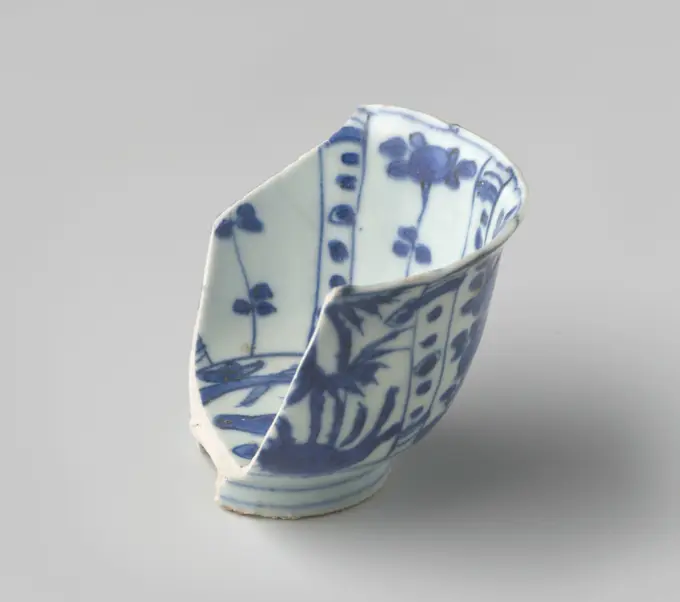
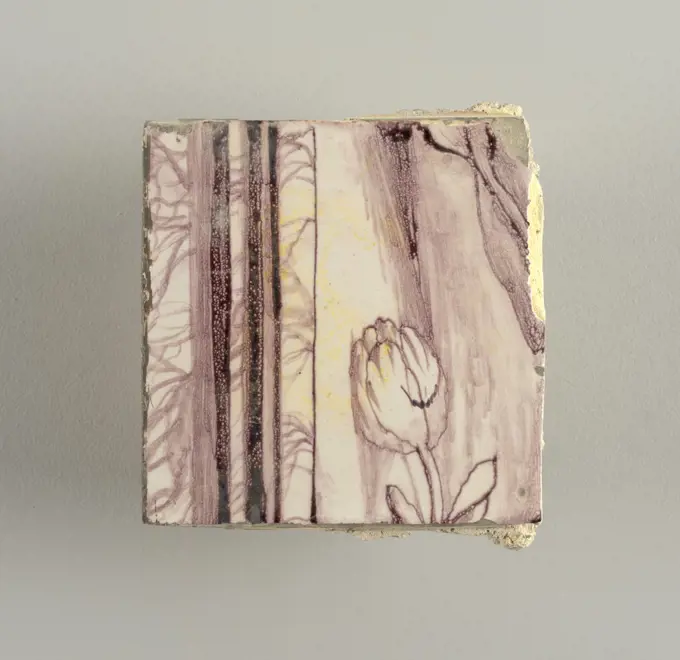
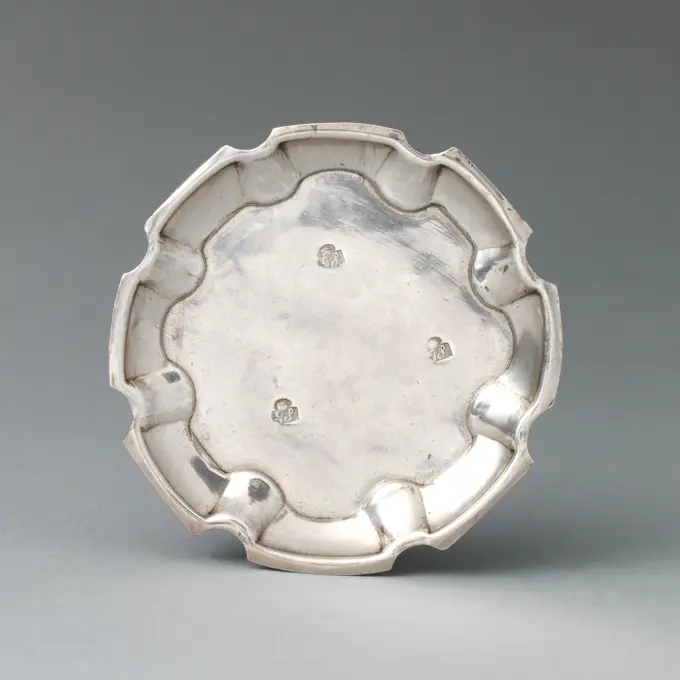
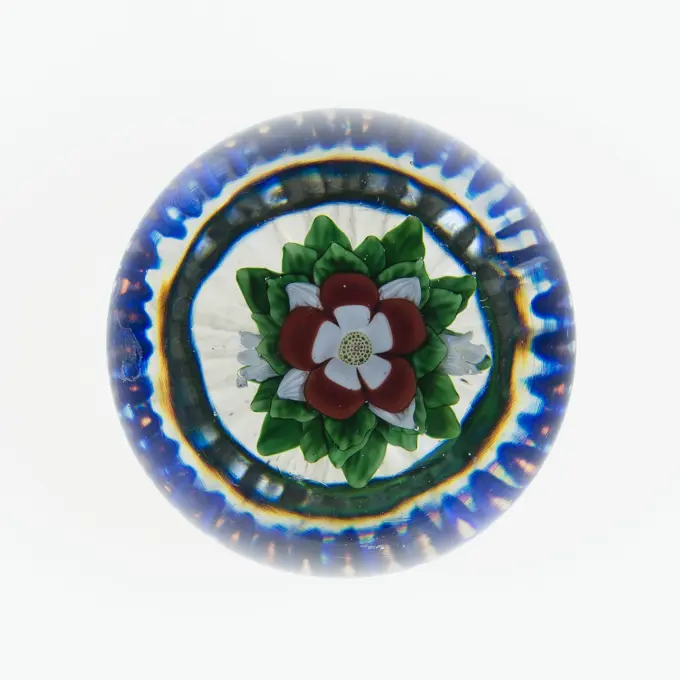
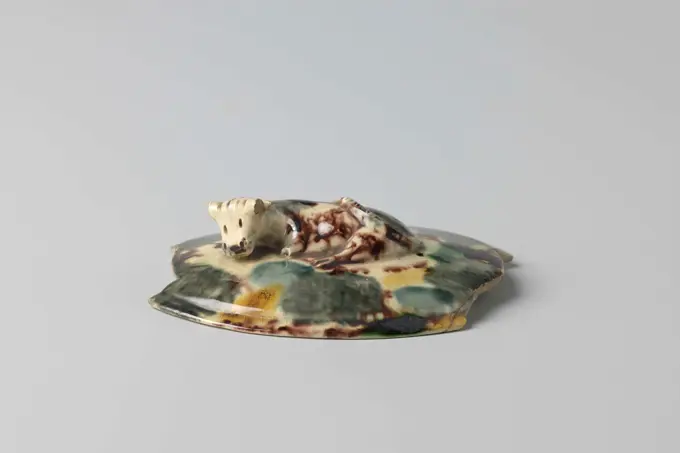
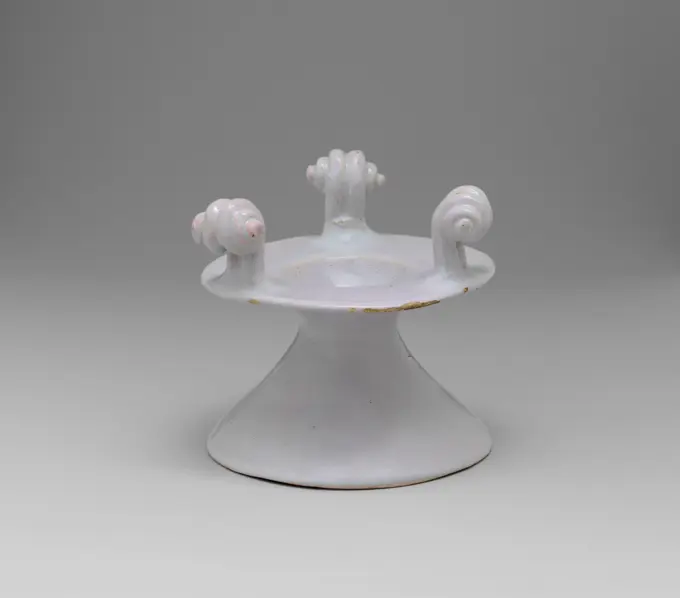
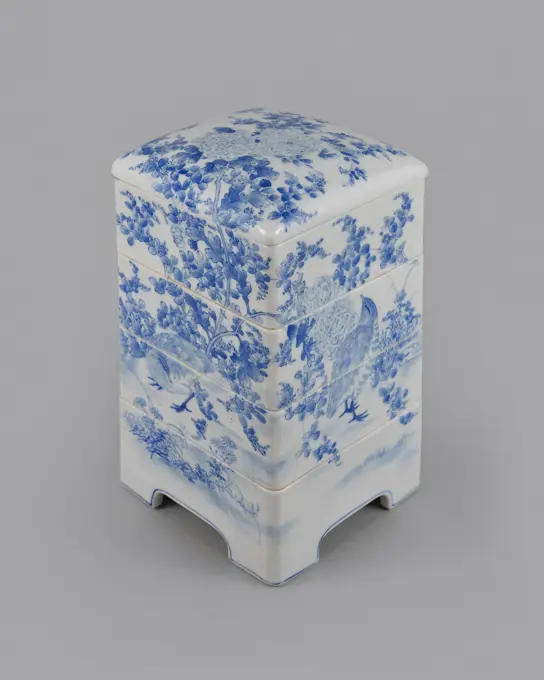
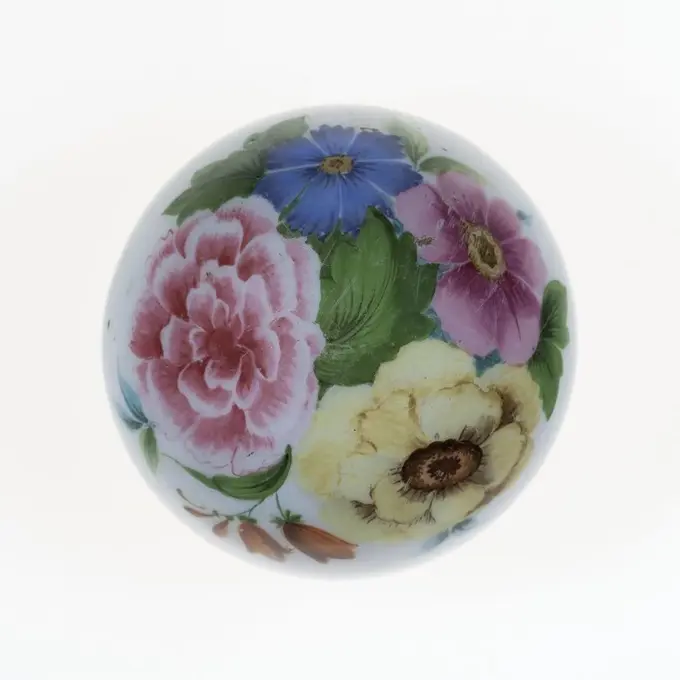
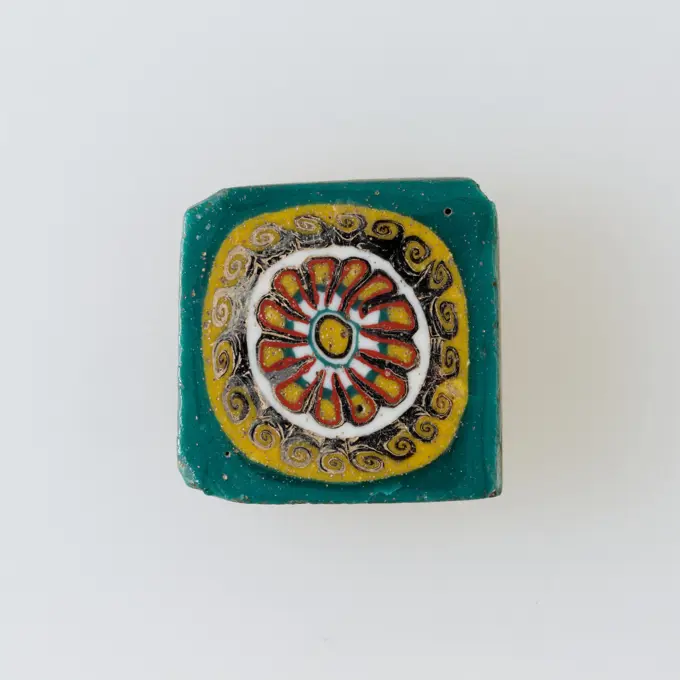
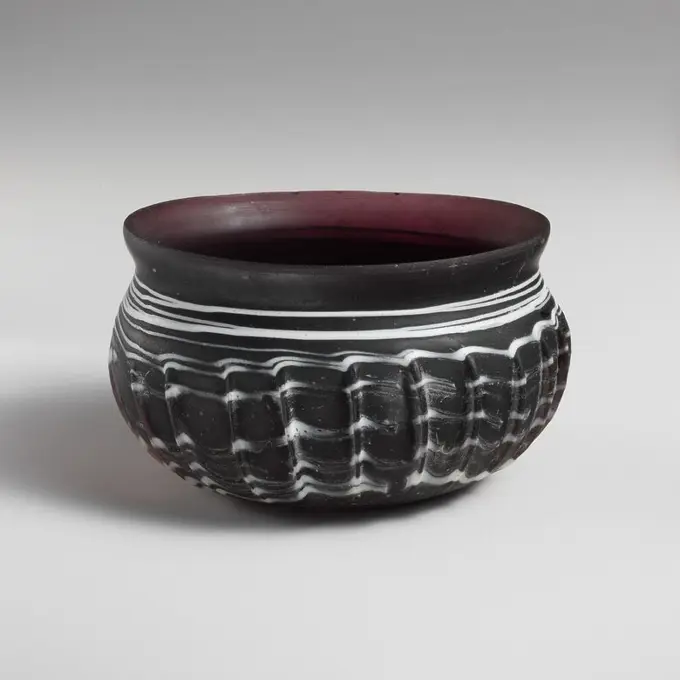
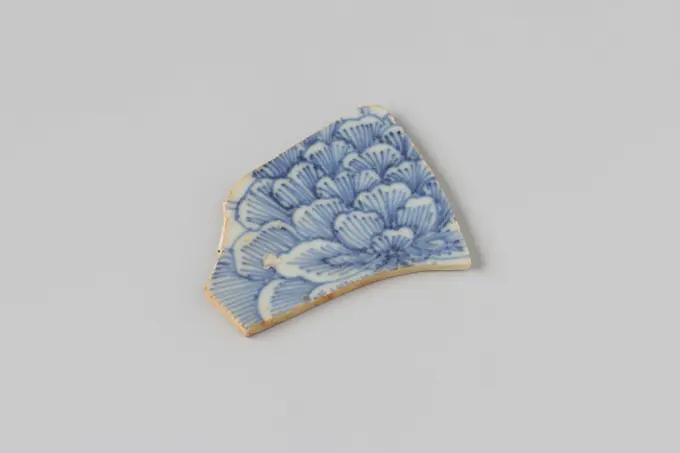
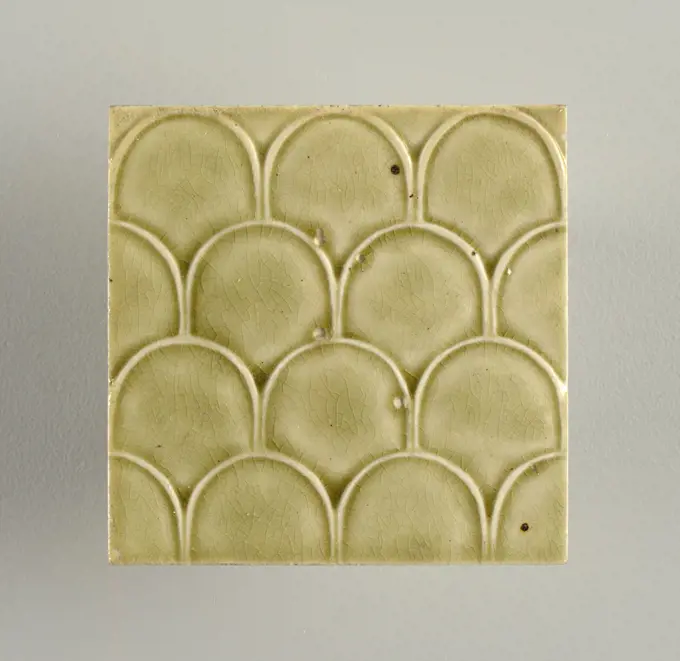
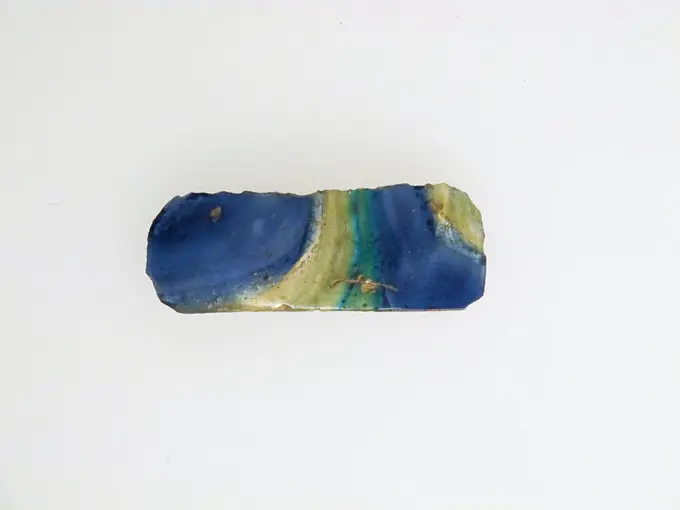
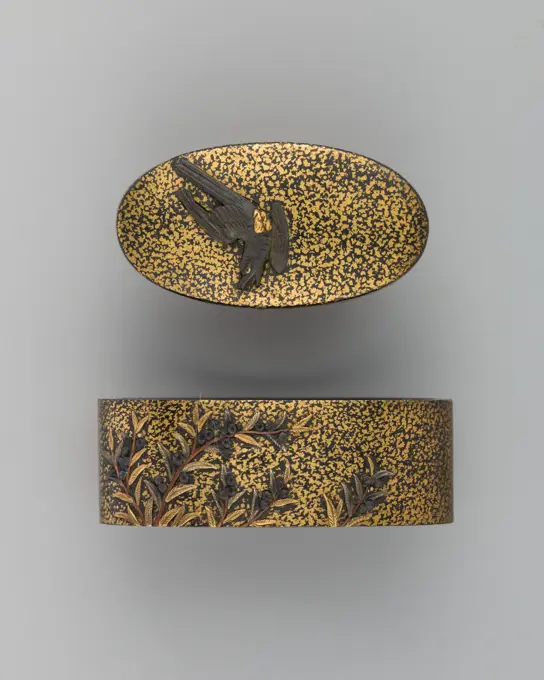
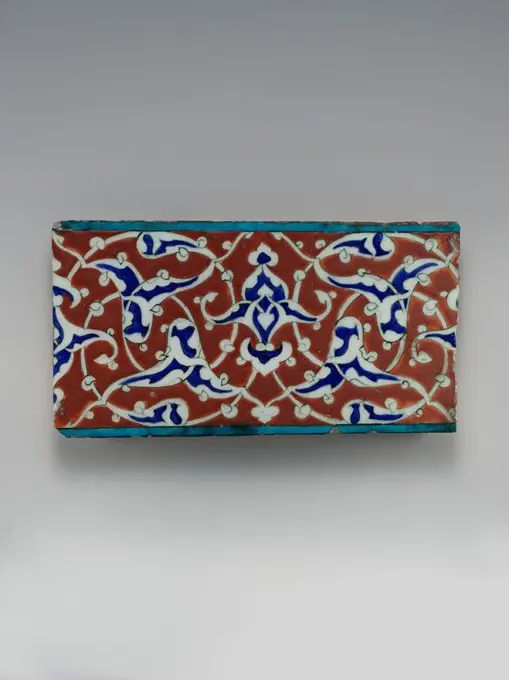
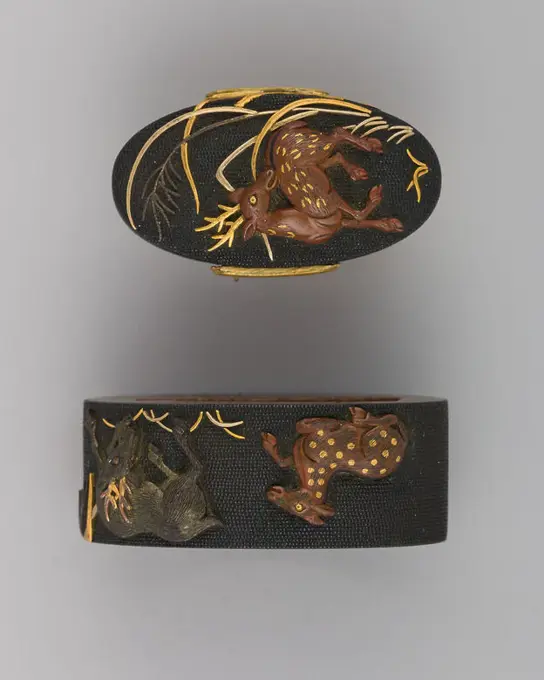
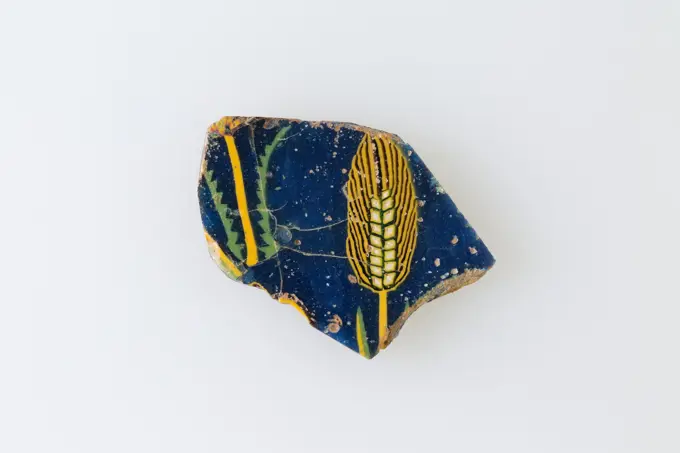
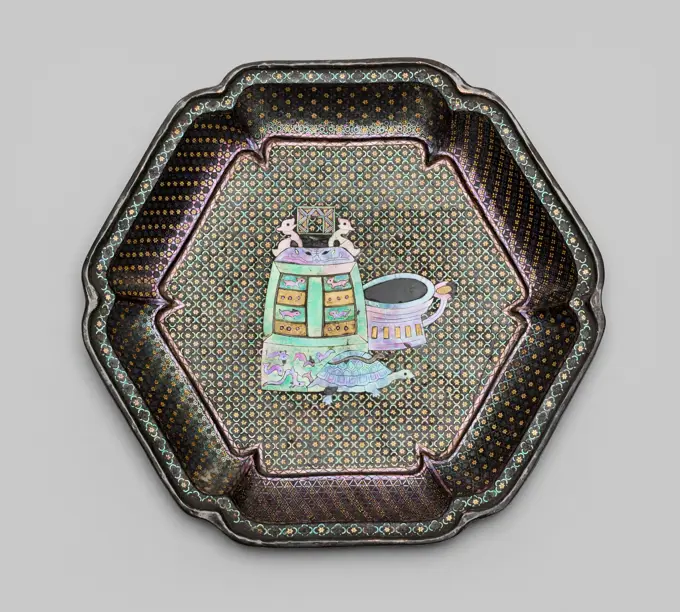
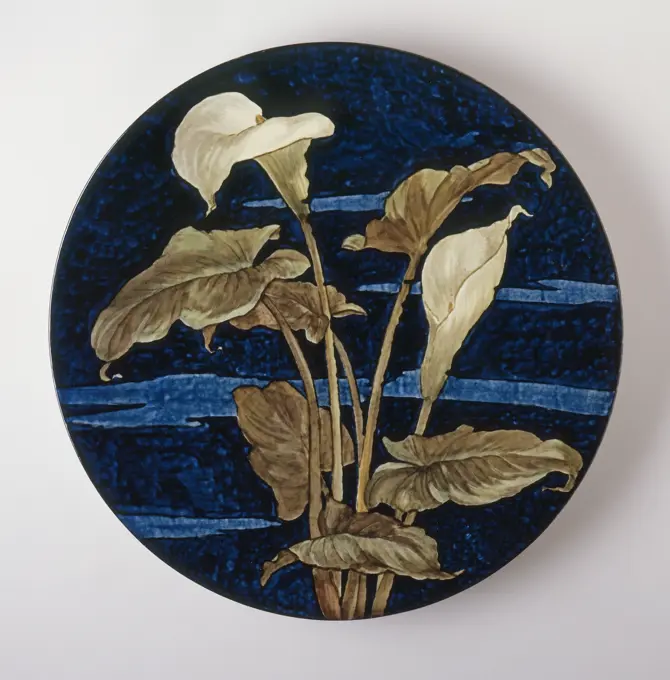
Fragment of a dish, painted with tulips. Fragment of a saucer of multi-colored painted majolica. The fragment is painted with tulips in the colors blue, orange and green. The fragment has been excavated in London (Middlesex Street).Soup plate - Fall of Montmorency near Quebec Enoch Wood & Sons, 1818-1845 Enoch Wood & Sons, 1818-1845Paperweight. Culture: American. Dimensions: Body diameter: 3 in. (7.6 cm)2 1/4 in. (5.7 cm). Maker: Boston & Sandwich Glass Company (American, 1825-1888, Sandwich, Massachusetts). Date: 1852-80. Museum: Metropolitan Museum of Art, New York, USA.Plate with geometric decor, anonymous, c. 1610 - c. 1640 Plate (fragment) of blue painted faience, painted with a geometric decor "small spirals". The board is a bottom find. Portugal earthenware. tin glaze. Plate (fragment) of blue painted faience, painted with a geometric decor "small spirals". The board is a bottom find. Portugal earthenware. tin glaze.Soup plate - Acadia Inconnu / UnknownMeissen Manufacture. Cup saucer, decor called snowball. Hard porcelain, polychrome enamels. 2nd quarter of the 18th century. Museum of Fine Arts of the City of Paris, Petit Palais. Faience, table service, saucer, dishes, 18th 18th 18th 18th 18th 18th 18 centurySharf of a sign from the wreck of the East Indians Hollandia, Anonymous, 1700 - in Or Before 1743 plate (dishes) Faience (tin-glazed) plate; fragm of base, flat, with circular footring, blue decoration inside of floral motifs. Netherlands .   SecondToy dessert plate - Inconnu / UnknownDeep sign from V.O.C. ship De 'Witte Leeuw', Anonymous, Before 1613 plate (dishes) Deep sign from V.O.C. ship the 'Witte Leeuw', 80  present. Jingdezhen bone china (material)  plants and herbs: peony Sint-HelenaFragment Come from V.O.C. ship De 'Witte Leeuw', Before 1613 bowl Fragment come from V.O.C. ship De 'Witte Leeuw'. Jingdezhen bone china (material)   Sint-HelenaRound box with ribbed sides and a flower in the cover, anonymous, c. 1500 - c. 1599 Round box of porcelain with ribbed wall, painted in underlaze blue. On the lid a medallion with a flower and leaves saved in a blue soil. Two cracks in the edge of the lid. Ming porcelain in blue and white. China porcelain. glaze. cobalt (mineral) painting / vitrification Round box of porcelain with ribbed wall, painted in underlaze blue. On the lid a medallion with a flower and leaves saved in a blue soil. Two cracks in the edge of the lid. Ming porcelain in blue and white. China porcelain. glaze. cobalt (mineral) painting / vitrificationDish with a landscape, anonymous, A.T. Vaillant, c. 1850 - c. 1860 Leaf -shaped bowl of porcelain, painted on the glaze in sepia and gold. On one side on the front a modeled leaf, turned on with gold. On the flat a landscape with a large building for which three people stand at a well. Golden Rand. Signed in the show with A.V. And marked on the underside with Z III. Europe porcelain. glaze. gold (metal) painting / gilding / vitrification Leaf -shaped bowl of porcelain, painted on the glaze in sepia and gold. On one side on the front a modeled leaf, turned on with gold. On the flat a landscape with a large building for which three people stand at a well. Golden Rand. Signed in the show with A.V. And marked on the underside with Z III. Europe porcelain. glaze. gold (metal) painting / gilding / vitrificationLid of butter fleet, Blankenburg, After Arie Blankers, c. 1755 - c. 1760 A lid of multi -colored painted faience. Amsterdam earthenware. tin glaze. A lid of multi -colored painted faience. Amsterdam earthenware. tin glaze.Paperweight 1875-1900 United States. Glass . Mount Washington Glass WorksTile wall facing, Tin-glazed earthenware, underglaze, Horizontal rectangle. Thirty tiles wide and twenty-three tiles high with opening for fireplace eleven tiles wide and ten high. Foliage arabesques disposed about three vertical axes from which are emphazised by urns at center and right, and at left by the figure of a standing woman carrying an infant on her arm and accompanied by two children., Possibly Rotterdam, Holland, Possibly Delft, Netherlands, ca. 1725, tiles, Decorative Arts, Tile wall facingMiniature waiter ca. 1740 Probably by John Le Sage British Listen to experts illuminate this artwork's story Listen Play or pause #413. Retail Value. High and Low Supported by Bloomberg Philanthropies We're sorry, the transcript for this audio track is not available at this time. We are working to make it available as soon as possible.. Miniature waiter. British, London. ca. 1740. Silver. Metalwork-Silver-MiniatureShards of signs from the wreck of the East Indians Hollandia, Anonymous, 1700 - in Or Before 1743 plate (dishes) Porcelain, plate, type 2; fragm, fragm of rim sim. NG 1980-27H2624h; fragm of centre. Netherlands earthenware   SecondSubtotle of multi -colored hard baked pottery; Staffordshire, Anonymous, c. 1750 - c. 1770 Oval underpot by multicolored hard baked pottery. The edge is partly open, partly decorated with manders and flower branches in relief, with rocailles along the edges. The dish is covered with manganese-brown dotted lead glaze with stains in blue, green and yellow. The bottom of the dish is dotted in manganese. The underpotel belongs to a basket. England earthenware. lead glaze Oval underpot by multicolored hard baked pottery. The edge is partly open, partly decorated with manders and flower branches in relief, with rocailles along the edges. The dish is covered with manganese-brown dotted lead glaze with stains in blue, green and yellow. The bottom of the dish is dotted in manganese. The underpotel belongs to a basket. England earthenware. lead glazeSugar Bowl (Sucrier) Sugar Bowl; Possibly by Charles-François Becquet (French, active 1753 - 1765); Manufactured by Sèvres Porcelain Manufactory (France), Vincennes Porcelain Manufactory; soft paste porcelain, vitreous enamel, gold; The John Jay Ide Collection; 1977-52-20-a,bNecklace Box (France); necklace: onyx and gold; box: blue velvet.Paperweight 1843-1860 Lunéville. Technological improvements to optical scientific instruments in the mid-nineteenth century spurred a veritable obsession across Europe with identifying and classifying the natural world. Amateur botanists were eager to collect and preserve floral specimens, which they intently researched and catalogued. In response to this broad appeal, French glassmakers made paperweights that portrayed the very botanical subjects that were so enthusiastically sought. Many weights represented specimens with horticultural correctness, but others were entirely fanciful creations. Paperweights like this example speak to the periodís fascination with taxonomic systems.From the late 1840s to early 1860s, French manufacturers of fine glass and crystalósuch as Baccarat (Alsace), Clichy (Paris), and Saint-Louis (Lorraine)ócatered to the vast public enthusiasm for beautiful yet functional desk accessories. Paperweights, which were designed to secure loose papers against drafts,Glass striped mosaic fragment. Culture: Roman. Dimensions: Overall: 1 1/2 x 1 3/4 in. (3.8 x 4.4 cm). Date: late 1st century B.C.-early 1st century A.D.. Museum: Metropolitan Museum of Art, New York, USA.Semi-shallow plate. Ćmielów (fabryka fajansu i porcelany ; 1804-), factoryFragment faience, painted in blue, anonymous, c. 1680 - c. 1720 Sharp of earthenware, completely covered with tinglaze and decorated with blue ornaments on white soil. Marked: W. excavated in London, Middlesex Street close to Liverpool Street Station. England (possibly) earthenware. tin glaze. Sharp of earthenware, completely covered with tinglaze and decorated with blue ornaments on white soil. Marked: W. excavated in London, Middlesex Street close to Liverpool Street Station. England (possibly) earthenware. tin glaze.Lid of a butter dish, of multicolor baked pottery; Staffordshire. Lid (oval) Of Multicolor Hardy Pottery. The lid has a button in the form of a lying cow. The lid belongs to a butter dish (BK-1987-36-c) and a subset (BK-1987-36-a).Decorative elementSalt second half 17th century British, Lambeth The scrolled supports are intended to hold a napkin over the salt.. Salt 199509A plate on the skeleton;  2. PO. 19th century (1851-00-00-1900-00-00);Food box (common name). White porcelain painted with cobalt oxide under cover. Cernuschi Museum, Asia Museum of Asia in the city of Paris.Paperweight ca. 1850 French, St. Louis. Paperweight. French, St. Louis. ca. 1850. Glass. GlassBORD, TELDERD MET Het wing pattern decor, Meissener porcelain manufactory, 1901 Plate of painted porcelain. The board is painted in green and blue with the Flügelmuster. The board belongs to a service (BK-1976-65-1 to BK-1976-65-34) and is marked. Float porcelain Plate of painted porcelain. The board is painted in green and blue with the Flügelmuster. The board belongs to a service (BK-1976-65-1 to BK-1976-65-34) and is marked. Float porcelainWall tile, fragmentPaperweight. Possibly Bohemian. Date: 1843-1847. Dimensions: Diam. 7 cm (2 3/4 in.). Glass. Origin: Czech Republic. Museum: The Chicago Art Institute, Chicago, USA.Subtotel of hard baked earthenware, creamware., Anonymous, c. 1790 - c. 1810 An underpoter in the form of a pedestal with an openwork three -pass three times on the standing surface. England earthenware An underpoter in the form of a pedestal with an openwork three -pass three times on the standing surface. England earthenwareInlay, rosette 100 BC-100 AD Ptolemaic Period-Roman Period A mosaic glass technique allowed multiples of an image to be created: a figural or design composition was made by bundling colored glass canes, which were then drawn out into a long bar. The bar was then sectioned at right angles, probably by striking the bar with appropriate tools, to produce small inlay tiles. The tile would then be smoothed and polished on the face intended to appear outwards.. Inlay, rosette. 100 BC-100 AD. Glass. Ptolemaic Period-Roman Period. From EgyptPaperweight 1840-1860 Clichy. The colorful geometric clusters embedded in this paperweight reflect the nineteenth-century European fascination with optical effects. Sir David Brewster invented the kaleidoscope in 1815, and its colorful and changing patterns brought great visual entertainment. Paperweights such as this example reformed this childlike pastime for a sophisticated adult audience. Depicted in glass were tiny glittering flowers, small black and blue cameos of figures, and even miniature bottlecaps. These were delicately arranged within the orb for the observant eye to discover.From the late 1840s to early 1860s, French manufacturers of fine glass and crystalósuch as Baccarat (Alsace), Clichy (Paris), and Saint-Louis (Lorraine)ócatered to the vast public enthusiasm for beautiful yet functional desk accessories. Paperweights, which were designed to secure loose papers against drafts, were among their most popular products.. Glass . Clichy GlasshouseSauce Dish 1870-90 Challinor, Taylor and Company. Sauce Dish 7171Group of Checkerboard Patterned Inlays. Egyptian. Date: 100 BC-1 BC. Dimensions: Ea. 1.5 × 1.75 × .25 cm (5/8 × 11/16 × 1/8 in.). Glass, mosaic technique. Origin: Italy. Museum: The Chicago Art Institute, Chicago, USA. Author: Ancient Egyptian.Miss with proenen, anonymous, 1200 - 1899  Italy earthenware  Italy earthenwareSugar Bowl with "Ostfriesische Rose" Pattern Sugar Bowl; Manufactured by Wallendorf Porcelain; porcelain, vitreous enamelPaperweight 1801-1900 Lunéville. The colorful geometric clusters embedded in this paperweight reflect the nineteenth-century European fascination with optical effects. Sir David Brewster invented the kaleidoscope in 1815, and its colorful and changing patterns brought great visual entertainment. Paperweights such as this example reformed this childlike pastime for a sophisticated adult audience. Depicted in glass were tiny glittering flowers, small black and blue cameos of figures, and even miniature bottlecaps. These were delicately arranged within the orb for the observant eye to discover.From the late 1840s to early 1860s, French manufacturers of fine glass and crystalósuch as Baccarat (Alsace), Clichy (Paris), and Saint-Louis (Lorraine)ócatered to the vast public enthusiasm for beautiful yet functional desk accessories. Paperweights, which were designed to secure loose papers against drafts, were among their most popular products.. Glass . Baccarat GlassworksGlass ribbed bowl. Culture: Roman. Dimensions: H.: 2 1/4 in. (5.7 cm)Diam.: 3 9/16 in. (9 cm). Date: mid-1st century A.D..Translucent deep purple; trail in opaque white.Outsplayed rim, with cracked off and ground lip; short concave neck; squat, globular body curving in to flat, thick bottom.Trail applied as a spiral on bottom, then wound up side, ending on neck as a band of fine, irregular horizontal lines; side tooled into twenty-four slender, vertical ribs.Intact, except for one small chip on outer edge of rim; some large and pinprick bubbles; dulling, some pitting, and faint iridescence, with weathering of trail between ribs.Ribbed bowls like these, often decorated with opaque white trails, were very popular throughout the Roman world and may be seen as successors to the cast ribbed bowls of the first century B.C. to the early first century A.D. A major center of production was probably located in Northern Italy or the province of Pannonia along the main route to the Danube frShard of a plate from the wreck of the East India Hollandia.Porcelain, Plate, Type 2; Fragm of Center, SIM. Or 1980-27H2624h.Fragment Wijnkom from V.O.C. ship De 'Witte Leeuw', Before 1613  Fragment wijnkom. The inside of the cup is undecorated. On the outside two sketchy flowers on elongated stems with an insect in between are drawn.  porcelain   Sint-HelenaTile, J.G. & J.F. Low Art Tile Works, 1883 - 1902, Glazed stoneware, Square molded tile of white clay, impressed on the back with inscription: 'J. & J.G. Low, Patent art Tile Works, Chelsea Mass. U.S.A., copyright 1881 by J. & J.G. Low'. Face of tile is stamped with imbricated scale pattern, glazed with a green crackle glaze., Chelsea, Massachusetts, USA, late 19th-early 20th century, tiles, Decorative Arts, TileCoif (England); silk and metal-wrapped silk-core embroidery on linen foundationShards of signs from V.O.C. ship De 'Witte Leeuw', Anonymous, Before 1613 plate (dishes) Shards of signs from V.O.C. ship De 'Witte Leeuw'. Soil clips. Jingdezhen bone china (material)   Sint-HelenaSmall shallow bowl. unknown, craftsmanPincushion, with a pink flower embroidered on the top. A pincushion from silk deposited with silver galon; Bottom light blue, with pin punctures and rhombus pattern; Top cream / white on which an embroidered flower in pink, green and silver thread filling ().Box in the form of a basket of pears, De Porceleyne Byl, after Justus Brouwer, c. 1750 - c. 1780 box Faience box, in the form of a basket with pears. Multicolored painted. Delft .  fruits: pearBrooch with hair from the poet Petronella Moens, Anonymous, c. 1843 Silver brooch. In the middle under a rectangular piece of glass, braided hair. A wide edge of filig train work around it. Netherlands silver (metal). glass. filigree Silver brooch. In the middle under a rectangular piece of glass, braided hair. A wide edge of filig train work around it. Netherlands silver (metal). glass. filigreeRound Box With Antiques and Precious Objects. Round box of porcelain with a flat lid, painted in underglaze blue. On the box valuables (Artemisiablad, windows, books). The lid with antiques (tripod, books, lotus score). Marked on the bottom with the six character mark of Emperor Chenghua. Blue White.Fruit bowl, the flat with fruits and nuts in relief. Fruit bowl on round foot of white glazed earthenware. On the flat fruits and nuts in relation. The edge with vines and four birds in relief.Rhyton in the shape of a bird 7th-8th century China. Rhyton in the shape of a bird 42380Paperweight 1801-1900 Saint-Louis. Technological improvements to optical scientific instruments in the mid-nineteenth century spurred a veritable obsession across Europe with identifying and classifying the natural world. Amateur botanists were eager to collect and preserve floral specimens, which they intently researched and catalogued. In response to this broad appeal, French glassmakers made paperweights that portrayed the very botanical subjects that were so enthusiastically sought. Many weights represented specimens with horticultural correctness, but others were entirely fanciful creations. Paperweights like this example speak to the periodís fascination with taxonomic systems.From the late 1840s to early 1860s, French manufacturers of fine glass and crystalósuch as Baccarat (Alsace), Clichy (Paris), and Saint-Louis (Lorraine)ócatered to the vast public enthusiasm for beautiful yet functional desk accessories. Paperweights, which were designed to secure loose papers against draftBowl. Iran, 225-650 A.D.. Furnishings; Serviceware. High-tin bronze"Marienbad" Matchsafe; lacquer inlaid with mother-of-pearl and various stones; 4.2 x 6.4 x 1.6 cm (1 5/8 x 2 1/2 x 5/8 in. )Inlay, floral 100 BC-100 AD Ptolemaic Period-Roman Period A mosaic glass technique allowed multiples of an image to be created: a figural or design composition was made by bundling colored glass canes, which were then drawn out into a long bar. The bar was then sectioned at right angles, probably by striking the bar with appropriate tools, to produce small inlay tiles. The tile would then be smoothed and polished on the face intended to appear outwards. Such elements could also be used side by side to create repeating patterns. Or if the rod presented one half of an element that was symmetrical, such as a face, a tile and a reversed tile from the same rod could be put together to form a complete whole.. Inlay, floral. 100 BC-100 AD. Glass. Ptolemaic Period-Roman Period. From EgyptSilversmith: Jan Breda, Silver round miniature dish, dish bowl crockery holder dolls toy relaxing medium miniature model silver, Round dish on stand ring Punched or driven flower border around the bottom of the city: three crowns under crown play decorate home interiorTile/tile fragment, Glazed earthenware, Spain or Italy, 17th century, tiles, Decorative Arts, Tile/tile fragmentDrapery Tieback. Dimensions: Diam. 4 3/4 in. (12.1 cm). Date: 1810-60. Museum: Metropolitan Museum of Art, New York, USA.Glass Fragments 4th-early 5th century Coptic. Glass Fragments 477092Stone brown white vase stone brown white vase copyright: xzoonar.com/DR.XNORBERBERTXLANGEX 14141470Green ribbon for a festive decor, isolated on a white background Green ribbon for a festive decor, isolated on a white background Copyright: xZoonar.com/OleksandrxKostiuchenkox 10044603Pincushion, covered with green-blue silk, trimmed with white tie. Pincushion covered with green-blue silk (satin) and trimmed with white silk strap. The pillow is filled with her.Pedimis of hard baked earthenware, Leeds, Anonymous, c. 1780 - c. 1810 Square pedestal of white, hard baked pottery. The pedestal is wide at the bottom and runs narrow up with hollow walls. A band runs acanthus leaves along the lower and upper edge and festons of draperies and brushes hang on the middle part. England earthenware Square pedestal of white, hard baked pottery. The pedestal is wide at the bottom and runs narrow up with hollow walls. A band runs acanthus leaves along the lower and upper edge and festons of draperies and brushes hang on the middle part. England earthenwareGlass mosaic bowl fragment late 1st century B.C.-early 1st century A.D. Roman Translucent purple, turquoise blue mixed with opaque yellow appearing green, opaque white, yellow, brick red, and light blue.Convex curving side.Composite mosaic pattern formed from polygonal sections of four canes: one in a purple ground with a circle of yellow dots; a second in a purple ground outlined in white and with white spokes radiating from a red central rod; a third in a purple ground with a white circle and a central blue rod encircled by thin red and white rings; and a fourth in a blue ground with a yellow lattice pattern and a central red rod.Broken in two and repaired; polished exterior; pitting of surface bubbles and weathering of cracks on exterior; deep pitting and creamy brown iridescent weathering on interior and jagged edges.. Glass mosaic bowl fragment. Roman. late 1st century B.C.-early 1st century A.D.. Glass; cast. Early Imperial. GlassPaperweight 1843-1847 Czech Republic. Glass .Brooch, Diamonds, gold, freshwater pearls, Antique Georgian brooch in the form of a branch set with 272 rosecut doamonds and 3 freshwater pearls. The setting is fine silver backed with gold. There is one trembling flower in the center., England, 18th century, jewelry, Decorative Arts, BroochSix-lobed Covered Box, 12th-13th century, 3 1/2 x 3 3/8 in. (8.9 x 8.57 cm), Qingbai ware Porcelain with molded décor under a pale blue glaze, China, 12th-13th centuryPaperweight 1840-1865 France. This paperweight uses a traditional glass-making technique called millefiori to great effect. Italian for ìone thousand flowers,î millefiori was first developed in fifteenth-century Venice. In the nineteenth century, French glassmakers revived the technique with a cultural twist. Arranged to evoke traditional French gardens such as the Tuileries in Paris, paperweights like this example brought a little of this landscaping magic indoors.From the late 1840s to early 1860s, French manufacturers of fine glass and crystalósuch as Baccarat (Alsace), Clichy (Paris), and Saint-Louis (Lorraine)ócatered to the vast public enthusiasm for beautiful yet functional desk accessories. Paperweights, which were designed to secure loose papers against drafts, were among their most popular products.. Glass . Compagnie de Saint LouisValentine - Mechanical - elaborate fan dated 1875 1875 Anonymous, British, 19th century. Valentine - Mechanical - elaborate fan dated 1875. Anonymous, British, 19th century. 1875. Heavy die-cut card stock, chromolithography, sewing threadJewellery box isolated on the white background. Aker or decorative brush, made of white glass beads, strung on wires and made up of two strands of six star-shaped bundles of 10-12 wires with beads, aligned with large intermediate beads. The strands are assumed again with four bundles of beads awarded. See also: BK-NM-5448-4-b.Lid of butter fleet in the form of a melon, Blankenburg, after Arie Blankers, c. 1755 - c. 1760 Lid of multi -colored painted faience. Lid covered with leaf vines. Amsterdam earthenware. tin glaze. Lid of multi -colored painted faience. Lid covered with leaf vines. Amsterdam earthenware. tin glaze.Shield (Dhàl) 18th-19th century Indian. Shield (Dhàl). Indian. 18th-19th century. Hide (buffalo), copper alloy, polychromy. Kutch. Shieldstwo ester eggs in isolated on black backgroundGlass mosaic body fragment. Culture: Roman. Dimensions: 11/16 × 1 13/16 × 1/8 in. (1.7 × 4.6 × 0.2 cm). Date: late 1st century B.C.-early 1st century A.D..Translucent cobalt and turquoise blue, opaque white, and colorless.Convex-curving side.Mosaic pattern formed from serpentine lengths of layered canes in cobalt, turquoise, and colorless, outlined in white.Many pinprick and larger bubbles; polished on exterior, with some pitting of surface bubbles; pitting, dulling, and iridescent weathering on interior and edges. Museum: Metropolitan Museum of Art, New York, USA.Circle color Eye shadows on white background.Sword-Hilt Collar and Pommel (Fuchigashira) ca. 1615-1868 Japanese A fuchigashira is a pair of matching sword fittings comprising the fuchi (collar at the base of the grip of the sword hilt) and kashira (pommel cap at the end of a sword hilt).. Sword-Hilt Collar and Pommel (Fuchigashira). Japanese. ca. 1615-1868. Copper-gold alloy (shakud), copper, gold. Sword Furniture-Fuchi-KashiraPaperweight 1801-1900 Lunéville. The colorful geometric clusters embedded in this paperweight reflect the nineteenth-century European fascination with optical effects. Sir David Brewster invented the kaleidoscope in 1815, and its colorful and changing patterns brought great visual entertainment. Paperweights such as this example reformed this childlike pastime for a sophisticated adult audience. Depicted in glass were tiny glittering flowers, small black and blue cameos of figures, and even miniature bottlecaps. These were delicately arranged within the orb for the observant eye to discover.From the late 1840s to early 1860s, French manufacturers of fine glass and crystalósuch as Baccarat (Alsace), Clichy (Paris), and Saint-Louis (Lorraine)ócatered to the vast public enthusiasm for beautiful yet functional desk accessories. Paperweights, which were designed to secure loose papers against drafts, were among their most popular products.. Glass . Baccarat GlassworksBorder Tile with Split-Palmette Design. Dimensions: H. 5 in. (12.7 cm)W. 9 1/2 in. (24.1 cm)D. 5/8 in. (1.6 cm). Date: ca. 1578.Within the tilework decoration of the Ottoman capital, tomato-red tiles such as this one were laid end to end, creating a meandering vine-scroll border for walls covered with field tiles, like the nearby floral and cloud-band example. Museum: Metropolitan Museum of Art, New York, USA.Shards of a bowl from V.O.C. ship De 'Witte Leeuw', Anonymous, Before 1613 bowl Shards of a bowl from V.O.C. ship De 'Witte Leeuw', 35 present. Jingdezhen porcelain   Sint-HelenaPlate  Patera Cora Trzewik Drost, Eryka, Economic Huta Z BkowicePaperweight 1843-1860 Baccarat. Technological improvements to optical scientific instruments in the mid-nineteenth century spurred a veritable obsession across Europe with identifying and classifying the natural world. Amateur botanists were eager to collect and preserve floral specimens, which they intently researched and catalogued. In response to this broad appeal, French glassmakers made paperweights that portrayed the very botanical subjects that were so enthusiastically sought. Many weights represented specimens with horticultural correctness, but others were entirely fanciful creations. Paperweights like this example speak to the periodís fascination with taxonomic systems.From the late 1840s to early 1860s, French manufacturers of fine glass and crystalósuch as Baccarat (Alsace), Clichy (Paris), and Saint-Louis (Lorraine)ócatered to the vast public enthusiasm for beautiful yet functional desk accessories. Paperweights, which were designed to secure loose papers against drafts, Part of Buckle 15th-17th century European. Part of Buckle. European. 15th-17th century. Gold or gilt brass. Miscellaneous-Buckles & OrnamentThree Characters from Pushkin's "Tale of Tsar Sultan" Figure; Designed by Vasilii Vasilievich Kuznetsov (1881 - 1923); Made by Ivan Kuznetsov; Manufactured by Lomonosov Porcelain Factory (Russia); porcelain, enamel; 15.8 cm (6 1/4 in.); The Henry and Ludmilla Shapiro Collection; Partial gift and partial purchase through the Decorative Arts Association Acquisition and Smithsonian Collections Acquisition Program Funds; 1989-41-154Sword-Hilt Collar and Pommel (Fuchigashira). Culture: Japanese. Dimensions: Kashira (a); H. 1 3/8 in. (3.5 cm); Wt. 0.7 oz. (19.8 g); fuchi (b); H. 1 1/2 in. (3.8 cm); Wt. 1.2 oz. (34 g). Date: 18th century. Museum: Metropolitan Museum of Art, New York, USA.Floral plaque 100 BC-100 AD Ptolemaic Period-Roman Period A mosaic glass technique allowed multiples of an image to be created: a figural or design composition was made by bundling colored glass canes, which were then drawn out into a long bar. The bar was then sectioned at right angles, probably by striking the bar with appropriate tools, to produce small inlay tiles. The tile would then be smoothed and polished on the face intended to appear outwards. Such elements could also be used side by side to create repeating patterns. Or if the rod presented one half of an element that was symmetrical, such as a face, a tile and a reversed tile from the same rod could be put together to form a complete whole.. Floral plaque. 100 BC-100 AD. Glass. Ptolemaic Period-Roman Period. From EgyptCome, white, painted in blue, anonymous, c. 1675 - c. 1699 Come painted from milk glass with blue email paint. Imitation Chinese blue porcelain. Amsterdam (possibly)Haarlem (possibly) glass Come painted from milk glass with blue email paint. Imitation Chinese blue porcelain. Amsterdam (possibly)Haarlem (possibly) glassCurtain Knob. Culture: American. Dimensions: Diam. 3 in. (7.6 cm). Date: 1840-60. Museum: Metropolitan Museum of Art, New York, USA.Vase.Roundel. Culture: American. Designer: Designed by Louis Comfort Tiffany (American, New York 1848-1933 New York). Dimensions: Diam. 14 1/2 in. (36.8 cm). Maker: Tiffany Glass and Decorating Company (American, 1892-1902). Date: 1893-96. Museum: Metropolitan Museum of Art, New York, USA.Scale, round, with a green edge and golden Greek band, Petrus Regout, c. 1865 Scale of earthenware, round, scalloped, with green edge and golden Greek band. The scale has two ears. Maastricht earthenware Scale of earthenware, round, scalloped, with green edge and golden Greek band. The scale has two ears. Maastricht earthenwarePaperweight 1801-1900 France. Technological improvements to optical scientific instruments in the mid-nineteenth century spurred a veritable obsession across Europe with identifying and classifying the natural world. Amateur botanists were eager to collect and preserve floral specimens, which they intently researched and catalogued. In response to this broad appeal, French glassmakers made paperweights that portrayed the very botanical subjects that were so enthusiastically sought. Many weights represented specimens with horticultural correctness, but others were entirely fanciful creations. Paperweights like this example speak to the periodís fascination with taxonomic systems.From the late 1840s to early 1860s, French manufacturers of fine glass and crystalósuch as Baccarat (Alsace), Clichy (Paris), and Saint-Louis (Lorraine)ócatered to the vast public enthusiasm for beautiful yet functional desk accessories. Paperweights, which were designed to secure loose papers against drafts, weHat with red and white feathers secured on braided cord, anonymous, before 1875 Hat with red and white feathers fixed on braided cord. Oceania (Possible) lanyards braiding Hat with red and white feathers fixed on braided cord. Oceania (Possible) lanyards braidingBox (USA); wood, shells, paperBeautiful sea shell on a white backgroundDish with Images of Ancient Bronzes 1600-1699 China. Lacquer with inlay .Charger. John Bennett's American Pottery (United States, 1877-1883). United States, 1877. Furnishings; Serviceware. Earthenware