Decorative Fabric Pieces

Elegant fabric items including sleeves and fragments with floral designs, highlighting craftsmanship and historical textile artistry.

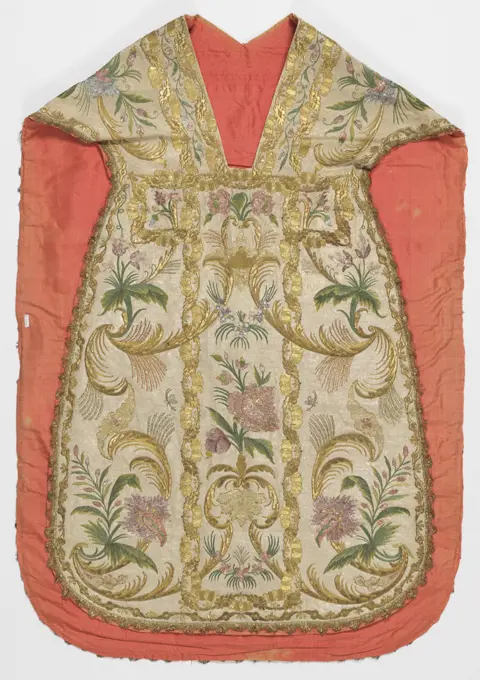
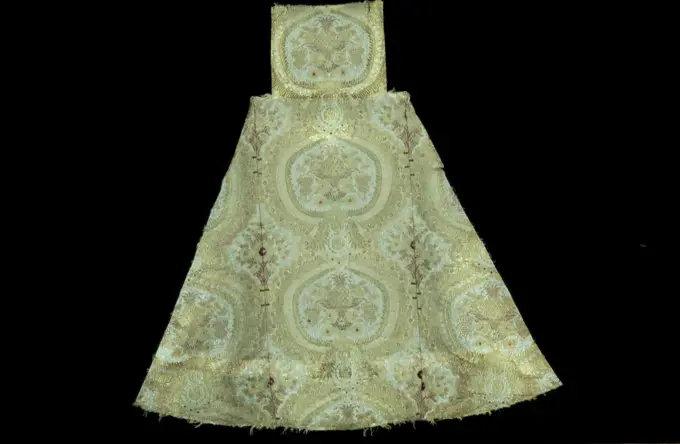
Chasuble;  18th century (1701-00-00-1800-00-00);
Chasuble; 18th century (1701-00-00-1800-00-00);
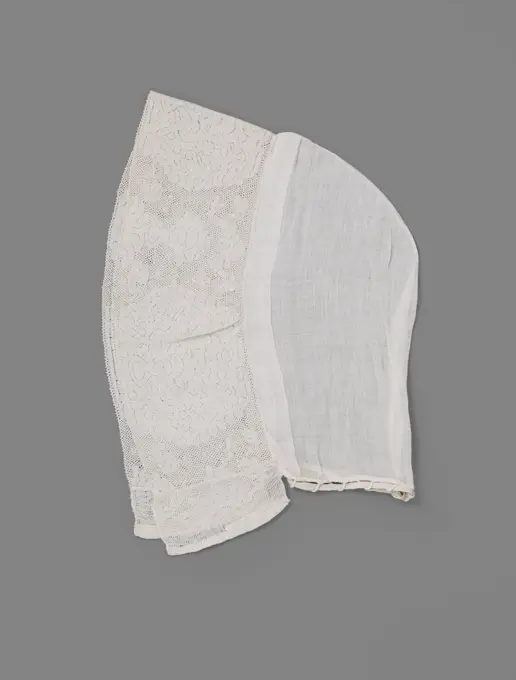
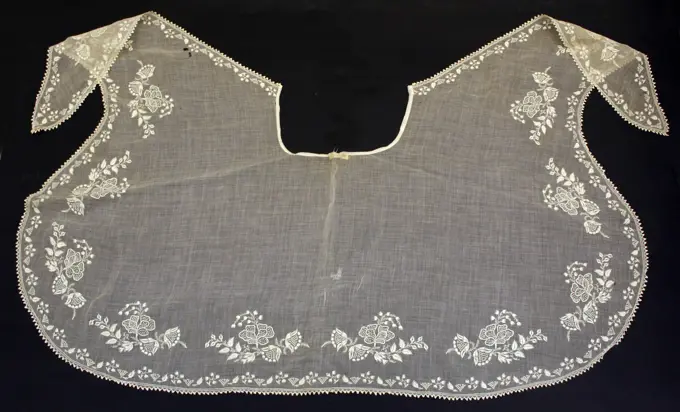
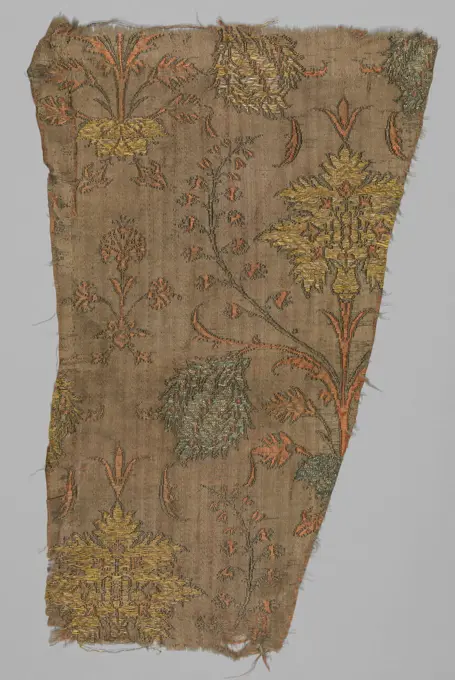
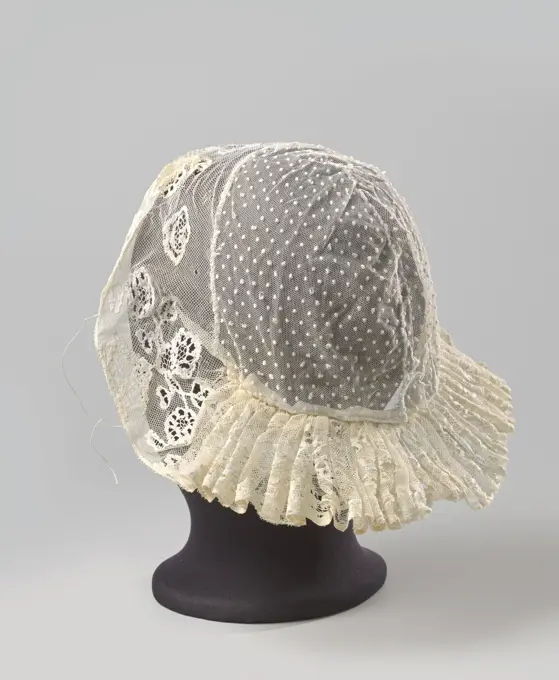
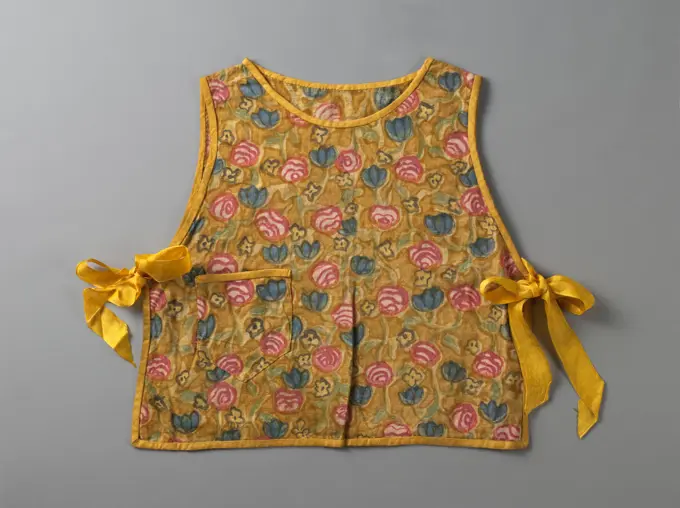
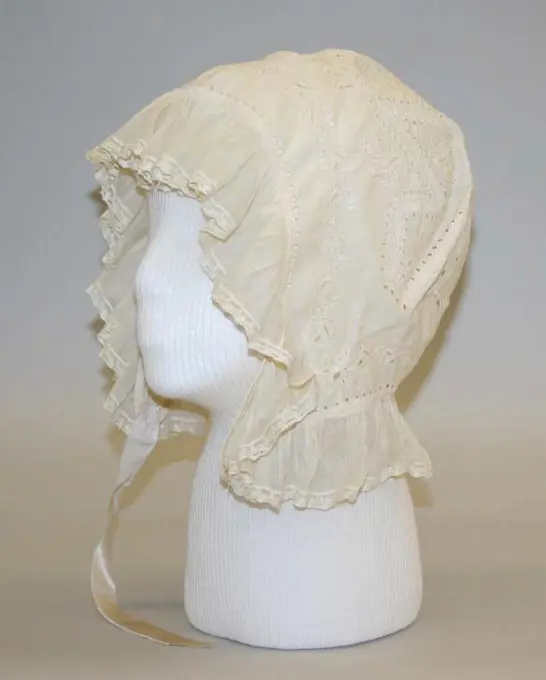
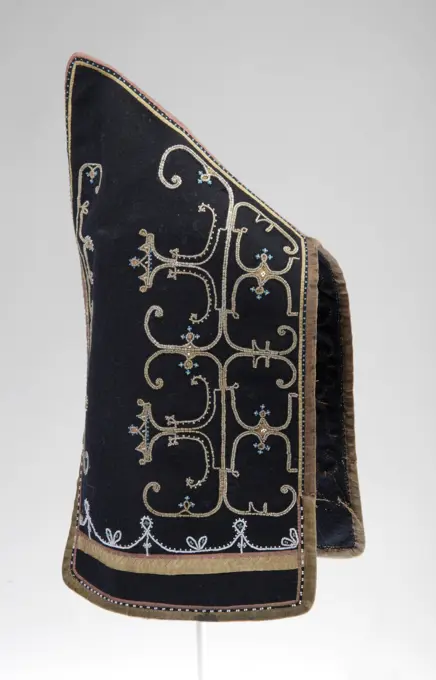
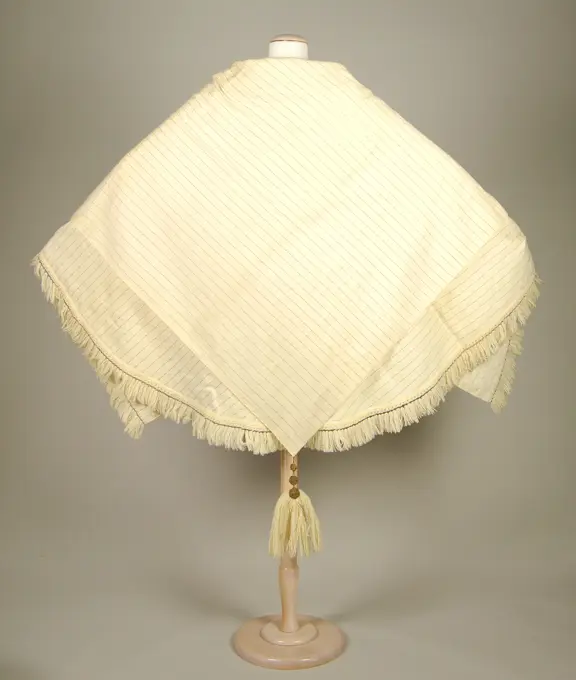
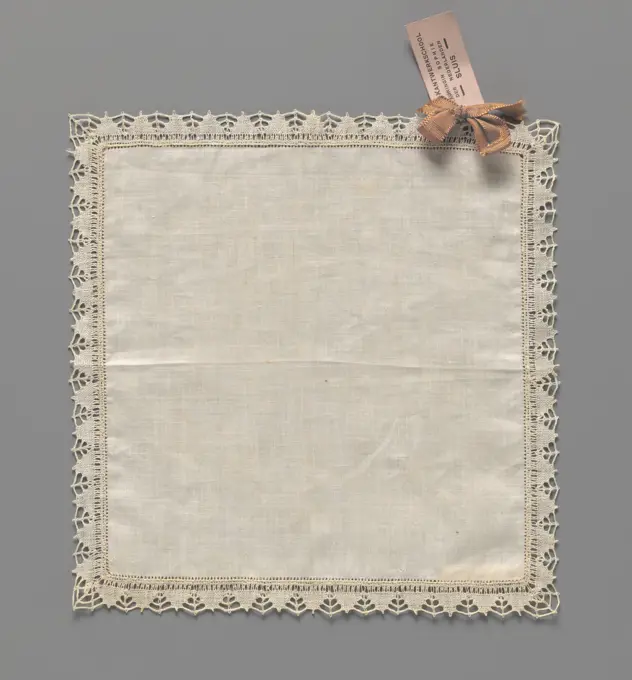
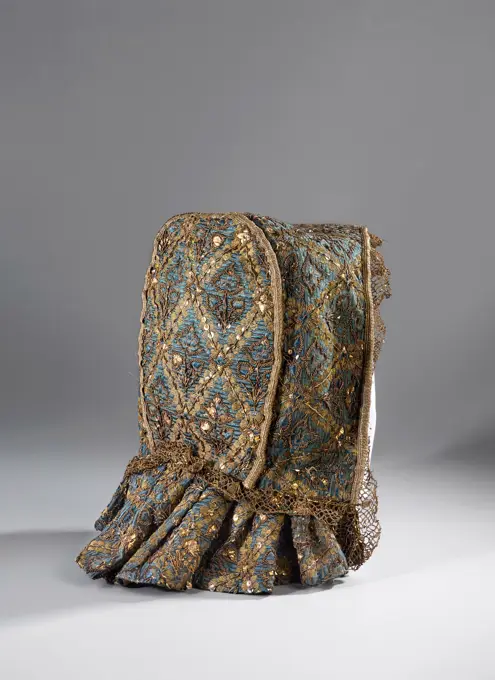
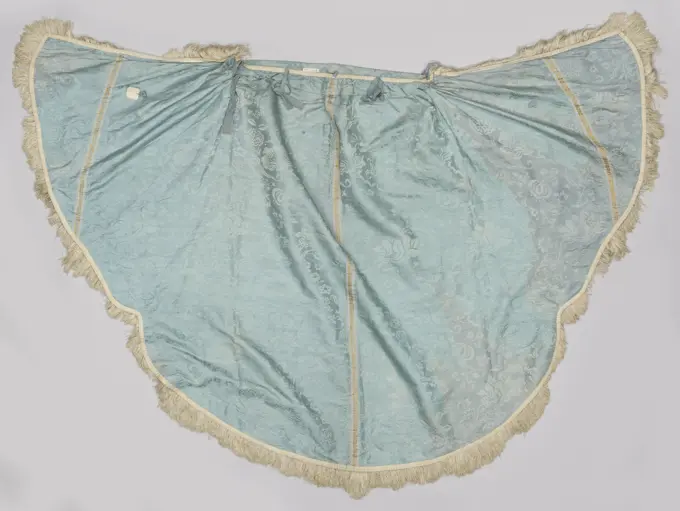
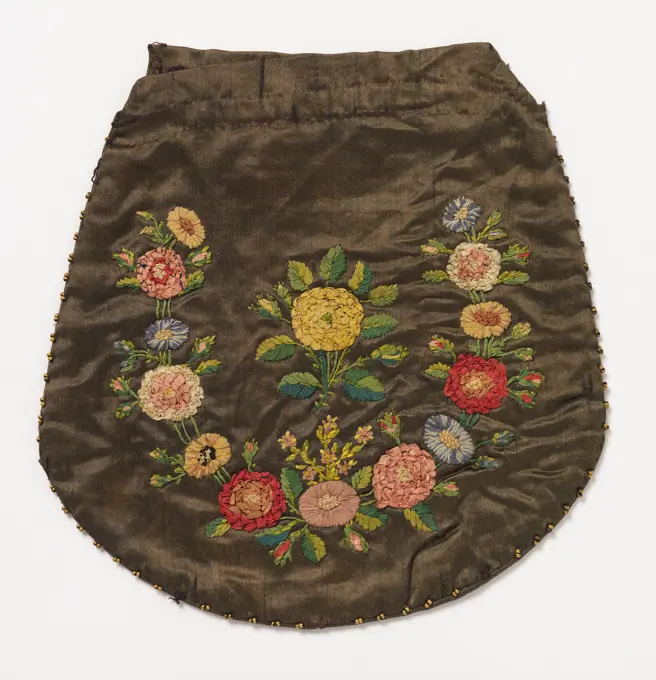
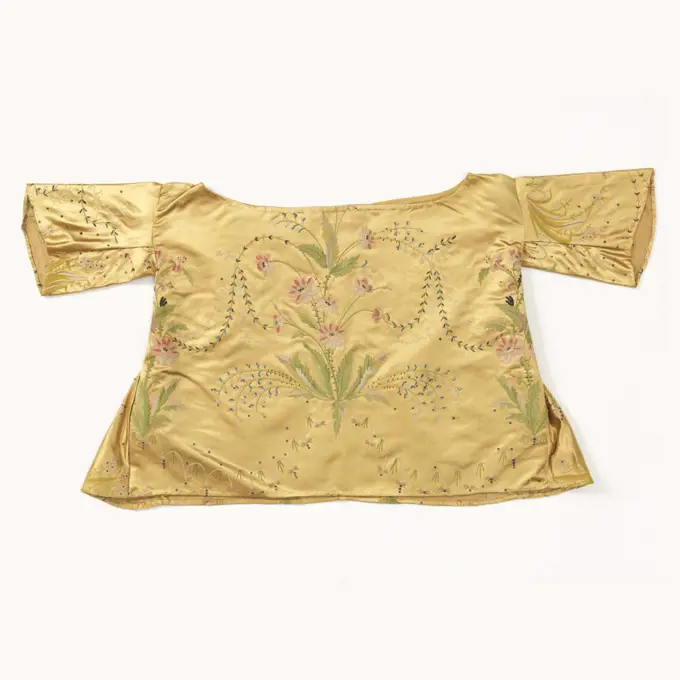
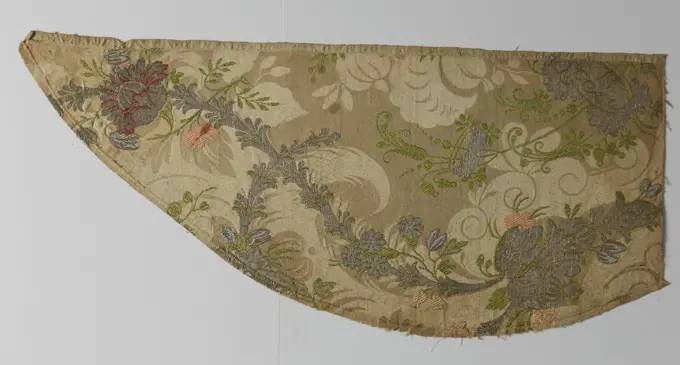
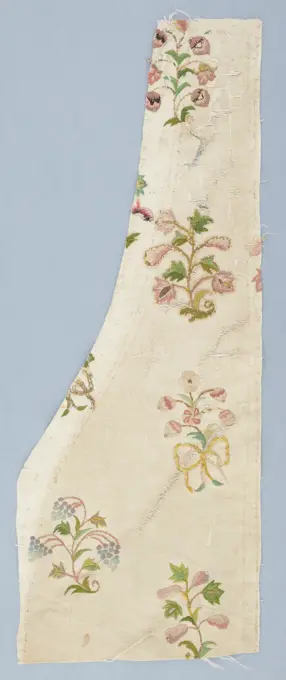
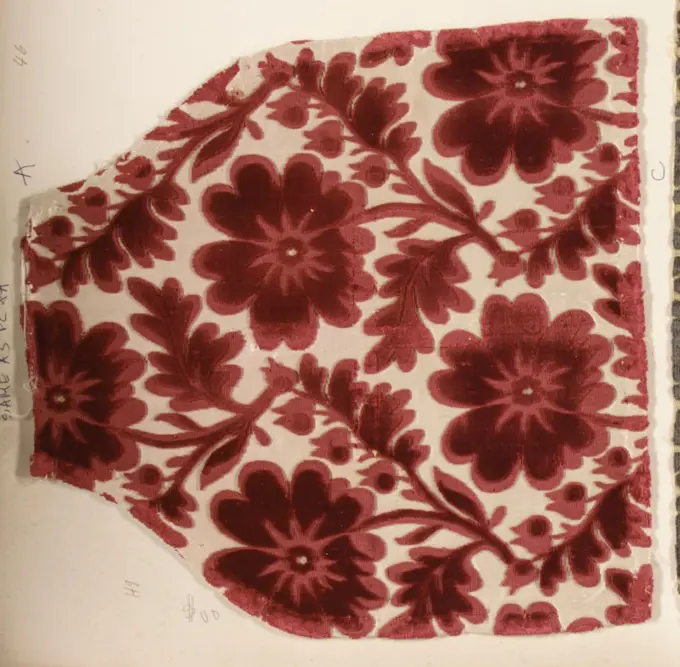
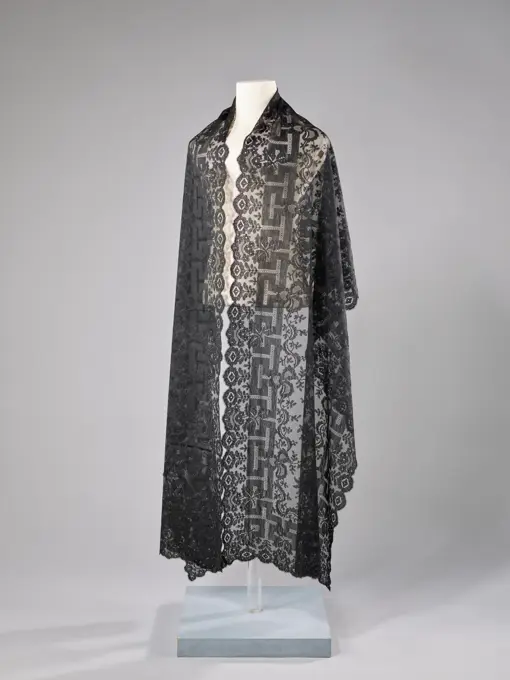
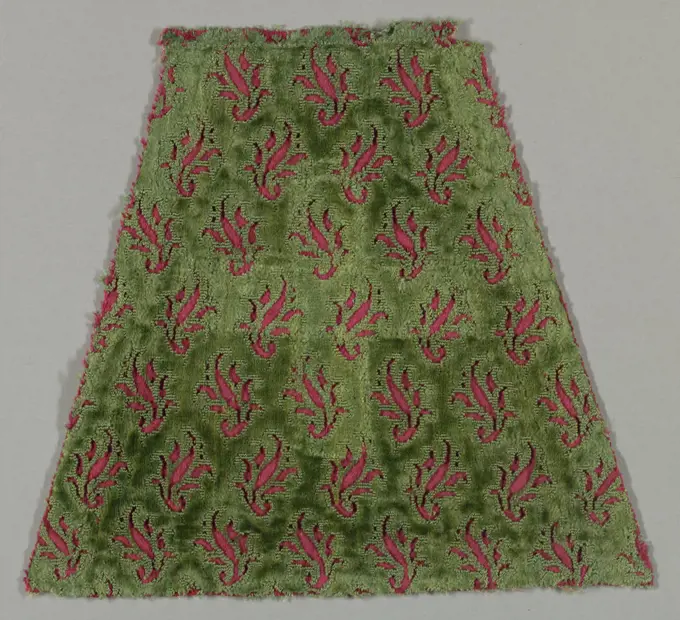
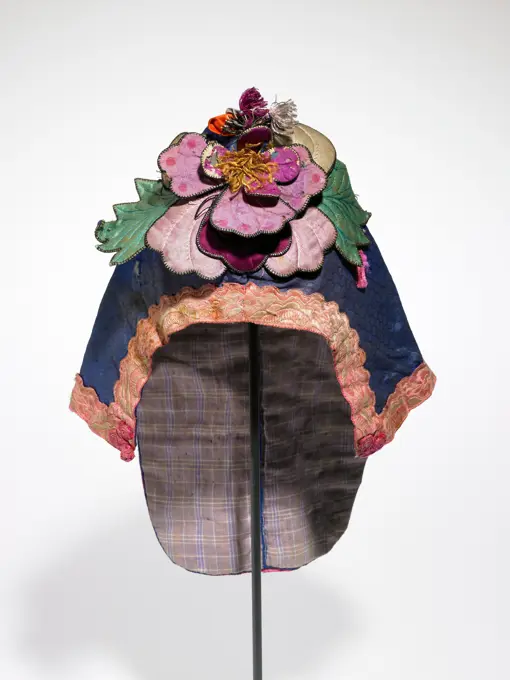
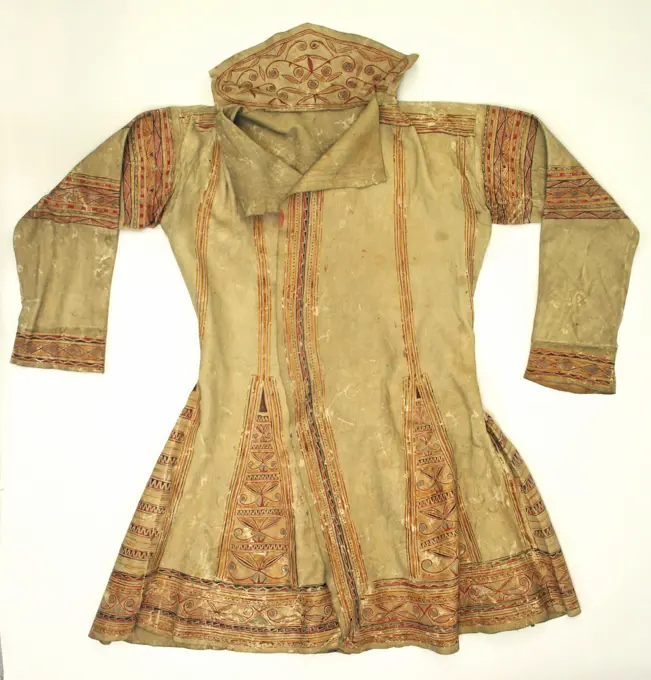
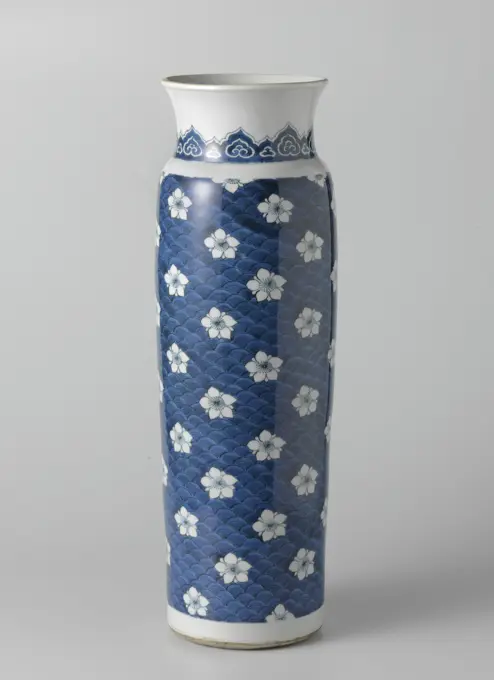
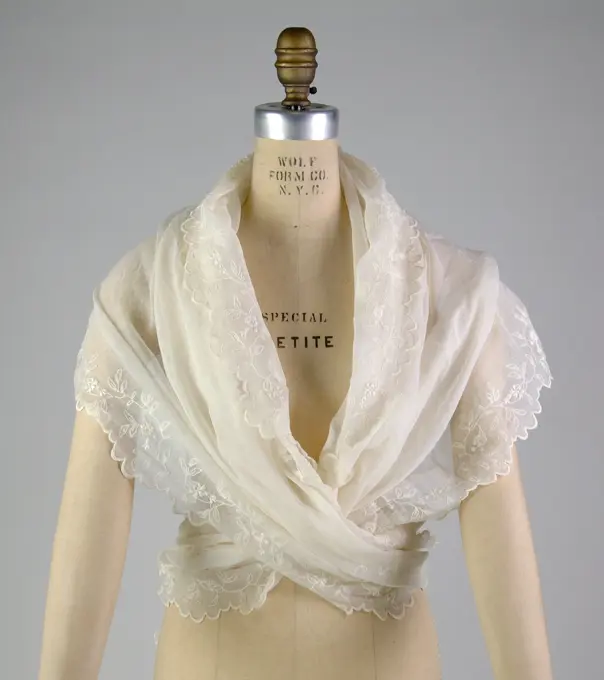
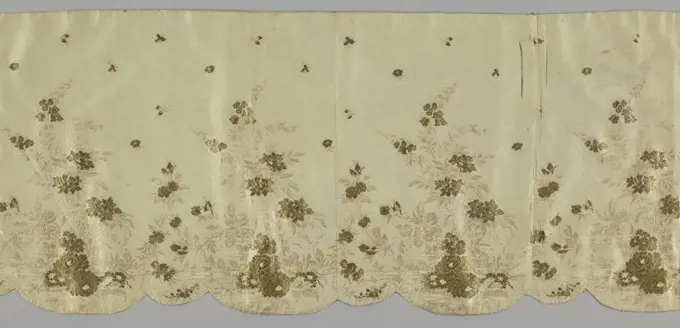
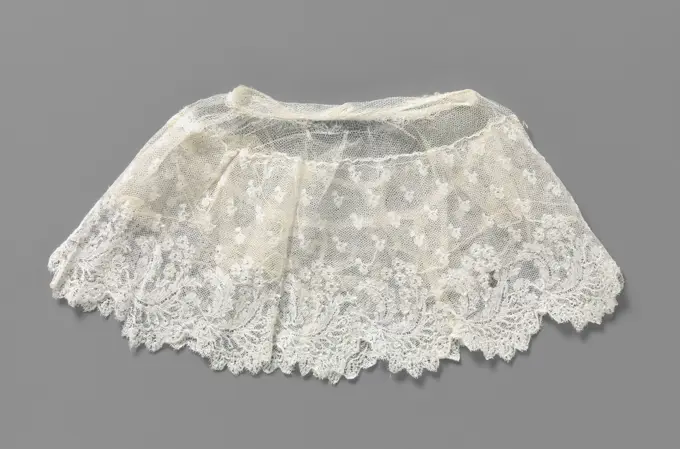
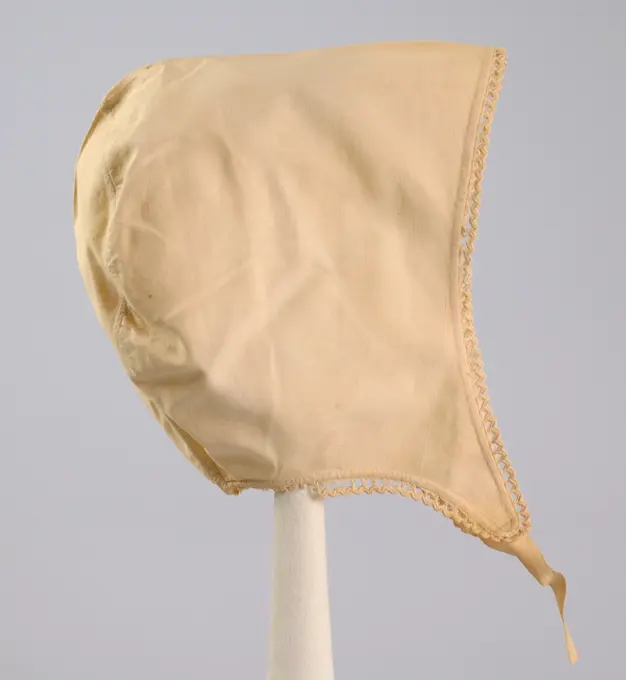
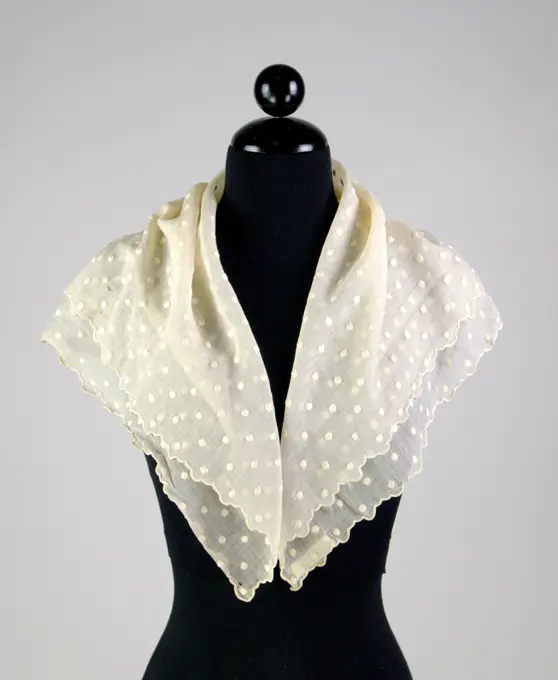
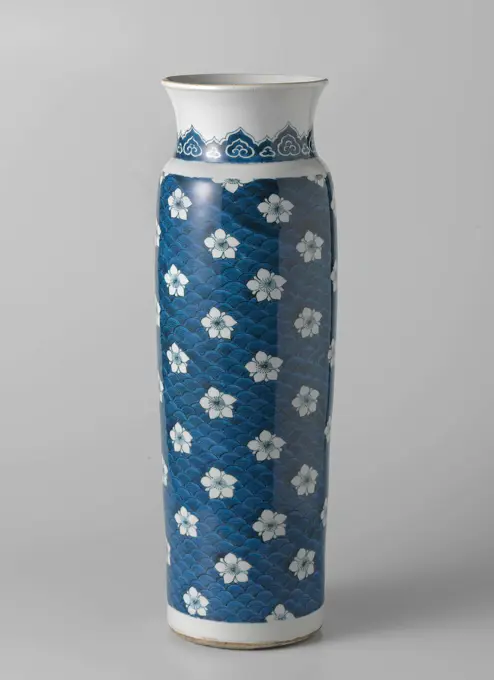
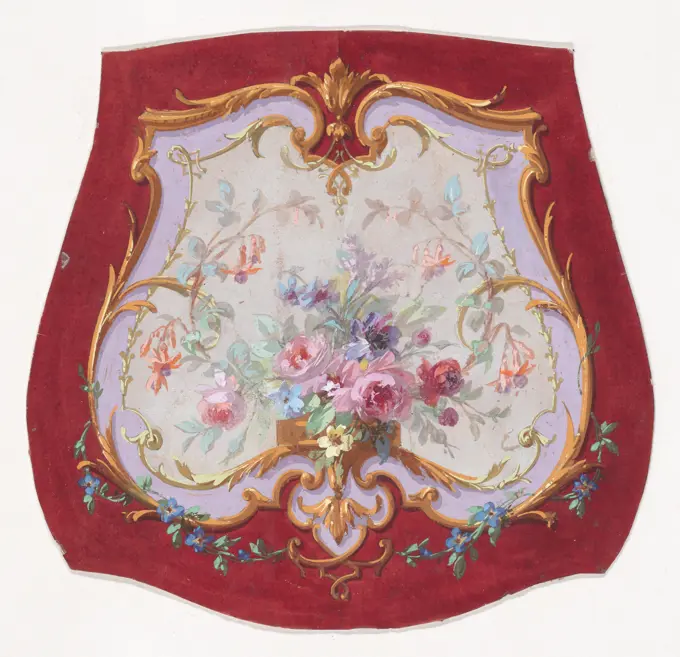
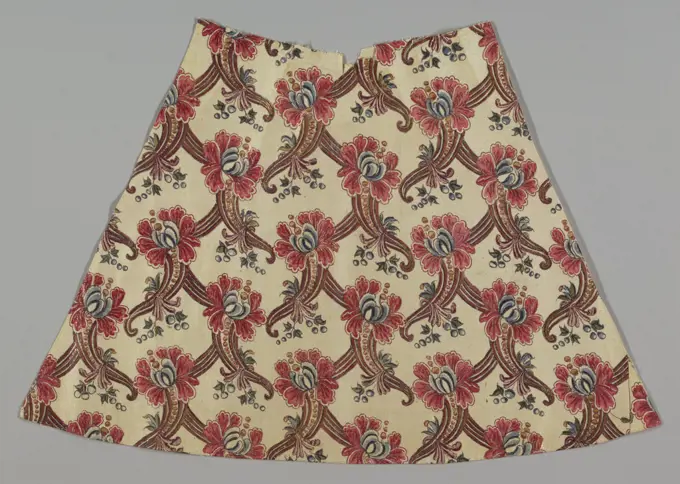
Pair Of Sleeves; silk, metallic yarnsHat of regional service, made of fine batist with a wide strip of bobbin, anonymous, c. 1635 - c. 1665 Hat of regional command, made of fine batist with a wide strip of bobbin, which shows a reinforced hexagonal Maas and a linen battle with ajour edge. Extension of woven mesh. Pattern of large lobed oval flowers, with inner filling of a vase with flowers, alternate with loose vases and grit. North Netherlands batiste. bobbin lace Hat of regional command, made of fine batist with a wide strip of bobbin, which shows a reinforced hexagonal Maas and a linen battle with ajour edge. Extension of woven mesh. Pattern of large lobed oval flowers, with inner filling of a vase with flowers, alternate with loose vases and grit. North Netherlands batiste. bobbin laceFragment (Italy); silk, metallic threadFichu 1830-40 American. Fichu 119244Fragment (France); silk, metal threadImage Robe (For Christ Child Statue) Made 1725-1800 Italy. Linen, bobbin part lace; trimmed with three different types of straight lace .Fragment; silkMiser's Purse (France); silk, glass and metal beads; L: 23 cm (9 1/16 in.)Chasuble;  18th century (1701-00-00-1800-00-00);Fragment of embroidery  dense net ornamentation unknownCardigan of heavily ribbed cream linen (), In the cream side embroidered with flower and leaf vines, anonymous, c. 1830 Vest of beige piqué linen, embroidered with beige silk flower vines. Netherlands (possibly) linen (material). silk embroidering Vest of beige piqué linen, embroidered with beige silk flower vines. Netherlands (possibly) linen (material). silk embroideringChasuble. unknown, authorChasuble. unknown, authorTextile Fragment late 17th century. Textile Fragment. late 17th century. Silk and metallic thread; brocaded. Country of Origin Iran. Textiles-BrocadesFragment, Medium: silk, metal thread Technique: plain weave with discontinuous supplementary weft patterning (brocade), White grosgrain with ground figure of lace-like serpentine. Large-scale sprays of roses and other flowers brocaded in polychrome silks, gold metal thread and flat silver., France, late 18th century, woven textiles, FragmentSpencerek, women's hat;  End of the 18th century (1790-00-00-1800-00-00), the beginning of the 19th century (1801-00-00-1810-00-00);Bailly, Rosa (1890-1976) - collection, gift (provenance), hatFragment. Italy. Date: 1601-1700. Dimensions: . Cisele voided cloth velvet. Origin: Italy. Museum: The Chicago Art Institute, Chicago, USA.Hat with full of tulle -embroidered tulle, trimmed with a strip of Rijssel side, anonymous, c. 1800 - c. 1900 Hat with ball of tulle -embroidered tulle, trimmed with a strip of Rijssel side. The strip is folded along the forehead. maker: FrieslandLille whole: Linen (Material). embroidering / bobbin lace / Lille lace Hat with ball of tulle -embroidered tulle, trimmed with a strip of Rijssel side. The strip is folded along the forehead. maker: FrieslandLille whole: Linen (Material). embroidering / bobbin lace / Lille laceFragments of embroidery unknownWoman's Cap. United States, New York, New York, circa 1825. Costumes; Accessories. Net, satin ribbonChild's apron ". Yellow cotton canvas printed with pink and blue flowers. Yellow silk ribbons. Around 1925. Galliera, fashion museum of the city of Paris. 71776-25 Child, flower, childish mode, decorative motif, floral motif, ribbon, pink, apron, clothingMorning cap ca. 1812 American. Morning cap 116812Velvet Fragment, 1400s. Italy, 15th century. Velvet (cut and voided); overall: 28 x 22.9 cm (11 x 9 in.).Undersleeves ca. 1860 American or European. Undersleeves 118693Fragment; silk, metallic wovenChasuble, Medium: silk, metal Technique: embroidered on foundation of plain weave with continuous supplementary weft, Chasuble with vertically symmetrical floral pattern with large gold scrolls. At center back, an ecclesiastical coat of arms. Gold bobbin lace at edges., Italy, 18th century, costume & accessories, ChasublePeaked cap -Sash, Medium: linen, silk, Sash of sky-blue ribbon patterned with a broad central band with a symmetrical repeat of stylized heart and arabesque forms in blue, coral, and cream warp floats. Hanging decorations are formed from knots and flowers of silk floss and basket-like forms of bobbin lace and leno weave of silk and linen cord., France, late 18th century, woven textiles, SashBag, Medium: silk, metal-wrapped silk and coils of gilt foil on linen Technique: embroidered in half-cross, tent, couching and bouillon stitches using silk; brick and plaited braid stitches using metal-wrapped silk plus coils of gilt foil on plain weave, Design of coiling stems enclosing flowers and fruit. Plaited cord drawstring with tassels., England, 17th century, costume & accessories, BagPillow late 17th-early 18th century British. Pillow 223006Fragment, Medium: silk, metallic (silvered gilt vellum wrapped around silk core) Technique: compound woven with discontinuous supplementary wefts (brocade), Woven silk textile fragment with tangent roundels containing regardant griffins, with a border of stylized floral motifs and symmetrical interlaced stems. In green on rust ground, silver gilt heads brocaded., Italy, 14th century, woven textiles, FragmentFragment, Medium: Technique: printed, USA, 19th century, printed, dyed & painted textiles, FragmentAngarhka (Man's Robe) Made 1775-1825 India. Cotton, plain weave; pieced .Shawl ca. 1866 possibly Moroccan. Shawl 168800Saddle, Bridle, Bit, and Trappings 18th-19th century Moroccan. Saddle, Bridle, Bit, and Trappings 31910Linen handkerchief all around with a border of bobbin with triangular pattern, royal lace working school 'Queen Sophie of the Netherlands', c. 1925 - c. 1949  Linen handkerchief all around with natural -colored bobbin: Dutch side. The repeating and geometric pattern consists of a row of triangles in linen battle. In the fields in between, three braids always connect the triangles with each other and in this way also form (reverse) triangles in themselves. An orange bow is attached to the side with a label with the text: "Kon. Kantage school; Queen Sophie; of the Netherlands; Sluis". On the other side of the label are two digits, written by hand: "75" and "425". Lock linen (material) bobbin laceBag (France); silk, metalFigurine, 700s - 900s. Iran, early Islamic period, 8th - 10th century. Bone, incised; overall: 8.9 x 3.1 x 0.5 cm (3 1/2 x 1 1/4 x 3/16 in.).Cap. unknown, authorLoose belt, associated with a dress from Voile, c. 1830 - c. 1832  Netherlands .  Netherlands .Fragment, Medium: cotton Technique: printed, Fragment with a pattern of pointed medallions ornamented with geometric forms in bright red, blue and yellow on a brown ground., England or USA, ca. 1850, printed, dyed & painted textiles, FragmentHat with a full of light blue silk woven with colored flowers and gold thread, anonymous, c. 1785 - c. 1800 Cap from silk. Buly of light blue silk with woven colored flowers and gold thread. From the front a pink silk band on which passion of gold thread. Rose silk bow ribbons. Westphalia whole: Silk. whole: Cap from silk. Buly of light blue silk with woven colored flowers and gold thread. From the front a pink silk band on which passion of gold thread. Rose silk bow ribbons. Westphalia whole: Silk. whole:Cover for a cradle, anonymous, c. 1700 - c. 1750 Cover for a cradle, of light blue silk dam mast with a pattern of somewhat whimsical, embroidered flowers, on the bottom edge, stimulated with cream -colored tire in a pattern of volutes, trimmed with cream -colored fringe. China silk embroidering / damask Cover for a cradle, of light blue silk dam mast with a pattern of somewhat whimsical, embroidered flowers, on the bottom edge, stimulated with cream -colored tire in a pattern of volutes, trimmed with cream -colored fringe. China silk embroidering / damaskEnsemble 1865-75 American. Ensemble 103982Purse; silk, copper beadsChild's blouse, Medium: silk, metallic yarns Technique: tambour embroidery on satin weave, Yellow silk satin blouse embroidered in point de chainette stich with flowers in green, pink and white silk., Europe, 18th-19th century, embroidery & stitching, Child's blouseTextile Fragment. France, 18th century. Textiles; fragments. Silk satin with silk weft patterning and silk and metallic-thread supplementary-weft patterningFragment of embroidery  motifs of floral twig and fruits unknownPortion of a cope, 18th century, 102 x 76 in., Silk, gold, silver, Russia, 18th centuryMiser's Purse (France); silk, metal beadsMitaine from silver -gray Vloszijde, embroidered in floral motif, anonymous, c. 1750 - c. 1800 Left mitaine of silver -gray Vloszijde, knitted around in a floral motif, with separately knitted thumb. Zaanstreek whole: knitting Left mitaine of silver -gray Vloszijde, knitted around in a floral motif, with separately knitted thumb. Zaanstreek whole: knittingCap 19th century probably Greek. Cap. probably Greek. 19th century. cottonCape of black climbing side with bouquet on the back. Cape of black climbing side: Chantilly side. The cape has a printed triangular shape with rounded points, with a wide strip that is wrinkled at the bottom and at the top a narrow strip that has been placed in the correct shape with a few large figures. In the middle of on the back is a large bouquet in a symmetrical pattern with loose flower branches where a zigzag garland of leaves runs in between. The wide-controlled strip along the bottom has a sloping edge that is made up of large C-volutes, which turned from each other a kind of horns of abundance shapes from flour branches. The pattern of the narrow strip along the top consists of loose flower branches in oval cartouches of pearl lists. The motifs are connected by a Maas soil. The motifs are made in the battery and one type of ornamental ground has been used, to run the motifs thicker contour wires. The Cape can be closed with a cost ribbon and buttonsFragment of silk fluble, anonymous, 1500 - 1599 Fragment silk velvet. On a salmon -colored silk stock (RIPS), from green velvet horizontally ripened sheets and grenade buttons are saved. NOTE: On the left a corner used, on the right -hand -cut self -sided can be seen in solid binding, 2 colorful. Italy silk. velvet (fabric weave). ciselé velvet Fragment silk velvet. On a salmon -colored silk stock (RIPS), from green velvet horizontally ripened sheets and grenade buttons are saved. NOTE: On the left a corner used, on the right -hand -cut self -sided can be seen in solid binding, 2 colorful. Italy silk. velvet (fabric weave). ciselé velvetCap crown 1720-40 French Laces produced in Alençon and Argentan, where the French lacemaking industry was established in the seventeenth century, evolved in tandem with changing fashions. For a brief period in the first half of the eighteenth century, these laces, called Argentella, were produced with a background, or mesh, of solid hexagons enclosed within hexagonal outlines. They were intended to mirror the patterns of contemporary dress silks. Both silks and laces of the period often employed motifs of exotic foliage, such as the palm trees in this cap crown.. Cap crown 229617Fragment late 17th century Italian. Fragment 230025Shawl;  1. PO. 19th century (1801-00-00-1850-00-00);Fragment, Medium: silk Technique: supplementary warp forming raised cut and uncut pile in satin foundation (velvet), Red diagonal leaves in field of green., Fragment probally was one end of a maniple. Evidence of a cross can still be seen., 17th century, woven textiles, FragmentCrewing blind of white silk daamast with floral pattern, anonymous, c. 1730 Criege blind of white silk daam mast with floral pattern and fringes along the entire lobe edge. Pleated and fed. Equipped with metal mounting hooks.  silk damask Criege blind of white silk daam mast with floral pattern and fringes along the entire lobe edge. Pleated and fed. Equipped with metal mounting hooks.  silk damaskChild's Hat, 14 3/4 x 13 1/4 x 6 in. (37.47 x 33.66 x 15.24 cm), Cotton, metal, paper, ChinaEnsemble ca. 1820 Innu/Naskapi, Native American. Ensemble 89970Bag 1800-1825 American. Bag 157263Miser's purse, Medium: silk, metal Technique: crocheted, Dark crocheted silk ornamented with gold beads in zigzag and stylized branch pattern. Accents of very small cut steel beads. Two gold rings control side opening; gold ball drops at either end., France, early 19th century, costume & accessories, Miser's purseSleeve vase, anonymous, c. 1635 - c. 1650 Vase (roller car) made of porcelain, painted in under -glaze blue. The body is covered with a wave pattern with loose prunus blossoms saved in it. On the neck a band with Ruyi motifs. Transitional porcelain in blue and white. China porcelain. glaze. cobalt (mineral) painting / vitrification Vase (roller car) made of porcelain, painted in under -glaze blue. The body is covered with a wave pattern with loose prunus blossoms saved in it. On the neck a band with Ruyi motifs. Transitional porcelain in blue and white. China porcelain. glaze. cobalt (mineral) painting / vitrificationFichu ca. 1793 French. Fichu. French. ca. 1793. CottonValance, Medium: silk, metallic thread Technique: compound weave with supplementary weft, Scalloped valance made from several pieces of a thin beige silk cloth, horizontally ribbed and with finely drawn naturalistic bunches of garden flowers with widely scattered detached sprigs, in deeper beige silk floss; groups of flower heads in two kinds of gold metal thread. Plain selvage and lined with glazed cotton cloth., France, 19th century, woven textiles, ValanceShawl 1840-60 possibly American. Shawl 168787Manchet van kloskant met sikkelvormige blad- en bloemtakken.Cuff from natural tulle with a border underneath: Mechelen side. The tulle is unfinished and slightly darker from shade than the Malinois side that is sewn from the tulle. Trapezoidal clocking model. The repeating pattern of the Mechelen side consists of semicircular slot, formed by fine leaves that are on the outside of a curved rocaille motif. Long leaves and a group of six rosette flowers or forget-me-staples on the inside. Blossoms scattered on the field above that. The motifs are made in linen stroke and are accentuated by thicker shiny contour wires. The motifs are connected by a Mechelen soil. In the leaves a dot decoration is made in shape stroke. The side is made in Belgium, the cuffs are made in the Netherlands. With this cuff a portion of the top of the strip of Malinois is missing, which has been replaced by a strip of machine tulle.Nightcap ca. 1868 American. Nightcap 168491I am a dangerous danger. B b b     こ こ こ こ ん ん ん ん ん ん ん も ん ん rChasuble (Spain); cottonCollar (England); linenMitts 1865-69 probably American. Mitts 119641Fichu 1820-40 American. Fichu 169314Chasuble with embroidered sides unknownSleeve Vase. Vase (wheel wagon) of porcelain, painted in underglaze blue. The body is covered with a wave pattern with loose prunus blossoms. A bond with Ruyi motifs on the neck. Transition porcelain in blue and white.Design for a Chair Seat Cover with Floral Motifs 1850-1900 () Anonymous, French, 19th century Sheet of paper with a design for a chair seat from the second half of the nineteenth century, inspired on the style of Louis XVI, forming part of the Neo-Classical Revival that took place in France and Britain from the 1850s on. The style was part of the Classical and Renaissance Revival that took place from about 1850, where the interest on the art and architecture from Ancient Rome and the 15th and 16th centuries was propelled by archaeological discoveries in Greece, Italy and Egypt. Through this style, Classical and Renaissance pieces of art and design were reinterpreted in a variety of forms and motifs, and classical figures, scrolling decorations, strapwork, and grotesques and moresques, became central element in design. This Revival was characterized by the use of design motifs that alluded to Classical Antiquity, including vases and trophies with pastoral attributes, classical figures Altar cover, Medium: linen Technique: filet lace, bobbin lace, A shaped linen cover in plain white which has a wide border of filet lace in an elaborate, fantastic design of curving vines and flowers with a winged, four-footed beast. Edged with scalloped bobbin lace. The border is backed with course, modern net to protect it., Italy, 17th century, lace, Altar coverFragment Made 1601-1650 Italy. Silk, plain weave with supplementary pile warps forming cut, uncut, and voided velvet .Smoking Cap. Dated: 1935/1942. Dimensions: overall: 32.3 x 29.1 cm (12 11/16 x 11 7/16 in.). Medium: watercolor, graphite, and colored pencil on paperboard. Museum: National Gallery of Art, Washington DC. Author: Alvin Shiren.IIturgical clothing  glove unknownCap ca. 1830 American. Cap 157783Fragment; silk, metallic yarnsSkirt panel, Medium: cotton; gold leaf on wax or gum base Technique: mordant painted and dyed with resist (chintz) on tabby weave, Wedge-shaped piece of fine firm cotton cloth with medium-scale design of stylized flower heads on top of grace-fully curving cornucopia forms decorated with graduated dots and a little sprig of blue berries. These forms are planned to curve left in one horizontal row and right in the next, and a serpentine band of the same reddish brown as the cornucopias underlays each vertical row so that an ogival ground plan accented with flower-heads is suggested. Shades of rose-red, blue, yellow and green (blue over yellow), violet; black and red outlines; gold leaf on wax or gum base outlining major parts of design. Lined with plain white silk., Z-spun cotton, 100-110 warps per inch. 1/8' selvages with coarser warps. No complete breadth., India, 18th century, printed, dyed & painted textiles, Skirt panelTaoist Robe, 1662-1722, Silk, China, 17th-18th centuryApron, Medium: silk, metallic thread Technique: embroidered on satin, Apron for an altar figure in pink satin embroidered in silver thread. With 1949-83-2 forms costume for figure of Infant Jesus., Spain, 18th century, embroidery & stitching, ApronDemolition with cord closure. Demolition for cushion, on a short side with six holes for cord closure.Emperor's Twelve-Symbol Dragon Robe (longpao). China, Late Qing dynasty, circa 1880. Costumes; principal attire (entire body). Silk and metallic foil-wrapped yarn in tapestry weave (kesi)Cape of light green silk with blue piping, anonymous, c. 1850 - c. 1920 The cape closes at the front with a metal hook. Europe Silk. hook: Metal The cape closes at the front with a metal hook. Europe Silk. hook: MetalŻupan. unknown, authorShawl (France); silk"Poke" Bonnet. Dated: c. 1935/1942. Dimensions: overall: 57.9 x 44.6 cm (22 13/16 x 17 9/16 in.). Medium: watercolor and graphite on paperboard. Museum: National Gallery of Art, Washington DC. Author: Irene Lawson.Sector of a parasold deck of dark blue cotton, decorated with embroidery, c. 1885 - c. 1900 Sector of a parasold deck of dark blue cotton, decorated with embroidery. The embroidery consists of two rows of stitching stitches with a flannel stitch, between which a swinging leaf vank. A label is attached to the deck with a metal clamp. Nijmegen Parasoldek: cotton (textile). Embroidery: Cotton (textile) embroidering Sector of a parasold deck of dark blue cotton, decorated with embroidery. The embroidery consists of two rows of stitching stitches with a flannel stitch, between which a swinging leaf vank. A label is attached to the deck with a metal clamp. Nijmegen Parasoldek: cotton (textile). Embroidery: Cotton (textile) embroideringNegligée 1870s American or European. Negligée 108995Tablier of silk brokaat, with a cream -colored stock on which multicolored sides, gold and silver flowers., Anonymous, c. 1765 - c. 1775 Tablier of silk brokaat, with a cream -colored stock on which multicolored sides, gold and silver flowers. Netherlands (possibly) brocade (textile). silk Tablier of silk brokaat, with a cream -colored stock on which multicolored sides, gold and silver flowers. Netherlands (possibly) brocade (textile). silkGloves 1868 Austrian. Gloves 119643Vest, late 19th century. Dalmatia, Late 19th century. Velvet, gold braid, sequins; overall: 30 x 42 cm (11 13/16 x 16 9/16 in.).Collar 1830s American. Collar 118954Loose belt, hearing at a Jap of Voile. .Girl's hat of white cotton, at the front decorated with four races and trimmed with two scalloped edges, anonymous, c. 1890 - c. 1909 A baby hat of linen, batist and gene nettle cloth with horseshoe -shaped or round ball (for girls), decorated with bobbin strips. Belle Époque. Netherlands (possibly) linen (material). batiste. buckram. bobbin lace A baby hat of linen, batist and gene nettle cloth with horseshoe -shaped or round ball (for girls), decorated with bobbin strips. Belle Époque. Netherlands (possibly) linen (material). batiste. buckram. bobbin lace