Decorative Furniture Pieces

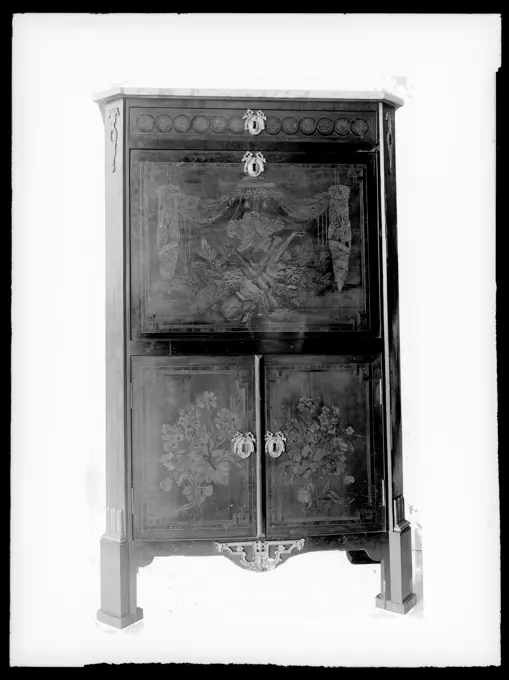
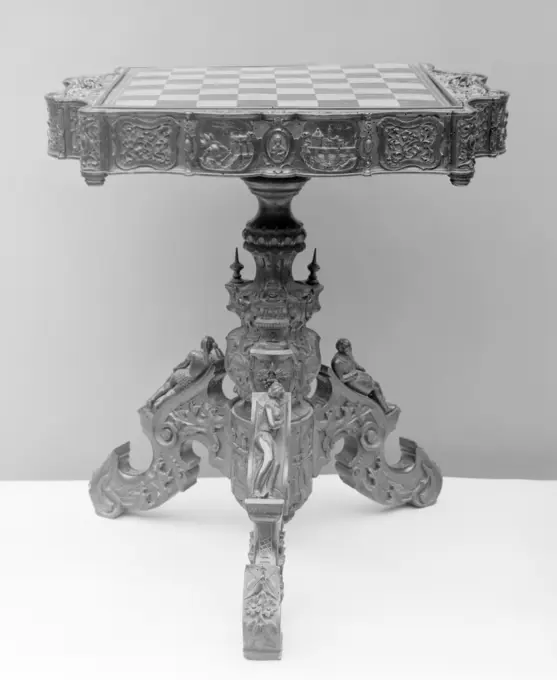
Artistic furniture elements including a chess table, elegant wall lights, and ornate door knockers, reflecting historical craftsmanship with intricate designs.

Abruzzo L'Aquila Sulmona Museo Civico2. Hutzel, Max 1960-1990 Museo Civico Treasures: these objects (Tesoro del Pio Istituto della SS. Annunziata and Tesoro della Cattedrale) are now housed in the security vault of a bank, not in the Museo Civico, as noted in Hutzel's photo campaign notes of August 1984. Views of the treasures include: a silver processional cross (14th century); gold, silver and enamel chalice (13th century), gold and silver crosier with sculpted figures depicting the Annunciation (13th century), a silver and gold reliquary with glass (13th century), a silver diadem (13th century), and a box-like silver and gold reliquary (15th century). German-born photographer and scholar Max Hutzel (1911-1988) photographed in Italy from the early 1960s until his death. The result of this project, referred to by Hutzel as Foto Arte Minore, is thorough documentation of art historical development in Italy up to the 18th century, including objects of the Etruscans and the Romans, as wel
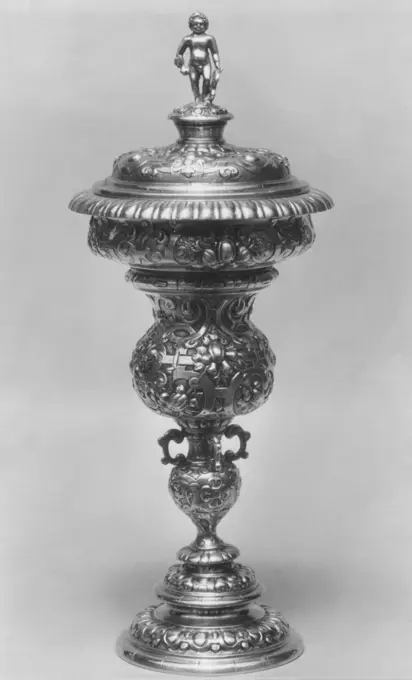
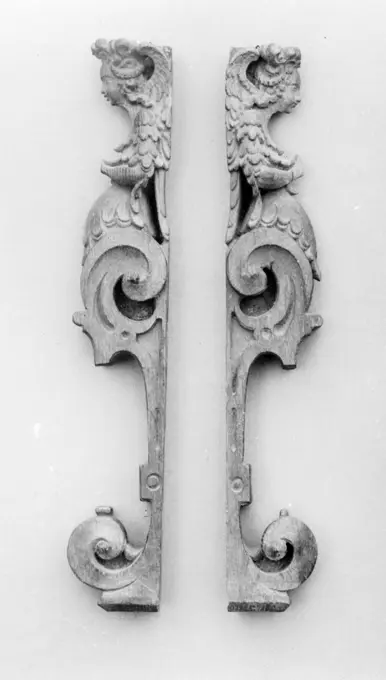
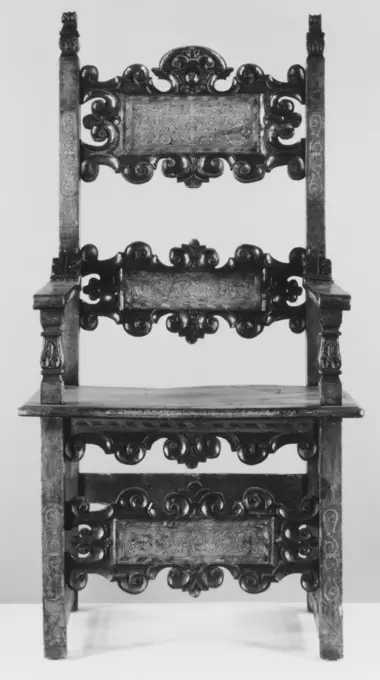
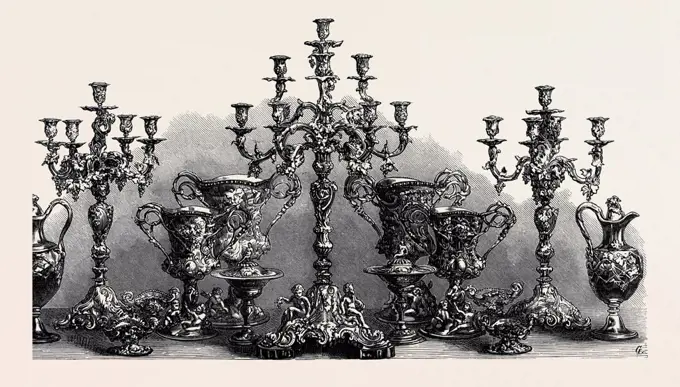
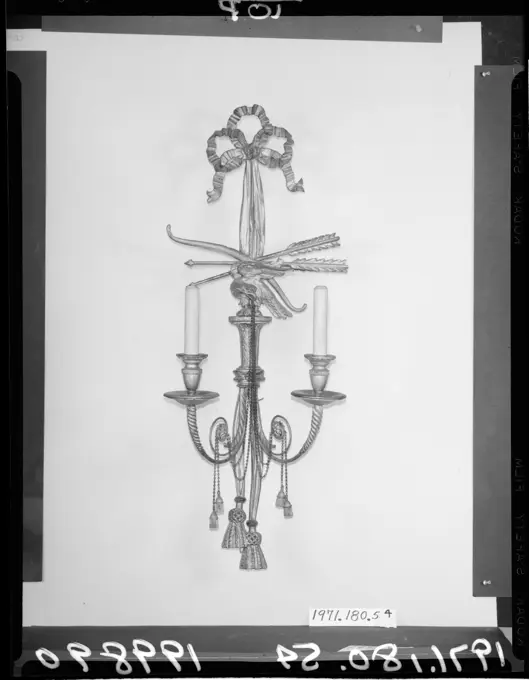
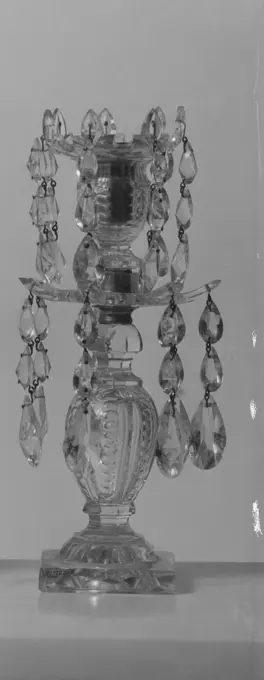
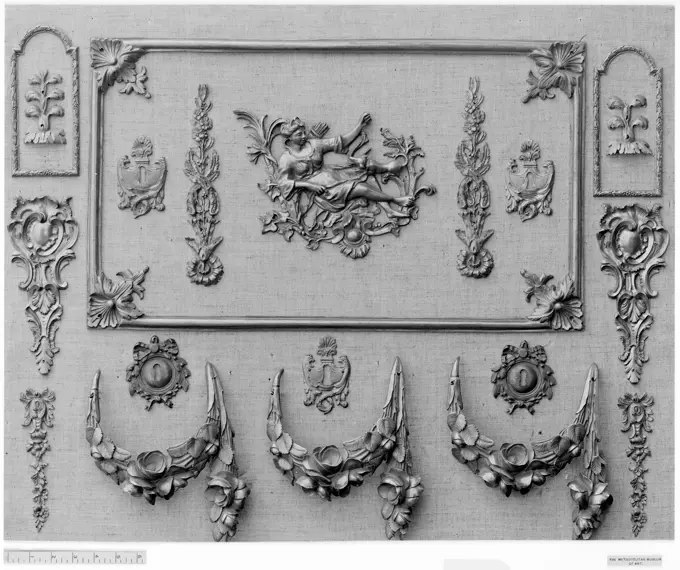
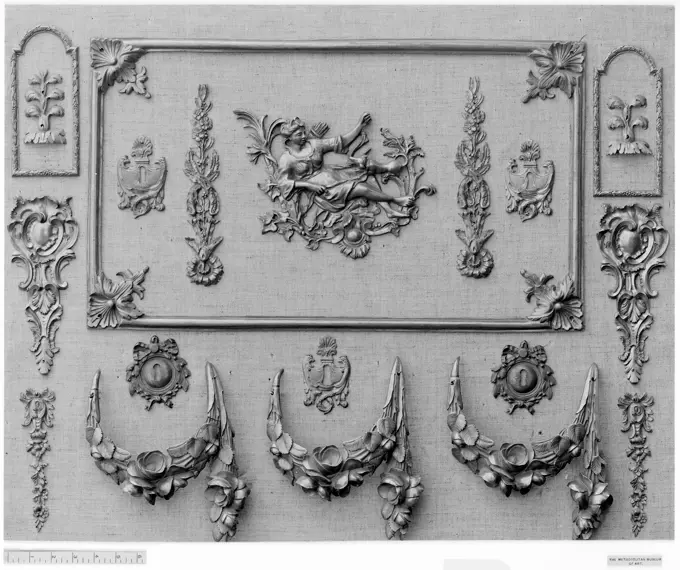
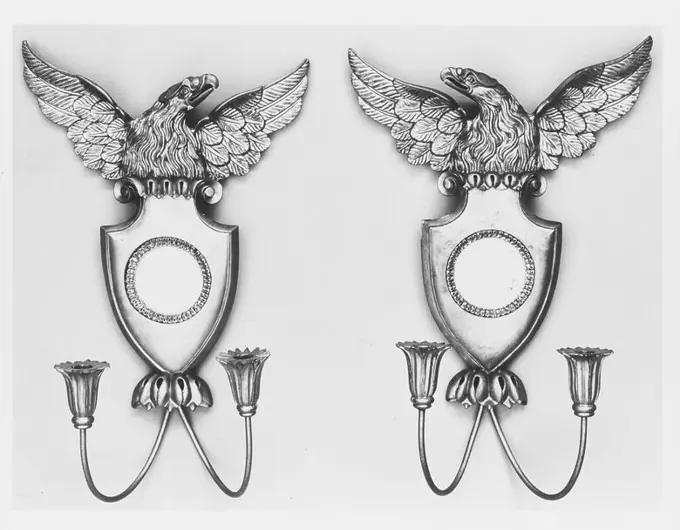
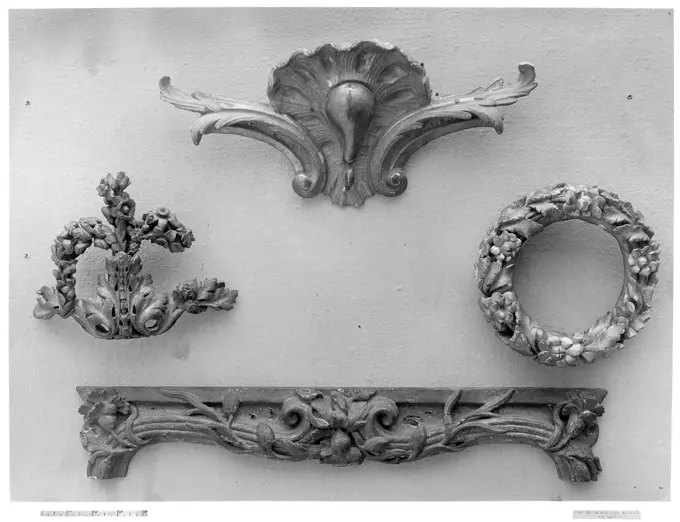
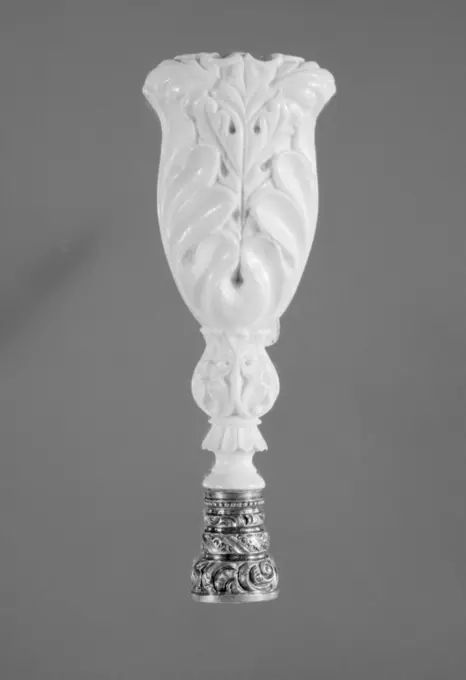
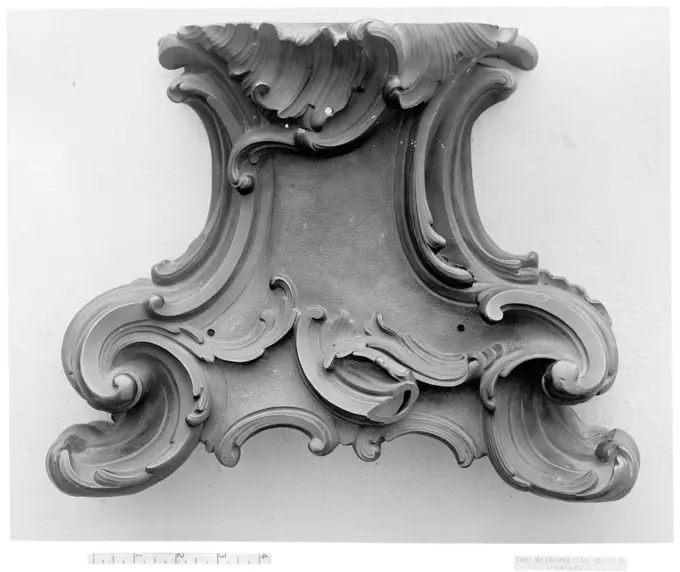
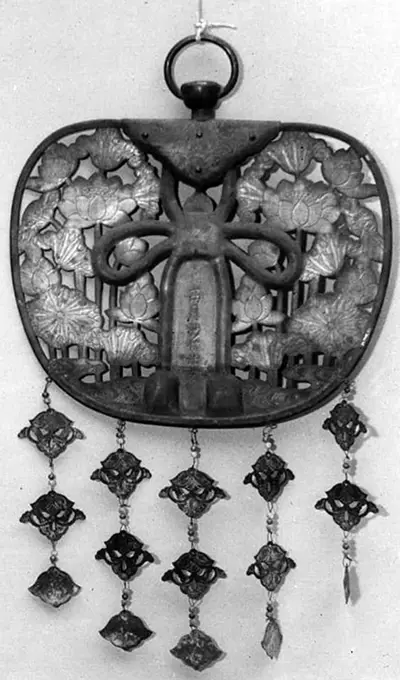
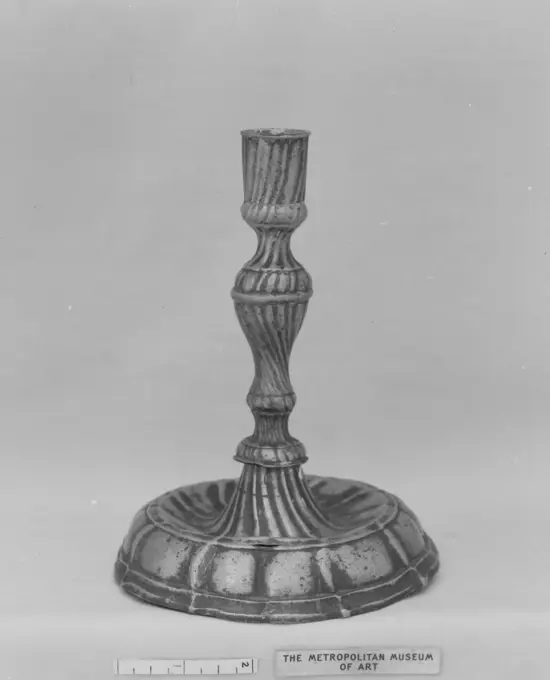
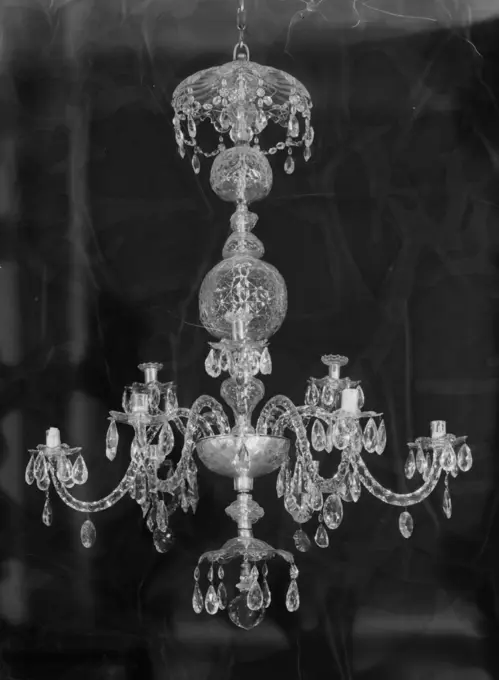
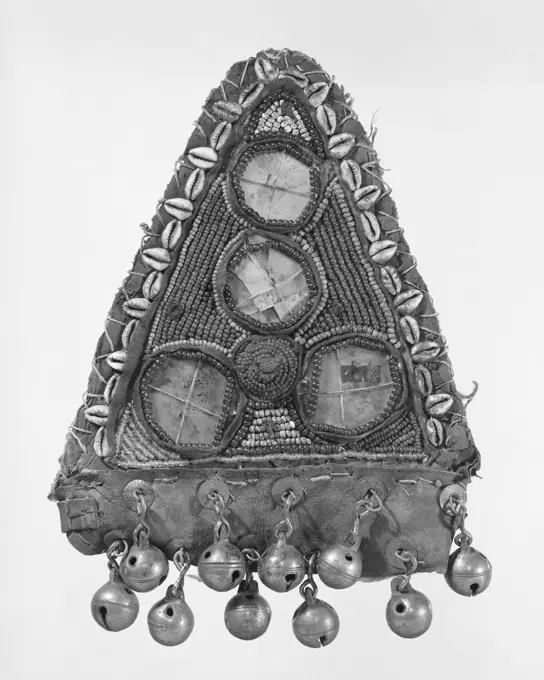
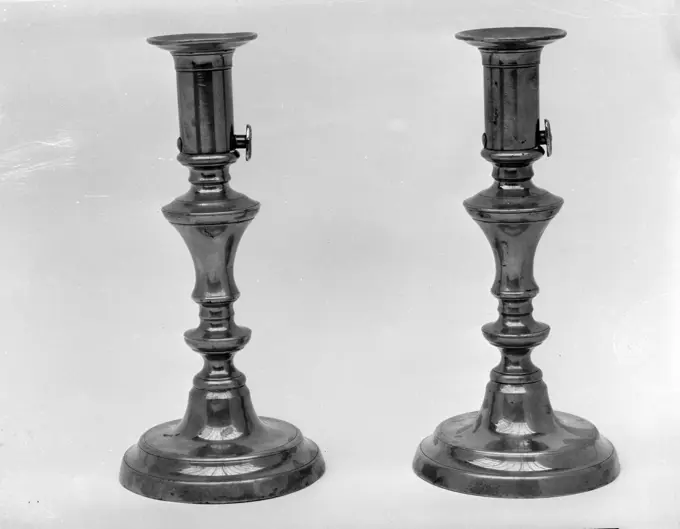
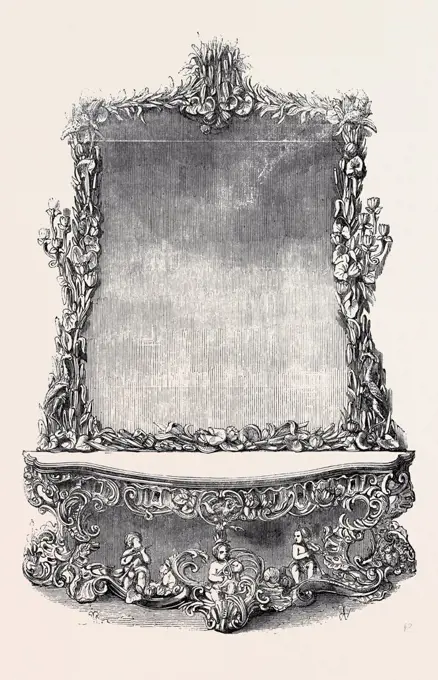
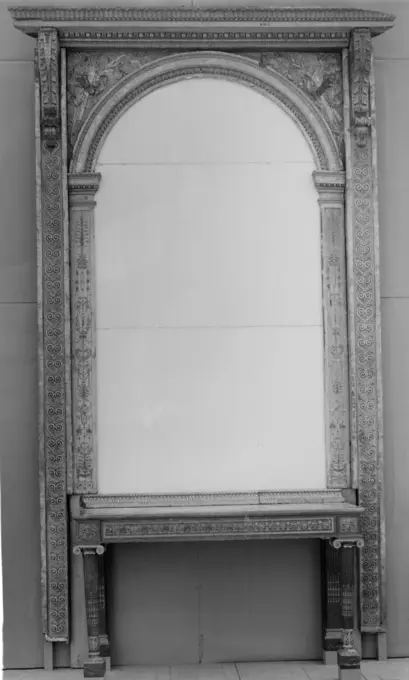
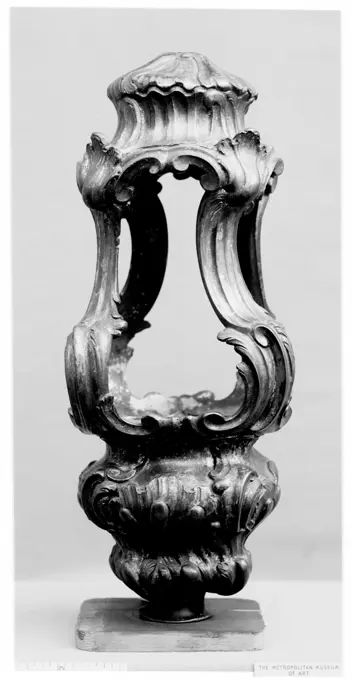
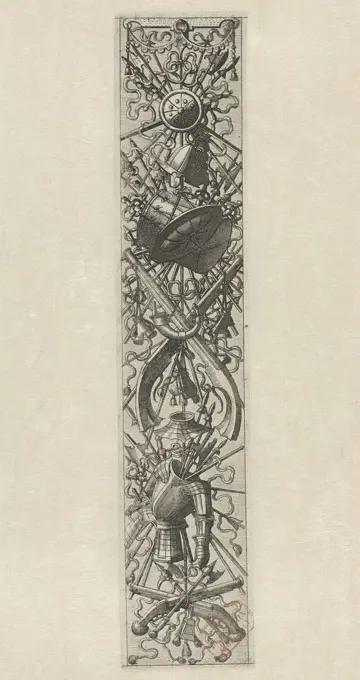
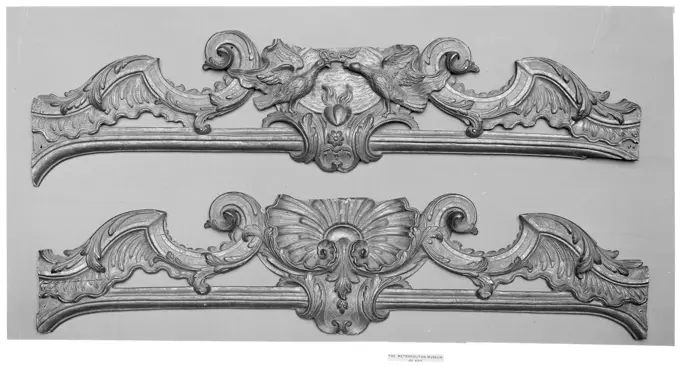
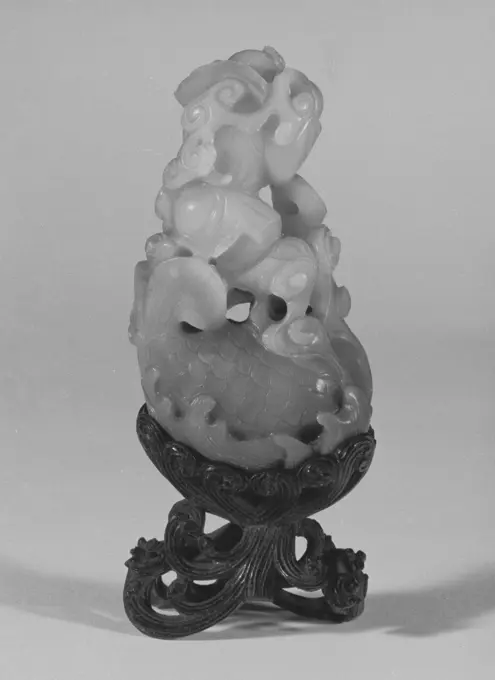
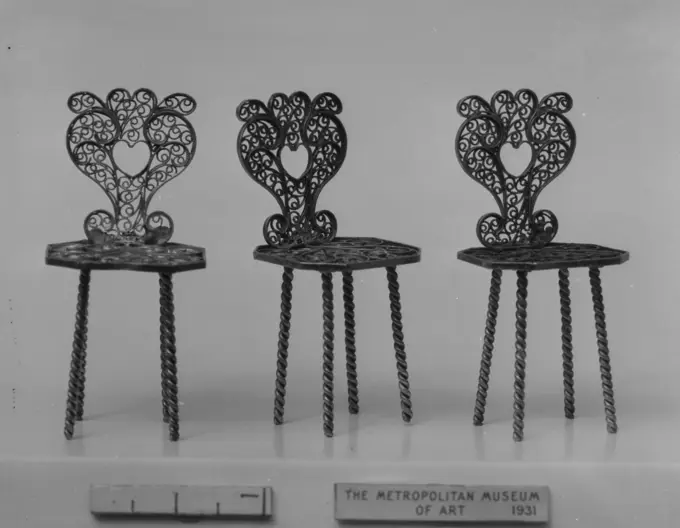
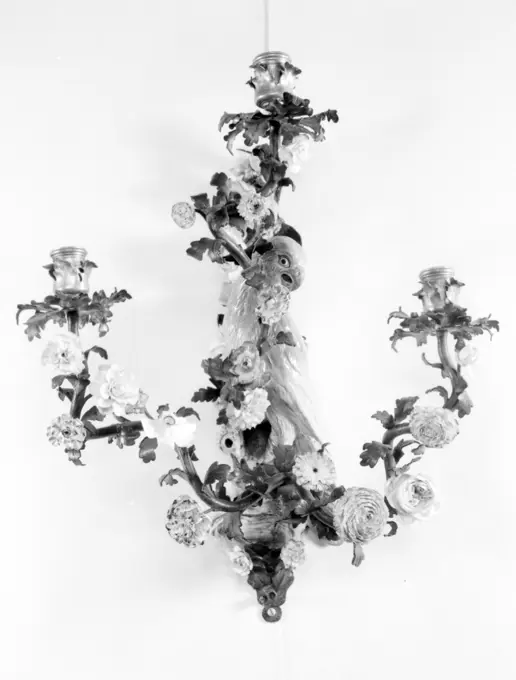
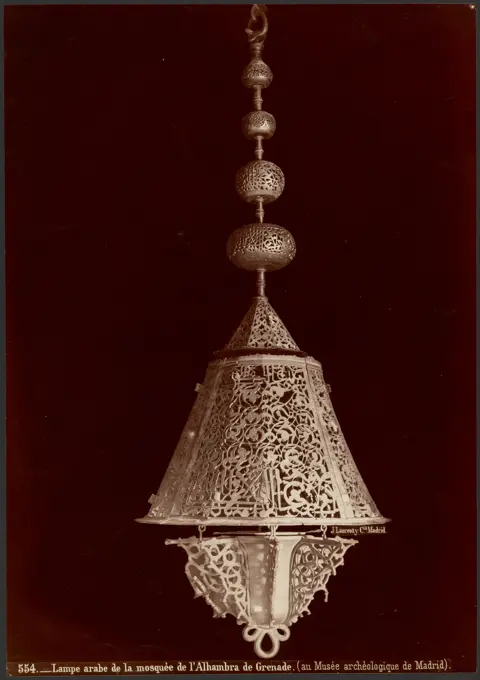
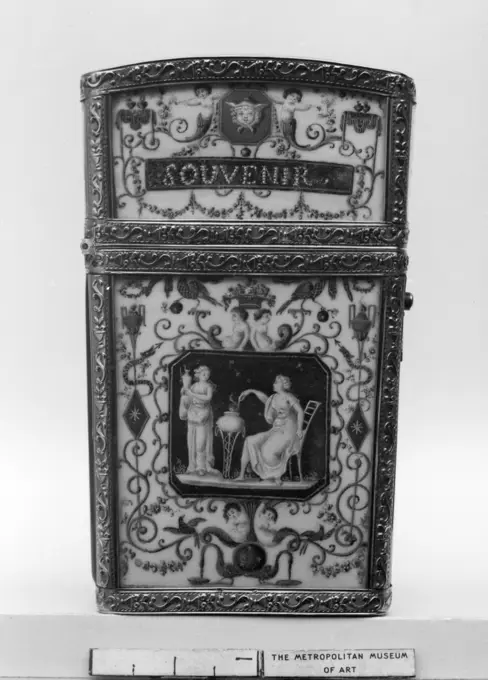
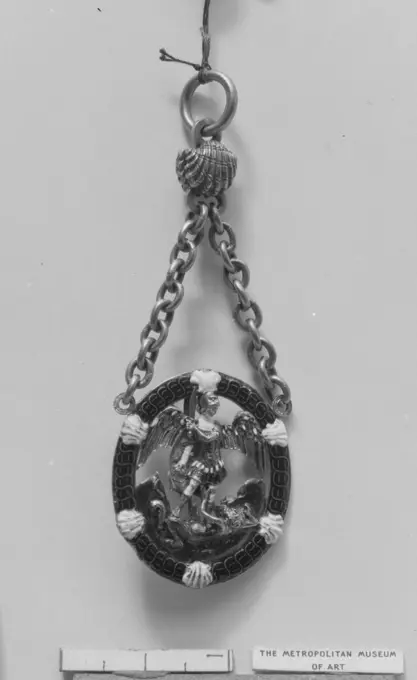
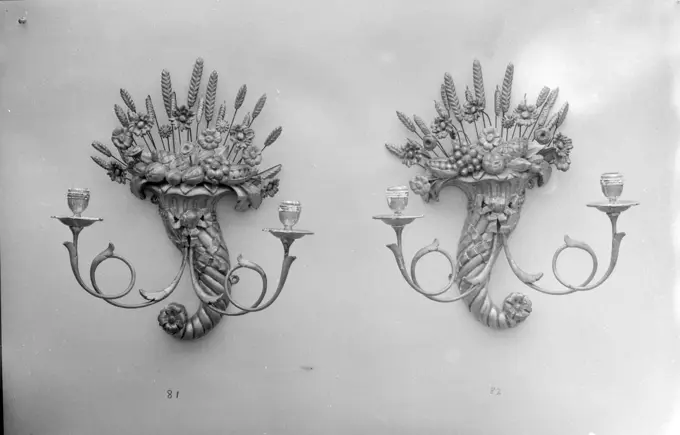
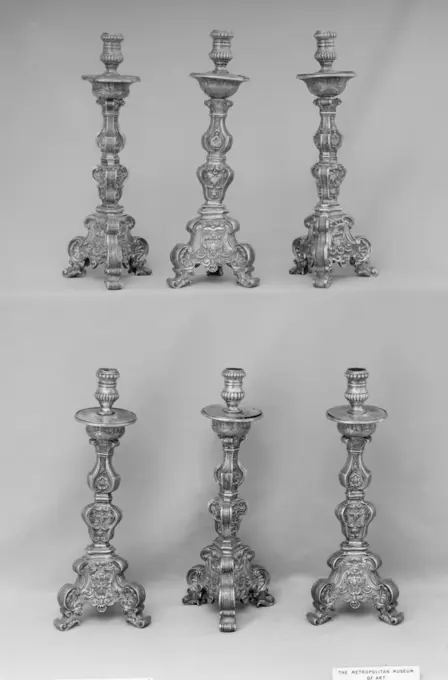
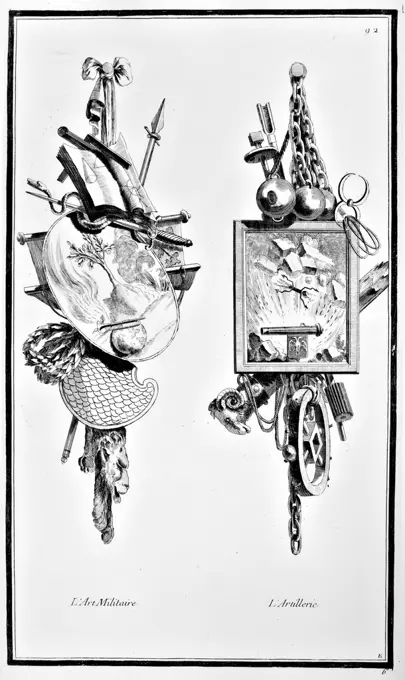
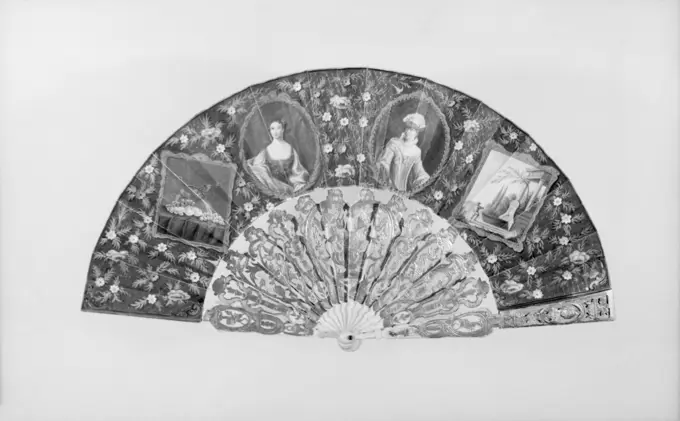
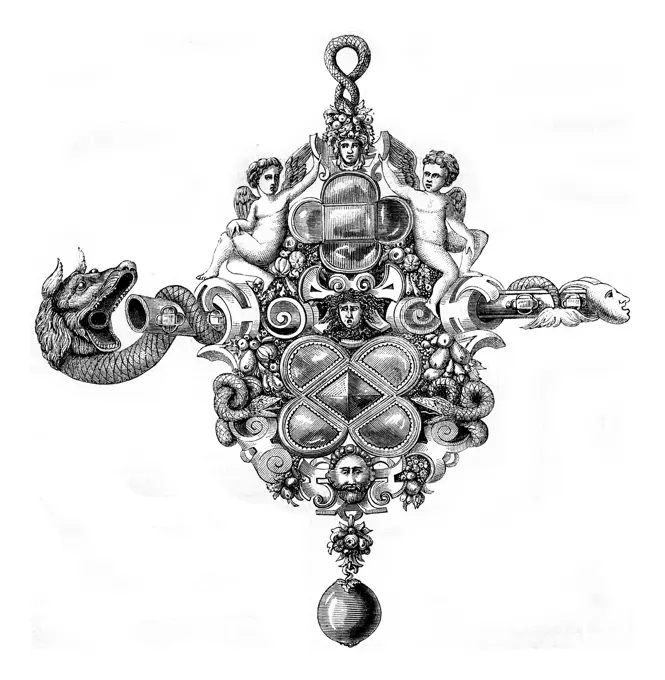
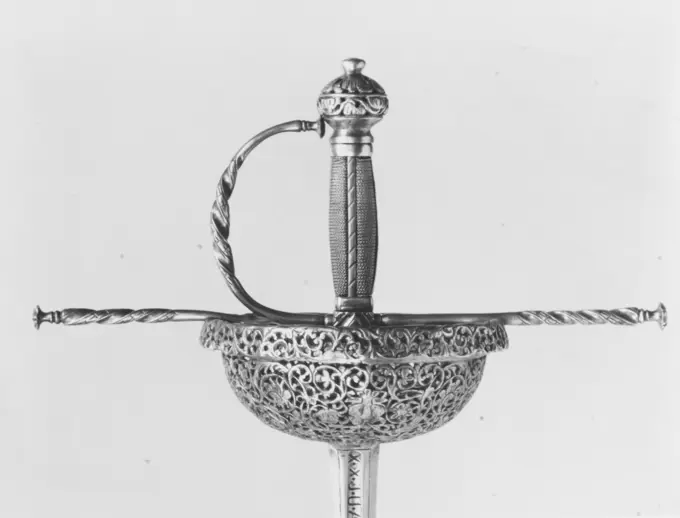
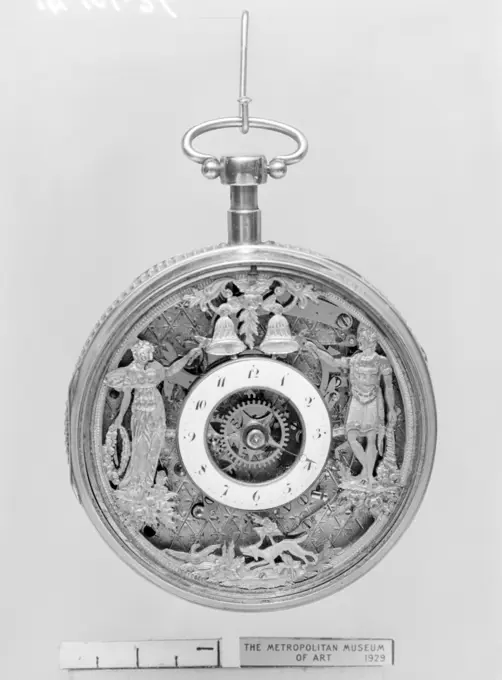
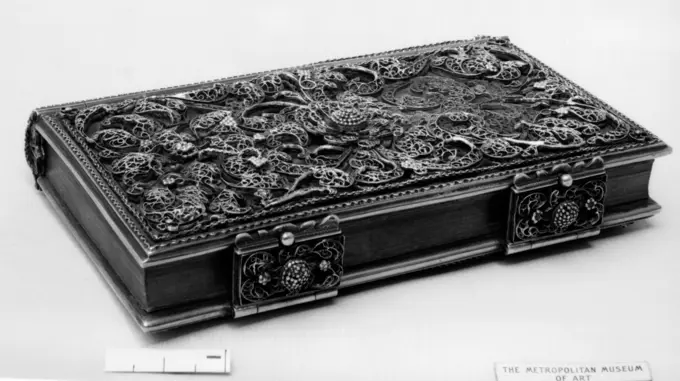
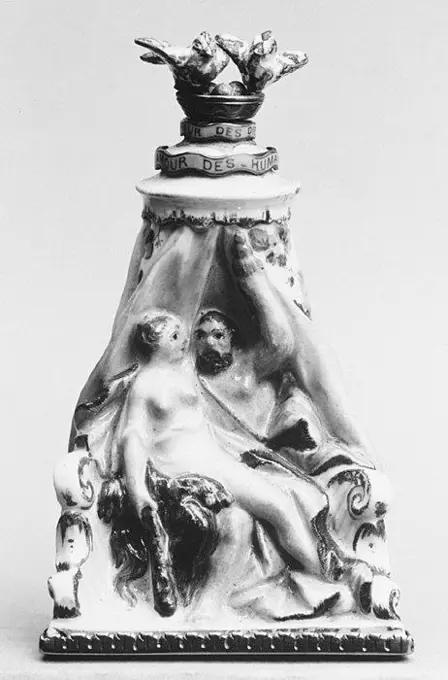
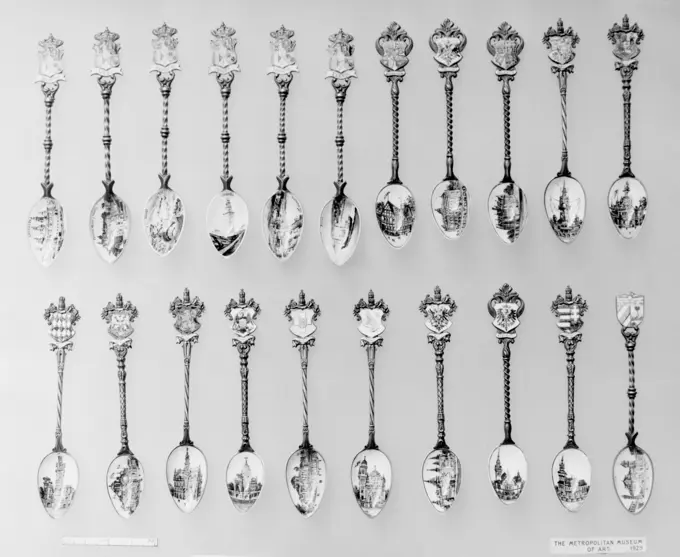
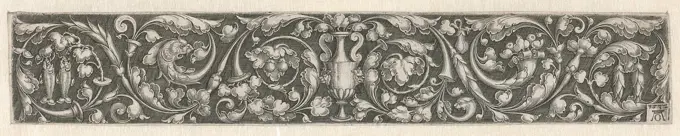
Chess table 1856 Fabbrica C.V. Under the chessboard are thirty-two velvet-lined compartments to store the chessmen. The decoration of the table combines chinoiserie, Neo-Rococo, Neo-Gothic elements.. Chess table 201513Wall light (candelabre appliqué). Culture: French. Dimensions: 23 1/2 × 25 5/8 in. (59.7 × 65.1 cm). Date: 18th century. Museum: Metropolitan Museum of Art, New York, USA.Door knocker 17th century Italian. Door knocker. Italian. 17th century. Iron. Metalwork-IronCup with cover 17th century German, Augsburg. Cup with cover 197087Pair of consoles ca. 1550-60 Style of Jacques Androuet Du Cerceau French. Pair of consoles. French. ca. 1550-60. Carved walnut. WoodworkWall bracket ca. 1725 French. Wall bracket. French. ca. 1725. Carved walnut. Woodwork-FurnitureAbruzzo L'Aquila Sulmona Museo Civico2. Hutzel, Max 1960-1990 Museo Civico Treasures: these objects (Tesoro del Pio Istituto della SS. Annunziata and Tesoro della Cattedrale) are now housed in the security vault of a bank, not in the Museo Civico, as noted in Hutzel's photo campaign notes of August 1984. Views of the treasures include: a silver processional cross (14th century); gold, silver and enamel chalice (13th century), gold and silver crosier with sculpted figures depicting the Annunciation (13th century), a silver and gold reliquary with glass (13th century), a silver diadem (13th century), and a box-like silver and gold reliquary (15th century). German-born photographer and scholar Max Hutzel (1911-1988) photographed in Italy from the early 1960s until his death. The result of this project, referred to by Hutzel as Foto Arte Minore, is thorough documentation of art historical development in Italy up to the 18th century, including objects of the Etruscans and the Romans, as welApostle spoon probably 1644 Possibly by Maerten Sweers Apostle spoons are thought to have originated in late-fifteenth century England but also became popular in the Netherlands, where household goods were frequently embellished with biblical imagery reminding the owner of Christian virtues.. Apostle spoon. Dutch, Enkhuizen. probably 1644. Silver. Metalwork-SilverSide chair late 16th century and later Italian, Lombardy or Venice. Side chair 202271TESTIMONIAL TO MR. MOON, CHAIRMAN OF THE LONDON AND NORTH-WESTERN RAILWAY, 1873Candlestick 1880-90. Candlestick. 1880-90. Pressed purple marble glass. Made in EnglandPair of wall brackets ca. 1735-40 French. Pair of wall brackets. French. ca. 1735-40. Carved and gilded wood. Woodwork-FurniturePair of wall sconces 1795-1810 American or British. Pair of wall sconces. American or British. 1795-1810. Gilded gesso on pine. Possibly made in England; Possibly made in United StatesRuyi (A Type of Decorative Accessory) late 16th-early 17th century China. Ruyi (A Type of Decorative Accessory). China. late 16th-early 17th century. Cloisonné enamel. Ming dynasty (1368-1644). CloisonnéPedestal first half 18th century French. Pedestal. French. first half 18th century. Straw on wood, ivory. Natural SubstancesAndiron. Dimensions: 22 1/2 x 23 in. (57.2 x 58.4 cm). Date: ca. 1800. Museum: Metropolitan Museum of Art, New York, USA.Pair of candlesticks 1752-53 John Cafe. Pair of candlesticks 192095Candlestick (one of a pair) ca. 1785 British or Irish. Candlestick (one of a pair). British or Irish. ca. 1785. Glass. GlassVase 18th century China. Vase. China. 18th century. Jade. Qing dynasty (1644-1911). JadePair of candlesticks 1749-50 Paul de Lamerie British. Pair of candlesticks 199655Pair of chutes French 18th-19th century View more. Pair of chutes. French. 18th-19th century. Gilt bronze. Metalwork-Gilt BronzeSet of three chutes French 18th century View more. Set of three chutes. French. 18th century. Gilt bronze. Metalwork-Gilt BronzeSconce. Dimensions: 20 x 14 in. (50.8 x 35.6 cm). Date: 1790-1800. Museum: Metropolitan Museum of Art, New York, USA.Pair of candlesticks 1761-62 Jean-François Balzac. Pair of candlesticks 200085Sconce. Dimensions: 27 3/4 x 9 3/4 in. (70.5 x 24.8 cm). Date: 1785-1800. Museum: Metropolitan Museum of Art, New York, USA.John Lawrence & Co., Caddy Spoon, 1814/15, silver.Fronton fragment 18th century French. Fronton fragment. French. 18th century. Carved and gilded wood. WoodworkCandelabrum 1800-1830 British. Candelabrum. British. 1800-1830. Blown glass, brass. Made in EnglandSquare Flask 18th century Japan. Square Flask 44448Seal (part of a set) 1848-49 Russian The firm of Nicholls & Plincke was founded by members of the relatively large community of English silversmiths and craftsmen working in Saint Petersburg. After 1840 it was one of the most important retailers of luxury items before Carl Fabergé overshadowed all competitors. Several contemporary Saint Petersburg newspapers praised the high-quality products of the magasin anglais Nicholls & Plincke.According to the donor's family tradition, this rare set with more than fifty items bearing the monogram CMI was "originally made for and used by Colin Macrae Ingersoll 1819-1903, when he accompanied his father, Ralph Isaacs Ingersoll 1788-1872, to the Court of Czar Alexander II of Russia, where the latter served President James Knox Polk 1795-1849 as Minister Plenipotentiary from 1846 to 1848.. The family story has always been that the set and case were made for stagecoach travel in Russia."Plain silver objects—like the ewer and the cup of this sCandlestick 1832-60 Sellew and Company. Candlestick. American. 1832-60. Pewter. Made in Cincinnati, Ohio, United StatesHand drawing isolated illustration of old street lamp in black color on white backgroundFireman's Trumpet. Dated: c. 1937. Dimensions: overall: 35.6 x 24.3 cm (14 x 9 9/16 in.). Medium: watercolor, graphite, and heightening on paper. Museum: National Gallery of Art, Washington DC. Author: Florence Hastings.Watch ca. 1650 German or Swiss. Watch. German or Swiss. ca. 1650. Rock crystal, metal. HorologyMirror (part of a set). Culture: Italian, Lombardy. Dimensions: 50-1/2 x 46 in. (128.3 x 116.8 cm). Maker: Manner of Giocondo (Giuseppe) Albertolli (Italian, Bedano 1742-1839 Milan). Date: ca. 1770-80. Museum: Metropolitan Museum of Art, New York, USA.Pediment fragment 18th century French. Pediment fragment. French. 18th century. Gilt bronze. Metalwork-Gilt BronzeKeman (Flower Garland” Temple Decoration) ca. 1725 Japan Keman (Sanskrit: kusumamala) literally means garland of flowers,” and refers to pendant decorative disks, usually made of bronze in the shape of a round fan (uchiwa), that are suspended from beams of inner sanctuary of a temple, above a Buddhist statue. They are thought to have their origin in the garlands of fresh flowers that were offered to nobles in ancient India.. Keman (Flower Garland” Temple Decoration) 60015Pair of candlesticks second half 18th century German. Pair of candlesticks. German. second half 18th century. Pewter. Metalwork-PewterChandelier ca. 1775 British. Chandelier. British. ca. 1775. Glass. GlassGuard Rattle with Bells late 19th century Syrian When attached to a belt and draped over the hip the small bells on this beaded dance accessory accentuates the movement of the dancer.. Guard Rattle with Bells. Syrian. late 19th century. Cloth, leather, glass, shell. Syria. Idiophone-Shaken-rattleCandlestick ca. 1835 American. Candlestick. American. ca. 1835. Brass. Made in Norwich, Connecticut, United StatesPhotography of the Baroque wall lamp unknownGILDED PIER TABLE AND GLASS, MESSRS. HOLLAND AND SONSalem, objects, mirror, Florentine, from Italy about 1855, sent by Edward Silsbee to C.H. Allen , Mirrors. Frank Cousins Glass Plate Negatives CollectionSide table 18th century French. Side table. French. 18th century. Carved, painted green and gilded oak; marble top. Woodwork-FurnitureIron baluster ca. 1750 British. Iron baluster. British. ca. 1750. Wrought iron. Metalwork-IronKeyhole escutcheon 18th century French. Keyhole escutcheon. French. 18th century. Gilt bronze. Metalwork-Gilt BronzeBliżej Kultury unknowntable, Museo Nazionale, Naples. Giorgio Sommer (Italian, born Germany, 1834 - 1914)Wager cup (one of a pair) probably early 19th century J. A. or I. A., London. Wager cup (one of a pair). British, London. probably early 19th century. Silver-gilt. Metalwork-SilverIn the trophy, a drum, two crossed carabines, a ring collar, a kuras and equestrian guns. From series, consisting of a title page and 16 sheets.PEINE CON INCRUSTACIONES DE ORO - EBORARIO LITURGIAL BIZANTINO DE MARFIL - SIGLO IX. Location: VICTORIA AND ALBERT MUSEUM. LONDON. ENGLAND.Vase China. Vase. China. Cloisonné enamel, wood stand. Ming dynasty (1368-1644). CloisonnéPair of frame fragments ca. 1715-23 French. Pair of frame fragments. French. ca. 1715-23. Carved and gilded wood. WoodworkBoy Standing on Fish 18th century China. Boy Standing on Fish. China. 18th century. Jade. JadeMiniature chair (one of three) (part of a set) 1675-1700 Southern German Part of set of silver miniature furniture, 31.37.1-.22, and a box, 31.37.23.. Miniature chair (one of three) (part of a set). Southern German. 1675-1700. Silver. Metalwork-SilverAndiron. Culture: American. Dimensions: H. 22 1/2 in. (57.2 cm); Diam. 29 in. (73.7 cm). Date: ca. 1800. Museum: Metropolitan Museum of Art, New York, USA.Inkstand 19th century, after 16th or 18th century original British, after Italian original This electrotype is after a sixteenth- or eighteenth-century original in the Victoria and Albert Museum, London, at the time of reproduction.. Inkstand 185867Wall light (one of a pair) ca. 1740 Possibly Chantilly. Wall light (one of a pair). French, possibly Chantilly or Vincennes. ca. 1740. Soft-paste porcelain, gilt bronze. Ceramics-PorcelainLampe arabe de la mosquee de la Grenade. Juan Laurent, photographer (French, 1816 - 1886) 1870Fist Shield. Culture: Italian. Dimensions: H. 11 4/5 in. (30 cm); W. 11 13/16 in. (30 cm). Date: 16th century. Museum: Metropolitan Museum of Art, New York, USA.Wall bracket possibly 17th century Italian or Spanish. Wall bracket. Italian or Spanish. possibly 17th century. Iron. Metalwork-IronLavabo cistern. Culture: French. Dimensions: Overall: 16 × 10 3/8 × 8 1/2 in. (40.6 × 26.4 × 21.6 cm). Date: late 16th century.The shields are of metal of different quality from the rest of the piece and have evidently been substituted for the original cresting. Museum: Metropolitan Museum of Art, New York, USA.Bead 11th-12th century View more. Bead. 11th-12th century. Gold. Attributed to Iran. JewelryJewellry.. Drawings, Design drawings. 1880 - 1883. The Miriam and Ira D. Wallach Division of Art, Prints and Photographs: Art & Architecture Collection. Patterns (Design elements), Decoration and ornament, Silverwork, Victorian, GoldworkFan Holder 18th-19th century China. Fan Holder 68840Salem, objects, mirror, Florentine, from Italy about 1855, sent by Edward Silsbee to C.H. Allen , Mirrors. Frank Cousins Glass Plate Negatives CollectionSouvenir 1786-87 French, Paris In eighteenth-century Europe, Paris led the production of high-quality luxury goods. Parisian goldsmiths made a wide range of small, personal articles such as snuffboxes; étuis to hold sealing wax, tweezers, or utensils for sewing; souvenirs, which contained thin ivory tablets for note taking; and shuttles for knotting lace. Gold snuffboxes and boxes decorated with portrait miniatures were prized and frequently given as royal gifts, often to ambassadors or members of the court in lieu of cash payments for their services. Coveted and admired, these boxes were produced from a variety of materials. The best were skillfully made of gold and embellished with diamonds, enameled decoration, lacquer, and other luxurious materials. By the middle of the century, the taking of snuff had become an entrenched social ritual, and the snuffbox, too, had become an important social prop. Snuffboxes were considered highly fashionable accessories, with some merchants advertiBadge of the Order of Saint Michael 17th century French. Badge of the Order of Saint Michael. French. 17th century. Gold, enamel. Metalwork-Gold and PlatinumTin mirror list in Jugendstil. Tin mirror list in Jugendstil. Through two legs, the underside of the list is fainting up, where two reflections spring. These tendrils go up on both sides via the side and each end in three flowers that stick over the list. The top is closed with a fan-shaped flower that hangs down. At the rear two hinges to attach the mirror and the turns for a hinge.Candlestick 1860-70 American. Candlestick. American. 1860-70. Pressed amethyst glass. Made in United StatesKey from the 16th century, with a cylindrical stem with a round hole in the family, from the collection of Roman Szewczykowski, in the collections of the National Museum in Warsaw from 1918;  Not after 13.05.1922 (1914-00-00-1922-00-00);Sconce 1800-1820 American or British. Sconce. American or British. 1800-1820. Gilt gesso, wood, wire. Possibly made in England; Possibly made in United StatesWatch ca. 1830-40 Swiss. Watch 195669Candlestick (one of a set of six) 18th century Portuguese. Candlestick (one of a set of six) 191916Print (France)Fan second half 18th century Italian. Fan 209856A whistle of the sixteenth century, vintage engraving. A whistle of the sixteenth century, vintage engraved illustration. Magasin Pittoresque 1857. Copyright: xZoonar.com/PatrickxGuenettex 10674063Caddy spoon 1809-10 Wardell & Kempson. Caddy spoon. British, Birmingham. 1809-10. Silver. Metalwork-SilverPlate 1830-45 American. Plate. American. 1830-45. Lacy pressed glass. Made in New England, United StatesHair Ornament China. Hair Ornament. China. Silver. Ming dynasty (1368-1644). MetalworkTable of fifteenth century, vintage engraved illustration. Industrial encyclopedia E.-O. Lami - 1875.12/31/1919. Carlos III type armchair from the royal palace.MOSAIC TABLE TOP, BY BARBERICup-Hilted Rapier ca. 1650 Spanish The rapier was the principal civilian sidearm throughout the sixteenth and seventeenth centuries. Designed for cut-and-thrust fencing of progressively complex techniques, the rapier is characterized by a double-edged blade with an acute point and an elaborate guard for the hand. The guards, usually of iron or steel, were subject to a variety of embellishment. They were engraved, chiseled, gilded, damascened, and encrusted in gold and silver in keeping with fashionable styles. Unless otherwise noted, the materials, attributions, and dating given here refer to the hilts. Rapier blades, invariably of steel, bear a variety of makers marks denoting their origin in the two principal centers of blademaking, Toledo in Spain and Solingen in Germany.. Cup-Hilted Rapier 27362Berry from the end of the violation with the imagination of Frederick August with the inscription and the Polish-Lithuanian and Saxon coats of arms from the collections of the National Museum in Warsaw-a fragment;  1932 (1932-00-00-1932-00-00);Iron baluster (one of a pair) ca. 1780 British. Iron baluster (one of a pair). British. ca. 1780. Wrought iron, brass. Metalwork-IronRepeating watch early 19th century French or Swiss. Repeating watch 193377Book cover silver 18th century, book 1731 German. Book cover. German. silver 18th century, book 1731. Silver filigree, silver gilt. Metalwork-SilverScent bottle ca. 1770 Meissen Manufactory German. Scent bottle 194232Souvenir spoon with view of seaside town and arms of Spain European late 19th century View more. Souvenir spoon with view of seaside town and arms of Spain. European. late 19th century. Silver-gilt and enamel. Metalwork-SilverSouvenir spoon with view of a Greek church building European late 19th century View more. Souvenir spoon with view of a Greek church building. European. late 19th century. Silver, parcel-gilt and enamel. Metalwork-SilverNine designs for jewelry, including pendant watch with word LOVE in diamonds.. Gerlach, Martin. Prints, Design drawings. 1872 - 1873. The Miriam and Ira D. Wallach Division of Art, Prints and Photographs: Art & Architecture Collection. Jewelry , Design, Bracelets, Pendants (Jewelry)Border Fragment. Culture: Nasca. Dimensions: W. 10 x L.17 3/4 in. (25.4 x 45.09 cm). Date: 2nd century B.C.. Museum: Metropolitan Museum of Art, New York, USA.Looking Glass 1812-20. Looking Glass. 1812-20. PineFries met een vaas tussen bladranken.Frisian with a vase in the middle showing two leaf raft. On the left a rank runs out in a fish head and two fish hang on the last volute. On the right a rank runs out in a flower basket and two flowers hang on the last volute.Candlestick with shaft in the shape of an Egyptian female herme. Top left numbered 8, bottom right 1.40., Candlestick, draughtsman: anonymous, Stuttgart, (possibly), c. 1805 - c. 1815, paper, pen, brush, h 382 mm × w 233 mmHoeketagère, Anonymous, 1700 - 1750 Hoekétagère of, white painted, oak. The front of the borders is gilded. The étagère runs pyramidal; The bottom compartment has a double arch and decoration of stabbed Louis XIV ornament. Pendant of BK-16727-B. Northern NetherlandsNetherlands wood (plant material). oak (wood). gilding (material). paint (coating) gilding Hoekétagère of, white painted, oak. The front of the borders is gilded. The étagère runs pyramidal; The bottom compartment has a double arch and decoration of stabbed Louis XIV ornament. Pendant of BK-16727-B. Northern NetherlandsNetherlands wood (plant material). oak (wood). gilding (material). paint (coating) gildingEarring China Ming dynasty (1368-1644)Admirality Church (depicted name).Admirality Church (depicted name)