Decorative Glass Artifacts

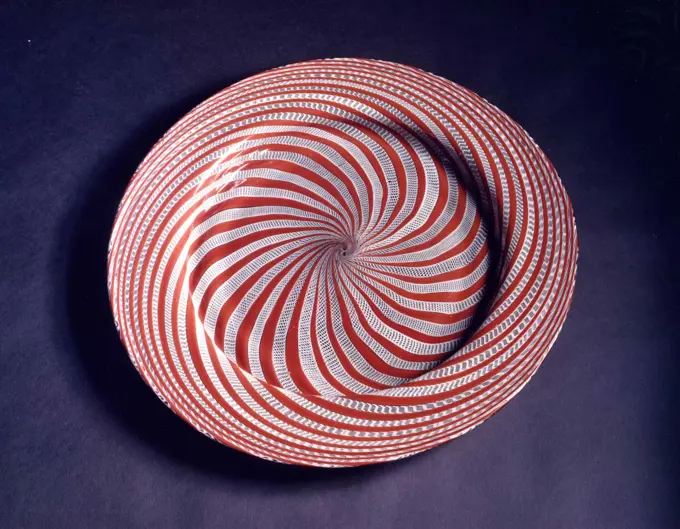
A collection of intricate glass objects, including ancient mosaic bowl fragments, decorative paperweights, and porcelain, showcasing vibrant colors and historical craftsmanship.

Round brass makeup bag plated with pink shagreen, 1930s, France, 20th century.
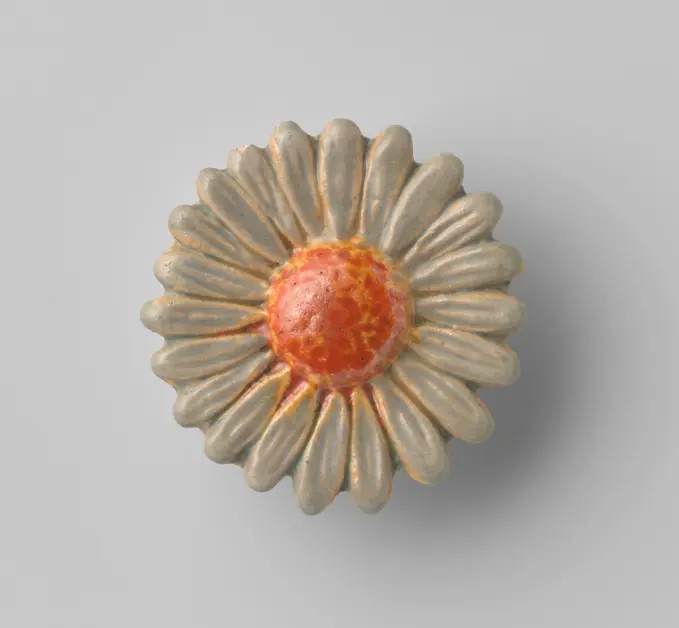
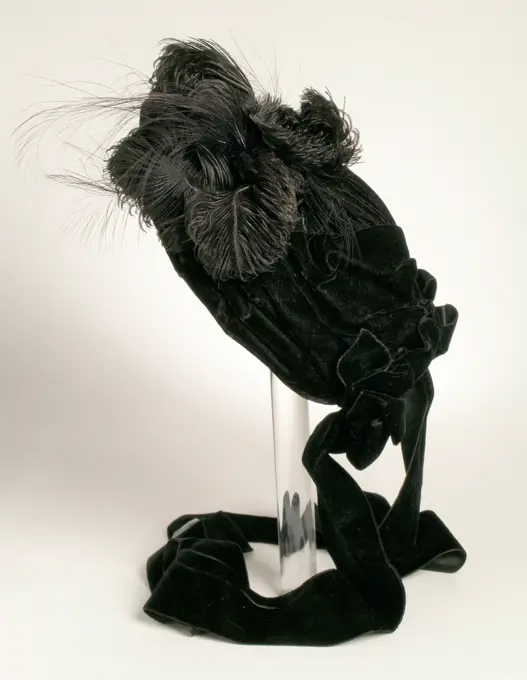
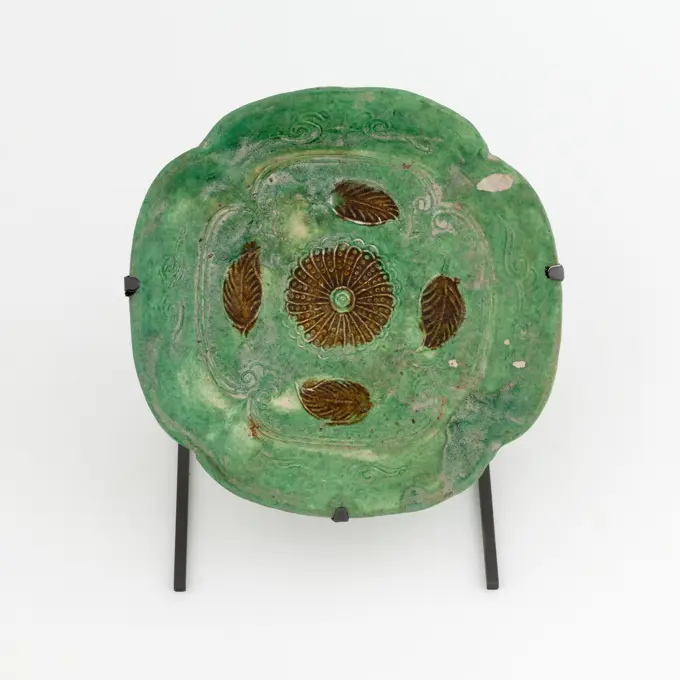
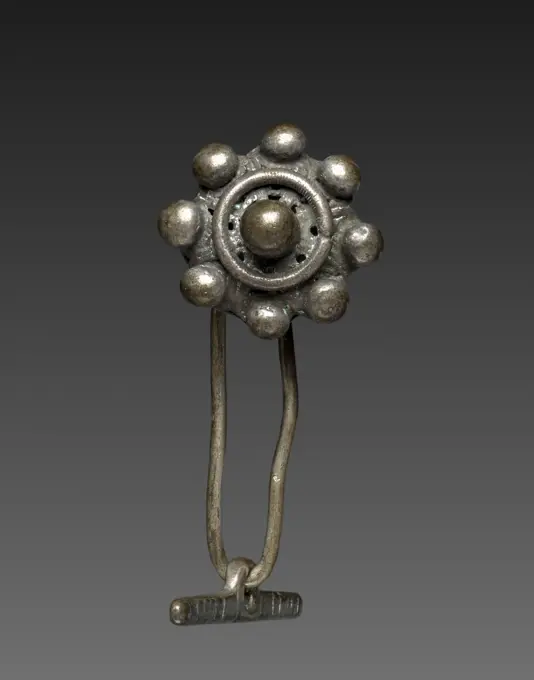
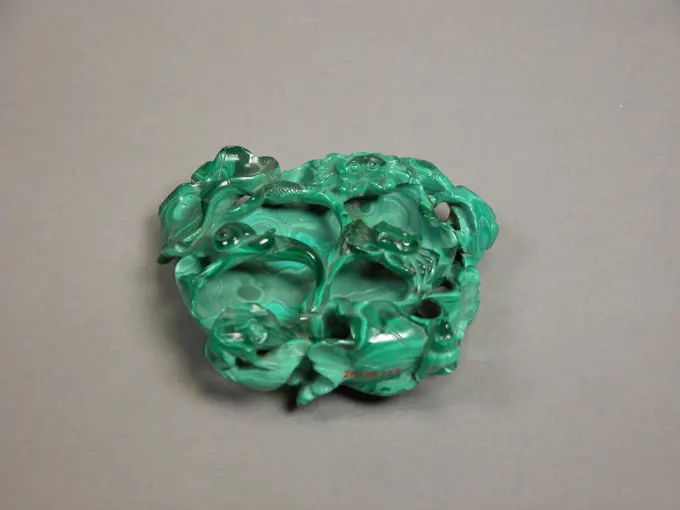
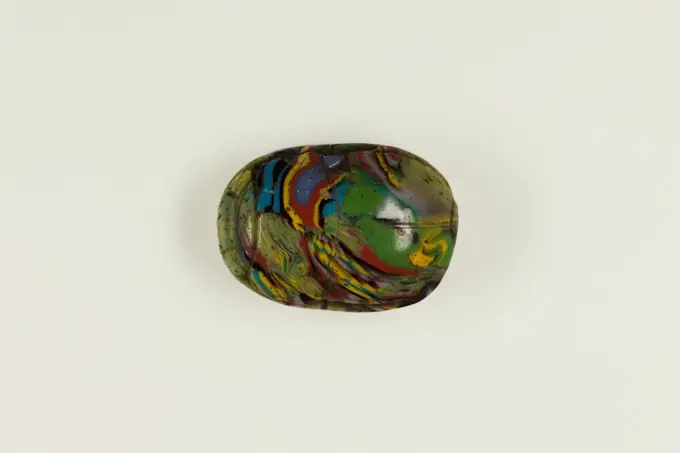
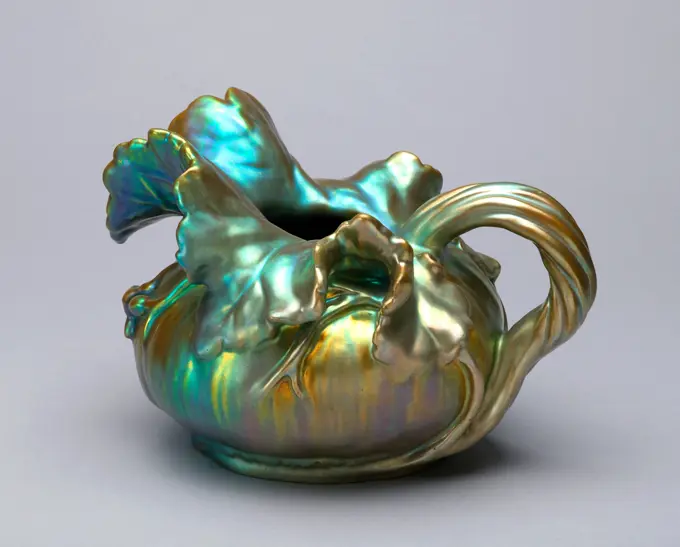
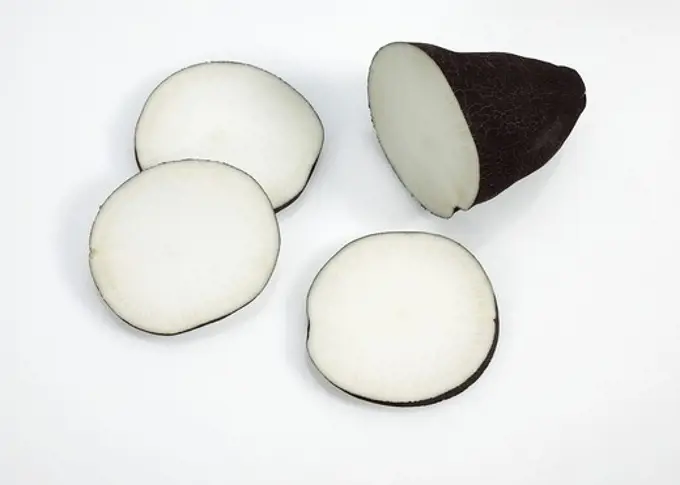
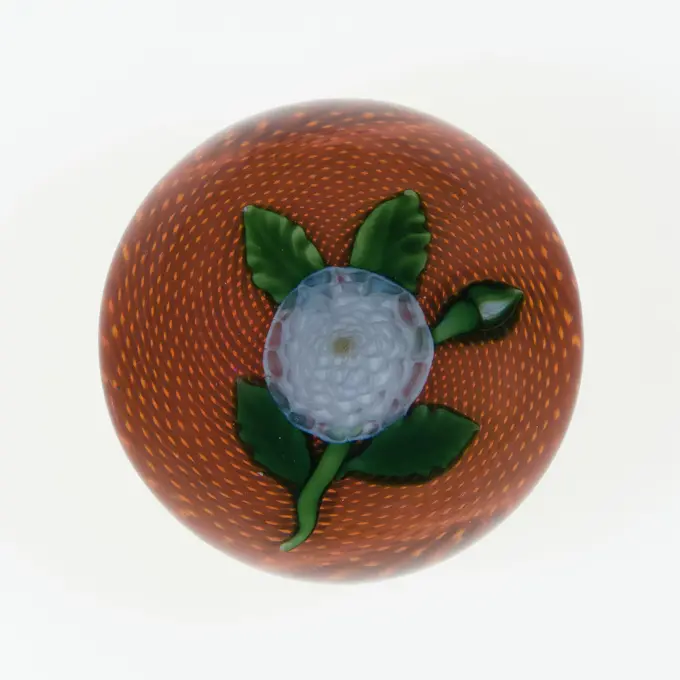
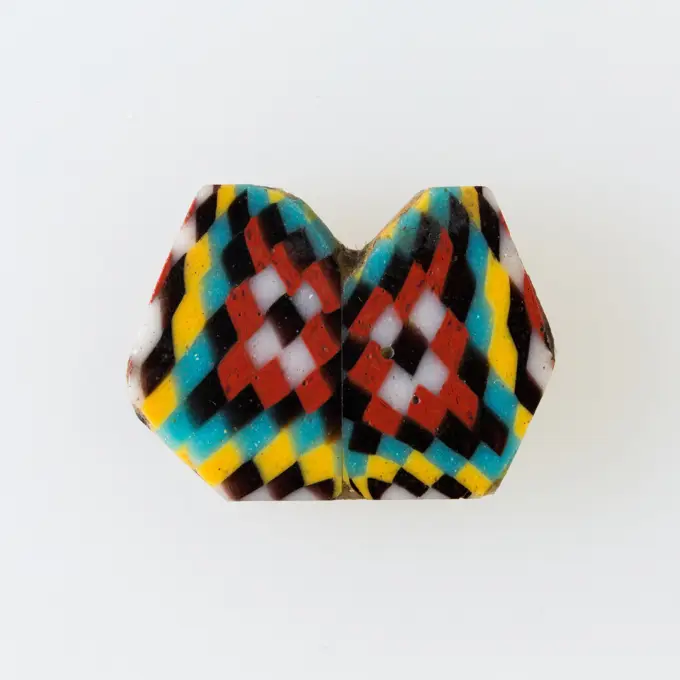
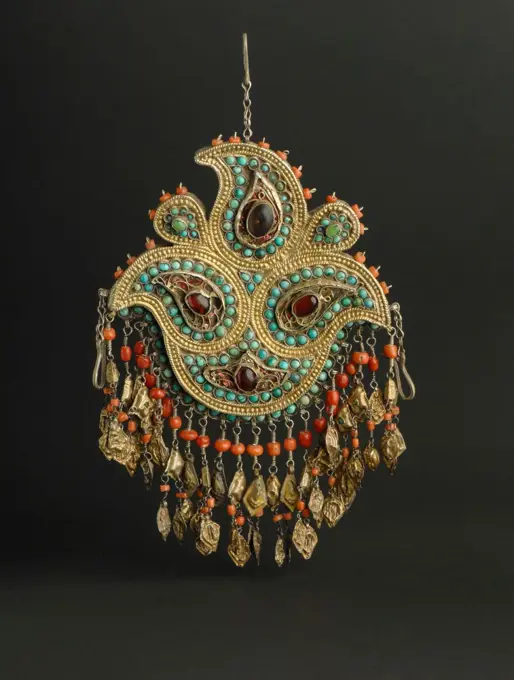
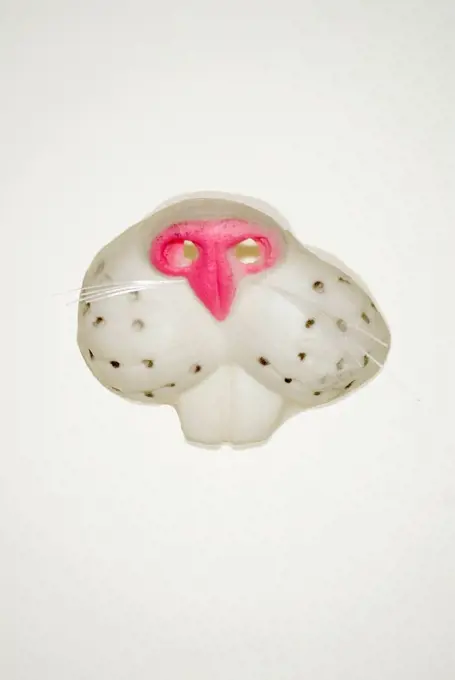
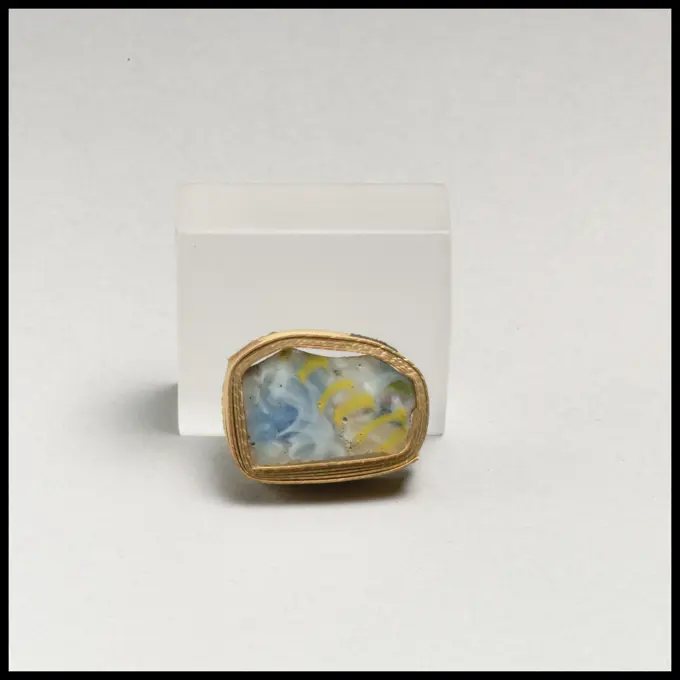
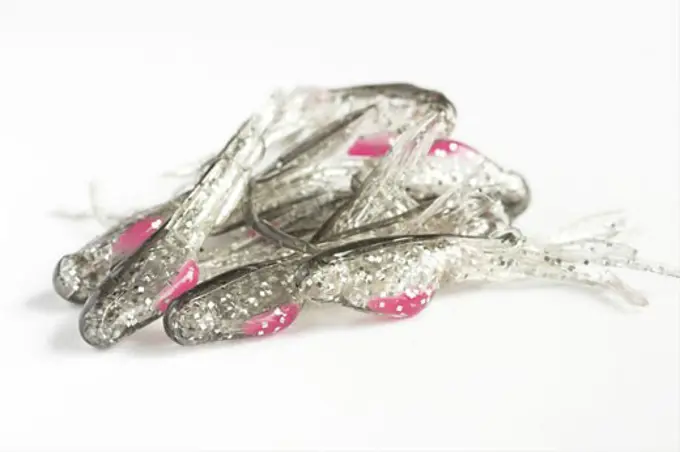
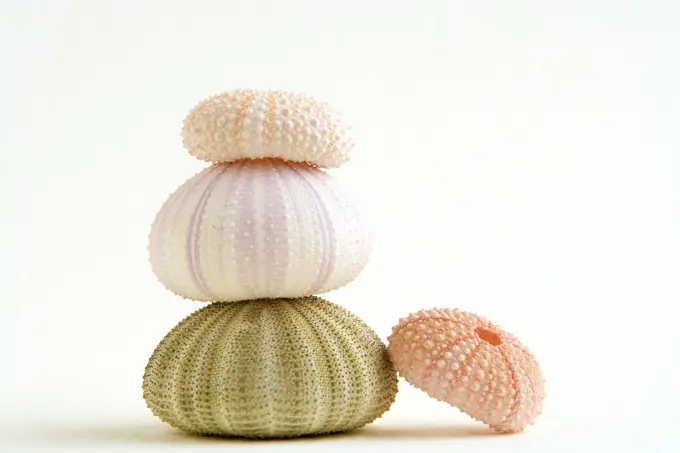
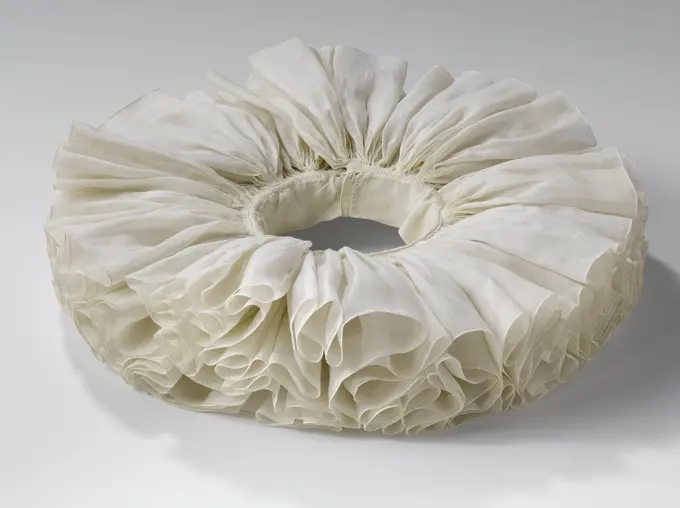
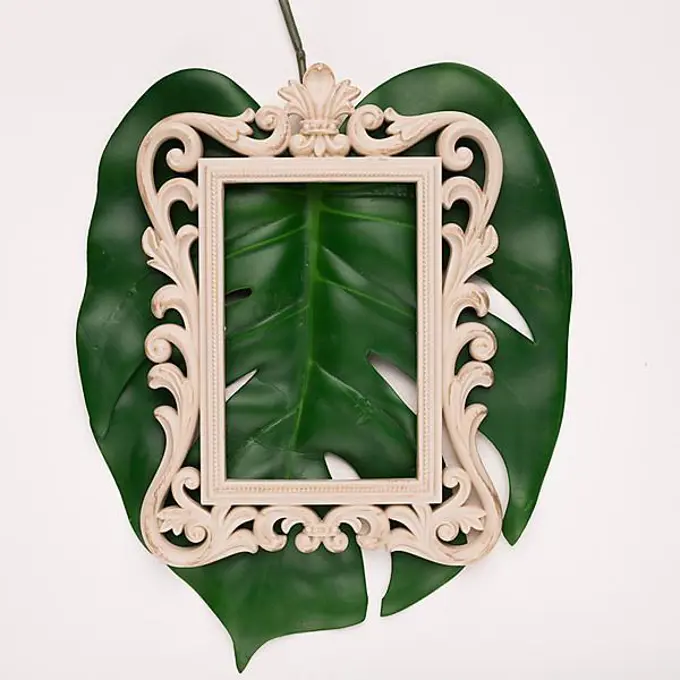
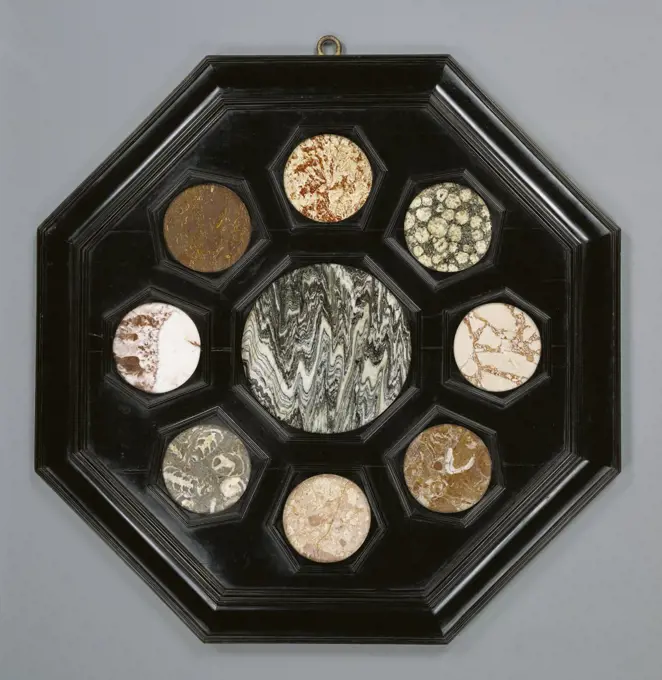
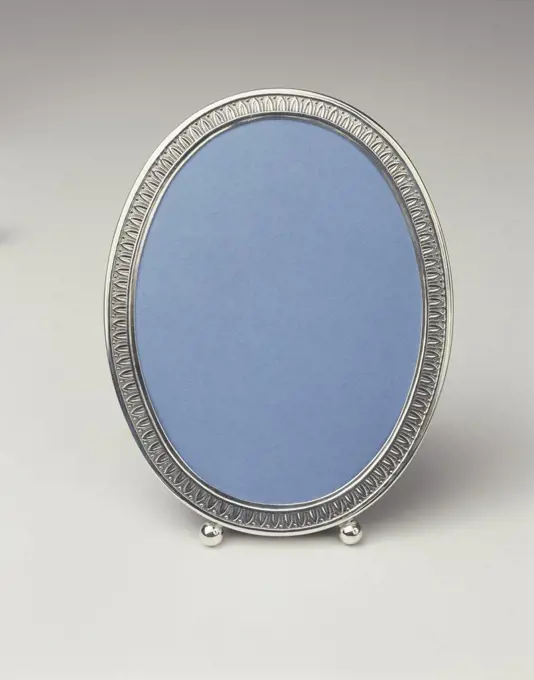
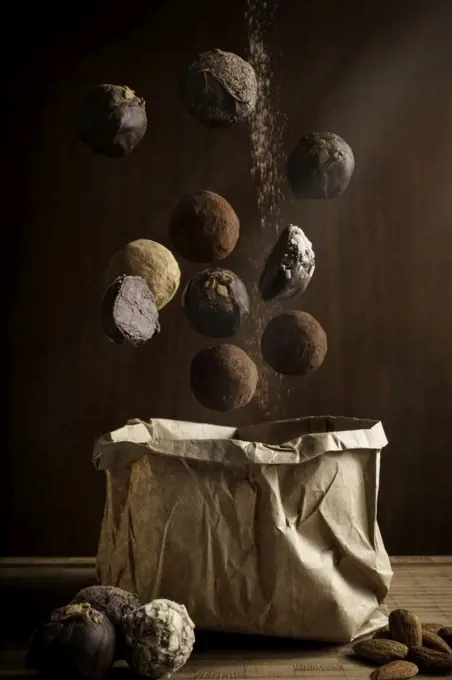
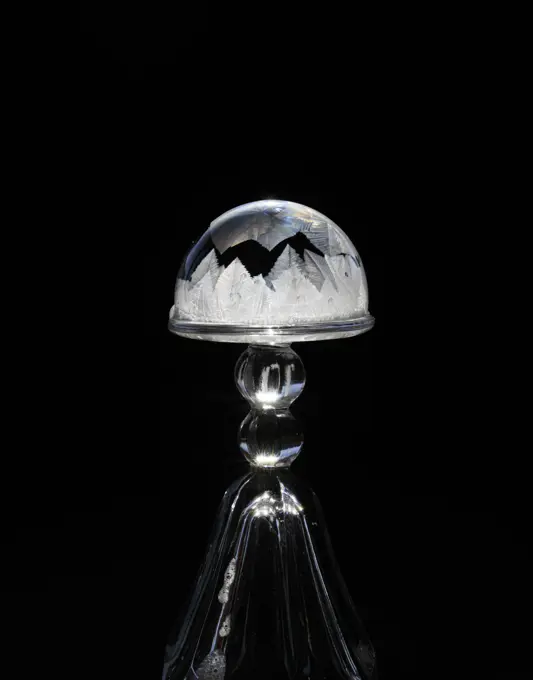
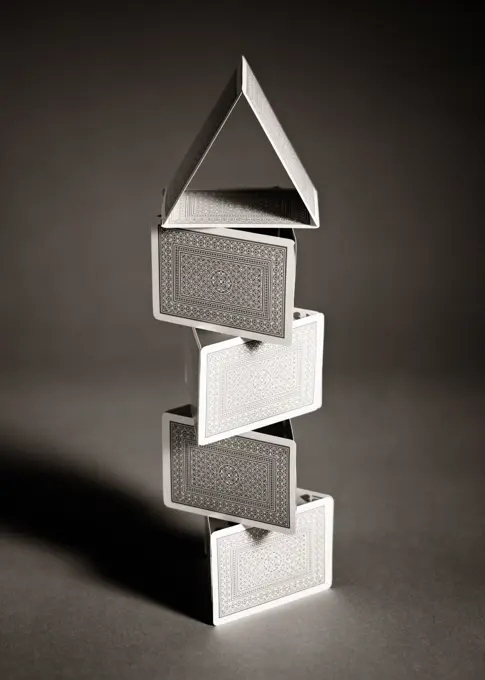
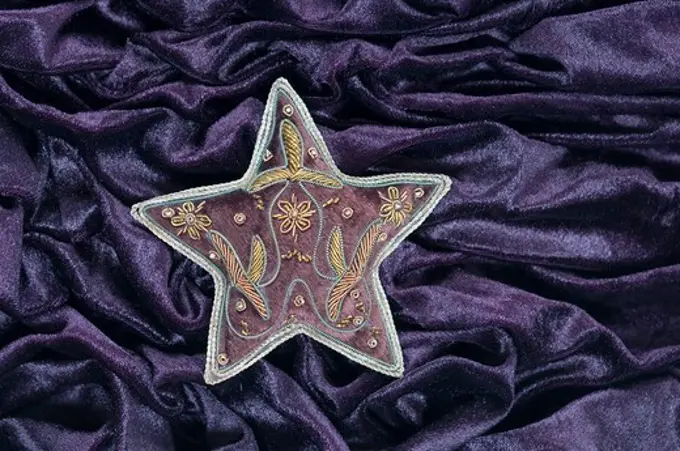
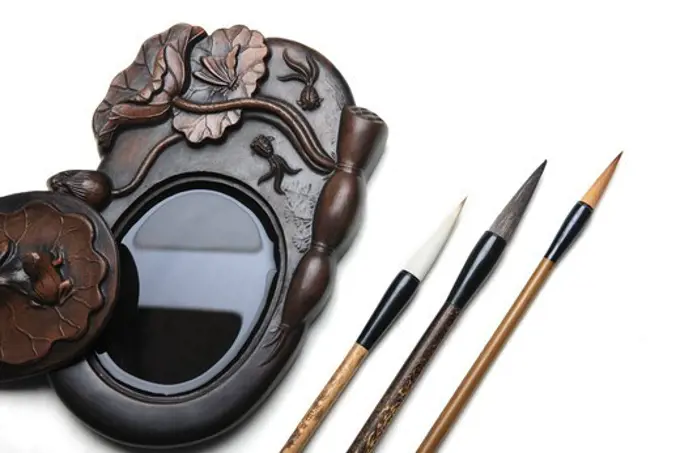
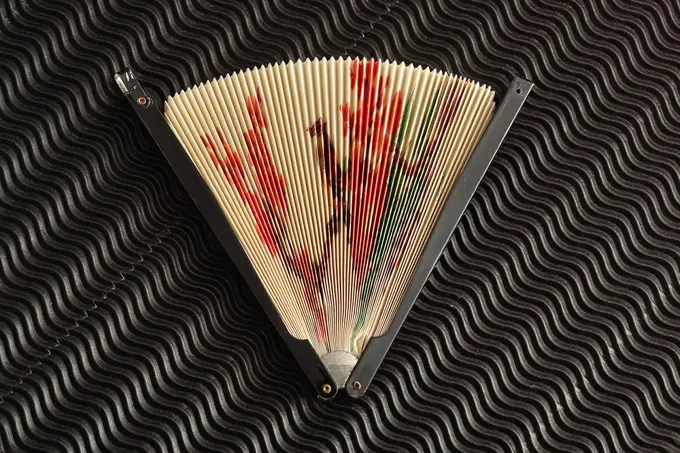
Glass paper-weights with flowerets, butterflies, fruits or animal motifs c1846Brooch Margriet, 1943 Broche in the form of a kergriet of ceramics on the occasion of the birth of Princess Margriet in 1943 with a hook closure. Europe metal. Broche in the form of a kergriet of ceramics on the occasion of the birth of Princess Margriet in 1943 with a hook closure. Europe metal.Closeup of one silver Christmas gift bow on white background studio portraitBird feathers, isolated on a white backgroundWoman's Bonnet. United States or England, last quarter of 19th century. Costumes; Accessories. Silk velvet, feathersCup ". Ceramic. China, Liao dynasty. Paris, Cernuschi museum. 72685-4 Chinese, ceramic art, cup, liao dynasty, flower, brown, leaf pattern, greenFitting in the shape of a phoenix 18th century China. Fitting in the shape of a phoenix. China. 18th century. Jade (nephrite). Qing dynasty (1644-1911). JadePendant, 20th century, 1 1/2 x 7/8 x 7/8 in. (3.81 x 2.22 x 2.22 cm), Silver, 20th centuryAnonymous, Passementerie (username), 1750. Filled with a soft -shaved hemp with a fine metallic wire on which are fixed tufts of silk hair tied on their middle, Hanneton eyebrows, rosettes formed by 2 rods of round tufts Silk hair, dark pink and pale pink, yellow, blue, black, bright colors yellow, blue, green, pink, white, black. Palais Galliera, fashion museum of the city of Paris.Button, 1800s. Sardinia, 19th century. Silver; overall: 6.1 cm (2 3/8 in.).Paperweight 1875-1899 France. Glass .Thomas Pratt and Arthur Humphreys, Dish Cross, 1780, silver.Sword Guard (Tsuba). Culture: Japanese. Dimensions: H. 3 3/16 in. (8.1 cm); W. 2 15/16in. (7.5 cm); thickness 1/4 in. (0.6 cm); Wt. 6.1 oz. (172.9 g). Date: ca. 1615-1868. Museum: Metropolitan Museum of Art, New York, USA.Round silver mirror at bathroom wall Round silver mirror at bathroom wall Copyright: xZoonar.com/MarkoxBericx 7083448empty basket  isolated on white backgroundstraw hat isolated on white backgroundStill-life, antique shoes, three pairs of colored Chinese slippers for deformed feet, decorated with tiny glass beads. Only for rest did not serve for walking, late nineteenth century.Dish with frog and crab China. Dish with frog and crab 43389Tassel, Medium: linen Technique: braided and knotted, Tiny tassel of linen, braided and knotted. Double loops attached to short stem terminating in small round ball which is entirely covered with clusters made of small knots., Italy, Europe, 17th century, trimmings, TasselScarab 304 B.C.-A.D. 364 Ptolemaic or Roman Period. Scarab. 304 B.C.-A.D. 364. Glass. Ptolemaic or Roman Period. From EgyptLeaf Pitcher; Designed by Lajos Mack (Hungarian, 1877-1963); Manufactured by Zsolnay, Pècs Factory; Hungary; earthenware, eosin glazeZen stones pileDaniel Dupuy, Sugar Nippers, c. 1770, silver.Christmas balls isolated on white background.One round Mediterranean dried dark red peppers over white at studio, isolatedDish of multicolored painted faience, anonymous, c. 1560 - c. 1620  Round dish of multi -colored painted faience, on one foot. On the small, circular flat, an amoret is painted on a ground, with a bow and arch in the hands and a arrow sleeve over his shoulder. The wide edge is open. Faenza earthenware. tin glaze.Close-up of two oarsCup of tea. White cup of chamomile tea against white background.Flight seeds of a tannera flower, daisy family (Asteraceae), Switzerland, EuropeHeart shaped cage on a pink backgroundBlack Radish, Raphanus Sativus Niger, Vegetable Against White BackgroundCoconut palm (Cocos nucifera), coconut palm, Historical, digitally restored reproduction of a 19th century original. Buckle of silver, decorated in Niollo with stylized plant motifs, a cabochon cut amethyst in the middle, in each of the corners a small amethyst.Cap of white cotton with long slips, anonymous, c. 1850 - c. 1920 The cap is equipped with various wrinkled strips of lace. Europe cotton (textile). The cap is equipped with various wrinkled strips of lace. Europe cotton (textile).Water Pitcher, 1890s, Unknown American, 7 3/4 x 5 1/8 in. (19.7 x 13.02 cm), Glass, United States, 19th centuryPaperweight 1843-1860 Saint-Louis. Technological improvements to optical scientific instruments in the mid-nineteenth century spurred a veritable obsession across Europe with identifying and classifying the natural world. Amateur botanists were eager to collect and preserve floral specimens, which they intently researched and catalogued. In response to this broad appeal, French glassmakers made paperweights that portrayed the very botanical subjects that were so enthusiastically sought. Many weights represented specimens with horticultural correctness, but others were entirely fanciful creations. Paperweights like this example speak to the periodís fascination with taxonomic systems.From the late 1840s to early 1860s, French manufacturers of fine glass and crystalósuch as Baccarat (Alsace), Clichy (Paris), and Saint-Louis (Lorraine)ócatered to the vast public enthusiasm for beautiful yet functional desk accessories. Paperweights, which were designed to secure loose papers against draftPaperweight 1801-1900 Clichy. Technological improvements to optical scientific instruments in the mid-nineteenth century spurred a veritable obsession across Europe with identifying and classifying the natural world. Amateur botanists were eager to collect and preserve floral specimens, which they intently researched and catalogued. In response to this broad appeal, French glassmakers made paperweights that portrayed the very botanical subjects that were so enthusiastically sought. Many weights represented specimens with horticultural correctness, but others were entirely fanciful creations. Paperweights like this example speak to the periodís fascination with taxonomic systems.From the late 1840s to early 1860s, French manufacturers of fine glass and crystalósuch as Baccarat (Alsace), Clichy (Paris), and Saint-Louis (Lorraine)ócatered to the vast public enthusiasm for beautiful yet functional desk accessories. Paperweights, which were designed to secure loose papers against drafts, weService kit, lid container;  1940s (1840-00-00-1849-00-00);Shambelan key - badge;  1855-1881 (1855-00-00-1881-00-00);Black bag with roses on white backgroundSlot, anonymous, 1400 - 1500 A lock with arms as a batter. Gothic. The robbery is missing the ride and the bracket, which grabs in the lock. Italy A lock with arms as a batter. Gothic. The robbery is missing the ride and the bracket, which grabs in the lock. Italyrow brown easter eggsInlay, pattern of squares 100 BC-100 AD Ptolemaic Period-Roman Period A mosaic glass technique allowed multiples of an image to be created: a figural or design composition was made by bundling colored glass canes, which were then drawn out into a long bar. The bar was then sectioned at right angles, probably by striking the bar with appropriate tools, to produce small inlay tiles. The tile would then be smoothed and polished on the face intended to appear outwards.. Inlay, pattern of squares. 100 BC-100 AD. Glass. Ptolemaic Period-Roman Period. From EgyptBliżej Kultury Reinemer & Spiegel Vienna VIIComb, Shaped, carved and pierced tortoiseshell, Tortoiseshell comb with long teeth and stylized folate carving on top of carved scallops, Europe, 19th century, costume & accessories, Decorative Arts, CombTwo acrobats. On an elongated album, two crucified poles are left and right. Between the posts a rope is tense at which a man balances. The man has a stick in his hands. A ladder with a man stands against the crucified posts on one side. The man has a rod in his right hand and wears a harlequin hat. A diamond pattern is engraved in the plate. The image is marked: Mt. = Michiel Maanbeeck and a crowned v in a weapon.Bouquet. Prószków Śląski (fabryka fajansu ;1763-1853), factoryancient antique pendant with stones on black background. Middle-Asian vintage jewelry. old Oriental ornamentsGlittering magic wands against.Carnival mask, cat´s nosedodecahedron,dodekaeder ** dodecahedron,dodekaeder 3ro-ii8Close-up of peacock featherModern Cylinder podiums green and decoration cartoon style.3D renderingFlower Spring Button Sticker IconSmall vase. Namikawa,Yasuyuki (1845-1927)Christmas background with glass bauble ornaments and pine conesGlass mosaic fragment late 1st century B.C.-early 1st century A.D. Roman Thin-walled fragment, perhaps from an inlay.Translucent blue, opaque white and yellow, and colorless.Flat, with two stright edges forming a right-angled corner.Confused pattern of mosaic lengths including a colorless network cane wound spirally with a yellow thread.Polished on upper side; pitting of surface bubbles on upper side; dulling and creamy iridescent weathering on underside and edges.. Glass mosaic fragment 257175Paperweight 1840-1865 France. Glass . Compagnie de Saint LouisSmall fishing luresSea Urchin - shells in a pile Cristobalite. minerals. North America; USA; Utah; Millard Countyholes plugs wallCreative concept photo of cup with splashing coffee made of paper on grey background.Cotton blanket and white gift box on white backgroundBladder Cherry or Chinese Lantern (Physalis alkekengi), Schwaz, Tyrol, Austria, EuropeCap late 1810s American. Cap 82166Irregularly wavy pleated pleat of linen batist, consisting of a long strip that is pleated on a linen border with a small edge decoration in stitching, marked with cross stitch in red silk 'cy', anonymous, c. 1615 - c. 1635 Irregularly wavy pleated pleat of linen batist, consisting of a long strip that is pleated on a linen border with a small edge decoration in stitching, marked with cross stitch in red silk 'Cy'. In the board the initials C.L. () In Red Cross stitch. Model: On a double beaten, linen board of 38 cm is sewn with extremely fine pleats and stabbing one long strip of approx. 19.5m linen batist. The seam between the board and the pleated strip is decorated with stitching stitches and button stitches. The strip has a narrow rolling soap. Closure in the middle of the front by means of two founded round holes. The board is marked in the middle of the red side cross stitches, 'CY'. Northern Netherlands (possibly) Board: Linen (Material). Pleated strip: Linen (Material). Brand:Carving rectangular wooden frame green single monestra leaf against backdropCap ca. 1860 European. Cap 116473Framed Hardstone Panel; Unknown; Florence, Italy, Tuscany, Europe; about 1970; hardware and ancient stone 17th century; Frames: ebony; Panels: Cipollino marble in the center surrounded by (clockwise from the top) alabaster a pecorelle, granite orbicolare di Corsica or Napoleonico, breccia corallina, occhio di pavone marble (), breccia corallina rosata, lumachellone antico marble, alabaster a pecorelle, and castracane antico marble; Object: Diam.:  77.5 cm (Diam.:  30 1/2 in.)Three dimensional render of abstract necktie made of spheresClose-up of a picture frameMandala ornament style Royalty Free Vector ImageSnood. The brush rest in the shape of a mountain ridge consists of patterns of rocks and waves and five-clawed dragons. The hollows between the dragons heads are for resting the brushes. The five-clawed dragon decoration is frequently found on the objects produced in the imperialworkshop.Sand and pebbles in miniature Zen garden with rakeCloseup image of one red sphere among lots of white ones. Concept of differencecreative photography composition of delicious floating chocolate truffles and and craft paper bag on wooden backgroundBlack podium on background minimal design. 3D renderingUSA, Indiana, Carmel. Frozen soap bubble on wine glass base.1970s HOUSE OF CARDS BUILDING MADE OF PLAYING CARDS CAREFULLY BALANCED AND STACKED ON TOP OF ONE ANOTHER - s20311 HAR001 HARS OLD FASHIONEDPlate probably late 17th century Italian (Venice). Plate 460746Fingered Gauntlet for the Right Hand Made 1590-1630 Nuremberg. Steel, brass, and leather .Fragments ofVesselsWhimsey in the form of a purse, 1909, 2 7/16 x 3 7/8 x 2 3/16 in. (6.19 x 9.84 x 5.56 cm) (without dangles or 'handles'), Beads, cotton, sequins, United States, 20th centuryGreen and Ripe Kiwano. Spiked or jelly melon isolated on white backgroundVelvet orange pillow with golden ribbon isolated over white backgroundMoney Origami snowflake. snowflake origami made of banknotes euro. HandmadePaperweight 1843-1860 Clichy. Technological improvements to optical scientific instruments in the mid-nineteenth century spurred a veritable obsession across Europe with identifying and classifying the natural world. Amateur botanists were eager to collect and preserve floral specimens, which they intently researched and catalogued. In response to this broad appeal, French glassmakers made paperweights that portrayed the very botanical subjects that were so enthusiastically sought. Many weights represented specimens with horticultural correctness, but others were entirely fanciful creations. Paperweights like this example speak to the periodís fascination with taxonomic systems.From the late 1840s to early 1860s, French manufacturers of fine glass and crystalósuch as Baccarat (Alsace), Clichy (Paris), and Saint-Louis (Lorraine)ócatered to the vast public enthusiasm for beautiful yet functional desk accessories. Paperweights, which were designed to secure loose papers against drafts, weTwo braided stars as Christmas decorationspink high heel shoe on a pedestalStar shape with embroidery on velvetBowling Ball Vector. 3D Realistic Illustration. Glossy, Shiny And Clean. Bowling Ball Vector. 3D Realistic Illustration. Glossy ShinyClose-up of green and yellow cups on wooden plate-rackBliżej Kultury Kotarbiński, Mieczysław (1890 1943), State MintInk stone and brush penPodium for product advertisement or restaurant menus with colorful background, minimalist designA chinese hand fan isolated on a black background