Decorative Glass Artifacts

A collection of intricate glass objects, including ancient mosaic bowl fragments, decorative paperweights, and porcelain, showcasing vibrant colors and historical craftsmanship.

Round brass makeup bag plated with pink shagreen, 1930s, France, 20th century.
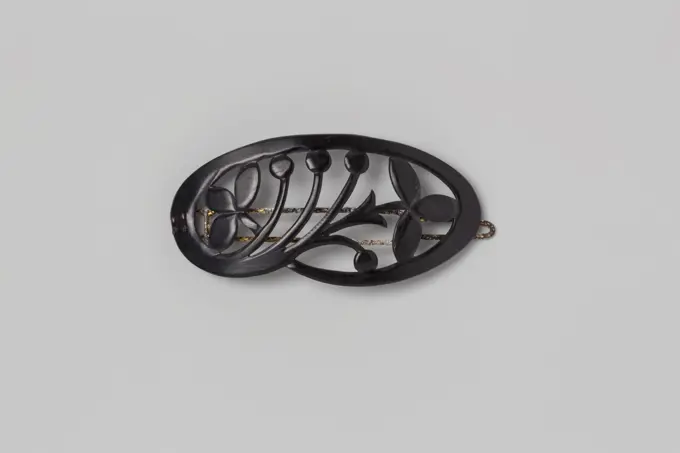
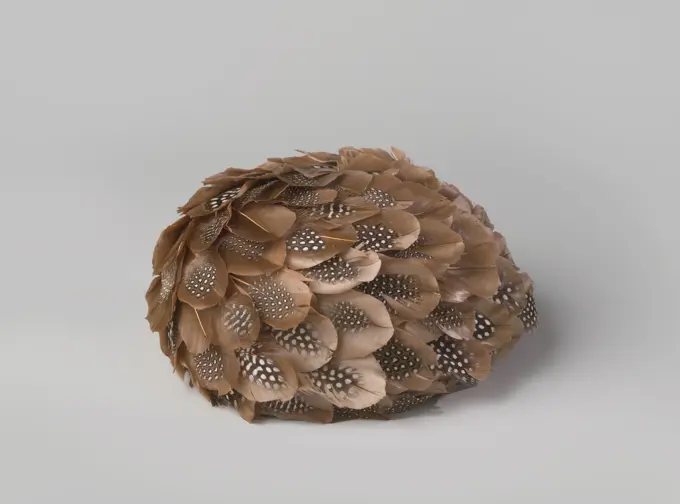
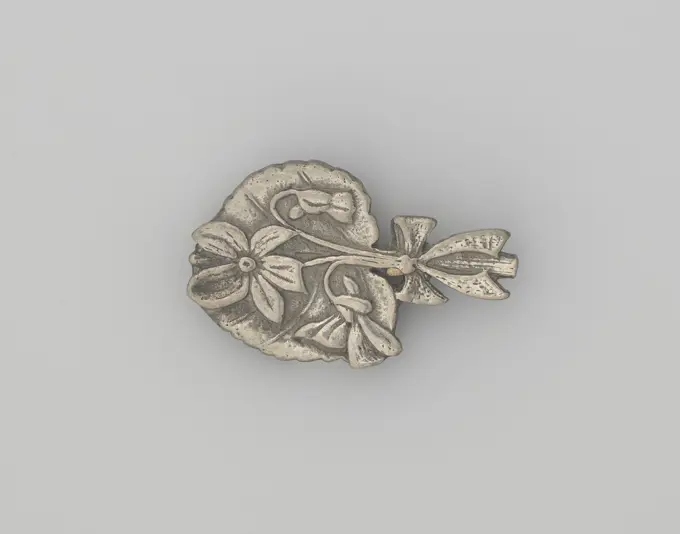
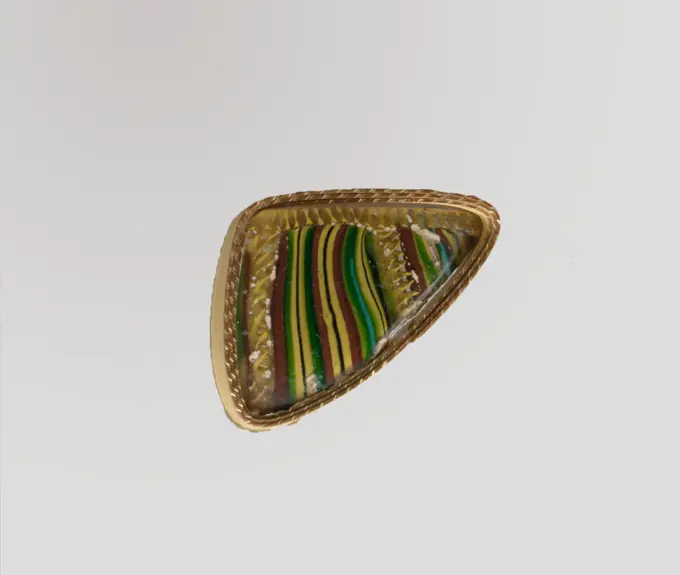
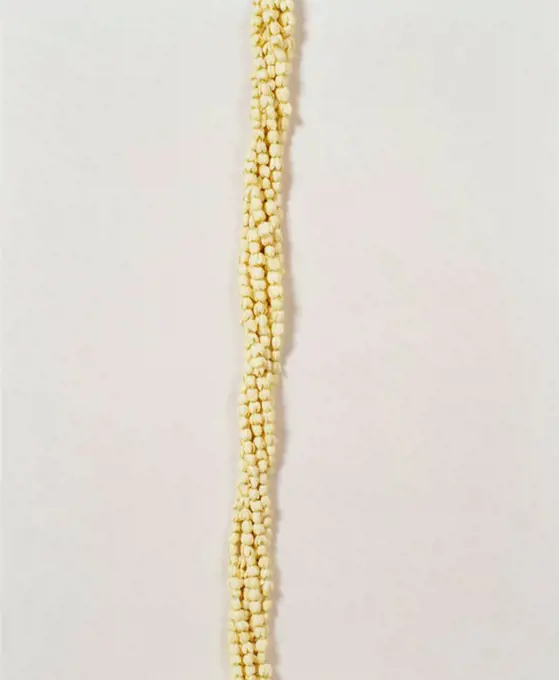
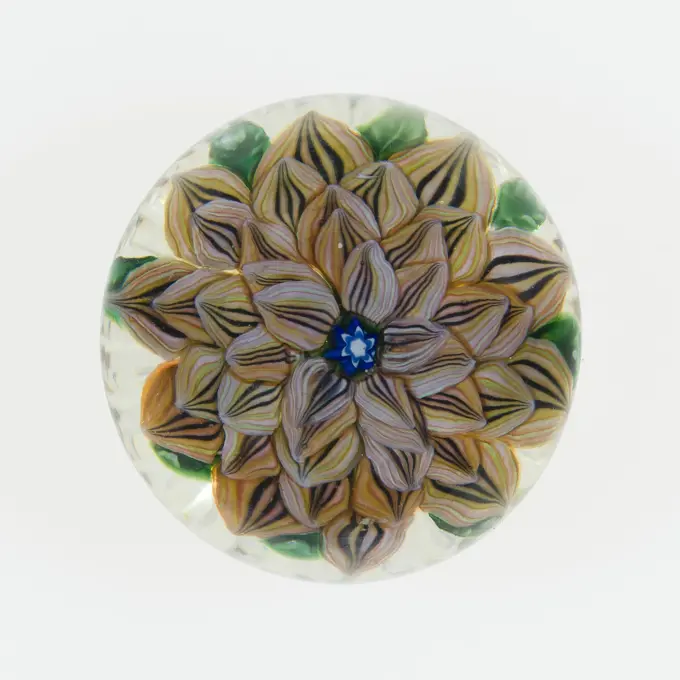
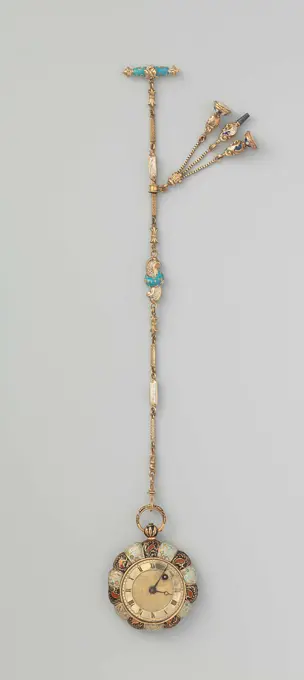
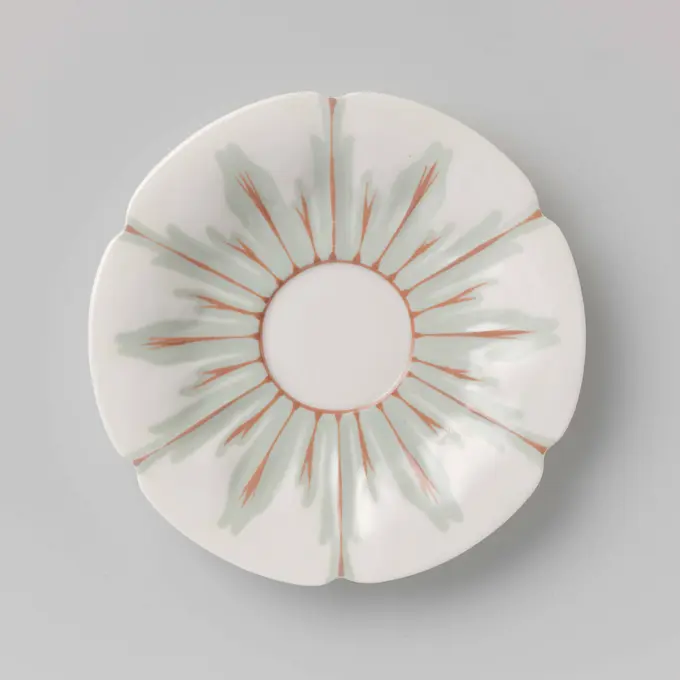
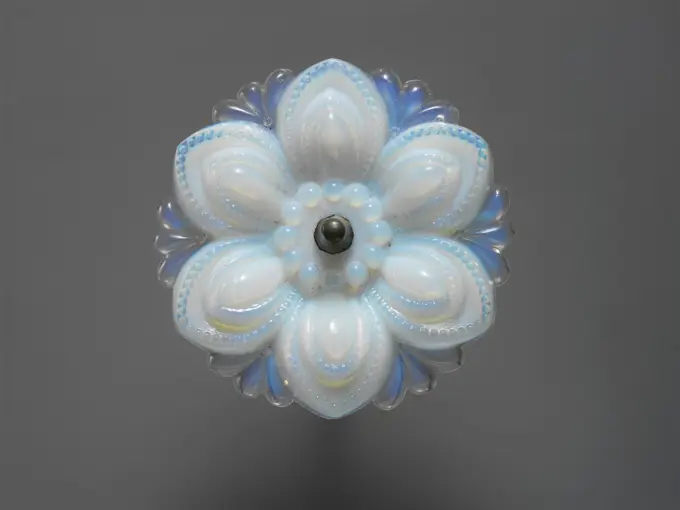
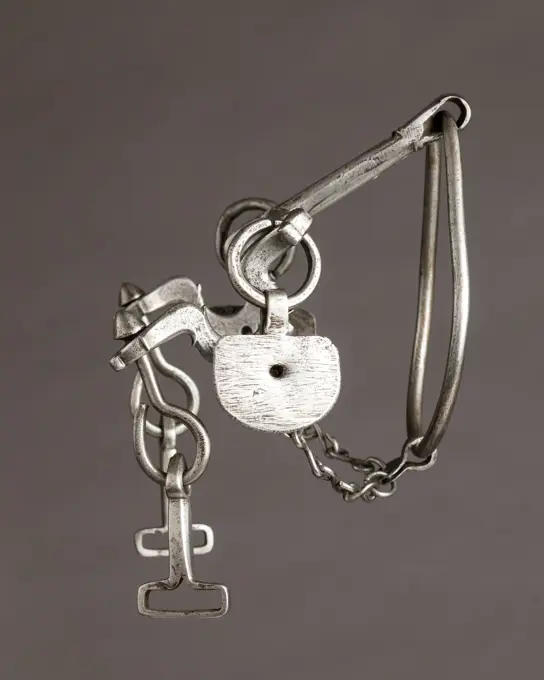
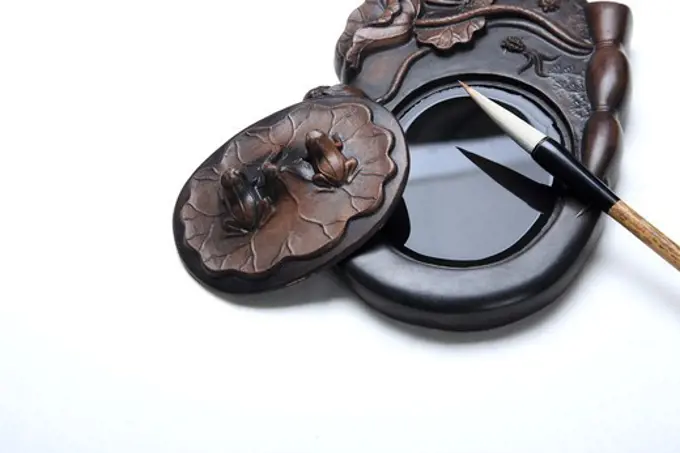
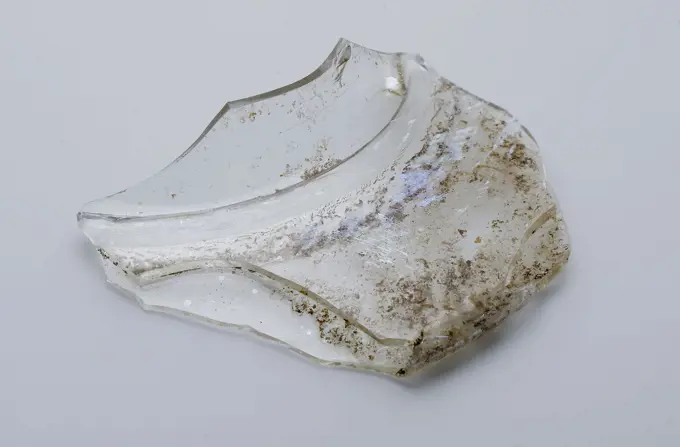
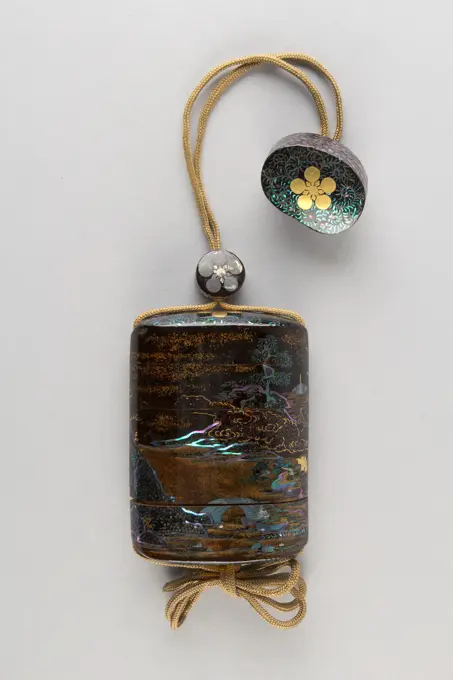
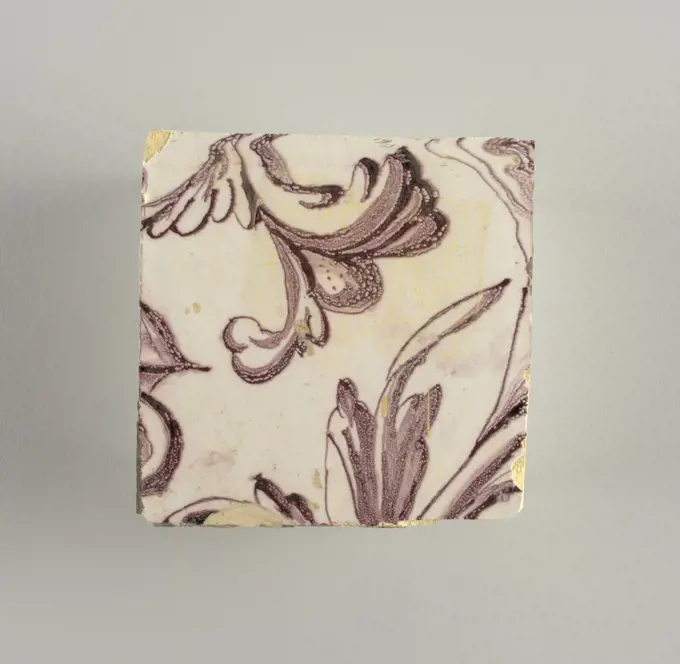
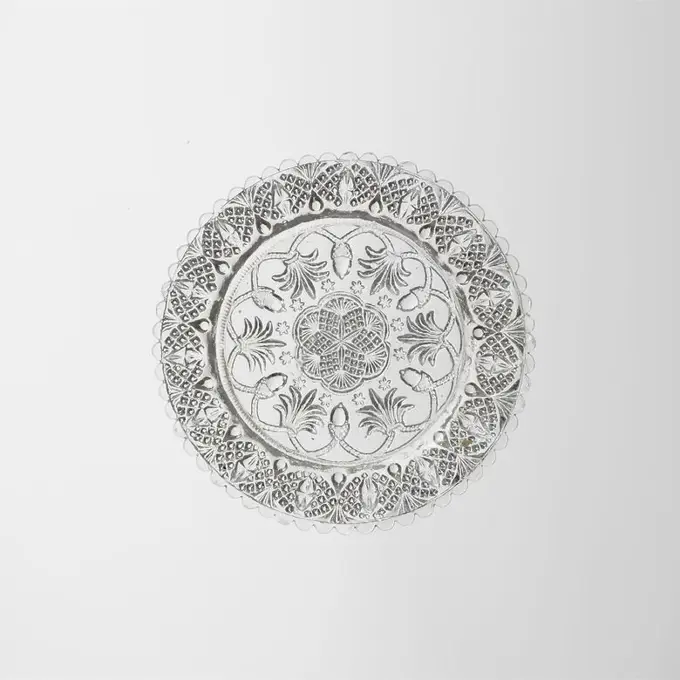
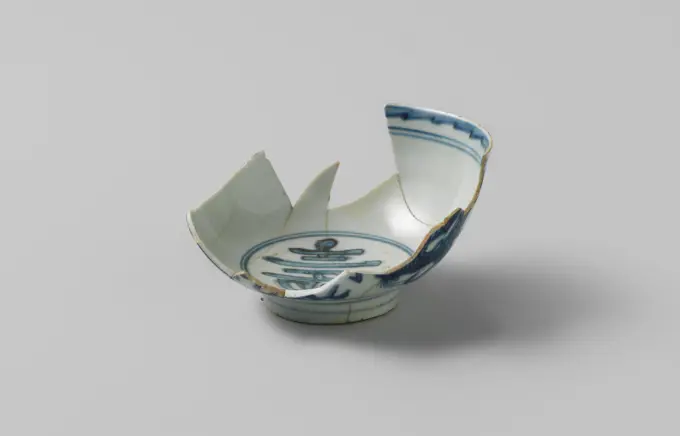
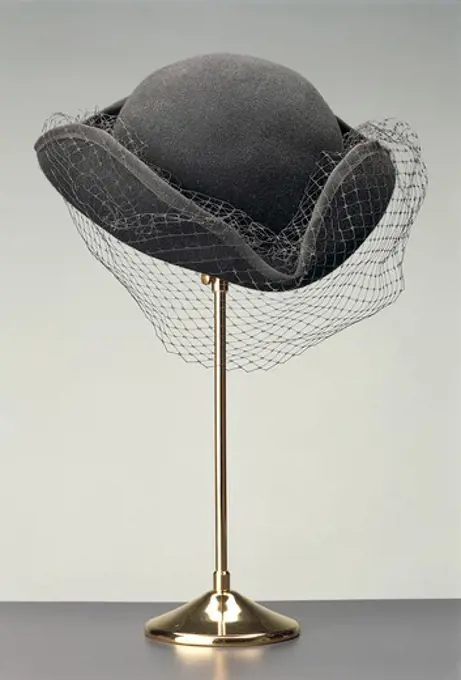
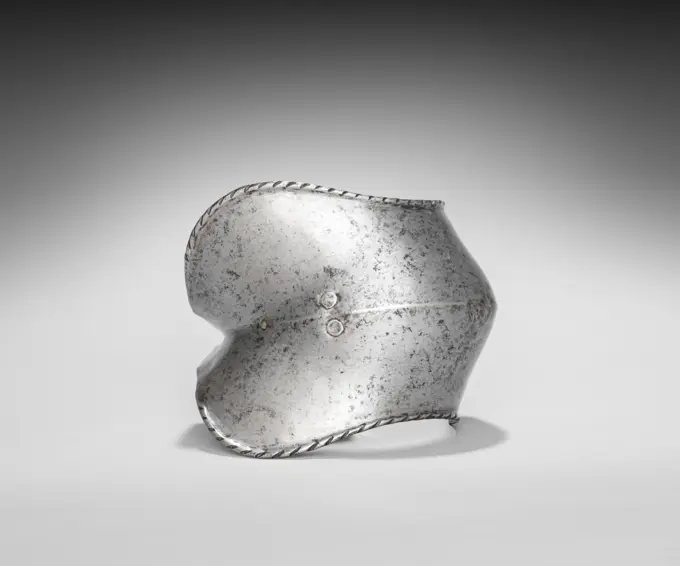
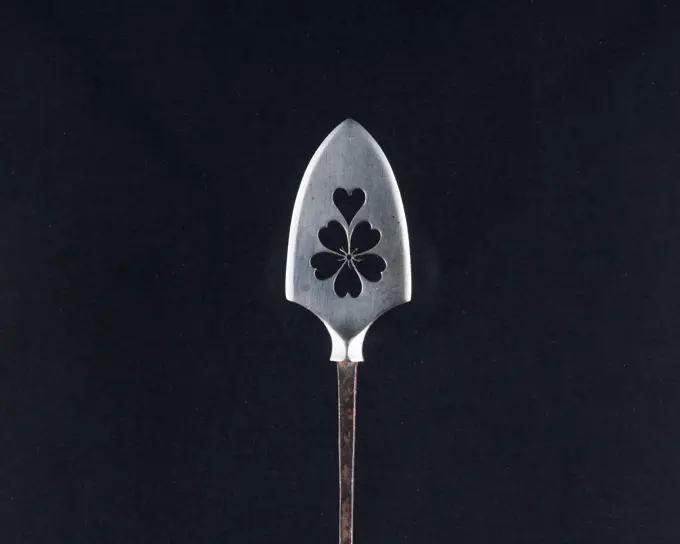
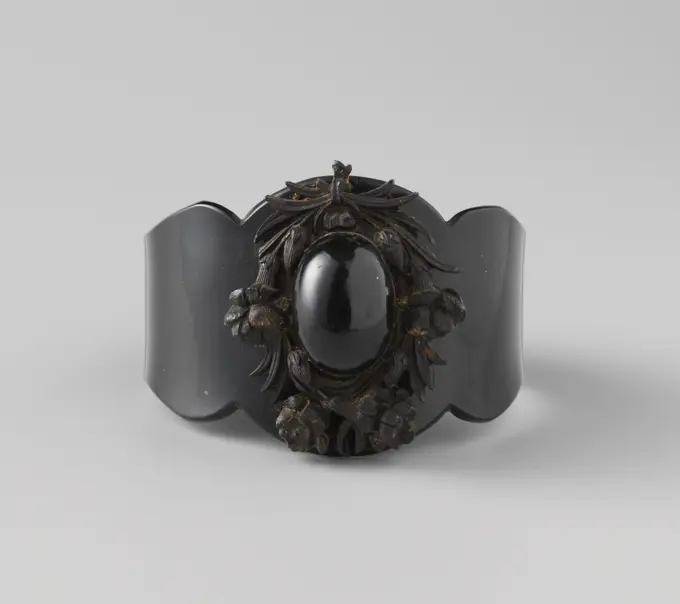
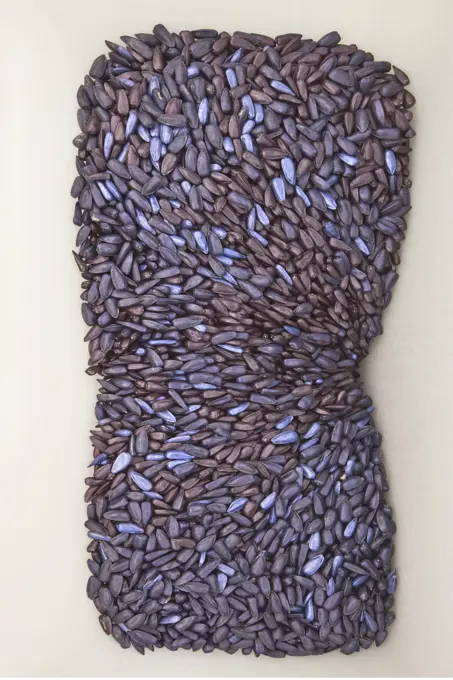
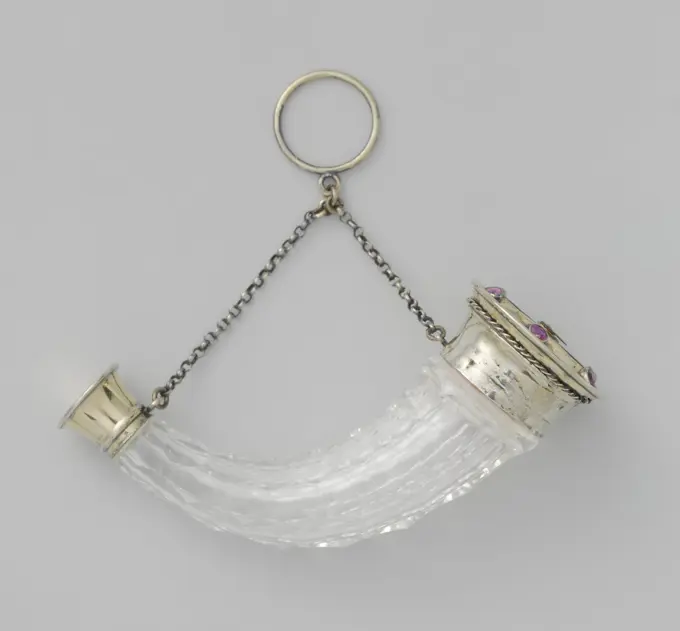
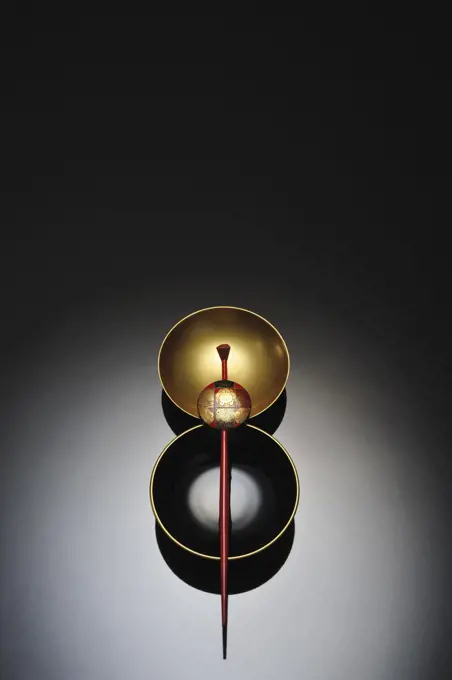
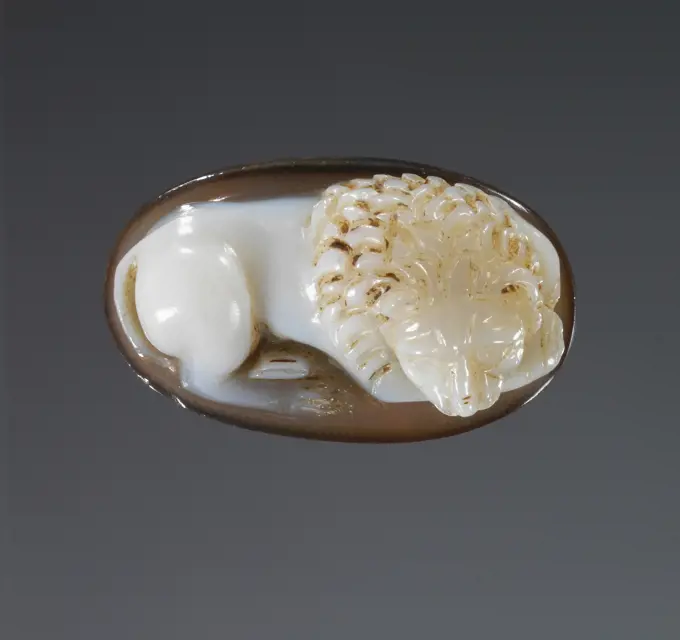
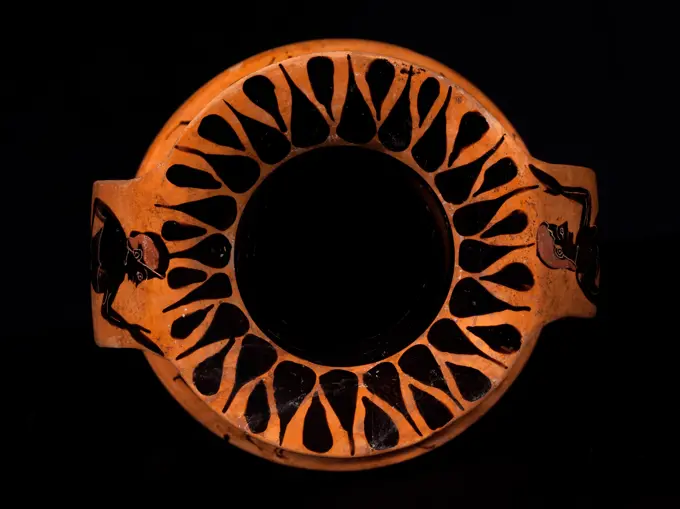
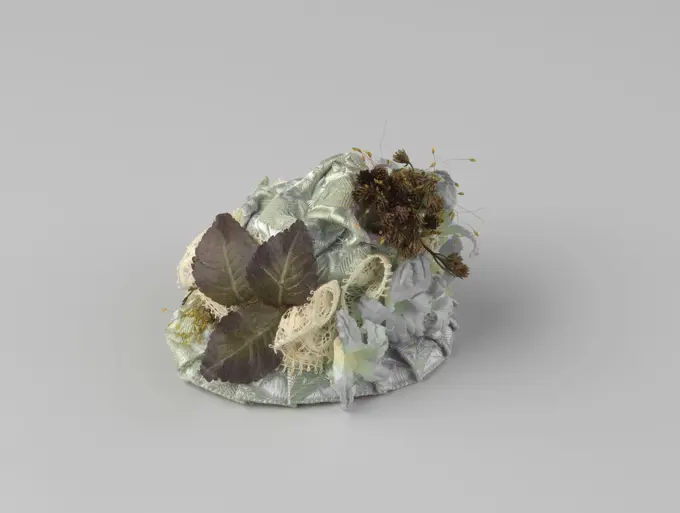
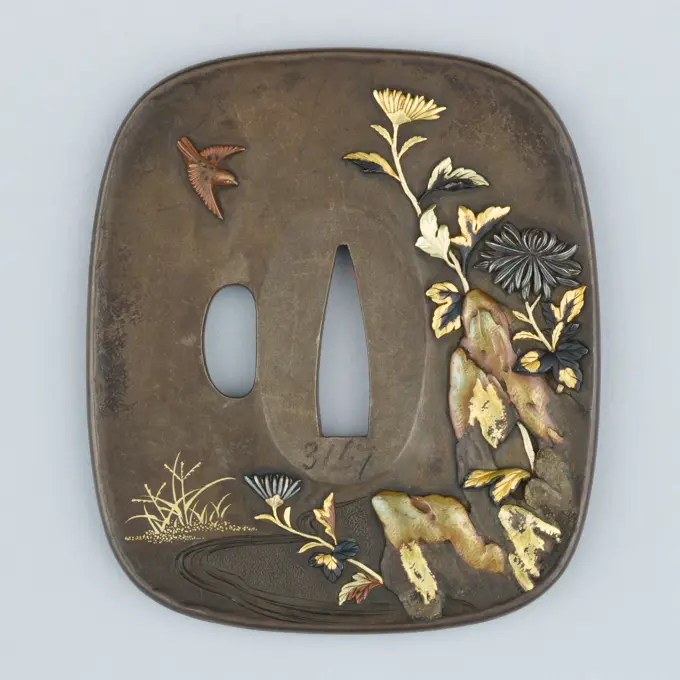
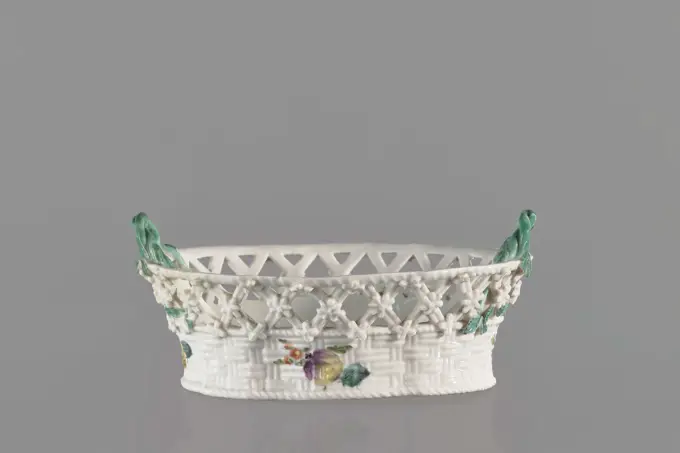
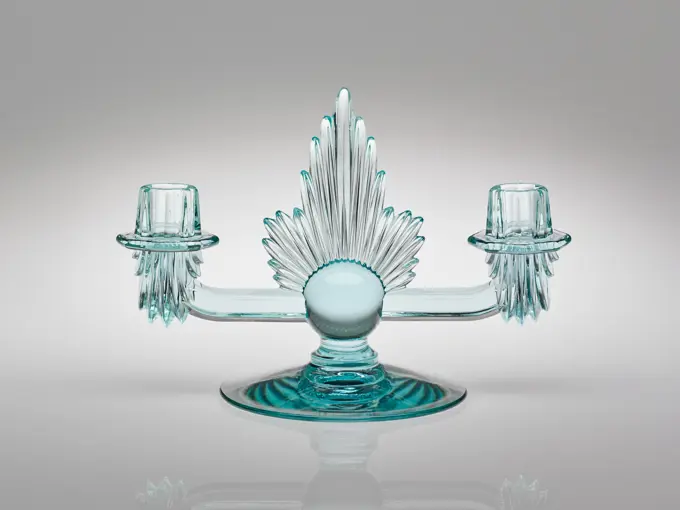
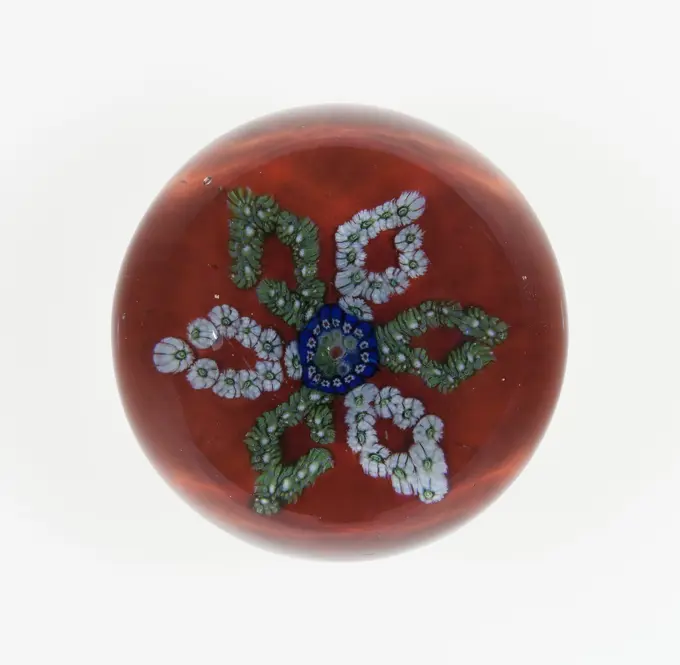
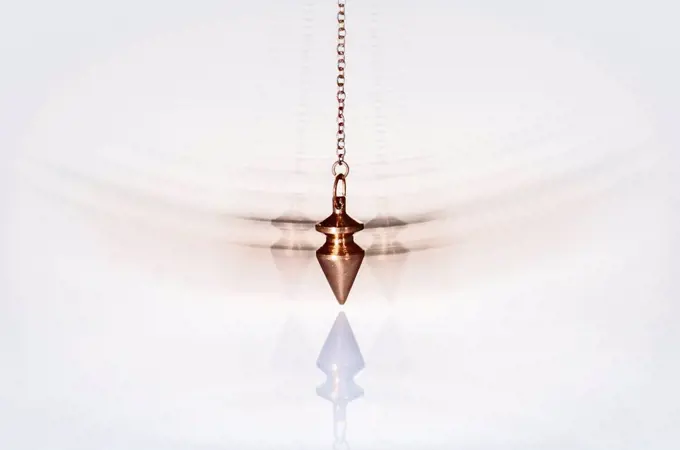
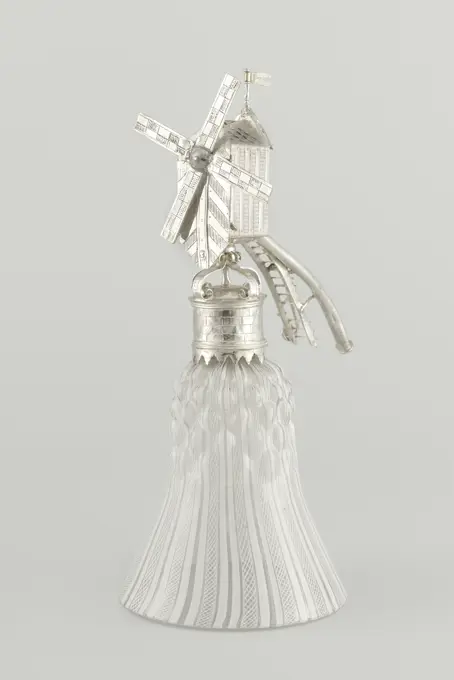
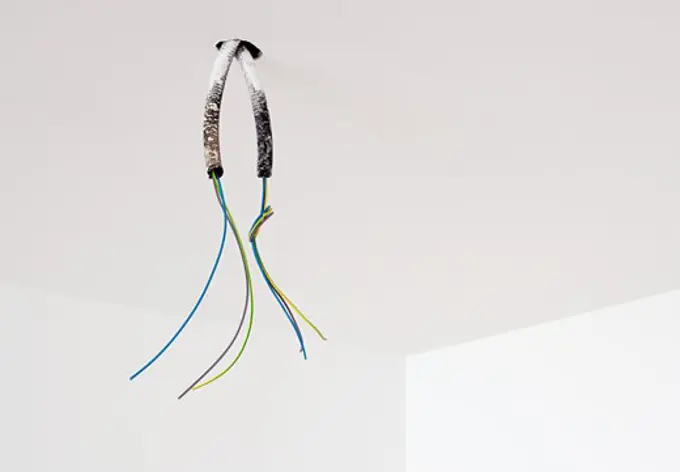
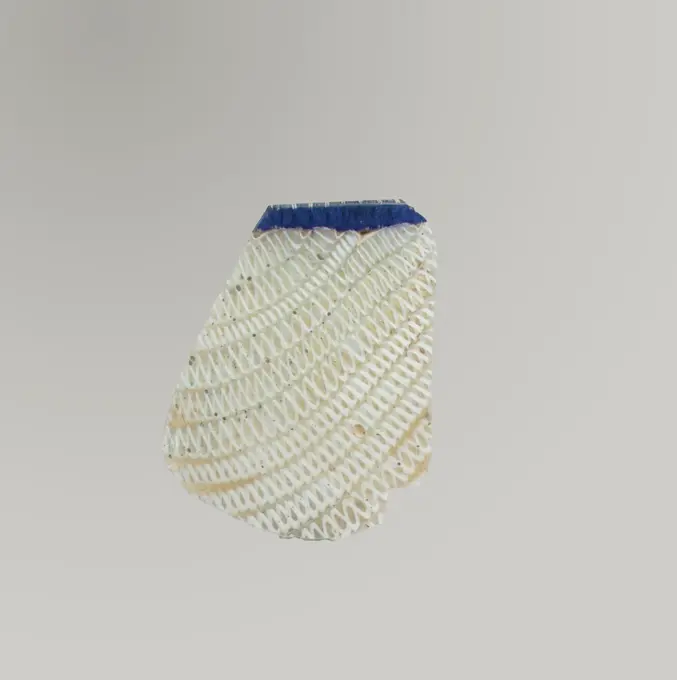
Glass network mosaic bowl fragment late 1st century B.C.-early 1st century A.D. Roman Rim fragment.Translucent blue, opaque white, and colorless.Applied coil rim with rounded lip; slightly convex curving side, tapering downward. Rim in blue with fine double white spiral threads; body decorated with eleven colorless narrow canes slanting from top right to bottom left, decorated with two spirally twisted white threads.Pinprick bubbles; exterior polished, with pitting of surface bubbles; dulling and creamy iridescent weathering on interior, rim, and jagged edges.The body of the vessel, probably a hemispherical bowl, is decorated with lengths of glass comprising a colorless cane wound spirally with parallel threads in opaque white glass. The rim is marked by a separate cane of blue and white threads.. Glass network mosaic bowl fragment. Roman. late 1st century B.C.-early 1st century A.D.. Glass; cast. Early Imperial. GlassLid from V.O.C.-ship De 'Witte Leeuw', Anonymous, Before 1613 lid Cover from V.O.C. ship De 'Witte Leeuw', 50  present. Jingdezhen porcelain   Sint-HelenaPaperweight 1840-1865 France. This paperweight uses a traditional glass-making technique called millefiori to great effect. Italian for ìone thousand flowers,î millefiori was first developed in fifteenth-century Venice. In the nineteenth century, French glassmakers revived the technique with a cultural twist. Arranged to evoke traditional French gardens such as the Tuileries in Paris, paperweights like this example brought a little of this landscaping magic indoors.From the late 1840s to early 1860s, French manufacturers of fine glass and crystalósuch as Baccarat (Alsace), Clichy (Paris), and Saint-Louis (Lorraine)ócatered to the vast public enthusiasm for beautiful yet functional desk accessories. Paperweights, which were designed to secure loose papers against drafts, were among their most popular products.. Glass . Compagnie de Saint LouisPaperweight 1801-1900 Lunéville. The colorful geometric clusters embedded in this paperweight reflect the nineteenth-century European fascination with optical effects. Sir David Brewster invented the kaleidoscope in 1815, and its colorful and changing patterns brought great visual entertainment. Paperweights such as this example reformed this childlike pastime for a sophisticated adult audience. Depicted in glass were tiny glittering flowers, small black and blue cameos of figures, and even miniature bottlecaps. These were delicately arranged within the orb for the observant eye to discover.From the late 1840s to early 1860s, French manufacturers of fine glass and crystalósuch as Baccarat (Alsace), Clichy (Paris), and Saint-Louis (Lorraine)ócatered to the vast public enthusiasm for beautiful yet functional desk accessories. Paperweights, which were designed to secure loose papers against drafts, were among their most popular products.. Glass . Baccarat GlassworksRound brass makeup bag plated with pink shagreen, 1930s, France, 20th century.Waszek from the cover with decorations Imari; Kaiserliche Porzellanmanufaktur in Wien (1744-1864); PO .XVIII century (1745-00-00-1755-00-00);Paperweight 1840-1865 France. This paperweight uses a traditional glass-making technique called millefiori to great effect. Italian for ìone thousand flowers,î millefiori was first developed in fifteenth-century Venice. In the nineteenth century, French glassmakers revived the technique with a cultural twist. Arranged to evoke traditional French gardens such as the Tuileries in Paris, paperweights like this example brought a little of this landscaping magic indoors.From the late 1840s to early 1860s, French manufacturers of fine glass and crystalósuch as Baccarat (Alsace), Clichy (Paris), and Saint-Louis (Lorraine)ócatered to the vast public enthusiasm for beautiful yet functional desk accessories. Paperweights, which were designed to secure loose papers against drafts, were among their most popular products.. Glass . Compagnie de Saint LouisHair comb made of black -lacked wood in an oval shape, ajour cut, on a hinged pin of copper, anonymous, c. 1880 - c. 1910 Hair comb of black lacquered wood in an oval shape, ajour cut branches ending in a ball shape, in a hinged pin of copper. Amsterdam (possibly) whole: Wood (plant material). whole: Lacquer (coating). PIN: Copper (Metal) cutting / lacquering / casting Hair comb of black lacquered wood in an oval shape, ajour cut branches ending in a ball shape, in a hinged pin of copper. Amsterdam (possibly) whole: Wood (plant material). whole: Lacquer (coating). PIN: Copper (Metal) cutting / lacquering / castingLadies hat completely covered with pearl farmers, anonymous, c. 1960 Ladies hat completely covered with the feathers of a guinea fowl. Model: Round sphere, without a border. Based on sparterie on which the feathers are attached. Lined with black glossy cotton. Gray hat. France whole:. whole:. Lining: Cotton (textile) Ladies hat completely covered with the feathers of a guinea fowl. Model: Round sphere, without a border. Based on sparterie on which the feathers are attached. Lined with black glossy cotton. Gray hat. France whole:. whole:. Lining: Cotton (textile)Tassel (Italy); linenWire basketSword Guard (Tsuba) 18th century Japanese A tsuba is a sword guard and part of a sword mounting. It is mounted between the swords blade and grip to protect the users hands.. Sword Guard (Tsuba) 30062Tin brooch with flowers with bow, anonymous, c. 1940 - c. 1960  Leerdam tin (metal) casting  Leerdam tin (metal) castingPaperweight 1842-1852 France. The colorful geometric clusters embedded in this paperweight reflect the nineteenth-century European fascination with optical effects. Sir David Brewster invented the kaleidoscope in 1815, and its colorful and changing patterns brought great visual entertainment. Paperweights such as this example reformed this childlike pastime for a sophisticated adult audience. Depicted in glass were tiny glittering flowers, small black and blue cameos of figures, and even miniature bottlecaps. These were delicately arranged within the orb for the observant eye to discover.From the late 1840s to early 1860s, French manufacturers of fine glass and crystalósuch as Baccarat (Alsace), Clichy (Paris), and Saint-Louis (Lorraine)ócatered to the vast public enthusiasm for beautiful yet functional desk accessories. Paperweights, which were designed to secure loose papers against drafts, were among their most popular products.. Glass . Baccarat GlassworksFlower of ice Flower of ice made in 3D Copyright: xZoonar.com/OxanaxRishnyakx 4337780Glass striped mosaic bowl fragment late 1st century B.C.-early 1st century A.D. Roman Rim fragment.Translucent turquoise blue largely appearing green, purple appearing opaque deep brick red, and yellow, with colorless glass.Applied coil rim with rounded, vertical lip; side curving in downward. Rim in colorless glass with single yellow spiral thread; body decorated with fine vertical bands, forming a regular pattern: colorless with double spiral yellow threads, red, green, blue, yellow with central dark stripe, yellow, green, red, yellow with central dark stripe, green, yellow with dark stripe, red, colorless with double spiral yellow threads.Pinprick bubbles; exterior polished, with slight surface pitting; iridescent weathering on interior and edges.. Glass striped mosaic bowl fragment. Roman. late 1st century B.C.-early 1st century A.D.. Glass; cast. Early Imperial. GlassVenetian, Reed & Barton, American, 1824-2015, Silver-plated metal, A two prong serving fork with a wood grain textured finish and slightly undulating handle., ca. 1880-85, cutlery, Decorative Arts, Salad serving fork, Salad serving forkBrooch (Element of Garment Clasp), c. 1400. France, Paris, late 14th-early15th century. Gold, gilt silver and pearls; diameter: 2.9 cm (1 1/8 in.). During the fourteenth century, brooches such as this group of five were ordinarily worn at the neck to clasp a lady's cloak or dress. They could also be sewn into a garment or hat as applied ornament.Studio shot of a white pikake lei laid in a straight line across image.Roman podium  white for cosmetic product on background granite white. 3d renderingPaperweight 1843-1860 France. Glass . Compagnie de Saint LouisWoman figure beside a linen spool of thread on a white backgroundPaperweight 1840-1865 France. Technological improvements to optical scientific instruments in the mid-nineteenth century spurred a veritable obsession across Europe with identifying and classifying the natural world. Amateur botanists were eager to collect and preserve floral specimens, which they intently researched and catalogued. In response to this broad appeal, French glassmakers made paperweights that portrayed the very botanical subjects that were so enthusiastically sought. Many weights represented specimens with horticultural correctness, but others were entirely fanciful creations. Paperweights like this example speak to the periodís fascination with taxonomic systems.From the late 1840s to early 1860s, French manufacturers of fine glass and crystalósuch as Baccarat (Alsace), Clichy (Paris), and Saint-Louis (Lorraine)ócatered to the vast public enthusiasm for beautiful yet functional desk accessories. Paperweights, which were designed to secure loose papers against drafts, weSilver swivel ring with engraved stone 6th-5th century B.C Cypriot Swivel ring with blue-glazed stone engraving, much decayed.. Silver swivel ring with engraved stone. Cypriot. 6th-5th century B.C. Silver, blue stone. ArchaicPaperweight 1801-1900 France. Technological improvements to optical scientific instruments in the mid-nineteenth century spurred a veritable obsession across Europe with identifying and classifying the natural world. Amateur botanists were eager to collect and preserve floral specimens, which they intently researched and catalogued. In response to this broad appeal, French glassmakers made paperweights that portrayed the very botanical subjects that were so enthusiastically sought. Many weights represented specimens with horticultural correctness, but others were entirely fanciful creations. Paperweights like this example speak to the periodís fascination with taxonomic systems.From the late 1840s to early 1860s, French manufacturers of fine glass and crystalósuch as Baccarat (Alsace), Clichy (Paris), and Saint-Louis (Lorraine)ócatered to the vast public enthusiasm for beautiful yet functional desk accessories. Paperweights, which were designed to secure loose papers against drafts, weHorloge van goud met gearceerde gouden wijzerplaat.Gold watch with shaded golden dial. The cupboard is lobed. Rear and ingredient decorated with colored enamel. Necklace with key and two cachets.Dish, painted with the Krokus decor. Dish of painted porcelain. The dish is painted in green and brown. The dish has been marked.Tureen and cover, Glazed earthenware, Tureen in the form of a grape cluster with leaves. The fruit is glazed a dark indigo. Green leaves are reticulated with brown veins., England, ca. 1755, ceramics, Decorative Arts, Tureen and coverBead Naming Queen Ahhotep ca. 1550-1525 B.C. New Kingdom. Bead Naming Queen Ahhotep. ca. 1550-1525 B.C.. Glazed steatite. New Kingdom. From Egypt. Dynasty 18Paperweight 1825-1875 France. Glass .Long handle bed pan. The handle has been profiled in three places and has a ring at the end. The bed pan is labeled: Mt. = Wessel Jansen (twice), key (= 17th century import mark in Leiden), ax.Paperweight 1875-1900 United States. Glass . Mount Washington Glass WorksBowl. Culture: American. Designer: Designed by Louis Comfort Tiffany (American, New York 1848-1933 New York). Dimensions: 1 5/8 x 2 3/8 x 2 3/8 in. (4.1 x 6 x 6 cm). Maker: Tiffany Glass and Decorating Company (American, 1892-1902). Date: 1898-1902. Museum: Metropolitan Museum of Art, New York, USA.Golden leaves styled stock scene, rich earth tones. Golden leaves styled stock sceneDrapery Tieback 1810-60. Drapery Tieback 14250transparent blue ball isolated on white backgroundRealistic 3d stone pedestal with eucalyptus leaves background. Trendy empty podium display for cosmetic product presentation, fashion magazine. Vector Illustration EPS10. Realistic 3d stone pedestal with eucalyptus leaves background. Trendy empty podium display for cosmetic product presentation, fashion magazine. Vector IllustrationCup Plate 1825-60. Cup Plate 2932Photo on aromatherapy and mental health.Ring Bit 18th-19th century Maghreban, North Africa The C-shaped shanks are characteristic of the ring bits made in North Africa at least since the 16th century. The T-shaped mouthpiece is pierced with a gothic window motif and a heart, a type of decoration influenced by German or Spanish ironwork, and found, for example, on some horse bits made in Tunisia during the 19th century.The ring bit is a strong instrument distinguished by the fact that the curb chain is replaced by a ring attached at the top of the mouthpiece, going around the horses lower jaw. The ring would press the sensitive chin of the horse when the reins are pulled. Typical of the Islamic world, ring bits were introduced to Spain during the Arab presence, and then kept by the Spaniards for their light cavalry (used in the genette or jineta riding style). Brought into the New World during the Spanish conquest, they were also commonly used in many Latin American countries until the late 19th century.. Ring Bit. MaghrebanInk stone and brush penFragment of foot, bottom and part of the wall of club, drinking cup drinking vessel holder soil find glass, hand-blown Two fragments of foot bottom and part wall of knots (Keulenbecher) in clear colorless glass Foot and base are manufactured by means of turning the original glass bulb inwards and raising the air between the two layers. Brand rises almost horizontally archeology Rotterdam railway tunnel drinking beer Soil discovery: railway tunnel Rotterdam.Paperweight 1840-1865 Baccarat. Technological improvements to optical scientific instruments in the mid-nineteenth century spurred a veritable obsession across Europe with identifying and classifying the natural world. Amateur botanists were eager to collect and preserve floral specimens, which they intently researched and catalogued. In response to this broad appeal, French glassmakers made paperweights that portrayed the very botanical subjects that were so enthusiastically sought. Many weights represented specimens with horticultural correctness, but others were entirely fanciful creations. Paperweights like this example speak to the periodís fascination with taxonomic systems.From the late 1840s to early 1860s, French manufacturers of fine glass and crystalósuch as Baccarat (Alsace), Clichy (Paris), and Saint-Louis (Lorraine)ócatered to the vast public enthusiasm for beautiful yet functional desk accessories. Paperweights, which were designed to secure loose papers against drafts, Case (Inr) with Chinese-Style Landscape 19th century Japan. Case (Inr) with Chinese-Style Landscape. Japan. 19th century. Lacquer, roiro, nashiji, gold foil, aogai inlay; Interior: nashiji and fundame. InrTile wall facing, Tin-glazed earthenware, underglaze, Horizontal rectangle. Thirty tiles wide and twenty-three tiles high with opening for fireplace eleven tiles wide and ten high. Foliage arabesques disposed about three vertical axes from which are emphazised by urns at center and right, and at left by the figure of a standing woman carrying an infant on her arm and accompanied by two children., Possibly Rotterdam, Holland, Possibly Delft, Netherlands, ca. 1725, tiles, Decorative Arts, Tile wall facingwhite podium show cosmetic product geometric.Cup Plate. Dimensions: Dimensions unavailable. Date: 1825-60. Museum: Metropolitan Museum of Art, New York, USA.Paperweight 1801-1900 Saint-Louis. This paperweight uses a traditional glass-making technique called millefiori to great effect. Italian for ìone thousand flowers,î millefiori was first developed in fifteenth-century Venice. In the nineteenth century, French glassmakers revived the technique with a cultural twist. Arranged to evoke traditional French gardens such as the Tuileries in Paris, paperweights like this example brought a little of this landscaping magic indoors.From the late 1840s to early 1860s, French manufacturers of fine glass and crystalósuch as Baccarat (Alsace), Clichy (Paris), and Saint-Louis (Lorraine)ócatered to the vast public enthusiasm for beautiful yet functional desk accessories. Paperweights, which were designed to secure loose papers against drafts, were among their most popular products.. Glass . Compagnie de Saint LouisA white vase, close-up.Fragment Come from V.O.C. ship De 'Witte Leeuw', Anonymous, Before 1613 bowl Fragment Come from V.O.C. ship De 'Witte Leeuw', 50 present. Jingdezhen porcelain   Sint-HelenaFashion, 20th century. Veiled women's hat.Watch 1819-38 French. Watch 195631Elbow Cop (left), c. 1560-1580. Germany and Spain, 16th century. Steel, leather straps, brass rivets; This armor was developed for the joust-a sporting combat between two mounted contestants. Although all of the elements of this armor date from the same period, they are not all from the same suit. This armor is thus called "composed." It also shows the asymmetry of jousting armor. The participants rode along a wall-like barrier known as a "tilt" with their left sides facing one another. Consequently, armor on that side of the body had to be thicker. Note the large plate (grandguard) over the left shoulder for extra protection. Also, the breathing holes in the helmet were placed on the right side (farthest from an opponent's lance) to avoid injuries from splinters. The bracket attached to the right breastplate is called the lance-rest, a shock-absorbing support designed to accommodate the lance when "couched" under the right armpit.Pijp, B. dellemijn, c. 1842 - c. 1898 Round head and a long smooth stem. De Pijp is kept together with two other pipes (Invnr. BK-NM-1177-141-B and BK-NM-1177-142-C) in a pipe box (invnr. BK-NM-11177-141-A). The long pipe with invnr. BK-NM-11177-141-C is missing. The pipe is marked with a sword. Doesburg silver (metal) Round head and a long smooth stem. De Pijp is kept together with two other pipes (Invnr. BK-NM-1177-141-B and BK-NM-1177-142-C) in a pipe box (invnr. BK-NM-11177-141-A). The long pipe with invnr. BK-NM-11177-141-C is missing. The pipe is marked with a sword. Doesburg silver (metal)Texturierter Serumtropfen mit Blasen auf rosa Hintergrund. Texturierter Serumtropfen mit Blasen auf rosa Hintergrund. LicenseRF Copyright: xZoonar.com/MAREVGENNAx 23246488Little white bird house made of metalSilver ball holder with ivory bobbin, tangle holder holder silver ivory, cast Hook clamped around handle of flower basket basket stands on rectangular bracket ivory coil knittingBrooch with natural fur, fashion accessory, decorative element, isolated on white background Brooch with natural fur, fashion accessory, decorative element, isolated on white background Copyright: xZoonar.com/OleksandrxKostiuchenkox 9750021MaskVector Christmas tree golden ball toy. Realistic shiny golden decor element. Traditional festive xmas eve, new year celebration decoration design symbol. Bright decorative object in 3D style.WhiskGoblet with Cover. Germany, Potsdam or Zechlin. Date: 1725-1735. Dimensions: H. 31.8 cm (12 1/2 in.). Glass. Origin: Potsdam. Museum: The Chicago Art Institute, Chicago, USA.Subtotel butter fleet or terrine in the form of a grape voucher, anonymous, c. 1750 - c. 1775 Subtotel butter fleet or Terrine from Faience. Consisting of a container with lid in the shape of a grape voucher, and a subpotel in the shape of a grape leaf. Delft . Subtotel butter fleet or Terrine from Faience. Consisting of a container with lid in the shape of a grape voucher, and a subpotel in the shape of a grape leaf. Delft .Paperweight 1801-1900 Lunéville. This paperweight uses a traditional glass-making technique called millefiori to great effect. Italian for ìone thousand flowers,î millefiori was first developed in fifteenth-century Venice. In the nineteenth century, French glassmakers revived the technique with a cultural twist. Arranged to evoke traditional French gardens such as the Tuileries in Paris, paperweights like this example brought a little of this landscaping magic indoors.From the late 1840s to early 1860s, French manufacturers of fine glass and crystalósuch as Baccarat (Alsace), Clichy (Paris), and Saint-Louis (Lorraine)ócatered to the vast public enthusiasm for beautiful yet functional desk accessories. Paperweights, which were designed to secure loose papers against drafts, were among their most popular products.. Glass . Baccarat GlassworksArrowhead (Yanone) 18th century Japanese Although today Japanese warriors are renowned most for their swordsmanship, archery, especially from horseback, has been an essential part of samurai warfare and culture for centuries. Arrows were fitted with heads of varying shape according to their intended use in war, the hunt, or target practice. Arrowheads made for use on the battlefield incorporated different designs intended for specialized purposes such as the piercing of armor or to cause maximum damage to horses and unarmored personnel.Large arrowheads, pierced and elaborately chiseled with landscapes, birds, flowers, dragons, and Buddhist divinities, were created to be admired for the beauty of their metalwork and design rather than for use in archery. Such highly elaborate examples may have been made for presentation or as a votive offerings to a shrine.. Arrowhead (Yanone). Japanese. 18th century. Steel. Archery Equipment-ArrowheadsA plateBalein bracelet, wide from the front and somewhat corrugated. On top a wreath of flowers and leaves with an oval in the middle., C. 1865 Balein bracelet, wide from the front and somewhat corrugated. On the top is a wreath of flowers and thin leaves with an oval in the middle. Great Britain (possibly) baleen Balein bracelet, wide from the front and somewhat corrugated. On the top is a wreath of flowers and thin leaves with an oval in the middle. Great Britain (possibly) baleenParasol fourth quarter 19th century probably French The concentric circle format seen here is an alternative to the section format that is often used for parasol covers. The pattern is made specifically for the shape of the object for which it is intended, being a parasol cover.. Parasol 157157Sunflower seeds treated with gaucho, an insecticide disputed for its damage to bees, in a precision seed drill,Modern interior Modern interior with black and white vase on gray wall Copyright: xZoonar.com/IvonnexWierinkx 7057972Pair of footware made of straw on white backgroundPosthorn-shaped Watch, anonymous, c. 1825 - c. 1850 Watch mounted on the mouth of a crystal post horn. There is a ring with rubies around the white enamel dial. The horn hangs on a chain. Midden-Europa (possibly) silver (metal). ruby (mineral) gilding Watch mounted on the mouth of a crystal post horn. There is a ring with rubies around the white enamel dial. The horn hangs on a chain. Midden-Europa (possibly) silver (metal). ruby (mineral) gildingPaperweight, 20th century, 2 3/8 x 2 3/4 x 2 3/4 in. (6.03 x 6.99 x 6.99 cm), Glass, United States, 20th centuryCar Marquise of car. Black mechanical whipped cream coverage, lining in ocher silk pont and lining in ponted silk cream cut with a cookie cutter, metal carcass, mast, tip and ivory handle. Around 1860. Galliera, fashion museum of the city of Paris. Accessory, lecet of Chantilly black mechanics, tip, female, woman, ivory, mat, marquise shadow, ocher silk, carWoman's Cap. United States, circa 1840. Costumes; Accessories. Silk, linenClose-up of two bowls with a hairpinCameo with a Lion; Roman Empire; 1st - 3rd century; Sardonyx; 2.3 × 1.4 × 1.1 cm (7,8 × 9,16 × 7,16 in.)Nicosthénès. Nicosthenian amphora. Black figures. Athens, 535 BC. AD Museum of Fine Arts of the City of Paris, Petit Palais. 58655-1 Amphora, Nicosthenian amphora, antiquity, Greek antiquity, Greek-Roman archeology, Greek art, attic, drink, Greek-Roman civilization, black figure, decorative motif, character representation, ancient scene, ancient vase, vieme vie 6th 6th 6 .Jc, view abovePaperweight 1840-1865 Baccarat. Technological improvements to optical scientific instruments in the mid-nineteenth century spurred a veritable obsession across Europe with identifying and classifying the natural world. Amateur botanists were eager to collect and preserve floral specimens, which they intently researched and catalogued. In response to this broad appeal, French glassmakers made paperweights that portrayed the very botanical subjects that were so enthusiastically sought. Many weights represented specimens with horticultural correctness, but others were entirely fanciful creations. Paperweights like this example speak to the periodís fascination with taxonomic systems.From the late 1840s to early 1860s, French manufacturers of fine glass and crystalósuch as Baccarat (Alsace), Clichy (Paris), and Saint-Louis (Lorraine)ócatered to the vast public enthusiasm for beautiful yet functional desk accessories. Paperweights, which were designed to secure loose papers against drafts, Macro of a seashell isolated on whiteHat, model Bonnet -Coiffure, with lace and blue ribbon, anonymous, 1870 - 1880 Hat, model Bonnet-Coiffure, with lace and blue ribbon. Belonging to Pop BK-15444. Hat, model Bonnet-Coiffure, with lace and blue ribbon. Belonging to Pop BK-15444.Sword Guard (Tsuba) ca. 1615-1868 Japanese A tsuba is a sword guard and part of a sword mounting. It is mounted between the swords blade and grip to protect the users hands.. Sword Guard (Tsuba) 34465Metal's hat pin with flat, disc -shaped button on which one, cut in facets, blue glass stone, anonymous, c. 1900 - c. 1915 Metal hat pin with flat, disc -shaped button on which a blue glass stone, cut in facets. The button is decorated with an edge of the pearl around an shaded field with star -shaped ornament. Long pin. Netherlands (possibly) pen: metal. steen: glass forging / grinding Metal hat pin with flat, disc -shaped button on which a blue glass stone, cut in facets. The button is decorated with an edge of the pearl around an shaded field with star -shaped ornament. Long pin. Netherlands (possibly) pen: metal. steen: glass forging / grindingOpenwork basket. Porzellanmanufaktur Prinz Friedrich W.E. von Hildburghausen (1760-1795), manufactureDuo Candlestick, Flame” Pattern.  Designer George Sakier, American, 1897-1988 Manufacturer: Fostoria Glass Company, American, 1887-1986Paperweight 1848 Saint-Louis. This paperweight uses a traditional glass-making technique called millefiori to great effect. Italian for ìone thousand flowers,î millefiori was first developed in fifteenth-century Venice. In the nineteenth century, French glassmakers revived the technique with a cultural twist. Arranged to evoke traditional French gardens such as the Tuileries in Paris, paperweights like this example brought a little of this landscaping magic indoors.From the late 1840s to early 1860s, French manufacturers of fine glass and crystalósuch as Baccarat (Alsace), Clichy (Paris), and Saint-Louis (Lorraine)ócatered to the vast public enthusiasm for beautiful yet functional desk accessories. Paperweights, which were designed to secure loose papers against drafts, were among their most popular products.. Glass . Compagnie de Saint LouisPerfume Crysterl BottleVase. Designer possibly: Anne Lawrence Gregory Van Briggle, American, 1868-1929 Manufacturer: Van Briggle Pottery Company, American, founded 1901Paperweight 1840-1860 Saint-Louis. This paperweight uses a traditional glass-making technique called millefiori to great effect. Italian for ìone thousand flowers,î millefiori was first developed in fifteenth-century Venice. In the nineteenth century, French glassmakers revived the technique with a cultural twist. Arranged to evoke traditional French gardens such as the Tuileries in Paris, paperweights like this example brought a little of this landscaping magic indoors.From the late 1840s to early 1860s, French manufacturers of fine glass and crystalósuch as Baccarat (Alsace), Clichy (Paris), and Saint-Louis (Lorraine)ócatered to the vast public enthusiasm for beautiful yet functional desk accessories. Paperweights, which were designed to secure loose papers against drafts, were among their most popular products.. Glass . Compagnie de Saint LouisMetal hat pin with flat, oval button in which marbled rose/white glass, anonymous, c. 1900 - c. 1915 Metal hat pin with flat, oval button in which marbled rose/white glass. Netherlands (possibly) pen: Metal. button: Glass forging / grinding Metal hat pin with flat, oval button in which marbled rose/white glass. Netherlands (possibly) pen: Metal. button: Glass forging / grindingTobacco Pouch 1850-80 Japan. Tobacco Pouch 58494Swinging pendulumStirrup for a Child second half 17th century German The very small size of this stirrup indicates that it was made for a young child. Children from wealthy families would start riding lessons as soon as they could sit on a pony, usually around the age of 3. Horsemanship was an important component of European noble society, and children of the elite were expected to master the art of equitation. Moreover, as many nobles served in the cavalry, it was essential for them to be skillful riders by the time they were old enough to go to war.. Stirrup for a Child. German. second half 17th century. Iron alloy. Equestrian Equipment-StirrupsMolenbeker, anonymous, c. 1600 - c. 1700 Klock -shaped chalice, the upper part of which shows a light relief. Filigrane glass A Fili and A Retortoli. Silver mill, an unreadable brand on one of the blades. Low Countries glass. molen: silver (metal) glassblowing / engraving Klock -shaped chalice, the upper part of which shows a light relief. Filigrane glass A Fili and A Retortoli. Silver mill, an unreadable brand on one of the blades. Low Countries glass. molen: silver (metal) glassblowing / engravingswords duel.3d swords duel.3d Copyright: xZoonar.com/SerhiixPavlovx 1588715Unfinished electrical cablesBrooch -Pebble circle in stone on white background. Hair comb of turtle with smooth back on which twelve connected circles. Eight teeth.Ring Bit 18th-19th century Ottoman The shanks of this elegant bit are adorned with vegetal scrolls inlaid with silver. The back of the T-shaped mouthpiece is inlaid with small silver stars as well as with a copper medallion bearing an inscription, possibly the makers or workshops name. Reins were attached to the chains hanging from the shanks.The ring bit is a strong instrument distinguished by the fact that the curb chain is replaced by a ring attached at the top of the mouthpiece, going around the horses lower jaw. The ring would press the sensitive chin of the horse when the reins are pulled. Typical of the Islamic world, ring bits were introduced to Spain during the Arab presence, and then kept by the Spaniards for their light cavalry (used in the genette or jineta riding style). Brought into the New World during the Spanish conquest, they were also commonly used in many Latin American countries until the late 19th century.. Ring Bit. Ottoman. 18th-19th century. Iron alloy, silv