Decorative Glass Bottles

Artistic glass containers and bottles from various periods, displaying intricate designs and history through their shapes and styles.
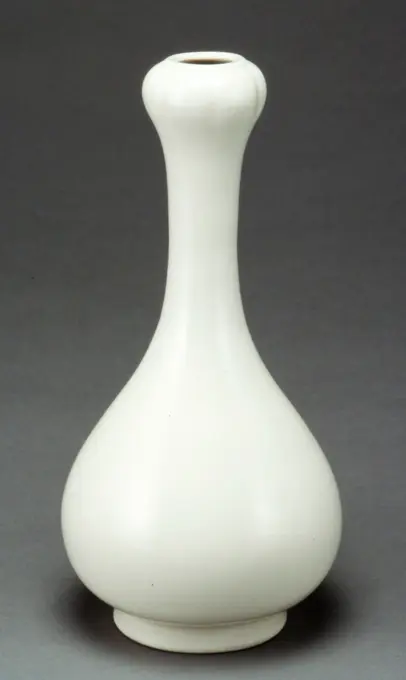
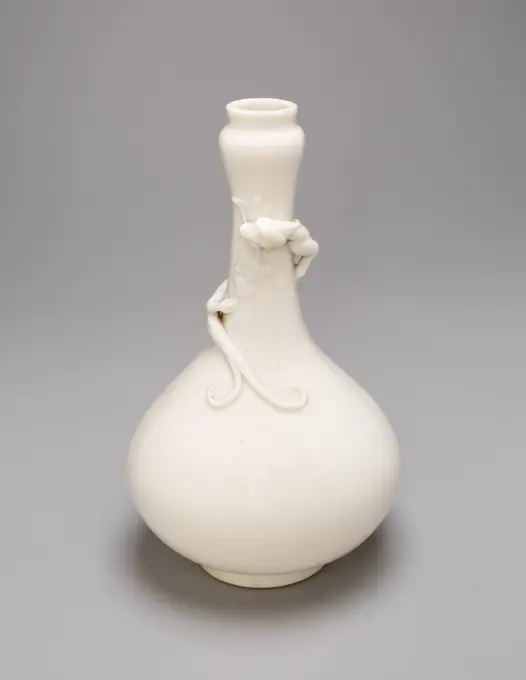
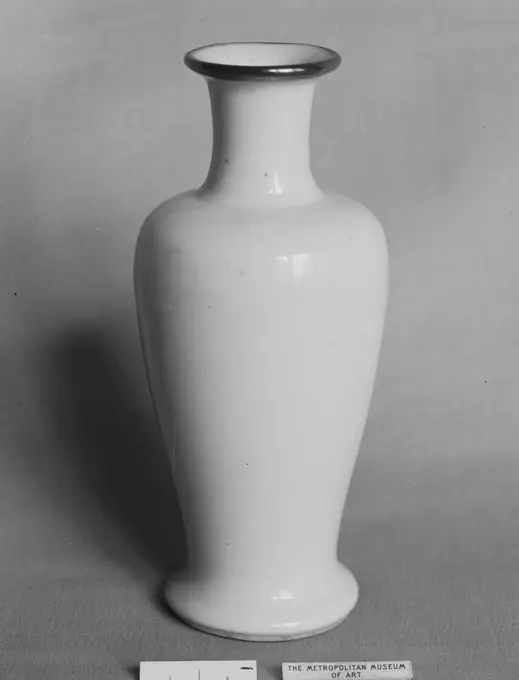
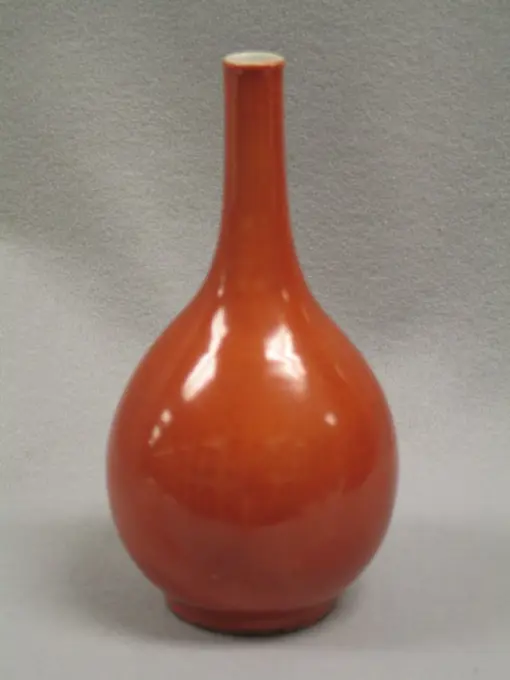
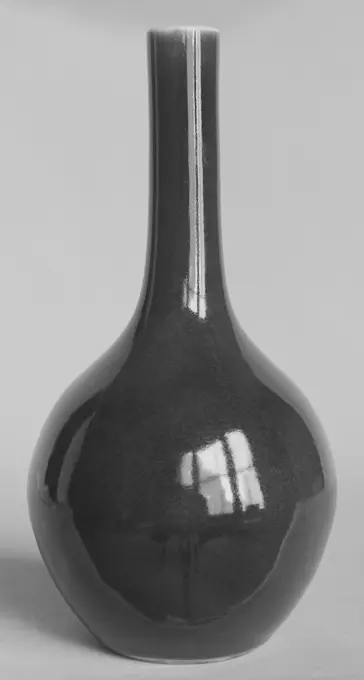
Pear-shaped bottle vase, 19th century, 10in. (25.4cm), Ceramic, blanc de chine glaze, wooden stand, China, 19th century
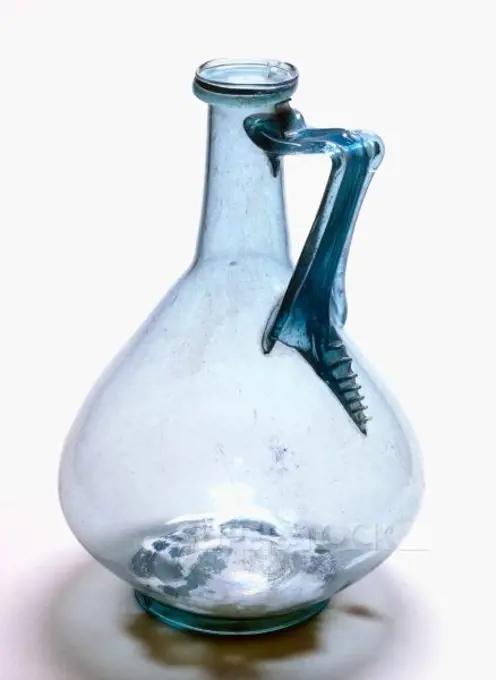
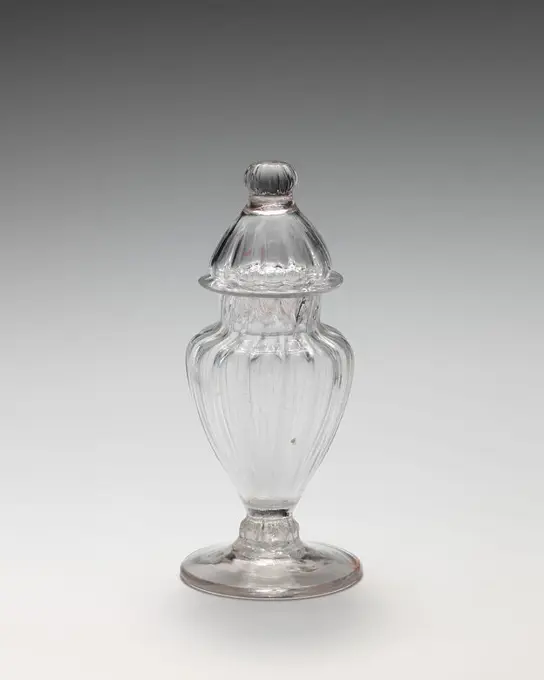
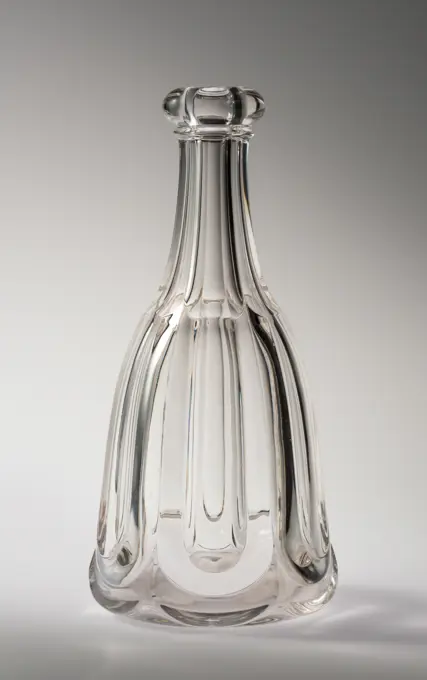
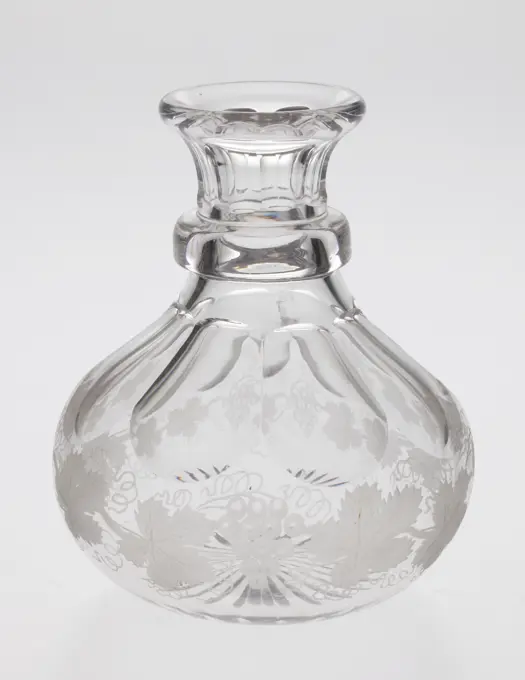
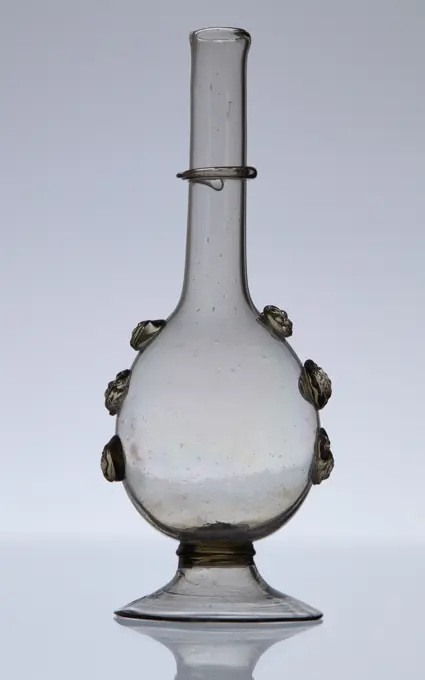
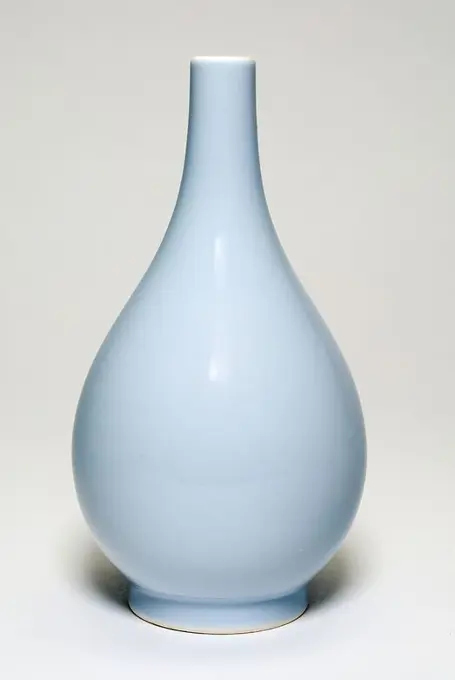
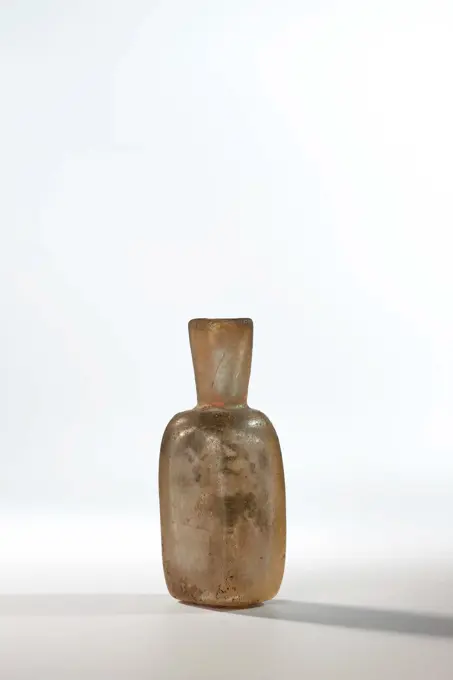
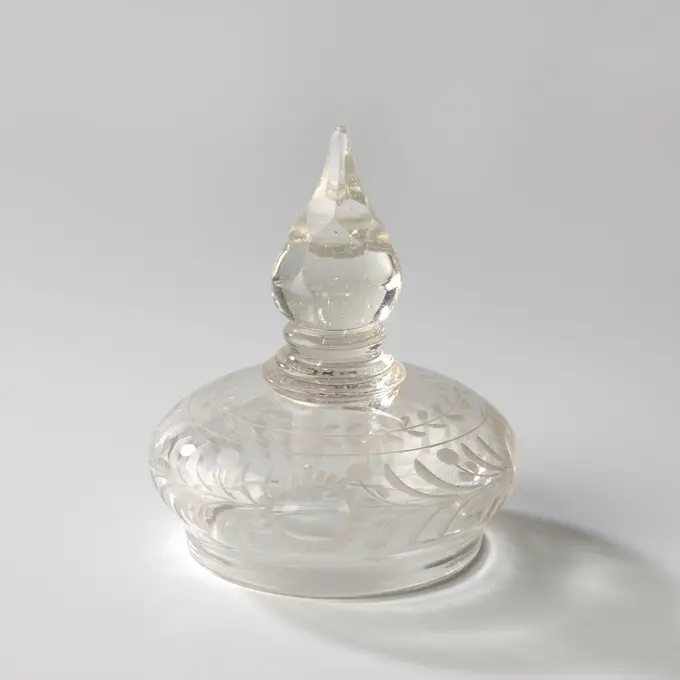
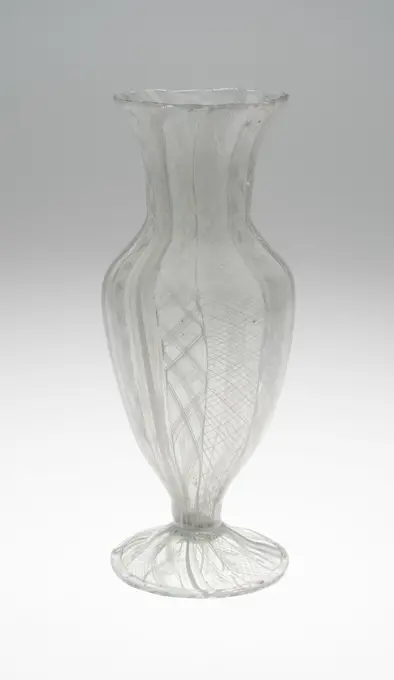
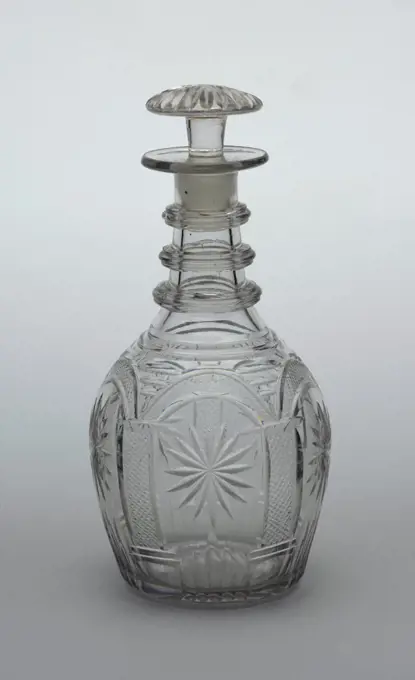
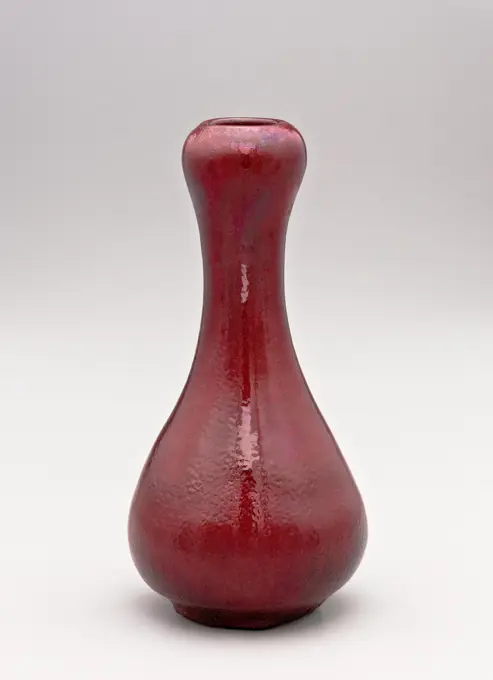
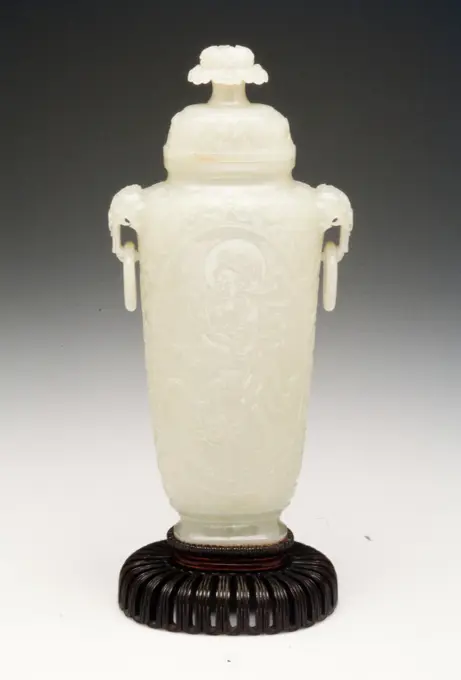
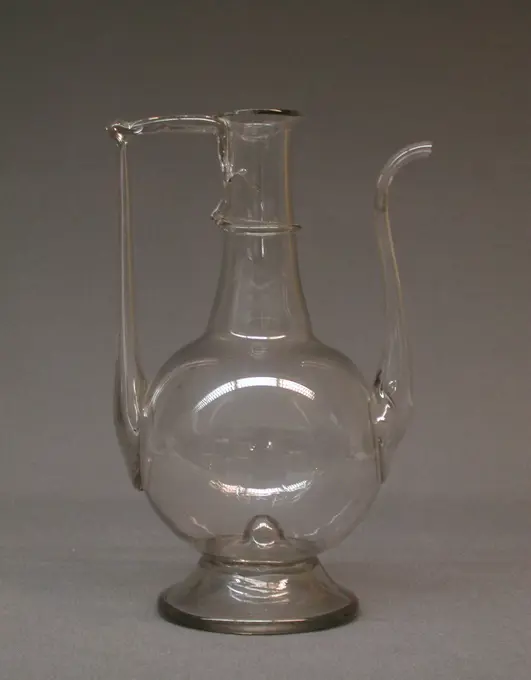
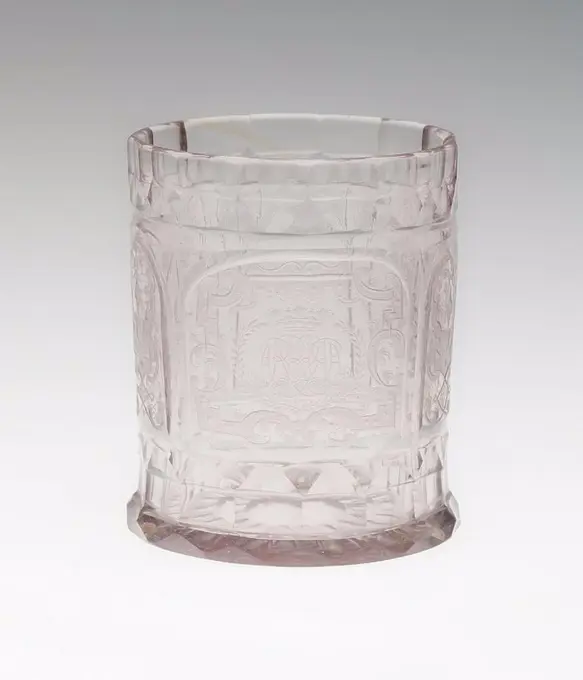
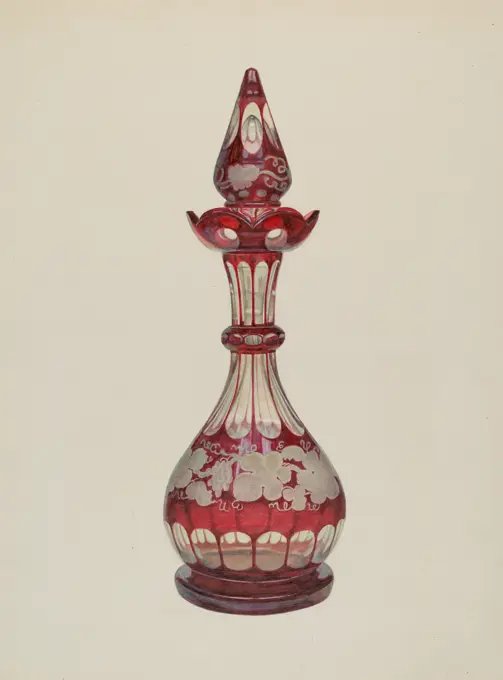
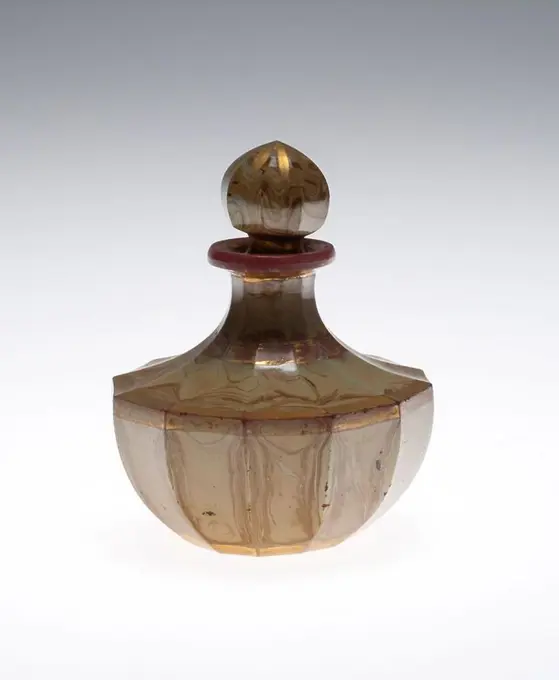
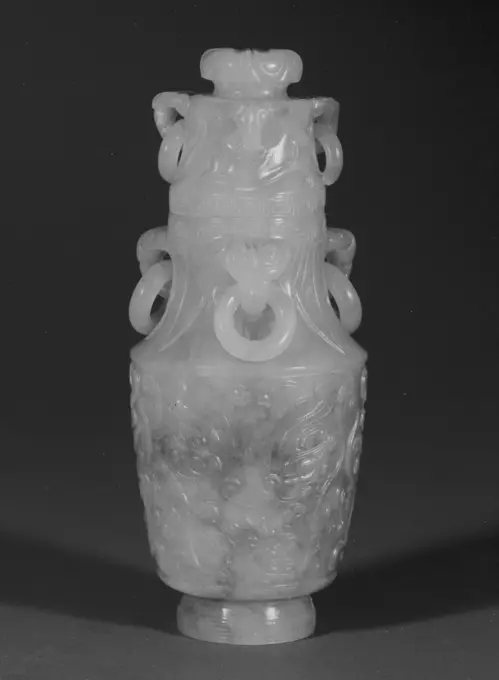
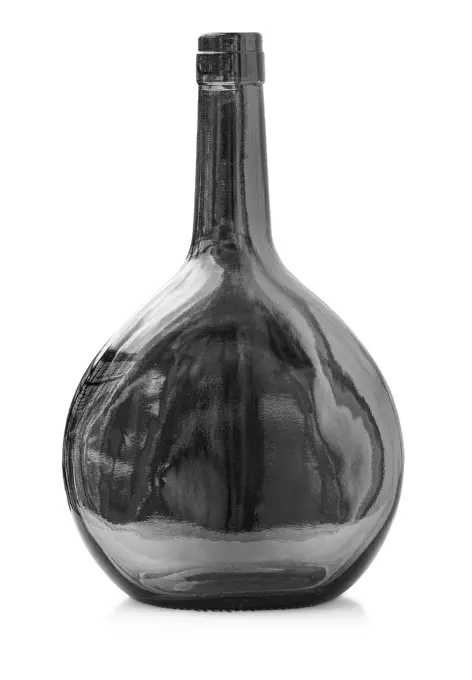
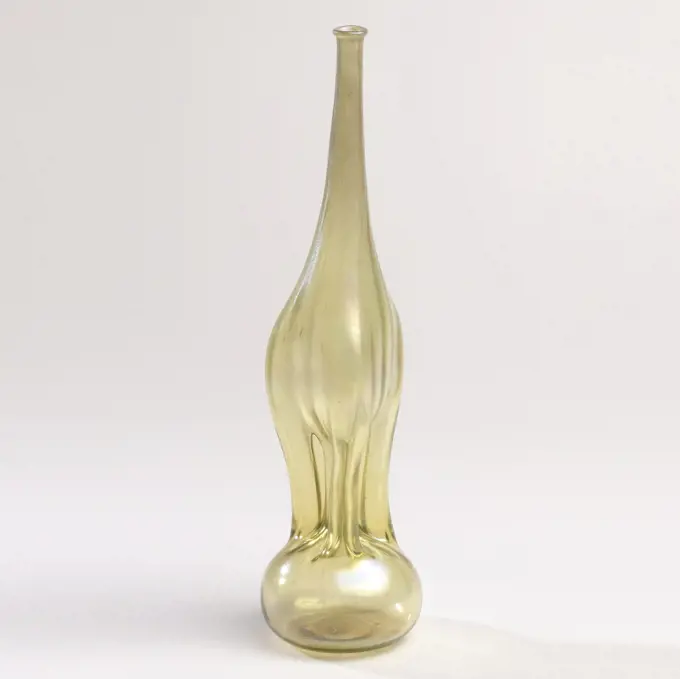
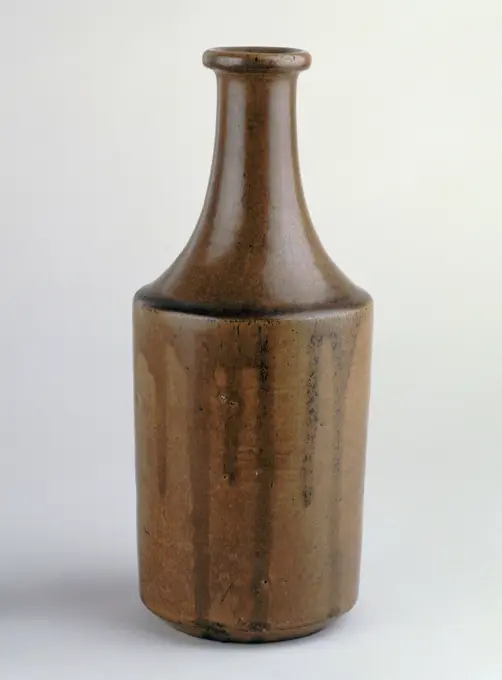
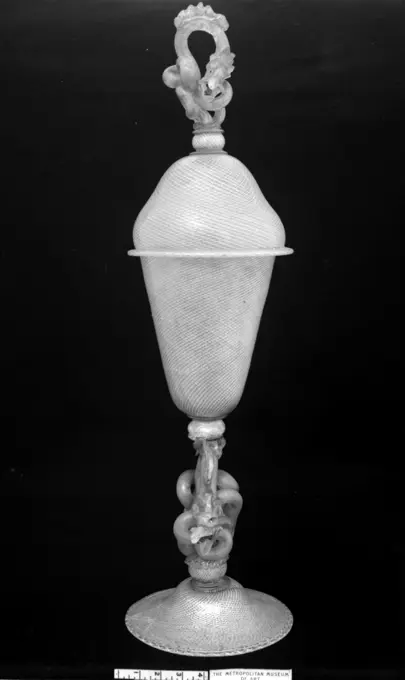
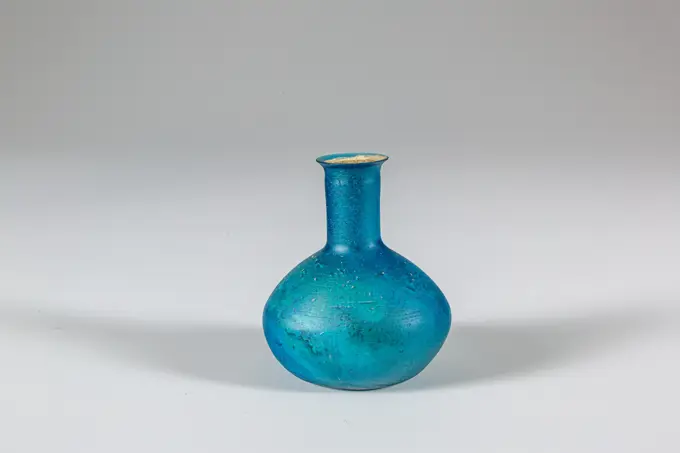
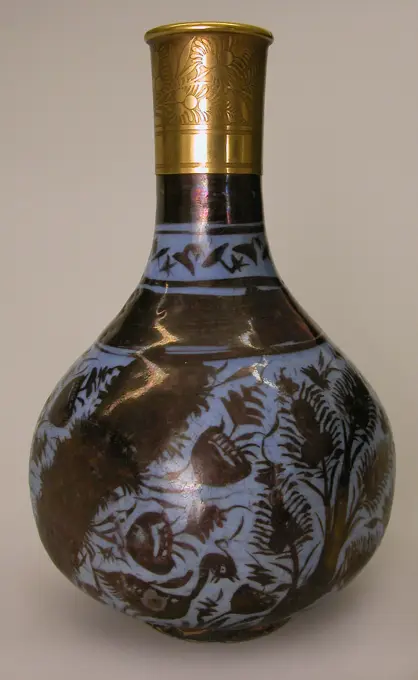
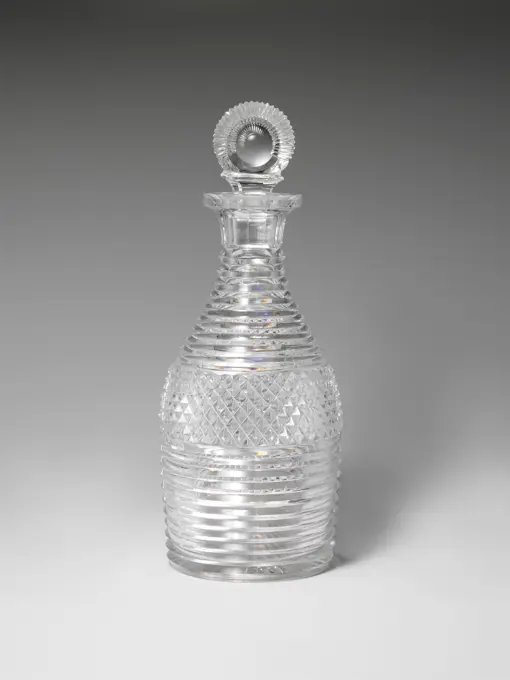
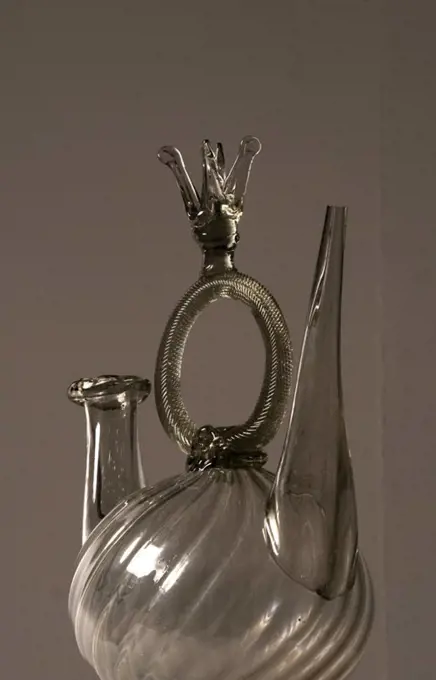
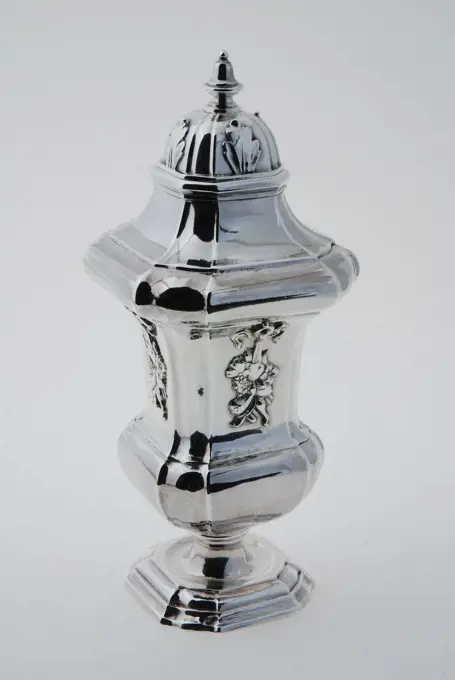
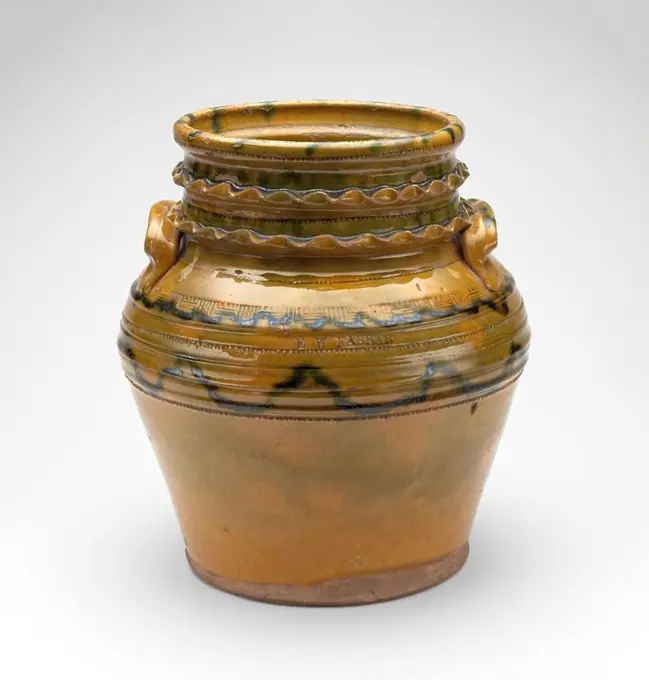
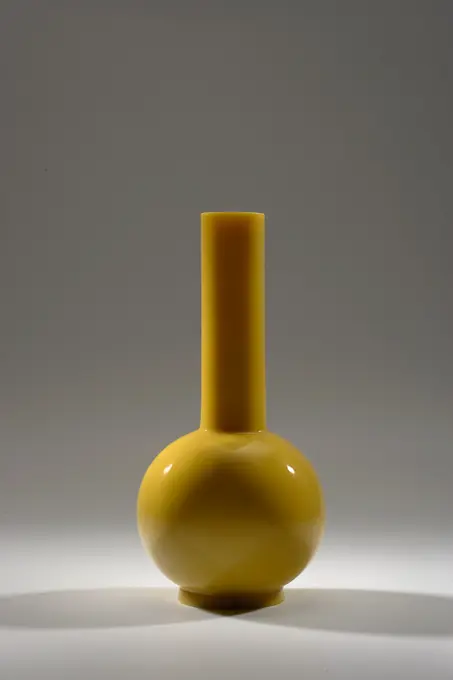
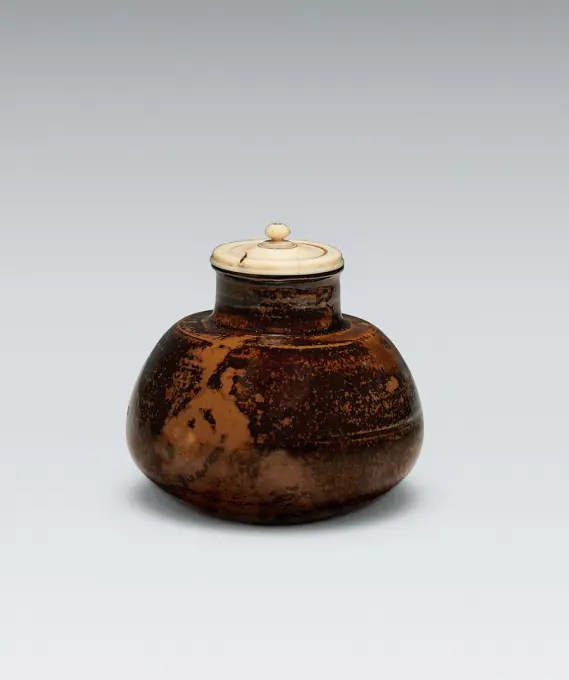
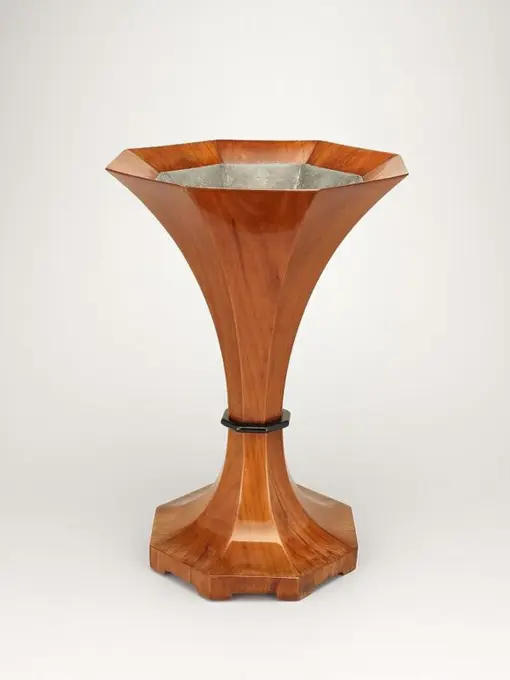
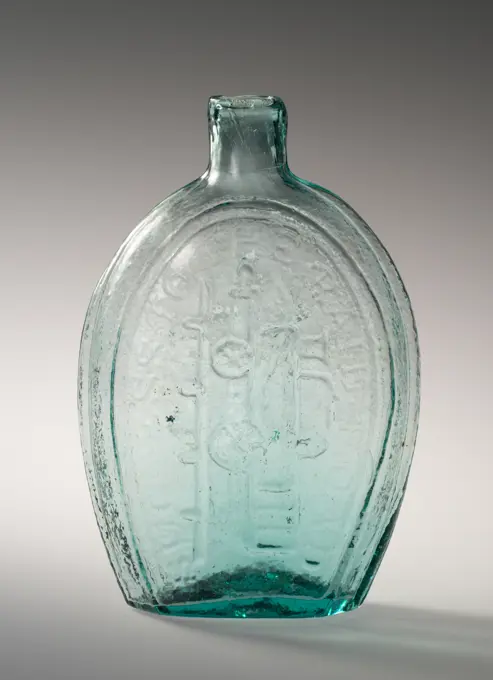
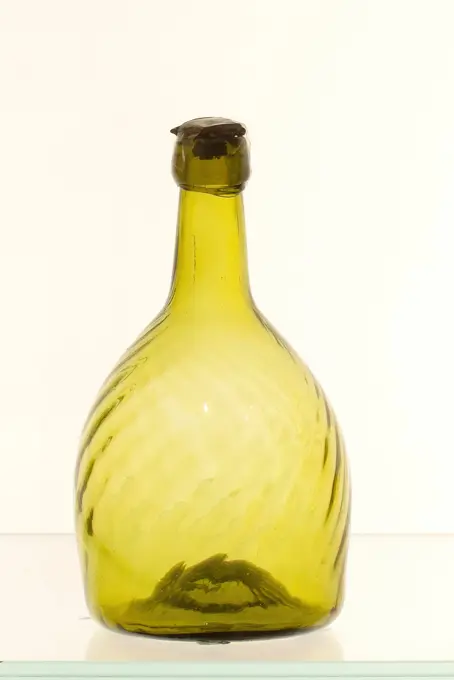
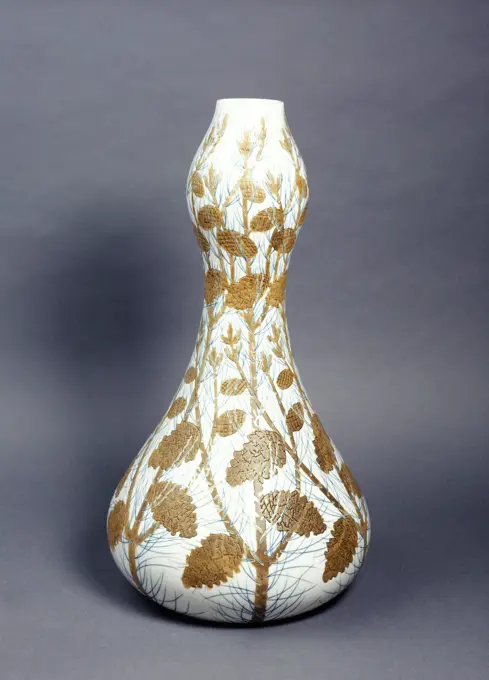
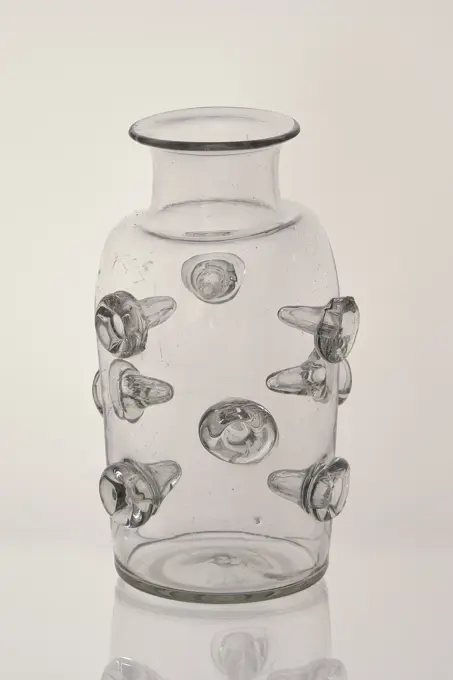
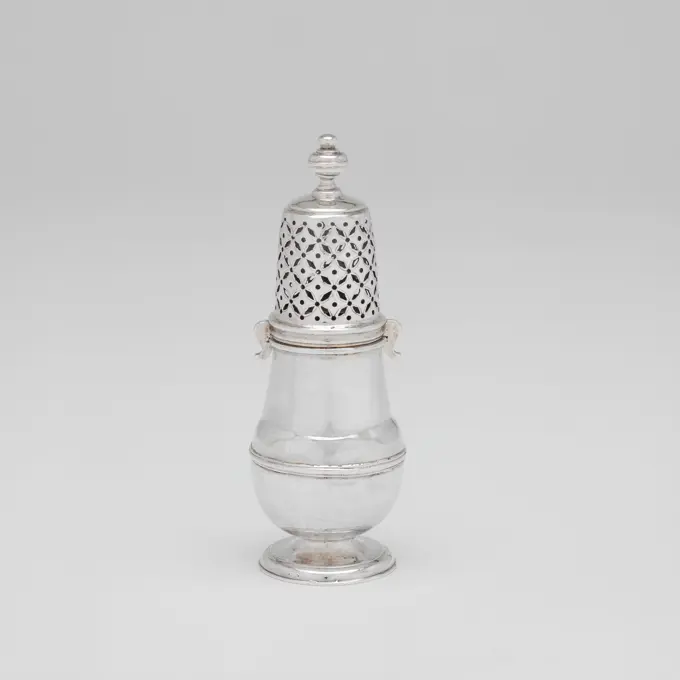
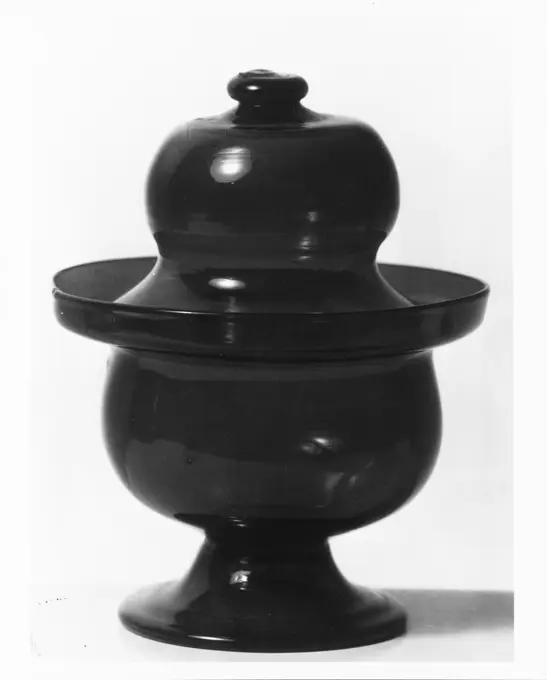
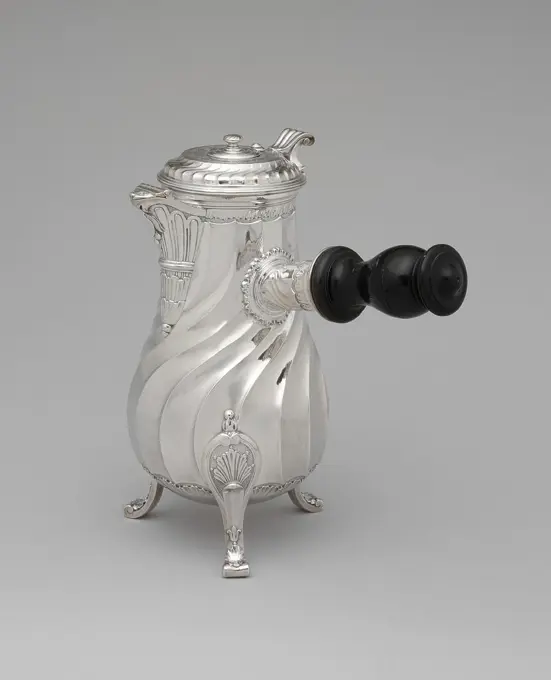
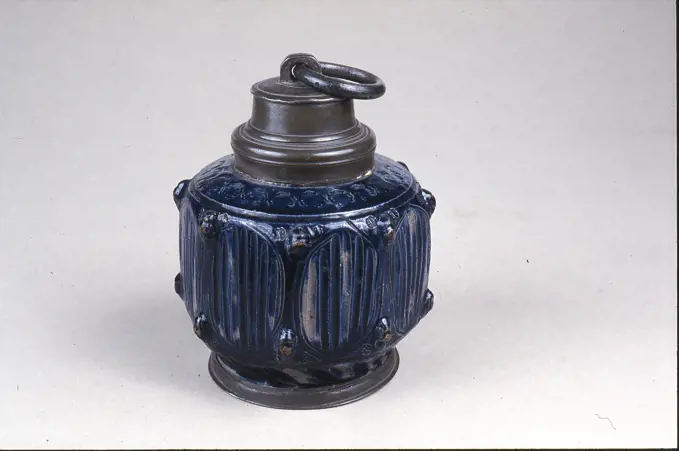
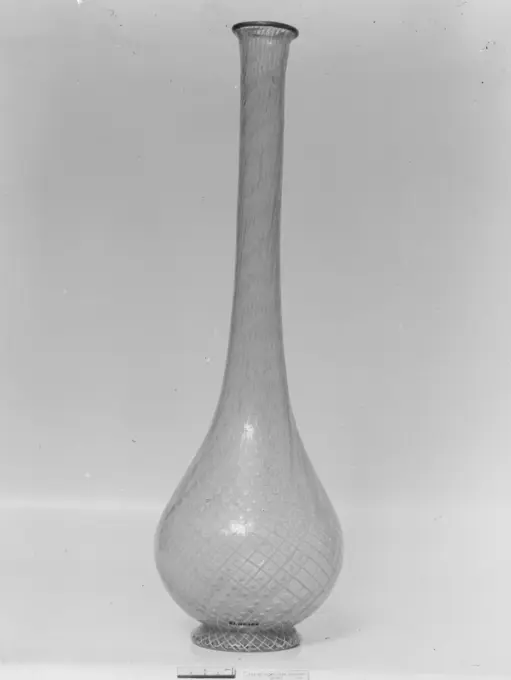
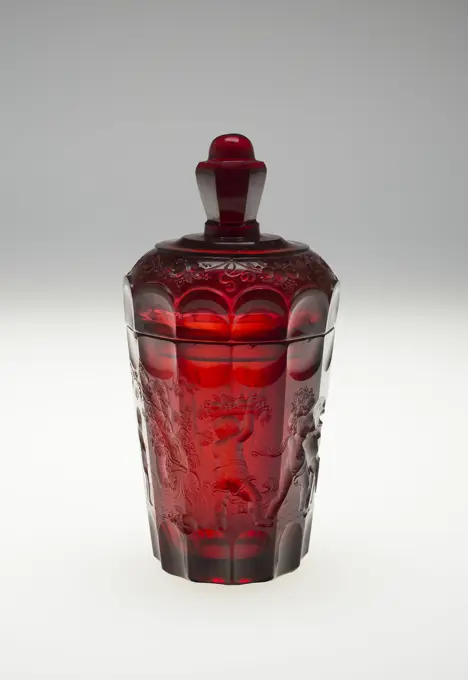
Bottle with plug of oil and vinegar set consisting of two bottles of glass and a pepper bus in a holder. Bottle with stop, decorated with various grinding. The narrow neck ends in a wide spout. The straight ear runs from the top of the neck to the belly of the bottle.Light blue glass pitcher, Pompeii, Campania, Italy. Roman civilisation, 1st century AD.Jar. Culture: British. Dimensions: Height: 4 1/2 in. (11.4 cm). Date: late 18th century. Museum: Metropolitan Museum of Art, New York, USA.Maker Unknown, Bar Bottle, c. 1840-70, colorless glass.Goblet with Cover. Germany, Schleswig. Date: 1700-1725. Dimensions: H. 23.5 cm (9 1/4 in.). Glass. Origin: Schleswig. Museum: The Chicago Art Institute, Chicago, USA.Globular Vase with Tall Neck 1736-1795 China. Porcelain with clair de lune glaze .Pear-shaped bottle vase, 19th century, 10in. (25.4cm), Ceramic, blanc de chine glaze, wooden stand, China, 19th centuryVase (USA); Mary Chase Perry; Manufactured by Pewabic Pottery; glazed earthenwareDecanter -Bottle-Shaped Vase with a Lizard 1665-1799 China. Dehua ware (blanc de chine); porcelain .Bottle probably 18th-19th century. Bottle 444770Vase 19th century China. Vase. China. 19th century. Porcelain with mirror-black glaze (Wujin ware). Qing dynasty (1644-1911). CeramicsOinochoe (pitcher) black -refreshed;  1. PO. 5th century BC (-500-00-00--451-00-00);Vase, Dedham Pottery, Earthenware, oxblood, Gray-white stoneware body, thrown. Bulbous body with tapering neck; with slightly bulging area below rim; flat foot. Covered with a deep red or scarlet glaze with slight golden luster effect. Black striations through glaze. Very dark red at rim bulge. Dimpled surface allover. Interior glazed. Bottom not glazed. Glaze very thick at base., Chelsea, Massachusetts, USA, 1884-88, ceramics, Decorative Arts, VaseCock lid, with representations of putti with burning hearts, anonymous, c. 1700 - c. 1725 Cup with lid, made of clear, colorless glass, with engraved performances of Putti. At the front a representation of a putto above an altar with two burning hearts. Above the inscription: Ich hab ge nung an einen. On the back a putto in a landscape with five burning hearts in his right hand. Above the inscription: NIMT WELCHES DU WILST. Bohemia glass glassblowing Cup with lid, made of clear, colorless glass, with engraved performances of Putti. At the front a representation of a putto above an altar with two burning hearts. Above the inscription: Ich hab ge nung an einen. On the back a putto in a landscape with five burning hearts in his right hand. Above the inscription: NIMT WELCHES DU WILST. Bohemia glass glassblowingPrzeszłość Przyszłości unknownBottle with rose branches, birds and insects, anonymous, c. 1675 - c. 1700 Inserted soul with pontil brand. Spherical body, long slender neck with imposed ring around the neck. Five pinched ribs on the body. Ribs, birds and insects are engraved between the ribs. Flower branches on the neck. glassblower: Low CountriesNorthern Netherlands glass glassblowing Inserted soul with pontil brand. Spherical body, long slender neck with imposed ring around the neck. Five pinched ribs on the body. Ribs, birds and insects are engraved between the ribs. Flower branches on the neck. glassblower: Low CountriesNorthern Netherlands glass glassblowingClair-de-Lune vase. China. Date: 1723-1735. Dimensions: H. 14.6 × diam. 7.9 cm (5 3/4 × 3 1/8 in.). Porcelain with clair de lune glaze. Origin: China. Museum: The Chicago Art Institute, Chicago, USA.Flask, probably 17th century, H.12 x Diam.6-½ in., Amber glass, Italy, 17th centuryBottle. unknown, craftsmanVase China. Vase. China. Porcelain. Qing dynasty (1644-1911), Kangxi period (1662-1722). CeramicsBenjamin FranklinFlask.  Maker: Kensington Glassworks, American, 1804-ca. 1833 Subject: Benjamin Franklin, American, 1706-1790, M.A. (HON.) 1753Lid of a jar, anonymous, c. 1750 - c. 1800 Facetted, curved lid with faceted, pear -shaped button on three discs. Blade ornaments engraved on the lid. Bohemia glass glassblowing Facetted, curved lid with faceted, pear -shaped button on three discs. Blade ornaments engraved on the lid. Bohemia glass glassblowingDecanter 1835-1855 Bohemia. Glass .Six-Sided Bottle, 1644-1911. China, Qing dynasty (1644-1911). Rock crystal; overall: 15 cm (5 7/8 in.).Vase 1600-1625 Italy. Glass .Vase 19th century China. Vase. China. 19th century. Porcelain with copper-red glaze. Qing dynasty (1644-1911). CeramicsDecanter and stopper, Glass, Bulbous body; 3 triple neck rings; wide flat lip; sides cut with decorationof 5 panels, each with arches on columns covered with fine diamonds and a star in center, prismatic rings around shoulder; mushroom-shaped stopper radially cut., possibly Waterford, Ireland, ca. 1810-15, glasswares, Decorative Arts, Decanter and stopperMaker Unknown, Decanter and Stopper, c. 1825-50, blown glass.caster, glass, Pear shaped body, with band of flat diamond cutting and prismatic rings. Fluted, waisted neck and hemisperical top with holes. Waisted join betweenbody and circular dome foot with scalloped edge. Hole in bottom for Cork., possibly Cork, Ireland or England, ca. 1800, glasswares, Decorative Arts, casterDecanter -Vase, Gallé, Emile Gallé, French, 1846 - 1904, Glass, Tall ovoid footed vase with long neck; opaque black base and flowers on opaque cream ground., France, late 19th-early 20th century, glasswares, Decorative Arts, VaseVase ca. 1885-89 Chelsea Keramic Art Works Steeped in ceramics from birth, Hugh C. Robertson pursued his craft with fierce devotion and a passion for experimentation. From a family of trained English ceramists, he honed his skills in New Jersey before settling in Massachusetts as one of the founders of Chelsea Keramic Art Works and later, Dedham Pottery. Robertsons lifelong explorations in glazes, particularly their color and texture, make him one of the key figures of American art pottery at the turn of the twentieth century. During the 1880s Robertson increasingly turned his attention to developing new glaze formulas and clay bodies. In the middle of the decade he became obsessed with the highly coveted yet elusive sang-de-boeuf, or oxblood, glaze, a quest that became the hallmark of his later career. This richly colored blood-red glaze is traditionally created from a copper-based formula and fired in a kiln, which when wet straw and other materials are introduced, deprives the atmoVase. Culture: China. Dimensions: H. 14 1/4 in. (36.2 cm); Diam. 8 1/2 in. (21.6 cm). Museum: Metropolitan Museum of Art, New York, USA.Covered Vase, late 19th century, 9 x 4 1/2 x 2 1/2 in. (22.9 x 11.4 x 6.4 cm), Jade, China, 19th centuryPear-shaped bottle with auspicious symbols and pendants in panels, anonymous, c. 1600 - c. 1624 Pear -shaped bottle of porcelain with a thickening just below the edge, painted in underlaze blue. The wall is divided into courses with happiness objects alternately on the body (incense burner) on a stool and long bows and brushes; On the shoulder a band with Ruyi motif; The neck with a row of dots in each box ending in a brush. Kraakporcelain. China porcelain. glaze. cobalt (mineral) painting / vitrification Pear -shaped bottle of porcelain with a thickening just below the edge, painted in underlaze blue. The wall is divided into courses with happiness objects alternately on the body (incense burner) on a stool and long bows and brushes; On the shoulder a band with Ruyi motif; The neck with a row of dots in each box ending in a brush. Kraakporcelain. China porcelain. glaze. cobalt (mineral) painting / vitrificationVigil Light ca. 1888 Richards and Hartley Flint Glass Co.. Vigil Light 9590Ewer ca. 1860-70 Italian, possibly Venice (Murano). Ewer. Italian, possibly Venice (Murano). ca. 1860-70. Glass. GlassDried tea container (chaire);  19th century (1801-00-00-1900-00-00);Beaker. Bohemia, Czech Republic. Date: 1720-1730. Dimensions: 9.2 × 7.8 cm (3 5/8 × 3 1/16 in.). Glass. Origin: Bohemia. Museum: The Chicago Art Institute, Chicago, USA.Vase (USA); Made by Louis Comfort Tiffany (American, 1848-1933); mold-blown favrile glassDecanter with stopper probably late 18th century British. Decanter with stopper. British. probably late 18th century. Glass. GlassBottle China. Bottle 52908Frank M Keane, Decanter, 1935 1942 DecanterLithyalin Scent Bottle. Workshop of Friedrich Egerman; Bohemian, 1777-1864. Date: 1825-1835. Dimensions: 8.9 × 7 cm (3 1/2 × 2 3/4 in.). Glass; marbled opaque red and ochre, blown, cut, stained and gilded. Origin: Bohemia. Museum: The Chicago Art Institute, Chicago, USA. Author: FRIEDRICH EGERMANN.Vase China. Vase. China. Porcelain with oxblood copper red glaze (Jingdezhen ware). Qing dynasty (1644-1911), Kangxi period (1662-1722). CeramicsCovered vase 20th century China. Covered vase. China. 20th century. Jade. JadeThe old  glass empty bottle isolated on whiteJar c 1830 Middlebury. Stamped with the name of its maker, Edward William Farrar, this jar is the earliest marked example of Vermont redware currently known. Although early Vermont potters favored stoneware, some continued to work in the hand-thrown redware technique through the first part of the 19th century. Descended on both sides from important ceramists, Farrar learned his craft in his fatherís Middlebury pottery. This jar is unusually monumental with exceptionally elaborate decoration the stamped bands of geometric design contrast with the curves of the green glaze swags and the ruffles around the neck. These elements, coupled with the fact that the jar is signed, may indicate that it was made as a matriculation piece to signal the end of Farrarís apprenticeship to his father.. Earthenware and lead and copper glazes . Edward William Farrar. Flat, in the middle concave soil, flat foot, in the middle stem that runs into a chalice with bent edge. Light green glass with silver colored, rewired and combed wires and a silver-colored irisering. Marked on the bottom in Radgravure, Loetz Austria.Vase, Tiffany Glass and Decorating Company, American, 1892 - 1900, Mouth-blown favrile glass, Iridescent yellow, slightly opaque on neck and shoulder, clear at base. Tall slender neck with small lip. Central portion of the body indented tripartitely, bottom portion is flattened sphere. Incised marks on base: 'T 4550 L.C.T. Favrile', New York, NY, USA, ca. 1898-1900, glasswares, Decorative Arts, VaseGallipot China. Gallipot 48490Flask c 1829-1872 West Willington. Mold-blown glass . Willington Glass Co. (Manufacturer)William Lee (1860-1915). "Vase in the shape of a bottle". Enameled sandstone. Museum of Fine Arts of the City of Paris, Petit Palais. 33104-3 Bottle, shape, Gre emaille, vaseVase with cover early 18th century Giuseppi Briati. Vase with cover. Italian, Venice (Murano). early 18th century. Glass. GlassBell Beaker. Culture: Frankish. Dimensions: Overall: 3 11/16 x 2 3/16 in. (9.4 x 5.6 cm). Date: 6th-7th century. Museum: Metropolitan Museum of Art, New York, USA.Lid of a jar, anonymous, c. 1750 - c. 1775 Vaulted lid with a scattered, pear -shaped button on three discs and a flat button. A engraved leaf ornament on the lid. Bohemia glass glassblowing Vaulted lid with a scattered, pear -shaped button on three discs and a flat button. A engraved leaf ornament on the lid. Bohemia glass glassblowingPitcher Krosno Economic Huta, Kosia Ski, JanVase late 18th century China. Vase. China. late 18th century. Porcelain with copper-red glaze. Qing dynasty (1644-1911), Qianlong period (1736-95). CeramicsFaience lid pot with a blue-green fond.Pot of multi-colored padded faience on a blue-green fond, with lid. The pot is part of a couple. Two identical pots and two cups are part of the pot.Glass perfume bottle 1st half of 1st century A.D. Roman Translucent turquoise blue.Fine outsplayed rim; cylindrical neck; squat carinated body; flat bottom.Intact; dulling and pitting on exterior, creamy, iridescent weathering on interior.Horizontal rotary grinding marks on exterior.. Glass perfume bottle. Roman. 1st half of 1st century A.D.. Glass; cast and blown. Early Imperial, Julio-Claudian. GlassAmphora, 1662-1722, 6 in. (15.24 cm), Porcelain with peach bloom glaze, China, 17th-18th centuryVisigothic jug, bronze, 7th century, Iturrieta cave, Mañaria, Arkeologi Museoa, archaeological museum, Bilbao, Bizkaia, Basque Country, Spain.Snuff Bottle China. Snuff Bottle. China. White crystal with silver stopper inlaid with stones. Qing dynasty (1644-1911), Qianlong period (1736-95). Snuff BottlesBottle 17th century. Bottle 446997Vase with silver -colored threads and a silver -colored irization on a light green stock, Witwe Johan Lötz, c. 1901 - c. 1903 Flat, a concave soil, flat base, a flat base, swelling in the middle that ends in a chalice with bent edge. Light green glass with silver colored, rumbled and combed threads and a silver -colored irization. Marked on the bottom in Radgravure, Loetz Austria. Klostermühle glass glassblowing / iridescence Flat, a concave soil, flat base, a flat base, swelling in the middle that ends in a chalice with bent edge. Light green glass with silver colored, rumbled and combed threads and a silver -colored irization. Marked on the bottom in Radgravure, Loetz Austria. Klostermühle glass glassblowing / iridescenceDecanter with stopper 1818 Pellatt & Green William Bayard (1761-1826) commissioned this table service (2008.594.1-.53) in 1818 for his daughter Harriet (1799-1875) and her husband Stephen Van Rensselaer IV (1789-1868) from Pellatt & Green, Londons premier glasshouse. The fine lead glass and deep Regency cutting would have created a brilliant sparkle in their candlelit dining room, in Albany, New York. The set originally included dozens of drinking glasses, for claret, ale, and champagne, as well as decanters, wine coolers, tumblers, and finger glasses, all “elegantly cut in diamonds & Rings” according to the surviving bill of sale (2008.594.54a,b). In addition to its elegance and quality, the service is extremely rare in its documentation to the specific American family who owned it and to the English glasshouse that made it.. Decanter with stopper. British. 1818. Glass. Made in London, EnglandGlass baptism bottle. Museum of Mataró.Covered Jar late 17th-early 18th century China. Covered Jar. China. late 17th-early 18th century. Porcelain with copper red glaze (Jingdezhen ware). Qing dynasty (1644-1911), Kangxi period (1662-1722). CeramicsBell Beaker. Culture: Frankish. Dimensions: Overall: 4 1/4 x 2 3/4 in. (10.8 x 7 cm). Date: 6th-7th century. Museum: Metropolitan Museum of Art, New York, USA.Berkmeier with two rows of Doornnoppen, Anonymous, c. 1650 - c. 1675 Berkmeier of light green glass, with inserted soil on threads spun from threads. Cuppa funnel -shaped, blown out of one whole with the trunk that is occupied with two rows of Doornnoppen. A smooth thread forms the transition between trunk and chalice. Netherlands glass glassblowing Berkmeier of light green glass, with inserted soil on threads spun from threads. Cuppa funnel -shaped, blown out of one whole with the trunk that is occupied with two rows of Doornnoppen. A smooth thread forms the transition between trunk and chalice. Netherlands glass glassblowingCup (England); treenMallet-Shaped Bottle with Phoenixes, 1662-1722. China, Jiangxi province, Jingdezhen, Qing dynasty (1644-1911), Kangxi mark and period (1662-1722). Porcelain with underglaze blue decoration; diameter: 10.5 cm (4 1/8 in.); overall: 18.5 cm (7 5/16 in.).Decanter. Maker, possibly by: Boston and Sandwich Glass Works, American, 1826-88Bartholomeus van der Tooren, Three-piece crockery tea caddy, tea caddy holder tea set tableware silver, Three-piece tea set: teapot milk jug tea caddy. Appliques of fruit and vegetable bunch and acanthus leaf. stadskeur Rotterdam year letter Dutch lion master sign release sign N (1795) drink serving tea making Comes from the collection Tromp Meesters.Jar. Edward William Farrar; American, 1807?-1845; Middlebury, Vermont. Date: 1825-1835. Dimensions: 23.9 × 21.3 cm (9 3/8 i× 8 3/8 in.). Redware. Origin: United States. Museum: The Chicago Art Institute, Chicago, USA.Vase in the shape of bottle with pear-like belly. unknown, craftsmanTea caddy, 18th-19th century, Unknown Japanese, 2 3/4 × 2 13/16 × 2 13/16 in. (6.99 × 7.14 × 7.14 cm), Banko ware; glazed stoneware; ivory lid, Japan, 18th-19th century, In the 1730s, a wealthy merchant and tea practitioner named Nunami Rōzan (1718-1777), in the town of Kuwana in Ise Province, began fashioning his own stoneware tea utensils inspired by the wares he saw coming from potters in Kyoto and farther afield. He stamped each of his works with one of two seals, one that read banko, meaning 'eternal,' and another that read banko fueki, meaning 'eternal, constant.' He had no students of his own, but, several generations later, other local potters in Kuwana rediscovered Nunami Rōzans work and began creating their own pottery in his style. Their creations, like this tea caddy, came to be called 'Banko ware' after Nunamis seals.Caster.   Maker: Peter Quintard, American, 1699-1762Spittoon. Austria, Vienna. Date: 1815-1825. Dimensions: 39.4 cm (15 1/2 × 11 in.). Cherry veneer with zinc insert. Origin: . Museum: The Chicago Art Institute, Chicago, USA. Author: UNKNOWN ARTIST.Lancaster Glass Works, Figured Flask, c. 1849-60, aquamarine glass.Blown Glass jug Red. Barcelona. Spain 2013Club Bottle, 19th century, Zanesville Glass Manufacturing Company, (Zanesville, Ohio), 8 x 4 1/8 x 4 1/8 in. (20.3 x 10.48 x 10.48 cm), Glass, United States, 19th centuryClay jars isolated on the white backgroundCandlestick (Ireland); glassGlass jar 3rd-4th century A.D. Roman, Eastern Mediterranean Colorless with light green tinge, with same color trail and ribs.Solid rim folded out, over, and in; short, concave neck; sides of body sloping out downward; pushed-in bottom with prominent pontil scar.Slender trial wound three times around neck; eleven vertical, slightly slanting ribs of varying length on body.Intact; some bubbles; little pitting and weathering.. Glass jar 239613Mademoiselle Bethmont, Louis Belet. "Vase des Pommerets, Manufacture de Sèvres", 1903. Museum of Fine Arts in the city of Paris. Art Nouveau, Brin Leaf, Decoration, Manufacture de Sevres, Vase des AppleretsJar with handles.Caster ca. 1735 Adrian Bancker Although eighteenth-century American silver casters were often made in sets for sugar and spices, almost no complete sets have survived. This caster is part of a set of three (1972.233.1a,b -.3a,b) made by Adrian Bancker, a prominent New York silversmith. It is almost identical to a set now in the Museum of the City of New York.. Caster 1481Vase (one of a pair). Culture: China. Dimensions: H. 6 3/4 in. (17.1 cm). Museum: Metropolitan Museum of Art, New York, USA.A single bottle made of green glass with three dried pink roses a single bottle made of green glass with three dried pink roses copyright: xzoonar.com/mikhailxolykaynex 22622111Sugar Bowl 1820-45 American. Sugar Bowl. American. 1820-45. Free-blown glass. Made in Midwest, United StatesChocolate pot. Culture: French, Paris. Dimensions: Overall (with handle): 9 1/4 × 8 3/4 in. (23.5 × 22.2 cm). Maker: François Thomas Germain (French, Paris 1726-1791 Paris, master 1748). Date: 1765-66.Chocolate was introduced into France in the late seventeenth century, and it quickly became popular as a morning beverage in particular. A number of French prints from this period illustrate fashionable couples drinking chocolate, indicating that this new hot drink had gained immediate acceptance. Hot chocolate needed to be stirred in order to prevent the chocolate from settling at the bottom of the pot. Thus, most French chocolate pots were equipped with a hole in the lid, concealed by a small cover that swiveled, through which a long stick, known as a moussoir, could be inserted for stirring.This chocolate pot was produced approximately ten years after a similar coffeepot (33.165.1) by the same silversmith, François Thomas German (1726-1791). It has the same basic shape as the earlierSilver vase isolated on a white backgroundBlue stoneware pot, octagonal with tin screw cap, pot jug crockery holder soil find tin ceramics stoneware glaze salt glaze, ring 10.8 hand turned fried glazed stoneware pot dark gray shard with salt glaze eight fluted flattened sides tin lid in tin stand archaeology indigenous earthenware import serve keep serve serveClaret jug. Culture: British or Irish. Dimensions: Overall: 9 15/16 × 4 1/4 in. (25.2 × 10.8 cm). Date: ca. 1820. Museum: Metropolitan Museum of Art, New York, USA.Bottle vase 18th century China. Bottle vase. China. 18th century. Porcelain with copper red glaze (Jingdezhen ware). Qing dynasty (1644-1911). CeramicsBottle. Culture: China. Dimensions: H. 14 in. (35.6 cm). Museum: Metropolitan Museum of Art, New York, USA.Bottle 17th-18th century Italian, possibly Venice (Murano) During the Renaissance, Venetian glassmakers, working on the island of Murano, were celebrated across Europe for their fine and sparkling work. Called cristallo” emulating the clarity of rock crystal, in the hands of the most skilled glassblowers the medium could be delightfully manipulated, variously stretched paper-thin flat, or playfully twisted, or blown into molds with spectacular patterns.. Bottle. Italian, possibly Venice (Murano). 17th-18th century. Glass. GlassBeaker with Cover 1685-1700 Potsdam. Ruby glass . Gottfried von Spiller