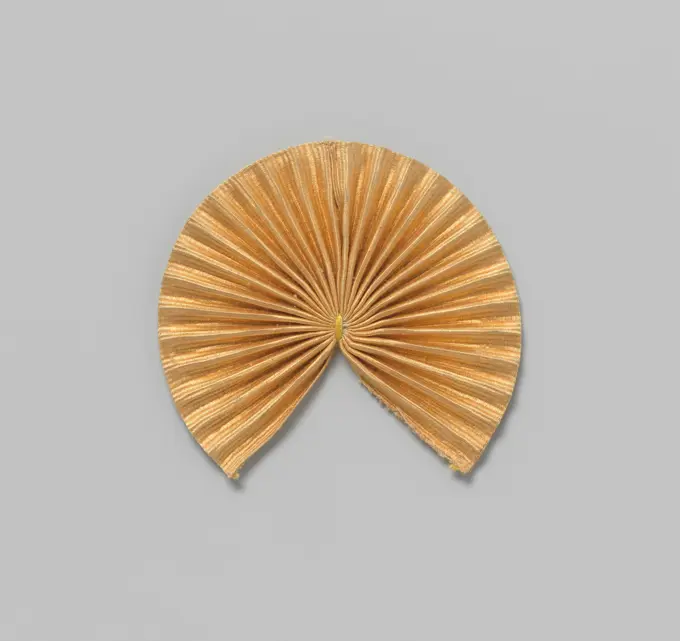
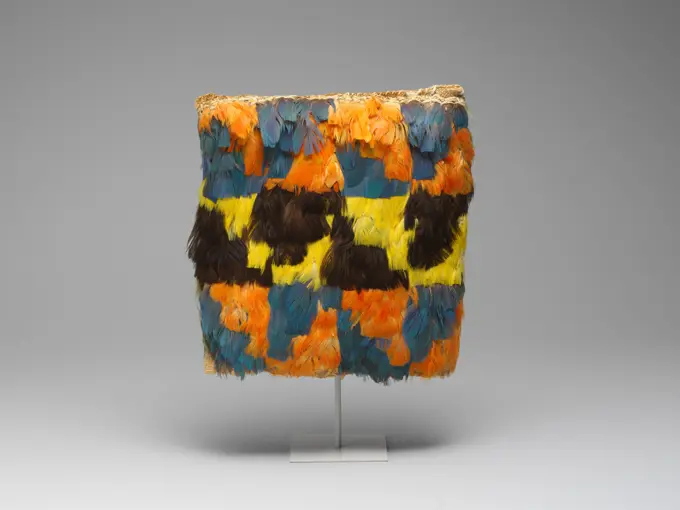
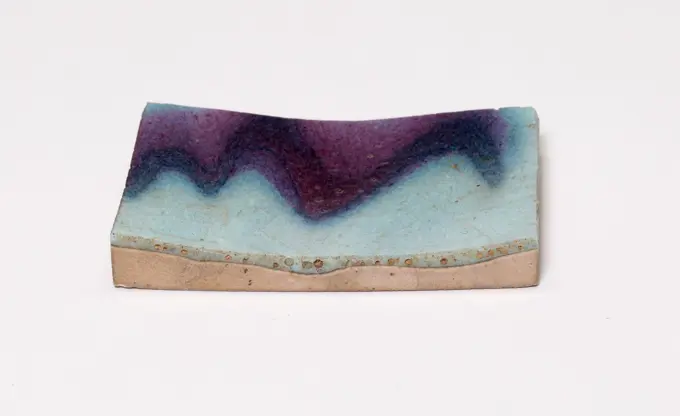
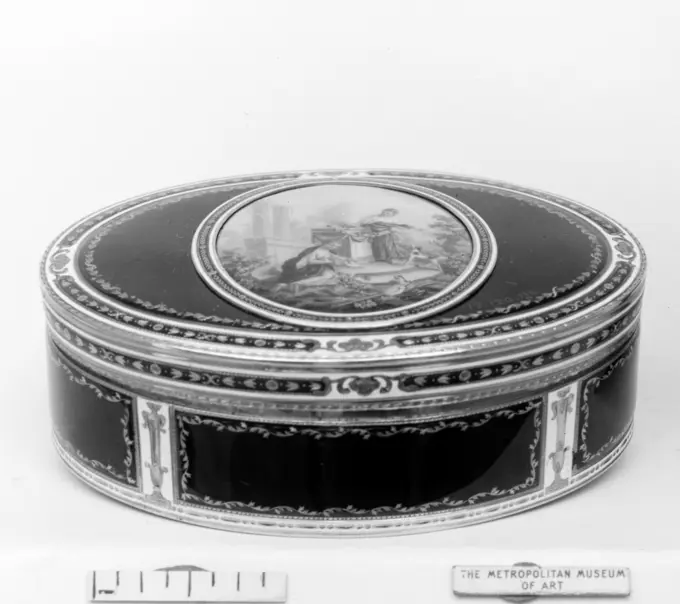
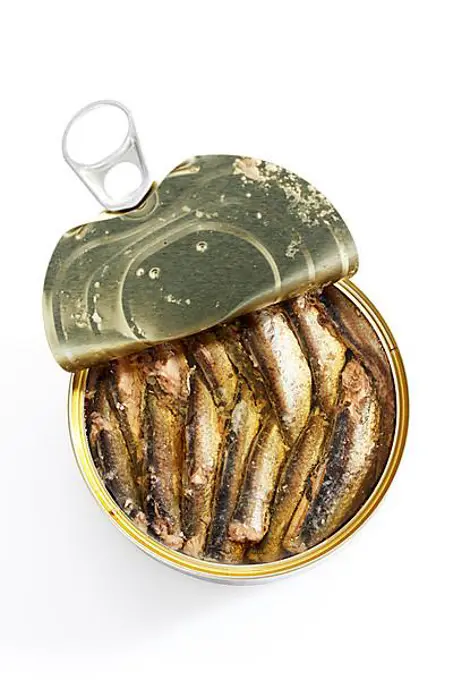
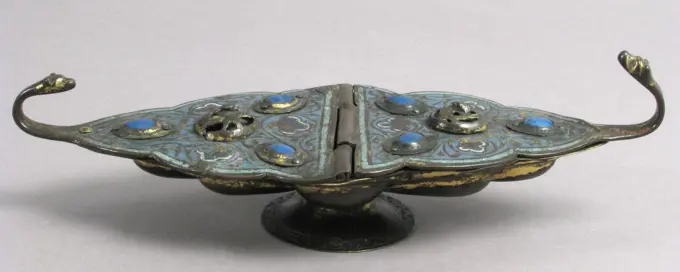
Decorative Glass Items

A collection of unique glass artifacts including ancient beads, pottery fragments, and decorative cups showcasing intricate designs and historical significance.
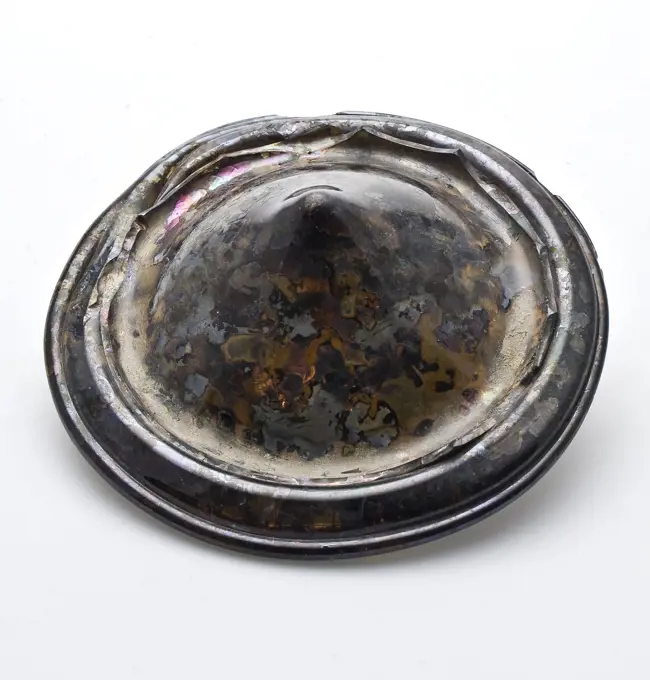
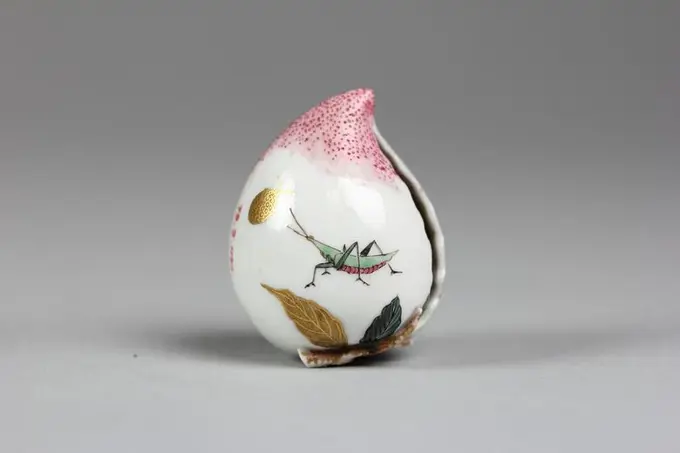
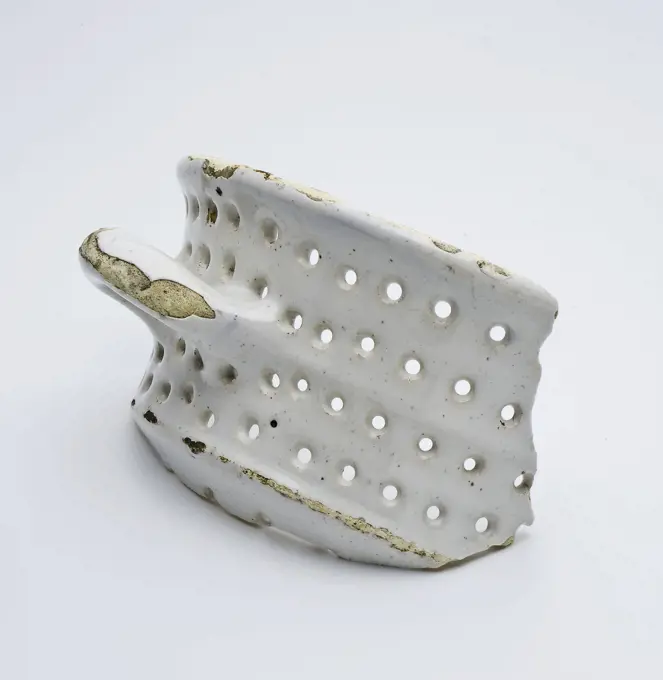
Fragment of soil, stand ring and wall of smooth drinking cup, drinking cup drinking utensils holder soil find glass, handblown glass application Fragment of bottom stand ring and setting of wall of drinking cup in clear colorless glass Under raised (2.1 cm) bottom pontilemark As stand ring along bottom bottom all round flattened glass wire with little part missing. Various approaches to ascending wall archeology Rotterdam City Center Stadsdriehoek Oudehaven archaeological find in the soil Oude Haven 1979 - 1980.
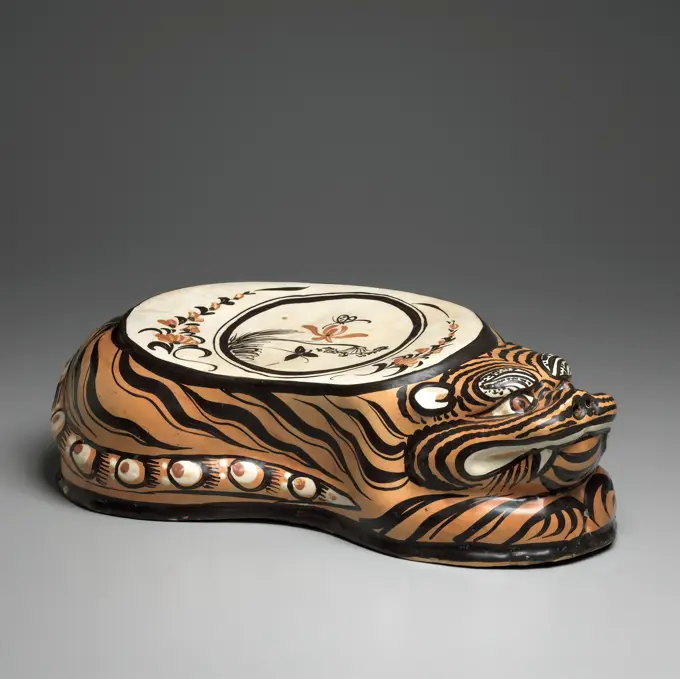
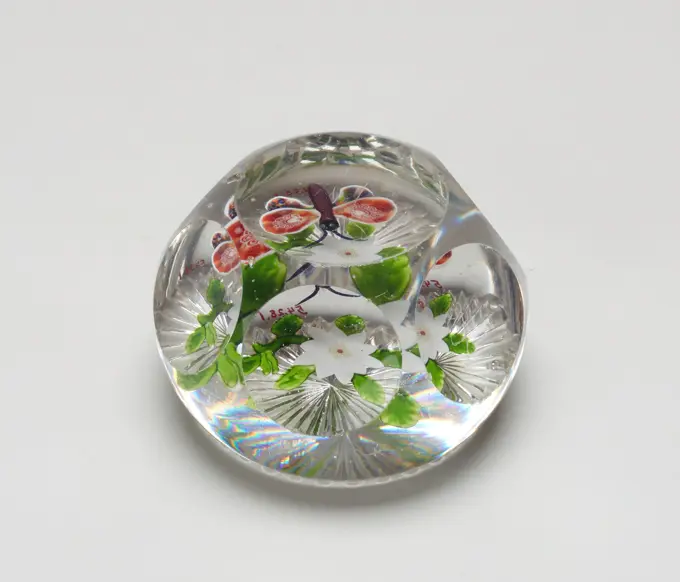
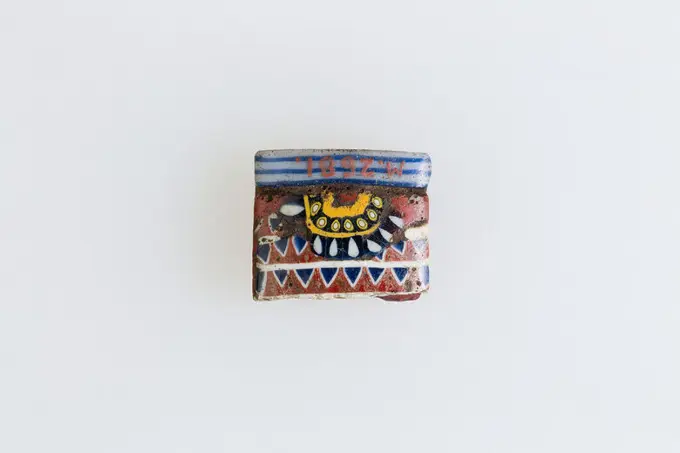
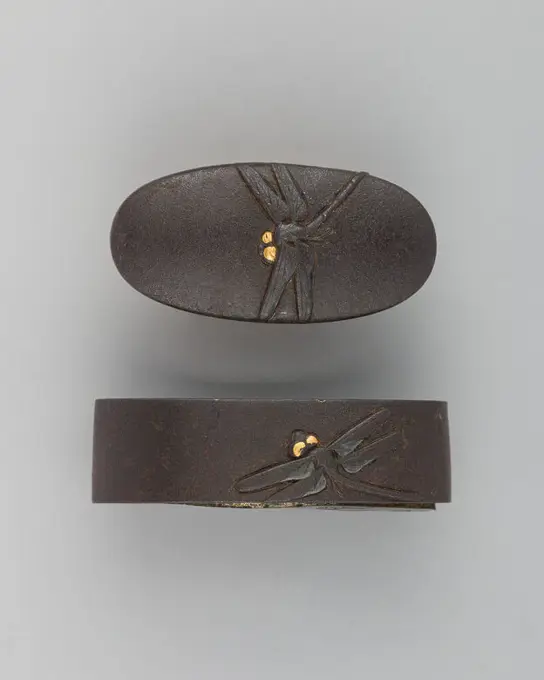
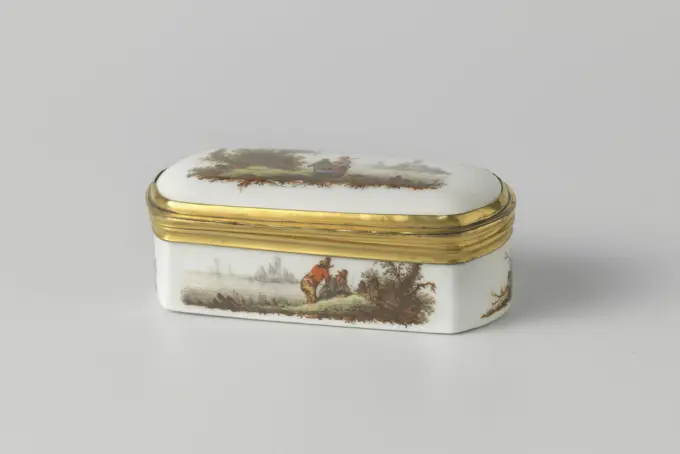
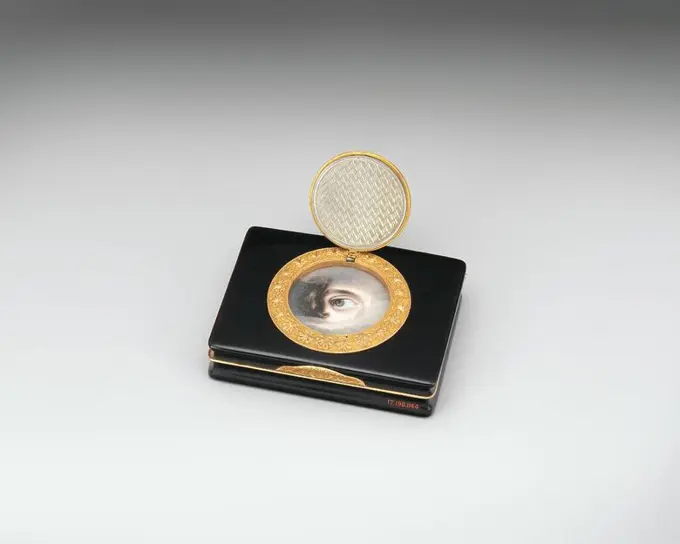
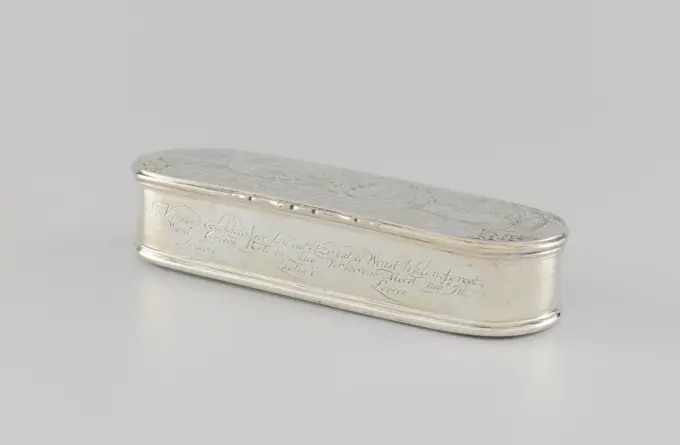
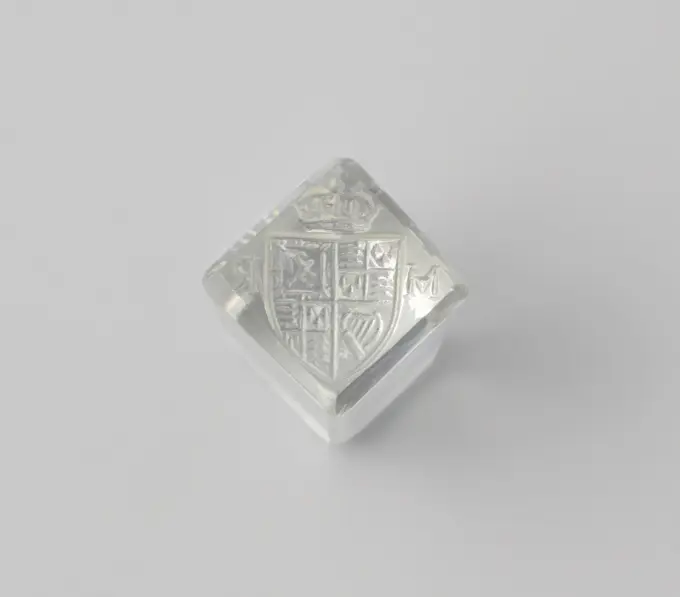
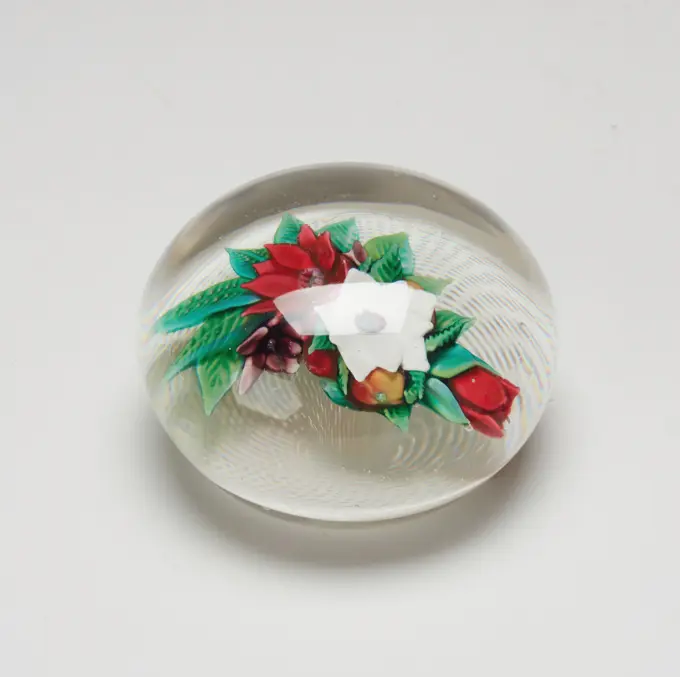
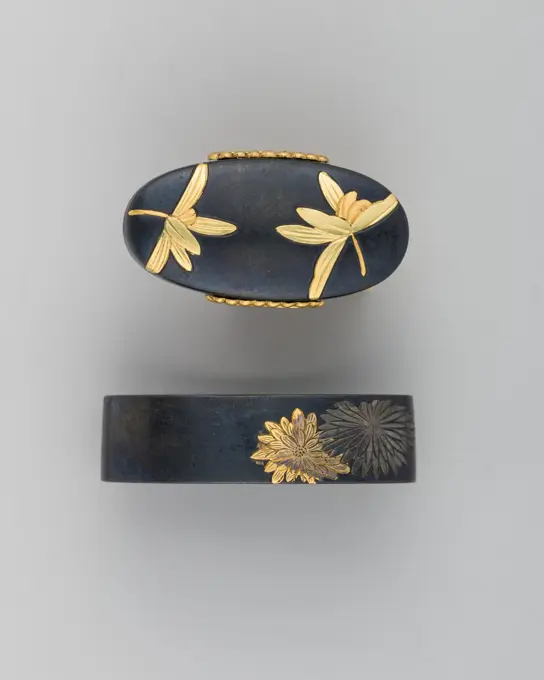
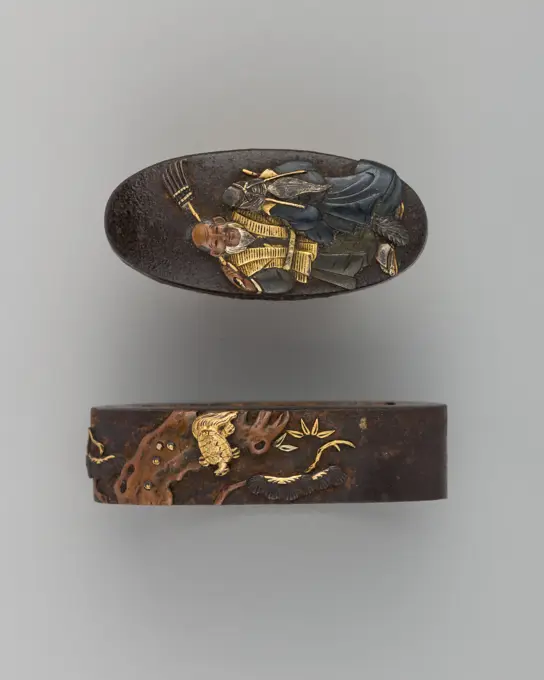
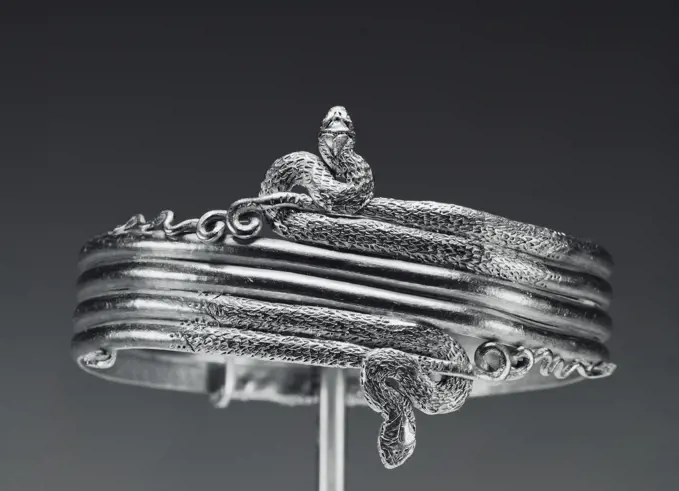
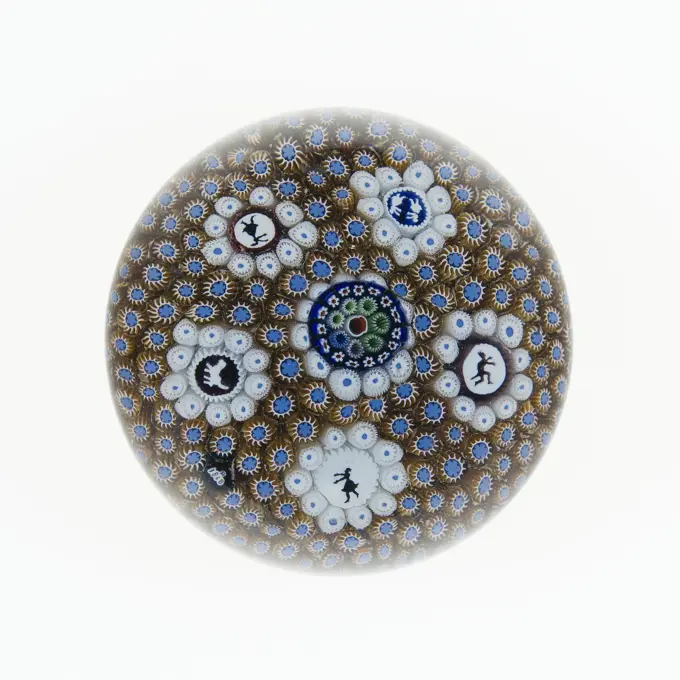
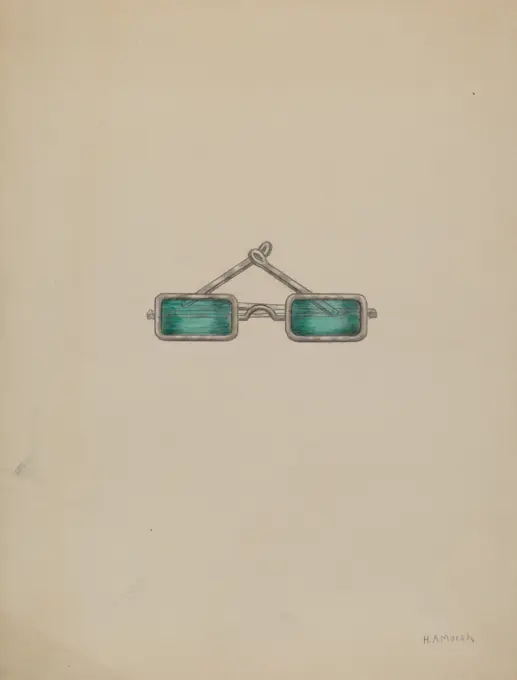
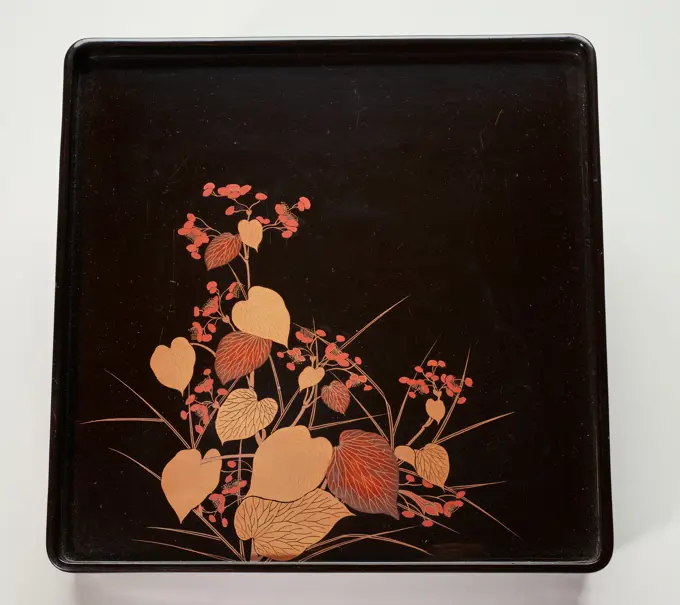
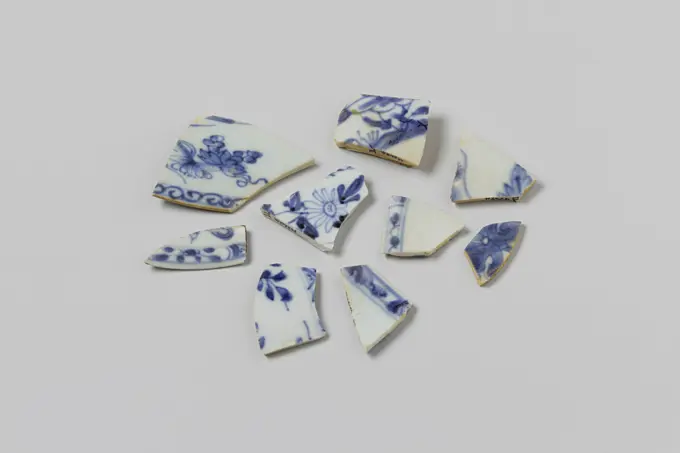
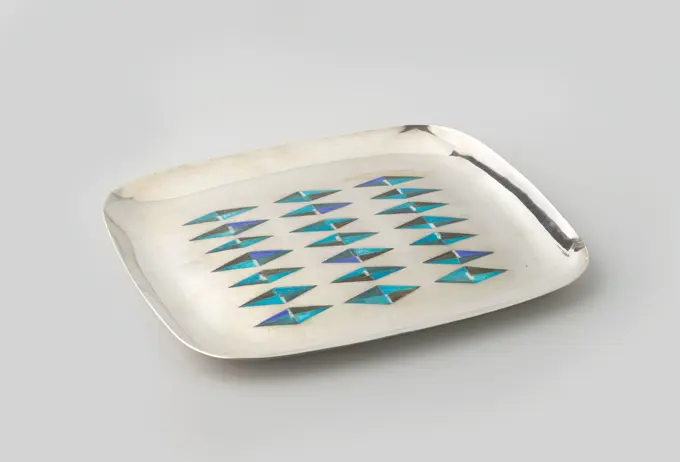
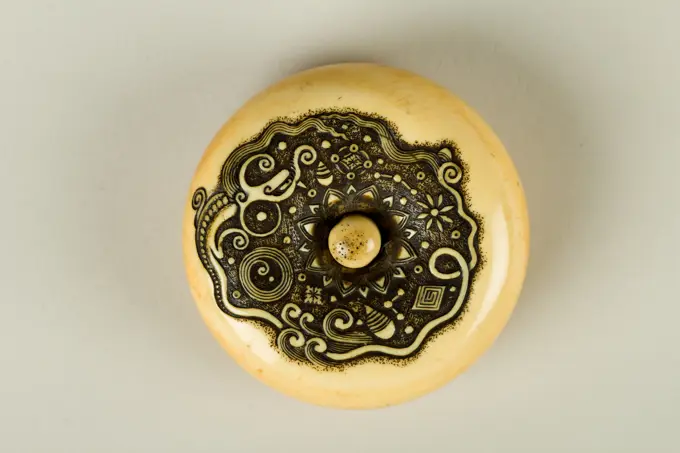
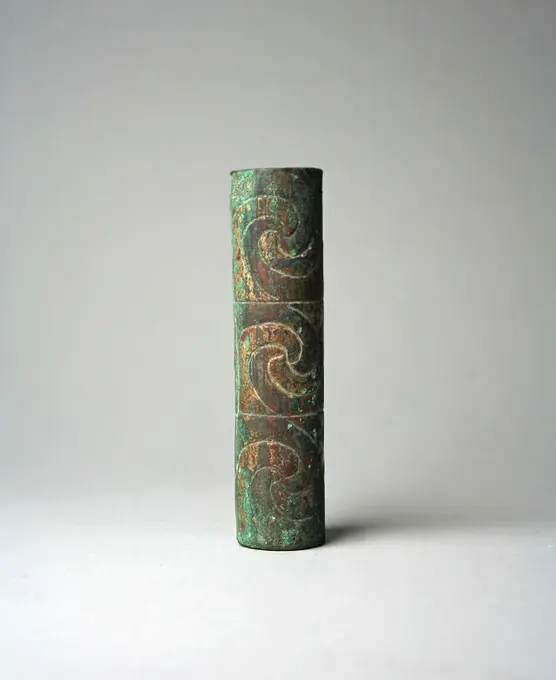
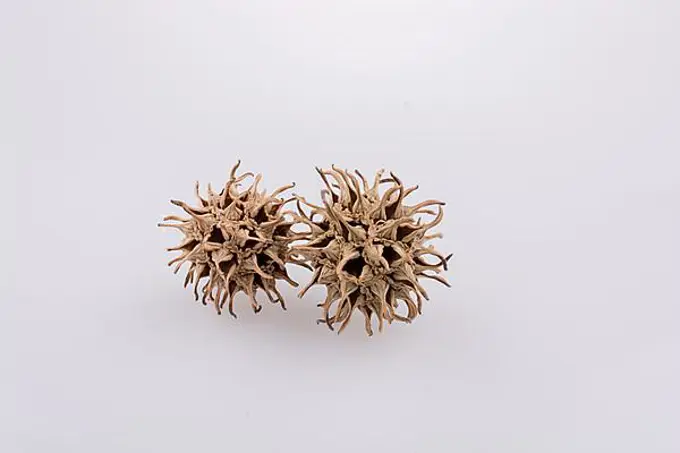
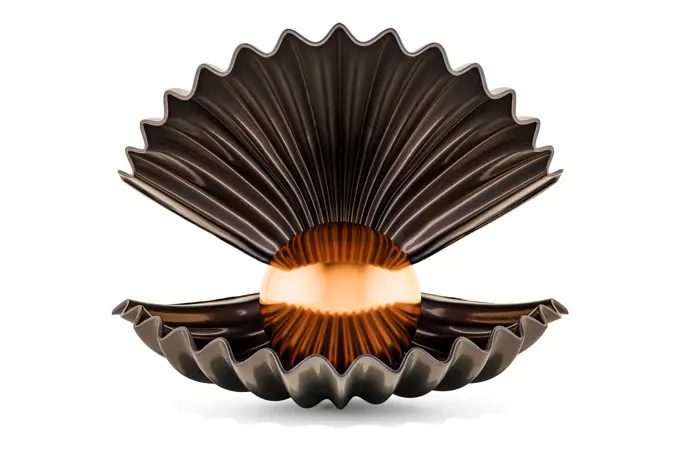
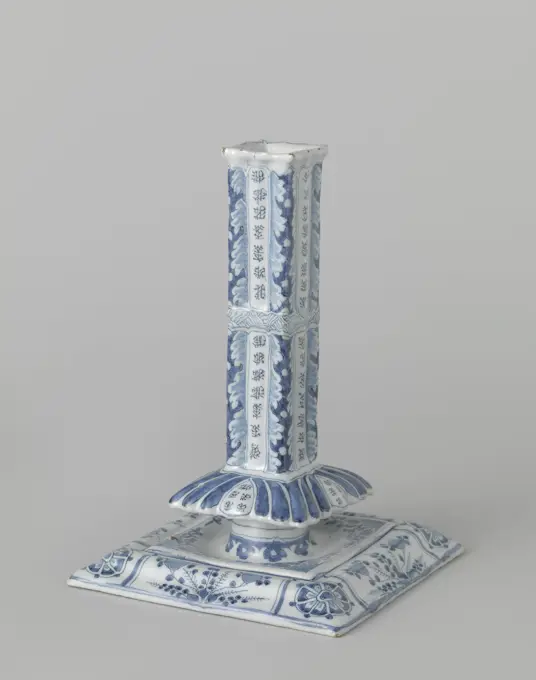
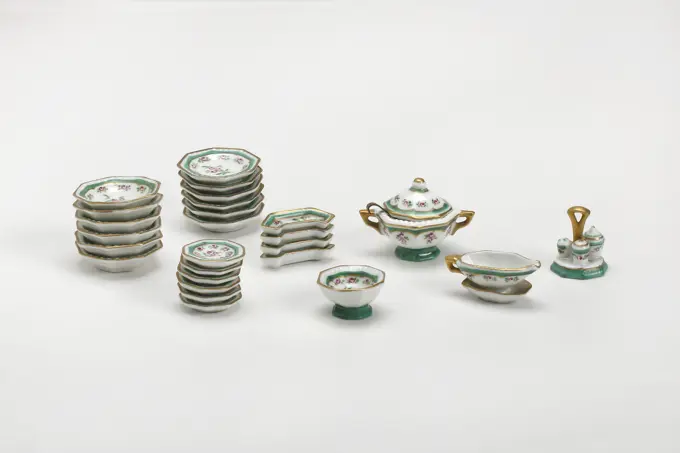
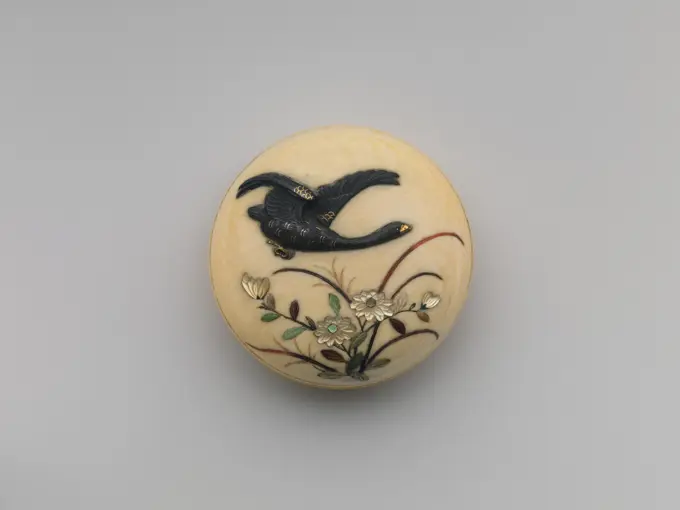
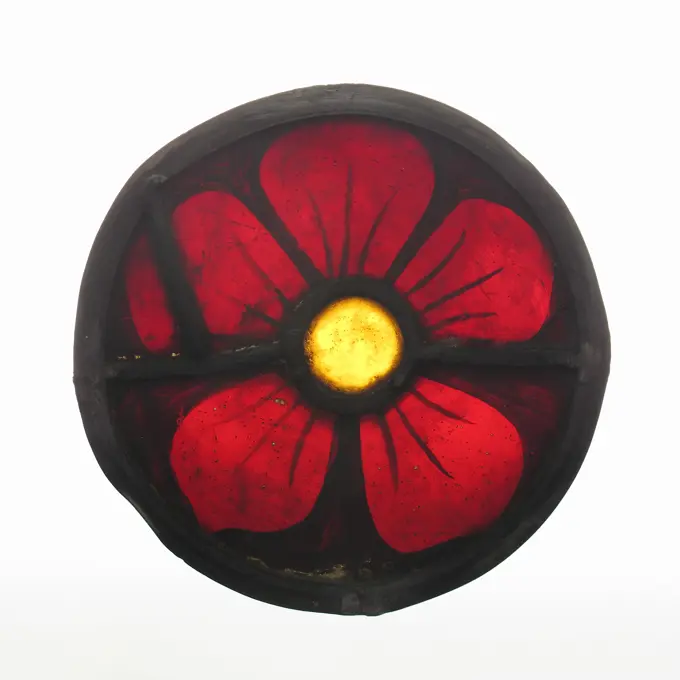
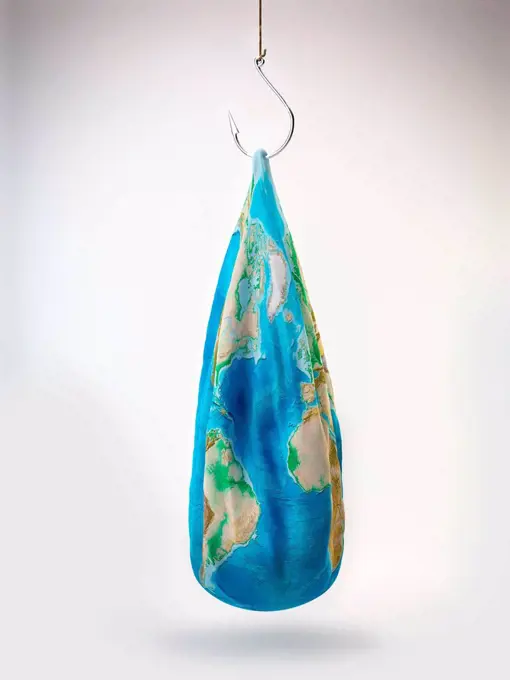
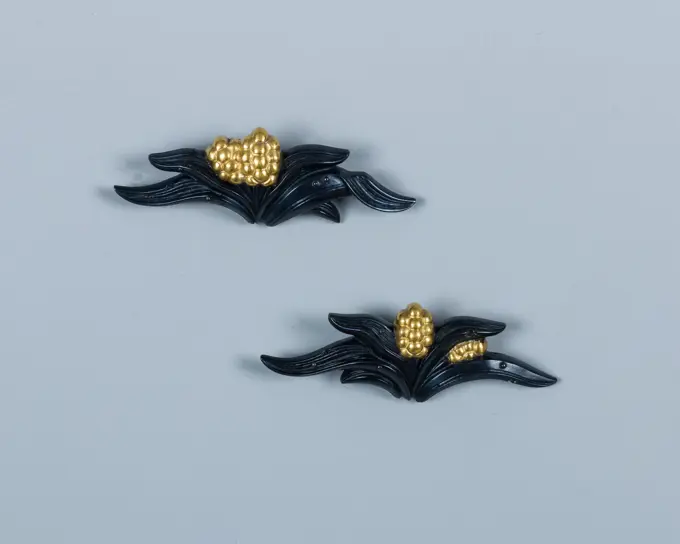
Netsuke. Culture: Japan. Dimensions: H. 1 1/4 in. (3.2 cm); W. 2 1/8 in. (5.4 cm). Date: 19th century. Museum: Metropolitan Museum of Art, New York, USA.Tiger Pillow, late 12th century, 4 7/8 x 14 7/8 x 7 in. (12.38 x 37.78 x 17.78 cm), Tz'u-chou ware Stoneware with black and tan glaze over a white slip under a clear glaze, China, 12th century, This amusing pillow is modeled in the form of a crouching tiger, with head upturned and fangs bared. The body is covered with amber-orange glaze, which, in turn, is painted with lively black stripes imparting a naturalistic look and rhythmic flare. The top of the headrest is painted with a central medallion encircling a butterfly hovering above an orchid and lotus leaf, all flanked with floral sprays.Walking lion. Culture: probably Italian. Dimensions: Overall: 13/16 x 1 1/8 x 7/8 in. (2.1 x 2.9 x 2.3 cm); visible cameo (confirmed): 17.1 x 25.5 mm. Date: 18th century.Cameos displaying animals, a mainstay of ancient Roman glyptics revived by Neoclassical engravers, filled the cabinets of European royalty. Particularly fetching is the way the carver of the leopard capitalized on brownish flecks in the stone to give the beast its spots. The grinning recumbent lion shows a fine contrast of matte and polished surfaces. The carver of the walking lion nearly exhausted the stone's red layer when forming the tail. Museum: Metropolitan Museum of Art, New York, USA.Paperweight, c. 1847, Baccarat Glass Works, 1 3/4 x 2 7/8 x 2 7/8 in. (4.45 x 7.3 x 7.3 cm), Glass, France, 19th centurySilversmith's Art, Poland 20th century. Engraved with guilloche silver cigarette case of the voluntary troop for the national security, end of 1920's.Inlay from coffin ca. 1850-1640 B.C. Middle Kingdom. Inlay from coffin 557350Inr with Tanabata Story of the Weaver and the Herdboy Nomura Kykoku Japanese active first half of the19th century One of the relatively large pieces of mother-of-pearl that comprise the surface of this inro was colored with gold and incised to create an image of a silk winder, identifying the imagery as a representation of the Milky Way. The winder refers to the Weaver Star, who is tragically separated by the Milky Way from her lover, the Cowherd Star. The two are allowed to meet only once a year, a union that is the basis for Tanabata, or the Star Festival, in Japan, held annually between July 7 and August 7. Over time, this festival has been conflated with Obon, a celebration of one's ancestors. View more. Inr with Tanabata Story of the Weaver and the Herdboy. Nomura Kykoku (Japanese, active first half of the 19th century). Japan. active first half of the19th century. Three cases; lacquered wood with gold hiramaki-e and ivory inlay on mother-of-pearl ground; Netsuke: carved ivoryInlay fragment, collar design. Dimensions: H. 1.4 × W. 1.7 cm (9/16 × 11/16 in.). Date: 100 BC-100 AD.A mosaic glass technique allowed multiples of an image to be created: a figural or design composition was made by bundling colored glass canes, which were then drawn out into a long bar. The bar was then sectioned at right angles, probably by striking the bar with appropriate tools, to produce small inlay tiles. The tile would then be smoothed and polished on the face intended to appear outwards. Museum: Metropolitan Museum of Art, New York, USA.Sword-Hilt Collar and Pommel (Fuchigashira). Culture: Japanese. Dimensions: Fuchi (a); H. 1 1/2 in. (3.8 cm); Wt. 0.8 oz. (22.7 g); kashira (b); H. 1 3/8 in. (3.5 cm); Wt. 0.3 oz. (8.5 g). Date: early 19th century. Museum: Metropolitan Museum of Art, New York, USA.Snuffbox, Manufactuur Oud-Loosdrecht, c. 1778 - c. 1782 Porcelain pin box. Rounded on the side, with gilded copper frame. Front, rear and upper surface and the inside of the lid are multi-colored with figures in a river landscape, always with a church in the background. A ground with scrub on the other surfaces. Loosdrecht porcelain. copper (metal) Porcelain pin box. Rounded on the side, with gilded copper frame. Front, rear and upper surface and the inside of the lid are multi-colored with figures in a river landscape, always with a church in the background. A ground with scrub on the other surfaces. Loosdrecht porcelain. copper (metal)Snuffbox. Culture: French, Paris. Dimensions: 3 1/2 × 2 5/8 in. (8.9 × 6.7 cm). Maker: Jean-Louis Leferre (active 1803-22). Date: ca. 1803-15.In eighteenth-century Europe, Paris led the production of high-quality luxury goods. Parisian goldsmiths made a wide range of small, personal articles such as snuffboxes; étuis to hold sealing wax, tweezers, or utensils for sewing; souvenirs, which contained thin ivory tablets for note taking; and shuttles for knotting lace. Gold snuffboxes and boxes decorated with portrait miniatures were prized and frequently given as royal gifts, often to ambassadors or members of the court in lieu of cash payments for their services. Coveted and admired, these boxes were produced from a variety of materials. The best were skillfully made of gold and embellished with diamonds, enameled decoration, lacquer, and other luxurious materials. By the middle of the century, the taking of snuff had become an entrenched social ritual, and the snuffbox, too, had become Tander box with engraved performances derived from the sea shipping, anonymous, 1769 Silver tender box, oval -shaped with engraved figural scenes with captions. On the lid the departure of a sailor; On the left the mourning women, the maid and a boy with a dog; The sailor with hat in hand stands next to a symbolic female figure with anchor and falcon; On the right a seascape with sailing ships and a rowing boat. Caption: If I repent from the country, my bars go. I always hope for God, etc. On the bottom is the engraved representation of the return with the caption: No Sea or Ambagtsman is welcome again in Huys, if he brings his wife with a lot of Seshalventhuijs. On the raised wall: Niamend Happy for his Doot, it be that the win is Klijn or Groot. Because cresus rich and high is still needed to let in poverty .............. let it .......... 't ......... live. Furthermore, a rebus: selden time (an hourglass) without Strijt. Brands inside the bottom: crowned weapon Amsterdam; Jrl. G = 1CupGlass mosiac bowl fragment. Culture: Roman. Dimensions: 1 7/16 × 1 1/2 × 1/16 in. (3.7 × 3.8 × 0.2 cm); estimated diameter: 8 11/16 in. (22 cm). Date: late 1st century B.C.-early 1st century A.D..Translucent cobalt blue and purple, and opaque white and yellow.Upright rim, ground flat; convex-curving side, tapering downward.Raised horizontal band on inside of rim in plain purple ground; composite mosaic pattern formed from large sections of a single cane: in a purple ground a length of blue outlined in white, and a central cluster of smaller canes with white lattice patterns and central white rods encircled in yellow.Polished on exterior, with some pitting of surface bubbles; dulling and iridescent weathering on interior. Rotary polishing marks on interior. Museum: Metropolitan Museum of Art, New York, USA.Box with tea bags white isolated. Studio shot.Signet of Glass of Maria II Stuart, Queen of England and Scotland, with print, Anonymous, c. 1400 - c. 1950 Signet of Glass of Maria II Stuart, Queen of England and Scotland, with print. In a modern box.  glass cutting  England. Scotland Signet of Glass of Maria II Stuart, Queen of England and Scotland, with print. In a modern box.  glass cutting  England. ScotlandFireplace rug, printed with floral motifs in red, yellow and green on brown soil. The fire panel is made of printed cotton with floral motifs, red, yellow and green on a brown surface. The rug is produced primitive.Paperweight 1843-1860 Saint-Louis. Glass . Compagnie de Saint LouisFragment from v.o.c.-ship the 'white lion'. Fragment from v.o.c.-ship the 'white lion', 25% present.. Round, funnel-shaped damper with engraved rings. The edge of the damper is bent out and the tip has been profiled. The damper has been marked with an ax. The damper is stored at a scooper and a candle snout.Paperweight, c. 1850-1875, New England Glass Company, 2 3/8 x 3 7/8 in. (6 x 9.84 cm), Glass, United States, 19th centuryNetsuke of Turtle Crawling over a Rock 19th century Japan. Netsuke of Turtle Crawling over a Rock 59645Sword-Hilt Collar and Pommel (Fuchigashira) 1789-1876 Japanese A fuchigashira is a pair of matching sword fittings comprising the fuchi (collar at the base of the grip of the sword hilt) and kashira (pommel cap at the end of a sword hilt).. Sword-Hilt Collar and Pommel (Fuchigashira). Japanese. 1789-1876. Copper-gold alloy (shakud), gold, silver. Sword Furniture-Fuchi-KashiraSmall flute-type vase. unknown, craftsmanBox, round, from ivory with monogram jvn, anonymous, c. 1910 Box, round, from ivory with monogram jvn, in embroidered bag.  ivory. iron (metal) Box, round, from ivory with monogram jvn, in embroidered bag.  ivory. iron (metal)Rectangular Pillow with Quatrefoil Medallion. China. Date: 700 AD-750 AD. Dimensions: 5.0 × 11.0 × 9.1 cm (2 × 4 5/16 × 3 9/16 in.). Earthenware with three-color (sancai) lead glazes. Origin: China. Museum: The Chicago Art Institute, USA.Pillows and duvet on white backgroundSword Guard (Tsuba) 18th century Inscribed by Minayama Ōki Japanese A tsuba is a sword guard and part of a sword mounting. It is mounted between the swords blade and grip to protect the users hands.. Sword Guard (Tsuba) 34453Fruit basket of Porcelain, Manufactuur Oud-Loosdrecht, c. 1774 - c. 1784 Round, white fruit basket of porcelain. Completely open. Several decorations around the ears. Loosdrecht porcelain Round, white fruit basket of porcelain. Completely open. Several decorations around the ears. Loosdrecht porcelainWall Pocket. Staffordshire, England. Date: 1770-1780. Dimensions: 22.9 x 10.2 x 5.1 cm (9 x 4 x 2 in.). Lead-glazed earthenware (creamware). Origin: Staffordshire. Museum: The Chicago Art Institute, Chicago, USA.Hair comb of blonde imitation turtle with solid narrow light bent back, seventeen teeth, anonymous, c. 1800 - c. 1825 Hair comb of blonde imitation turtle with solid narrow light bent back. Seventeen teeth. Netherlands (possibly) celluloid (cellulosic). cellulose acetate sawing / filing / polishing Hair comb of blonde imitation turtle with solid narrow light bent back. Seventeen teeth. Netherlands (possibly) celluloid (cellulosic). cellulose acetate sawing / filing / polishingSword-Hilt Collar and Pommel (Fuchigashira) ca. 1615-1868 Japanese A fuchigashira is a pair of matching sword fittings comprising the fuchi (collar at the base of the grip of the sword hilt) and kashira (pommel cap at the end of a sword hilt).. Sword-Hilt Collar and Pommel (Fuchigashira). Japanese. ca. 1615-1868. Iron, copper-gold alloy (shakud), copper, gold, silver. Sword Furniture-Fuchi-KashiraRosette (originally decoration of the monstrance)close up poker chips white backgroundCoarse unrefined natural pink table salt from the Punjab region, Pakistan, stored in a slept-in crystal glass bowl, food photography with black background, AsiaPaperweight 1843-1860 France. Glass .Fragment of white fruit test or small tall colander, colander kitchenware utensil fragment earthenware pottery earthenware glaze tin glaze, hand turned fried glazed fried Fragment of Delft white fruit test. Come on three legs. Extending sidewall. Lying sausage half attached to the side wall. Semi-circular bottom. Yellow shard. Four rows with pierced holes over the sidewall and at least one row over the soil archeology Rotterdam Heliport grounds indigenous earthenware fruit leak food serve serve Soil discovery: Heliport site Rotterdam June 1978.Wrist bracelet in the form of a coiled snake; Egypt; 220 - 100 B.C; Bracelet: Gold; Fastening pin: Copper alloy; 6 × 6.8 cm (2 3,8 × 2 11,16 in.)Vinaigrette box 1811 William Pugh. Vinaigrette box. British, Birmingham. 1811. Silver, agate. Metalwork-Silver In CombinationSocket Brace for Knife (Uragawara). Culture: Japanese. Dimensions: H. 1 5/16 in. (3.3 cm); Wt. 0.2 oz. (5.7 g). Date: 19th century. Museum: Metropolitan Museum of Art, New York, USA.Paperweight 1848 France. The colorful geometric clusters embedded in this paperweight reflect the nineteenth-century European fascination with optical effects. Sir David Brewster invented the kaleidoscope in 1815, and its colorful and changing patterns brought great visual entertainment. Paperweights such as this example reformed this childlike pastime for a sophisticated adult audience. Depicted in glass were tiny glittering flowers, small black and blue cameos of figures, and even miniature bottlecaps. These were delicately arranged within the orb for the observant eye to discover.From the late 1840s to early 1860s, French manufacturers of fine glass and crystalósuch as Baccarat (Alsace), Clichy (Paris), and Saint-Louis (Lorraine)ócatered to the vast public enthusiasm for beautiful yet functional desk accessories. Paperweights, which were designed to secure loose papers against drafts, were among their most popular products.. Glass . Compagnie de Saint LouisHerbert Marsh, Spectacles with Green Lenses, c 1936 Spectacles with Green LensesPortrait Miniature with Enameled Frame 1625-1675 France. Gold, enamel, and watercolor on paper .Glass short-strip mosaic fragment late 1st century B.C.-early 1st century A.D. Roman Thin-walled body fragment.Translucent blue, opaque white, yellow, and red, and colorless.Convex curving side.Short-strip pattern formed from lengths of several canes set randomly or at right angles to one another: one in a blue ground with white and colorless streaks, and another in yellow, white, and red stripes.Polished exterior; pitting of surface bubbles on exterior; dulling and creamy weathering on interior and curved edges; one almost straight edge unweathered.. Glass short-strip mosaic fragment 257360Dish, white, painted in blue, anonymous, c. 1675 - c. 1699 Saucer of milk glass with blue email paint painting; Double layer and hollow on the inside. Amsterdam (possibly) glass Saucer of milk glass with blue email paint painting; Double layer and hollow on the inside. Amsterdam (possibly) glassSmall Serving Tray with Pink Flower Design, late 18th century, Attributed to Yamamoto Shunshō VI, Japanese, died 1803, 2 3/8 × 10 3/4 × 10 3/4 in. (6.03 × 27.31 × 27.31 cm), Lacquer, Japan, 18th century, Originally from a set of ten, the five trays on display here show a variety of plant motifs associated with the seasons, and executed in hiramaki-e (low sprinkled picture) with gold and pigmented powders. The bottom of one of the trays bears the seal 'Shunshō,' for the family of lacquer artisans. The Shunshō school was established by Yamamoto Shunshō (1610-1682) and continued on until the end of the 19th century. Shunshō I was well known for his mastery of the togidashi-e (polished out picture) technique, which is used on these pieces. However, the naturalism of the plant designs indicates that this is a later piece by either Shunshō V (Jirobei, b. 1734) or VI (Masanori, d. 1803).Torque, 12 x 11 1/4 x 2 in. (30.48 x 28.58 x 5.08 cm), Silver, ChinaHat rosette of pleated orange rip ribbon, anonymous, c. 1700 - c. 1900 Hat rosette of pleated orange rip ribbon. Part of a militia uniform. Amsterdam silk. Hat rosette of pleated orange rip ribbon. Part of a militia uniform. Amsterdam silk.Miniature Dress 12th-13th century Ica. Miniature Dress 312835Napkin rim Norblin in shellrubles arrow origami. Arrow origami made of rubles bills on a white backgroundRectangular Shard 960 CE-1279 China. Jun ware; stoneware with light blue and purple glaze .Stamp box in tartanware. Stamp box in tartanware; McPherson. Flat rectangular with a rounded, protruding valve cover. Clan: in golden print McPherson.Snuffbox ca. 1810 I.G.R. (possibly Jean-Georges Reymond). Snuffbox 193434Winged Scarab amulet Third Intermediate Period-Late Period ca. 1070-525 B.C. View more. Winged Scarab amulet. ca. 1070-525 B.C.. Blue faience. Third Intermediate Period-Late Period. From Egypt, Upper Egypt, Thebes, Deir el-Bahri, Cemetery 100, Tomb TT 114, MMA excavations, 1926-27. Dynasty 21-26Shards of saucers from the wreck of the East India Hollandia.Porcelain, Dish, Fragment; Fragm or Rims, flat and curved, decorated.Paperweight 1840-1865 Baccarat. Technological improvements to optical scientific instruments in the mid-nineteenth century spurred a veritable obsession across Europe with identifying and classifying the natural world. Amateur botanists were eager to collect and preserve floral specimens, which they intently researched and catalogued. In response to this broad appeal, French glassmakers made paperweights that portrayed the very botanical subjects that were so enthusiastically sought. Many weights represented specimens with horticultural correctness, but others were entirely fanciful creations. Paperweights like this example speak to the periodís fascination with taxonomic systems.From the late 1840s to early 1860s, French manufacturers of fine glass and crystalósuch as Baccarat (Alsace), Clichy (Paris), and Saint-Louis (Lorraine)ócatered to the vast public enthusiasm for beautiful yet functional desk accessories. Paperweights, which were designed to secure loose papers against drafts, Silver bowl with 21 diamond -shaped openings, filled with plates enamel cloisonné, Louis Dusée, 1960 The rectangular leaf has rounded corners, a vaulted flat and bent edges. The leaves have been sawn in the leaf, each of which is filled in silver with plates enamel cloisonon.  silver (metal). The rectangular leaf has rounded corners, a vaulted flat and bent edges. The leaves have been sawn in the leaf, each of which is filled in silver with plates enamel cloisonon.  silver (metal).Netsuke 19th century Japan. Netsuke 60315Box. Wednesbury, England. Date: 1785-1795. Dimensions: 3.8 x 11.4 cm (1 1/2 x 4 1/2 in.). Metal and enamel. Origin: Wednesbury. Museum: The Chicago Art Institute, Chicago, USA.Box -Tubular Bead with Spirals. Culture: Moche (Loma Negra). Dimensions: Length 3-15/16 in. (9.9 cm). Date: 390-450. Museum: Metropolitan Museum of Art, New York, USA.The mace design for the 42nd Army Band, Kansas Army National Guard. Country: UnknownFruit bowl - Beaded Grapes PatternLockPorcelain flower (one of a set of nine) mid-18th century French When the Vincennes manufactory opened around 1740, it specialized in making soft-paste porcelain flowers, many of which would have been combined with Meissen porcelain and pieces exported from China to make unique ornamental wares for the mantel. The luxury sellers known as marchand-merciers helped to market this combinatory aesthetic to elite consumers in eighteenth-century Paris.. Porcelain flower (one of a set of nine). French. mid-18th century. Soft-paste porcelain. Ceramics-PorcelainMedallion with Cupid Lighting His Wick. Wedgwood Manufactory; England, founded 1759. Date: 1775-1799. Dimensions: 7.3 × 5.4 × 1.3 cm (2 7/8 × 2 1/8 × 1/2 in.). Stoneware (jasperware). Origin: Burslem. Museum: The Chicago Art Institute, Chicago, USA.Close-up of black and red dishes. .Beautiful vintage tin boxes on the white backgroundWhite Christmas. White Christmas Ornament on a White BackgroundBrown pod or capsule on a white backgroundBox (Spain); iron, wood, leatherGolden pearl inside black seashell, 3d rendering Golden pearl inside black seashell, 3d rendering isolated on white background Copyright: xZoonar.com/natatravelx 22980314Pair of Candlesticks, the Greek A, c. 1690 - c. 1700 FaaMence candlestick with a flower decoration and pseudo Chinese characters inspired by Chinese porcelain Delft . FaaMence candlestick with a flower decoration and pseudo Chinese characters inspired by Chinese porcelain Delft .Doll salad plate - Inconnu / UnknownDoll dinner plate - Inconnu / UnknownFortune ballsBelt slide, Gold, iron, silver, copper, Japan, late 19th-early 20th century, jewelry, Decorative Arts, Slide, SlideNetsuke of Flying Goose over Flowers 19th century Japan On the obverse of this manju-shaped netsuke, a goose of gold and copper alloy hovers over chrysanthemums and other autumn grasses of inlaid mother-of-pearl and tortoiseshell. On the reverse, similar materials are arranged to render a swallow as it gazes above at hanging wisteria. Seasonal motifs are a favored theme in Japanese art.. Netsuke of Flying Goose over Flowers 60342Komfoor on three legs, with three sawn -off motifs and a scalloped edge, anonymous, c. 1750 Copfoor of copper on three legs, with handle and hinges; Bake decorated with three sawn -out motifs and raised scaled edge. Amsterdam (possibly) copper (metal) sawing Copfoor of copper on three legs, with handle and hinges; Bake decorated with three sawn -out motifs and raised scaled edge. Amsterdam (possibly) copper (metal) sawingBonbonnière Head of a Turk 1760-1770 England. Polychrome enamel on copper with metal mounts .Silver Tulip on a white backgroundGrisaille Panel ca. 1325 French. Grisaille Panel. French. ca. 1325. Pot-metal glass and vitreous paint. Made in Rouen, Normandy, France. Glass-StainedDeflated Earth hanging on fish hook, conceptual illustration.Sword-Grip Ornaments (Menuki) 17th century Got Renj (Mitsutomo) Japanese These menuki feature a design of a lily-of-China (Rohdea japonica).. Sword-Grip Ornaments (Menuki). Japanese. 17th century. Copper-gold alloy (shakud), gold. Sword Furniture-MenukiFaedraal of the nobility diploma by Cornelis Lampsins, Nicolaes Loockemans, 1661 case High rectangular bus with rounded short sides, over which a lid slides. Two big eyes on the bus on both sides, so you can get a cord to close the bus. On one side the engraved representation of a crowned weapon (Cornelis Lampsins) surrounded by a chain with a bearing sign (Order of St. Michel), worn by 2 crowned sheep, each with a pennant littered with (French) lilies. Marked: Crowned I (1661) Stork under Kroon (The Hague); Anker in Schild (Nicolaes Lockeman). The Hague silver (metal) forging / engraving / striking (metalworking) armorial bearing, heraldry West IndiaEgg-shaped Easter biscuitBlonde turtle hair comb with seven teeth and an ajour cut back with five flower motifs, anonymous, c. 1800 - c. 1825 Blonde turtle hair comb with seven teeth and an ajour cut back with five floral motifs, chrysanthemum. Netherlands . sawing / bending / filing / polishing Blonde turtle hair comb with seven teeth and an ajour cut back with five floral motifs, chrysanthemum. Netherlands . sawing / bending / filing / polishingButton seal with the cartouches of Senwosret III ca. 1878-1650 B.C. Middle Kingdom. Button seal with the cartouches of Senwosret III. ca. 1878-1650 B.C.. Green glazed steatite, metal pin in boring. Middle Kingdom. From Egypt. Dynasty 12-13Little colorful toy drums on a white background17th Century Gentleman Smoking Pipe Matchsafe; Manufactured by Reed & Barton (United States); USA; silver, enamel; 6.7 x 3.1 x 1.3 cm (2 5/8 x 1 1/4 x 1/2 in. )Dish. Round dish with raised edge of multicolored padded faiences fines. The dish is painted with purple, thin branches with green leaves. The edge is thickened at the top and got. The dish belongs with three other dishes (BK-NM-14097-A, BK-NM-14097-B and BK-NM-14097-C) at two flower pots (BK-NM-14097-E and BK-NM-14097- f).Case (Inr) with Design of Herd Boy Wearing Hat beside Piebald Ox 18th-19th century Japan. Case (Inr) with Design of Herd Boy Wearing Hat beside Piebald Ox. Japan. 18th-19th century. Lacquer, hirame ground, light brown, brown and black hiramakie, eye raden; Interior: nashiji and fundame. Edo period (1615-1868). InrKarte Sri Lankas in Eiswürfel eingefroren, 3D-Rendering Sri Lankan map frozen in ice cube, 3D rendering isolated on white background LicenseRF Copyright: xZoonar.com/alexlmxx 23204922Russian sprats in tinBulbs of the garden hyacinth (Hyacinthus orientalis)Incense Boat 1250-70 French. Incense Boat 464007 French, Incense Boat, 125070, Champlev enamel, copper-gilt, Overall: 3 1/16 x 10 3/8 x 4 in. (7.7 x 26.4 x 10.2 cm). The Metropolitan Museum of Art, New York. Gift of J. Pierpont Morgan, 1917 (17.190.126)String Bag of Clams. Kayama (or Kōzan) (Japan, active late 19th century). Japan, late 19th century. Costumes; Accessories. WoodBronze belt clasp 7th century B.C. Greek This type of object is characteristic of northern Greece, particularly Macedonia. The extraordinary delicacy and technical mastery in the execution of the triangles and concentric circles are especially noteworthy.. Bronze belt clasp 256871