Decorative Glass Vases

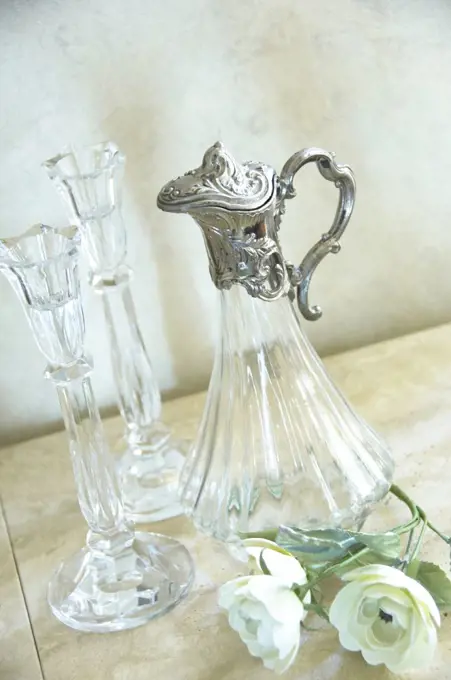
An array of exquisite glass vases and decanters from the 19th century, showcasing beautiful craftsmanship and elegant designs in clear glass.

Vase, glass, A pair of vases, 19th century, glasswares, Decorative Arts, Vase
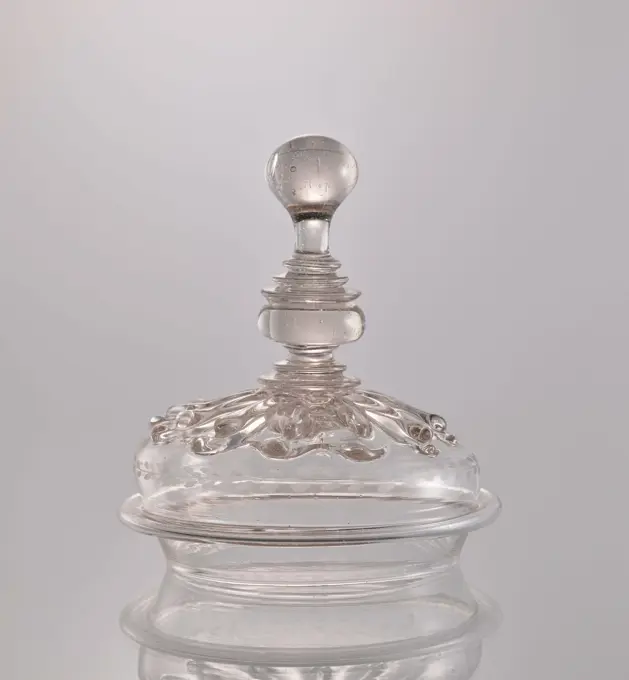
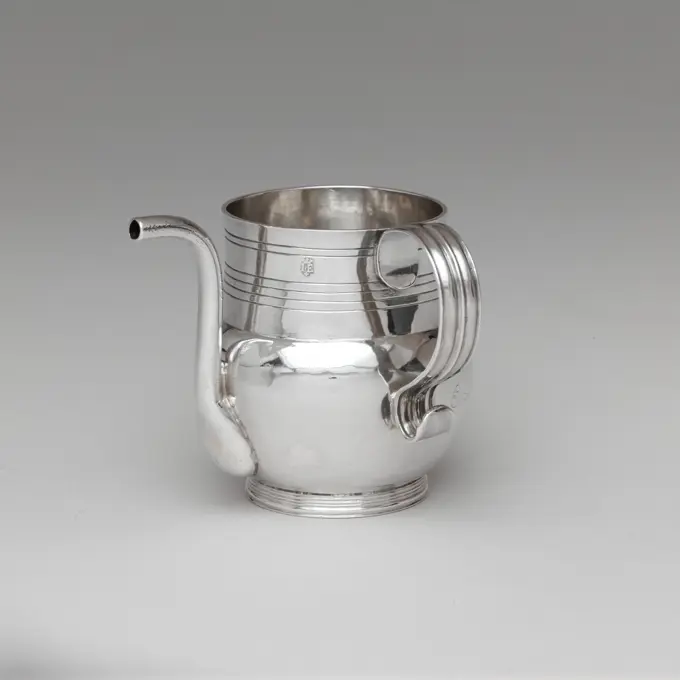
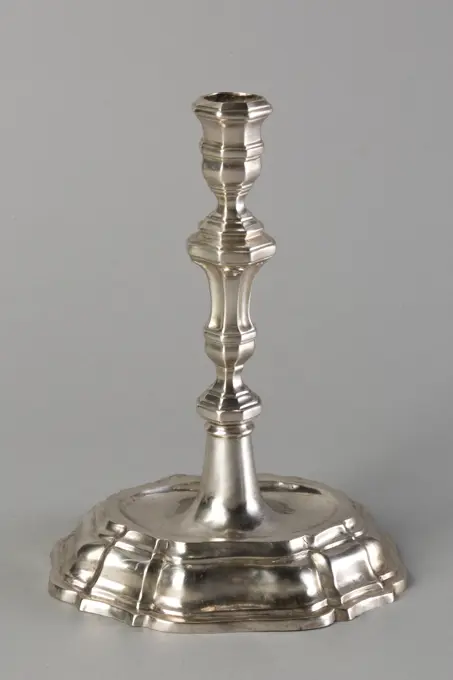
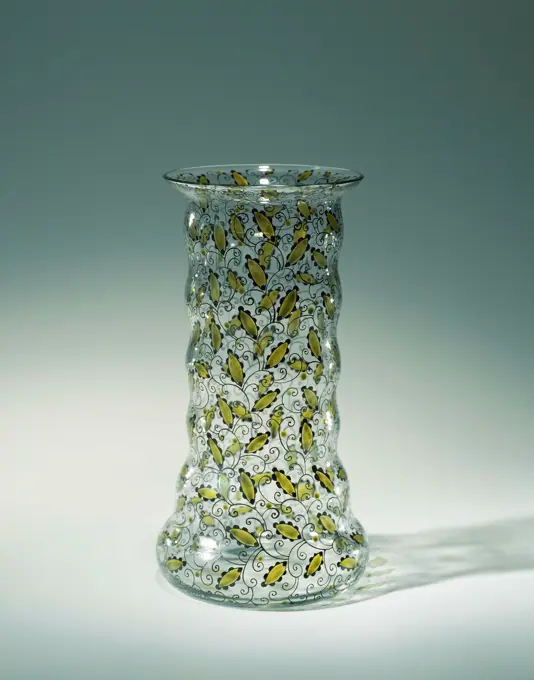
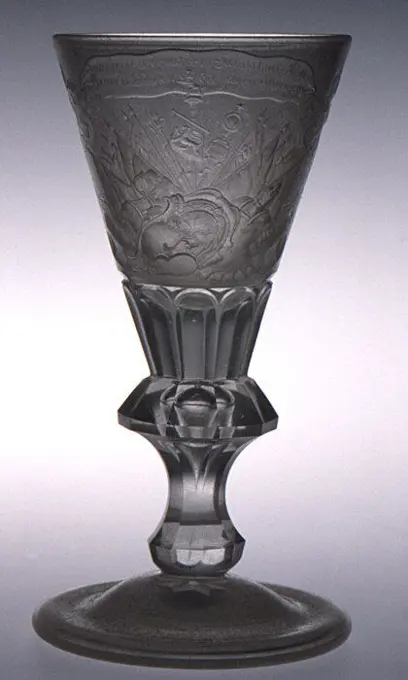
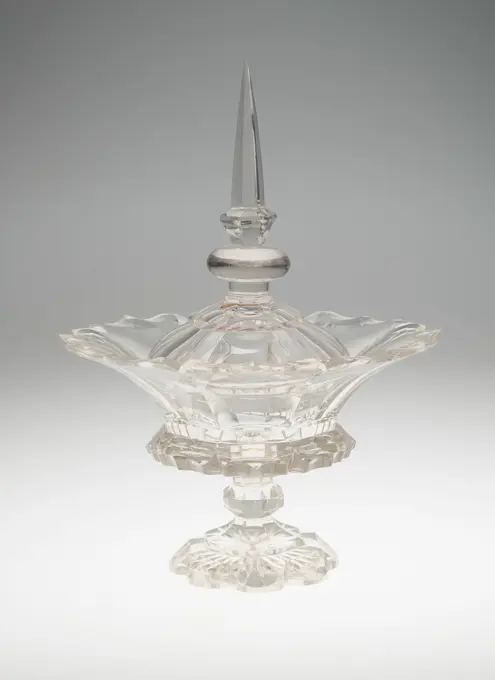
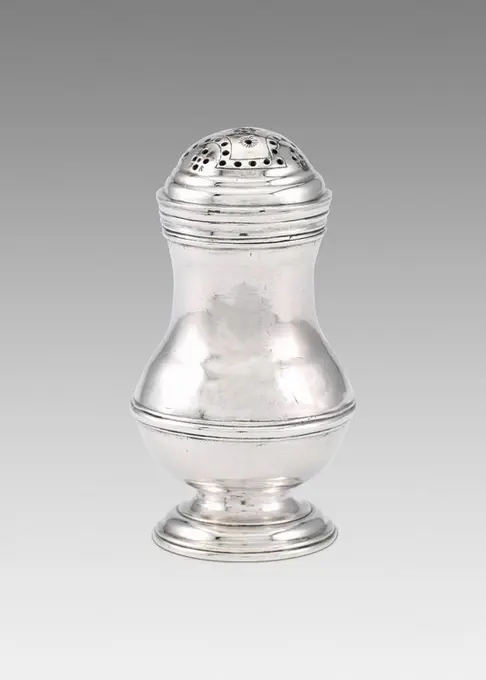
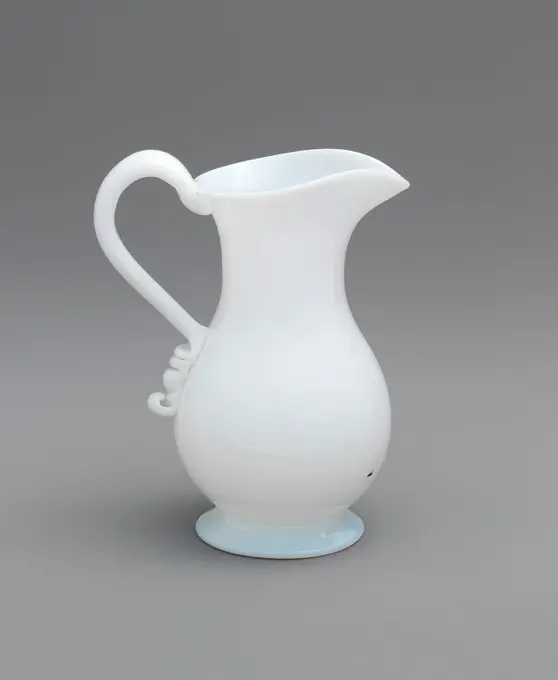
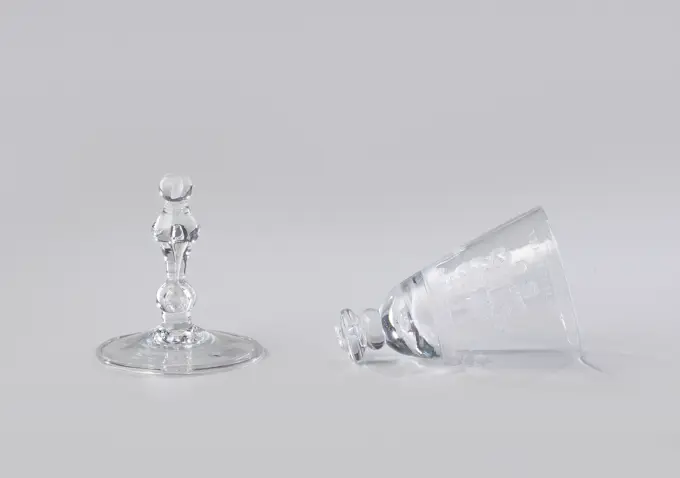
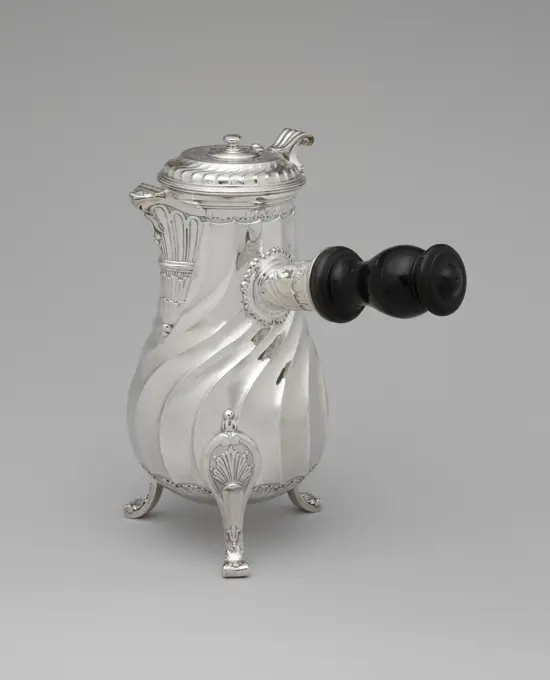
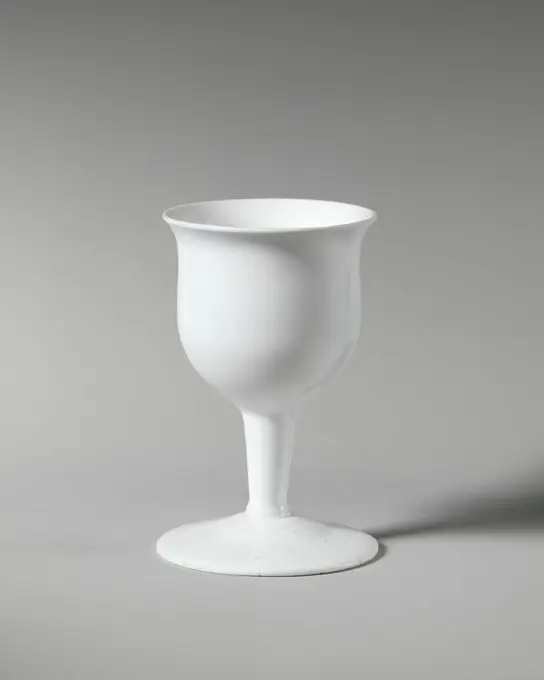
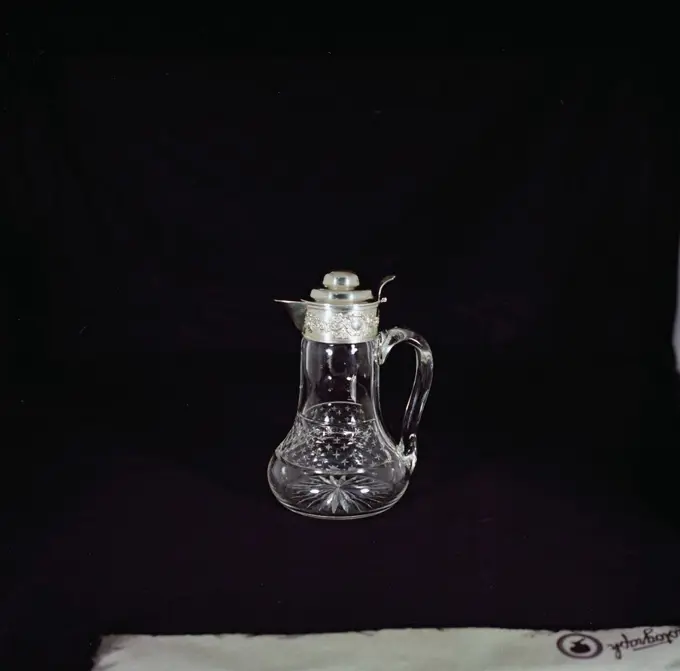
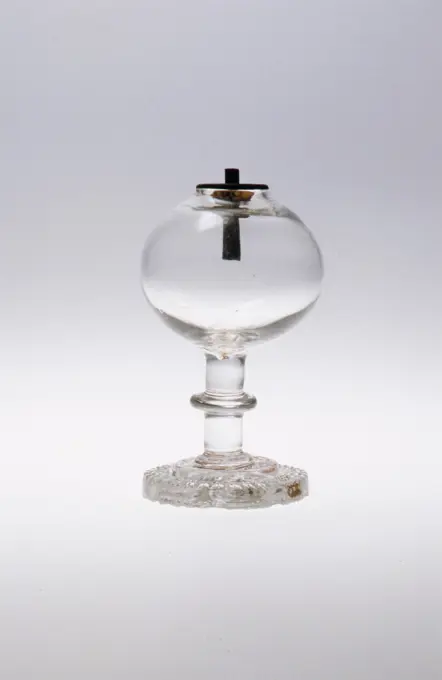
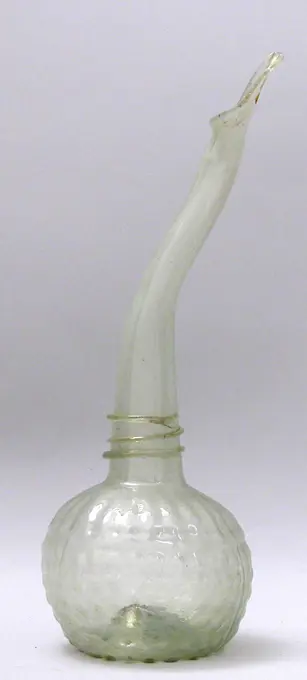
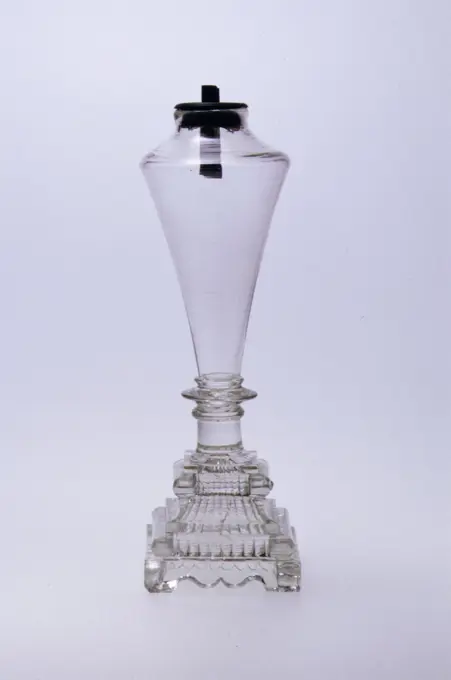
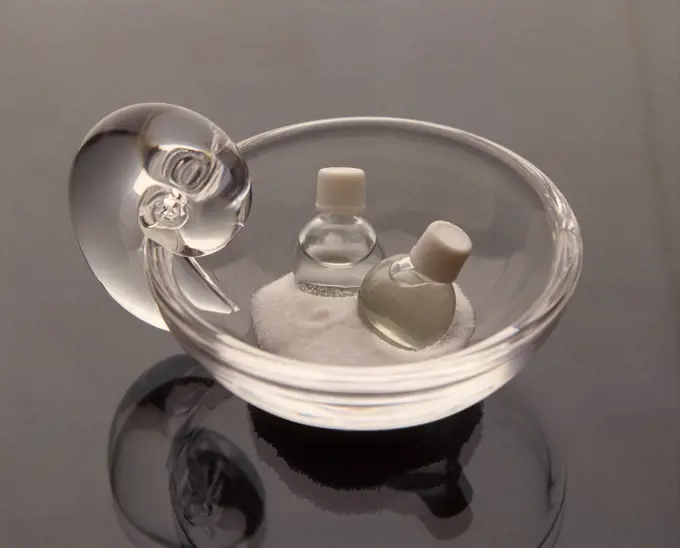
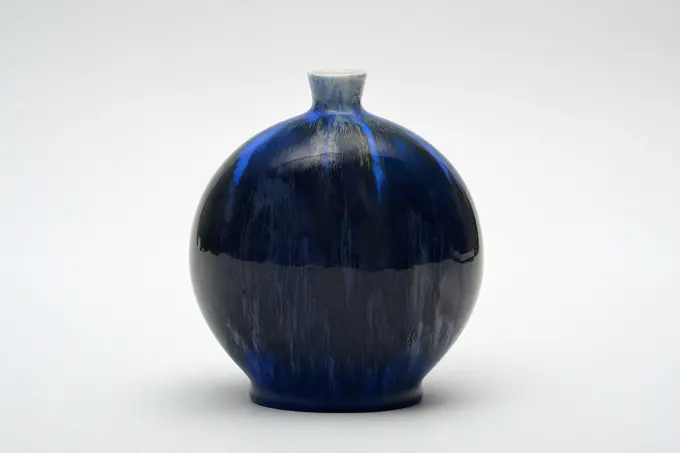
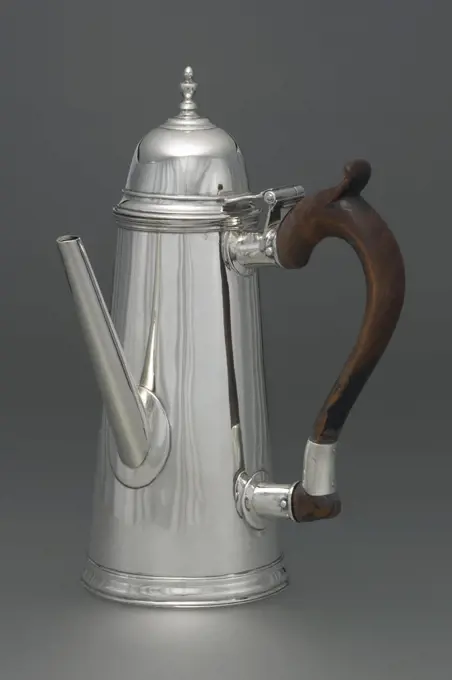
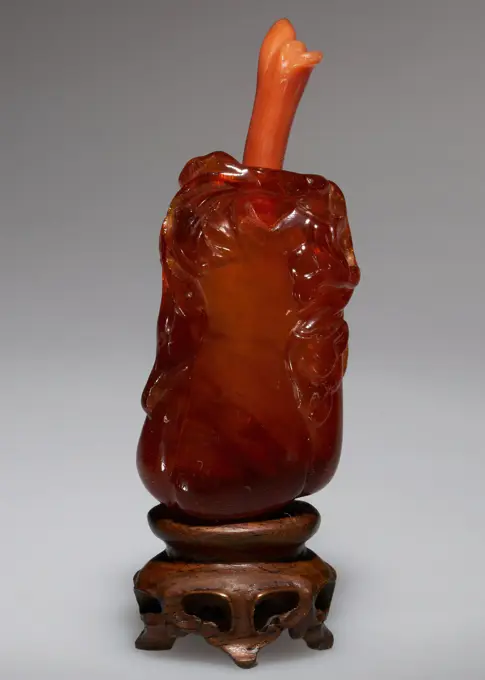
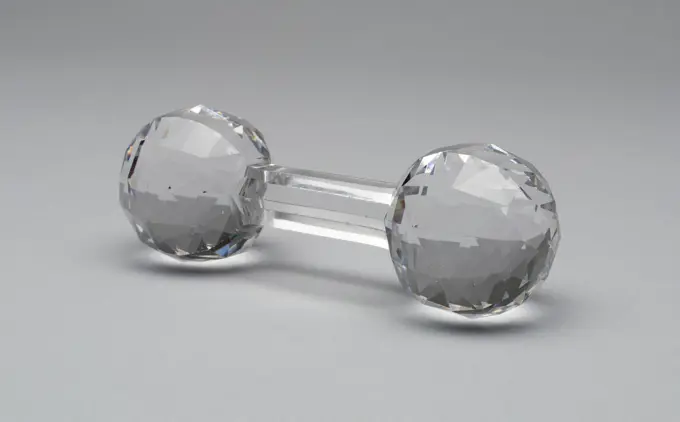
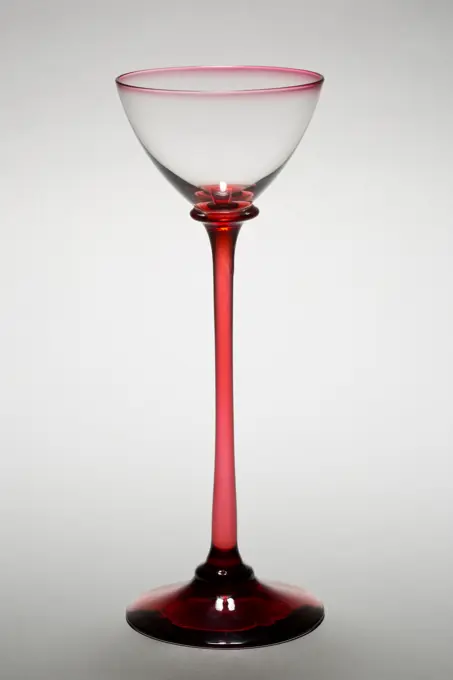
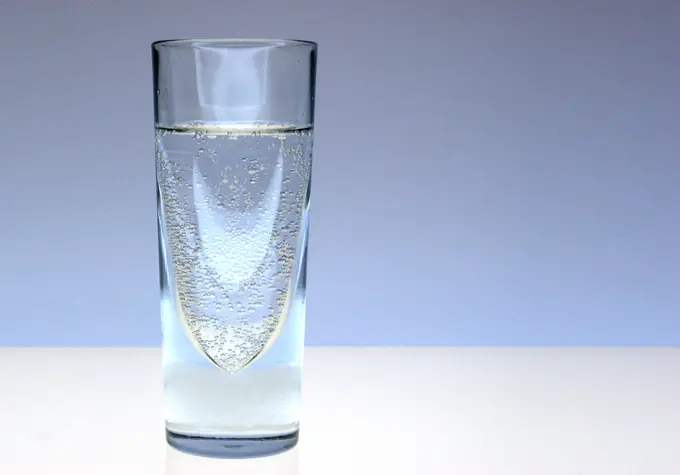
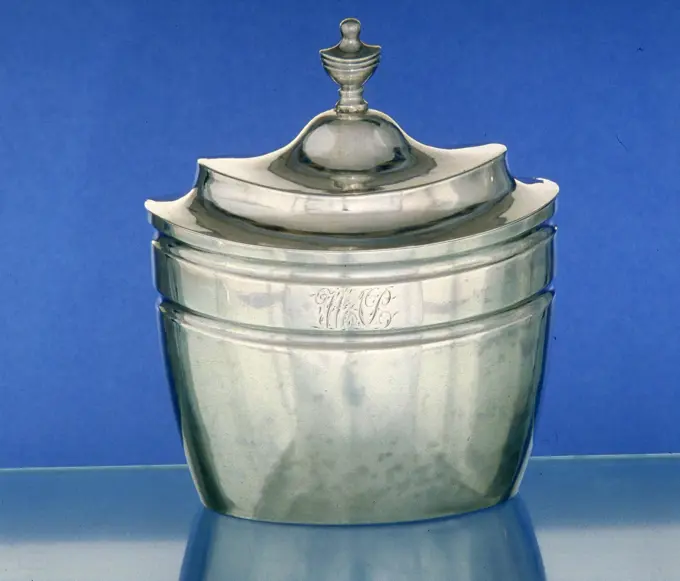
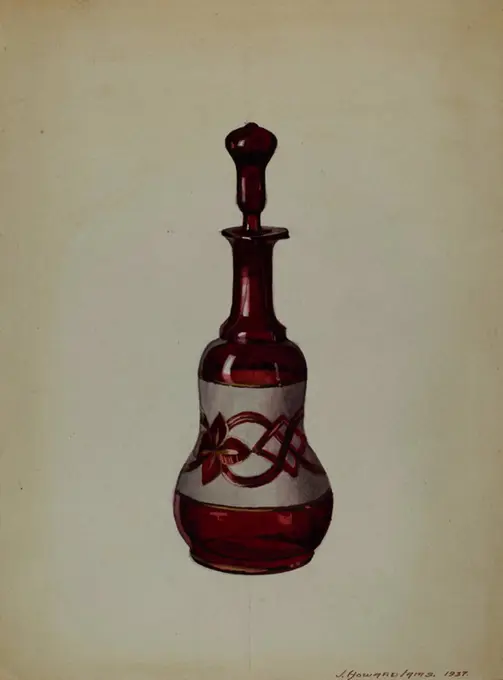
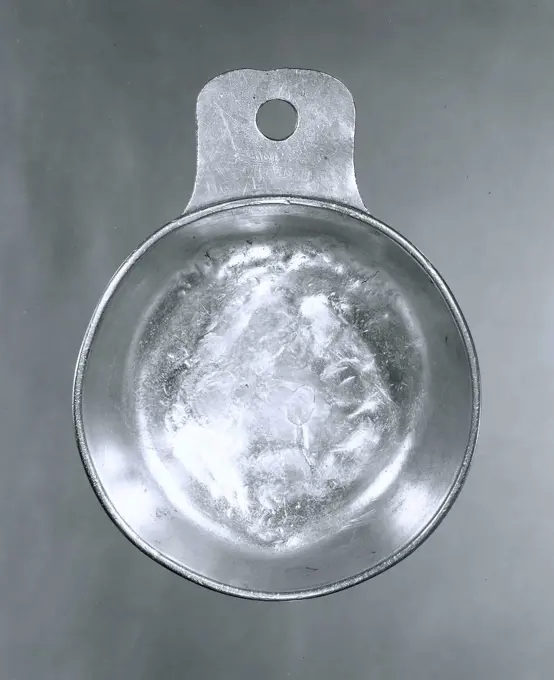
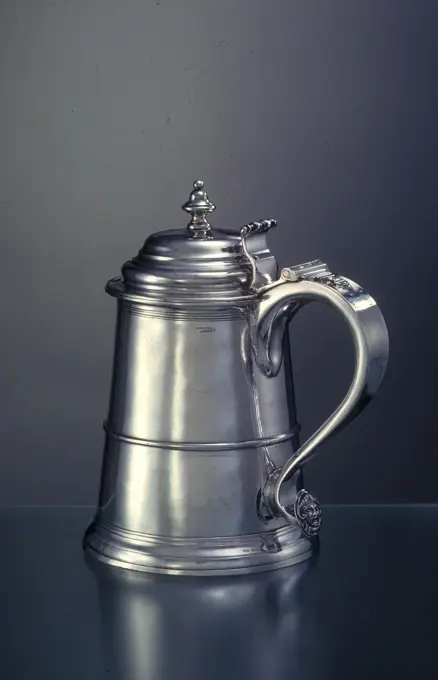
Vase, glass, A pair of vases, 19th century, glasswares, Decorative Arts, VaseNo. 30 Wine Decanter With Stopper; Designed by Josef Lobmeyr Senior; Manufactured by J. & L. Lobmeyr GmbH (Austria); Austria; mouth-blown crystal, broad-cut and polished facetsDoll jug -Cover. Czechy, creatorCandlestick (Ireland); glassDecanter and stopper, glass, Ovoid body, 3 triple neck rings everted lip; stopper mushroom-shaped with deep cut rays; pontil mark bottom., Ireland, ca. 1783-99, glasswares, Decorative Arts, Decanter and stopperSpout Cup 1700-1725 John Edwards One of the specialized forms of drinking vessels produced in late seventeenth-century America was the spout cup. The long, narrow, sharply curved spout enabled a child or bedridden adult to sip more easily from the cup, the handle of which was placed at right angles to the spout to assist the server. On this example tooth marks are evident around the open end. This cup belonged to Elizabeth Greenleaf, who is thought to have been the first female apothecary in America.. Spout Cup. American. 1700-1725. Silver. Made in Boston, Massachusetts, United StatesBottle Bottle; Ireland; glassCovered SugarBowl, Blown colorless lead glass, 7 5/16 in. (18.6 cm), Probably made in United States, American, 19thcentury, Containers -GlassDecanterLiqueur Glass, 1859-75. Lead glass. Manufacturer: James Powell & Sons. Attributed to: Philip Webb .CandlestickCreampot.   Maker: Daniel Deshon, American, 1698-1781Goblet. Germany, Schleswig. Date: 1725-1735. Dimensions: 18.3 x 8.4 cm (7 3/16 x 3 5/16 in.). Glass. Origin: Schleswig. Museum: The Chicago Art Institute, Chicago, USA.. A little concave foot, narrowing body with five stains, painted with black tendrils and green leaves. Out of curved mouth with cut edge.Maker Unknown, Sugar Bowl and Cover, c. 1820-40, colorless lead glass.René Lalique (1860-1945). Vase the doves. Molded glass. 1918. Museum of Fine Arts of the City of Paris, Petit Palais. 53949-12 Molding, bird, vase, mold glassTea with cork; Non -like Lona Huta; around 1920-1930 (1918-00-00-1939-00-00);Fuglewicz Joanna, DarTwo candlesticks, anonymous, 1668 The round, driven candlesticks with flat lower edge have a roared, constricted, crowned base, decorated with eight lying oval fields, above which eight high and then eight lower godrons. The eight -time piped trunk is caught in a ribbed band at the bottom. The loose, flat fat catcher shows Godrons radically. The spaces between the oval fields and the godrons on the foot and on the fat catcher are filled with three and square diamond heads whose surface is ran. Amsterdam silver (metal) The round, driven candlesticks with flat lower edge have a roared, constricted, crowned base, decorated with eight lying oval fields, above which eight high and then eight lower godrons. The eight -time piped trunk is caught in a ribbed band at the bottom. The loose, flat fat catcher shows Godrons radically. The spaces between the oval fields and the godrons on the foot and on the fat catcher are filled with three and square diamond heads whose surface is ran. Amsterdam sWestward Ho!/Pioneer pattern covered dish c 1876-1890 Philadelphia. Glass .Berkemeyer with three rows of raspberry prunts, anonymous, c. 1625 - c. 1650 Low, conical base of injured glass wire. Inserted soil. Cylindrical shaft blown on one piece with conical chalice. Four rows of Braamnoppen on shaft. The transition from the chalice to the shaft indicated by a ribbed thread. Germany glass glassblowing Low, conical base of injured glass wire. Inserted soil. Cylindrical shaft blown on one piece with conical chalice. Four rows of Braamnoppen on shaft. The transition from the chalice to the shaft indicated by a ribbed thread. Germany glass glassblowingGoblet 18th century Possibly Franz Gundelach. Goblet 186257Bottle. Roman; Levant or Syria. Date: 100 BC-1 BC. Dimensions: H. 9.5 cm (3 3/4 in.); diam. 5.7 cm (2 1/4 in.). Glass, blown technique. Origin: Syria. Museum: The Chicago Art Institute, Chicago, USA. Author: Ancient Levantine.Decanter with stopper early 19th century Continental European. Decanter with stopper. Continental European. early 19th century. Glass. GlassJellyGlassSnuff Bottle in the Shape of a Gourd late 18th-early 19th century China. Snuff Bottle in the Shape of a Gourd 41104Beaker with Brawl Scene. Northwestern Bohemia, circa 1730-1750. Furnishings; Serviceware. Glass, gold leaf. Oval candlestick of silver. The foot and the fat catcher decorated with a pearl edge.Antique Dessert Service 1845-1855 Bristol. Glass .CandlestickGoblet, Favrile glass, a&c) Inverted bell-shaped cups with deep blue upper portion and milky blue-white rims shading into clear glass; domed foot with white rim and eight white tapered pinwheel forms radiating form base of stems. b) The same except that milky blue-white forms more definite frame around leaf pattern on cup and arched foot is almost fully covered by whitish pinwheel design., New York, USA, ca. 1900, glasswares, Decorative Arts, GobletCaster. Jacob Hurd; American, 1702/03-1758; Boston, Massachusetts. Date: 1731-1740. Dimensions: H. 9.2 cm (3 5/8 in.). Silver. Origin: Boston. Museum: The Chicago Art Institute, Chicago, USA.Wine Glass 1755-1765 EnglandMiniature tea caddy ca. 1725 John Le Sage British Listen to experts illuminate this artwork's story Listen Play or pause #413. Retail Value. High and Low Supported by Bloomberg Philanthropies We're sorry, the transcript for this audio track is not available at this time. We are working to make it available as soon as possible.. Miniature tea caddy. British, London. ca. 1725. Silver. Metalwork-Silver-MiniatureCream pitcher. Culture: American. Dimensions: 4 7/8 × 4 × 2 7/8 in. (12.4 × 10.2 × 7.3 cm). Date: 1830-50. Museum: Metropolitan Museum of Art, New York, USA.Louis-Jacques Berger. "Cup". Money. 1807-1819. Museum of Fine Arts of the City of Paris, Petit Palais. 74382-14 Money, silverware, gobletCALIZ DE ORO Y ESMALTES. Location: MUSEE D'ARTS DECORATIFS. MADRID. SPANIEN.Elongated Baluster Vase With Two Lion Masks. High, baluster-shaped vase of porcelain, covered with a translucent creamy glaze. The vase has a short neck with spreading wall and on either side of the body a lion mask. Unglazed underside. Blanc De Chine.JugNo. 98 White Wine Decanter With Stopper; Designed by Ludwig Lobmeyr (Austrian, 1829 - 1917); Manufactured by J. & L. Lobmeyr GmbH (Austria); Austria; mouth-blown crystal, faceted cut and polishedLid of a jar, anonymous, c. 1725 - c. 1750 Vaulted lid, crowned with a welded lid button, consisting of two knots with an air bubble and a spherical end. On the lid an engraved leaf garland. Germany glass glassblowing  Amsterdam Vaulted lid, crowned with a welded lid button, consisting of two knots with an air bubble and a spherical end. On the lid an engraved leaf garland. Germany glass glassblowing  AmsterdamVaseDecanter And Stopper (Ireland); cut blown glassTumbler ca. 1883-88 Probably New England Glass Company. Tumbler 9122Anonymous. "Taste-vin". Money. 1745. Museum of Fine Arts of the City of Paris, Petit Palais. 74384-29 Silver, silverware, bottleneck, name, tatevin, engravingKelkglas with David and Jonathan and the inscription: Freeze. Vaulted foot with beaten edge. Baluster trunk with five knots, a bubble and an elongated air bubble. Conical chalice with rounded thickened bottom, in which an air bubble has been inserted. On the David and Jonathan chalice and above it inscription: VRINTHOOD.Chocolate pot 1765-66 François Thomas Germain French Chocolate was introduced into France in the late seventeenth century, and it quickly became popular as a morning beverage in particular. A number of French prints from this period illustrate fashionable couples drinking chocolate, indicating that this new hot drink had gained immediate acceptance. Hot chocolate needed to be stirred in order to prevent the chocolate from settling at the bottom of the pot. Thus, most French chocolate pots were equipped with a hole in the lid, concealed by a small cover that swiveled, through which a long stick, known as a moussoir, could be inserted for stirring.This chocolate pot was produced approximately ten years after a similar coffeepot (33.165.1) by the same silversmith, François Thomas German (1726-1791). It has the same basic shape as the earlier coffeepot but is decorated in the emerging Neoclassical style. Despite the swirling channels on the body, the chocolate pot lacks the sense of movemeHumpen 1596 Germany. Glass .Egg cup (one of a pair). Culture: British, Bristol. Dimensions: Overall: 4 × 2 1/2 in. (10.2 × 6.4 cm). Date: 1750-1800. Museum: Metropolitan Museum of Art, New York, USA.White House china and crystal. Cut-glass jug from the White House glassware collection.Pair of Two-HandledCups.   Maker: John Burt, American, 1692-1745Tumbler 1880-87 Hobbs, Brockunier and Company. Tumbler 9053Whale Oil Lamp ca. 1827-35. Whale Oil Lamp 5442Cream Jug. United States, Ohio, 19th century. Furnishings; Serviceware. Pattern-molded glassVexierglas. Niemcy, creatorSwan-Neck Bottle (Ashkdan) probably 18th-19th century. Swan-Neck Bottle (Ashkdan) 444728Wineglass 19th century Italian, Venice (Murano). Wineglass. Italian, Venice (Murano). 19th century. Glass. GlassWhale Oil Lamp 1830-40. Whale Oil Lamp 5435Lid of a cup, c. 1699 - c. 1799 Cover of a cup with a bent foot edge and flat top. The conical button is faceted. Engraving work with pendulum tire between which palmets. Originally does not belong to BK-NM-736-A.  glass Cover of a cup with a bent foot edge and flat top. The conical button is faceted. Engraving work with pendulum tire between which palmets. Originally does not belong to BK-NM-736-A.  glassVELERO DENTRO DE UNA BOMBILLA. Location: PRIVATE COLLECTION. MADRID. SPAIN.MentholBottle vase 18th century China. Bottle vase 46382Bottle China. Bottle. China. Porcelain with blue glaze. Qing dynasty (1644-1911), Yongzheng period (1723-35). CeramicsPorringer.   Maker: Samuel Gray, American, 1684-1713Tankard 1745-65 American. Tankard 8175fresh milk in white jug and on a tablePassglas. The German name for this type of glass comes from the rings of glass (passen) that indicate the measures. The trick was to drink precisely from one ring to the next in one gulp. Failing that, the drinker had to try again until he succeeded.Cup on foot with bunches consisting of rosettes and circles, anonymous, c. 1750 - c. 1800 Conical foot. The flared body is faceted at the bottom. On the body, between two continuous matted lines and a band with engraved circles and matted points along the edge, a wide band with two rosettes of engraved circles, each in a medallion surrounded by a zigzag line, runs from each other separated by two flowerGuirlandes with berries . Bohemia glass grinding / glassblowing Conical foot. The flared body is faceted at the bottom. On the body, between two continuous matted lines and a band with engraved circles and matted points along the edge, a wide band with two rosettes of engraved circles, each in a medallion surrounded by a zigzag line, runs from each other separated by two flowerGuirlandes with berries . Bohemia glass grinding / glassblowingCup. Maker, attributed to: Edward Webb, American, 1666-1718Jug - Inconnu / UnknownKugelvase. .Maker: Charles Le Roux, 1688-1748, Coffeepot, ca.1725-35, Silver, 10 3/4 in. (27.3 cm), Made in New York, New York, American, 18thcentury, Containers -MetalsPint flask 1850-60 Lancaster Glass Works. Pint flask 3739Jerzyn saucepan; Zielenkiewicz, Antoni (fl. Ante 1785-Ca 1790); 1790-1795 (1790-00-00-1795-00-00);Creamer ca. 1740-45 British This creamer is a rare example in glass of contemporary silver form.. Creamer. British. ca. 1740-45. Glass. GlassSnuff Bottle, 17th-19th century, 2 3/8 x 1in. (6 x 2.5cm), Amber, China, 17th-19th centuryBagic lid. Faceted, vaulted lid with faceted, pear-shaped button on three discs. On the lid, engraved leaf ornaments.Little colorful toy drums on a white backgroundPurple glass vase, Chris Lebeau, c. 1924 - c. 1925 Purple glass vase, pear -shaped, with small opening. Factory number: KO737. Leerdam glass Purple glass vase, pear -shaped, with small opening. Factory number: KO737. Leerdam glassKnife rest c 1902 United States. Cut glass . Artist unknownJugSnuff Bottle China. Snuff Bottle 41412Glass Lobmeyer J.&L.Egg cooking dishIsaac Anthony, Caudle Cup, 1720, silver.Wasserglas, Glas mit Wasser, Mineralwasser, Trinkwasser, mit Kohlensäure, McPBBO McP_BBO_2025_000049 *** Water glass, Glass with Water, Mineral water, Drinking water, with Carbonic acid, McPBBO McP BBO 2025 000049 McPBBOVials of perfume oils in old fragrance labCovered Sugar Bowl c 1820-1830 East Cambridge. Pressed glass . New England Glass Company (Designer)Two fragments of beakers, uneven ribs and floral motifs applied with engraving, cup drinking glass drinking utensils tableware holder soil find glass, shape blown engraved engraving Two fragments of similar drinking glasses On the sidewall uneven ribs cascaded. Along the top edge floral motifs applied with radgravering Clear and colorless glass Pontil mark Rough spots on the bottom are smooth sanded. Slight discolouration due to iris archeology Valckensteyn Poortugaal Albrandswaard serving drinking wine serving Soil discovery: Kasteel Valckensteyn Poortugaal 19611962.Glass perfume bottle. Culture: Roman. Dimensions: Overall: 6 1/4 in. (15.9 cm)Diam.: 2 13/16 x 1 1/4 in. (7.1 x 3.2 cm). Date: 2nd-3rd century A.D..Tall candlestick unguentarium.Translucent pale blue green.Fine tubular rim folded out, over, and in; flaring mouth; tall cylindrical neck, expanding downwards with tooled indent around base; squat bulbous body, expanding downwards, with slightly angular sides; shallow concave bottom.Faint horizontal wheel-abraded band on body.Intact; pinprick and elongated bubbles; dulling and faint iridescence on exterior; patches of soil encrustation and iridescent weathering on interior. Museum: Metropolitan Museum of Art, New York, USA.Cup.   Maker: Thaddeus Keeler, American, active 1805-13Teacaddy.   Maker: Christian Wiltberger, 1766-1851Cup with ear, body cylindrical with vertical ridges. Cup of bright colorless glass, cylindrical of shape, vertically ribbed, with widened bottomed soil, and arranged ear ending in curl.Bottle. Dated: 1937. Dimensions: overall: 32.4 x 24.4 cm (12 3/4 x 9 5/8 in.). Medium: watercolor, graphite, and gouache on paper. Museum: National Gallery of Art, Washington DC. Author: J. Howard Iams.Bourbon fuse, anonymous, 1845 percussion tubes Percussion tube for round grenades, consisting of three parts: the outer body with thread to be screwed into the grenade and with brass protective cap; the inner tube with chimney for the battle hat; A locking ring around the inner tube. The brass protective cap served to prevent bumps or falling prematurely. The tube was screwed into round grenades. To make sure that they would hit the goal with the tube, they were provided with a stabilization rod on the other side. maker: Netherlandsafter design by: unknown iron (metal). brass (alloy)   Japan. Shimonoseki, Street ofPorringer-Basin.   Maker: Elisha Kirk, American, 1757-1790Stag Hunt Goblet (Jagdglas). Bohemia (now Czech Republic), 1585. Furnishings; Serviceware. Glass, enamel, giltTeacaddy.   Maker: Joseph Lownes, American, 1758-1820Tankard.   Maker: Joshua Doane, American, died 1753Perfume bottle, 19th century, 3 1/8 x 1 1/4 x 3/4in. (7.9 x 3.2 x 1.9cm), Glass, England, 19th century