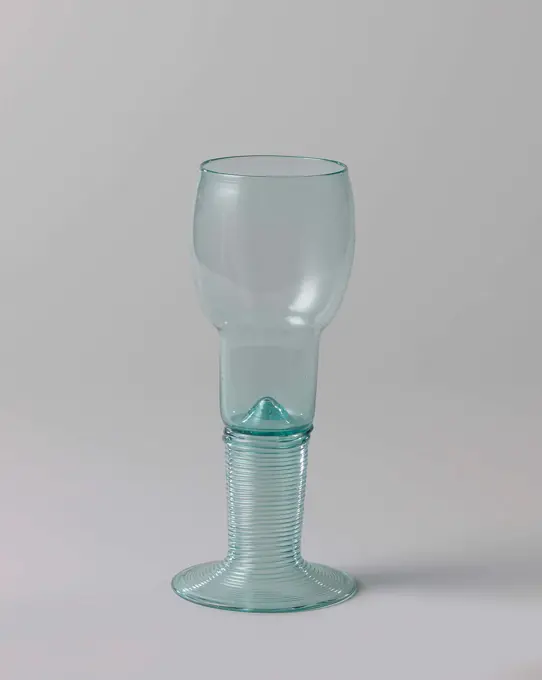
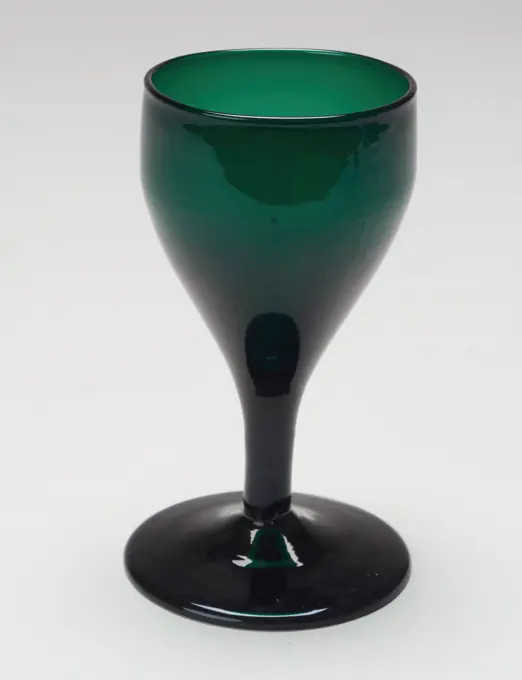
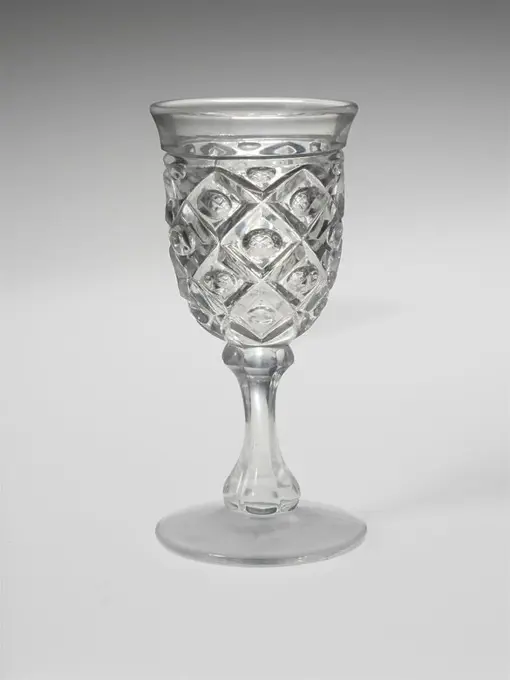
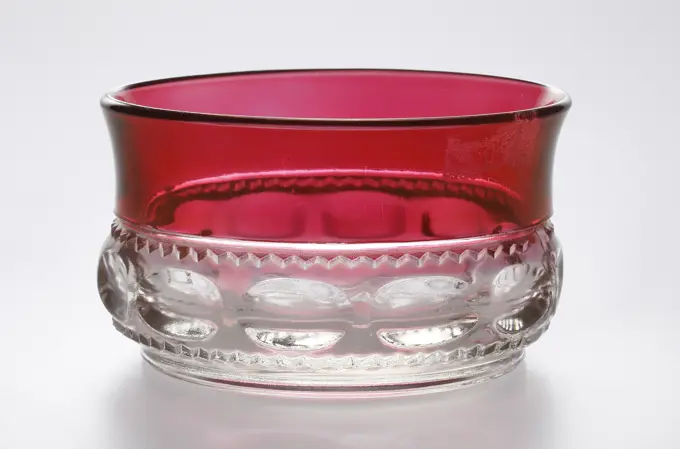
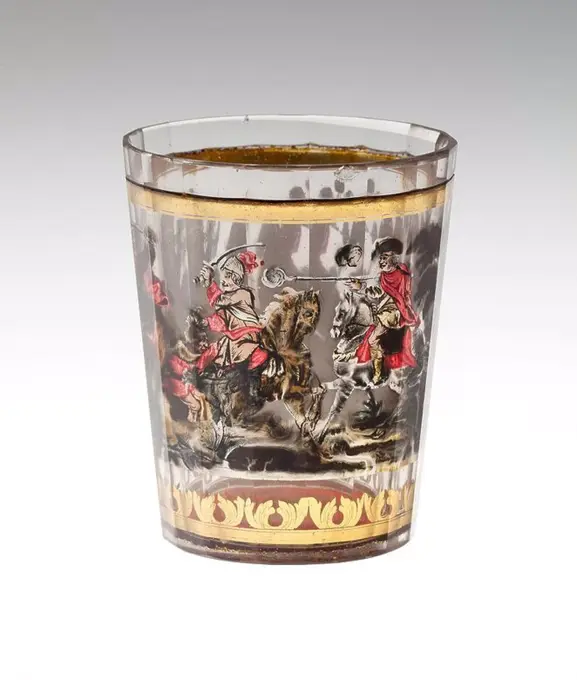
Decorative Glassware

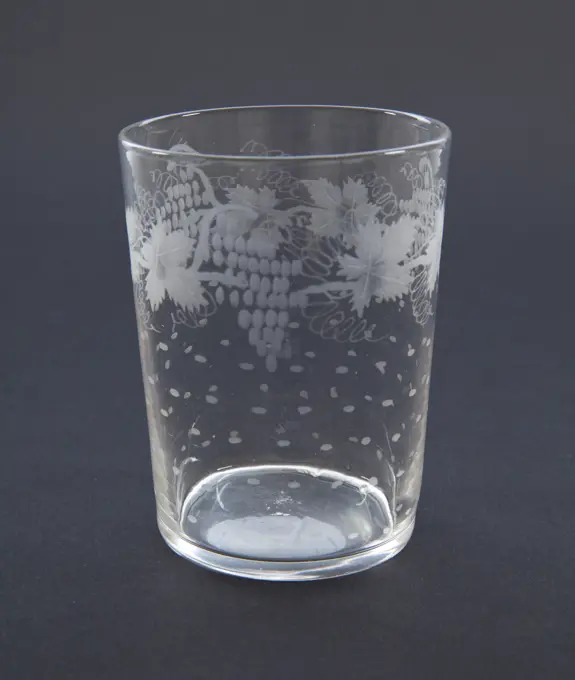
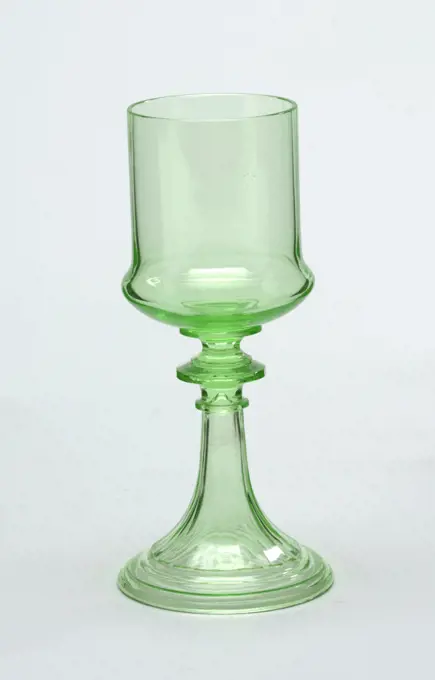
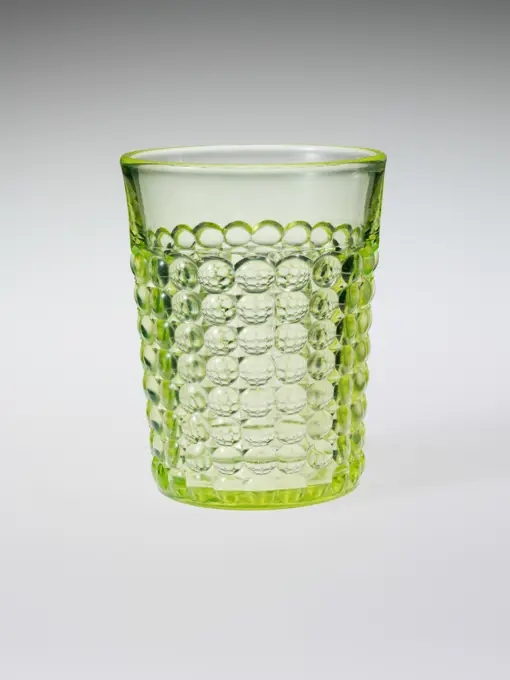
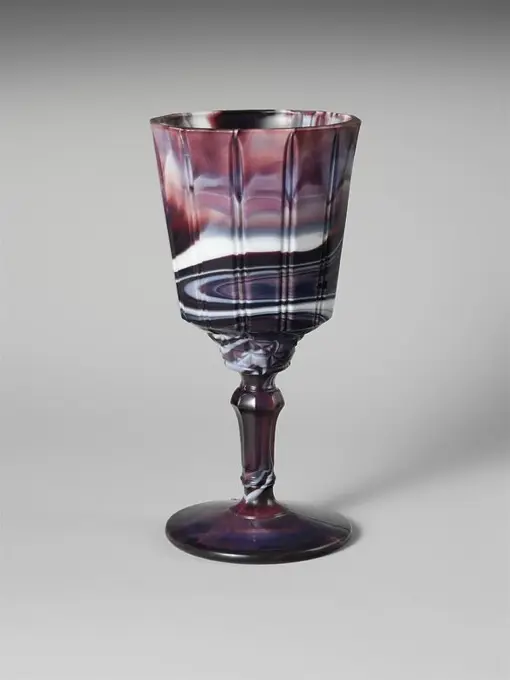
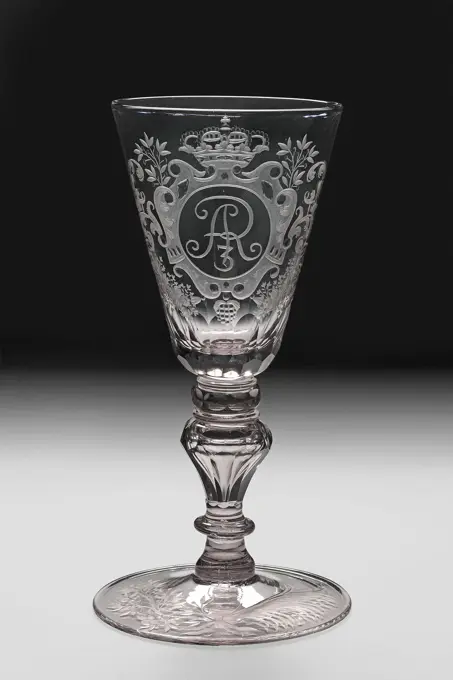
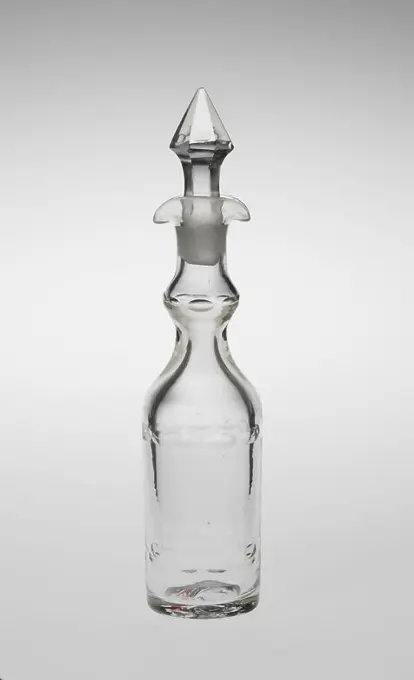
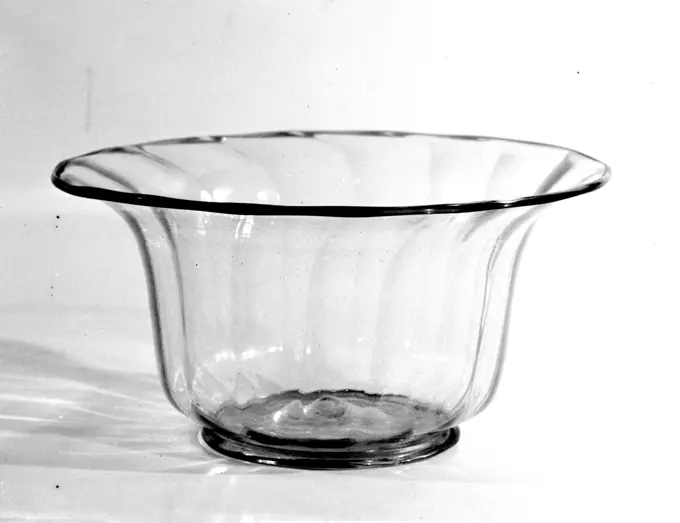
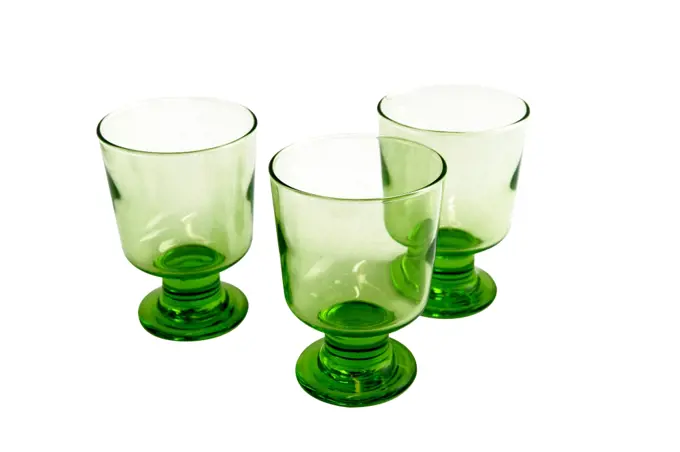
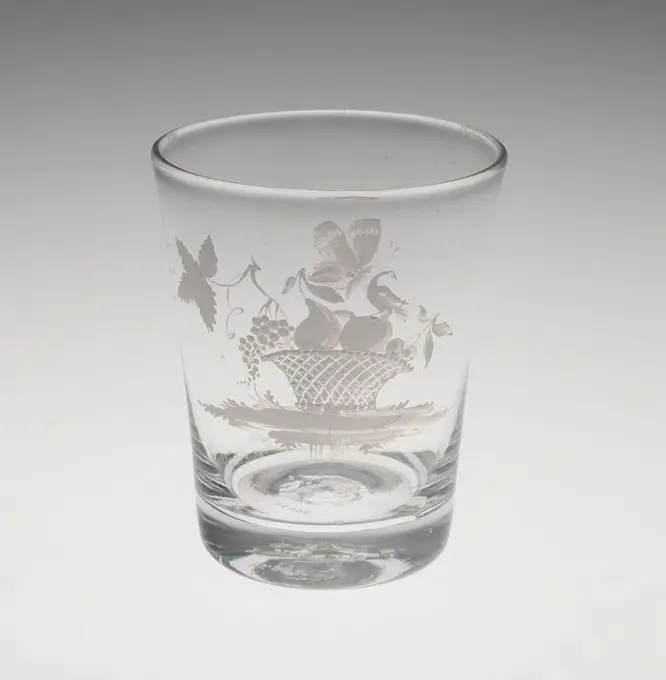
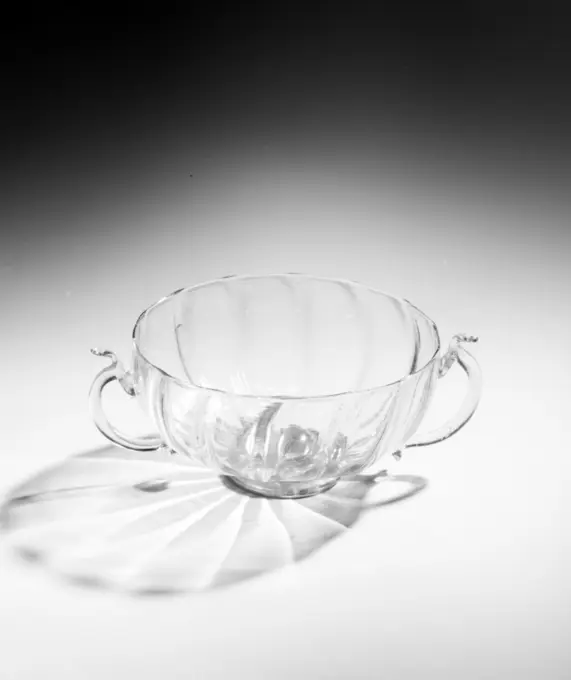
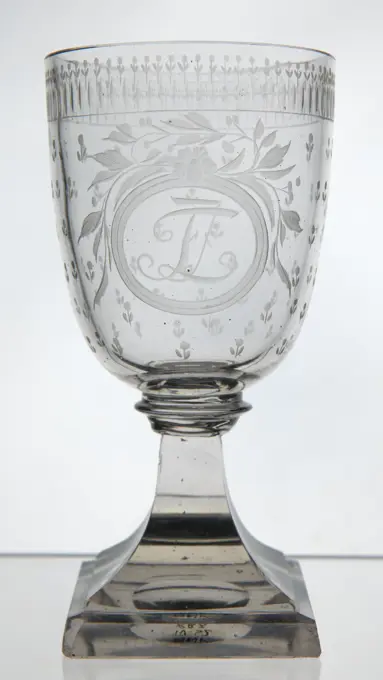
An assortment of elegant, vintage glassware including various types of glasses and their intricate designs, highlighting craftsmanship.
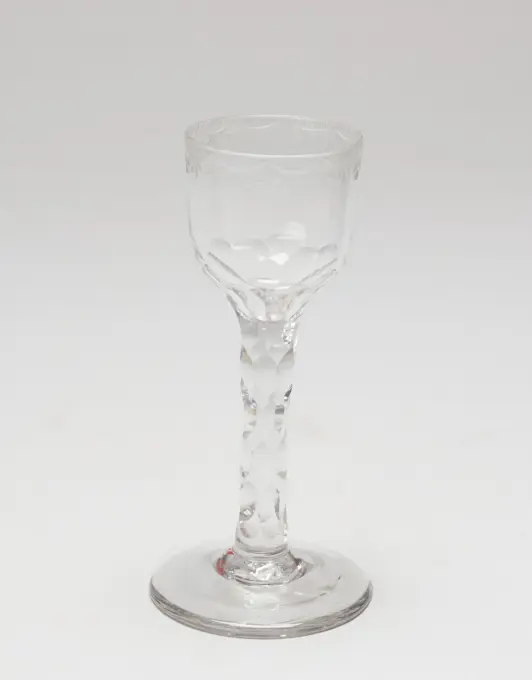
Cordial glass, c. 1770-1790, 5 5/8 x 2 3/4 x 2 3/4 in. (14.3 x 7.0 x 7.0 cm), Lead glass, England, 18th century
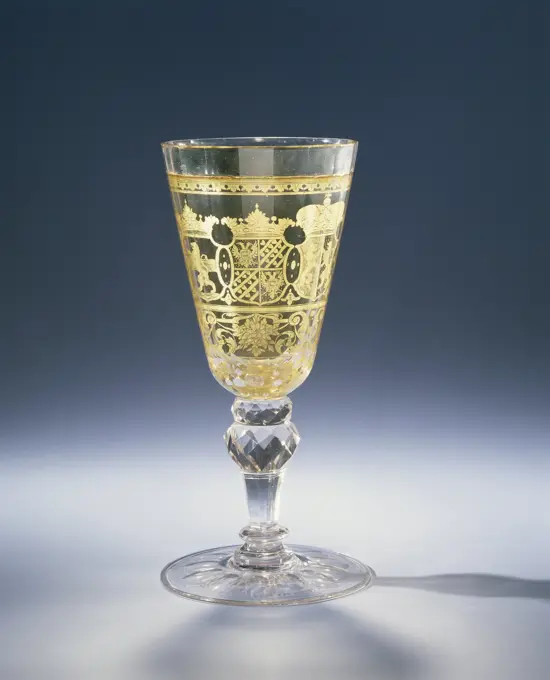
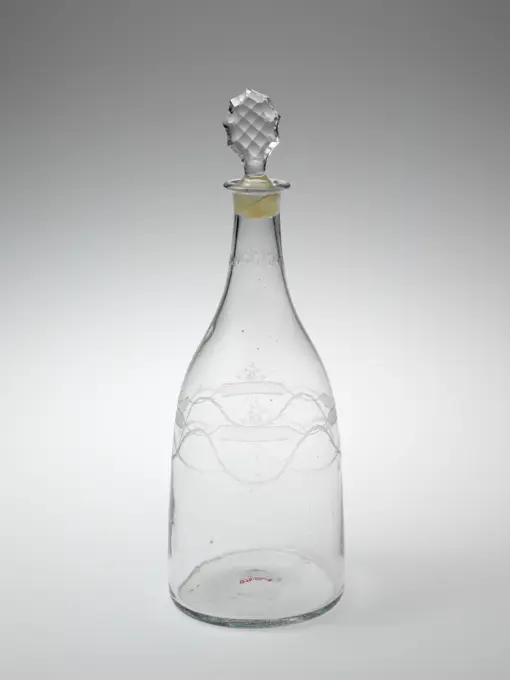
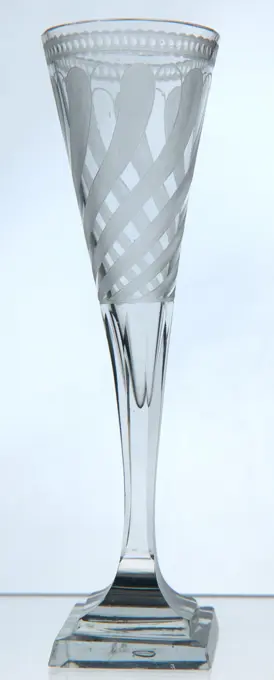
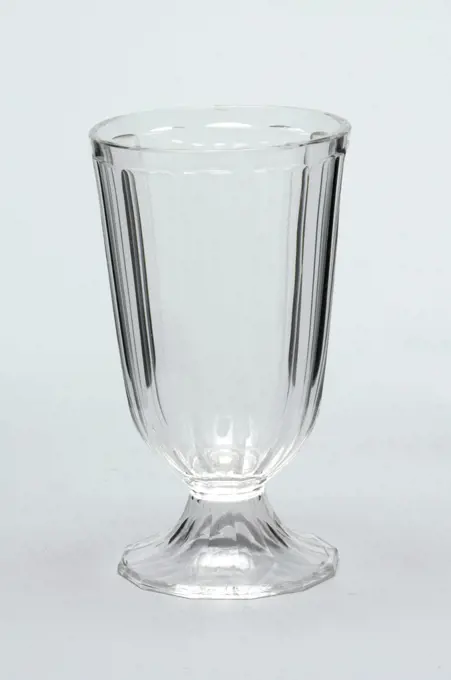
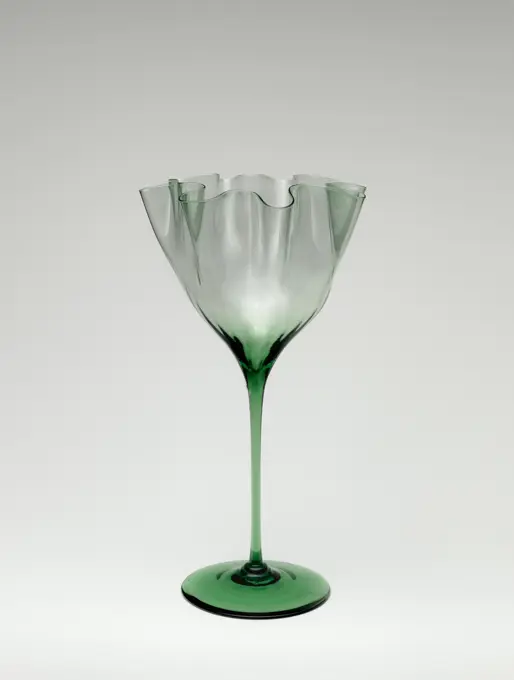
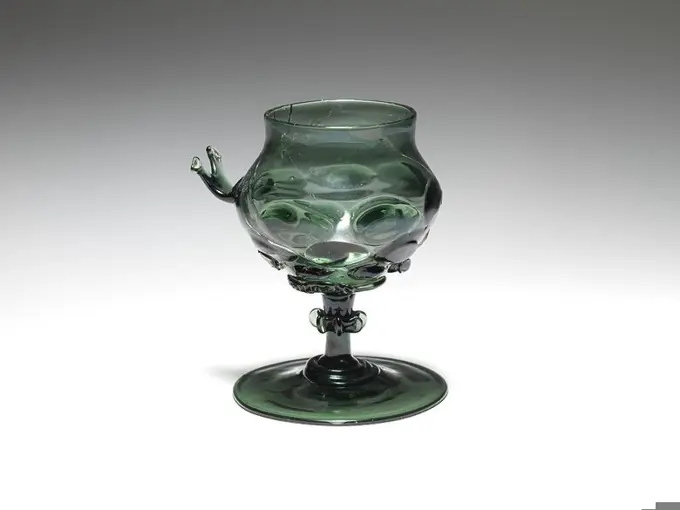
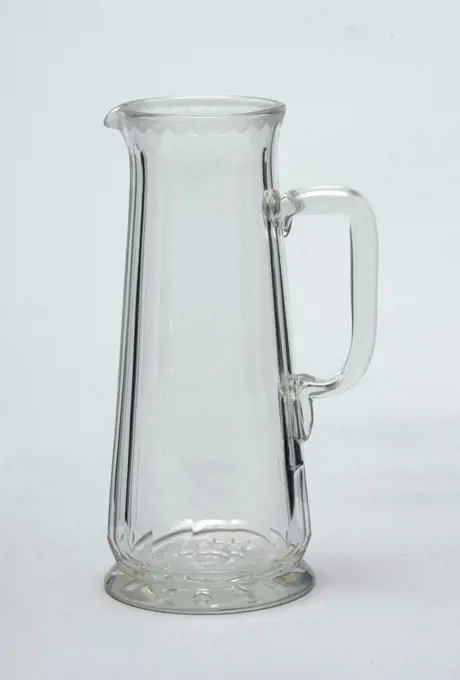
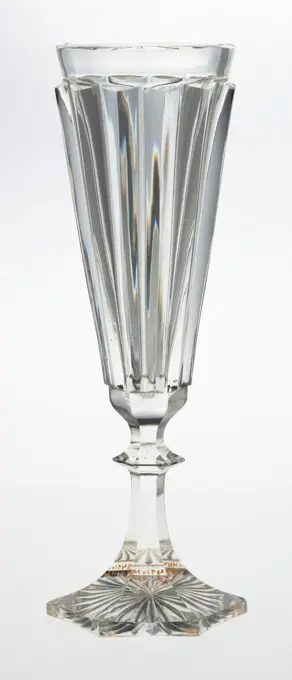
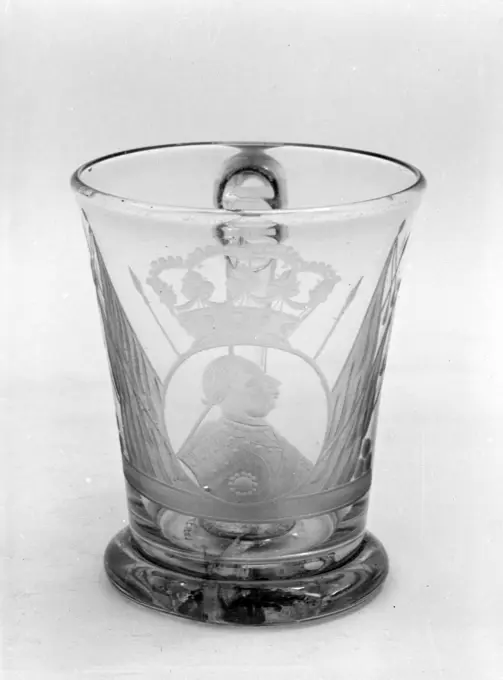
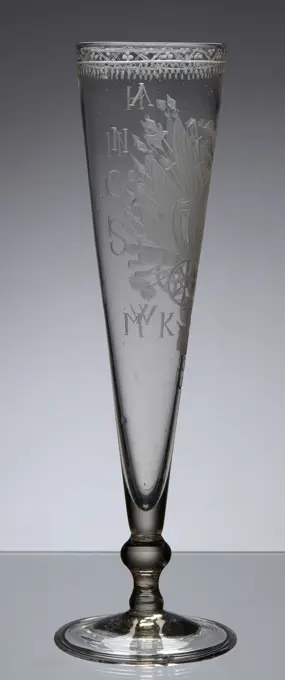
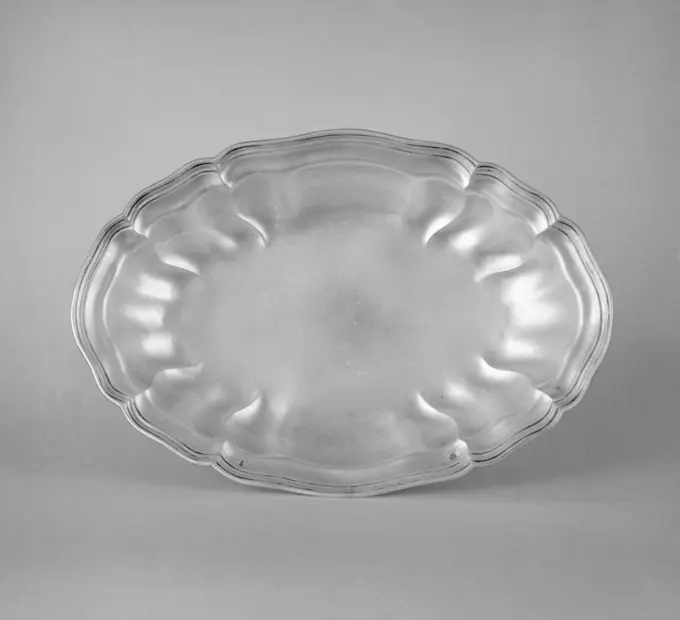
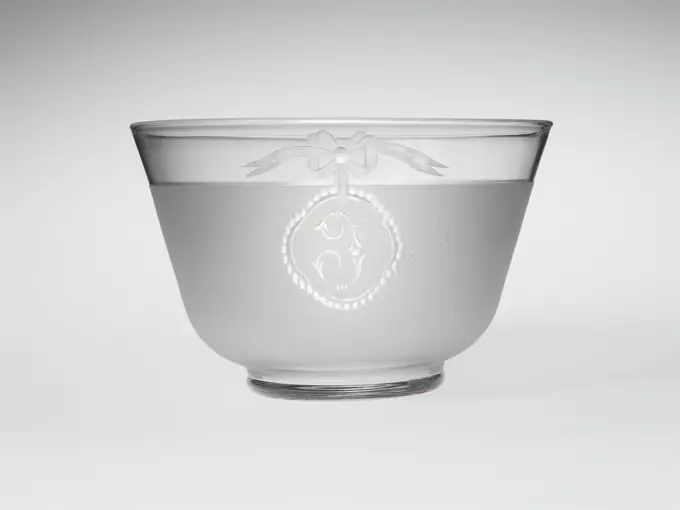
Wine glass, one of a set of ten, c. 1920, 8 1/4 x 3 1/4 in. (20.96 x 8.26 cm), Aventurine glass, Italy, 20th centuryH. C. Fry Glass Company, Compote, c. 1907, colorless lead glass.GlassNo. 103, Theophil Hansen, Dutch, 1813 - 1891, J. & L. Lobmeyr GmbH, Vienna, Austria, founded ca. 1935, Mouth-blown crystal, cut and polished ornaments, Mouth-blown crystal wine glass, cut and polished ornamental engraving in the 'Greek' style in green., 1866, glasswares, Decorative Arts, Rhine wine glass, Rhine wine glassNo. 104 Water Glass; Designed by Ludwig Lobmeyr (Austrian, 1829 - 1917); Manufactured by J. & L. Lobmeyr GmbH (Austria); Austria; mouth-blown crystal, cut and polishedGarbage bin isolated on the white backgroundCordial Glass ca. 1885-87 Probably Hobbs, Brockunier and Company. Cordial Glass. American. ca. 1885-87. Blown glass. Made in Wheeling, West Virginia, United StatesGlass Lausitzer glassworksRoemer with two rows of Braamnoppen, Anonymous, c. 1650 - c. 1700 Roemer with inserted bottom on Concave, spun from a wire. The bowl -shaped chalice, blown as a whole with the trunk, which is set with two rows of brambles. The transition from the chalice to the trunk indicated by a ribbed thread. Low Countries glass glassblowing Roemer with inserted bottom on Concave, spun from a wire. The bowl -shaped chalice, blown as a whole with the trunk, which is set with two rows of brambles. The transition from the chalice to the trunk indicated by a ribbed thread. Low Countries glass glassblowingTumbler ca. 1888 Richards and Hartley Flint Glass Co.. Tumbler 9149Goblet. Culture: American. Dimensions: H. 6 3/8 in. (16.2 cm). Maker: Challinor, Taylor and Company (1866-1891). Date: 1870-90. Museum: Metropolitan Museum of Art, New York, USA.Glass with ice isolated on white backgroundBeaker 1698 Bohemia. Glass .Carafe with spherical body with serrated ribs, anonymous, c. 1600 - c. 1800 Insented soul, printed spherical body transfersed into a straight neck with a smooth drip ring. On the body, serrated ribs, which are connected at the top by a ribbed band. The gilded copper stop engraved with a rosette. Northwest Europe glass. stop: copper (metal) gilding / glassblowing Insented soul, printed spherical body transfersed into a straight neck with a smooth drip ring. On the body, serrated ribs, which are connected at the top by a ribbed band. The gilded copper stop engraved with a rosette. Northwest Europe glass. stop: copper (metal) gilding / glassblowingRoemer without studs; Chiemhilde-Römer. Highly erected, spun base from a wire. Inserted soil. The egg-shaped chalice as a whole blown with the low stem.Wine glass, one of a set of twelve, 1780-1800, 5 x 2 5/8 x 2 5/8 in. (12.7 x 6.67 x 6.67 cm), Green glass, England, 18th-19th centuryCandelabrum ca. 1840 American or French. Candelabrum 1123Glass; Non -like Lona Huta; 1713 (1713-00-00-1713-00-00);Glass; Lobmeyr, J. & L. (Vienna; 1823-); 1920-39 (1920-00-00-1939-00-00);Kelkglas with three trumpet narcissus. Flat foot, slender, in the middle stem, crooked chalice, on which three yellow trumpet narcisses are painted. Along the edge of the foot and the chalice a gold-plated trim.Wine Glass. Culture: American. Dimensions: H. 4 7/16 in. (11.3 cm). Date: 1850-70.With the development of new formulas and techniques, glass-pressing technology had improved markedly by the late 1840s. By this time, pressed tablewares were being produced in large matching sets and innumerable forms. During the mid-1850s, colorless glass and simple geometric patterns dominated. Catering to the demand for moderately-priced dining wares, the glass industry in the United States expanded widely, and numerous factories supplied less expensive pressed glassware to the growing market. At the Exhibition of the Industry of All Nations at New York's Crystal Palace in 1853, for example, the New England Glass Company exhibited 130 pieces of one design, "consisting of bowls, tumblers, champagnes, wines, and jelly glasses." This object belongs to one such service. Although the glass manufactory is not known, the glassware is very typical of the large services that were very popular with America's miBottle with the inscription: The wine discovers the fair, anonymous, c. 1650 - c. 1700 Soul inserted. Spherical body, long slender neck with imposed ring around the neck. On the body Caligraphy inscription: The wine discovers it. glassblower: Low CountriesNorthern Netherlands glass glassblowing Soul inserted. Spherical body, long slender neck with imposed ring around the neck. On the body Caligraphy inscription: The wine discovers it. glassblower: Low CountriesNorthern Netherlands glass glassblowingNappy - Diamond Glass Company Limited, 1890-1902 Diamond Glass Company Limited, 1890-1902Close-up of an illuminated lamp, FranceGlass of drinking water isolated on a white backgroundCup-flet; Crystal glassworks (Naliboki; 1722-1862); 3 18th century (1751-00-00-1775-00-00);Glass Lausitzer glassworks. Roemer on trumpet-shaped slanted base. The chalice as a whole blown with the trunk that is busy with three blue bram buds. A ribbed wire on the transition from the trunk to the chalice.Lamp chimney -Wineglass 1700-1750 Italian, Venice or Dutch. Wineglass. Italian, Venice or Dutch. 1700-1750. Glass. GlassBokaal van Zwischengoldglas, with the weapons of the Seven Provinciën, Anonymous, c. 1740 - c. 1750 Flat base with turned around, cut at the bottom in oval interspersed by a double line. Double cuff, faceted, baluster -shaped tribe and nodus. Funnel -shaped, versatile chalice rounded at the bottom. In the bottom of the chalice a gilded medallion with windows surrounded by a border palmets. On the chalice in gold, under an edge of festons and leaf work, the weapons of the seven provinces between a smooth piping and an edge palmets. Kitrand approx. 1 cm below the top edge. Bohemia glass glassblowing / grinding Flat base with turned around, cut at the bottom in oval interspersed by a double line. Double cuff, faceted, baluster -shaped tribe and nodus. Funnel -shaped, versatile chalice rounded at the bottom. In the bottom of the chalice a gilded medallion with windows surrounded by a border palmets. On the chalice in gold, under an edge of festons and leaf work, the weapons of the seven prDecanter 1790-1810 Bohemian American consumers were drawn to imported blown-glass decanters from Europe, particularly from England. The interlaced garland that surrounds the thickest part of each decanter was one of the most popular patterns, cut into the glass with a copper wheel.. Decanter. Bohemian. 1790-1810. Blown, cut, and engraved glass. Made in Bohemia, Czech RepublicTwelve glasses with the figure of Louis-Philippe ". Cristal. Paris, Museum of romantic life. Threatening art, crown, crystal, royal emblem, dishes, glassFlakon; Weissbach (glassworks; 1617-1754), Weiberge (glassworks; post 1702-1754), Jeleniogórska Valley (engraving center; Ca 1600-); 1730-1740 (1730-00-00-1740-00-00);ChampagneGlass; Lobmeyr, J. & L. (Vienna; 1823-); 1920-39 (1920-00-00-1939-00-00);Glass; Non -like Lona Huta; 1. PO. 18th century (1700-00-00-1750-00-00);Empty wine glass. Isolated on a white background. With clipping pathNo. 98, Ludwig Lobmeyr, Austrian, 1829 - 1917, J. & L. Lobmeyr GmbH, Vienna, Austria, founded ca. 1935, Mouth-blown crystal, faceted cut and polished, Mouth-blown crystal water glass, elaborately facet-cut and polished, with precisely planned bubble in the stem., 1865, glasswares, Decorative Arts, Water glass, Water glassCandlestick (one of a pair) ca. 1780 British This candlestick is one of a pair with 24.132.10.. Candlestick (one of a pair). British. ca. 1780. Glass. GlassCup; Dresden (glassworks; 1699-Post 1756); 1736-1763 (1736-00-00-1763-00-00);August III (Polish King-1696-1763), Rusiecki-Ursyn, Stanisław (1862-1944)-collection, gift (provenance), monograms, rulerBottle. Dimensions: Overall: 7 9/16 in., 208 Grams (19.2 cm, 6.687 Troy Ounces)Base diameter: 1 11/16 in. (4.3 cm)Other (Height without stopper): 6 in. (15.2 cm). Date: 1700-1800. Museum: Metropolitan Museum of Art, New York, USA.Fruit bowl - Late Nugget Pattern Jefferson Glass Company, Limited Jefferson Glass Company, LimitedNo. 107 Fruit Bowl; Designed by Ludwig Lobmeyr (Austrian, 1829 - 1917); Manufactured by J. & L. Lobmeyr GmbH (Austria); Austria; mouth-blown crystal, facet-cut and polishedGlass; Lobmeyr, J. & L. (Vienna; 1823-); 1920-39 (1920-00-00-1939-00-00);Bowl possibly 18th century Italian, Venice (Murano). Bowl. Italian, Venice (Murano). possibly 18th century. Glass. GlassStoppered decanter, one of a pair, c. 1810-1820, 12 in. (30.48 cm), Glass, England, 19th centuryGlass; Lobmeyr, J. & L. (Vienna; 1823-); 1920-39 (1920-00-00-1939-00-00);Pierre Paraud, Pair of Candlesticks, 1798-1809, silver.Crystal Vase Crystal vase on a glass studio background Copyright: xZoonar.com/AndreyxSkatx 12313348speaksJar And Lid (Ireland); glass; H: 33cm (13in.); Bequest of Walter Phelps Warren; 1986-61-126-a,bJar And Lid (Ireland); glass; H: 33cm (13in.); Bequest of Walter Phelps Warren; 1986-61-127-a,bCup. Benjamin Pierpont; American, 1730-1797; Boston, Massachusetts. Date: 1788. Dimensions: 14.6 × 7 × 9.5 cm (5 3/4 × 7 × 3 3/4 in.). Silver. Origin: Boston. Museum: The Chicago Art Institute, Chicago, USA.Festive champagne fluteProbably Boston and Sandwich Glass Works, Toy Tumbler, c. 1830-c. 1850, teal green lead glass.Tumbler. Culture: American. Dimensions: H. 3 7/8 in. (9.8 cm); Diam. 2 1/2 in. (6.4 cm). Maker: Probably Hobbs, Brockunier and Company (1863-1891). Date: after 1886. Museum: Metropolitan Museum of Art, New York, USA.Tall-stemmed vase ca. 1890 Attributed to Harry Powell British This object is a very fine example of the series of vases designed by Harry Powell (grandson of the wine-merchant, James Powell, who had purchased the Whitefriars Glassworks in 1834). Harry Powells designs of the 1880s and ‘90s created a whole group of decorative vessels characterized by delicately irregular wavy-rimmed bowls and subtly tinted glass. The fineness of the glass, accentuated by the ruffles of the bowl, is inspired by Venetian cristallo. The fluid design of the delicately irregular bowl, seemingly organically born of nature like a flowers bloom, is testament to the skill of the Whitefriars glassmakers and to Powells confidence in their craftsmanship, achieved by holding the partially-shaped molten glass upside down on the blowpipe and swinging it out to create the natural form rather than by more conventionally manually manipulating the glass with a crimping tool. In this, this piece exemplifies the core phiChampagneWine Glass 1780-1825 American. Wine Glass. American. 1780-1825. Engraved blown lead glass. Possibly made in United StatesHedwig beaker, anonymous, c. 1100 - c. 1200 Glass, so -called Hedwig Cup or Hedwigglas. Smooth, set stand ring. Lightly inserted bottom with pontil brand. Conical body, sharpened in twelve areas, on which they remain in high -relief, an eagle, heraldic to the left, between two lions attributed to him, the heads shown frontally, the spectator twisted; Above the lions two triangular shields on which a triangle and a double triangle as a shield. The inner drawing in the lions is shown by line arcing, in the eagle through line and cross sarcing. At the bottom, the diamond is engraved as the glass of glass alt tausent jahr es pfalzgraf ludwig Philipsen Verehret War: 1643. Middle East glass glassblowing / grinding Glass, so -called Hedwig Cup or Hedwigglas. Smooth, set stand ring. Lightly inserted bottom with pontil brand. Conical body, sharpened in twelve areas, on which they remain in high -relief, an eagle, heraldic to the left, between two lions attributed to him, the heads shown frontalPALMATORIA DE CRISTAL.Czarka;  1. PO. 20th century (1901-00-00-1950-00-00);GlassFooted Cup with handle: Scheuer. Culture: German. Dimensions: 4 3/4 × 4 3/16 × 3 9/16 in. (12 × 10.6 × 9 cm)Diam. of foot: 3 1/2 in. (8.9 cm). Date: ca. 1500-1525.The shape of this drinking glass, with its forked handle, imitates that of more expensive cups of gold or silver. In metalwork, the protruding element was conceived as a thumb rest, allowing the drinker to steady the cup; the use of this same design for glass seems almost reckless. It is extraordinary that this fragile cup has survived. Museum: Metropolitan Museum of Art, New York, USA.No. 107, Ludwig Lobmeyr, Austrian, 1829 - 1917, J. & L. Lobmeyr GmbH, Vienna, Austria, founded ca. 1935, Mouth-blown crystal, facet-cut and polished, Mouth-blown crystal pitcher, elaborately facet-cut and polished., 1868, glasswares, Decorative Arts, Red wine pitcher, Red wine pitcherGlass;  around 1850 (1840-00-00-1860-00-00);Lamp Shade, 1907; Designed by Louis Comfort Tiffany (American, 1848-1933); Made by Tiffany and Co. (United States); favrile glassInner box of a butter fleet, Orivit, c. 1900 Inner box of a butter fleet, of undecorated glass. Germany glass Inner box of a butter fleet, of undecorated glass. Germany glassCoconut cup 17th-18th century probably German. Coconut cup 191250Three green glassesTraditional beer glass, empty, vector illustration isolated on white backgroundMaker Unknown, Cologne Bottle or Cruet and Stopper, colorless glass.Pickle jar -Vase. Culture: American. Dimensions: H. 7 1/8 in. (18.1 cm); Diam. 3 1/4 in. (8.3 cm). Maker: New England Glass Company (American, East Cambridge, Massachusetts, 1818-1888). Date: 1885-88. Museum: Metropolitan Museum of Art, New York, USA.Glass;  1920-39 (1920-00-00-1939-00-00);Beaker. England, Newcastle; Made by William Beilby (English, 1740-1819). Date: 1765-1775. Dimensions: H. 10.2 cm (4 in.). Glass. Origin: England. Museum: The Chicago Art Institute, Chicago, USA.Bowl 17th-18th century Italian, Venice (Murano) During the Renaissance, Venetian glassmakers, working on the island of Murano, were celebrated across Europe for their fine and sparkling work. Called cristallo” emulating the clarity of rock crystal, in the hands of the most skilled glassblowers the medium could be delightfully manipulated, variously stretched paper-thin flat, or playfully twisted, or blown into molds with spectacular patterns.. Bowl. Italian, Venice (Murano). 17th-18th century. Glass. GlassCupDecanter. Culture: British or Czech. Dimensions: Overall without stopper: H. 9 5/16 in. (23.7 cm); Diam. 3 3/4 in. (9.5 cm). Date: 1790-1810.American consumers were drawn to imported blown-glass decanters from Europe, particularly from England. The interlaced garland that surrounds the thickest part of each decanter was one of the most popular patterns, cut into the glass with a copper wheel. Museum: Metropolitan Museum of Art, New York, USA.Mug with portrait of Frederick I (1688-1740), King of Prussia (1713-40) ca. 1700-1740 German, Potsdam or Zechlin. Mug with portrait of Frederick I (1688-1740), King of Prussia (1713-40). German, Potsdam or Zechlin. ca. 1700-1740. Glass; coin. GlassPrzeszo Przyszoci unknownCompote - Burlington Glass Works Burlington Glass WorksBeaker late 17th century German, Nuremberg. Beaker. German, Nuremberg. late 17th century. Glass. GlassOval dish 1767-69 Christian Drentwett II. Oval dish 206271Finger Bowl 1830-70. Finger Bowl 3607Covered vegetable dish, c. 1840, Attributed to Boston and Sandwich Glass Company, American, Sandwich, Massachusetts, 1825-1888, 5 1/2 x 10 1/2 x 8 9/16in. (14 x 26.7 x 21.8cm), Pressed glass, United States, 19th centuryvase isolated on a white background. vase isolatedPiece of conviction belonging to the official report against H.A. van Meegeren, Anonymous, c. 1400 - c. 1950  Large Roemer with inserted bottom on a conical base spun from a wire. Egg -shaped chalice as a whole blown with a cylindrical trunk set with four rows of blackberry buttons. A Talon is attached to the trunk, sealed with red lacquer with printed and typed text. The Hague cardboard. paper. glass. lacquer (coating). rope writing (processes) / printing / glassblowingSoda bottle -Glass; Lobmeyr, J. & L. (Vienna; 1823-); 1920-39 (1920-00-00-1939-00-00);Milk bottle - Laiteries des Producteurs Inc. Laiteries des Producteurs Inc.Close-up of gilt-decorated Moroccan tea glassesSet of dishes: tincture, three glasses larger and three glasses smaller W Cewicz, Janina, Economic Huta ZawiercieGlass. Warsztat Mistrza szklanicy Kouli (ca 1700), glass engraver, Weissbach (huta szkła ; 1617-ante 1754), creatorVase late 17th-early 18th century China. Vase. China. late 17th-early 18th century. Porcelain with trace of gild decoration over mirror black glaze (Jingdezhen ware). Qing dynasty (1644-1911), Kangxi period (1662-1722). CeramicsBeaker. Bohemia, Czech Republic. Date: 1725-1735. Dimensions: 8.9 × 7.5 cm (3 1/2 × 2 15/16 in.). Glass. Origin: Bohemia. Museum: The Chicago Art Institute, Chicago, USA.Traditional wine glass pitcher with Wine glass and Crystal decanter and Glass stopper in Square wooden frame Interior. Crystal and glassware set, Selective focus.Beaker.   Maker: Robert Fairchild, 1703-1794Beer glasses isolated on the white background