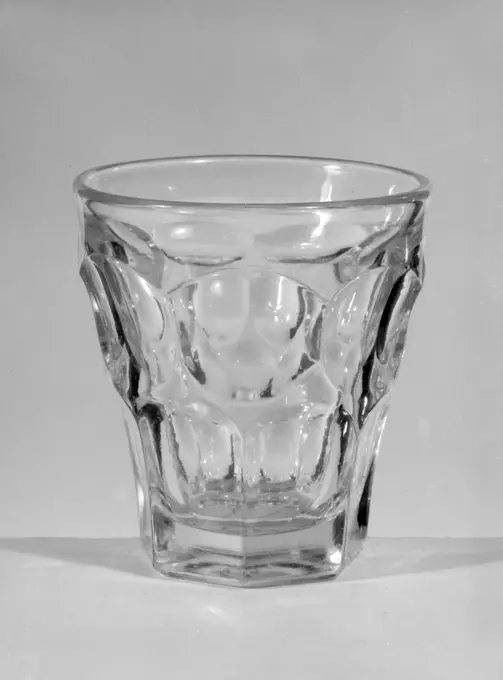
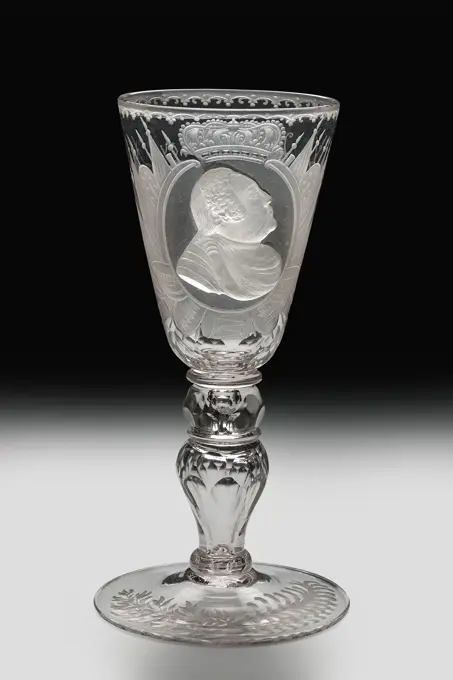
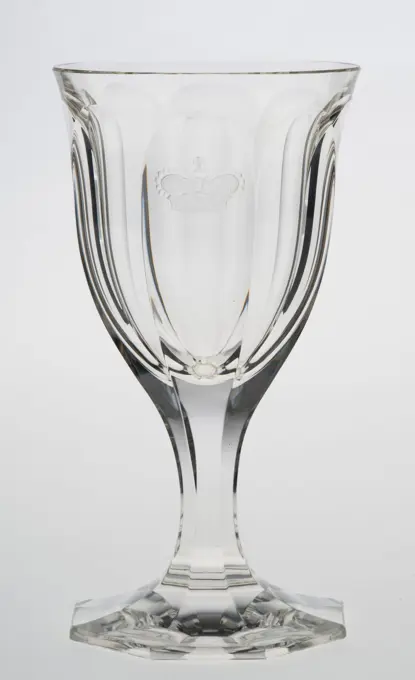
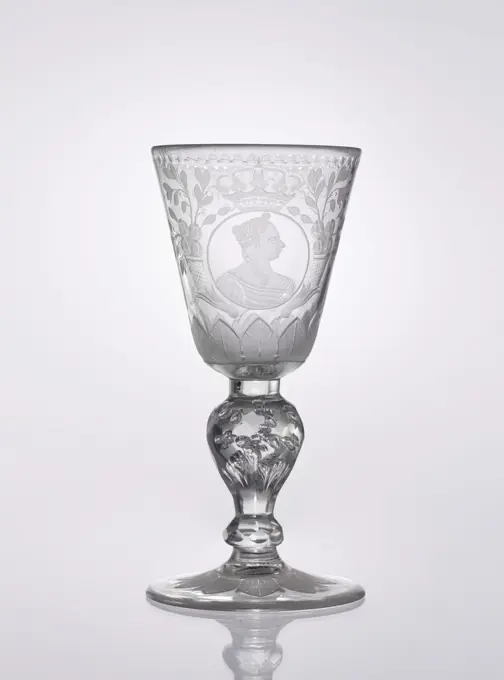
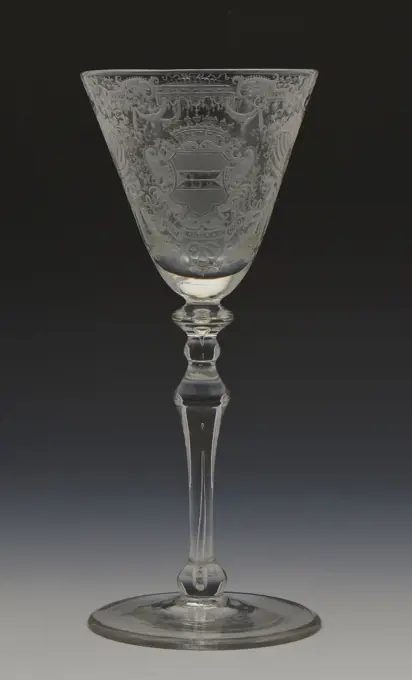
Decorative Glassware

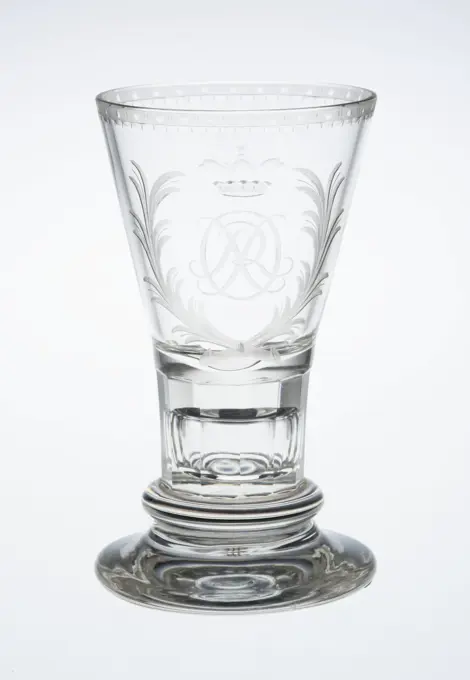
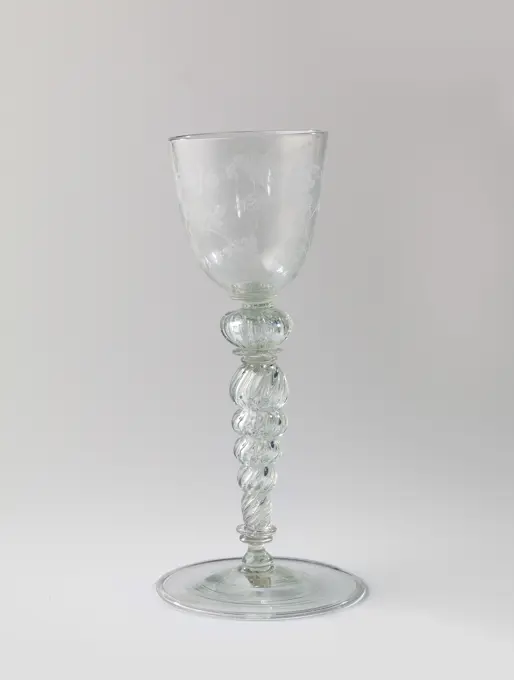
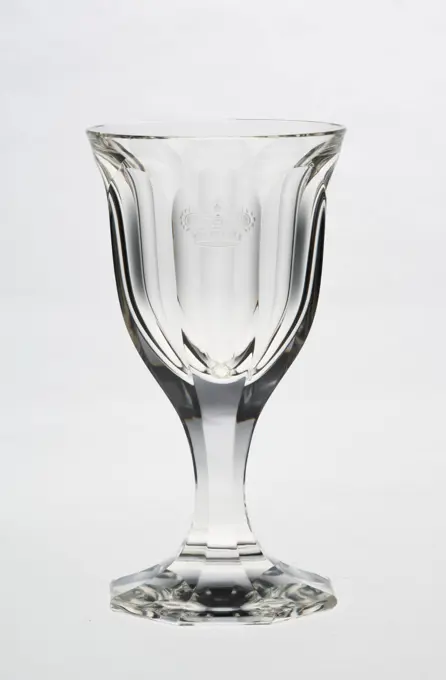
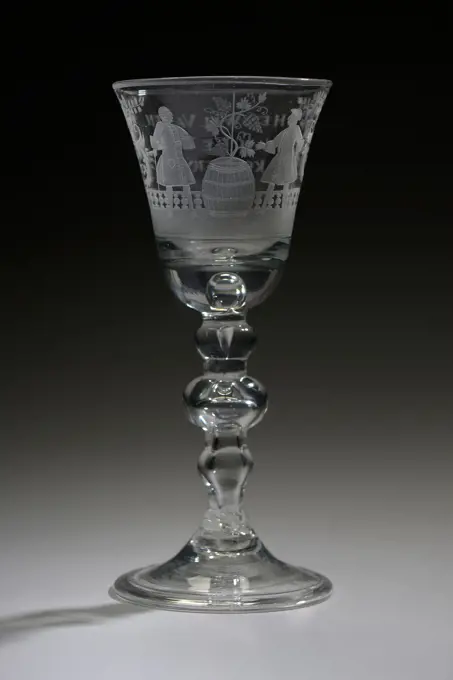
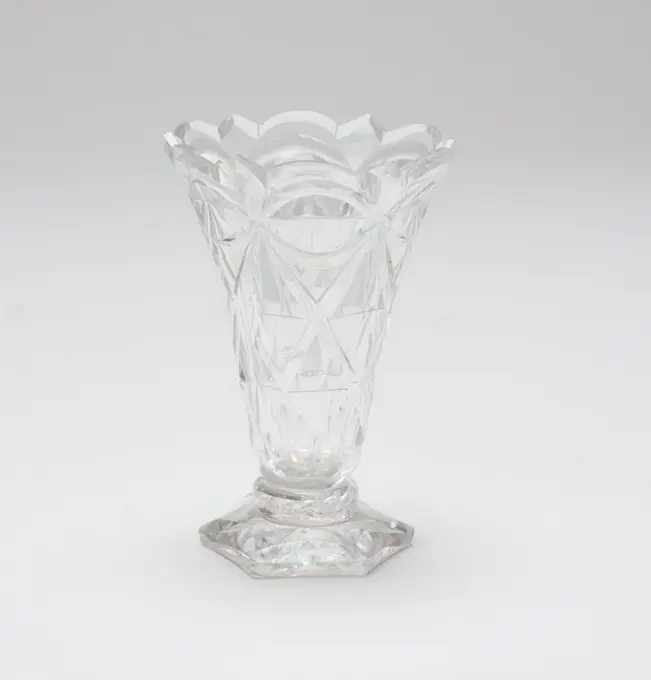
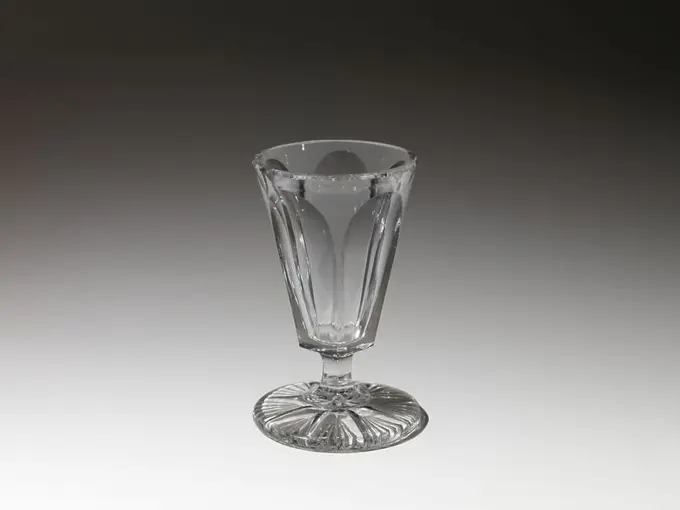
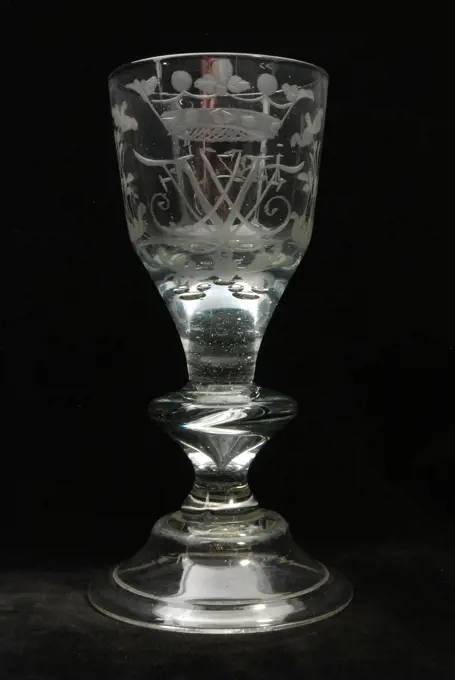
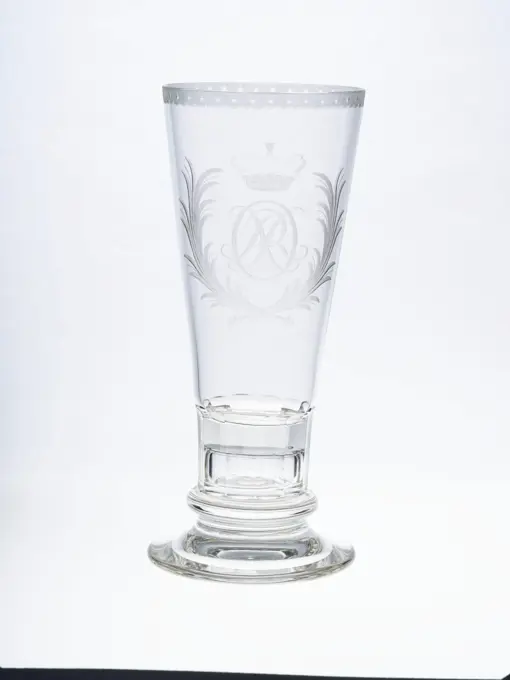
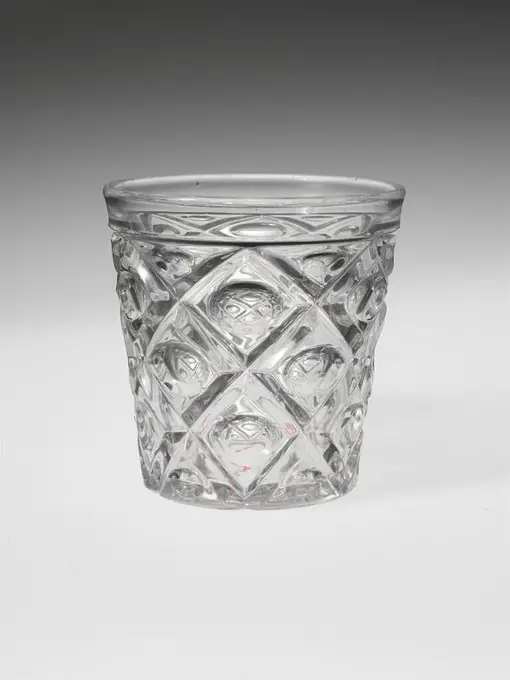
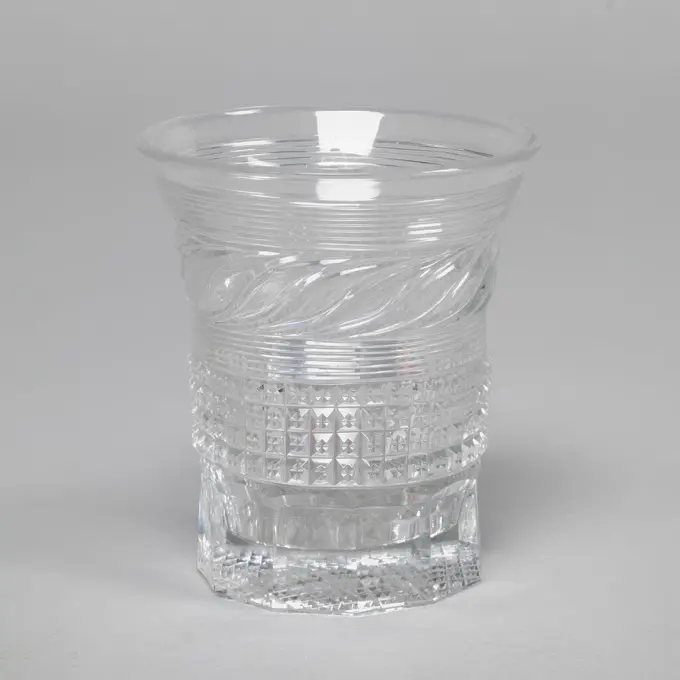
An assortment of elegant, vintage glassware including various types of glasses and their intricate designs, highlighting craftsmanship.
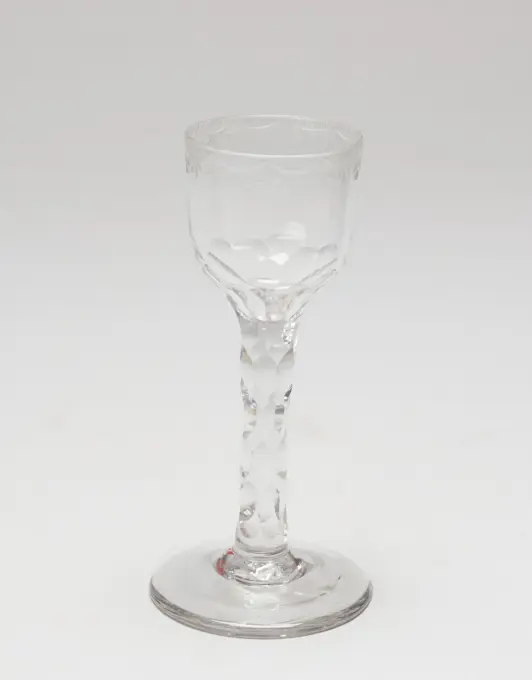
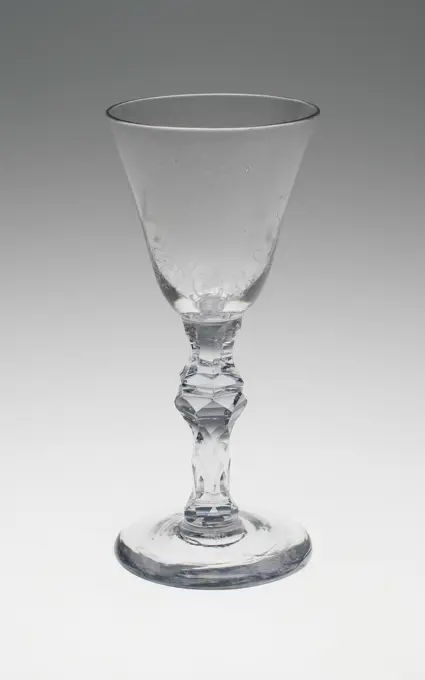
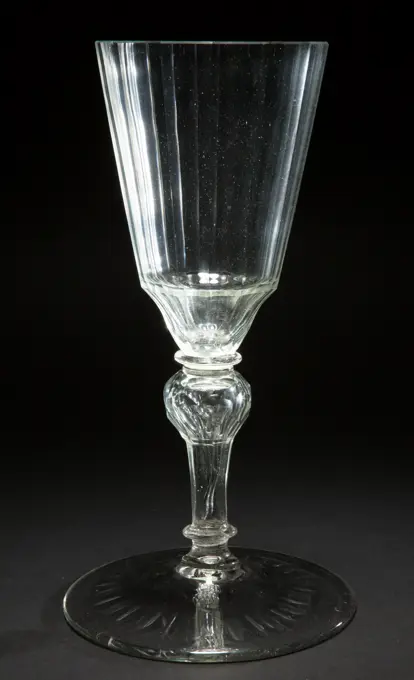
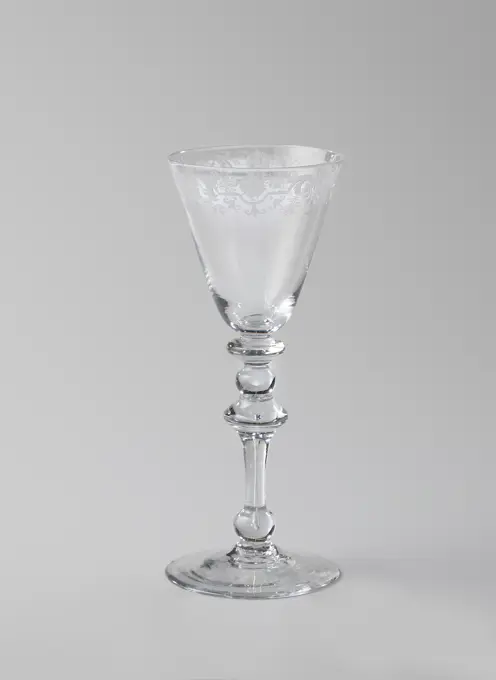
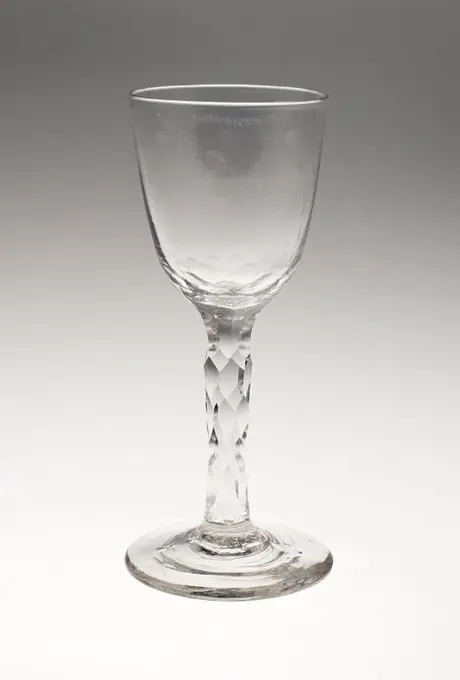
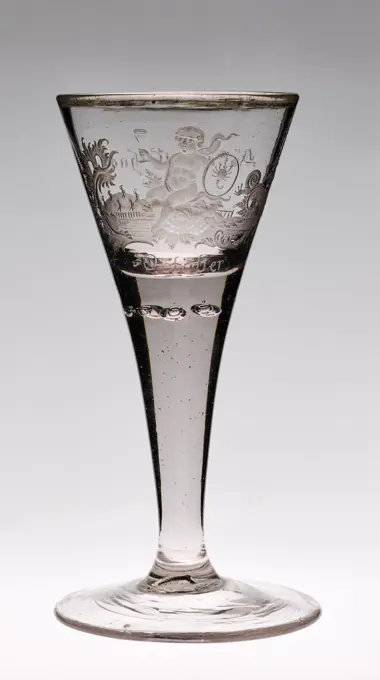
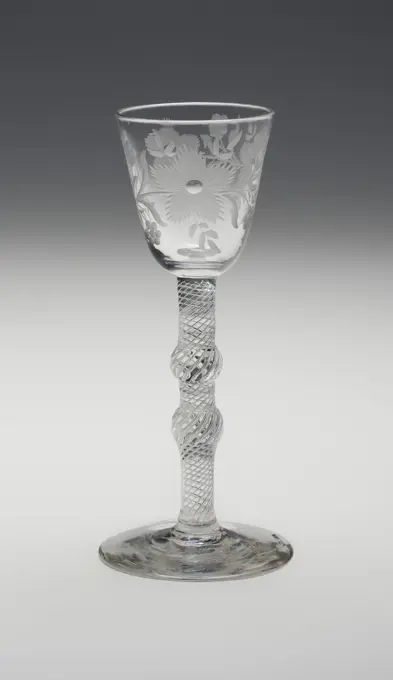
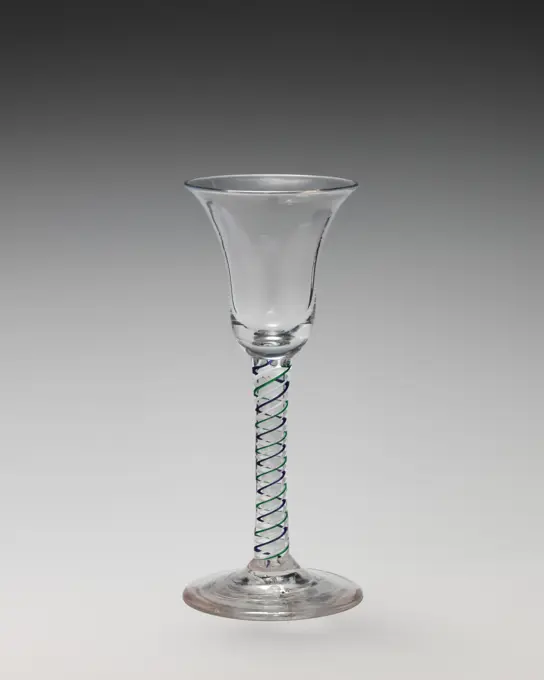
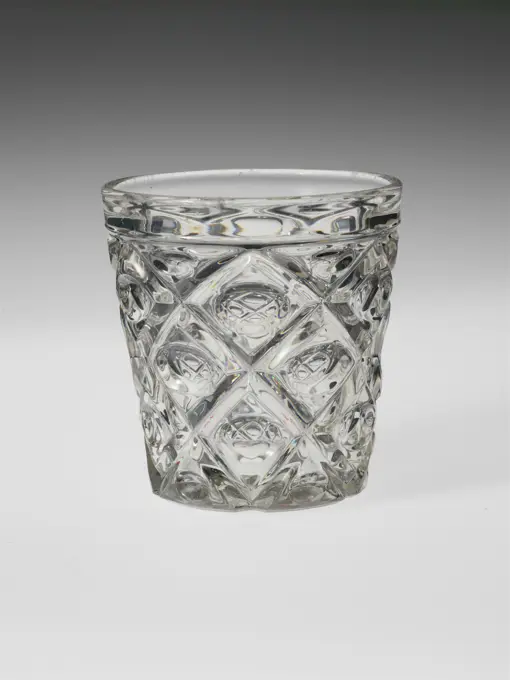
Cordial glass, c. 1770-1790, 5 5/8 x 2 3/4 x 2 3/4 in. (14.3 x 7.0 x 7.0 cm), Lead glass, England, 18th century
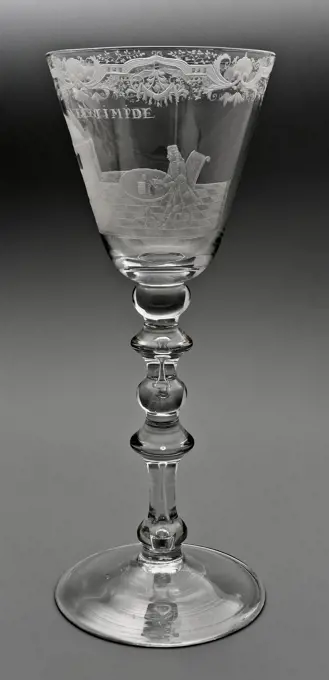
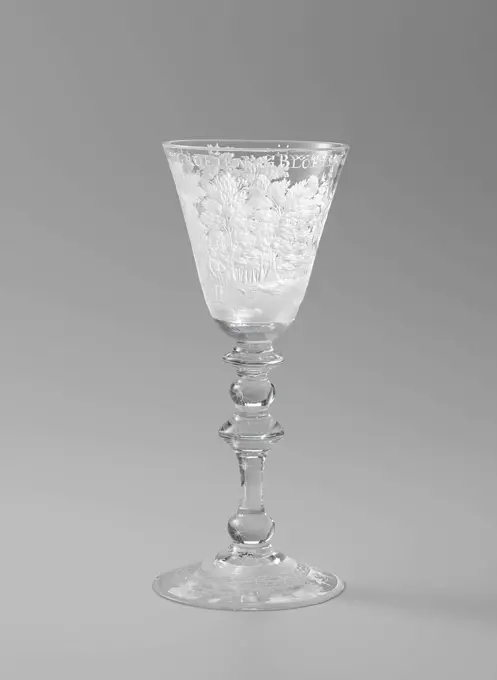
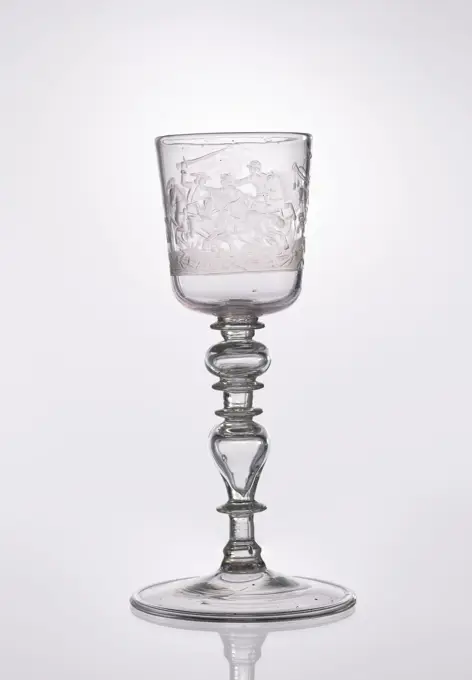
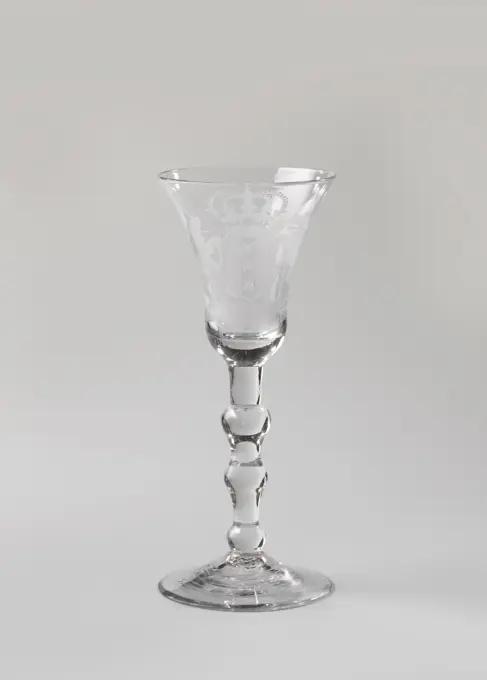
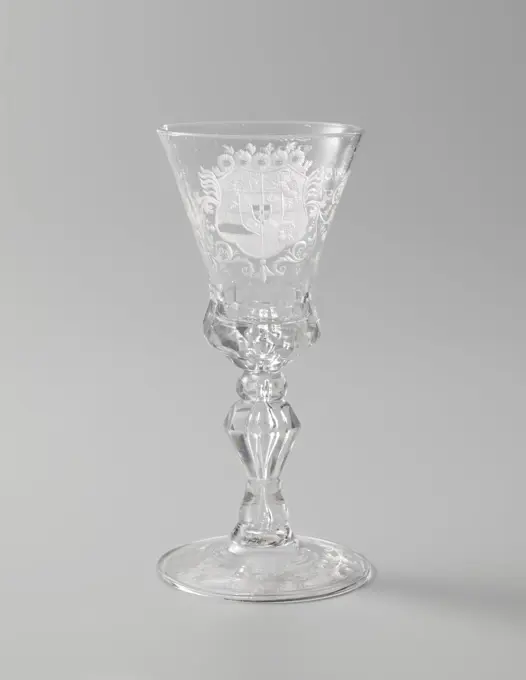
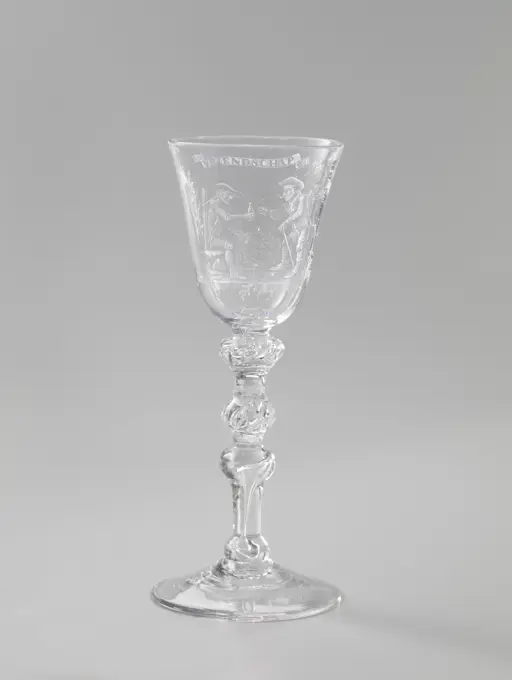
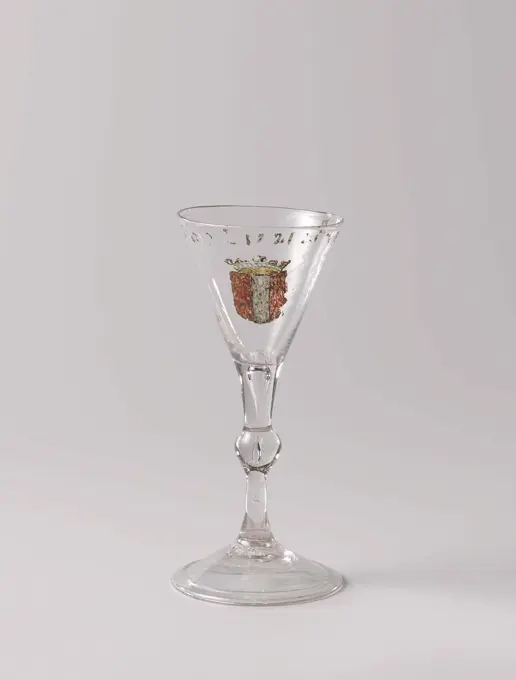
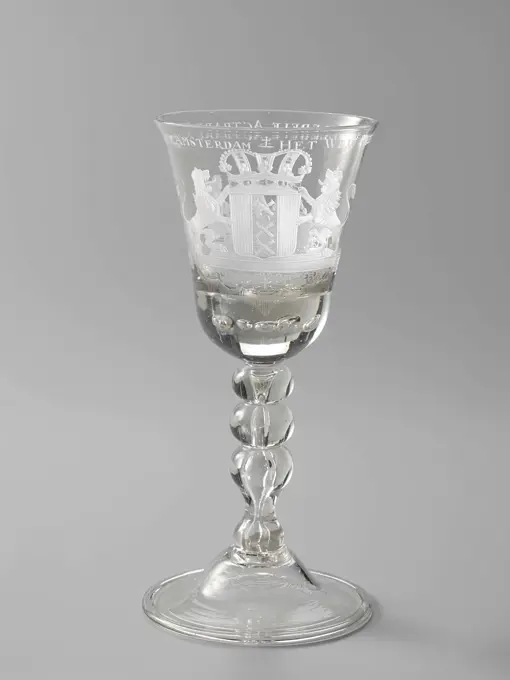
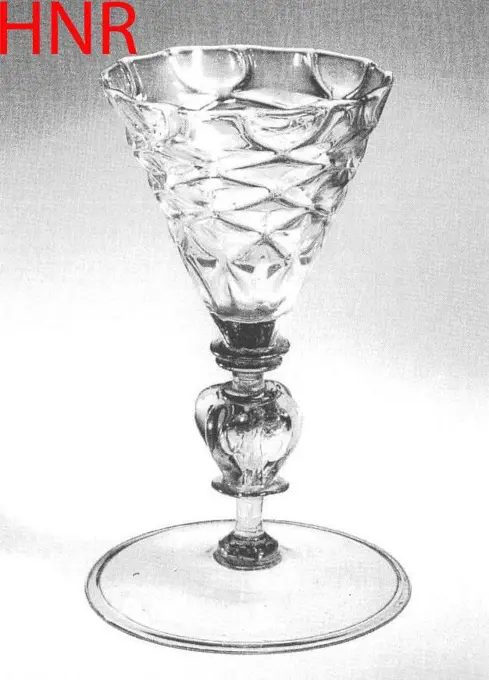
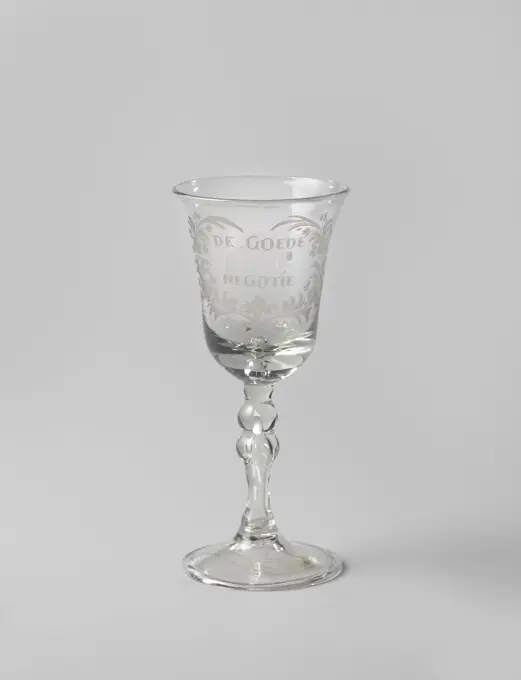
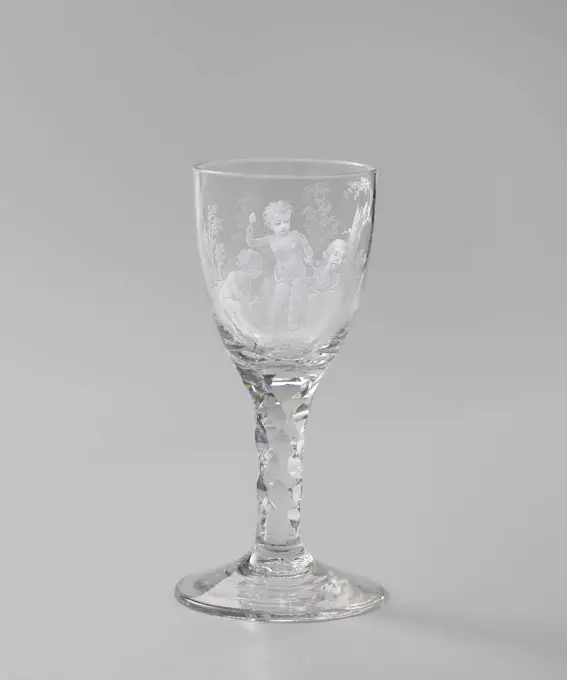
.Sling glass with bell -shaped calyx, anonymous, c. 1750 - c. 1775 Slinger glass with flat foot and straight trunk. In the trunk, white garlands swinging around, white network spiral. Bell -shaped chalice. England glass glassblowing Slinger glass with flat foot and straight trunk. In the trunk, white garlands swinging around, white network spiral. Bell -shaped chalice. England glass glassblowingWine glass with an Allegory of Friendship, anonymous, c. 1775 - in or before 1798 Conical foot. Smooth, broadening tribe, transferring to a curved chalice. On the chalice, in a landscape with trees, a man with a hat shaking a woman while he raises a glass. Above the show The text: Friendship. glassblower: EnglandNorthern Netherlands glass glassblowing Conical foot. Smooth, broadening tribe, transferring to a curved chalice. On the chalice, in a landscape with trees, a man with a hat shaking a woman while he raises a glass. Above the show The text: Friendship. glassblower: EnglandNorthern Netherlands glass glassblowingSling glass with bell -shaped calyx, anonymous, c. 1750 - c. 1775 Slingerlas with conical foot and balust raw trunk. In the trunk, white pendulum around white network spiral. Bell -shaped chalice. England glass glassblowing Slingerlas with conical foot and balust raw trunk. In the trunk, white pendulum around white network spiral. Bell -shaped chalice. England glass glassblowingVase with two couplets of the national anthem Wien Neerlandsch Blood, Anonymous, 1856 Flat. Short trunk with one disk. High, tulip -shaped chalice, on which in and etched rectangle under the head folk song two couplets of whom Neerlandsch blood have been saved. Probably a test piece for BK-KOG-1594. Glassblower: Franceamsterdam glass etching / glassblowing Flat. Short trunk with one disk. High, tulip -shaped chalice, on which in and etched rectangle under the head folk song two couplets of whom Neerlandsch blood have been saved. Probably a test piece for BK-KOG-1594. Glassblower: Franceamsterdam glass etching / glassblowingChalip glass with the coat of arms of the city of Utrecht, Anonymous, c. 1725 - c. 1750 Vaulted foot with turned around and pontil brand. Octagonal stam with a knot. Conical chalice with rounded thickened soil, in which an bubble is stabbed. On the chalice, the crowned weapon of the city of Utrecht is engraved with two standing lions as shield carriers. Above it says in Gothic letters, Welvaren van Utregt 'on the downside, two men wear a grape voucher on a stick. Glassblower: Englandual right glass glassblowing Vaulted foot with turned around and pontil brand. Octagonal stam with a knot. Conical chalice with rounded thickened soil, in which an bubble is stabbed. On the chalice, the crowned weapon of the city of Utrecht is engraved with two standing lions as shield carriers. Above it says in Gothic letters, Welvaren van Utregt 'on the downside, two men wear a grape voucher on a stick. Glassblower: Englandual right glass glassblowingWineglass probably ca. 1780 British. Wineglass. British. probably ca. 1780. Glass. GlassCordial glass, c. 1770-1790, 5 5/8 x 2 3/4 x 2 3/4 in. (14.3 x 7.0 x 7.0 cm), Lead glass, England, 18th centuryCupBeaker 1720-1730 Bohemia. Glass .Bowl with the weapon of Willem IV. Ball of bright, colorless glass with the crowned coat of arms of Stadtholder Prince Willem IV and the English crown and inscription Honi SOIT QUI MAL Y PENSEChalice, occasional glass, engraved with depiction of sick man, notary and NEC TEMERE NEC TIMIDE, wine glass drinking glass drinking utensils tableware holder glass lead glass, gram free-blown and shaped radgraving polishing goblet glass wineglass in clear colorless lead glass. Pontil mark under round light ascending hollow base In two parts built balustere each part with continuous air bubble Five knots: bulb above foot double conical button bulb double conical button bulb to chalice. Bottom-shaped, tapered chalice with rounded edge, rounded to the bottom. Along the top of the chalice an engraved rim of light, strapwork shells, tendrils and flower garlands in which cut rounds. Inscription NEC TEMERE NEC TIMIDE in capitals Engraving over half of the chalice: man with nightcap and wig on four poster bed with double mattress; aside man ie notary on four leg chair at treadmill table writing on foliovel; on the table (urine) bottle basket for transporting the bottle and inkwell; floor coveKelkglas with the house between district and the inscription: 't grow and flourish from intermediate district. Conical foot. Baluster-shaped trunk buttons. Conical chalice with rounded soil. On the chalice, surrounded by trees, a house with four windows and a Dutch facade, make a vase on a pedestal. At the end of the driveway an open fence with hive on the pillars. The name between the pillars. Left of the fence a gazebo, right, in a forest with rabbits, a shepherd with a staff and two dogs. Along the mouth edge the text: 't grow and bloom from intermediate district. On the foot a continuous leaf branch and a bond with stars.Cup; Unfolded author, indefinite Lona Huta; horse. XVII century (1680-00-00-1700-00-00);genre scenesKelkglas with an ornament edge. Conical foot. Baluster-shaped strain with four buttons and an extended air bubble. Funnel-shaped chalice with rounded bottom. On the chalice, along the mouth edge, a symmetrical ornament edge composed of band work, volutes, tendrils, bells and rosettes.Wine glass, anonymous, c. 1725 - c. 1750 Vaulted foot. Slim baluster tribe with three knots and air bubbles. The conical chalice with a rounded base is entirely decorated with band and leaf work, with flower garlands and at the top of palmets between which the weapons of the seven provinces within circles. glassblower: Low CountriesNorthern Netherlands glass glassblowing Vaulted foot. Slim baluster tribe with three knots and air bubbles. The conical chalice with a rounded base is entirely decorated with band and leaf work, with flower garlands and at the top of palmets between which the weapons of the seven provinces within circles. glassblower: Low CountriesNorthern Netherlands glass glassblowingChalip glass with the coat of arms of Karel Christiaan, prince of Nassau Weilburg, Anonymous, c. 1760 - c. 1775 Chalip glass with the crowned weapon of Karel Christiaan, prince of Nassau Weilburg (1735-1788) in a round shield flanked by two crowned lions. glassblower: Low CountriesAmsterdam glass glassblowing Chalip glass with the crowned weapon of Karel Christiaan, prince of Nassau Weilburg (1735-1788) in a round shield flanked by two crowned lions. glassblower: Low CountriesAmsterdam glass glassblowingWine glass, 18th-19th century, 4 1/8 x 2 5/8 x 2 5/8in. (10.5 x 6.7 x 6.7cm), Glass, United States, 18th-19th centuryGlass; Lobmeyr, J. & L. (Vienna; 1823-); 1920-39 (1920-00-00-1939-00-00);Bokaal with the coat of arms of the city of Amsterdam, c. 1725 - c. 1750 Bokaal with conical foot. Balus -shaped trunk with three knots. On the bell -shaped chalice the crowned weapon of the city of Amsterdam, flanked by two lions. A radiant sun on the downside. glassblower: Low CountriesNorthern Netherlands glass glassblowing Bokaal with conical foot. Balus -shaped trunk with three knots. On the bell -shaped chalice the crowned weapon of the city of Amsterdam, flanked by two lions. A radiant sun on the downside. glassblower: Low CountriesNorthern Netherlands glass glassblowingWine glass with a man holding a Berkemeyer, anonymous, 1724 Conical foot. Balus -shaped trunk with four knots and a tear -shaped bubble. Conical, chalice rounded at the bottom. On the chalice a portrait of a man in half with a hat on the head, in the left hand a birched man. In the background a garden vase and a bunch of grapes on a pedestal, a drapery and a double column. On the basement of the column, the spell is commemorated. Signed on the underside of the chalice F: Greenwd. 1724. glassblower: EnglandDordrechtafter print by: Amsterdamafter painting by: Netherlands glass glassblowing Conical foot. Balus -shaped trunk with four knots and a tear -shaped bubble. Conical, chalice rounded at the bottom. On the chalice a portrait of a man in half with a hat on the head, in the left hand a birched man. In the background a garden vase and a bunch of grapes on a pedestal, a drapery and a double column. On the basement of the column, the spell is commemorated. Signed on the underside of the Kelkglas with the former R.K. Orphanage to lead. Vaulted foot. Baluster trunk with buttons, air bubbles and a disc. On the conical chalice the former R.K. Orphanage to Leiden, the weapon of Leiden and the spell: the welfare grow true where ingragt blooms. Signed: Jacob Sang Fec. 1769.Wine Glass. England or Netherlands. Date: 1775-1799. Dimensions: 15.6 × 6.4 cm (6 1/8 × 2 1/2 in.). Glass; cut and stipple engraved. Origin: England. Museum: The Chicago Art Institute, Chicago, USA.Wine glass with two little boys drinking, anonymous, c. 1760 - c. 1780 Conical foot. Balus -shaped trunk with tear -shaped bubble, two knots with a wreath of air bubbles. Conical chalice with rounded bottom. On the chalice, in a landscape with trees, two sitting boys. The judge has a bottle in his hand and raises the glass to the second boy with the other hand. Above the show a banderolle with the text: friendship. glassblower: Southern NetherlandsThe Hague glass glassblowing Conical foot. Balus -shaped trunk with tear -shaped bubble, two knots with a wreath of air bubbles. Conical chalice with rounded bottom. On the chalice, in a landscape with trees, two sitting boys. The judge has a bottle in his hand and raises the glass to the second boy with the other hand. Above the show a banderolle with the text: friendship. glassblower: Southern NetherlandsThe Hague glass glassblowingJar with three empty cartouches. Ball of bright, colorless glass. Empty cartouches transported on the chalice. Lid with ornaments, cracked.Wine Glass. England; Engraved in the Netherlands. Date: 1735-1745. Dimensions: 17.8 cm (7 in.). Glass. Origin: England. Museum: The Chicago Art Institute, Chicago, USA.Wine glass with the arms of William IV, anonymous, c. 1730 - c. 1750 goblet Flat base with folded edge. Facet cut, baluster -shaped trunk with two knots and a tear. Klock -shaped chalice with a facet -cut underside. On the Kelk, between ranks, the coat of arms of Stadholder Prince William IV (1711-1751) crowned five sunflowers. On the reverse of the glass the inscription: Vivat // W.C.H. Friso. Prinse. // Stadh. Capt & Adm. // gener. Glassblower: Saksennorthern Netherlands glass grinding / glassblowing coat of arms (symbol of sovereignty)Wine Glass 1745-1755 Germany. GlassWine glass with two men drinking, anonymous, c. 1760 - c. 1780 Conical foot. Balus -shaped trunk with tear -shaped bubble, two knots with a wreath of air bubbles. Conical chalice rounded at the bottom. On the chalice, in a landscape with trees, two men, both with a hat. The sitting man rings a bottle to the other man, who is leaning on a stick. Above the show a banderolle with the text: friendship. glassblower: Southern NetherlandsThe Hague glass glassblowing Conical foot. Balus -shaped trunk with tear -shaped bubble, two knots with a wreath of air bubbles. Conical chalice rounded at the bottom. On the chalice, in a landscape with trees, two men, both with a hat. The sitting man rings a bottle to the other man, who is leaning on a stick. Above the show a banderolle with the text: friendship. glassblower: Southern NetherlandsThe Hague glass glassblowingBowl with a man in a cellar with barrels and inscription: Hansgenin de / cellar. Bowl with baluster trunk and thickened chalice below. On the chalice the interior of a cellar and a man from a barrel token including: Hansgenin de / cellar.Goblet 1720-1730 Schleswig. Glass .Kelkglas with the coat of arms of the city of Amsterdam. Conical foot with beaten edge. Ballustroid stem, in which two retted air bubbles have been inserted, ending in a funnel-shaped chalice, on which in white, red, blue, black and yellow the crowned weapon of Amsterdam. Above it in black the year 1721 and a inscription that is no longer readable.Kelkglas with whaling hunt and the inscription: the prosperity of Groedland fishing. Chalice glass with conical foot and baluster trunk with three buttons and a inserted air bubble. At the chalice the representation of a whaling hunt and the inscription: the prosperity of the Groedland fishing.Wine glass with the arms of Amsterdam. translation of inscription: The prosperity of the noble honourable government of AmsterdamGlass; Friedrichsgrund (Huta Szk A; 1772-work 1945); 1780-1790 (1780-00-00-1790-00-00);Glass; Lobmeyr, J. & L. (Vienna; 1823-); 1920-39 (1920-00-00-1939-00-00);Mixing Glass (England); glass, blownJar with vines and birds, anonymous, c. 1675 - c. 1700 Flat base with turned around and pontil brand. The hollow trunk is made up of six ribbed and twisted nodi. Regularly wailing, rounded chalice at the bottom. Vines and birds are engraved on the chalice. glassblower: Low CountriesNorthern Netherlands glass glassblowing Flat base with turned around and pontil brand. The hollow trunk is made up of six ribbed and twisted nodi. Regularly wailing, rounded chalice at the bottom. Vines and birds are engraved on the chalice. glassblower: Low CountriesNorthern Netherlands glass glassblowingDrinking Glass. Italy, Venice, circa 1550-1650. Furnishings; Serviceware. GlassGlass;  1920-39 (1920-00-00-1939-00-00);Chalice, engraved with representation and Het Wel Varen van de Wijn Kooperij, wine glass drinking glass drinking utensils tableware holder glass, gram free blown and formed radgraving polishing Goblet wineglass in clear colorless glass. Pontil mark under round ascending hollow base with rim folded down. On convex knot hollow reversed balustere with three knots. Bottom rounded bell-shaped chalice with thick bottom with large enclosed air bubble and fire-rounded rim The Well Fern of the Wine Merchandise (rad engraving middle chalice) wine trade trading before servingGlass, from a syllabub set, 1750-1780, Unknown Anglo-Irish, 4 x 2 7/8 x 2 7/8 in. (10.16 x 7.3 x 7.3 cm) (approximately), Lead and non-lead glass, England or Ireland, 18th centuryWine Glass 1745-1755 England. Glass .Wine glass. Culture: American. Dimensions: 4 7/8 in. (12.4 cm); Diam . 2 7/8 (7.3 cm). Manufacturer: Jersey Glass Company of George Dummer (1824-1862). Date: 1824-35. Museum: Metropolitan Museum of Art, New York, USA.Glass; Lobmeyr, J. & L. (Vienna; 1823-); 1920-39 (1920-00-00-1939-00-00);Chalice glass engraved with monogram and year 1782, wineglass drinking glass drinking utensils tableware holder glass, free blown and shaped radgraving goblet wineglass in clear colorless glass Pontil mark under bell shaped ascending foot with down turned rim Massive inverted balusterstam (enclosed air bubble) with sharp knot, Bucket-shaped chalice with thick foot (h 3.5 cm) in which seven trapped air bubbles (six smaller ones around one larger) to fire-rounded edge. Front front chalice engraving under crown of mirrored monogram W (V ) HF with leaves on both sides. At the back 1782 monogram W (V) HF and year 1782Chalice glass with funnel -shaped chalice, optically blown with pinched windows, anonymous, c. 1650 - c. 1700 Flat base with turned around. The trunk made up of a hollow, four -lobe baluster and three discs. Funnel -shaped chalice, optically blown with pinched windows. Low Countries glass glassblowing Flat base with turned around. The trunk made up of a hollow, four -lobe baluster and three discs. Funnel -shaped chalice, optically blown with pinched windows. Low Countries glass glassblowingBlown molded flip glass, 18th-19th century, 6 3/4 x 4 3/4 x 4 3/4 in. (17.1 x 12.1 x 12.1 cm), Glass, United States, 18th-19th centuryChalip glass with a three -mast and the inscription: the prosperity of the biscuit bakeryen, anonymous, c. 1725 - c. 1750  Clock -shaped curved foot with purple colored edge. Solid, purple colored baluster tribe with two discs. Conical chalice with purple edge and rounded bottom. On the chalice an engraved representation of a three -mast and in a cartouche the inscription "The/ Welvaaren/ of the/ rusk/ bakeryen". With purple trunk and edges at the mouth and foot. glassblower: NetherlandsNorthern Netherlands glass glassblowing sailing-ship, sailing-boatKelkglas with the inscription: the prosperity of the Krimpre-Waard. Vaulted foot. Double baluster-shaped strain with three buttons. In the tribe, airsers. On the chalice in diamond engraving in Italian letters: 'The prosperity of the Krimpre-Waard "(last word Roman). Signed closely: HV Lokhorst FECIT.Glass; Lobmeyr, J. & L. (Vienna; 1823-); 1920-39 (1920-00-00-1939-00-00);Sling glass with bell -shaped calyx, anonymous, c. 1750 - c. 1775 Sling glass with flat foot and trembled stem. In the stem Opening White Slingers around White network spiral. Bell -shaped calyx. England glass glassblowing Sling glass with flat foot and trembled stem. In the stem Opening White Slingers around White network spiral. Bell -shaped calyx. England glass glassblowingFragment of goblet with slender trunk, in which long air bubble, pontilemark, drinking glass drinking utensils tableware holder fragment soil find glass, free blown Stems of chalice. Clear and colorless glass. Irisation milky discoloration Slender trunk with long air bubble glass bead in the base of the calyx. Pontil mark in the soul of the foot archeology Valckensteyn Poortugaal Albrandswaard drink wine serve serving Soil discovery: castle Valckensteyn in Poortugaal now Albrandswaard 1961-1962.Glass; Lobmeyr, J. & L. (Vienna; 1823-); 1920-39 (1920-00-00-1939-00-00);Glass; Lobmeyr, J. & L. (Vienna; 1823-); 1920-39 (1920-00-00-1939-00-00);Wineglass 1720-30 Dutch or Flemish. Wineglass 194791Glass; Lobmeyr, J. & L. (Vienna; 1823-); 1920-39 (1920-00-00-1939-00-00);Tumbler. Culture: American. Dimensions: H. 3 7/8 in. (9.8 cm); Diam. 3 1/2 in. (8.9 cm). Date: 1850-60.With the development of new formulas and techniques, glass-pressing technology had improved markedly by the late 1840s. By this time, pressed tablewares were being produced in large matching sets and innumerable forms. During the mid-1850s, colorless glass and simple geometric patterns dominated. Catering to the demand for moderately-priced dining wares, the glass industry in the United States expanded widely, and numerous factories supplied less expensive pressed glassware to the growing market. At the Exhibition of the Industry of All Nations at New York's Crystal Palace in 1853, for example, the New England Glass Company exhibited 130 pieces of one design, "consisting of bowls, tumblers, champagnes, wines, and jelly glasses." This object belongs to one such service. Although the glass manufactory is not known, the glassware is very typical of the large services that were very popuAnonymous / 'Glass from the Travel Toiletry Case Belonging to Ferdinand VII, King of Spain'. First third of the XIX century. Vidrio al plomo. Museum: Museo del Prado, Madrid, España.Tumbler 1860-70 Bakewell, Pears and Company. Tumbler 9070Prunted Beaker (Roemer) 1700-1725 Northern Germany. Glass .Wineglass. Culture: British, Newcastle glass with Dutch engraving. Dimensions: Overall: 7 5/8 × 3 1/16 in. (19.4 × 7.8 cm). Date: ca. 1750. Museum: Metropolitan Museum of Art, New York, USA.Thick-walled, faceted cup. Flat, cut bottom. Lightly finished, body cut into facets.Tumbler 1830-70 American With the development of new formulas and techniques, glass-pressing technology had improved markedly by the late 1840s. By this time, pressed tablewares were being produced in large matching sets and innumerable forms. During the mid-1850s, colorless glass and simple geometric patterns dominated. Catering to the demand for moderately-priced dining wares, the glass industry in the United States expanded widely, and numerous factories supplied less expensive pressed glassware to the growing market. At the Exhibition of the Industry of All Nations at New Yorks Crystal Palace in 1853, for example, the New England Glass Company exhibited 130 pieces of one design, "consisting of bowls, tumblers, champagnes, wines, and jelly glasses." This object belongs to one such service. Although the glass manufactory is not known, the glassware is very typical of the large services that were very popular with Americas middle class in the nineteenth century.. Tumbler. American. Cup;  1736-1763 (1736-00-00-1763-00-00);Antoni Jan (1844-1934) - collection, August III (Polish king - 1696-1763), Strzałecki, portraits, rulers, purchase (provenance)Glass;  1920-39 (1920-00-00-1939-00-00);goblet, glass, 3-part blown molded; straignt flaring sides, tall stem with central knop, wipde flat circular foot, molded pattern of diamonds with blazes above and vertical fluting below; ground pontil mark below., Ireland, ca. 1820-30, glasswares, Decorative Arts, gobletWine Glass. England. Date: 1775-1785. Dimensions: H. 11.4 cm (4 1/2 in.). Glass. Origin: England. Museum: The Chicago Art Institute, Chicago, USA.Wine Glass. England. Date: 1715-1725. Dimensions: 18.26 cm (7 3/16 in.). Glass. Origin: England. Museum: The Chicago Art Institute, Chicago, USA.Cup; Zchlin (glassworks; 1736-1890); 1740-1750 (1740-00-00-1750-00-00);Zofia Dorota Hanoverska (Queen of Prussia - 1687-1757), Portraits, rulersJar with lid, with a glasses seller, anonymous, c. 1750 - c. 1775 Vaulted foot. Baluster tribe with three knots. Conical chalice with a rounded base. On the chalice a glasses seller on a country road in a landscape with trees. He wears glasses on the nose, glasses in the right hand and a march on the shoulder. On the left there is an owl on a pole and a bat flies through the air. Above the show The inscription: Buy drag eyes. On the other side of the chalice the inscription: Glasses for baten and owls and all those to pulp. Vaulted lid with two knots, the upper pear -shaped. glassblower: EnglandNorthern Netherlands glass glassblowing Vaulted foot. Baluster tribe with three knots. Conical chalice with a rounded base. On the chalice a glasses seller on a country road in a landscape with trees. He wears glasses on the nose, glasses in the right hand and a march on the shoulder. On the left there is an owl on a pole and a bat flies through the air. Above the show The inscription: Buy drag . translation of inscription: the well-being of the mother and childWineglass late 18th century British, probably Bristol Listen to experts illuminate this artwork's story Listen Play or pause #413. Retail Value. High and Low Supported by Bloomberg Philanthropies We're sorry, the transcript for this audio track is not available at this time. We are working to make it available as soon as possible.. Wineglass. British, probably Bristol. late 18th century. Glass. GlassSlinger glass with bell-shaped chalice. Slinger glass with flat foot and straight trunk. In the trunk opask white garlands around white network spiral. Clock-shaped chaliceRoemer with vines. Roemer with inserted bottom, from a wire spun foot. The spherical chalice and the trunk that is busy with three bramnops are blown separately. A wine rank is engraved on the chalice with the wheel. The transition from the chalice to strain is indicated by a ribbed wire.Cup; Non -like Lona Huta; before 1763 (1750-00-00-1763-00-00);Glass of drinking water isolated on a white backgroundKelkglas with the inscription: the good negotion. Vaulted foot with beaten edge. Baluster trunk with two buttons and an elongated air bubble. Bell-shaped chalice with rounded, massive bottom, in which an air bubble has been inserted. On the chalice the engraved inscription: the good negotion between two tendrils.Cup with the inscription: PIR, VENT, VENIR. UN, Vient, D'Un, Anonymous, c. 1850 - in or before 1863 Flat bottom. Facetted underside in half oval. Cylinders -shaped body, on which in an oval medallion, surrounded by a leaf shelf the words pir, guy, venir. UN, Vient, d'on. (). To the right of the medallion, surrounded, a few loose letters, the word avore, six upwards focused and two, written in each other, G's. Above the arrows the signature d.h.de C. Glassblower: Franceamsterdam glass grinding / glassblowing Flat bottom. Facetted underside in half oval. Cylinders -shaped body, on which in an oval medallion, surrounded by a leaf shelf the words pir, guy, venir. UN, Vient, d'on. (). To the right of the medallion, surrounded, a few loose letters, the word avore, six upwards focused and two, written in each other, G's. Above the arrows the signature d.h.de C. Glassblower: Franceamsterdam glass grinding / glassblowingDrinking Glass. Italy, Venice, circa 1550-1650. Furnishings; Serviceware. GlassScale on foot, with arches and stars. Flat, facet cut foot. Facet cut, baluster-shaped strain with four discs. Wide, oval chalice with facet cut bottom. On the chalice a continuous pattern of arches under a bright, cut bond with stars. This type of glass mainly served for serving sweets.Egg Cup 1830-70 American. Egg Cup. American. 1830-70. Pressed glass. Made in United StatesCocktail glass for Mexican drinksRoemer with a Portrait of Prince Maurice, anonymous, c. 1618 - c. 1625 Low, spun from a wire. Soul inserted. The trunk, which is set with four rows of Doornnoppen, is blown as a whole with the high, curved chalice. A smooth thread indicates the transition from the trunk to the chalice. On the chalice, the portrait of Prince Maurits (1567-1625) is engraved in an oval medallion, surrounded by the edge writing 'Mauri. By. D. Gra. Gebo. PRINCE. V. Ora. Grave. V. after '. Under the portrait two in one in one hands. On the downside a face on Dordrecht, stopped by two angels. Above the cityscape, a Banderolle with the inscription 'Dordrecht' is engraved. Below are a parrot, who picks berries of a twig and a butterfly shown. Northern Netherlands glass glassblowing  Dordrecht Low, spun from a wire. Soul inserted. The trunk, which is set with four rows of Doornnoppen, is blown as a whole with the high, curved chalice. A smooth thread indicates the transition from the trunk to the chalice. On theQuart Decanter 1830-70 American. Quart Decanter 6833Tumbler 1850-60 American With the development of new formulas and techniques, glass-pressing technology had improved markedly by the late 1840s. By this time, pressed tablewares were being produced in large matching sets and innumerable forms. During the mid-1850s, colorless glass and simple geometric patterns dominated. Catering to the demand for moderately-priced dining wares, the glass industry in the United States expanded widely, and numerous factories supplied less expensive pressed glassware to the growing market. At the Exhibition of the Industry of All Nations at New Yorks Crystal Palace in 1853, for example, the New England Glass Company exhibited 130 pieces of one design, "consisting of bowls, tumblers, champagnes, wines, and jelly glasses." This object belongs to one such service. Although the glass manufactory is not known, the glassware is very typical of the large services that were very popular with Americas middle class in the nineteenth century.. Tumbler 9092Candlestick. Boston and Sandwich Glass Factory (United States, Massachusetts, Sandwich, 1825-1888). United States, early 1830s. Furnishings; Lighting. GlassGoblet with bell ca. 1750 German, Saxony with Berlin decoration. Goblet with bell. German, Saxony with Berlin decoration. ca. 1750. Glass. GlassGlass; Lobmeyr, J. & L. (Vienna; 1823-); 1920-39 (1920-00-00-1939-00-00);Tumbler 1850-60 American With the development of new formulas and techniques, glass-pressing technology had improved markedly by the late 1840s. By this time, pressed tablewares were being produced in large matching sets and innumerable forms. During the mid-1850s, colorless glass and simple geometric patterns dominated. Catering to the demand for moderately-priced dining wares, the glass industry in the United States expanded widely, and numerous factories supplied less expensive pressed glassware to the growing market. At the Exhibition of the Industry of All Nations at New Yorks Crystal Palace in 1853, for example, the New England Glass Company exhibited 130 pieces of one design, "consisting of bowls, tumblers, champagnes, wines, and jelly glasses." This object belongs to one such service. Although the glass manufactory is not known, the glassware is very typical of the large services that were very popular with Americas middle class in the nineteenth century.. Tumbler 9094Beaker. Petersburg (huta szkła ; 1735-1774), creator. .Empty beer glassGlassDecanter and stopper, Cork Glass Company, 1783-1818, glass, Bulbous body, molded vertical fluting around bottom of sides, above that anengraved border of vesica motif with cross-hatching and stars; 3 double neck rings, notched; wide flat lip; target-shaped stopper with molded waffle pattern; maker's mark ringing pontil mark on bottom., Cork, Ireland, ca. 1783-1818, glasswares, Decorative Arts, Decanter and stopperGoblet. Germany. Date: 1739. Dimensions: 16.2 x 6 cm (6 3/8 x 2 3/8 in.). Glass. Origin: Germany. Museum: The Chicago Art Institute, Chicago, USA.Wine Glass 1850-60 American With the development of new formulas and techniques, glass-pressing technology had improved markedly by the late 1840s. By this time, pressed tablewares were being produced in large matching sets and innumerable forms. During the mid-1850s, colorless glass and simple geometric patterns dominated. Catering to the demand for moderately-priced dining wares, the glass industry in the United States expanded widely, and numerous factories supplied less expensive pressed glassware to the growing market. At the Exhibition of the Industry of All Nations at New Yorks Crystal Palace in 1853, for example, the New England Glass Company exhibited 130 pieces of one design, "consisting of bowls, tumblers, champagnes, wines, and jelly glasses." This object belongs to one such service. Although the glass manufactory is not known, the glassware is very typical of the large services that were very popular with Americas middle class in the nineteenth century.. Wine Glass 9946Engraving: meester van het Vingerhoedglas, Chalice glass engraved with T 'AMBAGT. FROM COOL, wine glass drinking glass drinking utensils tableware holder lead glass glass, free blown and formed radgraving polishing goblet wineglass in clear colorless lead glass. Pontil mark under round light ascending hollow base Tribe made of solid trunk on two sides: reversed light balustere stem (elongated air bubble) and two stacked nodes Rounded trumpet-shaped chalice with fire-rounded edge T'AMBAGT VAN COOL (radgravure chalice) heraldry polder Cool Cool Rotterdam water management serving drinking régenceWater Goblet ca. 1867 Boston & Sandwich Glass Company. Water Goblet 9762Decanter -  Waterford Waterford